
No NBA Draft, No Problem: Returning NCAA Basketball Players Starring in 2015-16
Could this be one of those years when college basketball fans actually feel bad for Kentucky?
This is the season of the old guys—the players who returned, improved and made huge marks on their programs.
All around the country, we're seeing players who made the increasingly rare choice to pass up good NBA money when the sirens started to sound. The decisions to stay in school were not all about college degrees—some of these players are still younger than seniors.
But imagine the college game this year without Utah's Jakob Poeltl or Gonzaga's Domantas Sabonis. Those aren't just two of the best players in the West, but in the country.
And they're just sophomores. But we've got older guys to recognize too.
Good thing not enough family and friends, agents—or even the Steve Miller Band—were telling a stellar group of 10 players to "go on, take the money and run."
Providence's Kris Dunn made arguably the most surprising decision to remain in college.
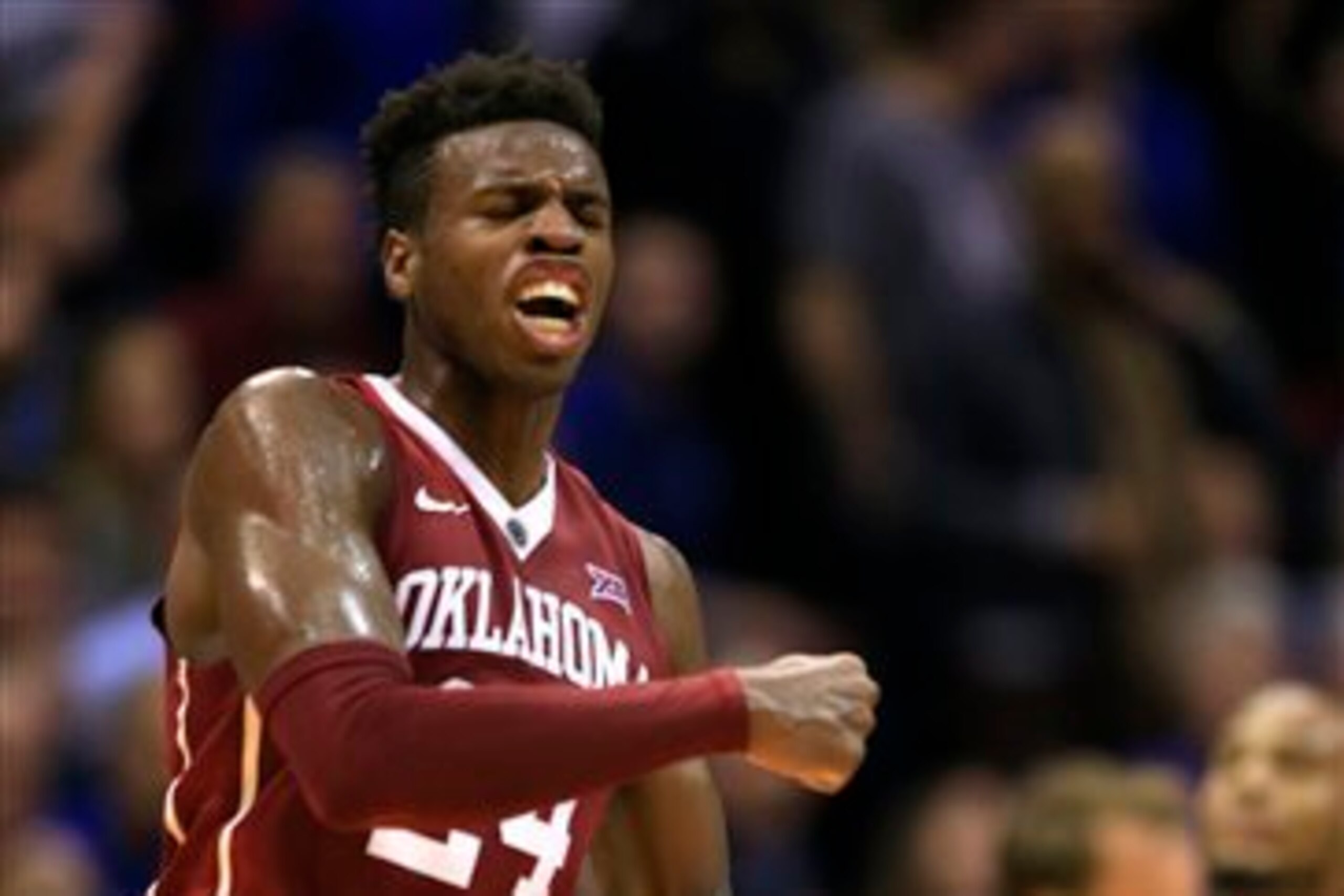
And where would we be—especially after Monday night—without Oklahoma's Buddy Hield or even Kansas' Perry Ellis?
It's a beautiful thing. Fans benefit by seeing these guys. It takes us back to an era more than two decades ago when players developed at the college level. But now as NBA contracts become simply too much to pass up, we see more and more players bolt for big bucks—and eventually spend a lot of time on the bench.
Grayson Allen of Duke and Melo Trimble from Maryland could have taken that path, and everyone's glad they didn't (unless you're a fan of a team playing the Blue Devils or Terrapins).
Perhaps no team had more to lose—or gain—by wise decisions than Maryland, which is off to a banner year.
We're not saying Kentucky's style is wrong. It fits an elite niche. But as the game has grown consistently younger, let's remember that aging isn't just for wine or cheese—or even older college players who will eventually head to Europe.
Returning for the sake of becoming more mature, gaining leadership skills or working on skill development still has its place.
And it has a big place this year, as we'll examine, focusing on guys who could have left for good things—but are learning, and certainly gaining stock, from another year on a campus near you.
Kris Dunn, Providence
1 of 10
Perhaps no one who had the choice to stay or go after last season had more at risk, or a better attitude, than Providence's Kris Dunn.
As his father, John Seldon, told the Providence Journal's Kevin McNamara, he was proud of Dunn's maturity and reasoning behind the decision to skip potential lottery-pick (multimillion-dollar) bucks in favor of the opportunity to improve.
"Most kids would jump at the chance [to play in the NBA]," Seldon said. "But Kris doesn't want to just go to the NBA. He wants to play in the NBA."
Cynics had two big problems with the decision.
First, Dunn has some history of injury at Providence. They also figured he had nothing to gain by returning to a team that went 22-12 and lost three of its top scorers.
Dunn has proven skeptics wrong. It's helped that sophomores Rodney Bullock and Ben Bentil have grown up especially fast. Of course, Providence's point guard deserves a lot of credit for that.
And it helps that he's still every bit the steals-and-assists monster of previous years. He's even turned around his three-point shot (37.8 percent) after a nails-on-the-chalkboard screechy start in the first month.
Dunn is in the running for national player of the year and could easily be a top-five pick in the NBA draft.
Dunn's not being done with school has been a great thing for all parties.
Jakob Poeltl, Utah
2 of 10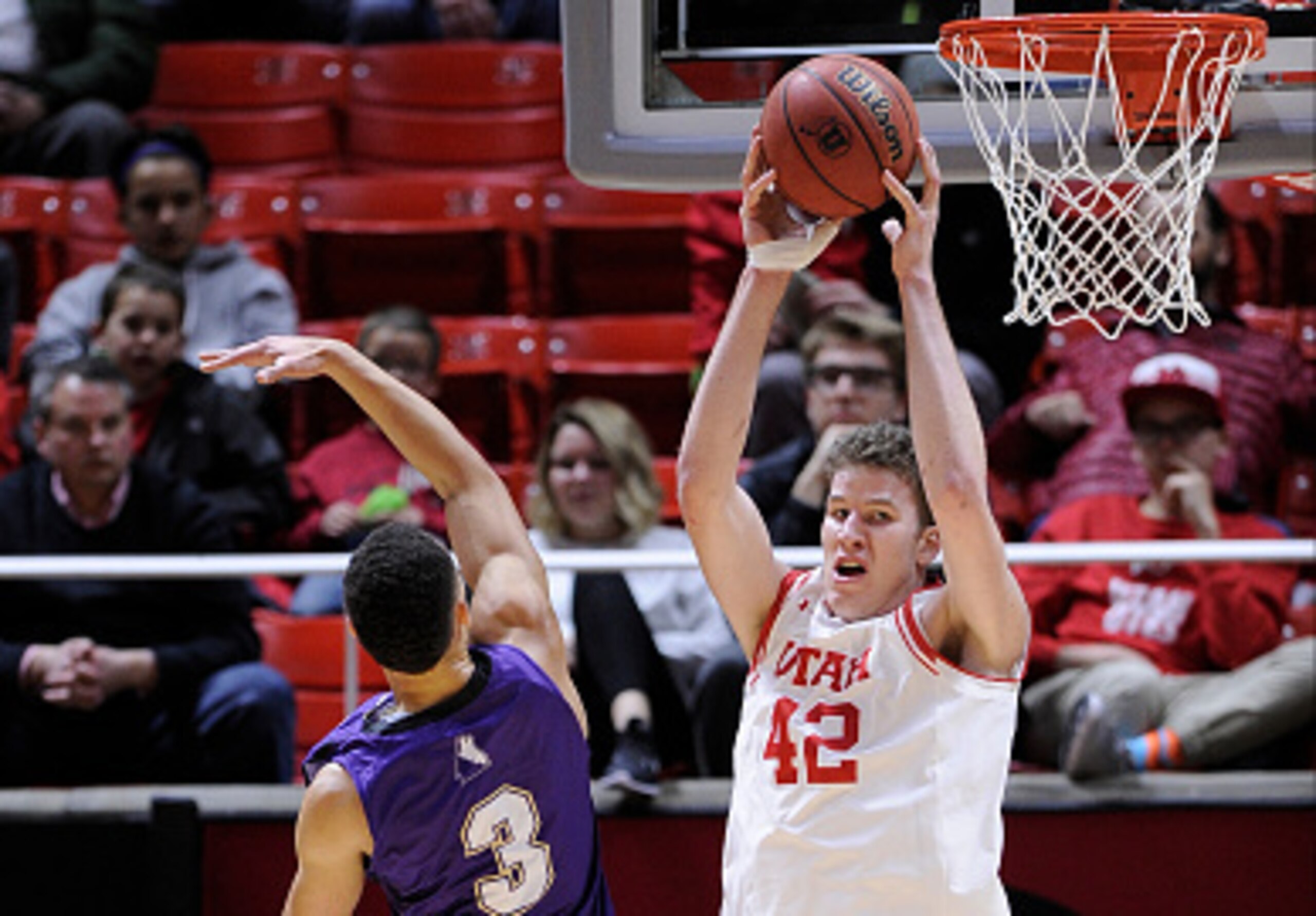
Not many NBA scouts, management personnel or even basketball fans seemed to worry that Utah's Jakob Poeltl, who was not highly regarded, came in as a freshman last year from a place not known for its hoops heritage (Austria).
There was plenty of figuring that the 7-footer would become a very rich man after one season in Salt Lake City, as he showed more than enough potential to become a high NBA draft pick.
Poeltl called it a "gut decision" to stay in college after helping Utah reach the Sweet 16 for the first time since 2005, performing well against Duke's Jahlil Okafor in the Utes' final game of the season. Poeltl averaged 9.1 points, 6.8 rebounds and nearly two blocks.
NBA personnel must be eager to draft and mold him. But Poeltl has bigger ideas.
He has been the focal point since the Utes lost NBA first-round draft pick Delon Wright and fellow center Dallin Bachynski.
As Bleacher Report's C.J. Moore pointed out last month, Poeltl has become the "dominant center in college basketball." He's a more opportunistic scorer and better in set plays, especially as the shot clock winds down. His improved strength shows constantly.
Coming back has required more mental stamina too.
Utah (11-4) has faced some tough times, but that's all a good part of Poeltl's growth in a game in which he's just starting to gain major expectations. Those will only increase as he's likely drafted in the top 10 next summer.
Virtually all of his numbers are up or very close to last season. He's playing a much bigger role in the offense, of course.
The most striking difference comes at the foul line: A 44 percent foul shooter last year, he's at 66 percent now.
Domantas Sabonis, Gonzaga
3 of 10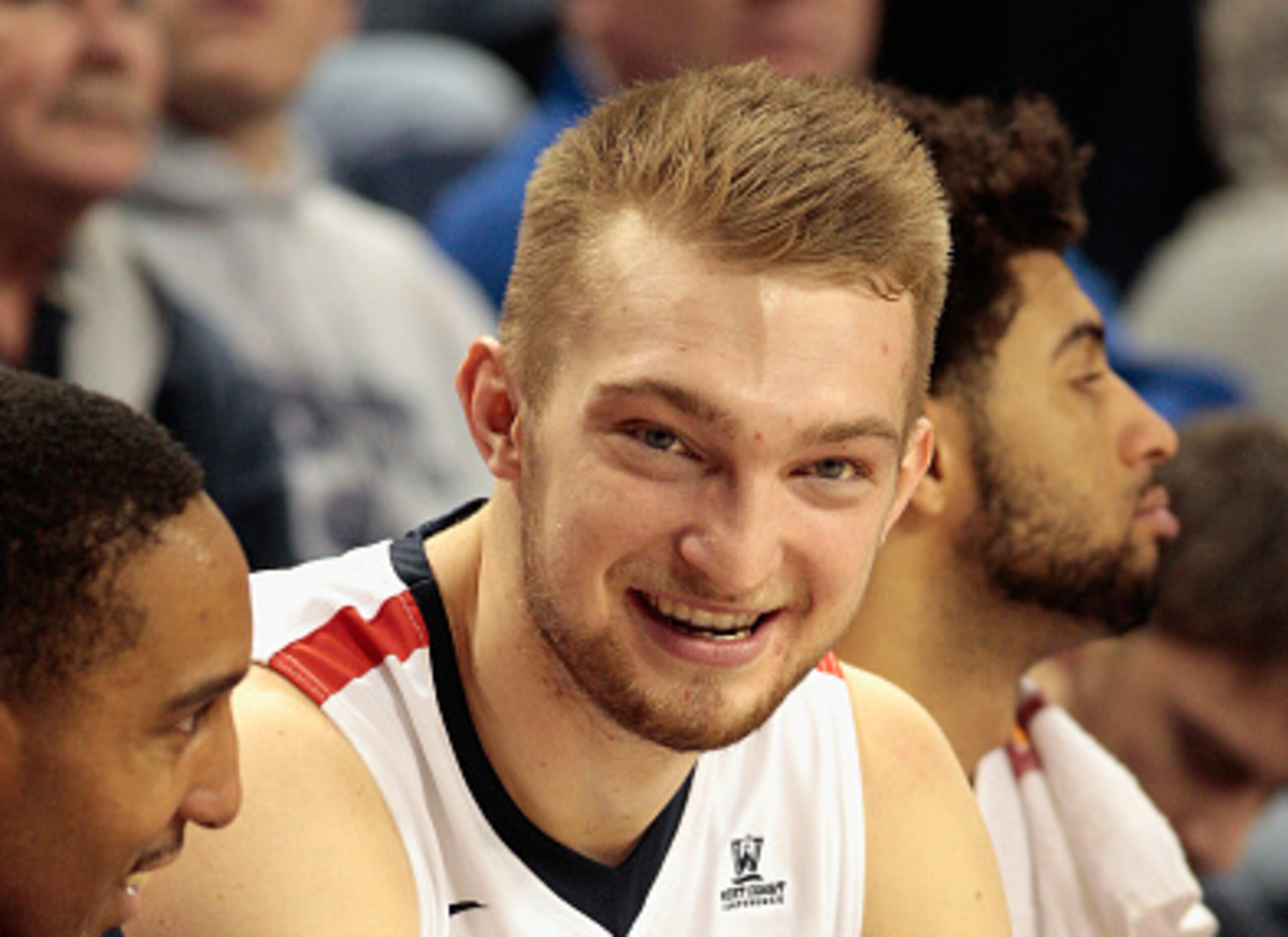
It hasn't been all smiles for Domantas Sabonis or Gonzaga this year.
But the big picture is still positive. Sabonis has had a considerably advanced role compared to last year when Gonzaga was an Elite Eight team. And there's still plenty of time for the Zags to put it together and make another run.
According to some reports, Sabonis never seriously considered leaving Spokane, Washington, after one year. But the son of a former international hoops star could have had a variety of options.
Perhaps Gonzaga's issues—after losing two four-year starting guards last year—will help Sabonis become a more rounded and mature player.
What we know—and like—is that he's playing considerably more minutes, and his assist and turnover rates are both spiking in good directions. The 6'11" sophomore has also improved at drawing fouls—and not committing them.
Sabonis is coming off a monster overtime rally last weekend against San Francisco in which he posted 35 points and 14 rebounds.
The season-ending back surgery to teammate Przemek Karnowski is a bad thing for GU, but it is potentially an OK thing for Sabonis' development.


Buddy Hield, Oklahoma
4 of 10
What more can be said about Buddy Hield after Monday night's legendary performance?
Let's just say we're glad he returned—for the great of the Sooners and easily the good of the game.
His infectious personality and incredible grace—did you see him in the postgame handshake line?—not to mention his stellar shooting, have arguably shot him to top choice for national player of the year.
This comes after last season's Big 12 Player of the Year opted to head back to Norman rather than chase what might have been, at best, late first-round NBA draft status. (He was also third-team All-America by the Associated Press.)
The 6'4" Hield averaged 17.4 points per game last season, Oklahoma's highest single-season average since Blake Griffin in 2008-09.
He has been really good for quite a while. But he took on legendary status after his 46-point showing at Kansas' Allen Fieldhouse in the triple-overtime loss. That ties for the most points ever scored by an opposing player at the hallowed venue.
Hield never did win in four tries at "the Phog," but that may not matter.
He will accomplish a lot more this season in terms of awards and likely postseason success with the Sooners.
Concerning stats, he's a much more prudent and effective shooter. His three-point accuracy has really skyrocketed, at 50 percent after the Kansas game. He'd shot less than 40 percent his previous three years.
Hield only needed 23 shots to reach 46 points—hitting on eight of his 15 three-point tries.
That's a scary rate of sizzle. And it was awesome that he came back to show it off.
Melo Trimble, Maryland
5 of 10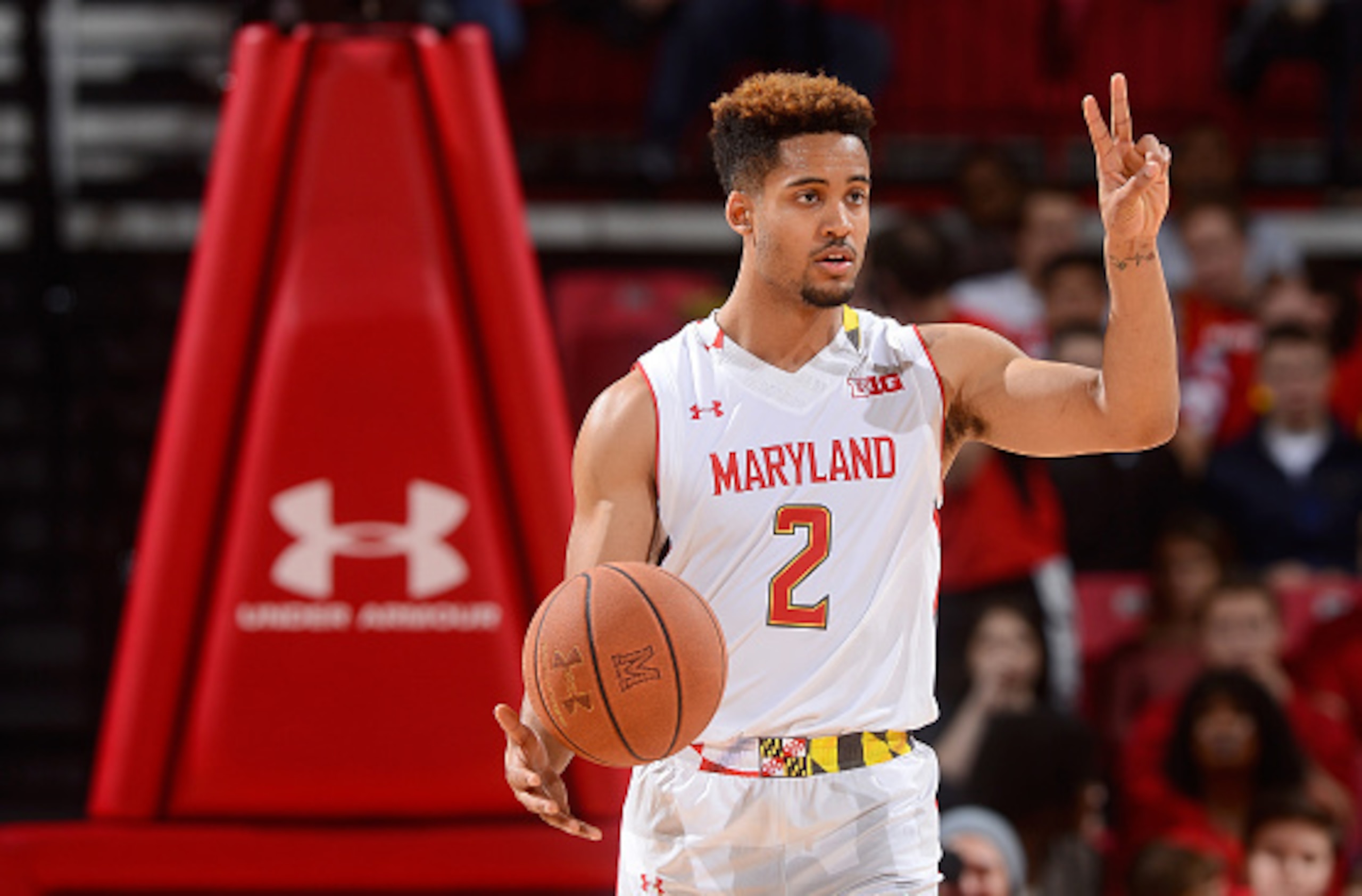
Melo Trimble surely could have left, been drafted on potential and gotten some glorious ATM receipts to look at—and who could have argued?
But he returned to Maryland for his sophomore year to grow up, get in better shape and really get himself ready for the next level—and it's working.
Trimble is the catalyst of a potential Final Four team, playing even better than last season, when he helped bring the Terrapins back to national acclaim.
The point guard is shooting 10 percentage points better than last year inside the arc. He has balanced drawing fewer fouls with becoming a more energetic defender and passer.
And the leadership shows. Trimble's return came five days after Diamond Stone—a 6'11", 250-pound mega-recruit—committed to Maryland.
Stone has thrived as Maryland's top producer, so Trimble can put on his resume for NBA personnel that he can work with the big fellas. And that's a very valuable aspect to getting along at the next level.
Grayson Allen, Duke
6 of 10
This one may feel a little absurd. He had one really good game, right?
But when it's a national championship contest and you're a freshman who lit up a really good team, it's going to draw opportunities.
Ultimately Duke's Grayson Allen chose not to make the Wisconsin win his last memory in Durham, after there were thoughts he could be drafted last year on his get-to-the-rack potential.
He's gone from bench player to a top-five candidate for national player of the year, amid the esteemed likes of Oklahoma's Buddy Hield, LSU's Ben Simmons, Michigan State's Denzel Valentine and Providence's Kris Dunn.
A guy who played 20 percent of the available minutes last year now is playing nearly 85 percent.
Throw in Duke's lack of depth, and it's certainly been a trying year. But these are good problems for young players to have.
Allen is still a sturdy 50-plus percent shooter from two-point range and has increased his arc accuracy by five points.
The only disappointment is he hasn't become quite the heel many Duke skeptics figured. The game could have used an "enemy" like Kentucky could often be last year.
But Allen mostly just hits shots and keeps to himself.
Perry Ellis, Kansas
7 of 10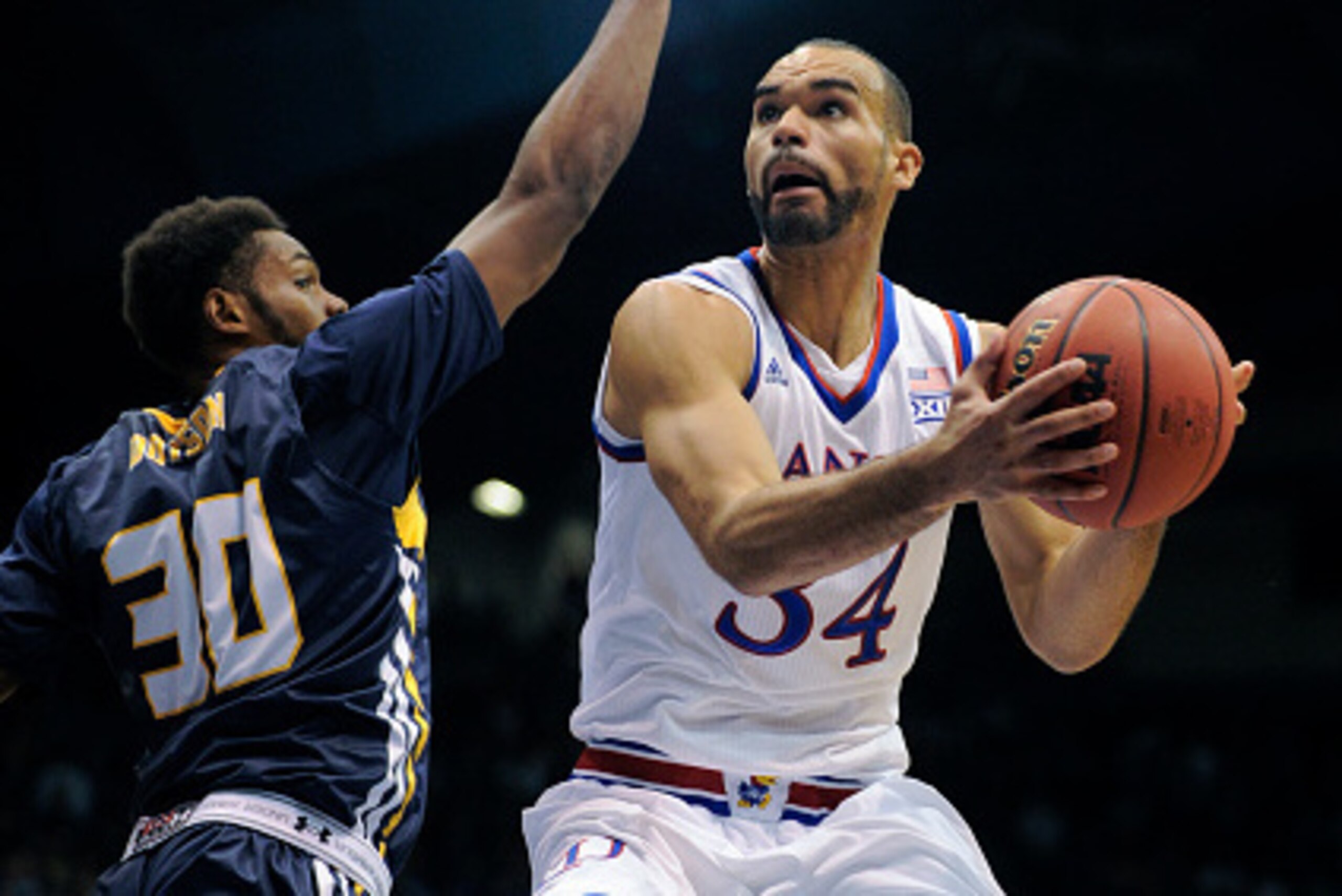
Oh sure, you're thinking: Where on earth was Perry Ellis going to go, except head back to Kansas?
But the Jayhawks senior deserves some credit for making the mature choice and not just bolting to make a run of it in the NBA draft and potentially the D-League.
Ellis' game may be a little too "in-between" at the next level. But for now he's showing improvement, not to mention leadership, through a more insistent way of playing and scoring.
Ellis scored two aggressive, critical baskets that helped Kansas continue Monday night's triple-overtime classic against Oklahoma.
The 6'8" forward heard he'd be a second-round pick if he had gone last year. For some, maybe that would have been enough. There's such a stigma these days on being an older college player.
According to Blair Kerkhoff of the Kansas City Star, after last year's postseason banquet Ellis said, "I'll know when the time comes, and it hasn't come yet. But I'm really excited for our team next year. We have a lot of good pieces coming back.”
Ellis is a top-10 consideration for national player of the year, per KenPom. He's shooting better than 50 percent from the three-point line compared to 39 last year. He's also slightly better at being sharp inside, despite often being at tough angles because he could use a few inches of height.
Right now he's the best player on the country's best team. That's a pretty darn good reason to stay close to home.
Demetrius Jackson, Notre Dame
8 of 10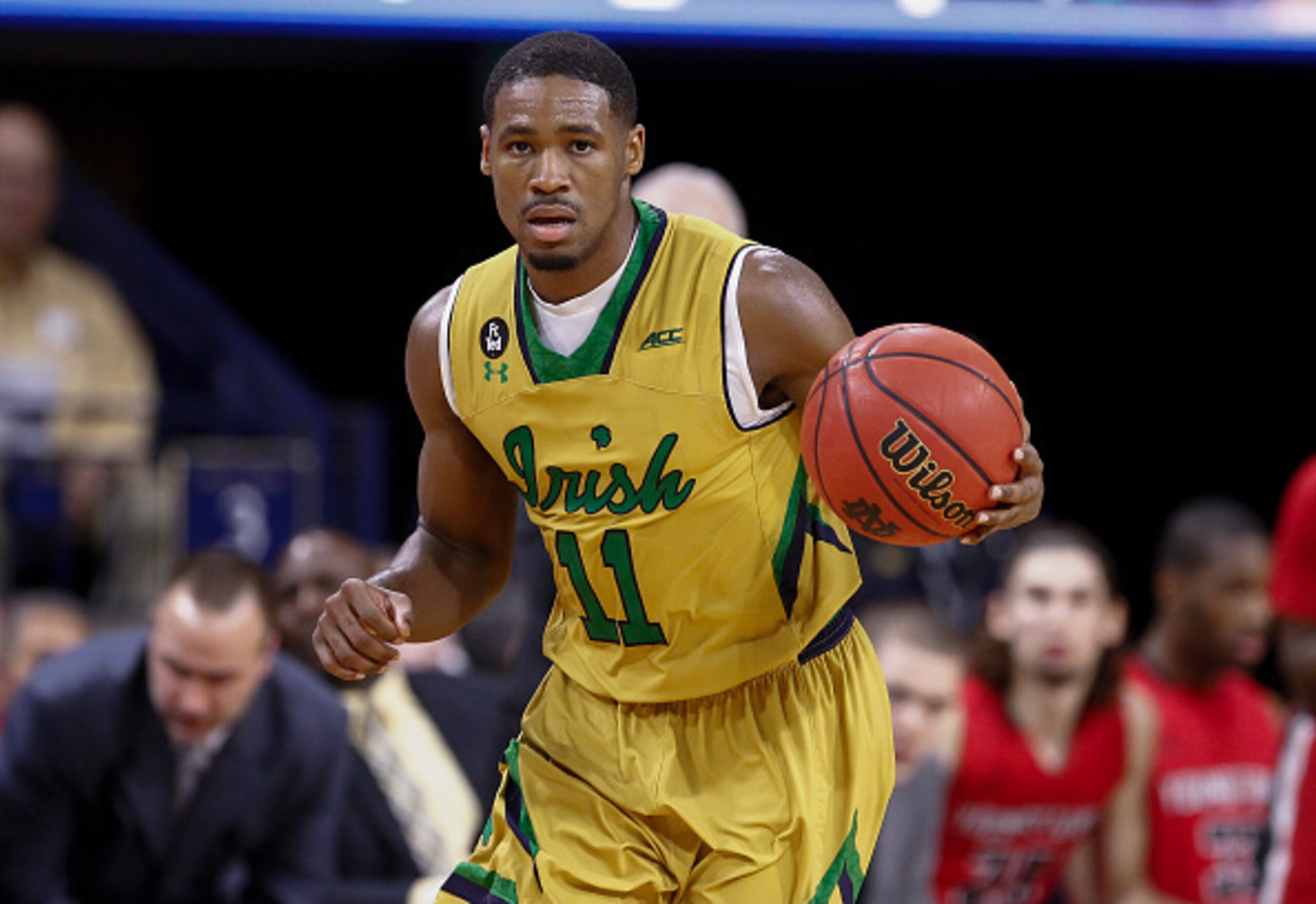
Demetrius Jackson was a young player, like Duke's Grayson Allen, who had a big NCAA tournament game and could have rolled the dice on his pro future.
Instead, he returned to Notre Dame.
It hasn't been all perfect. The Irish are having some troubles. Jackson continues to be a streaky shooter. He is less accurate from three-point range than last year (about five percentage points) and has shown minimal improvement inside the arc.
But what he's done is taken his stop-on-a-dime control and athleticism and added a more versatile passing attack. That should impress some NBA personnel.
Jackson played one of his best games of the season in Notre Dame's Sweet 16 victory over Wichita State last March. He had 20 points and made four of five three-pointers. It was the Irish's first Elite Eight appearance since 1979.
Jackson's assist rate is 10 points higher this year, according to KenPom, after six assists (to go with 18 points) against Virginia to start ACC play.
Granted, that came in an 11-point loss. Work remains. But expanding a skill set is a good reason to stay in school. And we're not ready to concede he's getting a little more exposed for the negative.
Jake Layman, Maryland
9 of 10
He might be the third-most recognizable weapon by average college basketball fans who have any clue about Maryland.
But as far as being an NBA draft prospect, Jake Layman appeared to make a sacrifice by returning to College Park.
He averaged 12.5 points and 5.8 boards as a junior for the Terps. It's his wingspan (at 6'8") and athletic ability that draw NBA personnel.
The three-year starter has changed his body this year too.
The Washington Post's Rick Maese detailed recently how tough it has been during his career for Layman to put on weight. (If only most of us had that issue, right?) There are also positive physical comparisons made by Maryland staffers to NBA stars Kawhi Leonard and Chandler Parsons.
Layman makes this list because he may have risked himself by coming back. The Terrapins were bound to be deeper this year. That would mean potentially fewer minutes and less scoring, and his scoring and rebounding are both slightly down.
But Layman has taken advantage of an ongoing four-year effort to create a complete, well-rounded player. His blocks and steals tallies, for example, are up this year.
That growth is still a big part of what's going on in Maryland.
Marcus Paige, North Carolina
10 of 10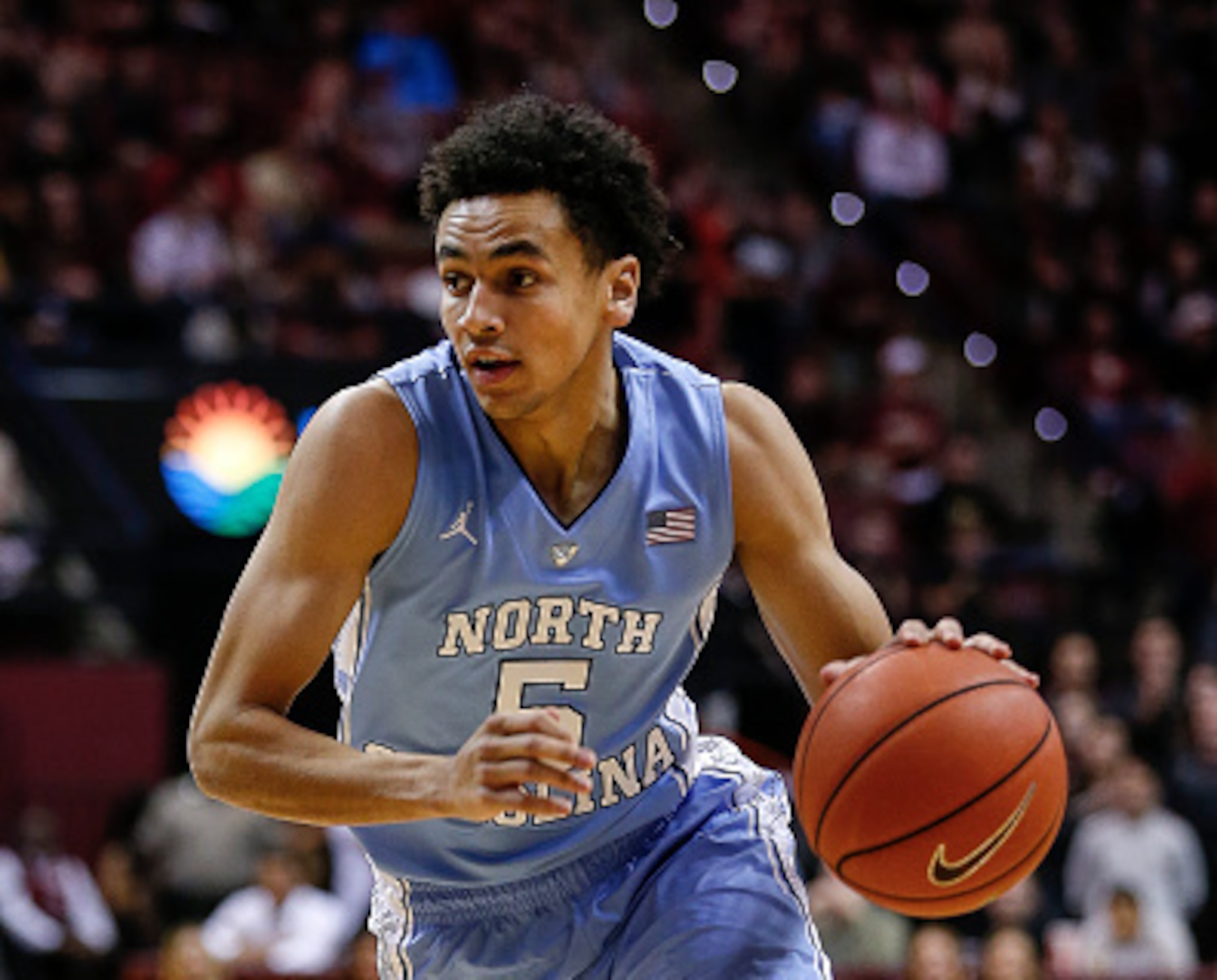
Marcus Paige has battled various injuries, and he's probably spent longer in Chapel Hill than he ever envisioned. But the North Carolina senior may be better off down the road.
Paige averaged 14.1 points, 4.5 assists and 2.9 rebounds per game last year while shooting 41.3 percent from the field. He had foot issues, but other ailments too, that will raise concerns when he does turn pro.
He could have taken a shot last year—like some others in this list—and taken his chances for the second round. Last year, the 6'1" guard ranked 59th in DraftExpress's list of top 100, per Sports Illustrated.
Now he's up to No. 42.
Paige could have called it a college career based on wanting to try for a fresh start after a somewhat cursed couple of seasons. He could have seen UNC teammate J.P. Tokoto take a run at the draft and caved to ego.
The Tar Heels have fellow senior Brice Johnson playing fantastic ball, and he is listed as one of the top player of the year candidates by KenPom.
Paige, however, has seen his shooting accuracy spike inside and beyond the arc. He's also blocking twice as many shots and drawing more fouls. (This last one could, of course, be a byproduct of the new aggressiveness by referees to minimize contact.)
He may also be lowering some of those red flags about his health.
.jpg?w=2560 "Rams Eagles Football")
.jpg?w=2560 "Texans-Mixon Released Football")
.jpg?w=2560 "Grading WWE Raw 🔠")
.jpg?w=2560 "2 NFL Officials Suspended")

.jpg?w=2560 "Mahomes' Wife Trolls Kubiak 💀")

