

Every Power 5 College Football Team's Breakout Player of the Year
One of the best things about college football is its constant change. From year to year, the landscape can change with graduation and NFL draft departures, transfers, impact freshmen and players finding the spotlight with increased playing time.
Every year, we’re surprised by players seizing the spotlight with excellent performances. Sometimes they take advantage of increased playing time. Sometimes they take the spotlight with improved skills. Either way, it’s fun to watch. With the 2015 college football season winding to a close, here’s a look at a breakout player from every Power Five team. Players were chosen for their year-to-year improvement or their impressive impact on their respective teams. Stats are provided by ESPN.com and the programs' official websites.
Have a disagreement or question? Let us know in the comments!
Alabama
1 of 65
Heisman Trophy winner Derrick Henry would be an obvious choice for Alabama’s breakout player, but he rushed for 990 yards last year and was just waiting his turn in the Crimson Tide backfield. When Amari Cooper took his 128 receptions to the NFL, it left a major void in Alabama’s passing game. Calvin Ridley has filled it quite nicely.
Ridley emerged as one of the SEC’s top receivers, making 75 catches for 893 yards and five touchdowns. He had at least three catches in every game and had a trio of 100-yard receiving games, including 102 yards in the SEC title win over Florida. He’ll be a huge factor in the College Football Playoff semifinal against Michigan State’s tough defense.
Arizona
2 of 65
Arizona slipped from a Pac-12 South title and Fiesta Bowl bid last season to 7-6 this season, but there were still some positive stories in the Wildcats’ camp. Namely senior receiver Johnny Jackson. Jackson began his Arizona career as a wide receiver, finishing with 187 yards receiving as a freshman and 174 as a sophomore. He was moved to free safety as a junior but barely got on the field, making only three tackles.
He moved back to wide receiver for his final season and had the year he’d been waiting for. Jackson finished as Arizona’s No. 2 receiver, making 50 receptions for 612 yards and five touchdowns. It was the perfect way to finish an up-and-down college career.
Arizona State
3 of 65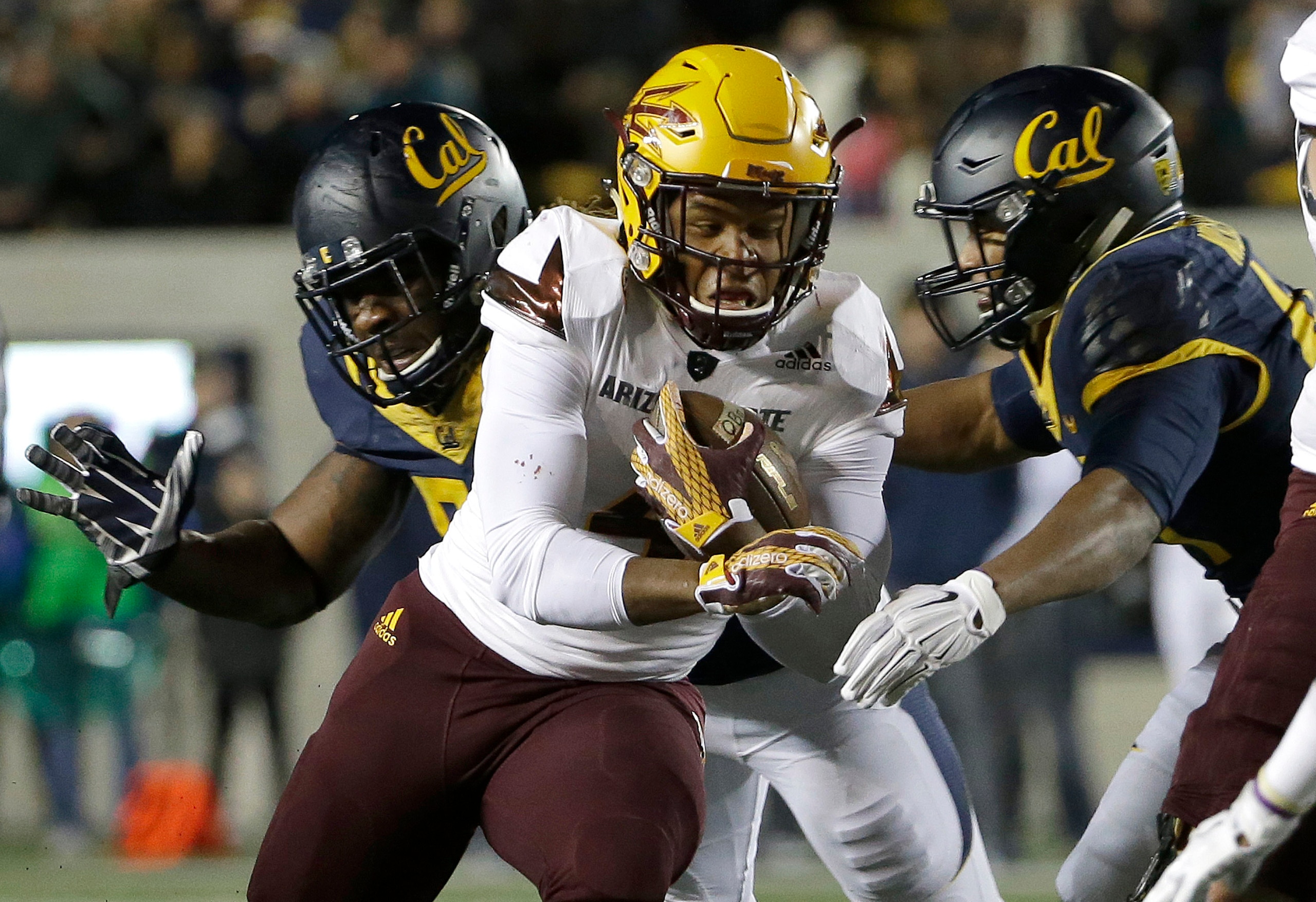
Arizona State had a down season following consecutive 10-win seasons, slipping back to 6-6 and a Cactus Bowl date with West Virginia. But the Sun Devils found a gem in sophomore tailback Demario Richard, who moved into a starting role after senior D.J. Foster shifted to a flanker spot.
Richard more than doubled his 2014 rushing total of 478 yards, going for 1,050 yards and seven touchdowns and adding 31 receptions for 305 yards and three scores. He had seven 100-yard rushing games, reaching the mark in four of ASU’s final five regular-season games. He’ll be a big part of the Sun Devils’ plans going forward, for certain.


Arkansas
4 of 65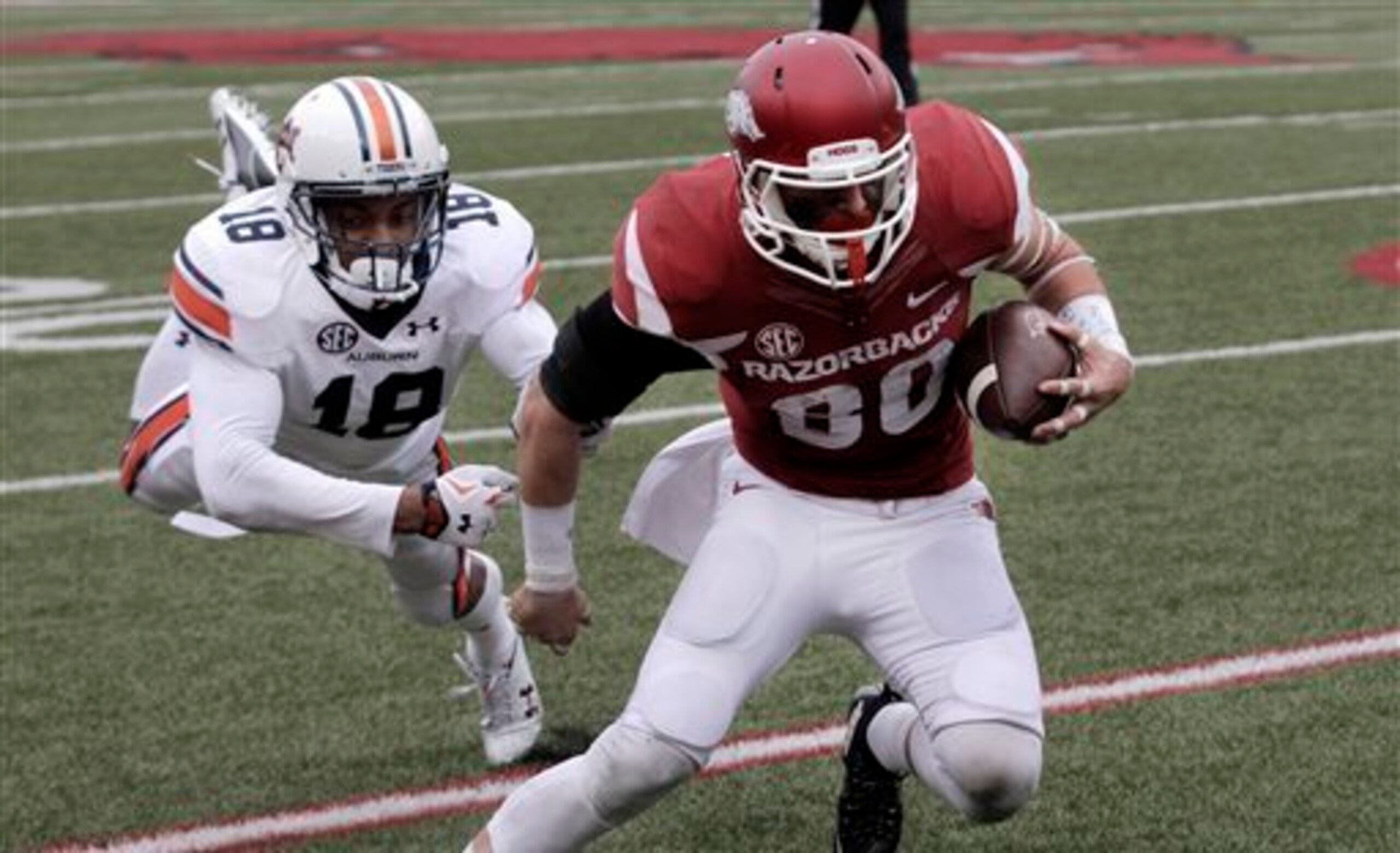
Arkansas is known as a run-first team under coach Bret Bielema, but the Razorbacks were far more balanced this season thanks to senior quarterback Brandon Allen, who threw for 3,125 yards. In fact, Arkansas’ pass game outgained its run game, 3,171 yards to 2,311.
One major benefactor of that shift was junior receiver Drew Morgan. Morgan had a grand total of 10 receptions for 181 yards and a touchdown in his first two seasons, but busted out in a big way as a junior. He made 55 receptions for 751 yards and 10 touchdowns, including three 100-yard receiving games.
One of his best days came in a 53-52 overtime win over Ole Miss. Morgan had nine receptions for 122 yards and three touchdowns. While Allen will depart following this season, Morgan will clearly be a major factor in Arkansas’ offense moving forward.
Auburn
5 of 65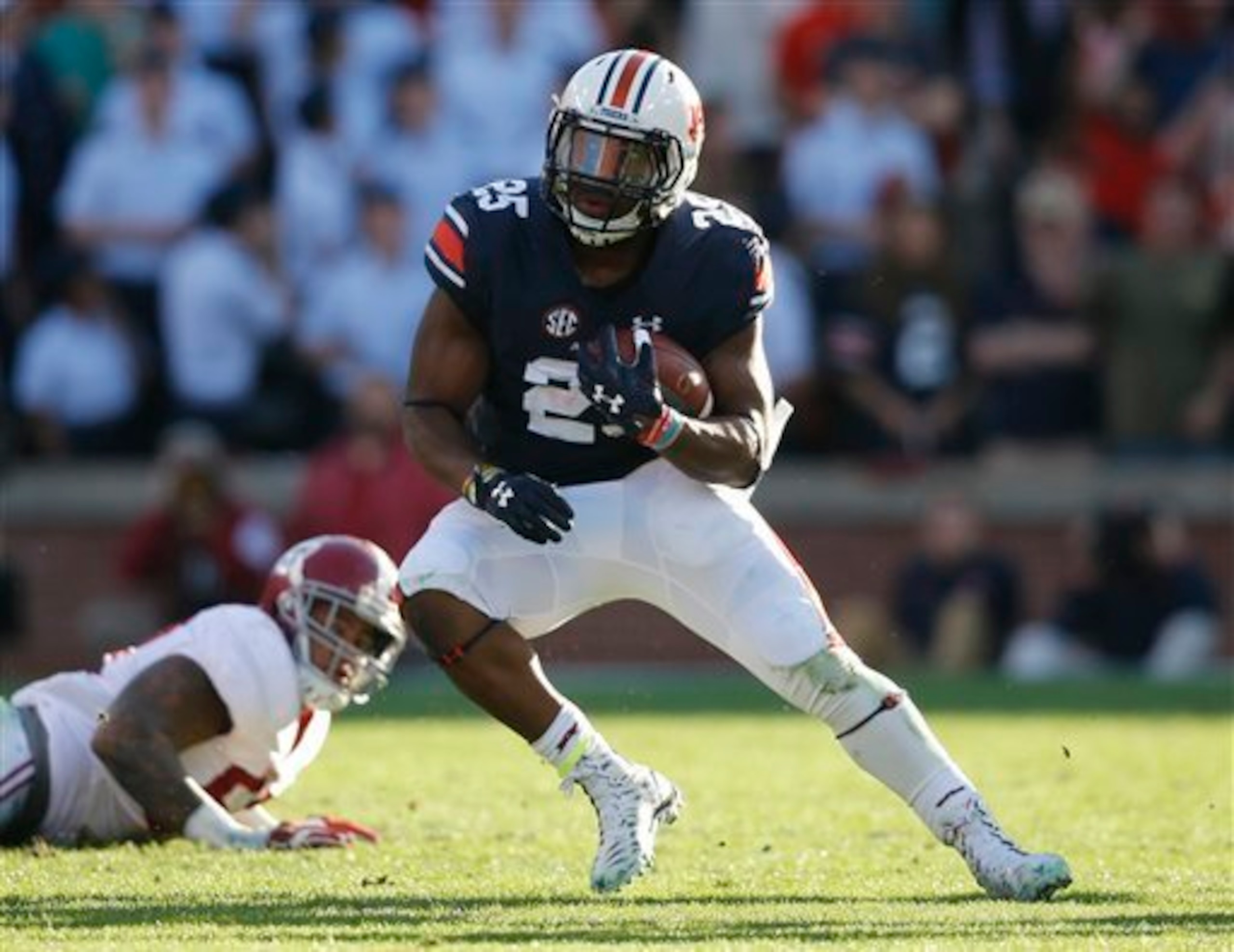
2015 was majorly disappointing for Auburn. Touted as a College Football Playoff pick and strong SEC title contender in the preseason, Gus Malzahn’s Tigers never really found their groove, finishing with a 6-6 record and a Birmingham Bowl date with Memphis.
They might have found a tailback they can count on, though. Sophomore Peyton Barber began the season with just 54 yards on 10 career carries. He has a shot to finish it as a 1,000-yard rusher. Barber has 976 rushing yards and 13 touchdowns on 226 carries. He had five 100-yard rushing games and has positioned himself for a solid share of the Tigers’ backfield work in 2016.
Baylor
6 of 65
Entering 2015, there were questions about how well Baylor’s fast-paced offense would function following quarterback Bryce Petty’s graduation. Would another quarterback be able to fill Petty’s shoes in the Bears’ system?
Seth Russell answered those questions affirmatively. While Russell’s season was cut short by a neck injury after just seven games, he showed that he can lead Baylor’s high-powered scheme quite well. Russell threw for 2,104 yards with 29 touchdowns against six interceptions and threw for 300-plus yards three times.
Assuming he recovers well from neck surgery, Russell has shown Art Briles that he has what it takes to be a leader for Baylor’s offense in 2016.
Boston College
7 of 65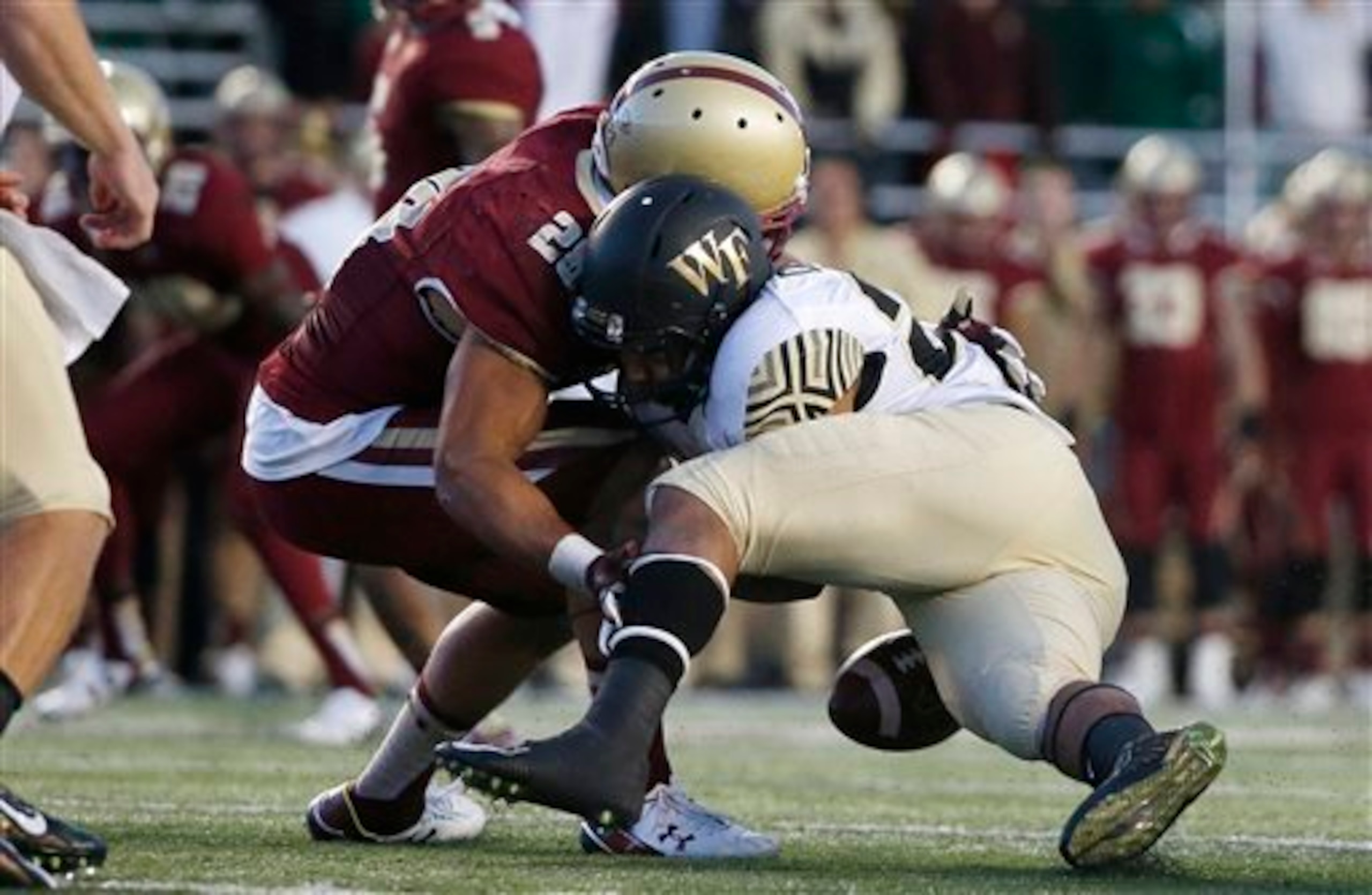
2015 was a year Boston College would rather forget. The Eagles lost their final eight games and finished 3-9. They had one of the nation’s worst offenses, averaging 20.8 points per game. But the Eagles’ defense was excellent, allowing 15.3 points per game, No. 4 nationally.
Junior linebacker Matt Milano was a big piece of that success. Milano had 18 tackles as a sophomore but moved into a starting role as a junior. He had 60 tackles, 17.5 for loss, and 6.5 sacks. He finished fourth on BC’s single-season tackle-for-loss list and was a third-team All-ACC selection, according to league coaches.
Cal
8 of 65
Cal’s return to bowl eligibility was keyed by junior quarterback Jared Goff, who threw for over 4,200 yards with 37 touchdowns against 13 interceptions. But he needed plenty of quality targets in the Bears’ Air Raid offense, which is where senior receiver Trevor Davis comes in.
Davis had by far his best season in a Cal uniform. Entering the Armed Forces Bowl, Davis has career highs of 38 receptions for 653 yards, as well as two touchdowns. A year ago, he had 24 receptions for 399 yards and five scores. He has served as Cal’s No. 2 receiver and is a strong reason why Cal will not sit at home this postseason.
Clemson
9 of 65
Clemson has a strong recent lineage of NFL-ready tight ends, led by Dwayne Allen and Michael Palmer. When Jordan Leggett arrived on campus, he was thought to be next in line. But inconsistent effort plagued the junior until this season.
He broke out in a big way catching passes from Heisman Trophy finalist Deshaun Watson. Leggett had 34 receptions for 442 yards and seven touchdowns and was a consistently dangerous downfield target in Clemson’s offense. He was a finalist for the John Mackey Award, given to the nation’s top tight end, and appears to have a bright future ahead of him.
Colorado
10 of 65
Colorado had another down season, finishing 4-9 in a tough Pac-12 South. However, the Buffaloes appear to have a number of strong offensive pieces in place. Sophomore tailback Phillip Lindsay emerged as a very capable lead dog in the Colorado backfield.
Lindsay rushed for 391 yards as a freshman, but nearly doubled that total this season. He had 653 yards and six touchdowns while adding 26 receptions for 211 yards and two more touchdowns. If Lindsay can build on that in 2016, the Buffs could have a very solid running game that would really improve their offense.
Duke
11 of 65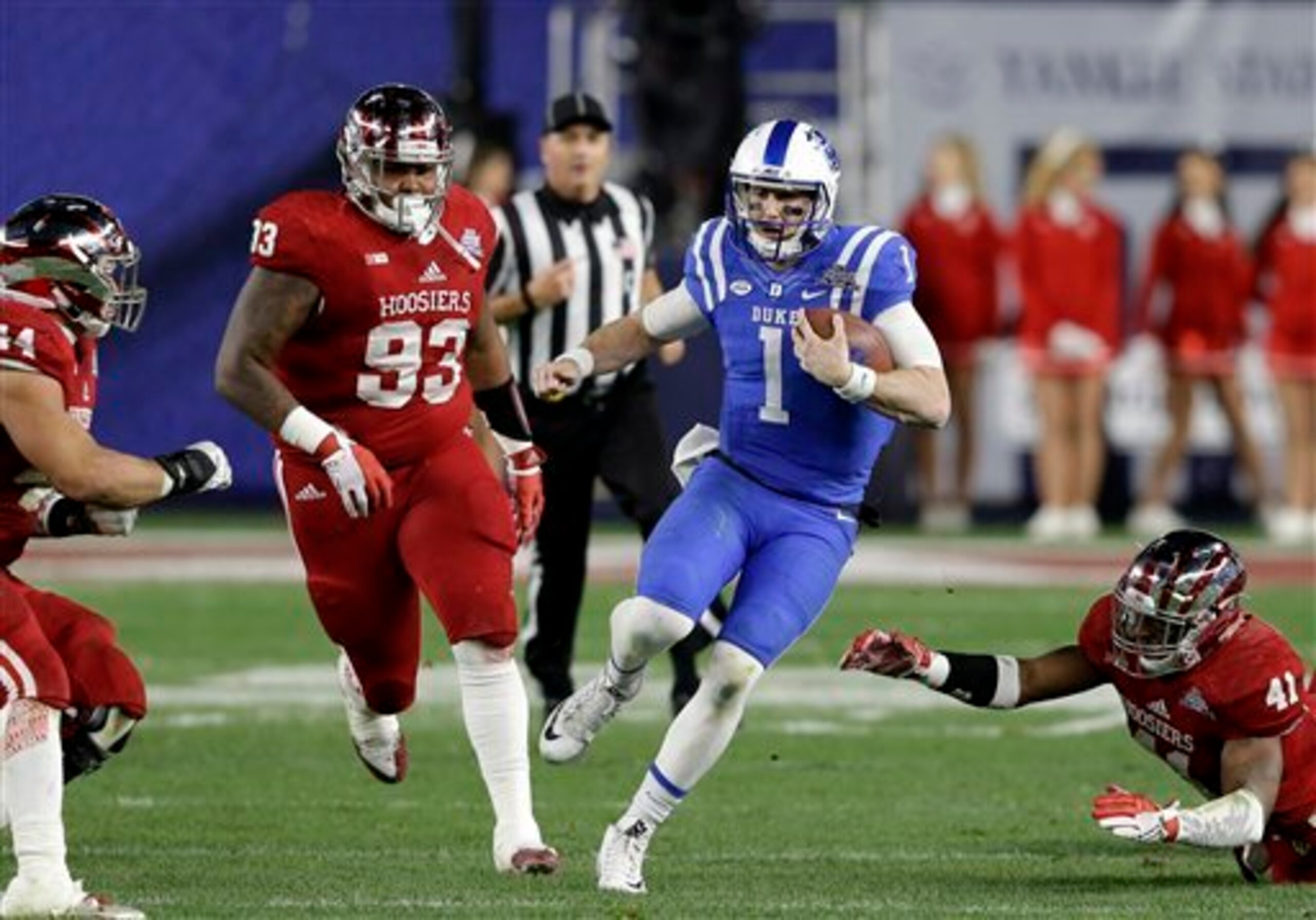
Duke badly needed a quarterback to emerge and continue its recent run of success. Turns out Thomas Sirk was just that guy. The junior stepped into the most important role in David Cutcliffe’s offense and excelled in 2015. Sirk led Duke to its first bowl win since 1961, rushing for 155 yards and two touchdowns and throwing for another in a 44-41 Pinstripe Bowl overtime win over Indiana.
Sirk finished with 2,625 yards passing and 16 touchdowns against eight interceptions. He was also a threat on the ground, rushing for 803 yards and eight touchdowns. Most importantly, he wasn’t rattled by a recent four-game losing streak. Duke and Sirk finished the season strong with a pair of victories for an 8-5 record.
Florida
12 of 65
Under new coach Jim McElwain, Florida had a turnaround season, going from 7-5 to 10-3 and winning the SEC East title in the process. The Gators led with defense but also had a more consistent offense under McElwain’s watch.
Junior tailback Kelvin Taylor has an excellent shot at topping the 1,000-yard rushing mark in the Citrus Bowl against Michigan. Taylor has 985 yards and 13 rushing touchdowns this season. A year ago he had 565 yards rushing with six scores. The son of former NFL star tailback Fred Taylor is proving that he’s a worthy successor to the family’s backfield legacy.
Florida State
13 of 65
Following an excellent three-year run that included three ACC titles and a BCS National Championship, Florida State’s offense suffered heavy graduation losses. The Seminoles needed multiple people to assume prominent roles, and Kermit Whitfield was ready for his opportunity.
Whitfield had flashed speed but had only five career receptions for 89 yards before this season. He blew past those numbers and then some this season. Entering the Peach Bowl, Whitfield has 53 receptions for 742 yards and six touchdowns. Along with Travis Rudolph, Whitfield has been a very capable 1-2 punch in the FSU passing game. Imagine what they could have done with more consistent quarterback play from Sean Maguire and Everett Golson.
Georgia
14 of 65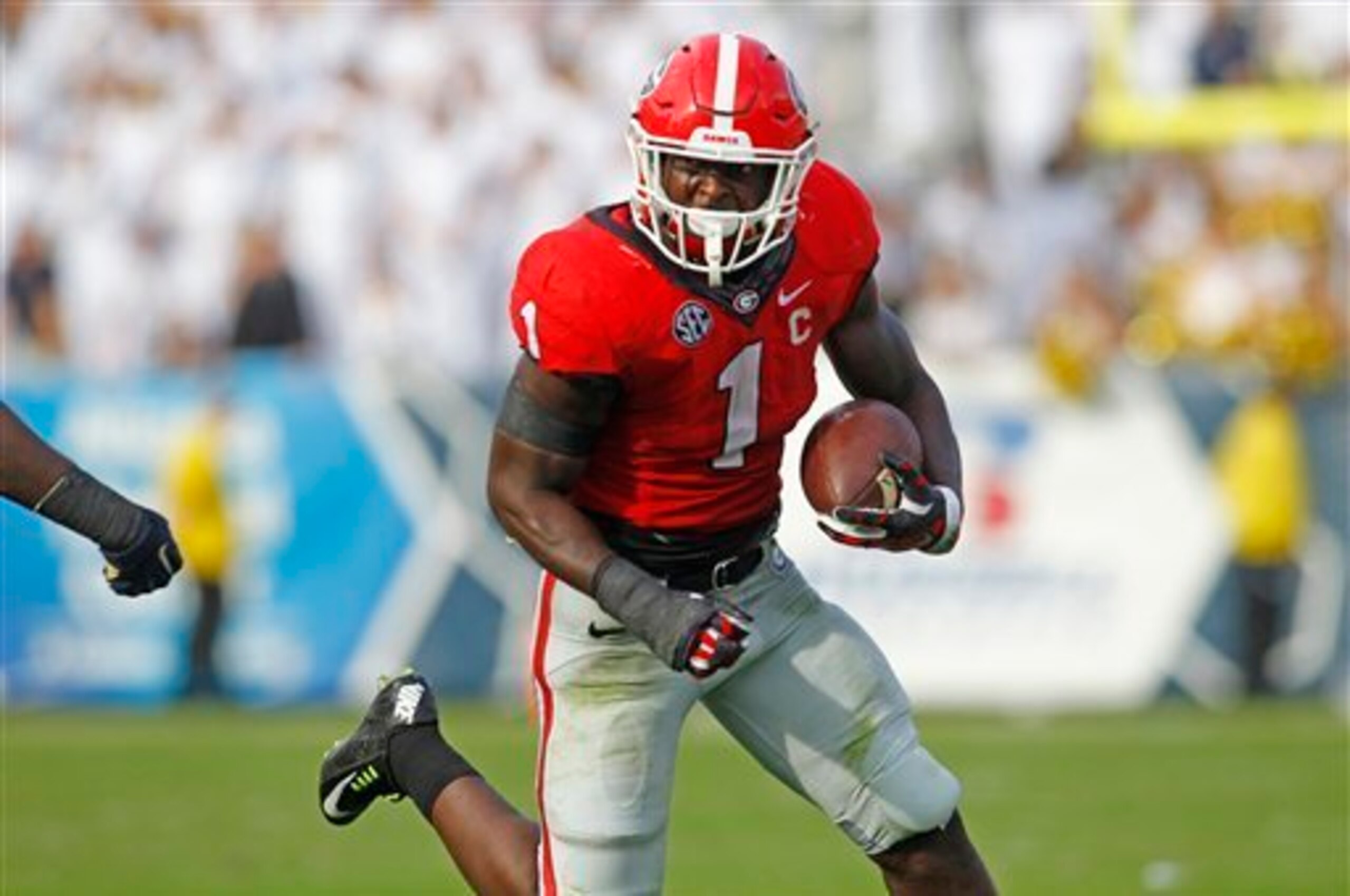
Georgia’s 9-3 season wasn’t what Bulldog supporters hoped for, and longtime coach Mark Richt paid with his job. But one thing remained constant: Georgia’s ability to produce talented, dangerous backfield weapons.
Heisman Trophy candidate Nick Chubb’s season ended at midseason following a knee injury suffered on the first offensive play against Tennessee, but sophomore Sony Michel was more than ready for his opportunity. Michel became UGA’s No.1 tailback and ran with the job, picking up 1,076 yards and seven touchdowns.
He had four games with at least 132 yards rushing, rushing for 281 yards and two touchdowns in season-ending wins over Georgia Southern and Georgia Tech. Assuming Chubb returns healthy next fall, the Bulldogs and new coach Kirby Smart will have a potent backfield duo on their hands.
Georgia Tech
15 of 65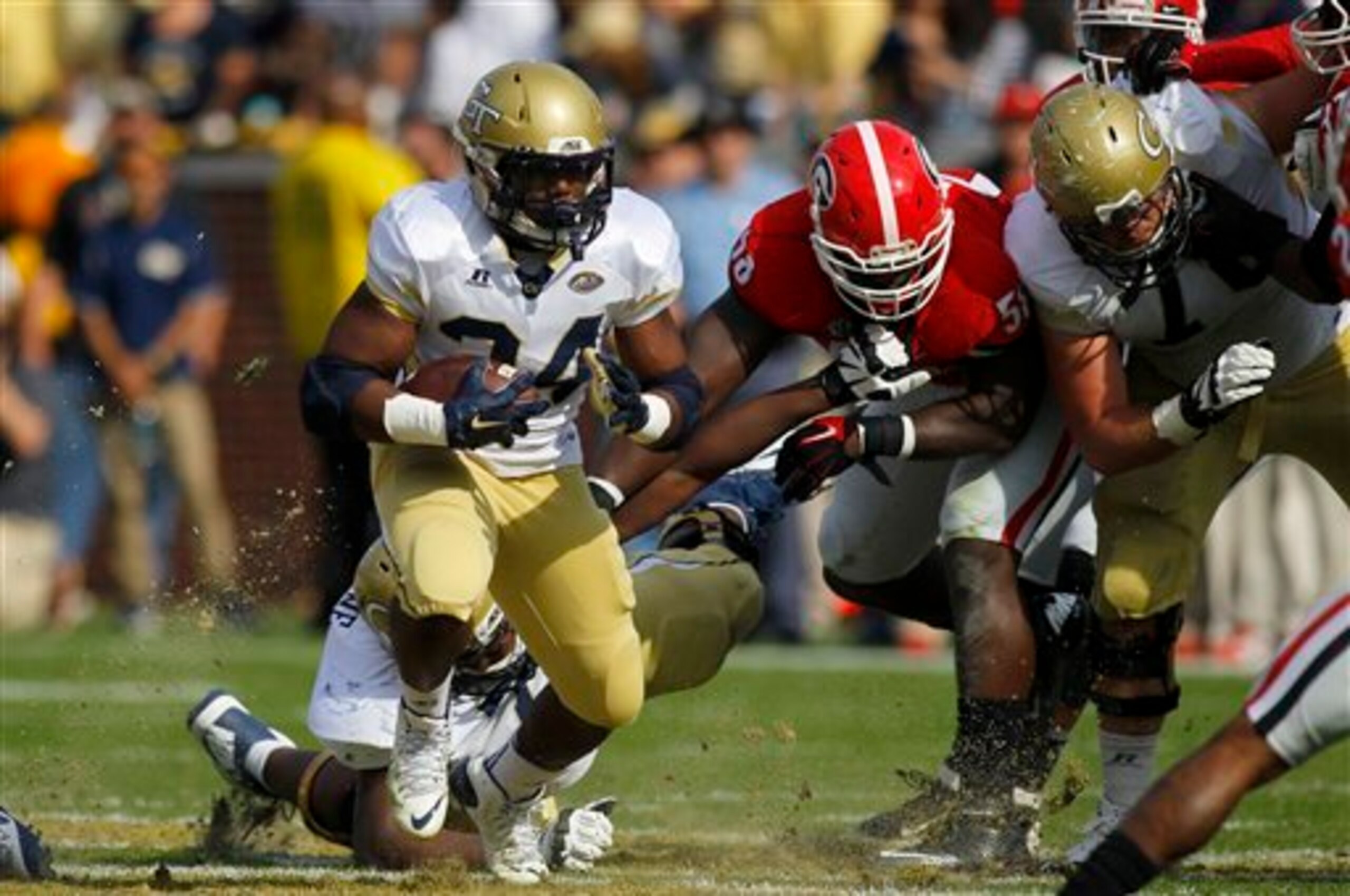
Following an 11-win season, ACC Coastal Division title and an Orange Bowl championship, Georgia Tech had a lot of offensive holes to fill after last season. The Yellow Jackets’ 3-9 record shows that coach Paul Johnson didn’t do such a great job of filling those holes. However, that doesn’t mean that Tech didn’t find capable new offensive pieces this fall.
Freshman back Marcus Marshall emerged as the Jackets’ leading rusher, leading a multifaceted rushing attack with 654 yards and four touchdowns. Marshall had only 86 attempts on the season but averaged 7.6 yards per carry, second-best on Tech’s roster.
Marshall had two 100-yard rushing days, carrying 10 times for 159 yards and two touchdowns in a loss to Pitt. He has plenty of room to grow—Tech would be wise to feed him the ball even more next fall.
Illinois
16 of 65
Illinois experienced a turbulent season. Two weeks before the 2015 season opener, coach Tim Beckman was fired following an internal investigation into alleged mistreatment of players. Interim coach Bill Cubit took the reins and was eventually named full-time head coach despite the Fighting Illini narrowly missing bowl eligibility with a 5-7 record.
Amid a tough year, though, Cubit’s staff found some building blocks. Freshman tailback Ke’Shawn Vaughn formed a very solid backfield duo with senior Josh Ferguson. Vaughn emerged as Illinois’ leading rusher, going for 723 yards and six touchdowns while averaging 4.6 yards per carry. His best day came in a 48-14 rout of Purdue that saw him rush for 180 yards and two touchdowns on 16 carries.
While Ferguson has graduated, Illinois’ backfield is in solid hands with Vaughn returning next season.
Indiana
17 of 65
Despite a disappointing 44-41 Pinstripe Bowl overtime loss to Duke, there’s no questioning that Indiana made progress this fall under Kevin Wilson’s watch. The Hoosiers made a bowl for the first time since 2007 and did so with a very solid offense that averaged 36.2 points per game, No. 24 nationally.
A star of that offense? Sophomore receiver Simmie Cobbs Jr. Cobbs went from 114 receiving yards as a freshman to 1,035 in his second collegiate season, making 60 catches with four touchdowns. He led IU in both receptions and receiving yardage and had four 100-yard receiving days in his final seven games, including a nine-catch, 192-yard effort in a rout of Maryland. He’ll be a great piece for IU’s offense in 2016 and beyond.
Iowa
18 of 65
Iowa is one of the best stories in college football. The Hawkeyes came out of nowhere (well, a 7-6 record in 2014) to finish 12-1 and narrowly miss the College Football Playoff. As is, they’ve made the program’s first Rose Bowl in 25 years and will face off against Stanford on New Year’s Day in Pasadena.
A huge key to that success? Junior cornerback Desmond King. King anchored the Hawkeyes’ secondary while emerging as a star. King made 67 tackles, defended 12 passes and made eight interceptions. He won the Jim Thorpe Award as college football’s top defensive back and was a consensus All-American.
King could potentially declare for the NFL draft, but he’ll have at least one more chance to showcase his talents for Iowa fans against Stanford and quarterback Kevin Hogan in the Rose Bowl.
Iowa State
19 of 65
Iowa State has a new leader in Matt Campbell after veteran coach Paul Rhoads was fired following a 3-9 record punctuated with a pair of late-game collapses. Iowa State is one of the toughest jobs in the FBS, but Rhoads didn’t leave the cupboard bare for Rhoads. Not at all.
Campbell inherits one of college football’s top young backs in Mike Warren. After a slow start (28 yards in the first two games), Rhoads committed to getting Warren the ball, with big results. Warren finished the season with 1,339 rushing yards and five touchdowns. He had six 100-yard rushing days, including a 245-yard effort in a loss to Texas Tech.
Warren runs with power and speed and will surely be a centerpiece of Campbell’s new uptempo offense in Ames.
Kansas
20 of 65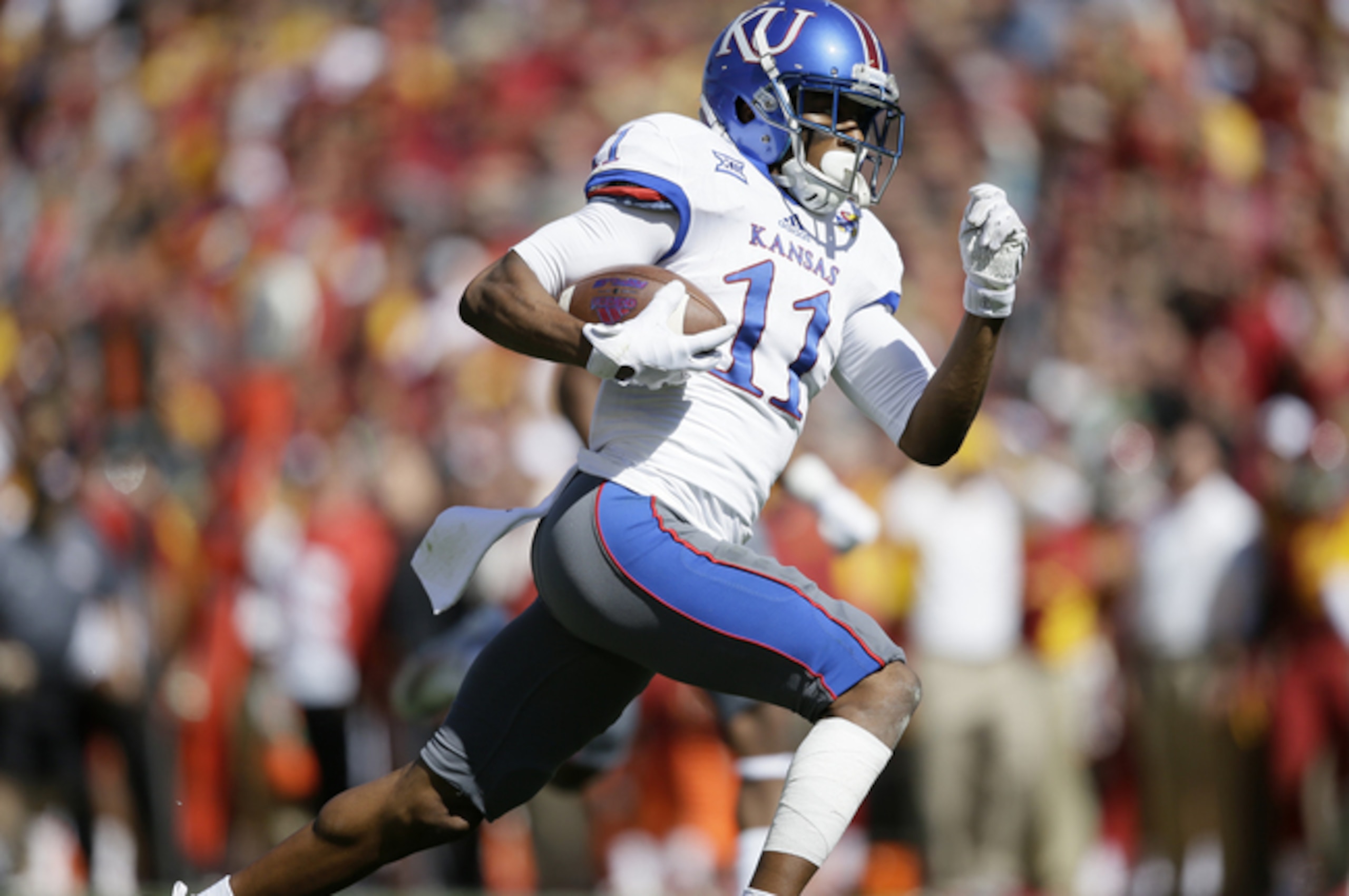
Let’s face it. Kansas was awful this season. Charlie Weis’ failed tenure left new coach David Beaty little to work with in his first season, and it showed with an ugly 0-12 season. The Jayhawks were one of two winless teams in FBS, along with Central Florida.
There were bright spots amid the gloom, however. A thin roster created opportunity, and several players took advantage of that. Notable among them was senior receiver Tre’ Parmalee. Parmalee entered the season having never made more than nine catches or gained 79 yards receiving in a season. He blew past that in 2015, making 41 receptions for 599 yards and three touchdowns as Kansas’ leading receiver. It wasn’t a season to remember in Lawrence, but perhaps it was for Parmalee.
Kansas State
21 of 65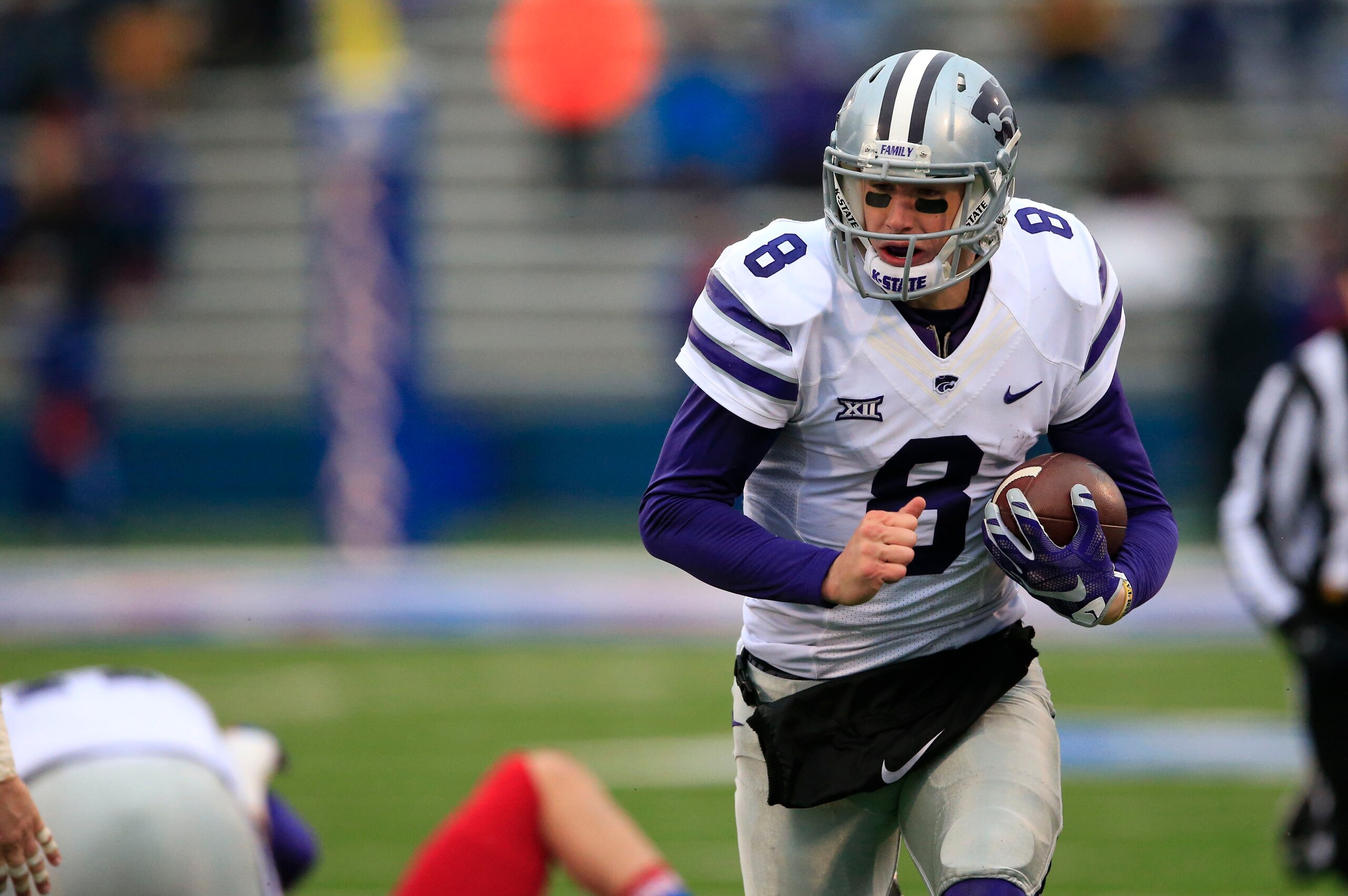
Kansas State entered 2015 with some uncertainty at quarterback. While the Wildcats scratched to get into the Liberty Bowl at 6-6, they did find a leader in quarterback Joe Hubener. Hubener was the season-long starter, passing for 1,847 yards with nine touchdowns against nine interceptions. He was also a threat on the ground, serving as K-State’s No. 2 overall rusher with 613 yards. His 13 touchdowns on the ground led the Wildcats’ roster.
Regardless of the results in the Liberty Bowl against Arkansas, the Wildcats and Bill Snyder appear to have a solid option under center in Hubener.
Kentucky
22 of 65
For the second consecutive season, Kentucky wound up just short of bowl eligibility at 5-7. The Wildcats need work to get themselves over the hump and into the postseason, but they do have some very talented young pieces, including sophomore receiver Garrett Johnson.
Johnson made a big move forward in his second season of college football. He more than doubled his reception and yardage production, making 46 receptions for 694 yards and two touchdowns. He had two 100-yard nights, including a nine-catch, 160-yard effort against Auburn. Johnson can improve his overall consistency, but he clearly has the potential to lead UK’s offense for the next two seasons.
Louisville
23 of 65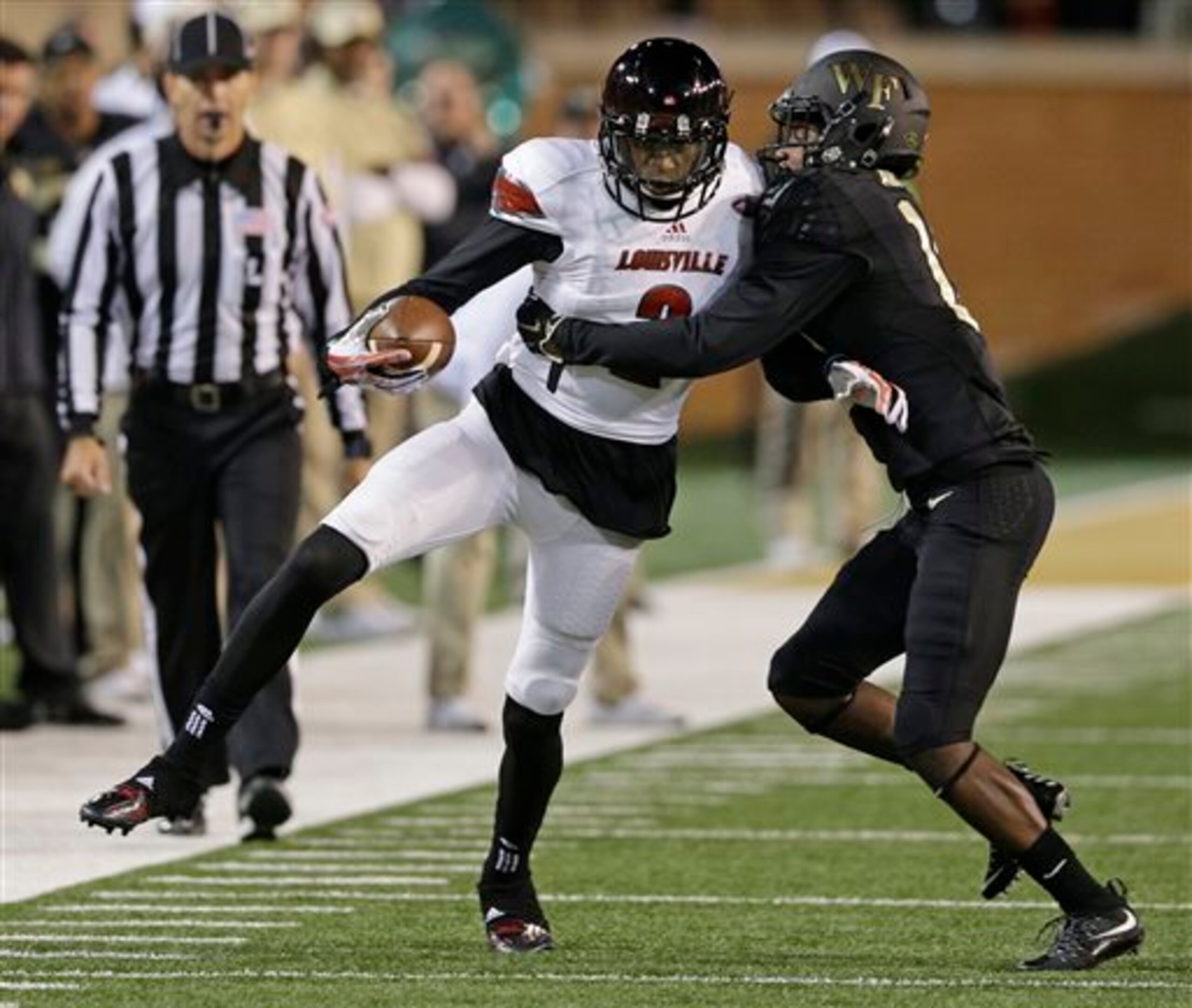
UAB’s closed (and then reopened) program was a difficult ordeal for all involved, but it wound up affording new opportunities for those lucky enough to find them. One of the luckiest was receiver Jamari Staples. Staples had a solid freshman season under Garrick McGee but was reduced to an afterthought under Bill Clark, making nine catches for 190 yards and a touchdown.
Following the program shutdown, he transferred to Louisville and was reunited with McGee. Despite missing the first four games with a knee injury, he was an impact player for the Cardinals, making 36 receptions for 610 yards and three touchdowns.
He was Louisville’s leader in receptions and yardage and had several excellent games, including a nine-catch, 194-yard effort against Pitt. With a full healthy season, he could be even better in 2016.
LSU
24 of 65
LSU has a strong tradition of standout defensive backs, and Jamal Adams is only the latest to exemplify that lineage. Adams moved into the Tigers’ starting lineup at strong safety this fall and was a standout.
His 60 tackles rank third on LSU’s defense and his four interceptions make him the leader. In addition, he has five tackles for loss, five pass breakups and a fumble recovery. He’s a physical, tough defender who’ll only get better with experience.
Maryland
25 of 65
Maryland had a difficult 2015 season that ended with a 3-9 record and led to the hiring of a new head coach in Michigan defensive coordinator D.J. Durkin. It wasn’t easy, but senior running back Brandon Ross ended his Terrapin career with a bang.
Ross posted career highs in rushing yards and touchdowns, rushing for 958 yards and 10 touchdowns while averaging a career-best 6.4 yards per carry. He also finished very strongly. He went for 245 yards and three touchdowns against Indiana, and closed his college career with a 173-yard, three-touchdown day in a 46-41 win over Rutgers.
Miami
26 of 65
With Duke Johnson’s early departure to the NFL, Miami was faced with replacing its all-time leading rusher. That’s no easy load to bear, but sophomore Joseph Yearby was up to the task. Yearby rushed for 509 yards as a freshman but nearly doubled his total while becoming the Hurricanes’ top every-down back.
Miami finished 8-5 with a Sun Bowl loss to Washington State, but Yearby rushed for 1,002 yards with six touchdowns. He had three 100-yard games on the season and ran with power and speed while also making 23 receptions for 273 yards and two touchdowns.
With new coach Mark Richt (a guy who has a good history with running backs) coming on board, the future is bright for Yearby.
Michigan
27 of 65
Jabrill Peppers’ first season of college football ended in nagging leg injuries and a redshirt year. That was Jim Harbaugh’s good fortune. Harbaugh and Michigan’s new staff used the redshirt freshman safety all over the field. He was a standout defensive back, making 45 tackles, 5.5 tackles for loss and 10 pass breakups.
He contributed offensively, making 18 carries for 87 yards and two touchdowns and eight receptions for 79 yards. Peppers also made a difference in special teams, serving as Michigan’s primary punt returner and a kick returner.
In short, he played all over the field and lived up to the hype that followed him to Michigan. It was a true breakout season, and Wolverine fans hope for much more in the years to come.
Michigan State
28 of 65
Michigan State had plenty of talent on its roster this fall, but the Spartans also had needs, most notably at running back and wide receiver. Their inclusion in the College Football Playoff with a 12-1 record is a testament to how well Mark Dantonio’s group filled those needs.
At wide receiver, senior Aaron Burbridge filled the void. He entered the season with 80 receptions for 916 yards and three touchdowns. How good was he this season as Connor Cook’s favorite target? Burbridge had 80 catches for 1,219 yards and seven scores.
He had seven games with 100-plus receiving yards and averaged 15.2 yards per reception. He’ll be a key piece of MSU’s game plan against Alabama in the College Football Playoff semifinals, without question.
Minnesota
29 of 65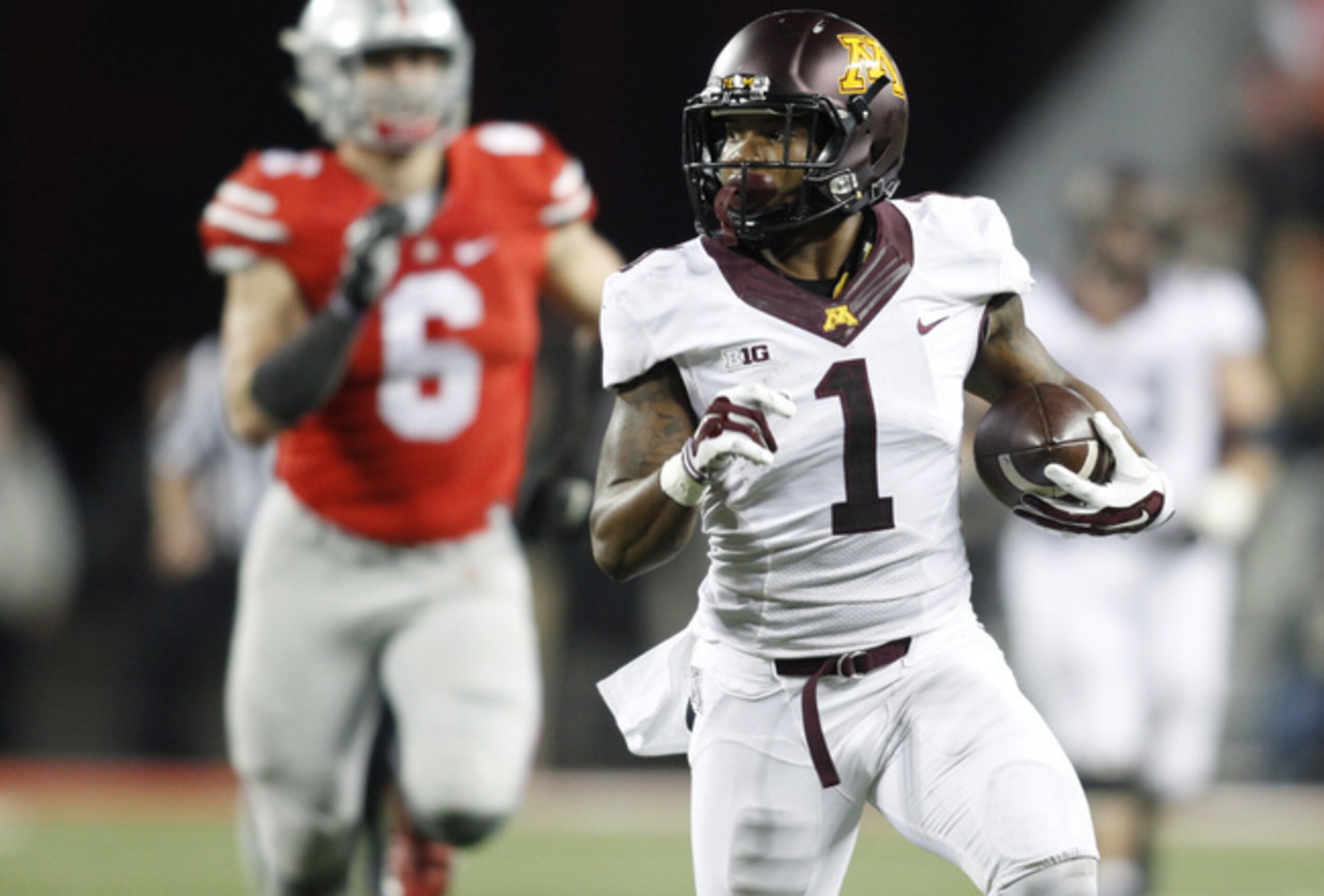
Minnesota had an up-and-down 2015 season. The Gophers survived the health-related retirement of Jerry Kill and finished 5-7, but still made the Quick Lane Bowl on an NCAA waiver after only 77 six-win teams qualified for the 80 spots. It’s another opportunity for Minnesota’s offense to gain experience with Mitch Leidner at quarterback.
Leidner did find his favorite target in the offense this season, and that’s senior wideout KJ Maye. Maye had 16 receptions for 298 yards and a touchdown as a junior, but really turned it on as a senior as the Gophers’ leading receiver, with 65 receptions for 706 yards and six touchdowns. He was a steady playmaker for an offense that needed them—the Gophers finished No. 100 nationally in total offense.
Mississippi State
30 of 65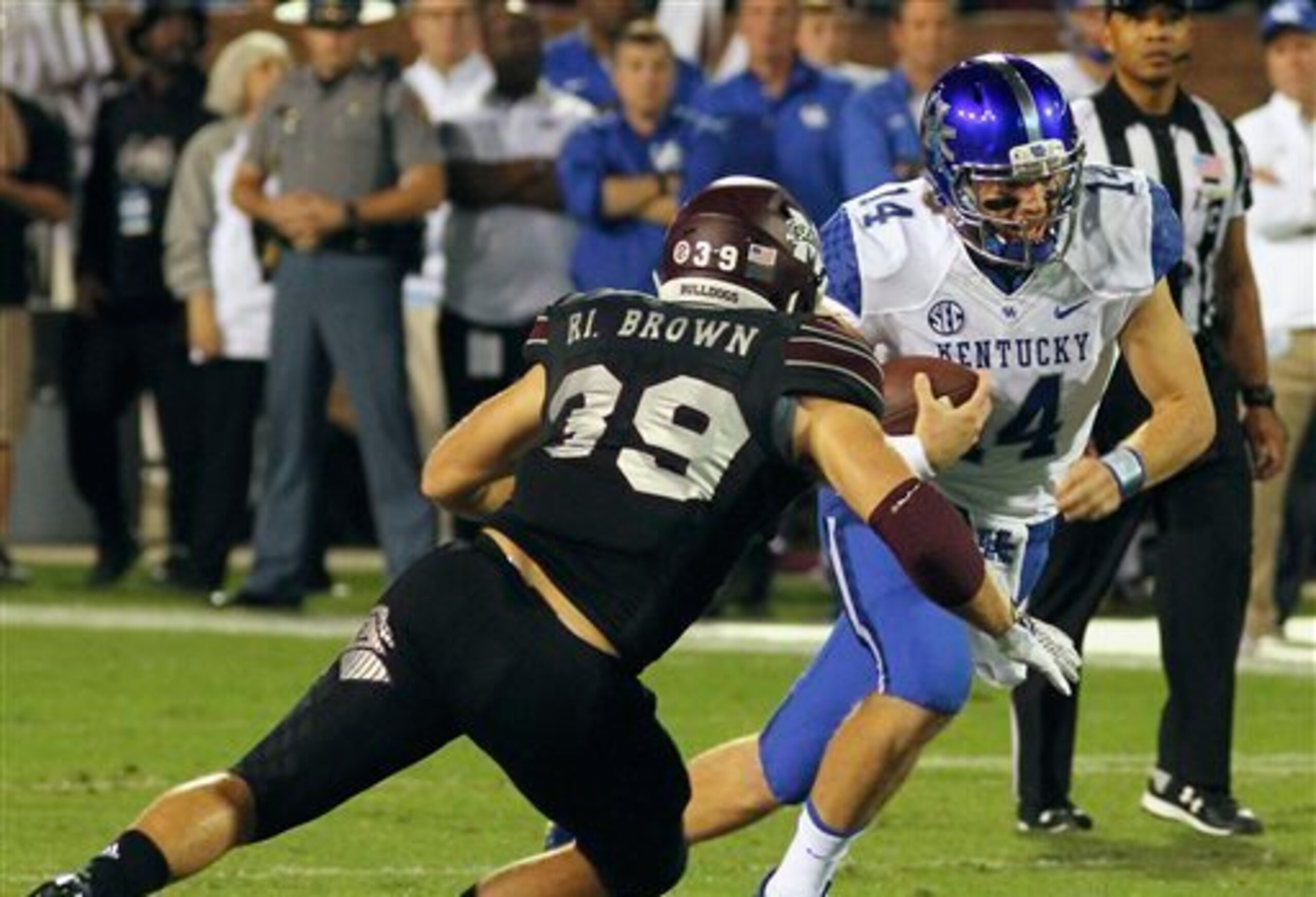
Mississippi State had serious needs in its linebacker corps following Benardrick McKinney’s departure to the NFL this season, and Richie Brown did his best to fill the role. The junior was a valued reserve linebacker in his first two seasons on the Bulldogs’ roster and stepped into the starting lineup this fall.
He was excellent, rolling up 101 tackles (the first MSU player to do so since 2012) and 12 tackles for loss, 5.5 sacks and an interception. That’s the kind of impact play that helped MSU put together an 8-4 record and earn a Belk Bowl berth.
Missouri
31 of 65
With the likes of Shane Ray, Michael Sam and Markus Golden, Missouri has built a strong recent tradition at defensive end. This fall, sophomore Charles Harris joined that legacy. Harris had a solid freshman season, making 19 tackles, four tackles for loss and two sacks while backing up Golden and Ray. With both of them gone this fall, it was Harris’ turn to step into the spotlight, and he delivered.
Harris had 56 tackles, an SEC-leading 18.5 tackles for loss and 7.0 sacks in his first season as a starter, establishing himself as one of the league’s toughest defensive ends to block. He was a second-team All-SEC selection, and there’s room to grow from here.
N.C. State
32 of 65
N.C. State has found stability under coach Dave Doeren, making its second consecutive bowl appearance, this time against Mississippi State in the Belk Bowl. The Wolfpack couldn’t have done it without a solid offense led by quarterback Jacoby Brissett.
Brissett found a very versatile target in sophomore tight end Jaylen Samuels. Samuels broke out in a big way in his second season in Raleigh. He was N.C. State’s leading receiver with 64 receptions for 599 yards and seven touchdowns, adding 315 yards and seven touchdowns on the ground. Like Brissett, Samuels can contribute in multiple ways for the Wolfpack offense.
Nebraska
33 of 65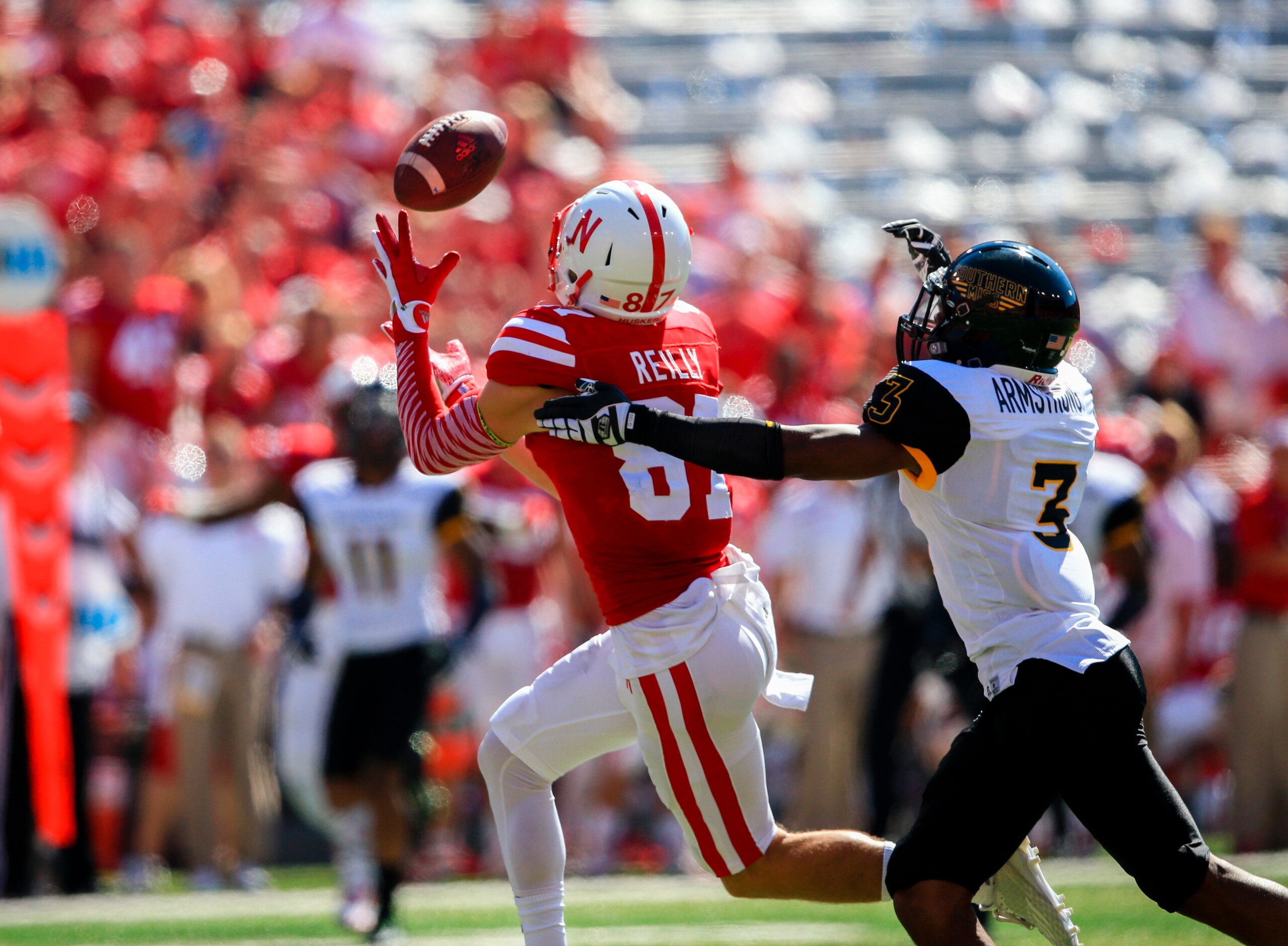
Nebraska had an uneven season under first-year coach Mike Riley. Even with a Foster Farms Bowl upset of UCLA, the Cornhuskers finished 6-7. Riley used more of a pass-first attack, which gave players like Brandon Reilly greater opportunities.
Reilly had nine receptions for 109 yards in his first two seasons, and took advantage of his chances in the new system. He had 40 receptions for 754 yards and four touchdowns, emerging as the Huskers’ clear No. 2 receiver behind Jordan Westerkamp. He’ll likely have even more chances as a senior.
North Carolina
34 of 65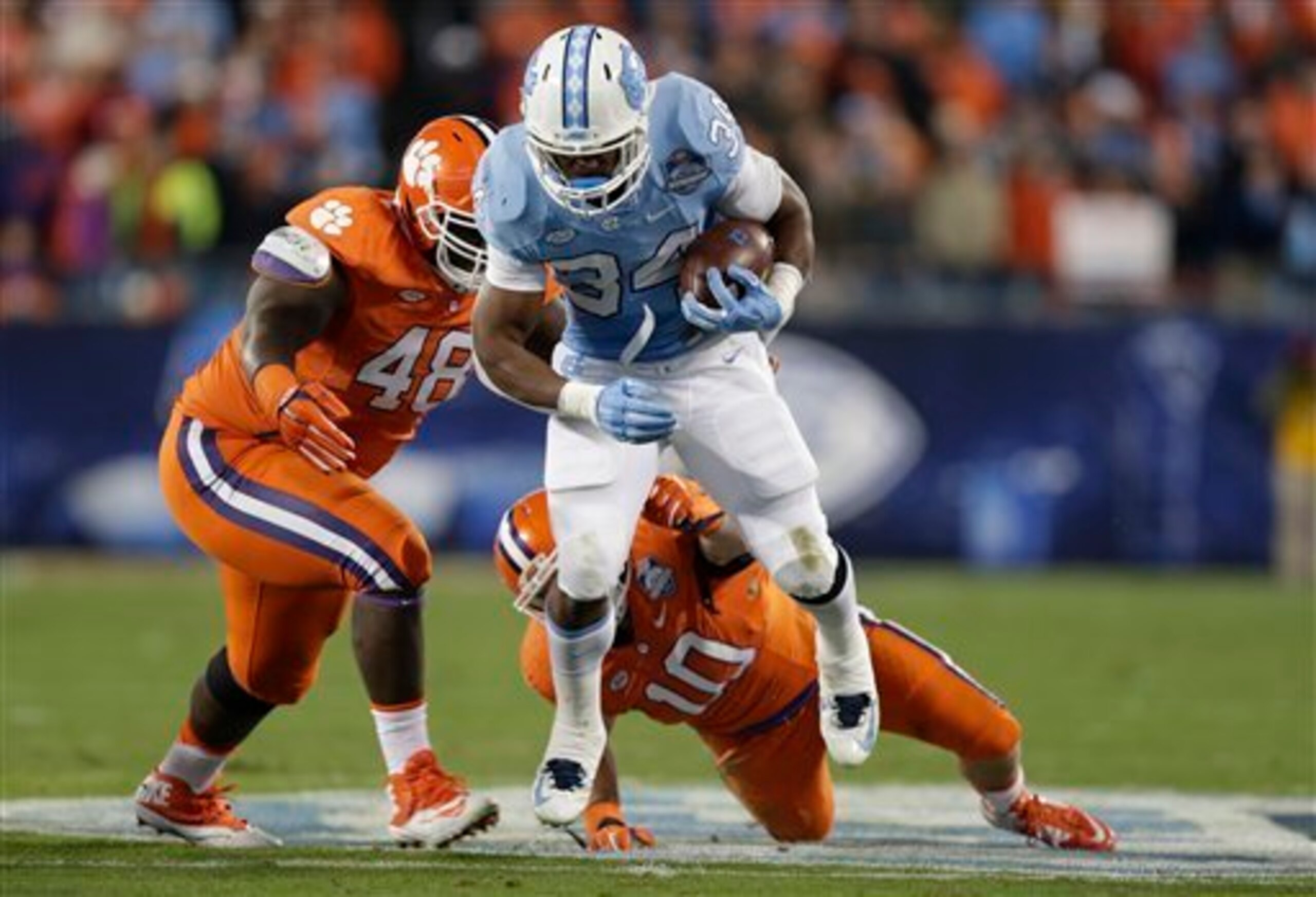
North Carolina was one of the nation’s most improved teams in 2015. Larry Fedora’s group shook off a 6-7 season in 2014 and season-opening loss to South Carolina to fashion an 11-game win streak that earned them the ACC Coastal Division title.
One big reason why? Sophomore tailback Elijah Hood. Hood became a game-breaking back in 2015. As a freshman, he rushed for 259 yards and four touchdowns, averaging 3.9 yards per carry. This year? He had 1,345 yards with 17 touchdowns, averaging 6.4 yards per tote.
He rushed for at least 100 yards seven times, including a 220-yard, two-score effort against rival N.C. State. Hood will be one of the best backs in the ACC and nationally in 2016.
Northwestern
35 of 65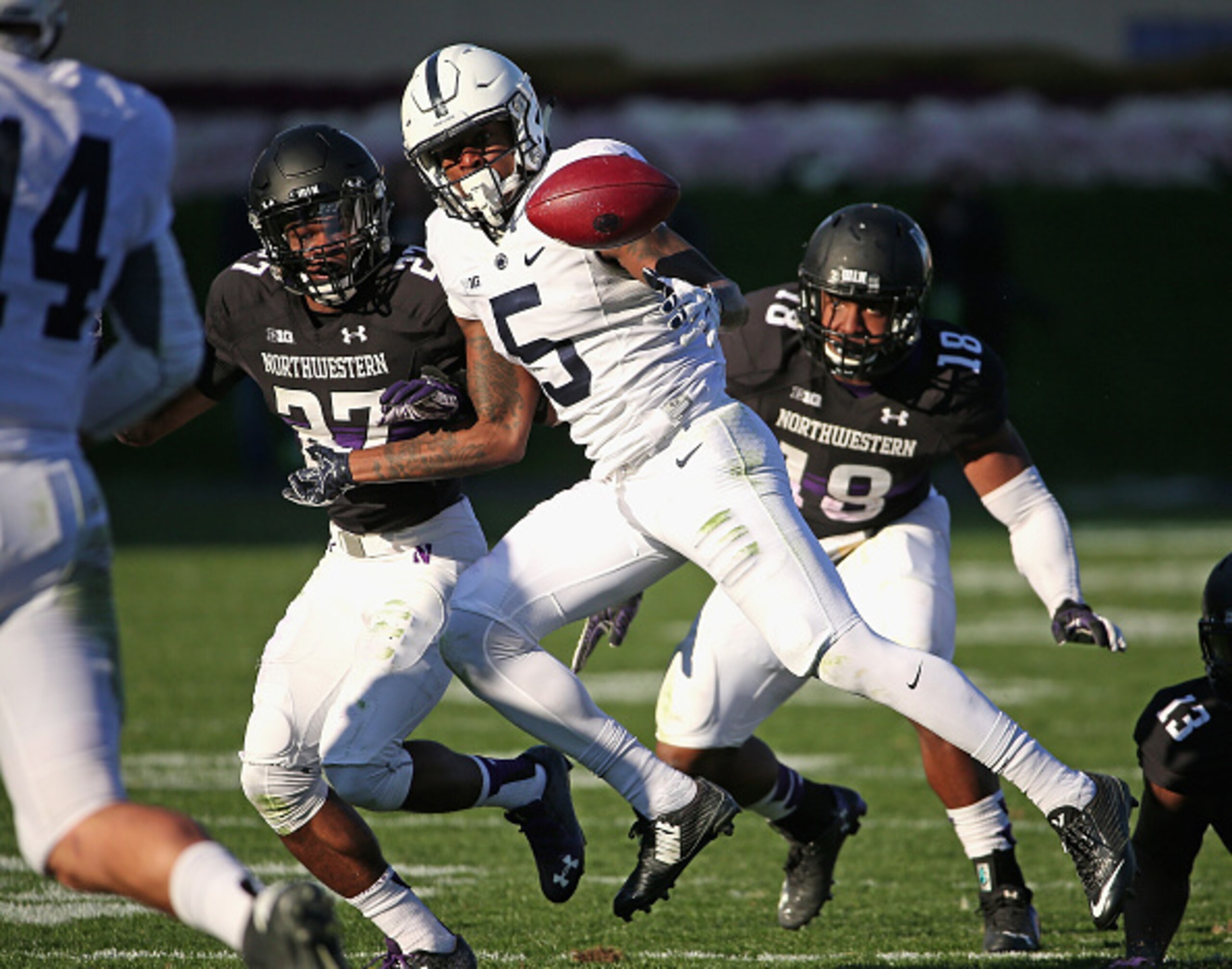
Following a pair of 5-7 seasons, Northwestern experienced an impressive turnaround this fall. The Wildcats are 10-2 and will face off against Tennessee in the Outback Bowl. The Cats used impressive defense to push forward; they allow 16.4 points per game, No. 7 nationally.
The key to the defense? Sophomore linebacker Anthony Walker. Walker enjoyed a breakout season in the middle of NU’s defense. He was a first-team All-American, per the Associated Press and Sports Illustrated, and a consensus first-team All-Big Ten selection. He had 113 tackles and 19.5 tackles for loss (second-best nationally), which included a 19-tackle effort against Duke.
Without Walker, there’s little chance NU’s defense would be as good as it was this season.
Notre Dame
36 of 65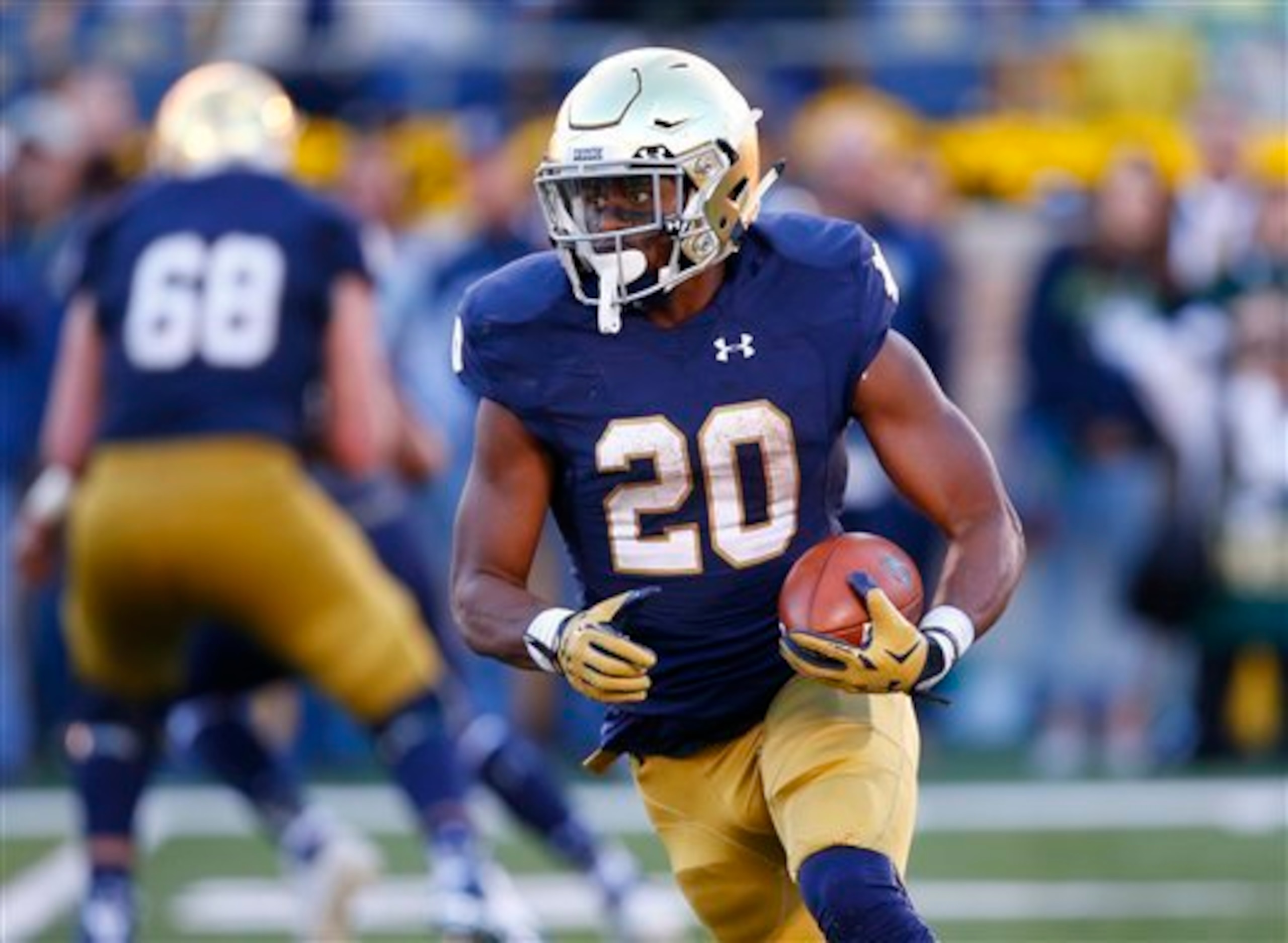
Notre Dame enjoyed a tremendous 10-2 season and Fiesta Bowl bid despite battling through key injuries. The injuries gave players chances to shine in more important roles, and tailback C.J. Prosise made the most of his opportunity.
Prosise had 10 carries for 126 yards entering this season, but was impressive in a backfield role. He had 1,032 yards and 11 touchdowns on the ground while also adding 26 receptions for 308 yards and a touchdown through the air. His versatility was a huge plus for Notre Dame’s talented offense.
Ohio State
37 of 65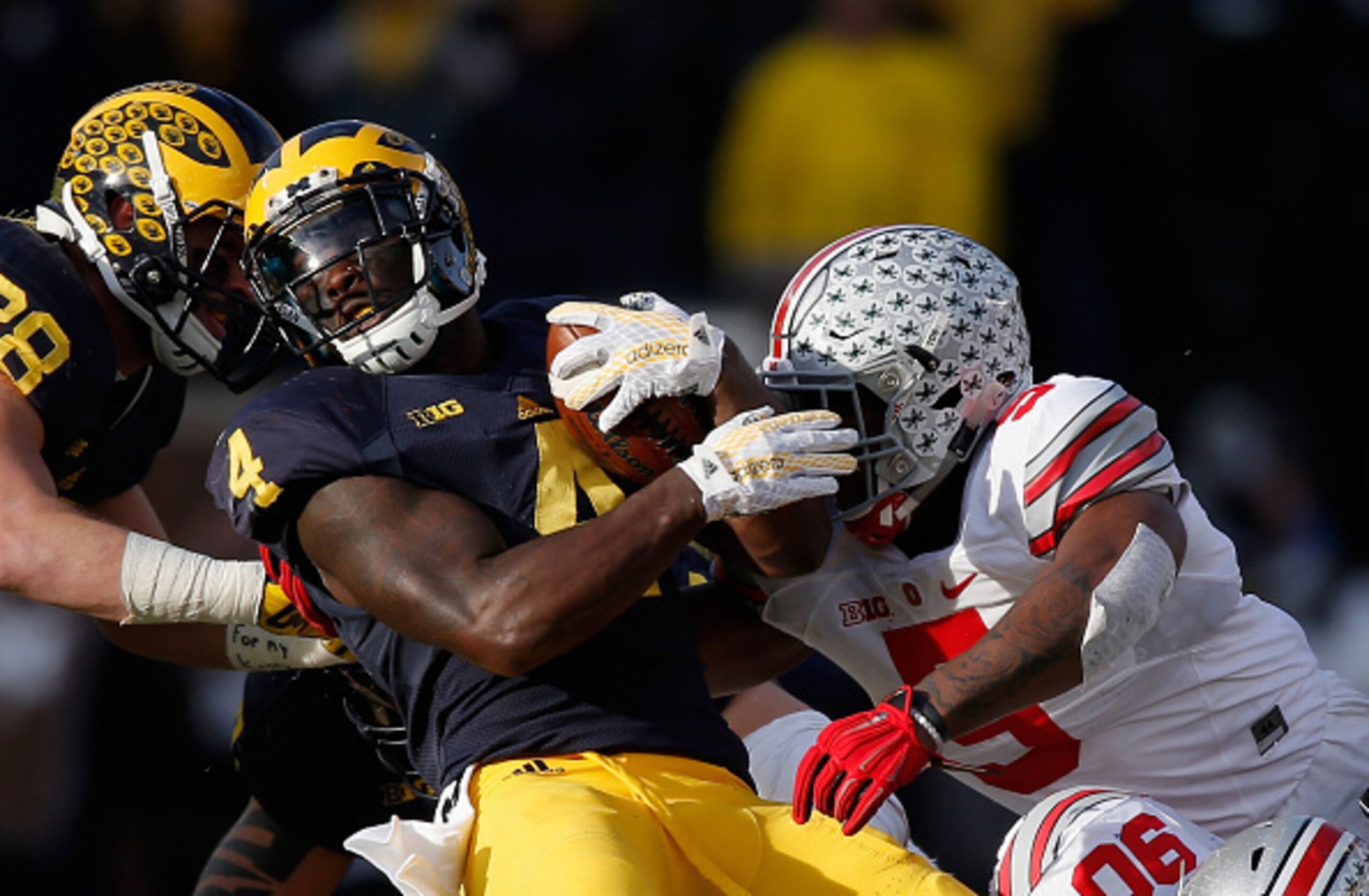
Raekwon McMillan arrived at Ohio State with plenty of talent, and spent last season serving an apprenticeship of sorts behind middle linebacker Curtis Grant. With Grant off to the NFL this season, it was McMillan’s turn to start, and he made the most of it in the middle of the Buckeye defense.
McMillan was solid last fall with 54 tackles. He was even better this season, piling up a team-best 114 tackles with 4.0 tackles for loss and 1.5 sacks. McMillan plays with zest and speed all over the field, and it’s clear he still has room to improve, which has to be scary for Big Ten offenses. That’s good news for the 11-1 Buckeyes, who’ll meet Notre Dame in the Fiesta Bowl.
Oklahoma
38 of 65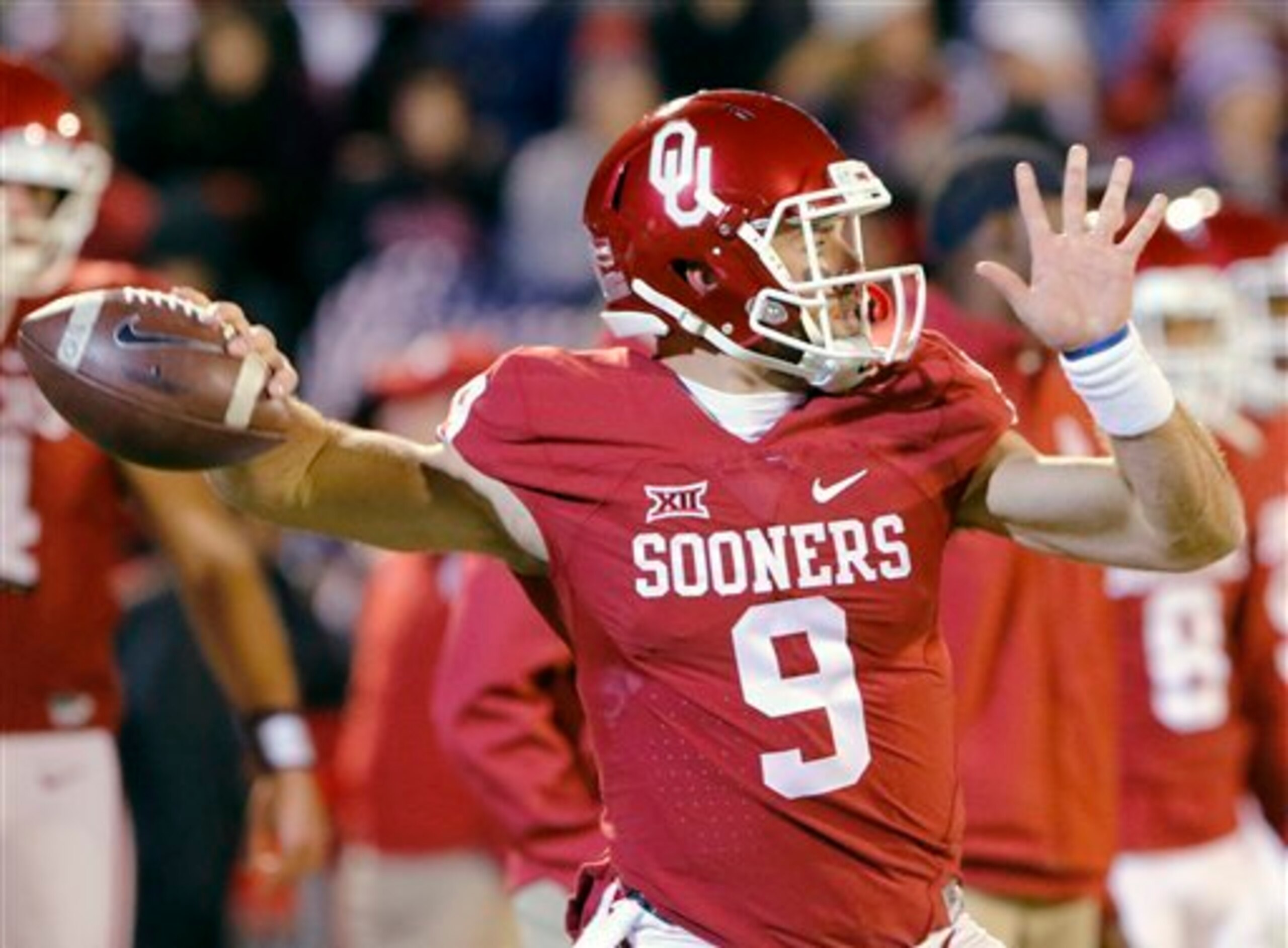
Oklahoma made one of college football’s most impressive turnarounds this season. The Sooners finished 2014 a disappointing 8-5, but thanks to a new Air Raid-style offensive system installed by offensive coordinator Lincoln Riley, they’re 11-1 and will face off against Clemson in the College Football Playoff semifinals.
At the center of the offensive turnaround? Quarterback Baker Mayfield. The walk-on transfer from Texas Tech claimed the starting role and ran with it. He has 3,389 yards passing with 35 touchdowns against five interceptions, adding 420 rushing yards and seven scores on the ground.
Mayfield’s all-around skills and swagger were transformative for OU’s offense, which looked far different than it did a year ago with Trevor Knight at the helm. He broke out on a national stage, and the Sooners are the benefactors.
Oklahoma State
39 of 65
Oklahoma State was one of the nation’s most improved teams this season. The Cowboys went from 7-6 a year ago to 10-2 (including a 10-0 start) and will face off against Ole Miss in the Sugar Bowl. OSU’s pass offense was excellent, rolling up 357.3 passing yards per game, No. 7 nationally.
While quarterback Mason Rudolph was at the center of the offense, his best target was sophomore receiver James Washington. Washington made 52 receptions for 1,077 yards and 10 touchdowns, more than doubling his 2014 total of 456 yards. He had five 100-yard receiving games and has serious big-play ability, with four catches for 200 yards and two touchdowns against Texas Tech (including a 75-yard score).
If he can burn Ole Miss’ secondary for similar stats, it’ll be a long night for the Rebels in the Superdome.
Ole Miss
40 of 65
Chad Kelly had a long path to college football success. Kelly began as a highly regarded recruit at Clemson, but wound up at a Mississippi junior college following an on-field dispute with CU coaches. He signed with Ole Miss but almost didn’t make it to Oxford following a highly publicized arrest outside a Buffalo nightclub.
But once he finally got on the field, Kelly found a home in Ole Miss’ offense. He won a three-way race to become the Rebels’ starter and hasn’t looked back. This season he led Ole Miss to a 9-3 record and threw for 3,740 yards with 27 touchdowns against 12 interceptions, flashing his mobility with 427 rushing yards and 10 scores on the ground.
As ESPN.com's Edward Aschoff wrote, Kelly took advantage of his second chance at Ole Miss.
Kelly has his share of detractors, but Ole Miss is surely happy he wound up in Oxford.
Oregon
41 of 65
The post-Marcus Mariota era got off to a rough start for Oregon. The Ducks were 3-3, including a home overtime loss to Washington State and an embarrassing 62-20 home loss to Utah. But since then, Oregon is 6-0 and will carry a 9-3 record into an Alamo Bowl showdown against TCU.
What changed? Vernon Adams finally got healthy. The senior graduate transfer by way of FCS Eastern Washington won the job despite graduating from EWU after Oregon had begun preseason practice, so he was finding his way on the field while rehabbing a broken finger.
Adams has 2,446 yards passing with 25 touchdowns against six interceptions on the season. Over the last six games, he has thrown for 21 touchdowns against four interceptions and passed for 300-plus yards four times. That’s pretty good.
What will he do against TCU’s beat-up defense in the Alamodome? New records could be set.
Oregon State
42 of 65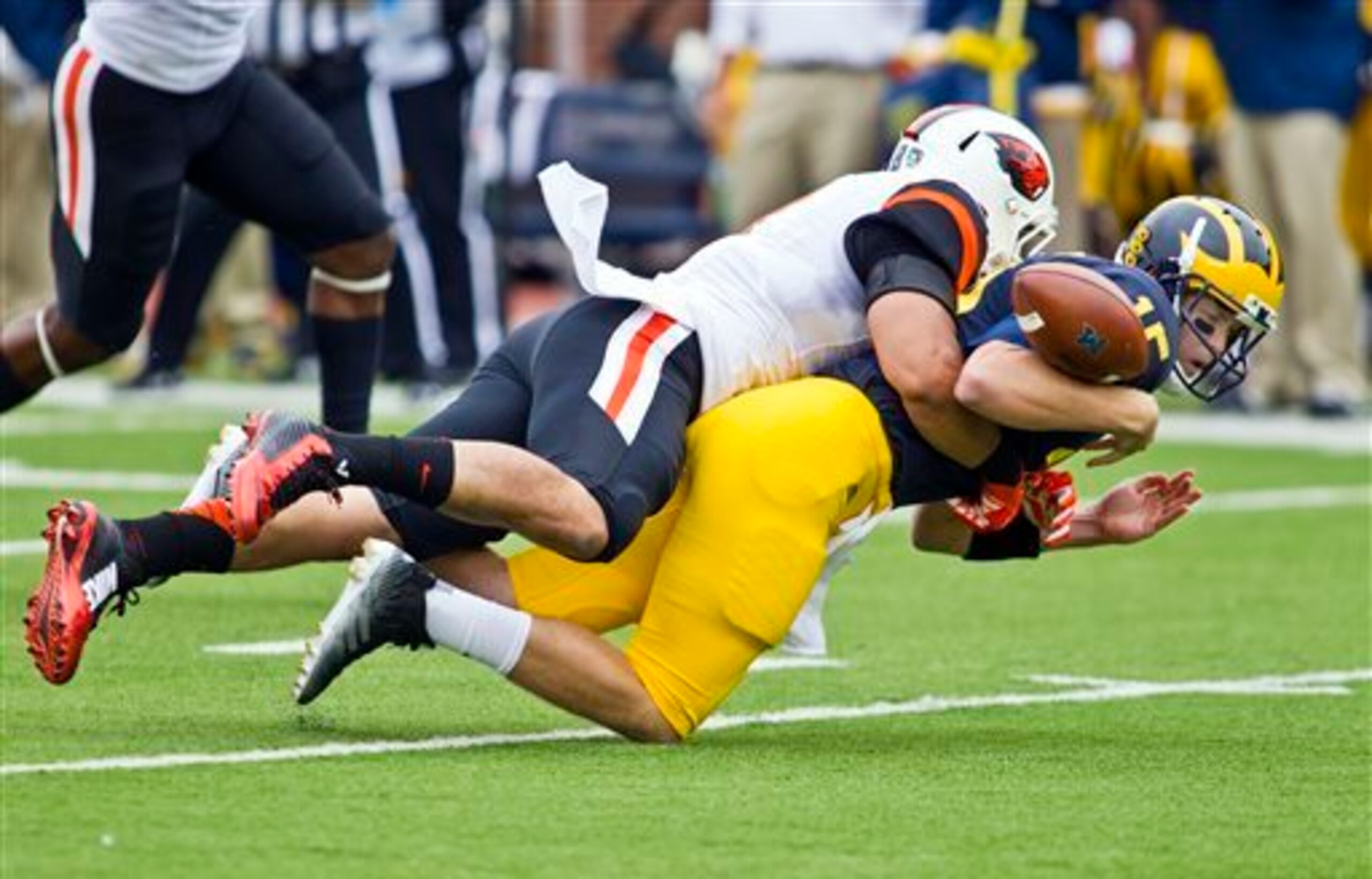
Gary Andersen had a tough first season at Oregon State. The Beavers lost their final nine games to finish 2-10, and had the nation’s No. 114 scoring offense and No. 115 scoring defense. Bright spots were few and far between, but one of them was junior middle linebacker Rommel Mageo.
Mageo, who had spent much of his first two years as a reserve, stepped into a starting role as a junior and was very productive. Mageo made 23 tackles as a sophomore, but made 87 as a junior, adding two sacks and two interceptions. The tackles led OSU’s roster, and the sacks and tackles tied for the team lead. The Beavers have plenty of work ahead, but Mageo is a solid building block next fall.
Penn State
43 of 65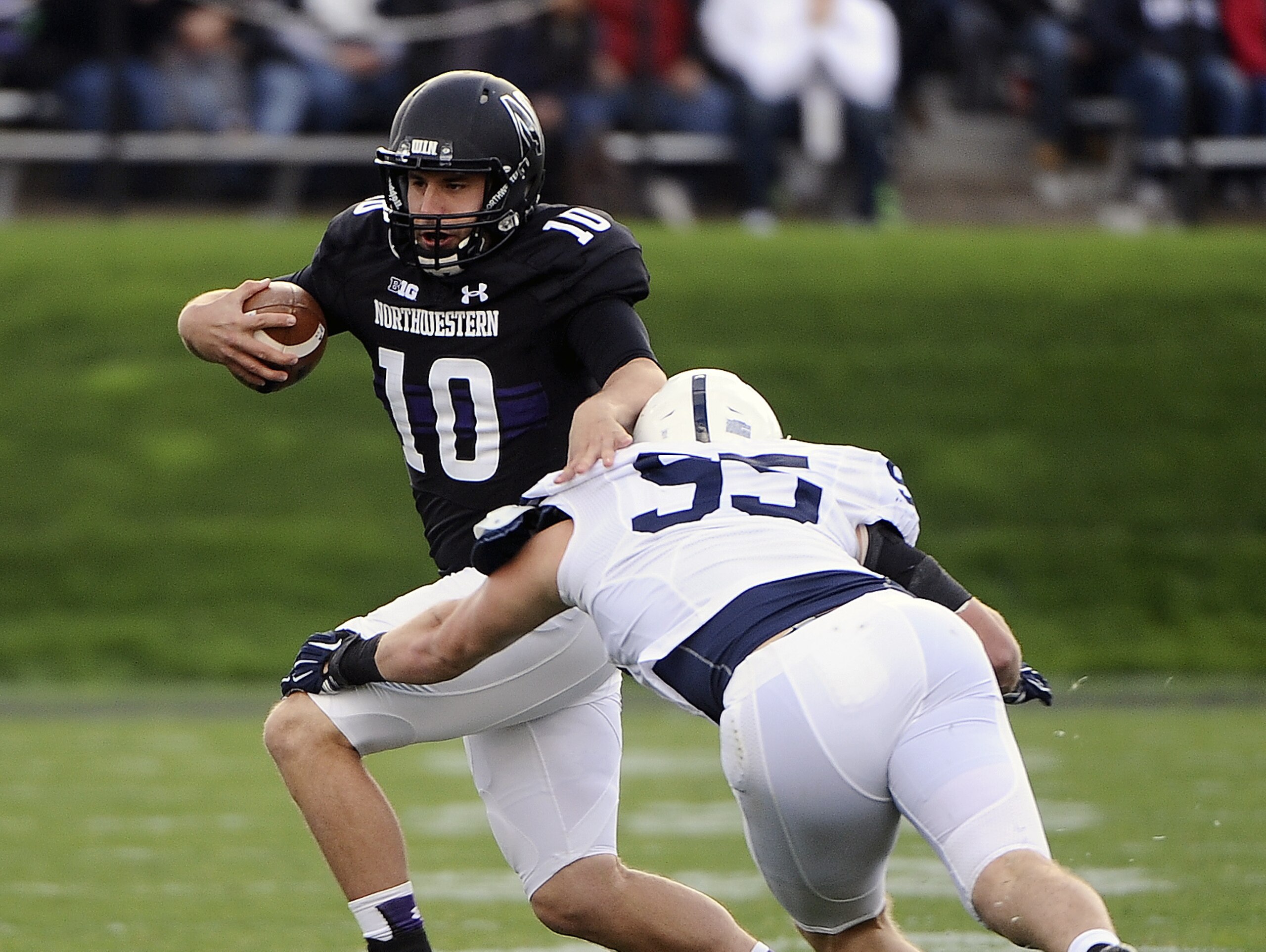
Carl Nassib is proof that it’s never too late to have a breakout season. Penn State’s senior defensive end didn’t earn a starting spot until this season; as a junior he played in all 13 games, but made only seven tackles and 3.5 tackles for loss.
The former walk-on made the most of his lone season as a starter, and then some. Nassib had a hugely productive season from his defensive end role, earning consensus All-America honors, the 13th Penn State player to do so. He won the Lombardi Award as the nation’s top lineman, the Ted Hendricks Award as the nation’s top defensive end and the Lott IMPACT trophy as the top defensive player who embodies the qualities of Hall of Famer Ronnie Lott.
Nassib leads the FBS in sacks, with 15.5, and is second nationally in tackles for loss, with 19.5. It took Nassib long enough to reach the limelight, but he’s certainly made people take notice in his short time there.
Pitt
44 of 65
Pitt began the season with one of the nation’s top returning tailbacks in James Conner, the reigning ACC Player of the Year. But one game in, Conner’s season ended due to a knee injury. That opened the door for freshman Qadree Ollison, and Ollison made himself at home in the Panthers’ backfield.
Ollison rushed for 207 yards in his collegiate debut against Youngstown State, and rolled up 1,048 yards and 10 touchdowns on the ground on the season. He had five 100-yard rushing games, including a 152-yard effort against Louisville. Conner is battling lymphoma and hopes to return next season. When he does, the Panthers will have an excellent backfield duo.
Purdue
45 of 65
Purdue struggled through a rough season under coach Darrell Hazell. The Boilermakers won one Big Ten game (against Nebraska) and finished 2-10. However, they do have several key building blocks for the future.
Freshman tailback Markell Jones emerged as Purdue’s leading rusher, rolling up 875 yards with 10 touchdowns while averaging 5.2 yards per carry. Jones rushed for 157 yards and two touchdowns against Michigan State and finished with touchdowns in each of his last three games.
Rutgers
46 of 65
Rutgers had a tumultuous second season in the Big Ten. The Scarlet Knights were plagued by off-field issues and slumped to 4-8 after winning a bowl game in their first season. Coach Kyle Flood was fired and replaced by Ohio State defensive coordinator Chris Ash.
Ash has a tough job, but does inherit some talent. Receiver Andre Patton took a step forward in his junior season. Patton made 34 receptions for 432 yards and a touchdown and emerged as the Knights’ clear No. 2 receiver behind Leonte Carroo. With Carroo’s graduation, he’s poised to be the main man in Rutgers’ passing game in 2016.
Southern California
47 of 65
With Nelson Agholor’s early departure to the NFL, Southern California needed a top receiving target to emerge for standout quarterback Cody Kessler. The answer? Sophomore receiver JuJu Smith-Schuster. Smith-Schuster became the Trojans’ clear top receiver in his second season on campus.
He nearly doubled his receiving yardage, going from 724 yards as a freshman to 1,389 with the Holiday Bowl still remaining. He had 85 receptions and 10 touchdowns (up from 54 and five scores as a freshman) and had six 100-yard receiving games. Smith-Schuster is a star that new head coach Clay Helton can build around in the offense in 2016.
South Carolina
48 of 65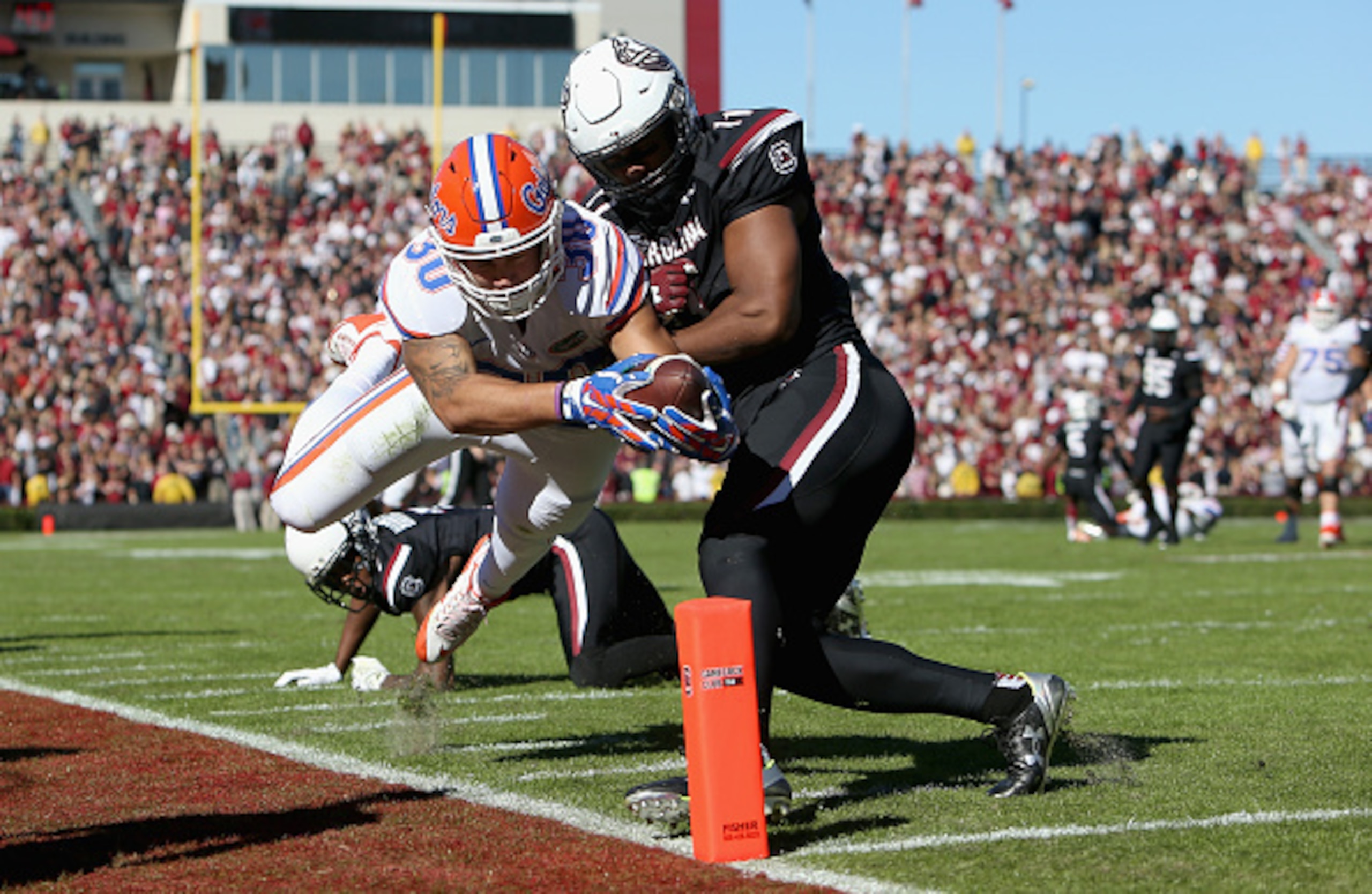
New South Carolina coach Will Muschamp has a clear base in defensive football. The Gamecocks have work to do on both sides of the ball following a disappointing 3-9 record, but he will have a few definite building blocks on that side of the ball, including middle linebacker T.J. Holloman.
Holloman moved to the middle of the Gamecocks’ defense in September and made an impact. He finished as South Carolina’s No. 3 tackler with 63 stops, nearly doubling his total from 2014, and adding three fumble recoveries, 2.5 tackles for loss and 2.0 sacks. He’s poised for an even bigger year in 2016.
Stanford
49 of 65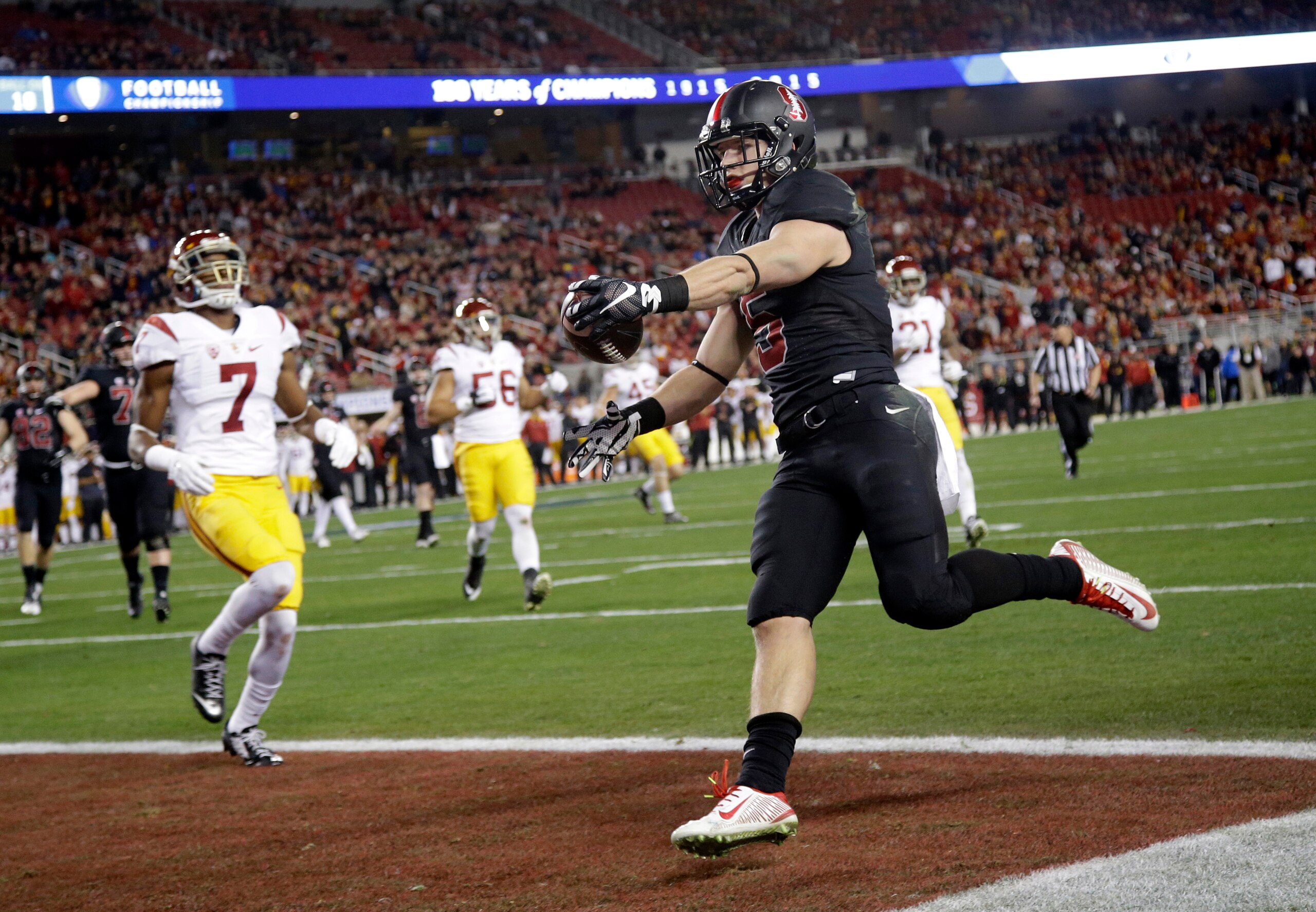
This fall, Stanford rebounded from an 8-5 record in 2014 to win its third Pac-12 title in four years. There’s no better explanation for the Cardinal’s turnaround than the breakout of sophomore tailback Christian McCaffrey.
McCaffrey became an integral part of Stanford’s offense and, in the process, one of the nation’s best players. He went from 42 rushes for 300 yards to 319 carries for 1,847 yards and eight touchdowns. He also had 41 receptions for 540 yards and four touchdowns and excelled as a kick returner, leading the nation in all-purpose yardage. He finished as the Heisman Trophy runner-up to Alabama’s Derrick Henry.
He drew comparisons to former Southern California star Reggie Bush, as USA Today's George Schroeder wrote.
“You run out of adjectives to describe him,” Stanford coach David Shaw told Schroeder. “You sit there and you say, ‘Wow.’ He’s that good that he can take over any game we play.”
He reached the 100-yard rushing mark 10 times, rushed for 200-plus yards three times and had two games with 100-plus yards rushing and receiving in the same game (against Washington and in the Pac-12 title game against Southern California).
McCaffrey is fast, versatile and downright hard to bring down. He’ll showcase his skills in the Rose Bowl against Iowa on New Year’s Day.
Syracuse
50 of 65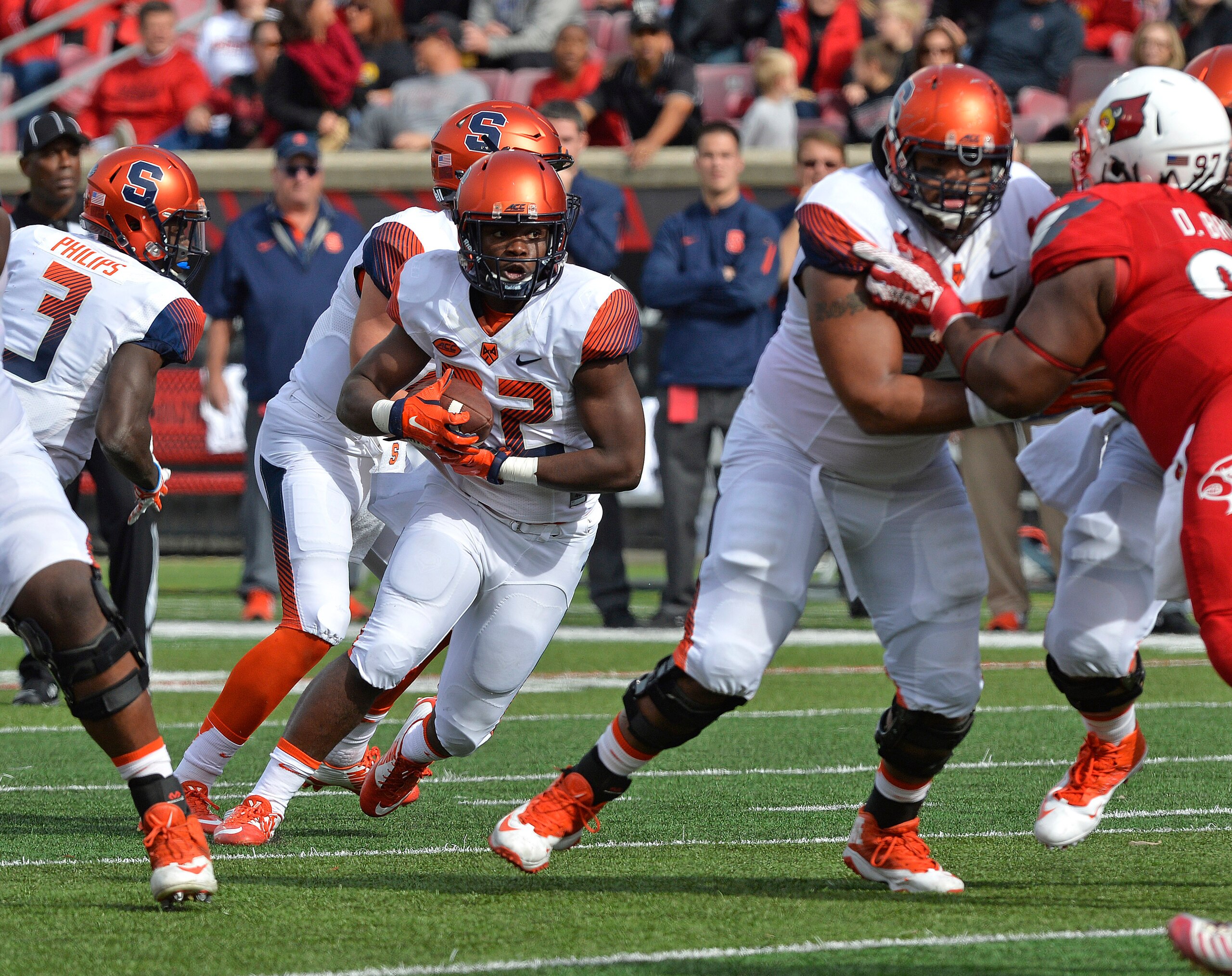
2015 was a very tough year for Syracuse. The Orange endured an eight-game losing streak, won only two ACC games and finished 4-8 overall, costing coach Scott Shafer his job. New coach Dino Babers promises to bring in a fast-paced offensive system that worked well at both Eastern Illinois and Bowling Green, and he has a few nice pieces to build with.
One of them is freshman tailback Jordan Fredericks. Fredericks emerged as Syracuse’s leading rusher in 2015, leading the way for the Orange with 607 yards and four touchdowns. He surpassed 100 yards in his first career start against Rhode Island, and averaged 5.7 yards per carry. It’ll be interesting to see how he can build under Babers’ watch.
TCU
51 of 65
Led by senior quarterback Trevone Boykin, TCU again had one of the nation’s most potent offenses in 2015. The Air Raid system lit up scoreboards across the Big 12. While senior receiver Josh Doctson was the clear top target, freshman KaVontae Turpin is poised to be the next big star in the Horned Frogs’ attack.
Turpin made his presence known in his first season of college football, making 40 receptions for 584 yards and eight touchdowns. He finished second on TCU's roster for receptions and touchdowns behind Doctson. He surpassed 100 yards twice, including an incredible six-reception, 138-yard, four-touchdown game against Texas. Turpin is a big-play wideout, and the sky is the limit for him.
Tennessee
52 of 65
One of the best stories in the NFL involved Kansas City Chiefs defensive back Eric Berry making a triumphant return from battling lymphoma to earn NFL All-Pro honors. At Tennessee, his younger brother Evan made some very different happy returns for Vol fans.
Berry, a sophomore defensive back, became the nation’s top kick returner in 2015. He leads the nation in kick return average, averaging 38.3 yards per return. His three kick return scores are tied for second-best nationally and also tied Tennessee’s single-season record set by Willie Gault in 1980. His 804 combined kick and punt return yards rank fourth-best in UT history.
Berry was named a first-team All-American by Sports Illustrated, Sporting News and Walter Camp, and was named as the SEC Special Teams Player of the Year. Many happy returns, indeed.
Texas
53 of 65
Texas fans would probably prefer to think the 2015 season just never happened. Charlie Strong’s rebuilding effort took a step backward, as the Longhorns finished 5-7 and missed a bowl game. That said, there are reasons to be excited about the future in Austin.
Malik Jefferson is clearly one of them. The freshman linebacker was immediately one of Texas’ best players and one of the best freshmen in America. He was named the Big 12 Defensive Freshman of the Year and a freshman All-American by Sporting News and USA Today.
Jefferson piled up 61 tackles, 7.0 tackles for loss, six pressures, 2.5 sacks, a forced fumble and a fumble recovery, which he returned for a touchdown. He has tremendous potential, as this season clearly showed.
Texas A&M
54 of 65
What’s going on with Texas A&M’s offense? Since the regular season ended, a pair of talented quarterbacks (Kyle Allen and Kyler Murray) have both transferred from the Aggies’ program, leaving Jake Hubenak to run the offense in the Music City Bowl and perhaps beyond.
Whoever emerges as A&M’s quarterback going forward will have a tremendous piece in freshman wide receiver Christian Kirk, who quickly emerged as the Aggies’ top wideout.
Kirk was one of the top freshmen in college football, making an immediate impact. He had 70 catches for 925 yards and six touchdowns, leading A&M in all three categories. He should surpass 1,000 yards in Nashville, and that’s just the beginning for this tremendous talent.
Texas Tech
55 of 65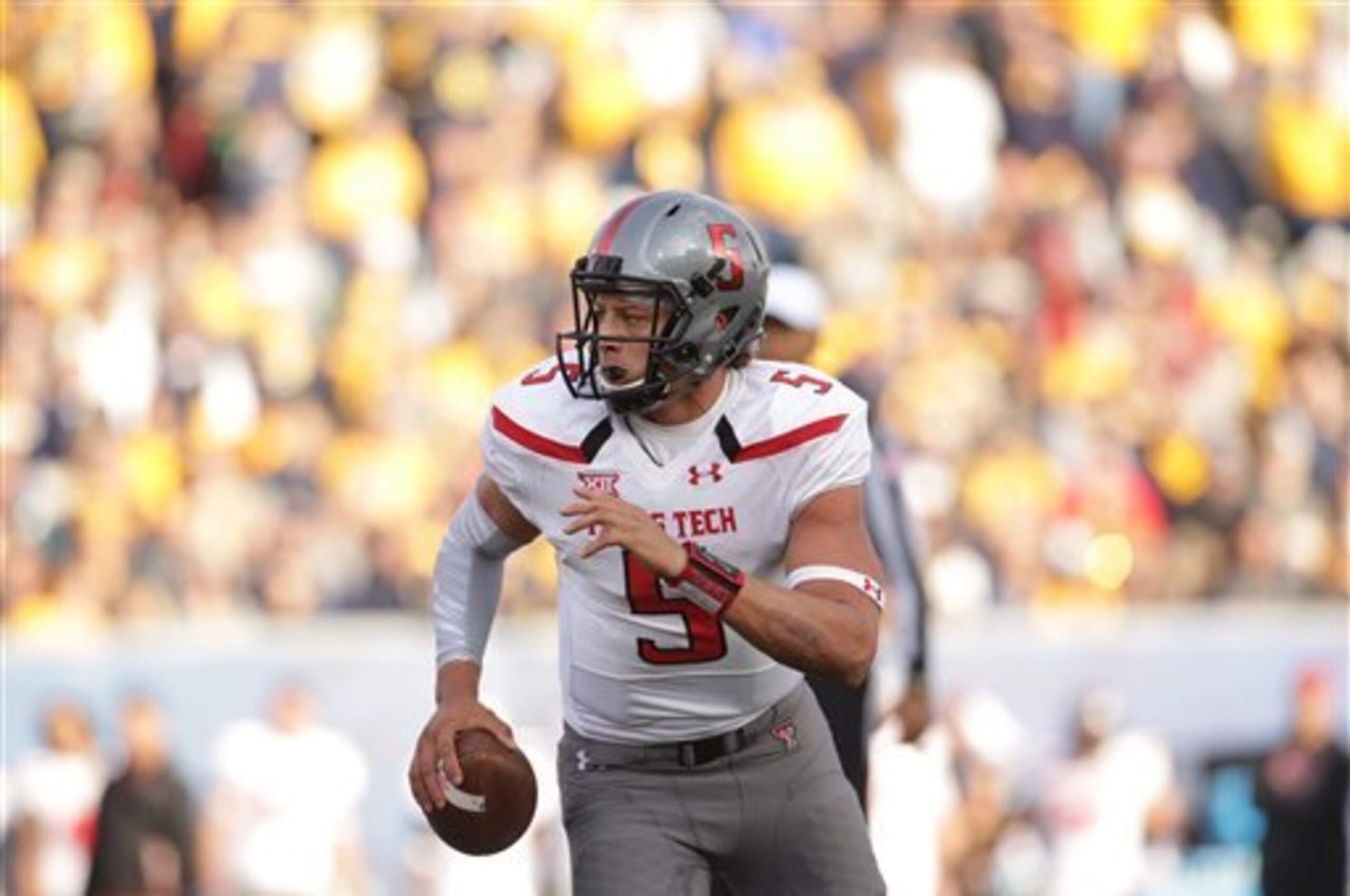
Texas Tech returned to a bowl this season, with its 7-5 record earning a Texas Bowl date against LSU. The Red Raiders’ offense was very impressive, averaging 46.6 points per game and 389.7 passing yards per game (both second-best nationally). Who led the charge? Quarterback Patrick Mahomes.
Mahomes took the reins as Tech’s starter and was one of the nation’s most productive quarterbacks, throwing for 4,283 yards with 32 touchdowns against 14 interceptions. He surpassed 400 yards passing four times (including a 480-yard effort against Oklahoma State) and generally kept the Red Raiders’ scheme moving at a fast pace.
UCLA
56 of 65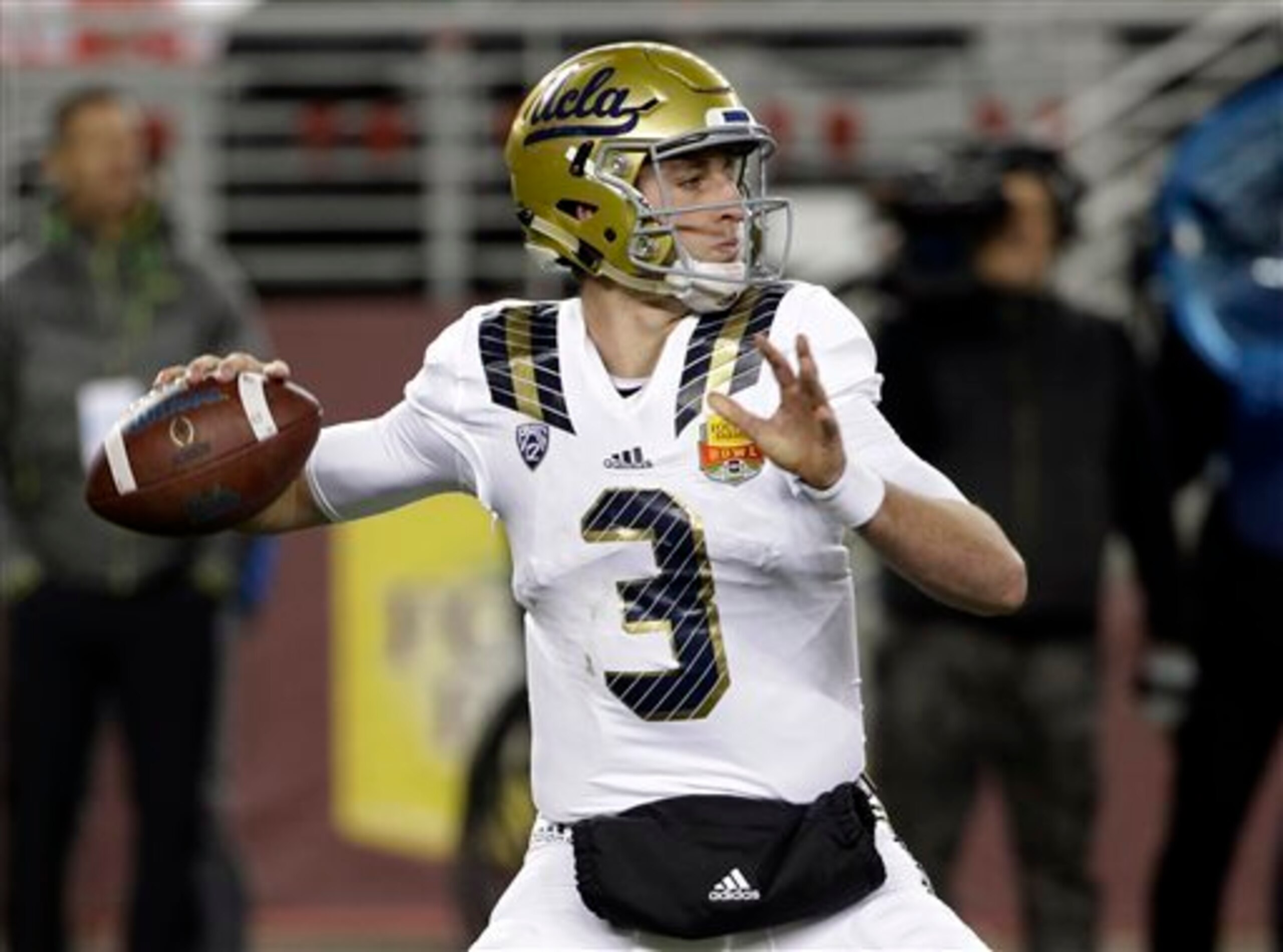
Touted as a dark-horse College Football Playoff contender, UCLA had an up-and-down season. A Foster Farms Bowl loss to 5-7 Nebraska left the Bruins with an 8-5 record. On a positive note, Jim Mora’s team clearly found an offensive leader in freshman quarterback Josh Rosen.
Rosen grabbed the role in spring practice and never let go. He threw for 3,670 yards with 23 touchdowns against 11 interceptions and surpassed 300 yards passing in six of his 13 starts. Rosen stands 6’4”, 210 pounds and has a classic pocket passer’s frame that should help him develop well in the next three seasons in the Bruins’ offense.
Utah
57 of 65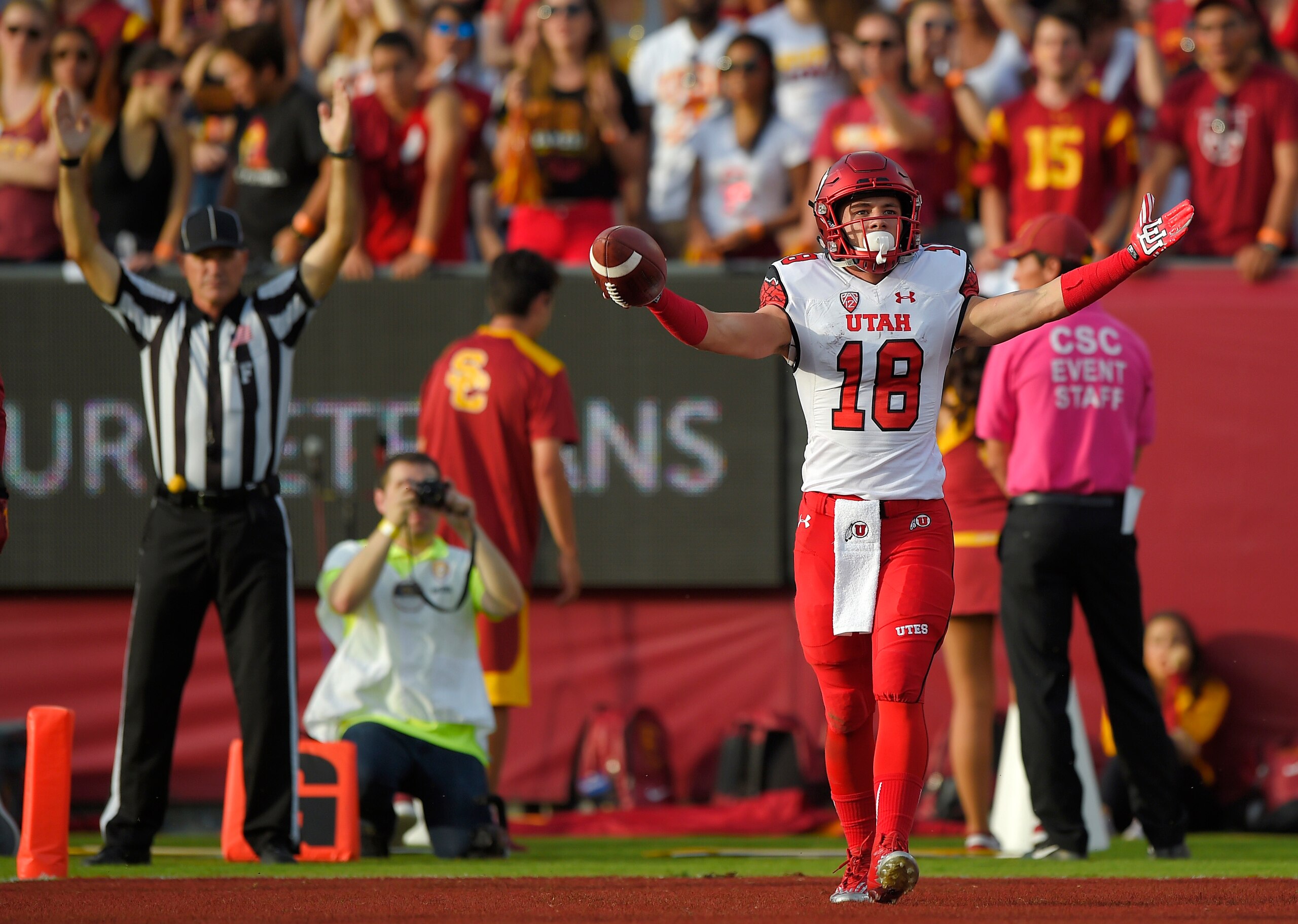
Utah built on 2014’s nine-win success in 2015. The Utes spent most of the season competing for the Pac-12 title and finished with a 10-win season after beating rival BYU in the Las Vegas Bowl. The Utes lose do-everything tailback Devontae Booker to graduation but do have some interesting pieces returning in their offense.
One of them is freshman receiver Britain Covey. Covey emerged as Utah’s leading receiver as a freshman. He made 43 receptions for 519 yards and four touchdowns. Covey had his best game in a loss to Southern California, making seven receptions for 129 yards and two touchdowns. He could stand to improve his consistency, but he’s clearly off to a very good start.
Vanderbilt
58 of 65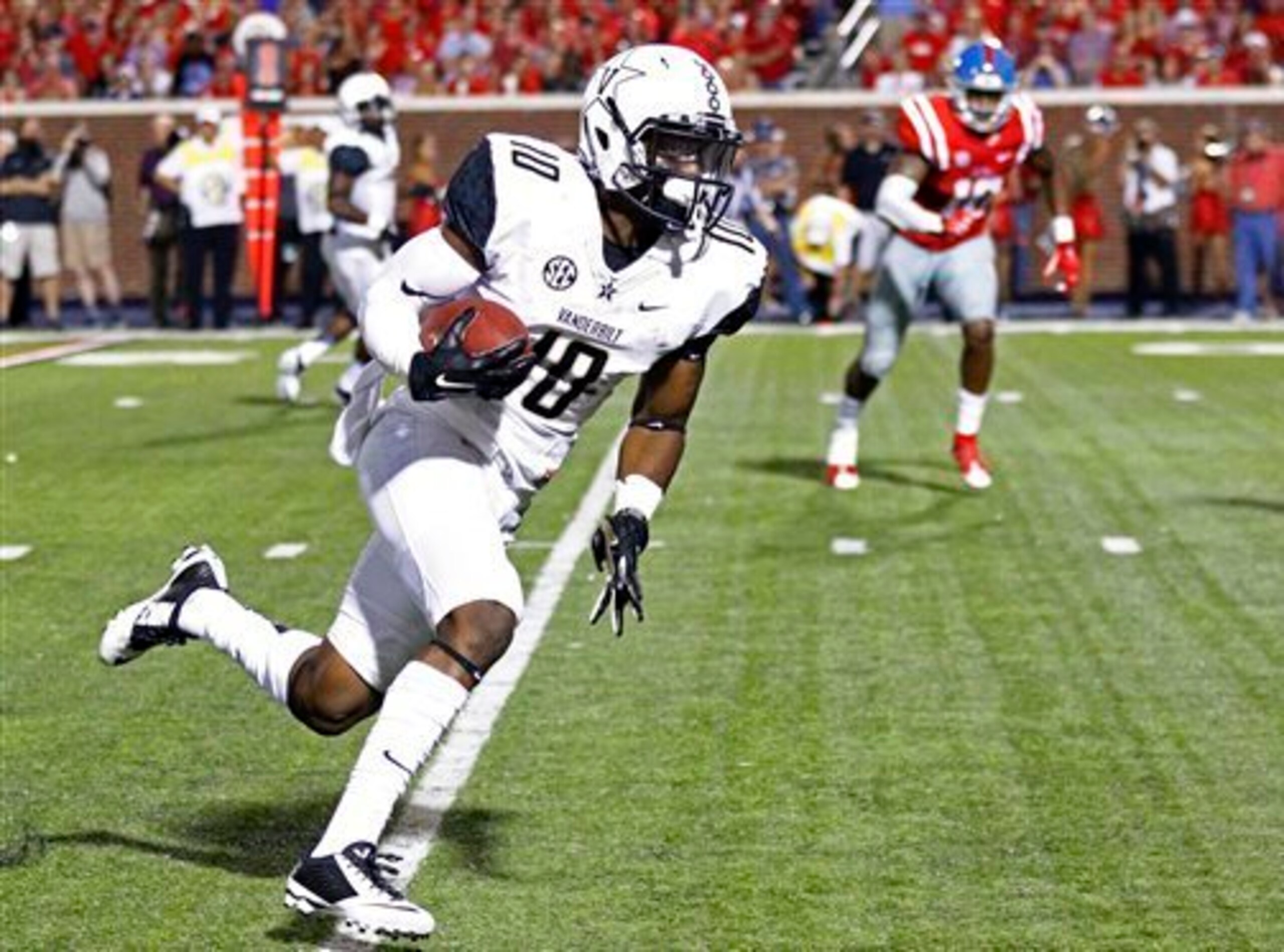
Vanderbilt actually showed some progress in Derek Mason’s second season, improving to 4-8 in the SEC. The Commodores’ passing game still struggled, but they did find a solid receiving option in sophomore Trent Sherfield. After a freshman season that saw him make one catch for nine yards, Sherfield was vastly improved this fall.
He emerged as Vandy’s leading receiver, making 51 receptions for 659 yards and three scores. He had 16 receptions for 240 yards and a touchdown against FCS foe Austin Peay. While Sherfield can improve his game-to-game consistency (he was held catchless against Houston and Florida), he’s clearly on the right track.
Virginia
59 of 65
Mike London is finally done at Virginia following a 4-8 season in 2015, but new coach Bronco Mendenhall has some talent to mold, particularly on the defensive side of the ball. Safety Quin Blanding and linebacker Micah Kiser are an impressive tackling duo.
Kiser emerged as one of the ACC’s most prolific defenders as a sophomore. He had 15 tackles as a freshman, but made tackles all over the field in his second season. He piled up 117 tackles (including 82 on rushing plays) and led the ACC in tackles, finishing No. 17 nationally. He recorded double-digit tackles in seven games and gave UVA fans defensive hope for the future under Mendenhall.
Virginia Tech
60 of 65
Isaiah Ford was good as a Virginia Tech freshman receiver in 2014. He took a big step forward in 2015. While the Hokie offense was inconsistent at times, Ford was its best player. Ford made 75 receptions for 1,164 yards and 11 touchdowns, improving on all of his freshman numbers (56 receptions, 709 yards and six scores).
He finished strong, closing with three consecutive 100-yard receiving games, including a 12-catch, 227-yard, one-touchdown effort in an Independence Bowl win against Tulsa. What will he be able to accomplish in new coach Justin Fuente’s system next fall? That’s a scary thought for ACC secondaries.
Wake Forest
61 of 65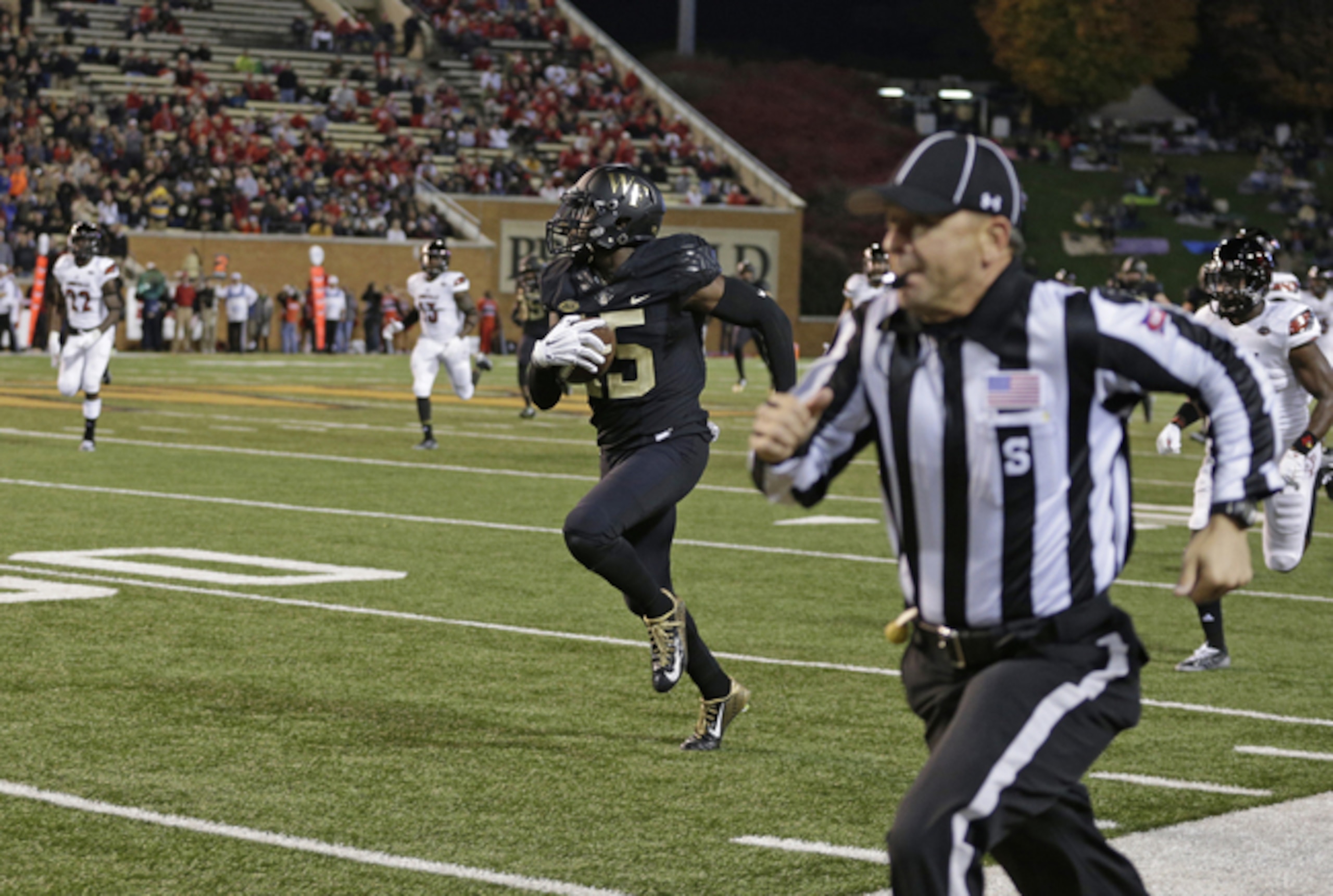
Dave Clawson’s second season as Wake Forest head coach wasn’t easy. The Demon Deacons played a tough schedule and lost their final six games to finish 3-9. That said, a young roster that gained experience this season will give Deacon fans a reason for hope.
Freshman receiver Cortez Lewis had an excellent first season of college football, leading Wake in both receptions and yardage with 47 receptions for 611 yards. His four receiving touchdowns tied for the team lead. Lewis scored touchdowns in three of Wake’s final four games (including a 78-yard touchdown against Louisville) and built strong momentum for 2016 and beyond.
Washington
62 of 65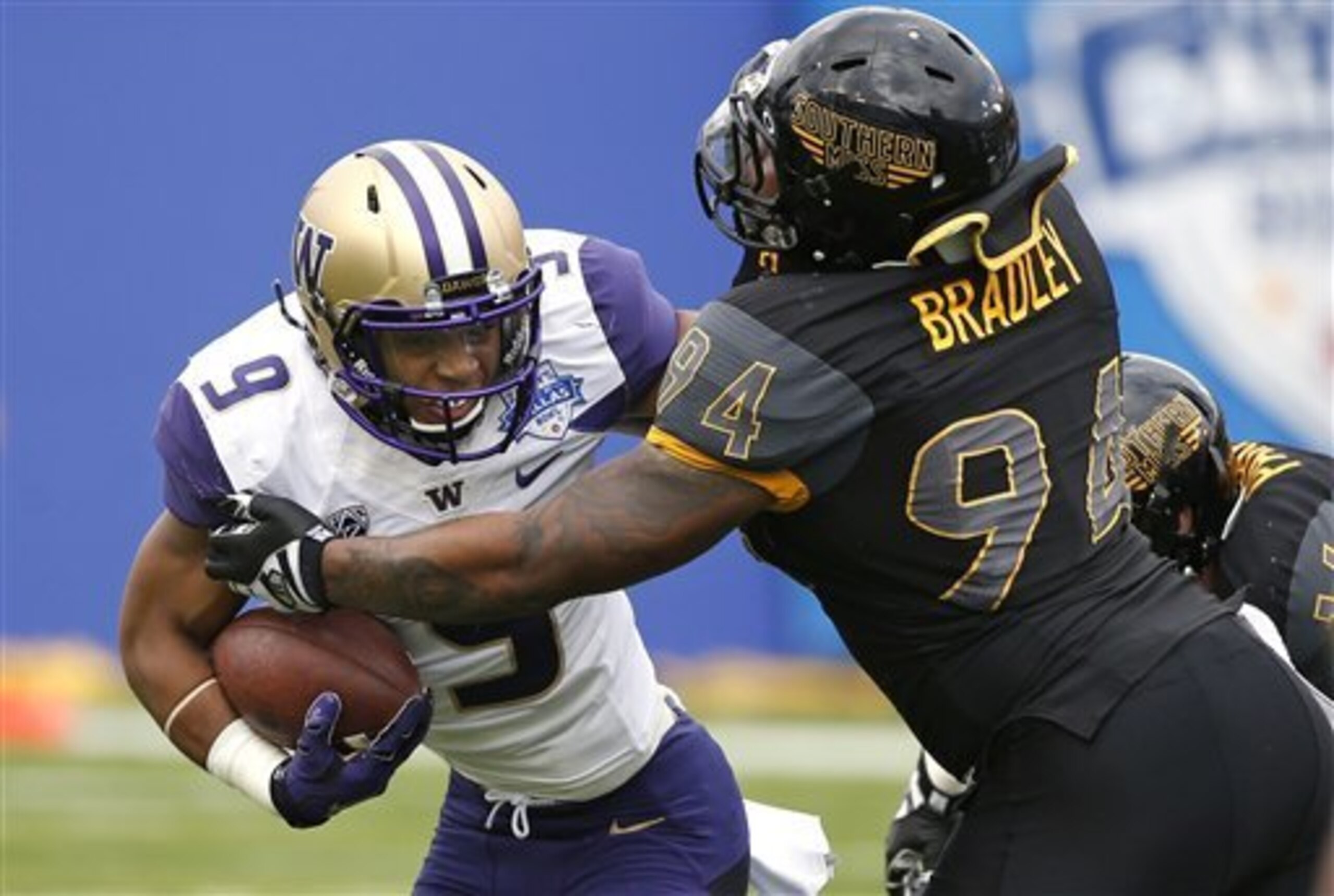
Washington clinched another winning season with a Heart of Dallas Bowl win over Southern Miss, finishing 7-6. That’s below Husky fans’ exacting standards, but Washington and coach Chris Petersen have reason for hope moving forward, especially in the offensive backfield.
Freshman tailback Myles Gaskin emerged as a star, rushing for 1,302 yards and 14 touchdowns. He had eight 100-yard rushing games and finished very strongly, ending the season with four consecutive 100-yard efforts. His best game came in the Heart of Dallas Bowl, carrying 26 times for 181 yards and four touchdowns in a 44-31 victory over Southern Miss.
If the end of the season is any indication, the best is yet to come for Gaskin and the Huskies.
Washington State
63 of 65
Washington State enjoyed a tremendous turnaround season in 2015. The Cougars went from 3-9 to 9-4 following Saturday’s Sun Bowl win over Miami, and the future appears bright in Pullman for Mike Leach and his Air Raid offense.
Leach found a tremendous fit for his system in sophomore quarterback Luke Falk. Falk took the system’s reins and was very impressive. He threw for 4,561 yards with 38 touchdowns against eight interceptions. Falk threw an incredible 644 times and surpassed 400 passing yards in a game five times and 500 twice, playing in 12 of WSU’s 13 games.
And if Leach’s track record is any indication, Falk still has growth ahead in the Air Raid scheme in his final two years on the Palouse.
West VIrginia
64 of 65
Under Dana Holgorsen, West Virginia has been known for its passing offense. This season, however, has been a bit different. The 7-5 Mountaineers had excellent balance. Quarterback Skyler Howard had 21 touchdowns against 12 interceptions, but tailback Wendell Smallwood has been outstanding.
He has 1,447 rushing yards with nine touchdowns, averaging 6.4 yards per carry. Smallwood has eight 100-yard rushing games, including in five of West Virginia’s last six games. He could be in for a big finish in the Cactus Bowl against Arizona State, which ranks No. 97 nationally in scoring defense. Ground and pound? Probably not, but Smallwood will get a chance to finish his season in style.
Wisconsin
65 of 65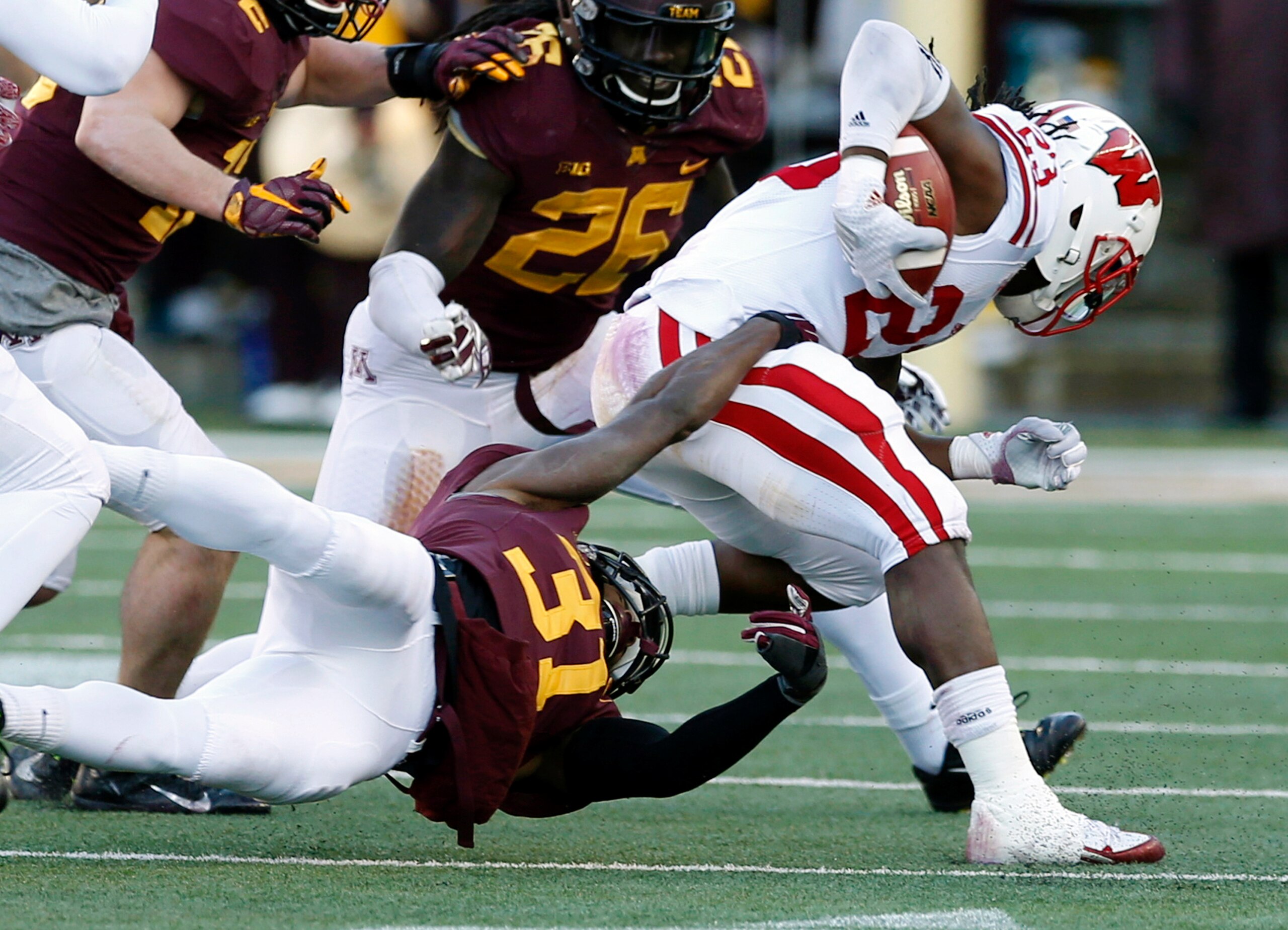
Following Melvin Gordon’s departure, 2015 was supposed to be the year that Corey Clement became the next great Wisconsin tailback. It didn’t happen, due to injuries. But Clement’s absence left an opportunity for another Badger tailback to step forward in the backfield, and Dare Ogunbowale took advantage.
Ogunbowale entered the season with just 193 yards rushing in two seasons, but emerged as Wisconsin’s No. 1 back. Entering the Holiday Bowl, he has 769 rushing yards and seven touchdowns. He finished the season strong, carrying the ball 33 times for 155 yards and a touchdown in a win over Minnesota. It was his third 100-yard rushing effort of the season and a strong harbinger for what’s ahead.
_0.png?w=2560)


.jpg?w=2560 "Grading WWE Raw 🔠")



.jpg?w=2560 "Viral Rams Coach Vid 🖕")

.jpg?w=2560 "2 NFL Officials Suspended")