AC Milan Stadium Failure a Poor Reflection on Club and Berlusconi
AC Milan fans have had a lot to be frustrated with over the last few seasons, but the one thing that most fans would probably say infuriated them the most was the apparent lack of a plan for the future.
It was that way for a long time. Talented young players were passed over for cut-rate veterans signed out of the transfer market. The players who did break out got hurt or were sold off to keep the team's finances afloat. Nothing the club did seemed to take the future into account.
That seemed to change in July, when Milan announced a plan that had the potential to catapult it into a new era of success. But at the critical moment, the club did what it always seems to have done since the beginning of the decade—spit the bit.
TOP NEWS
World Cup 3rd-Place Game Could Be Epic
World Cup Winner Rings 💍
World Cup Final Expert Predictions 🔮
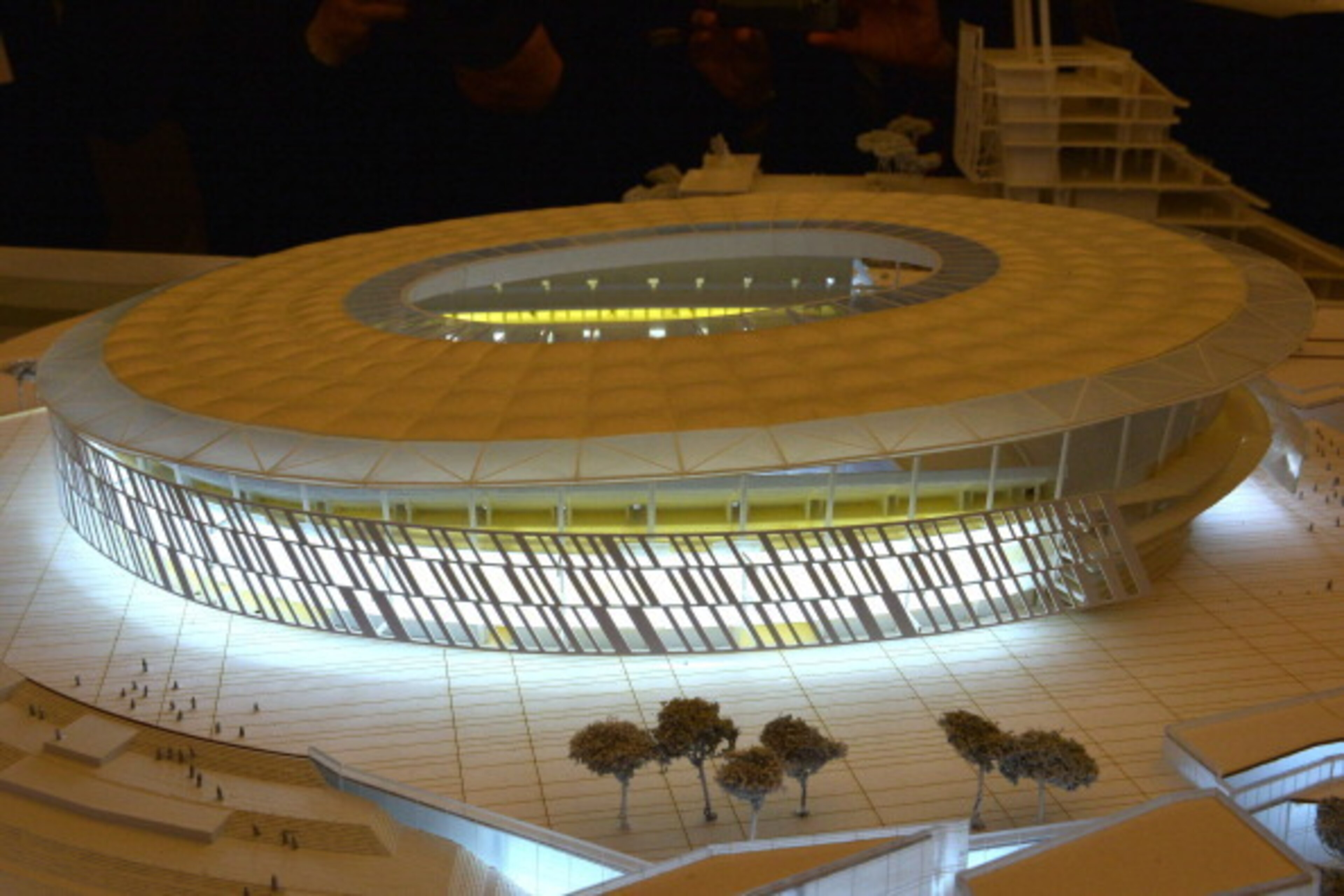
The announcement in question was indeed massive. After an open competition for the land rights, Milan announced that day that it had received the right to build a new stadium on land owned by the Fondazione Fiera Milano in the Portello district of Milan.
When the design of the proposed stadium was unveiled in February, it was shown to be an ultramodern affair. The stadium would be environmentally friendly and accompanied by infrastructure improvements in the neighborhood.
Because the playing surface would actually be recessed into the ground, much like the arena floor at the Barclays Center in Brooklyn, the structure itself would only be about three stories high. It would also include the latest in soundproof material to keep noise pollution to a minimum in the neighborhood.
The proposed 48,000-seat stadium would have been a beautiful monument to the storied club, and it could have brought the team into the future. But it's not going to happen—and it may never.
Not long after the announcement, the Fondazione Fiera Milano and the club began to publicly feud over who would pay to reclaim the land.
Things deteriorated quickly, and now, twice in the last two weeks—once after the Milan derby and again four days ago, after the Palermo game—Milan president Silvio Berlusconi has told the media that Milan is now scrapping the plans for a new ground and will be staying at the San Siro.
This is such a monumentally bad decision that it's hard to put into words. It really borders almost on stupidity.
The San Siro is historic. It has been Milan's home for 15 of their Serie A championship seasons and all seven of their European titles.
It's also almost 90 years old. While it has received periodic facelifts, including the one it is currently undergoing as it prepares to host the Champions League final in May, it is still fundamentally outdated. It is also massive—with its 80,000 capacity too much for a club team to realistically expect to sell out regularly.
One of Italian soccer's biggest problems is its infrastructure. The stadiums that clubs use are often ancient multipurpose grounds with running tracks that keep fans far from the field and give them terrible views. Even the purpose-built soccer stadiums are, for the most part, badly in need of repair.
This creates an atmosphere that is far from fan-friendly and often leads to problems policing the rowdier minority that can disrupt games.
Of the 16 stadiums in use in Serie A this year, 11 of them were built in 1936 or earlier. Five of them were used the first time Italy hosted the World Cup—in 1934.
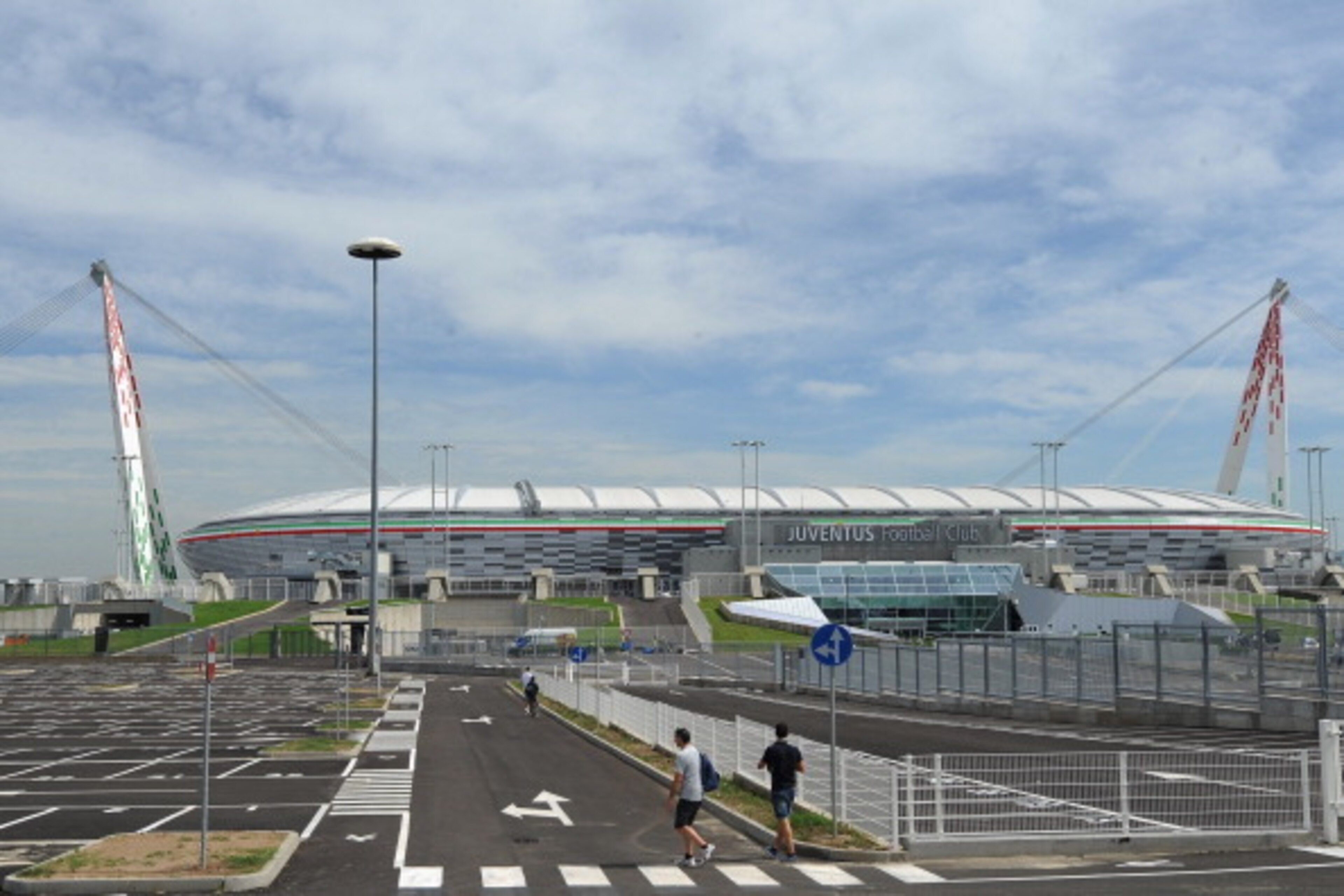
Italy has actually been better at replacing stadiums from the 1990 tournament than from the 1934 edition. The Stadio delle Alpi—which was built in Turin specifically for the 1990 World Cup—was razed less than 20 years later in order to make way for the Juventus Stadium.
Apart from improving the fan experience, Juve's new club-owned ground also brings the team big money in the form of matchday revenue that, in the case of most of the rest of the league, would go to the municipality that owns the venue. That revenue has gone a long way toward making Juve the most financially sound team in the league.
Only three teams in Italy currently own their own stadiums—Juve, Udinese and Sassuolo. Roma is well on its way to being the fourth, with Rome mayor Ignazio Marino telling ReteSport (h/t Football Italia) on Thursday that his administration is very keen on approving their project in time for the Giallorossi to begin construction late this year.

Milan could have joined this group and been one of the leaders in a badly needed effort to remake Italy's footballing infrastructure.
Instead, because of money and sentimentality—when talking to reporters after the Palermo game, Berlusconi waxed philosophical over the San Siro's beauty and about going to games with his father—the team is staying put in a stadium that, while a wonderful place, is no longer suited to its needs.
That sentimental drivel is the same kind of thing that has killed Milan in the transfer market by bringing in veterans past their prime, like Kaka two years ago, and by inspiring the hires of a pair of coaches in Clarence Seedorf and Filippo Inzaghi with little to no actual experience but huge pedigrees at the club as players.
It's also severely undermining Milan's power structure—Berlusconi's daughter, Barbara, in particular.
In 2013, Barbara was placed in a strange power-sharing arrangement with team vice-president Adriano Galliani. He handles the transfers, she handles the business side of the club. She was the one who spearheaded the effort to plan the new stadium and secure the land rights.
Now she looks completely powerless in the face of her father's whims. Considering how publicly he's overridden Galliani lately—he personally renewed the contract of defender Philippe Mexes this summer and then torpedoed the sale of the Frenchman to Fiorentina—both of the team's vice presidents now look like powerless lumps.
AC Milan needed this stadium. It would have gone a long way toward improving the team's finances and would have provided the kind of atmosphere that the Juventus Stadium does for the Bianconeri. Instead, Berlusconi proved once again that what he likes is more important to him than what's good for his club.
It's yet another sign that Milan needs a new majority owner in order to truly regain its place in the game.