.jpg?w=2560)

New 2026 NBA Mock Draft with Fresh Lottery Simulation
This is either the most exciting time on the NBA draft calendar or the least aesthetically pleasing one.
It all depends where you look.
If you're locked in on the league's next batch of incoming prospects, then you're about to find out whether they can rise (or face plant) against the elevated pressures and competitions of college basketball's tournament season. If you're instead affixed on the Association's bottom-feeders, then you're witnessing how rough tanking looks in real-time.
Either way, things are happening that can move (and have moved) the draft board.
That movement will be highlighted in this mock, which features a fascinating draft order put forth by Tankathon's lottery simulator. With only one of the current bottom-four clubs actually securing a top-four pick, there are some big winners and huge losers in this hypothetical talent grab.
1. Utah Jazz: Darryn Peterson, SG, Kansas
1 of 30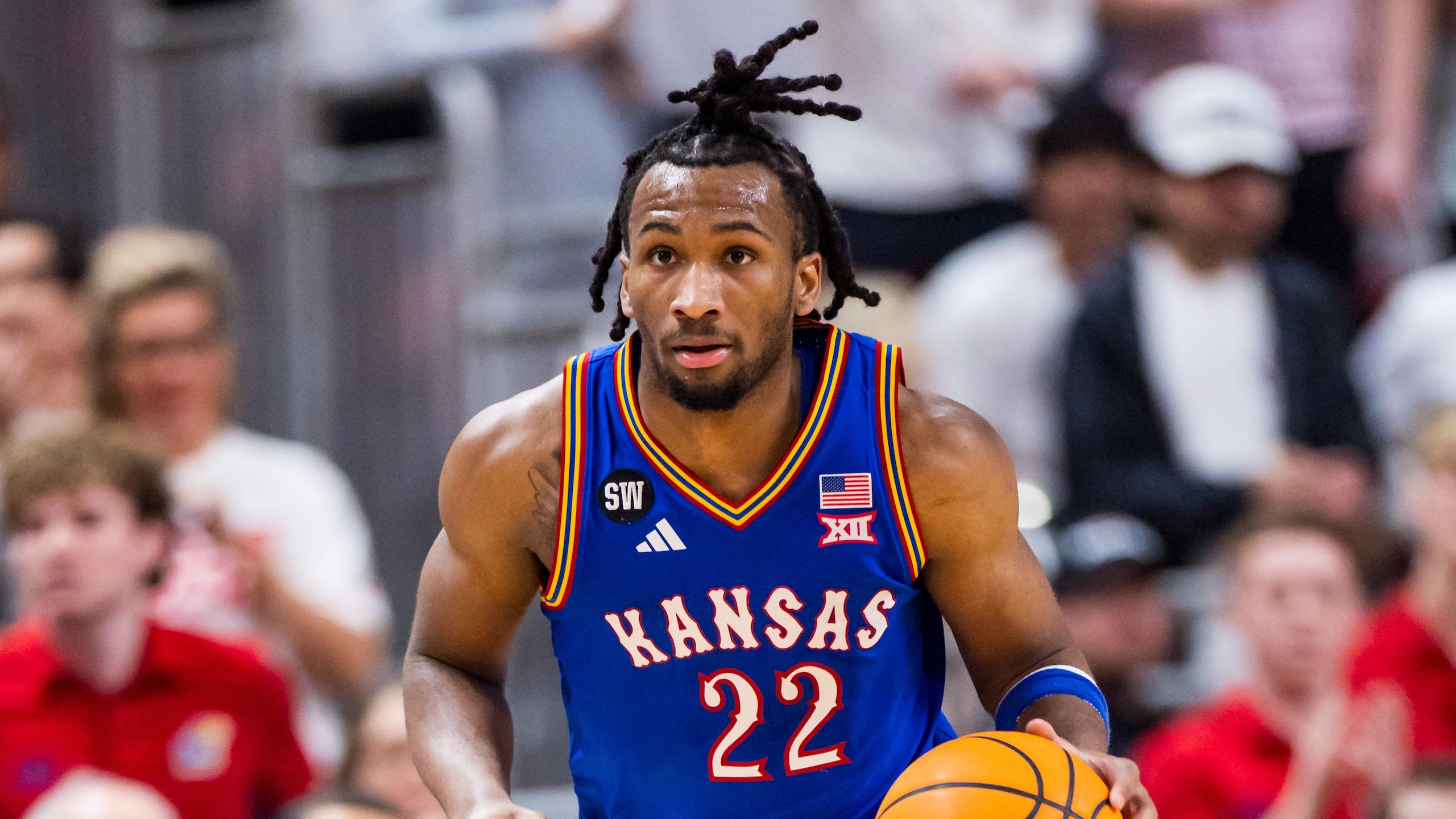
It's always dangerous to factor fit into the equation with the first overall pick, but that's not necessarily what's happening here.
There are straight-faced arguments to make about Peterson being both the draft's best prospect and the one with the most potential. His availability concerns are...well, concerning, sure, but he elicits sacrilegious-sounding comparisons for a reason.
That said, if the Jazz truly think it's a toss-up between Peterson, AJ Dybantsa, and Cameron Boozer, as some scouts believe, then Peterson's positional fit could be the tiebreaker. Utah seems stacked up front, but its backcourt could use a two-way contributor alongside Keyonte George, and Peterson offers the defense, shotmaking, and secondary creation needed to fill that role.
2. Brooklyn Nets: AJ Dybantsa, SF, BYU
2 of 30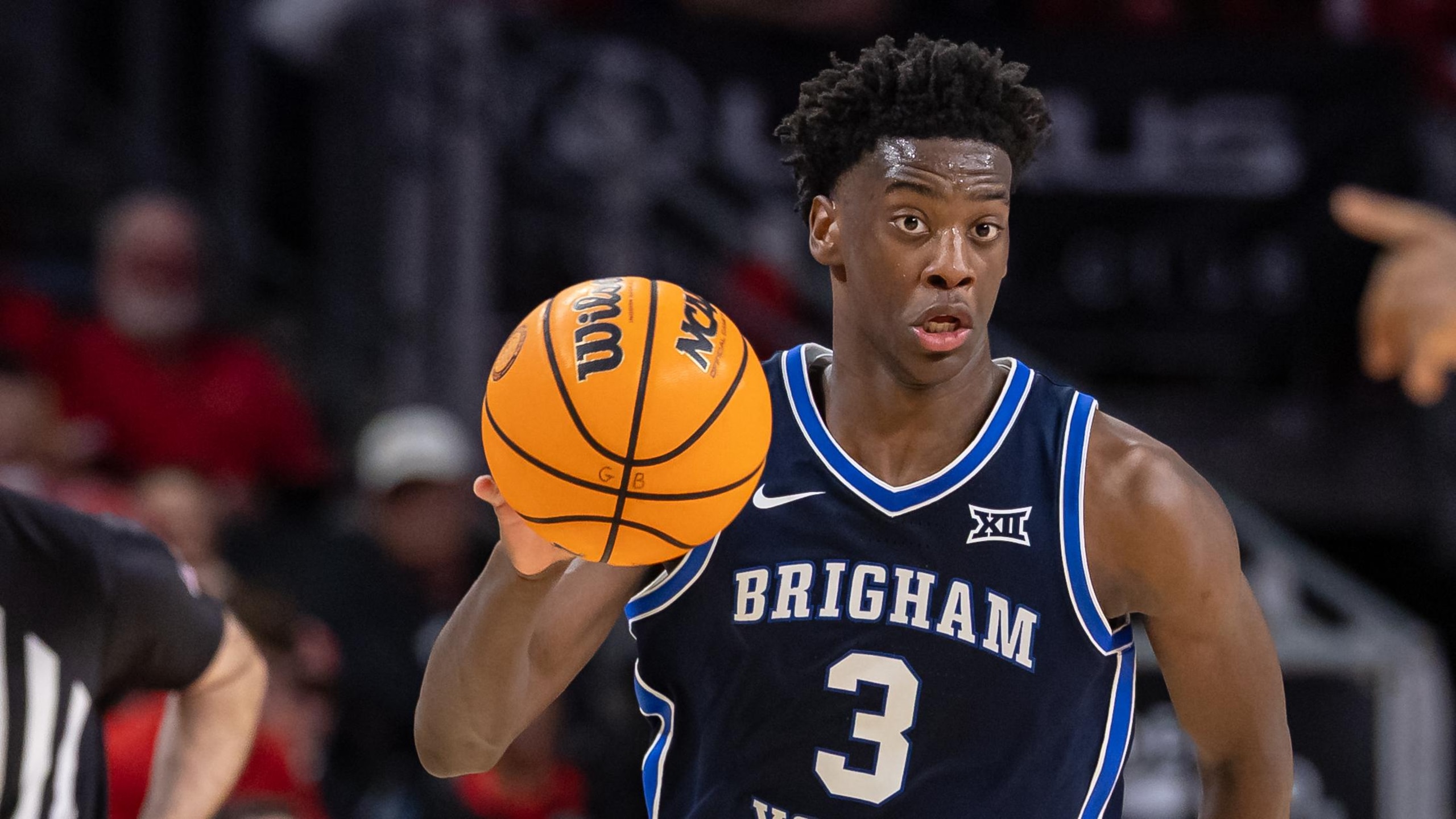
Despite making five first-round picks at last year's draft, Brooklyn's need for blue-chip talent is among the league's most dire. If Dybantsa is still on the board when the Nets are on the clock, it might take a half-second (at most) for them to submit their selection.
He sees himself as something of a Tracy McGrady clone. For the younger members of the audience, McGrady was a two-time scoring champ and seven-time All-Star and is a Hall of Famer despite having one of the hoops world's more intriguing what-could-have-been careers, given the injury issues that impacted him and some of his top teammates (like Grant Hill in Orlando or Yao Ming in Houston).
Dybantsa aces the eye test as the proverbial athletic big-wing. His blend of size, explosion, handles, fluidity, and scoring versatility is real lab-created-hoops-prodigy stuff. With the right amount of polish and development, his career could be an all-timer.
3. Dallas Mavericks: Cameron Boozer, PF, Duke
3 of 30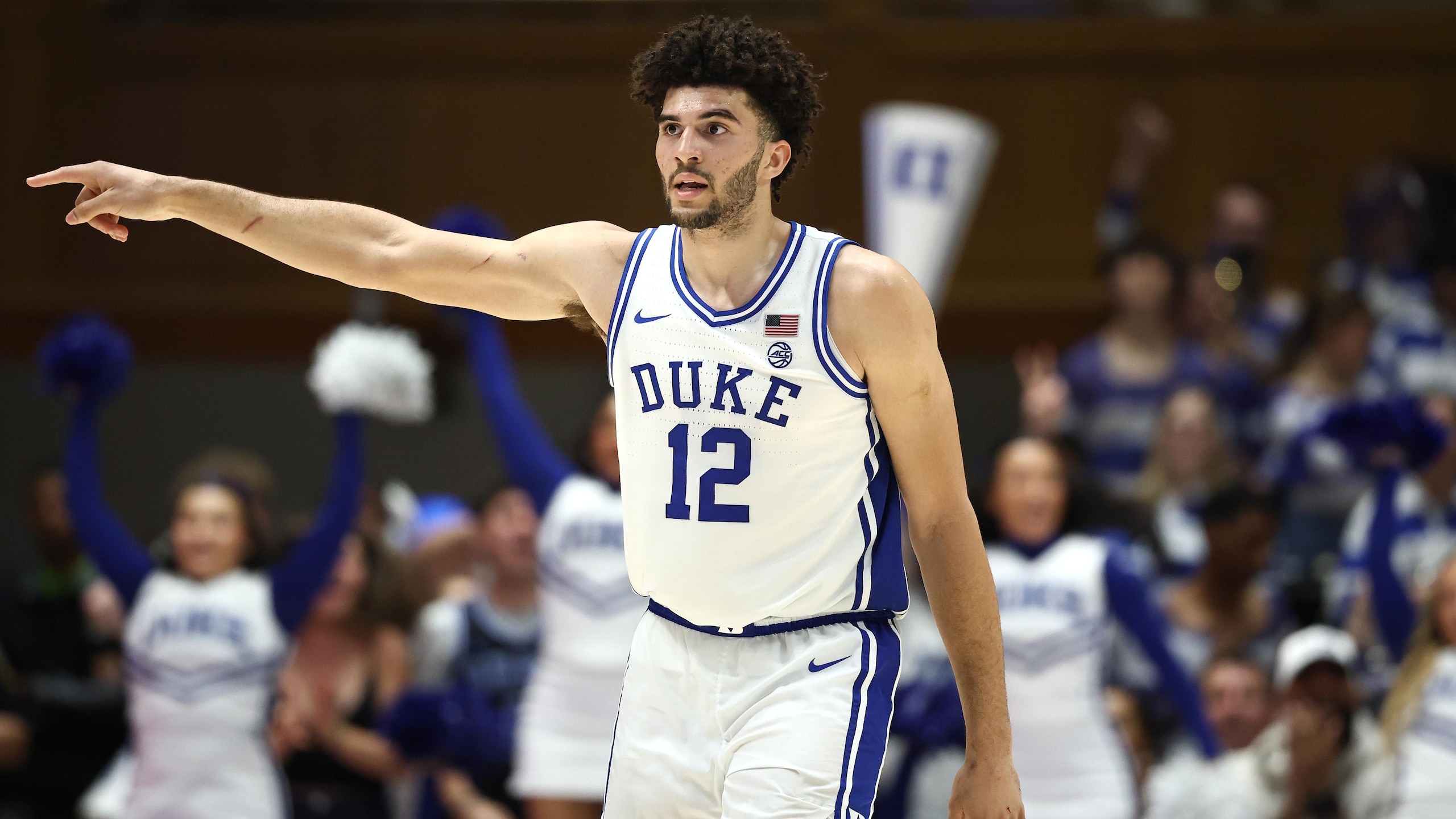
If the Mavericks really want to distance themselves from last season's Luka Dončić disaster deal, why not just embrace a full-scale rebrand as the Dallas Blue Devils? After all, the Durham-to-Dallas pipeline has already treated this franchise awfully well, and that's without even seeing what can happen when Cooper Flagg, Kyrie Irving, and Dereck Lively III all share the floor.
Adding Boozer to the mix would only up the potency.
Would it feel more comfortable slotting him into an NBA power role if he were a bit bigger and more explosive? Probably. But it's not like his size-skill combo is seen often as it is. He could be a tremendous advantage-creator with his paint-to-perimeter scoring range and willingness to consistently make the right reads.

4. Portland Trail Blazers: Caleb Wilson, PF, North Carolina
4 of 30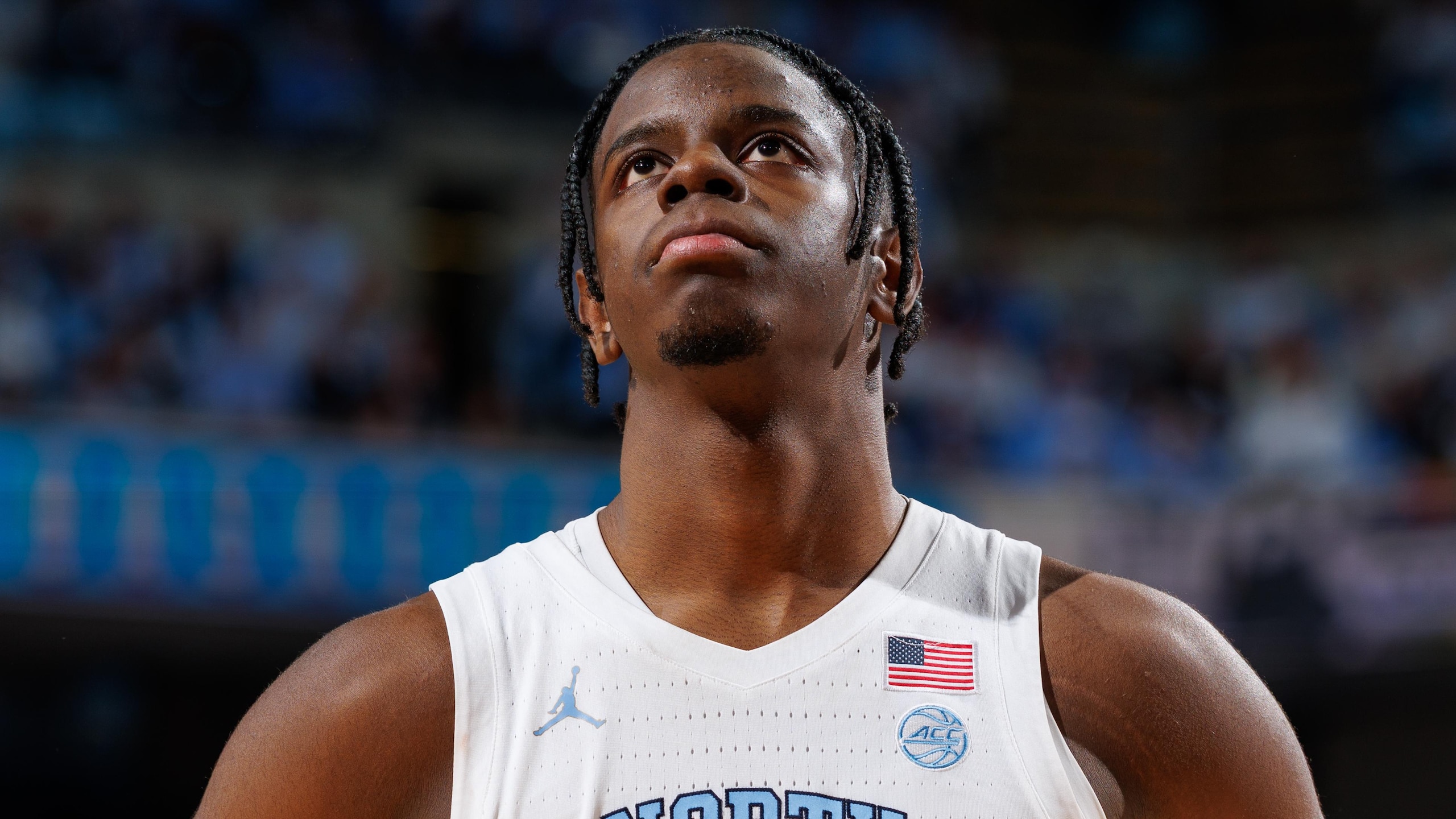
With such a strongly defined top three in this prospect class, the No. 4 pick feels like it should be a fascinating pivot point. There's just one problem with that: Wilson might have a mini-tier all to himself.
Maybe some will disagree, since he's not much of a shooter or creator, but he still pairs so many average-or-above skills with explosive athleticism and an elite motor. Portland, the biggest lottery leapers, would almost certainly pounce on the chance to solidify a possible win-now-and-later frontcourt featuring Wilson, Deni Avdija, and Donovan Clingan.
There's some safety with this selection, yet it doesn't necessarily come at the expense of potential. Those intrigued by Wilson's ball-handling and optimistic about long-term range expansion could picture multiple paths toward major, critical improvements on the offensive end.
5. Sacramento Kings: Kingston Flemings, PG, Houston
5 of 30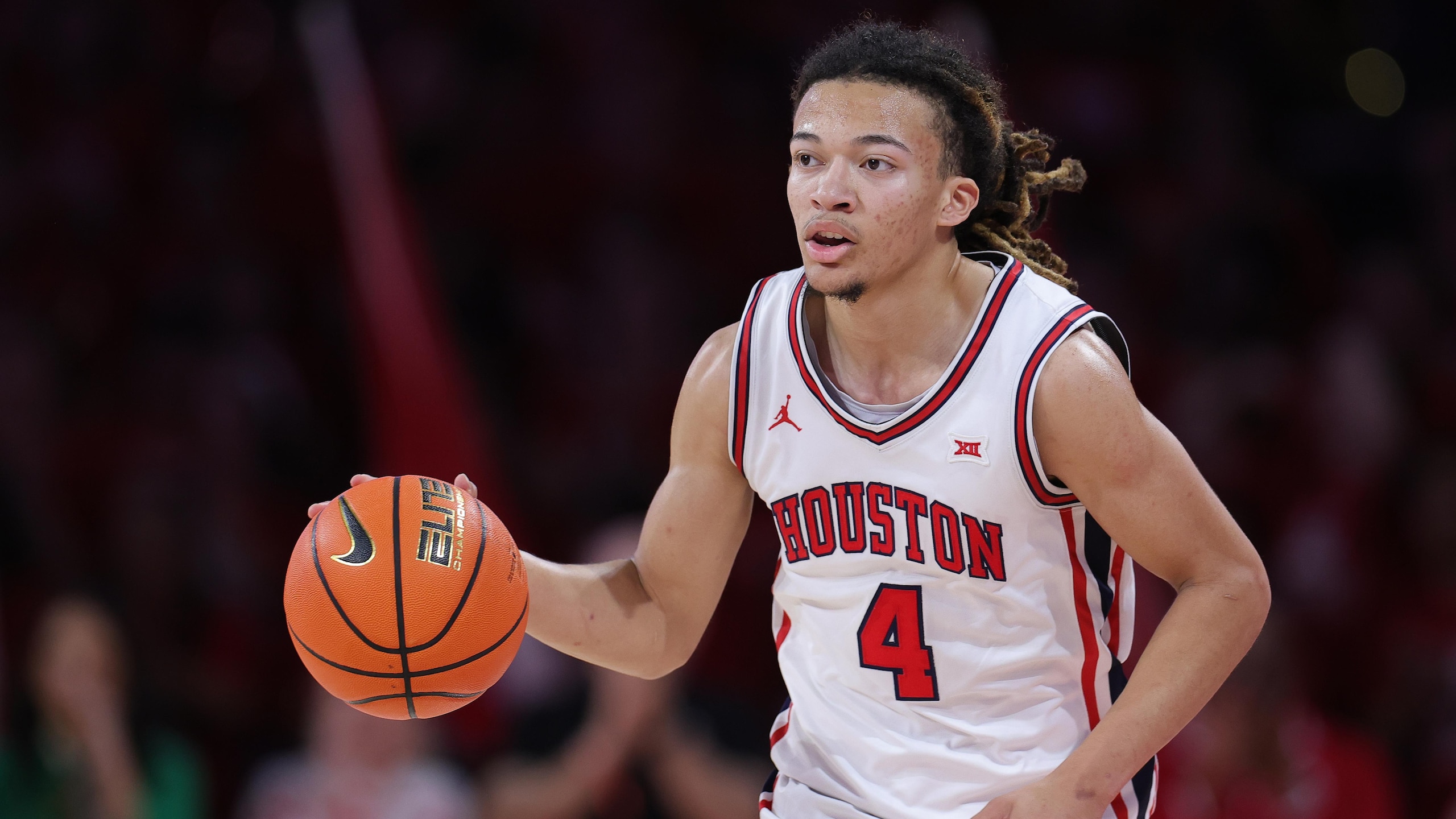
You know how the Kings have that De'Aaron Fox-sized hole at the point guard position? Well, guess who B/R's Jonathan Wasserman compared Flemings to in his latest mock.
That's right, Wasserman gave Flemings a Fox comparison while saying he could be "the safest" of the point guard prospects in this draft, "due to his physical profile, bankable pull-up game, and valued intangibles like IQ and late-game poise."
Flemings is a blur with the basketball, a bowling ball on downhill attacks, and a ball-moving, drive-and-kicking floor general. Like Fox, shooting will be a swing skill for Flemings, but he could be a nightmare cover if he's a consistently comfortable and capable shooter from distance.
6. Los Angeles Clippers (via IND): Jayden Quaintance, PF, Kentucky
6 of 30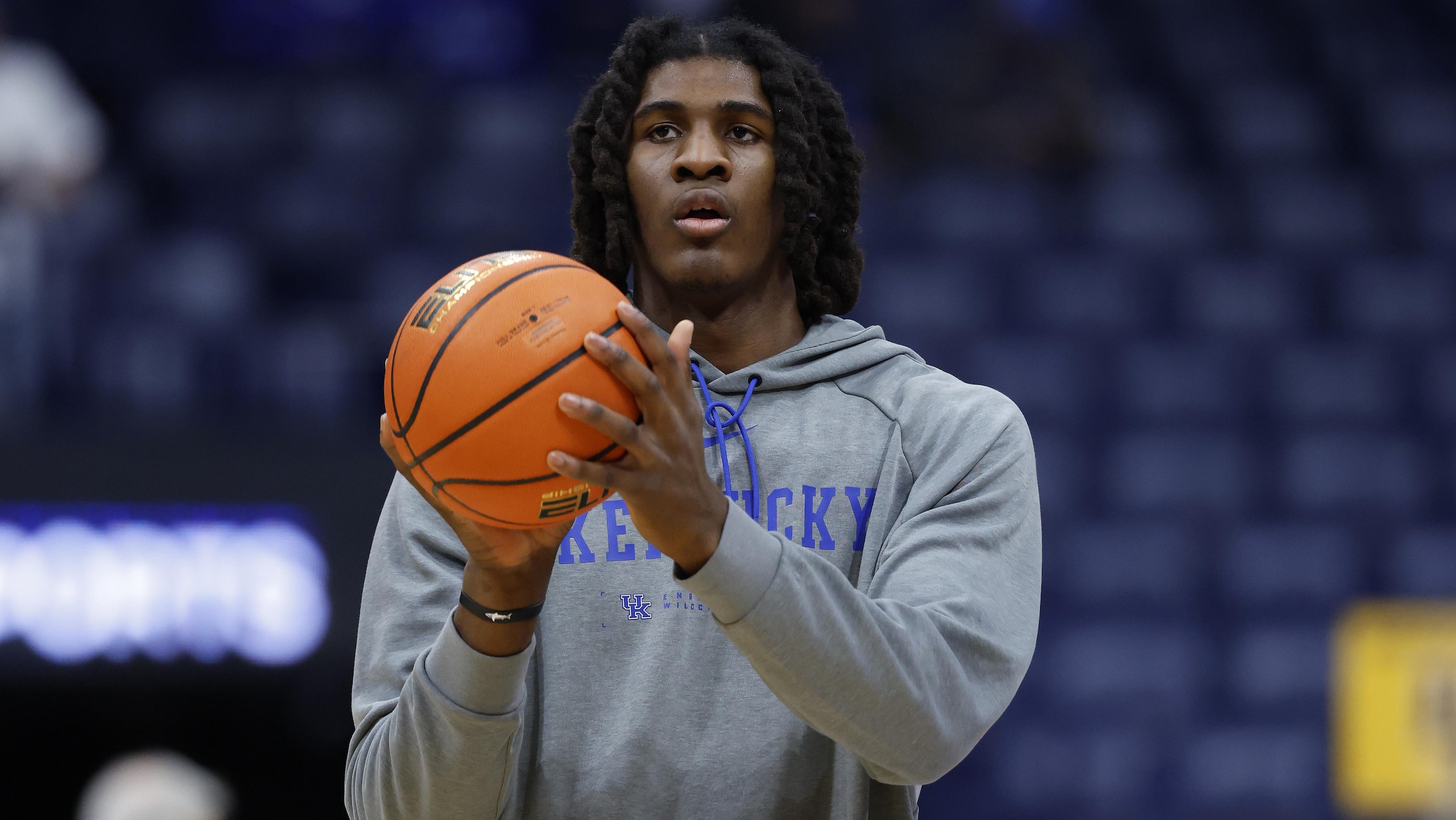
This might be the highest you see Quaintance mocked, and it's the biggest leap of faith in this lottery. The torn ACL that stunted his freshman season will seemingly limit his sophomore effort to four contests, raising unanswered questions about his development and concerns about availability.
There's also best-in-the-class defensive potential here, and maybe that gets the Clippers to bite. Maybe it's a touch too early for a needs-based pick, but the deadline addition of Darius Garland could still turn them away from the ball-dominant scoring guards most often mocked in this range.
Short-term, they might see Quaintance forming a mobile brick wall with Kawhi Leonard, and long-term, they could view him as a tone-setting stopper and a rim-running pick-and-roll partner for Garland.
7. Washington Wizards: Keaton Wagler, PG/SG, Illinois
7 of 30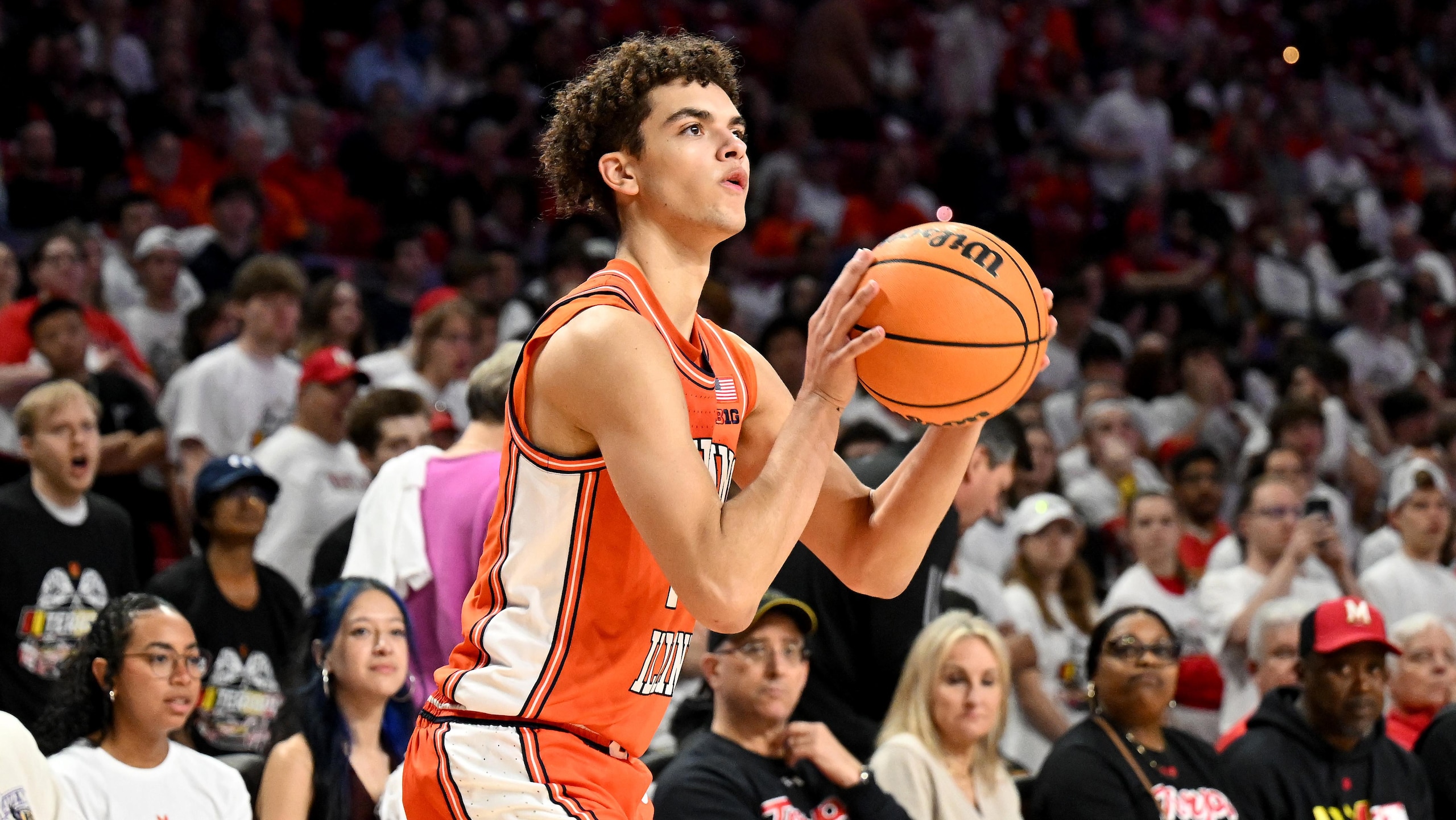
Between the summer addition of Tre Johnson and the in-season move for Trae Young, Washington's need for offensive production isn't quite as glaring. Its collection of point-producers isn't so overwhelming, though, that it should pass up the chance to add Wagler.
The biggest riser of this draft season, he has morphed from a decent-sized shooter to a great-sized lead guard (6'6"). His shooting range and fiery stroke alone intrigue, but his better-than-expected finishing and decision-making give him legitimate steal potential even this high in the draft.
He isn't notably strong or explosive, so maybe he won't torch NBA defenders quite the same way as he's toyed with college stoppers. Or maybe he's on a Tyrese Haliburton-type path toward processing and producing at a super-high level even without elite physical gifts.
8. Atlanta Hawks (via NOP): Mikel Brown Jr., PG/SG, Louisville
8 of 30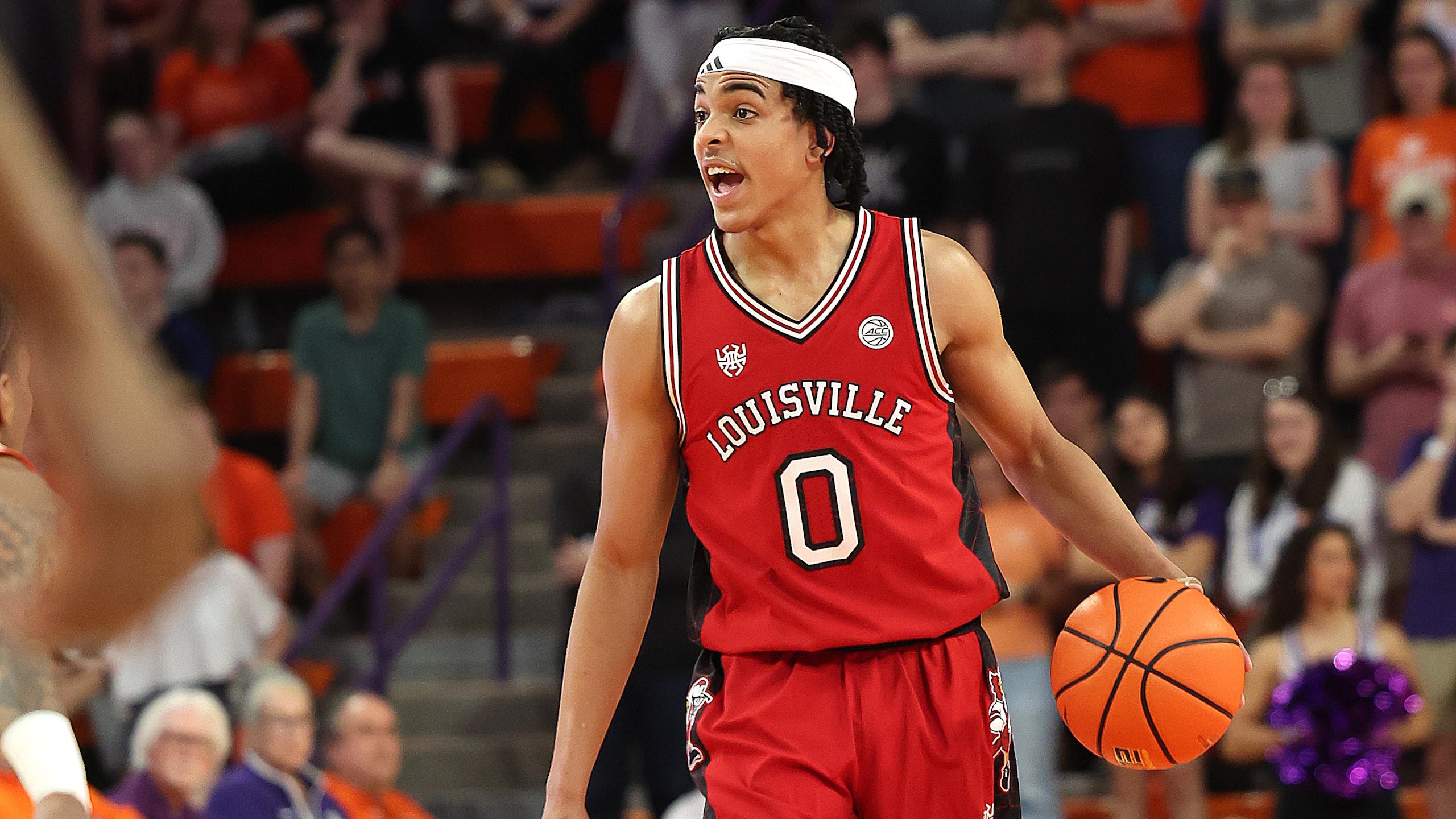
The Hawks were probably wise to get out of the Trae Young business when they did. They have traveled that road often enough to know where it was headed—and where it probably wasn't.
That said, they still need someone to replace all of those long-distance daggers, flashy dimes, and defense-ditching drives to the rim. Brown covers all of those areas and possibly more if he maxes out his development.
He is a pick-and-roll maestro and a natural playmaker with super-deep range on his shot. He could be, frankly, a lot like Young, only with more size and perhaps better off-ball utility.
9. Memphis Grizzlies: Darius Acuff Jr., PG/SG, Arkansas
9 of 30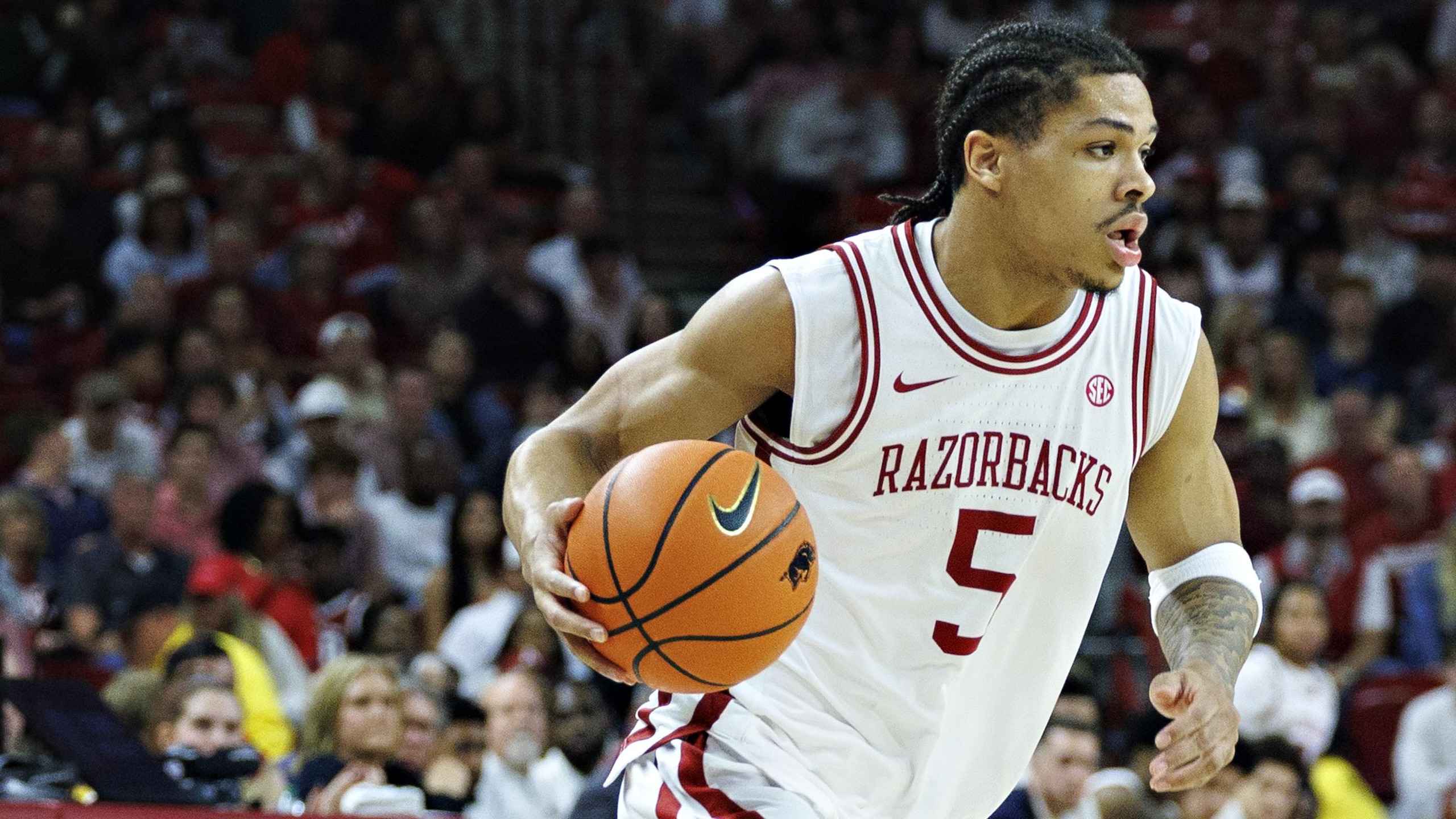
While the Grizzlies are technically still awaiting a Ja Morant trade, they are perched atop the starting blocks of a hard roster reset. Building blocks of any size and shape would do, but a lead guard with consistent self-creation ability might make the biggest impact on this group.
Acuff has that in his bag. He is more functional than flashy in the best way. There are some question marks, but there are only so many ways to nitpick this production: 22.2 points on 49.3/43.7/79.4 shooting with 6.4 assists against 2.0 turnovers. Oh, and that's while serving as the 19-year-old freshman floor general for a top-20 team in the country.
His size (6'2") and non-elite athleticism will present some physical challenges, but a starting-from-scratch rebuilder should absolutely bet on his talent. There's a non-zero chance it's legitimately transformational.
10. Chicago Bulls: Nate Ament, SF, Tennessee
10 of 30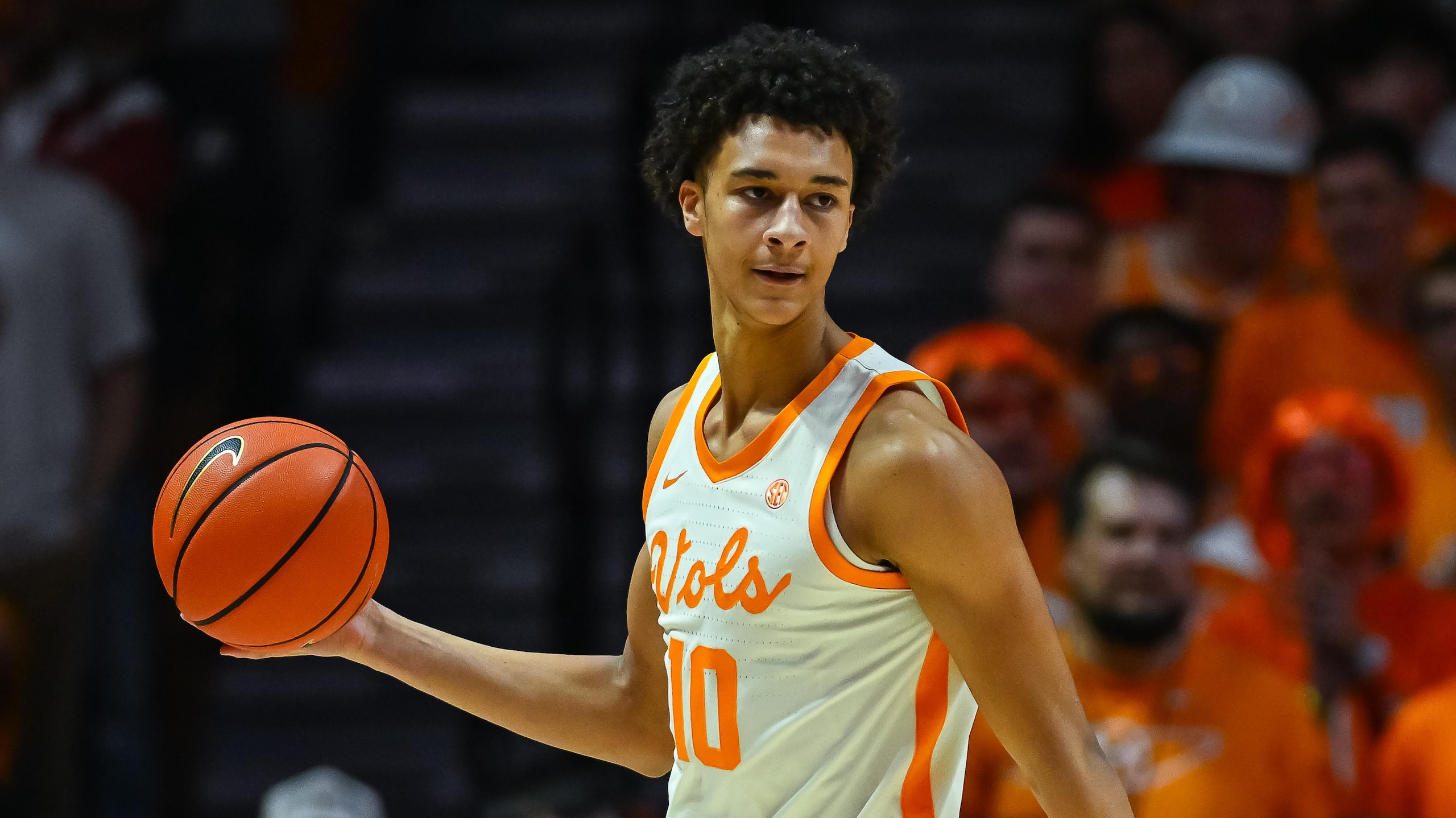
The Bulls would welcome a huge upside swing, but their options are limited by their hesitance to dismantle their core and the lack of lottery fortune here.
They might have to absorb more risk than they'd like with a top-10 pick. Ament isn't particularly explosive. He needs to get stronger if he's going to continue to attack off the dribble. His shot runs hot and cold.
But it's hard to find big wings who can dribble, pass, and shoot, and Ament does all of the above as a 6'10" teenager. Even if he maxes out as a versatile scorer and shotmaker, he could stand out on this rebuilding roster and probably hold centerpiece status next to Matas Buzelis.
11. Milwaukee Bucks: Brayden Burries, SG, Arizona
11 of 30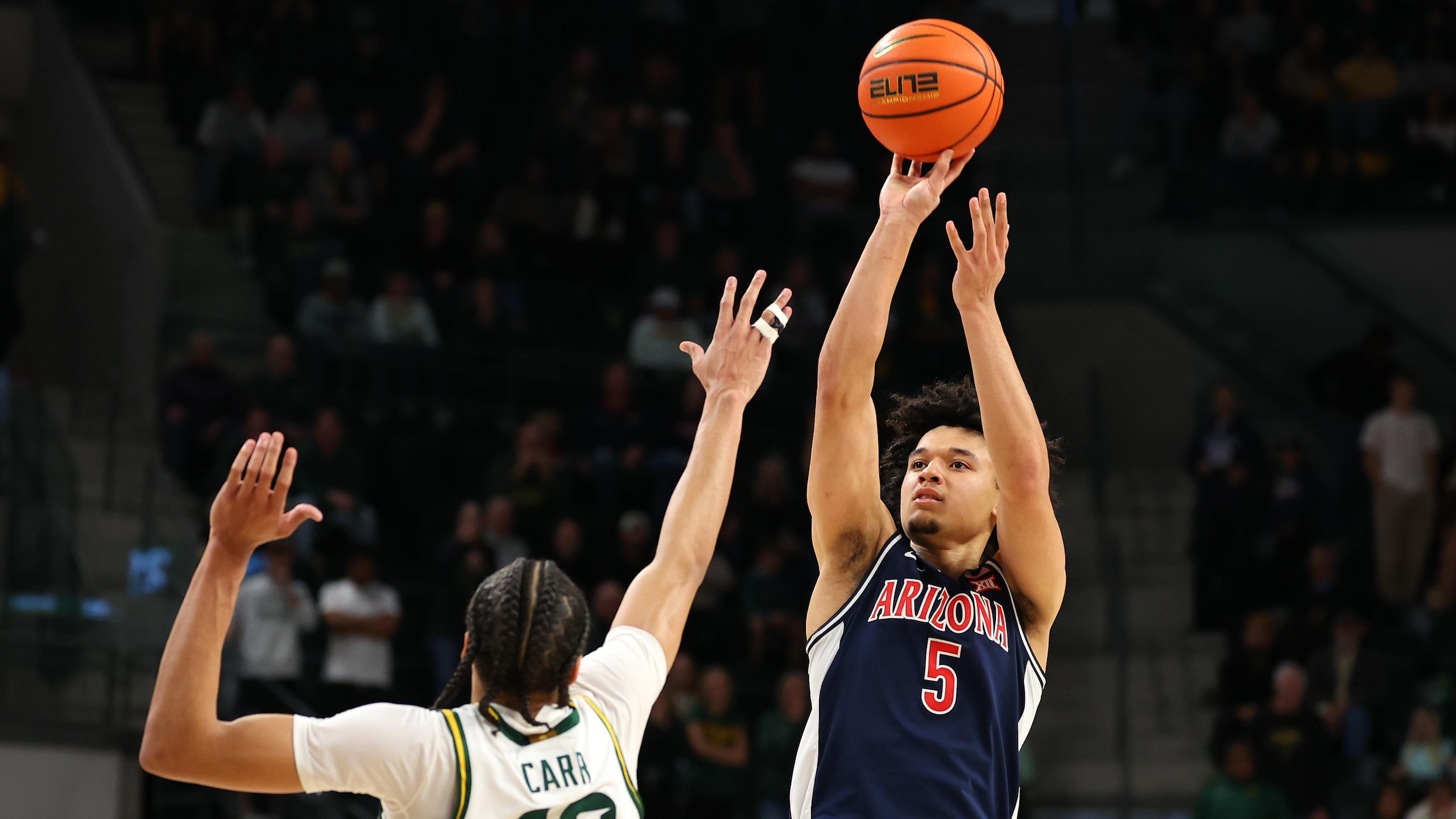
This is one of the bigger-tier drops in the draft, and maybe that motivates Milwaukee to shop this pick for more immediate assistance for Giannis Antetokounmpo. Then again, that perceived drop surely hurts the potential return, too, so maybe the Bucks are better off keeping the pick and buying into Burries' play-and-play potential.
He doesn't play the flashiest style and offers more force than finesse, which isn't the cleanest profile for a 6'4" off-guard who lacks elite vertical athleticism. That said, he understands how to play within his role, offering a good blend of off-ball shooting, secondary playmaking, downhill attacking, and aggressive rebounding.
He could have a decade-plus NBA career in front of him, but he just doesn't figure to warrant All-Star consideration at any point in it.
12. Charlotte Hornets: Koa Peat, PF, Arizona
12 of 30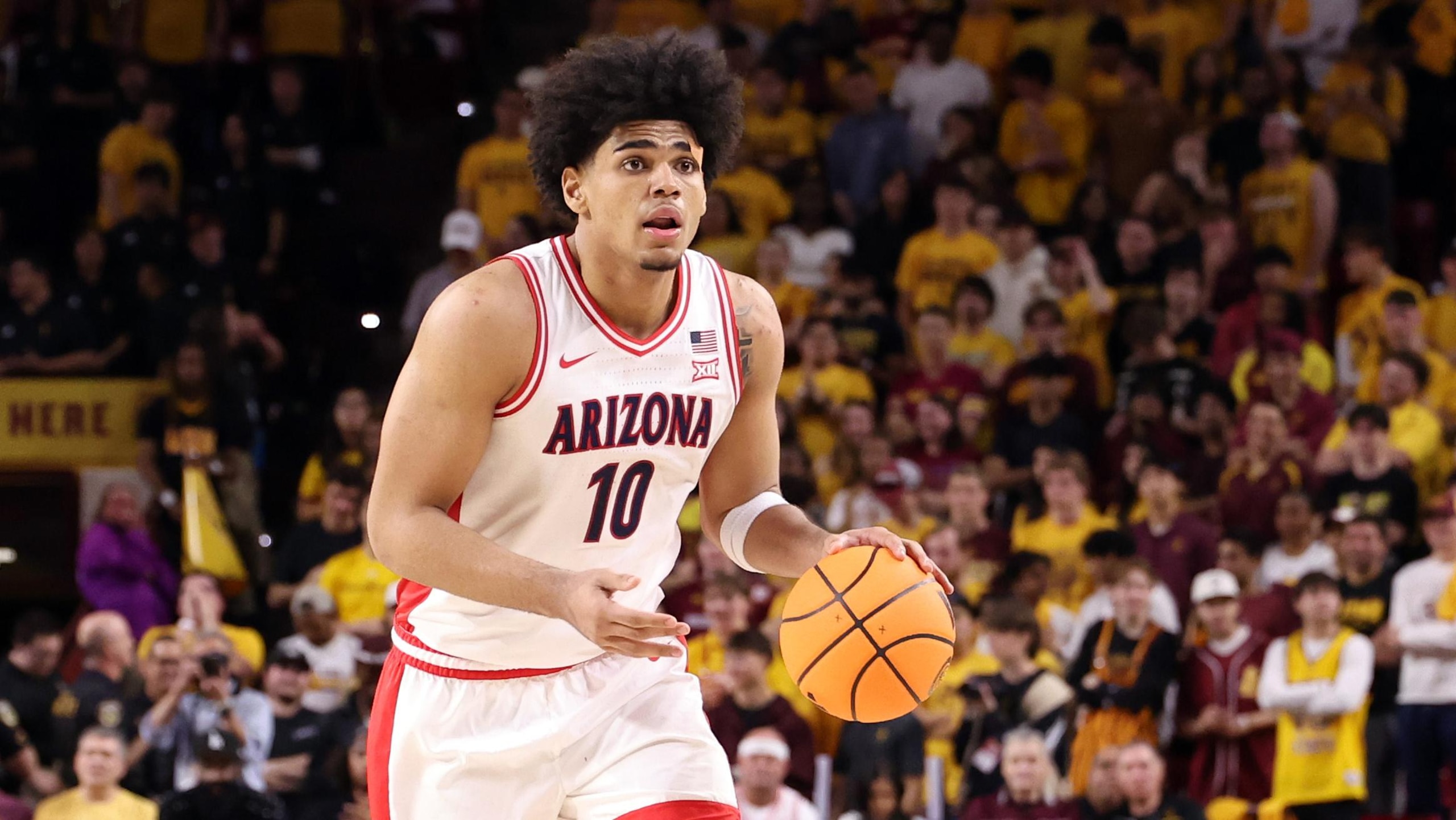
If the Hornets sense real sustainability in their 2026 surge, then they don't have to swing for the fences. Rather, they could focus on making solid contact and hope they might be able to leg out a double.
Peat's NBA profile is tricky, since he lacks size for the interior (6'8") and the shooting consistency and creation needed on the perimeter. Push past the limitations, though, and you'll find a whole heap of interesting, helpful support skills.
He rebounds, he defends, he distributes, and he thinks the game at a high level. And he can clearly contribute to winning (at least at the college level). If Charlotte thinks it has the makings of a contending-level puzzle, it could buy Peat as someone who helps bring that picture together.
13. Golden State Warriors: Thomas Haugh, SF/PF, Florida
13 of 30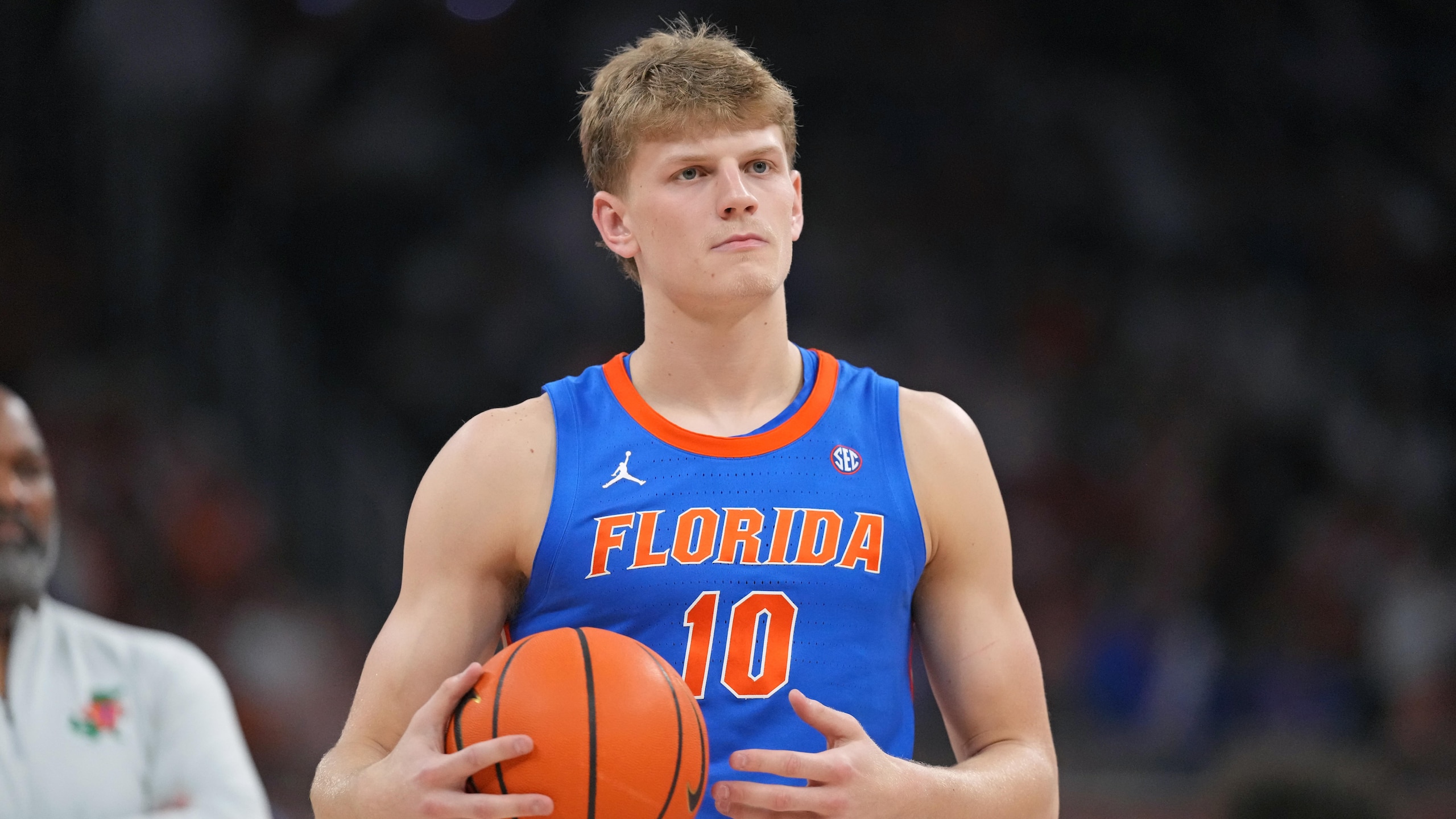
The Warriors don't have time to crash the tanking party, so they'll need some serious lottery luck to have access to a difference maker. Should they wind up in this range, then, it'd make more sense not to chase a risk-reward prospect and instead focus on finding someone who can handle a rotation role next season.
Haugh should be up to that challenge, especially if he can add volume and efficiency to his outside shot.
He plays hard and smart, he finishes in transition, and he competes his tail off on the defensive end. If Golden State seeks out a hustle-hard play-finisher and doesn't expect anything more, he'd be perfect.
14. San Antonio Spurs (via ATL): Yaxel Lendeborg, PF, Michigan
14 of 30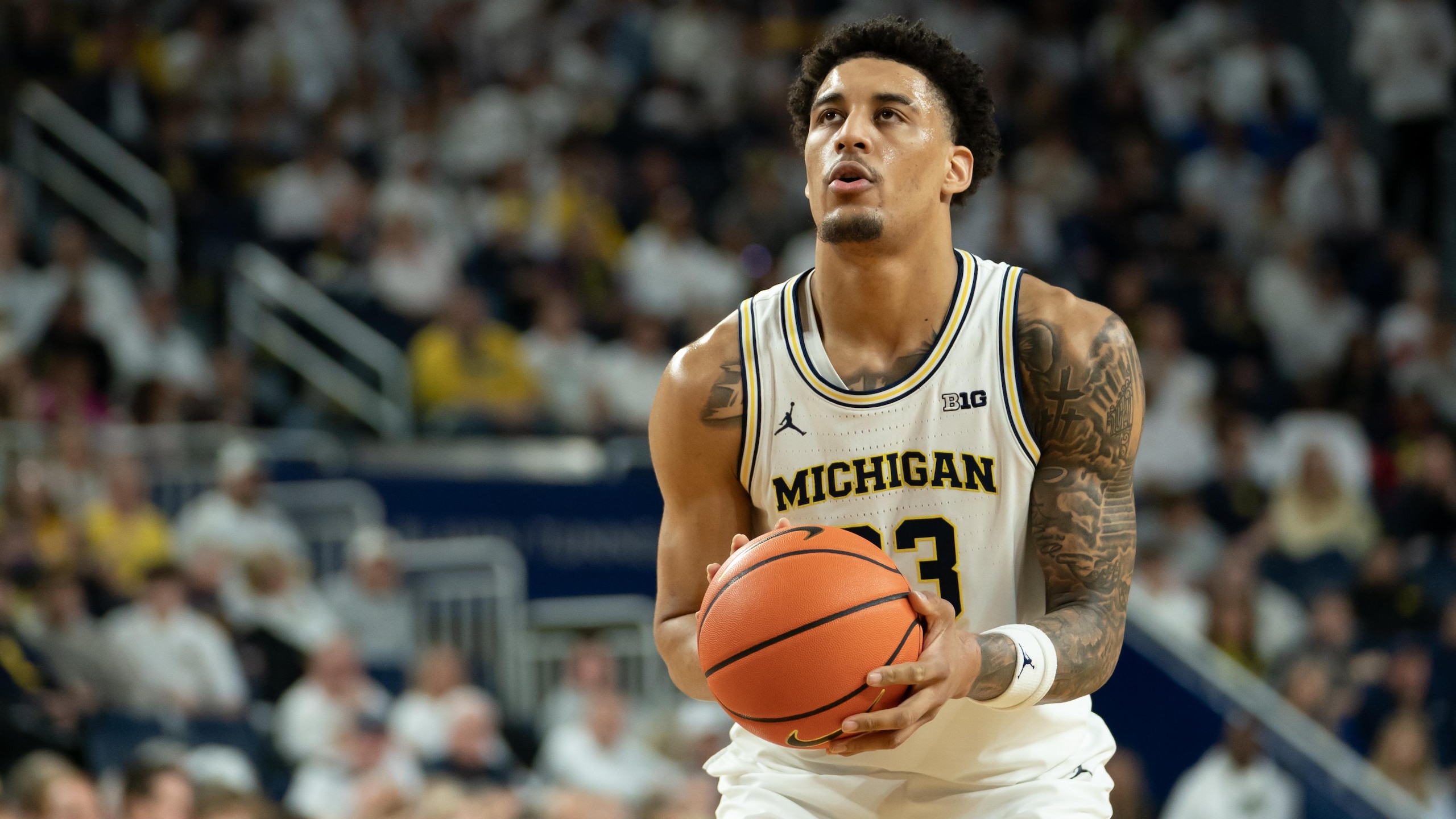
Among all of the prospect-team connections made here, this is a personal favorite. Lendeborg may not have a towering ceiling—he'll turn 24 ahead of his first NBA appearance—but he could boost this bunch in a lot of ways that San Antonio previously hoped Jeremy Sochan would.
The defensive versatility is the same, the shooting is improved, and there's more proof of concept with Lendeborg's ability to function as a jumbo-sized playmaker.
If he can up his perimeter output (his 82.7 free-throw percentage offers encouragement), he could be the kind of role player who helps in a lot of places and doesn't really hurt you anywhere.
15. Oklahoma City Thunder (via LAC): Karim Lopez, PF, New Zealand Breakers
15 of 30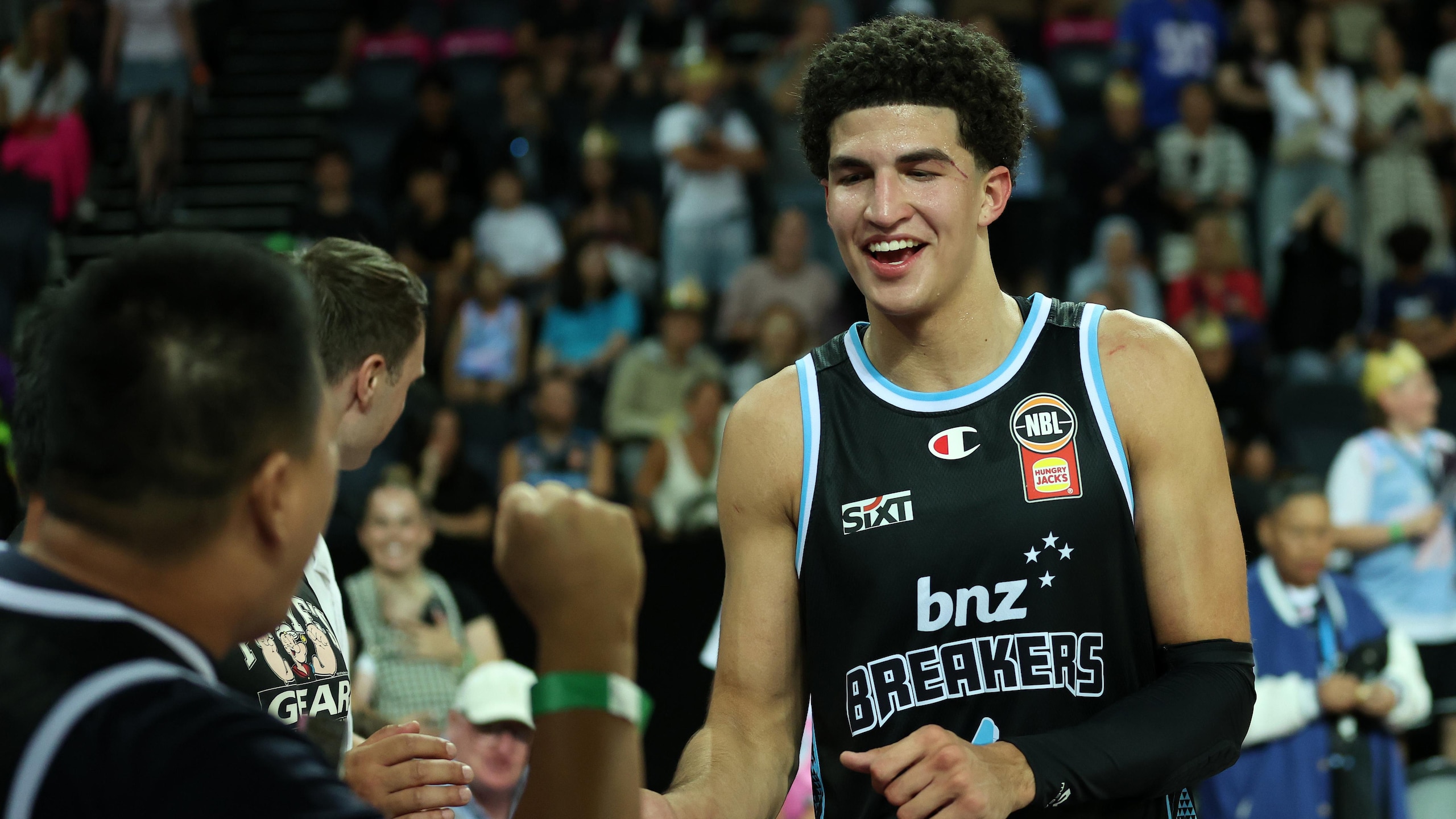
Depending on how the Thunder handle their team options for Isaiah Hartenstein, Lu Dort, and Kenrich Williams, they might have more obvious needs closer to the draft. As it stands, though, they're basically deep everywhere (when healthy), so maybe they'll throw another long-term dart as they did with Nikola Topić and Thomas Sorber in recent drafts.
Lopez doesn't have the injury issues those players did, but there's still some mystery-box questions regarding his NBA fit.
Shooting isn't an obvious strength, and neither is lateral movement, so he doesn't check some of the boxes you'd like from a non-center role player. Still, his size (6'8", 225 lbs) and skills are awfully impressive for an 18-year-old, and he'd be a tough cover going downhill if he can force defenders to pick him up on the perimeter.
16. Oklahoma City Thunder (via PHI): Braylon Mullins, SG, UConn
16 of 30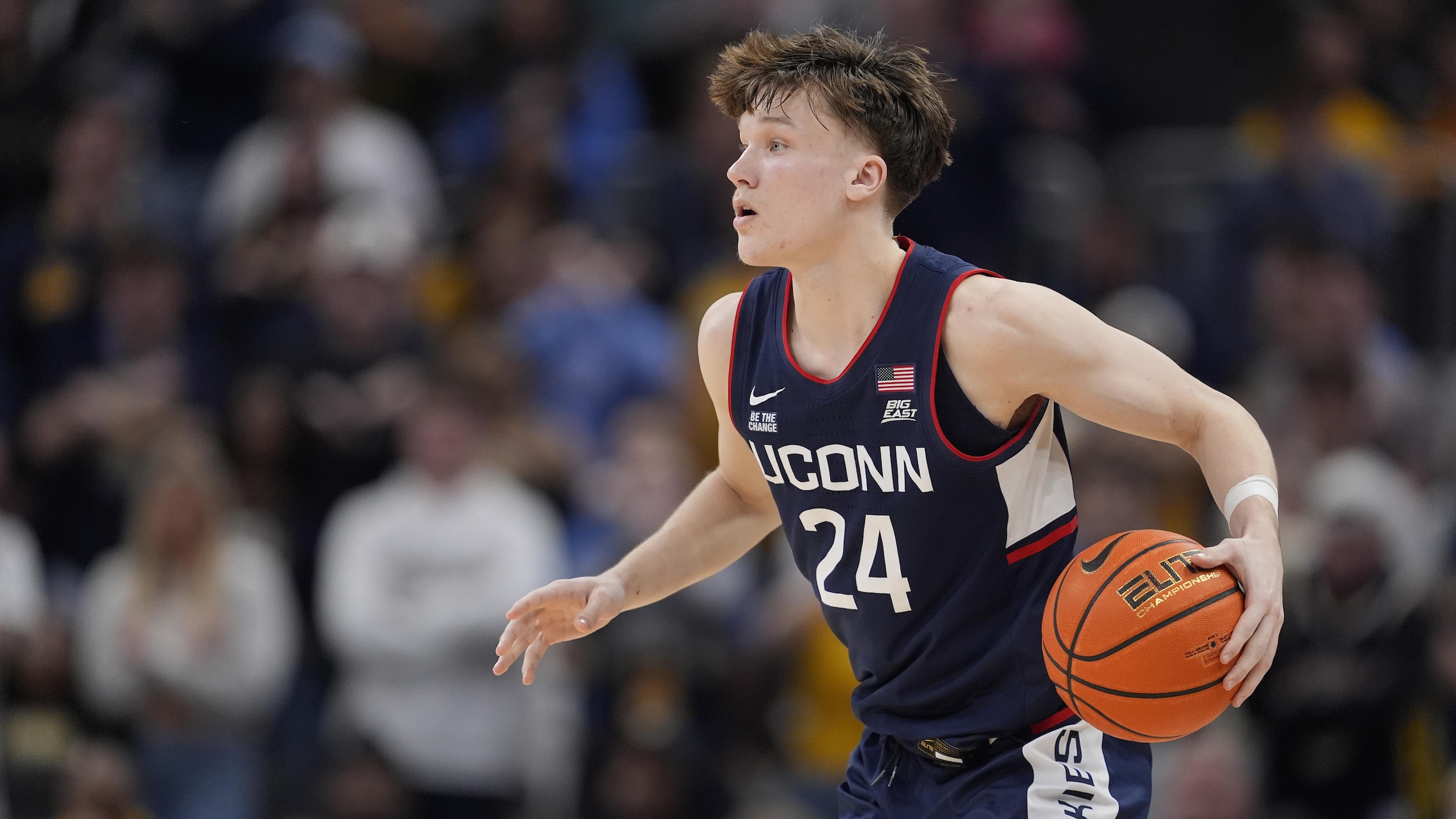
On the rare nights when Oklahoma City appears mortal, it's almost always tied to an inability to make shots. The Thunder have shot 49.5 percent overall and 37 percent from range in their wins; in losses, those percentages plummet to 43.4 and 33.1, respectively.
If they want more insurance against their cold spells, Mullins could provide it. His prospect profile is a bit one-note, but his activity and stroke make it relatively easy to picture him thriving as an NBA movement shooter.
17. Miami Heat: Hannes Steinbach, C, Washington
17 of 30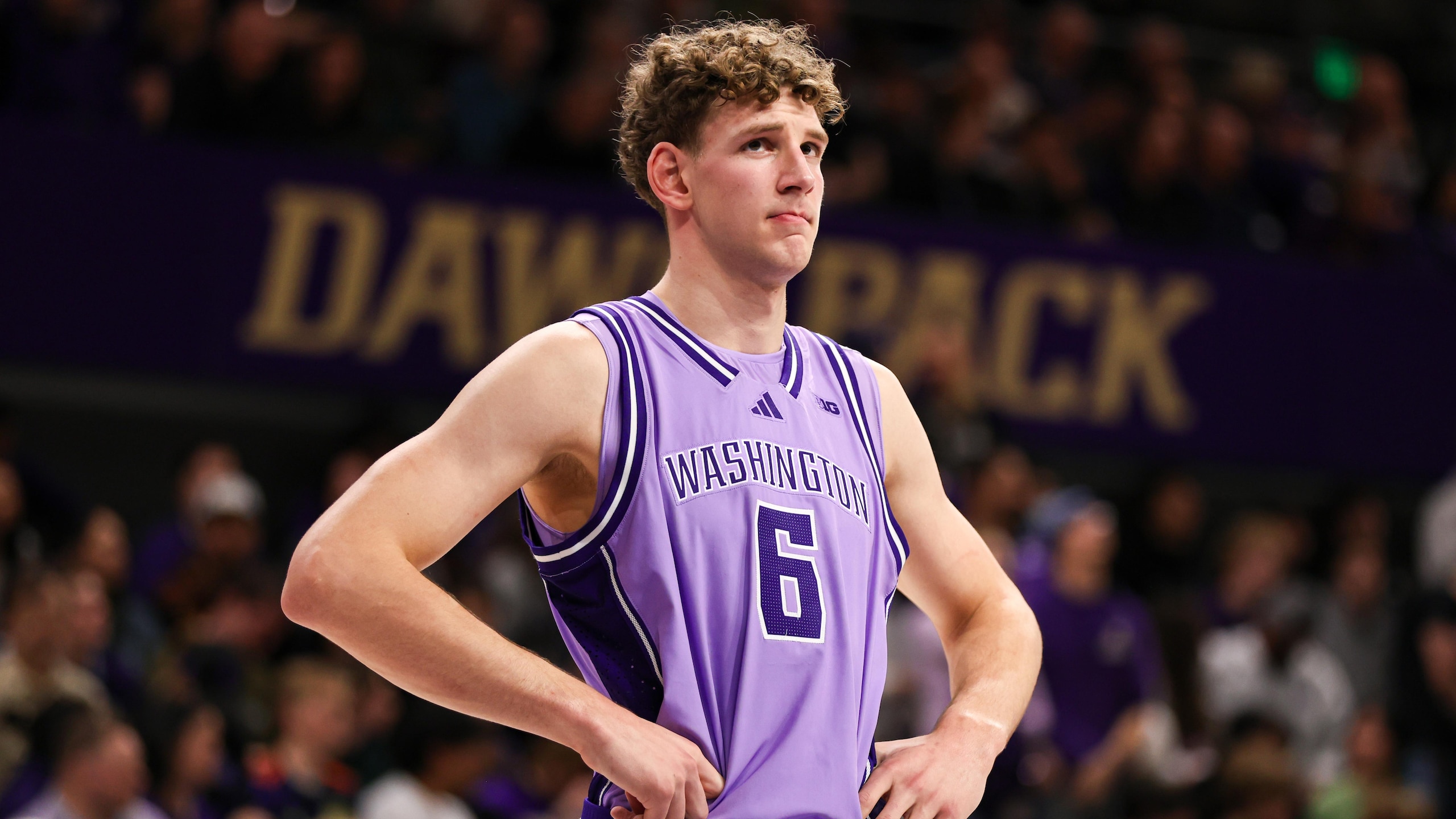
Miami might be spawning a true two-headed monster in the frontcourt with (83-point scorer!) Bam Adebayo and shot-blocking, shot-making unicorn Kel'el Ware. The problem is that it has next to nothing else of note when it comes to size or depth at center.
Enter Steinbach. He is sort of the anti-Ware in that his shooting is shaky and his rim protection is nonexistent, but he's also the anti-Ware in terms of being incredibly consistent with his levels of engagement and activity. Steinbach is skilled and hardworking around the rim, and there's a chance he'll be a spacer at some point.
18. Memphis Grizzlies (via ORL): Cameron Carr, SG, Baylor
18 of 30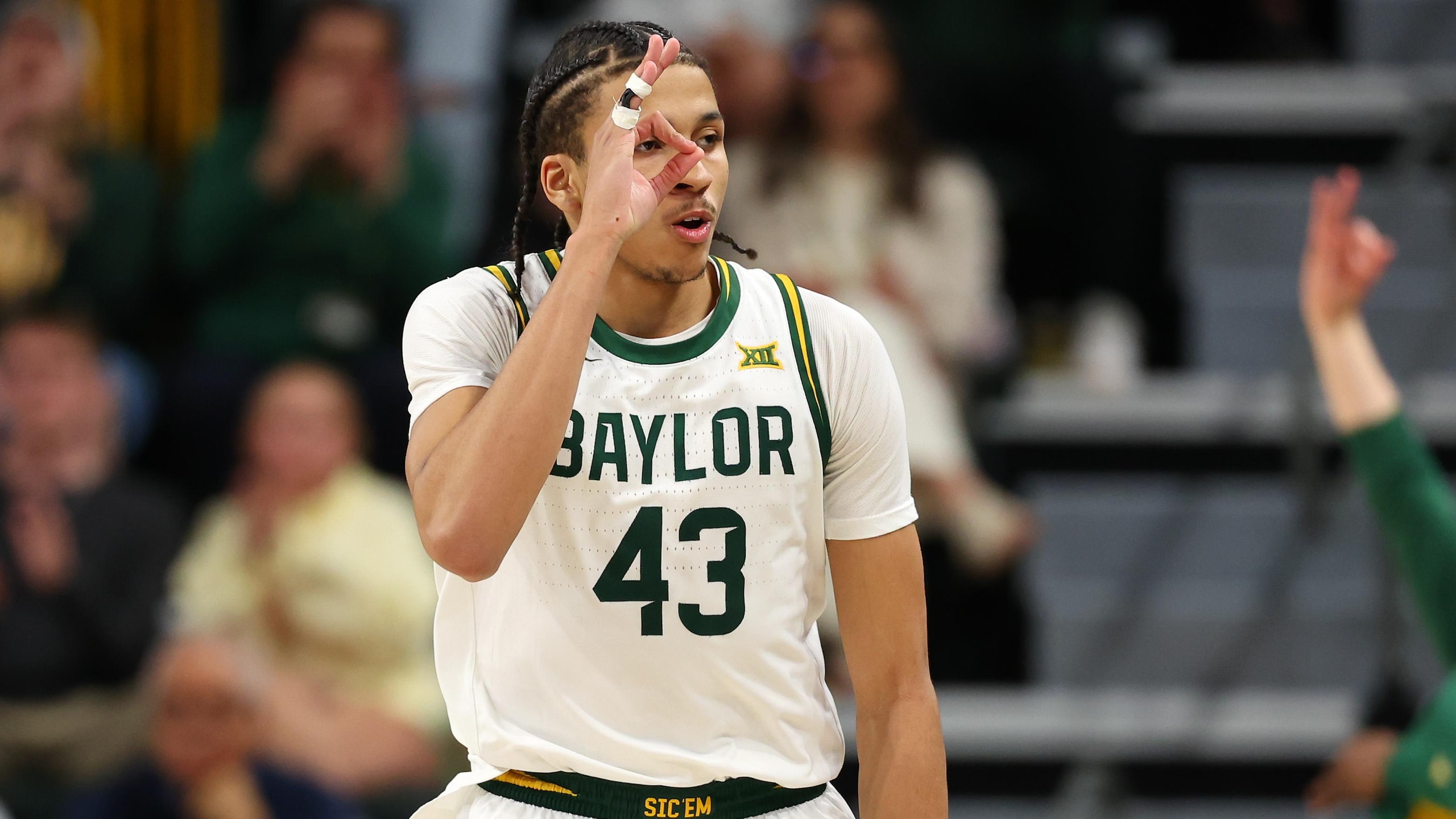
Carr seems like the kind of prospect who could rise on the predraft workout circuit. Because while there are real questions about his creation and defense, there's also an ignitable three-point shot and a good amount of explosion.
He is a 6'5" shot-maker with bounce. That's an interesting profile on its own, let alone when it's attached to a 19.2 points-per-game scorer shooting better than 50 percent from the field and nearly 40 percent from range.
19. Toronto Raptors: Aday Mara, C, Michigan
19 of 30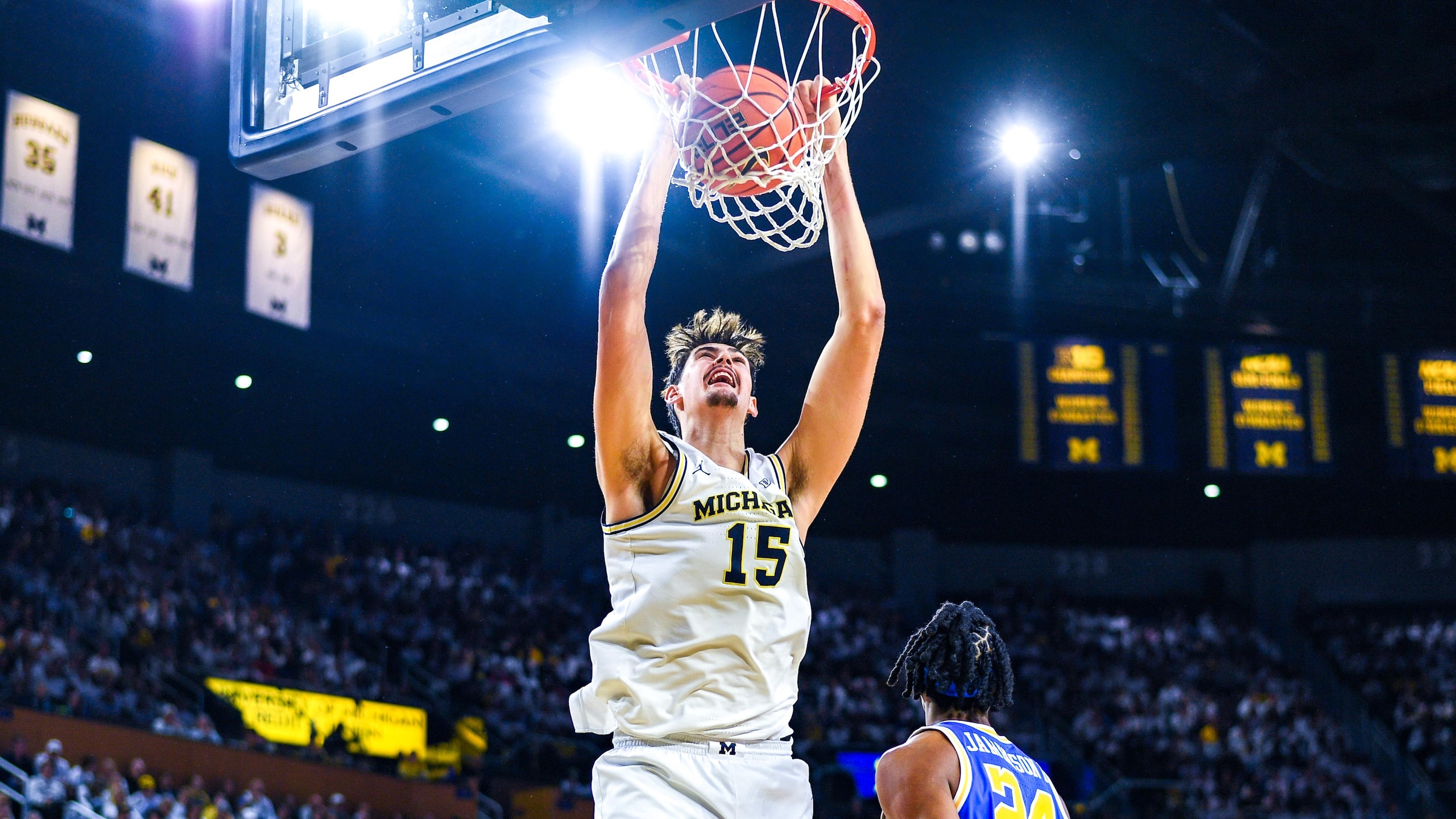
Mara will face real physical challenges at the NBA level, since he is predictably slow for a 7'3", 255-pounder—and not exceptionally strong for his size. That said, he's turning heads by turning back opponents' shots at an exceptional rate (6.4 blocks per 100 possessions), and his unique feel for passing gives him an interesting archetype.
"He's such a unique weapon with 7'3" size for finishing, rim protection, putting back misses, and passing over the top," B/R's Jonathan Wasserman wrote while spotlighting Maya as one of his biggest mock draft risers. "He's on track to become the only NCAA player on record with a 12.0 block percentage, a 15.0 assist percentage, and 50 dunks in a season."
20. Charlotte Hornets (via PHO): Dailyn Swain, SF, Texas
20 of 30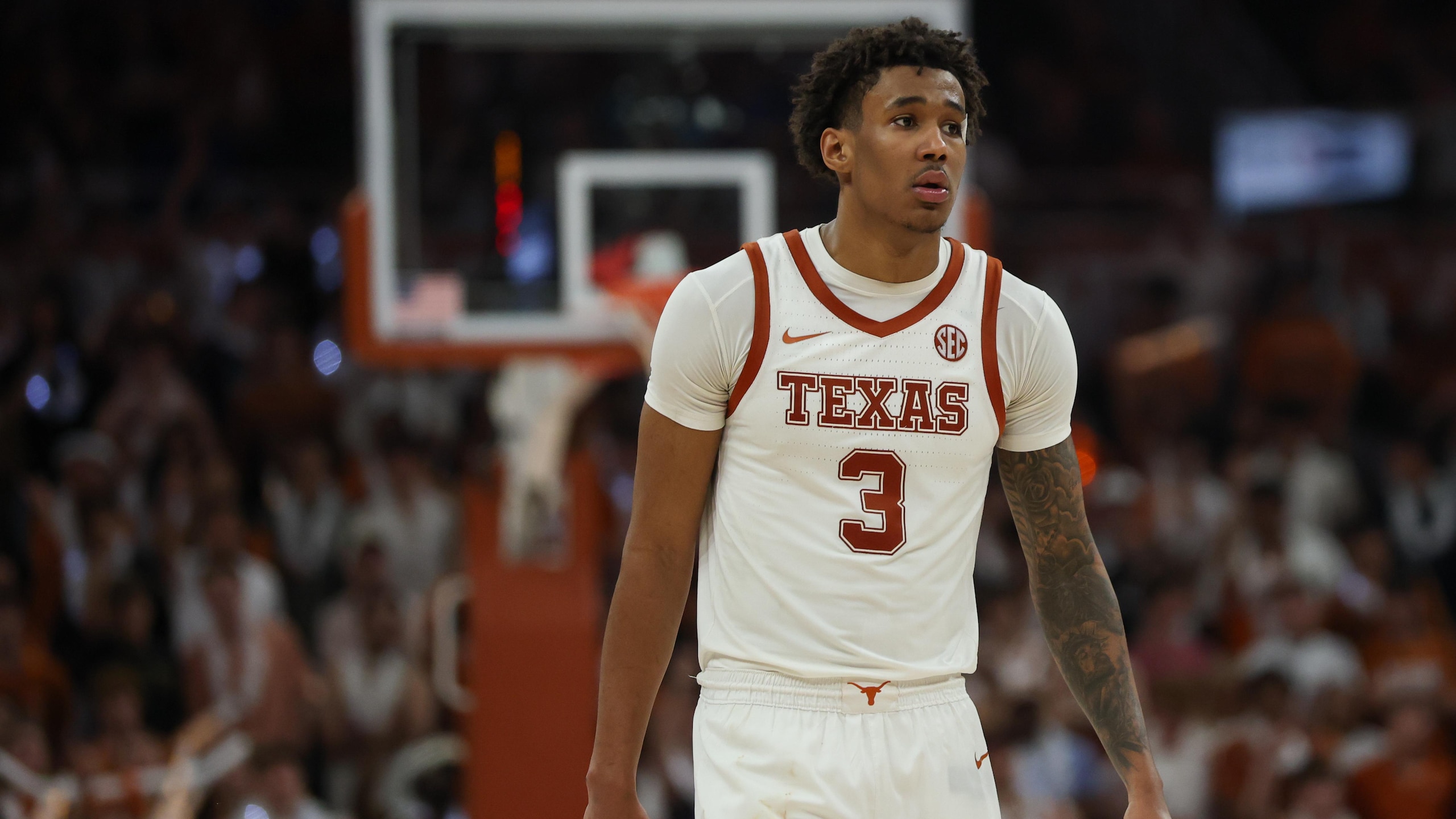
While winning basketball and defensive competence are relatively new traits for this Charlotte team, offensive excellence has been a defining part of its identity. On the season, the Hornets have the league's fifth-best offense, meaning they are rubbing elbows with the real who's who of championship contenders.
So, Charlotte could opt to invest this pick on the game's less glamorous end and spend it on Swain, a 6'8", 220-pound defensive playmaker. He'll need to dial back his risk-taking a bit, but he has the tools to be a plus-defender with downhill driving, plenty of explosion, and perhaps a bit of perimeter shooting if his career 81.1 free-throw percentage is to be believed.
21. Denver Nuggets: Christian Anderson, PG, Texas Tech
21 of 30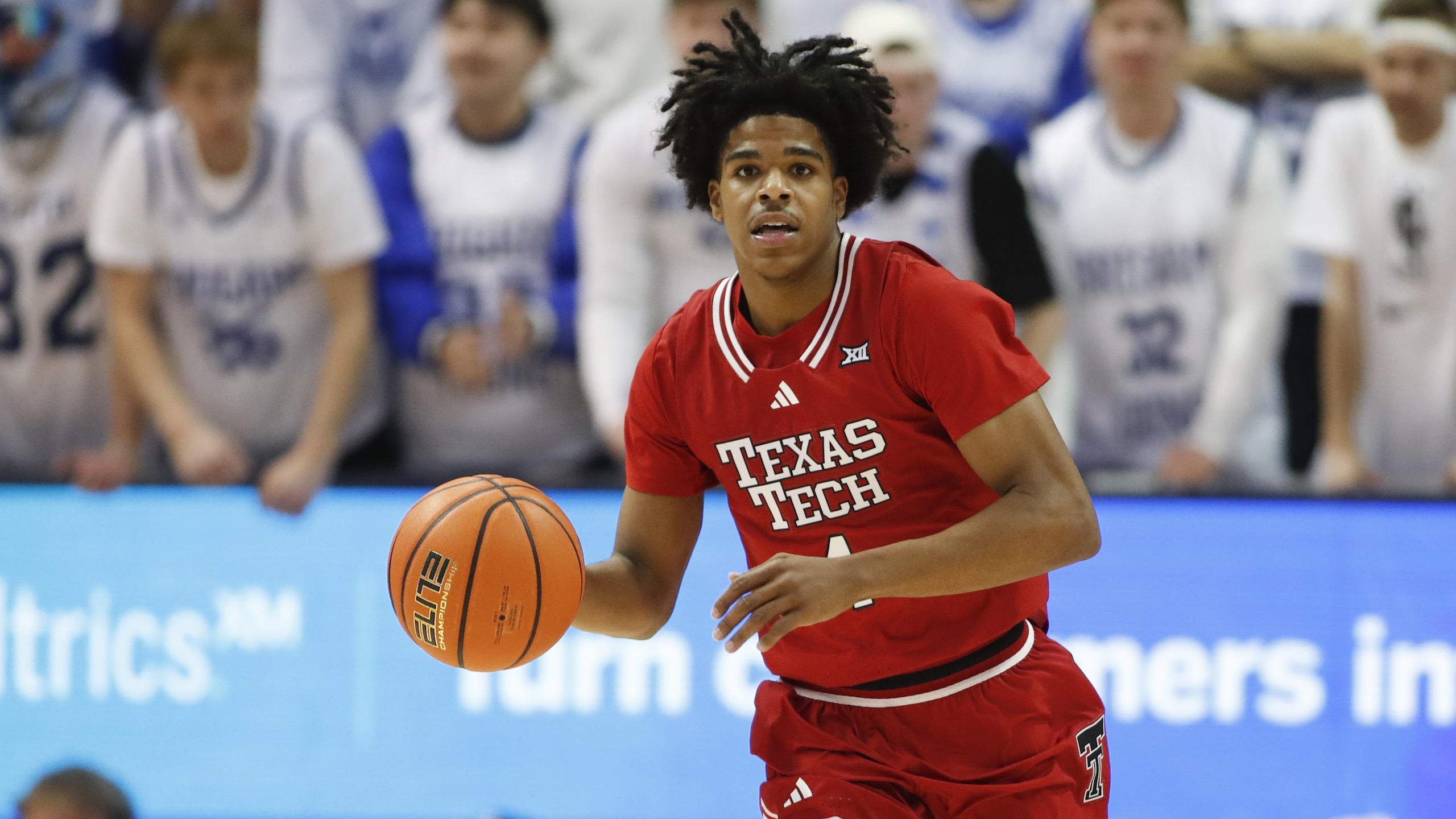
If the Nuggets want to turn their second unit from a liability (18th in net rating) into a strength, then stopping Anderson's skid here could help make that happen.
His physical gifts are limited, but his offensive weapons are anything but. He is an elite shooter and a clever creator out of the pick-and-roll, and his ability to change gears in an instant always keeps defenders off-balance.
22. Los Angeles Lakers: Chris Cenac Jr., PF, Houston
22 of 30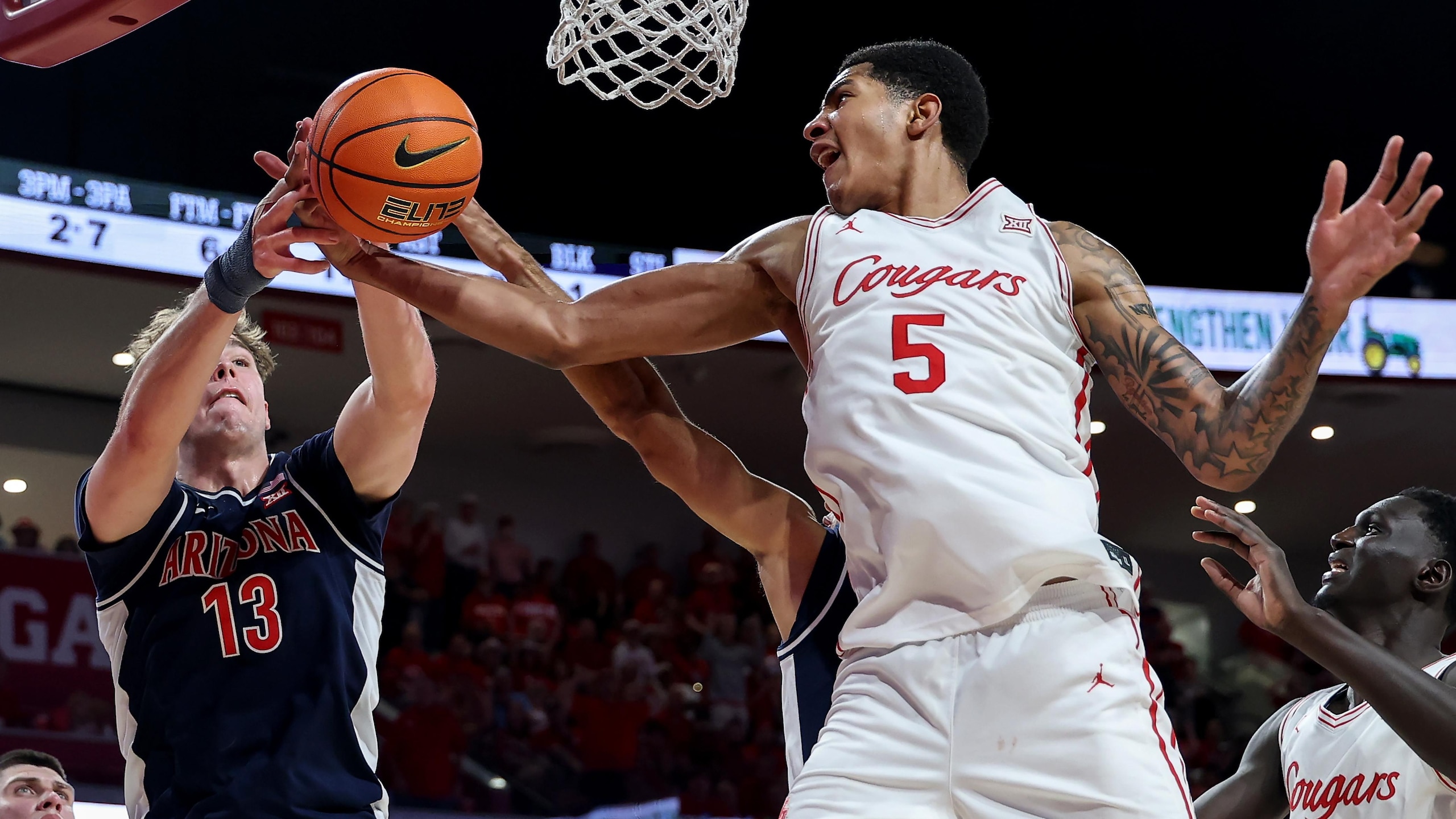
If the Lakers are thinking need-filling with this pick, then they're probably looking for a pick-and-roll partner for Luka Dončić. Cenac, admittedly, isn't a perfect fit right now, but there are reasons to believe (or at least hope) he could grow into one.
In a perfect world, he can become a bouncy rim-runner with three-point touch sooner than later. He'll have to up his interior activity and lessen his time on the perimeter to make that happen, though.
23. Atlanta Hawks (via CLE): Amari Allen, SF/PF, Alabama
23 of 30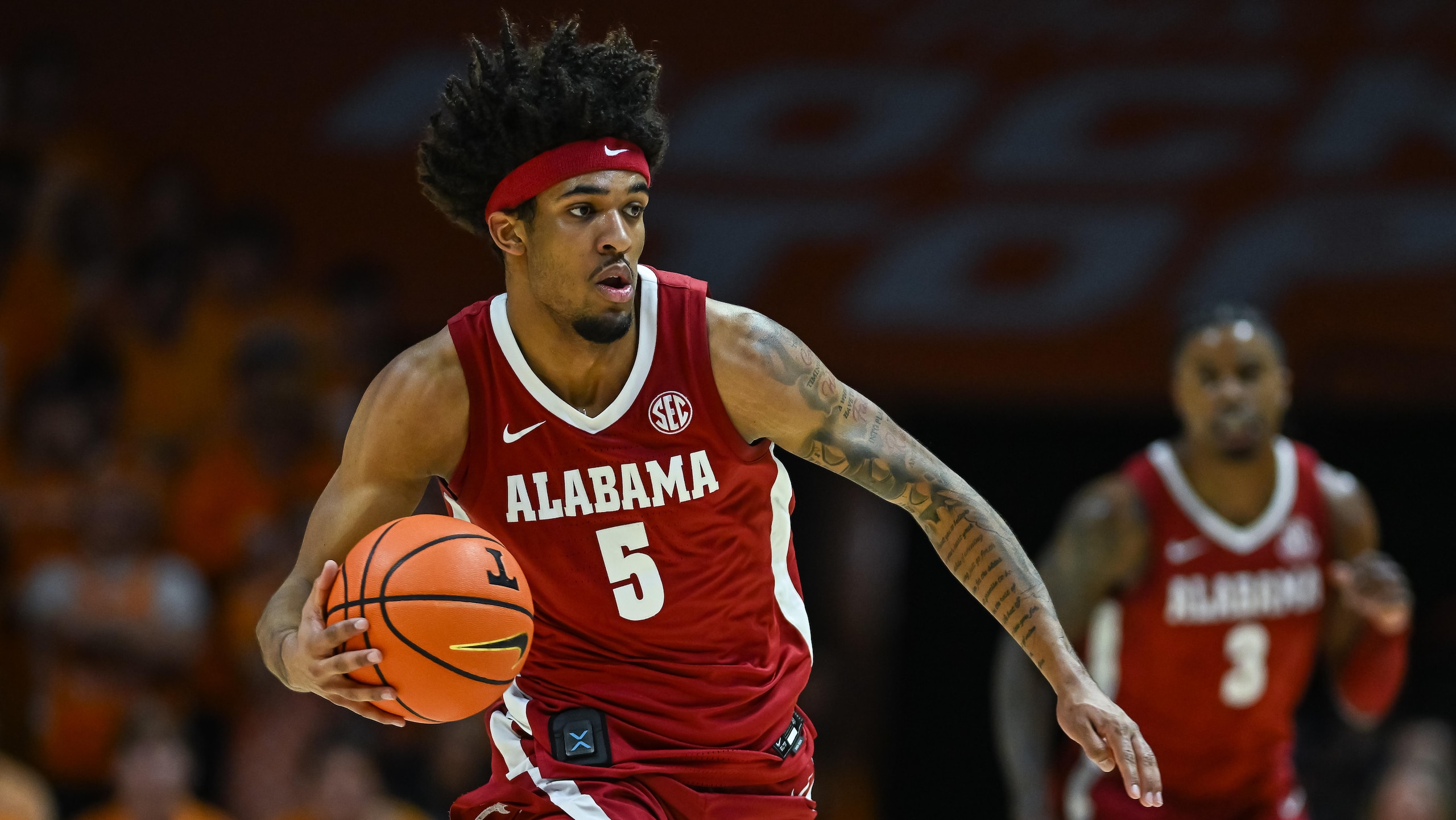
Prospect evaluations often force evaluators to try scaling a young player's game into a bigger or smaller role. That really isn't necessary with Allen. If he just keeps doing what he's done at Alabama, he'll be a useful, versatile role player for years to come.
He doesn't have a go-to strength, necessarily, but maybe his best trait is the lack of any glaring weakness. He is a smart and steady two-way contributor with the dribble-pass-shoot package that always intrigues.
24. Philadelphia 76ers (via HOU): Morez Johnson Jr., PF/C, Michigan
24 of 30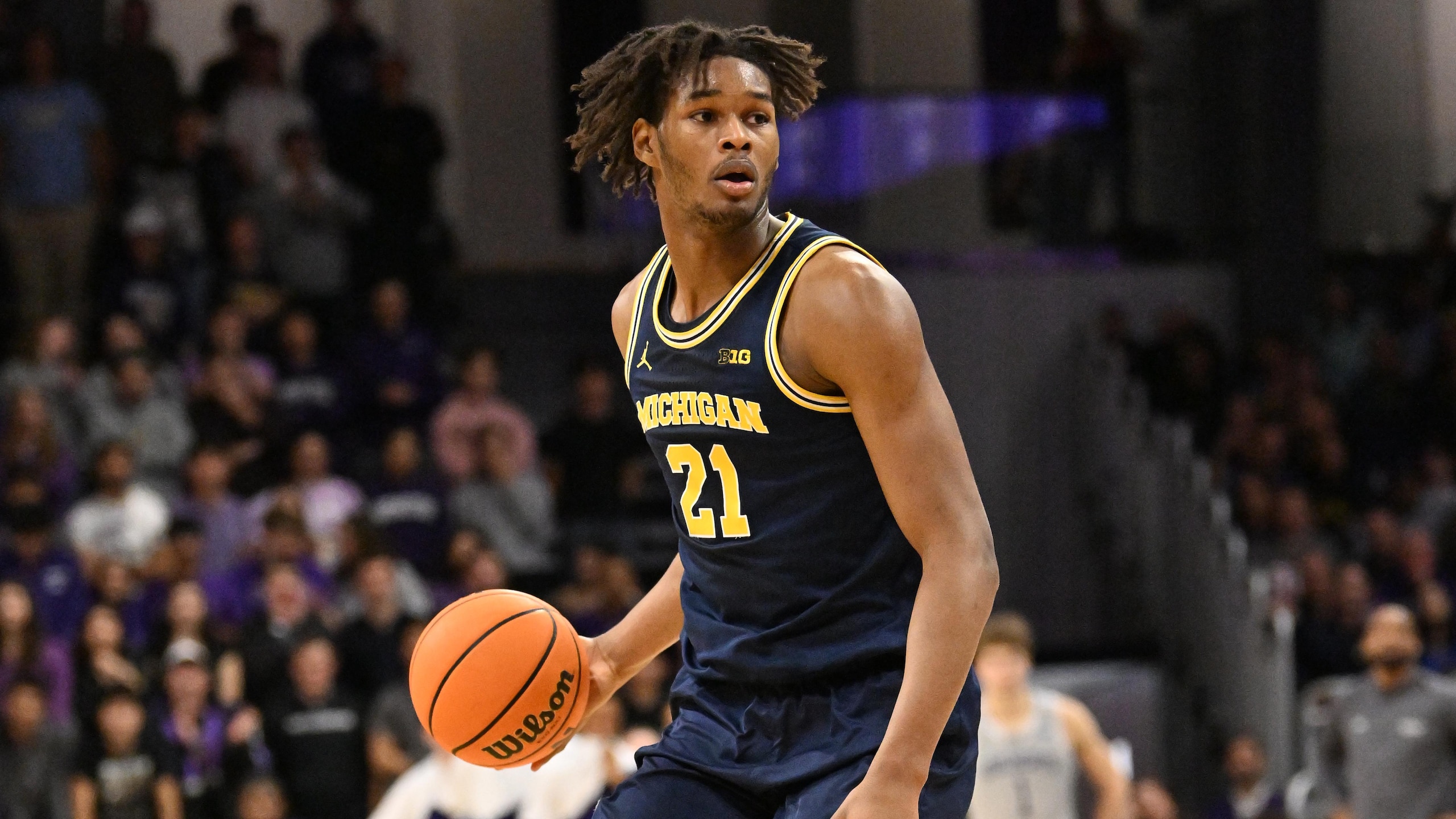
Do non-shooting, 6'9" combo bigs still have a place in this league? If they defend like Johnson, they should. His offense is all brute force and interior finishing, but his defense could be special.
"I think he's the best defender on one of the three best defenses in college basketball," The Athletic's Sam Vecenie wrote. "He's tremendous as a post defender, flying around in help, and showcasing switchability on the perimeter. He's an incredibly versatile player on that end."
25. New York Knicks: Bennett Stirtz, PG, Iowa
25 of 30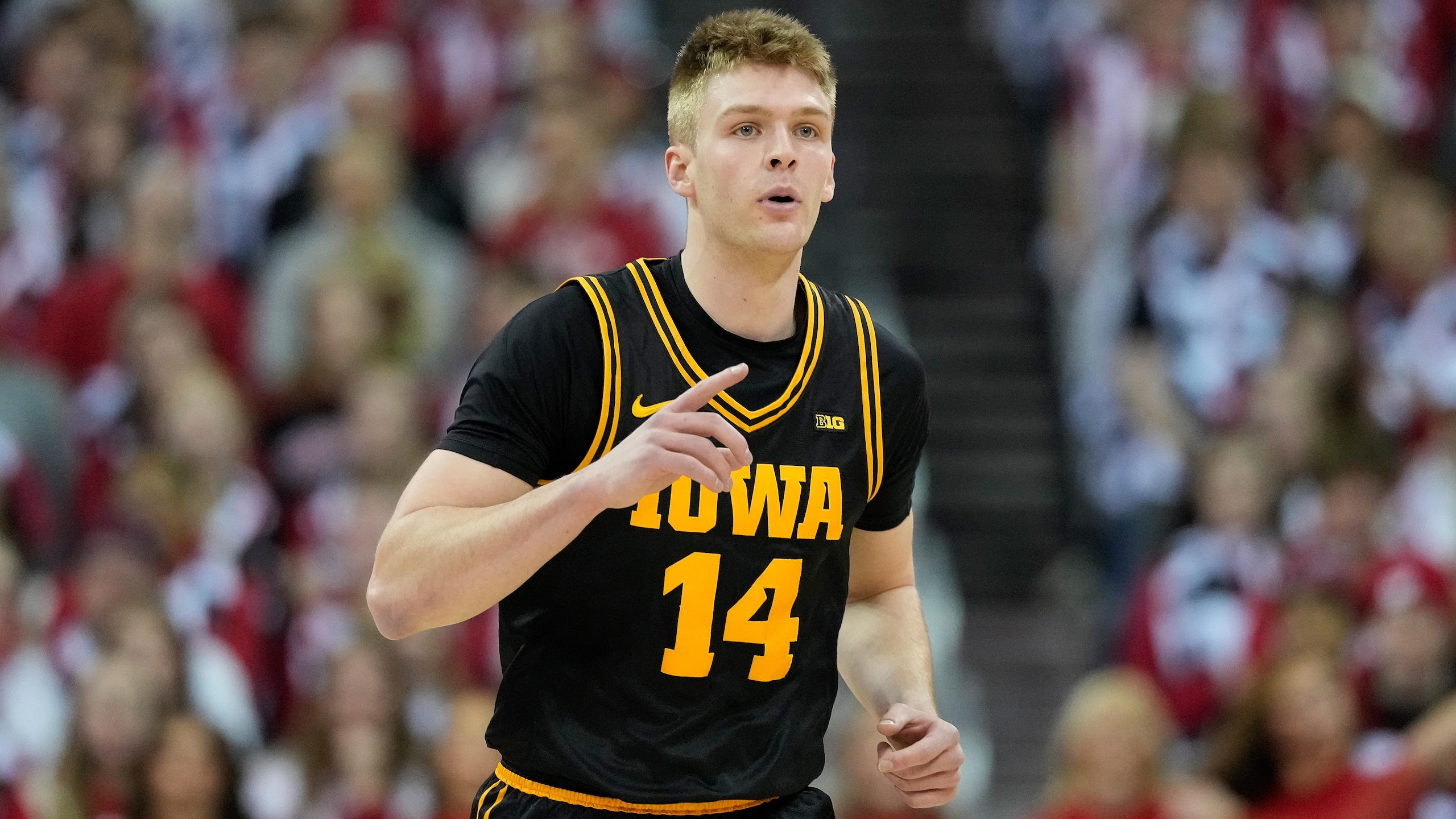
Stirtz's ceiling is limited, and his defense is a major question mark, but his offense should play right away. For a Knicks team that often struggles to score once the starters sit (27th in bench offensive rating), that latter point probably wins out.
Stirtz pairs elite long-range shooting with functional handles, advanced feel, and a willingness to share the rock. Even if he struggles to separate from NBA defenders, his efficiency could hold because he has such tremendous touch.
26. Detroit Pistons (via MIN): Labaron Philon Jr., PG/SG, Alabama
26 of 30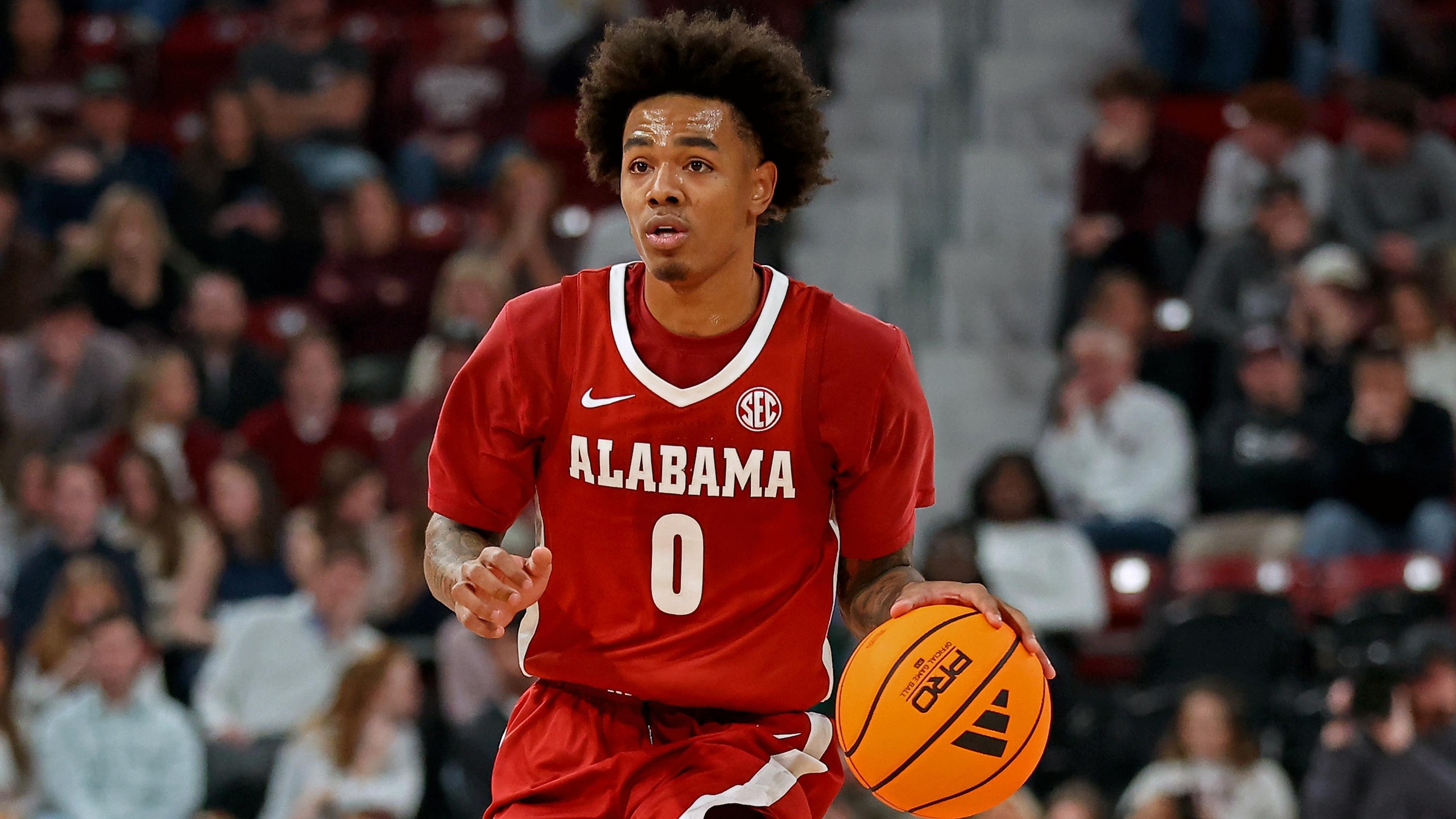
The Pistons might set a record for the fastest pick submission if Philon is actually still on the board this late. Because if he maxes out his potential, the second creator they so desperately need to pair with Cade Cunningham may have just fallen in their lap.
Philon's neon-green light has probably inflated his numbers, but the fact that he's more efficient while supporting such a big spike in volume is still awfully impressive. His frame needs to fill out, and his defensive versatility will be limited until it does, but he can get anywhere he wants on the floor, and he's seemingly always within scoring range.
27. Boston Celtics: Motiejus Krivas, C, Arizona
27 of 30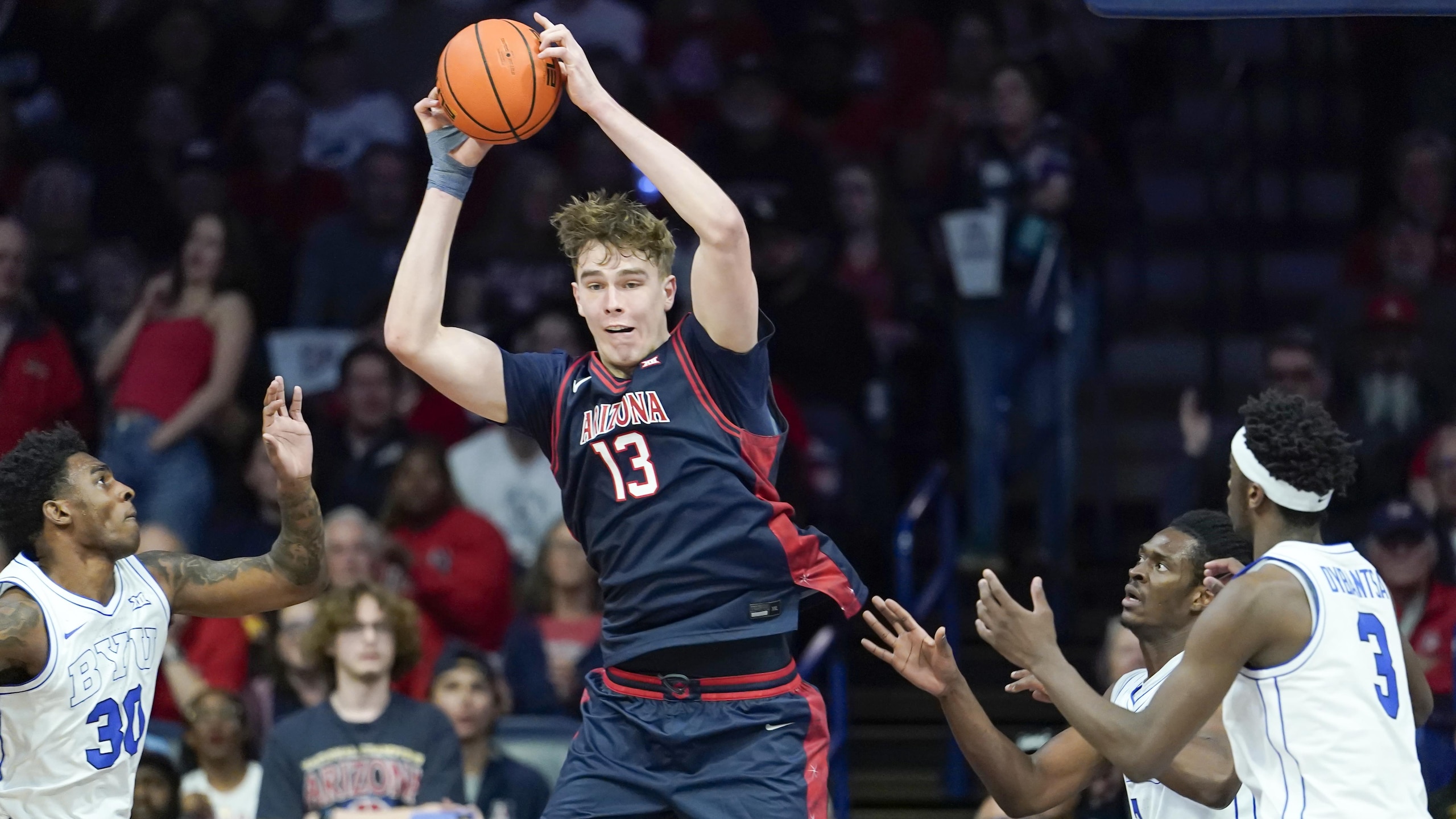
Krivas is a 7'2", 260-pound barricade around the basket. When he isn't blocking shots, he's altering them with his length and verticality. And when he's not doing either of the above, it's probably because the opposition decided that challenging him just isn't worth it.
His ceiling only stretches so high, but the blueprint for a positive interior player on both ends is both obvious and eminently doable.
28. Minnesota Timberwolves (via DET): Ebuka Okorie, PG, Stanford
28 of 30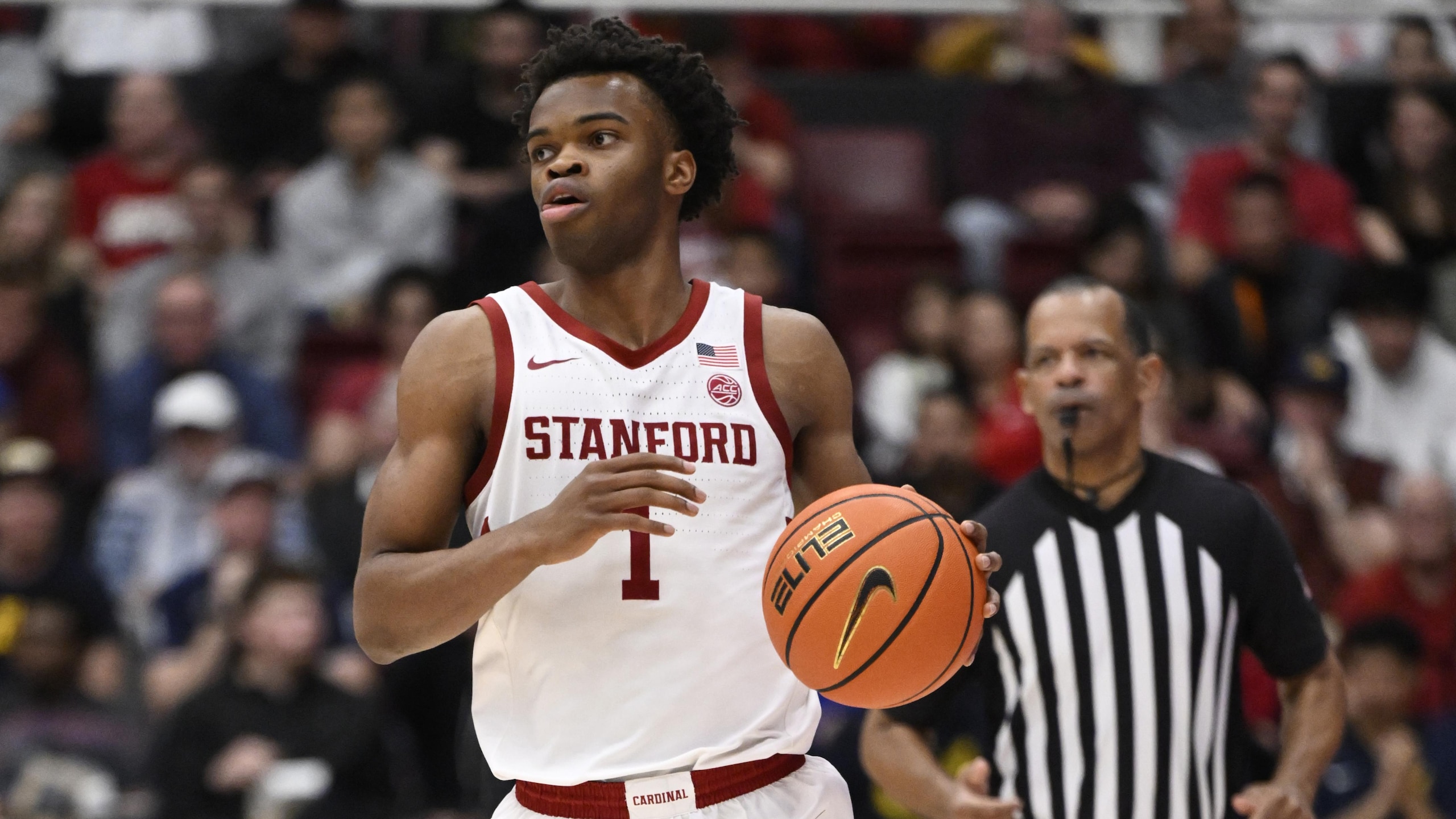
Minnesota's midseason move for Ayo Dosunmu hasn't totally stabilized this team's point guard rotation. If nothing else, the Wolves will be looking for depth pieces, with free agency awaiting Dosunmu, Bones Hyland, and Mike Conley (and perhaps retirement looming for the latter).
Okorie is more of a scorer than a table-setter, but he limits his mistakes in a way that could earn him the trust to orchestrate the offense regardless. When he attacks, he is slippery and speedy off the dribble and a scoring threat from all over.
29. Cleveland Cavaliers (via SAS): Juke Harris, SF, Wake Forest
29 of 30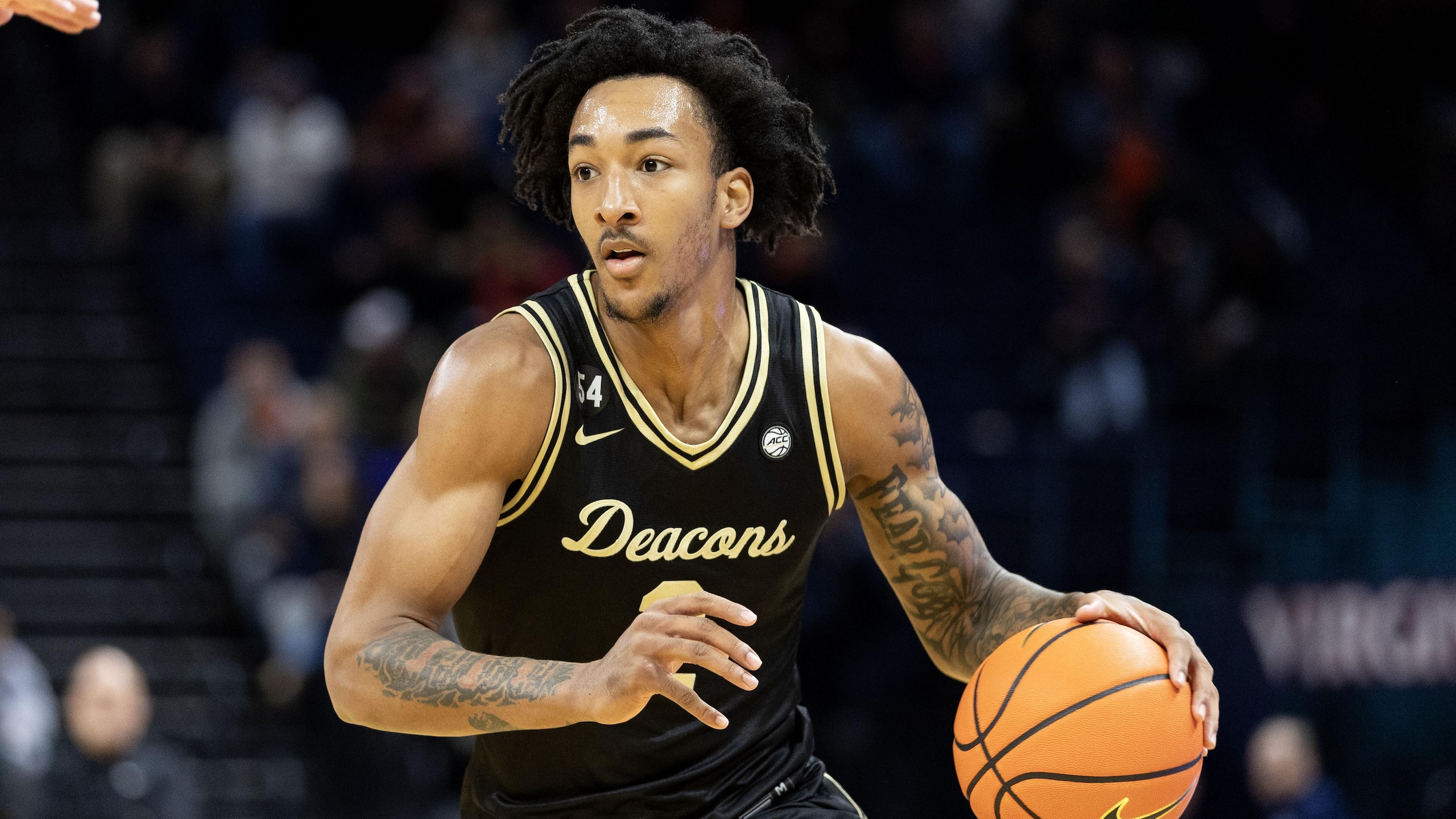
Harris, another mock-draft riser, is catching attention for his scoring consistency. He has netted at least 20 points in more than half of his contests this season, and he has popped off for 28-plus seven different times.
When his three-ball is falling, he offers true three-level scoring ability. He is especially potent off the catch, either firing right away or zipping past closeouts and exploding to the basket.
30. Dallas Mavericks (via OKC): Alijah Arenas, SG, USC
30 of 30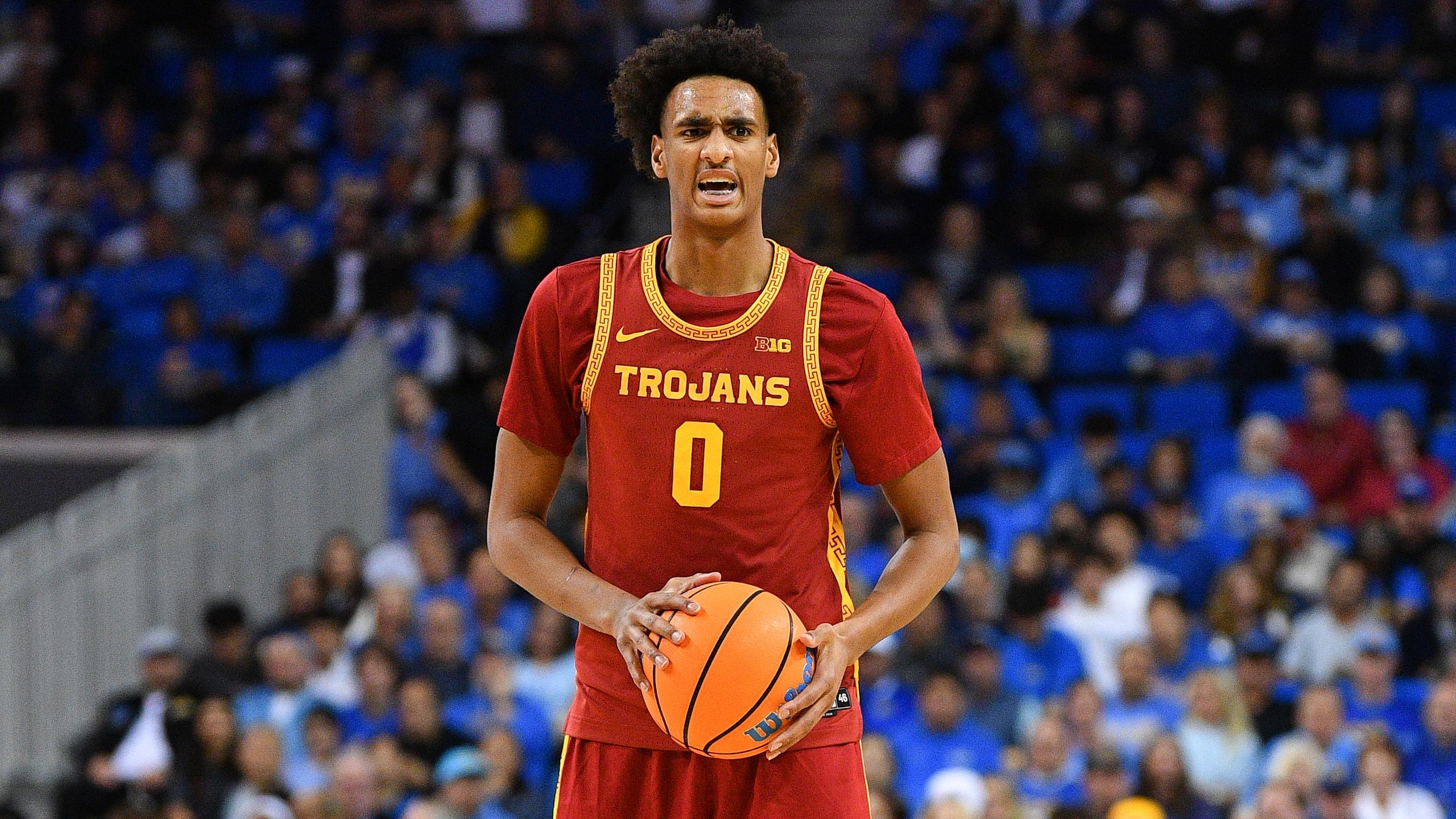
While a second season of college ball could make a lot of sense for Arenas, maybe he bolts to the bigs anyway. His draft stock isn't in the best shape, but it never really craters for athletic, 6'6" teenagers with his blend of creativity, shiftiness, and shotmaking versatility.
His approach might need reprogramming, but the future-focused Mavericks can afford to take their time with him. Because if they get him to buy into a more controlled role, they could have a long-term asset on their hands.

.jpg?w=2560 "AD Trolls Bears WR on IG 😂")
.jpg?w=2560 "Viral Dan Campbell Presser 💙")
.jpg?w=2560 "Report: Steelers WR to Miss 'Weeks'")
.jpg?w=2560 "Buzz: MHJ Hired Agents for Trade")
.jpg?w=2560 "Cam Ward Says He's Not A Loser")


.jpg?w=2560 "Chargers Fall to 0-5 🤢")