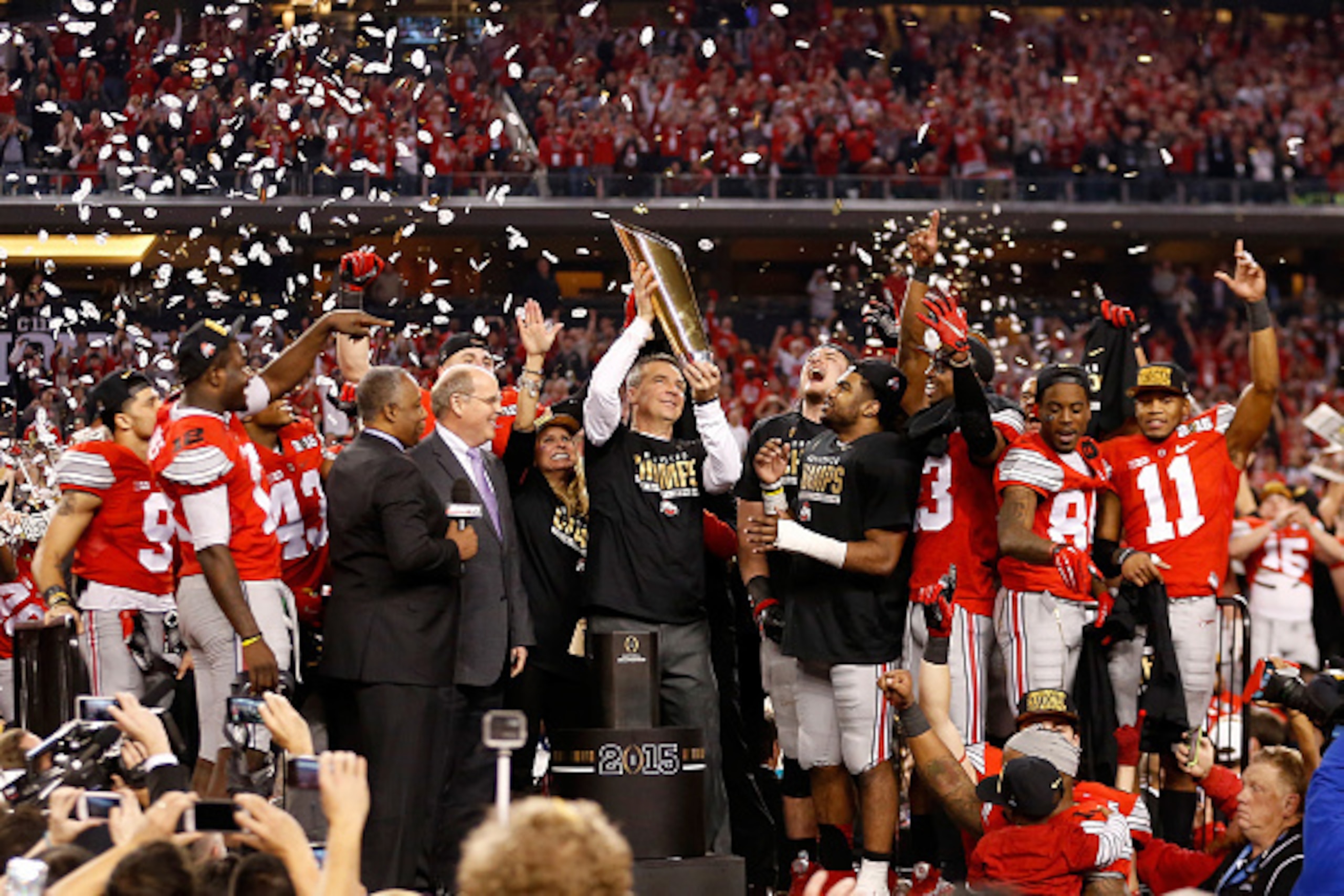

Every Top 25 College Football Team's Most Valuable Asset
Each top team in college football has that one defining characteristic that makes it dangerous.
For some, it's a head coach who has built the program into what it is. For others, it's a recruiting advantage or a well-known booster.
Some schools have massive amounts of name recognition and tradition, while others are rolling off the momentum of recent victories.
Here is the most valuable asset for each program in Bleacher Report's Post-Spring Practice Top 25. These selections are what defines their status as a ranked team right now and what will continue to guide them in the seasons to come.
Sound off on this list in the comments below and submit your own picks for the most valuable assets in all of college football.
25. Boise State: Non-Power Prestige
1 of 25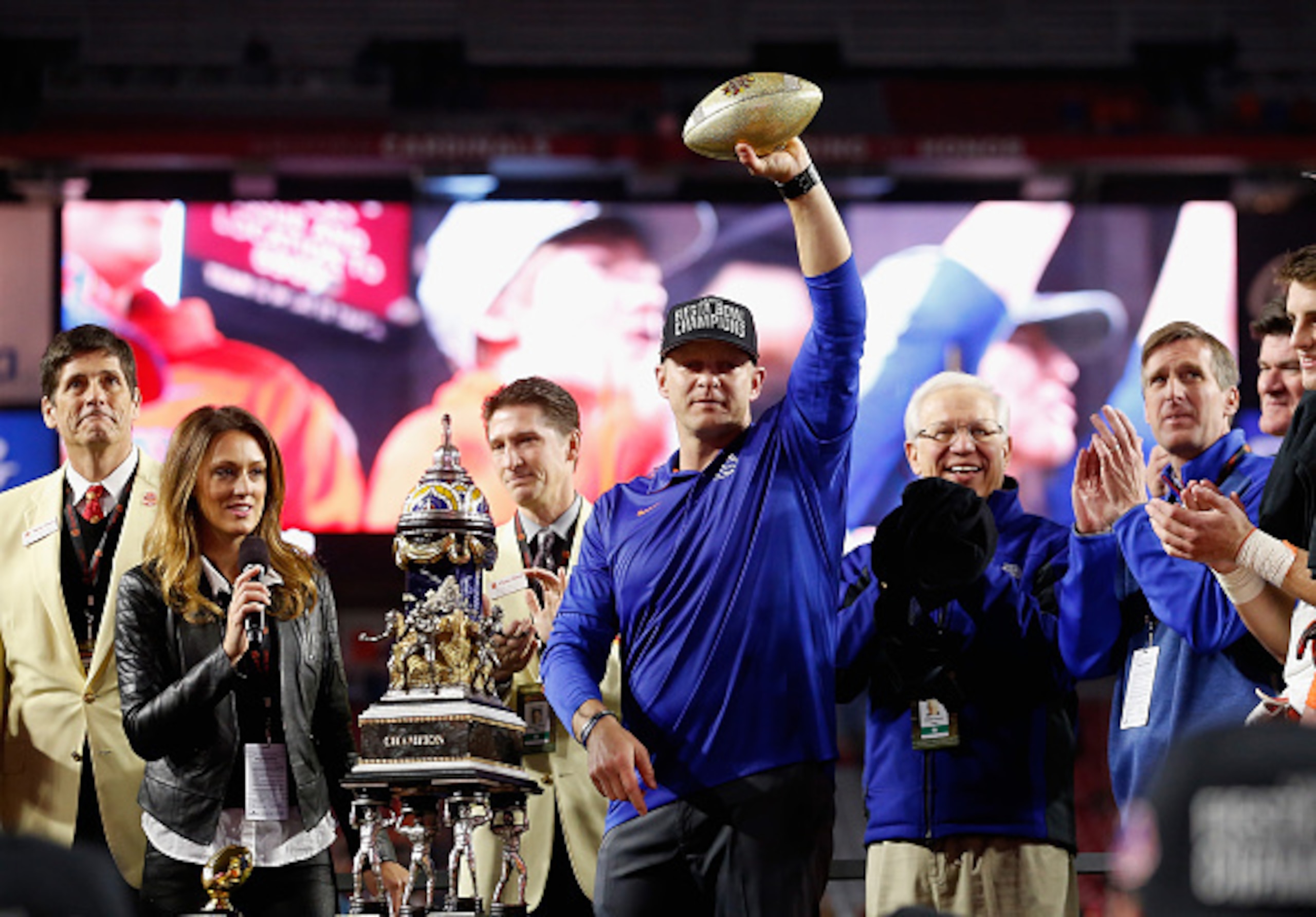
In the "Group of Five" conferences, there's Boise State, and then there's everyone else. Sure, other schools have made their way into BCS or now New Year's Six bowls in the past, but no one has done it with as much consistency as the Broncos.
Boise State has finished with double-digit wins and a Top 25 ranking in 10 of its last 13 seasons. Now, whenever the Broncos are having a great season, they have an even greater chance of getting invited to a major bowl at the end of the year. With three Fiesta Bowl wins in the last eight years, Boise State commands attention in a college football system that is increasingly fixated on the Power Five conferences.
More than the unique blue turf or the bright Nike uniforms, Boise State's success as the non-power school that can often hang with the big boys is its biggest asset. Recruits who didn't get a ton of attention from powerhouses know they can attend Boise State, get plugged into successful systems and have a chance to win on the big stage.
Other Key Assets: Wide-open offense, future non-conference scheduling
24. Georgia Tech: Flexbone Offense
2 of 25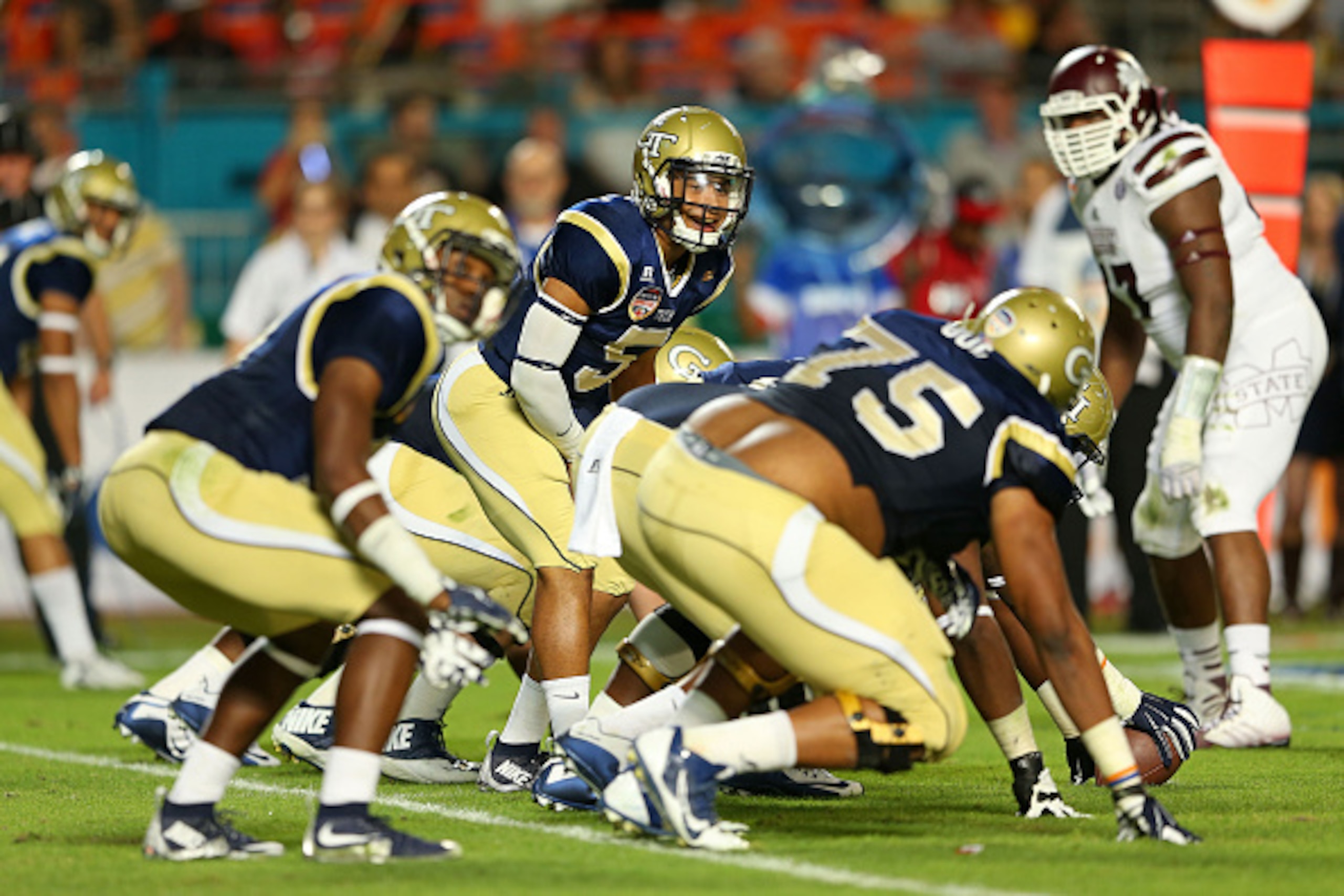
Paul Johnson's flexbone option attack finished with more rushing yards than anyone else in college football last season and led Georgia Tech to a New Year's Six bowl victory over Mississippi State. It was far from the first time one of Johnson's teams had great success—he's won at least six games in all but one of his 16 seasons as a head coach—and it definitely won't be the last.
Since it's rarely used outside of the service academies, the option offense's unusual look and reliance on cut blocks change the way opposing defensive coordinators have to game-plan for the Yellow Jackets. When it's firing on all cylinders, it's tough to slow down—Georgia Tech finished in the top 20 nationally last season in total yards and "explosive plays."
Johnson's offense also helps Georgia Tech cover for its deficiencies in recruiting. Players who aren't as big or as highly rated as ones who go to other powerhouse schools in the South have become Yellow Jackets and excelled. After all, in Johnson's seven seasons in Atlanta, Tech has won at least a share of the ACC's Coastal Division title four times.
Other key assets: Championship tradition, location in a college football hotbed
23. Nebraska: Tradition
3 of 25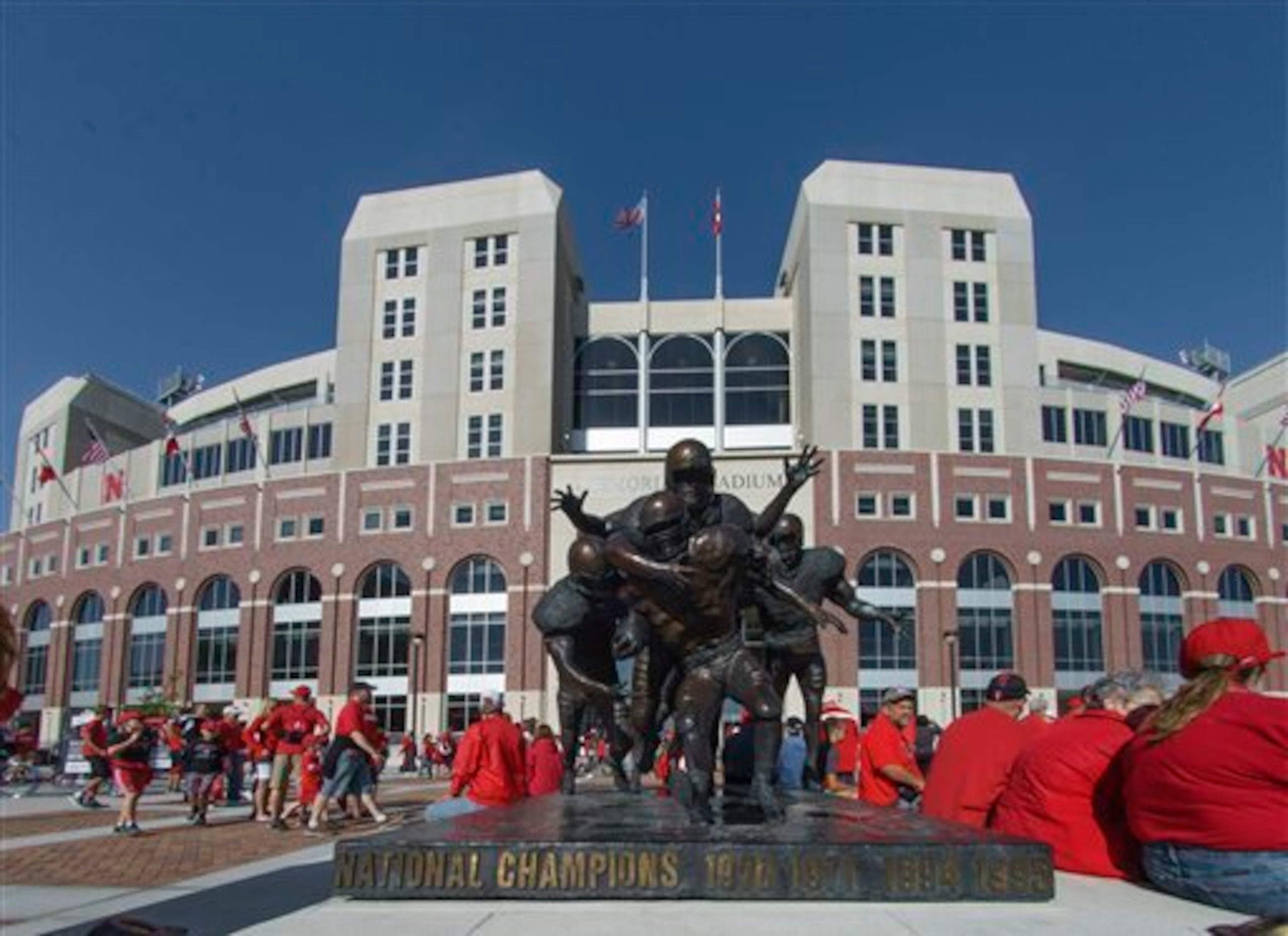
Tradition envelops everything Nebraska football. It's in the "Blackshirts" defense, the program's five national championships, the successful walk-on program and the long streak of sellout crowds at Memorial Stadium. And even though the Huskers are moving forward into a new era, the coaching staff welcomes those traditions.
"I understand tradition," first-year Nebraska head coach Mike Riley told USA Today's Paul Myerberg in April. "I like to embrace it. One of the neat things about coming to a place like this is that it has it. Because you can't create it. You can't buy it. It takes time, history, to really have it. So we're going to embrace every part of it."
The former Oregon State coach can lean on that level of history and support as he looks to push the proud program over the four-loss hump it had with Bo Pelini. It's Nebraska's best calling card, one that brings recruits into Lincoln and keeps fans coming every single year.
Other key assets: Place in the Big Ten West, De'Mornay Pierson El's potential

.png?w=2560)
22. LSU: In-State Talent
4 of 25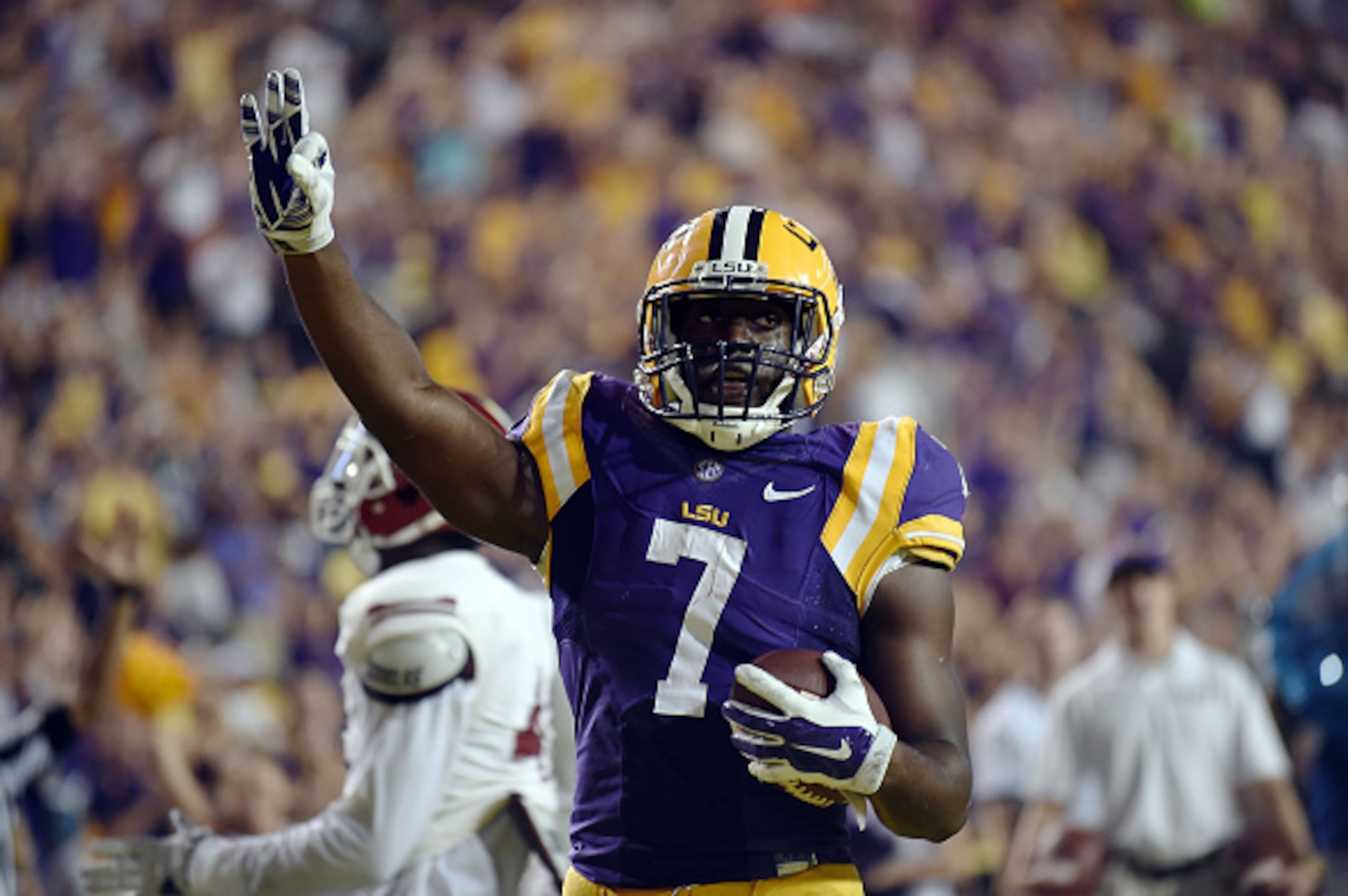
The state of Louisiana is filled with elite football talent. According to a 2014 study by USA Football, Louisiana produces more NFL players per capita than any other state. Many of those players were blue-chip recruits out of high school, and LSU gets the first crack at them.
LSU is the only powerhouse program in a football-crazy state, so its only competition for Louisiana's top players is outside state lines. In the class of 2016, 19 Louisiana natives are rated as consensus 4-stars or better in 247Sports' Composite Rankings—and LSU currently has commitments from seven of them.
In-state talent is consistently the cornerstone of LSU's highly rated recruiting classes, which have turned into championship-quality teams over the last decade. While some Louisiana stars leave home, many of them head to Baton Rouge thanks to the Tigers' unchallenged football prominence in the state.
Other key assets: "Defensive Back U," multiple SEC and national championships since 2000
21. Oklahoma State: T. Boone Pickens
5 of 25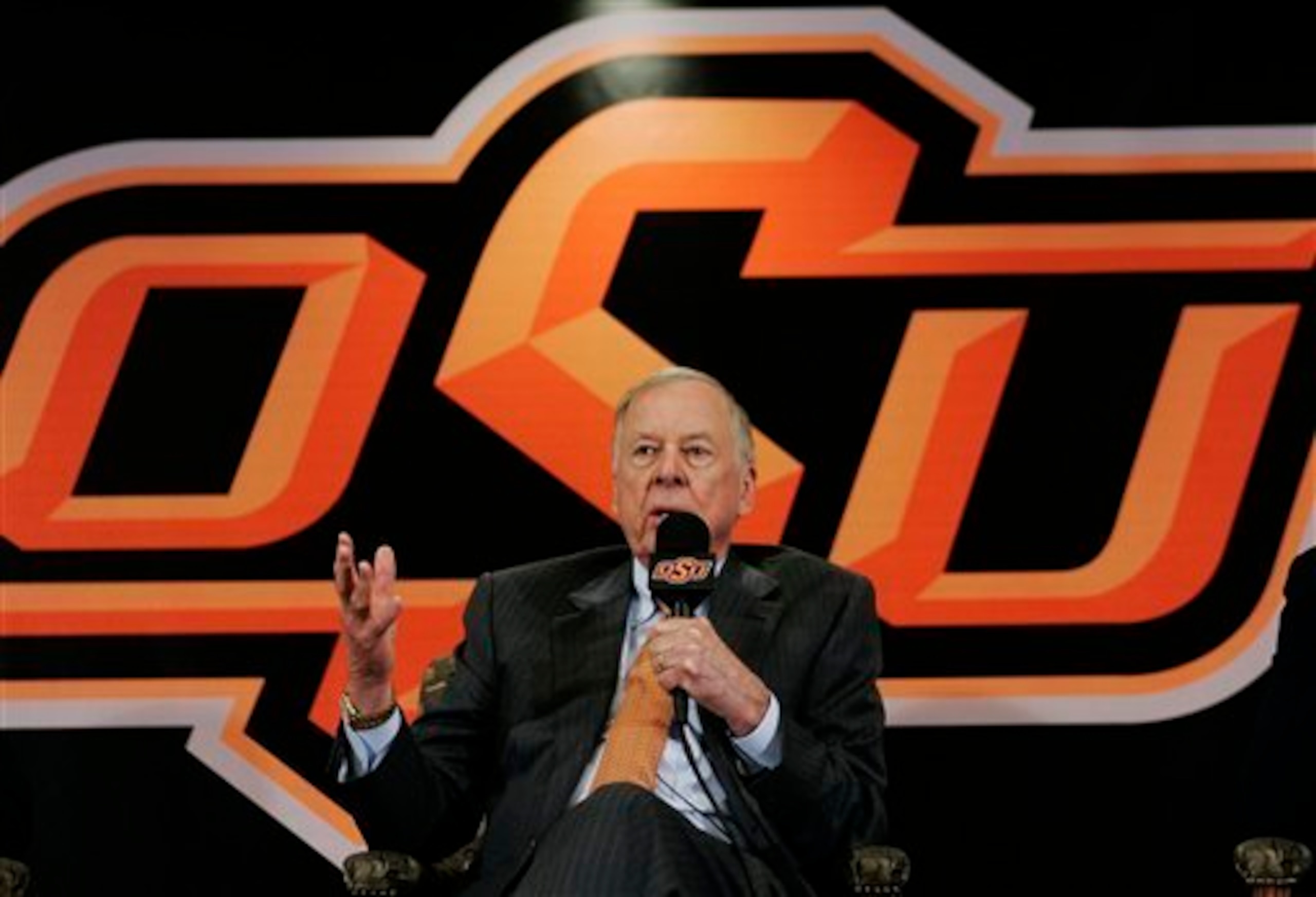
The billionaire businessman has given so much money to his alma mater, and the football program has been a huge beneficiary of his gifts. According to the Oklahoman's Berry Tramel, half of Pickens' $500 million in donations to Oklahoma State has gone to athletics, and $165 million of it came at once.
"Boone's message then was clear. Get competitive," Tramel wrote in 2013. "Over the years, the message has changed. Win. And the Cowboys have."
Since Pickens' $165 million gift for facilities upgrades and the naming of "Boone Pickens Stadium" in 2003, the Cowboys have been to a bowl game in 11 of 12 seasons and won their first Big 12 title. Pickens has inspired other boosters to give generously to the Oklahoma State program, which has turned into a consistently ranked team within the last decade.
Other key assets: Consistency under HC Mike Gundy, Air Raid offense
20. Arizona: Rich Rodriguez
6 of 25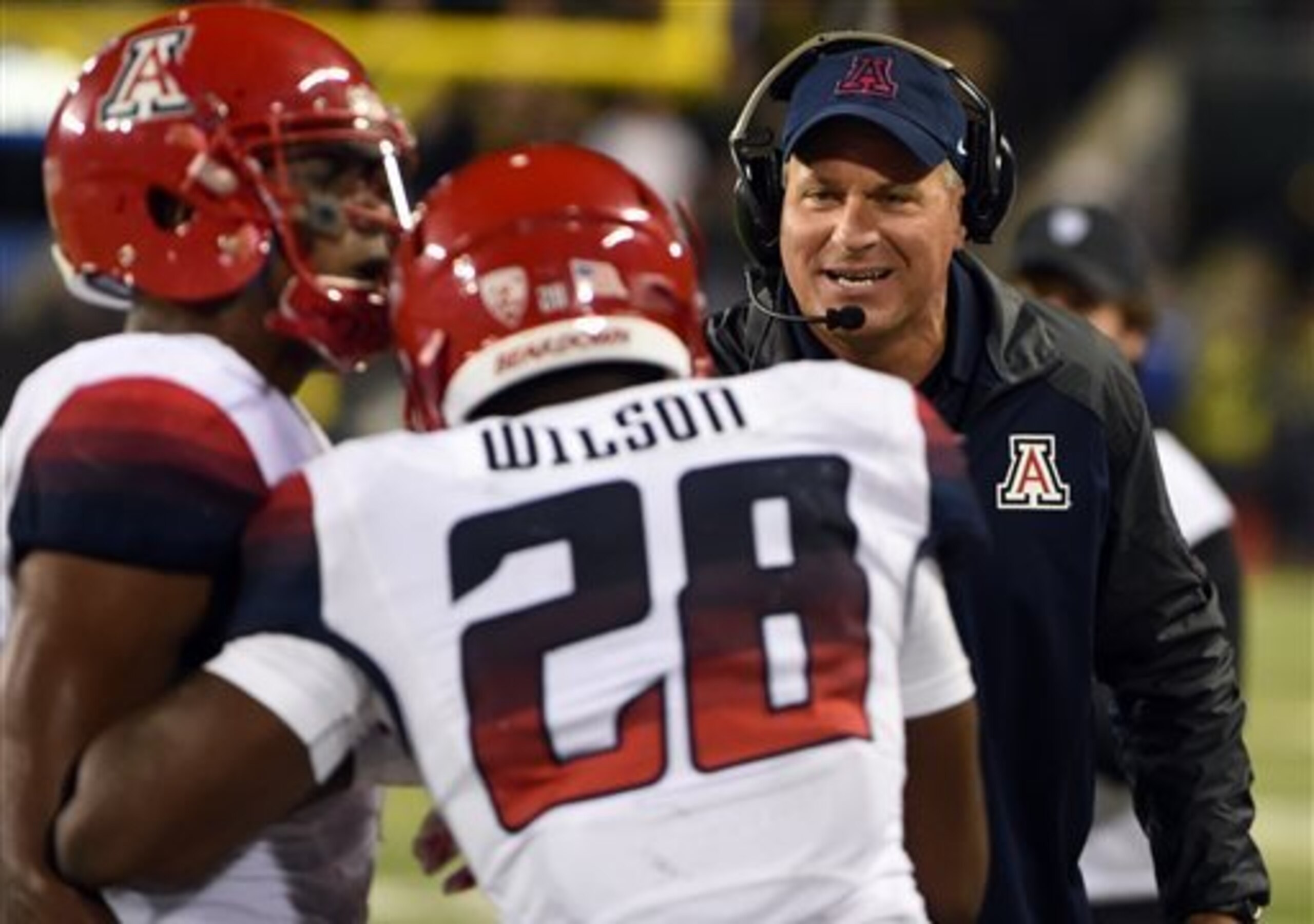
After a failed stint at Michigan, Rich Rodriguez landed at Arizona and quickly put his stamp on a Wildcats program that had stalled under former coach Mike Stoops. With his run-first, uptempo offense and an attacking defense, Rodriguez has the nation paying attention to the Wildcats again.
Running back Ka'Deem Carey flirted with 2,000-yard seasons in Rodriguez's first two seasons at Arizona, which both finished 8-5. Last year, the Wildcats achieved their second 10-win campaign in program history with a freshman quarterback, the nation's best defensive player and a Pac-12 South title.
Rodriguez has wasted no time in making Arizona a contender in the Pac-12. From creative movie spoofs in the preseason to having fans call plays in the spring game, Rodriguez's brand of football is fun to watch and has created plenty of excitement with players, fans and prospects.
Other key assets: LB Scooby Wright III, favorable location for recruits
19. Texas A&M: Kevin Sumlin
7 of 25
Before Sumlin arrived in College Station for the 2012 season, SEC-bound Texas A&M was a middle-of-the-road team in the Big 12. A lot has changed in Sumlin's few years with the program.
Sumlin and his high-octane offense made an instant impact with the Aggies as the team earned a road upset win against No. 1 Alabama, a Heisman Trophy for first-year quarterback Johnny Manziel and a Cotton Bowl victory over former conference foe Oklahoma. While A&M fell short of double-digit wins in 2013 and 2014, Sumlin became the first Aggie head coach to win bowl games in three straight years.
Under Sumlin, Texas A&M has transformed into a recruiting powerhouse in one of the best states for producing great college football players. Sumlin made major upgrades this past offseason with the additions of former LSU defensive coordinator John Chavis and Utah offensive coordinator Dave Christensen.
Other key assets: Money, "The 12th Man"
18. Arkansas: Ground-and-Pound Offense
8 of 25
When other schools in the SEC West were getting smaller and quicker to combat the success of spread offenses at Auburn, Ole Miss and Texas A&M, Arkansas went in a different direction under Bret Bielema. The former Wisconsin coach was going to bring power football back to the Razorbacks.
Arkansas started to turn the corner with those methods last season thanks to a huge stable of top running backs and a massive offensive line. While many of its opponents look for quick-strike drives, Arkansas is content with ball control and pounding defenses into submission.
This type of offense makes a rising Arkansas program an extremely dangerous one for 2015 and beyond. The Razorbacks came close to knocking off a number of ranked opponents, including conference champion Alabama, last season. Now they have a shot at disrupting the division in a big way with its penchant for power runs and play-action passes.
Other key assets: Defensive line depth, proximity to Texas and Louisiana for recruiting
17. Oklahoma: Running Back Depth
9 of 25
There are a lot of questions surrounding the present and future of Oklahoma, a team that fell from national title contention to an 8-5 season in 2014. But one thing that is set in stone in Norman is that the Sooners are going to have an incredible rushing attack.
After a few years without a 1,000-yard rusher, Samaje Perine exploded onto the scene as a freshman last season with 1,713 yards, 21 touchdowns and the all-time record for most yardage in a single game. He's now joined by Alex Ross, Joe Mixon and Rodney Anderson for possibly the deepest and most talented running back groups in the entire country.
Perine will be in Oklahoma for at least one more season, ready to be the latest in a streak of great Sooner running backs over the last decade. With worries about the passing game and the defense yet to be sorted out, Oklahoma can be confident in the next few years in its rushing attack with the amount of star power currently on campus.
Other key assets: Championship tradition, HC Bob Stoops' longevity
16. Florida State: Dominant Recruiting
10 of 25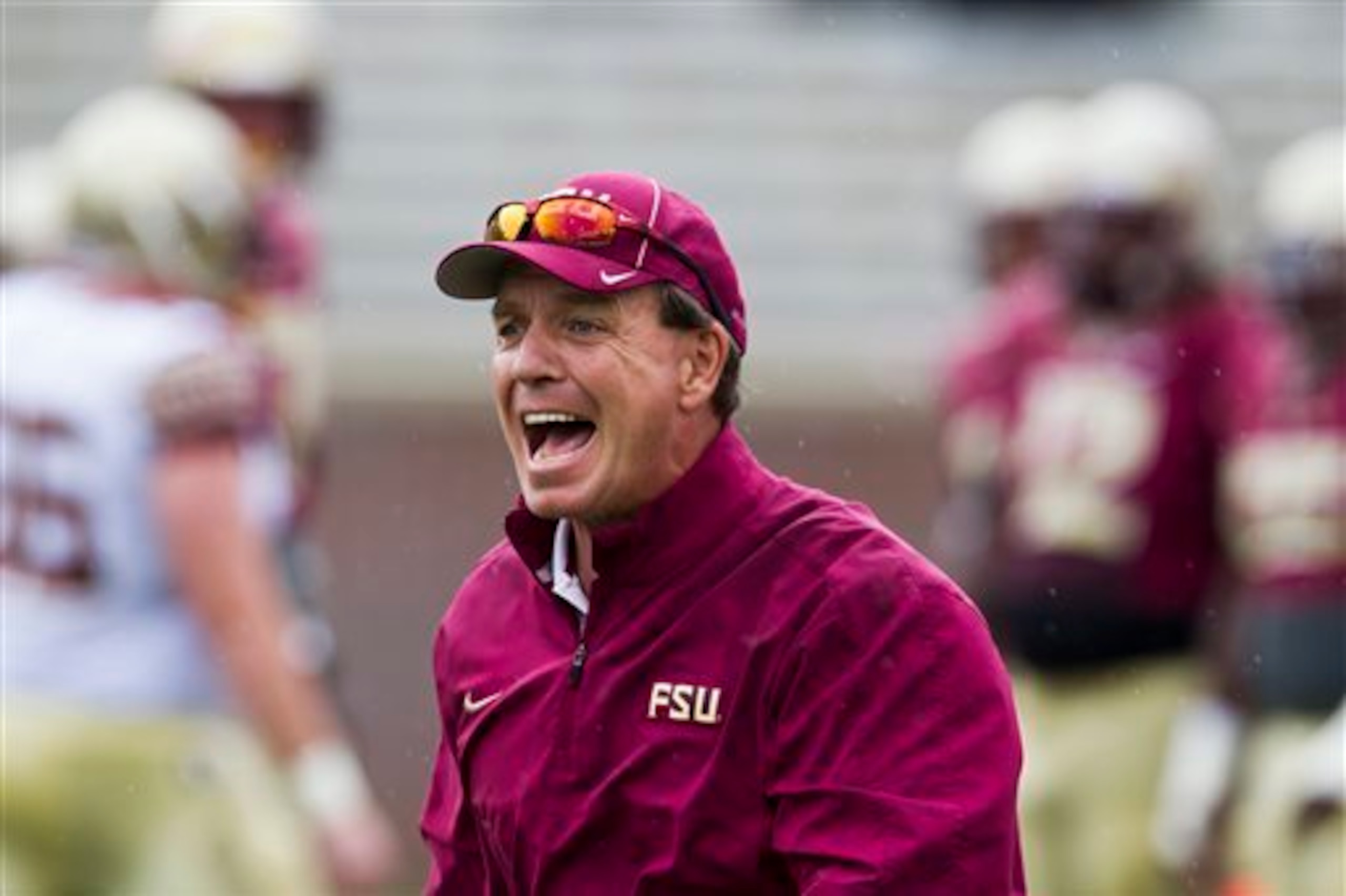
Florida State's location is perfect for building a powerhouse every single year. The Seminoles are at the top again in the state of Florida, which always churns out a high volume of top recruits.
But Florida State doesn't limit itself to recruiting in the state of Florida—although it probably could and still have a top-10 class most seasons. Jimbo Fisher's staff hasn't isolated its recruiting efforts, and it has gotten some outstanding players from the SEC's backyard (Heisman quarterback and Alabama native Jameis Winston) and even states like Texas (star defensive tackle Mario Edwards).
Florida State has built an incredible amount of blue-chip depth thanks to its recent recruiting dominance. The Seminoles have some of the most talented rosters in the country, which has caused the program to soar even higher after the tenure of legendary coach Bobby Bowden.
Other key assets: Track record of producing NFL draft picks, status as top program in the ACC
15. Tennessee: Momentum
11 of 25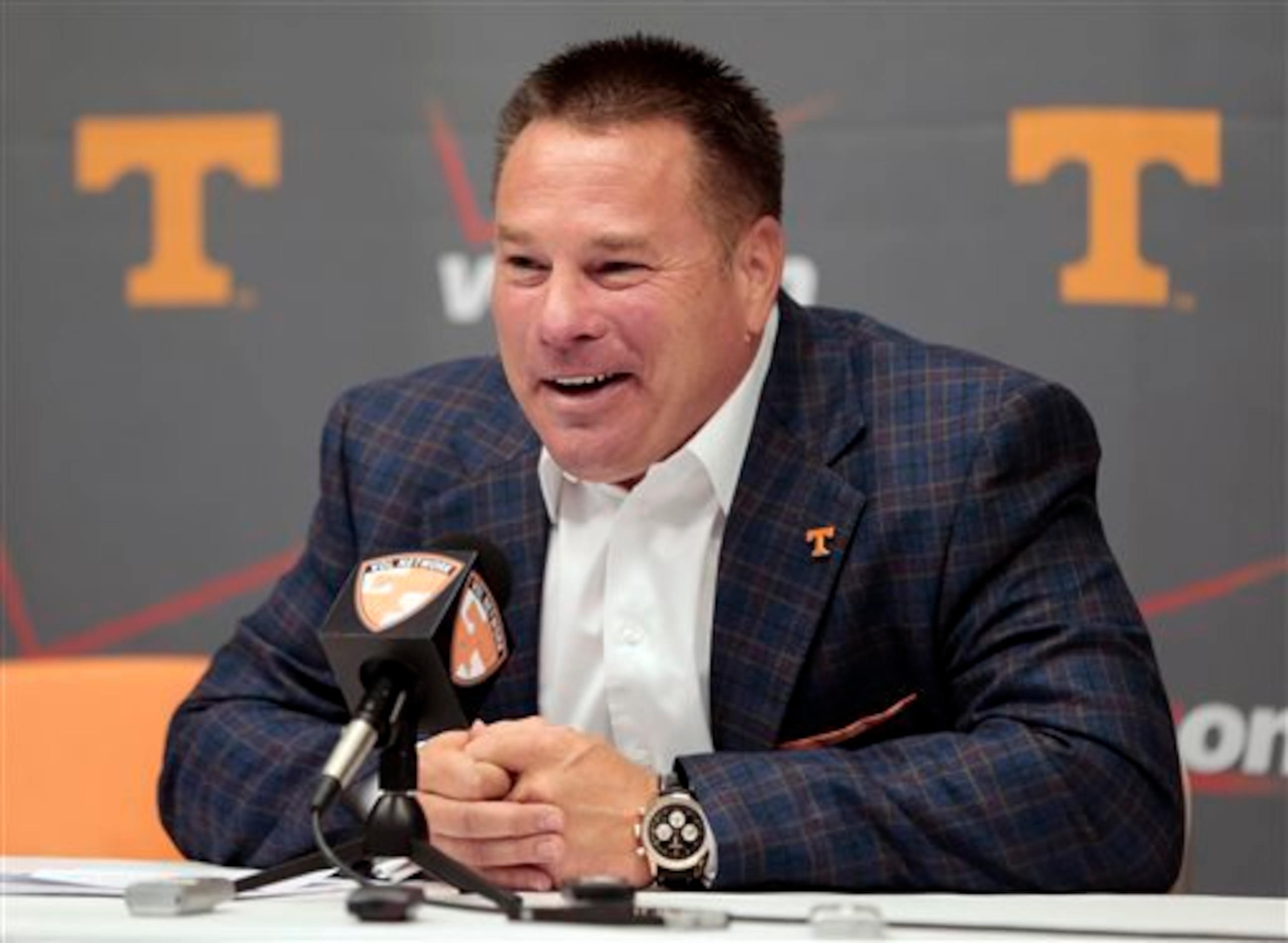
Tennessee's biggest asset is how much momentum it has built in the last few seasons under head coach Butch Jones. The Volunteers have signed massive recruiting classes with high rankings, and the results are starting to show on the field.
That kind of excitement affects every single part of a program, from the current players to the fans to the prospects who land in Knoxville for visits. It has a once-proud program believing that it has reached the end of a dark tunnel and is about to contend for the SEC again.
The skies on Rocky Top are bright as the Volunteers head into a 2015 season that has a lot of breakout potential. If Jones' team can cash in on all this momentum, Tennessee will move from being a top team off the field into a top one on the field.
Other key assets: Tradition, the massive Neyland Stadium
14. Arizona State: Experience
12 of 25
After back-to-back 10-win seasons under head coach Todd Graham, Arizona State is a Pac-12 South contender with more room to grow. Perhaps the biggest factor in that growth in 2015 and the years to come is the amount of experience the Sun Devils have from a team that came close to winning the division last season.
Arizona State had to replace nine starters from its defense in 2014. Now, it returns nine and should be stronger for the upcoming season. And while the offense lost star wide receiver Jaelen Strong, seven starters are back.
That amount of experience is crucial for a program that continues to rise under Graham. The veteran Sun Devils could have another big season this fall and take another step toward playing on the game's biggest stages.
Other key assets: OC Mike Norvell, favorable location for recruits
13. Georgia: Running Back Tradition
13 of 25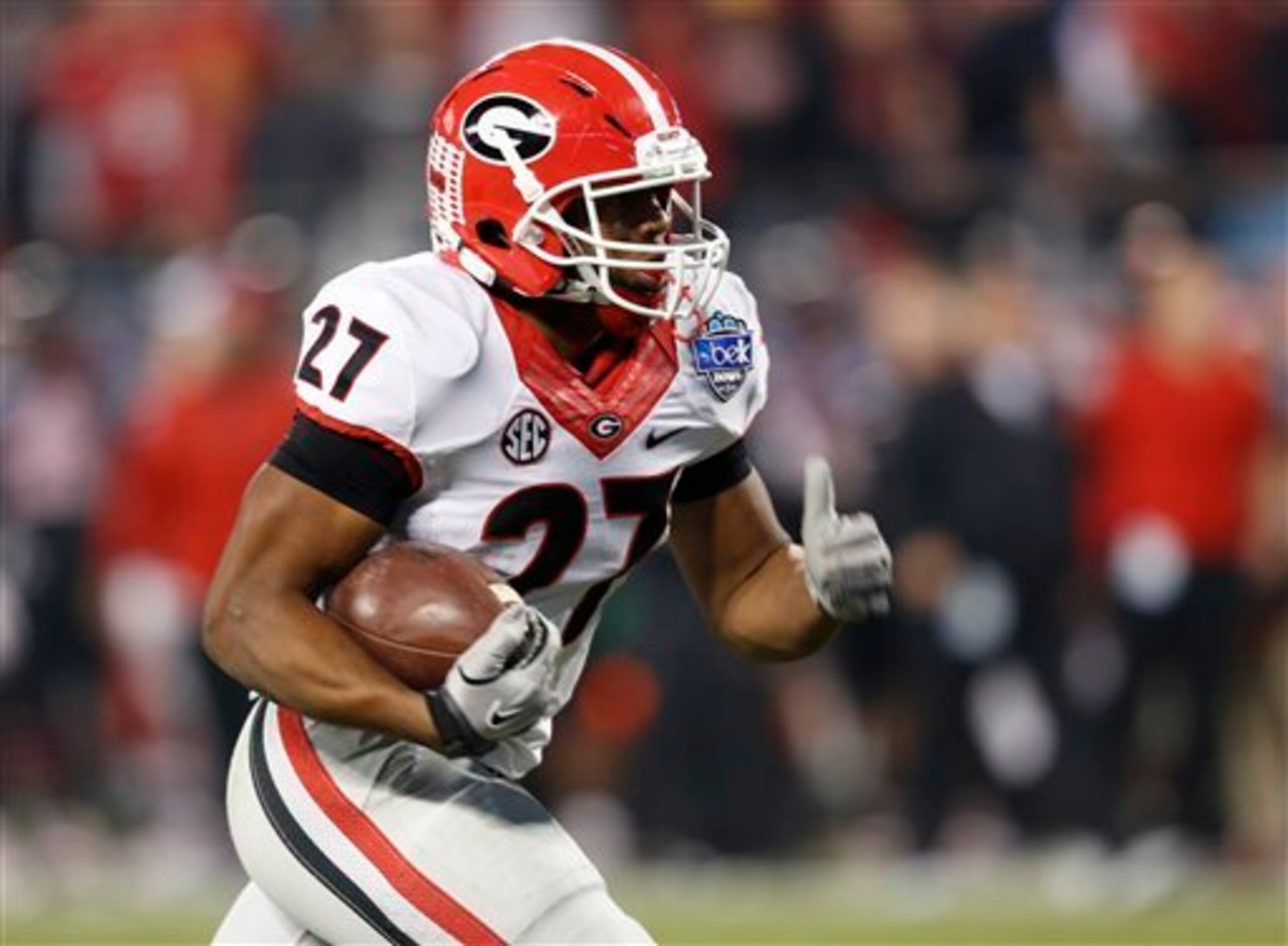
Great running back play is synonymous with Georgia football. The Bulldogs have produced Herschel Walker, Garrison Hearst, Knowshon Moreno, Todd Gurley and many more star backs in their rich history.
That success is in no danger of slowing down thanks to the trio Georgia currently has on its campus. Nick Chubb, Keith Marshall and Sony Michel will give the Bulldogs one of the most feared rushing attacks in the country for 2015—and Chubb and Michel will be back for 2016 in Athens.
Georgia will continue to run the ball with its all-star cast of running backs and reload the ranks year after year with an impressive staff of recruiters. The backfield is without a doubt the biggest strength of this title-minded program for the near future.
Other key assets: HC Mark Richt's longevity, amount of elite in-state talent
12. Clemson: Brent Venables
14 of 25
Since Brent Venables joined Clemson as defensive coordinator in 2012 after a highly successful run at Oklahoma, the Tigers have turned into one of the best defensive teams in the country.
The year before Venables arrived, Clemson ranked No. 73 nationally in defensive S&P+, an advanced stat from Football Outsiders that measures defensive efficiency. In the next three seasons, Clemson has ranked No. 34, No. 12 and, most recently, No. 1—with several top NFL draft picks.
Clemson has to rebuild its star-studded defense this season, but the program is starting to haul in elite defensive prospects, several of whom were personally recruited by Venables. As one of the best defensive coordinators in the country, Venables is extremely valuable to the continued success of Clemson.
Other key assets: QB Deshaun Watson, loyal fan support
11. Ole Miss: "The Landsharks"
15 of 25
Ole Miss head coach Hugh Freeze is an offense-minded guy, but the Rebels defense has stolen the show in Oxford. Last season, the "Landsharks" forced 32 turnovers and led the nation in scoring defense—and that included several high-scoring losses to Auburn, Arkansas and TCU.
The success of this high-energy defense starts up front with former No. 1 overall recruit Robert Nkemdiche and C.J. Johnson, a versatile senior who moved from defensive end to middle linebacker in the spring. The ball-hawking secondary returns Tony Conner and adds highly touted corners Tony Bridges and Tee Shepard.
The "Landsharks" energized Ole Miss and its fanbase in 2014 in what was one of the best seasons in school history. The defense will continue to be the Rebels' strength in a crowded SEC West.
Other key assets: Freeze's uptempo offensive system, WR Laquon Treadwell
10. UCLA: Recent Success
16 of 25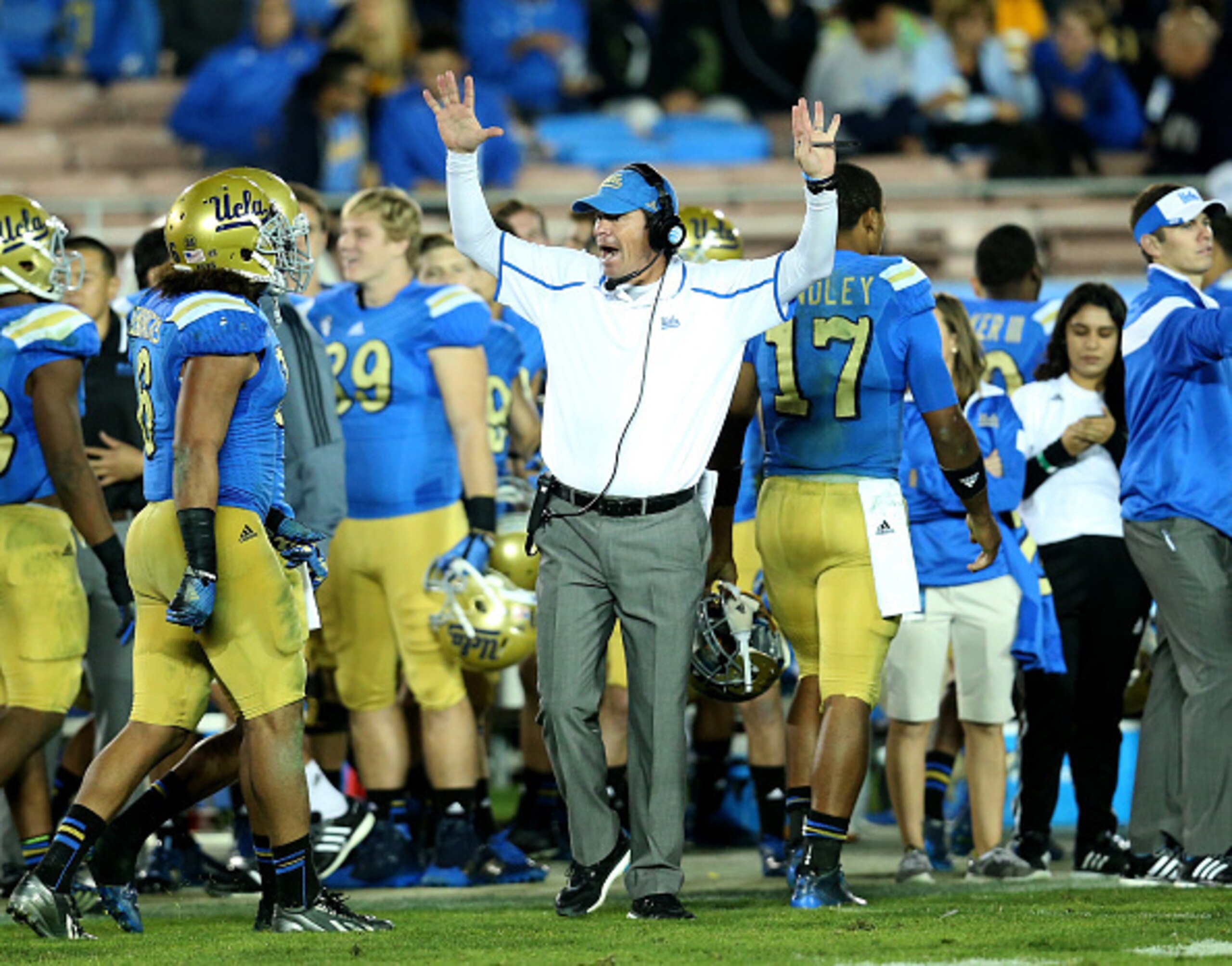
USC might be the bigger name in Los Angeles, but look who has won the Victory Bell each of the last three seasons—Jim Mora and UCLA.
The Bruins have also claimed a Pac-12 South title and back-to-back 10-win seasons under Mora, who took over a 6-8 program before the start of the 2012 season. While the rival Trojans were going through NCAA penalties and coaching chaos, UCLA took the momentum in the crosstown rivalry and started signing better recruiting classes.
UCLA doesn't have star quarterback Brett Hundley anymore, but it has several young stars on its roster who could become even bigger names down the road. In Southern California, the top team right now is UCLA, and that fact is due to one of the best overall runs in school history.
Other key assets: Location, experienced starters on offense and defense
9. Auburn: Gus Malzahn
17 of 25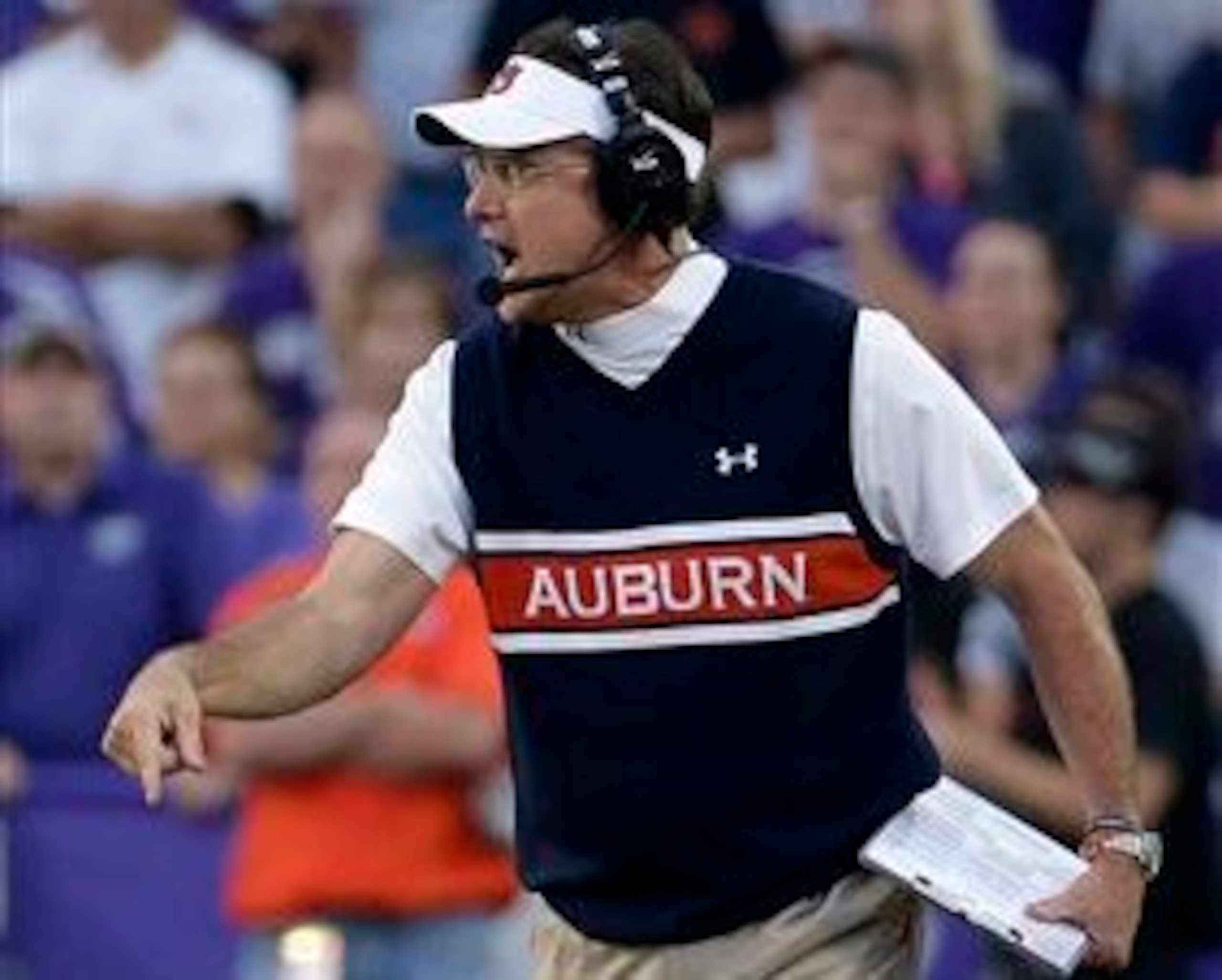
Auburn's hire of Gus Malzahn has paid off in a big way—twice. The Tigers won the 2010 national championship during his second season as offensive coordinator and then went back to the title game three years later in his first campaign as their head coach.
Malzahn's hurry-up, no-huddle offense ignited a dormant Auburn offense in the late 2000s, gave Cam Newton a chance to become an Auburn legend in 2010 and turned around a downtrodden program in 2013. It smashed school records even in seasons when the Tigers didn't win the SEC.
The Auburn head coach's scheme is one of the most prolific in all of college football and has brought the program excitement, results and recruits. Malzahn demands speed from everyone—including the defense—and it's hard to imagine where the Tigers would be if they didn't hire him again.
Other key assets: New DC Will Muschamp, tradition of great RBs
8. Oregon: Phil Knight
18 of 25
In 1996, Nike co-founder Phil Knight asked the head football coach of his alma mater what he needed in order for the program to take the next step. According to USA Today's Josh Peter, Oregon's Mike Bellotti told Knight an indoor practice facility, and Knight gave almost $10 million for the cause.
Since then, Knight has given hundreds of millions of dollars to Oregon athletics, with a good chunk of it going to the football program. He's helped the Ducks build a $68 million football facility and made sure they were always outfitted with the latest—and most talked-about—innovations in uniforms from Nike.
Oregon is now a national powerhouse thanks in large part to Knight's investments. The uniforms and the facilities pull blue-chip prospects into Eugene, and they help Oregon win more Pac-12 titles and big-time bowl games.
Other key assets: Consistent offensive success, position in the Pac-12's North Division
7. Notre Dame: Tradition
19 of 25
Notre Dame hasn't won a national championship since 1988. The Irish have finished in the top five of the final AP poll once in the last 20 years.
But none of that's going to stop this program from being a powerful player in this sport. Notre Dame's history of national titles, legendary coaches and Heisman-winning players—and its relationship with the Catholic Church in America—means that the Irish will constantly be a desired destination for players in the Midwest and all over the country.
Notre Dame's football brand is a money-making machine that continues to grab attention, no matter the record for that particular season. Because of the tradition and pageantry, those golden domes are always shining in the world of college football.
Other key assets: Independent status, consistent nationally televised games
6. USC: Status in Los Angeles
20 of 25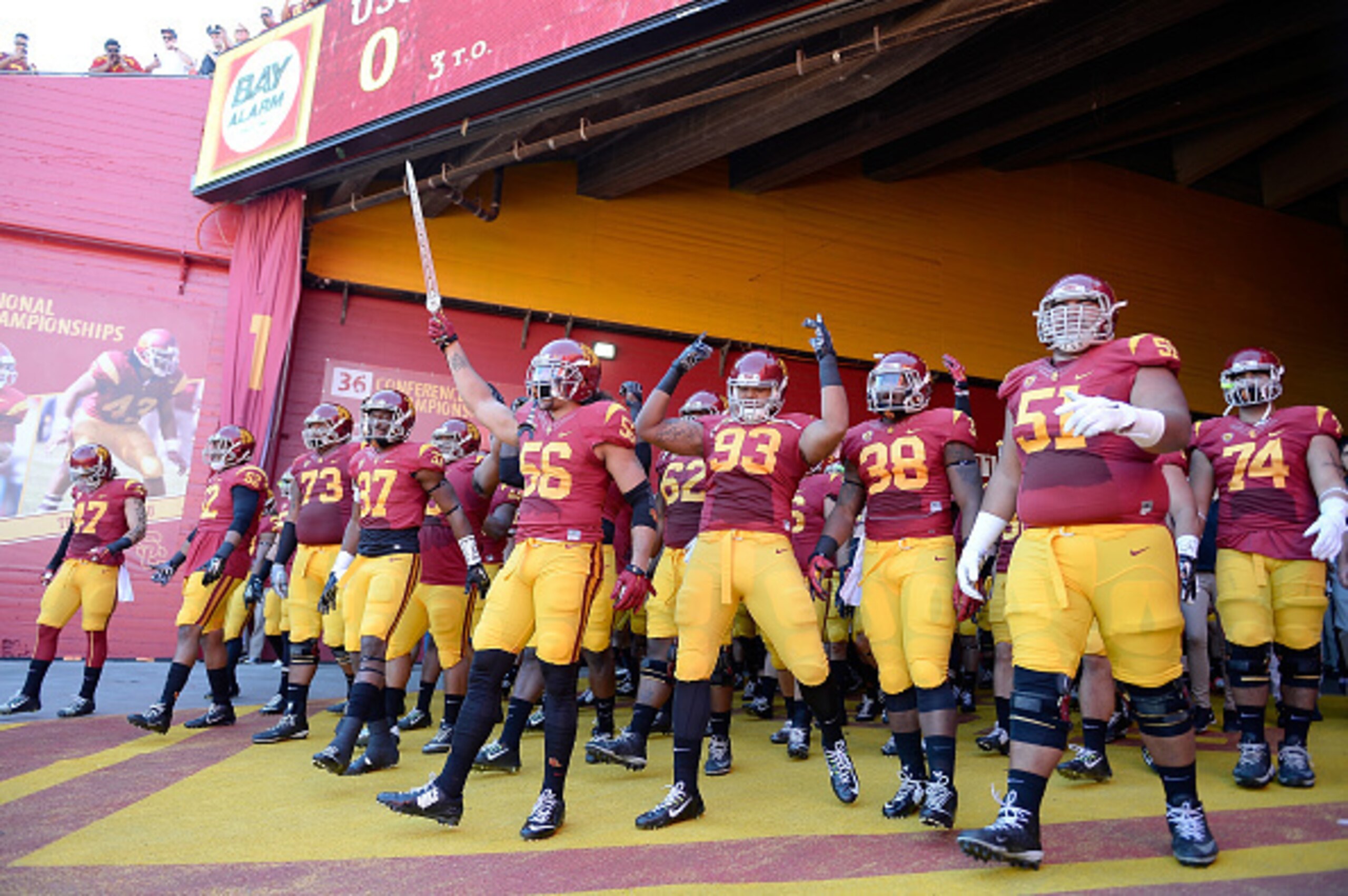
How can USC go through the events of the last decade and still come out with one of the most talented rosters in the country? Simple. No matter what happens to the Trojans—even three straight losses to UCLA—they're still going to be desirable to players because of their status as Los Angeles' unofficial pro team.
USC has a mix of tradition and location that is extremely hard to match in college football. It's a Hollywood squad with constant spotlight and a goldmine for producing pro players. Los Angeles doesn't have an NFL team—for now—but plenty of stars over the league's history have come through USC.
Steve Sarkisian is working to rebuild USC back to a national title contender, but it's not like top players and big games left the program during its chaotic years.
Other key assets: Local recruiting hotbed, QB Cody Kessler
5. Alabama: Nick Saban
21 of 25
Plenty of things could go on this list for Alabama—pro production, facilities, fan support and that insane streak of No. 1 recruiting classes.
But all of those things are in Tuscaloosa right now because of Alabama head coach Nick Saban. He led a proud program stuck at one of its lowest points and built a dynasty. Saban's teams won three national championships in the span of four seasons, a type of run that rarely happens in today's college football.
Saban's "process" with the Crimson Tide built an elite program that has some of the best in virtually every category. The Tide will most likely continue to be a powerhouse well after Saban retires, and that's a testament to how much he means to this football factory.
Other key assets: Elite assistant coaching staff, championship tradition
4. TCU: New Offensive System
22 of 25
When TCU went 4-8 in 2013, defensive-minded head coach Gary Patterson knew it was time for a change. He hired Sonny Cumbie and Doug Meacham to run a fast-paced spread offense, and it paid off in a huge way.
The Horned Frogs averaged 533 yards in 2014—almost 200 yards more than they did in their disastrous 2013 campaign. Quarterback Trevone Boykin became a Heisman contender after a couple of frustrating seasons, and TCU had a legitimate chance at getting into the first College Football Playoff.
Cumbie and Meacham's offense turned a struggling program into a championship-caliber squad in less than a season, and their success with the team is a main reason why TCU is a popular pick to make it into the final four in 2015. Without it, the Horned Frogs would be a long way from where they are right now.
Other key assets: Boykin, Patterson's longevity and willingness to adapt
3. Michigan State: Championship-Caliber Defense
23 of 25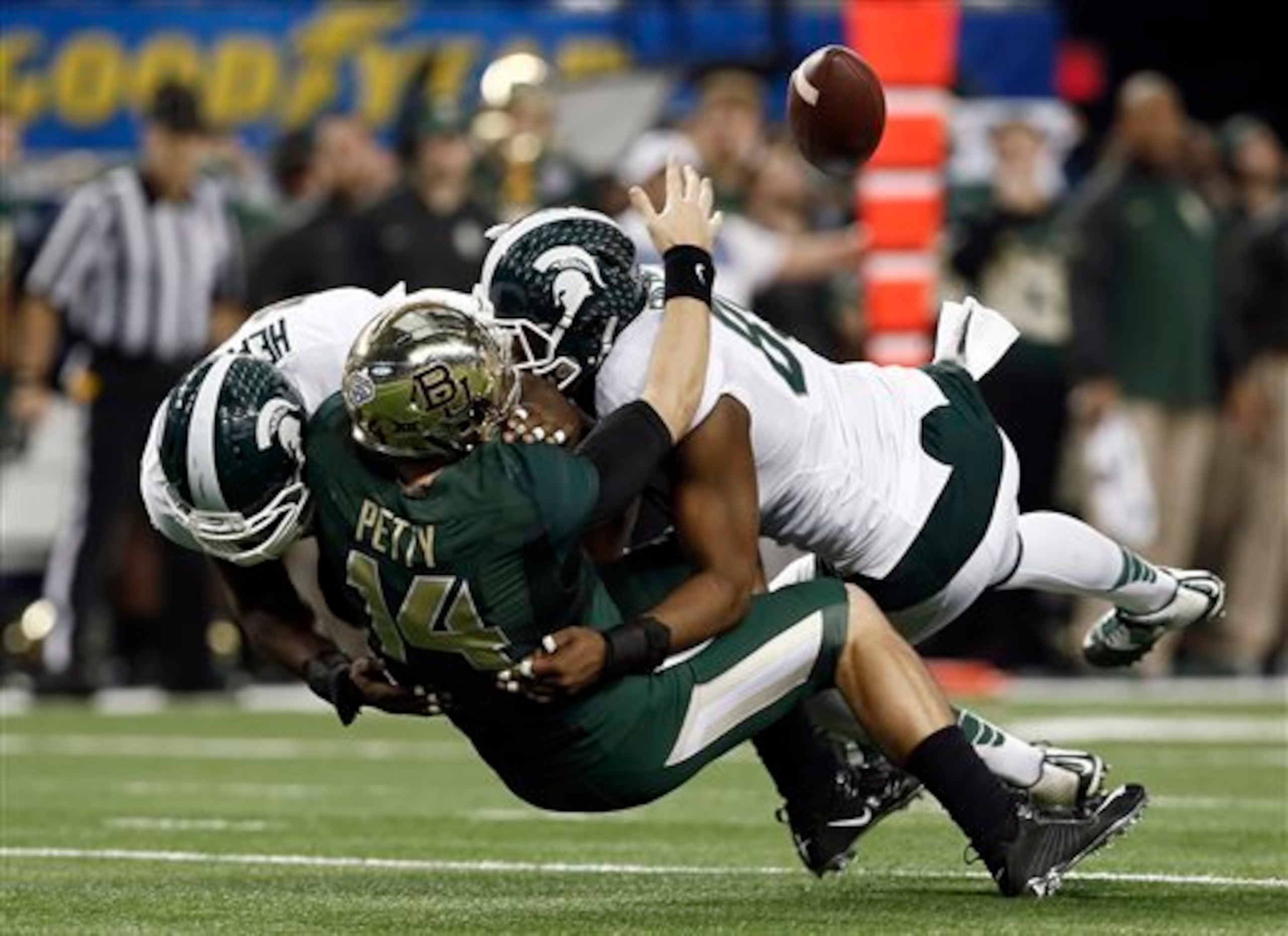
Michigan State has been an extremely consistent program in recent seasons on the field, and a lot of that has to do with how dominant the Spartans have been defensively.
In each of the last four seasons, Michigan State has finished in the top 10 in fewest yards allowed per game. In those years, the Spartans have won two major bowl games, competed for Big Ten titles and sent several defensive stars to the NFL.
With the defense leading the way, the Spartans should be a serious title contender for the next few years. The success is starting to pay off on the recruiting trail as Michigan State tries to catch up with defending national champion Ohio State in an increasingly tough Big Ten East.
Other key assets: HC Mark Dantonio, QB Connor Cook
2. Baylor: Art Briles
24 of 25
After three seasons of moderate success, Baylor head coach Art Briles saw his program take a huge leap forward in 2011 with Heisman-winning quarterback Robert Griffin III. Two years later, the Bears took home their first Big 12 title. Then they moved into a brand-new stadium and became co-champions of the conference.
Baylor's biggest asset is its unbelievable offense, which has led the nation in scoring and yardage each of the last two years. That attack is the brainchild of Briles, who rose from the high school ranks in Texas to turn around Houston and now Baylor.
Every aspect of the Bears' program has improved since Briles' arrival, and now it enters a season with legitimate national championship hype. The rebuilding job Briles has already done makes him a Baylor legend, and his resume has the potential to go through the roof in the coming years.
Other key assets: Improving defensive line, WR combo of KD Cannon and Corey Coleman
1. Ohio State: Urban Meyer
25 of 25
Urban Meyer's impact at Ohio State was swift and extraordinary. The Buckeyes weren't in a completely dreadful state when he inherited them in 2012, but winning 12 games in each of his first three seasons has been an extraordinary success for a coach who has won big wherever he's been.
Ohio State snapped its 12-year national championship drought under Meyer in 2014, a remarkable coaching effort that included two major injuries to starting quarterbacks and an early-season letdown loss against Virginia Tech. But the strength of Meyer's system, his staff and the team's star-studded depth showed down the stretch as Ohio State won it all.
The Buckeyes would probably be a powerhouse if Meyer had decided to stay retired and not come to Columbus. But the program's quick resurgence back to the top of the college football world makes the architect the biggest asset in a program that has a lot to be proud of right now.
Other key assets: Championship tradition, QB depth
Justin Ferguson is a college football writer at Bleacher Report. You can follow him on Twitter @JFergusonBR.
.png?w=2560)

.jpg?w=2560 "Chiefs, Steelers Eye WR Trades")

.jpg?w=2560 "WWE Raw Live Grades 🔠")
.jpg?w=2560 "Multiple NFL Trades Predicted")

