
Reasons to Be Patient with 5 Troubling Early-Season Los Angeles Dodger Starts
Two weeks into the Los Angeles Dodgers' season, the team sits near the top of the NL West. They are not off to the same blistering start as a team like the New York Mets, but much of the season has nonetheless been relatively positive. Adrian Gonzalez has been one of the best hitters in baseball, and Joc Pederson has not disappointed.
However, not everything has been perfect. There are still a few players who have not quite lived up to expectations. It’s been only two weeks, so nothing short of a serious injury could truly change anyone’s full-season projection, but that won’t necessarily stop fans from worrying.
In that vein, then, here are reasons not to worry about these five slow starts.
Note: All statistics through April 22.
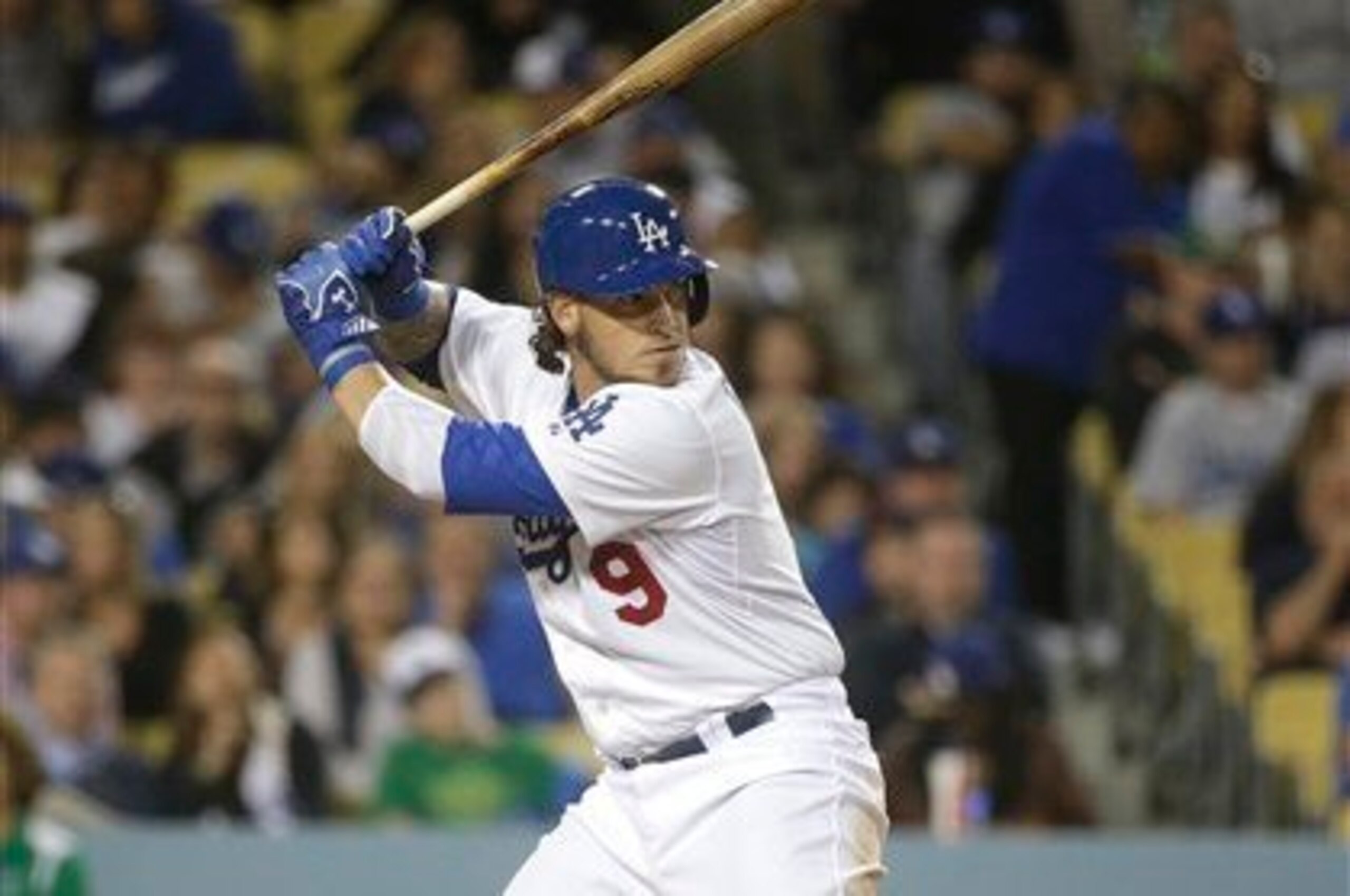
Yasmani Grandal, C
1 of 5
Grandal is hitting just .188 so far, and his slugging percentage isn’t much better at .281. However, the rest of his numbers suggest that he should improve as the season progresses.
Even with the low batting average, he has a perfectly acceptable .316 OBP. His walk rate and strikeout rate are both better than they were in 2014 (which was his first full season), which indicates that nothing about his approach is drastically different. Most significantly, though, his batting average on balls in play is way below his career level.
Hitters have some control over their batting average on balls in play, but it can also be an indicator of bad luck. Given that Grandal’s discipline numbers are improved, I would not be too worried.
Juan Uribe, 3B
2 of 5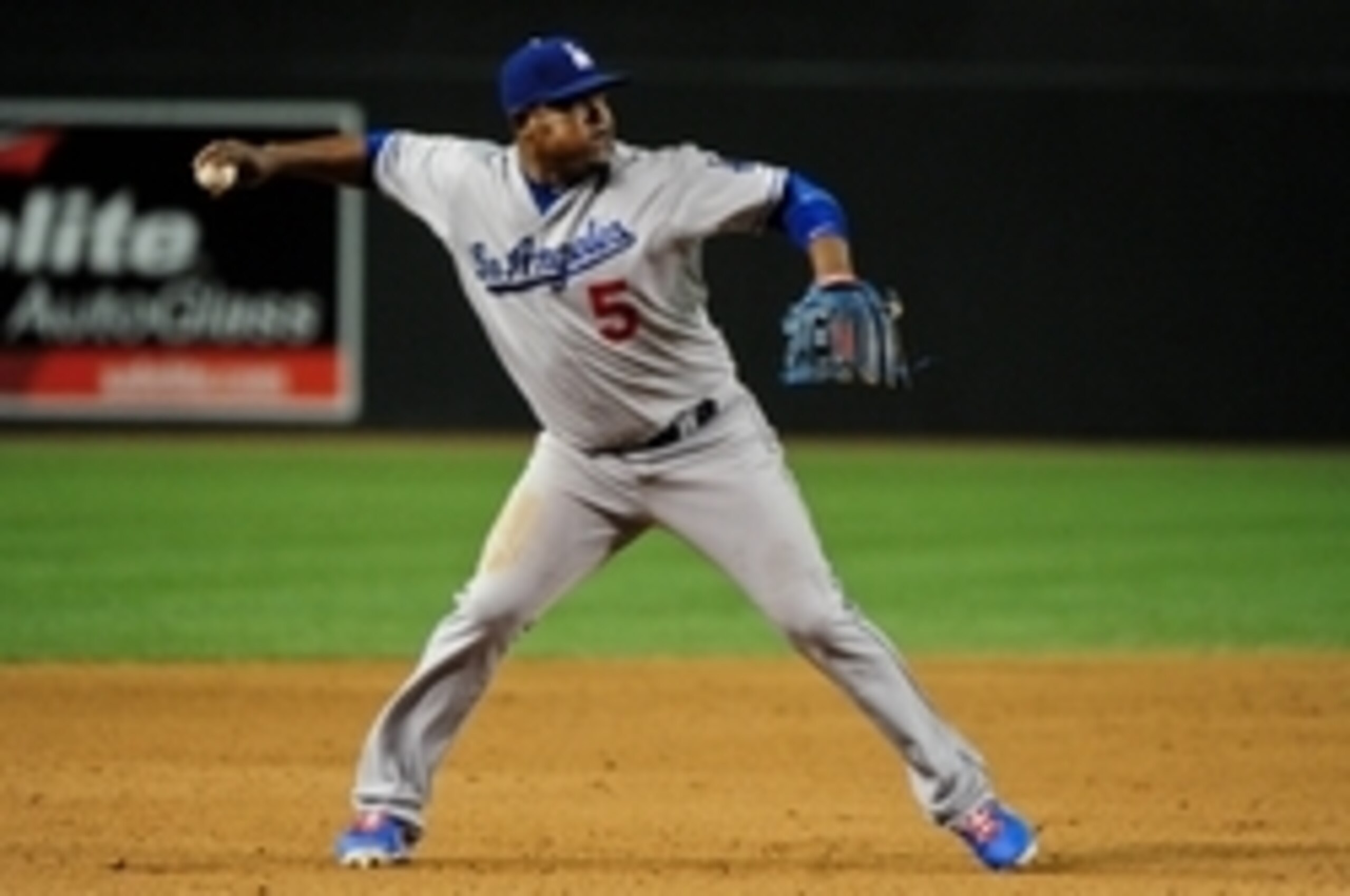
With Alex Guerrero posting a 1.537 OPS in this small sample, the pressure has been on Uribe to perform—and he hasn’t. His .229/.270/.257 line is disappointing given that he’d been quite good for the last two years. Ultimately, Uribe does not rely on his bat for his value.
Over the last two seasons, Uribe has been the second-best defensive third baseman in all of baseball. Therefore, he doesn’t have to hit the cover off the ball to be a valuable member of the team. Instead, his numbers just need to tick up a little.
Carl Crawford, LF
3 of 5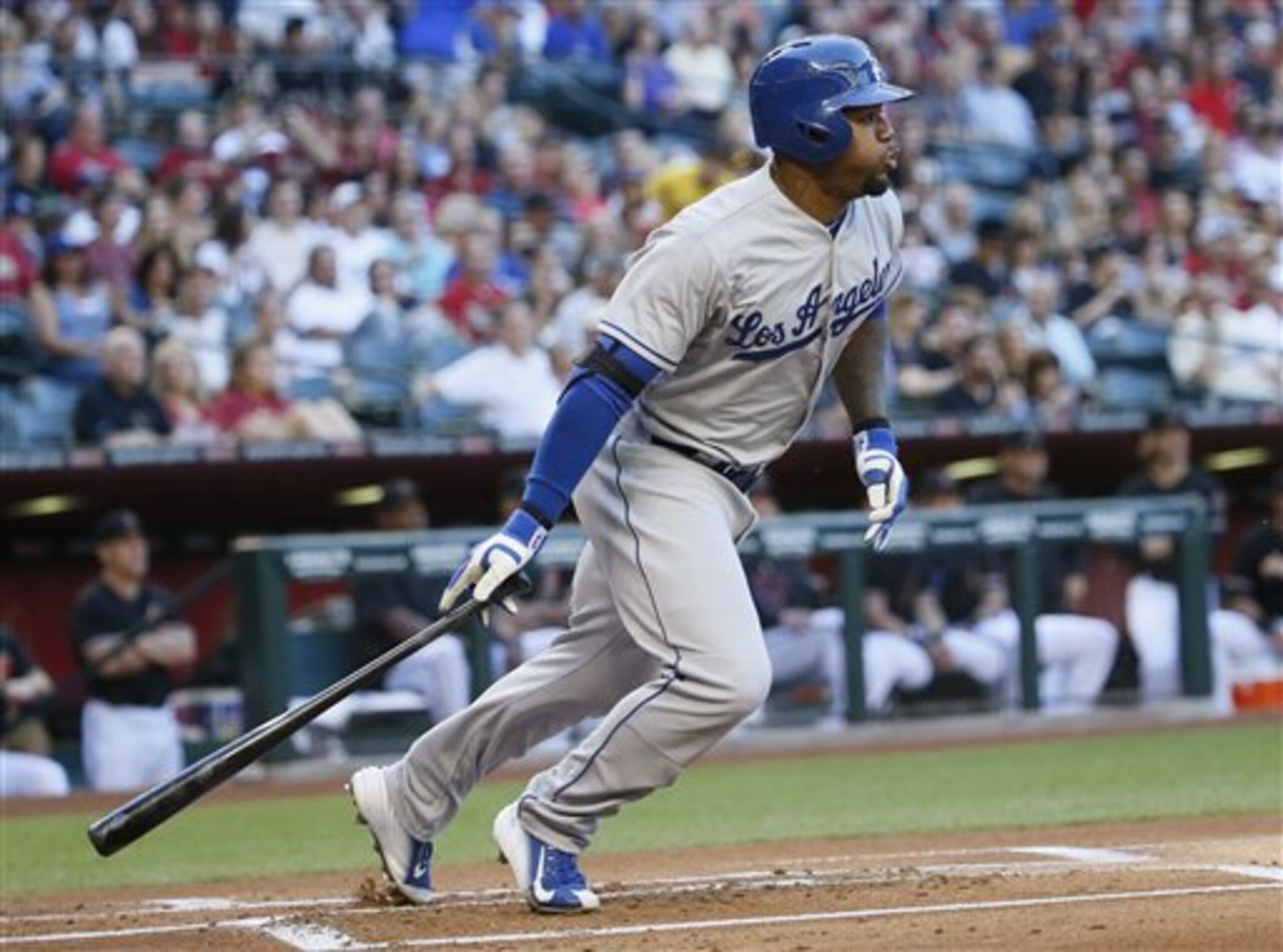
Crawford has a 62 wRC+ through 10 games (meaning he has been 62 percent of league average), which is not good. It is especially concerning because most of his plate appearances have been against right-handed pitchers, and he is supposed to be the strong side of a platoon with Scott Van Slyke facing lefties.
If one is looking for a case to be most concerned about, Crawford is the man. However, some of the underlying plate discipline information suggests that this may simply be a strange two-week run that requires an adjustment. So far in 2015, just 46.2 percent of pitches to Crawford have been in the strike zone, which would be the lowest of his career. Consequently, his contact rate is also his lowest since his rookie year.
If pitchers continue to avoid him, one would expect a quality hitter such as Crawford to recognize this and stop swinging at balls. If they don’t and instead come back to the zone, his batted ball data suggests that he should earn a few more hits just from regression to his career averages.


Chris Hatcher, RHP
4 of 5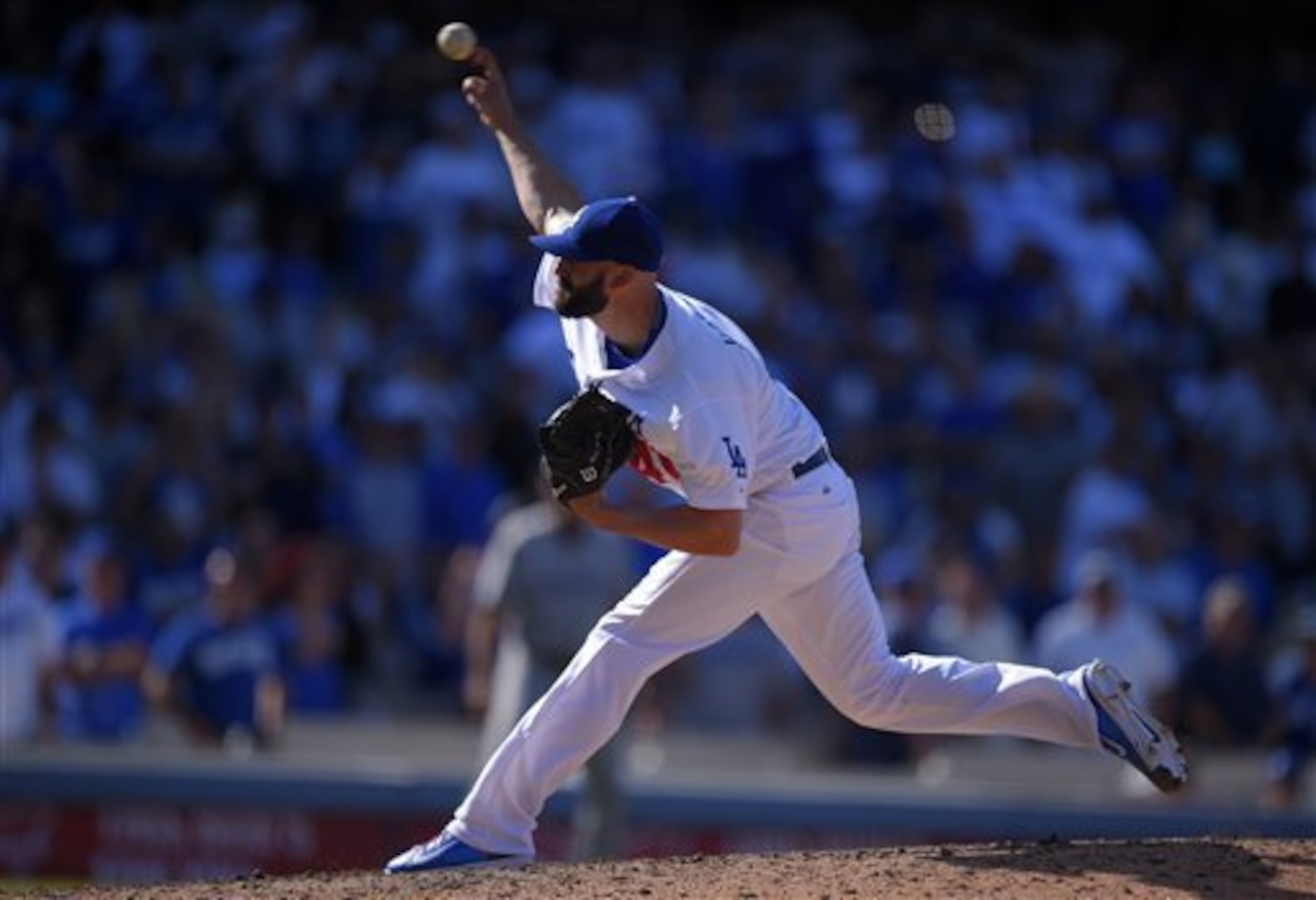
Hatcher’s regression path is probably the most straightforward. He has a 10.80 ERA in just five innings, but his 1.67 FIP and 2.21 xFIP show that he has certainly been a bit unlucky.
Hitters have a .500 BABIP against Hatcher, which is absurdly unsustainable—especially for someone whose career mark is .340. He has also struck out nearly a third of the batters he has faced, so it’s not as if his pitchers are easily hittable. Instead, he has simply been unlucky.
Brandon McCarthy, RHP
5 of 5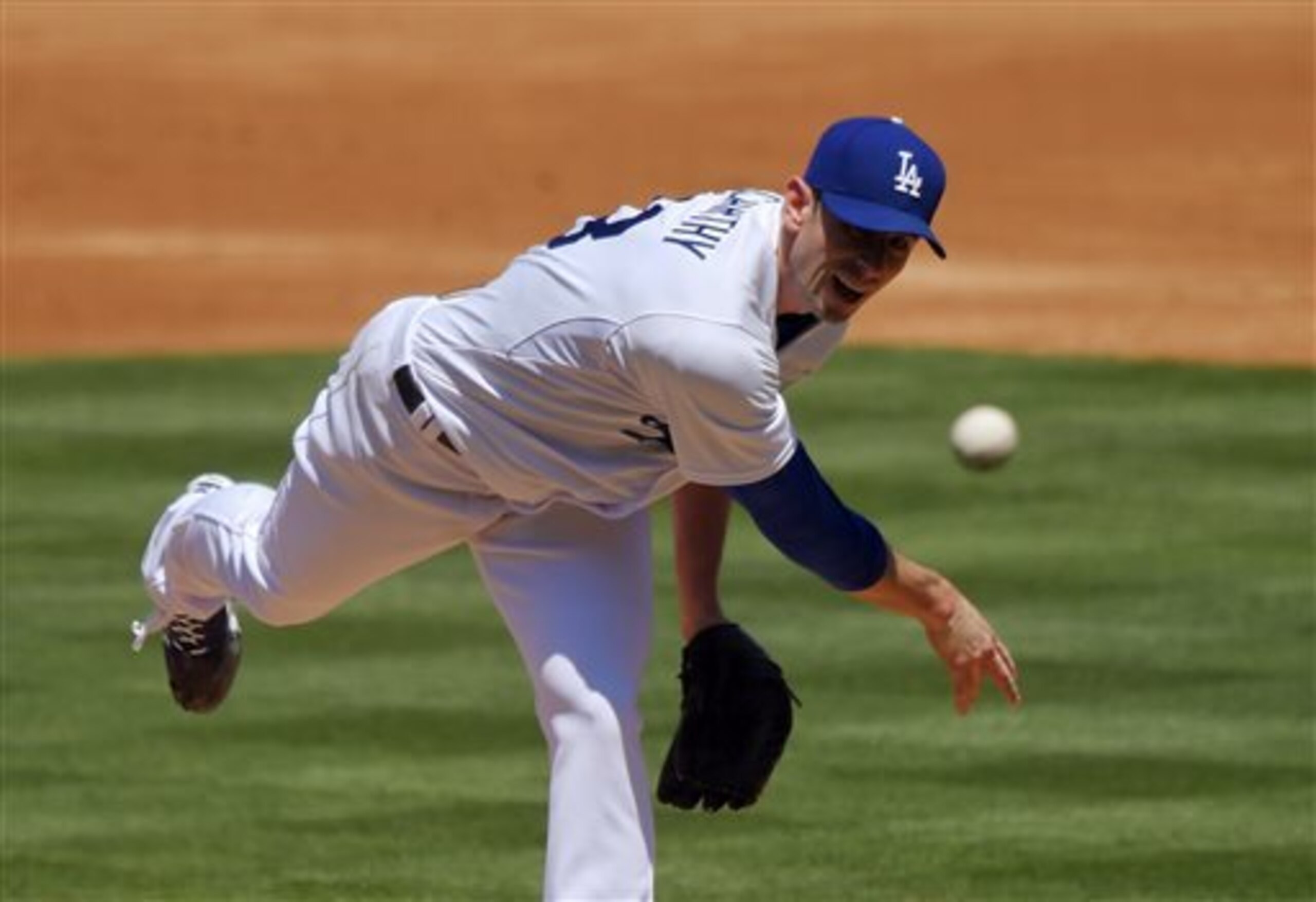
McCarthy has not started all that well, as he has a 4.50 ERA in three starts. The first indicator of bad luck, FIP, is not encouraging either (5.12). His xFIP, though, is just 2.08, and that is the positive sign.
The difference between FIP and xFIP is the way home runs are accounted for, and McCarthy has already given up six. About 35 percent of the fly balls hit against McCarthy have gone over the fence, which is over three times higher than his career mark. Because his strikeout and walk rates are still excellent, fans should not be concerned about McCarthy’s bloated ERA.


.jpg?w=2560 "NFL investigating 2 referees for separate viral exchanges")

.jpg?w=2560 "OBJ Calls Out Giants 😳")

.jpg?w=2560 "Ward Nearly Walks Out of Presser 😳")
