

The Century's Best "System" Athletes
While most sports stars would succeed in just about any setting, there remains a select group of athletes who require very specific systems in order to prove their true worth.
Hedo Turkoglu, for example, has been a mostly average NBA role player for a majority of his career. But during his time in Orlando, while operating in Stan Van Gundy's unique offensive system, Turkoglu thrived and became a game-changing talent.
Believe it or not, the same can be said of Steve Nash, who was mostly forgettable through his first eight seasons in the league before becoming a Hall of Fame athlete in Phoenix, with Mike D'Antoni by his side.
And today, Atlanta's Kyle Korver is setting a new bar for modern "system" athletes, as the journeyman specialist has transformed into a deadly All-Star in Mike Budenholzer's heavy motion offense.
With the aforementioned athletes in mind, we decided to take a closer look at the profound impact systems can have on certain players, specifically highlighting the century's best "system" athletes.
It's worth noting that we did our best to stay away from spotlighting individual college stars, as the list of elite collegiate performers who failed on the professional level is a nearly endless one. Their disappointing transitions could easily be attributed to inherent shortcomings that exist beyond discussions of system.
That said, we did our very best to identify a group of unique stars who, over the last 15 years or so, have benefited far more from a specific system than any of their competitive brethren.
Eric Decker
1 of 9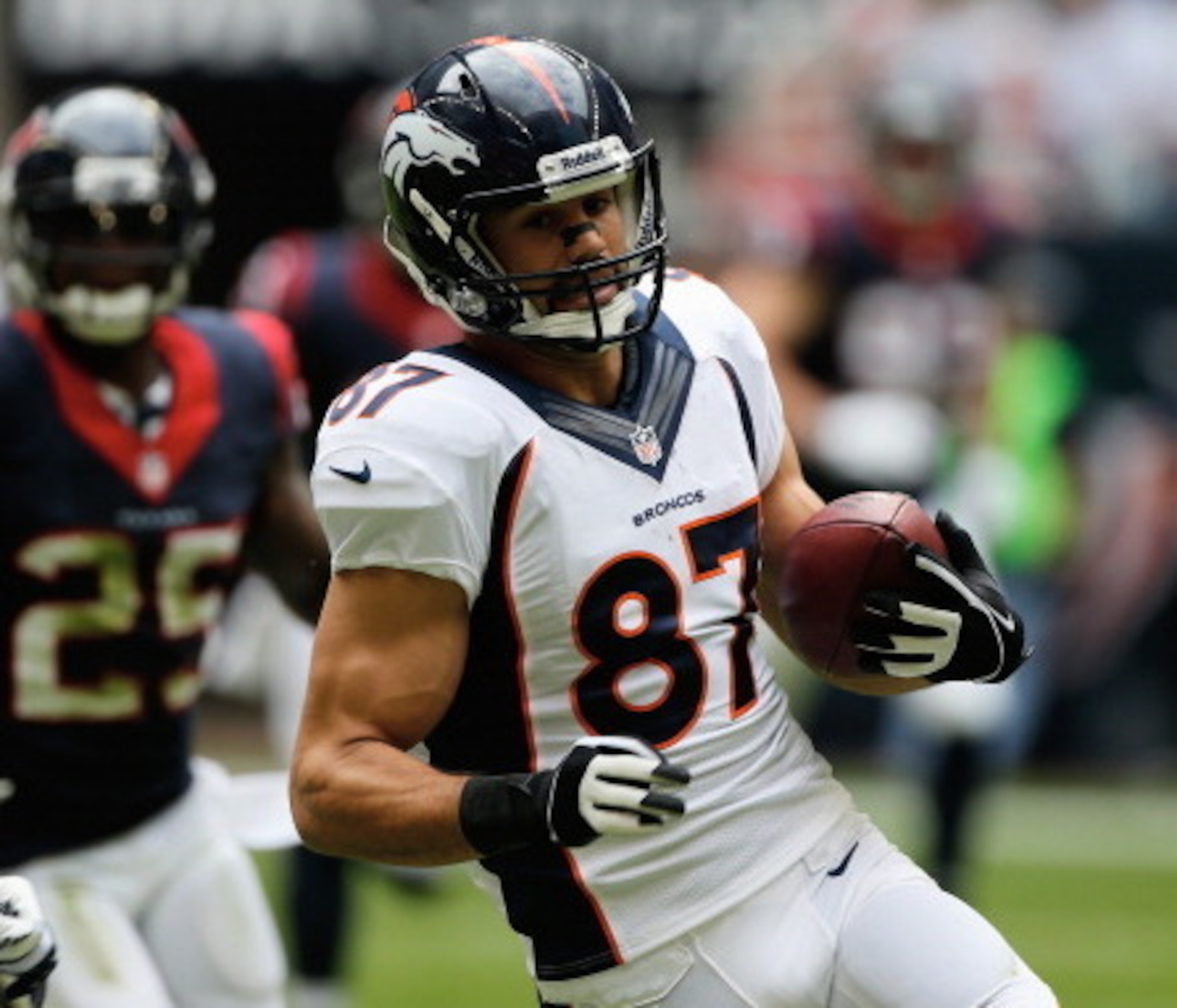
With all due respect to what Eric Decker accomplished in New York in 2014-15—he hauled in 74 balls for 962 yards and five touchdowns last season for the Jets—he clearly made his name in Denver on the back of Peyton Manning.
In 2010 and 2011, before Manning's arrival, Decker managed to record just 50 catches for 714 yards and nine scores for the Broncos. In Manning's quick-hit, efficient and simplified offense, Decker reeled in 172 balls for 2,352 yards and 24 touchdowns in 2012 and 2013.
Hedo Turkoglu
2 of 9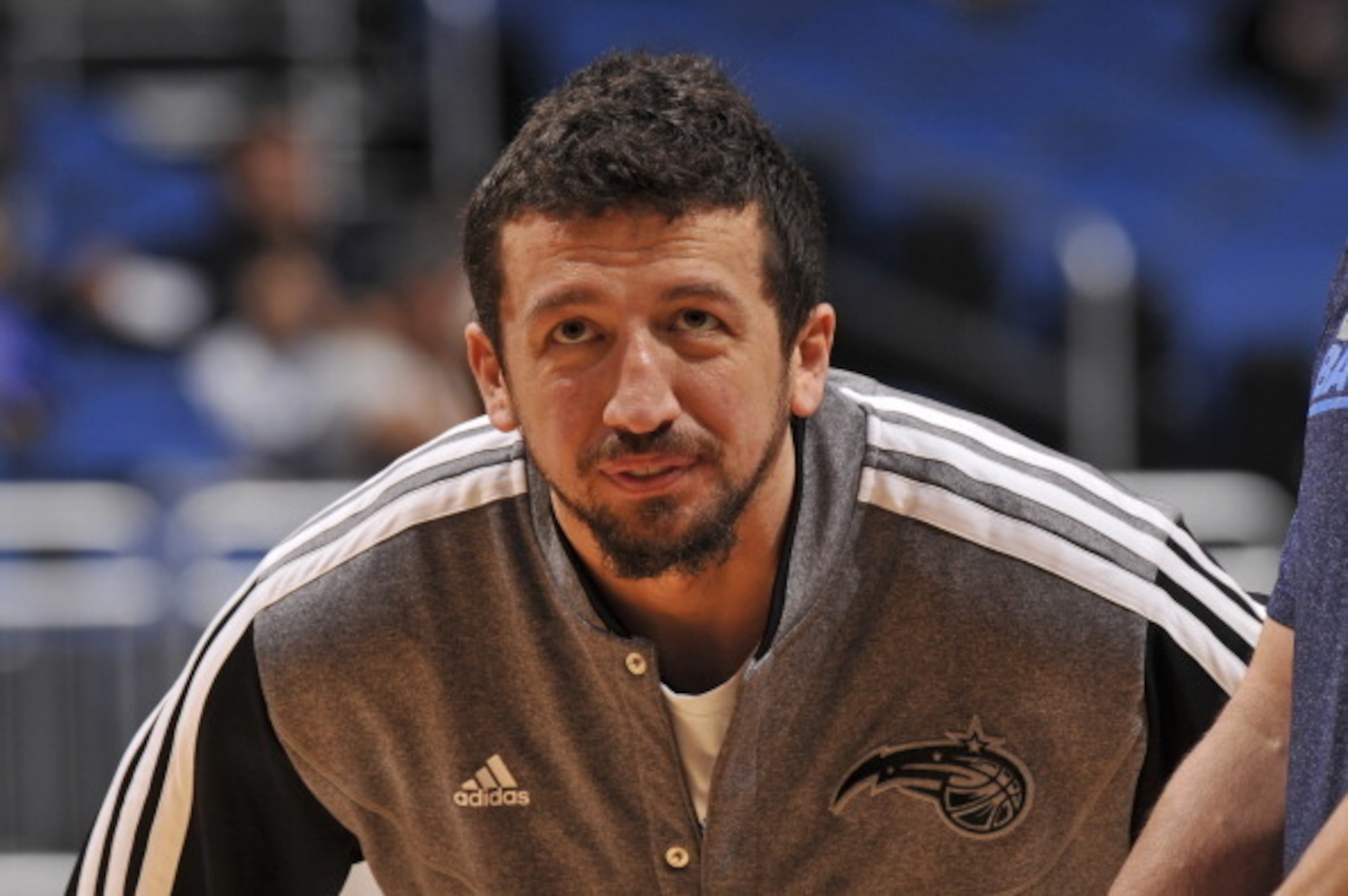
Though Hedo Turkoglu has enjoyed a solid 15-year NBA career, he no doubt played by far his best basketball in Stan Van Gundy's 4-out, 1-in motion offense.
In his four seasons prior to arriving in Orlando—while dressing for the Kings from 2000-2004—Catfish averaged a measly 7.9 points, 3.7 rebounds and 1.6 assists per game.
In his five seasons with Van Gundy and the Magic, however, Turk averaged a gaudy 15.8 points, 4.6 rebounds and 3.7 assists per game, increasing his production in all three major statistical categories by a considerable margin.
For his efforts, Turk was named the NBA's Most Improved Player in 2008. More importantly, as one one of the league's most versatile offensive weapons, he helped Orlando make it all the way to the NBA Finals that same season.
And, as a result of Turk's five-year surge with the Magic, Toronto signed the small forward in 2009 to a five-year deal worth $53 million.
But without Van Gundy's favorable system, Turkoglu was never so good again: Since leaving Orlando, the Turkish star has averaged 8.4 points, 3.5 rebounds and 3.1 assists per game.
Quarterbacking Bears
3 of 9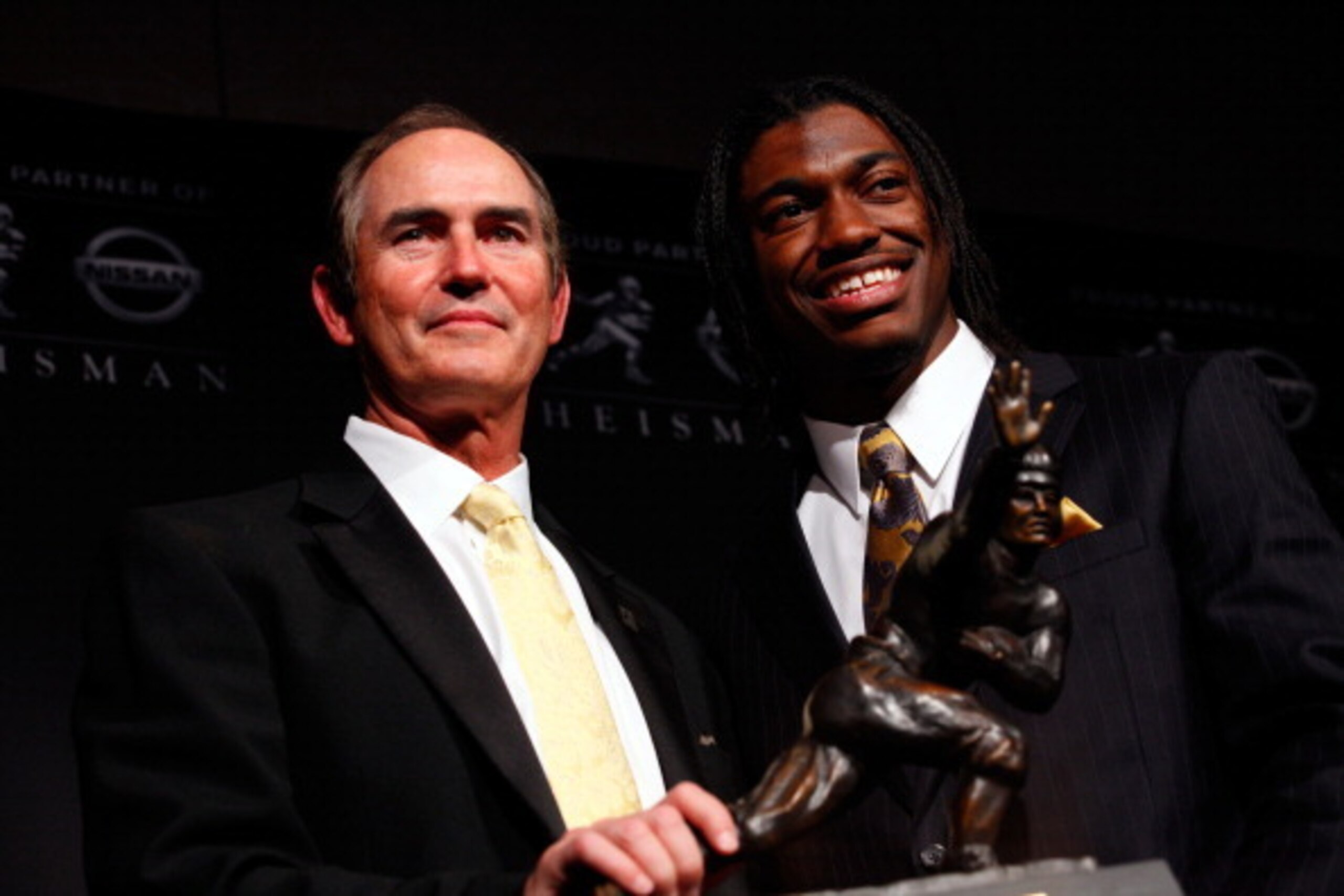
Because we stayed away from individual college athletes—countless college stars fail at the pro level, and that doesn't necessarily make them "system" athletes—we had to give at least a tip of the cap to the recent quarterbacking success that has transpired at Baylor.
In the last five seasons—from 2010 through 2014—Art Briles and Baylor have employed three full-time quarterbacks: Robert Griffin III, Nick Florence and Bryce Petty.
Combined, the three signal-callers have produced two 3,000-yard seasons ('10, '14) and three 4,000-yard seasons in addition to throwing a whopping 153 touchdowns!
Outside of the Baylor system, however, the grass hasn't been quite as green.
Griffin ran many of the same spread concepts for the Redskins in 2012 and starred as a result, throwing for 3,200 yards and 20 touchdowns in his rookie campaign. However, after injuries forced him to abandon the run and many of the spread principles he'd grown accustomed to, RG3 has done nothing but struggle in the two seasons since.
And while the verdict is still out on the prolific Petty—who is expected to be a mid-round selection in the 2015 draft—Florence is currently out of football altogether.
.jpg?w=2560 "Chiefs Giants Football")
.jpg?w=2560 "Colts Football")
.jpg?w=2560 "Titans Colts Football")
Kyle Lowry
4 of 9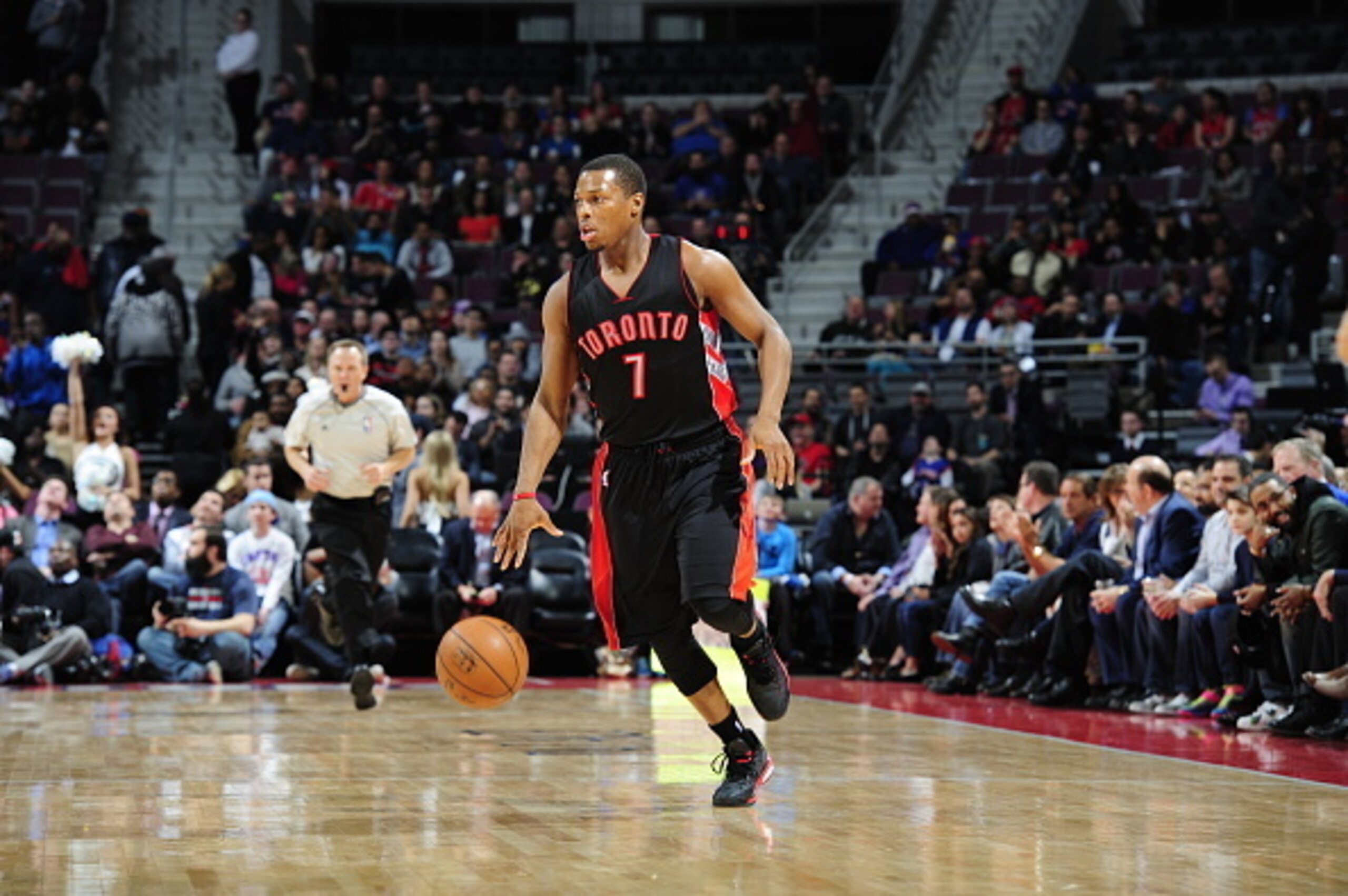
Through his first six years in the league—while suiting up for Memphis and Houston—Kyle Lowry was strictly an average NBA point guard.
During that span, the Villanova product averaged 10.4 points and 4.8 assists per game.
Since joining the Toronto Raptors' transition-heavy, high-motion offense in 2012-13, however, Lowry has been a totally different animal.
Over the last three seasons, the 2015 All-Star has dramatically increased his production: He's averaged 15.9 points, 6.9 assists and 4.7 rebounds per game.
He's been even better of late, averaging 17.9 points and 7.2 assists per game during the last two seasons.
It's clear that while Lowry was never a slouch, he has greatly benefited from operating within Dwane Casey's offense, which is one that more closely suits his talents.
Tebow and Young
5 of 9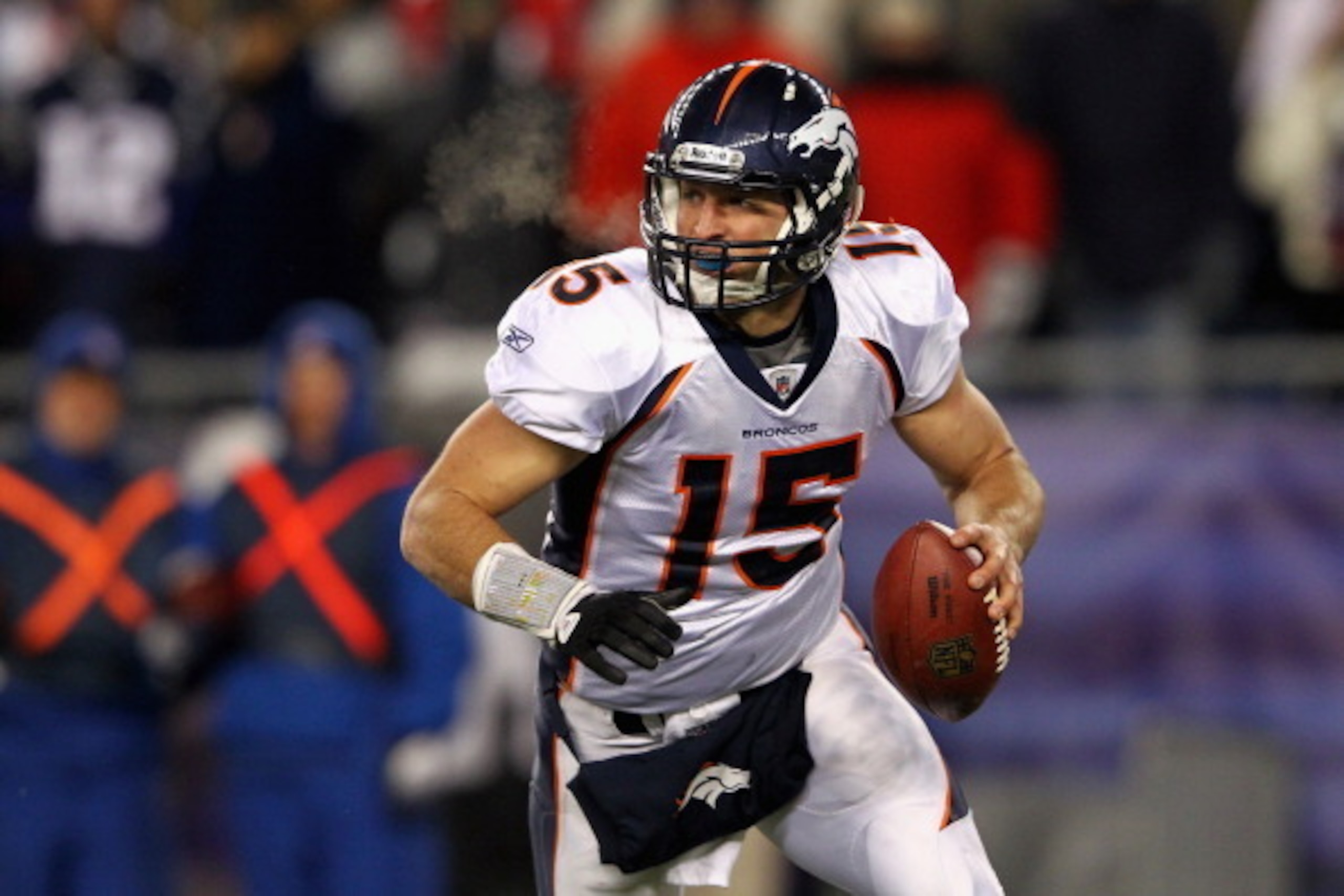
We paired Tim Tebow and Vince Young together because they experienced remarkably similar careers.
For starters, both took advantage of college football's spread-football era in a major way; the dual-threat Tebow won the Heisman Trophy in 2007 and the National Championship in 2007 and 2009, while Young finished second in 2005's Heisman balloting before leading Texas to a National Title—with both his legs and his arm—a few weeks later.
On the pro level, too, the legendary signal-callers have had mirroring careers.
Though Tebow mostly struggled in the pass-happy NFL and is now out of the league completely, he led the Broncos on a memorable 12-game run in 2011—which included a playoff win on the road in Pittsburgh—relying heavily on clutch play and a run-oriented offense molded to his liking and skill set.
The same can be said of Young, who is also out of the league at this point in time. Before the slide, though, back when the Tennessee Titans were willing to cater to his dual-threat needs, Young was a star and two-time Pro Bowler (2006, 2009).
In 2006, the former Longhorn helped the Titans rebound from an 0-5 start and finish with a surprisingly impressive 8-8 record, posting 2,199 passing yards, 552 rushing yards and seven rushing touchdowns along the way. He also had a similarly memorable run in 2009. This time, he saved the Titans from an 0-6 start and led them to an 8-2 finish, spurring a miracle turnaround that earned him a second Pro Bowl appearance.
The truth here seems pretty obvious: In both quarterback studies, when given the chance to do what they do best in the offensive systems that accentuate their strengths, both Tebow and Young have achieved considerable success.
Kelly and Sumlin Disciples
6 of 9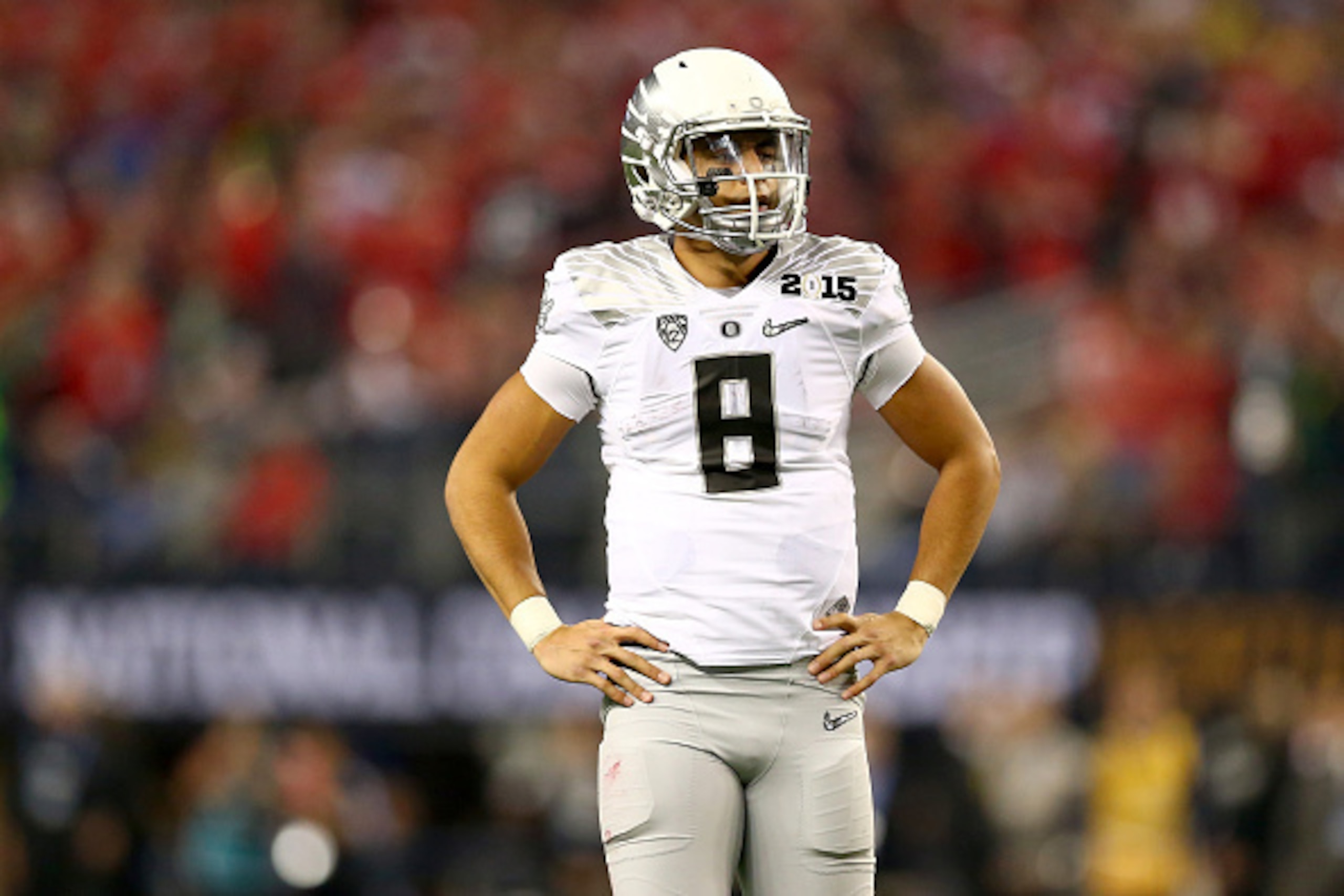
Both Chip Kelly and Kevin Sumlin are known to employ explosive offenses—ones that put offensive players in a position to maximize their skills and accumulate gaudy stats.
Sumlin, for example, has produced elite college performers at both Houston and Texas A&M, beginning with Case Keenum in 2008. In fact, by the time Sumlin was done with Keenum, the Texas native had thrown for 19,217 yards—he's the only quarterback in DI history to throw for 5,000 or more yards in consecutive seasons—and 155 touchdowns, an FBS record.
After Keenum, Sumlin moved on to coach Texas A&M, where he unleashed some guy by the name of Johnny Manziel. Of course, in addition to becoming the fist freshman ever to win the Heisman Trophy in 2012, Manziel is also one of just five college quarterbacks to throw for 3,000 yards and rush for 1,000 yards in the same season.
And though the verdict is still out on Johnny Football, up until now, both he and Keenum have struggled mightily in the pros, away from Sumlin's quarterback-friendly system.
In a similar fashion, Kelly's offenses have also been kind to signal-callers, on both the collegiate and professional levels.
At Oregon, Kelly spawned both Dennis Dixon—who was a Heisman contender in 2007 and the Pac-10 Conference Player of the Year—and 2014 Heisman Trophy winner Marcus Mariota. In the NFL, the accomplished coach successfully mentored Nick Foles. In 2013—Kelly's first year as head coach of the Philadelphia Eagles—Foles soared in a new uptempo offense, throwing for 2,891 yards and 27 touchdowns with just two interceptions.
While Dixon has found little success in the NFL, time will tell when it comes to Mariota and Foles; the former is just now set to become a NFL rookie, while the latter will now have to re-prove his worth in St. Louis after an offseason trade.
No matter what, though, something tells us neither will revisit the heights they discovered with Kelly by their side.
Steve Nash
7 of 9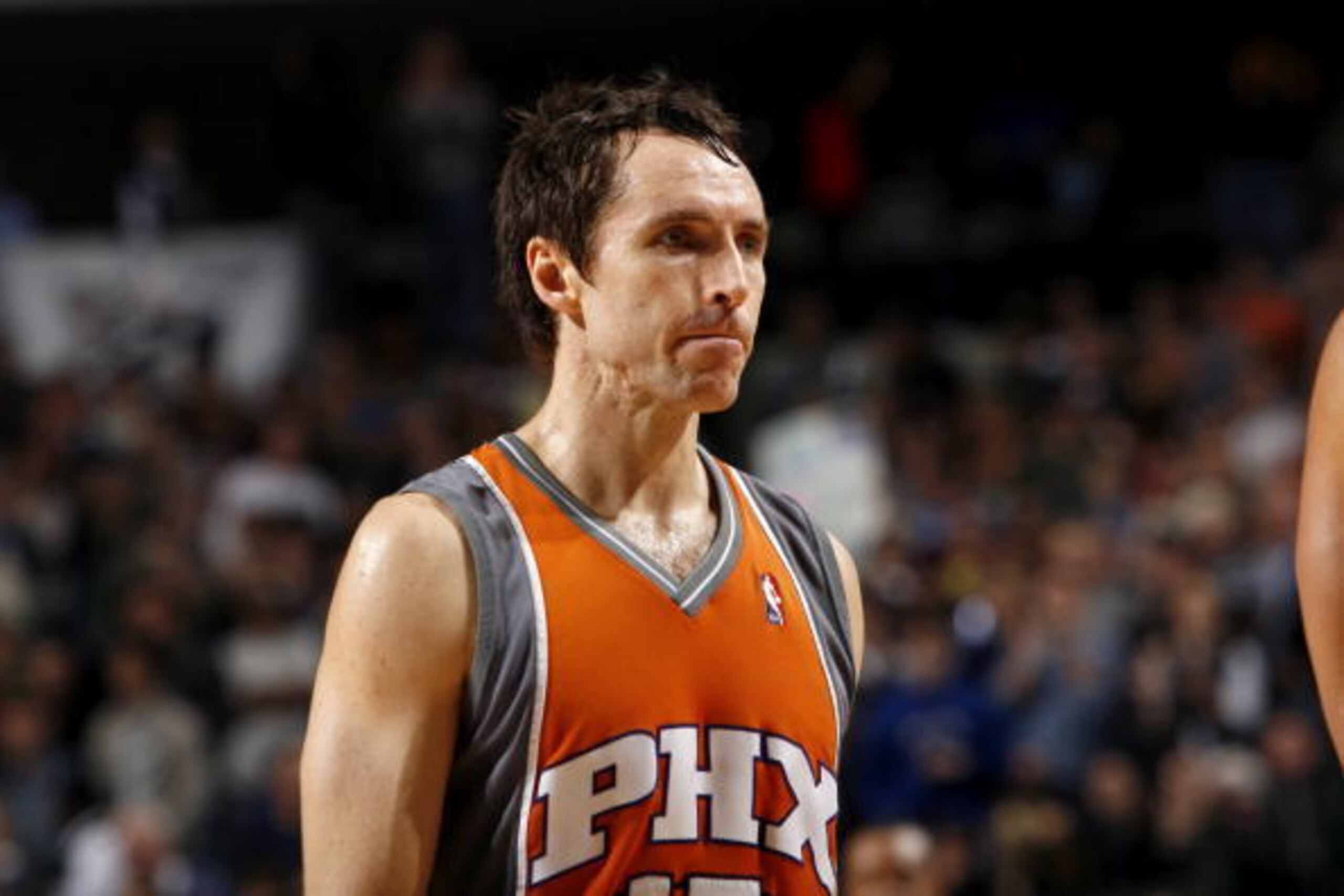
During his first eight years in the league, Steve Nash was really nothing more than a solid NBA point guard.
In stints with both the Suns and Mavericks, the Canadian product averaged just 12.5 points and six assists per game.
Everything changed, however, when Nash returned to Phoenix in 2004 and teamed up with head coach Mike D'Antoni. Simply put, in his new head coach's fast-break, uptempo, run-and-gun offense, Nash went from middle-of-the-road to leader of the pack.
Throughout his eight years operating in D'Antoni's attack, the veteran point guard averaged an impressive 16.3 points and 10.9 assists per game. In fact, his ballooning production was so profound that Nash captured the NBA's Most Valuable Player award in both 2005 and 2006 in addition to making three All-NBA First Teams.
In the end, it's pretty clear that a very specific offensive system helped Nash go from simply good to future Hall of Famer.
Bronco Backs
8 of 9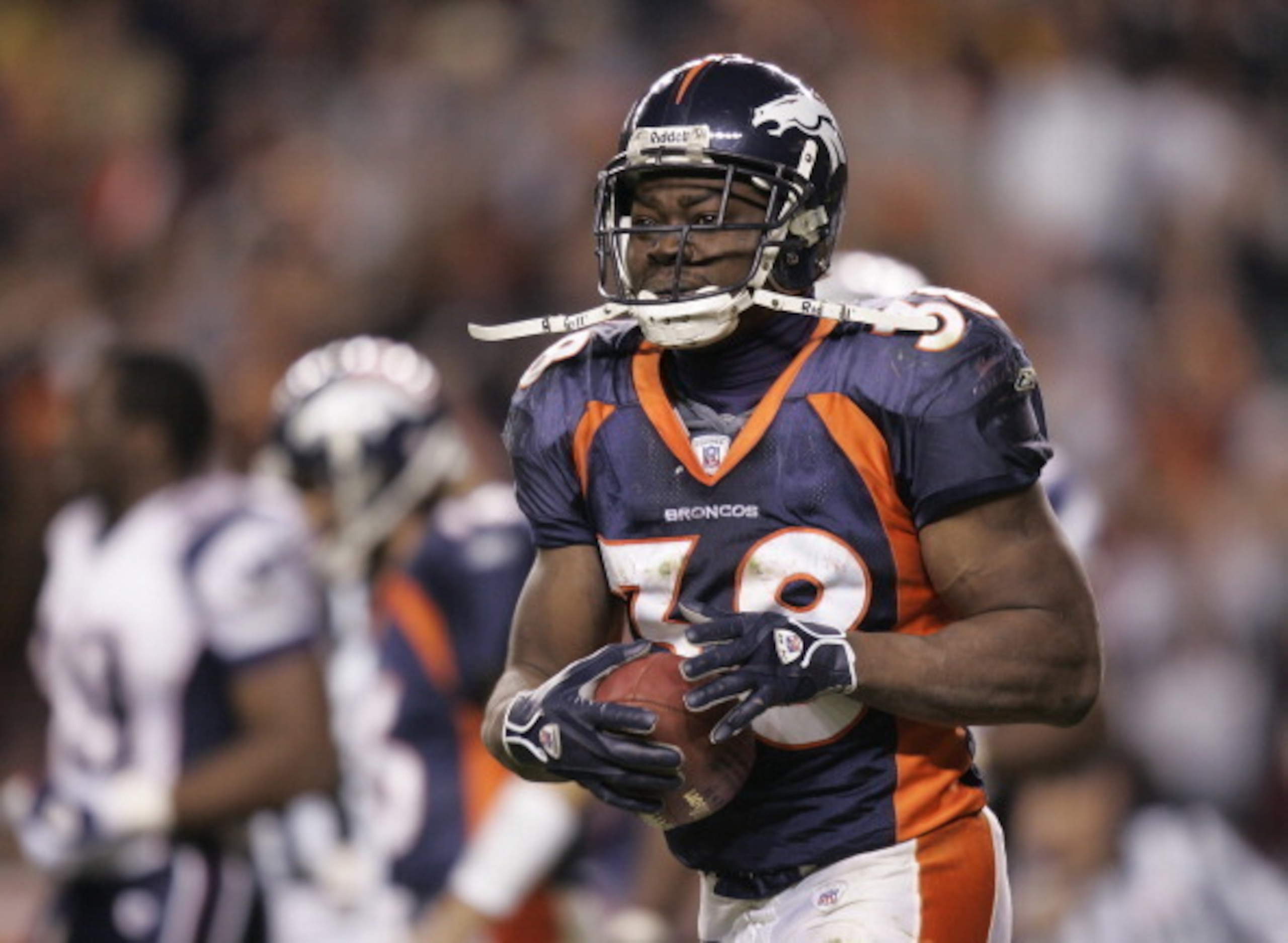
In Mike Shanahan's zone-blocking scheme, numerous Bronco running backs experienced fleeting success.
In 1999, for example, Olandis Gary contributed 1,159 yards rushing and seven touchdowns in just 12 games. But four seasons later, after a subpar season in Detroit, Gary was out of the league for good.
In similar fashion, Mike Anderson scampered his way to 1,487 yards to go along with a robust 15 scores just one year later. But, after another 1,000-yard season in Denver in 2005, Anderson moved on to Baltimore and fizzled out, rushing for 122 yards in two seasons of work.
Of course, the same thing can be said of Tatum Bell, who rushed for 1,946 yards and 10 touchdowns for the Broncos in 2005 and 2006 before relocating to Detroit, where he managed just 182 rushing yards and one score for the Lions in '07.
And though all three running backs sit near the top of Denver's single-season rushing leaderboard, all three have the system to thank.
Kyle Korver
9 of 9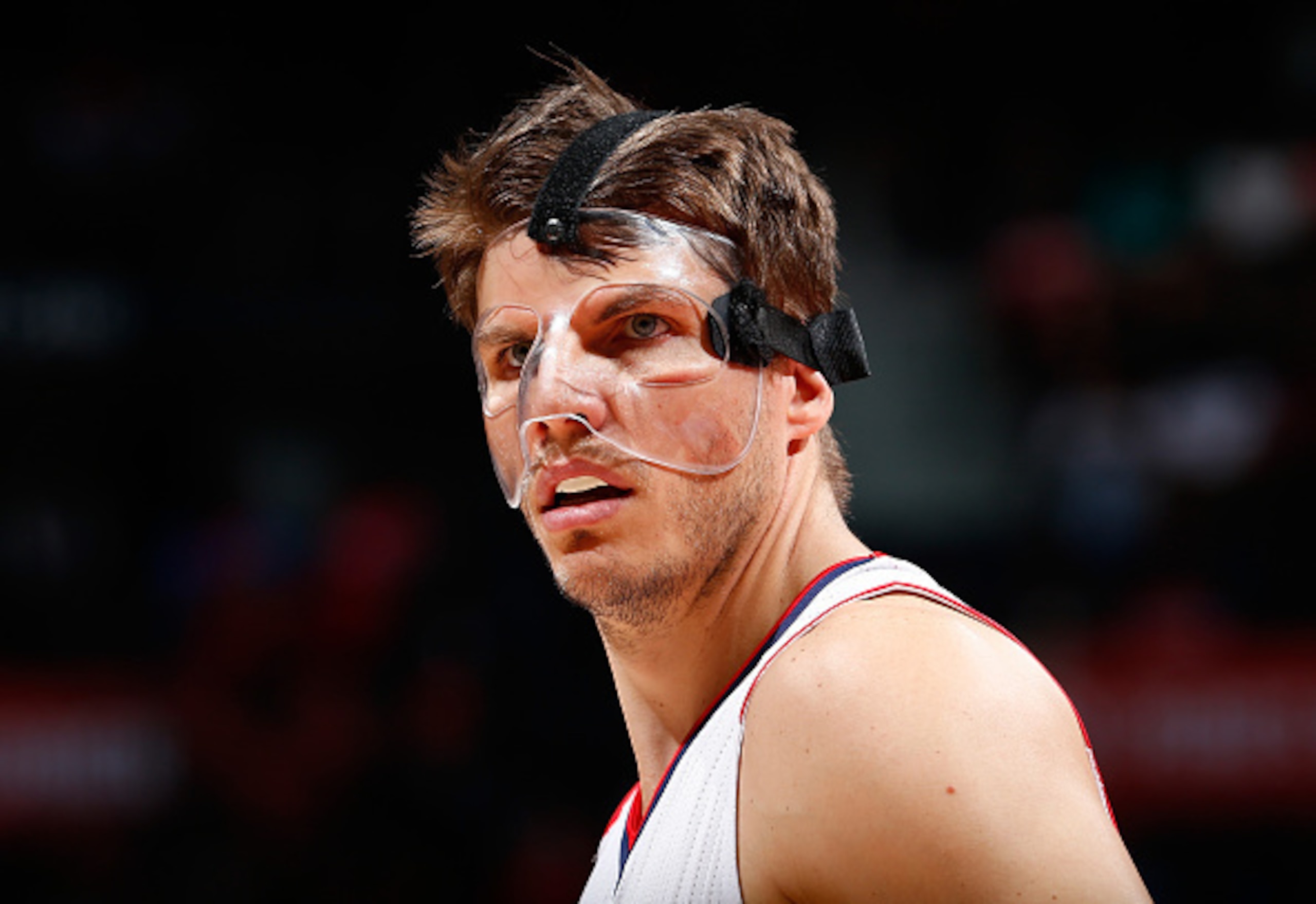
More than any athlete in the world today, Kyle Korver is taking advantage of the system in which he plays.
Throughout his first nine years in the league, Korver was nothing more than a journeyman specialist, suiting up for four different teams along the way. During the mostly mediocre span, the former Creighton Bluejay averaged just 9.5 points, 2.8 rebounds and 1.6 assists per game.
In 2013, however, at the ripe old age of 32, Korver experienced a serious awakening; in his second year with the Hawks, the sharpshooting guard teamed up with new head coach Mike Budenholzer and took his game to another level.
While operating in Coach Bud's San Antonio-like motion offense over the last two seasons, Korver has upped his game in every way imaginable, averaging 12.1 points, 4.1 rebounds and 2.6 assists per game.
Moreover, Korver's play for the East's first-place Hawks this year was so impressive, it actually earned him a spot on the NBA All-Star team. This is his biggest professional accomplishment to date.
In Atlanta, under coach Bud's tutelage, the now-34-year-old veteran has finally found a home and, more importantly, a system in which he can thrive!
.jpg?w=2560)
.jpg?w=2560 "Cardinals Giants Football")






