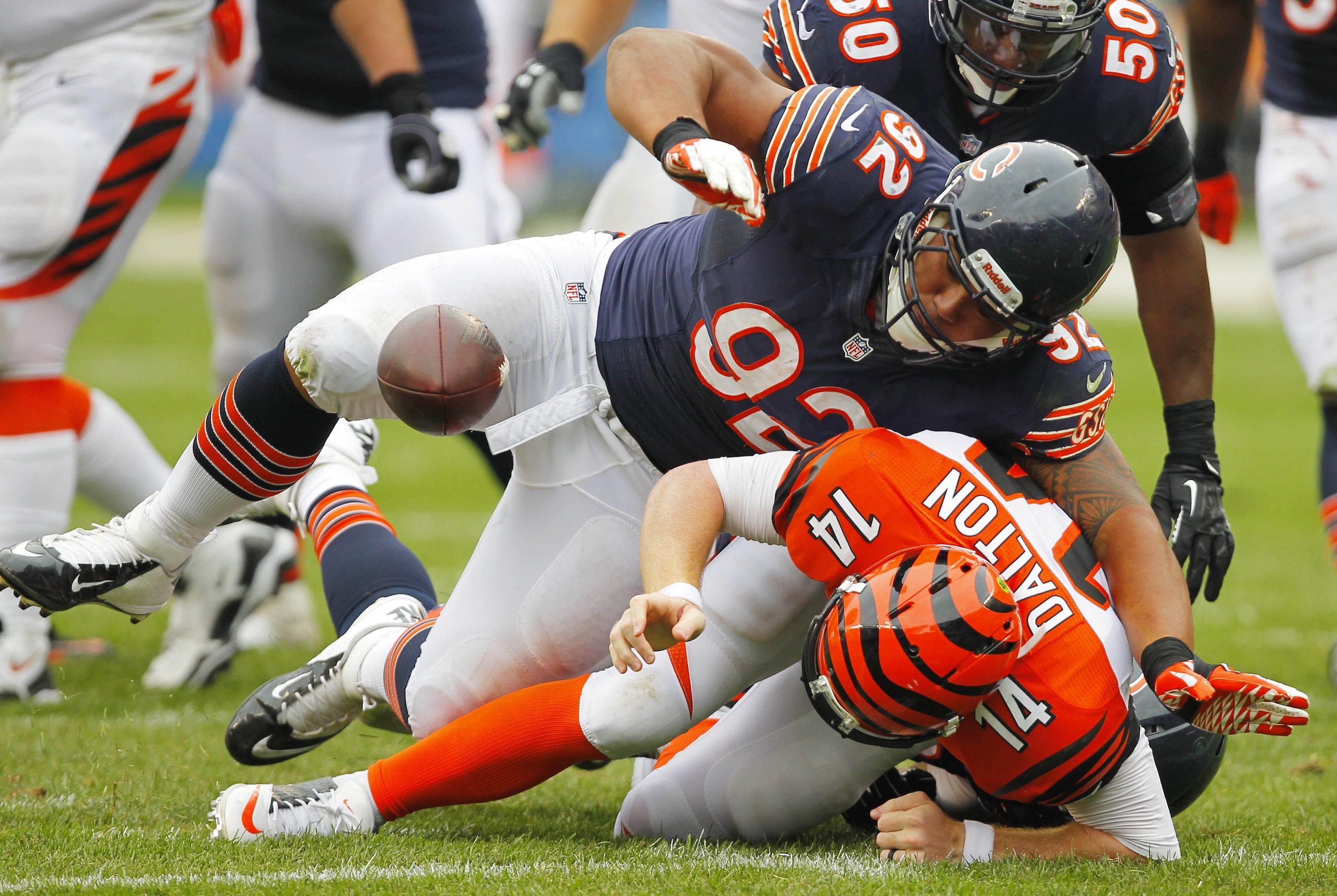

Breaking Down How Stephen Paea Fits Washington Redskins Defense
Stephen Paea was a relatively surprising choice to bolster the Washington Redskins defensive line once free agency opened. The ex-Chicago Bears defensive tackle agreed to a four-year deal that totals $21 million, including $15 million in guaranteed money, according to ESPN Redskins reporter John Keim.
But what has Washington actually gotten for the money?
Primarily, the team has earned a very capable interior pass-rusher. Paea enjoyed a breakout 2014 season as a consistent menace around the pocket, per CSN Washington's Tarik El-Bashir:
.jpg?w=2560 "Cardinals Giants Football")
.jpg?w=2560 "Jets Dolphins Football")

He was most effective whenever he aligned as a 3-technique in the B gap between the offensive guard and tackle. That's where he was on this play from Chicago's Week 6 road win over the Atlanta Falcons:
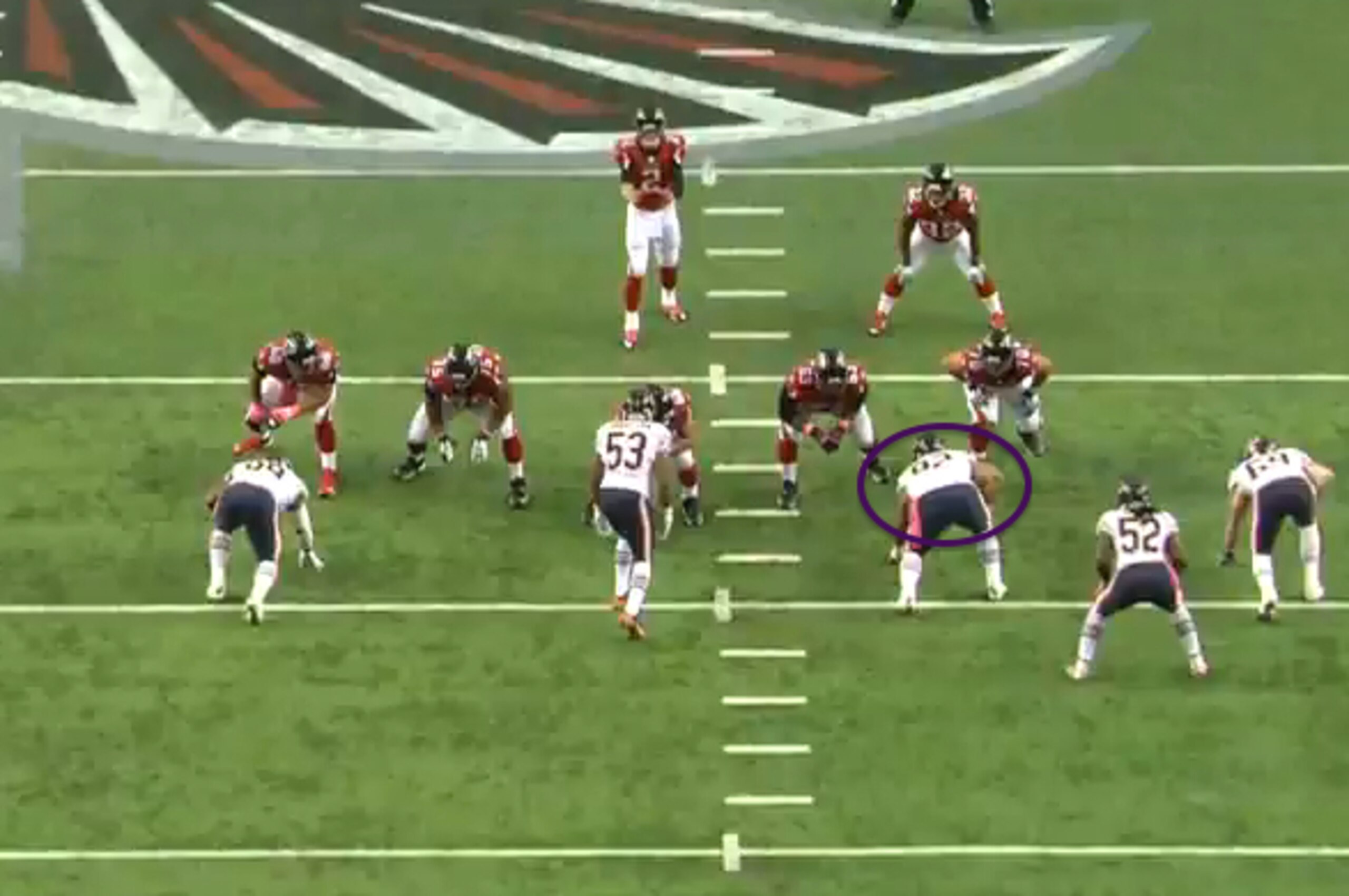
The Bears were in a 4-2-5 nickel front, and Paea was positioned to generate maximum pressure. On this play, that meant running a stunt with veteran end Jared Allen.
Paea would slant to the outside, across the face of the left tackle. At the same time, Allen would crash inside:
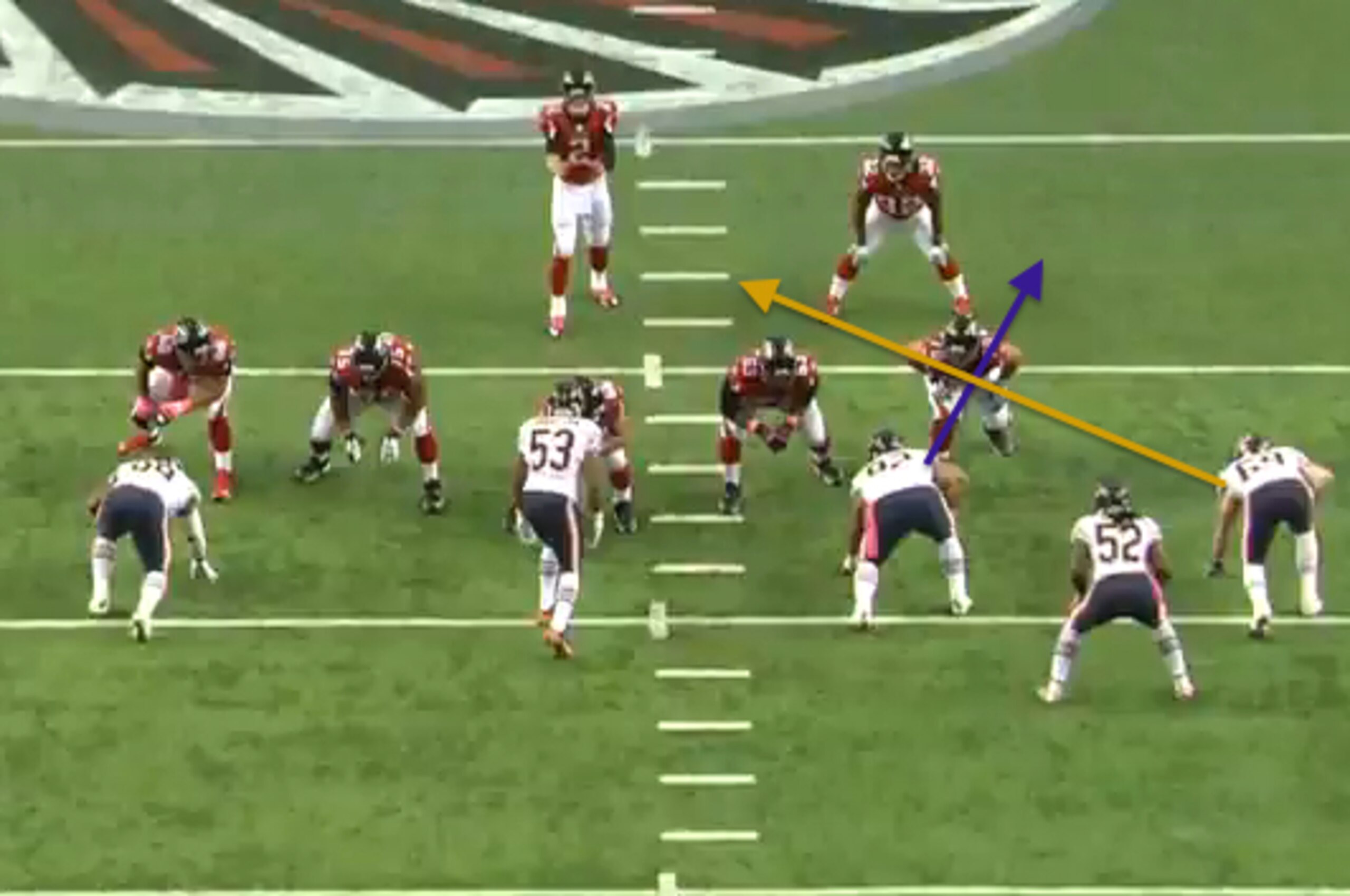
Paea was typically quick out of his stance, one of the features of his game. He also showed his excellent natural strength to initially occupy both the tackle and the guard.
His effort left Allen with a clear lane through the interior of Atlanta's offensive line once he twisted inside:

Allen was able to put Falcons quarterback Matt Ryan under immediate pressure because of the way Paea took blockers away from him. That's how it's supposed to work between D-tackles and rush ends.
But as the play developed, Paea showed the explosive qualities Washington's D has lacked up front for some time. He soon powered his way through the double-team to close in on Ryan:
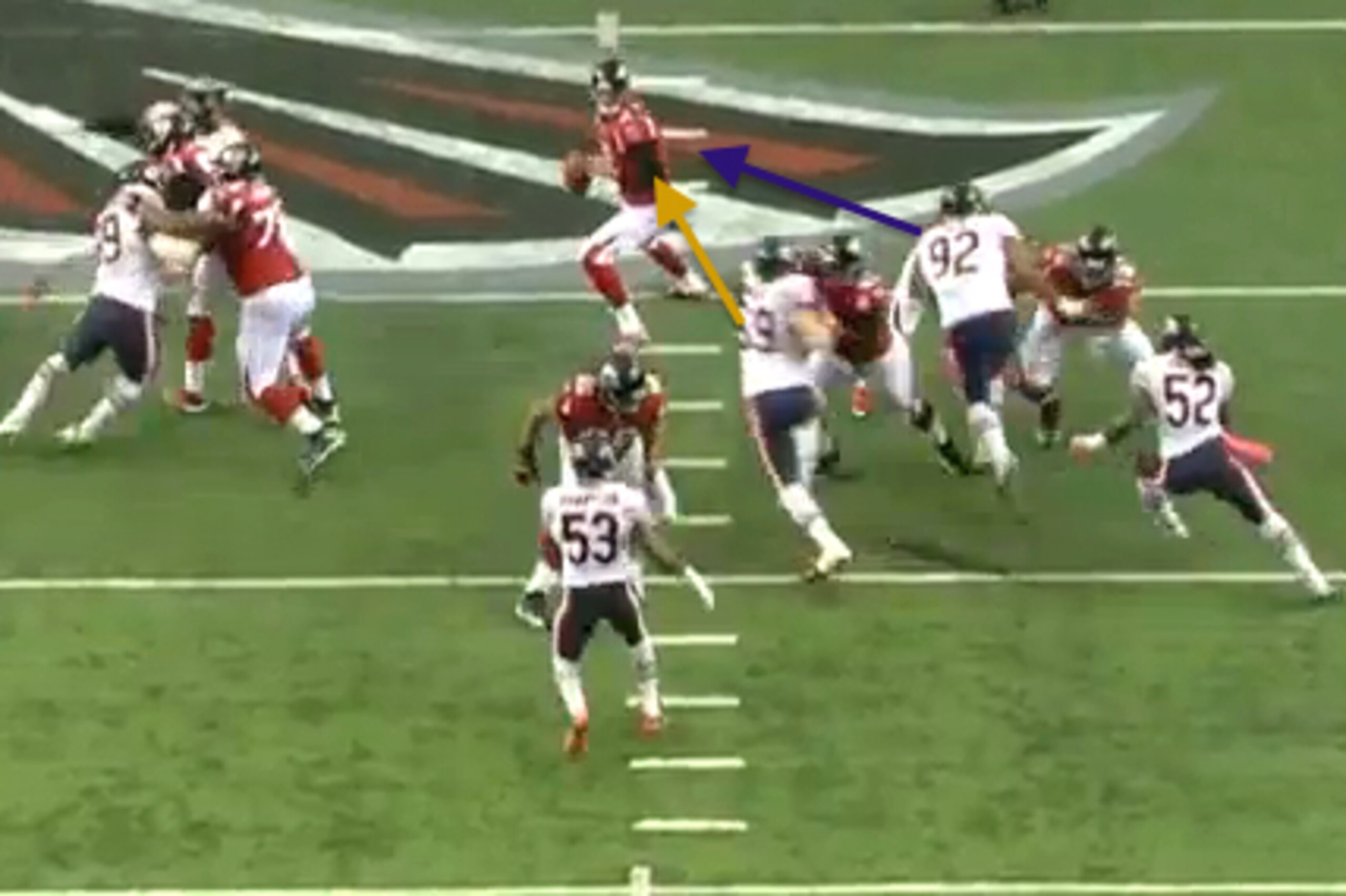
Because Paea broke through, Ryan couldn't escape the rush. He couldn't step up into Allen or flee the pocket to elude Paea.
The two linemen soon met at the quarterback, with Paea getting there first to claim the sack:
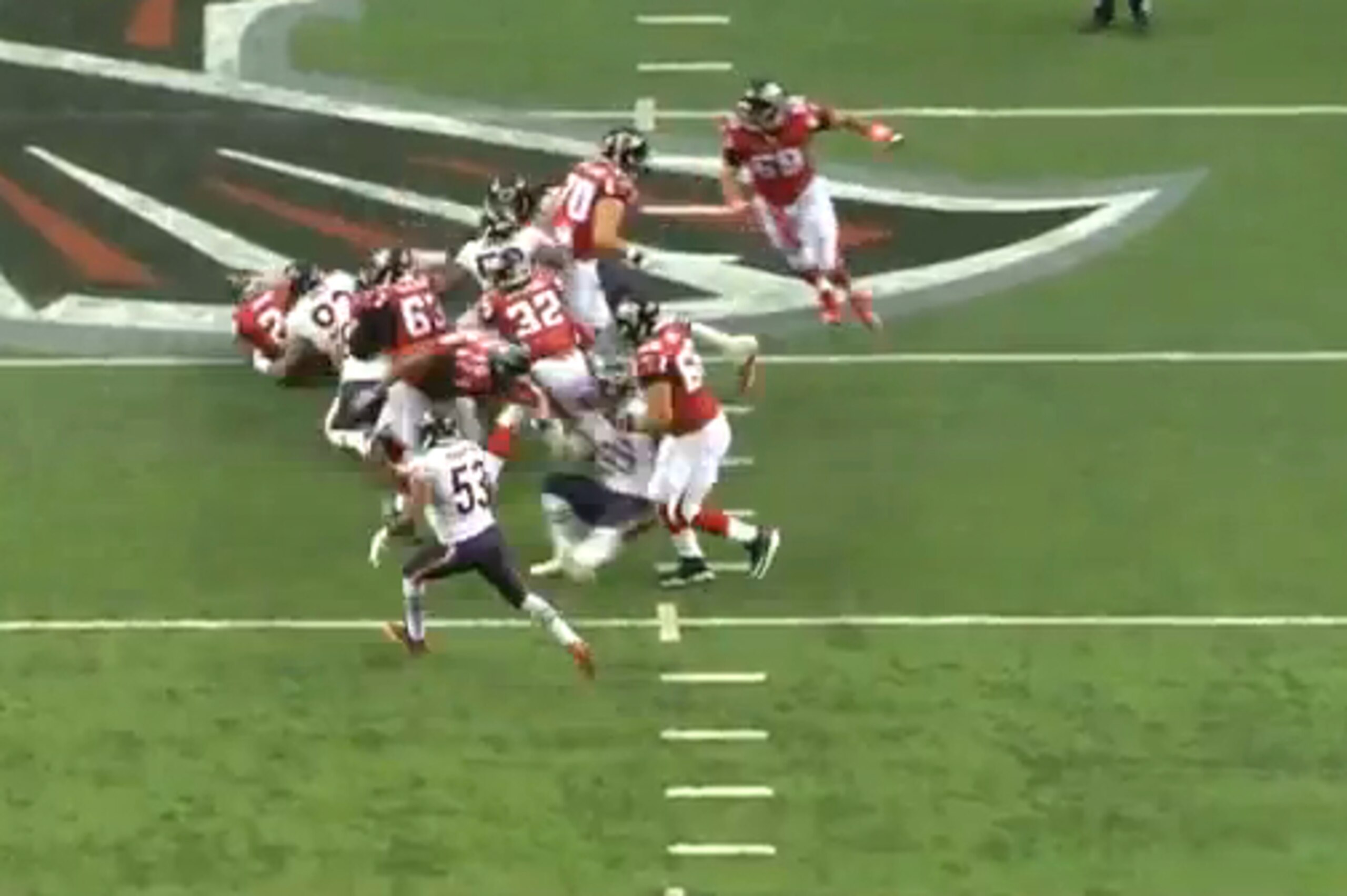
What was great about this play was how Paea showcased his quick first step, athletic range and natural power. All of those attributes are essential for a pass-rushing defensive tackle.
The ability to run stunts and games only increases the ways a defense can cause confusion and pressure up front without having to send extra men on the blitz. That's a matchup advantage for any defense, and one new coordinator Joe Barry is keen to put into practice.
Paea's fellow new D-line recruit, Ricky Jean Francois, recently made that clear, per CSN Washington reporter Tarik El-Bashir:
"But at the same time, his one biggest thing is he wants his front four to get pressure. That was the biggest thing he emphasized. If he’s got DBs in the backend covering, he wants to be able to send that front four and drop seven. That’s every defensive coordinator’s dream to do. I want that dream to come true for him.
"
Paea's addition makes the most sense in this context. He's already indicated to Keim that while he'll play end in the 3-4, he'll also "move inside on passing downs."
That means nickel and four-man fronts.
As a B-gap terror, Paea will improve Washington's ability to make life uncomfortable for quarterbacks in nickel situations. His partnership with another inside-rusher, Jason Hatcher, will create a lot of stress on the middle of pass pockets.
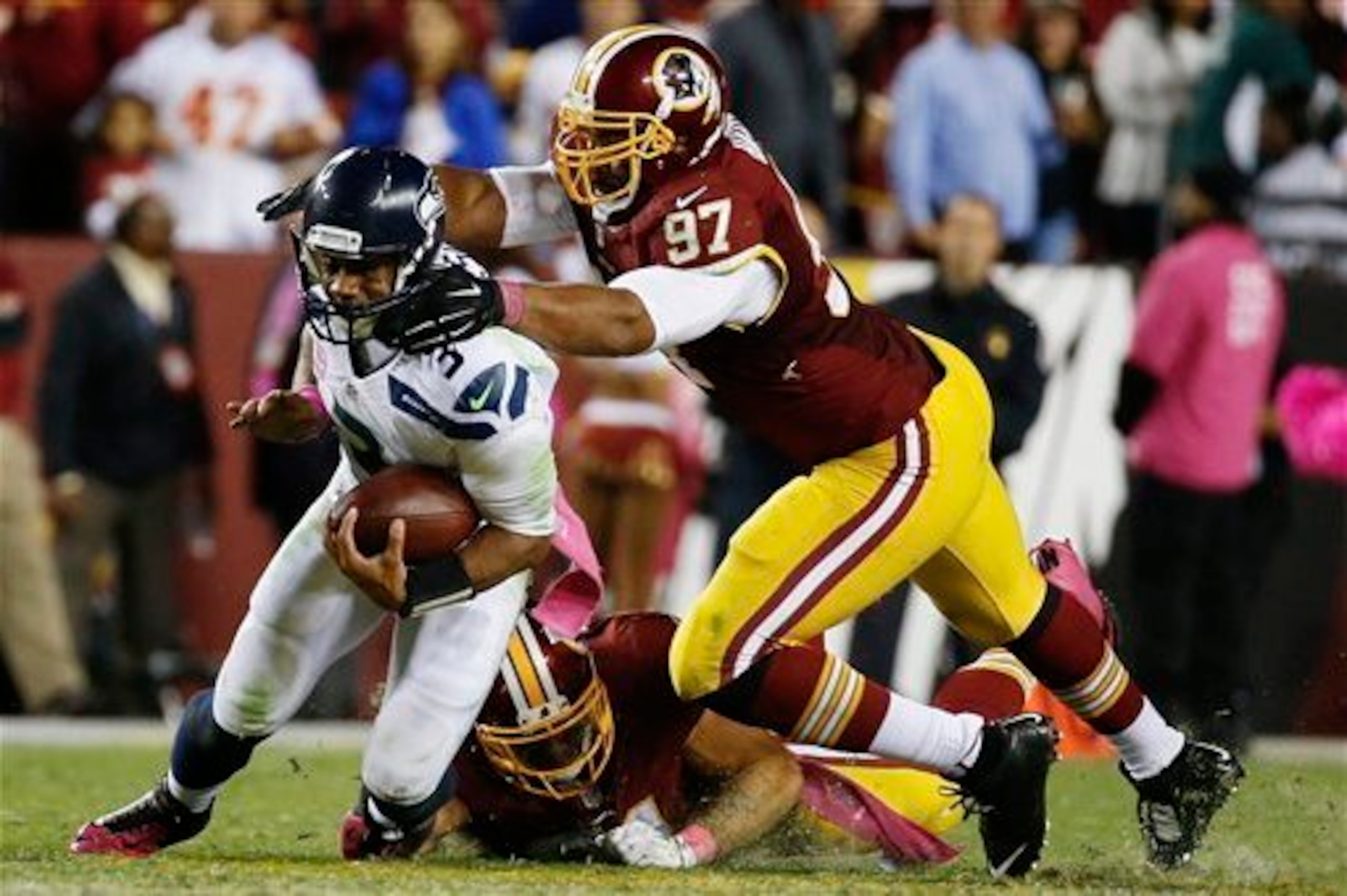
Their efforts will also create single blocking on the outside against a talented edge-rusher like Ryan Kerrigan. Any time that happens, it's obviously a major win for the Washington defense.
Given how most defenses show nickel looks on the majority of snaps in today's game, Barry's D will be able to regularly field pass-rushing personnel that will play the run on their way to the quarterback.
But that doesn't mean Paea can't make himself a nuisance in the team's base schemes.
The 3-4 is changing in Washington this year. Head coach Jay Gruden has already indicated the Redskins will adopt fewer two-gap techniques and instead operate a "shoot-the-gap-type 3-4," per Mike Jones of The Washington Post.
Paea's addition is one of the clearest signals yet that the Redskins will be more attack-minded up front in 2015, per Keim:
That sounds simple enough in theory, but how's it supposed to work in practice? Interestingly, Keim referenced an interesting example from Barry's old team, the San Diego Chargers:
Here's the Chargers in their base, one-gap 3-4 alignment against the San Francisco 49ers in Week 16:
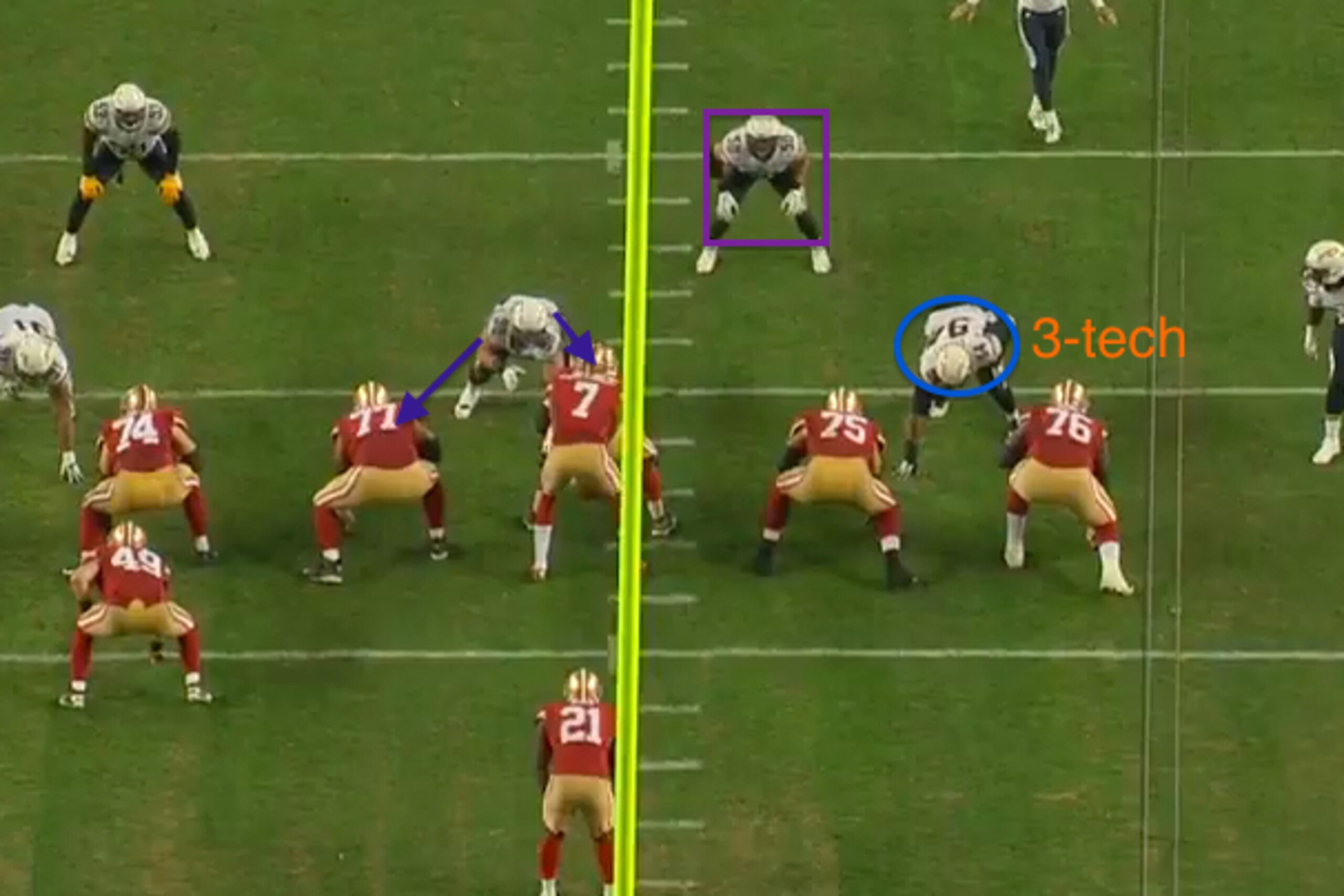
Corey Liuget (blue circle) was aligned as a 3-technique between the right guard and tackle. It's a common alignment for the 24-year-old in San Diego's defense.
At 6'1" and 300 pounds, Paea resembles 6'2", 300-pounder Liuget in terms of leverage and quickness. Those attributes are best utilized whenever they're allowed to exploit a single gap.
With the Bears, Paea most commonly gained that experience as a shaded nose tackle in a 4-3 front. Another play from the Falcons game reveals how disruptive Washington's new man can be from base packages.
This time, Paea kicked further inside. He shaded between Atlanta's right guard and center, positioned to attack the A gap:
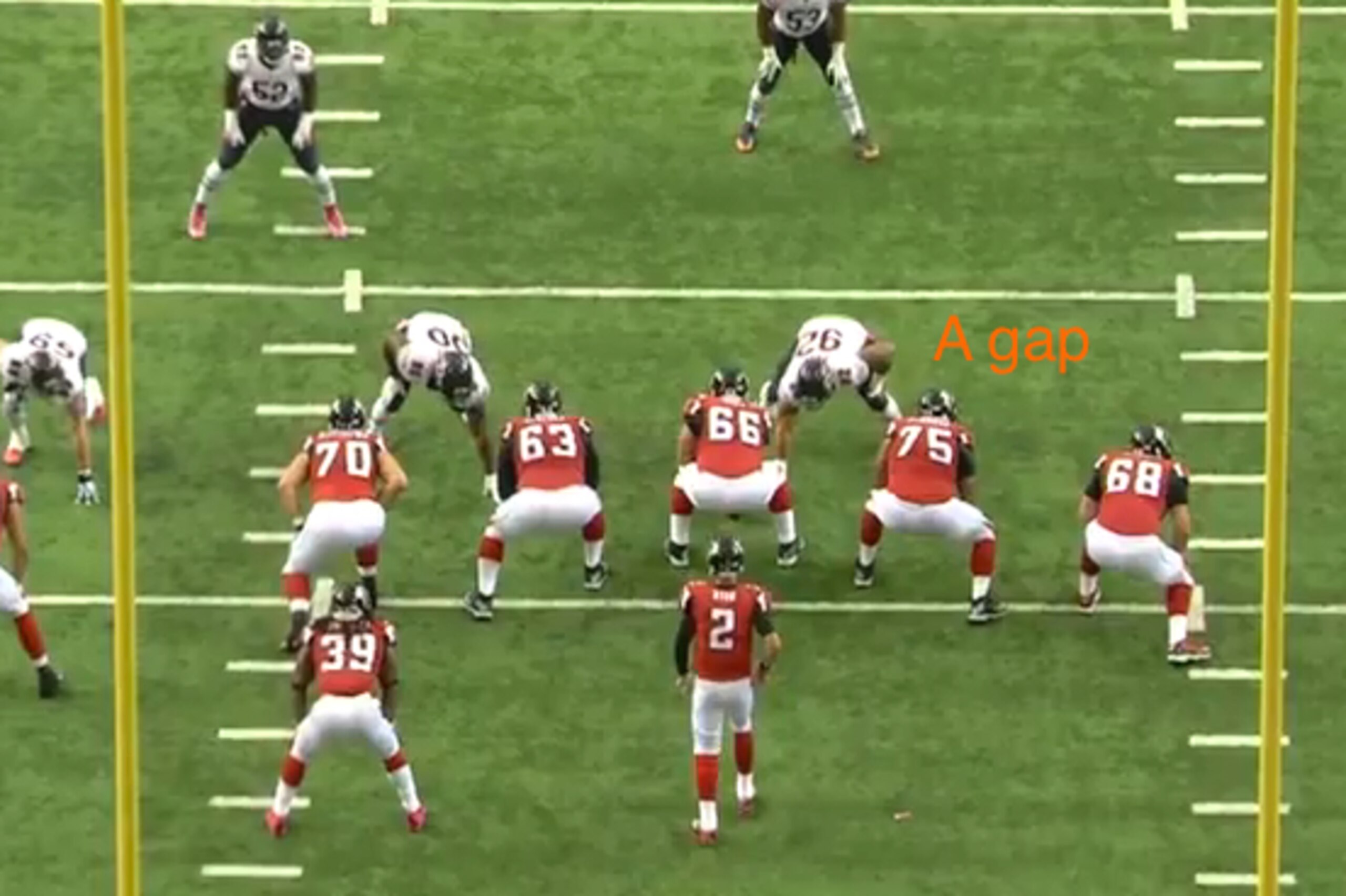
With Chicago linebackers taking deep zone drops, the Falcons set up a middle screen to running back Steven Jackson to exploit the space. But Paea, who had immediately locked up a double-team, spied Jackson releasing out of the backfield.
He kept two blockers occupied and also kept his eyes on Jackson to read the screen:
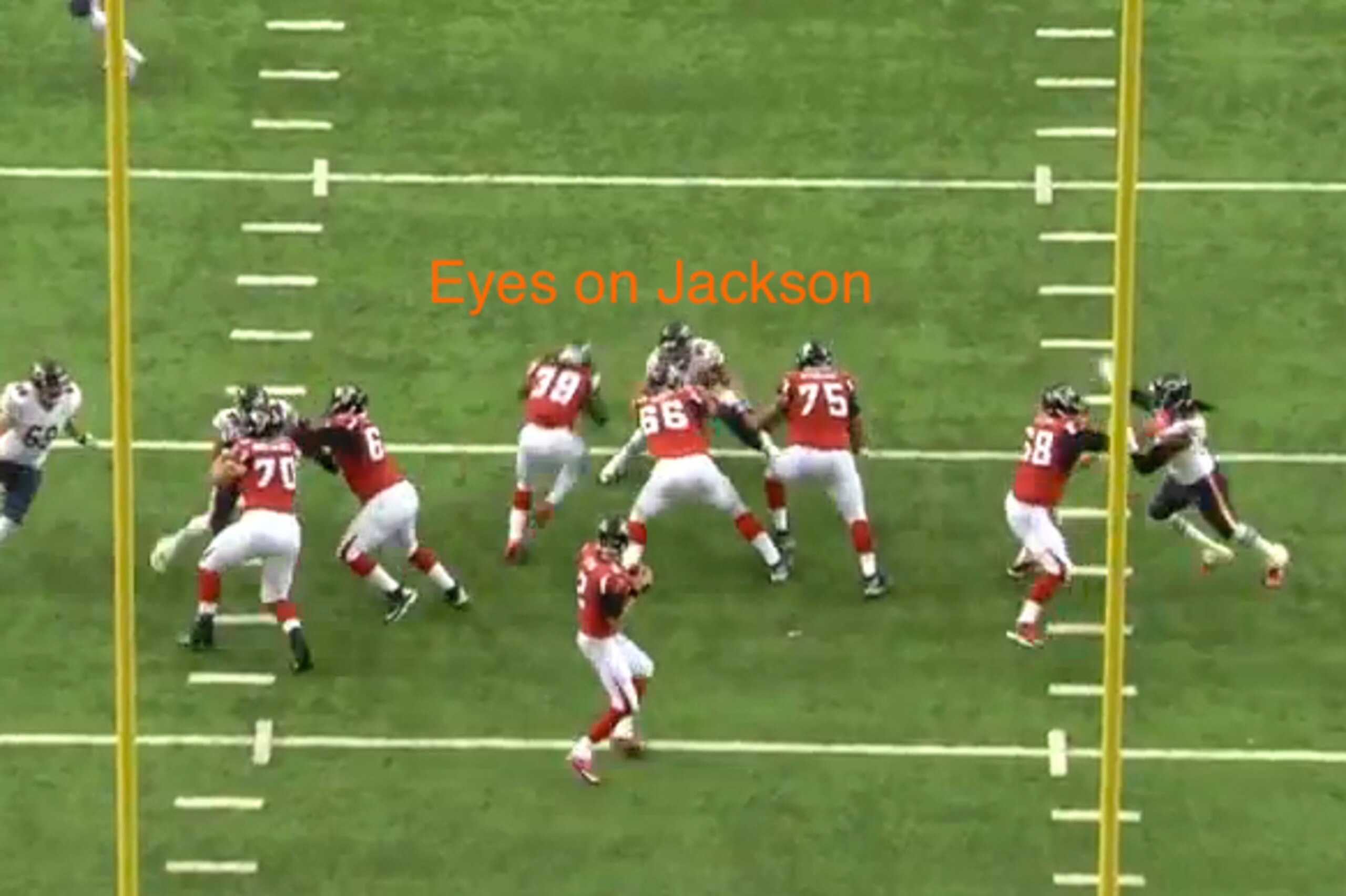
As the play developed, Paea kept his eyes on Ryan, waiting for the pass. Once the ball was in the air, Paea, still absorbing two blockers, reacted quickly to swat it down:

This play shows the Redskins signed themselves a smart football player. Specifically, a playmaker who works to make an impact even when doubled.
Any time Paea is free to shoot through one gap, he'll draw a crowd. That's not only good for the rest of the defensive front, but it also isn't the end of Paea's impact during a play.
If Barry gets creative, he can take full advantage of his new lineman's flexibility and appetite for disruption. For instance, he needn't limit Paea to the gaps between blockers.
He could also isolate him over a weak blocker to gain a matchup advantage. A sack from the Bears' win over the Tampa Bay Buccaneers in Week 12 shows how this approach could work.
Paea began the play as a classic 0-technique, aligned directly over the center:
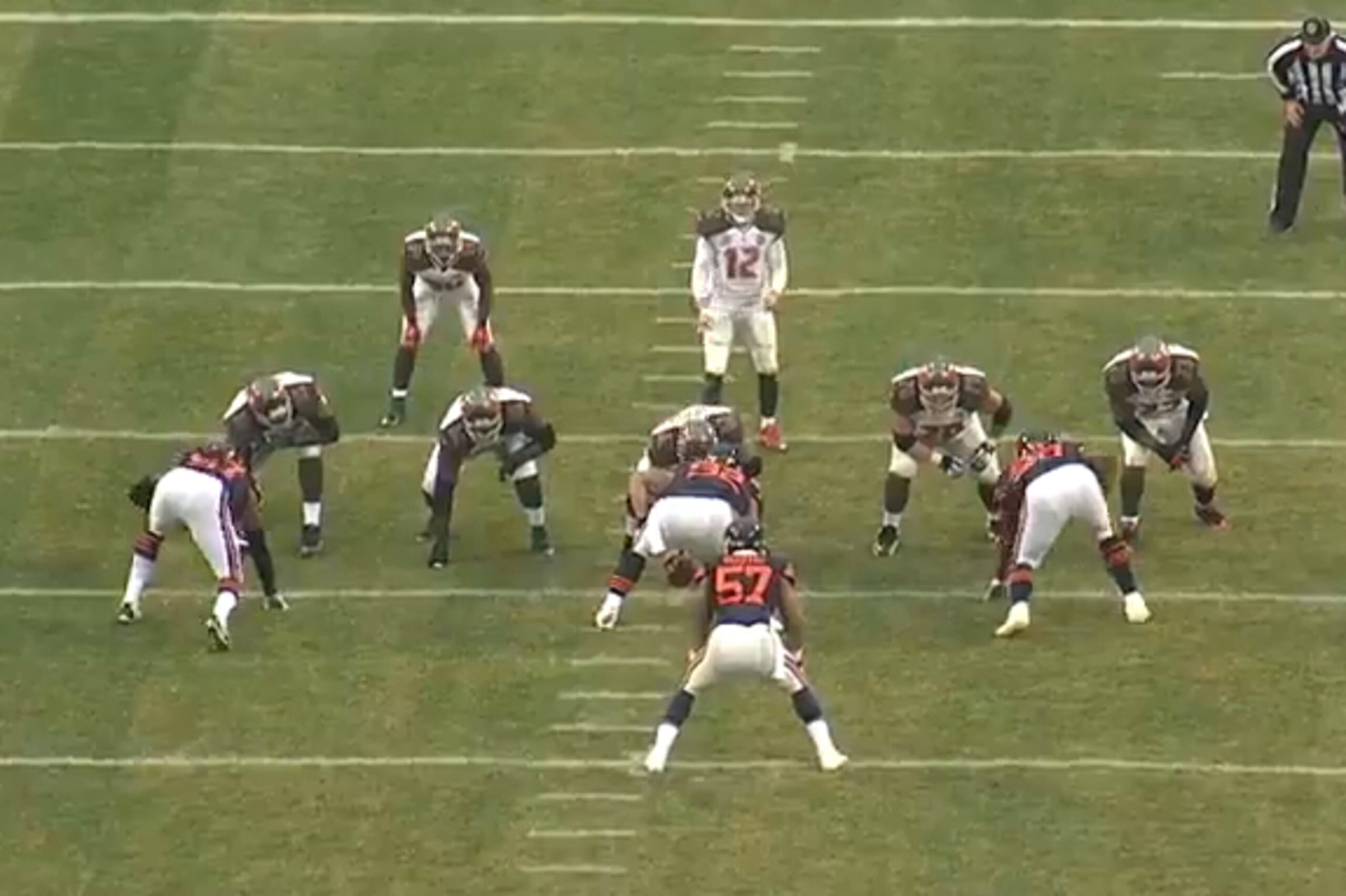
Once the ball was snapped, Paea again displayed his agility by taking a wide-angled slant across the center and right guard:

In typical fashion, he soon occupied both blockers:

Paea again split two blockers, this time via clever use of his hands. He used a swat-and-swim move to get by the guard and close on quarterback Josh McCown:
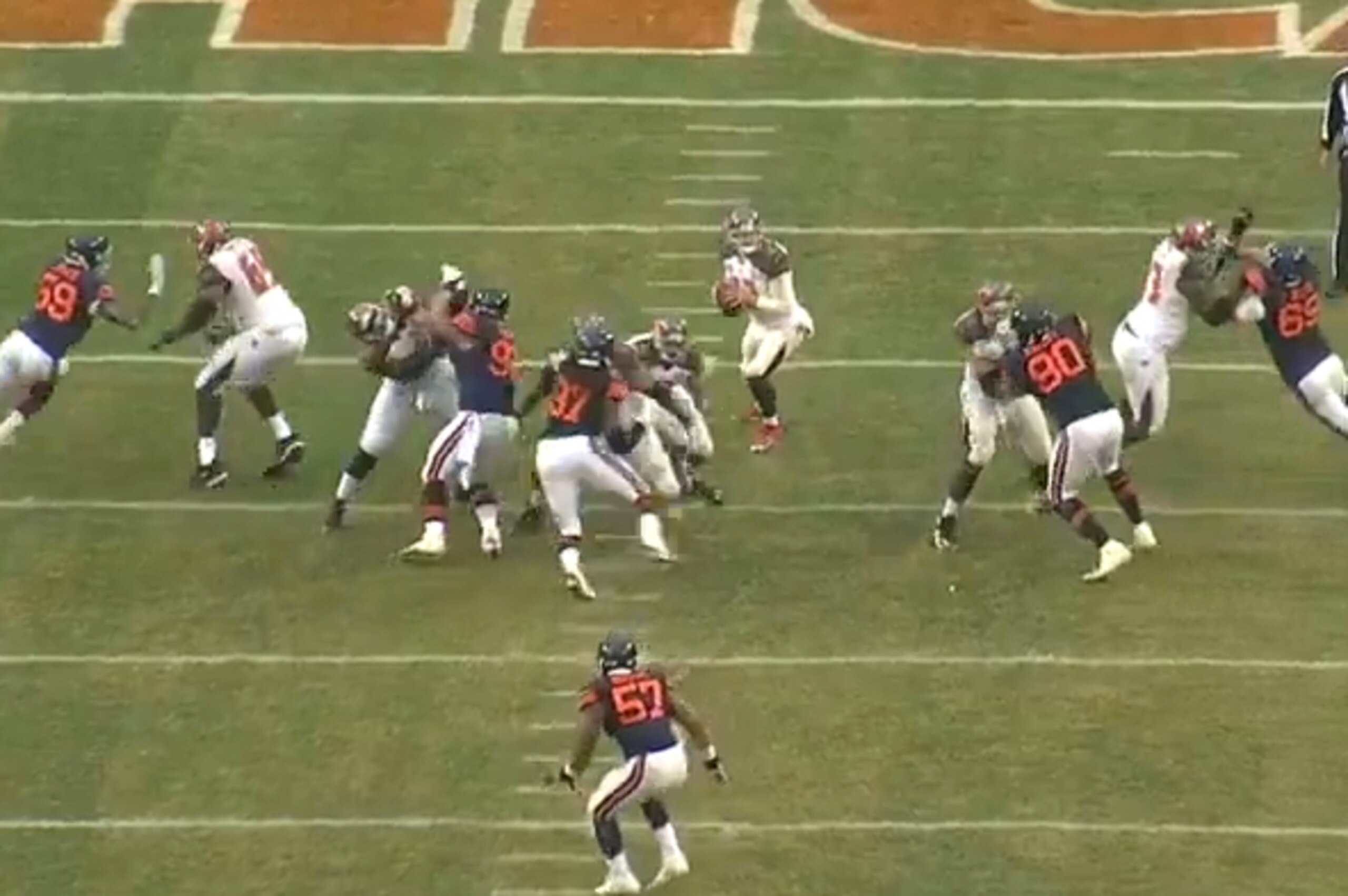
Paea soon flattened McCown and also knocked the ball loose:
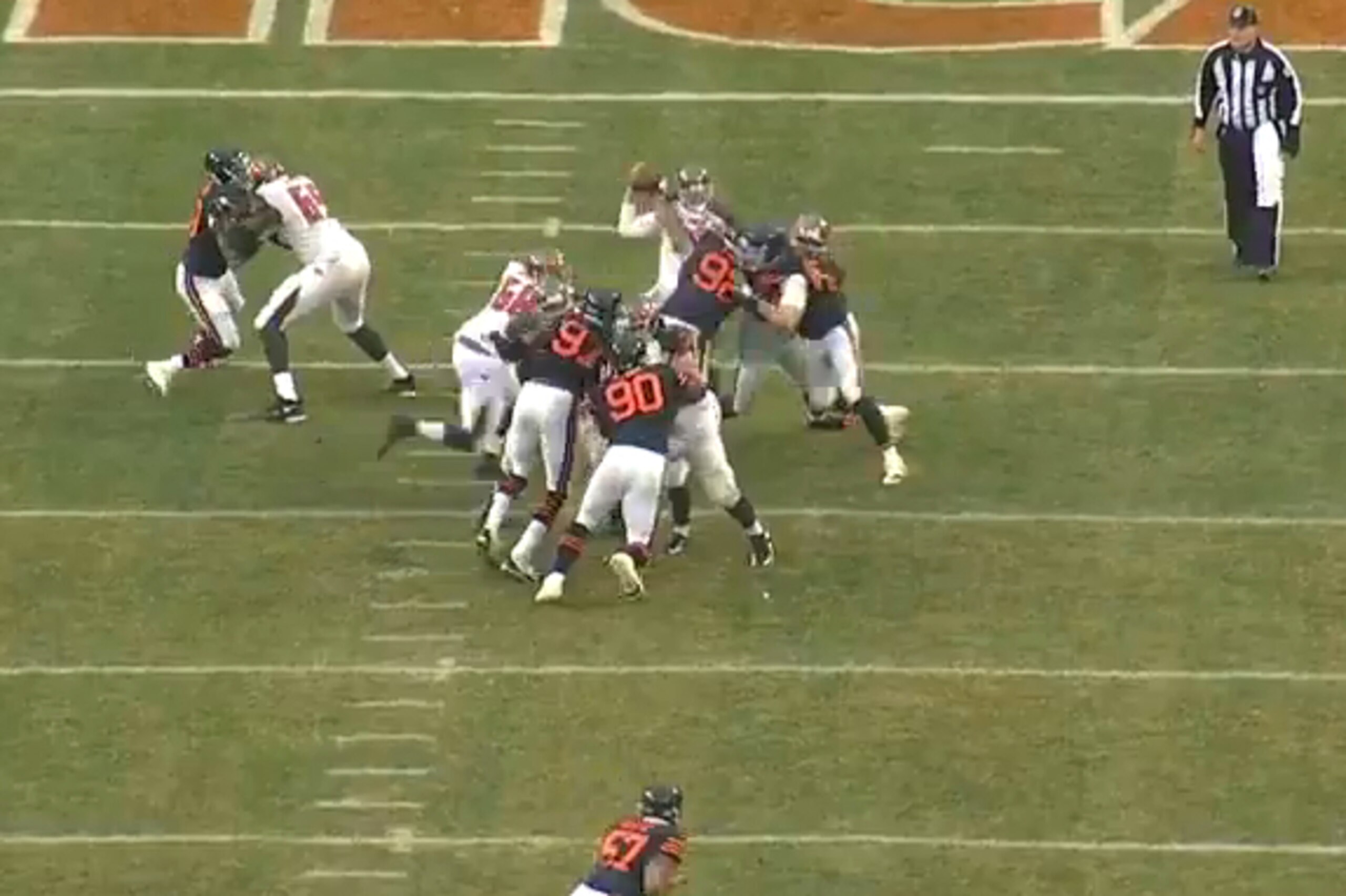
That Paea forced and recovered a fumble to go with the sack is further proof of his instincts and flair as a playmaker. Too often pass-rushers think that simply sacking a quarterback is good enough.
But doing everything to jar the ball loose is an essential part of any pressure play. Paea will bring that good habit to a defense woefully short of big plays during recent seasons.
But the really interesting aspect of this play for Washington involves the potential for moving linemen around to create different looks. For example, consider a three-man front that puts Hatcher and Jean Francois over the guards and Paea over center.
That would be a 46-style Bear front, perfect for blitz combinations, or just one more way to maximize the ability to create pressure with only three and four rushers.
But in case you thought it's all sunshine and rainbows now the Redskins have added Paea to the defense, there is one obvious reason to be wary about this signing.
While Paea's impact in the passing game should be significant, he may weaken the run defense. B/R analyst Matt Miller noted how Paea "struggled against the run in 2014."
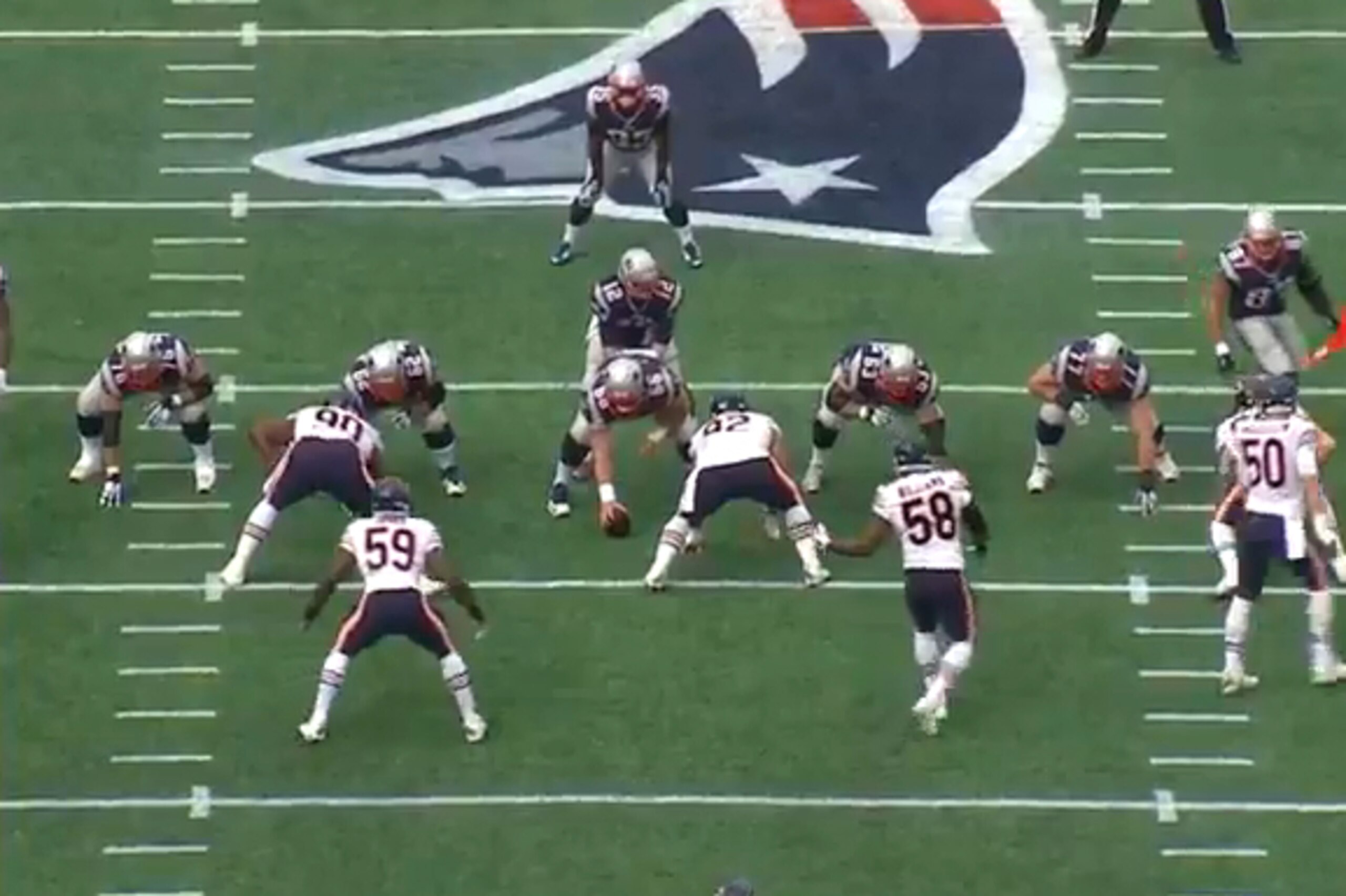
One play during Chicago's heavy road defeat to the New England Patriots from Week 8 showed part of his problem.
Paea aligned as a shaded nose tackle between the center and left guard:
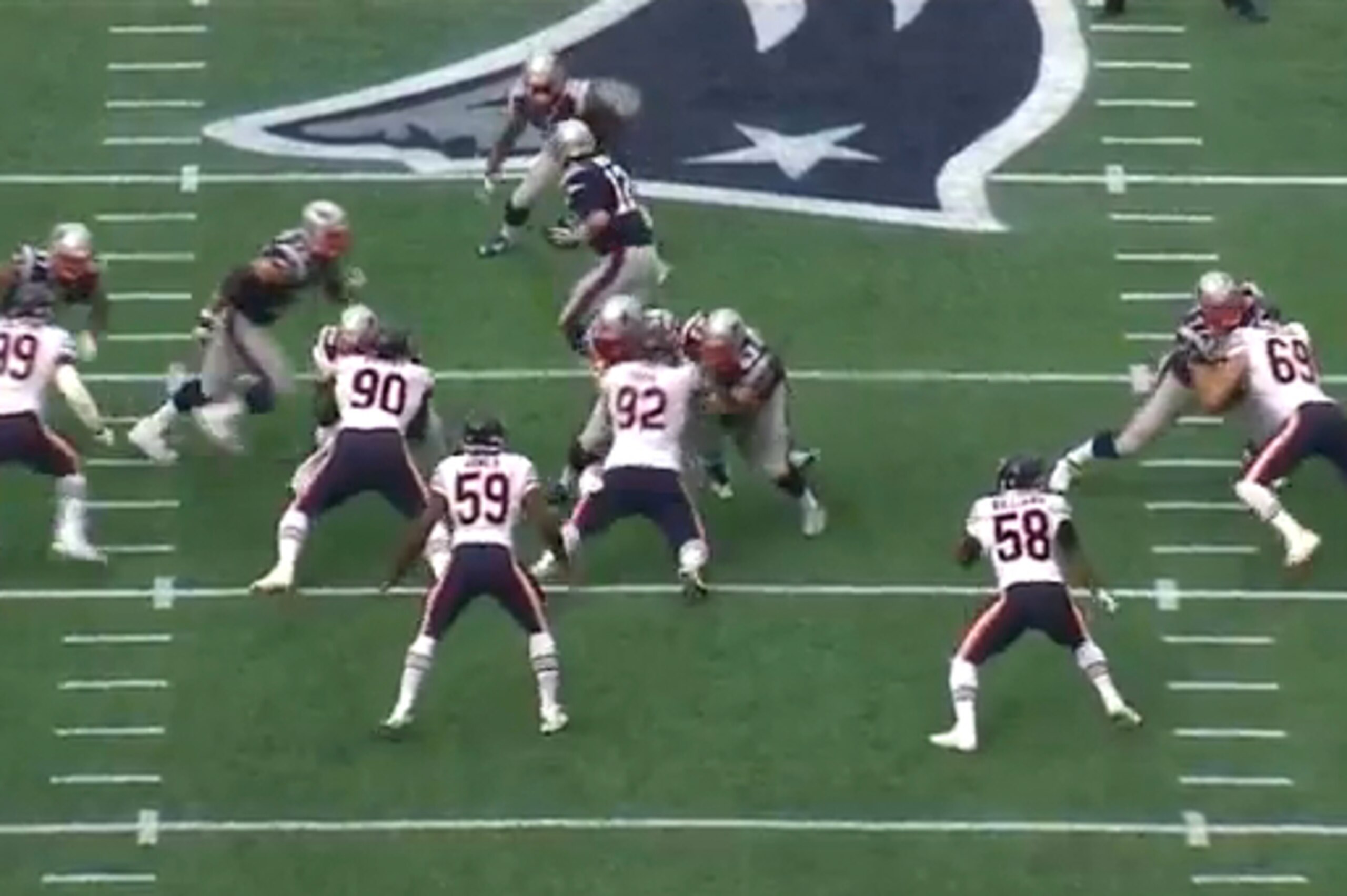
At the snap, he didn't get far enough under the center and was soon rocked back and swallowed up by a double-team:
Rookie pivot man Bryan Stork easily turned Paea off-balance and hurled him to the ground:
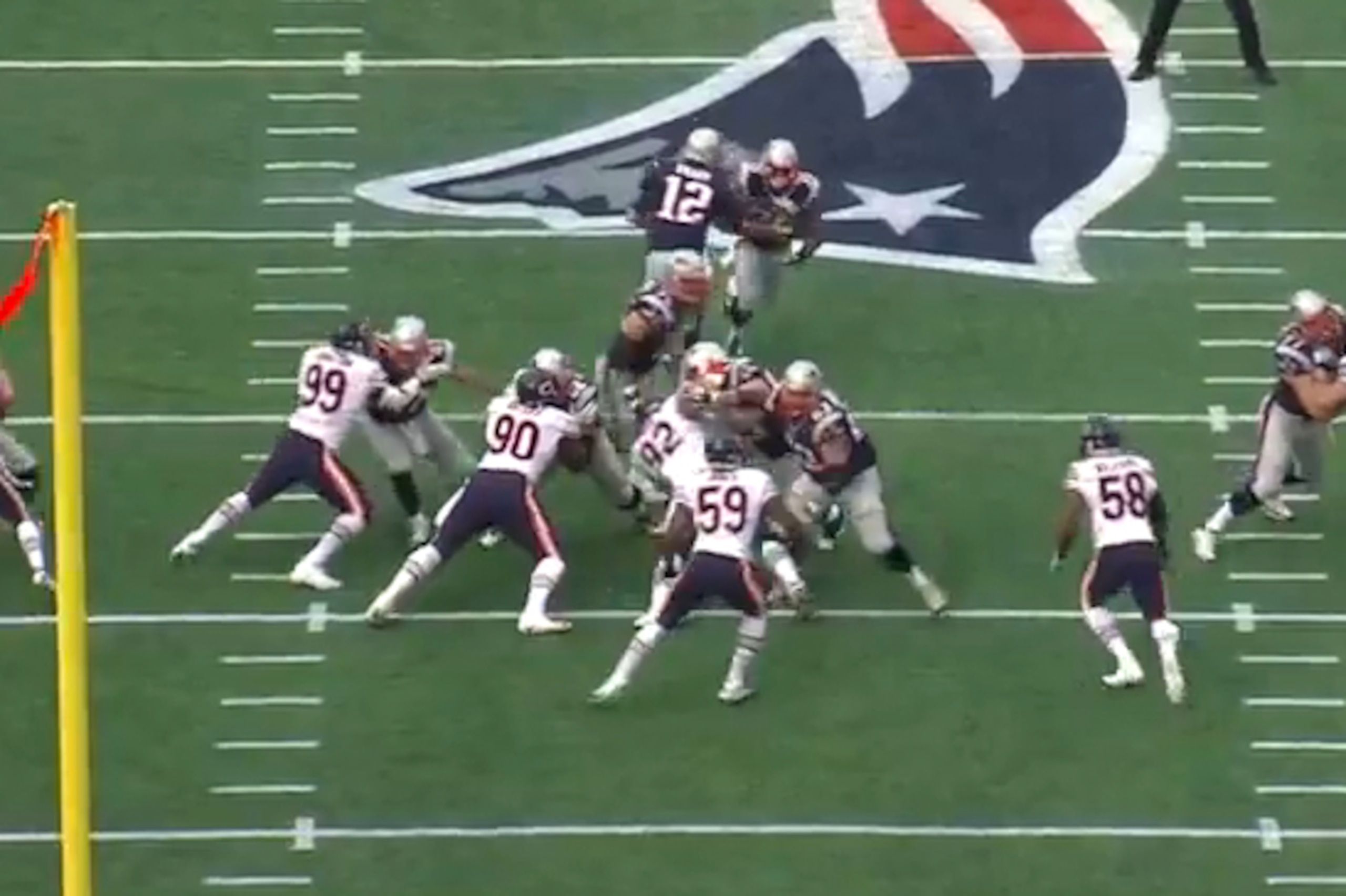
Paea's inability to control a double-team left the Bears wide-open through the middle. It also meant the Pats were able to get blockers, including the left guard who'd initially helped Stork, onto the linebackers:
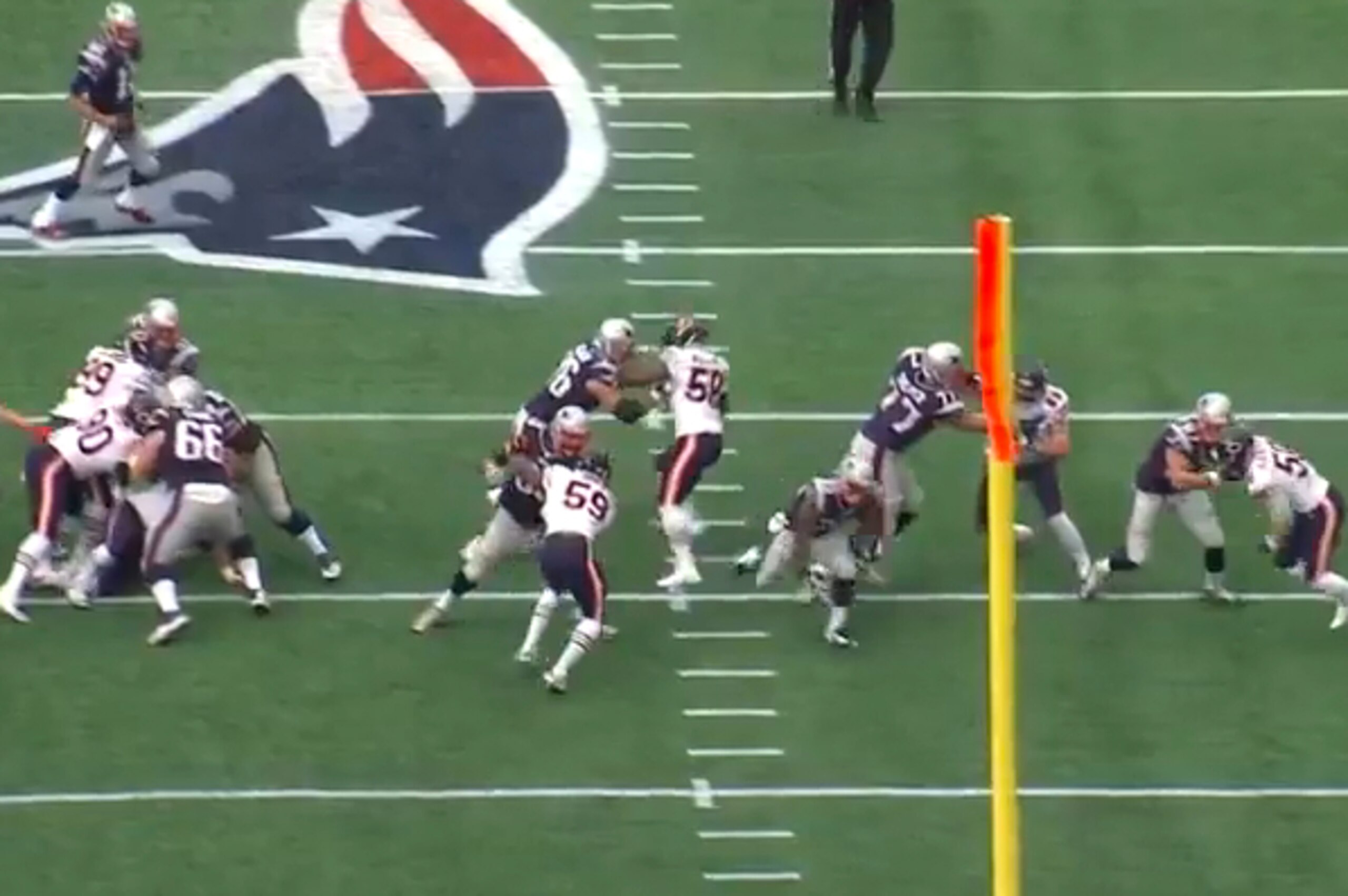
With Paea moved out of the middle and second-level defenders swallowed up, Jonas Gray rambled for an easy 19-yard gain.
This worrying pattern repeated itself in a Week 14 defeat at home against the Dallas Cowboys. Paea again took up a shaded alignment on the outside shoulder of center Travis Frederick:
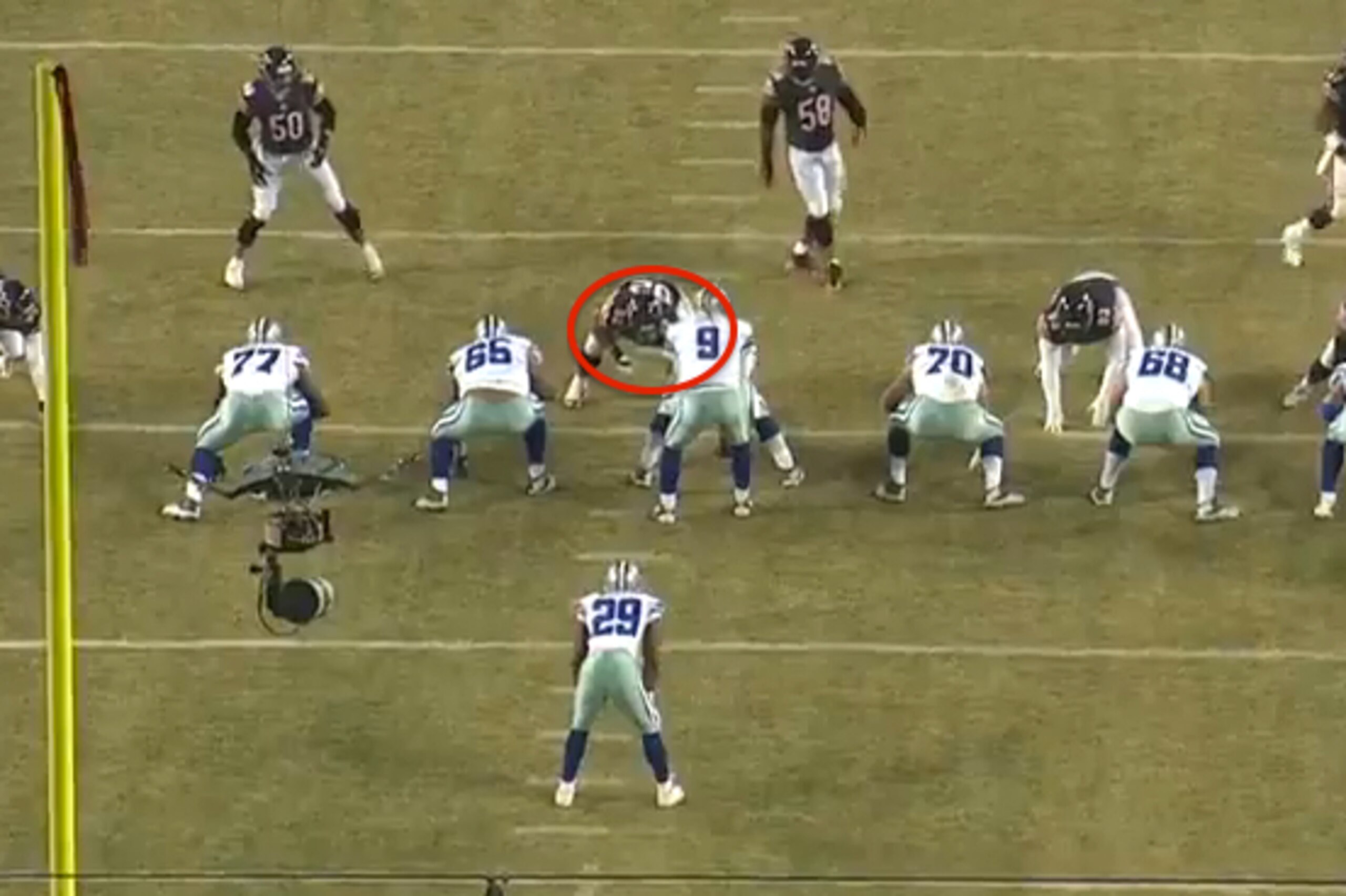
He couldn't stand up to the double-team from Frederick and left guard Ronald Leary. There was no penetration and no push:

In fact, the only push came from Frederick and Leary, who drove Paea several yards off the ball:
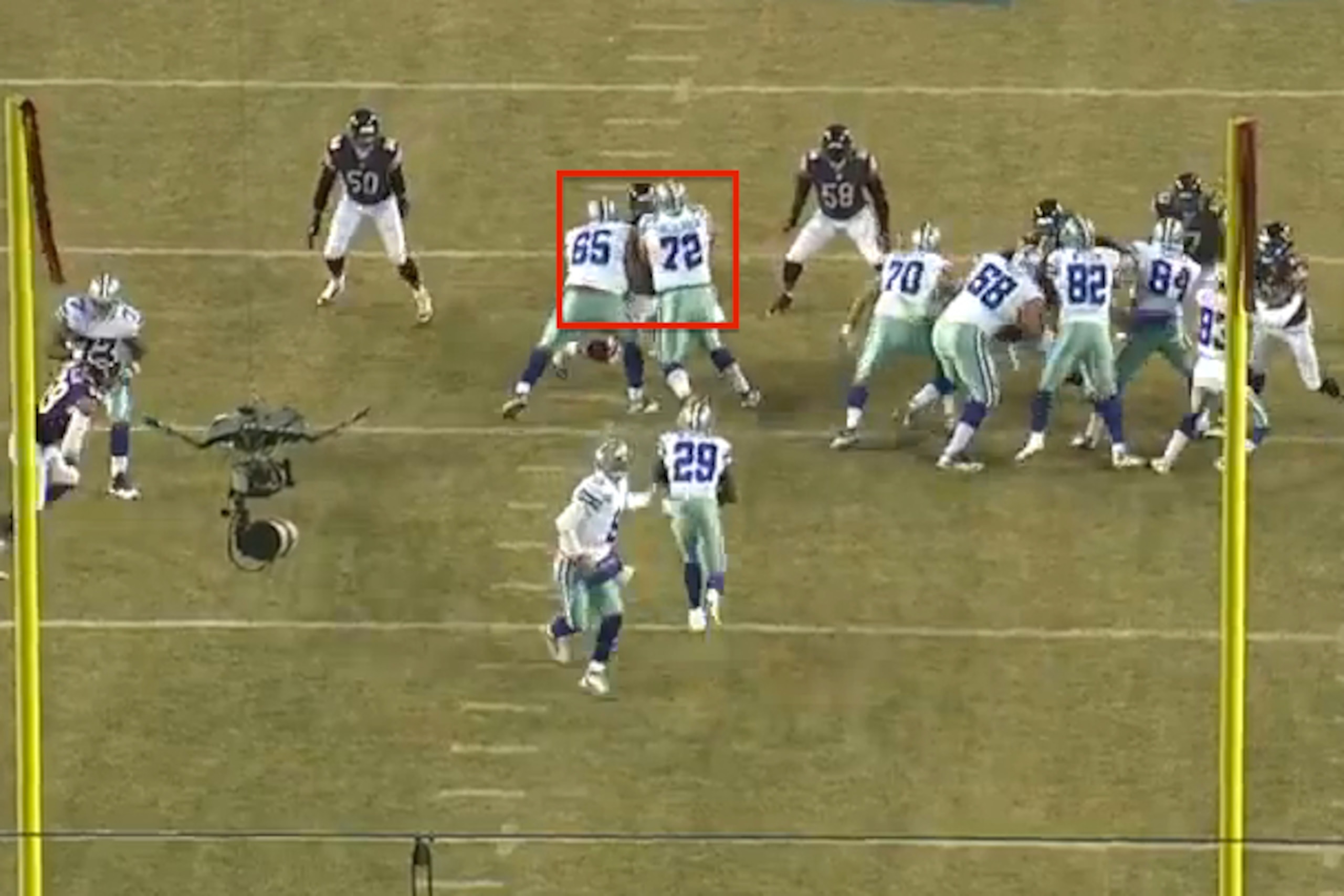
Once again, Paea's inability to control a double-team meant one blocker, in this case Leary, was able to peel off and absorb a linebacker:

Even facing one blocker, Paea was easily turned away from the hole. That left running back DeMarco Murray with all the room he needed to complete a big gain untouched through the middle:
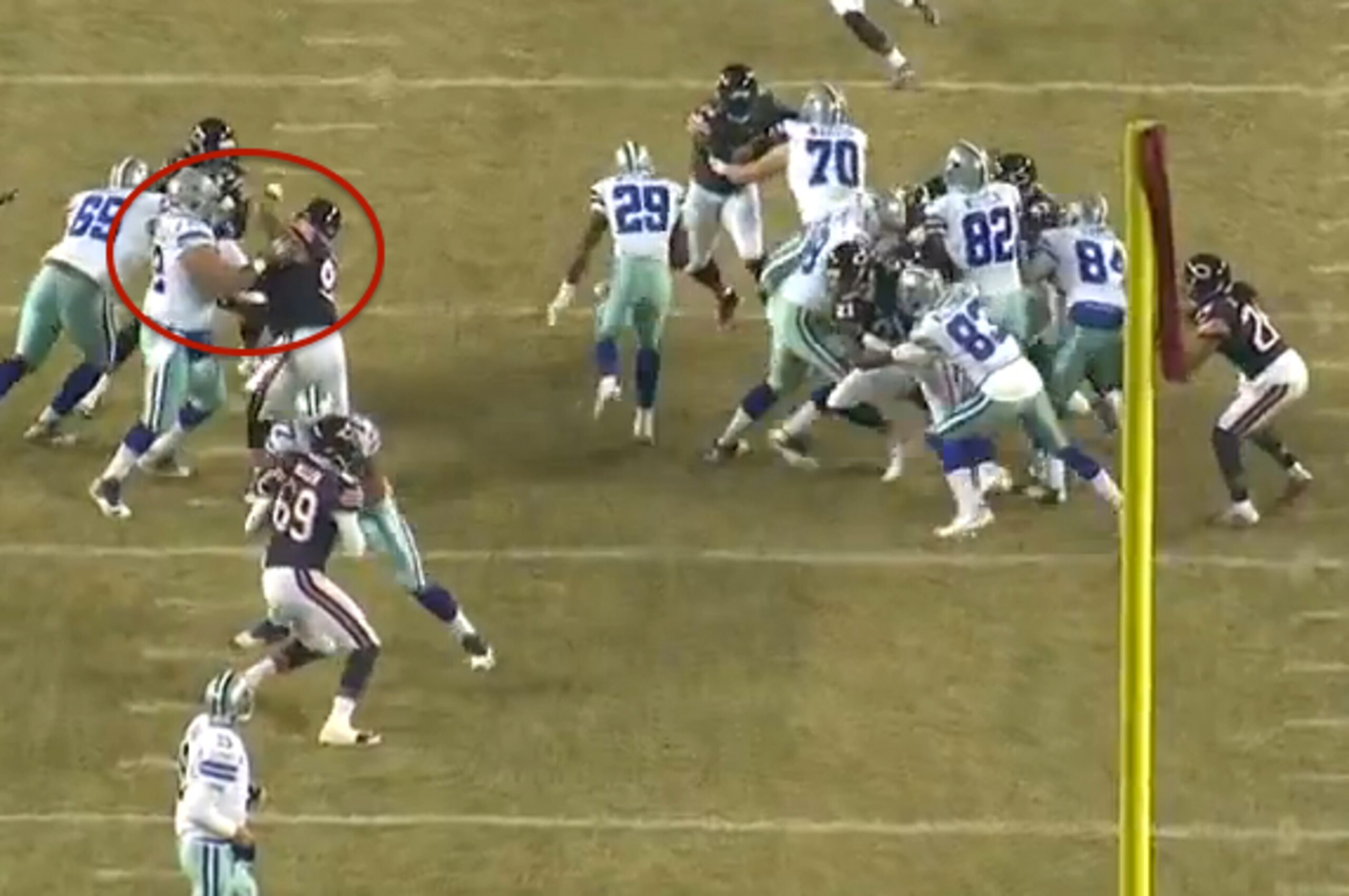
The sight of a lineman struggling to keep blockers off linebackers has to concern any team playing a 3-4 scheme, no matter if it's single- or two-gap. It's one of the disadvantages of deploying pass-rushers on the base front.
The Redskins may want to use the Chargers model, but it's worth noting San Diego ranked 26th against the run last season. Accommodating ends like Paea and Hatcher on base downs and still being strong against the run will likely require a large, dominant space-eater in the middle.
That explains the team's interest in mammoth free agent defensive tackle Terrance Knighton, per Troy Renck of The Denver Post.
Washington got a versatile inside pass-rusher in Paea, one who will open up the game for the likes of Kerrigan, Hatcher and 2014 second-round pick Trent Murphy. He'll also let Barry rush four and drop seven instead of relying on blitzes that leave a dubious secondary short.
But it will take more size in the middle to indulge another 3-technique in the base defense.
All screen shots courtesy of CBS Sports, Fox Sports, NFL Network and NFL.com GamePass.
.jpg?w=2560 "Titans Ravens Football")
.jpg?w=2560 "NFL investigating 2 referees for separate viral exchanges")


