Will Taxes Put the Oakland Raiders at a Competitive Disadvantage in Free Agency?
The Oakland Raiders continue to whittle down their twig of a roster in preparation for free agency. In the last week, the Raiders have released five veteran players, including running back Maurice Jones-Drew, who announced his retirement. Quarterback Matt Schaub and his $5.5 million in salary will also come off the books at some point.
To get to the salary floor by the end of 2016, the Raiders must spend most of their cap space in cash, which will be well over $70 million once Schaub is gone, per Spotrac. Owner Mark Davis joked with Tim Kawakami of the San Jose Mercury News about going to get a Brinks truck in preparation for the Raiders to be major players in free agency.

.jpg?w=2560 "Broncos Chiefs Football")
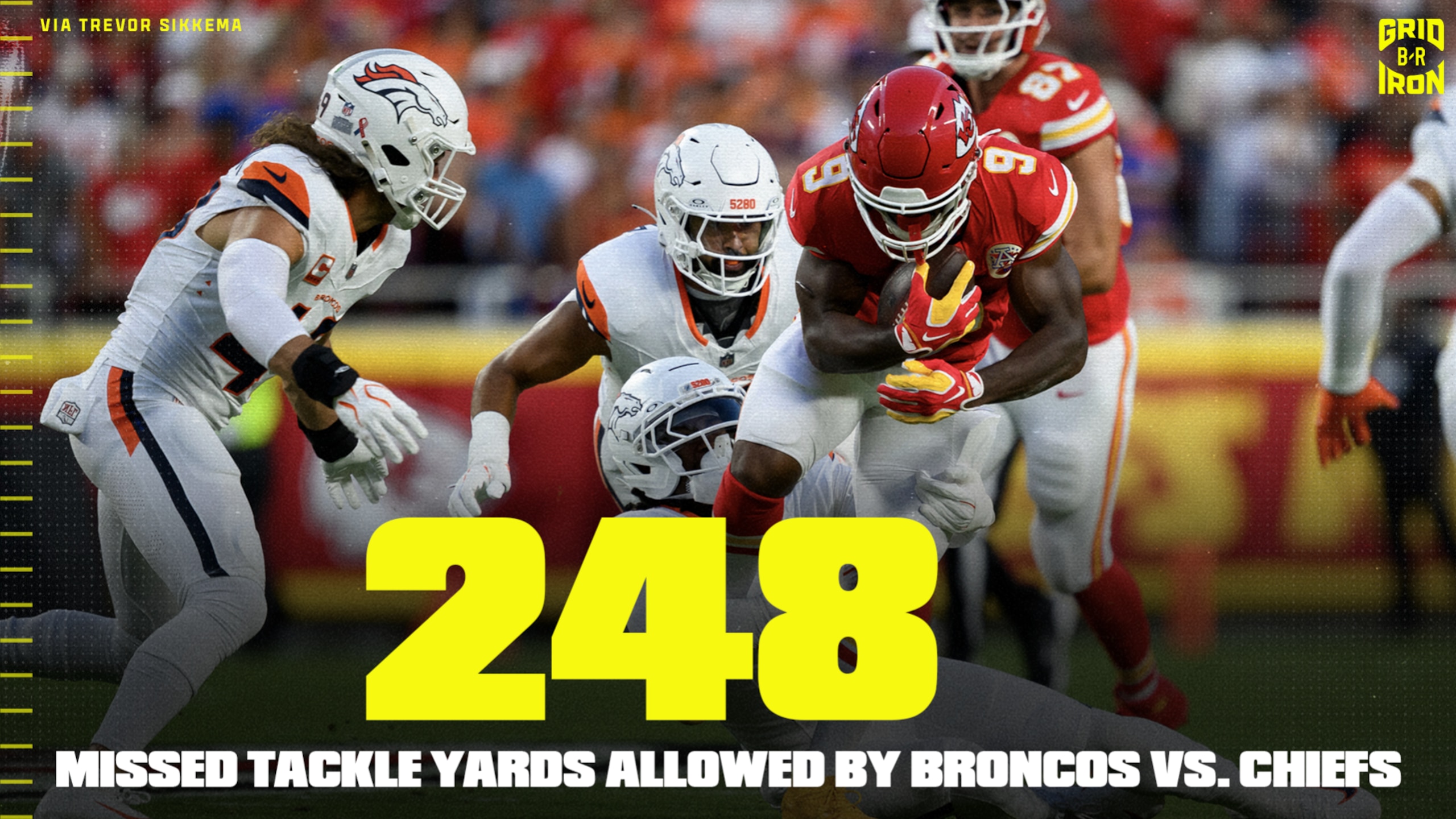
Defensive tackle Ndamukong Suh, wide receiver Randall Cobb and center Rodney Hudson are just a few of the big sticks the Raiders will go after in free agency, but does the fact the team plays in California actually put them at a disadvantage in signing big players? Will they whiff on all the top free agents again because, when adjusted for income tax, their offers just don’t hold up?
Mike Florio of Pro Football talk has brought up the tax rate difference, as has Armando Salguero of the Miami Herald in regards to free-agent defensive tackle Ndamukong Suh. The general idea is that Florida has no state income tax and California has a 13.3 percent tax on the wealthy, so the Raiders would have to make up the difference for Suh.
Of course, 13.3 percent of a $100 million contract is no chump change. It would be a huge disadvantage if it were that simple. Although sports journalists are good with statistics, they aren’t so great about checking tax law.
| CA | $17,000,000 | $17,000,000 | $2,261,000 | $2,261,000 |
| FL | $17,000,000 | $0 | $0 | $0 |
| Difference | $0 | ($17,000,000) | ($2,261,000) | ($2,261,000) |
Players pay taxes on signing bonuses in their state of residency, according to Kurt Badenhausen of Forbes. Suh would pay the same in taxes on a signing bonus whether he signs in Oakland, Miami or on the Moon. He currently resides in Michigan with a flat tax of 4.25 percent.
For a team like the Raiders that needs to spend cash in 2015 and 2016, a signing bonus makes sense. It’s not how general manager Reggie McKenzie has done things so far, but he also hasn’t signed any one like Suh or Cobb.
The Raiders may have to offer a bigger signing bonus to offset the difference. That’s not only a disadvantage after he signs, but since the Dolphins will almost certainly have to give a signing bonus to fit him under the cap, the Raiders will have to compete with a who have a billionaire owner willing to bankroll signings.
The Raiders could just guarantee him $5 million more over the first few years of the deal than the Dolphins, but that may just cover the taxes. To separate themselves they have to offer even more.
Any signing bonus the Dolphins pay weakens their no income tax state status but not significantly enough to make a difference. The Raiders would just have a slightly smaller gap to bridge between the two offers.
Another thing to know is that the players get a credit on their federal taxes for the income taxes they paid in each state, per Badenhausen. Although Suh would pay more tax in California, that would actually lower his federal tax burden. Most free agents are going to fall into the top federal tax bracket, which is over $413,201 per year in 2015 for individuals, and they will pay $119,996 plus 39.6 percent on anything over $413,201.
| CA | $17,000,000 | $17,000,000 | $2,261,000 | $5,793,012 | $8,054,012 |
| FL | $17,000,000 | $0 | $0 | $6,688,368 | $6,688,368 |
| Difference | $0 | ($17,000,000) | ($2,261,000) | $895,356 | ($1,365,644) |
Let’s assume that Suh doesn’t get a signing bonus, but he gets guaranteed base salaries and other bonuses to the total of about $17 million per year over six years. Let’s also assume that his entire tax burden is in California, and he has no deductions or anything else that would lower his tax burden.
Suh would pay $2.3 million in state income tax, but he would pay $5.8 million in federal income tax. In Florida, he’d pay no state income tax, but he’d pay $6.7 million in federal income tax. The net difference is $1.4 million per year more tax in California or about $8.4 million if he earns all six years of the contract.
Athletes also pay income tax in the states (and some cities) where they play road games. It’s typically computed based on duty days, per Mark Niquette of Bloomberg. Duty days are the number of days they play in that city divided by the total number of days in a season. Sometimes states and cities use game days for the calculation
According to Badenhausen, athletes generally get a credit for taxes paid in other states, usually on their home-state return. That means that the $2.3 million per year we calculated for state income tax is too high, which lowers his total tax burden.
A rough estimate would be that California would only tax about 85 percent of $17 million per year at 13.3 percent. That’s another $200,000 or so in tax savings overall. For simplicity, it’s about $1 million per year in more taxes to be in California compared to Florida.
| CA | $17,000,000 | $14,500,000 | $1,928,500 | $5,924,682 | $7,853,182 |
| FL | $17,000,000 | $0 | $0 | $6,688,368 | $6,688,368 |
| Difference | $0 | ($14,500,000) | ($1,928,500) | $763,686 | ($1,164,814) |
Depending on road opponents and other factors, it could fluctuate. It still seems substantial, but you have to keep in mind that Suh is probably never going to see the final two years of his deal in Oakland.
That brings the tax difference down to $4-5 million in total value, a sum the Raiders should be able to deal with. It’s not going to be easy, but it’s not enough to prevent a deal from going through.
That’s also all before considering any deductions and credits that might lower Suh’s tax burden. A great CPA would probably be aware of opportunities to reduce the state tax burden for a high earner like Suh.
Residency would determine taxes on any endorsements, and he doesn’t have to move to California full-time to play for the Raiders. Would Suh, who seems born to be a Raider, be more marketable in Miami or the East Bay? It’s tough to say.
If it was such a disadvantage, it’s shocking that teams in high tax areas wouldn’t fight for a salary cap adjustment for competitive balance reasons. Tax differences have been around for a long time, the reality is that teams can work around them if they really want a player.
The Raiders may have to offer $4-7 million more than the next best offer, and pay it out all in the first couple of years. On a regular basis, it’s probably impractical, but a team can make it work if they want the player.




.jpg?w=2560 "Week 1 Fantasy Duds 👎")