.png?w=2560)

Why the Giannis Trade and 4 Other NBA Offseason Moves Are Sure To Backfire
NBA teams don't go into the offseason intending to overspend, make bad trades or otherwise screw up their futures.
And yet, every year, plenty of them do exactly that.
The consequences for overspending are more painful than ever, but now that the lottery odds are flatter and don't favor the league's very worst teams, the temptation to chase competency complicates the picture. Teams are now incentivized to avoid the cellar, and that seems to have triggered some dangerous decisions.
Let's assess this offseason's future‑mortgaging trades, controversial cap‑related deals, extensions that fly in the face of recent trends and all the rest of the moves that could result in calamity.
The Trae Young Contract
1 of 5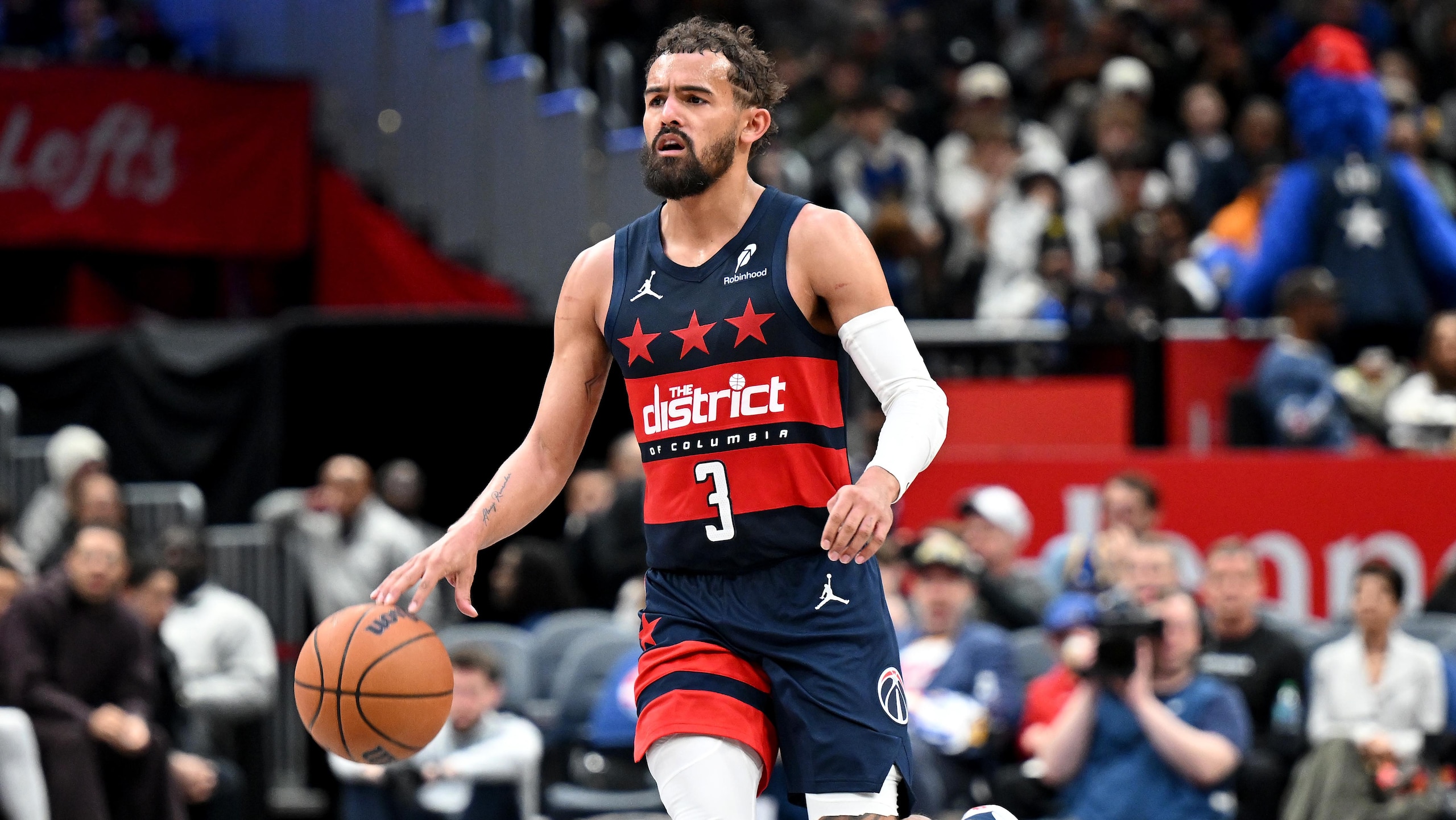
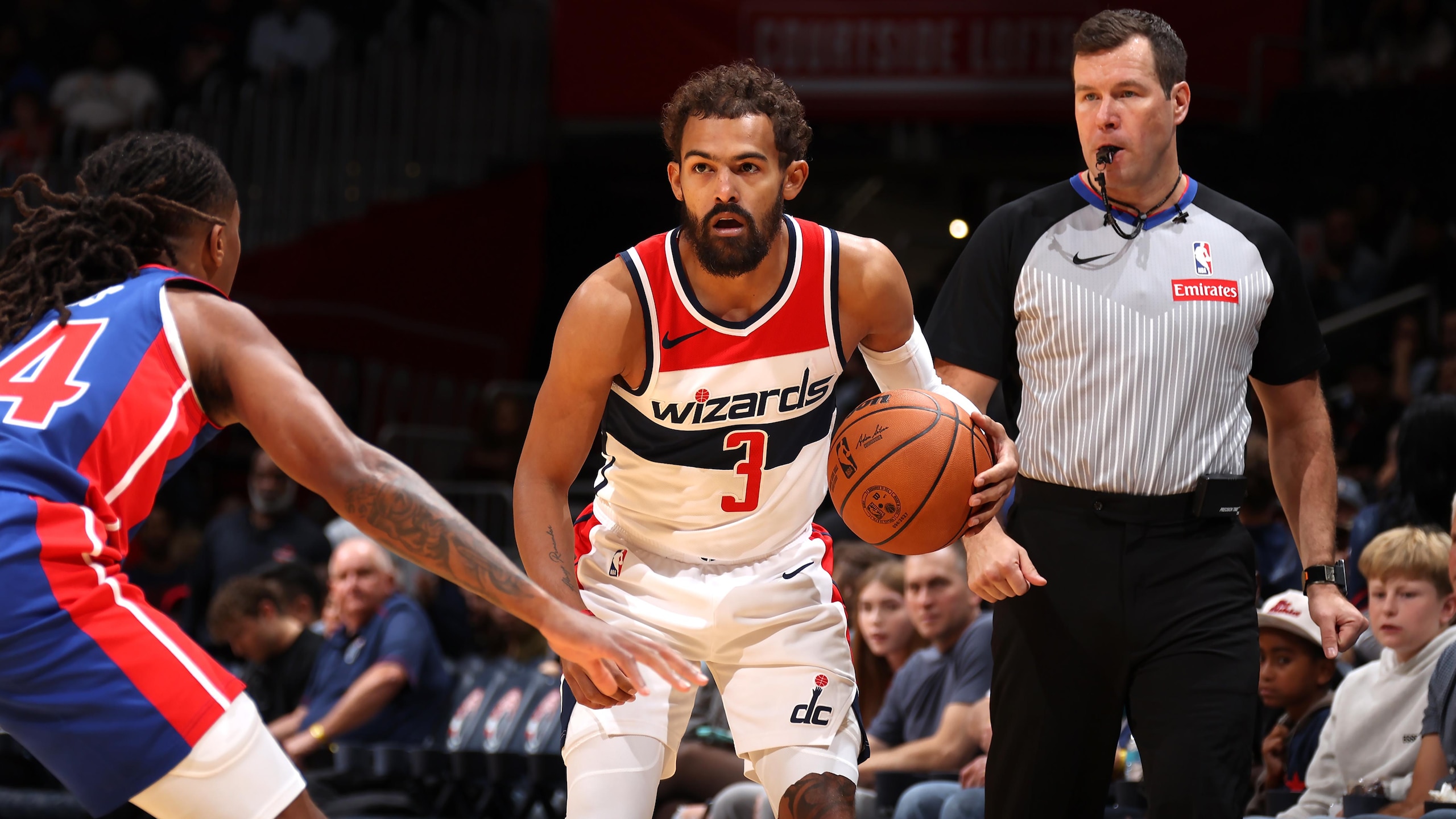
Last January, the Washington Wizards acquired Trae Young for the expiring salary of CJ McCollum and the marginally underwater four-year, $54 million deal belonging to Corey Kispert. No draft picks or prospects changed hands.
Somehow, after that trade clearly signaled Young's value was no longer that of a star, and in a market where no serious price-inflating outside threats existed, the Wizards determined Young was worth a four-year, $212 million max contract.
Washington believed "Young would have commanded maximum-salary contract offers from other franchises," per Josh Robbins of The Athletic.
Why the Wizards believed that is a mystery. All it took was bad money with no picks attached to acquire Young, and nobody but Washington bought at that discounted price.
Only a few teams had enough cap space to make an offer as large as Washington's, and ESPN's Zach Lowe shot down the idea that any of them were interested: "From what I know, it was not Brooklyn... Chicago has [Josh] Giddey. The Lakers have guards galore. The Pistons have Cade Cunningham and we're now out of teams with cap space. I don't know what they were afraid of or who they were bidding against."
Young is among the worst defenders in the league, provides no off-ball value on offense and has never shaken the reputation that "even the players who were eating off his passes didn't like him or enjoy playing with him," per The Athletic's John Hollinger.
If the deal was agreed to at the moment Washington acquired Young, it was a mistake. If the Wizards illogically spooked themselves into believing there was competition for him in free agency, it was a mistake.
Young can be a helpful floor-raising player, but he's not a max-level star, and the Wizards had no reason to pay him as if he were.
Phoenix Trades for Miles Bridges
2 of 5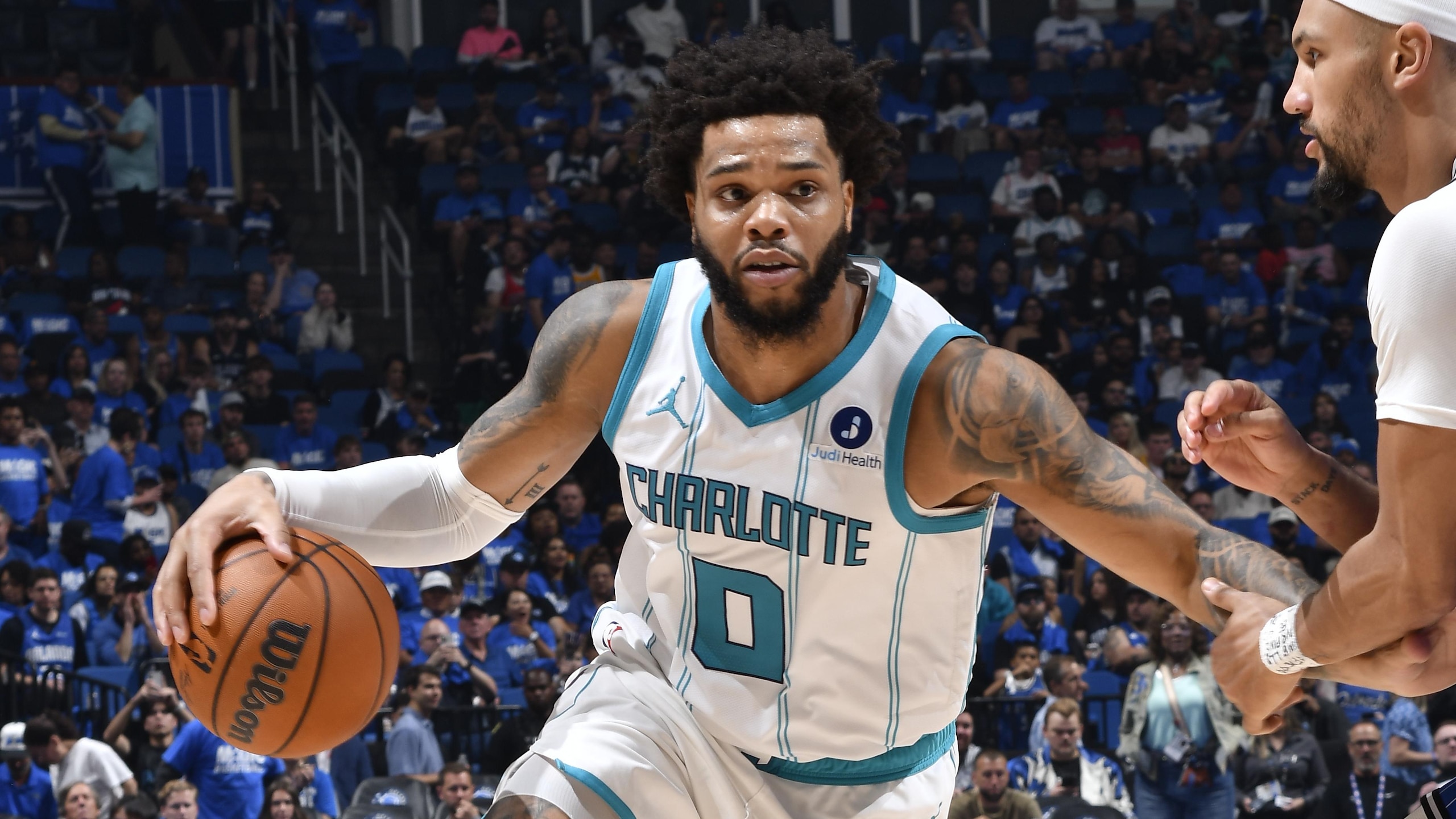
The Phoenix Suns produced a middling offensive rating last season, despite the lack of a true setup man at the point. They achieved this with good spacing provided by multiple three-point threats, including Royce O'Neale and Grayson Allen.
That's just part of the reason the Suns' decision to ship those gunners to the Charlotte Hornets for Miles Bridges, who owns a career 33.8 percent mark from three, makes no sense.
Another: Phoenix attached its unprotected 2033 first-rounder in the deal, parting with its single best draft asset for a forward who'll likely cost more via an extension and almost definitely won't make the team better on the floor.
Bridges has posted net-negative defensive performances throughout his career and owns an offensive game that, with limited exceptions a half-decade ago, has seen him produce true shooting percentages below the league average. Considering he saw nearly 3,000 possessions with Hornets star setup man LaMelo Ball last year, Bridges' accuracy marks of 46.0 percent on twos and 33.3 percent on threes doesn't cut it.
A player heavily dependent on athleticism, Bridges could be in for decline as he enters his age-28 season. Actually, slippage may already be underway, as the percentage of his field-goal attempts at the rim has declined for five straight years.
Bridges is a fringe starter who could sign a hefty extension while potentially constricting an offense that needs its space.
Donovan Mitchell's Extension
3 of 5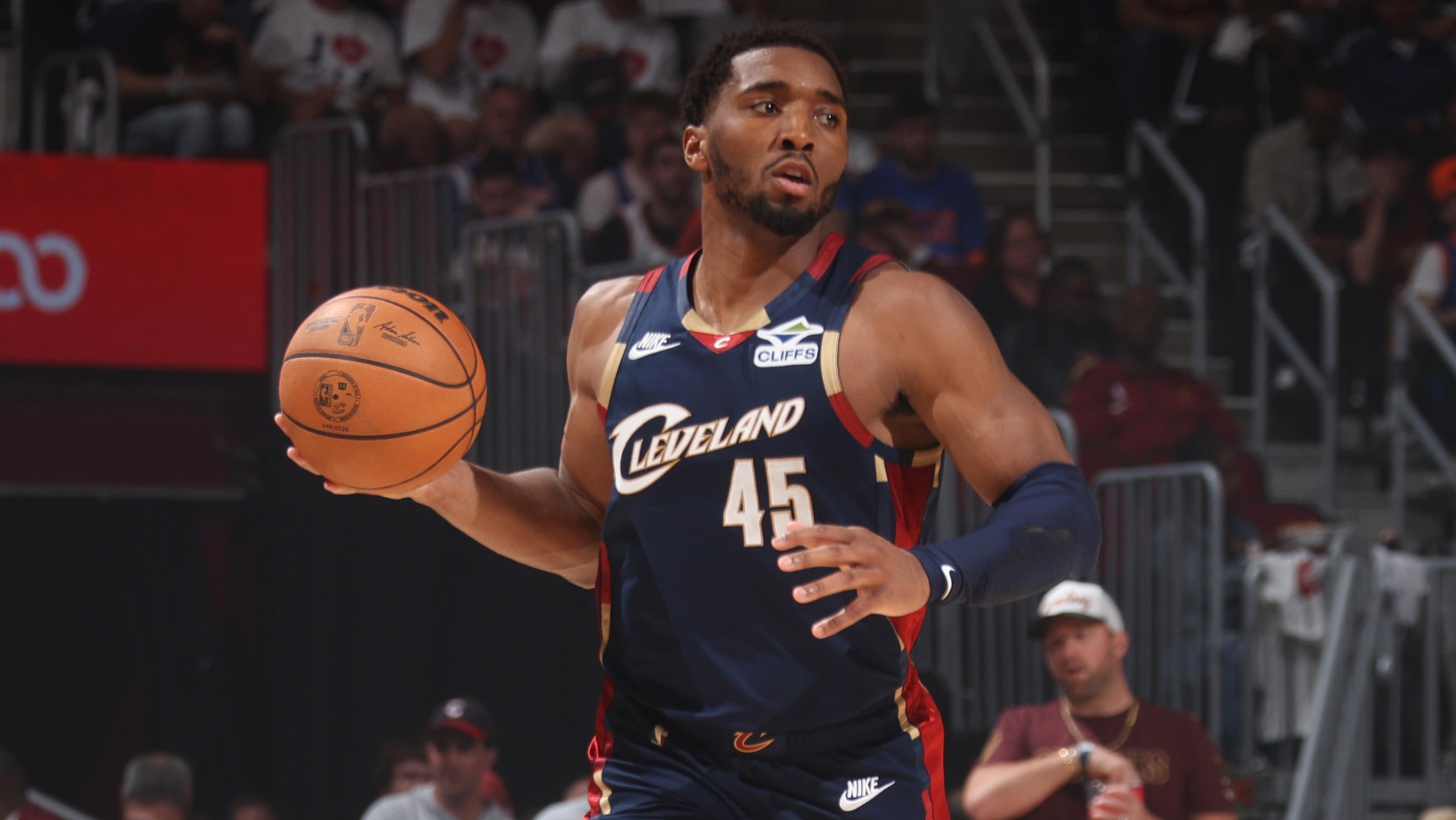
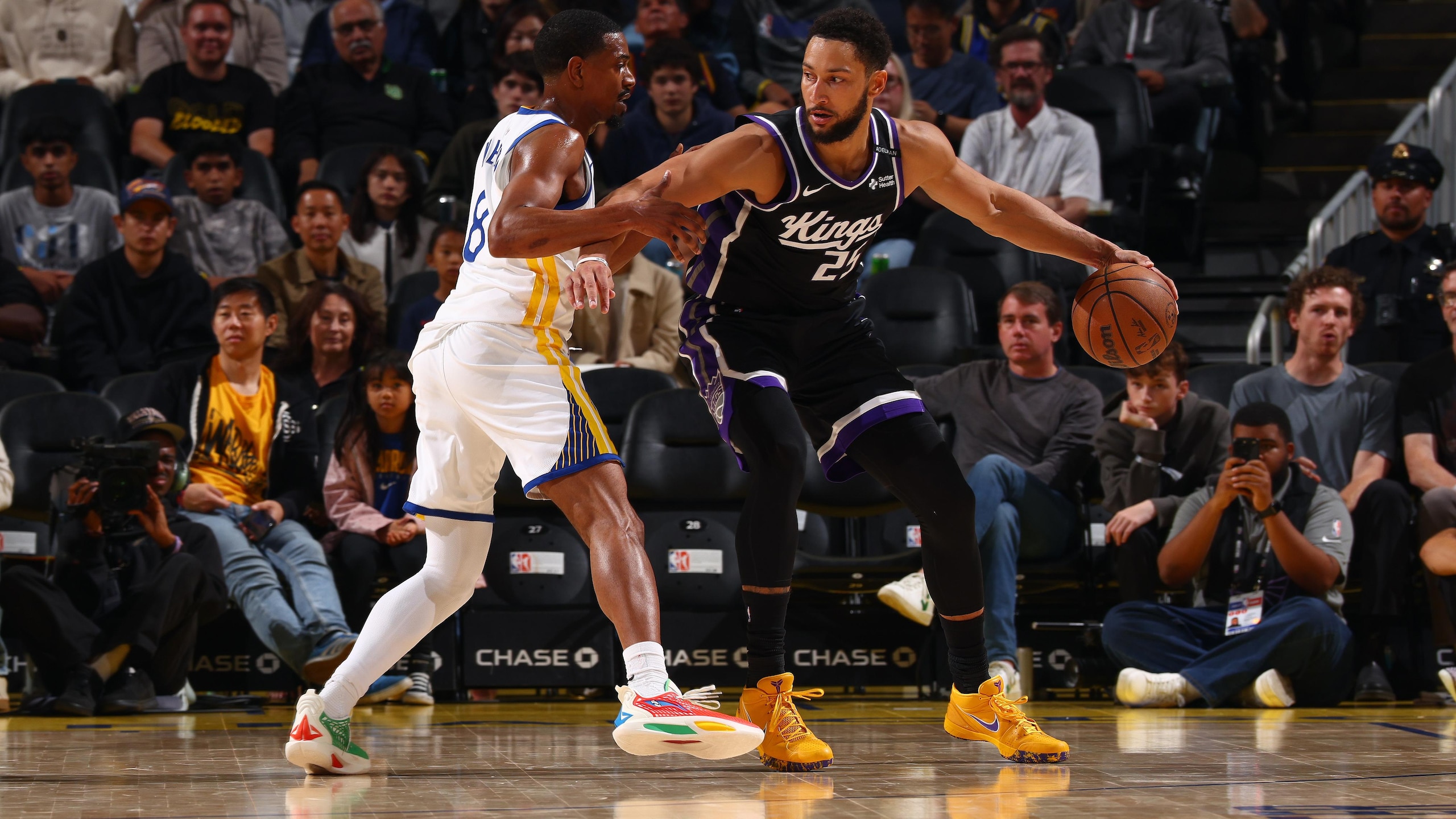
It's ironic that Donovan Mitchell, the player everyone thought only viewed Cleveland as a stopover on a journey to someplace he actually wanted to be, just keeps emphasizing his commitment with a fat new contract agreement at every opportunity.
The latest signal of his satisfaction with the Cavs: a four-year, $273 million extension that runs through 2029-30 with a $75.5 million player option for 2030-31.
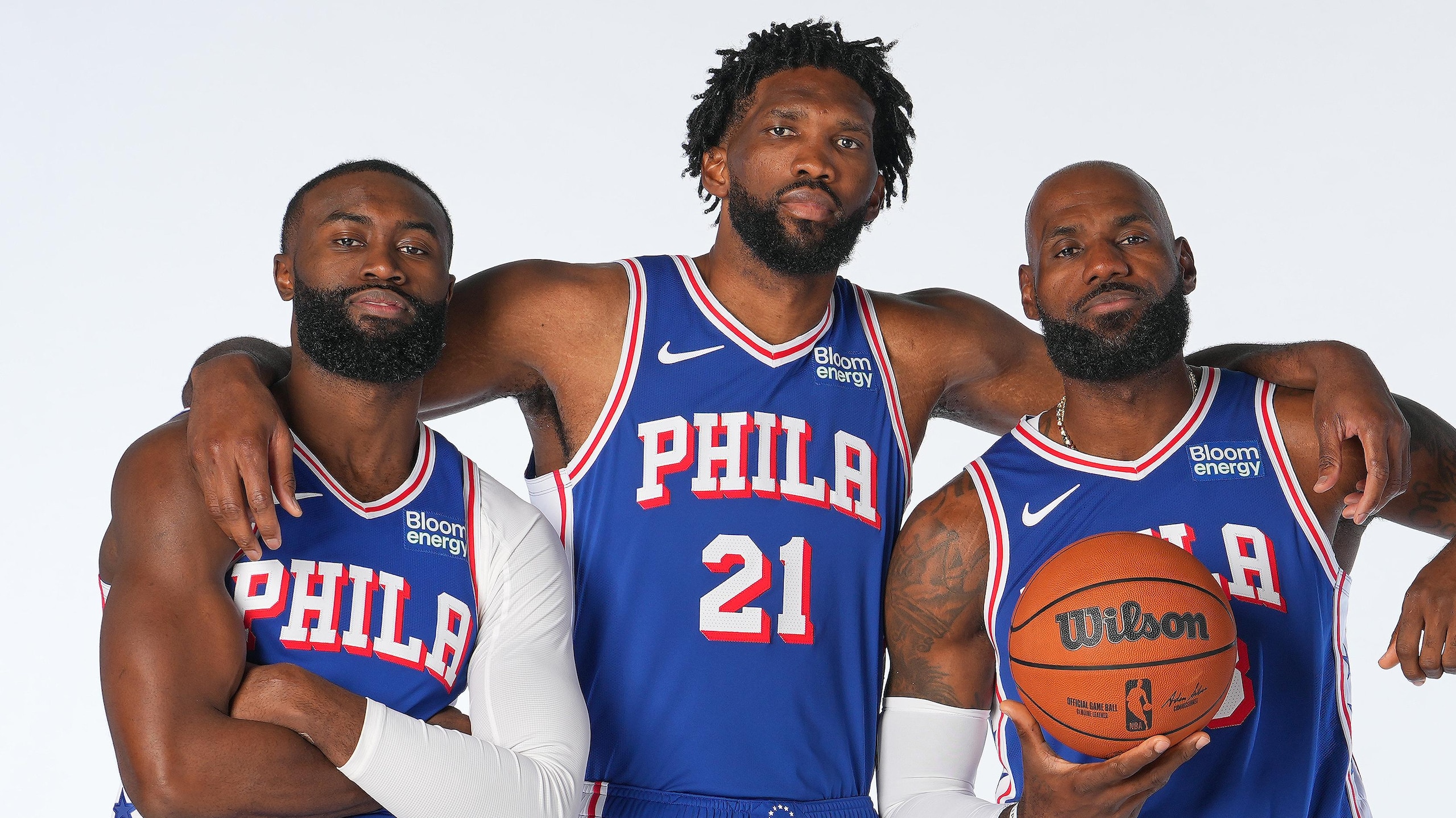
Mitchell is a very good player, a top-seven MVP finisher and All-NBA honoree in three of the last four seasons. He resides in a pretty exclusive tier of players just below the league's absolute apex superstars. You know, right there with guys like Jaylen Brown, whose team just shipped him to the Philadelphia 76ers for a terrible return because he wasn't a viable keeper at his high price point.
It's not that Mitchell won't be productive. It's that recent trends around the league are moving away from the exact type of deal he just signed.
This extension doesn't rise to the level of Young's new contract, but it certainly creates the possibility that Cleveland will find itself in exactly the same situation Boston just panic-traded its way out of with Brown. Auto-maxing players entering their 30s, particularly ones who haven't already shown themselves to be on the "best player on a title contender" level, is more dangerous than ever.
Mitchell might be worth all that money in the first season or two of his new deal, but the out years will be painful, and the Cavs won't have the flexibility to offset his potential decline by adding more talent.
Gary Trent Jr.'s Contract
4 of 5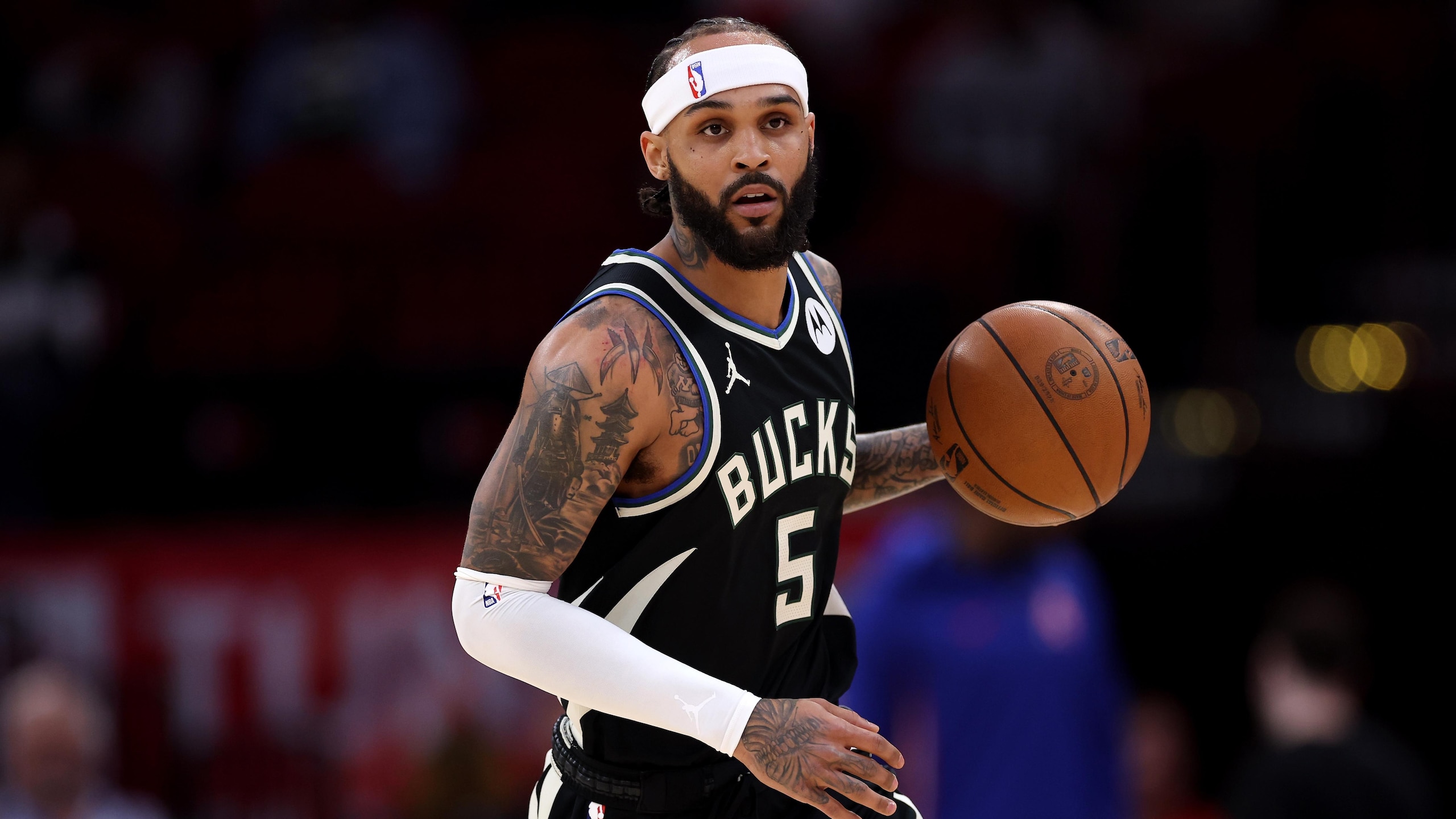
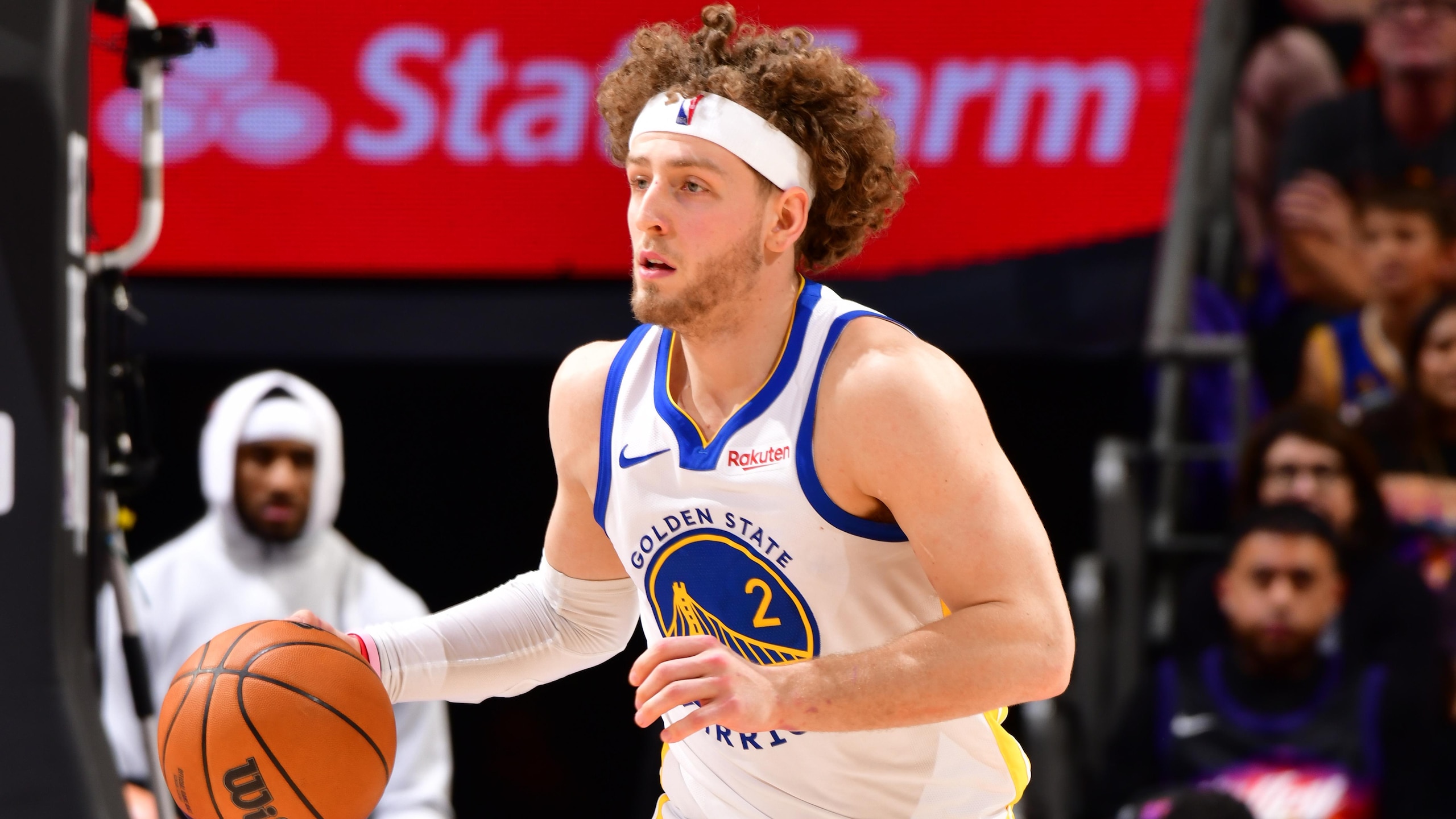
When the best outcome of Gary Trent Jr.'s four-year, $64 million deal is that the Milwaukee Bucks are effectively punished by having to pay that much for a player who averaged 8.1 points and shot 38.7 percent from the field last year, well...it's a pretty good indicator of how much worse things could get.
A quick catch-up: Trent played on minimum deals for the Bucks in each of the last two seasons and, at least last year, didn't exactly perform like someone who had earned a raise.
Per John Hollinger and Eric Nehm of The Athletic: "Rival executives have been anticipating this deal for months now, with many predicting that the Bucks would reward Trent Jr. handsomely for his decision to sign a minimum-salary contract last summer..."
Didn't the Minnesota Timberwolves get docked three first‑round picks in a salary‑cap circumvention case involving Joe Smith a couple of decades ago?
Yes—they were. And that history helps explain why a deal like this raises eyebrows.
Hence the response.
The Athletic's Sam Vecenie is of a similar mind: "The NBA should pretty clearly look into this contract in regard to salary-cap circumvention."
This may not age well for the Bucks.
Miami's Trade for Giannis Antetokounmpo
5 of 5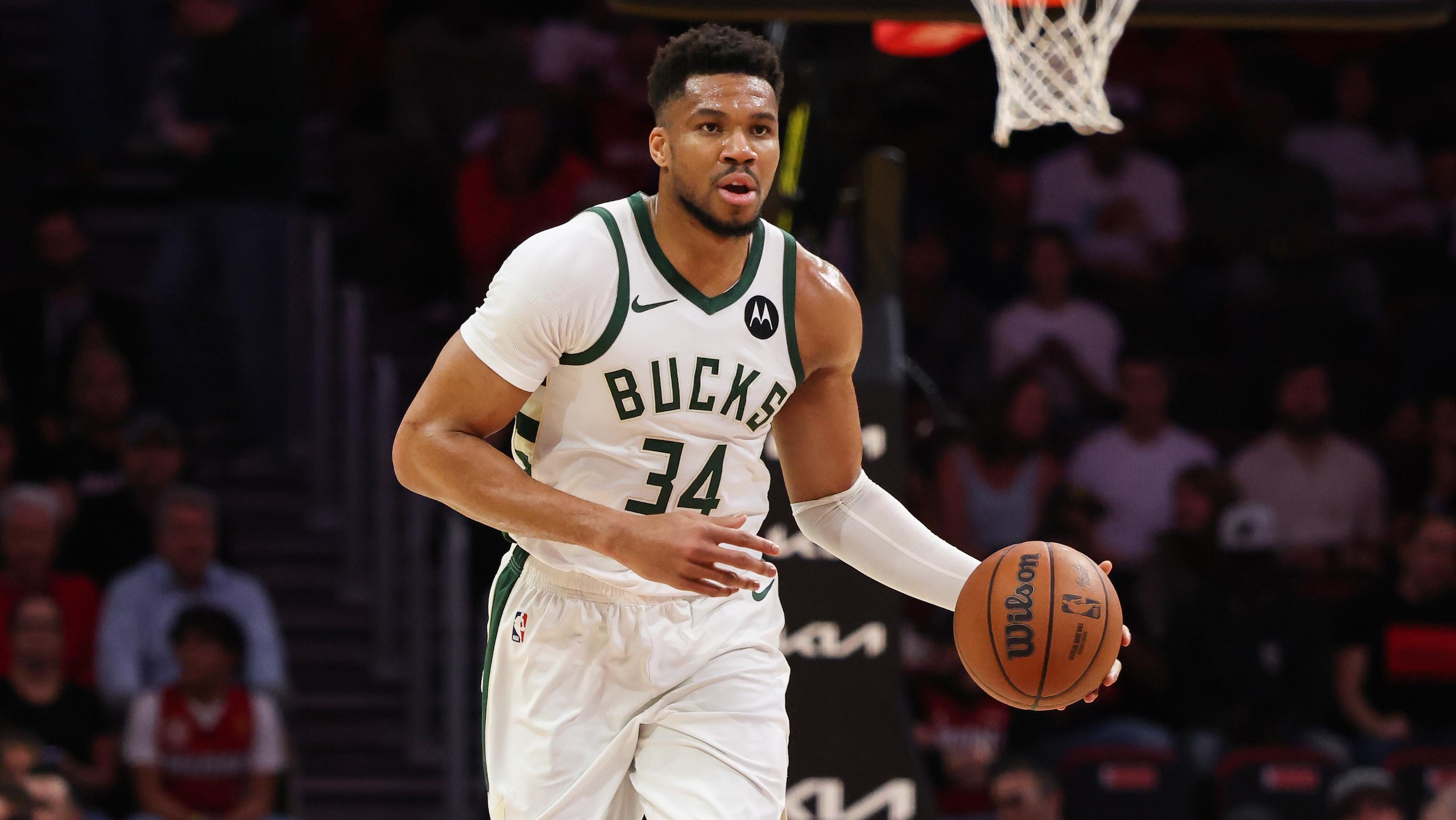
The Miami Heat gave up everything they could to acquire Giannis Antetokounmpo, all for a roster that might struggle to improve on last season's 43 wins.
The full deal: Antetokounmpo and Bobby Portis came over from the Milwaukee Bucks for Tyler Herro, Kel'el Ware, Jaime Jaquez Jr., Kasparas Jakucionis, three first-rounders, one first-round swap and second-rounder.
The cupboard is now bare in Miami, emptied of draft assets and young prospects. Payroll wiggle room is nonexistent, and the rotation is short several players. The Heat's best talent-acquisition tools are good weather and a reputation for competency, which go only so far.
Miami may have had to beat the Boston Celtics' best offer, but this package and all the flexibility it cost feels like too much. Antetokounmpo is aging. He's had real durability issues of late, and he doesn't mesh particularly well with what's left of the Heat's stripped-down roster.
It's hard to imagine the Heat rising above a crowded East upper class that includes the Knicks, Celtics, 76ers, Pacers, Raptors, Pistons and Cavs—just to name a few. If Miami merely wanted to get into that mix, the deal makes some sense. But you don't trade every long-term asset possible to simply join the conversation with a heap of other playoff threats. You do it to become a true contender.
That's not what the Heat are right now.
Maybe this is just a move you make if you have the option. Especially for the Heat, who've made a habit of chasing stars, the temptation to land a two-time MVP was too strong to resist.
The potential upside of a team led by a healthy Giannis is intriguing, but the most likely outcome figures to be disappointing and can't justify the price.
Stats courtesy of NBA.com, Basketball Reference and Cleaning the Glass. Salary info via Spotrac.
Grant Hughes covers the NBA for Bleacher Report. Follow him on Bluesky and subscribe to the Hardwood Knocks podcast, where he appears with Bleacher Report's Dan Favale.


.png?w=2560 "Shocking CFB Top 25 Shakeup 🔢")
.png?w=2560 "Week 6 Winners & Losers 📊")
.jpg?w=2560 "Cardinals Finalizing MHJ Trade")
.jpg?w=2560 "Grading Wild MITB PLE 😮💨")
.jpg?w=2560 "DK Shades Sauce Gardner 👀")
.jpg?w=2560 "Report: Cowboys Open to More Trades")