
The Most Devastating Playoff Losses in the Past 15 Years
Though losses are no doubt a major part of sports, some are far more devastating than others. While many great teams and players have managed to bounce back over the years, some losses—most notably playoff losses—have simply proved too difficult to overcome.
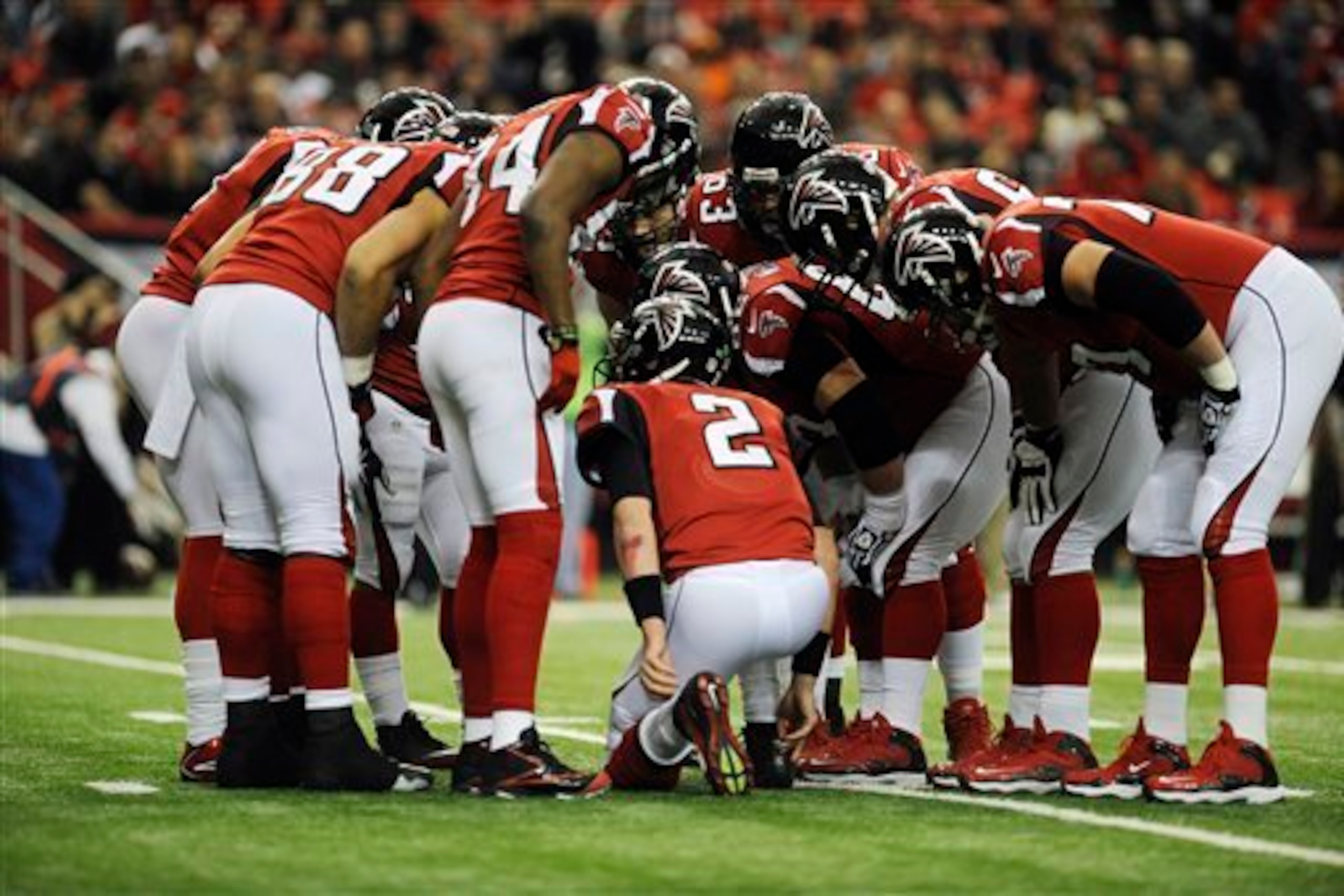
In the 2012 NFC title game, for example, an elite team from Atlanta squandered a double-digit, second-half lead against the visiting San Francisco 49ers. To this day, the Falcons are still searching for ways to recover.
The same can be said of the Sacramento Kings, a franchise that had championship aspirations in 2002-03 before an injury to Chris Webber, and a loss to the Dallas Mavericks, put an end to those for good.
And, even before then, the New York Mets played the part of baseball juggernaut all the way to the 2000 World Series, where heartbreaking defeat sent them down an alternate, cellar-dwelling path in the years that followed.
With these crippling defeats in mind, we've sought to put together a commemorative list, highlighting the 10 most devastating playoff losses in the past 15 years.
Some of our chosen losers were elite at the time of their loss, while others were up-and-coming teams that featured both talent and promise alike. No matter what, though, each group got a taste of championship hope before crippling defeat erased it all, in the moment and beyond.
Close, but No Cigar
1 of 11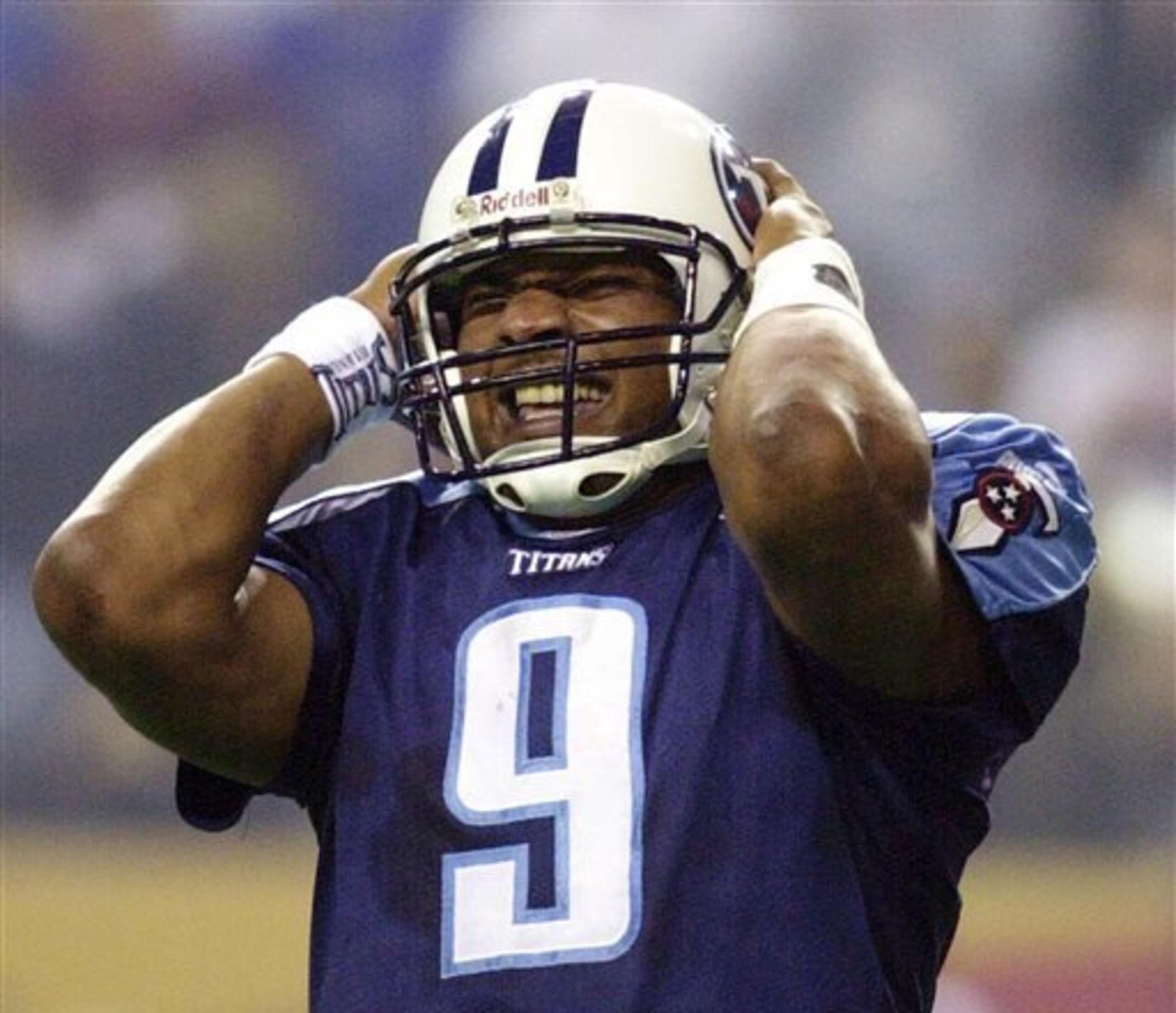
We will highlight 10 teams we believe suffered the most devastating losses of all, but a few others deserve to be mentioned at the very least. This, then, is our devastating list of honorable mentions:
- 2011 Philadelphia Phillies
- 2003 Chicago Cubs
- 2010 Boston Celtics
- 2004 Carolina Panthers
- 2007 Chicago Bears
- 2000 Tennessee Titans
2002 Oakland Raiders
2 of 11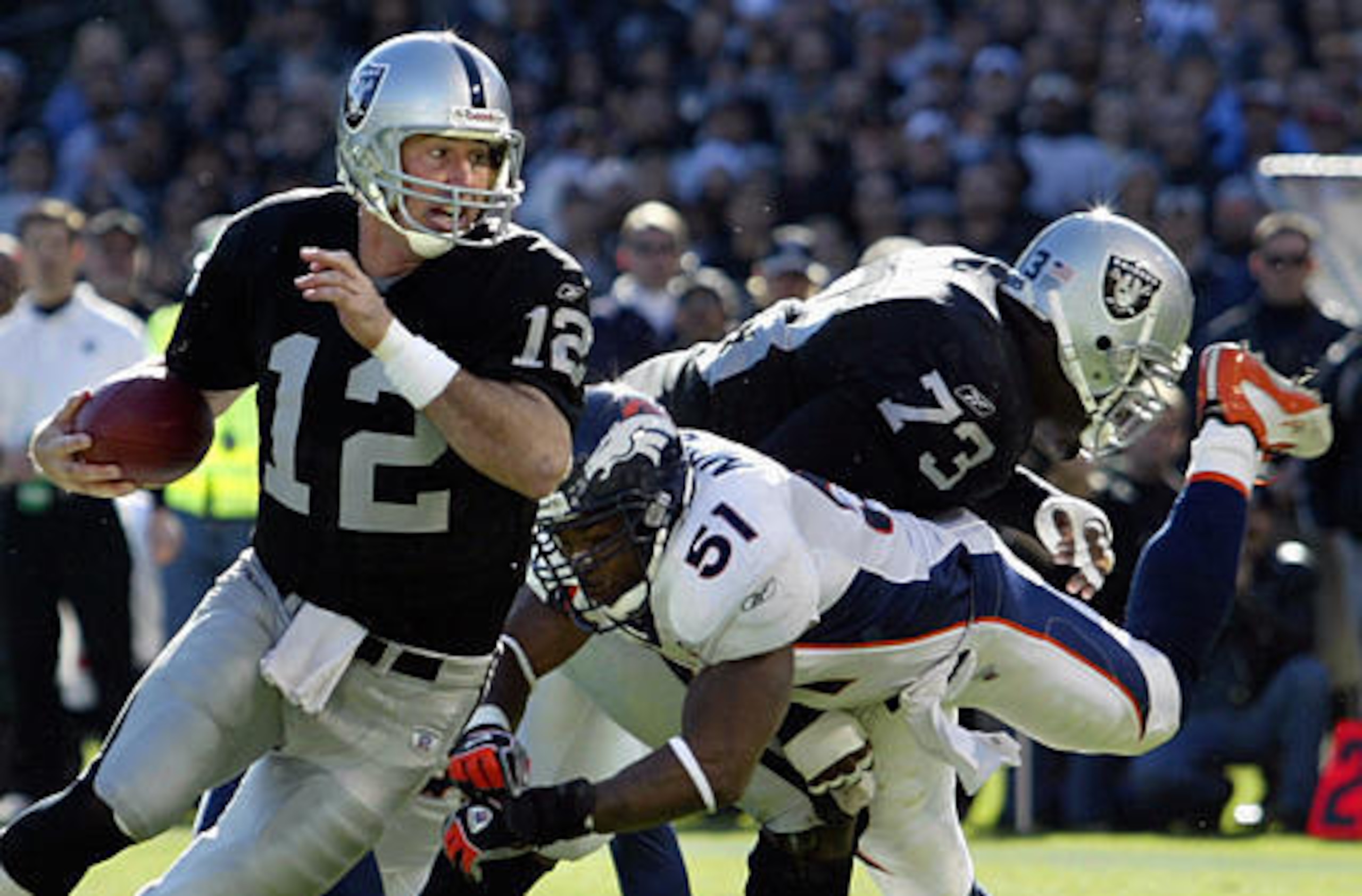
Ripping on the Raiders has become the newest craze in the NFL. But things haven't always been so bad in Oakland.
In fact, not that long ago—in 2002, to be exact—first-year head coach Bill Callahan teamed up with Rich Gannon to lead the Raiders to an 11-5 record and a spot in the Super Bowl.
En route to the big game, the Raiders were absolutely dominant, first defeating the Jets, 30-10, and then the Titans, 41-24, in the AFC title game.
That, however, is where Oakland's fortune would run dry.
The day before Super Bowl XXXVII, the Raiders' All-Pro center—Barret Robbins—went missing. Though he resurfaced later that night, the key cog was forced to miss the next day's big game.
From there, it was all downhill for Oakland, as the Tampa Bay Buccaneers went on to embarrass the Raiders, 48-21.
And, in a major way, the discouraging end to the 2002 season marked the end of quality football in Oakland. Since their appearance on football's biggest stage, the Raiders have not made it back to the playoffs, a run that includes seven seasons with four wins or fewer.
2008-09 Orlando Magic
3 of 11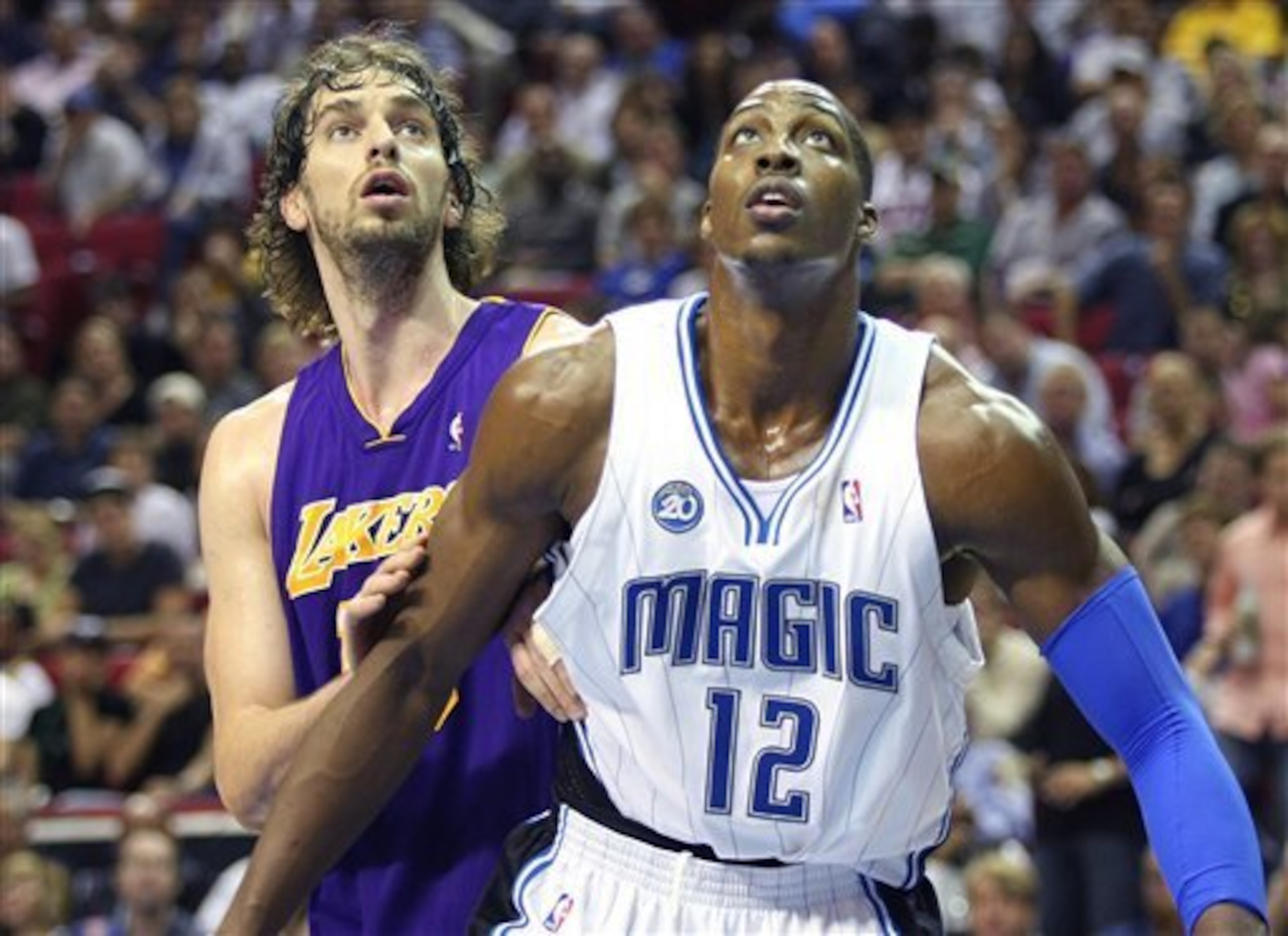
Though most fans of the Magic would now like to forget it, the Dwight Howard era in Orlando was an exciting and fruitful one, and it all culminated with a trip to the NBA Finals in 2008-09.
Sporting a then-unique four-corner offense that surrounded Howard with versatile shooters like Hedo Turkoglu and Rashard Lewis, the Magic looked like they were ready to compete at a high level for years to come. In the postseason, they rebounded from a 3-2 series deficit to get by the Celtics in the conference semifinals—winning Game 7 on Boston's home floor—and then dismantled LeBron James and his Cavs in the conference finals.
The NBA Finals, however, would once again prove to be too much for the Magic to handle, as they went on to fall to the Lakers in five disappointing games. And, to make matters worse, the devastating loss included numerous wasted opportunities, including missed free throws from Howard and a missed layup from Courtney Lee.
Orlando did its best to bounce back the following year in better-than-ever fashion—it added Vince Carter to an already talented nucleus—and started the postseason off with a bang, going 8-0—getting by Charlotte and then Atlanta—before falling to the Celtics in six.
In truth, the loss to Boston proved to be nearly as crippling as the loss to L.A., as it forced the Magic to once again question the identity they'd built. As a result, Orlando moved both Lewis and Carter that offseason, attacking the 2010-11 campaign with Jason Richardson and Brandon Bass in their place.
Ultimately, though, the move and the Magic failed once again, and it all culminated with a first-round playoff exit—in six games against the Hawks.
The team's gradual but profound demise, however, can really be traced back to the aforementioned loss to the Lakers, after which the Magic first started to lose the cohesion and versatility that once made them special.
Just two years later, then, the shocking loss to the Hawks marked the end for Orlando, which had one more underwhelming drama-filled season left with Howard—the Magic traded him to L.A. in 2012—before falling into complete irrelevance, where it still sits today.
.jpg?w=2560 "Rams Raiders Football")


2008-09 Calgary Flames
4 of 11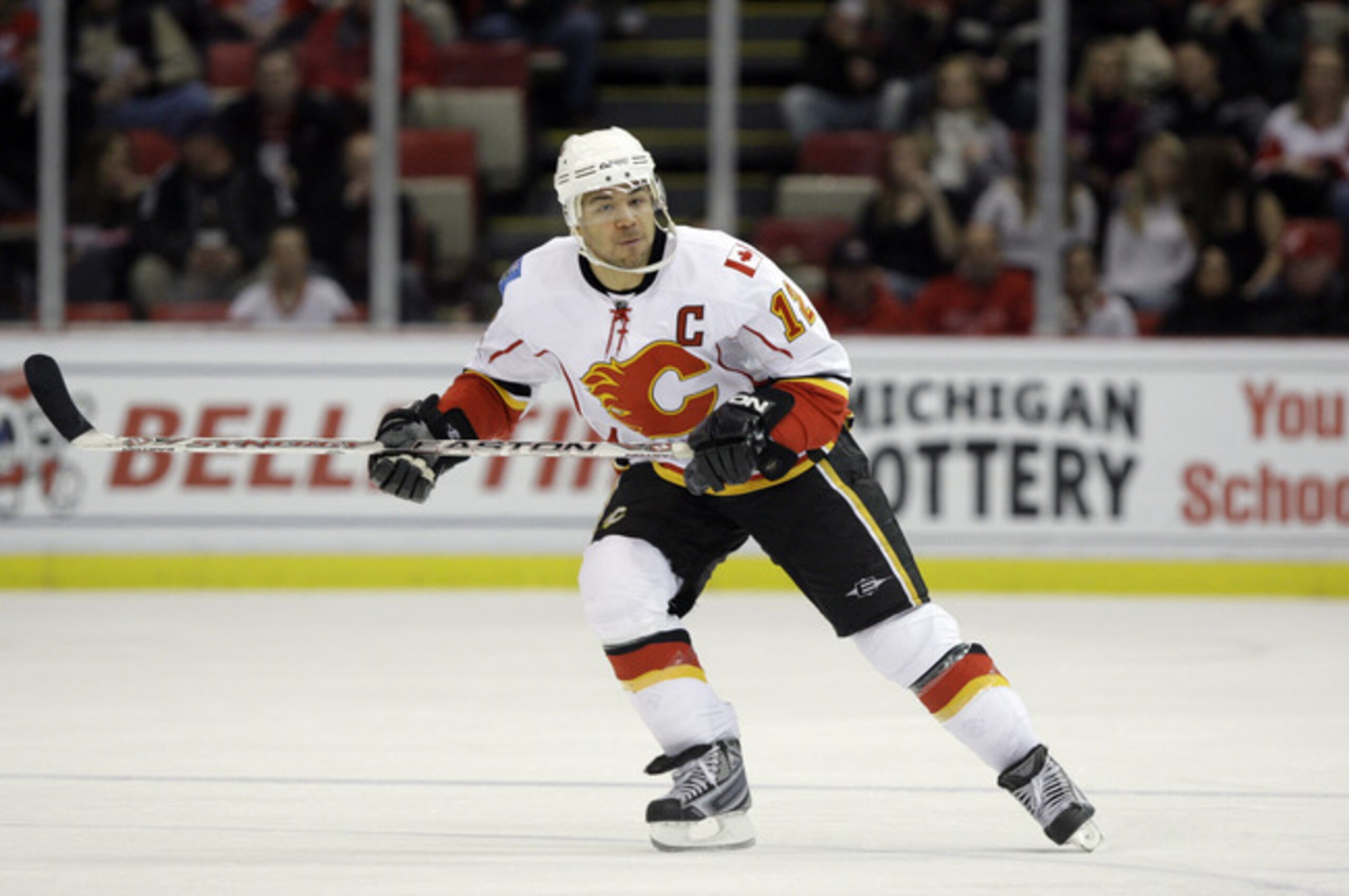
Thanks to a rash of injuries and a significant late-season collapse, the Calgary Flames entered the 2008-09 postseason as just the fifth seed in the Western Conference. Still, at the time, Calgary represented one of hockey's most consistent brands.
More specifically, the Jerome Iginla-led Flames had made it to five consecutive postseasons and were just two seasons and three years removed from making it all the way to the Stanley Cup Final.
Their impressive run, however, was about to come to an end.
Battered and bruised—but still hopeful—the Flames ran into a talented group from Chicago in the first round and eventually fell in six games, losing in the opening series for a fourth consecutive time.
This time, though, the premature and equally painful defeat was more than just emotionally crippling. It was the impetus that led to the firing of head coach Mike Keenan as well.
And, more importantly, it was the end to meaningful hockey in Calgary. In the five full seasons since the defeat, the Flames have not made a single postseason appearance.
2005 Houston Astros
5 of 11
In 2005, a group of talented Houston Astros managed to overcome a putrid 15-30 start to make the postseason for a second consecutive year.
Of course, once it got there, Houston proved to be a more-than-tough out, getting by the Braves in four games before outlasting the St. Louis Cardinals in a competitive six-game series.
And though it entered the playoffs in the NL's wild-card spot, Houston's assault on the rest of the league was far from surprising. Entering July with a mediocre 44-44 record, the Astros finished off the season by going an impressive 45-29.
More importantly, Houston's late run seemed to confirm what most already thought: The Astros were absolutely loaded with talent.
Sporting a deadly starting rotation—which included Roger Clemens, Andy Pettitte and Roy Oswalt—and a dynamic daily lineup—including the likes of Lance Berkman, Brad Ausmus, Craig Biggio, Willy Taveras, Orlando Palmeiro, Jeff Bagwell, Adam Everett and Jose Vizcaino—the Astros appeared destined to be baseball's team of the future.
Unfortunately, however, life rarely works out in the ways we expect.
In the World Series, the Chicago White Sox awaited, and went on to sweep Houston in four heart-wrenching games—two decided by one run, and the other two decided by just two runs.
The next year—despite demonstrating so much promise in 2005 and returning much of the same team in 2006—Houston missed the playoffs for the first time since 2003.
And, to make matters worse, the Astros are currently in the midst of a new and different kind of playoff streak, as they've missed the postseason every year since coming up devastatingly short in 2005.
2003-04 Minnesota Timberwolves
6 of 11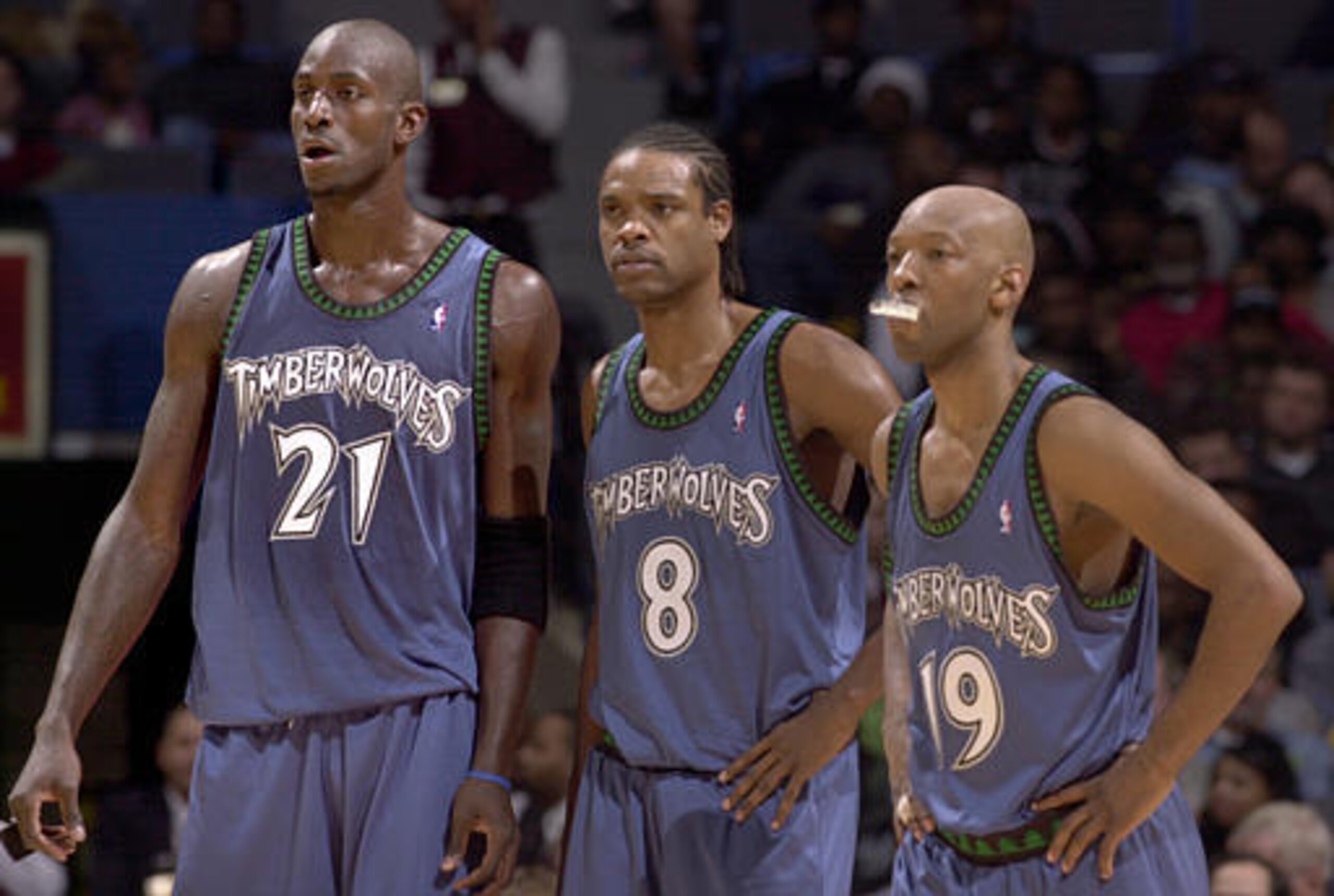
In more recent Minnesota Timberwolves history, it's rather easy to identify the franchise's major turning point.
There's no doubt the club's apex occurred during the 2003-04 season, when Kevin Garnett, Sam Cassell and Latrell Sprewell teamed up to form a fearsome threesome, leading the Wolves to a Western Conference-best 58-24 record.
In the moment, the nucleus seemed destined to accomplish great things, and wasted little time in their first postseason together, dispatching of both the Nuggets and Kings en route to a showdown with the Lakers in the conference finals.
And with home-court advantage and all the momentum in the world, Minnesota expected to reach and then win its first NBA title.
In the end, though, L.A.'s foursome—Shaquille O'Neal, Kobe Bryant, Karl Malone and Gary Payton—was simply too much for the Wolves, ousting Minnesota in a close six-game series.
Yet, a loss that seemed like merely a speed bump at the time proved to be much more mountain-like in the end. Even with Garnett, Cassell and Sprewell all back in 2004-05, the letdown from the year prior was too much to overcome, as Minnesota's eight-year postseason run came to a crushing end.
And, with Cassell and Sprewell using the 2005 offseason to go their separate ways, Minnesota sunk deeper and deeper into the NBA's abyss. The Wolves have missed every postseason since flirting with a title all the way back in 2004.
2005-06 Edmonton Oilers
7 of 11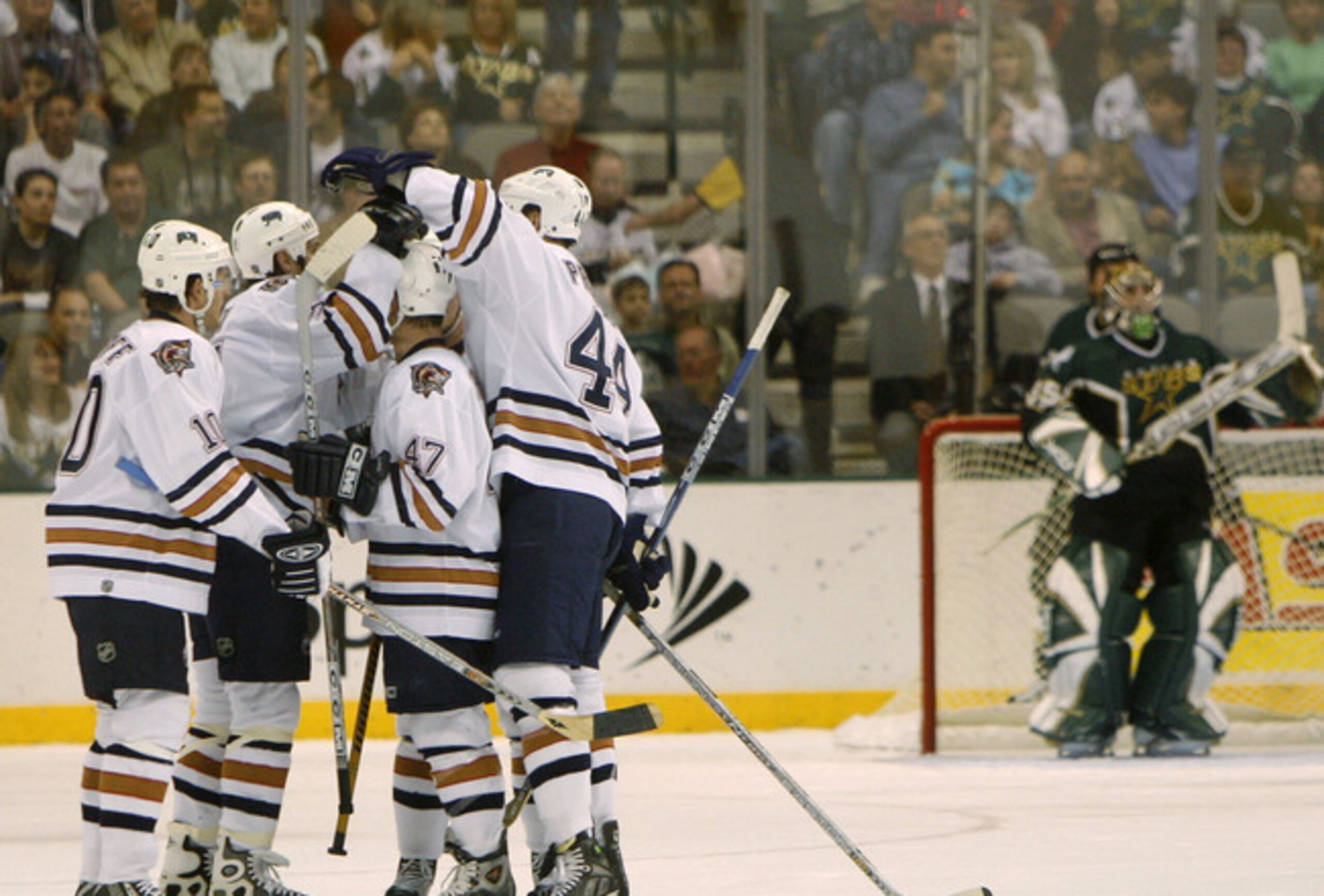
For the Edmonton Oilers, the 2005-06 season will be remembered for the way in which they shocked the hockey world.
Entering the postseason as an eighth seed from which little was expected, the Oilers defied all odds to go on a historic run, dismantling one hockey power after another.
First it was the NHL-best Detroit Red Wings, whom Edmonton defeated in six games to win its first postseason series since 1998.
Next up, the Oilers ousted the San Jose Sharks—once again in six hard-fought games—and advanced to the conference finals for the first time sine 1991-92. There, Edmonton would need only five games, defeating the Anaheim Ducks to make its first Stanley Cup appearance since 1990.
Of course, that appearance didn't exactly go as Edmonton had planned.
Trailing the Carolina Hurricanes three games to one in the final series, the Oilers battled all the way back to force an all-or-nothing Game 7, which they eventually lost in nail-biting fashion.
Yet even though the season ended in crushing defeat, most outsiders thought the Oilers would continue to compete at a high level for years to come. The defense was stout—led by the likes of Chris Pronger and Marc-Andre Bergeron—while the offense was continuing to develop, thanks to a resurgence from Ryan Smyth and breakout seasons from Ales Hemsky, Shawn Horcoff and Jarret Stoll.
In reality, though, Edmonton's honeymoon wouldn't last for very long. In fact, the still-damaged Oilers haven't so much as sniffed postseason play since their crushing Stanley Cup loss, finishing last in their division in five of the last eight seasons.
2007 Colorado Rockies
8 of 11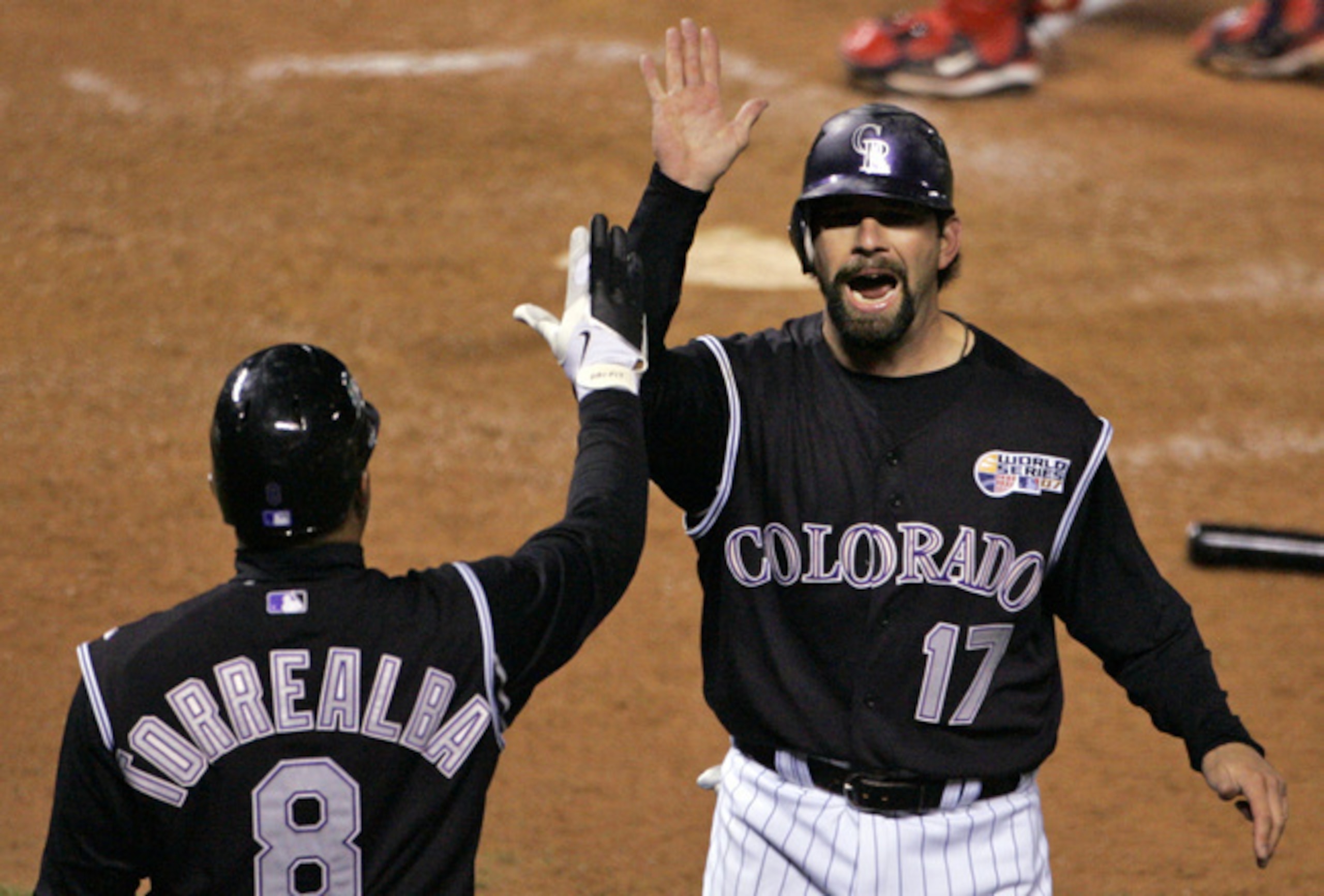
By the end of September 2007, the Colorado Rockies had gone from baseball afterthought to promising team of the future.
As they finished their regular season off by winning 14 of their last 15 contests, the Rockies were suddenly all anyone could talk about.
And, thanks to dynamic play from guys like Todd Helton, Troy Tulowitzki, Kaz Matsui, Matt Holliday and Brad Hawpe, Colorado was just as untouchable in postseason play, steamrolling its first two opponents with seven straight wins.
But, by the time Colorado made it all the way to the World Series, it had exhausted the entirety of its good fortune.
There, the once-hot Rockies were no match for the Red Sox, who made quick work of Colorado in just four mostly lopsided games.
More importantly, the embarrassing defeat seemed to halt Colorado's future momentum as well.
In 2008, the Rockies dropped all the way back down to third in the NL West, finishing a full 14 games below .500.
And although Colorado managed to briefly bounce back in 2009—it once again earned a wild-card berth—the rattled Rockies haven't made the postseason since.
2002-03 Sacramento Kings
9 of 11
When talking Kings basketball and crippling defeats, most go straight to the infamous 2001-02 campaign, which saw Sacramento lose to L.A. in a seven-game series that many consider to be among the most controversial in NBA history.
The Kings entered that postseason as the league's top overall seed and, if not for some seriously questionable officiating, likely would have outlasted the Lakers and advanced to their first NBA Finals.
That, of course, did not happen, but even in devastating defeat, Sacramento managed to come back better than ever in 2002-03, finishing the year with a 59-23 record. The nucleus of Chris Webber, Mike Bibby, Peja Stojakovic and Vlade Divac flourished once again—Webber, in particular, had arguably his best season as a pro—while guys like Hedo Turkoglu, Doug Christie, Bobby Jackson, Jim Jackson and Scot Pollard gave the Kings tremendous depth.
As expected, then, Sacramento steamrolled through its first postseason matchup, dismantling the Utah Jazz in five games. And the Kings continued their excellent play in Round 2 as well, outscoring the loaded Mavericks, 124-113, in Game 1.
The Kings were scorching hot and ready to win their first NBA title...until it all came crashing down. To be precise, a crippling knee injury suffered by Chris Webber late in the third quarter of Game 2 sealed Sacramento's fate both in the series and beyond. The Kings would continue to battle Dallas tough for seven physical games, but without C-Webb they eventually fell in Game 7, 112-99.
In a major way, Webber's devastating injury—and Sacramento's subsequent and premature loss—signaled the end of a once-hopeful era.
Following the fateful 2003 playoffs, neither Webber nor the Kings were ever the same again. Sacramento would make each of the next three postseasons, but only got out of the first round once (in 2004), and hasn't made it back since.
2012 Atlanta Falcons
10 of 11
In 2012, the Atlanta Falcons rode an opportunistic defense and a high-flying elite offense to a league-best 13-3 record and a first-round playoff bye.
In their first postseason appearance of the year—a showdown with the Seattle Seahawks in the divisional round—the Falcons protected their home turf in truly dramatic fashion, allowing 21 fourth-quarter points before holding on to beat Seattle, 30-28.
Of course, the NFC title game would prove to be just as thrilling. Once again, the Falcons came out swinging, starting fast and taking a 24-14 halftime lead. But, just as the week prior, Atlanta struggled to protect its cushion, and this time fell short in the end, 28-24.
The last-second loss stung Atlanta in a major way—the Falcons not only gave up a double-digit lead, but were also held scoreless in the second half—though no one could have foreseen just how badly.
With an elite quarterback in Matt Ryan, and a core of top-notch pass-catchers in Roddy White, Julio Jones and Tony Gonzalez, most considered the Atlanta loss to be merely a rock in the road, motivation for a promising future filled with big things ahead.
Instead, though, in truly shocking fashion, the loss was actually the hit that sent the entire castle tumbling down.
Since then, the Falcons have missed out on each of the past two postseasons, and—after winning nine or more contests each season from 2008 to 2011—they've managed to win just 10 total football games in the last two years combined.
2000 New York Mets
11 of 11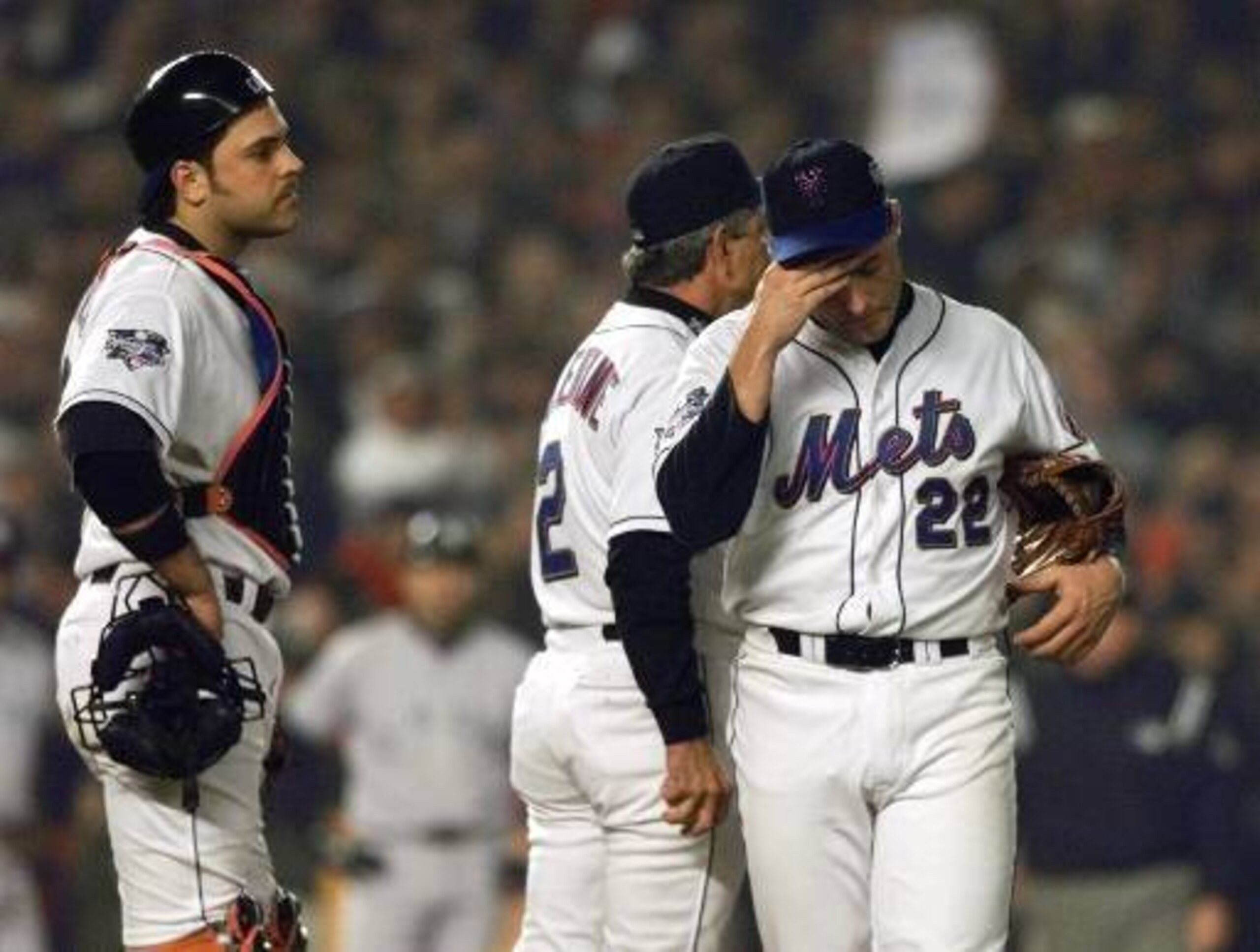
It seems like a distant memory now, but all the way back in 2000, the New York Mets featured something approximating a talented and promising roster.
In fact, then-manager Bobby Valentine found a way to lead the dynamic group to a 94-68 record and to an NL wild-card berth as well.
Once in the postseason, a clutch core—led by the great Mike Piazza and elusive Mike Hampton—completely took over, disposing of both San Francisco and St. Louis in just nine total games.
In the World Series, however, the Mets returned to reality. Facing the crosstown-rival New York Yankees, the Mets lost one heartbreaker after another, eventually falling for good in five games. And, to make matters worse, three of their four losses came by just one run, while they lost the other game by two.
In hindsight, coming so close to the promised land only to lose in such gut-wrenching fashion—and to their most-bitter rival no less—worked to cripple the Mets for years to come.
In the 14 seasons since, the Mets have made just one postseason appearance (six years later in 2006), and have nothing but a single series win to show for it.
.jpg?w=2560 "Steelers Saints Football")




.jpg?w=2560 "🚨 Week 8 AP Top 25 Poll")
