

5 Areas the Dallas Mavericks Must Still Improve
The Dallas Mavericks have gelled surprisingly well since the arrival of Rajon Rondo. However, two straight losses have pushed the Mavs further down the Western Conference standings, once again exposing some flaws.
The West is unforgiving, and after recent losses to the Chicago Bulls and New Orleans Pelicans, Dallas currently sits as the sixth seed.
A major issue prior to Rondo's arrival was perimeter defense. Dallas allowed one of the highest three-point shooting percentages in the league during the early parts of the season. With Rondo's long limbs and feisty man-to-man defense in play, the Mavs have improved significantly in that aspect.
While the defense has improved overall, there are still a lot of pressing issues that need to be addressed on both ends of the floor. There are other defensive aspects Dallas has struggled with mightily, not only now but all season long.
Offensively, the Mavs have taken a step back with Rondo. Maintaining the offensive production that had Dallas sniffing around historic numbers was hardly going to be possible after such a big midseason move. Even so, it doesn't quite feel like the Mavs are squeezing the most out of their current talent.
Dallas is still in a very good position in the West considering all the changes, but fixing the current issues has to be a high priority for a long postseason run to potentially become reality.
Transition Defense
1 of 5The best way to limit an opponent's points in transition is to avoid turnovers. The Mavs are excellent at that, as they are tied for second in the league in turnovers per game. This naturally leads to a relatively low points off turnovers allowed figure, and Dallas ranks second in the league in that statistical category.
While the Mavs are great at keeping the ball under control, the statistics are a little misleading in regards to the team's transition defense.
Other than Dirk Nowitzki, the Mavs are very athletic and should have no trouble getting back. However, when teams actually get an opportunity to push the ball against Dallas, it often leads to easy points.
The Mavericks have been sluggish getting back all season long, something they have been better at since Rondo's arrival. It's a step in the right direction, but Dallas still struggles to match up and communicate in a lot of instances.
There are a couple of recent examples in the video montage above.
In the first play, Nowitzki tries to reach on the Pelicans' Tyreke Evans. Even though Dirk manages to slow him down, he isn't fast enough to stop the ball, and Tyson Chandler doesn't time his block attempt correctly.
In the second clip, the Mavs are essentially playing three-on-three. The Pelicans have a trailing shooter on the right wing, which forces Devin Harris to stick to his position. This means that no one can stop the ball, and when Chandler Parsons eventually does, the lob opportunity presents itself.
Communicating in transition is difficult, and it's really something the Mavs need to work on.
Free-Throw Shooting
2 of 5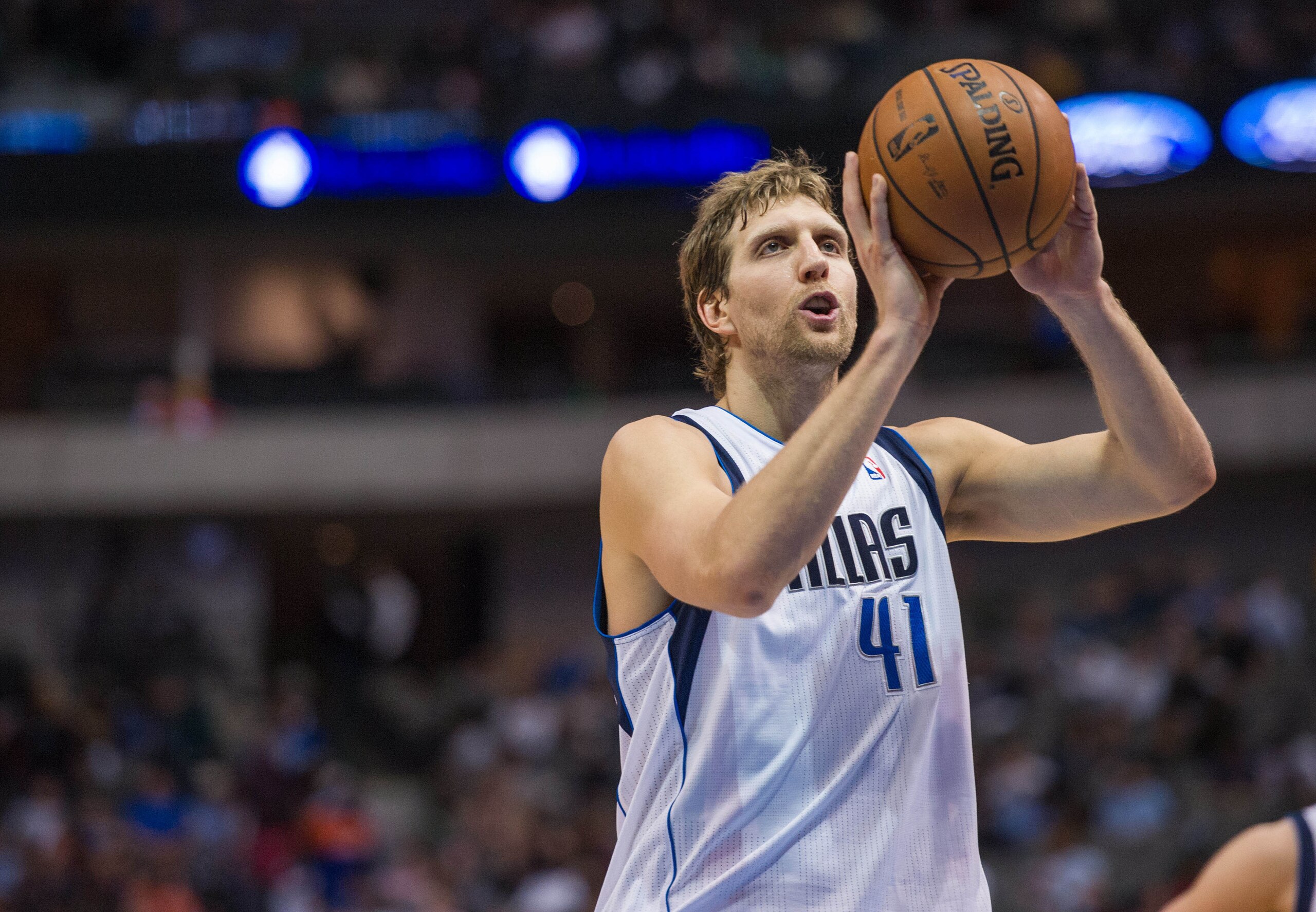
The Mavericks have one of the greatest shooting big men in the history of the game, a center who is a freight train rolling to the basket and an abundance of guards who can break down a defense and take the ball to the rim.
Those are all great tools for a team wanting to get to the free-throw line a lot, yet Dallas ranks 17th in the league in free-throw attempts.
The Mavs rank 12th in the league in free-throw accuracy, which equates to 1.25 points per shot, the fifth-best figure. This means that when they do get to the line, the Mavericks are very efficient.
Dallas has some notoriously bad free-throw shooters (Rondo), but getting to the line should still be a more collectively utilized weapon for the Mavs.
Rondo is known for dribbling around the rim and sometimes passing on layup attempts in favor of kicking the ball out. Other Dallas guards sometimes show similar tendencies. Monta Ellis often opts for difficult floaters or finishes over the top, rather than absorbing the contact from helping big men. Harris is also prone to doing that, sometimes even refusing to drive unless the lane is wide open.
It's not a huge problem for Dallas, but the team's offense could definitely get a boost from playing more physical basketball. The Mavs will continue to rely on the drive-and-kick game, but getting to the line should become more of a priority when the outside shots aren't falling.
Rebounding
3 of 5
The Mavericks rank 21st in the league in rebounding, and they have been trending in the wrong direction.
The team is aware of the issue, and Dallas head coach Rick Carlisle has recently made it one of his top priorities, according to DallasNews.com's Eddie Sefko:
"By the data Rick Carlisle said he has studied, the Mavericks have been the worst rebounding team in the NBA over the last month.
With five games in seven days, including four in five nights starting Tuesday against the rugged Memphis Grizzlies, the rebounding department is the No. 1 point of emphasis for the Mavericks.
"
Perhaps one of the biggest issues, which Carlisle also admitted, is the players simply watching Tyson Chandler do all the dirty work.
Chandler is a tenacious rebounder, but there are countless examples in every game where he simply doesn't get any help. Even if he manages to box out his own man and contest a rebound, his teammates often fail to do the same. As a result, opposing guards and big men are free to sneak into the paint and grab the ball.
This issue has Dallas giving up 13.8 second-chance points per game, the 20th-worst number in the league.
Having players ready to leak out in transition is important, but not at the cost of potentially surrendering a second-chance opportunity. Dallas desperately needs to find a balance.

Execution
4 of 5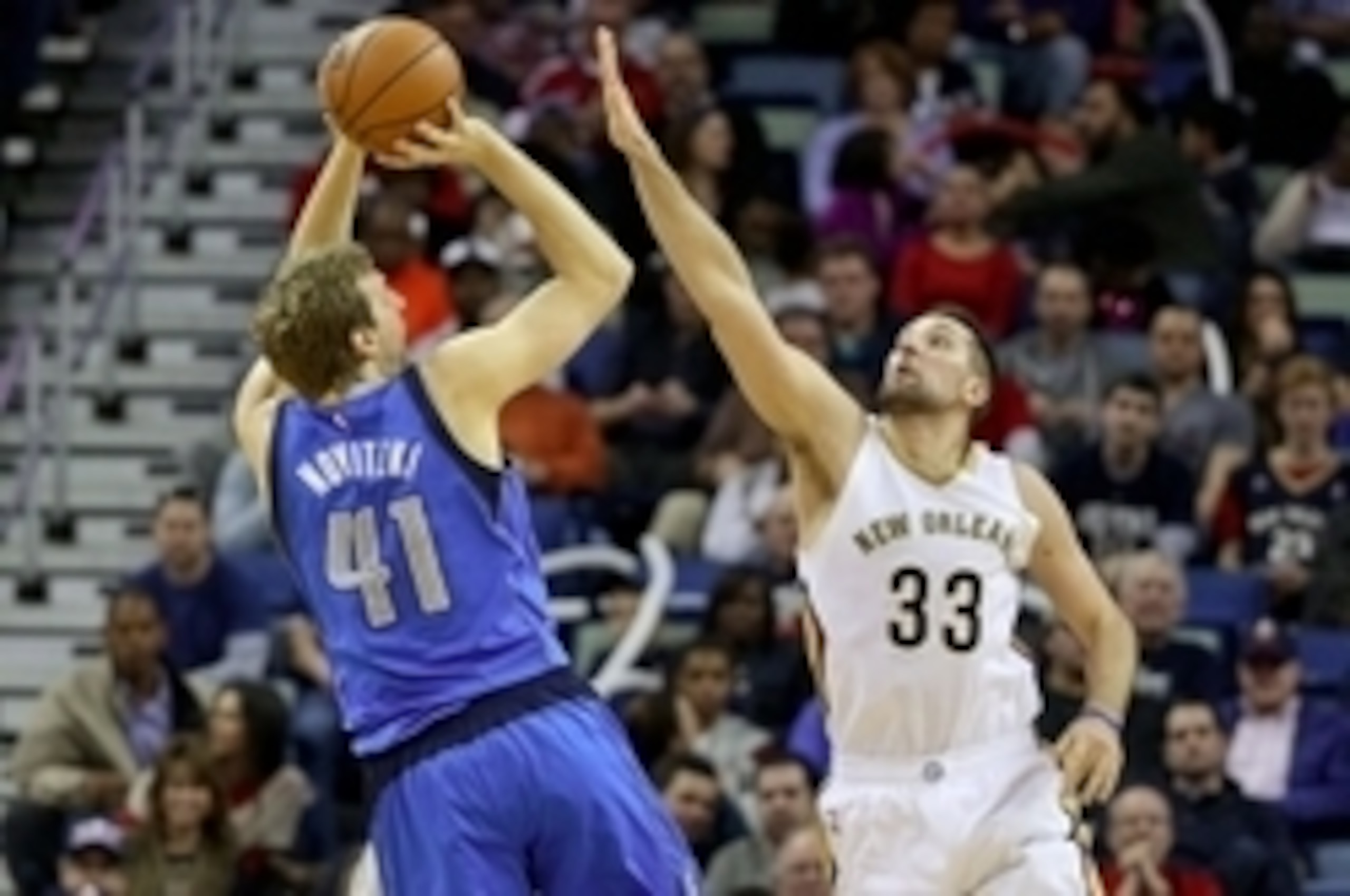
The Mavs don't lack clutch performers. Ellis has been absolutely phenomenal in crunch time, while Nowitzki has always been an ice-cold killer with the game on the line.
However, lately, it feels like Dallas has slightly drifted away from its team-first approach and more into hero-ball mode.
There are a lot of instances at the end of quarters where Dallas guards become greedy for two-for-one opportunities. Ellis and Harris have been especially guilty of this. With a little more than 30 seconds left in a quarter, they tend to dribble the ball for 10 seconds and then pull up for a long and contested three-pointer.
Going two-for-one is great, but not if it means your first shot opportunity results in an abysmal attempt. Dallas has to be better in situations like that, perhaps setting up a high pick-and-roll a couple of seconds earlier instead.
Execution has also been a question mark in late-game situations. Ellis has been phenomenal and has bailed out the Mavs on a lot of occasions, but running some plays instead of relying on isolation would also be in Dallas' best interest.
The Mavs have been great in transition, but the half-court offense has become more stagnant. Prior to Rondo's arrival, the ball was never stuck in Dallas' flow offense, and the team's execution and ball movement was exceptional. As the offense runs more through Nowitzki's post-ups, that creativity and flawless execution are not present to the same extent.
The 109-106 loss to the Pelicans on Jan. 25 showed a lot of the above-mentioned flaws. Ellis was fantastic when his number was called, but silly errors cost Dallas the game. The team failed to inbound the ball twice, ended up turning the ball over and the game was lost.
On those two failed inbound passes, the Mavs were simply too obvious. Twice in a row, Dallas attempted to get the ball to Ellis, who was swiftly double-teamed. Running Nowitzki off a screen and having him catch the ball to move it to Ellis would've been a preferable option in that situation.
Defensive Focus
5 of 5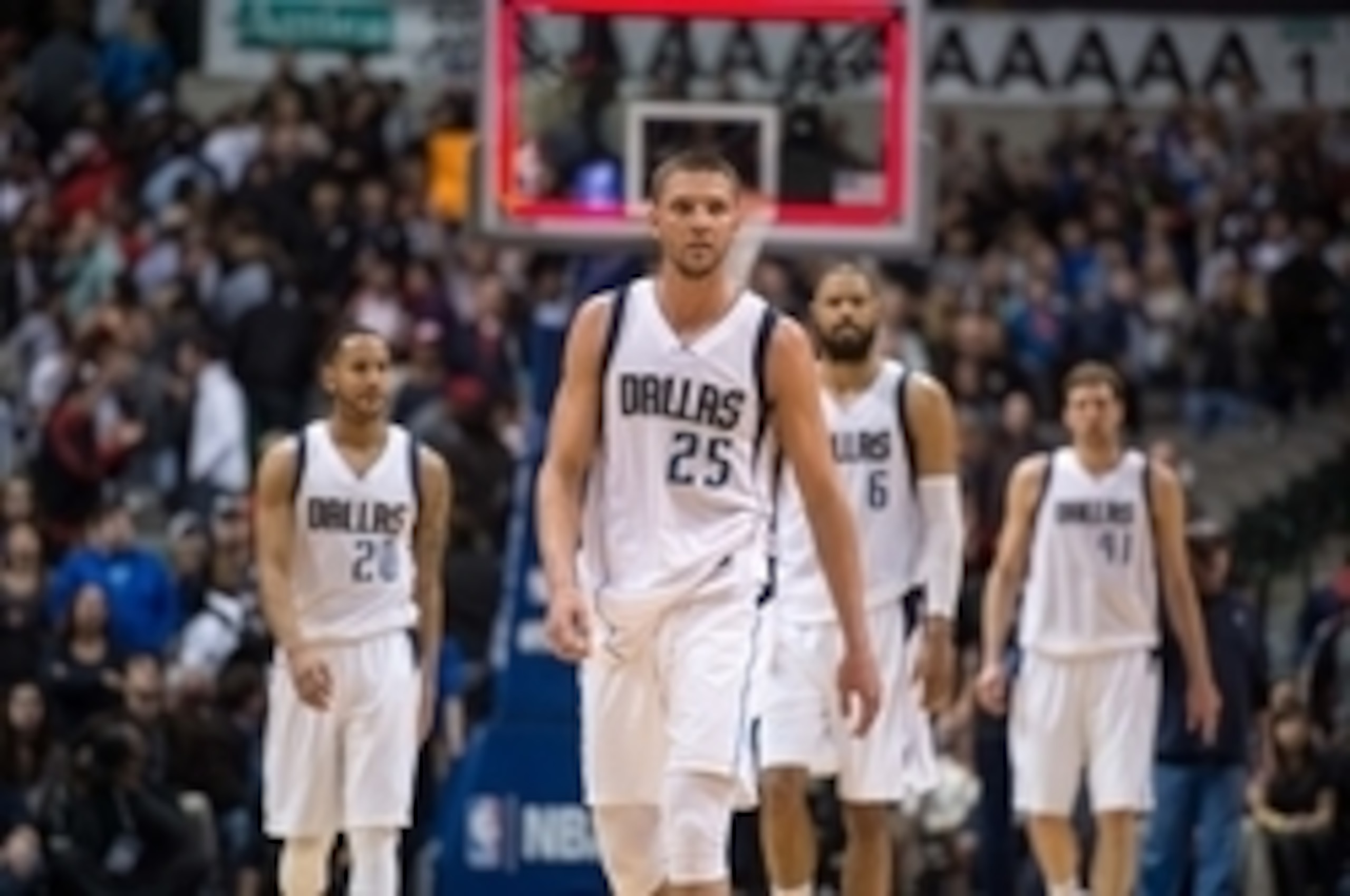
The Mavericks have made huge strides defensively since adding Rondo, but there is still room for growth.
Dallas has done a good job defending against more stagnant teams but still struggles against offenses that move the ball well. Early in the season, all it often took was for the offense to make an extra pass, and the Mavs defense would be beat. The Mavericks were often either not rotating at all or closing out on the same guy with two players.
They have gotten a little better at rotating in a more timely manner and closing out on shooters. The effort is usually there, which is something that couldn't be said earlier in the year. But maintaining that focus for 48 minutes is still a challenge.
There are times when Rondo plays some of the most suffocating man-to-man defense in the league. There are also plenty of instances when he refuses to move his feet, reaches in trying to steal on a drive and hopes that someone will bail him out.
That goes for a lot of Dallas players. It's enough for one guy to briefly fall asleep or get caught out of position, and the whole defense is jeopardized.
In the last couple of games, there have been several instances when Carlisle has called two timeouts within the span of two minutes. He usually does that when the Mavs fall into their funk and just give up layup after layup. The focus simply isn't consistent yet, and it's something that needs to be worked on.

.jpg?w=2560 "WWE Raw Live Grades 🔠")
.jpg?w=2560 "Chiefs, Steelers Eye WR Trades")
.jpg?w=2560 "🚨Jay-Z Headlining Super Bowl")

.jpg?w=2560 "Multiple NFL Trades Predicted")