Every Power 5 College Football Team's Breakout Player of the Year
With the bowl season in full swing, the 2014 college football season is nearing its end. The College Football Playoff is just days away on Jan. 1, with everyone anticipating Florida State vs. Oregon and Alabama vs. Ohio State. If your team is lucky enough to still be playing, that's fantastic.
If it isn't, chances are you're looking back and figuring out what went right (and wrong) with your team this season. Which players stepped forward and surprised you this season?
We took a look at the breakout players from every Power Five team—the guys who made a difference this fall. Breakouts were defined by looking at players who made a significant improvement this season, no matter their class, or freshmen who arrived on the scene and wowed us this fall. Here we go.
Alabama
1 of 65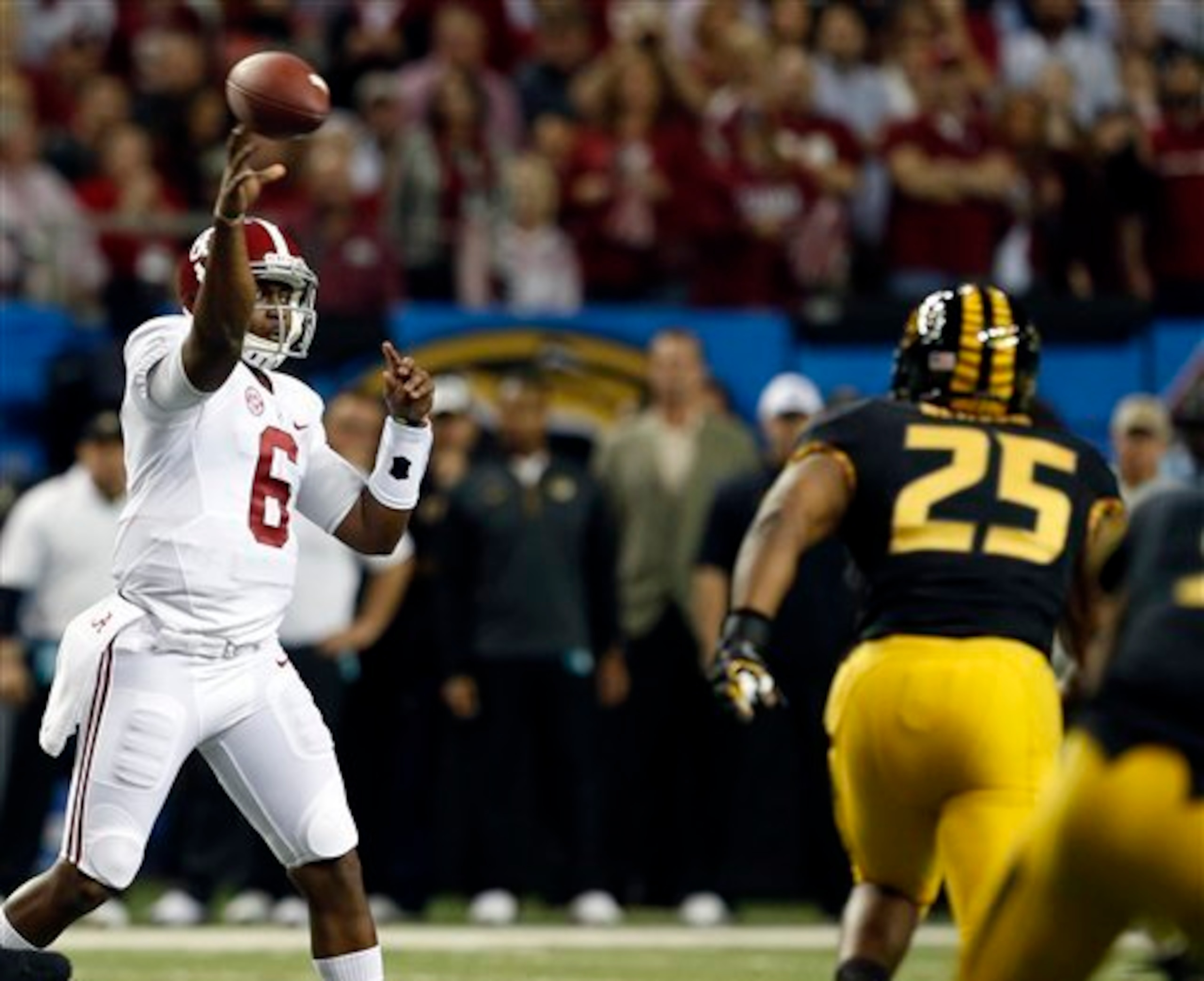
Sometimes, breakouts happen early in a player’s career. Sometimes, it’s better late than never. That’s the case for Alabama quarterback Blake Sims. For three seasons, he languished on the bench behind A.J. McCarron, who led the Crimson Tide to a pair of BCS championships and nearly a third.
When McCarron graduated, Sims was merely part of a crowded quarterback derby, and even after he took the lead following spring practice, many believed that it was only a matter of time before Florida State transfer Jake Coker claimed the role.
That never happened. Sims started the opener and never let go, leading the Tide to the No. 1 seed in the College Football Playoff.
USA Today's Dan Wolken said that Sims' success is a reward for sticking with Alabama.
Sims has thrown for 3,250 yards with 26 touchdowns and seven interceptions. He has been a steady leader for the Tide and a key reason why Alabama is 12-1 entering the Sugar Bowl against Ohio State.
Arizona
2 of 65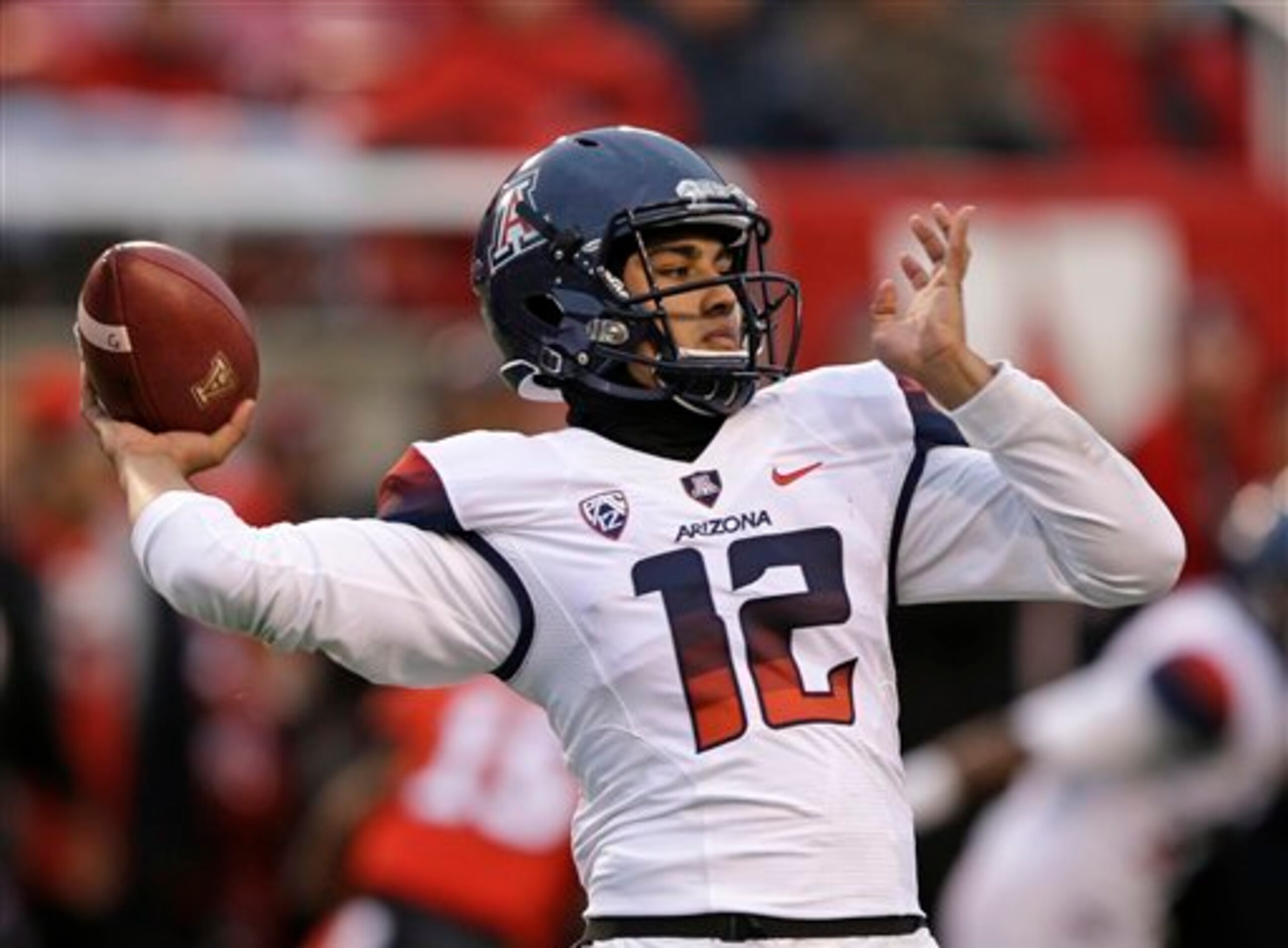
Before the season began, Arizona coach Rich Rodriguez had a difficult choice in picking his third starting quarterback in as many seasons. Rodriguez chose redshirt freshman Anu Solomon, and it’s clear he made the right decision.
Solomon was a key piece in Arizona’s run to a Pac-12 South title and a Fiesta Bowl bid. He started with a 425-yard night in the season opener against UNLV and never looked back. He threw for 3,458 yards with 27 touchdowns against seven interceptions.
He had three 300-yard games, including a 520-yard effort against Cal that saw him win the game on a final-play Hail Mary. There were down moments like a 34-yard effort in the Wildcats’ 51-13 Pac-12 title game loss to Oregon, but Solomon also led the Wildcats to an upset win at Oregon in early October. His future, and that of the Wildcats’ program, is bright.
Arizona State
3 of 65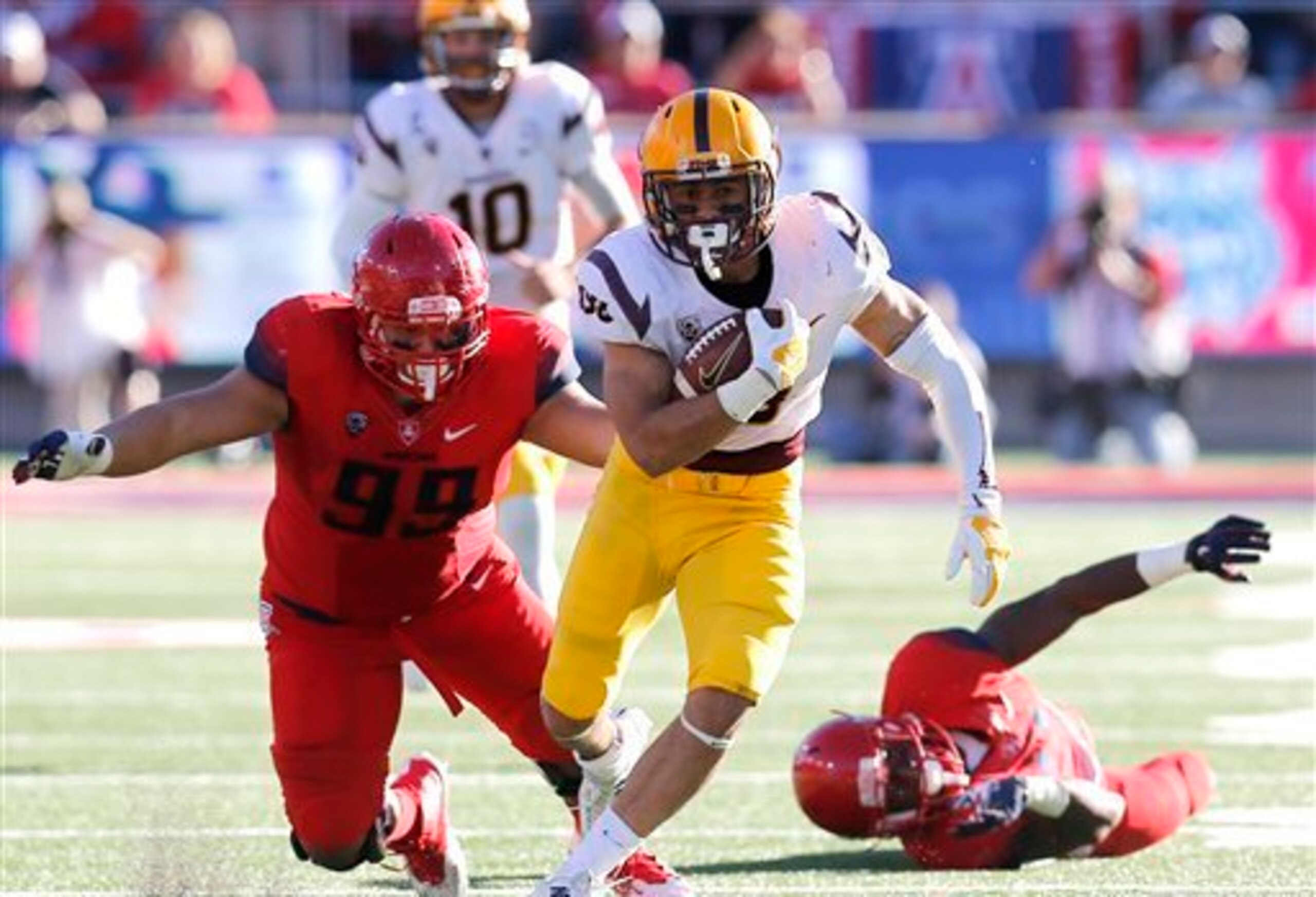
Make no mistake: D.J. Foster had flashed plenty of talent for Arizona State in his first two seasons of college football. But with former starting tailback Marion Grice gone, Foster moved into a starting role and was truly impressive this fall.
Foster doubled his rushing total from his sophomore season, going from 501 yards to 1,002 this fall. He had nine touchdowns and added 59 receptions for 646 yards and three scores through the air. The 5’11”, 203-pound junior was a weapon all over the field for the Sun Devils, and assuming he returns for his senior season, he’s poised to take another step forward next fall.


Arkansas
4 of 65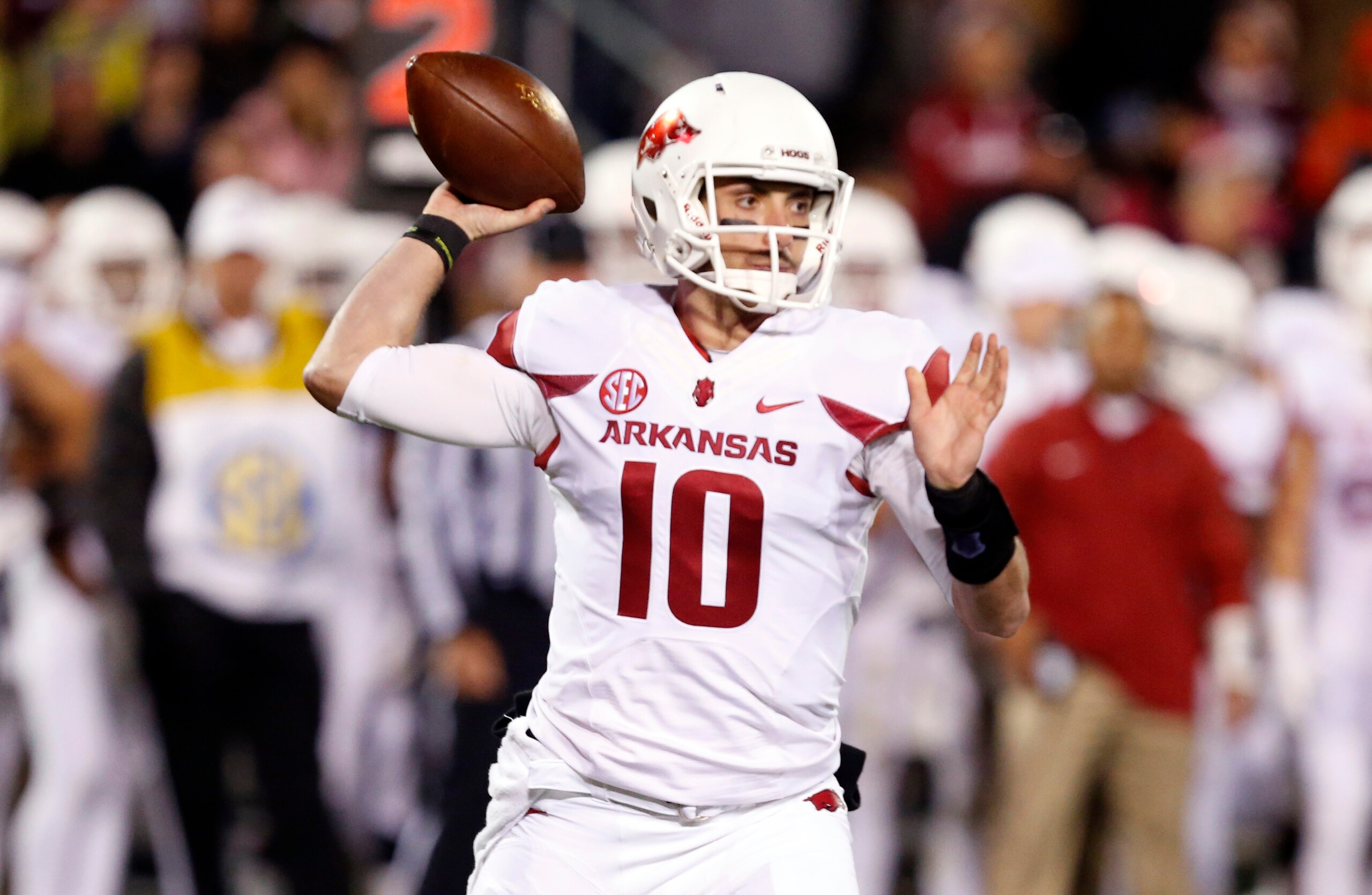
Arkansas’ success this fall has been well-documented: Bret Bielema is building the Razorbacks the same way he did with the Wisconsin Badgers, with a powerful running game and a strong offensive line. Arkansas is bowl-eligible largely thanks to a pair of 1,000-yard rushers in Alex Collins and Jonathan Williams, but the Hogs can’t run the ball every time. They need to keep defenses honest.
That is where junior quarterback Brandon Allen comes in.
Allen took a huge step forward in his second full season as a starter this fall. After completing only 49.6 percent of his passes with 13 touchdowns against 10 interceptions in 2013, he showed significant improvement.
This fall, he threw for 2,125 yards with 18 touchdowns against five interceptions, completing 56.5 percent of his passes. Keeping defenses honest opens up the run game, which has helped Arkansas progress in Bielema’s second season in Fayetteville.
Auburn
5 of 65
Entering this season, Auburn needed consistent playmakers in the passing game, which is why junior college transfer D’haquille Williams was so important. The 6’2”, 216-pound junior possesses excellent speed and deep-threat ability, and he didn’t disappoint.
In the season opener, Williams caught nine passes for 154 yards and a touchdown. He had four 100-yard receiving efforts and, despite missing the better part of three games with a knee injury, finished with 45 receptions for 730 yards and five touchdowns, averaging 16.2 yards per reception.
Williams was a key piece of the Tigers offense and an important target for quarterback Nick Marshall. Fans hope he’ll return for another go-round in Gus Malzahn’s spread offense.
Baylor
6 of 65
Senior quarterback Bryce Petty is the face of Baylor’s program, and with good reason. He makes the Bears offense go, throwing for 3,305 yards with 26 touchdowns against six interceptions this season. But he can’t do it alone. He needs talented receivers to throw to.
That is where KD Cannon comes in. The true freshman stepped into the Bears lineup and made an immediate impact. In his second career game, he burned FCS foe Northwestern State for 223 yards and three touchdowns on six receptions. He finished the season with 50 receptions for 833 yards and six touchdowns.
His pace slowed somewhat in the season’s second half. He had three 100-yard receiving games in his first six outings and only cracked 50 yards once in his final six games, but Cannon showed that he can be a major force for the Bears going forward.
Boston College
7 of 65
Boston College needed a quarterback. Tyler Murphy needed a place to play. It was a perfect match.
After flaming out at Florida, Murphy, a senior, wanted one more chance. Boston College gave him an opportunity, and he proved this fall that he can lead a team as a starting quarterback.
While he passed for 1,526 yards with 11 touchdowns against 10 interceptions, he was most impressive as a running threat, rushing for 1,079 yards and 10 touchdowns. His 191 rushing yards keyed an early-season upset of Southern California, and BC averaged 251.8 rushing yards per game, No. 15 nationally.
The Eagles are 7-5 and qualified for the Pinstripe Bowl against Penn State. Murphy won’t make any Heisman lists, but BC wouldn’t have gone bowling without him.
California
8 of 65
One year removed from a 1-11 season, California showed significant improvement this fall, going 5-7 and narrowly missing a bowl game in Sonny Dykes’ second season. While sophomore quarterback Jared Goff improved, throwing 35 touchdowns against seven interceptions and increasing his passing yardage, one of the biggest improvements came in the Bears backfield.
Junior tailback Daniel Lasco showed that he can be an every-down back. After rushing for 317 yards as a sophomore, he rushed for 1,115 yards and 12 touchdowns this fall, averaging 5.3 yards per carry. Lasco got better as the season wore on; three of his five 100-yard rushing games came in the final five games of the season. If Lasco and Goff can improve together next fall, the Bears should expect to go bowling.
Clemson
9 of 65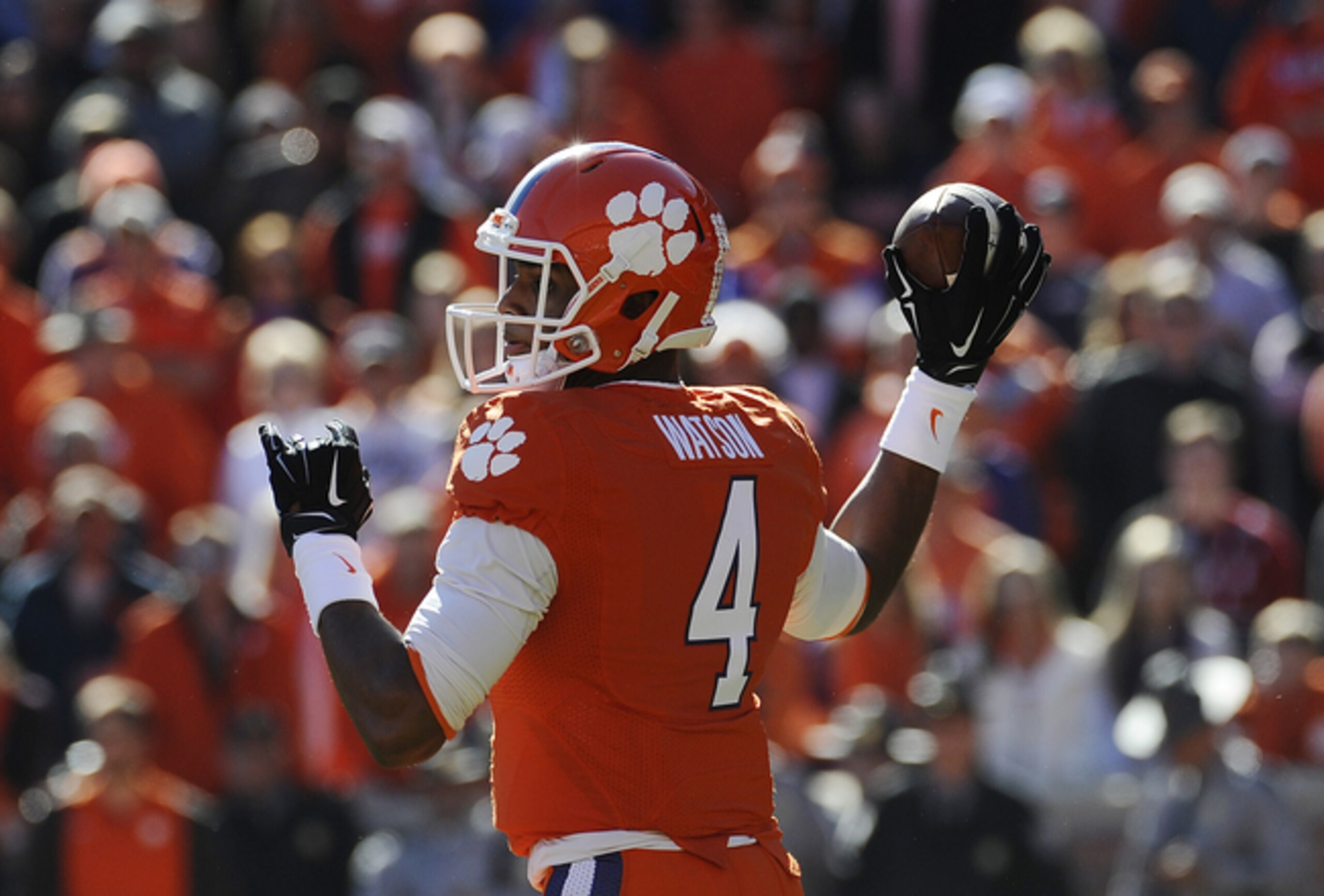
There were two versions of the Clemson offense this fall: with Deshaun Watson and without him.
Watson made an immediate impact as the Tigers backup, and once he moved into the starting role, the results were impressive. In his first start, he tied an ACC record with six touchdown passes and threw for 435 yards in a win over North Carolina.
Watson missed most of four games with a broken finger and suffered a knee injury in his return against Georgia Tech that sidelined him for the following week. After he led a 35-17 win over South Carolina, it was revealed that he was playing on a partially torn ACL (which was repaired earlier this month). He finished with 1,466 yards passing and 14 touchdowns against two interceptions, giving Clemson fans great hope for the future.
Meanwhile, senior Cole Stoudt threw for 1,573 yards and six touchdowns against 10 interceptions. Stoudt will start the Russell Athletic Bowl against Oklahoma, but forgive Clemson fans if they dream of Watson’s return.
Colorado
10 of 65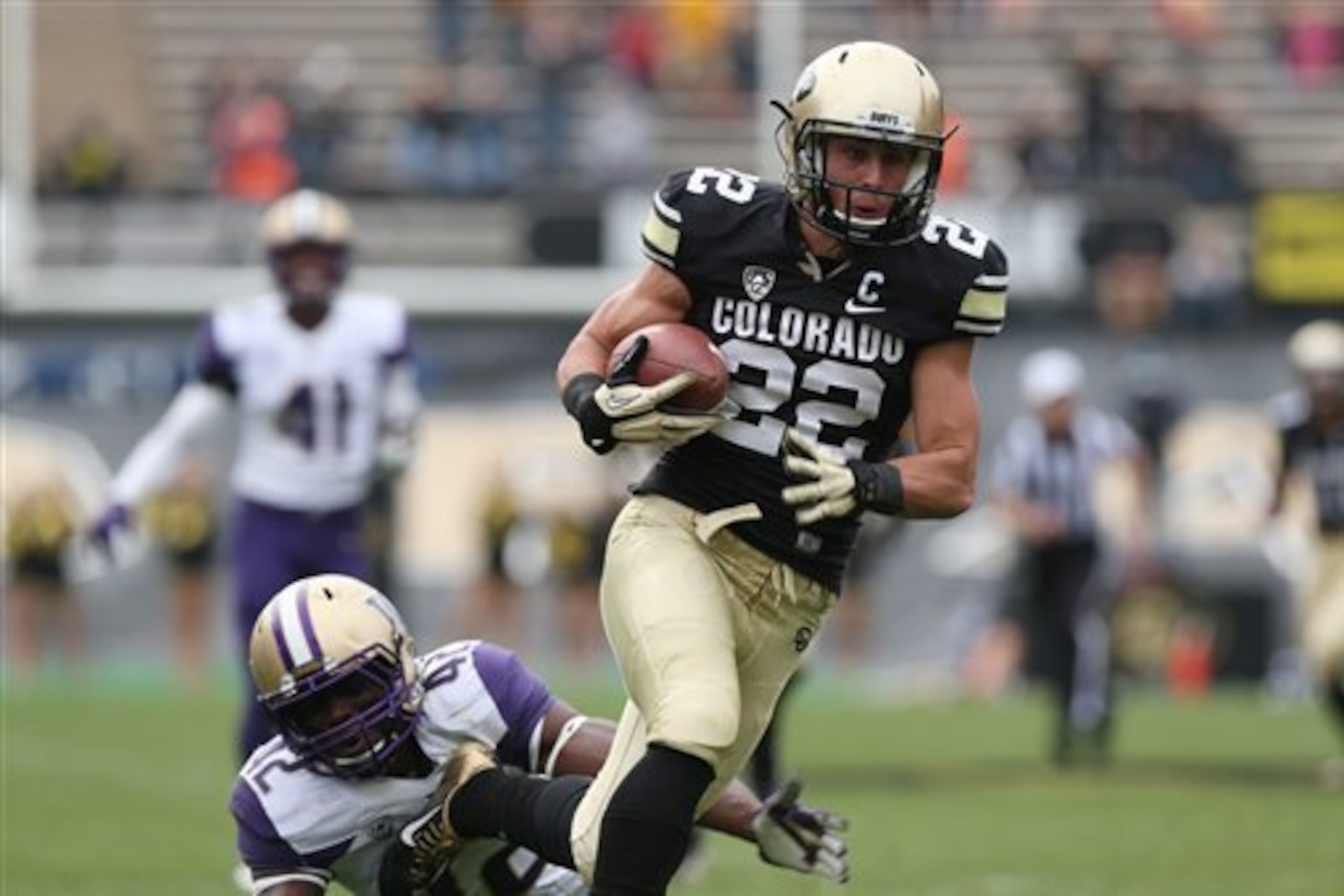
Colorado was wretched this season; the Buffaloes’ 2-10 record (0-9 in league play) consigned them to the bottom of the Pac-12. But don’t blame junior receiver Nelson Spruce. He had an excellent season, catching 106 passes for 1,198 yards and 12 touchdowns.
The 6’1”, 195-pound wideout had four games with at least 10 receptions. Against Cal, he had 19 receptions for 179 yards and three touchdowns. He formed an excellent tandem with quarterback Sefo Liufau and gave Buffaloes fans hope that 2015 will be better, assuming a porous defense improves.
Duke
11 of 65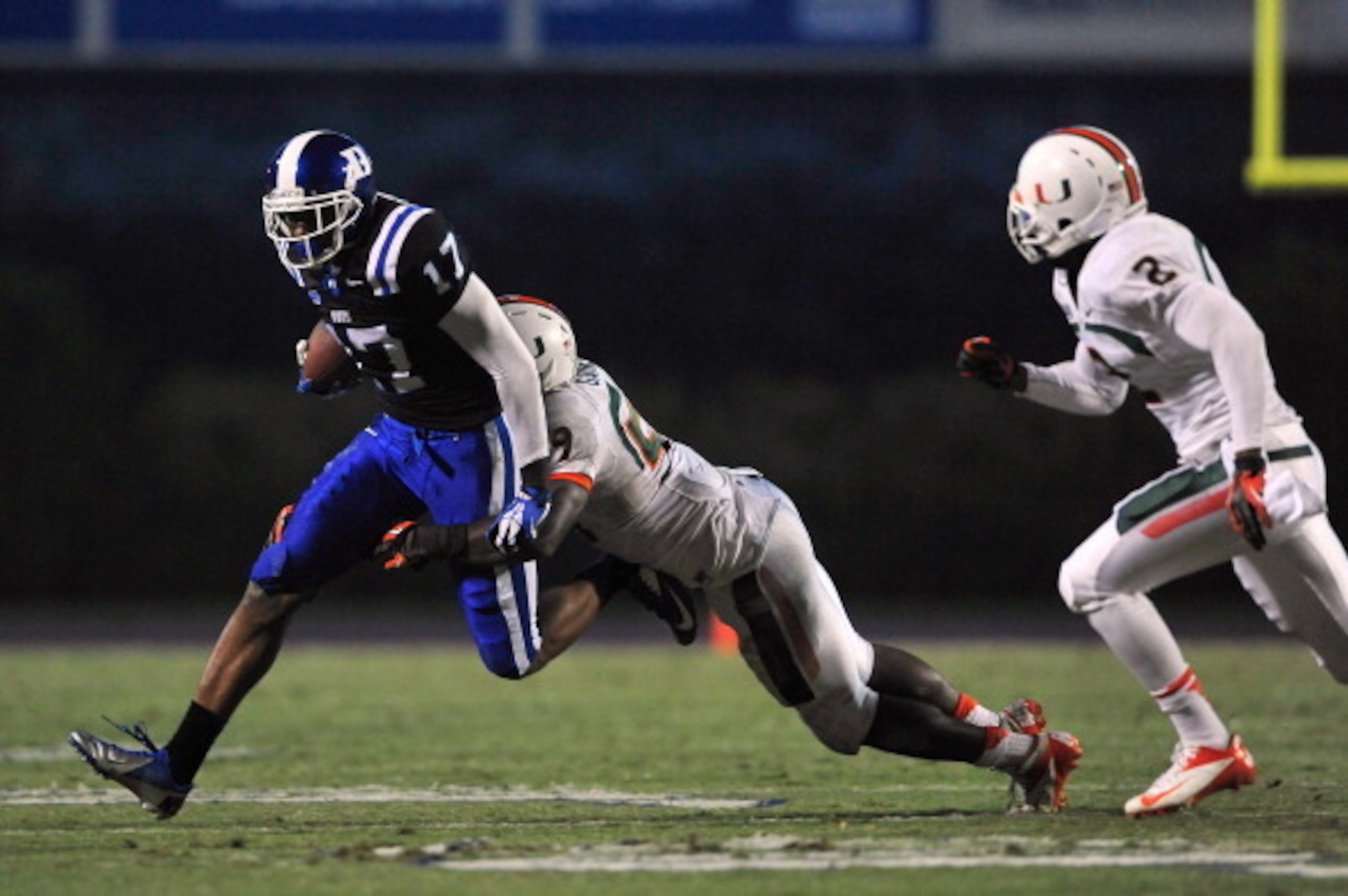
To put together another nine-win season, Duke needed players to step forward in the passing game and provide targets other than standout receiver Jamison Crowder. Issac Blakeney provided exactly that for the Blue Devils.
The 6’6”, 225-pound senior had his best season yet as a Duke receiver. After catching 19 passes for 244 yards with four touchdowns as a junior, Blakeney had a great senior campaign, catching 43 passes for 521 yards and six touchdowns.
He had his best game in the season finale against Wake Forest, catching seven passes for 107 yards. To keep up with Arizona State in the Sun Bowl, Duke will need a similarly impressive effort from Blakeney.
Florida
12 of 65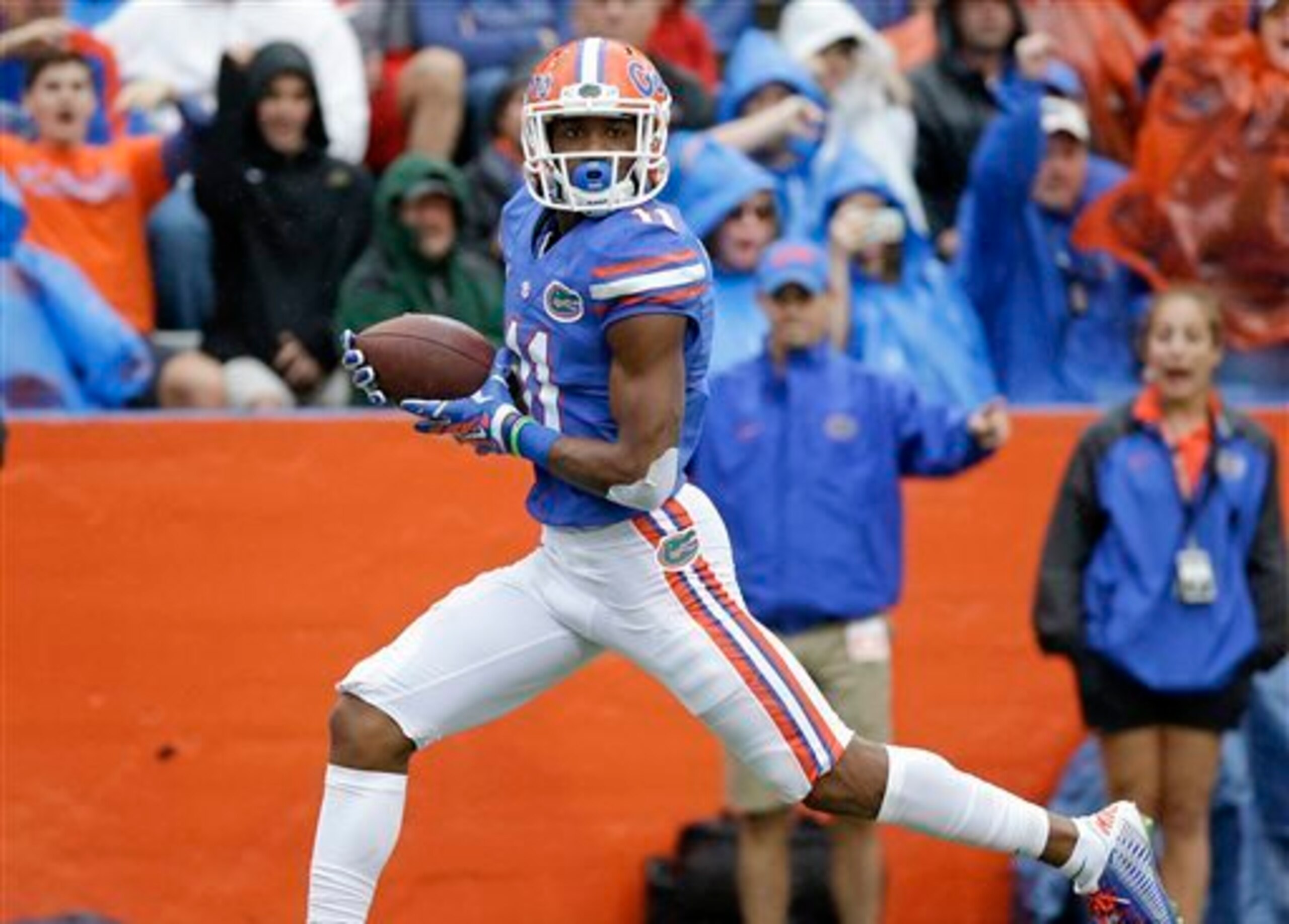
Demarcus Robinson came to Florida with significant recruiting accolades but really didn’t show it as a freshman. The highly touted receiver caught only five passes for 23 yards.
This fall, he lived up to the hype. Robinson broke out in a big way in the SEC opener against Kentucky, catching 15 passes for 216 yards and two touchdowns in Florida’s triple-overtime victory. He showed significant leaping ability and emerged as a deep threat.
He had four 100-yard receiving games and enters the Birmingham Bowl with 47 receptions for 774 yards and seven touchdowns. He’s an intriguing piece for new Florida coach Jim McElwain to play with as he shapes the Gators’ post-Will Muschamp future.
Florida State
13 of 65
Dalvin Cook arrived on Florida State’s campus as one of college football’s most prized recruits, but he found the transition to big-time football a little difficult. Once he found his way, however, the Seminoles realized why he was so highly sought-after.
In Florida State’s first three games, Cook had just 14 carries for 70 yards and a touchdown. In FSU’s sixth game, he broke out for 122 yards.
He improved from there. Cook’s 110 yards and two touchdowns keyed a second-half rally at Louisville, and he finished with consecutive 100-yard games, going for 144 against Florida and 177 and a touchdown in the Seminoles’ ACC title game win over Georgia Tech.
The 6’1”, 200-pounder has a solid frame and great power and speed. He has 905 yards and eight touchdowns on the season, and it appears the sky is the limit for his potential.
Georgia
14 of 65
Entering the season, Nick Chubb was talented but just another face in Georgia’s crowded backfield. Junior Todd Gurley was the star, the Heisman Trophy candidate. Make no mistake: Gurley was scintillating when he was on the field. But with Gurley’s season scuttled by NCAA suspension and a torn ACL, the Bulldogs turned to Chubb and found a gem.
Entering the Belk Bowl, the physical, bruising Chubb has 1,281 rushing yards and 12 touchdowns. He averages 6.9 yards per carry and is riding a seven-game string of 100-yard rushing games, including a 202-yard effort against Arkansas. While Gurley is expected to declare for the NFL draft, Chubb will take his place as a potential Heisman candidate in Athens.
Georgia Tech
15 of 65
When Vad Lee suddenly transferred from Georgia Tech following 2013’s disappointing 7-6 campaign, it looked like a huge red flag for Paul Johnson and the Yellow Jackets. A program that had grown stale was expected to break in a new starting quarterback in sophomore Justin Thomas.
Instead, it might have been the best thing that could have happened. Thomas has been a breath of fresh air and very effective as the Jackets’ new starter. The starting quarterback is a linchpin for the flexbone option offense, and Thomas thrived in that role. He threw for 1,594 yards with 17 touchdowns against five interceptions and was also Tech’s leading rusher, with 965 yards and five touchdowns.
Most importantly, Tech was 10-2 and won the ACC Coastal Division, qualifying for the Orange Bowl against Mississippi State. Lee’s departure opened up a new door for Thomas and for the Yellow Jackets.
Illinois
16 of 65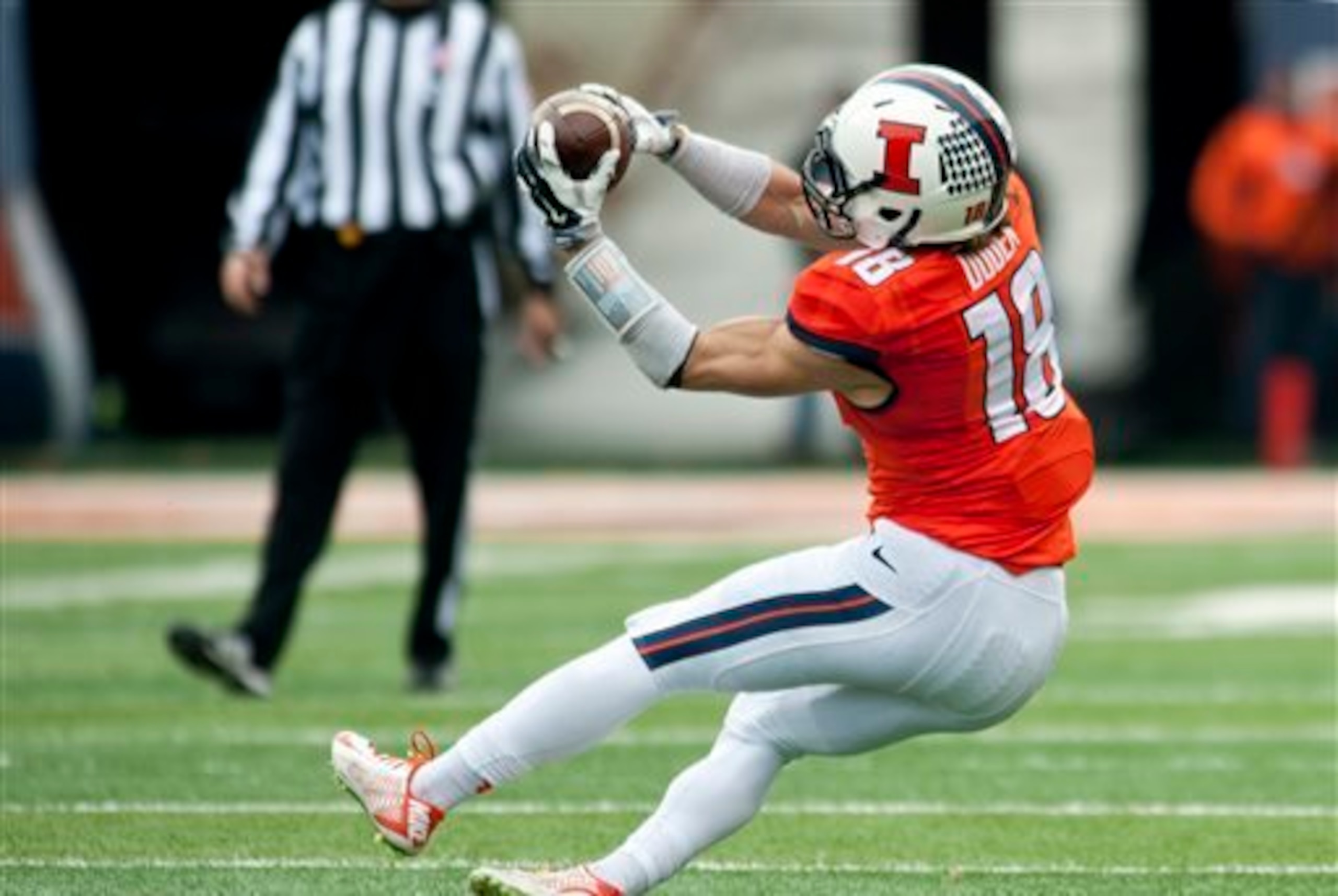
Illinois was decidedly mediocre this fall. The Fighting Illini likely saved coach Tim Beckman’s job with a 47-33 regular-season finale win over Northwestern that got them bowl-eligible at 6-6. That said, there were bright spots in the malaise.
Most notable among them was freshman receiver Mike Dudek. He was one of the top freshman receivers in the nation, catching 69 passes for 965 yards and six touchdowns. The 5’11”, 180-pounder caught at least three passes in every game and was consistently prolific. He’ll likely pass 1,000 yards for the season in the Heart of Dallas Bowl against Louisiana Tech and has proved himself a key part of Illinois’ future.
Indiana
17 of 65
Indiana went 4-8 this season, so it’s understandable if you didn’t see much of the Hoosiers this fall. That said, do yourself a favor and find some Tevin Coleman highlights on YouTube. The Indiana junior tailback had one of the most under-the-radar great seasons in recent college football history.
Coleman rushed for 958 yards as a sophomore but found stardom as a junior. He rushed for 2,036 yards and 15 touchdowns, averaging an amazing 7.5 yards per carry. He rushed for at least 108 yards in every game but one, gashing Rutgers for 307 yards and going for 228 against Ohio State.
But thanks to Wisconsin’s Melvin Gordon, Coleman was only the No. 2 rusher in his conference. That shouldn’t take away from his amazing 2014 season.
Iowa
18 of 65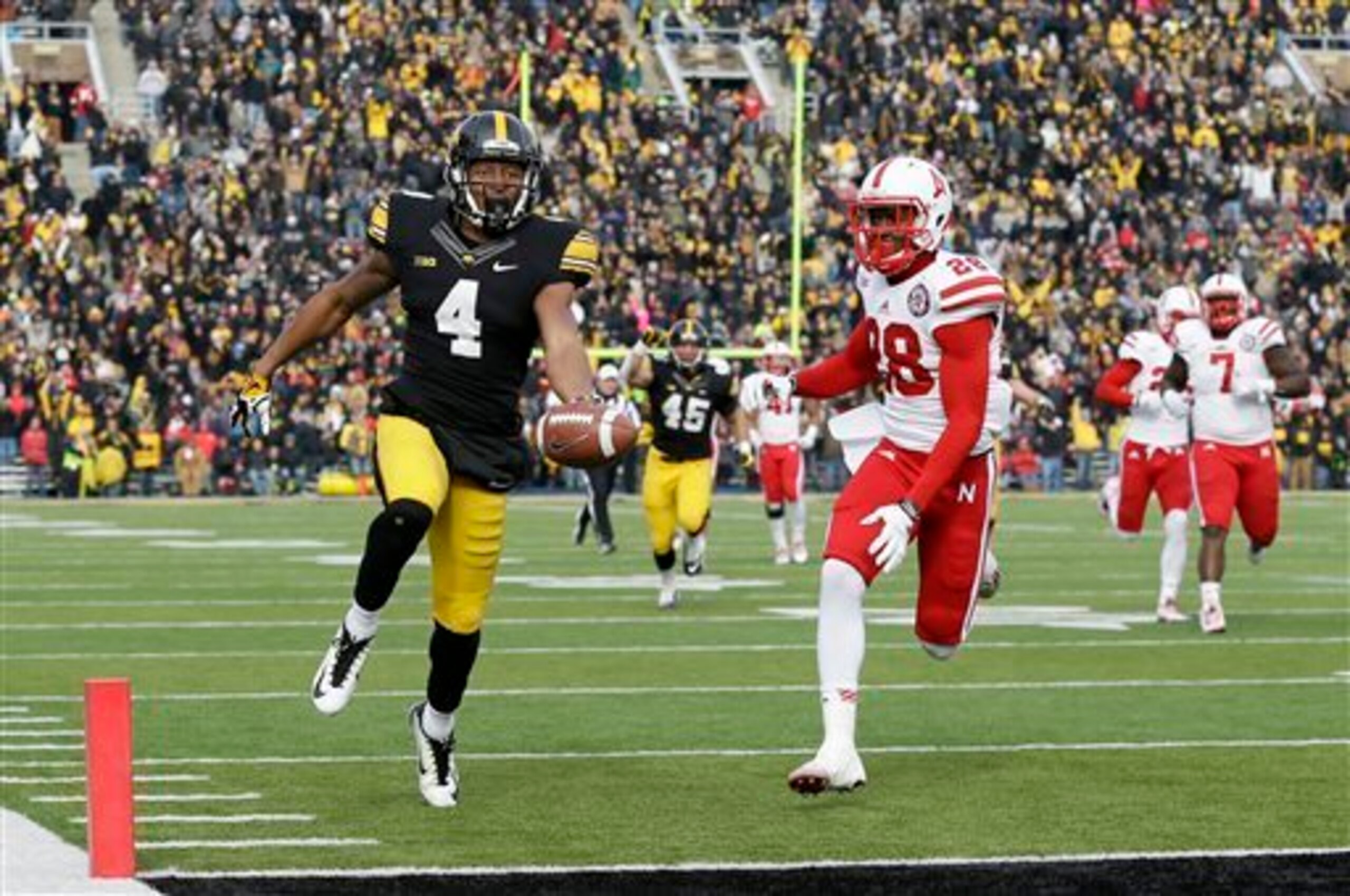
Following a disappointing 7-5 season characterized by mediocre offense, it might be difficult to find a true breakout player on Iowa’s roster. But junior receiver Tevaun Smith certainly qualifies.
Smith was the Hawkeyes’ leading receiver, catching 41 passes for 559 yards and three touchdowns. That came on the heels of his sophomore season, which saw him catch 24 passes for 310 yards and a score. If Iowa can get consistent quarterback play from Jake Rudock, the talented Smith could take another step forward in the Hawkeyes passing game next fall.
Iowa State
19 of 65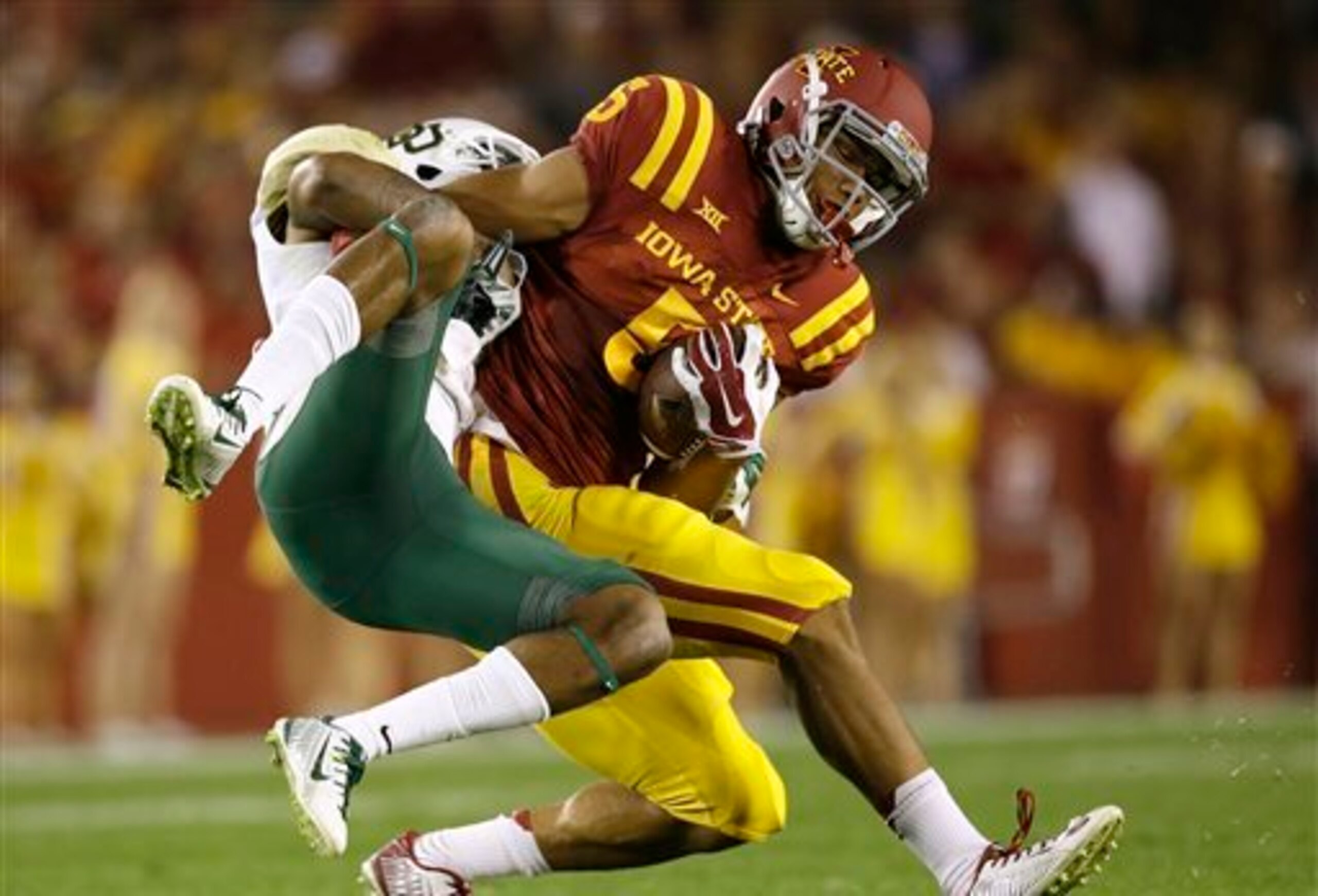
2014 was a year to forget in Ames. The Cyclones went 2-10, with their only wins coming over in-state rival Iowa and Toledo, going 0-9 in the Big 12. However, the ugly season did yield an impressive gem in true freshman receiver Allen Lazard.
Lazard, who grew up 40 miles south of campus in Urbandale, Iowa, immediately stepped into the Cyclones offense as the No. 2 receiver. He caught 45 passes for 593 yards and three touchdowns, showing tremendous potential with a 6’5”, 221-pound frame that helped him hold up against more experienced defenders. At the very least, Paul Rhodes and Co. know they have a solid building block in Lazard.
Kansas
20 of 65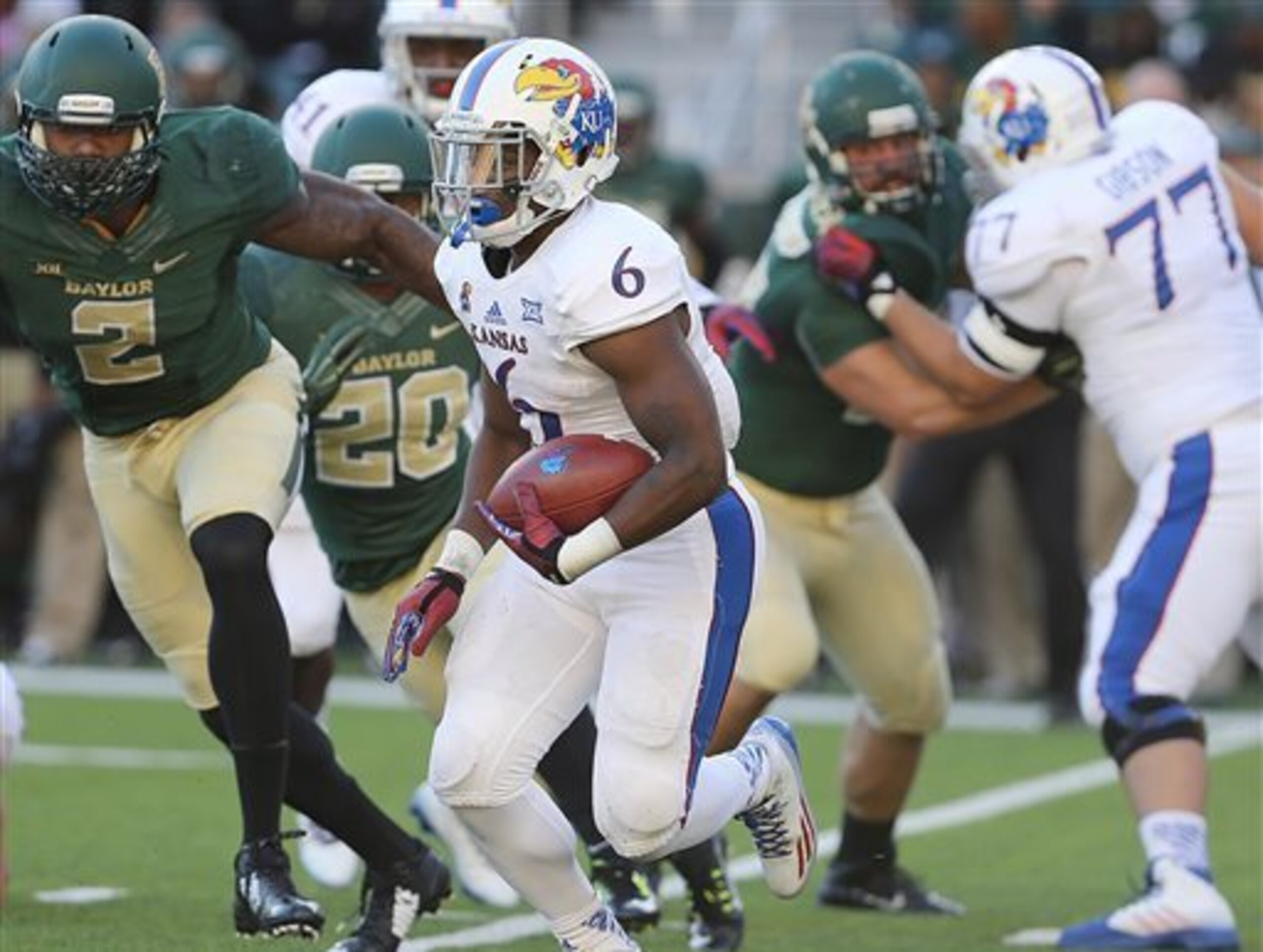
New Kansas coach David Beaty walks into a difficult situation. He takes over one of the worst programs in the FBS ranks. The Jayhawks went 2-10 this season, and coach Charlie Weis was fired before the end of the first month. KU averaged only 17.8 points per game, No. 118 nationally.
However, KU did find a bright spot in freshman tailback Corey Avery. The 5’10”, 195-pounder showed some solid moves, leading the Jayhawks in rushing with 631 yards and five touchdowns. Kansas will be a major rebuilding project, but Beaty has a nice piece already on campus in Avery.
Kansas State
21 of 65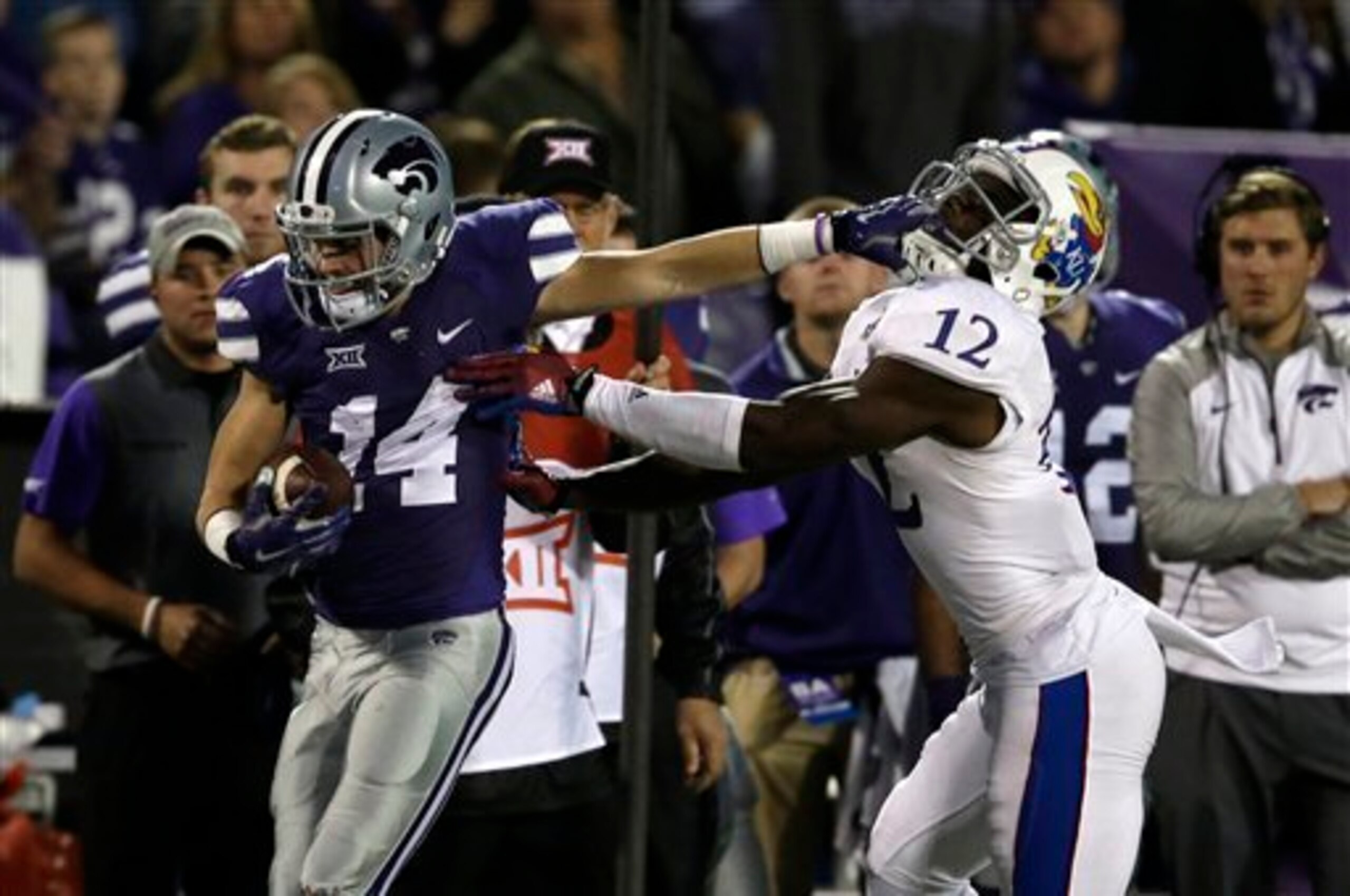
Kansas State enjoyed another solid season, going 9-3 and earning an Alamo Bowl berth opposite UCLA. The Wildcats’ success was rooted in their ability to keep the offense moving with senior quarterback Jake Waters at the helm. While Tyler Lockett garnered most of the headlines, it would be foolish to overlook the contributions from senior wideout Curry Sexton.
Sexton moved into a major role in the offense, catching 69 passes for 955 yards and five touchdowns. That was much improved from 2013, when he caught 39 passes for 446 yards and no touchdowns. He and Lockett formed an excellent one-two punch, with Waters and the offense as the main benefactors.
Kentucky
22 of 65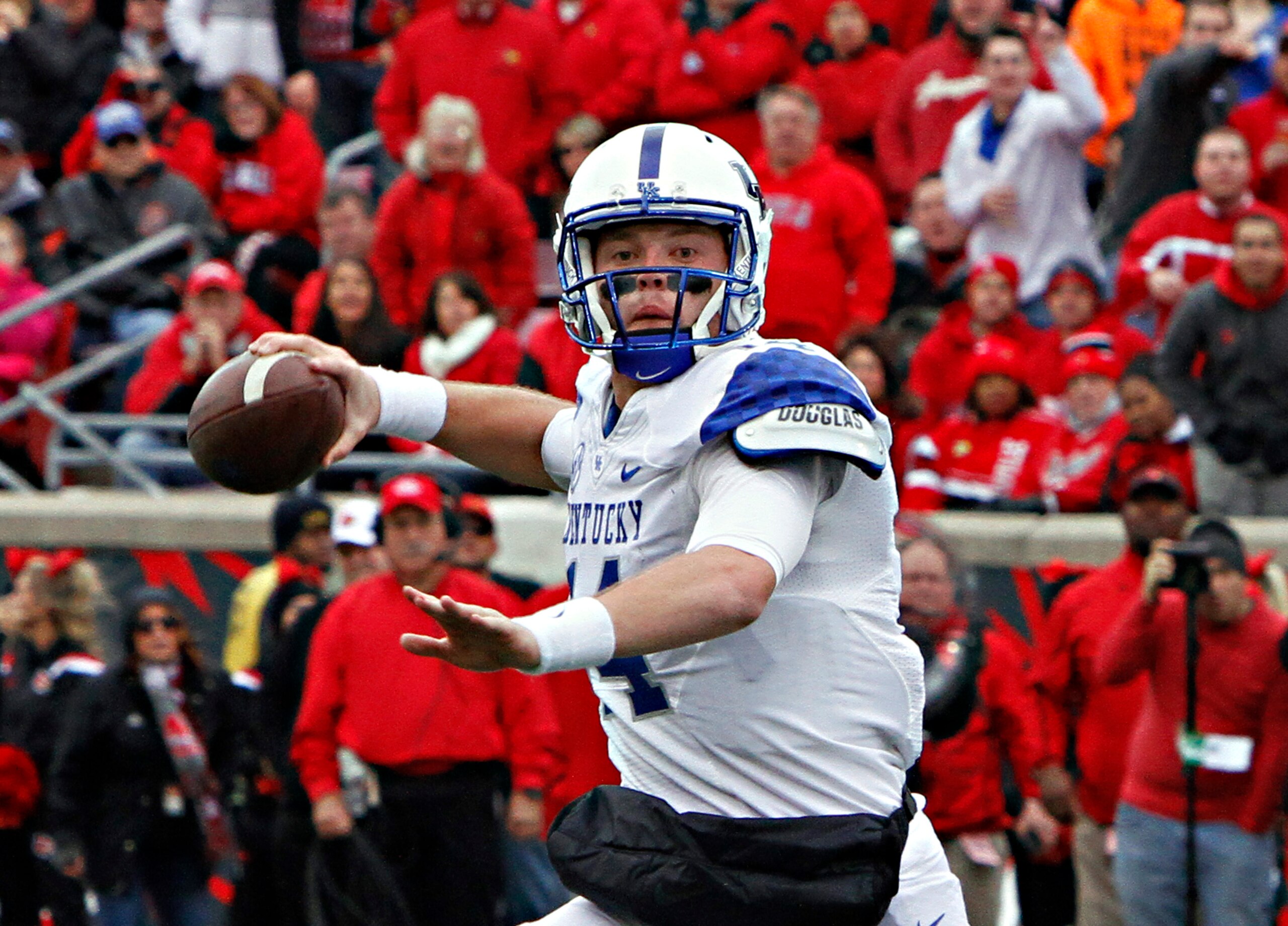
Although Kentucky lost its final six games to finish 5-7 and miss a bowl, the Wildcats showed significant improvement from 2013’s 2-10 record. A 36-30 triple-overtime loss at Florida and a 44-40 loss to Louisville were the only things separating a young roster from a bowl game.
One of the biggest keys to that improvement was the play of quarterback Patrick Towles. Although he struggled down the stretch, throwing four touchdowns against five interceptions in the final six games, he was solid overall, totaling 2,718 yards with 14 touchdowns against nine interceptions. His arm showed potential, and he has solid mobility. With an offseason of work, Towles should be ready to build on his success next fall.
Louisville
23 of 65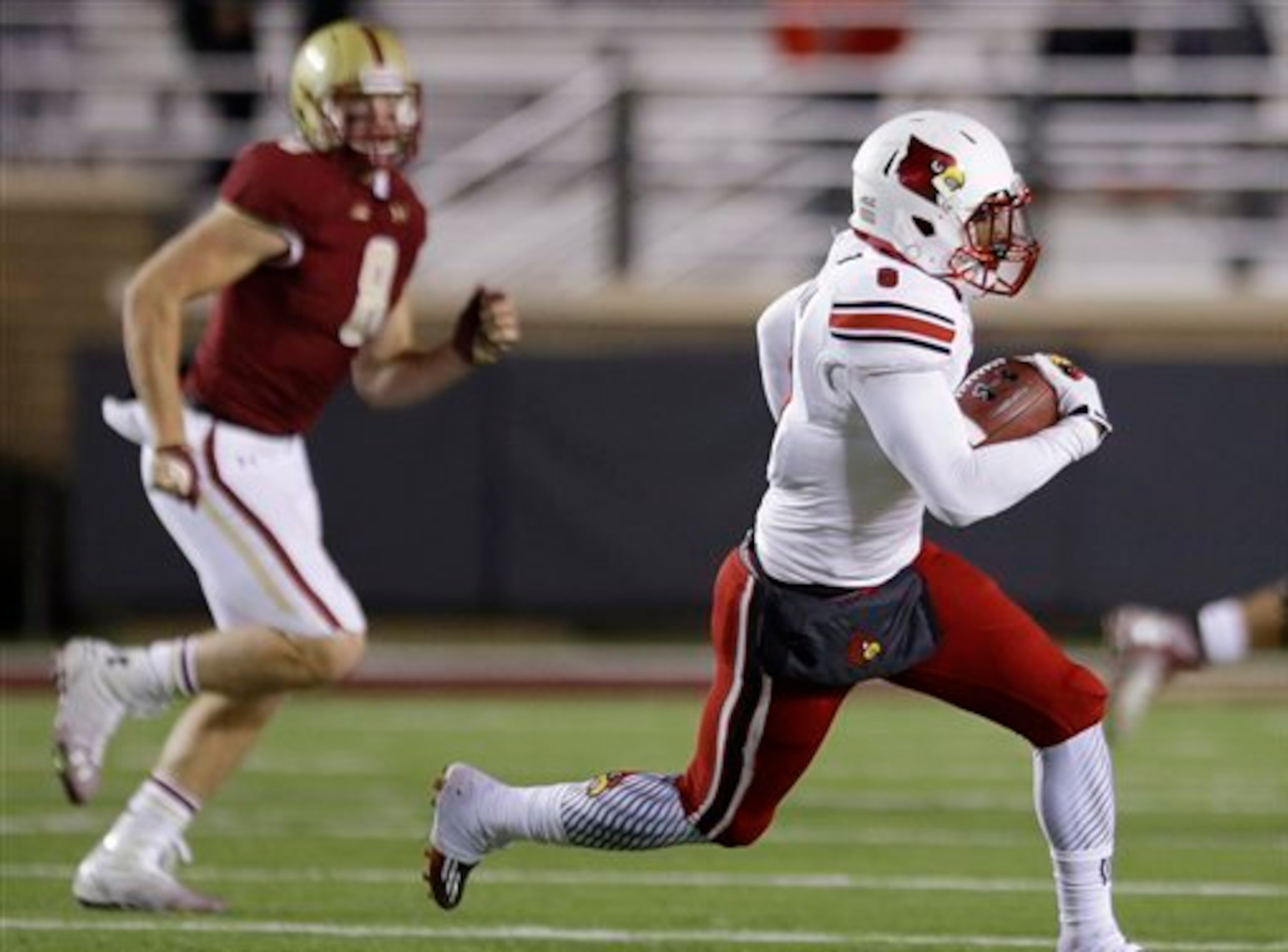
Entering this season, Louisville safety Gerod Holliman was an unproven quantity with two career starts. He could finish it as the NCAA’s single-season interception leader. The sophomore safety emerged as a prolific playmaker for the Cardinals defense this fall, making 14 interceptions to tie the NCAA single-season record.
Holliman also had 37 tackles and a sack; he clearly had a nose for the ball. He had three interceptions in a win over Boston College and intercepted Florida State’s Jameis Winston twice. He can own the NCAA interception record with a pick in the Belk Bowl against Georgia and is expected to declare for the NFL draft. He was an All-American and won the Jim Thorpe Award, given to the nation’s top defensive back.
LSU
24 of 65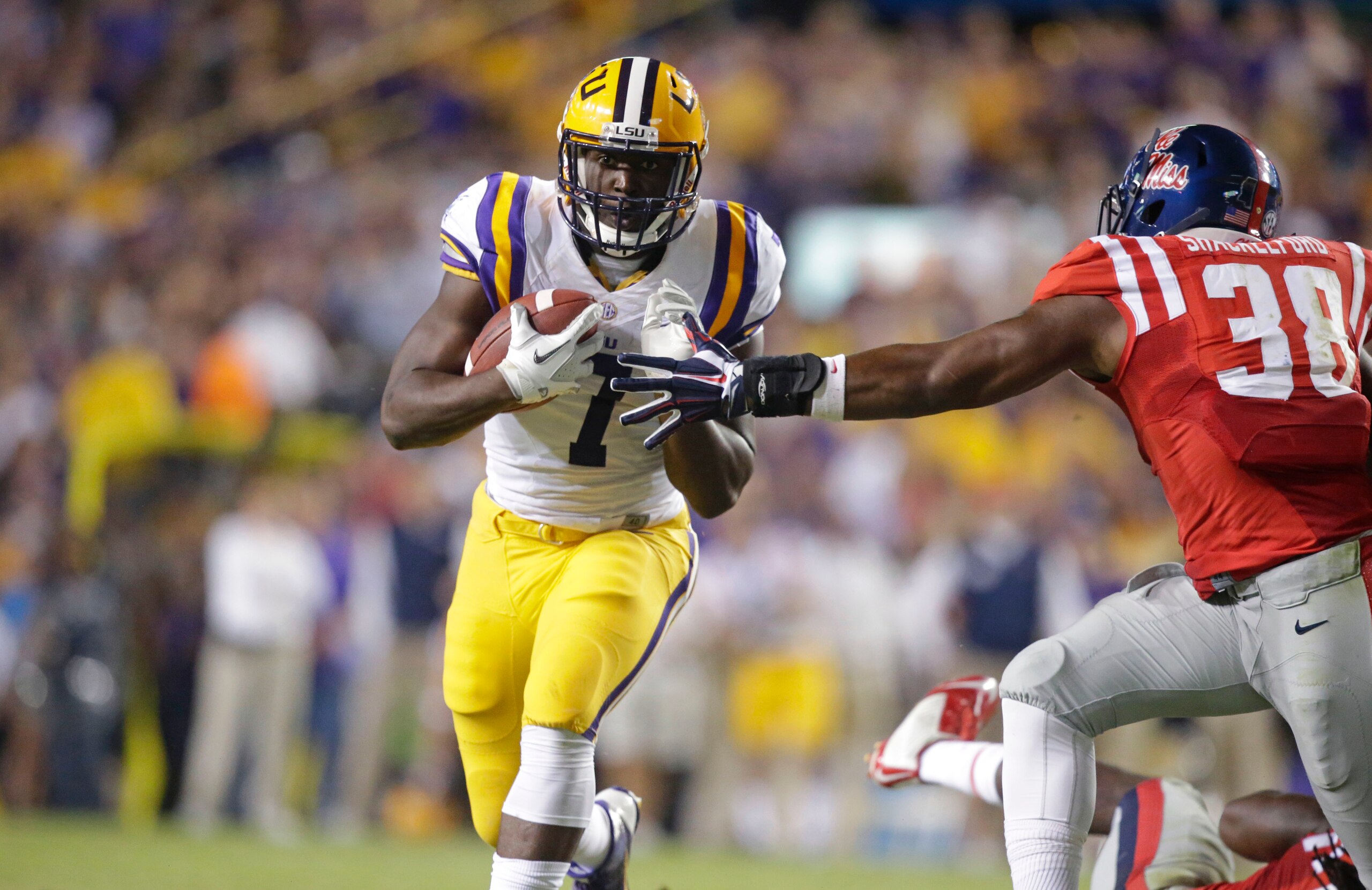
It must have been hard to be Leonard Fournette early on this season. The LSU tailback was regarded as the nation’s top incoming freshman, but he struggled to find space to run early on.
In the season opener against Wisconsin, Fournette managed just 18 yards on eight carries, and LSU’s struggles took some of the spotlight away from him. But gradually, he found his way. In his seventh game, he broke out with a 140-yard, two-touchdown effort against Florida and finished the season with 146 yards and a touchdown in a win over Texas A&M.
Fournette has power and speed and is more than capable of running over opposing linebackers or dancing around them. He had four 100-yard efforts in his last eight games and 891 yards and eight touchdowns on the season, averaging 5.1 yards per carry. It didn’t happen quite as fast as everyone expected, but Fournette is well on his way.
Maryland
25 of 65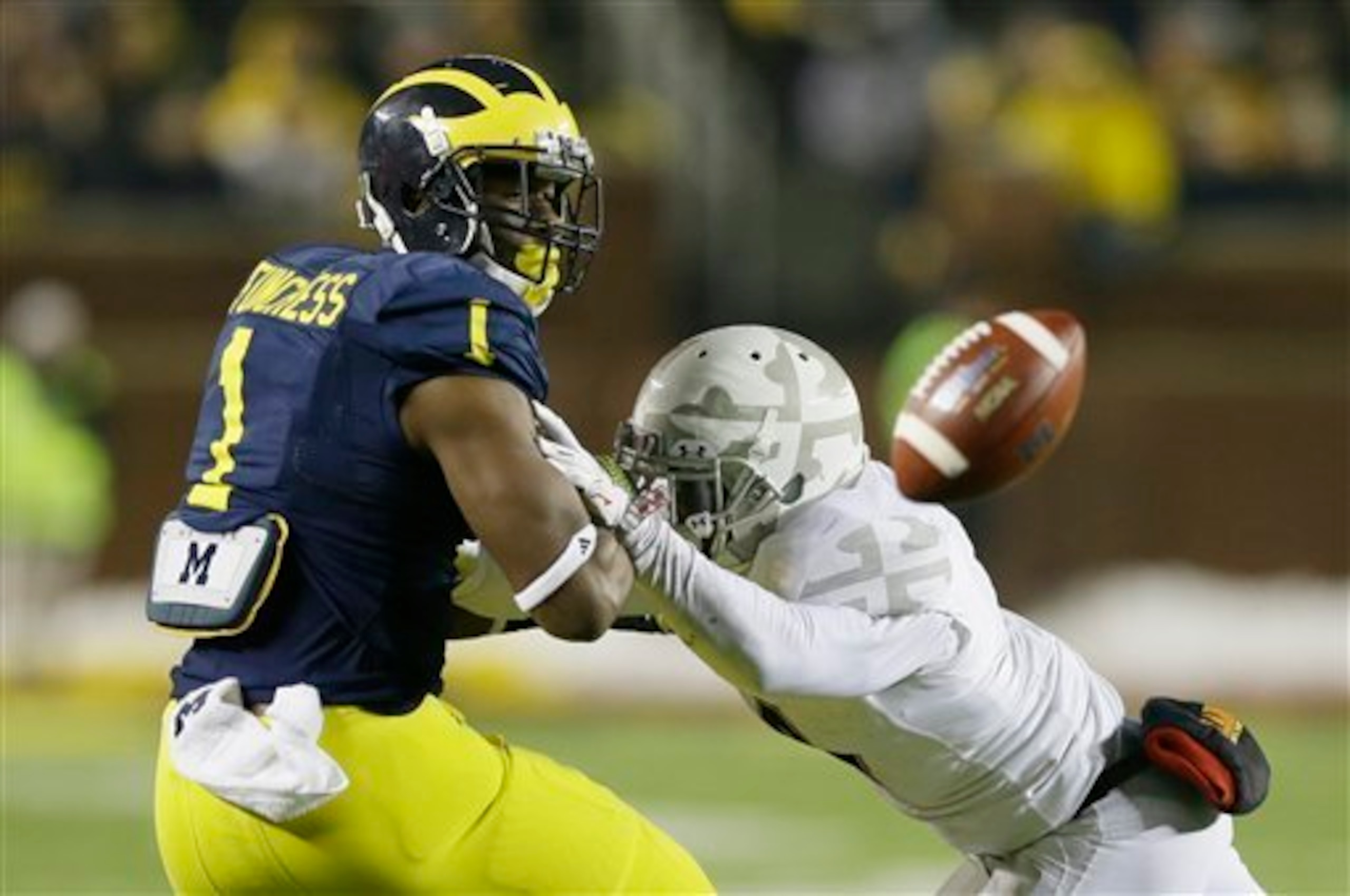
William Likely entered the season with experience in Maryland’s secondary, but this fall, the Terrapins’ sophomore cornerback turned that experience into production. He was one of the Big Ten’s most prolific corners, making 76 tackles with six interceptions, eight pass breakups and 14 passes defended.
Likely stands only 5’7” but plays bigger. He has excellent leaping ability and speed and made a big impact. He returned two interceptions for touchdowns and also excelled as a kick and punt returner. He averaged 11.5 yards per punt return and had a 69-yard punt return for a touchdown.
Miami (Fla.)
26 of 65
Before the season began, Miami’s quarterback situation was muddled at best due to injuries and suspensions. The Hurricanes had no choice but to turn to true freshman Brad Kaaya. That looked problematic, but it might have been the best thing that happened to Miami this season.
As one might expect, Kaaya got off to a sluggish beginning, averaging just over 175 yards passing with three touchdowns against four interceptions. But he found his way with consecutive 300-yard passing games against Arkansas State and Nebraska.
He finished the regular season with 2,962 passing yards and 25 touchdowns against 11 interceptions. While Miami was up-and-down, finishing the regular season 6-6, the freshman was an impressive leader for the Hurricanes offense. Over the last 10 weeks, he threw 22 touchdowns against seven interceptions and looks like Miami’s starter of the future.
Michigan
27 of 65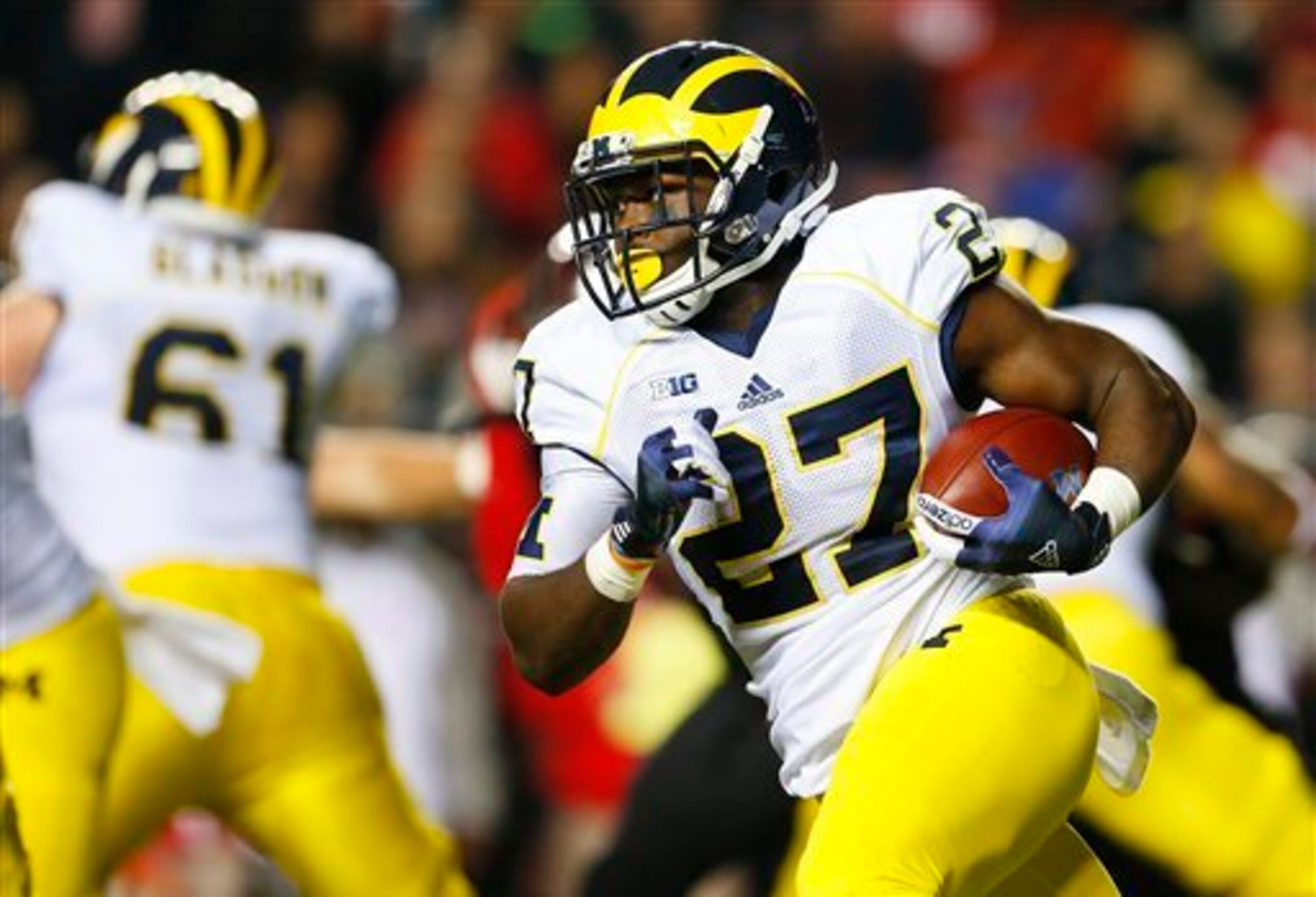
Michigan’s 2014 campaign was disappointing all around. The Wolverines finished 5-7, which led to the firing of Brady Hoke after four seasons. Michigan is still looking for its next head coach, but there’s no question that the Wolverines’ next leader will inherit plenty of talent.
One key piece is tailback Derrick Green. The sophomore’s season ended with a broken clavicle after just six games, but the former top recruit showed why he was so prized. Green had 471 yards and three touchdowns and was emerging as Michigan’s feature back. In six games, he had a pair of 100-yard rushing games and averaged 5.7 yards per carry.
Assuming he is healthy, Green will play a huge role as junior in the Wolverines’ new regime.
Michigan State
28 of 65
Entering this season, Michigan State needed a clear No. 1 receiver to emerge as a target for junior quarterback Connor Cook. Senior Tony Lippett proved he was just that guy. He made his final season in East Lansing his best. With one game remaining in the Cotton Bowl, he has 60 receptions for 1,124 yards and 11 touchdowns, averaging 18.7 yards per reception.
That was impressive, given that he had 44 receptions for 613 yards and two touchdowns as a junior. Lippett took a clear step forward to become a focal point of the Spartans offense and became Cook’s top target. That's not a bad way to go out.
Minnesota
29 of 65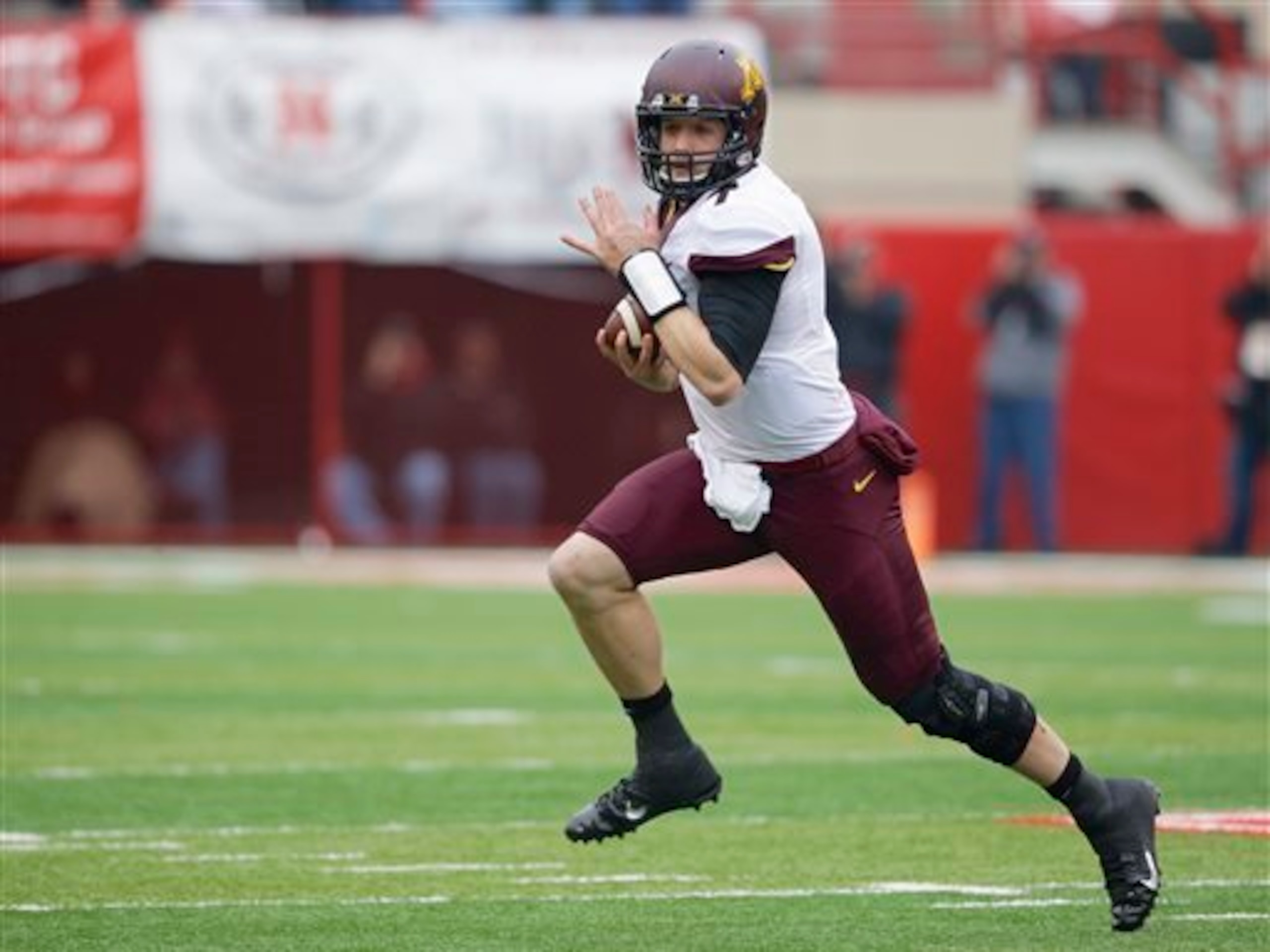
While David Cobb’s running played a huge role in Minnesota’s 8-4 season and Citrus Bowl berth, the contributions of quarterback Mitch Leidner cannot be understated. In his first season as a full-time starter, Leidner showed significant improvement from his freshman season.
He passed for 1,540 yards with 10 touchdowns against eight interceptions and added 462 yards rushing with 10 touchdowns on the ground. He wasn’t perfect, but Leidner was a steady performer who added a dimension to the Gophers offense. 2014 was a solid foundation on which he can improve even more next fall.
Mississippi State
30 of 65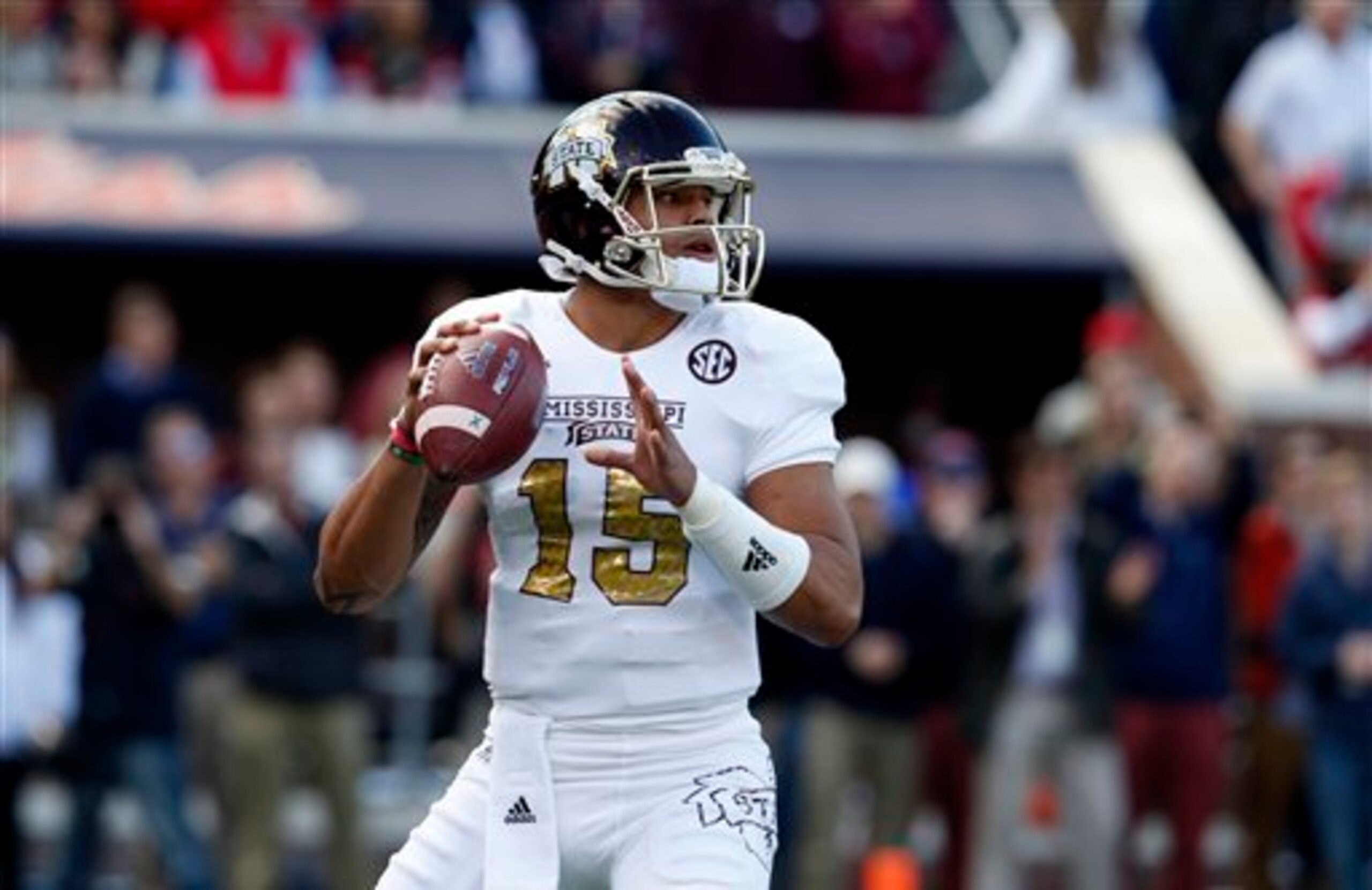
This fall, Mississippi State ascended from the middle of the SEC West to become one of college football’s best teams, spending a significant portion of the season at No. 1 before falling to Alabama and Ole Miss. Regardless, the Bulldogs are 10-2 and will face off against Georgia Tech in the Orange Bowl. And they couldn’t have done it without junior quarterback Dak Prescott.
Prescott was a great dual-threat who threw for 2,996 yards with 24 touchdowns against 10 interceptions and rushed for 939 yards and 13 touchdowns as MSU’s second-leading rusher behind Josh Robinson.
He led a breakthrough win at LSU, accounting for 373 yards of total offense and three total touchdowns, and had four 100-yard rushing games. He showed versatility in rushing and passing the ball and showed significant improvement over his sophomore season, when he had 1,940 yards passing with 10 touchdowns against seven interceptions.
Missouri
31 of 65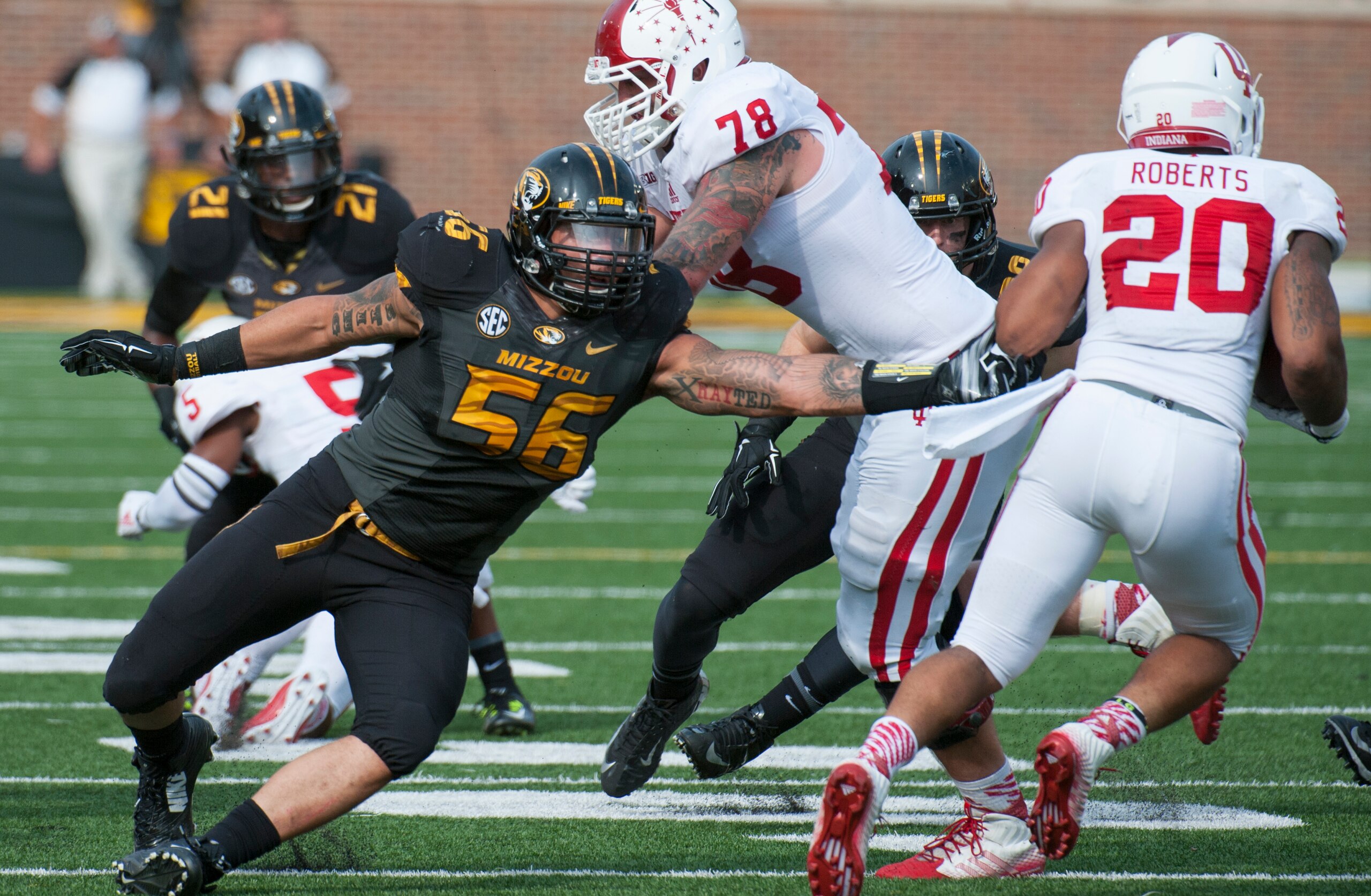
All Shane Ray needed, it seems, was an opportunity. Playing behind a pair of veteran ends last fall, he made 4.5 sacks and multiple game-changing plays but didn’t really have an opportunity to showcase his skills until those starters graduated.
This fall, he took full advantage. Ray became the SEC’s most fearsome pass-rusher, setting Missouri’s single-season sack record with 14 sacks. He also had 21 tackles for loss. Both totals led the SEC and stand third-best nationally. He also had 61 tackles and terrorized left tackles across the league. He’s just the latest in Missouri’s strong defensive line tradition.
N.C. State
32 of 65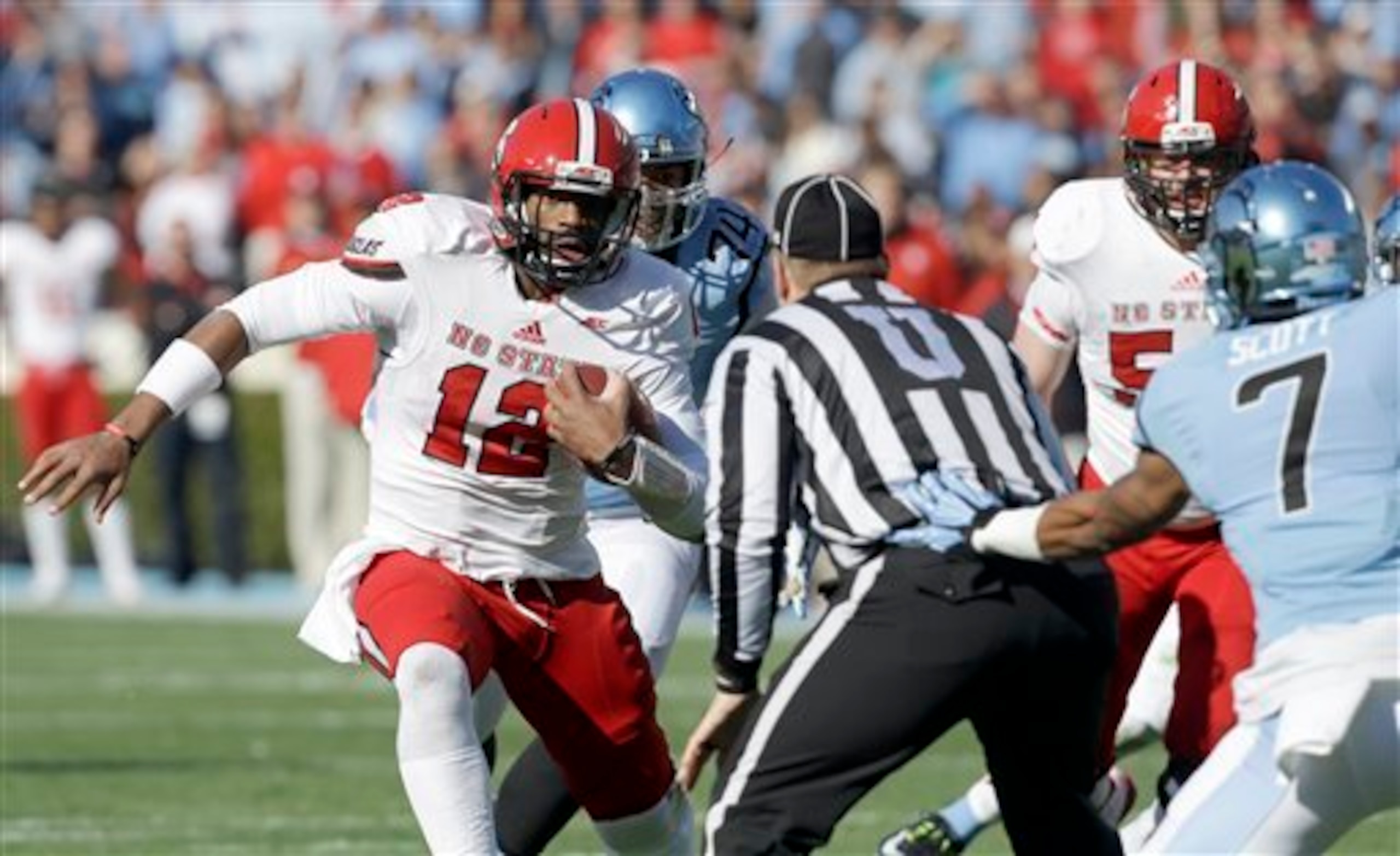
This December is much happier for N.C. State and Dave Doeren. The Wolfpack improved from 3-9 to 7-5 this fall and qualified for the St. Petersburg Bowl against Central Florida.
A big reason why? Junior quarterback Jacoby Brissett. He transferred from Florida for a chance to start, and he received it in Raleigh.
Brissett’s mobility gave the Wolfpack’s system a new dimension this fall. He threw for 2,344 yards with 22 touchdowns against five interceptions. He was also the Wolfpack’s No. 2 rusher with 498 yards and three touchdowns. He has one season left at N.C. State, and it’ll be fascinating to see where he takes the Pack’s offense next fall.
Nebraska
33 of 65
Another year, another 9-3 record for Nebraska. That wasn’t good enough for the Cornhuskers, who fired bombastic coach Bo Pelini. But that shouldn’t be a mark on sophomore quarterback Tommy Armstrong Jr., who performed capably in his first full season as the starter.
Armstrong threw for 2,314 yards with 19 touchdowns against 11 interceptions. The mobile quarterback also added 664 rushing yards and five touchdowns on the ground. He was highly reliable and fit perfectly with Nebraska’s tradition of quarterbacks who can hurt you in a number of ways. He should only improve next season.
North Carolina
34 of 65
After sharing North Carolina’s quarterback position for much of 2013, Marquise Williams largely had the position to himself this fall. While the Tar Heels went 6-6, the blame shouldn’t be placed at the mobile junior’s feet.
Williams completed 62.7 percent of his passes for 2,870 yards with 20 touchdowns against nine interceptions, and he added 737 rushing yards with 12 touchdowns. A year ago, he threw for 1,698 yards with 15 scores against six interceptions and rushed for 536 yards and six scores. He was significantly improved, and if he can take another step next fall, the Heels should do so as well.
Northwestern
35 of 65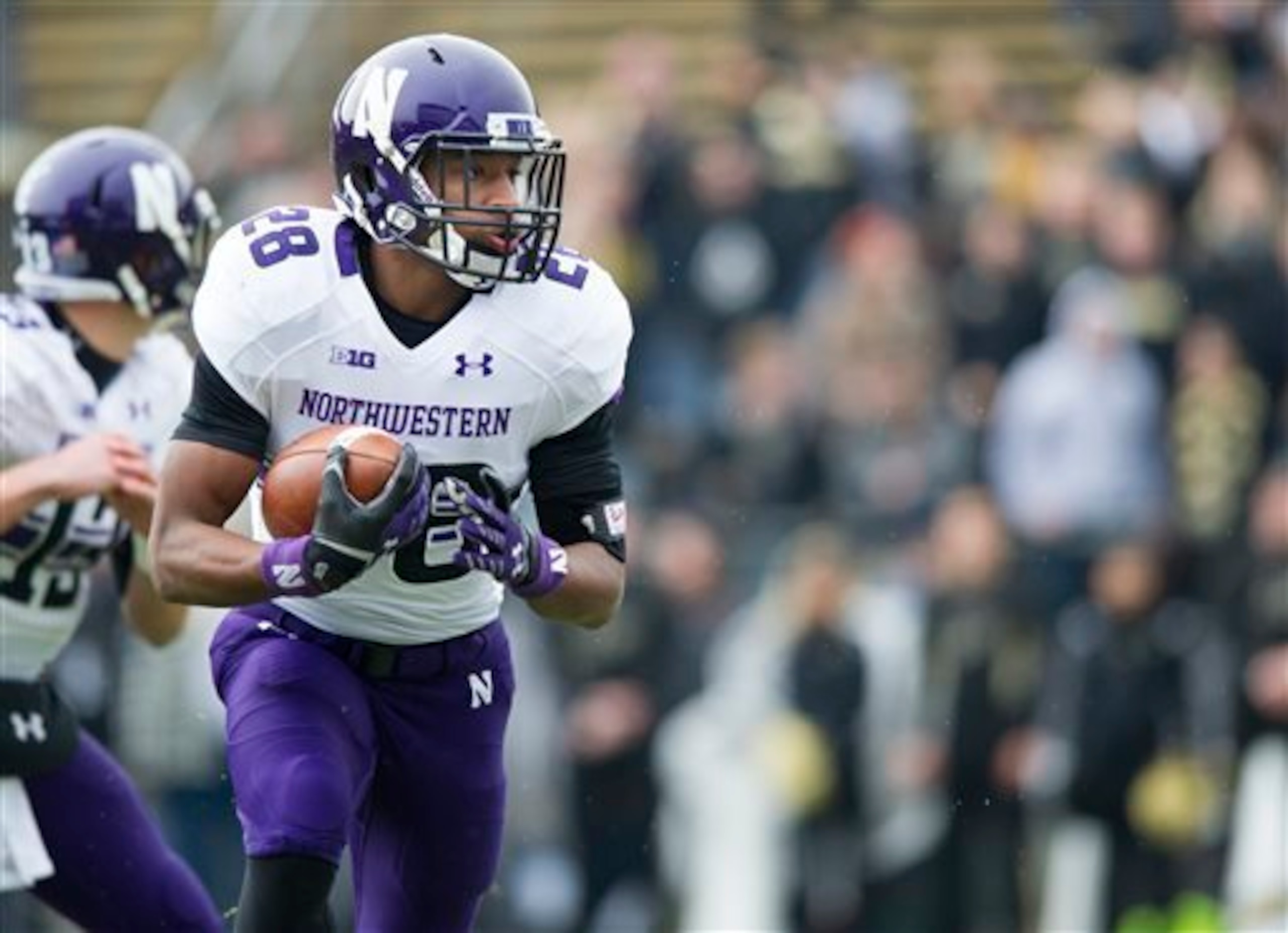
2014 was disappointing for Northwestern. The Wildcats ended the season with a 47-33 loss to rival Illinois, capping a second consecutive 5-7 season and a postseason spent at home. However, Pat Fitzgerald’s staff found a gem in freshman tailback Justin Jackson.
Senior Venric Mark’s surprising preseason transfer left a void in the Wildcats backfield, but the 5’11”, 180-pound freshman filled it ably. Jackson finished the season with 1,187 yards rushing and 10 touchdowns, averaging 4.8 yards per carry.
He clearly improved as the season wore on, piling up all six of his 100-yard rushing efforts in the final eight games, including a 149-yard effort against Notre Dame, 147 against Purdue and 130 against Illinois. Northwestern needs improvement, but Jackson is a piece worth building around.
Notre Dame
36 of 65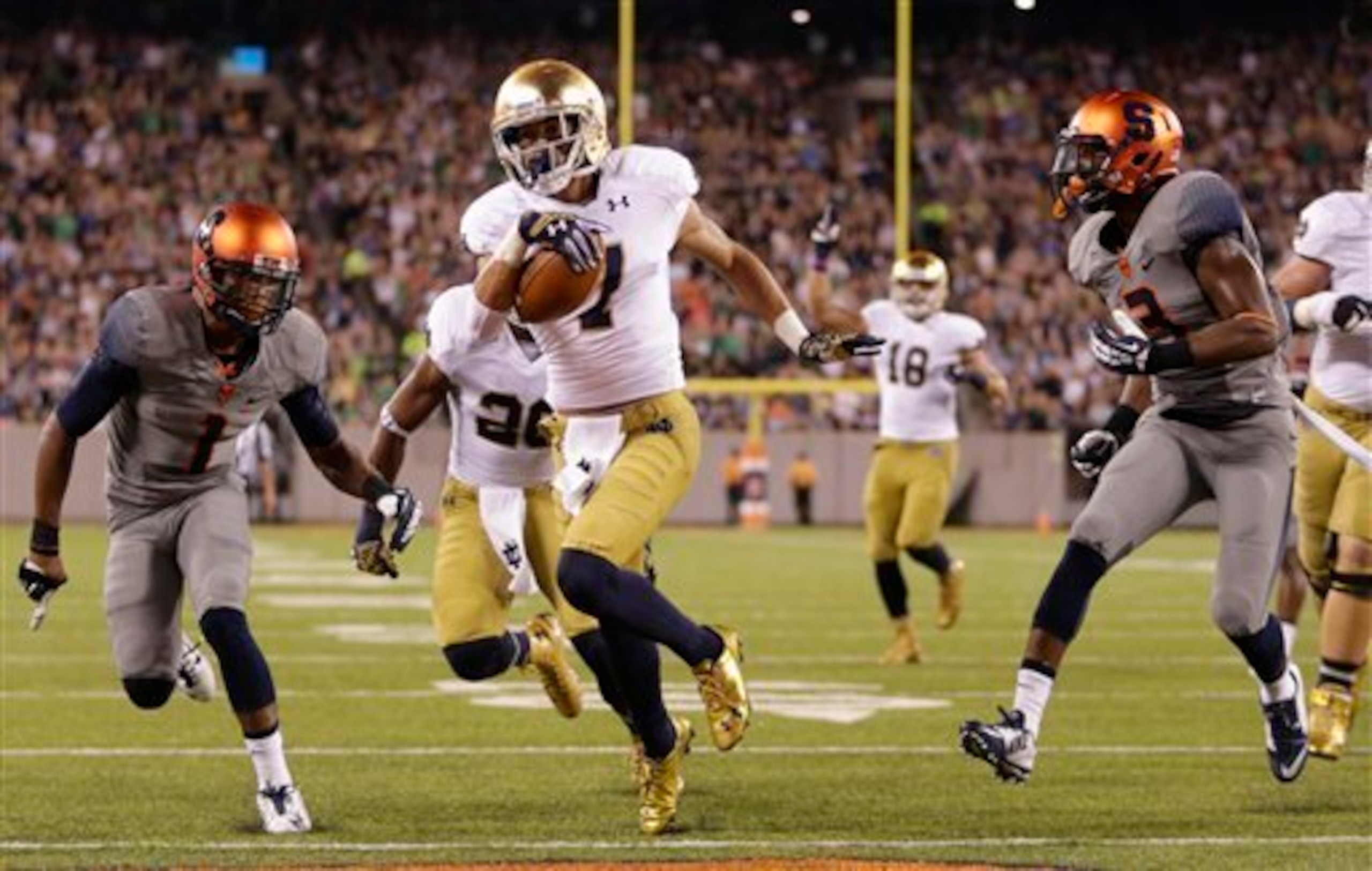
For Notre Dame, the second half of 2014 was one to forget. The Fighting Irish began the season 6-0, but poor defense and the struggles of quarterback Everett Golson led to a 1-5 finish and a Music City Bowl berth against LSU.
In the process, the Irish found a key piece of the passing game in sophomore receiver William Fuller. Following a quiet freshman campaign that saw him catch six passes for 160 yards and a touchdown, he became Notre Dame’s leading receiver this fall.
Entering the Music City Bowl, he has 71 receptions for 1,037 yards and 14 touchdowns. He has four 100-yard receiving efforts on the season and three games with 100-plus yards and multiple touchdowns, including a nine-catch, 159-yard, three-touchdown day in a 43-40 overtime loss to Northwestern. Golson struggled at times this season, but he clearly has a major security blanket in Fuller.
Ohio State
37 of 65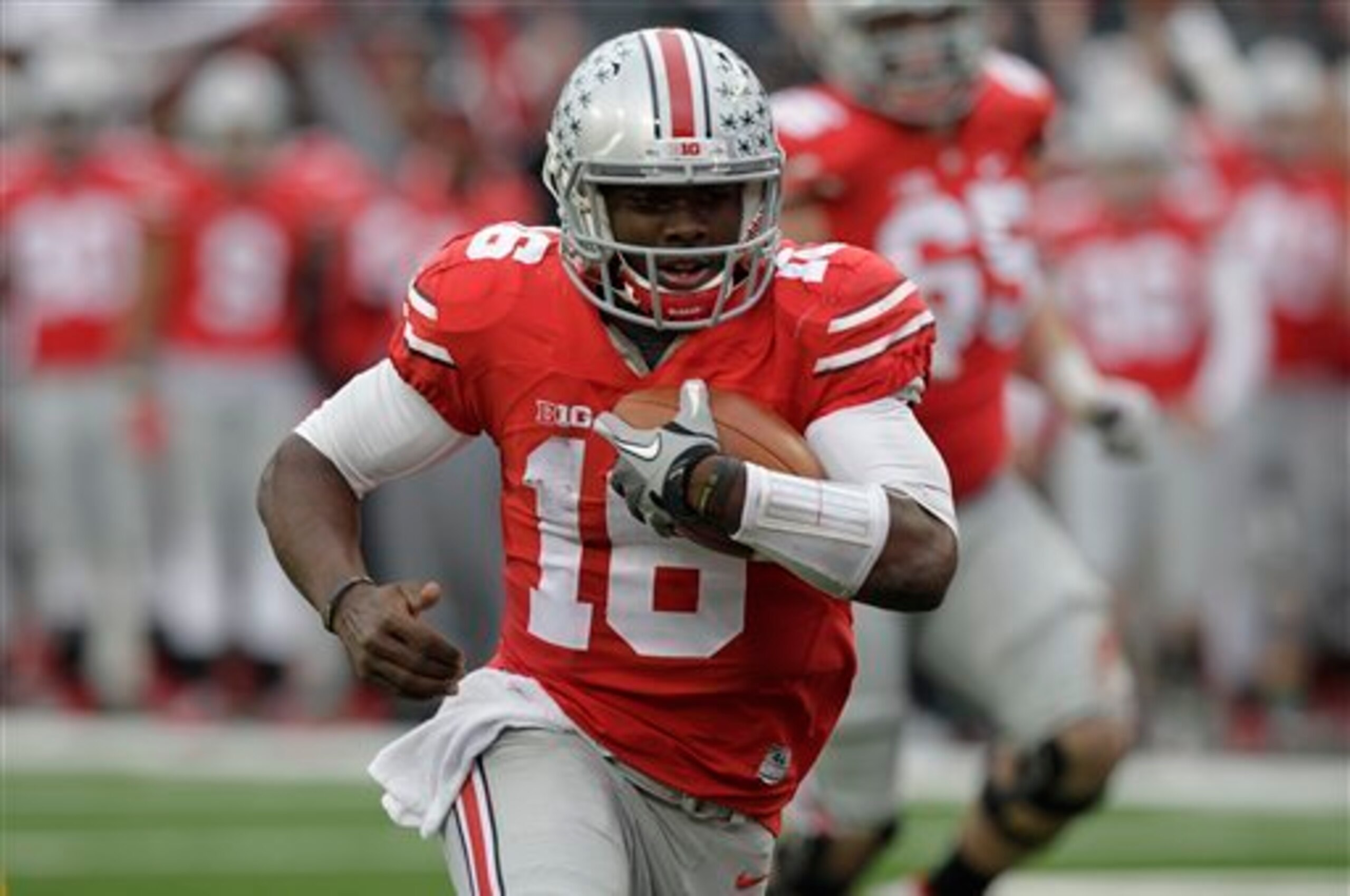
In August, Ohio State’s quarterback situation looked uncertain at best and dire at worst. Heisman Trophy candidate Braxton Miller exacerbated an injured shoulder that he’d already had offseason surgery on, leading to a second surgery which would end his season before it even began.
Enter freshman J.T. Barrett, who passed fellow backup Cardale Jones to become the Buckeyes’ starter. Barrett had a learning curve that included an ugly home loss to Virginia Tech, but it was short.
By season’s end, Barrett had emerged as one of the top quarterbacks in college football and a key piece in Ohio State’s chase for a College Football Playoff berth. He threw for 2,834 yards with 34 touchdowns against 10 interceptions, adding 938 yards and 11 rushing scores as the Buckeyes' second-leading rusher. By the time his season ended with a broken ankle against Michigan in the regular-season finale, he’d pushed his way into the Heisman Trophy race.
Now, the biggest question is whether Miller will be able to challenge for his job when his shoulder is healthy. Yes, Barrett is that good and a key piece of OSU’s future.
Oklahoma
38 of 65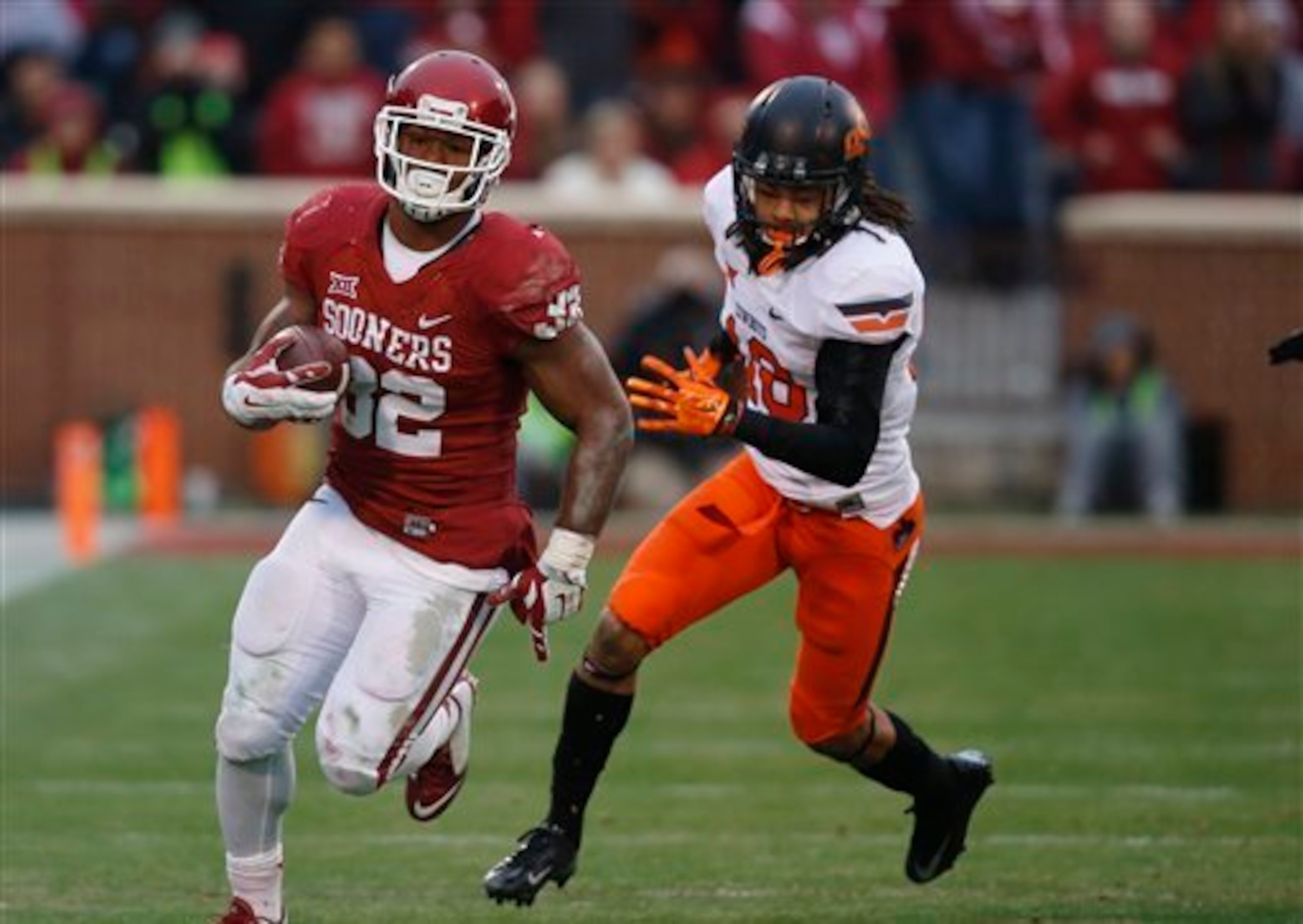
It’s hard to consider Oklahoma’s 2014 season as anything but a disappointment. Following an 11-2 season that finished with a rousing Sugar Bowl win over Alabama in 2013, the Sooners entered 2014 as a fixture in every preseason top 10 poll and a legit College Football Playoff contender.
They’ll wrap up their season Monday in the Russell Athletic Bowl, a big comedown from huge preseason expectations. That said, Bob Stoops’ staff found a key piece in freshman tailback Samaje Perine.
Perine has emerged as one of the top tailbacks in college football, a 5’11”, 243-pound ball of rolling thunder. He is tough for opposing defenders to bring down—the kind of guy who is allergic to arm tackles.
He totaled 1,579 rushing yards and 21 touchdowns, averaging 6.6 yards per carry. He set the FBS single-game rushing record with 427 yards against Kansas Nov. 22, one week after Wisconsin’s Melvin Gordon set the record at 408 yards. Chances are that won’t be the last highlight-reel day in Perine’s OU career.
Oklahoma State
39 of 65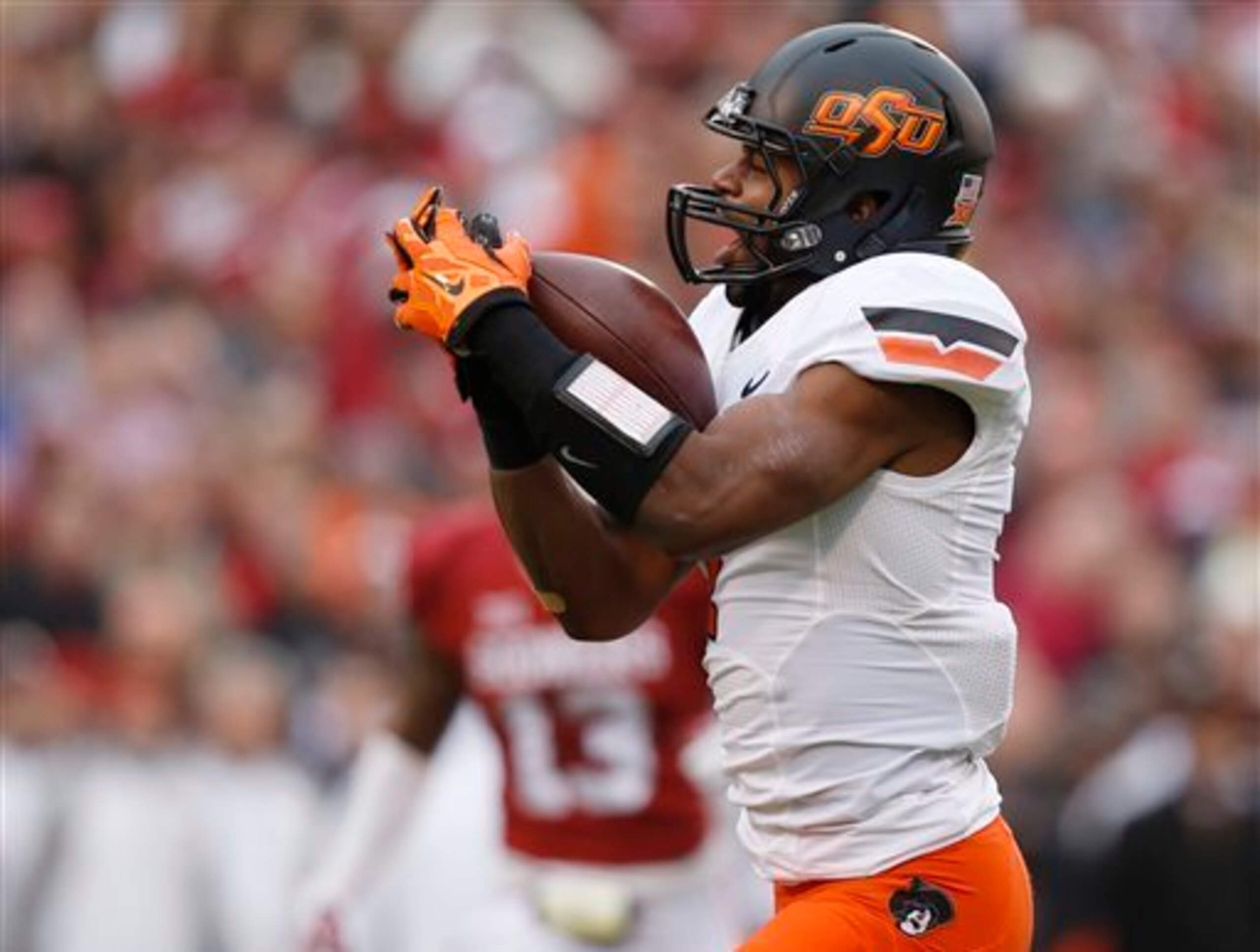
This was a rebuilding season in Stillwater without question. A young Oklahoma State team finished 6-6 and needed a 38-35 Bedlam upset of rival Oklahoma just to make a bowl game. The Cowboys needed young and inexperienced players to step forward, and one clearly did in junior receiver Brandon Sheperd.
In his first two seasons of college football, Sheperd had a combined 15 receptions for 224 yards and two touchdowns. This fall, he emerged as the Cowboys’ leading receiver, making 34 catches for 639 yards and four touchdowns.
He saved his best effort for last. Against Oklahoma, Sheperd caught seven passes for a career-high 156 yards and two touchdowns in the Cowboys’ victory. OSU’s quarterback situation is uncertain entering next season, but Sheperd appears to be a constant in the passing game.
Ole Miss
40 of 65
This fall, Ole Miss went from a good team to a great team. The Rebels rocketed from the middle of the SEC West pack to national prominence with a 9-3 record that included upsets of Top Five teams in Alabama and Mississippi State.
One senior’s emergence mirrored the Rebels’ rise. Senior cornerback Senquez Golson was a cornerstone of the nation’s No. 1 scoring defense and was named a unanimous first-team All-American. He entered the season with five career interceptions but made nine this season, which ranked second nationally. He also had 41 tackles, three tackles for loss and eight pass breakups.
Golson’s back-of-the-end-zone interception sealed Ole Miss’ upset of the Crimson Tide. He has excellent athleticism and leaping ability, and his breakout came at the perfect time for the Rebels.
Oregon
41 of 65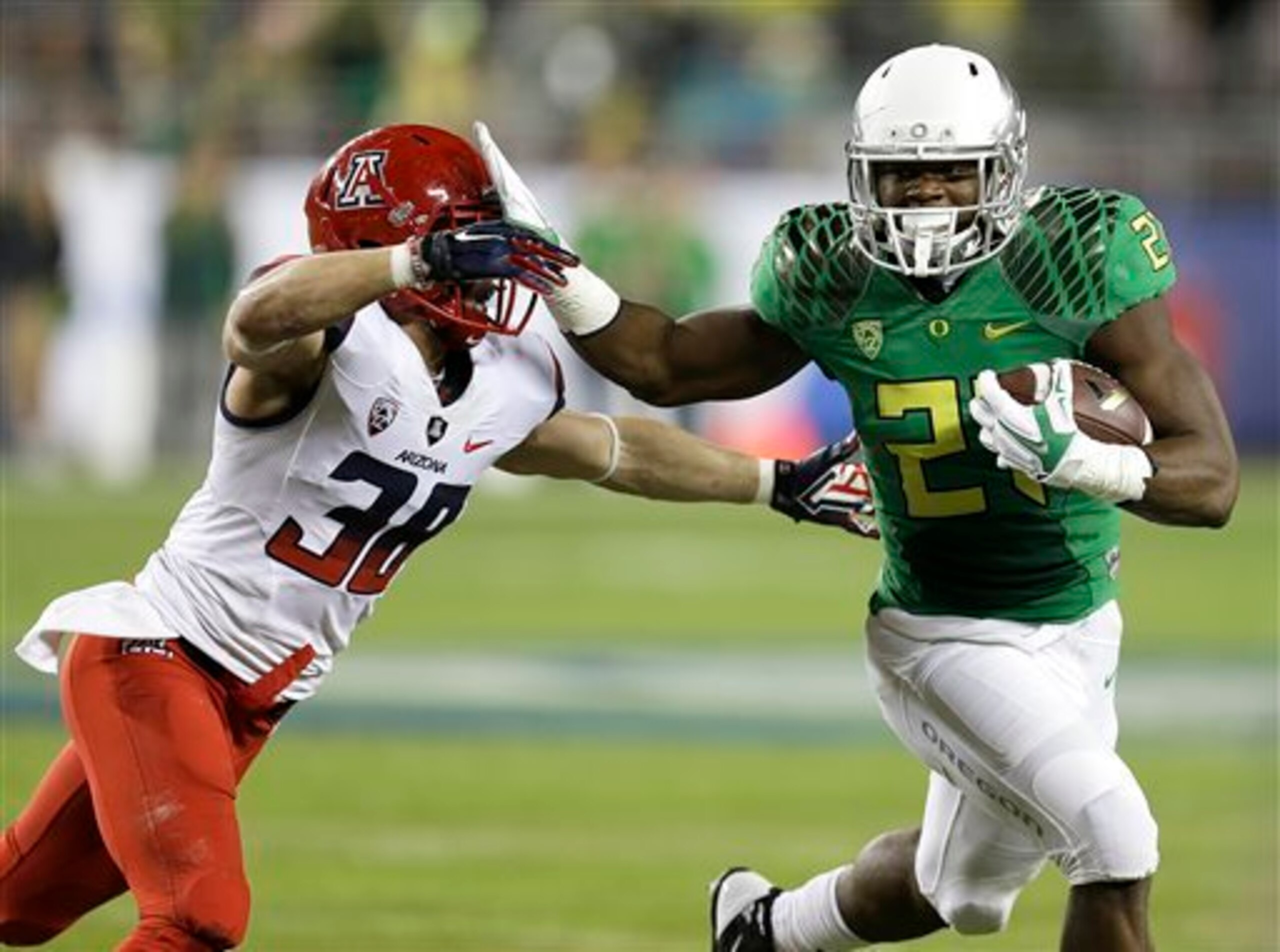
Oregon has enjoyed a magical 12-1 season behind Heisman Trophy winner Marcus Mariota, and it would surprise no one if Mariota left for the NFL draft, where he is a potential top overall selection.
Someone will need to step into the spotlight, and why not tailback Royce Freeman? The true freshman has performed like a “Rolls” Royce, rolling up 1,299 rushing yards with 16 touchdowns. He has six 100-yard rushing efforts in Oregon’s last eight games, and only a 98-yard effort against Stanford and a 99-yard night against Utah prevent him from carrying an eight-game 100-yard streak into the Ducks’ College Football Playoff showdown against Florida State.
And it’s not as if he’s dominating a thin backfield. The Ducks also have talented tailbacks in Byron Marshall and Thomas Tyner, but Freeman has been the back the coaching staff has trusted the most. He’s carried 230 times, averaging 5.6 yards per tote. At 6’1”, 229 pounds, he moves with power and speed, and it would be no surprise to see him dominate the Heisman hype next year around Eugene.
Oregon State
42 of 65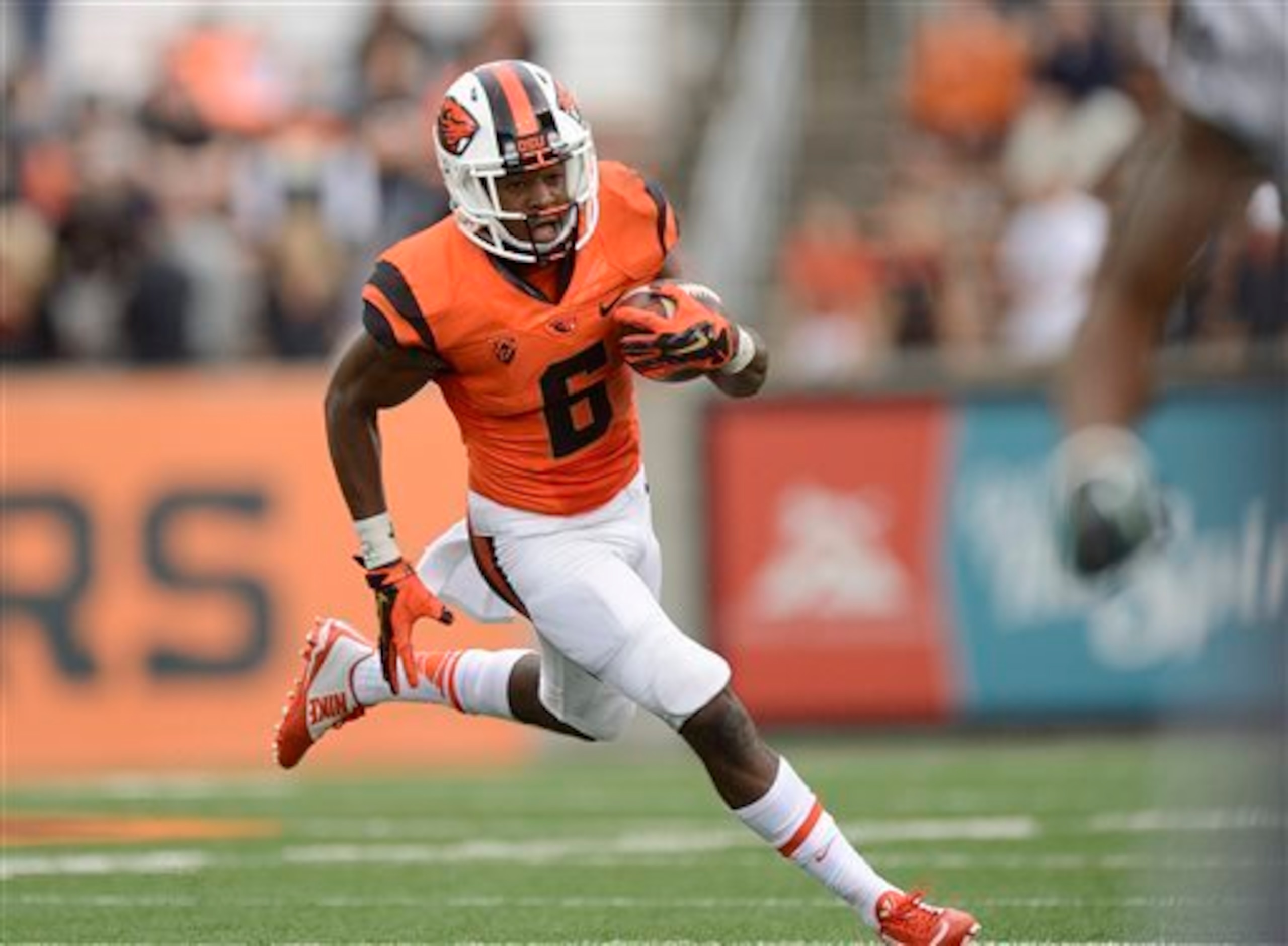
It was an interesting season in Corvallis. Oregon State missed out on postseason play, finishing 5-7, and longtime coach Mike Riley made a surprising change of scenery, bolting to take Nebraska’s head coach opening. The Beavers then made a stunning move of their own, luring Gary Andersen away from Wisconsin after just two seasons.
Andersen takes over a program that is clearly in second place in the state behind Oregon, but he inherits some intriguing pieces, including sophomore receiver Victor Bolden, who took the leap from afterthought to the Beavers’ best receiver this fall.
Following a freshman season that saw him catch only six passes for 62 yards, Bolden caught 72 passes for 798 yards and two touchdowns this fall. He had four 100-yard receiving efforts, including a 10-catch, 145-yard night against Washington.
The best part? As a sophomore, Bolden has room to grow in the Beavers offense.
Penn State
43 of 65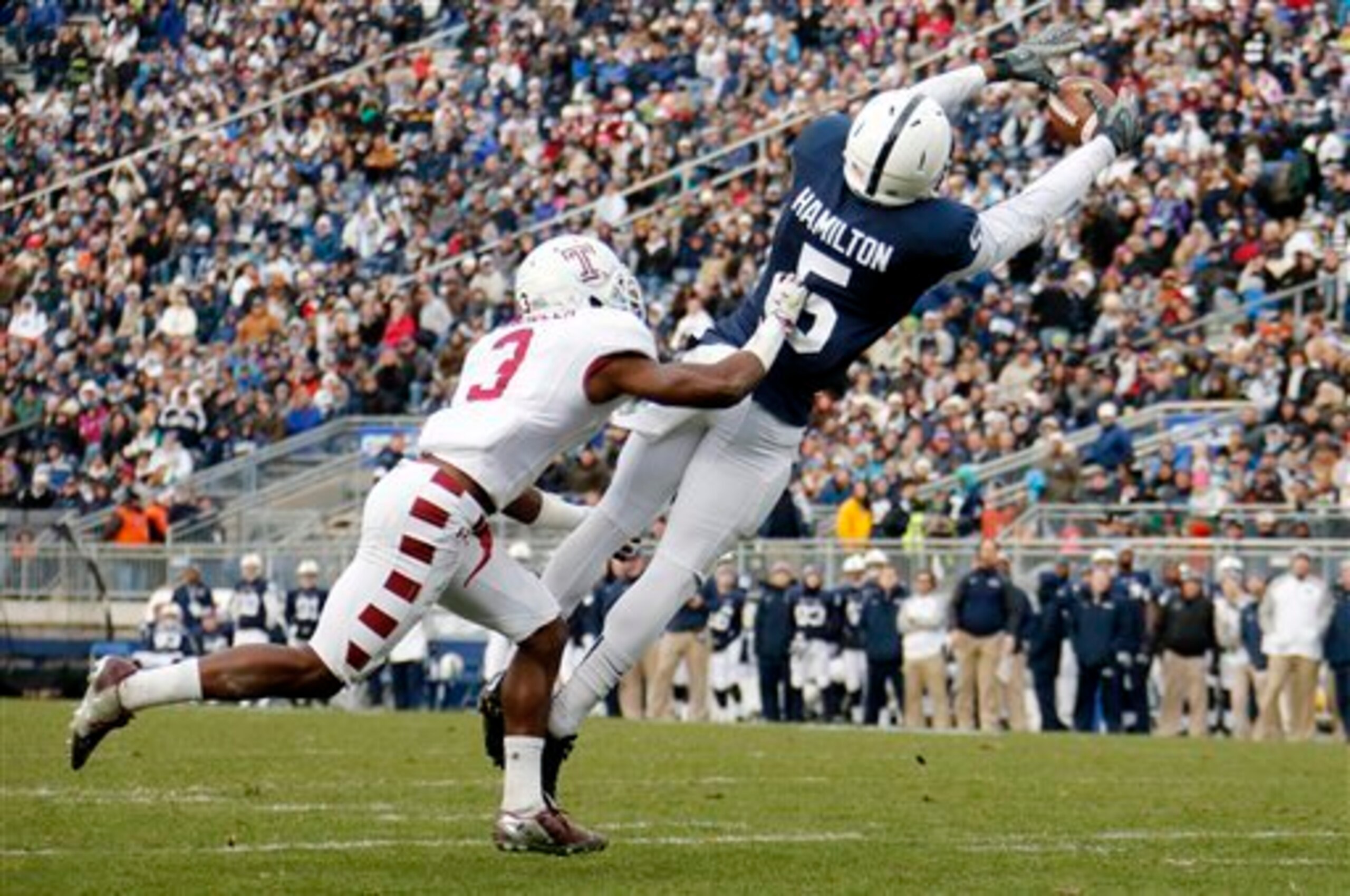
Penn State’s 2014 season was simultaneously uplifting and disappointing. The NCAA truncated the four-year bowl ban handed down as part of the Jerry Sandusky scandal, making the Nittany Lions immediately eligible for postseason play. But James Franklin’s first team struggled to score points and finished 6-6, making the Pinstripe Bowl against Boston College.
Quarterback Christian Hackenberg struggled to find time to throw behind a bad offensive line, and Penn State averaged only 19.8 points per game, No. 115 nationally. But when Hackenberg did have time to throw, chances were he was throwing it to DaeSean Hamilton.
Hamilton had 75 receptions for 848 yards and a touchdown this season. He led all FBS freshmen in receptions. He had four 100-yard receiving games and seven games with at least six receptions. On a bad offense, Hamilton was a shining light.
Pittsburgh
44 of 65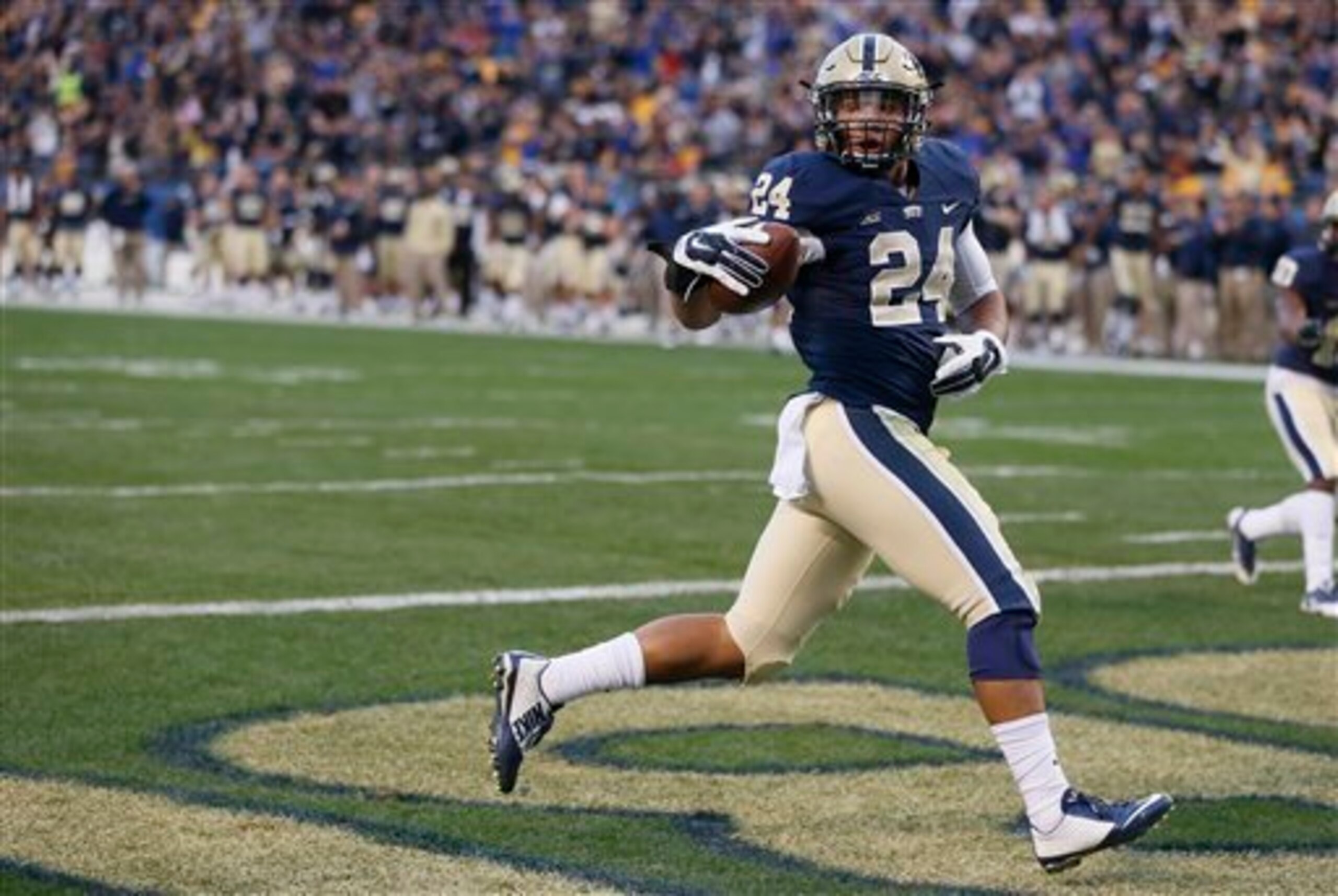
It wasn’t a banner season for Pitt. The Panthers failed to distinguish themselves in the ACC Coastal, finishing 6-6 and earning a bid to the Armed Forces Bowl against Houston. What’s more, coach Paul Chryst bolted after two seasons to replace Gary Andersen at Wisconsin.
The Panthers’ new coach will inherit some talent, though. Chief among that group is sophomore tailback James Conner. Following a solid 799-yard freshman season, he took a major step forward in 2014. He rushed for 1,675 yards and 24 touchdowns. He blasted Boston College for 214 yards, North Carolina for 220 and Duke for 263.
At 5’11”, 250 pounds, Conner is a rolling ball of rage who is impossible to bring down with an arm tackle. If he can carry 277 times again next season, he could threaten the 2,000-yard mark as a junior.
Purdue
45 of 65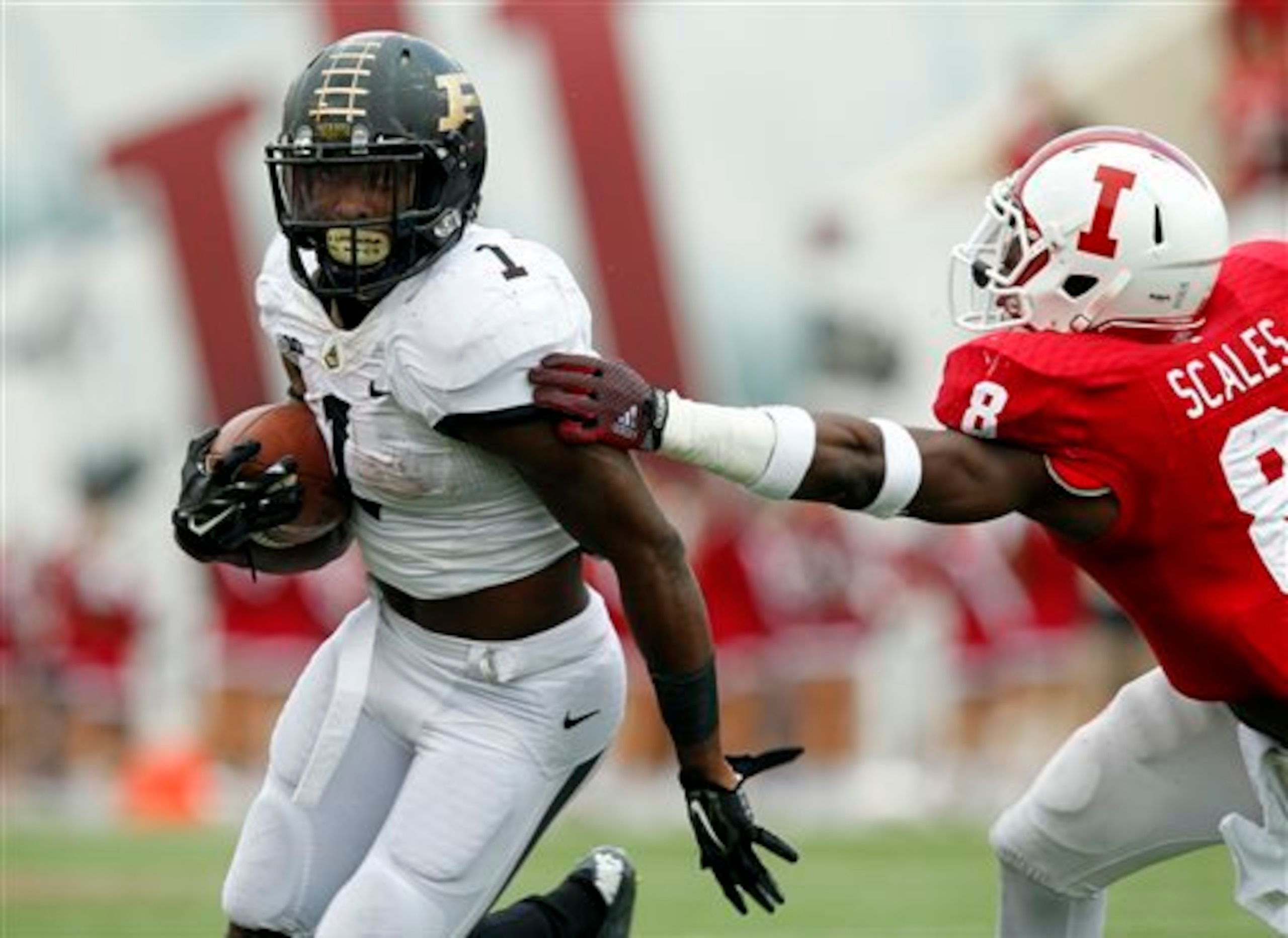
Purdue improved only incrementally this season, going from 1-11 to 3-9 and still finishing well short of a bowl. It wasn’t a particularly fun season in West Lafayette, but those who watched got a treat in the play of senior tailback Akeem Hunt.
As a junior, Hunt had rushed for 464 yards and one touchdown. He blew those numbers away this fall, more than doubling his rushing yardage with 949 yards and six scores. He averaged 5.5 yards per carry after averaging 3.8 as a junior. He also had 48 receptions for 293 yards and two touchdowns.
Hunt had one of his best performances in his collegiate finale, going for 171 yards and a touchdown on 19 carries in Purdue’s 23-16 season-ending loss to Indiana. He didn’t go out as a winner, but he left Boilermakers fans something to remember.
Rutgers
46 of 65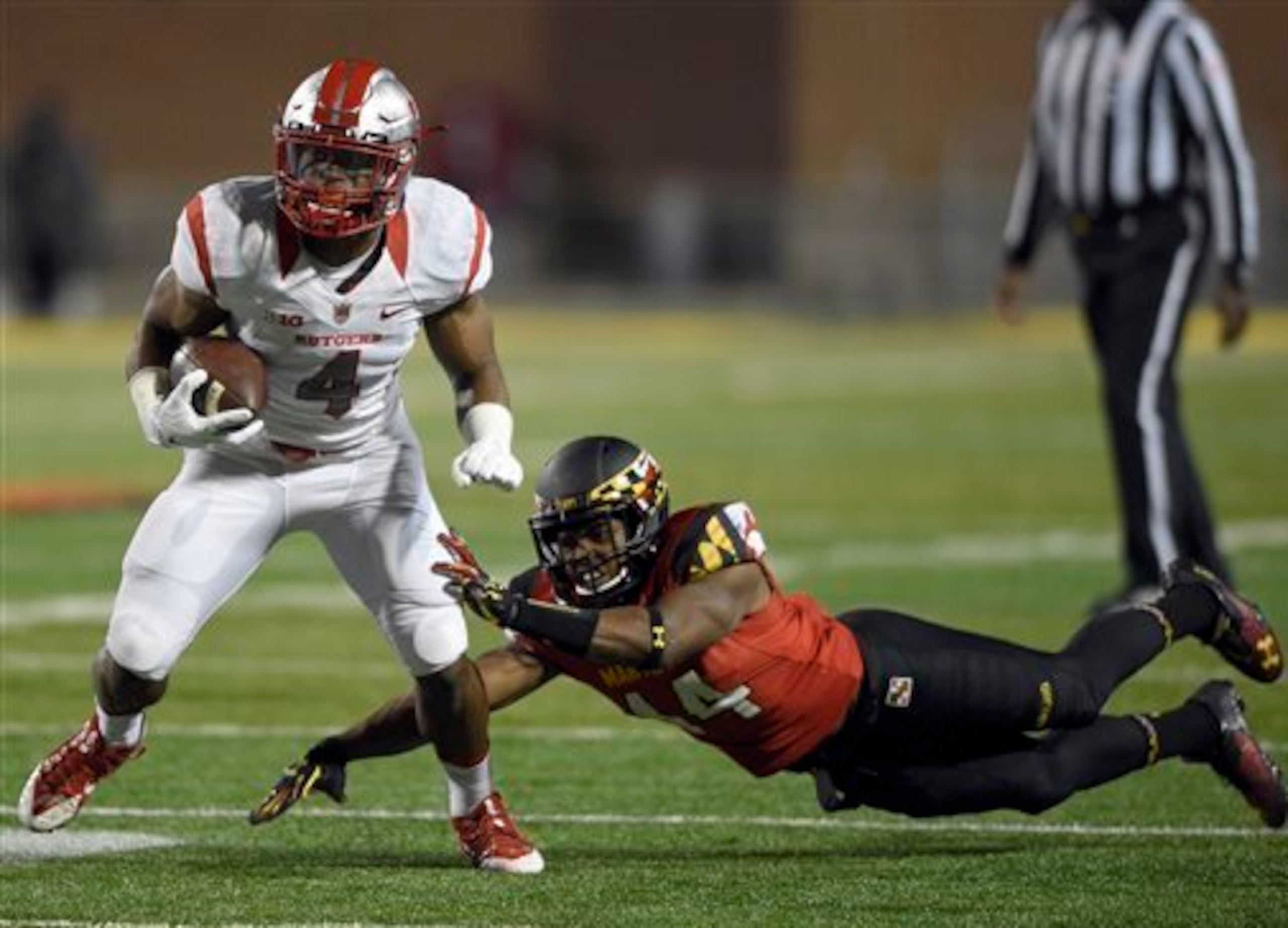
Rutgers’ first season in the Big Ten finished about as well as could be expected. The Scarlet Knights finished 7-5 and earned a bid to the Quick Lane Bowl against North Carolina. One of the biggest offensive standouts was junior receiver Leonte Carroo.
The 6’1”, 205-pound Carroo had a solid first season in a Rutgers uniform, making 28 receptions for 478 yards and nine touchdowns in 2013. But he developed into the Knights’ top overall receiver this fall. Entering the bowl game, he had 53 receptions for 1,043 yards and 10 touchdowns.
Carroo had six 100-yard receiving games, including a seven-catch, 140-yard, three-touchdown effort against Tulane, a five-catch, 125-yard, two-touchdown day against Indiana and a six-catch, 104-yard, two-touchdown day in the season finale against Maryland. Four of his 100-yard days coincided with Rutgers’ victories, which was no coincidence.
Southern California
47 of 65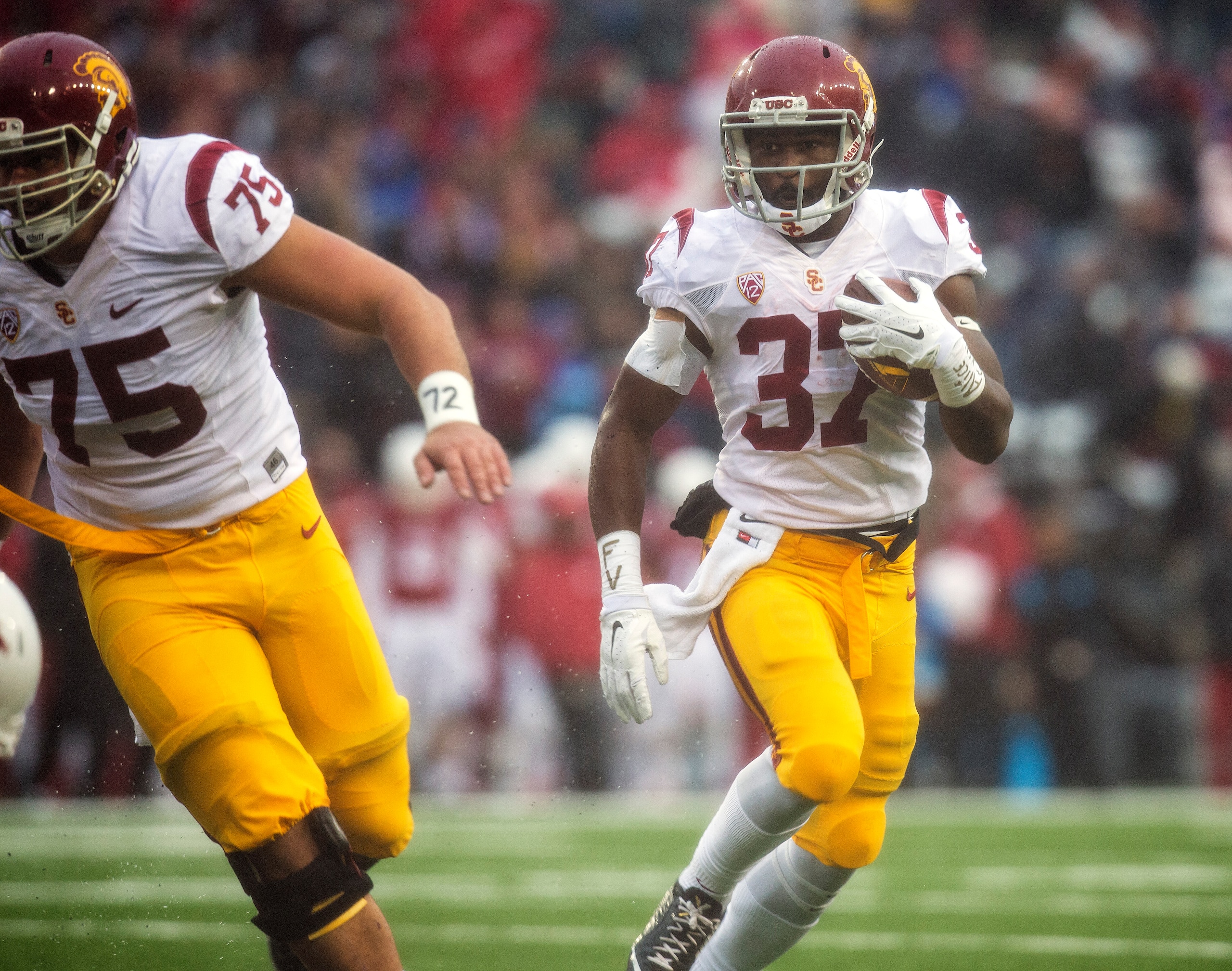
Southern California’s offense had plenty of talent this fall. But when we look back on the Trojans’ 2014 season, one of the best offensive storylines was the emergence of junior tailback Javorius “Buck” Allen.
Allen took a huge step forward this fall. After rushing for 785 yards as a sophomore, he nearly doubled that in 2014, rushing for 1,337 yards and nine touchdowns. He had eight 100-yard rushing efforts, highlighted by a 205-yard, three-touchdown outburst in a win over Arizona.
Allen was an important every-down tailback for Steve Sarkisian’s team and could reach 1,500 yards with a good night against Nebraska in the Holiday Bowl.
South Carolina
48 of 65
South Carolina’s 2014 season was one of disappointment. Following three consecutive 11-2 seasons, the Gamecocks slipped badly after standouts like Jadeveon Clowney, Kelcy Quarles and Connor Shaw departed for the NFL. USC finished 6-6, earning a date with Miami in the Independence Bowl.
One bright spot? Receiver Pharoh Cooper. The 5’11”, 201-pound sophomore turned into an all-around star and the Gamecocks’ top receiver. He had 60 receptions for 966 yards and eight touchdowns, leading the team in all three categories. His best day came against Tennessee, when he grabbed 11 receptions for 233 yards and two touchdowns in a 45-42 overtime defeat.
Cooper was a prep quarterback, and he also completed five of eight passes this season for 78 yards and two touchdowns. With senior Dylan Thompson graduating, it wouldn’t be a stretch to see Cooper challenge for the Gamecocks’ starting role next fall. He’ll surely be on the field somewhere.
Stanford
49 of 65
Stanford had a down season. Following back-to-back Pac-12 championships, the Cardinal slipped to 7-5 and will play Maryland in the Foster Farms Bowl. That said, there were still bright spots in Stanford’s 2014 season.
In his final collegiate season, senior Remound Wright emerged as the Cardinal’s top tailback. After rushing for 183 yards combined in 2012 and 2013, he rushed for 552 yards and eight touchdowns this fall. He was a key piece of Stanford’s offense.
Syracuse
50 of 65
Following last season’s Texas Bowl win, 2014 was a true disappointment for Syracuse. The Orange slipped badly, falling to 3-9 and out of a bowl game in the ACC Coastal. However, the offense found an excellent piece in freshman wideout Steve Ishmael.
Ishmael caught 27 passes for 415 yards and three touchdowns and flashed his potential in the Orange’s offense. At 6’2”, 184 pounds, he has speed and size and should only improve in the years to come.
TCU
51 of 65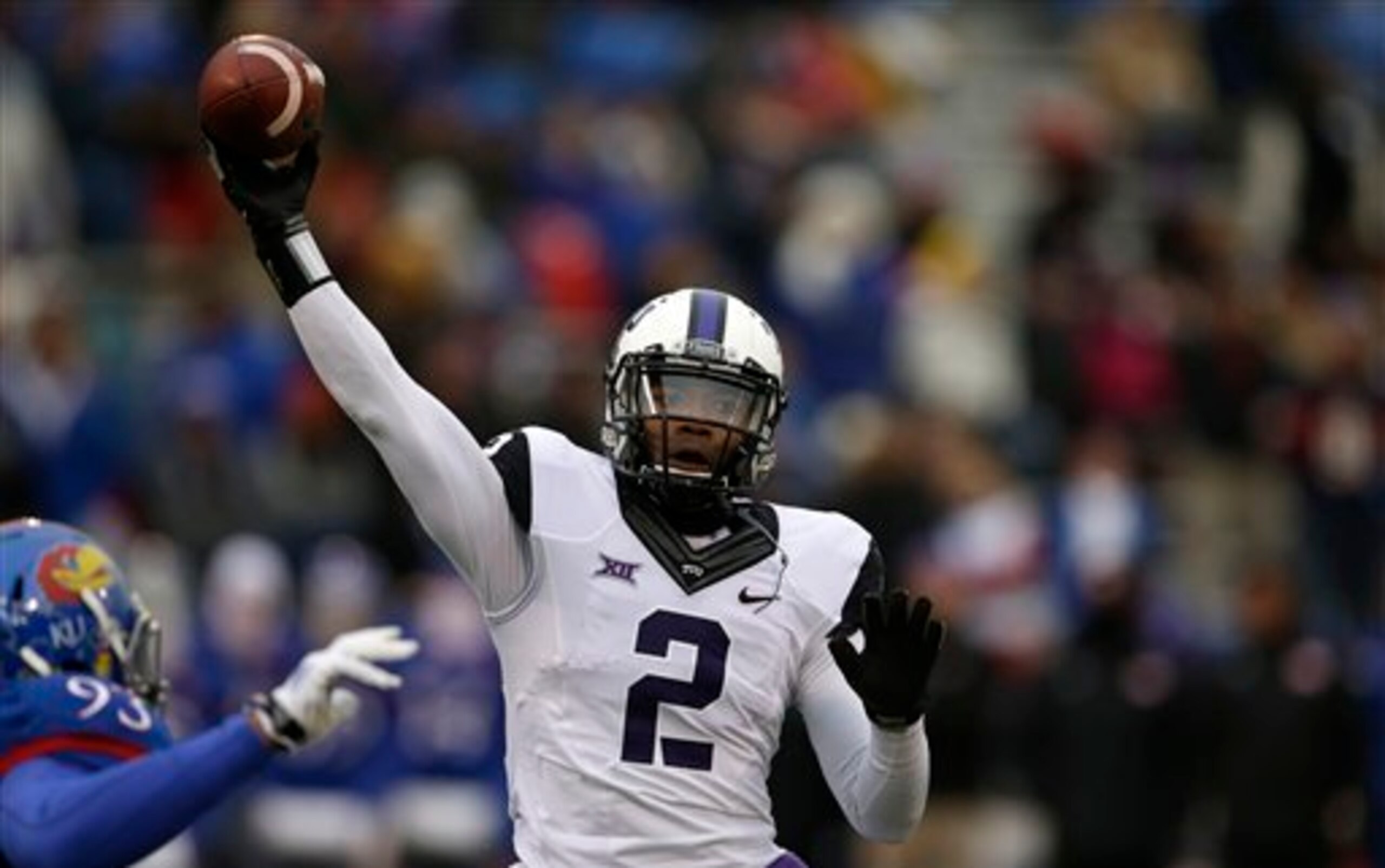
This fall, TCU enjoyed the biggest turnaround of the 2014 season. Last fall, the Horned Frogs slogged to a 4-8 record. Coach Gary Patterson made a significant change in the offseason, hiring new co-offensive coordinators, installing the Air Raid offense and giving his team a major jolt in the process.
The moves worked splendidly. TCU finished 11-1 and narrowly missed the College Football Playoff, settling for a Peach Bowl date with Ole Miss. It’s another opportunity for the nation to see junior quarterback Trevone Boykin.
He was a revelation in the new system, emerging as a star. He threw for 3,714 yards with 30 touchdowns against seven interceptions and added 642 yards rushing with eight touchdowns.
A former wide receiver, Boykin found a home at quarterback, thanks to his mobility and a strong arm. He can test defenses in multiple ways, and it’s clear that the Air Raid suits his skills.
Tennessee
52 of 65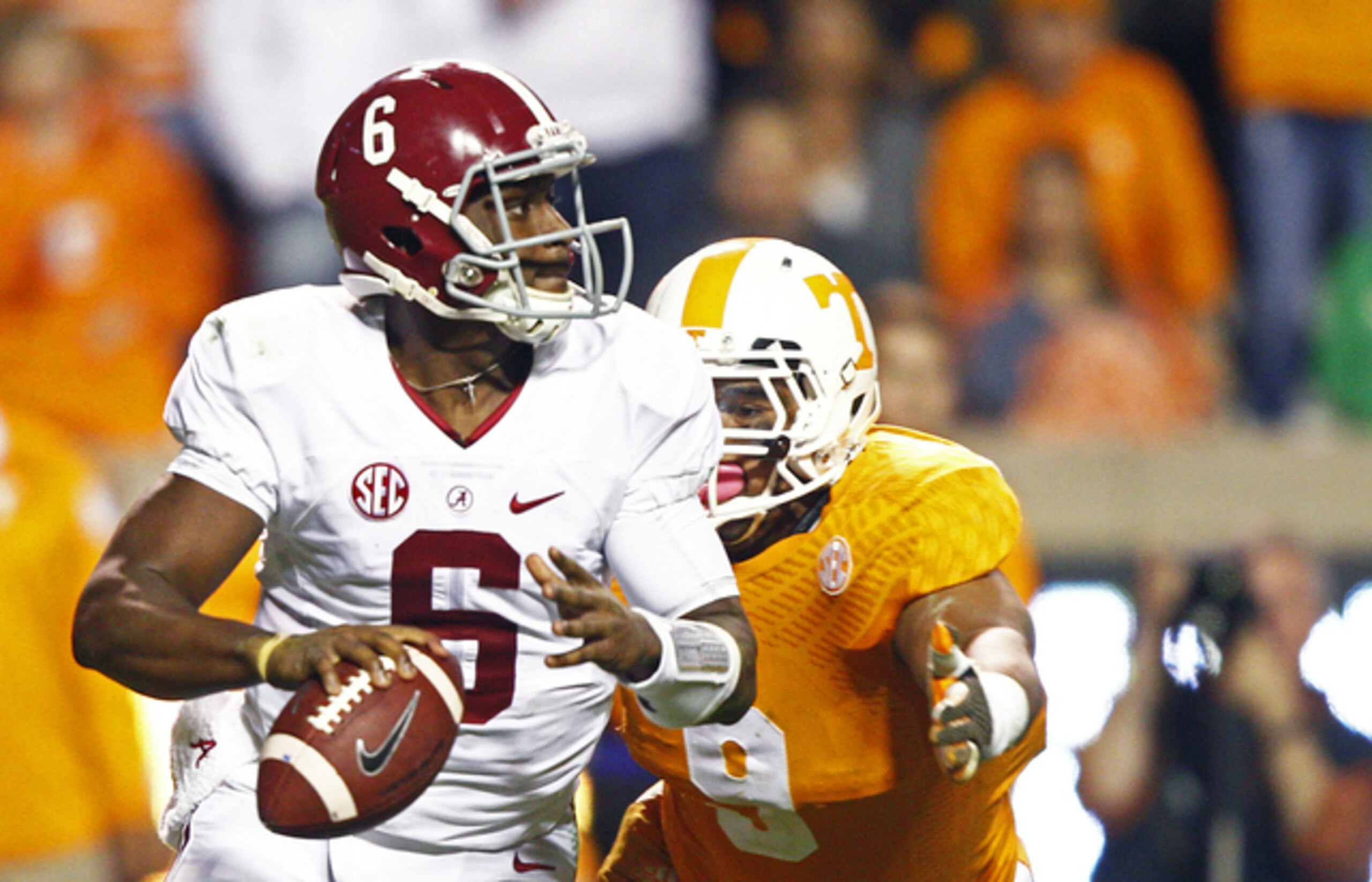
Tennessee showed improvement this season in Butch Jones’ second year on campus, finishing 6-6 and making the Taxslayer Bowl against Iowa. One of the most interesting matchups to watch will be when UT freshman end Derek Barnett is matched up against Iowa senior left tackle and Outland Trophy winner Brandon Scherff.
Barnett began his college career on a high note in August against Utah State, when he became Tennessee’s first true freshman defensive lineman ever to start a season opener. He has backed up the trust his coaches gave him.
Entering the bowl game, Barnett has 69 tackles as well as 20.5 tackles for loss and 10 sacks; the latter two are both UT freshman records. He had three-sack games against Ole Miss and South Carolina and has been a handful for opposing offensive tackles to deal with, leading all SEC freshmen in tackles.
At 6’3”, 267 pounds, Barnett has an athletic but physical body, and as he refines his skills, he’ll be a true nuisance for SEC offensive linemen.
Texas
53 of 65
Malcom Brown always had the potential. It was just a matter of unlocking it. When he did, Texas’ defense reaped huge benefits. The Longhorns defensive tackle emerged as one of the nation’s top defensive linemen this fall, consistently making an impact in opponents’ backfields.
Brown led Texas’ defense in tackles for loss (14), sacks (6.5) and forced fumbles (two) and had 64 tackles. He was named a consensus All-American and a key part of the ‘Horns defense, which ranked No. 26 nationally in yards allowed.
Texas A&M
54 of 65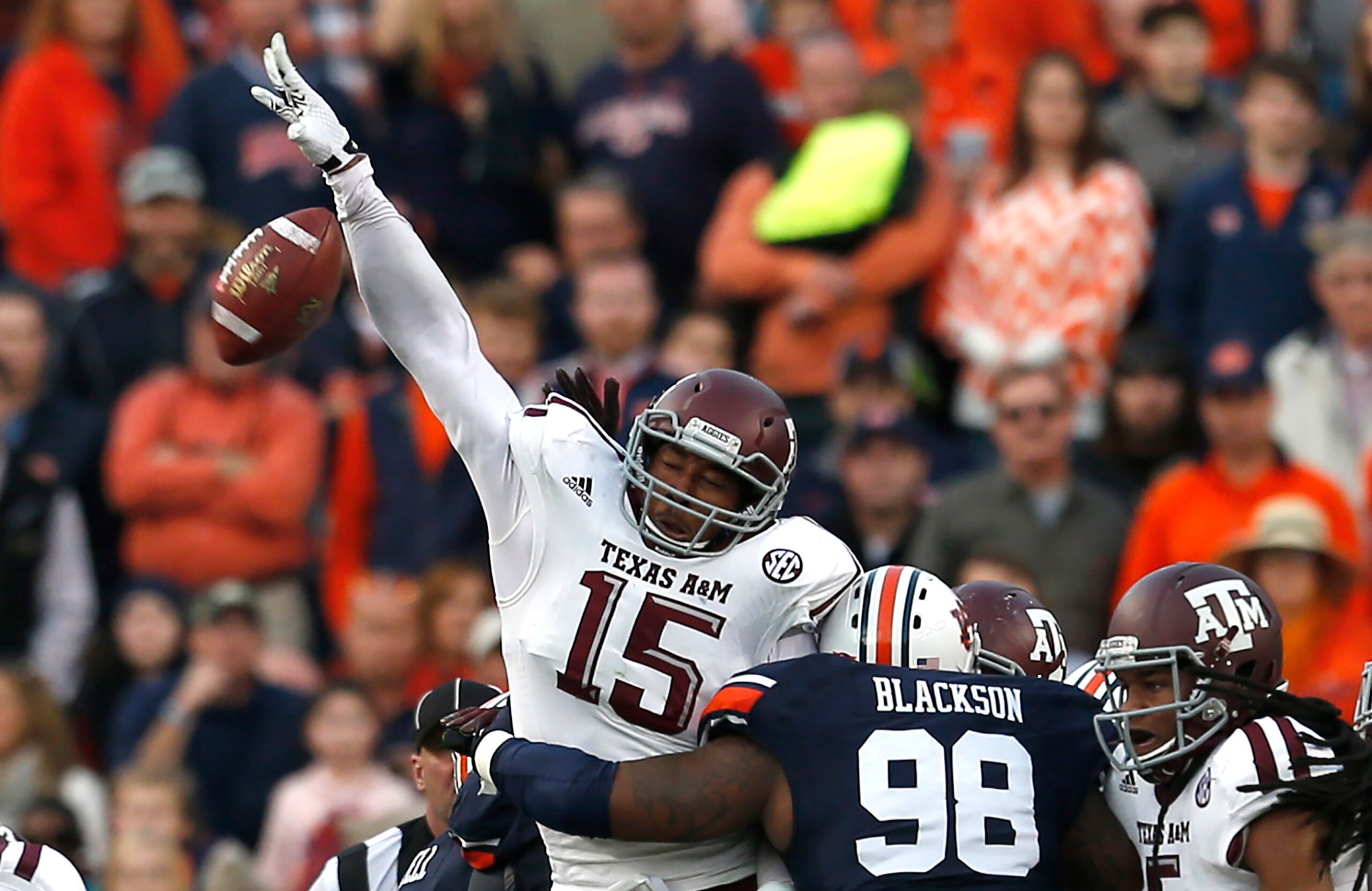
When Texas A&M finally hires its new defensive coordinator, he’ll have an excellent building block in defensive end Myles Garrett. The true freshman broke out this season as one of the top pass-rushers in college football. He finished the regular season with 50 tackles, 12.5 tackles for loss and 11.0 sacks.
The sack total was a freshman record, racing past the old record of 8.0 set by former South Carolina end and No. 1 overall NFL draft pick Jadeveon Clowney. Garrett also piled up 3.5 sacks against Louisiana-Monroe, setting an A&M freshman record.
He stands 6’5”, 255 pounds and has excellent speed and power; he's the kind of edge-rusher coveted by defensive coordinators across the country. He surpassed Clowney’s SEC freshman sack record in just nine games and five starts. It might be just the beginning.
Texas Tech
55 of 65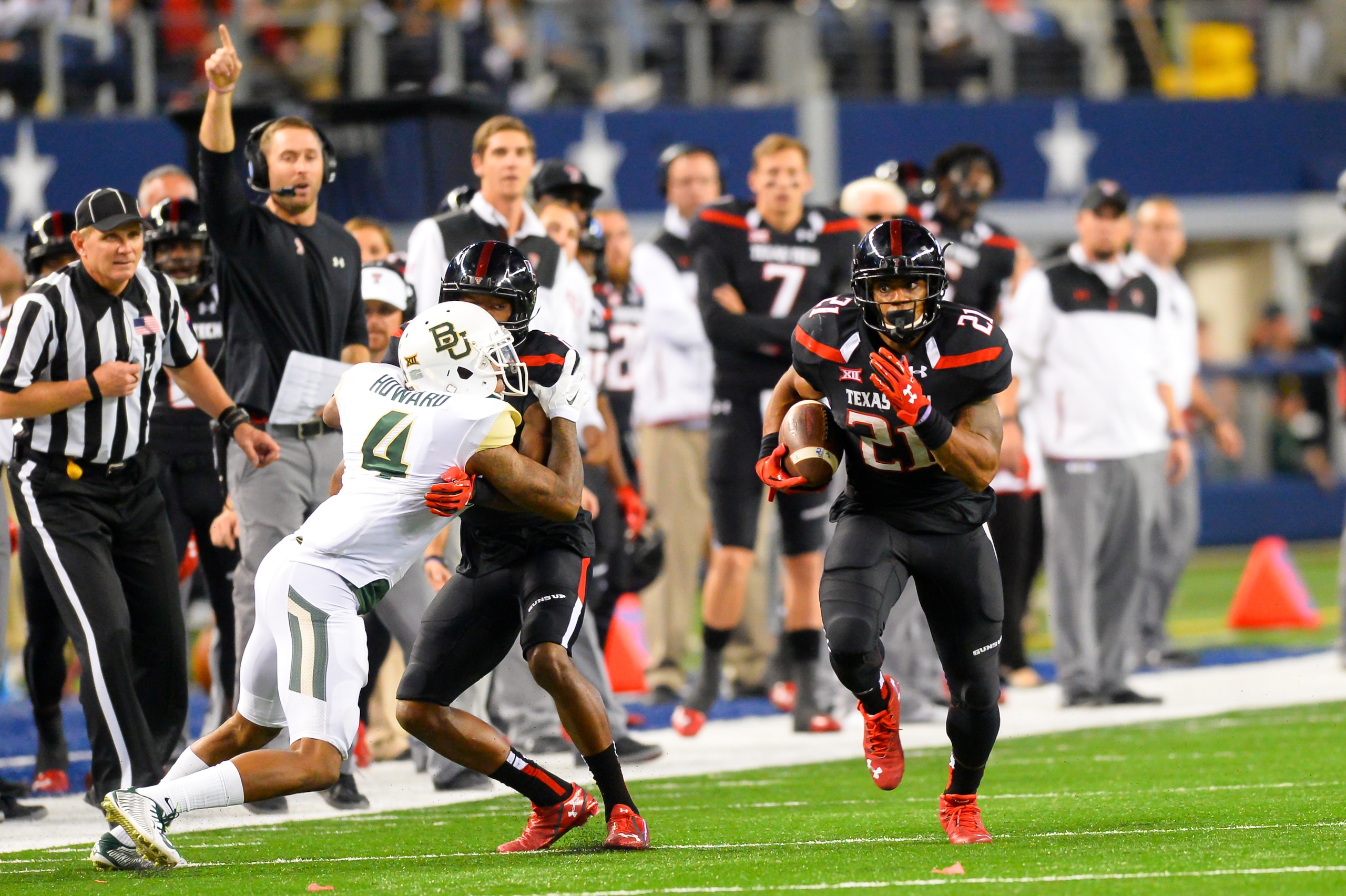
Kliff Kingsbury’s second season at Texas Tech was one to forget. The Red Raiders slipped to 4-8 and will spend the postseason at home. Tech was particularly abysmal on defense, allowing 41.3 points per game, which ranked No. 126 nationally.
However, Kingsbury found some bright spots on offense. Junior tailback DeAndre Washington emerged as a key force in the backfield. After rushing for 450 yards as a sophomore, he nearly tripled his production this fall. Washington rushed for 1,103 yards and two touchdowns, averaging 5.9 yards per carry. He had four 100-yard rushing games, including a 186-yard, one-touchdown effort against Iowa State. The 5’8,” 201-pound back was hard to bring down and should only get better next fall.
UCLA
56 of 65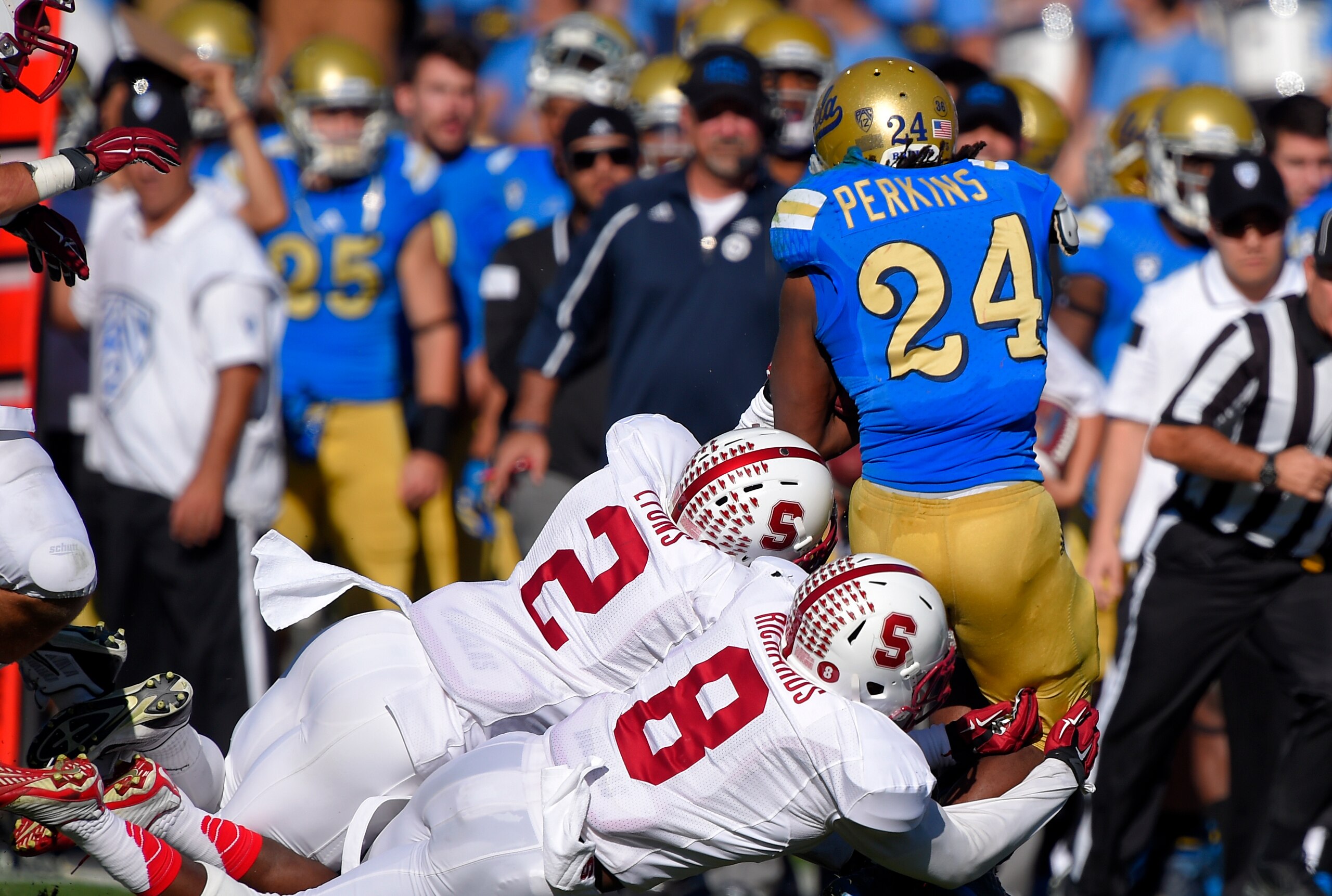
UCLA needed a lead tailback to complement quarterback Brett Hundley this fall, and the Bruins certainly found one in sophomore Paul Perkins. The 5’11”, 200-pound sophomore was leaned upon heavily in 2014, and he responded every time he got the ball.
After rushing for 573 yards as a freshman, Perkins carried for 1,378 yards and six touchdowns this fall, averaging 6.0 yards per carry. He had five 100-yard rushing efforts, and with a good night against Kansas State in the Alamo Bowl, he could easily reach 1,500 yards on the season. While Hundley is expected to depart for the NFL, Perkins will be a key piece of the Bruins offense going forward.
Utah
57 of 65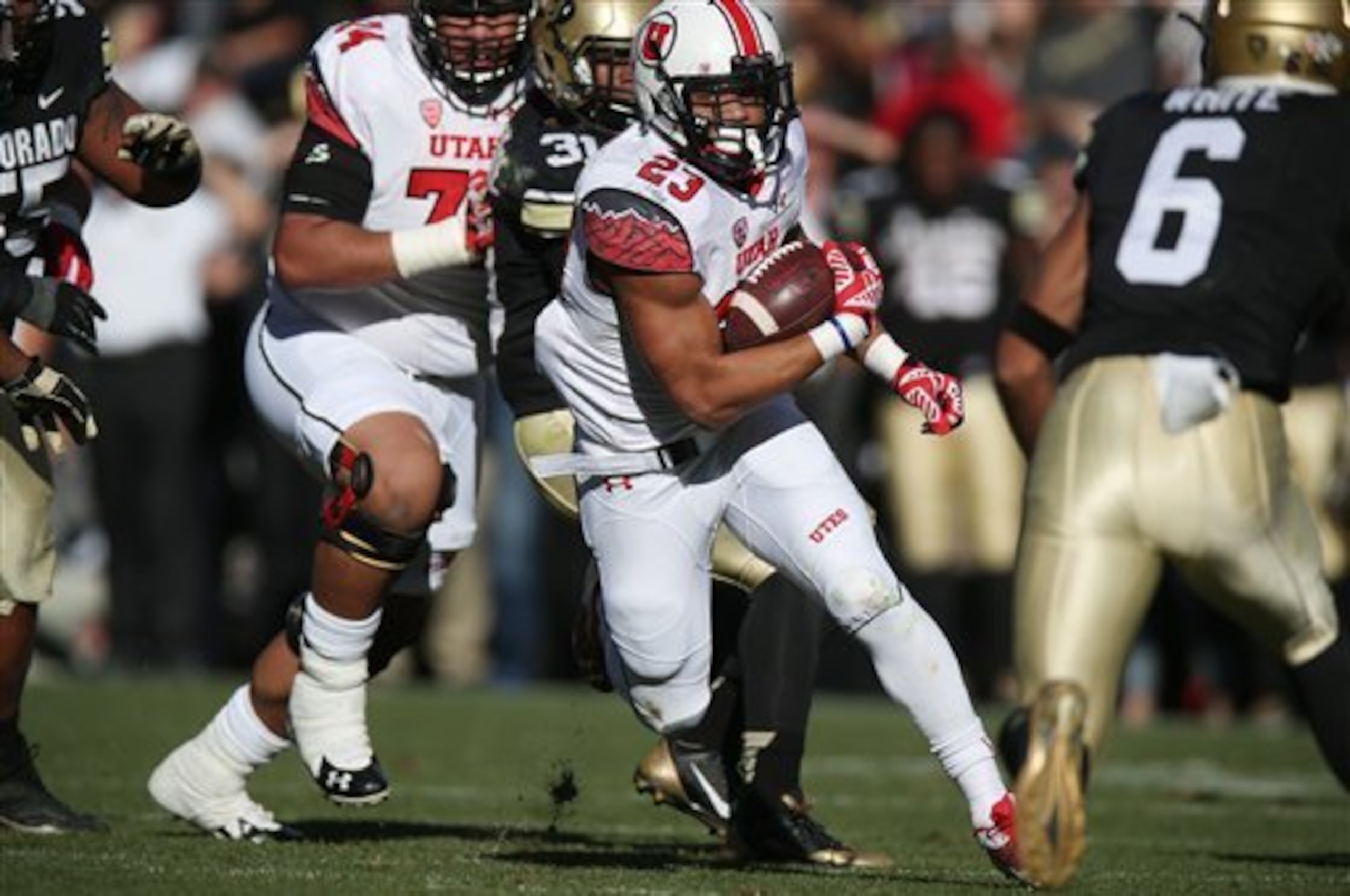
Utah took a big step forward as a program this season, rebounding from a 5-7 season in 2013 to a nine-win campaign capped off with a 45-10 rout of Colorado State in the Las Vegas Bowl. A big reason why? The Utes’ rushing offense.
Junior tailback Devontae Booker was a key piece of the offense, rushing for 1,512 yards and 10 touchdowns. The 5’11”, 203-pound back was hard to bring down and displayed excellent speed. He had six 100-yard rushing efforts and also contributed 43 receptions for 306 yards and two touchdowns.
Vanderbilt
58 of 65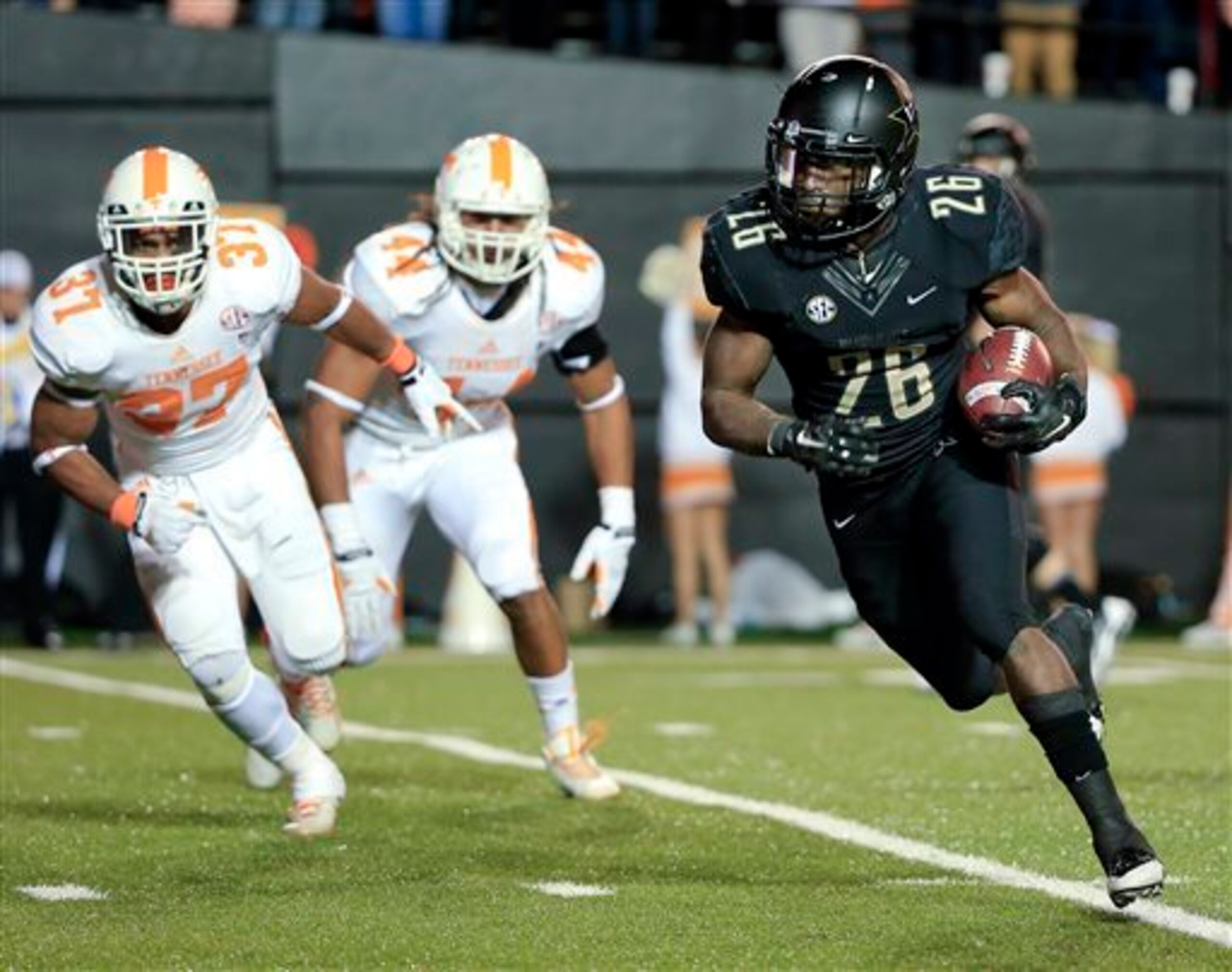
It was a miserable season for Vanderbilt. After three consecutive nine-win seasons capped by bowl wins, first-year coach Derek Mason led the Commodores to a 3-9 record and was forced to revamp his coaching staff, firing both his defensive and offensive coordinators.
That said, the new staff found a bright spot in freshman tailback Ralph Webb. He led Vanderbilt with 907 rushing yards and four touchdowns, averaging 4.3 yards per carry. 2014 was a season to forget, but Webb will remember it, and Vandy has a nice building block in its backfield with his continued presence.
Virginia
59 of 65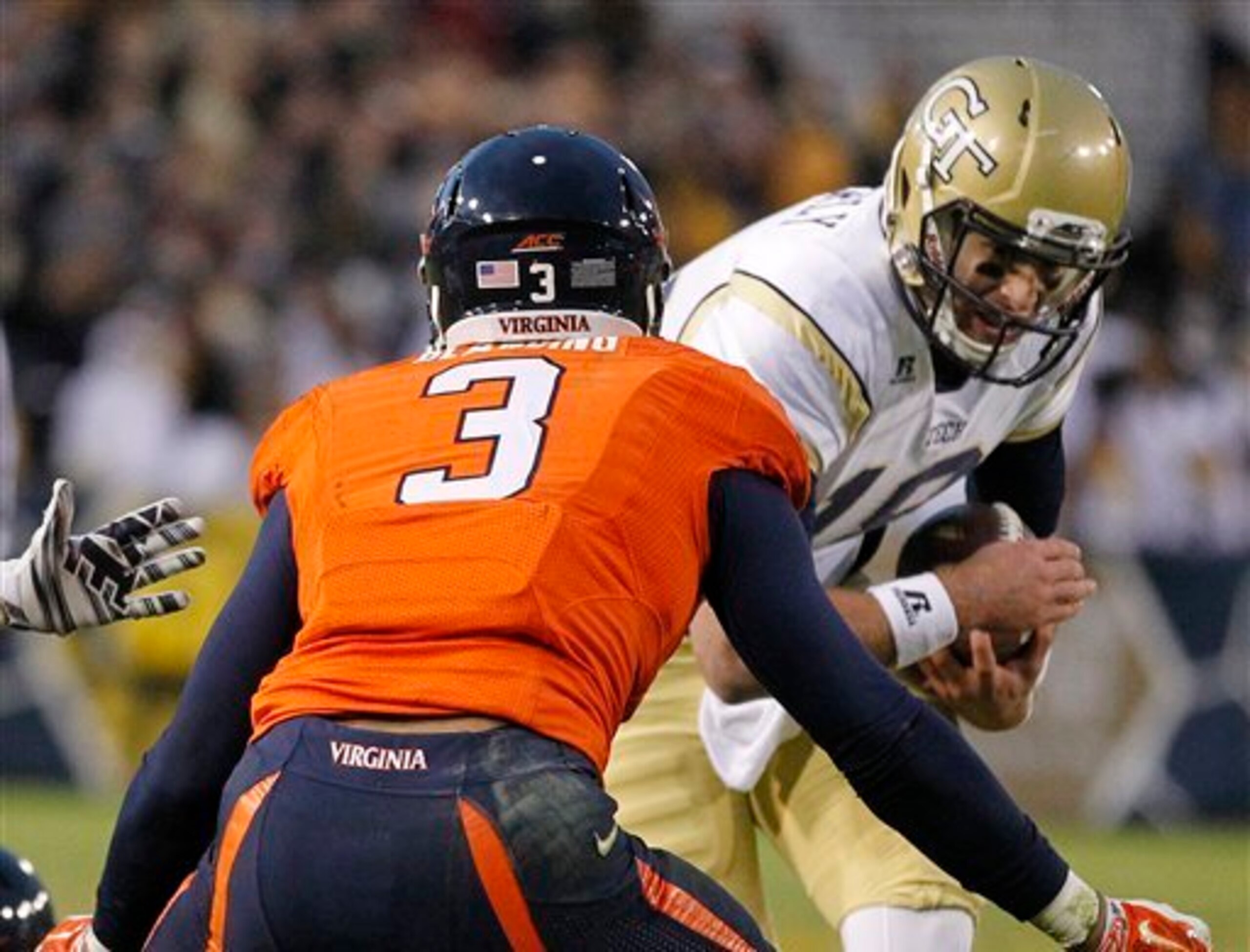
While Virginia struggled to a 2-10 record a year ago, the Cavaliers had reason for hope given a 2014 recruiting class that included in-state safety Quin Blanding, one of the nation’s most decorated prospects.
Blanding immediately fulfilled that faith. He was the first true UVA freshman to start at safety since 1976 and made a huge impact. He finished the season with 123 tackles, which topped the roster and was second in the ACC following the regular season. Blanding is an athletic player who can really hit and catch the ball; he also had three interceptions on the season.
The Cavaliers improved to 5-7 and just missed a bowl game, falling 24-20 to rival Virginia Tech in the season finale. But with Blanding anchoring the secondary, there’s reason to be excited entering 2015.
Virginia Tech
60 of 65
It’s easy to see why Virginia Tech’s 2014 was a disappointment to its fans. Despite an upset of College Football Playoff qualifier Ohio State, the Hokies finished 6-6. Tech struggled to score points, averaging 23.3 points per game, No. 98 nationally.
That said, Frank Beamer’s bunch found a major gem in freshman tight end Bucky Hodges. The 6’6”, 242-pounder was a major force in Tech’s passing game, catching 42 passes for 517 yards and seven touchdowns. He formed instant chemistry with quarterback Michael Brewer and caught a pass in every game.
His seven scores tied Virginia’s Clive Walford, a Mackey Award finalist, for most among ACC tight ends, leading Tech’s roster. He was second in receptions and yardage to fellow freshman Isaiah Ford in the Hokies offense. With Ford and Hodges on board, the passing game is in solid shape.
Wake Forest
61 of 65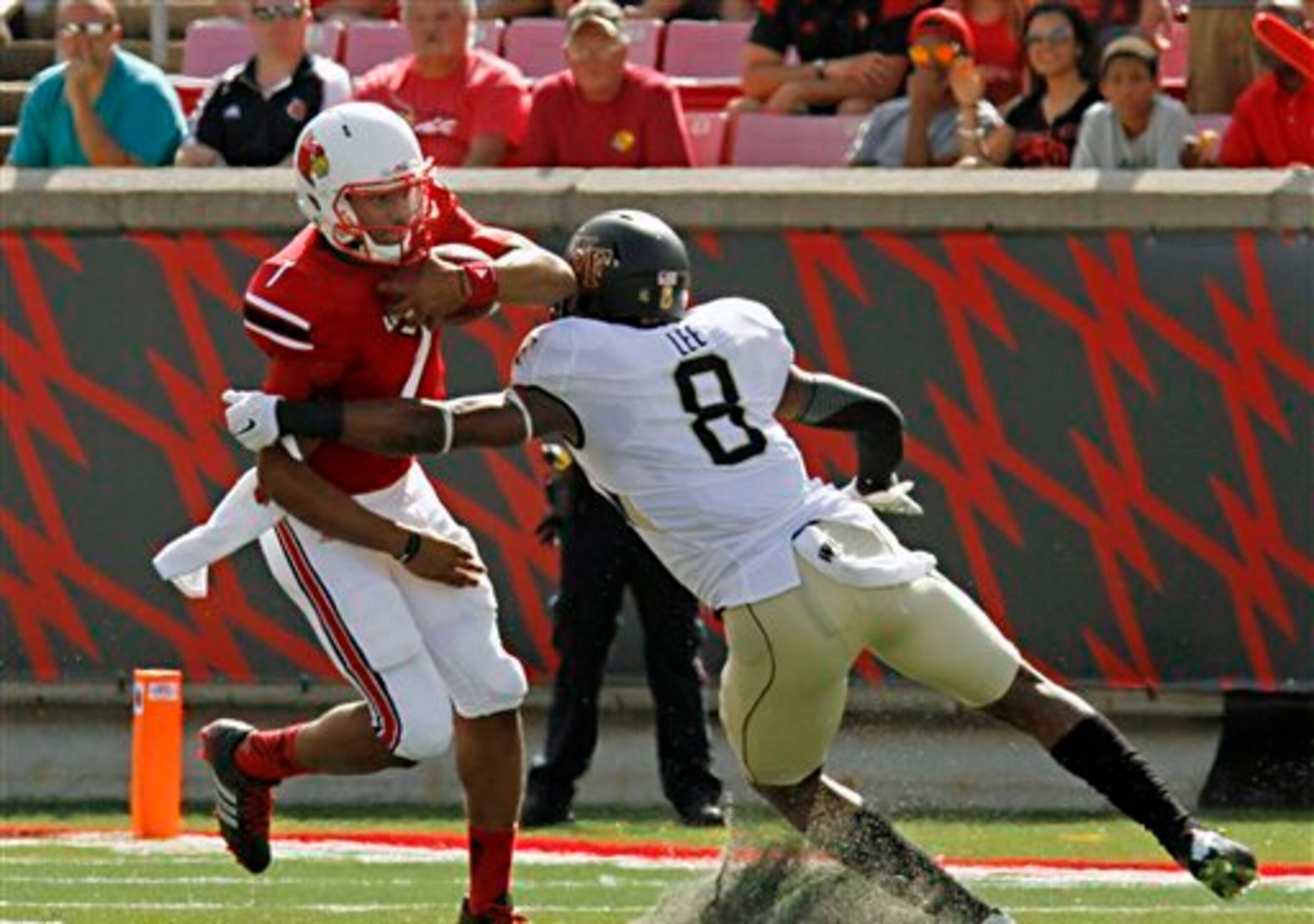
It’s no stunner that 2014 was largely miserable for Wake Forest. The Demon Deacons finished 3-9, and the offense was one of the nation’s worst, averaging 14.8 points per game and finishing No. 127 nationally. However, there were some bright spots in Dave Clawson’s first season, particularly on the defensive side of the ball.
Sophomore linebacker Marquel Lee emerged as a playmaker for the defense, piling up 101 tackles, 12 tackles for loss and four sacks. Rebuilding at Wake won’t be easy, but with active players like Lee on the roster, Clawson’s task will be a bit simpler.
Washington
62 of 65
Shaq Thompson was already a good player for Washington’s defense. He had earned honorable mention All-Pac-12 honors in each of his first two seasons. But this fall, Thompson went from good to great.
Thompson won the Paul Hornung Award as the nation’s most versatile player, excelling on both sides of the ball for Washington and new coach Chris Petersen.
He scored six touchdowns this season, four on defense and two on the other side of the ball as a tailback.
As a tailback, Thompson rushed for 456 yards with two touchdowns, averaging 7.5 yards per carry. He was even more impressive as a playmaking linebacker. He had 71 tackles with 2.0 tackles for loss, a sack, an interception, four forced fumbles and three fumble recoveries. Thompson always seems to be around the ball, and you’ll have at least one more chance to watch him in a UW uniform in the Cactus Bowl against Oklahoma State.
Washington State
63 of 65
This was a difficult season in Palouse. Following a bowl appearance in 2013, Mike Leach’s Washington State team regressed this fall, slipping to 3-9. However, there were some positives among the gloom.
Leach and WSU found the Cougars’ quarterback of the future in freshman Luke Falk, albeit not as they had hoped. When senior Connor Halliday, one of the nation’s most prolific quarterbacks, saw his career end due to a broken leg, Falk stepped in and didn’t miss a beat.
In his second career start, Falk threw for 471 yards and five touchdowns against Oregon State. The following week, he completed 45 of 74 passes for 601 yards against Arizona State. The Air Raid offense needs a quarterback who can throw, throw and throw, and Falk fits the bill. He threw for 1,859 yards with 13 touchdowns against seven interceptions this fall and only figures to add to those totals going forward.
West Virginia
64 of 65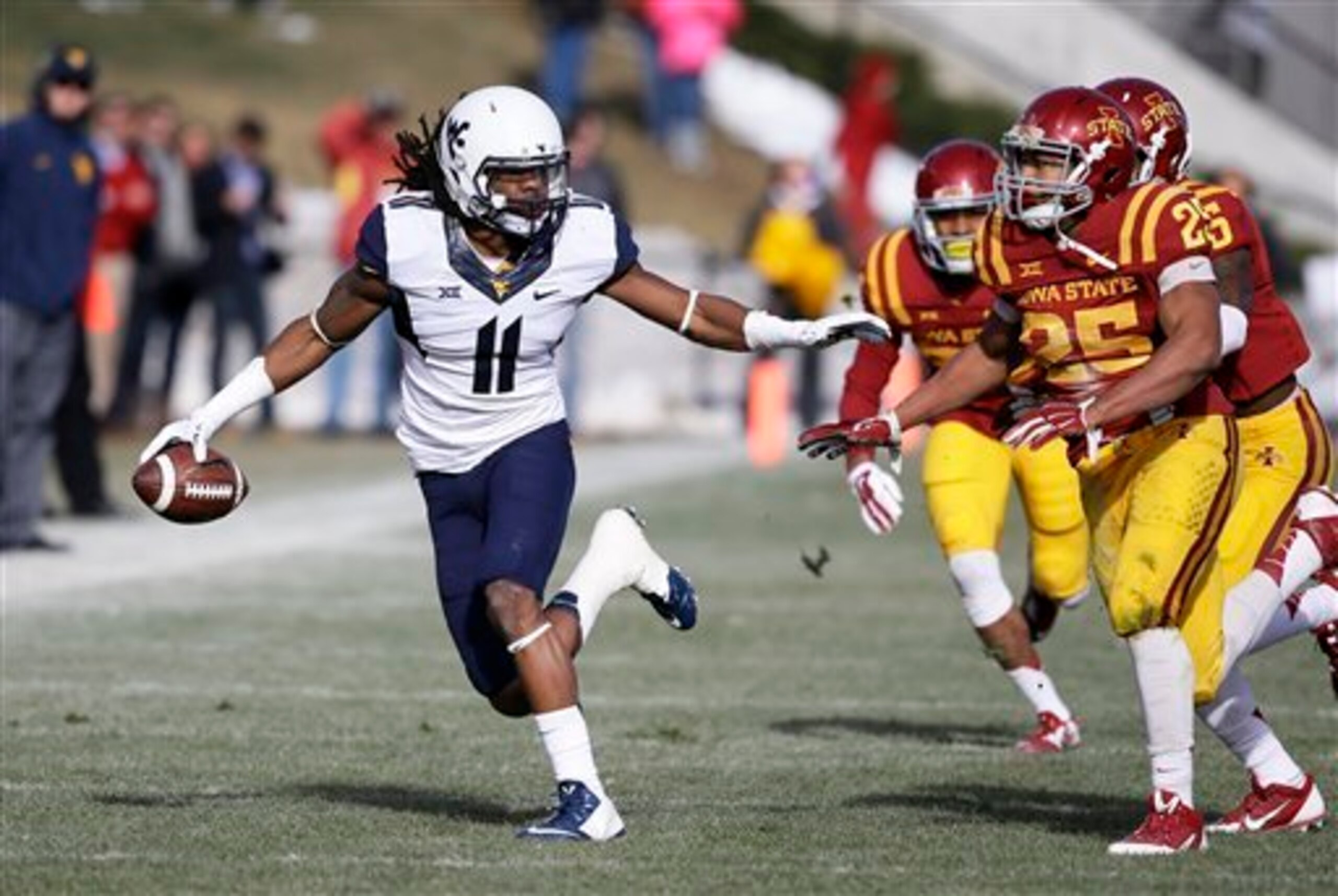
Better late than never, right? That’s the ethos that Kevin White has exemplified this fall. In his final season of college football, West Virginia’s senior receiver has been one of the game’s top receivers and a key piece of a passing offense that averages 314.6 yards per game, No. 9 nationally.
After catching 35 passes for 507 yards and five touchdowns last fall, White turned into one of the nation’s top wideouts this fall, catching 102 balls for 1,318 yards and nine touchdowns.
It was the culmination of an incredible journey from Lackawanna College to Division I, as SI.com's Ben Glicksman writes. Per Glicksman, White's determination played a huge role in that rise. "I just made my mind up and said I’m gonna make it happen," White said. "It made me realize without football I’m really not passionate for anything else. It just kind of opened my eyes up and made me wanna take my game to the next level."
At 6’3”, 210 pounds, White has an NFL-ready frame that should garner plenty of interest from professional teams early in next spring’s draft. He has excellent ability to go deep and can spring up for passes that only he can catch. He had eight 100-yard receiving games this season, including a 13-catch, 216-yard effort against Maryland. With a matchup left against Texas A&M’s leaky defense in the Liberty Bowl, those numbers should only increase.
Wisconsin
65 of 65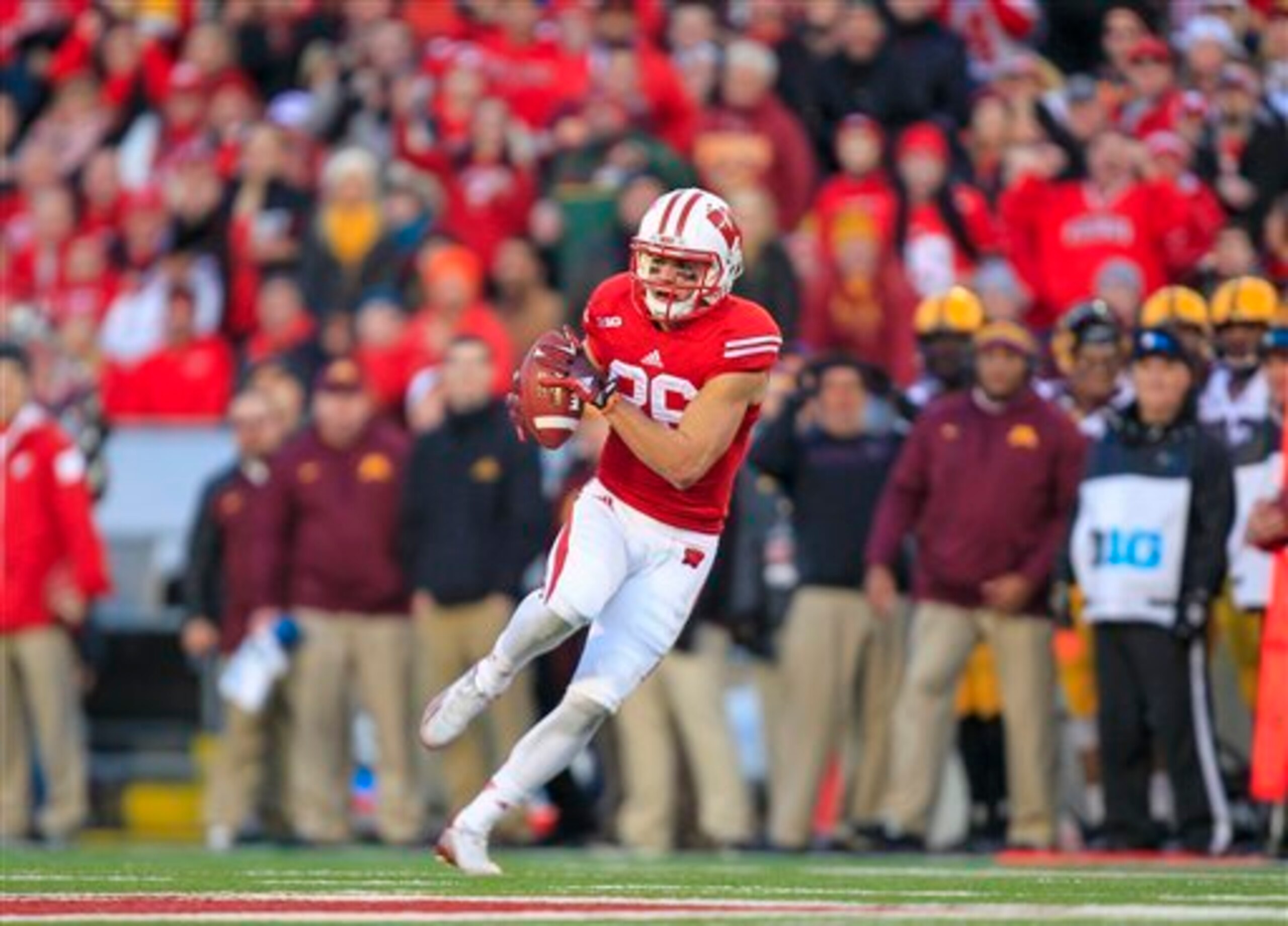
This fall, tailback Melvin Gordon got plenty of attention in Wisconsin’s offense, and with good reason. The Heisman Trophy runner-up rushed for 2,336 yards and 23 touchdowns as a key reason for the Badgers’ Big Ten West Division title. But he wasn’t the only piece of the offense that found success.
Wisconsin needed a receiver to step forward, and sophomore Alex Erickson fit the ball. Following a nine-catch, 127-yard freshman season, Erickson caught 51 passes for 734 yards and three scores this fall. He was the Badgers’ leader in both receptions and receiving yardage.
Erickson had three 100-yard receiving games, including a five-catch, 160-yard effort in the Big Ten West title game against Minnesota. He has room to grow in the offense too.
Stats for this article were obtained from ESPN.com and individual teams' websites.
.jpg?w=2560 "Jaguars Colts Football")
.jpg?w=2560 "Malik Beasley Negotiating Plea Deal (AP)")
.jpg?w=2560 "Aikman Blasts Cowboys WR 🫣")

.jpg?w=2560 "Jonathan Taylor Landing Spots")