
10 Most Disappointing Teams of 2014 College Football Season
We’re nearing the end of college football’s 2014 regular season. Conference championships are set, teams are getting bowl-eligible and accepting postseason bids and Saturday will be the last thing resembling a full slate of football until September of 2015. Sunday afternoon, the College Football Playoff’s first four-team field will be revealed, as well as the rest of the bowl destinations.
Many fans will be happy with their teams, but a number of followers across the nation will spend the winter stewing about what might have been. While this season featured positive surprises like Mississippi State and TCU, it also included many teams who failed to live up to preseason expectations.
Here’s a look at the most disappointing teams of the 2014 season.
Florida
1 of 10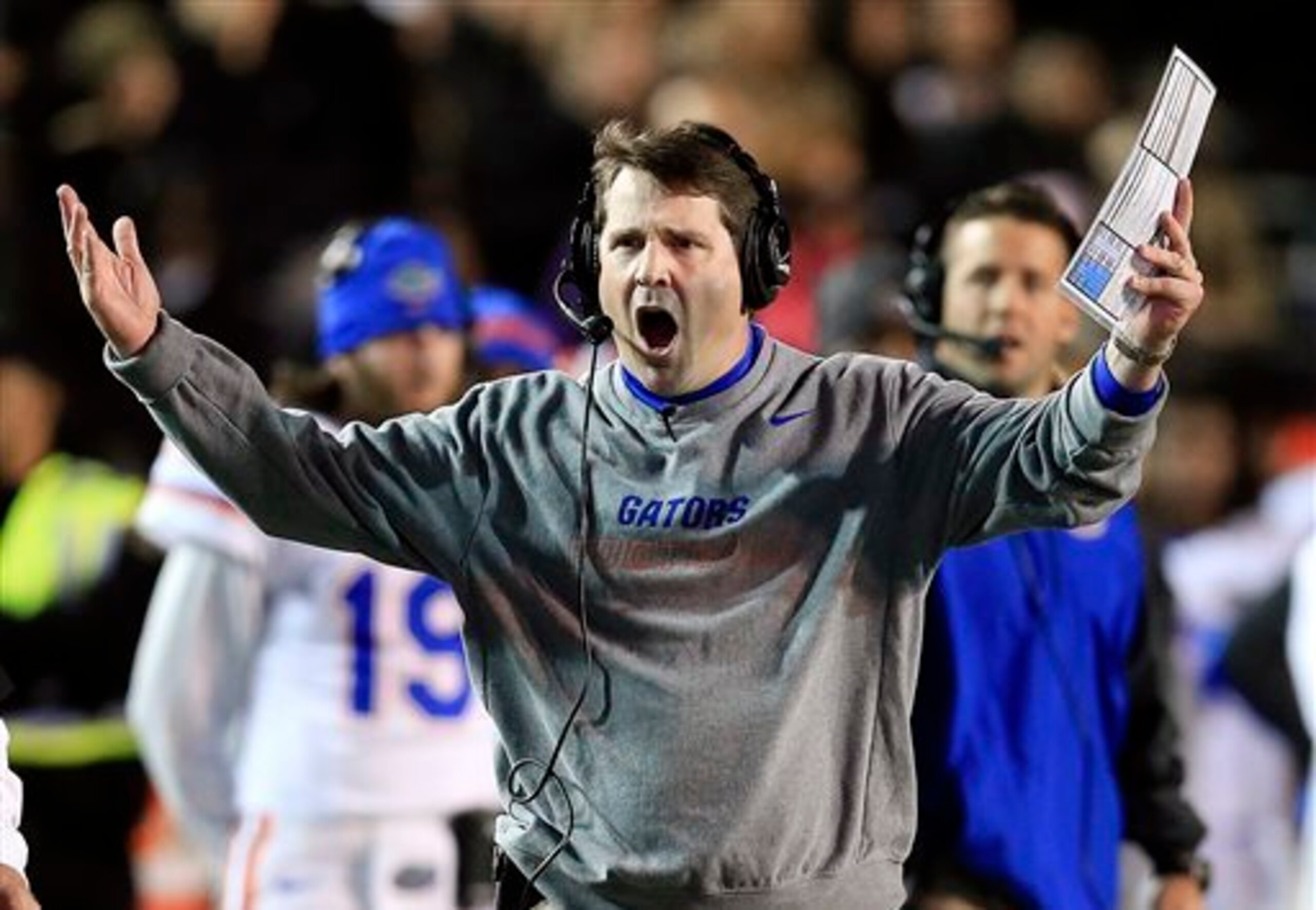
When Will Muschamp hired Kurt Roper to run Florida’s offense, the idea was that Roper would install a fast-paced, pass-happy scheme that would lift the Gators back to SEC relevance and national contention. Instead, it was more of the same.
Junior quarterback Jeff Driskel, expected to take a step forward in the offense, was awful before being benched in favor of freshman Treon Harris. Driskel threw for 1,092 yards with nine touchdowns against 10 interceptions. Florida averaged only 180.7 passing yards per game, which ranked No. 107 nationally.
There were highlights, like a 38-20 win over Georgia in Jacksonville that ultimately kept the rival Bulldogs from winning the SEC East, but they were outweighed by the lowlights like an ugly 42-13 home loss to Missouri and last-second home losses to LSU and South Carolina.
The Gators are actually bowl-eligible at 6-5, but Muschamp won’t be around to coach a potential bowl game. He was fired two weeks ago, which was hardly a stunner.
Michigan
2 of 10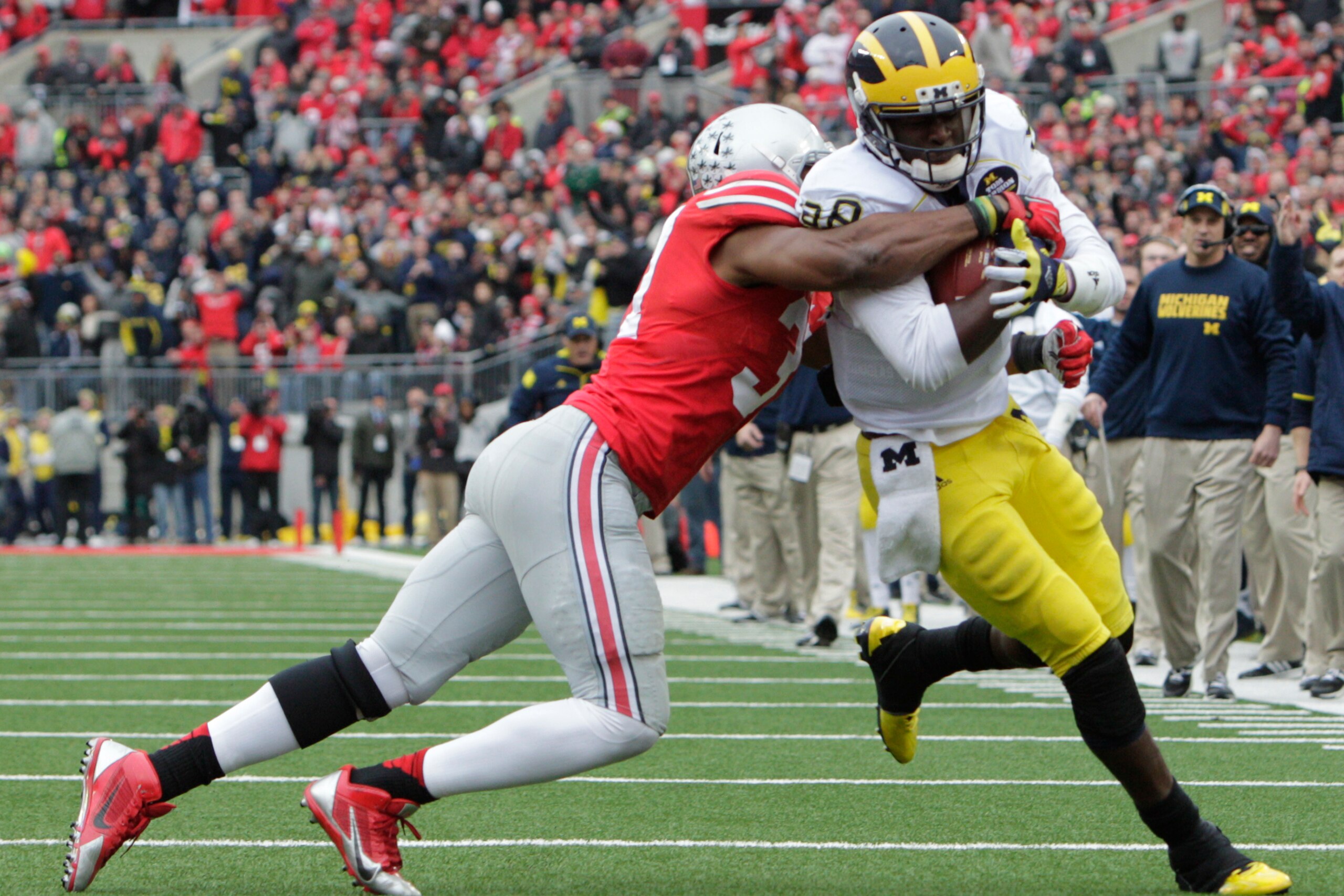
Following a 7-6 record in 2013 that featured an anemic offense, Brady Hoke canned offensive coordinator Al Borges and replaced him with Alabama offensive coordinator Doug Nussmeier. The idea was that a more balanced offense would lead to success for the Wolverines.
It didn’t work that way. At all. A 31-0 shutout loss at Notre Dame, the program’s first shutout since 1984, set the tone for the season. Michigan regressed offensively, averaging only 20.9 points per game. Senior quarterback Devin Gardner regressed as well, throwing 10 touchdowns against 15 interceptions and 1,896 yards, a year after throwing for 2,960 yards with 21 touchdowns against 11 interceptions.
Mark Snyder of the Detroit Free Press said everything went wrong this season.
While the rushing game improved, going from 125.7 yards per game in 2013 to 162.8 this fall, the Wolverines averaged only 170.2 passing yards per game, which ranks No. 112 nationally.
Gardner and other players defended Hoke to Nick Baumgardner of MLive.com.
"He believes and he fights, him coming to work every day hasn't wavered one bit. Win, lose, Sugar Bowl, no bowl. It's the same. He's there every day and he works hard with us. We respect him for that. We love him for that. I don't make those type of decisions, I just know he's a great coach. He's coached us hard. We've tried to execute. It just didn't work out the way we thought it should.
"
Hoke sparked controversy earlier this season when he sent backup quarterback Shane Morris back into a game despite Morris apparently suffering a concussion. The Wolverines finished 5-7, and athletic director Dave Brandon was fired. It wouldn’t be a surprise if Hoke followed him out the door.
Miami (Fla.)
3 of 10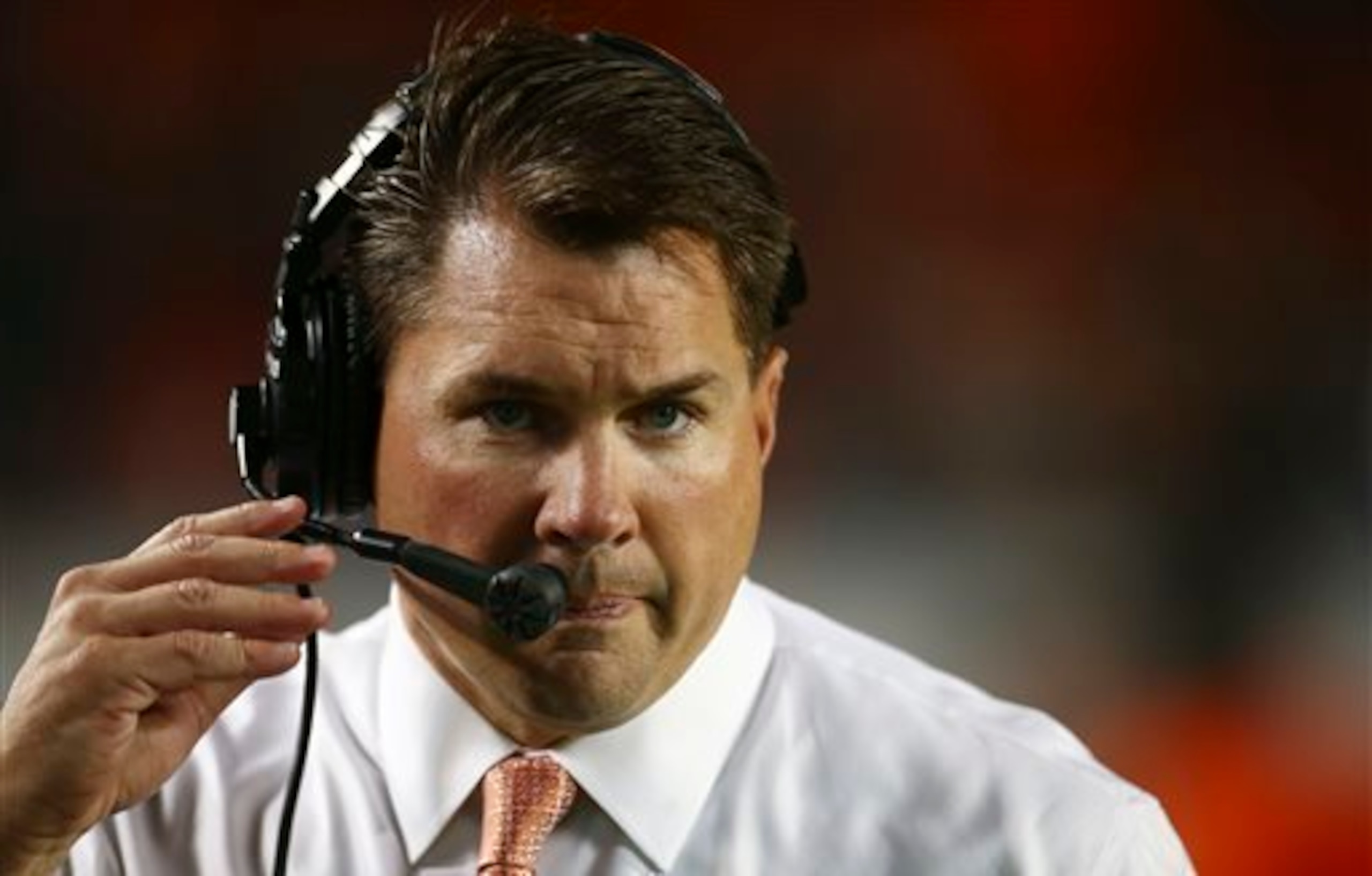
When Miami joined the ACC 10 years ago, it was expected to help the league become one of the nation’s best football conferences. The league does have a recent national champion and likely College Football Playoff team in Florida State, but the Seminoles’ rival, Miami, simply hasn’t found its footing.
The Hurricanes’ last 10-win season came in 2003, but coming off a 9-4 season in 2013, 10 wins looked like a possibility this fall, especially with star tailback Duke Johnson returning healthy.
Instead, the 'Canes took a step back. Saturday’s 35-23 home loss to Pitt capped a three-game losing streak to end the year, finishing Miami’s season at 6-6.
Johnson was impressive, rushing for 1,520 yards and 10 touchdowns. So was freshman quarterback Brad Kaaya, who threw for 2,962 yards with 25 touchdowns against 11 interceptions. But the Hurricanes’ most impressive win was probably over Duke. A 6-6 record shouldn’t be acceptable for Miami fans. Al Golden needs to improve, and fast.


Northwestern
4 of 10
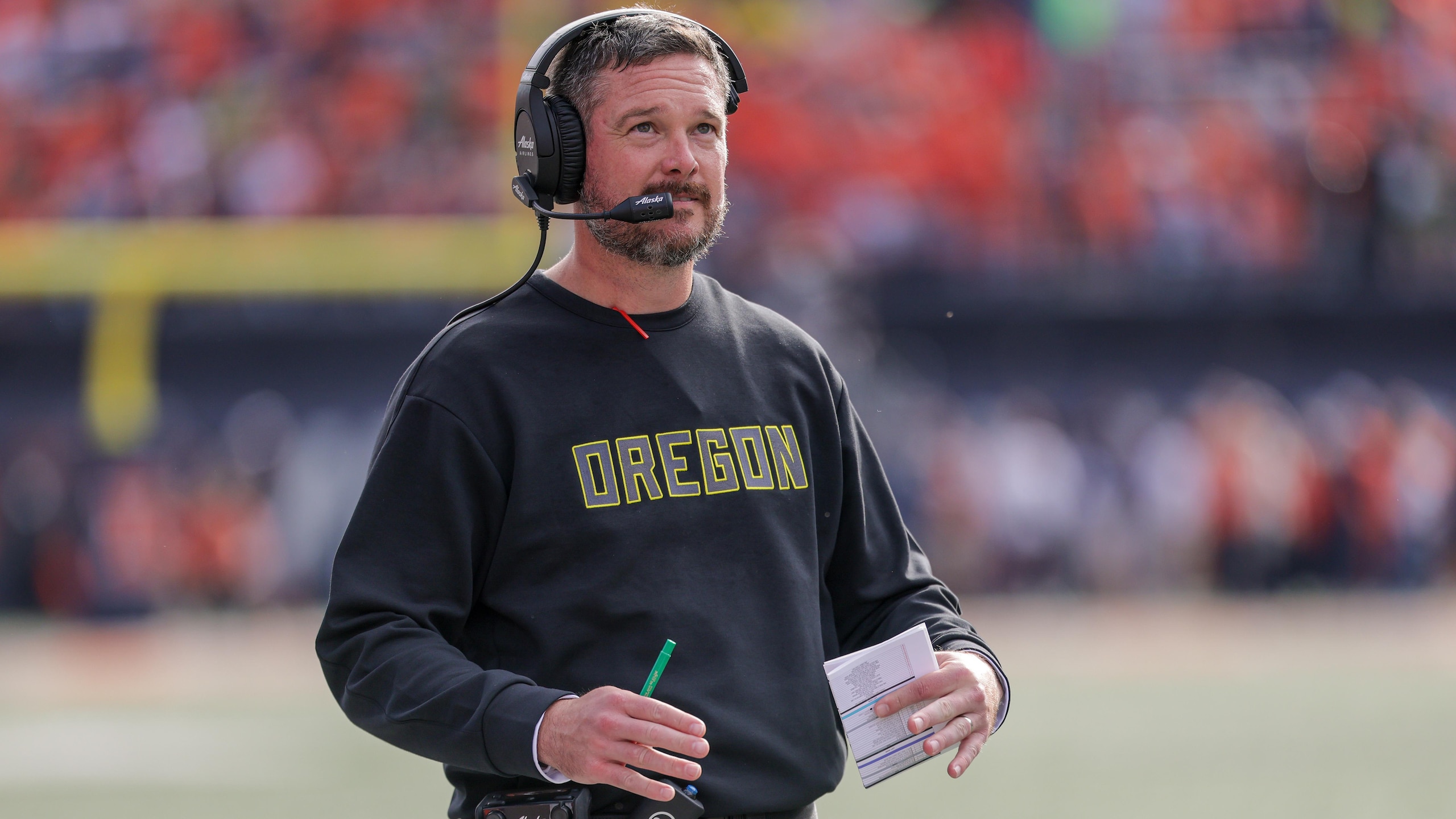
After losing four games by 10 points or fewer and two games in overtime in last fall’s 5-7 season, more was expected from Northwestern this fall. Sixteen starters returned, and senior tailback Venric Mark, a former 1,300-yard rusher, returned from injury as well.
But Mark transferred in mid-August to Division II West Texas A&M, and the Wildcats lost their first two games, to Cal and Northern Illinois. Close again didn’t cut it for the Wildcats. They lost four games by 10 points or fewer and averaged only 23 points per game, No. 101 nationally.
And with postseason eligibility on the line Saturday, Pat Fitzgerald’s team gave one of its flattest efforts of the season in an ugly 47-33 loss to a mediocre Illinois team. They’ll have plenty of time to think about it following the program’s second consecutive 5-7 season.
Notre Dame
5 of 10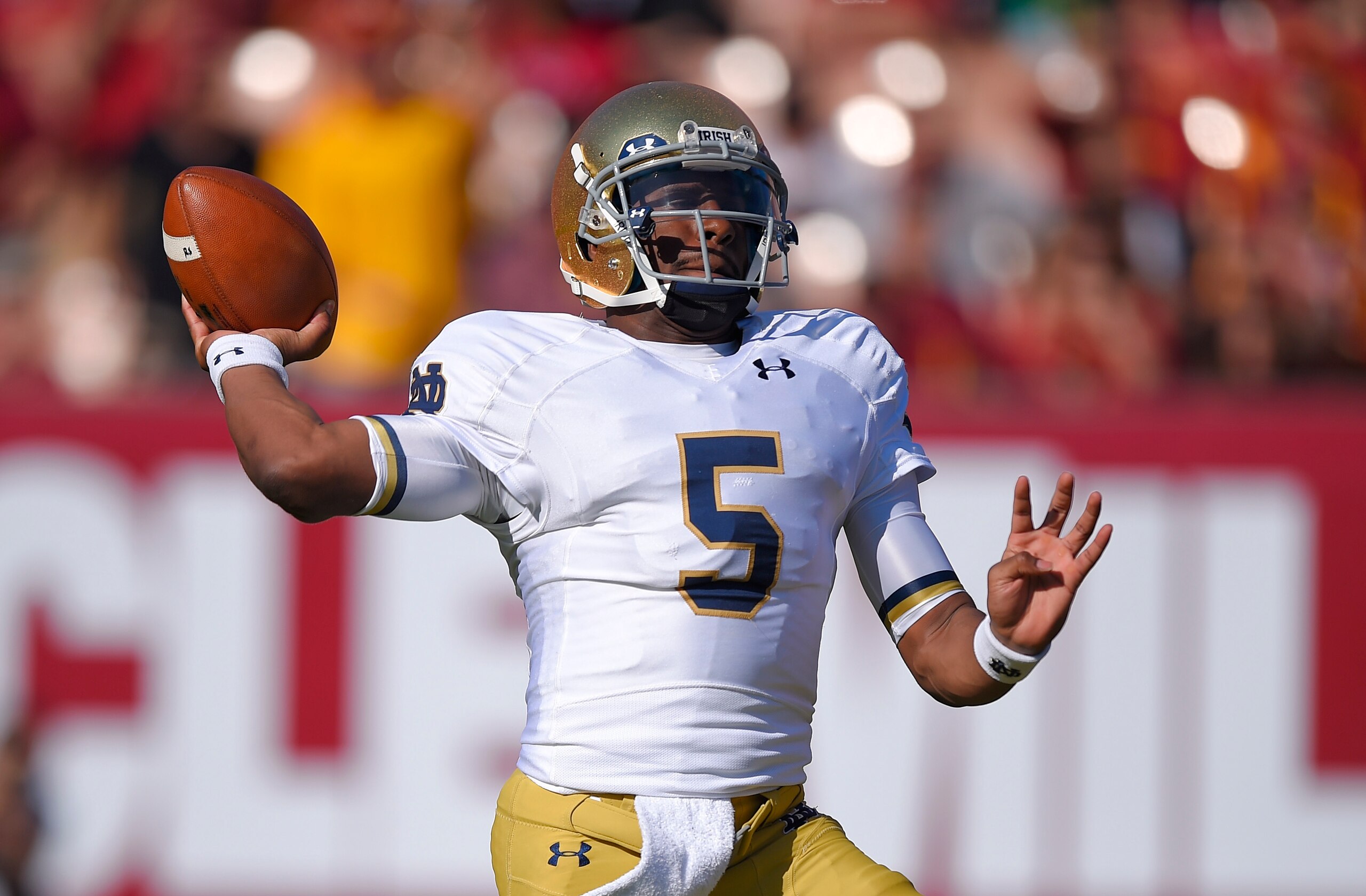
Six weeks ago, Notre Dame appeared to be in excellent shape. The Fighting Irish started the season 6-0, and only a controversial pass-interference call separated them from a win at defending national champion Florida State.
Since then, however, the bottom has fallen out. Saturday’s ugly 49-14 defeat at Southern California capped a four-game losing streak to end the regular season at 7-5, well out of the College Football Playoff discussion.
Quarterback Everett Golson threw for seven touchdowns against seven interceptions during that streak and was pulled Saturday in favor of backup Malik Zaire with Notre Dame already trailing 35-0.
A beleaguered defense is allowing 44.5 points per game in that stretch. The Irish are bowl-eligible, but they might just prefer to end the season right now.
Oklahoma
6 of 10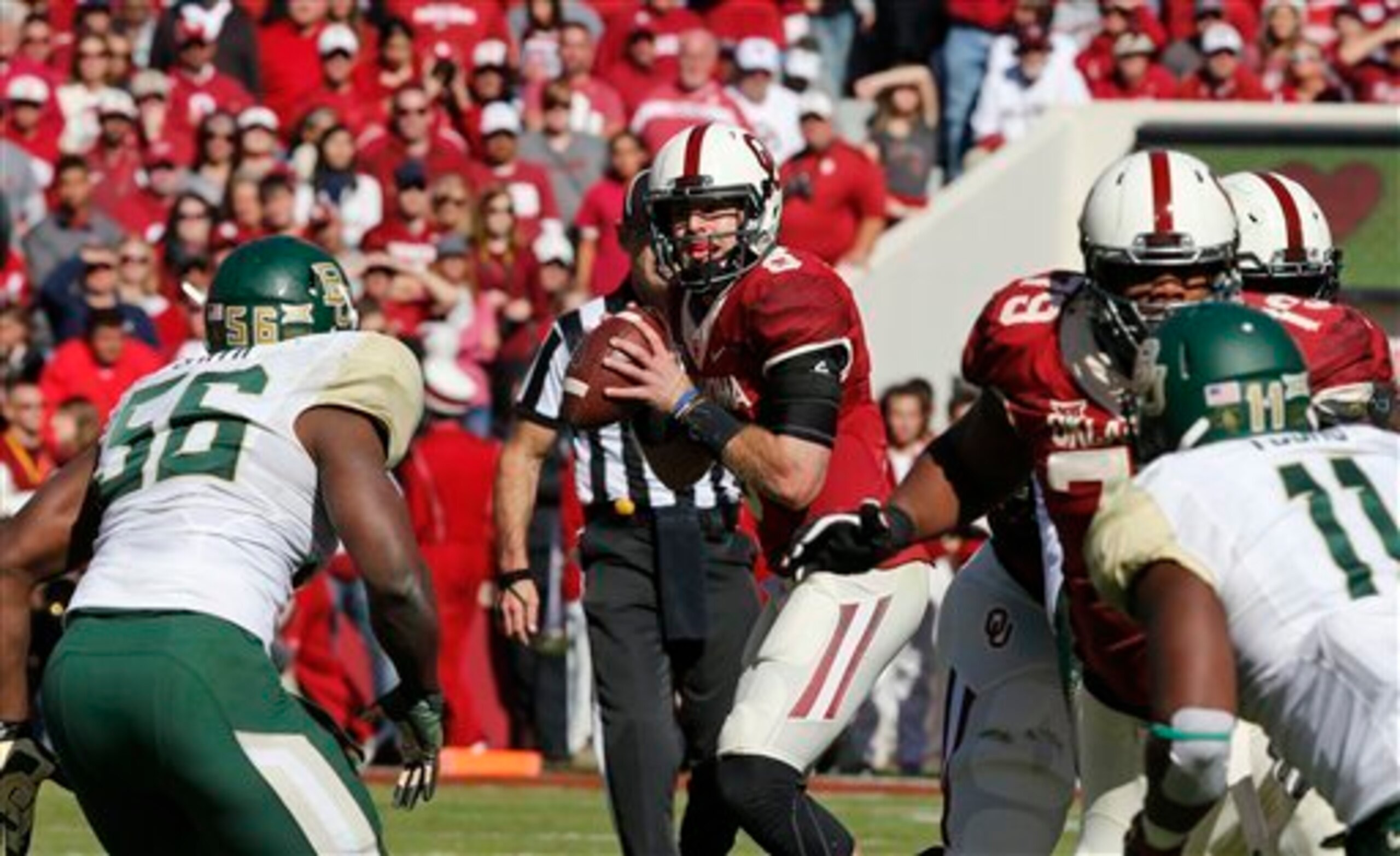
With a BCS National Championship and multiple Big 12 titles on his resume, Bob Stoops’ program has big expectations from Oklahoma fans. And this year was no different. The Sooners finished 2013 on a high after a 45-31 Sugar Bowl victory over Alabama capped an 11-2 season. They were a fixture in preseason Top 10 polls in August. But this season never really reached those heights.
A road loss to TCU and a home loss to Kansas State removed the Sooners from the College Football Playoff discussion, and a 48-14 home loss to Baylor ended any hopes of a Big 12 title.
Freshman Samaje Perine emerged as one of the nation’s best tailbacks, setting an FBS single-game rushing record with 427 yards against Kansas; he has 1,428 on the season entering the regular-season finale against Oklahoma State. But sophomore quarterback Trevor Knight didn’t take the step forward expected of him, throwing 14 touchdowns against nine interceptions.
The Sooners are 8-3 and can still earn a 10-win season with a victory over the Cowboys and a bowl win. But that won’t cut it, given the heights that were expected this season.
South Carolina
7 of 10
South Carolina has been a coaching graveyard, which makes the run the Gamecocks made from 2011-13 even more impressive. Steve Spurrier guided USC to three consecutive 11-win seasons, capped by bowl wins each year. That stretch also saw South Carolina win five consecutive games over hated rival Clemson, the program’s longest stretch in the rivalry’s history.
While it wasn’t going to be easy to replace stalwarts like defensive end Jadeveon Clowney (the NFL’s No. 1 overall pick), defensive tackle Kelcy Quarles and gritty quarterback Connor Shaw, the expectation was more about reloading than rebuilding in Columbia.
But those expectations dimmed after Texas A&M dealt the Gamecocks a shocking 52-28 home defeat to open the season. South Carolina had won 18 consecutive home games but finished the season just 4-3 at Williams-Brice Stadium. The Gamecocks defense was awful, allowing 31.2 points per game, which ranks No. 93 nationally.
Worst of all, the regular season ended with a 35-17 loss at Clemson, and at 6-6, South Carolina appears headed for a mid-level bowl game. There will be plenty of speculation about Spurrier’s staff and his future, and it appears well-founded.
Stanford
8 of 10
Following two consecutive Pac-12 championships, Stanford appeared ready to contend for a third league title and challenge for a College Football Playoff berth. There were questions about an offensive line that returned only one starter in junior left tackle Andrus Peat, but excellent replacements were ready to step in.
However, coach David Shaw’s program has fallen back to the ranks of the average. Although it finished with a flourish thanks to season-ending wins over Cal and UCLA, 7-5 isn’t up to the standards that Shaw has set.
The Cardinal never found a lead running back it could count on (leading rusher Remound Wright had just 552 yards), and quarterback Kevin Hogan (17 touchdowns, eight interceptions) is just average. Stanford scores just 25.7 points per game, No. 88 nationally. That won’t cut it in the high-powered Pac-12.
Vanderbilt
9 of 10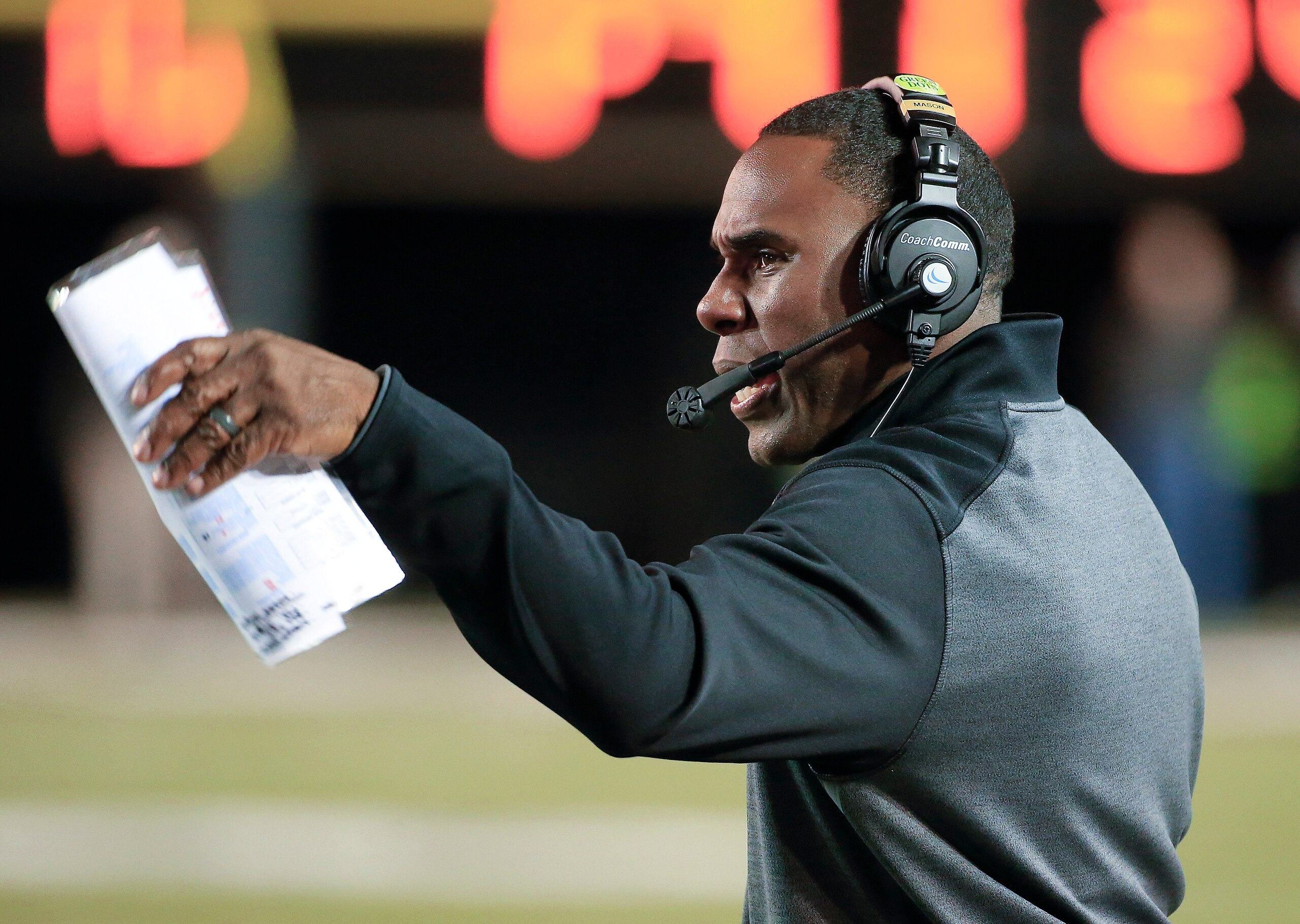
When James Franklin left Vanderbilt for Penn State, it wouldn’t have been shocking to see the Commodores take a step back. After all, back-to-back nine-win seasons capped by bowl victories was unprecedented at Vandy, a historic SEC doormat. But the depths the 'Dores sunk to this season were shocking.
Saturday’s 24-17 loss to Tennessee capped a 3-9 season for Vanderbilt. Derek Mason’s head coaching debut was a 37-7 loss to Temple, and it didn't get much better from there.
Vandy lost four games by at least 27 points, and its only wins came against FCS foe Charleston Southern, UMass and Old Dominion. And it could have been worse: Vandy held off Charleston Southern 21-20 and needed a fourth-quarter rally to edge UMass 34-31. UMass finished the season 3-9.
It was all-around bad. The 'Dores averaged just 17.2 points per game and finished No. 120 nationally in scoring offense. Four different quarterbacks started games. The defense was no better, allowing 33.3 points per game, No. 106 nationally.
Mason’s honeymoon in Nashville, if he ever had one, is over. He’ll have to shake up his coaching staff this winter.
Virginia Tech
10 of 10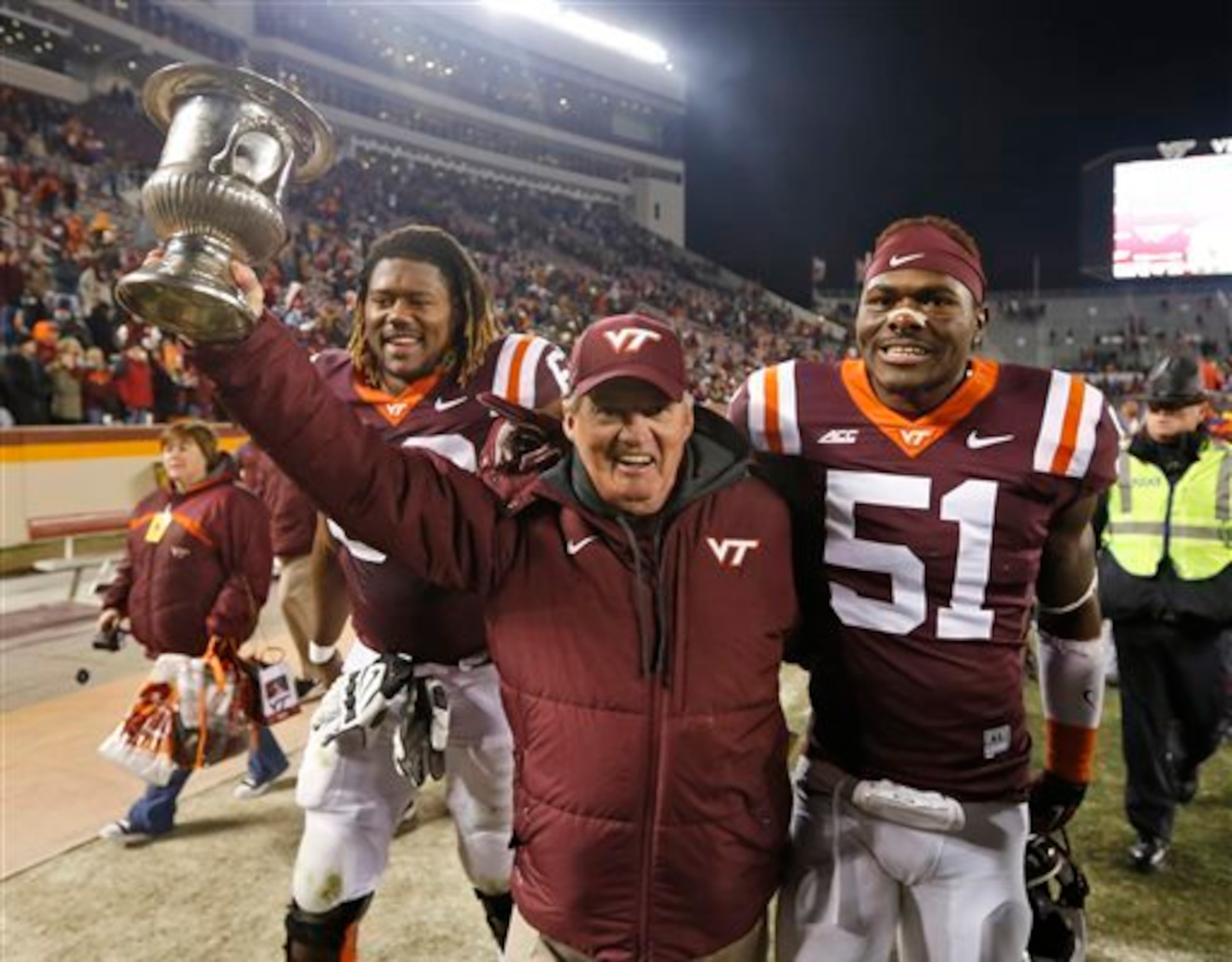
When Virginia Tech went into Columbus and handed Ohio State its first home defeat since 2011, it looked like the makings of a special season in Blacksburg. The Hokies were 2-0 and appeared to be, at the very least, an early ACC Coastal Division favorite.
Fast-forward to Friday, when Frank Beamer’s bunch needed a late touchdown just to beat Virginia and avoid missing a bowl for the first time in 22 seasons. Andy Bitter of the Roanoke Times asks if Beamer's run is nearing its end.
What happened?
You never really knew which Virginia Tech team was going to show up, but you knew they’d likely struggle to score points. The season’s nadir was an ugly 6-3 double-overtime loss at Wake Forest, which ended regulation scoreless. Yep, scoreless.
The Hokies average 23.3 points per game, which ranks No. 100 nationally. Quarterback Michael Brewer wasn’t the savior many expected, throwing 17 touchdowns against 14 interceptions. Following an eight-year streak of 10-win seasons, the Hokies are 21-17 in the last three seasons.
This offseason will bring questions about the future of 68-year-old Beamer, and, at the very least, another offensive staff shakeup centering around offensive coordinator Scot Loeffler.

.jpg?w=2560 "Jaguars Colts Football")
.jpg?w=2560 "Malik Beasley Negotiating Plea Deal (AP)")
.jpg?w=2560 "Aikman Blasts Cowboys WR 🫣")

.jpg?w=2560 "Jonathan Taylor Landing Spots")