Dallas Mavericks' Backcourt Depth Is a Good Problem to Have
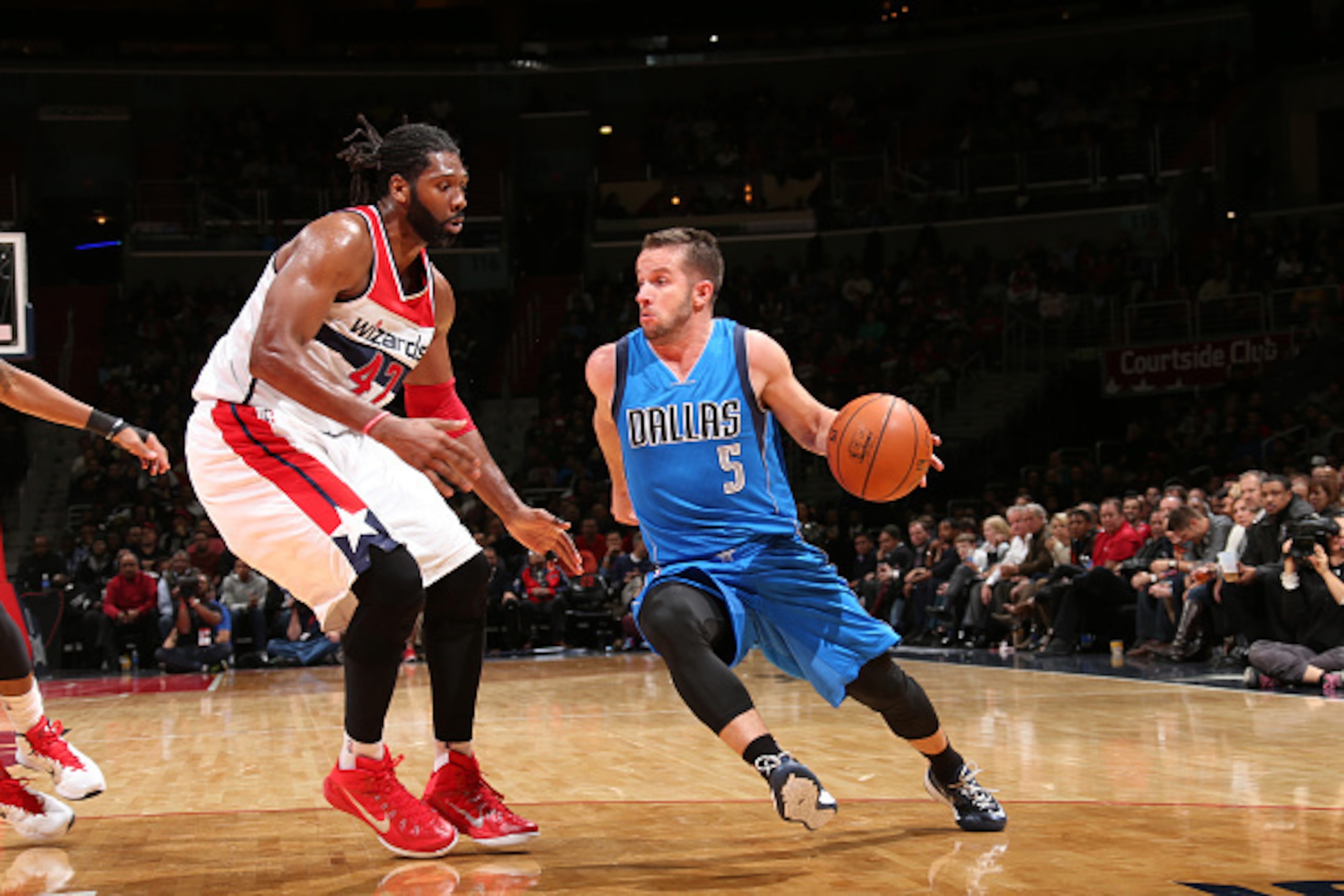
Last summer, the Dallas Mavericks decided to make up for a lack of a superstar point guard by signing an abundance of serviceable ball-handlers. The team kept Devin Harris and acquired Jameer Nelson, J.J. Barea and Raymond Felton before the 2014-15 season, which created a logjam at the point.
The Mavs picked up Felton in the Tyson Chandler trade package last summer, while sending the former starting point guard Jose Calderon to the New York Knicks. Nelson was brought in as a direct replacement for Calderon in free agency, while Barea's services became available just before the season tipped off.
TOP NEWS
.jpg?w=2560 "NBA Gambling Charges")
Malik Beasley Negotiating Plea Deal (AP)

Yaxel: Luka Not MJ 🗣️
Knicks, Spurs On Wrong Side of History
Depth is good, but only in certain situations. The reason the Mavs were able to get their hands on Barea, who was waived by the Minnesota Timberwolves before the season began, was because the Wolves, similarly to Dallas, had too many guards.
Minnesota already had Ricky Rubio, Mo Williams and an invested interest to develop Zach LaVine. Barea would've simply been a disgruntled veteran who wouldn't have gotten enough minutes.
For Dallas, however, the logjam at point guard has been more of a luxury than a burden so far.
Unlike the Timberwolves, the Mavs have no interest in developing young players. Head coach Rick Carlisle has a veteran roster and a win-now mentality. Without those conflicting interests, Carlisle can play his best guys and craft a rotation he perceives to be most effective.

It's impossible for Harris, Felton, Barea and Nelson, who has replaced the traded Calderon in the starting lineup, to split the minutes evenly as the primary ball-handlers. Despite that, none of them have complained about their roles, knowing that Carlisle can pass the baton at any time.
“We got a lot of point guards. We got to give them all a lot of love. It’s really a great situation for us," Carlisle told ESPNDallas.com's Tim MacMahon. "You look around the league, Indiana’s got two point guards out. We’re very fortunate. Are there enough minutes for all of them? No. But they’re all professionals and they’re all going to stay ready. I feel it’s a very good position to be in.”
Barea, 30, is the latest example of a player staying ready. As Nelson's play has been inconsistent, Carlisle has turned to the Puerto Rican late in games. Even before the Mavs' starting point guard went down with a nagging back injury, Barea earned crunch-time minutes ahead of him.
The message Carlisle has sent is clear as day—if your performance is not up to par, there are three guys ready to take your minutes.
As long as players don't complain in media and stay ready, this type of internal competition is great. A starting nod doesn't imply unconditional confidence from the coach, nor does it grant immunity from being benched.
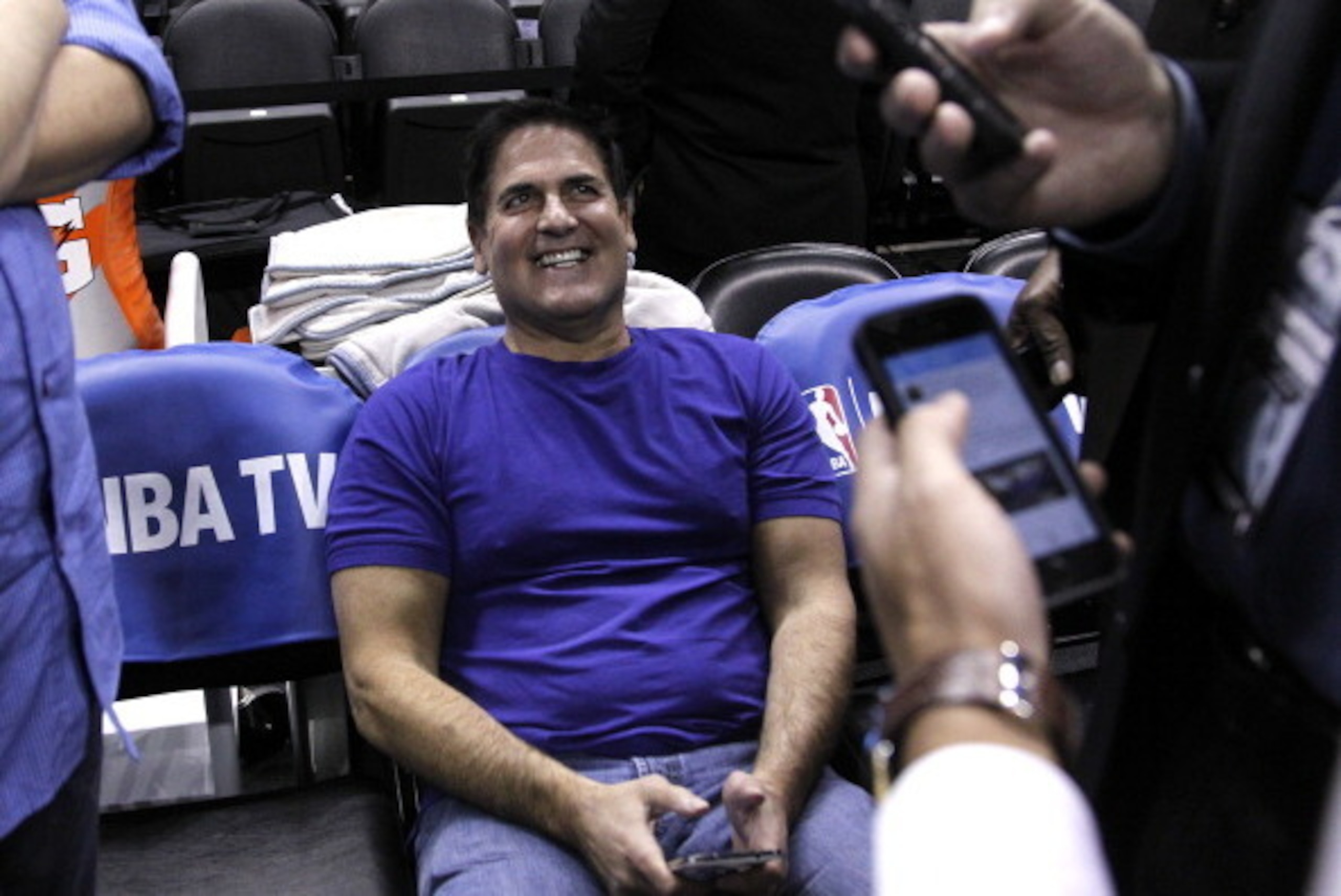
The outspoken Mavericks owner, Mark Cuban, also shared his thoughts when asked about whether the backcourt logjam, especially with Felton making his way back, is a good problem to have.
“Oh, yeah, of course,” Cuban said, according to Brad Townsend of The Dallas Morning News. “Because it pushes everybody. If we have four point guards play 12 minutes each, if that’s what it takes.”
A cutthroat rotation can be tough to handle, especially for guys who have filled bigger roles in their careers. Felton and Nelson, for instance, are used to being the unconditional No. 1 point guard option. So far, both of them have put their egos aside for the benefit of the team.
Nelson didn't complain after being cemented on the bench in favor of Barea late in games. Felton, who is yet to play a game this season after tweaking his ankle in practice, has also kept a straight face and said all the right things to media.
“It’s going to be great,” Felton said, according to Eddie Sefko of The Dallas Morning News. “We’re all going to get on the court, sometimes together, sometimes not. Somebody’s going to start. Somebody’s not. That’s just what it is. We’re cool with that. Whatever my role is, I’m going to accept it."
Harris and Nelson have both missed time this season, so Carlisle's guard rotation has varied. Monta Ellis gets the lion's share of minutes at shooting guard. Harris is the main cog of the bench and has played both backcourt positions. Nelson has started all of the games he has played in, but Barea has been getting the nod in late-game situations.
Other than Ellis, the Mavs' four guards are all over 30, and injuries are inevitable. With durability issues already showing, the depth hasn't been as much of an issue and more of a necessity.
Here are the most-used backcourt combinations of the Mavs so far:
| Backcourt | Minutes Played | Off Rtg | Def Rtg |
| Nelson, Ellis | 361 | 114.6 | 100.6 |
| Ellis, Harris | 215 | 107.9 | 102.1 |
| Barea, Harris | 149 | 129.3 | 102.5 |
| Barea, Ellis | 67 | 118 | 111.1 |
| Nelson, Harris | 62 | 98 | 123.5 |
Unsurprisingly, the Mavs' starting backcourt has spent the most time on the floor together. Nelson and Ellis are both part of an excellent and well-rounded starting unit, which explains the solid offensive and defensive ratings.
Ellis and Harris is another favorite duo of Carlisle's, which he generally deploys as soon as Nelson takes a seat. Barea and Harris have been terrific together, as is reflected in the outrageous offensive rating of the lineups of which they are part.
Overall, Barea's speed and pesky presence on the defensive end has given the Mavs a pretty big lift. He has restored the synergy with Dirk Nowitzki, wreaking havoc on defenses with deadly high pick-and-rolls.
It's hard to see where Felton fits into all of this. He is nearing full fitness, but Carlisle has made it clear that the former Knick will have to wait his turn.
Felton is coming off a tumultuous 2013-14 campaign, but his presence is still somewhat intriguing. If he is in shape and focused on basketball, he could potentially contribute, especially with so many offensive threats on Dallas' roster already present.
Carlisle is in a fantastic situation. He has a lot of choices and directions to go in with his backcourt, without facing the risk of a backlash from players lobbying for more minutes. Everyone knows that the only way to earn playing time is to seize the opportunity when it presents itself. Most head coaches in the NBA would love to have similar problems.
All stats are courtesy of NBA.com, unless otherwise noted.
You can follow me on Twitter: @VytisLasaitis


.jpg?w=2560 "Jonathan Taylor Landing Spots")

.jpg?w=2560 "Aikman Blasts Cowboys WR 🫣")