Better for Kobe Bryant's Legacy: Retiring a Laker or Winning Another Ring?
The end of the NBA preseason is rarely fruitful terrain for bandying bold predictions, but here’s one that most should feel safe in making: The Los Angeles Lakers won’t win the NBA championship.
Not this year, not next year and—barring some fantastic free-agent coup—not the year after that either.
That could leave Kobe Bryant, the team’s 36-year-old cornerstone, in quite the pickle once his contract extension expires at the end of the 2015-16 season. Retirement is always an option, of course.

But it’s in considering a pair of other paths that Bryant is sure to have dueling devils and angels on his shoulders: staying in L.A. in hopes that the front office can cobble together another contender, or bolting for whoever gives him the best chance at chip No. 6.
The bigger question, however, is: Which is better for Bryant’s legacy?
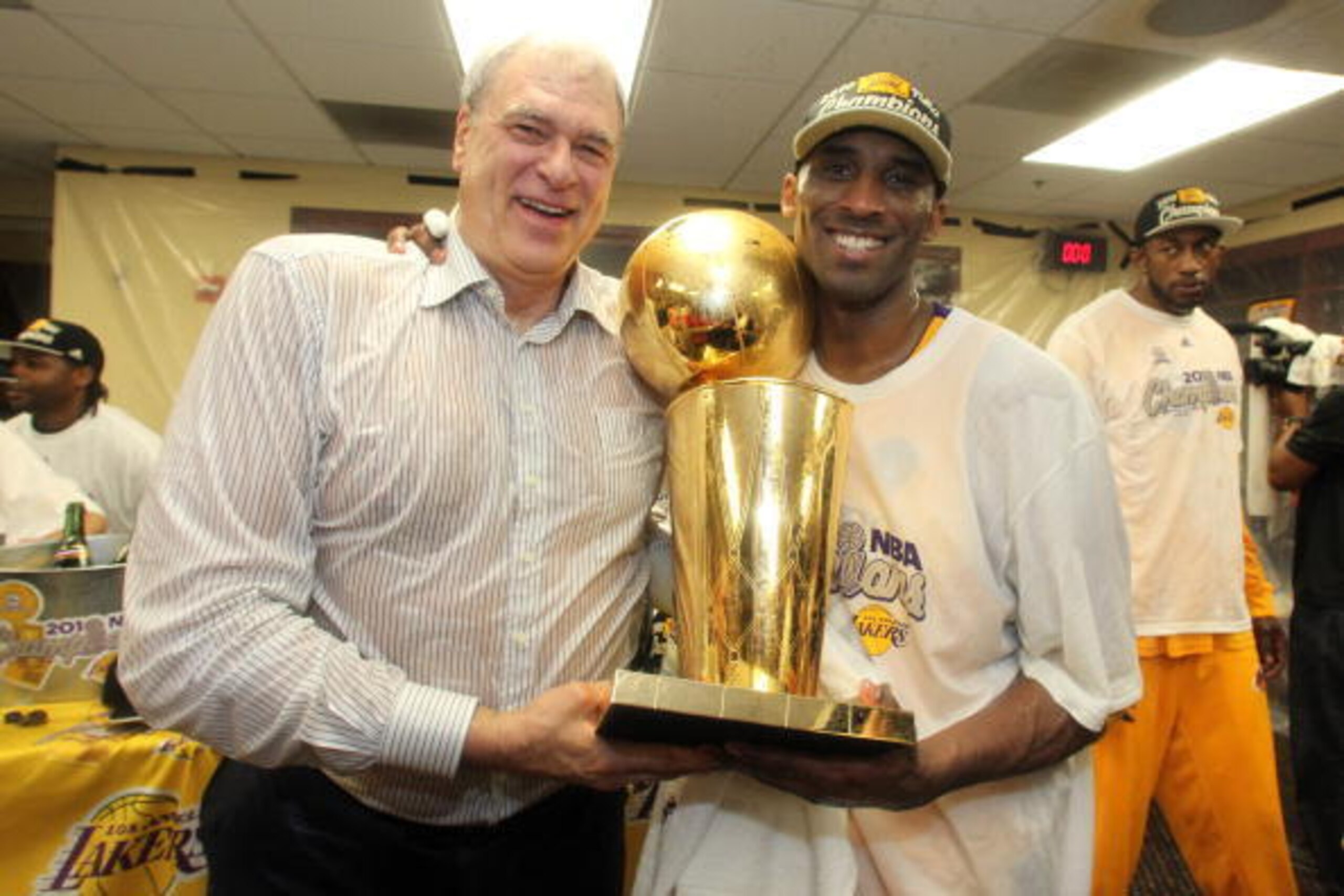
Five titles, 16-All Star nods, three MVPs (two for the Finals, one for the regular slate), 11 All-NBA First-Team selections, the second-most points ever scored in an NBA game (81): If this isn’t the stuff of a Springfield shrine, they might as well raze the Hall altogether.
That Bryant will at least go down as the second-best shooting guard to ever lace up Chucks barely goes without thinking, let alone saying. But like Michael Jordan before him, Bryant’s towering presence hasn’t been without its fissures in the facade.
On Monday, ESPN The Magazine published an explosive piece by Henry Abbott detailing what the author saw as Bryant’s role in turning the Lakers from perennial powerhouse into lottery losers seemingly overnight.
At issue is how Bryant’s hypercompetitive, hypercritical personality may or may not have been responsible for deterring—or in the case of Dwight Howard, outright driving away—potential superstar sidekicks. Couple that with Kobe’s cap-clogging $48.5 million extension, and it’s easy to see how L.A.’s near-future fortunes might be a bit more dire than most fans would like to believe. From Abbott:
"So did Kobe Bryant deserve the extension? And if not, why give it? The answer might lie in yet another question: Is it possible the Lakers felt free to squander cap space on the contract because there was no point in having cap space? When you can't even bribe players to play with Kobe Bryant, what's the point in bribe money? As one rival front office executive says: ‘I'm sure Mitch (Kupchak) already investigated and found out he didn't need two max slots because the destination isn't all that attractive until Kobe has completely left the premises.’
"
Scathing though it is, Abbott’s story certainly won't stop general manager Mitch Kupchak from doing everything in his power to make the most of the next two free-agent classes. The way the books look now, L.A. will have enough money for at least one max free-agent player to pair with Bryant next summer.
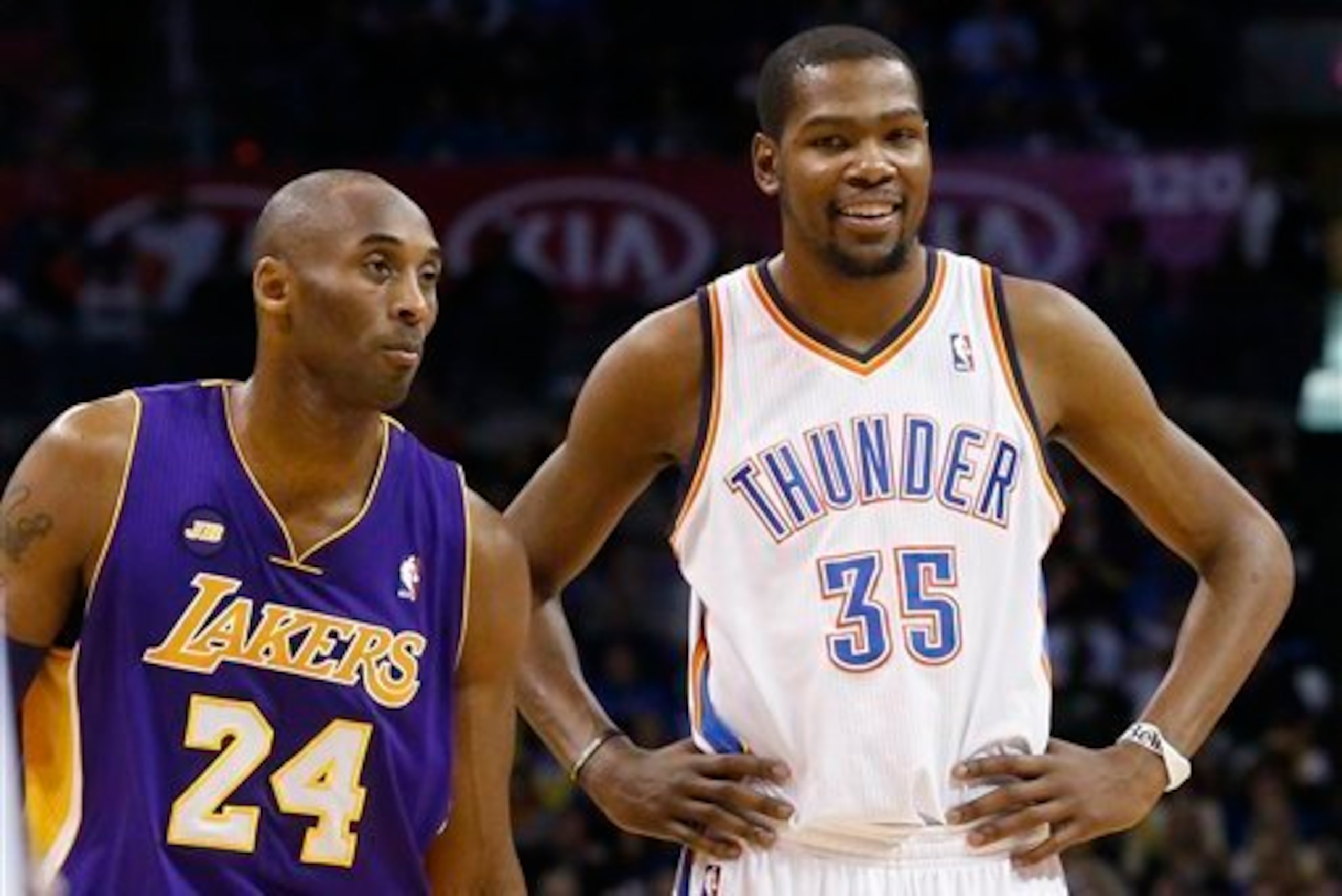
Or they could wait until the following year (after Bryant comes off the ledger) and take aim at two or more superstars (Kevin Durant and LeBron James will both be unrestricted free agents). Depending on how the league’s new multibillion-dollar TV deal pans out, the Lakers could reel in as many as three max-level players.
Assuming Bryant is still anywhere near serviceable, it stands to reason L.A. would be willing to give the living legend one more go-round beginning in 2016-17—at a discount, of course.
That’s the two-year plan. Three, if you count the subsequent season and expected Finals quest. Bryant would be 39 at that point and almost certainly raring for retirement regardless of the outcome.
The alternative, while somewhat cynical, could offer Bryant a much less tenuous trek to a title: waiting to see how management rounds out the roster’s edges and—if the free-agent die come up snake eyes once again—assuming the mantle of mercenary elsewhere.
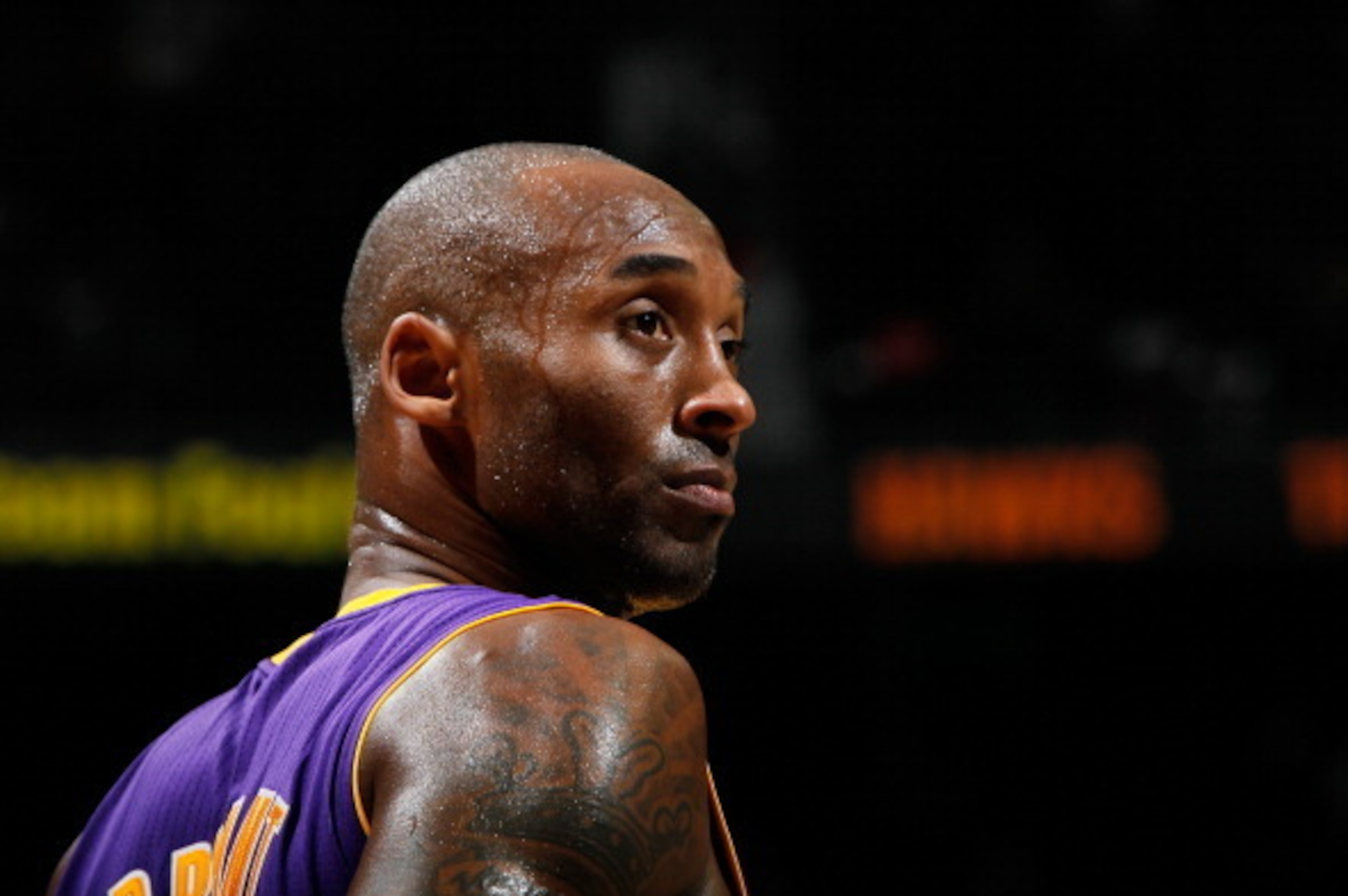
Oh, the naysayers would surface, flapping their gums over how Jordan never would’ve chased a ring, how Kobe cares more about the gold on his fingers than the bronze of a statue. In time, though, those cries would subside, replaced by restorative narratives of Kobe’s competitive spirit, of one warrior's quest to conquer under another banner.
If only we could know for sure this is how he’d have the story end. Instead, in a recent interview with Lakers Nation, Bryant expressed rather candidly his belief of what makes a true winner:
"Winning is how you define what winning is, for yourself, for your team, for your family. You have to know what your values are, how you measure success. Here I am with five championships, by how the public measures what success is, but that doesn’t drive me, what drives me is continuing to learn, which is why I’m still sitting here, determined to come back next year with a vengeance, because how I define success, not everybody else.
"
Indeed, one can’t help but glean from Bryant’s remarks a palpable, almost admirable sense of insular pride—the notion that family, loyalty and tradition matter more than whatever the media deems the foremost mark of a winner. Rings, in the NBA’s case.
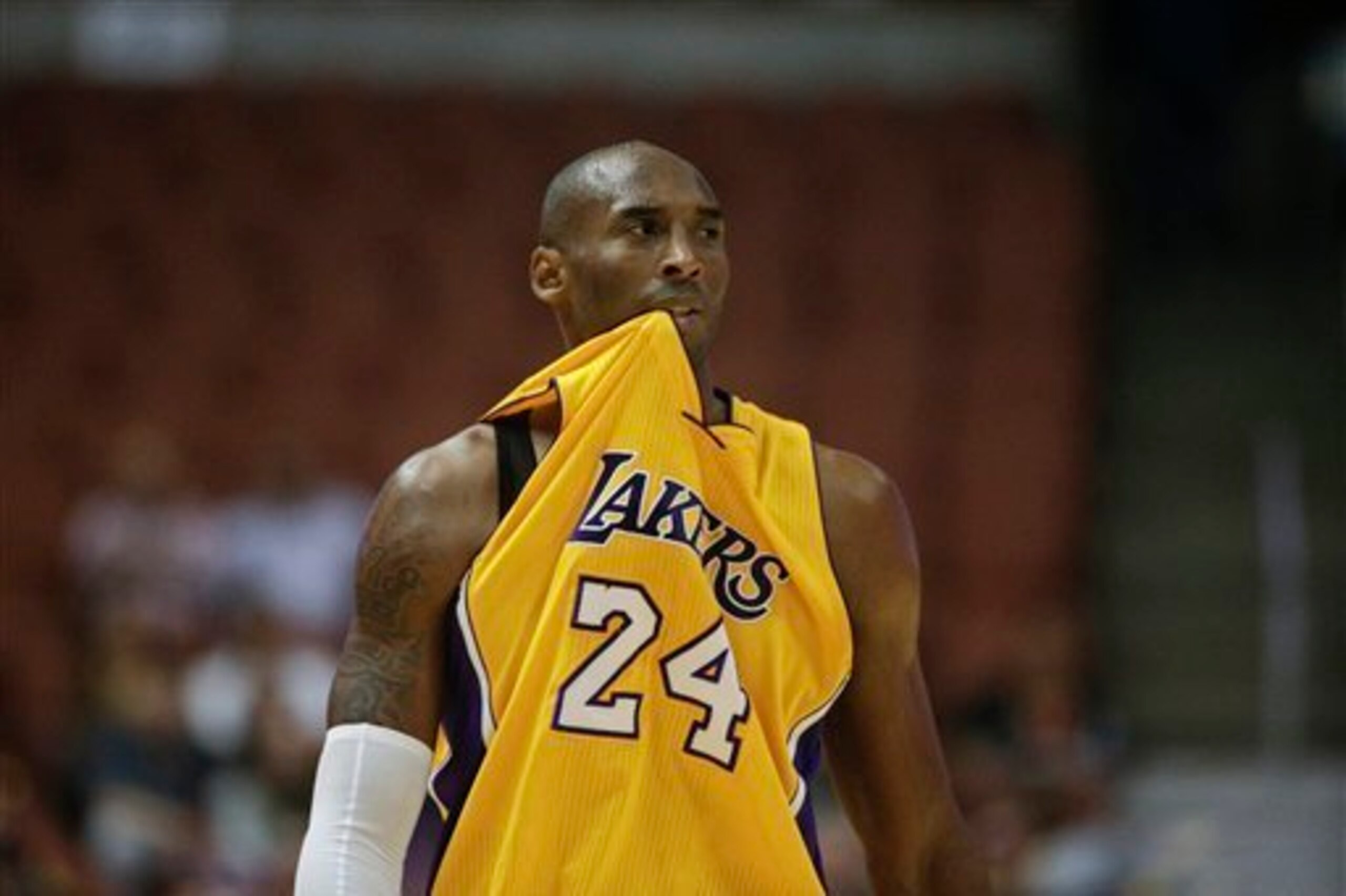
Could Kobe’s tune change once the dreams of a Lakers title die for good? It’s possible. Lord knows the marketing money alone would have owners falling over themselves for the superstar’s services.
And yet one can’t help but feel that Kobe, on the cusp of Season 19 fitted in Forum Blue and gold, would just as soon double down on his Lakers legend, to place his faith in a front office that’s so often delivered while assuring that another title will render his legacy all but ironclad.
Be it tomorrow or two years from now, few would blame Kobe—given the team's current course—for abandoning ship at the first sight of solid ground.
What keeps Bryant holding steady to helm and compass, though, is that the biggest blame would inevitably come from himself.

.jpg?w=2560 "NFL House in Paris Closes for Protests")
.jpg?w=2560 "Trevon Diggs Cut by Seahawks")