
Contrasts Between Cavaliers and Heat Compelling Enough Without the Gossip
RIO DE JANEIRO — The oddity was the honesty.
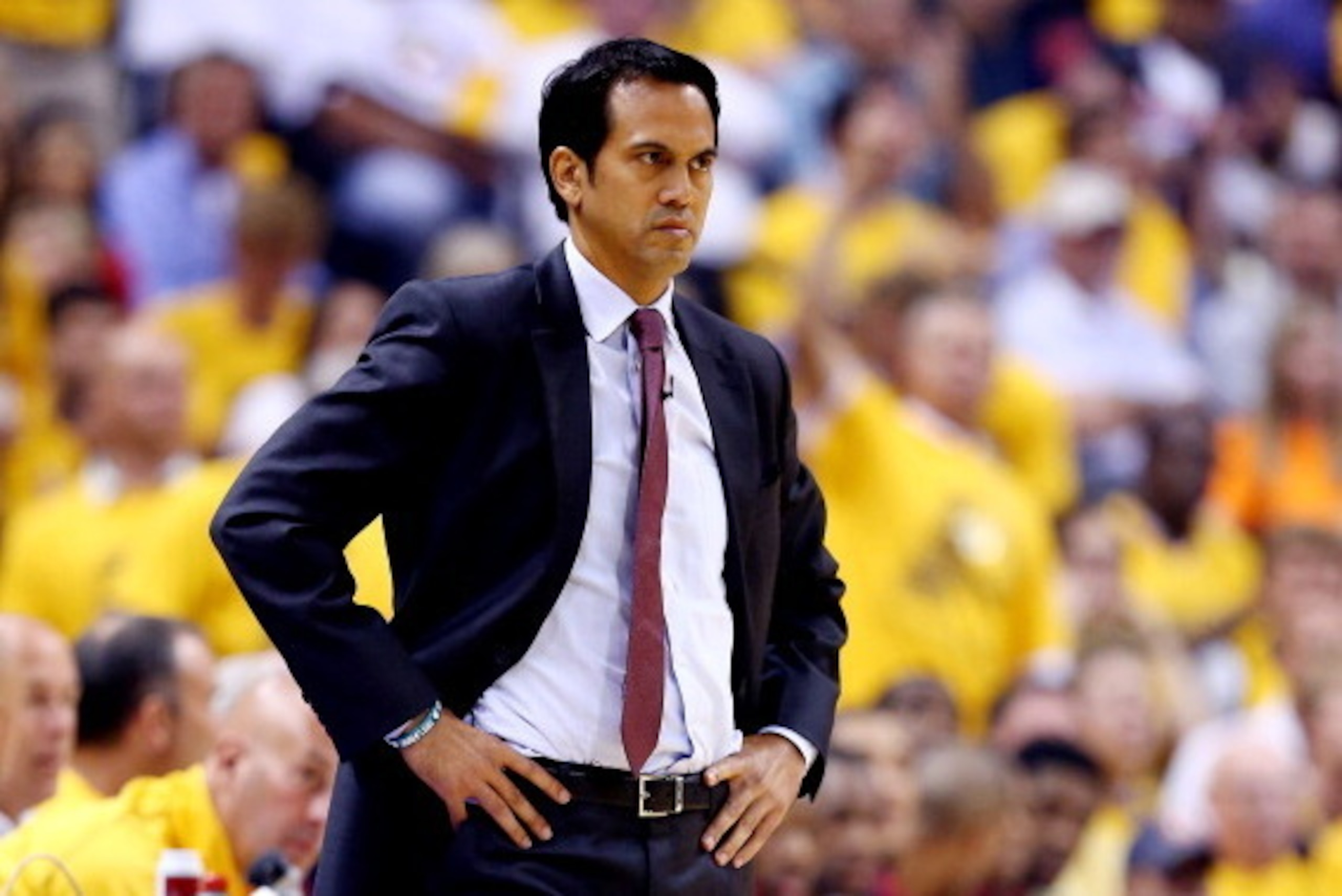
Miami Heat head coach Erik Spoelstra is not particularly prone to emote from the podium or allow himself to get sucked into what he derisively describes as "storylines." He's more likely to insist something doesn't matter, even when everyone with eyes and ears and sense knows it does, than to allow the slightest hint that it is affecting him or his team. That made it notable for the Heat coach to acknowledge that this Saturday's exhibition against the Cleveland Cavaliers was more than the typical preseason affair.
"It probably will be strange," Spoelstra said Tuesday morning, about 13 hours prior to the Heat's charter rolling down the runway for the eight-and-a-half hour flight to Brazil. "At least we're in a different country for it, so the whole trip will be...a different experience. Get all the cameras and get all the snapshots. Get those all out of the way."

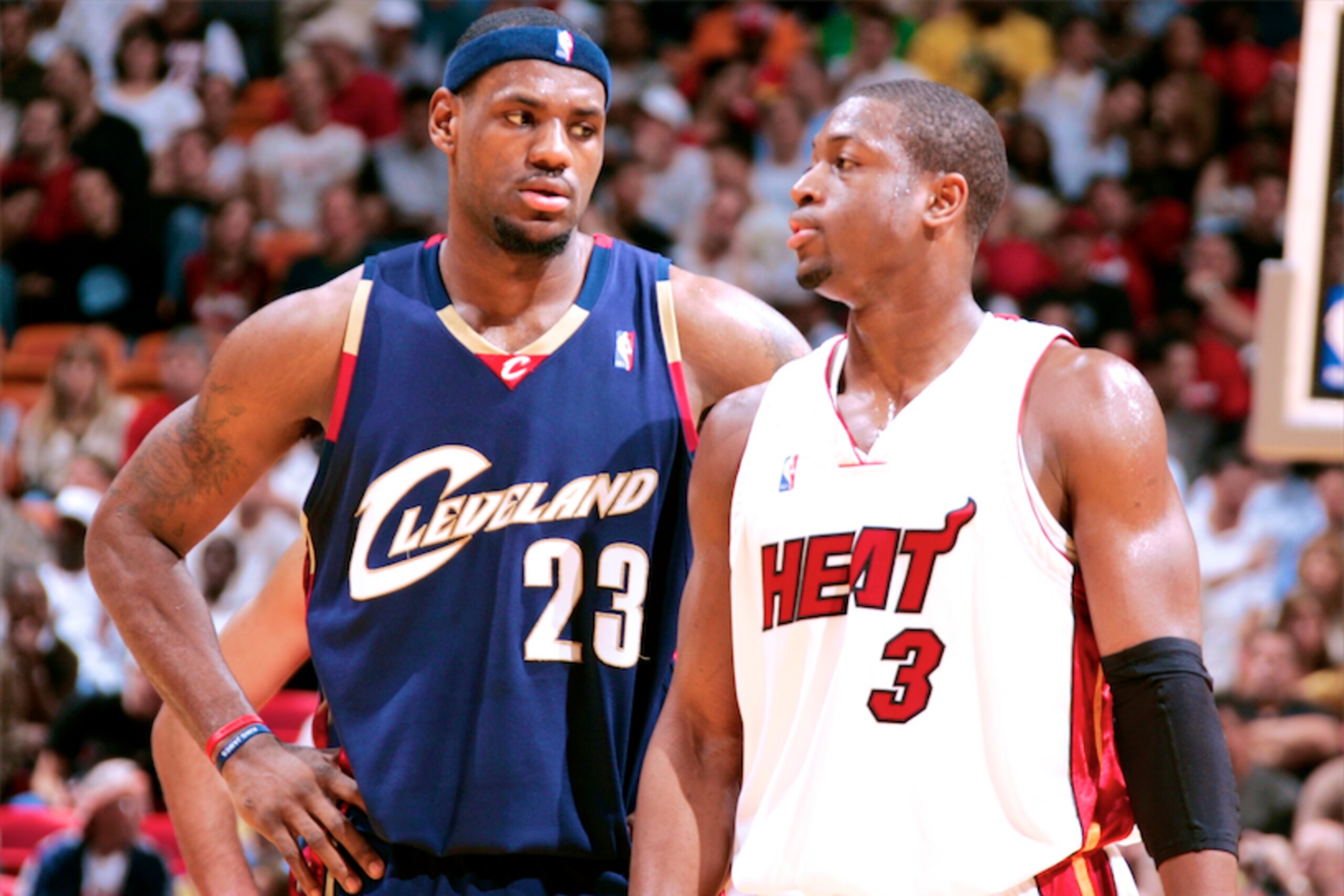
He won't get that lucky, nor will the Heat or the Cavaliers, two teams that are intertwined, whether they are separated by roughly 1,200 miles or—as in Brazil—by four kilometers.
These days, sports gossip travels faster than the speed of sound, so by the time the Heat touched down in Rio at 10:10 a.m. local time Wednesday, a new controversy was already raging throughout the NBA news cycle. It hinged on a single word that Chris Bosh uttered in the Heat's home locker room late Monday night, shortly after they lost in overtime to the Orlando Magic and shortly before they boarded the bus headed for the airport:
"No."
That was Bosh's response to a question about whether he had communicated at all with LeBron James since James chose to return to the Cavaliers. It was not the first time Bosh had been asked about James, of course, and not even that day. After the Heat's Thursday shootaround, he gave a less revealing, more political answer when asked about whether it would be good to get the first game against the Cavaliers—just as Spoelstra put it—"out of the way."
"I think so," Bosh said then. "I know you guys are going to hype it up. For us, it’s just an opportunity to get better. We know everything that’s surrounding the situation, and it is what it was. But as far as we’re concerned, this is our team, this is what we're trying to build toward; the past is the past. We're moving on. So, yeah, it's good to get that out of that of the way, so people can see it, all right, and then go back to business."
Now back to late Monday night, and the "no" Bosh gave, the one that gave palpitations to the pundits and paparazzi.
First, understand that Bosh is generally extremely patient with the press, once winning the Magic Johnson Award for his cooperation with the media and earning a nomination again last season. But even he does tend to tire of repeated questions or insinuations on the same subject, which is why, for instance, he's announced during playoff series that he wasn't speaking anymore about Kevin Garnett or Roy Hibbert.
So try to read the rest of his comments in that context—first when he said "I don't know" to a question about whether he was looking forward to seeing James, and then when he added this: "I'm in the mode where I'm trying to lead my team, help these guys out around here. If guys aren't in this locker room, I don't have much time for them—if any."
Why would anyone expect him to answer any differently?
Or, further, why does it matter so much?
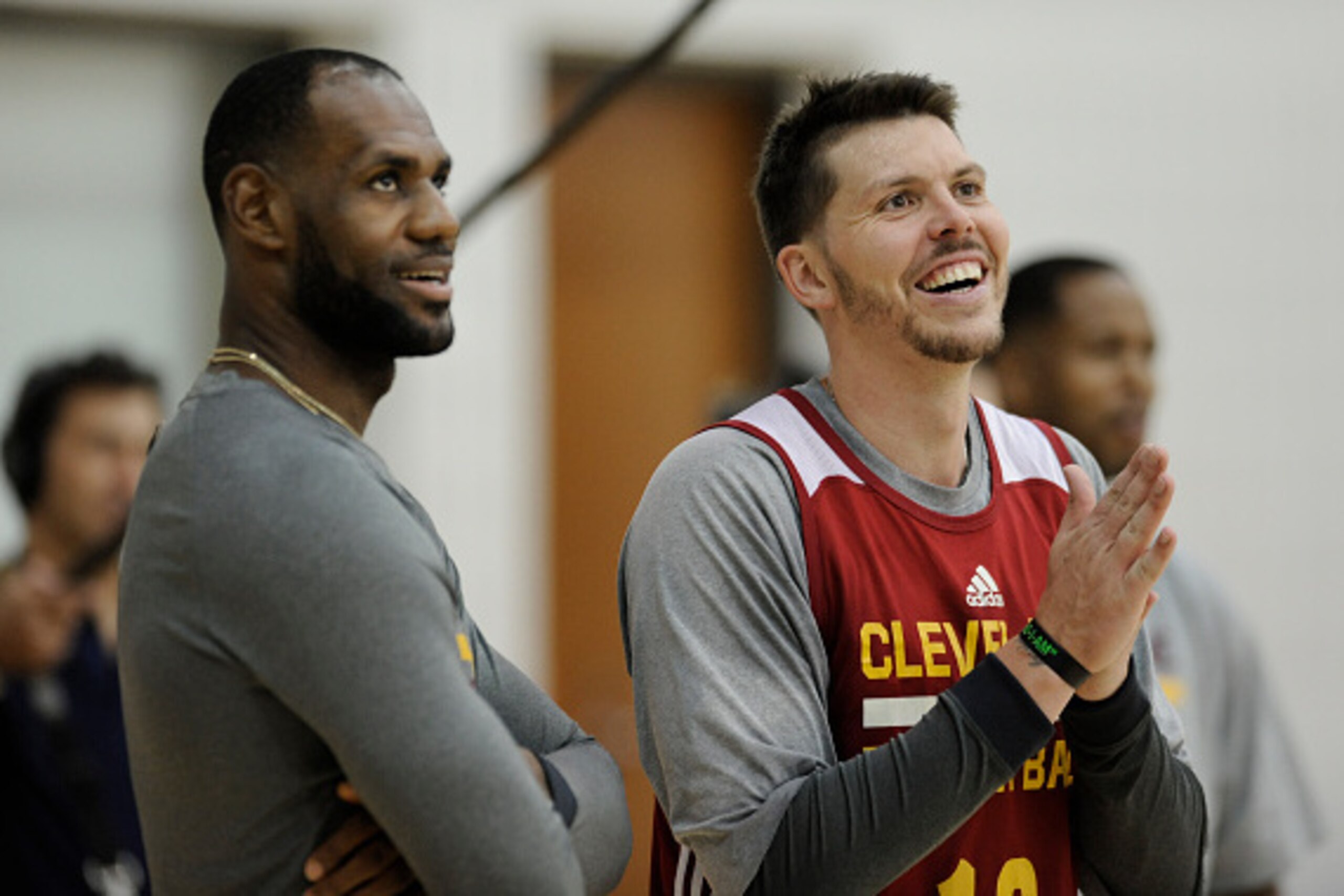
We won't move on. We'll continue to parse Dwyane Wade's words about James, even after James recently included Wade among his three closest friends in the league, and even after Wade reaffirmed to Bleacher Report that "we're genuinely friends" while noting, "I don't think it's ever gonna be the right thing for the media."
We'll continue to speculate about how James truly felt about Spoelstra, Pat Riley, Micky Arison and others on the Heat side near the end. We'll even continue to harp on secondary storylines, such as Mike Miller revealing that his amnesty in Miami affected James, though that's actually year-old news, or how Luol Deng really felt about his short, unsuccessful time playing with Kyrie Irving and Dion Waiters in Cleveland, or even about what drove James Jones—and, if it finally happens—Ray Allen from Miami to Cleveland.
No, we won't move on.
The gossip is too good.
The drama is too delicious.
But we probably should.
But they, as players, must.
Bosh, as he says, has a team to lead. So does James—a different team these days, as you may have heard.
No one but the media has time for the nonsense.
With that said, it's not nonsense to assert that the Cavaliers and Heat are a compelling matchup this season, one worthy of the prime slot on Christmas. From this chair, it is compelling not so much because of the real, assumed or imagined animosity, but because there's so much here that is worthy of a basketball fan's curiosity.
This has the potential to be such a fascinating sports story that the soap opera really should be superfluous.
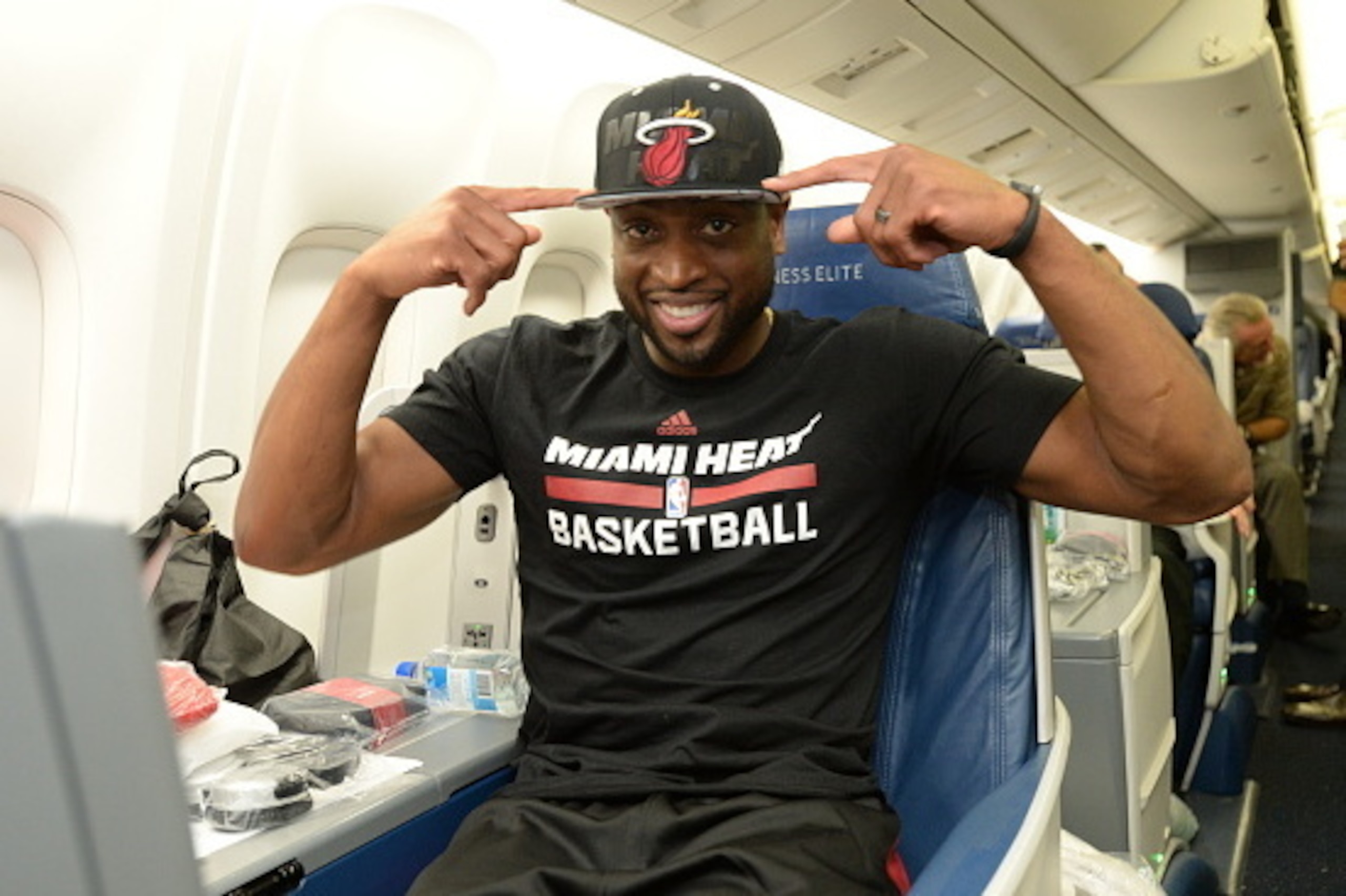
We're about to learn a lot about what and how much culture means in the NBA, and whether it can be carried from one organization to another. As Wade put it Tuesday, "They're taking what we did here and trying to do it there. So that means we did something right here; they're trying to duplicate that."
That may sound snarky to some, but it's not exactly in dispute. Miami has been a model of stability throughout the Riley tenure, while the Cavaliers have been a mess since James left. James certainly hasn't shied away from the critical importance of culture, in word (through his Sports Illustrated essay, in which he credits the Heat for teaching him how to win) or deed (recruiting Jones, Miller and perhaps eventually Allen).
Can a player, by his presence and example, transplant traditions of sacrifice and professionalism?
We'll soon see.
We're about to learn whether the Heat can still make the public care about them even 10 percent as much as it once did...and whether the Cavaliers can cope with the public caring about absolutely every single little thing they ever think, say or do.
We're about to learn whether Spoelstra can again reinvent his reputation with a remade roster, and whether David Blatt can successfully blaze a trail after spending his entire professional career overseas.
We're also about to learn a lot about these individual players, as they are thrust into quite different, almost opposite roles. We're about to learn whether their previous circumstances led us to some incorrect assumptions about their capabilities and their priorities.
Can some on the Heat side, such as Wade and Bosh, handle more?
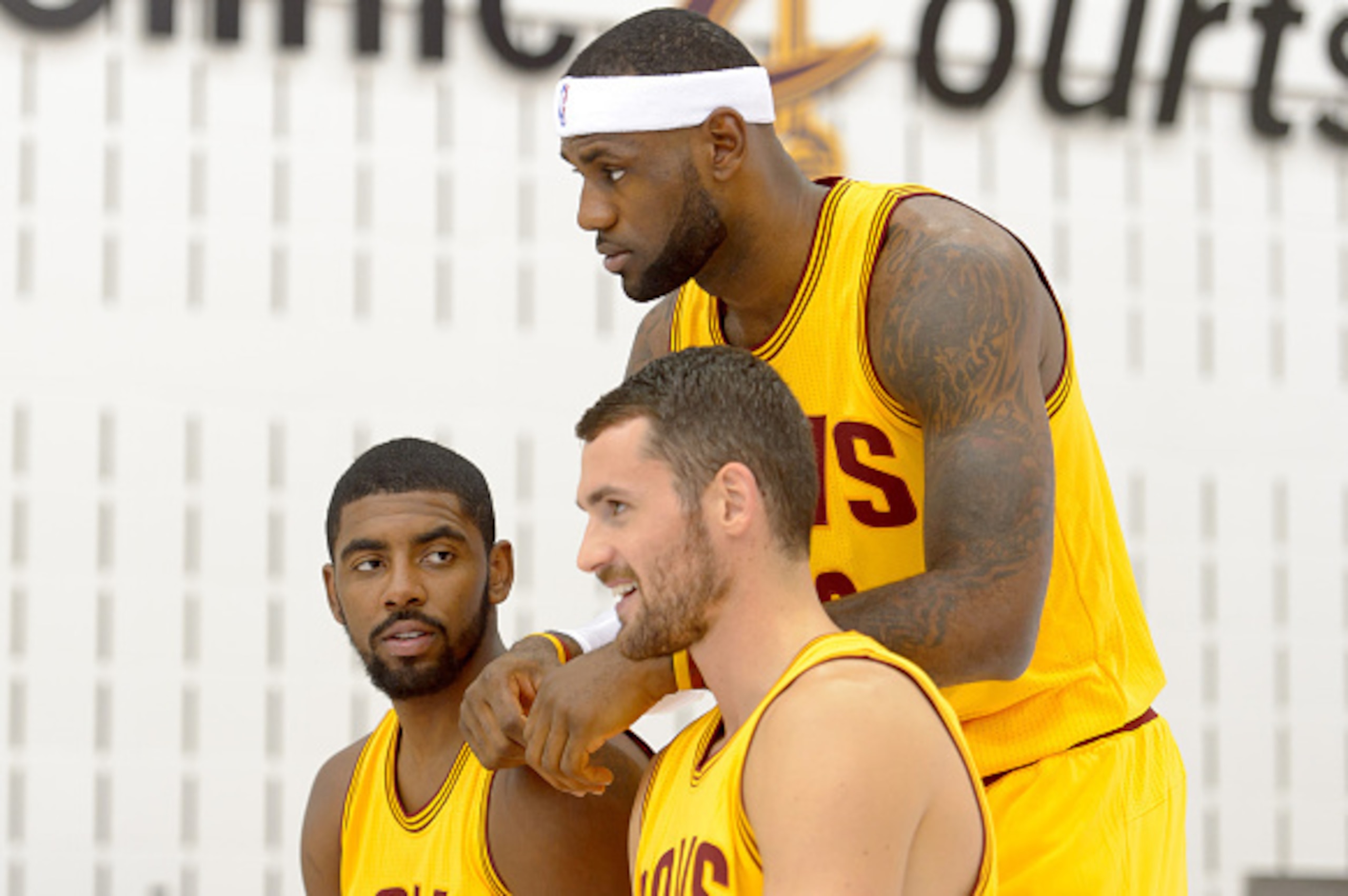
Can others on the Cavaliers side, such as Love and Irving, deal with less?
If you're a basketball fan, more so than a soap-opera aficionado, aren't those more interesting unknowns than whether Bosh and LeBron spoke today?
Ethan Skolnick covers the NBA for Bleacher Report. Follow him on Twitter @EthanJSkolnick.

.jpg?w=2560 "NFL House in Paris Closes for Protests")
.jpg?w=2560 "Trevon Diggs Cut by Seahawks")