Breaking Down Miami Heat's Power Forward Position for 2014-15 Season
There’s one thing we know for certain about the 2014-15 Miami Heat: They’re going to be a lot worse at power forward.
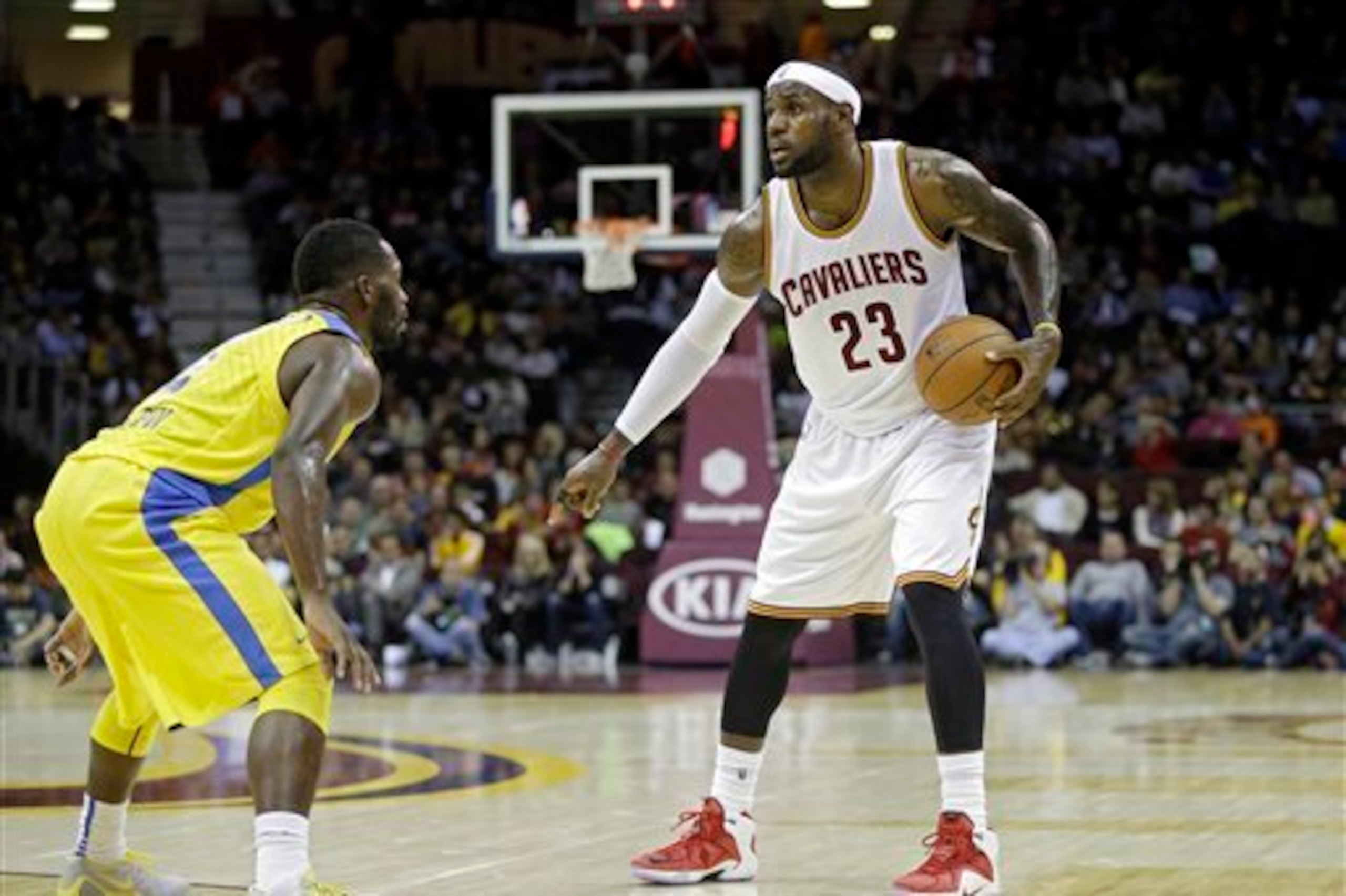
Last season, Miami had the luxury of trotting out the best player on God’s green earth at the 4. As you may have read, this is not an advantage Erik Spoelstra and company will have available to them any longer.
It goes without saying, but it bears repeating: LeBron James was a wrecking ball for the Heat. A freak. A monster. A dynamo. One of the greatest players in league history at his absolute zenith—the apex of his considerable powers.

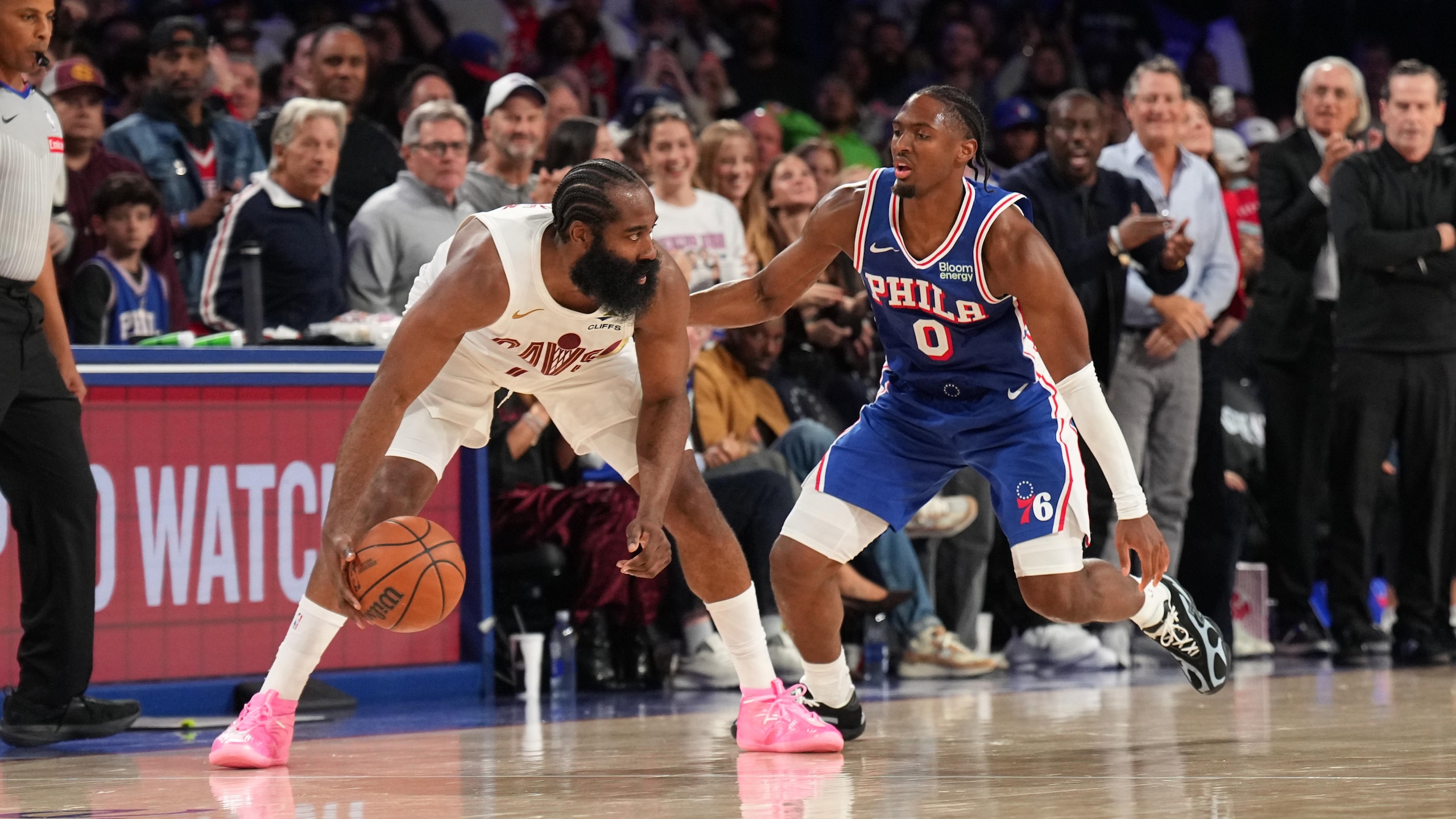
There wasn’t a single component of the game he didn’t excel at. His package of skills was terrifying and unprecedented: the most efficient volume scorer in the sport who’s also a tremendous distributor, plus a canny rebounder and—when motivated—one of the game’s most disruptive defenders.
His game was amorphous. He was a Swiss army knife who could provide the Heat precisely the thing they needed every night out, whatever that thing was. There wasn’t, and isn’t, anyone else like him.
So Miami didn’t just get great play at the power forward position last season: It got, arguably, better play at the 4 than any team has received in decades, maybe ever. At best, this season will mark a substantial step backward.
(Brief aside: While it’s inarguable that James was tremendous for Miami, there is something of a running debate over what position he played. I fall squarely on the side of power forward. While Shane Battier spent more time banging with opposing PFs than LeBron on defense, the case for “LeBron James: 4” is a strong one. His final two seasons in Miami, offensively, he had an inordinate number of touches in the low post. And, according to Basketball-Reference.com’s position tracking tool, James played power forward for 82 percent of his minutes in 2012-13 and 2013-14—figures that jumped to 92 percent and 87 percent, respectively, in the postseason.)
Replacing LeBron
Miami landed James' replacement before he left by signing Josh McRoberts away from the Charlotte Hornets—nee Bobcats—with a four-year, $23 million deal. Pat Riley initially came to terms with the 6’10”, 240-pound McRoberts with the notion that he would be part of his appeal to keep James in South Beach. A super-stretchy 4 to take advantage of the spacing LeBron’s gravitation influence on opposing defenders creates.
Though LeBron ultimately had other plans, this was an assignment McBob appeared well-equipped to handle. In his breakout 2013-14 season, he hit a career-high 105 of his 291 three-point attempts. ESPN.com’s Tom Haberstroh (subscription required) broke down the power forward’s game after he came to terms with Miami:
"Under Charlotte coach Steve Clifford last season, McRoberts reinvented himself as a shooting and passing big man who leveraged his athleticism at the rim on both sides of the floor. Ever since he was a McDonald's All American and a Duke prodigy, McRoberts' versatility tantalized NBA scouts, but he never quite put it together until last season, when he became a key part of the Bobcats' surprising 43-39 season. According to ESPN's real plus-minus, McRoberts was an above-average player on both ends last season, checking in at 4.1 WAR, which is in the same range as Nene (4.3), Boris Diaw (4.8) and Patrick Patterson (3.6).
"
Haberstroh went on to compare McRoberts to San Antonio’s Boris Diaw and suggest that Miami would deploy him similarly—basically, as a versatile big who facilitates in the passing game and does a little bit of everything.
His abilities as a distributor are especially valuable. Last season, he made a strong case as the best passing big man in basketball. From the post, he averaged 4.1 assists a night—against just 1.1 turnovers. According to ESPN.com, this translated into an assist ratio of 32.7, the 14th best figure in the NBA and tops among forwards and centers.
Though he was, again, initially signed to fill a reserve role, McRoberts will start for Miami in 2014-15 and seems a sure bet to take the lion’s share of the minutes at PF. Behind him, there isn’t much else: If injury or ineffectiveness keep him out of the lineup, the Heat are in big trouble.
Udonis Haslem is entering his age-34 season and coming off a year where he posted lows in most categories and, according to Basketball-Reference.com, put up the second worst win shares per 48 minutes of his career. Shawne Williams, who has an Iversonian career field-goal percentage of 40.3, rounds out the bench.
So, suffice it to say, the Heat need McRoberts to be his best self.
Granted, even this best self is limited. McRoberts is an imperfect player—which is why he’s available for $5.6 million a season.
His most glaring deficiency is his work on the glass. In 2013-14, he averaged just 5.7 rebounds per 36 minutes, a staggeringly low figure for a frontcourt player. This is especially problematic given Miami’s pre-existing rebounding issues. According to ESPN.com, the Heat finished 27th in the NBA in rebounding rate last season.
Also of concern is the toe surgery the forward had this offseason, the recovery from which will keep him out until the season opener.
"I've needed surgery for a couple years," McRoberts told the Sun Sentinel’s Shandel Richardson (h/t CBSsports.com). "We kind of figured out last year before the season started. I knew right when the playoffs ended, so it was something I had planned for."
"I'm just kind of easing back into things," McRoberts added. "It takes time to recover from something like this. I'm just trying not to overdo it."
Likewise, it will surely take the Heat time to recover from the loss of LeBron James. But wounds heal. Hopefully sooner rather than later.

.jpg?w=2560 "NFL House in Paris Closes for Protests")
.jpg?w=2560 "Trevon Diggs Cut by Seahawks")