

Are Sam Hinkie, Philadelphia 76ers in Danger of Tanking Too Hard?
Slippery is the slope general manager Sam Hinkie is walking. His Philadelphia 76ers are, by design, symbols of losing enthusiastically and can only hope their methods don't prove inescapably effective.
Tanking is a risky gambit by nature. Deliberately fielding teams that generate as many losses as possible—and tinkering with them if they fare better than anticipated—puts franchise futures on the line while promising nothing in return. Bounces of ping-pong balls and the prospects they yield is a game of chance.
Ignoring this, Hinkie's Sixers have taken tanking to new heights by reaching new lows. Next season will mark the second year of their official tank job, and they've done nothing that suggests this extensive rebuilding project is nearing its end.
TOP NEWS

LeBron's Special Helicopter Deal

MJ Makes Record-Setting Donation 🙌
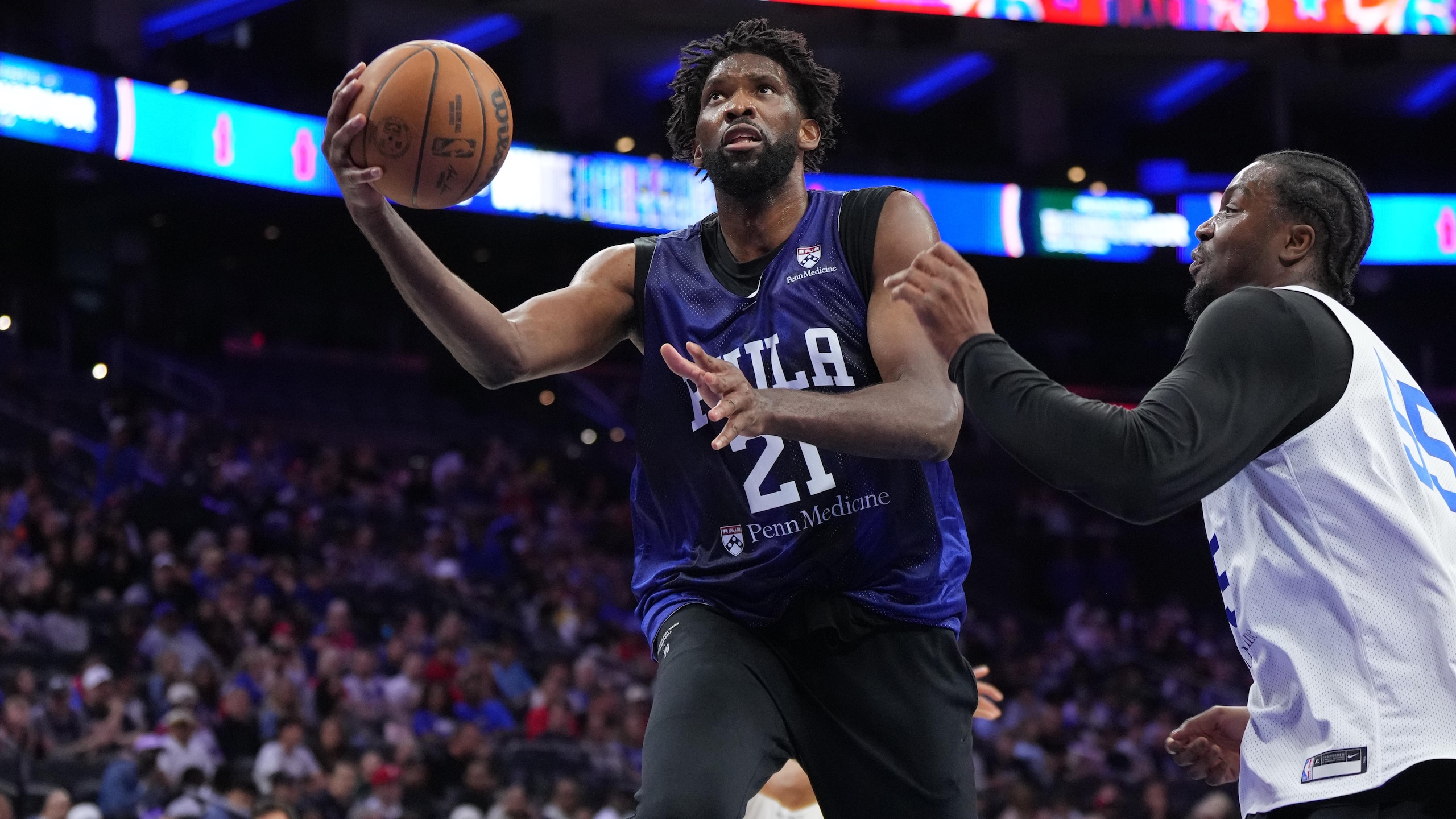
Report: Embiid Down to Rookie Weight
To the contrary, all signs point to them traveling deeper into this coiled labyrinth of losing and waiting, the end of which isn't just out of sight, but mostly hypothetical.
The Evidence
Clues to support concerns aren't hard to find.
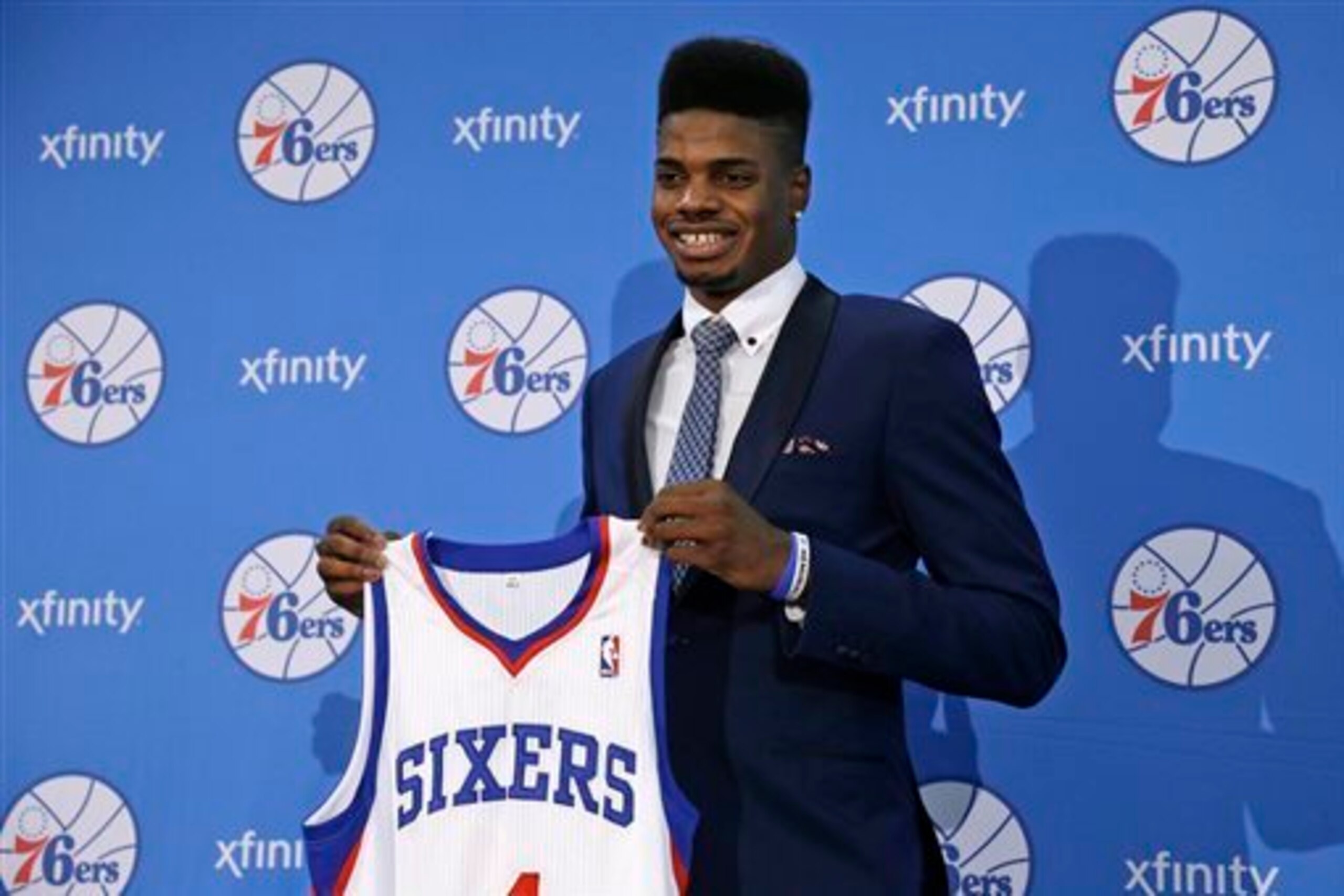
Trading for Nerlens Noel and unloading Jrue Holiday and Evan Turner for picks and peanuts left no doubt that the Sixers were committed to hitting reset. A regime change followed the Andrew Bynum debacle, and they preferred a blank slate, so they cleaned house and placed value in a top prospect who wouldn't play at all in 2013-14.
Those wondering just how far Hinkie and friends were willing to see this thing through, though, saw their inquiries answered roughly one year later.
Selecting Joel Embiid—who might go full Noel and not play at all next season, per the Daily News' Bob Cooney—along with Dario Saric—who is expected to stay overseas for at least two years, per ESPN.com's Chad Ford—and dealing Thaddeus Young are finishing touches on the most unfinished product out there.
More draft picks. More shelved talent. More losing. It's full steam ahead.
"All these pieces are in place to make this an elite team that will compete consistently for the NBA championship," owner Josh Harris said in April, per ESPN.com's Brian Windhorst. "There are no shortcuts to it. Unfortunately, it takes a long time. I'm really happy with the progress."
What Harris calls progress looks a lot like moving backwards.
These Sixers aren't built to win 20 games or improve upon their 19 victories from last year. They're not even built to reach the NBA-imposed bottom line on cap spending. Per Larry Coon (via USA Today), author of the collective bargaining agreement FAQ, they're currently tens of millions of dollars shy. Failure to burn through that much cash before the end of next season forces them to distribute unused funds among their players.
This is a team clearly unwilling to invest cash it has in talent it doesn't. This is also a team obviously invested in the draft order.
Zach Lowe of Grantland reported on potential draft lottery reform in July. Under the proposed system, the NBA's five or six worst teams would have an equal chance of snagging the No. 1 overall pick. Current rules give the worst team the best odds (25 percent), and they decrease as records improve.
Basically, the current model is conducive to Philadelphia's tanking efforts.
It's no surprise, then, that the latest proposal has ruffled feathers within the Sixers' front office, according to Windhorst:
"The rough draft of this plan was met with opposition by 76ers management, which is in the midst of a multiseason rebuilding project that is dependent on a high pick next year. The 76ers, sources said, are hoping to get the NBA to delay the plan's implementation for at least a year because it would act as a de facto punishment while just playing by the rules that have been in place.
"
Fair or not, this is what the Sixers are up against. Much of the NBA may be ready to move forward. The Sixers aren't. Not yet.
Nor will they be any time soon.
The Climb
Climbing back into relevancy isn't a one-year issue. The Sixers are going to be draft-pick dependent for a while. They even reacquired a first-round pick they shipped out as part of the Dwight Howard trade.
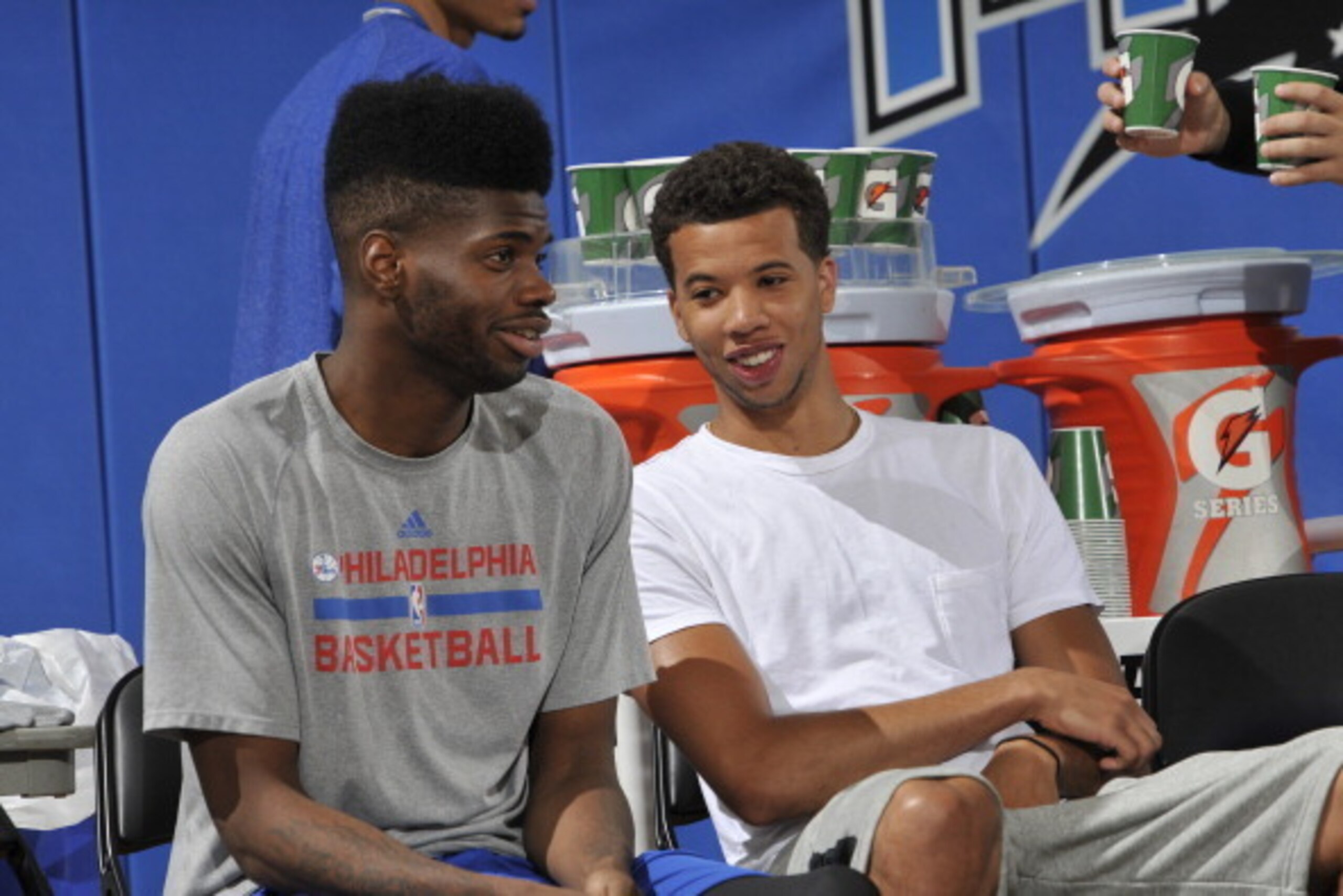
Draft selections only diminish in value once the Sixers start drastically improving. That's not going to happen next year with Michael Carter-Williams still raw, Noel only just getting his feet wet and Embiid and Saric not playing. It's not going to happen leading into 2015-16 either, when Embiid and Saric could still be rookies and the Sixers are (presumably) wielding another top-five draft talent.
Hoping this team is two years away from competing for something other than ping-pong balls is ambitious.
Inexperienced players expected to play prominent parts will headline the roster for at least that long, probably longer. Even if Carter-Williams and Noel come into their own, there will be plenty of others—Embiid, Saric, forthcoming faces, etc.—still feeling the NBA out.
Prevailing optimism would also have to be founded upon the belief that what the Sixers are building will actually work.

Carter-Williams is the reigning Rookie of the Year and only the second neophyte in league history (Magic Johnson) to average at least 16 points, six rebounds, six assists and 1.5 steals per game. But is he for real or just the byproduct of a possession-piling slop fest? Can Embiid and Noel, two centers with superstar ceilings, coexist alongside one another? Will the Sixers ever appeal to free agents?
That last one, as Mike Sielski of The Inquirer points out, is underrated in its importance:
"At some point, the Sixers have to become an attractive destination for free agents, for the kinds of players who provide the experience, savvy, and credibility that make a team's championship aspirations realistic. For all the justifiable excitement over what Hinkie has done and might yet do, over what this draft might deliver, no valuable veteran players are forming a line outside the Wells Fargo Center and pounding the front doors to be let in, and none will for a long while.
"
Rebuilds can only be so tightly tethered to draft picks. It will take years upon years for the Sixers to assemble and develop in-house talent into a legitimate contender. That's assuming they time and execute everything perfectly.
Sooner rather than later the Sixers need to begin ushering in answers to their growing list of questions. Affixing magnificent maybes and impressive ifs to their roster means little when they're not accompanied by results or a definitive direction.
Most other tankers can at least say they have that: a course.
The Milwaukee Bucks have NBA-ready building blocks in Giannis Antetokounmpo and Jabari Parker. The Utah Jazz have someone in Gordon Hayward they deemed worthy of a $63 million contract.
Having such pieces—regardless of outcome—offers certainty the Sixers don't. They'll retain the rights to all their first-round draft picks thanks to tanking, but the value of selections not yet made cannot be accurately measured. They'll have money to spend but must first find players to spend it on, and then do so wisely.
Progress for the Sake of Hope
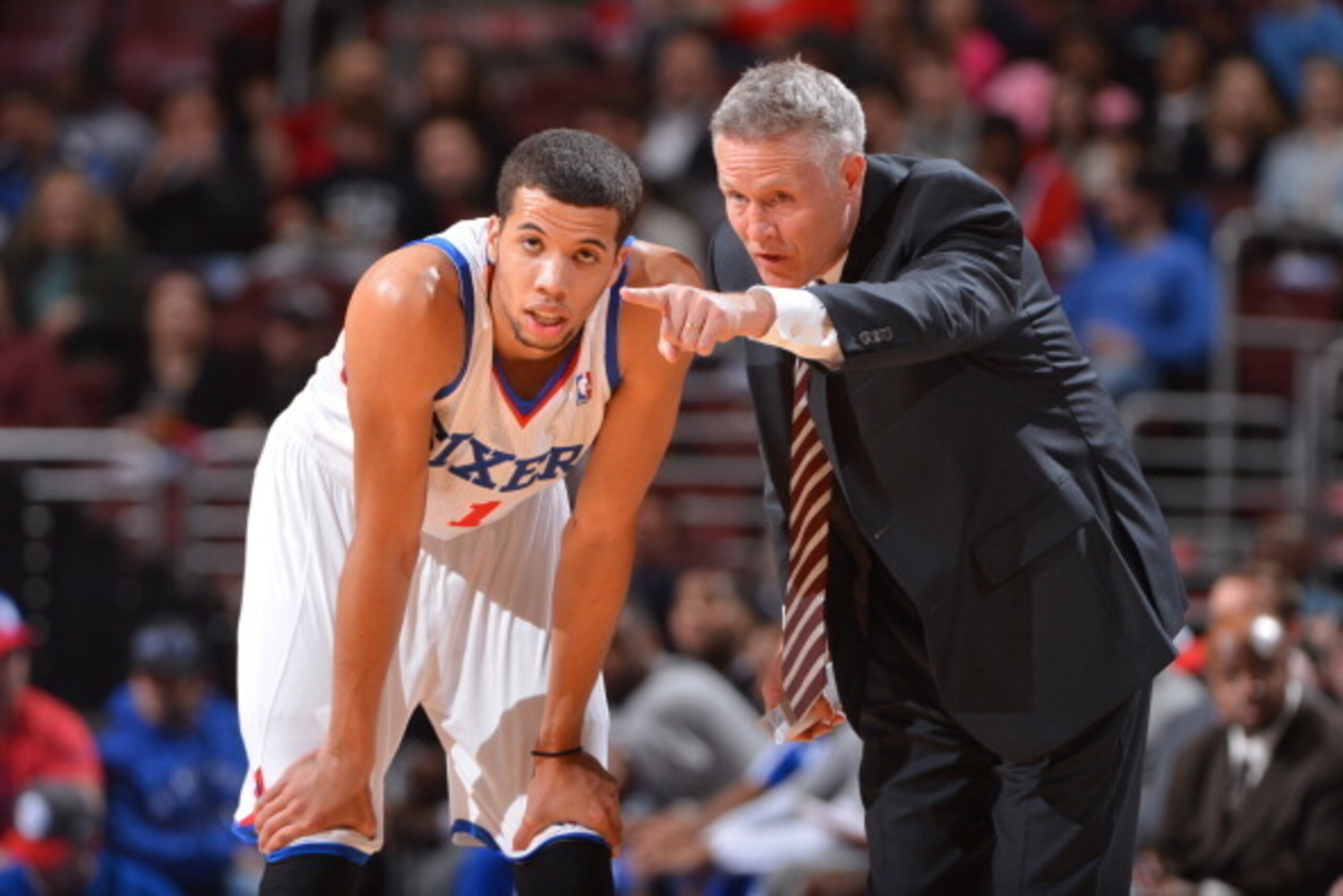
All the Sixers have bought themselves until this point is time and excuses. And like CBS Sports' Matt Moore writes, they will run out of both eventually:
"Isn't there a middle ground? Isn't there somewhere between rushing towards a mediocre present and building for a future that may never come like you're stockpiling big men for a basketball armageddon?
But then, bad things that end seasons before they begin happen to every team eventually. Best laid plans go awry, that's what happens. It just seems like at some point, Philadelphia has to quit waiting for the mood to be right to start moving forward. Sometimes you just have to decide it's time to move.
"
The time for the Sixers to push forward is coming, if it hasn't already. Though they're given a pass for that lost 2012-13 crusade, their fanbase has enjoyed just two winning seasons since 2003. This climb out of the doldrums isn't new; it's a different approach to the same goal.
Attendance isn't going to skyrocket in the meantime. The Sixers ranked 29th in attendance percentage last season, per ESPN.com. Ending this rebuild is imperative to its recovery. This isn't unlike the Golden State Warriors, who saw their attendance drop from fourth in 2008 to 13th by 2012, before immediately rebounding when it became clear better days lied ahead.
But fans will eventually tire of this approach if it isn't going anywhere. Support of Hinkie and his rebuilding philosophies were out in full force at the NBA draft. The Sixers must ensure they don't cycle through that goodwill by pushing its limits.
Bottoming out is a temporary tactic. It shouldn't be an identity. And right now, the Sixers are walking that fine, slippery line, relegating themselves further and further out of contention, banking on what hasn't happened yet changing everything.
Losing sight of what's at stake isn't the danger there. The Sixers won't soon forget what they're after.
Plunge any further into this tanking trench they've mined for themselves, and that which they seek will just be even harder—and take even longer—to reach, if it's attainable at all.


.jpg?w=2560 "Injury-stricken Seahawks signing veteran RB")
.jpg?w=2560 "2 NFL Officials Suspended")

.jpg?w=2560 "Mahomes' Wife Trolls Kubiak 💀")
.jpg?w=2560 "Viral Rams Coach Vid 🖕")
