
7 Under-the-Radar Offseason Moves That Will Make an Impact in 2014-15 NBA Season
Two months and change after the NBA’s free-agency period began, it’s official: That was crazy.
From LeBron James’ full-circle salvation to the Eric Bledsoe debacle, from Kevin Love’s wish-come-true to Pau Gasol’s Windy City gambit, the 2014 offseason will long be remembered as one of the league’s most scintillating summers.
As per usual, the ramifications will take months—years, even—to sort themselves out.
But what about the scores of sneakier trades and signings, which, while perhaps not as immediately impactful, have the potential to become game-changers in their own way?
Today, we’ll look at seven under-the-radar moves that moved the NBA needle without necessarily shattering the odometer. At least not right away.
To qualify, the moves must have been made between July 1 and September 17. So if someone decides to offer Eric Bledsoe $1 over his qualifying offer on September 20 and the Phoenix Suns subsequently decide not to match, well, tough luck, Eric. Go find another list.
Sneakily we proceed.
Gold Rush
1 of 7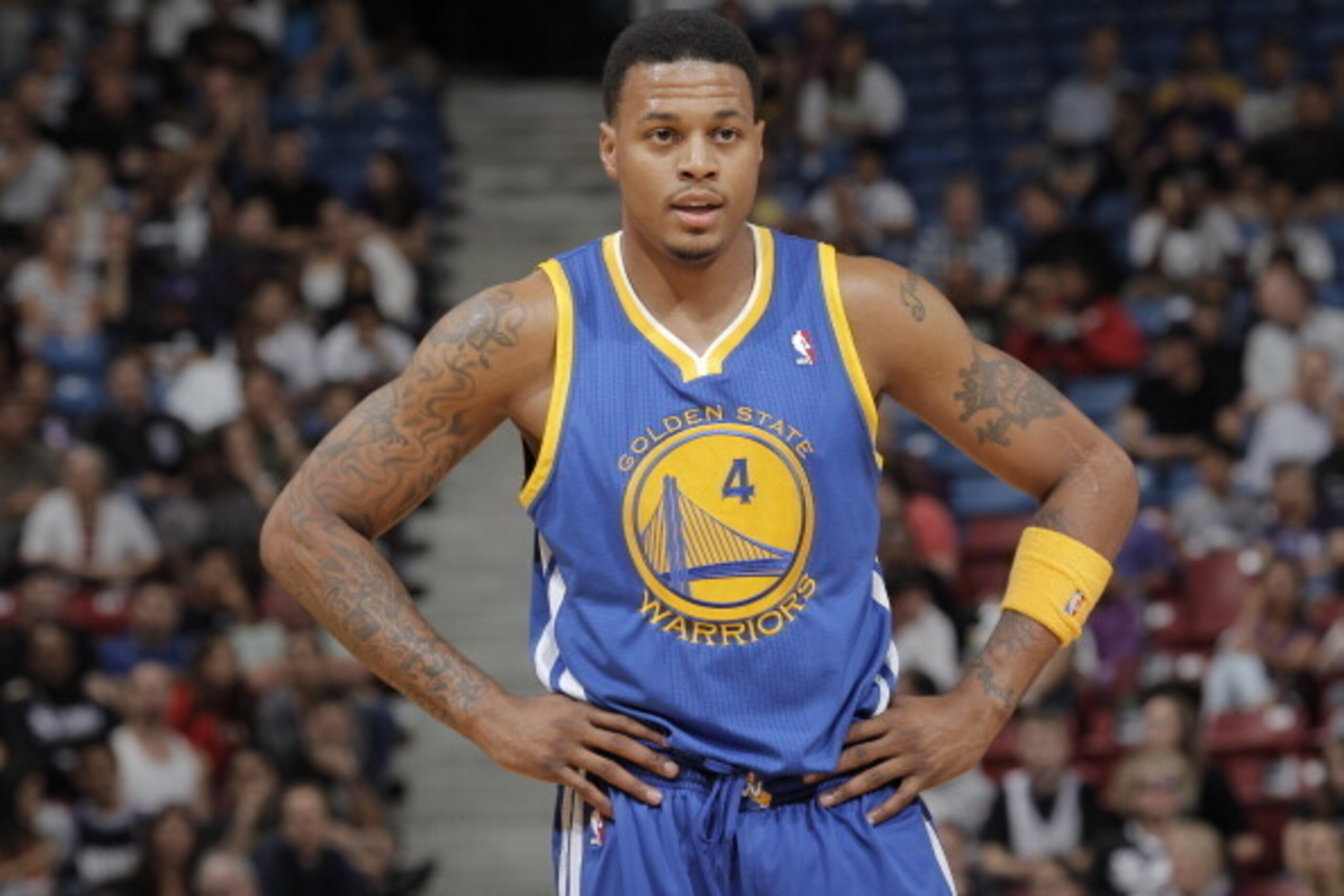
Between 2008 and late 2012, Brandon Rush had emerged as one of the best three-point shooters in the league. But after a devastating knee injury forced him to miss all but two games for the Golden State Warriors in 2012-13, the former Kansas University standout was sentenced to a year in basketball purgatory.
Also known as the Utah Jazz.
Following a season spent mostly bolted to the bench, Rush opted to return to the Warriors, signing a two-year, $2.5 million deal on July 16.
On the surface, the move seems like little more than a feel-good story unfurling on a contender’s rotational fringes.
For a team that finished 22nd in the NBA in bench three-point shooting, however, Rush’s return could prove one of the summer’s sneakiest coups.
With new head coach Steve Kerr poised to place the triangle offense front and center, Rush can concentrate less on creating off the dribble and more on what he does best: canning open threes, specifically from the short corner.
Indeed, between Shaun Livingston (another steal, albeit a bit more high profile) and Draymond Green, the Warriors’ second unit is brimming with willing and capable passers. That means plenty of clean looks for Rush, who will look to resurrect his career in the very place where he once showed such promise.
The Teachings of Luke
2 of 7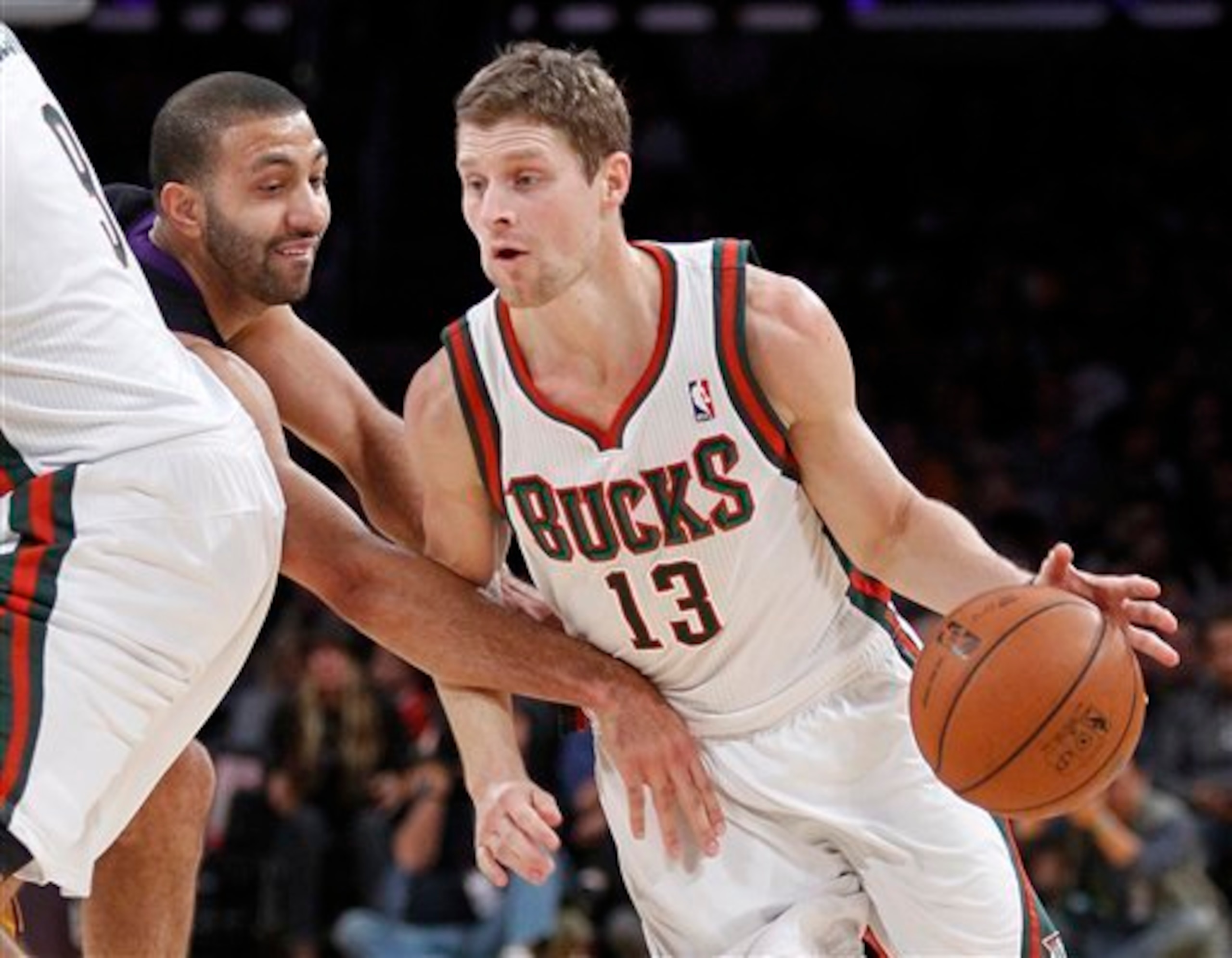
Over 11 NBA seasons, Luke Ridnour has charted a player efficiency rating of 14.0, a true-shooting percentage of 52 percent (excellent for a point guard) and an assist rate of 28 percent while averaging a healthy 27 minutes per game.
In other words, Ridnour has been the picture of floor-general stability, even if he’s never been the most talented guy on the floor.
That’s precisely what the Orlando Magic needed after drafting the hyper-talented Elfrid Payton with the 10th overall pick in June’s draft.
To be sure, Payton didn’t arrive completely devoid of NBA-ready skills. Between his stellar on-ball defense and ferocious ability to penetrate, he would have carved out rotation minutes regardless.
What Ridnour provides, however, is the kind of smarts and veteran savvy a player like Payton is liable to soak up like a sponge. And at a scant $5.5 million over two years, no less.
Truth be told, the Magic—who also tout Aaron Gordon, Victor Oladipo, Tobias Harris and Nikola Vucevic in their ranks of high-upside studs—are still years away from genuine conference contention.
But so long as Orlando continues to put Ridnour-like signings high on its priority list, the learning curve is sure to be far smoother.
Chicago Gets Its Man
3 of 7
Whenever a team spends a first-round draft pick on a classic “stash” prospect—a euphemism for foreign players who have no real chance of landing stateside for at least a few years—you can almost hear the collective groan of its fans.
“Great,” the thinking goes. “What good does that do us right now?”
The Chicago Bulls are about to show how big that kind of patience can pay off.
On July 13, the Bulls officially signed Nikola Mirotic to a three-year, $17 million deal—a full three years after the Houston Rockets snagged (and quickly dealt) the sweet-shooting Montenegrin forward with the 23rd pick in the 2011 draft.
Much has been made of the Bulls inking Pau Gasol to a three-year, $22 million deal—and rightly so. With Derrick Rose’s road to superstardom very much a work in progress, Gasol gives Tom Thibodeau some much-needed playmaking, not to mention the perfect frontcourt complement to the increasingly versatile Joakim Noah.
Mirotic, on the other hand, gives Chicago something equally important and what they’ve largely lacked in Rose’s absence: pure scoring. For a 48-win team that finished a woeful 27th in the league in offensive efficiency last season, that’s not just helpful—that’s utterly game-changing.


A Rivers Runs Through It
4 of 7
Remember when the Donald Sterling scandal threatened to end Doc Rivers’ reign with the Los Angeles Clippers before it began?
What a difference a forced removal makes.
With the team under new ownership and its superstar core of Chris Paul and Blake Griffin squarely in place, the Clippers turned their intention to the next big actionable: keeping Rivers patrolling the Staples Center sidelines for years to come.
Mission accomplished. On August 27, Rivers agreed to terms on a $50 million extension that will keep the veteran skipper in L.A. through the 2018-19 campaign.
Bringing his trademark engagement and strategic chops to bear, Rivers led the Clippers to the most wins in franchise history (57) last season. And while vanquishing a loaded Western Conference remains a monumental task, having a coach of Rivers’ caliber lends the Clippers an air of stability. One that’s certain to put them at the forefront in terms of future free-agent destinations.
With the fates of so many coaches—including conference rivals Scott Brooks and Kevin McHale—still shrouded in doubt, Rivers’ resume gives L.A. a significant leg up over the competition, including, it’s safe to say, the team that shares the Clippers’ home court. I can’t remember the name...
The Pick Stops Here
5 of 7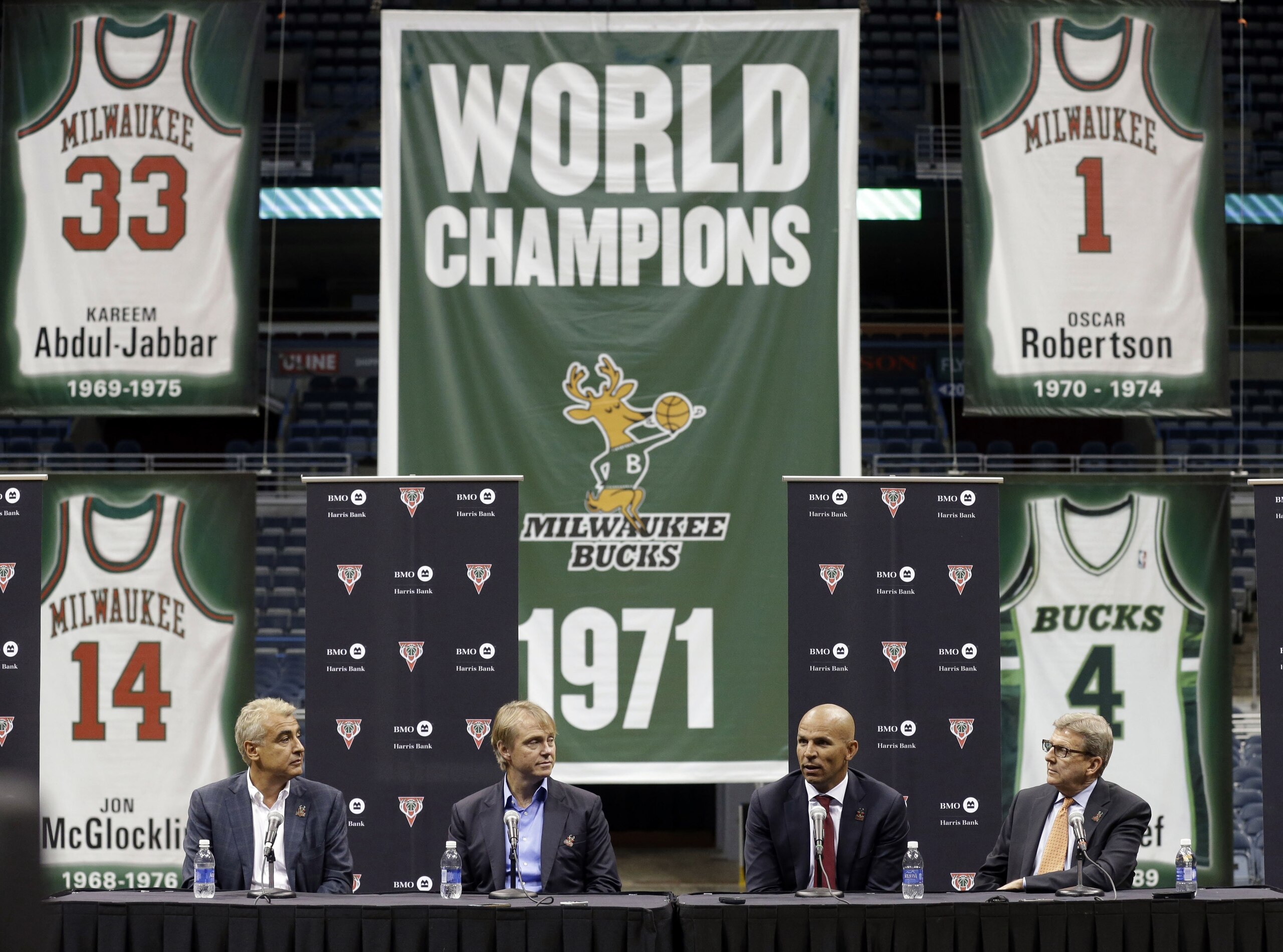
On the surface, orchestrating a trade wherein the only thing you receive in return is the Clippers’ first-round pick in 2017 doesn’t seem like much of a needle-mover.
For the Milwaukee Bucks, however, the move—a deal that sent Carlos Delfino, Miroslav Raduljica and a 2015 second-rounder to the Clips in exchange for Jared Dudley and the aforementioned first—was all about planning for the future.
With a young core that includes the electric Giannis Antetokounmpo and lottery phenom Jabari Parker, Milwaukee has a plan in place, even if it’s still a few years away from finding second gear. Here is Hoops Habit’s David Goodman on what the deal means for the Bucks long term:
"At that point, it’s a good possibility that all the Bucks will need is one more player, that one piece of the puzzle that will put them over the top and send them back to the NBA playoffs. Having another first-round pick will give them the leverage they need and will get other teams to listen to trade offers, or they can keep the pick and use it to bring in some young talent.
Either way they come out on top and have put themselves in a better position by letting go two players who had no future in Milwaukee and absorbing the contract of another player who had fallen out of favor in Los Angeles.
"
If there’s one word that captures the perspective of most NBA front offices today, it is “assets.” And the Bucks—with picks galore and enough youth to pack a One Direction concert—have them in spades.
Get Carter
6 of 7
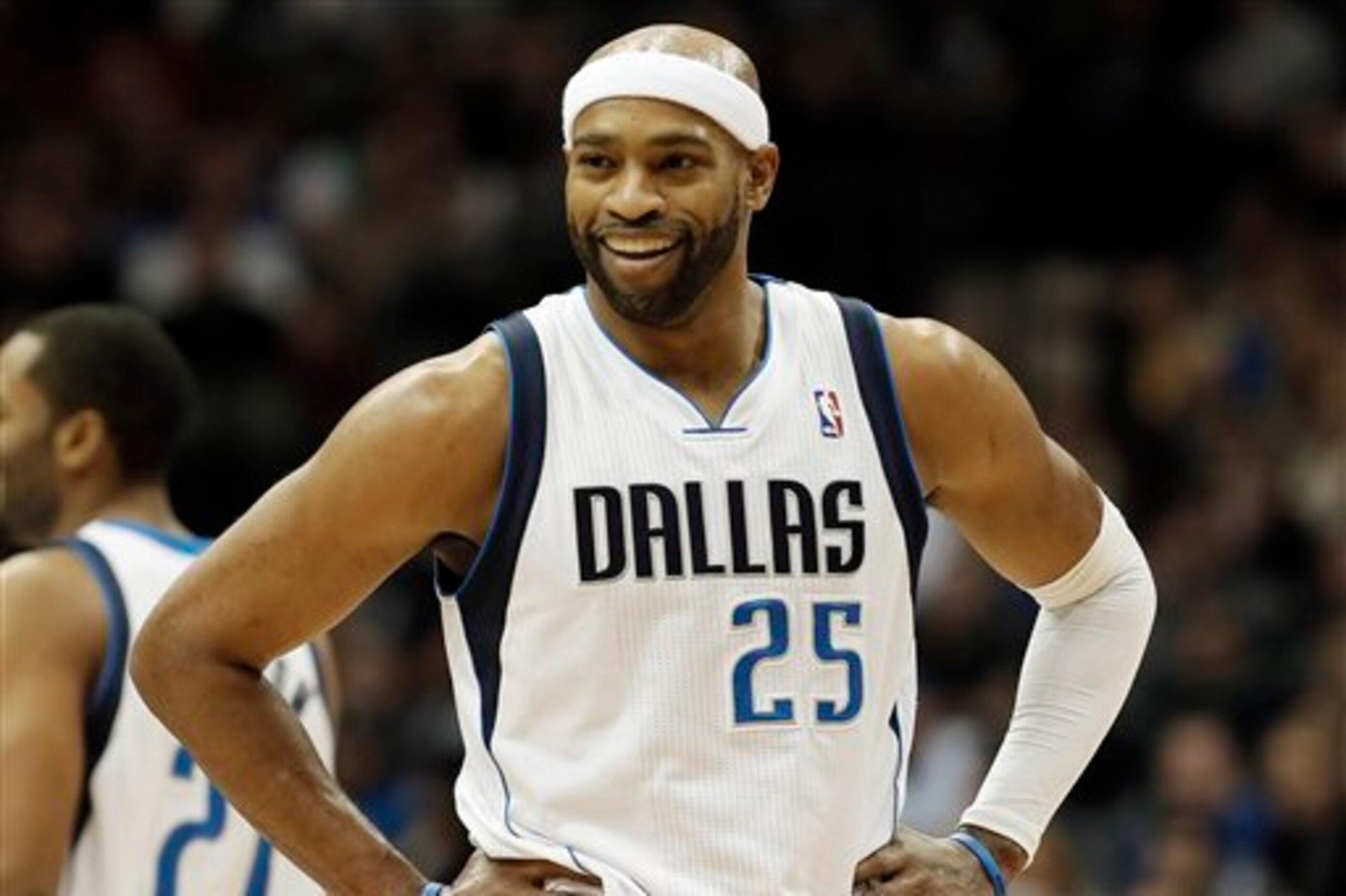
If you’ve watched the Memphis Grizzlies for more than 10 minutes the past few seasons, you know their biggest weakness, by far, was and remains their decided dearth of scoring punch—particularly on the wings.
Enter Vincent Lamar Carter Jr., who on July 12 inked a three-year, $12 million tender to join the famously defense-first Grizzlies. At 37 years old, Carter is nowhere near the offensive force of a decade ago. What he gives the Griz, however, is a much-needed dose of outside shooting.
According to NBA.com (subscription required), Memphis finished the 2013-14 slate dead last in three-pointers per game (a paltry 4.9) and 20th in percentage (35.3 percent).
The result was an offense that was almost completely reliant on the play of its point guard and post players, which compelled the Grizzlies to draft UCLA standout Jordan Adams to at least begin the process of bolstering their perimeter prowess.
A career 38 percent three-point marksman, Carter stands to benefit significantly from both the low-post beastliness of Marc Gasol and Zach Randolph (both of whom are willing and capable passers) as well as the deft left hand of blossoming floor general Mike Conley.
It’s easy to view Carter’s decision through the prism of a player who is still looking for that elusive first championship. Here’s the thing, though: On a team this good defensively that’s finally being proactive about punching up at the other end, there’s an outside chance Carter could prove to be one of the final pieces of a very compelling puzzle indeed.
Hey Look, the Spurs Are Smart!
7 of 7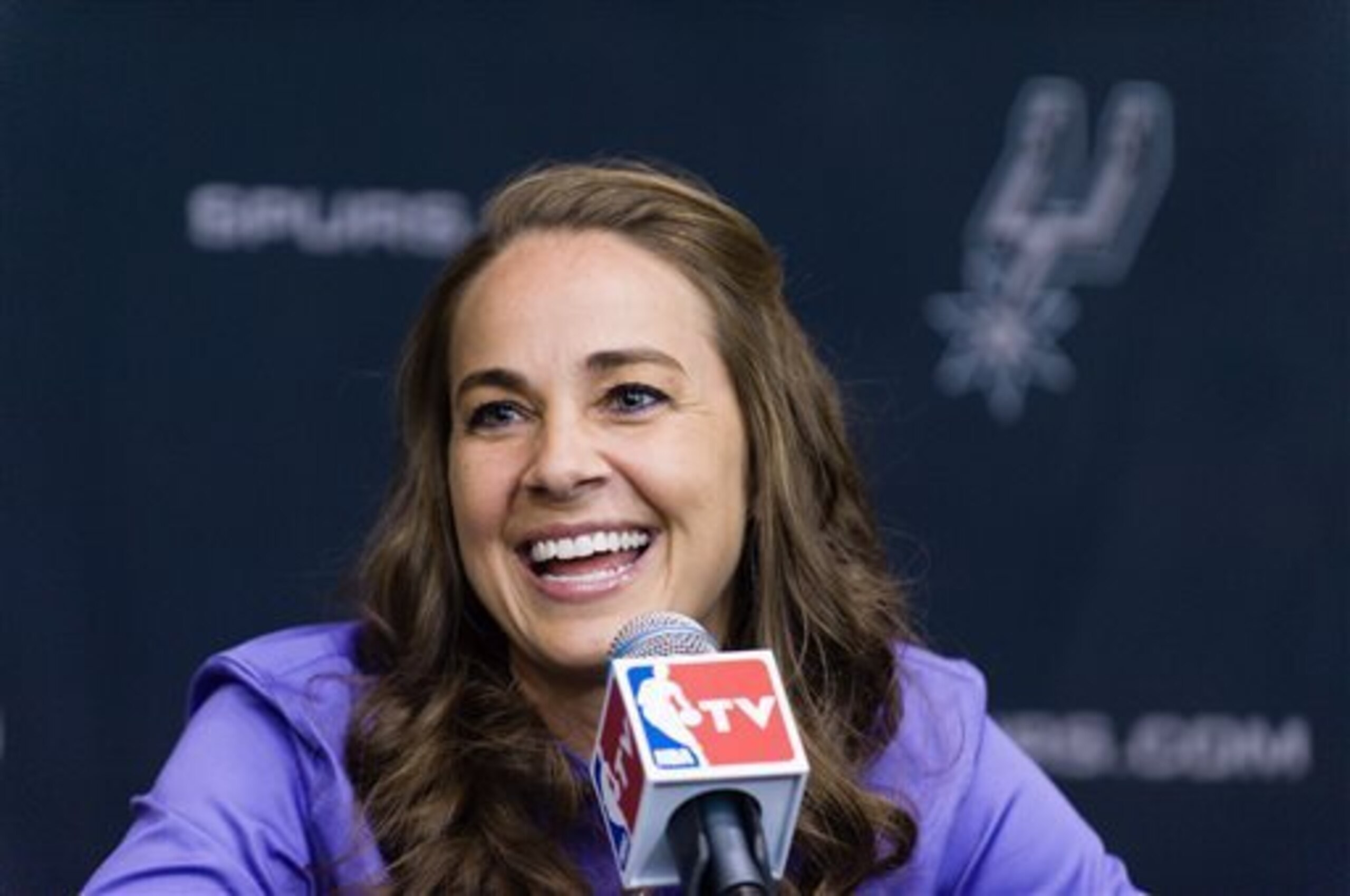
You wouldn’t think signing a pair of assistant coaches would amount to some landscape-altering coup. But in bringing aboard Euroleague master Ettore Messina and longtime WNBA staple Becky Hammon, the San Antonio Spurs not only outfitted Gregg Popovich with a pair of brilliant basketball minds, but they may have laid the foundation for the future of the league itself.
Sound ridiculous? Consider: If the growth of the NBA is predicated on broadening the league’s global exposure and market share, then reeling two legends borne out of two entirely different demographics—as the Spurs did—could prove the opening salvo in the league’s next great global expansion.
By positing themselves as the face of the game’s future, the Spurs are rendering irrelevant their longstanding label of being nothing more than a small-market team (albeit one with six championships over the past 16 seasons).
For good or ill, today’s NBA is as much about branding as it is actual basketball. And the Spurs—with their symphonic hardwood product and creative leveraging of the game’s broad demographic appeal—are helping the cause on both fronts.
Even if, from the outside looking in, it just looks like the Spurs being...well, the Spurs.
“I was so excited and pleased and the one thing that people have to remember is that the San Antonio Spurs don’t do anything for effect,” Nancy Lieberman, barrier-breaking basketballer in her own right, told The Dallas Morning News. “That’s not who they are. They don’t do this for the record-breaking barrier. They do things out of respect."

.jpg?w=2560 "Rodgers Iced Out on Plane 💎")
.jpg?w=2560 "Mahomes Told Teammate to Leave Meeting")
.jpg?w=2560 "🚨 Week 8 AP Top 25 Poll")

.jpg?w=2560 "Raiders Could Start Mendoza")
.jpg?w=2560 "Lamar Being Out Shocked Ravens")