Which Asian Grand Prix Tracks Are Better Than Classic European F1 Circuits?
Despite the necessity for Formula One to broaden its horizons and explore new markets, race tracks in Asia tend to have an unfair reputation in contrast to their European equivalents.
While circuits in Europe—particularly Monaco, Silverstone, Spa-Francorchamps and Monza—are a nod to F1's history and heritage, tracks in Asia, where motor racing is very much still in its infancy, represent the future.
Venues such as the Bahrain International Circuit and the Yas Marina Circuit, the home of the Abu Dhabi Grand Prix, are two circuits in particular which have often been accused of sucking the life out of Formula One having only rarely produced compelling action since arriving on the calendar.

.jpg?w=2560 "Commanders Eagles Football")

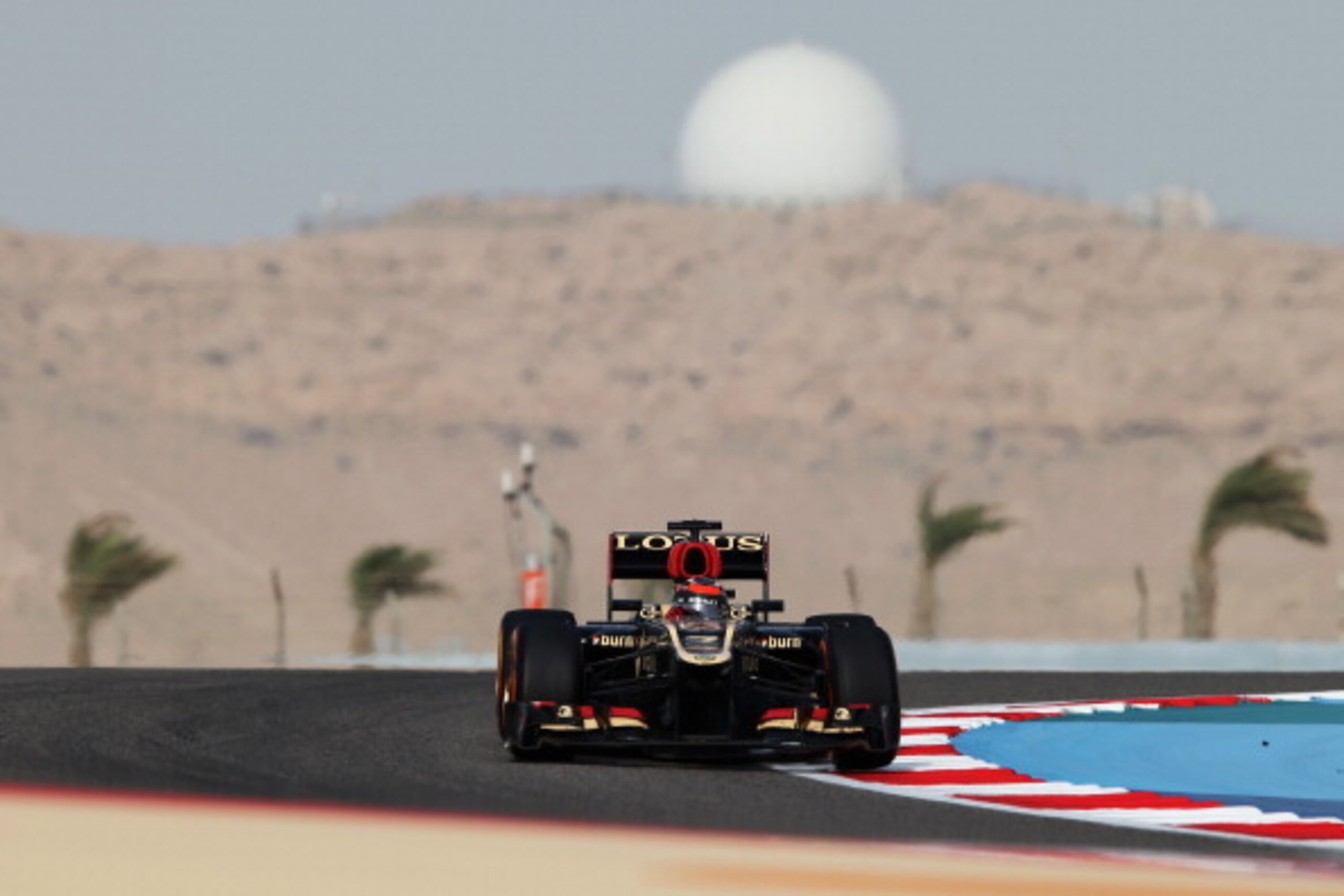
They are considered to be—as the creations of Hermann Tilke, the architect who has made a living out of constructing soulless ribbons of tarmac—all that is wrong with the sport in its current guise.
F1's efforts to make a name for itself in Asia have increased aggressively over the last decade, with no fewer than seven grands prix joining the calendar since the beginning of 2004.
The fact that three of those events—in Turkey, Korea and India—have already dropped off the calendar and are unlikely to ever return, however, suggests that the sport still has some way to go before it fully establishes itself on the continent.
That is not to suggest, however, that F1 has not already struck gold with a number of venues in Asia.
The most recognisable circuit in the East is, of course, Suzuka, the home of the Japanese Grand Prix.
The track, which has hosted all but two races in Japan since 1987, stands as one of the most iconic courses in Formula One and is unquestionably better than most European venues on the calendar.
And unlike its fellow classic circuits—which have either undergone changes of layout or had a makeover in the name of safety in recent years—Suzuka has stood the test of time and retained its sense of challenge.
It remains arguably the only track in F1 which commands complete respect, with grass verges and gravel traps lurking on the edge of the track surface, forcing drivers to be both smooth and precise in their inputs.
In addition to a challenging layout, Suzuka, crucially—unlike every other Asian circuit and several European tracks—has a rich history on its side.
The Japanese Grand Prix has often been the scene of a champion's coronation—always a help when etching a circuit on hearts and minds—with drivers of the calibre of Ayrton Senna, Alain Prost, Michael Schumacher and Sebastian Vettel securing world titles at Suzuka.
Likewise, almost every one of Suzuka's 18 corners has a story to tell.
The final chicane and first corner, for example, carry echoes of those clashes between Senna and Prost in 1989 and 1990, while Fernando Alonso's pass around Schumacher at the fearsome 130R turn in 2005 is still fresh in the memory.
Although other Asian circuits lack the thrill and tradition of Suzuka, several are undeniably worth their places on the calendar, more so than existing European tracks.
The Singapore Grand Prix track, for instance, has only been a presence on the F1 schedule since 2008, but the race has already established itself as one of the "crown jewel" events.
Its status as F1's very first night race is, of course, at the core of its appeal, yet the track itself rivals Monaco in terms of its demands.
Unlike the forgotten Valencia track, which tumbled from the calendar after just five largely miserable grands prix between 2008 and 2012, Singapore is a true street circuit.
A bumpy surface, corners which encourage drivers to bite off more than they can chew and crash barriers sat waiting for those who get it wrong are integral aspects of a successful road course, but the Marina Bay track goes further than that.
Unlike Monaco, Singapore has two genuine overtaking spots—Turn 7 and Turn 14—and has the added challenge of high humidity, which makes the test of maintaining concentration and reliability for almost two hours so much more difficult.
Another event in which heat and humidity can become obstacles to success is the Malaysian Grand Prix, a race which, according to F1 journalist James Allen, can often lead to drivers losing "around three litres of body fluid in sweat."
The effects of the highly changeable weather conditions, however, can often detract from a pleasant and rewarding track layout.
The Sepang International Circuit—only behind Suzuka as the most frequently-used Asian track on the 2014 calendar having first hosted a race in 1999—features a number of elevation changes and demanding sections, including the high-speed direction changes of Turns 5 and 6 and the uphill run through Turn 10 to the blind apex of Turn 11.
Meanwhile, Malaysia's Turn 14—like Turn 10 in Bahrain—is one of the most engaging corners in Formula One, with each driver adopting a different approach and alternative racing lines to tackle Sepang's penultimate bend, while the entire circuit's wide surface encourages overtaking.
There is little doubt, with the FIA and every team based on the continent, that Europe is the heartland of Formula One, despite the sport's status as a world championship.
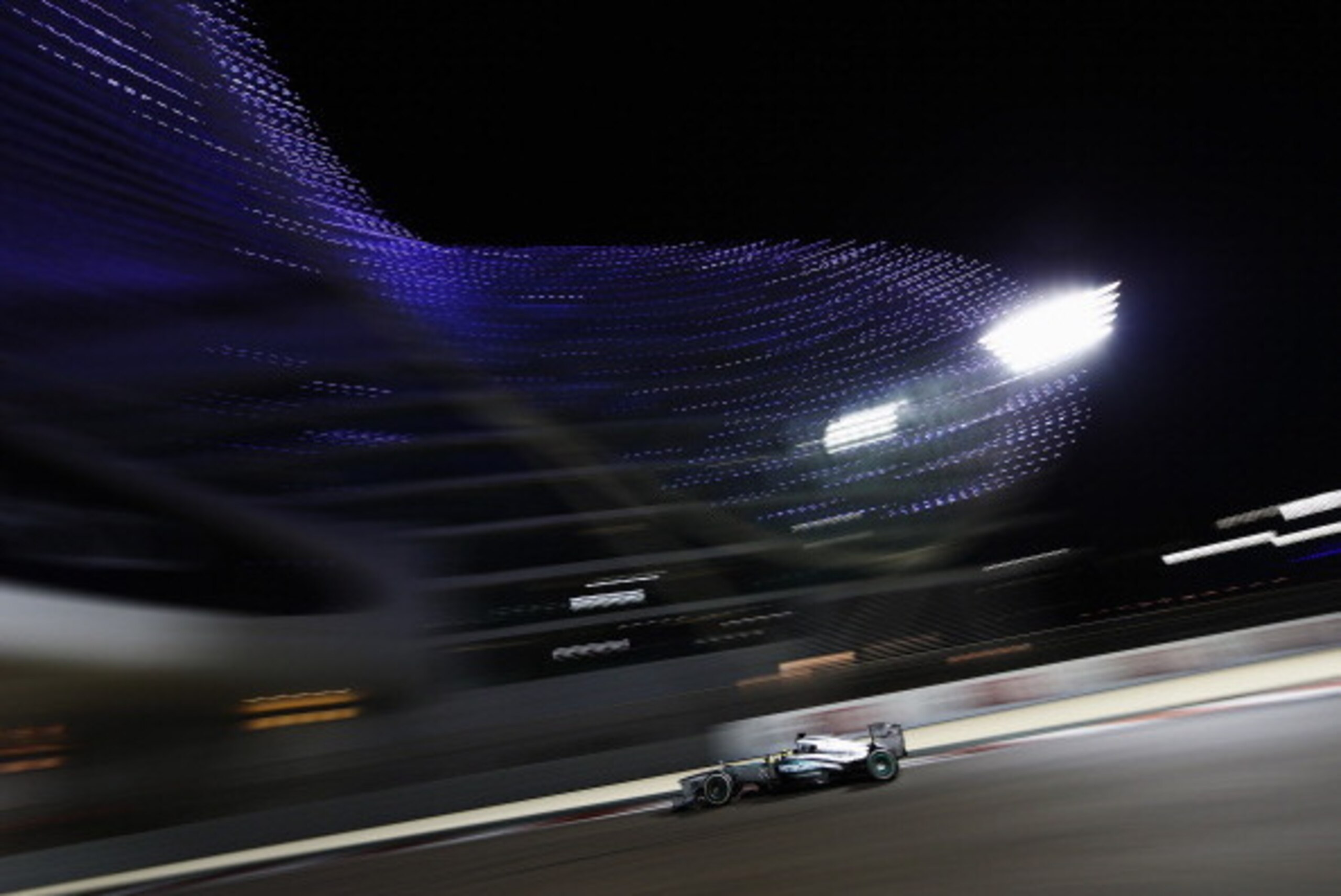
As long as outstanding venues such as Suzuka, Singapore and Sepang remain on the calendar, however—and with huge effort going behind the state-of-the-art facilities of the Bahrain, Chinese and Abu Dhabi Grands Prix—there is no reason why Asia will not warm to Formula One.
The potential for Formula One in Asia is huge—but it's up to the sport to unlock it and edge further away from its traditions.

.jpg?w=2560 "Chiefs Dolphins Football")

.jpg?w=2560 "Injury-stricken Seahawks signing veteran RB")

.jpg?w=2560 "Love's Body Already 'Tired'")