
Was This Spain's Last Chance at International Domination?
For the average person, two years probably doesn’t seem very significant. For an NBA player, however, it can mean the difference between career prime and a productive downswing; for a franchise, playoff promise and lottery purgatory.
For a national basketball program, it can span generations.
Just ask Spain.
TOP NEWS

LeBron's Special Helicopter Deal

MJ Makes Record-Setting Donation 🙌
Report: Embiid Down to Rookie Weight
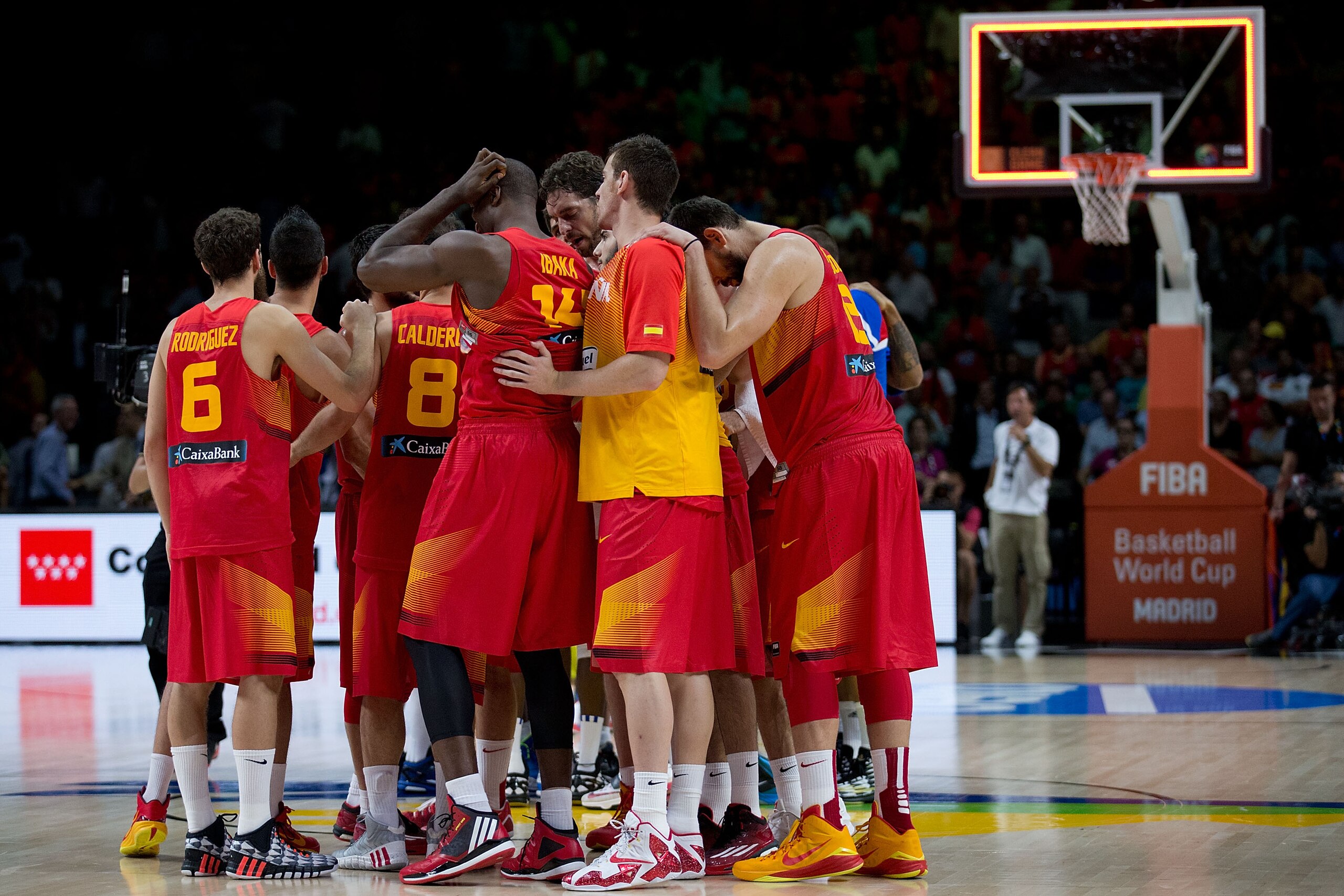
It might be hyperbolic to call its shocking 65-52 loss to France in the quarterfinals of the 2014 FIBA World Cup the end of an era. But with a full 700 days before the start of the 2016 Olympics in Brazil, time isn’t exactly on Spain’s side.
This was supposed to be the year. The final, triumphant tour of one of the globe’s most celebrated basketball bands, culminating in the most perfect of hardwood swan songs: a place astride the podium’s foremost step, the Spanish national anthem blaring through the loudspeakers of the Palacio de Deportes de la Comunidad de Madrid.
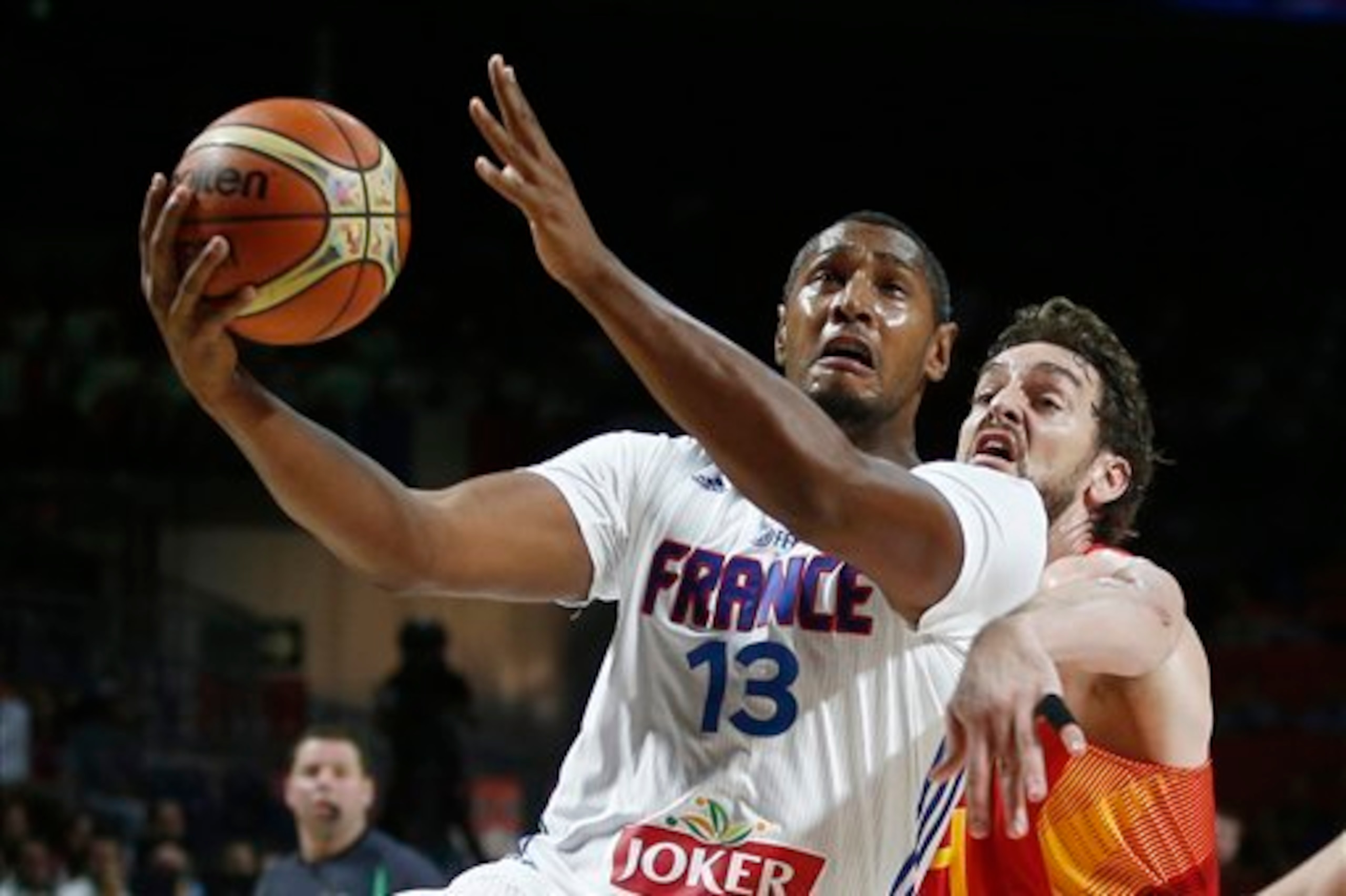
Instead, it was a felling by the fiercest of foes—the 40-minute FIBA equivalent of death by 1,000 cuts.
Sure, Spain still has 2015 EuroBasket—a chance to avenge its finals loss a year ago to the same French side. Replicating its first-place finish at the 2006 FIBA games by capturing a second gold in a decade, though, seems like a lofty proposition indeed for Spain.
Of the 12 players that suited up for Spain during its ill-fated FIBA run, only three are under 25 years old: Ricky Rubio (23), Serge Ibaka (24) and the seldom-used Alex Abrines (21).
Four players—Pau Gasol (34), Juan Carlos Navarro (34), Felipe Reyes (34) and Jose Calderon (32)—are over the age of 32. And Marc Gasol (29), Rudy Fernandez (29) and Sergio Rodriguez (28) aren’t far behind.
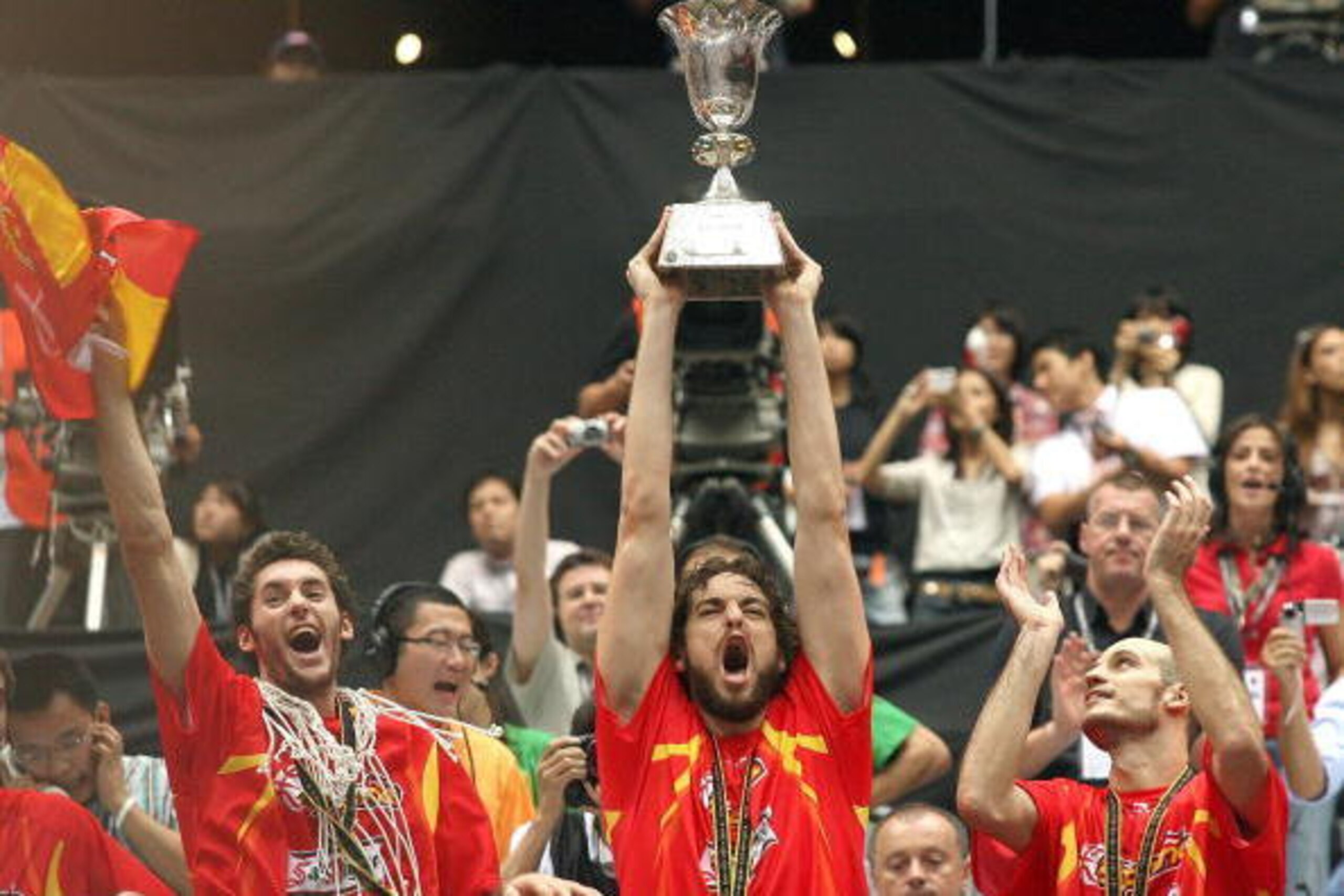
The same breadth of experience that netted Spain six medals over the past 10 years has, at this point, become the elephant in the room. Sooner or later, it’ll be high time to bid adieu to the Gasols and Navarros and Calderons; to embrace a new generation of Spanish upstarts eager to bolster their country’s collection of 16 international medals since 1934.
Appropriately, the demise may well begin exactly where the ascendance once did: With Pau Gasol, who offered up some candid remarks to a Reuters reporter immediately following Wednesday’s heartbreaking loss (via The New York Times):
"You never know when it is your last game or your last tournament.
I would like to play until I am 50, but I doubt I will. It is an honour to play for my country, but you never know...We have great young players coming through, and I am sure that we will have a strong side for the future.
"
Gasol's optimism aside, Spain's roster turnover doesn't look to be pegged to any particular talent timetable. That's one thing if you're the United States, brimming with increasingly well-heeled hoopsters in every nook, cranny and county throughout the country.
It's another thing entirely when you're a nation of 48 million worshiping first and foremost at football's alter.

The website EuropeanProspects.com expounds quite astutely on what it sees as a growing trend within European youth programs writ large, and Spain in particular: the development of young, promising players from Africa:
"The typical long, athletic wing or inside player is something that Spain is missing in youth categories for years so the teams import as many as possible in order to fill their rosters. Agents travel regularly to the different African basketball academies or tournaments and send the most talented kids to Spain. Sources close to the situation say that some organizations bring in young players from Senegal or other African countries by large numbers every year, take the 2-3 best out of the pool and send the others back home.
"
Serge Ibaka might be the first (and most famous) example of this phenomenon, but judging by the website's list of Spanish club-team prospects, his rise is meant to be the rule, rather than the exception.
At this point, Spain’s track record of youth development speaks for itself: Since 1994, the country’s under-20 team has medaled 12 times. In just seven appearances at the division’s World Championships, the under-19 squad has a gold and a bronze to its credit.
The blossoming basketball prodigy who captained that latter title winner? You guessed it: Pau Gasol.
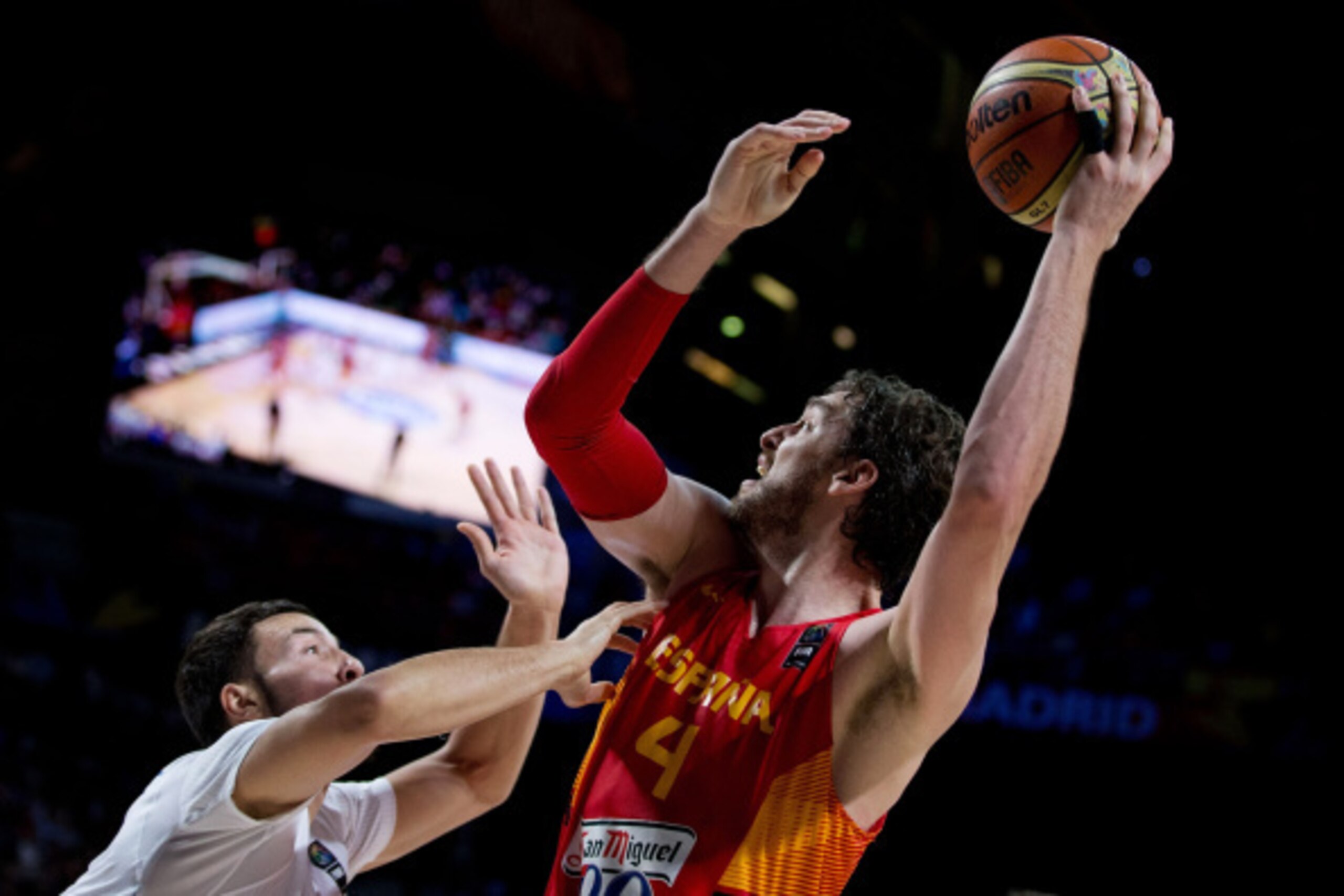
It might be cliche to say no player is truly irreplaceable. From a purely statistical perspective, there’s always more production to be had, so long as the program’s philosophy and pedagogy remain coherent and intact.
But if there’s anyone in international basketball that can be said to truly embody a team’s ethos, construction and chemistry, it’s Gasol. He is both the straw that stirs the drink and the recipe by which that drink is made; the embodiment of the 21st century big man and a reflection of where the position has been.
If anyone has a chance to redefine that mold, it’s Ibaka—the hyper-athletic 6’9” forward around whom the team’s head coach, Juan Antonio Orenga, would be wise to build. Indeed, between Ibaka and Rubio, Spain is sure to remain a formidable force within the international basketball hierarchy.
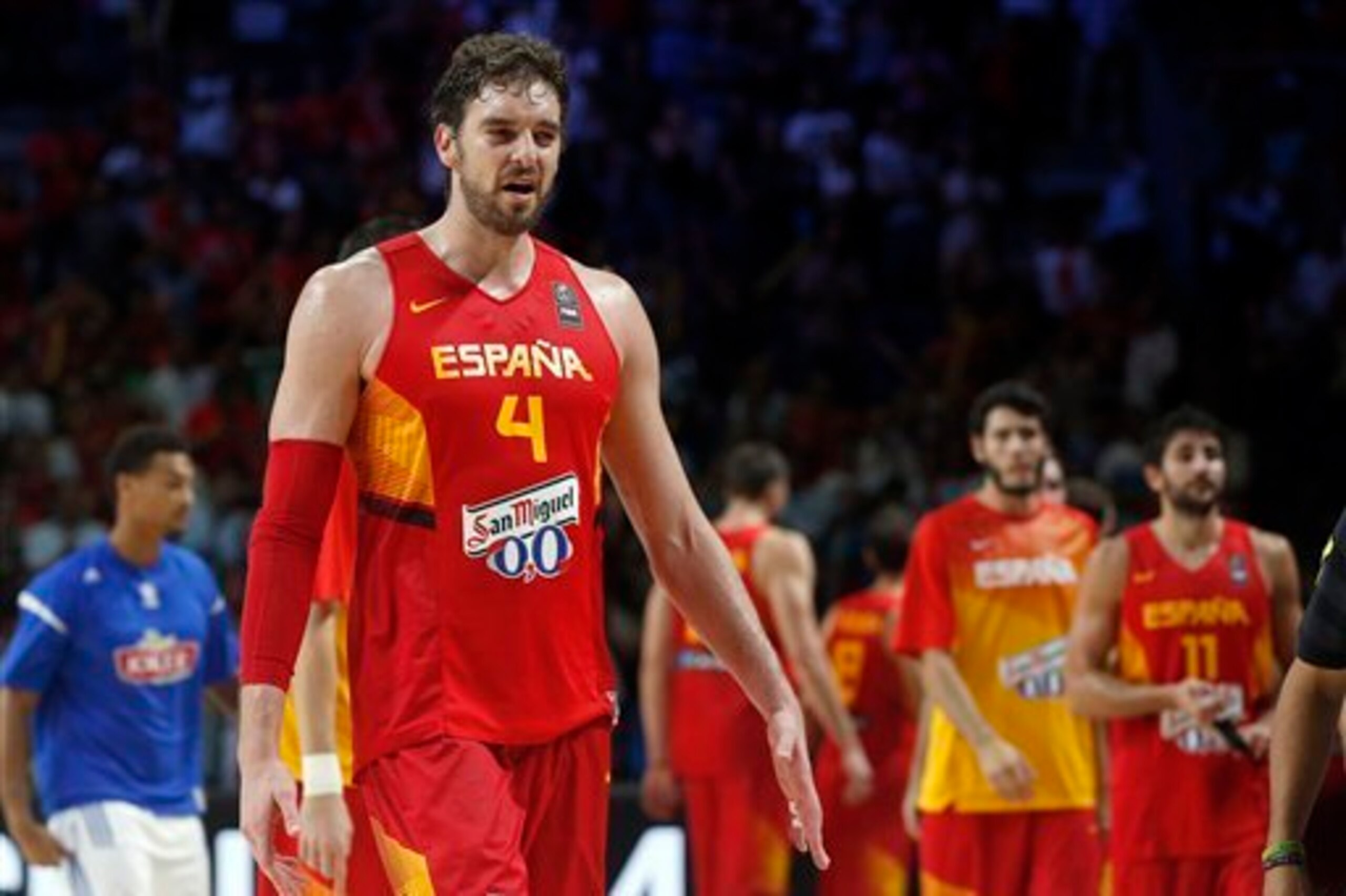
Unlike Team USA’s infamous debacle at the 2004 Athens Olympics, Spain’s FIBA demise wasn’t borne out of hubris or arrogance. This wasn’t the case of a haphazardly constructed team running up against the limits of its own gestalt.
Spain’s fault lies not in having become overly dependent on raw talent or chart-breaking athleticism—that's America's purview. Rather, Spain chose to live and die by the sheer pull and power of its own internal chemistry, forged over the years without any real sense of when it all might end.
Make no mistake: Spain's designs on international basketball domination haven't been squashed, only deferred. To recapture its promise as a legitimate threat to Team USA's hardwood hegemony, however, demands Spain see 2016 and beyond as here today, rather than light years away.

.jpg?w=2560 "2 NFL Officials Suspended")
.jpg?w=2560 "Injury-stricken Seahawks signing veteran RB")

.jpg?w=2560 "Mahomes' Wife Trolls Kubiak 💀")