

Power Ranking Nation's Best Rushing Attacks After Week 2
While spread offenses have become more prevalent in recent years, rushing-based systems are still important in college football.
In fact, some of the top high-powered spread attacks, like Auburn, Clemson and Arizona State, have successfully incorporated the ground element as a major part of their offenses.
Moving the ball on the ground allows you to control the clock, control a game's pace and demoralize a defense over the course of 60 minutes. It's crucial to sustained success at the national level.
Through two weeks, a number of teams have emerged as the best rushing teams in college football. Here's a look at who they are. Criteria for this list included having one of the top 20 averages in the Football Bowl Subdivision. Teams' opponents and overall success were also taken into consideration.
10. Baylor
1 of 10
Baylor is known for its offense, led by senior quarterback and Heisman Trophy candidate Bryce Petty, but the Bears' ground game isn't too shabby, either.
Through two games, Baylor is averaging 263 rushing yards per game (No. 19 nationally) and has eight rushing touchdowns. Even without Petty (who sat with two fractured transverse processes in his back), the Bears completely overwhelmed FCS team Northwestern State Saturday, cruising to a 70-6 win.
Sophomore Shock Linwood is a powerful runner, and freshman Johnny Jefferson is also impressive. Jefferson is averaging 82 yards per game while Linwood averages 61. The backfield is deep, too; Silas Nacita, a backup, rushed for 104 yards Saturday and is averaging 62 yards per game.
Petty is expected to be fine soon, but the Bears have shown that they can move the ball in multiple ways if his back issues flare up later on this season.
9. Navy
2 of 10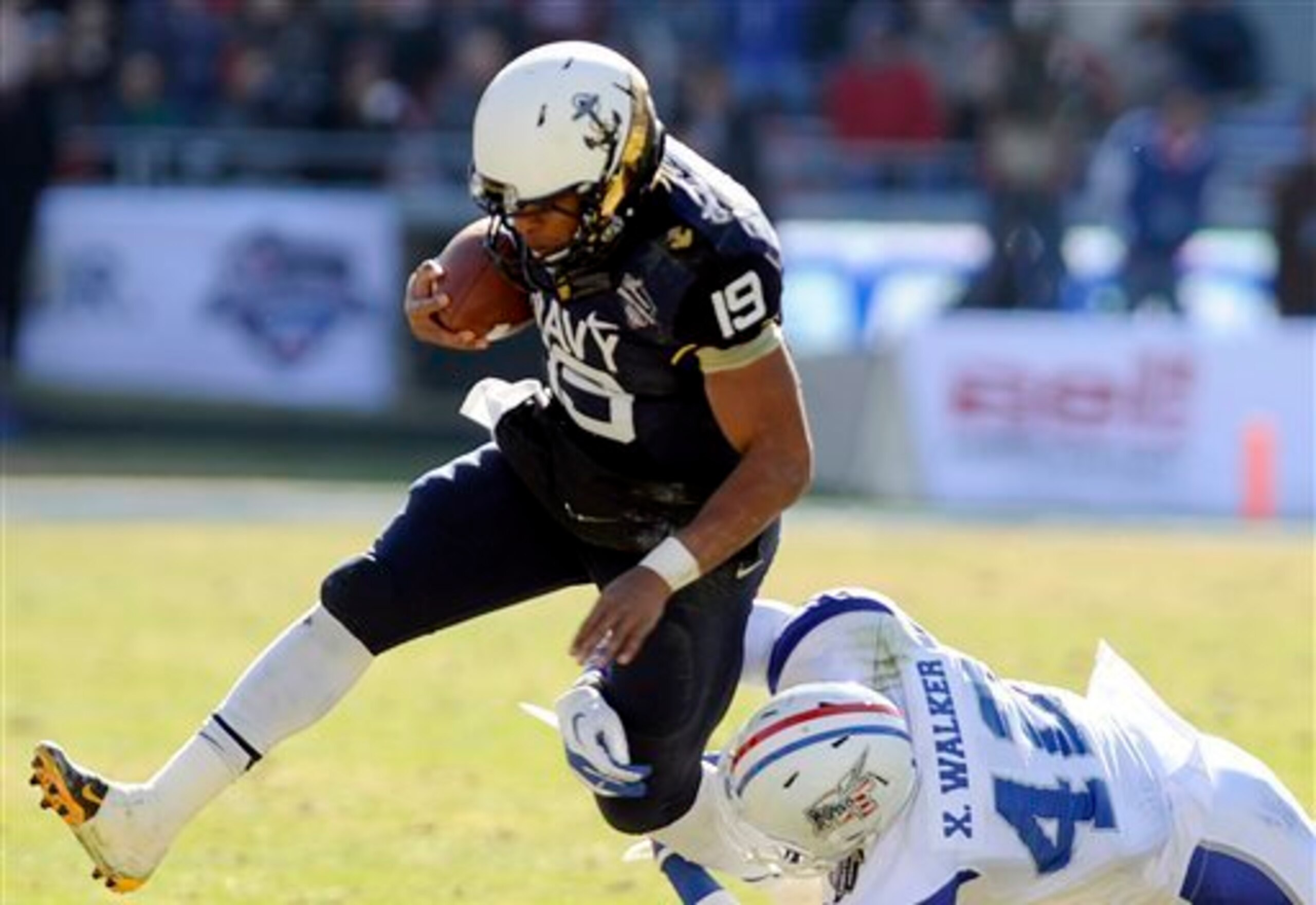
Year after year, one of the biggest constants in college football is Navy's offense. The Midshipmen run a flexbone triple option offense, which forces opponents to play a disciplined style of defense and controls the ball for long periods of time.
Through two games, Navy's averaging 428.5 yards rushing per game, which ranks second nationally. The Middies' passing offense is almost nonexistent; Navy averages 25 yards passing per game, No. 124 nationally. No matter, Navy is more than content to consistently push the ball on the ground and frustrate opponents.
Five Navy players are currently averaging more than 50 yards rushing per game, led by junior quarterback Keenan Reynolds (who averages 107.5 yards per game). The Midshipmen's backfield is deep and experienced. Reynolds and each of the top six fullbacks and slotbacks are all upperclassmen. Senior slotback Ryan Williams-Jenkins averages 80.5 yards rushing per game, second on the roster behind Reynolds.
It is an impressive group, one which should keep Navy in games all season. Navy pushed Ohio State before falling in its season opener and will be a test for Notre Dame, which it faces Nov. 1 at FedEx Field.
8. Northern Illinois
3 of 10
The Huskies have emerged as one of the nation's top mid-major teams thanks to a fast-paced offense that relies heavily on the run, and they haven't missed a beat despite the departure of head coach Dave Doeren to N.C. State and the graduation of do-everything quarterback Jordan Lynch, the back-to-back MAC MVP.
Saturday, the Huskies upset Northwestern 23-15 to improve to 2-0. That's nothing new; NIU beat Big Ten foes Iowa and Purdue last season. NIU averages 322.5 yards rushing per game, No. 12 nationally.
Junior Matt McIntosh has emerged as the starting quarterback, besting Drew Hare and Anthony Maddie in a three-quarterback race. McIntosh is not the rushing threat Lynch was (he has 44 yards in two games) but is the most experienced. Senior Akeem Daniels averages 99.5 yards rushing per game, claiming the lead role after missing last fall with a foot injury. Senior Cameron Stingily rushed for over 1,000 yards last season but has just six carries so far this season after missing the opening game with an undisclosed injury that he returned from sooner than expected.
NIU travels to UNLV next week and has another opportunity to take down a power-five foe Sept. 20 at Arkansas. Given the Huskies' track record, the Razorbacks will be on full guard.


7. Arizona
4 of 10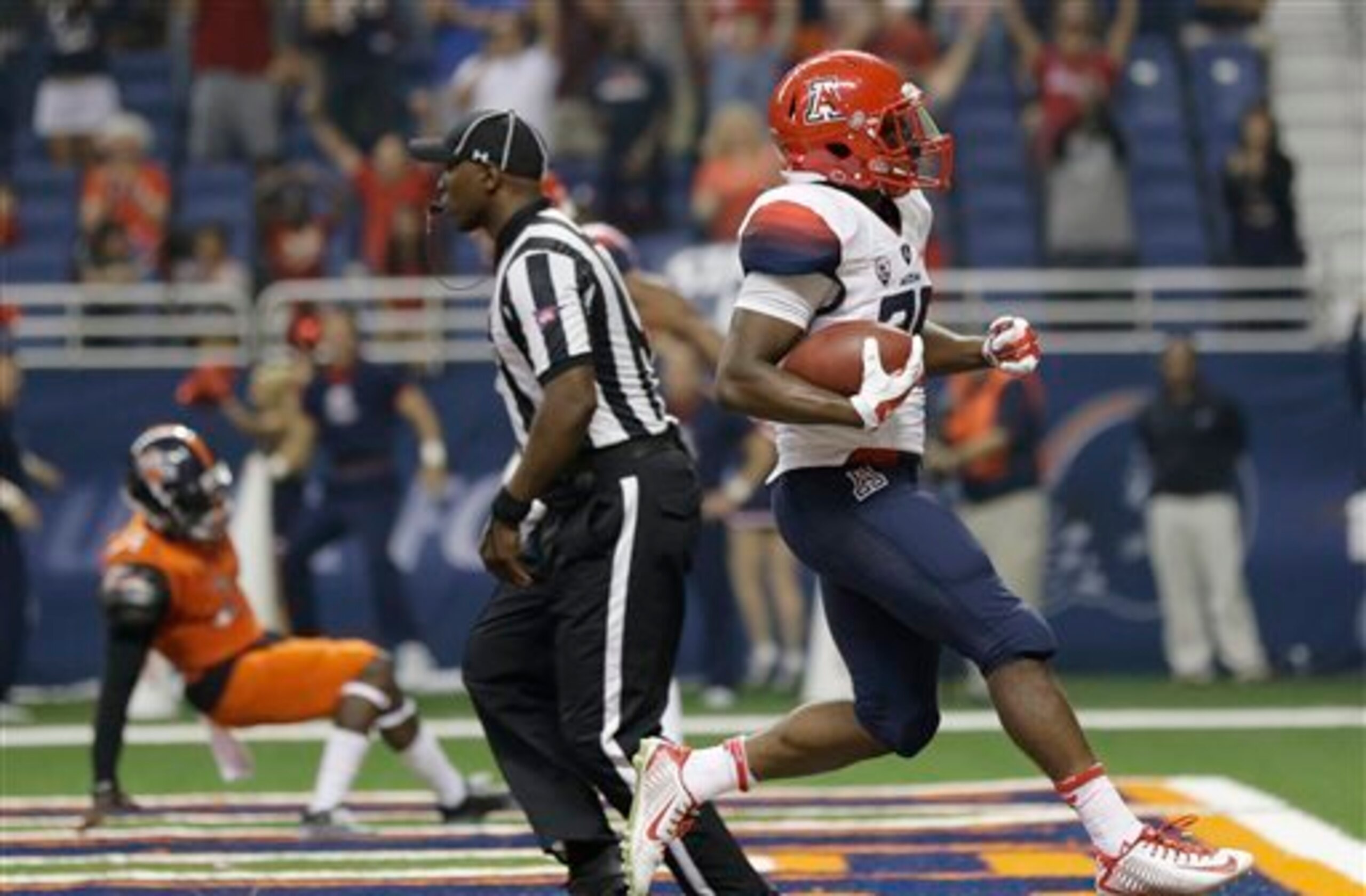
Rich Rodriguez's fast-paced spread offense has been a hit in Tucson. A year ago, the Wildcats averaged 264.9 yards per game on the ground (No. 11 nationally), and tailback Ka'Deem Carey was a consensus All-American. Carey is gone to the NFL, but RichRod's offense rolls on. The Wildcats average 288 yards rushing per game, No. 16 nationally.
Sophomore tailback Nick Wilson has emerged as a bell cow. He's averaging 139 rushing yards per game and put in a 30-carry, 174-yard effort in Thursday's 26-23 win at UT-San Antonio. Terris Jones-Grigsby averages 62 yards per game as well. And while new starting quarterback Anu Solomon is pass-first, he is also mobile, recording 16 carries for 61 yards this season.
While the Wildcats are breaking in new offensive faces this fall, they'll still be a handful for Pac-12 opponents, including when they make a trip to Oregon on Oct. 2.
6. Arizona State
5 of 10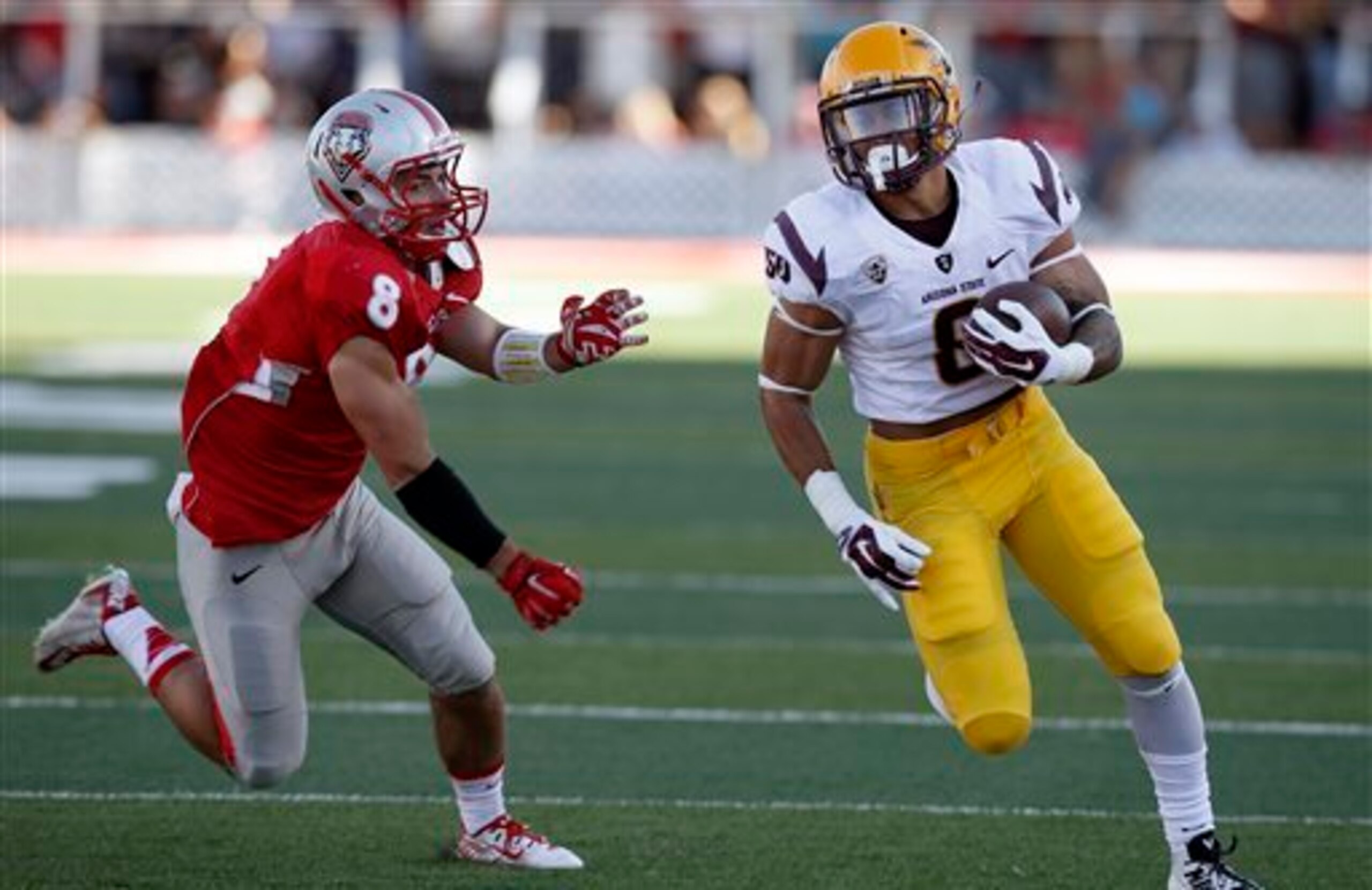
Head coach Todd Graham has built one of the nation's top overall offenses in Tempe. The Sun Devils can score on anyone and have rolled up a combined 103 points on Weber State and New Mexico. They average 345 rushing yards per game, No. 6 nationally.
One of the big reasons why? Junior tailback D.J. Foster, who is emerging as one of college football's top runners. Through two games, he's averaging 181.5 yards rushing per game. Saturday night, Foster gashed the Lobos defense for 216 yards on 19 carries. He averages a stellar 10.7 yards per carry.
Senior quarterback Taylor Kelly is known for his arm, but he can also run. Kelly has 98 yards rushing this season, including a 52-yard touchdown run.
While Arizona State's defense is a concern, the Sun Devils offense will have opponents across the Pac-12 burning the midnight oil preparing game plans this fall.
5. Pitt
6 of 10
Coming off a 7-6 season, Pitt could make the leap to ACC Coastal Division contender this fall. If it happens, the Panthers ground game will deserve plenty of the credit. Pitt is averaging 356 rushing yards per game, No. 4 nationally.
Sophomore tailback James Conner is a huge reason why. Coming off a 799-yard effort last fall, Conner built on a 229-yard rushing day in the Little Caesars Pizza Bowl win over Bowling Green with two big efforts. He rushed for 153 yards in the season-opening win over Delaware and ripped off 214 yards on 36 carries in Friday night's win over Boston College. He's averaging 183.5 yards rushing per game.
Senior Isaac Bennett has over 1,200 rushing yards in his career, including 797 last fall, but Conner's emergence has pushed him into a backup role. He has only 33 yards on seven carries through two games. Sophomore quarterback Chad Voytik also can run if needed. He has 58 yards on eight carries and has solid mobility.
4. Arkansas
7 of 10
Saturday's win over Nicholls State marked Arkansas' first victory in 51 weeks, but the Razorbacks' lack of success under Bret Bielema hasn't been due to poor production from the backfield. Arkansas averages 324 yards rushing per game, No. 11 nationally, and was No. 21 in rushing yards per game a year ago.
The Razorbacks boast a very talented trio of tailbacks in Alex Collins (a shifty, speedy back), Jonathan Williams (a power back) and speed back Korliss Marshall.
Collins averages 99.5 yards per game. Williams has 177 yards on the season and averages 16.1 yards per carry, including a 90-yard touchdown run. Marshall has just eight carries for 45 yards but is a very capable runner who could step in if either Collins or Marshall needs a rest.
Bielema's power offense is very different from the spread offenses that are en vogue in college football, but it has a proven track record of success and should continue to be productive in Fayetteville.
3. Nebraska
8 of 10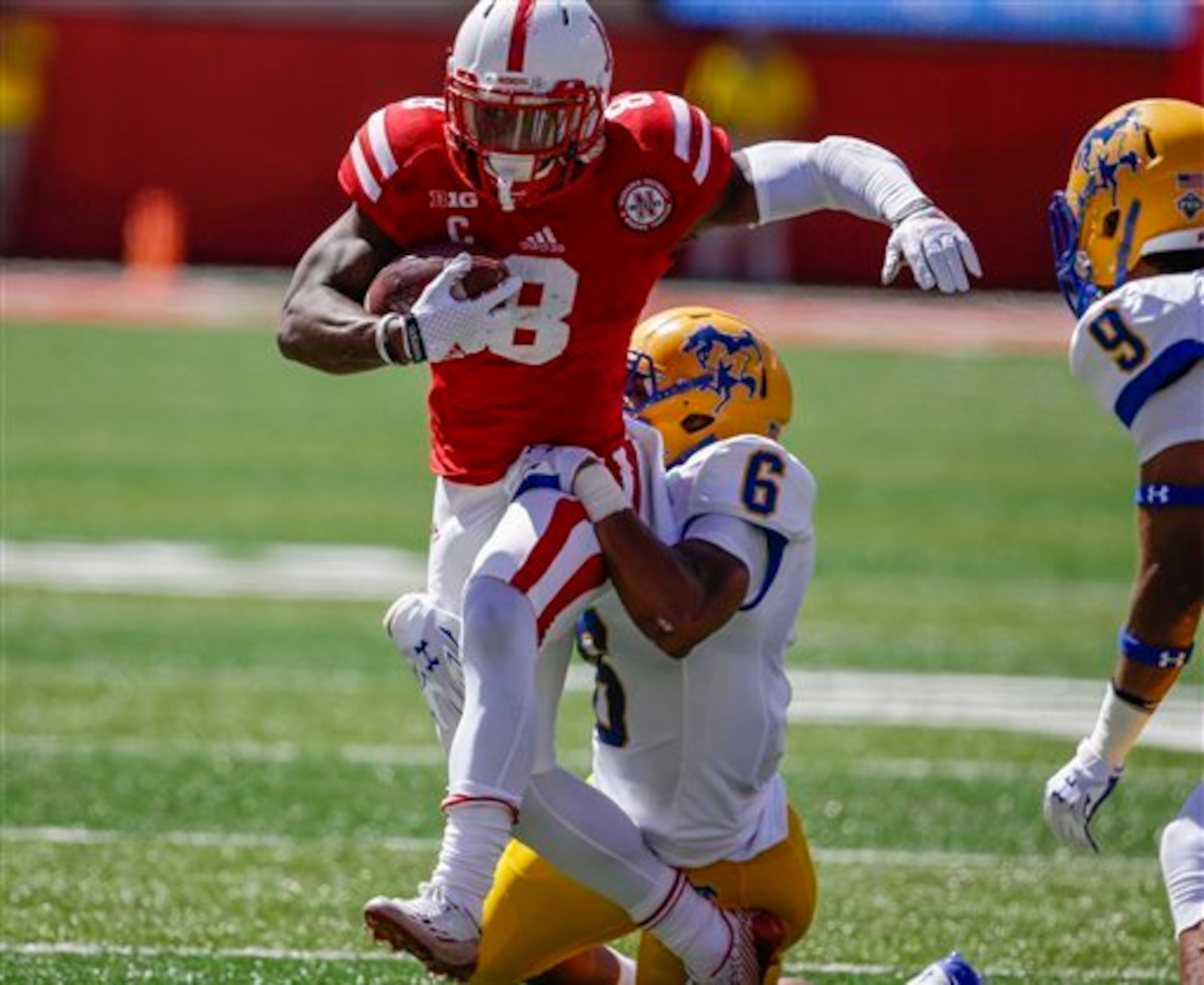
Nebraska has a long tradition of talented tailbacks, from Johnny Rodgers to Roger Craig to Mike Rozier, Lawrence Phillips and Ahman Green. The latest in that line is senior Ameer Abdullah, who is coming off consecutive 1,000-yard rushing seasons (including 1,690 yards last fall). The Cornhuskers were pushed hard by McNeese State Saturday, but Abdullah saved them, breaking off a late 58-yard catch-and-run score for a 31-24 victory.
He is averaging 143 rushing yards per game, including 7.5 yards per carry. As a team, Nebraska averages 346.5 yards per game, No. 5 nationally. New starting quarterback Tommy Armstrong Jr. can move, too. He has 193 yards rushing through two games.
The backfield has depth as well. Terrell Newby had 107 yards and two touchdowns against Florida Atlantic, and big back Imani Cross is one of the nation's most underrated power backs. He has 33 yards on six carries this fall, but Nebraska can lean on him if necessary.
2. Auburn
9 of 10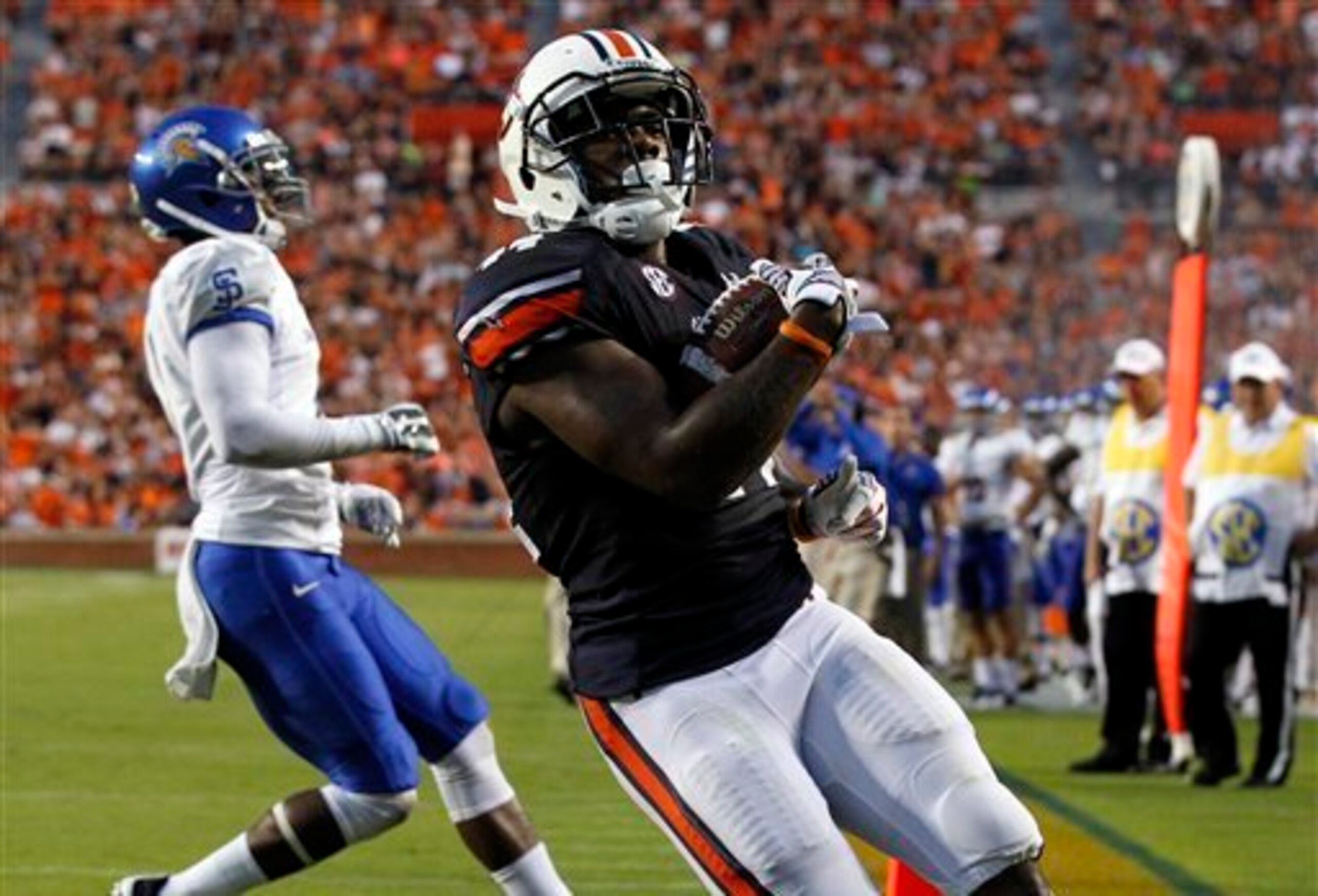
Head coach Gus Malzahn's spread offense transformed Auburn into a national champion during his tenure as the Tigers' offensive coordinator, and AU quickly returned to national prominence when he returned as head coach last fall, going from 3-9 to national runner-up. Auburn can pass the ball, but it loves to move it on the ground in a variety of ways that keep opponents off balance.
Despite losing Heisman Trophy finalist Tre Mason to the NFL draft, the Tigers ground attack remains potent. Auburn averages 330 yards rushing per game, which ranks No. 9 nationally.
Seniors Cameron Artis-Payne and Corey Grant have formed an impressive two-headed monster at tailback. Artis-Payne is averaging 144.5 rushing yards per game with four touchdowns, averaging 6.9 yards per carry. Grant is averaging 88 yards per game and averages an impressive 8.8 yards per carry.
And don't forget about senior quarterback Nick Marshall, who rushed for 1,068 yards and 12 touchdowns a year ago. This fall, he has 122 yards and two touchdowns on 19 carries, averaging 6.4 yards per tote.
The players change in Malzahn's system, but the results are constant. It's one of college football's top rushing attacks.
1. Georgia
10 of 10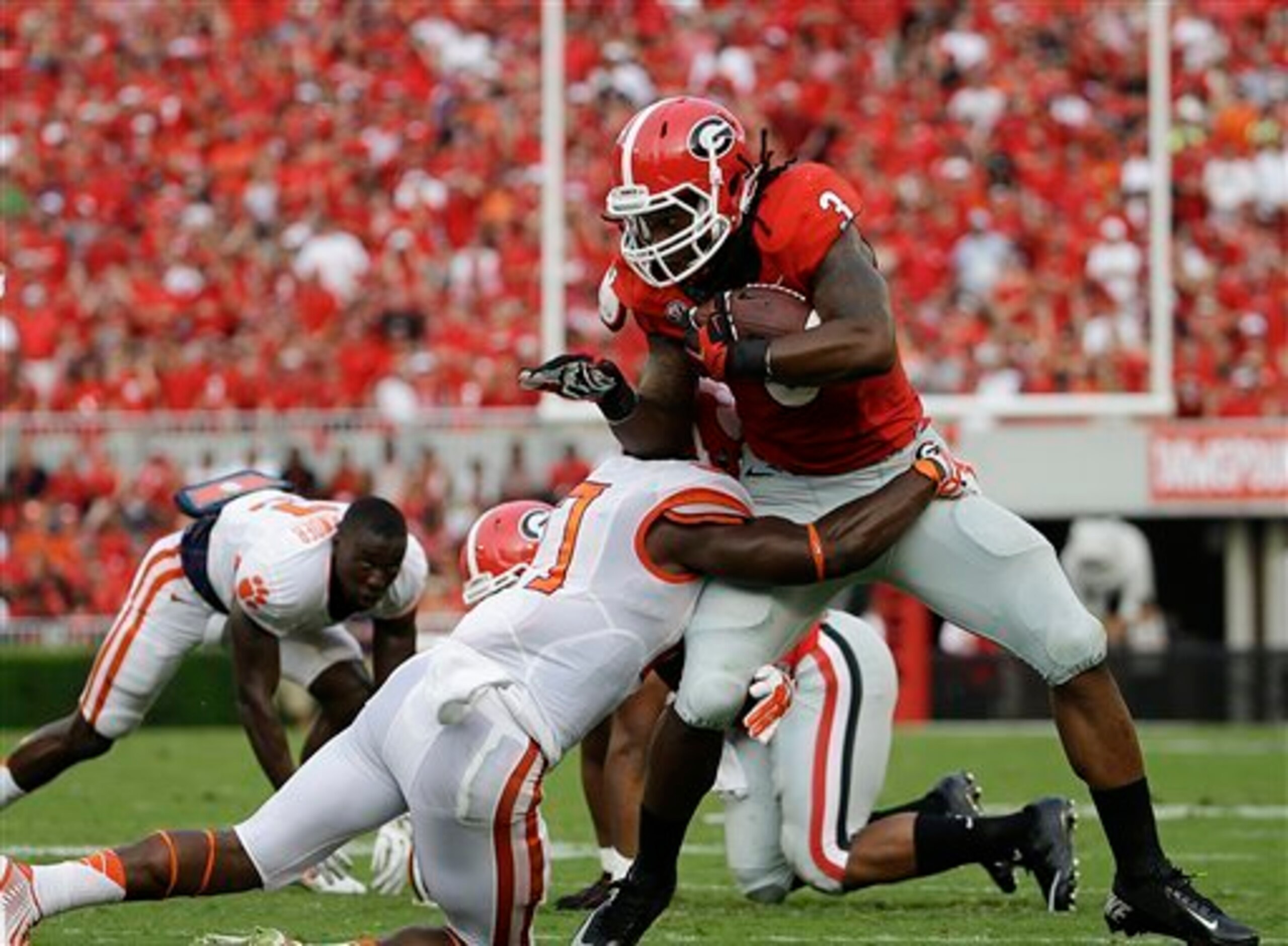
Georgia lost record-setting quarterback Aaron Murray, but the Bulldogs brought back their entire backfield. And that is the biggest reason why they're enjoying a resurgence from last year's disappointing 8-5 record.
Junior tailback Todd Gurley has perhaps the best blend of speed and physicality, which he displayed in the Bulldogs' season-opening mashing of Clemson. Gurley had 198 yards and three rushing touchdowns (including a 51-yard run) and threw in a 100-yard kickoff return score for good measure. It came against one of the nation's top defensive lines, an impressive feat indeed. He is a legit Heisman Trophy candidate as the engine of the UGA offense. With Gurley's help, Georgia put up 328 rushing yards on the Tigers.
Heisman Trophy-winning tailback and UGA legend Herschel Walker told SI.com's Thayer Evans and Pete Thamel that Gurley is "the best running back in college football."
Meanwhile, junior Keith Marshall is a speedy counterbalance. He is recovering from a torn ACL suffered last season and had only eight yards on six carries against Clemson, but he has plenty of potential. And don't forget about freshman Nick Chubb, who had 70 yards against Clemson, including a powerful 47-yard touchdown run. The Bulldogs are deep and talented, and if they make a College Football Playoff run, their backfield will be a huge reason why.
_0.png?w=2560)



.jpg?w=2560 "Viral Rams Coach Vid 🖕")
.jpg?w=2560 "Injury-stricken Seahawks signing veteran RB")
.jpg?w=2560 "Grading WWE Raw 🔠")
.jpg?w=2560 "2 NFL Officials Suspended")

.jpg?w=2560 "Mahomes' Wife Trolls Kubiak 💀")

