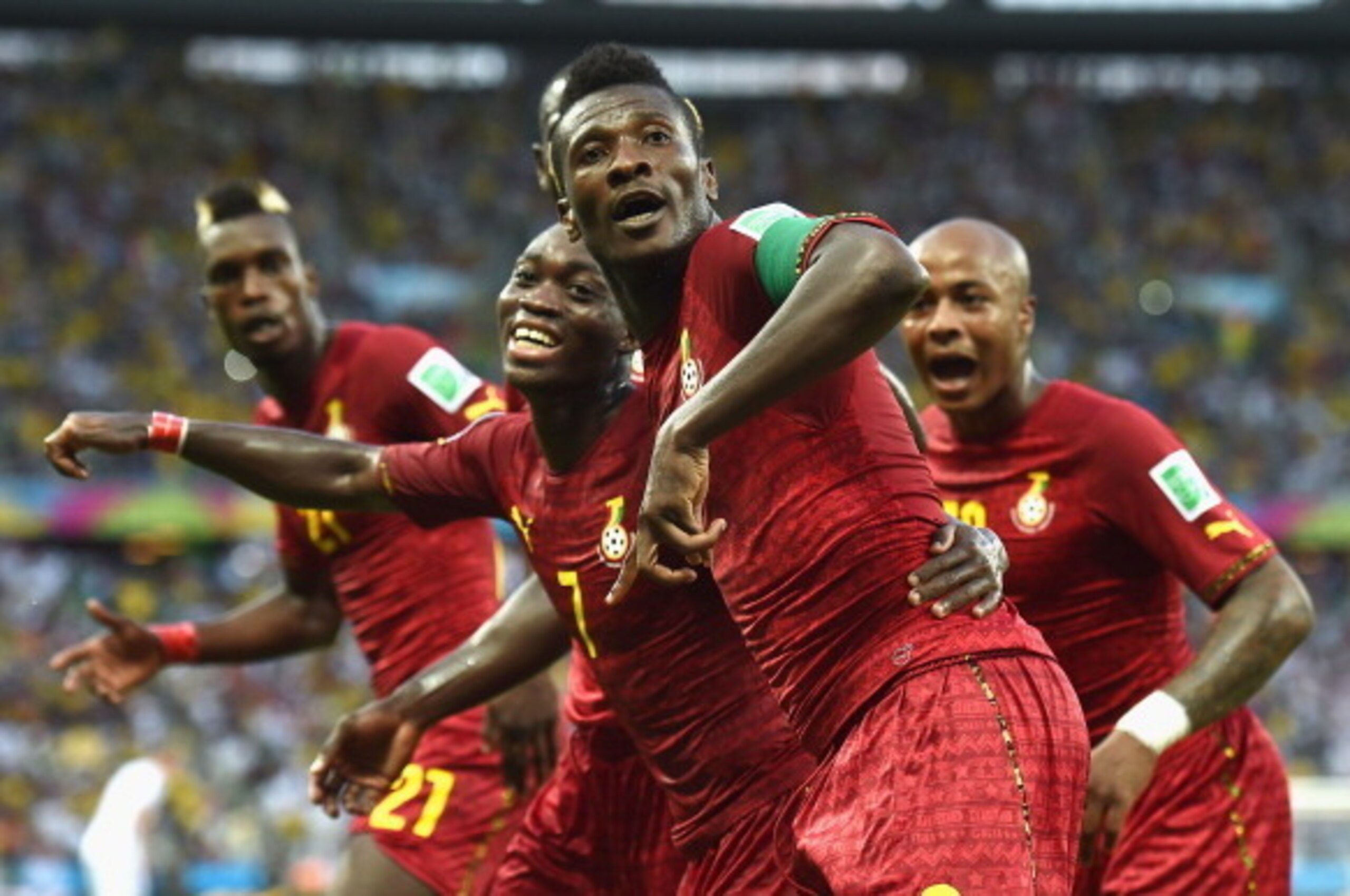

Best Africa XI from 2014 World Cup
It has been a World Cup of highs, lows and (not inconsiderable) controversy for Africa. While the tournament rages on, the continent’s five representatives have already packed their bags and made for the exit doors.
For the first time ever, two African sides qualified for the last 16, but this was tempered both by the fact that none of the continent’s teams made it to the quarter-finals and the underperformance—both on and off the pitch—of some competitors.
The fallout is (and will be) extensive, but there are also green shoots to pick out from among the darker headlines and departures. A number of the continent’s players starred in Brazil, and the best of them are celebrated here in the Bleacher Report Best African XI from the 2014 World Cup.
Rais M’Bolhi
1 of 11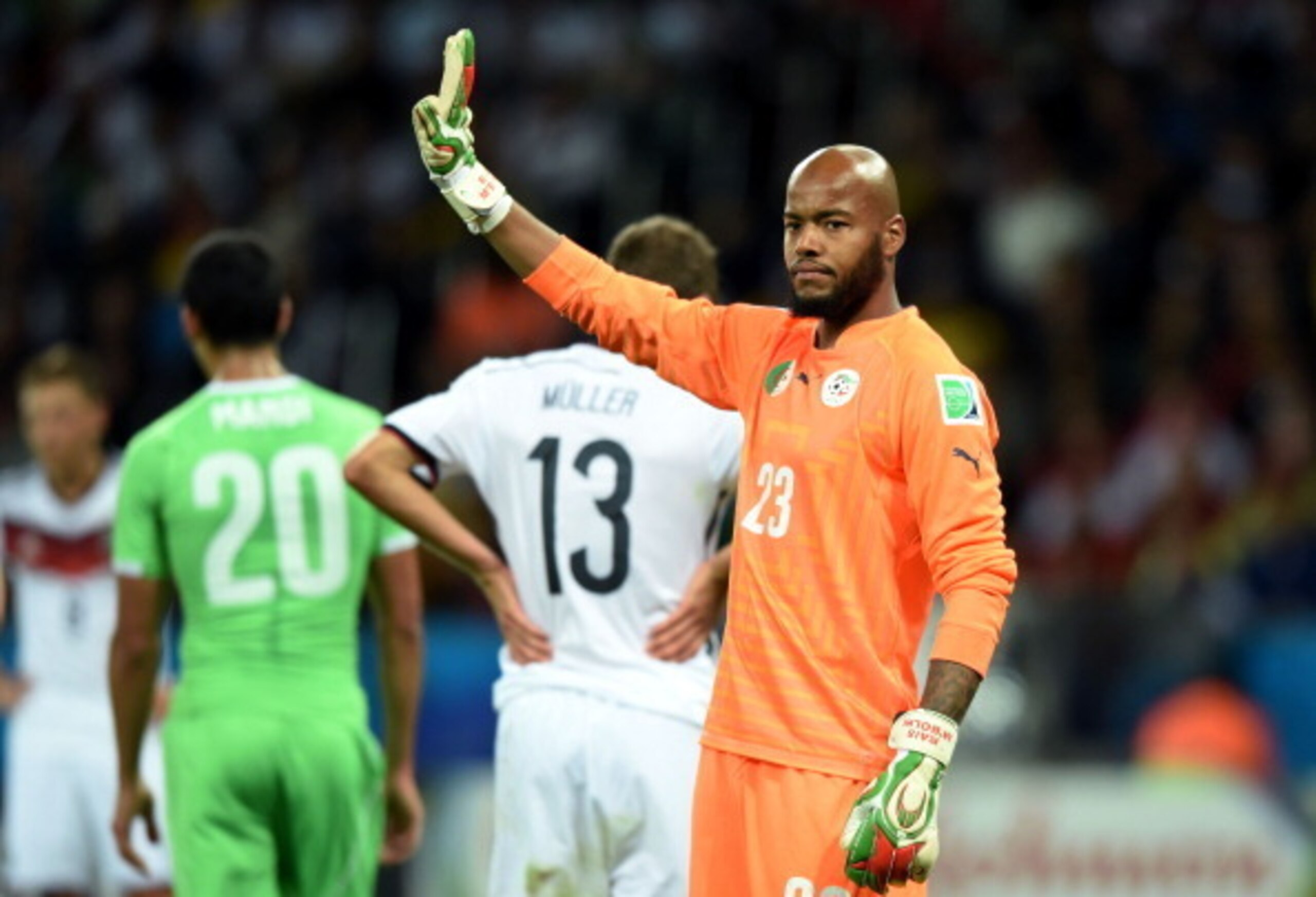
A really tough choice to start off between Vincent Enyeama of Nigeria and Rais M’Bolhi of Algeria. This one could have gone either way, but we just feel that, all things considered, the north African edges it.
First of all, despite his genius, it’s hard to overlook the fact that Enyeama’s tournament was probably defined by his error in the dying stages of the contest with France. This blunder—tipping the ball onto Paul Pogba’s head—probably outshines his marvellous save against Edin Dzeko in the final moments against Bosnia and Herzegovina, the wonder stop in the early minutes against Argentina and the heroic display—until the end—against France.
Secondly, context is important. While Enyeama headed into the tournament as Africa’s best stopper and a key figure at a Champions League club, M’Bolhi was playing down in the French third tier with Corsican side Gazelec Ajaccio, on loan from Krylia Sovetov.
From there to keeping Germany at bay for 90 minutes takes some doing.
M’Bolhi recorded 11 saves in that match, and picked up the Man of the Match award—unlike for Enyeama against France, his side’s eventual capitulation was not his doing.
Serge Aurier
2 of 11
With the continent’s right-backs largely disappointing in Brazil, I was left to consider two main contenders here: Harrison Afful and Serge Aurier.
Both, perhaps tellingly, contributed more offensively than defensively, but it was the latter who made the biggest impression.
Within the Ivory Coast’s malaise (excluding a half or two of football) Aurier was a ray of light. At times, his forays forward left the unsteady centre of defence exposed, but his attacking contribution meant that it was a worthwhile trade-off.
While Aurier’s energy and forward-thinking were evident in Brazil, it was perhaps his excellent crossing ability that was best showcased. In the opener against Japan, for example, the Toulouse FC full-back set up both of the Elephants’ goals with inch-perfect crosses.
Kenneth Omeruo
3 of 11
In a World Cup of “what might have beens” for Africa’s competitors, Nigeria’s inability to use their first-choice centre-back pairing was another.
Having been without Kenneth Omeruo at the Confederations Cup last year, the Super Eagles had to do without Godfrey Oboabona, who was taken off injured during the west Africans’ opener.
This was a huge blow, not least because Oboabona’s replacement, Joseph Yobo, is both past his prime and has had little experience of playing alongside Omeruo.
Within these conditions, the Chelsea centre-back had a superb tournament.
Vincent Enyeama received a great deal of the credit from Nigeria’s run without conceding a goal (the Super Eagles were the last team to be breached this summer) but Omeruo also deserves great credit for the preservation of this record.
At the heart of a patched-up back line, Omeruo organised those around him well—often appearing as Yobo’s senior partner—and demonstrated his aptitude for the big occasion.

Rafik Halliche
4 of 11
Alongside Sofiane Feghouli, centre-back Rafik Halliche was the only outfield player to have started every one of Algeria's games in Brazil. This is testament not only to Vahid Halilhodzic’s wonderfully cultivated array of options, but also to the defender’s consistency of performance and adaptability.
Against Belgium, Halliche, alongside Madjid Bougherra and Carl Medjani, proved himself capable of dropping deep and protecting Rais M’Bolhi. In other games, against South Korea for example, he was part of a defensive line that pushed up and covered for the midfield, who sought to press aggressively and retrieve the ball.
Tellingly, perhaps, it was only once Halliche was taken off injured in the second-round battle with Germany, that the Fennecs capitulated.
Kwadwo Asamoah
5 of 11
Although much of my pre-tournament comment on Ghana focused on the frustrating way that Kwesi Appiah shunts Kwadwo Asamoah out to the peripheries of the side, it’s hard to deny that the Juventus man makes for a pretty excellent left-back.
Defensively he’s perhaps not the strongest, winning just 50 percent of his aerial duels and averaging only 1.7 tackles per game, but his reading of the match and ability to launch attacks from deep were (once again) impressive.
Asamoah averaged 3.7 interceptions-per-match (the 10th highest in the competition to date) and, after winning the ball, sought to drive forward and launch attacks.
He averaged two key passes per game and also registered a critical assist for the Black Stars.
He makes this team as a result, but it’s mouth-watering to imagine what might have been had he been at the heart of the team’s activity.
Sofiane Feghouli
6 of 11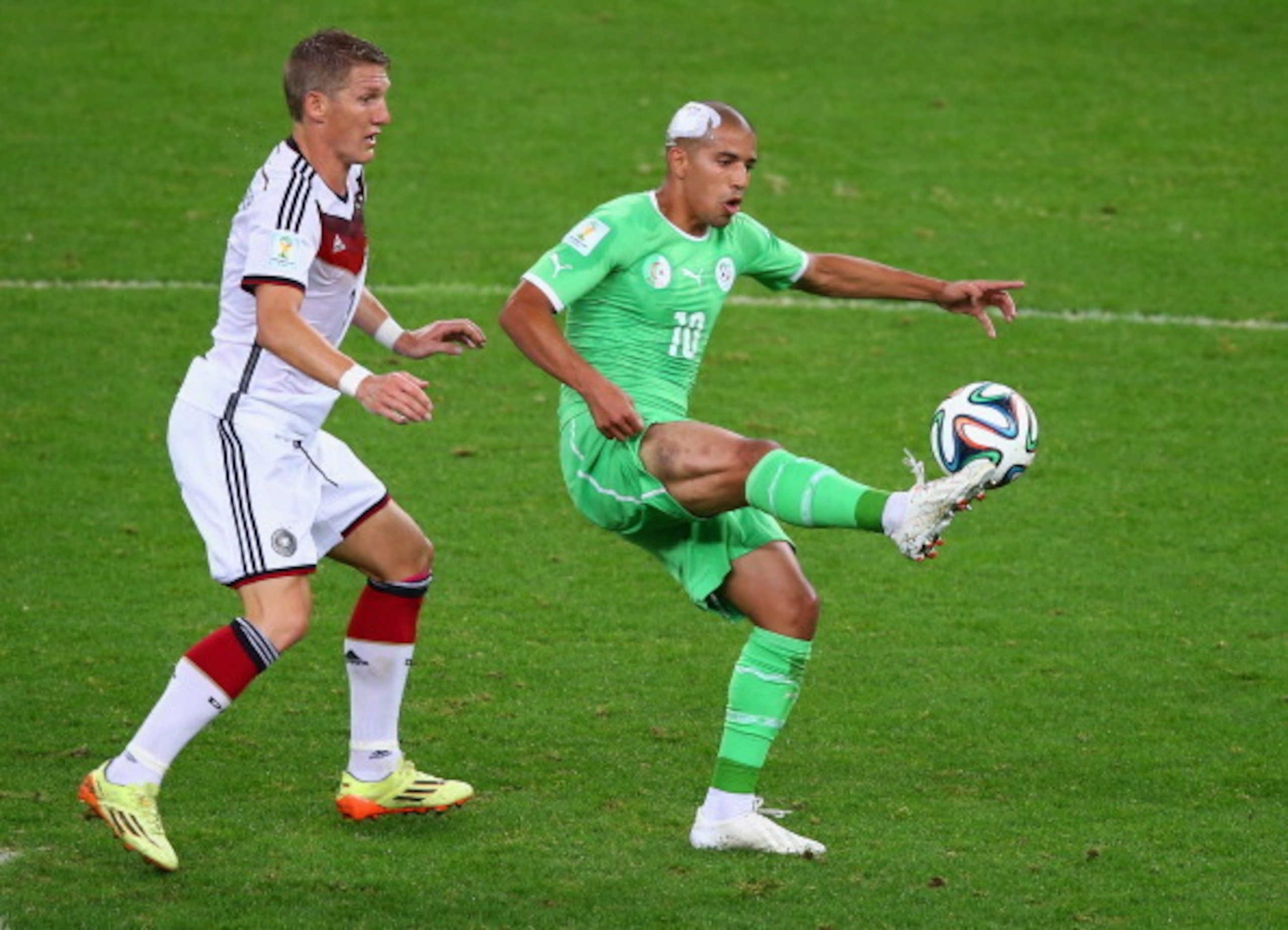
For much of 2013, Sofiane Feghouli carried the creative burden of the national side on his shoulders. Things have eased slightly with the emergence of Nabil Bentaleb and the increasing prominence of Yacine Brahimi, but Feghouli still remains Algeria’s key man.
As noted previously, he was the only outfield player who played the full 90 minutes (plus extra time) in each of Algeria’s matches. Only goalkeeper Rais M’Bolhi was on the field as much as Feghouli this summer.
Against Belgium, it was the Valencia man’s fine run and movement that won the penalty, which he went on to convert—on another day it might have been the basis for a miraculous victory.
In the second game, against South Korea, he was just as influential. At only 24, one can hope the best is yet to come.
Ogenyi Onazi
7 of 11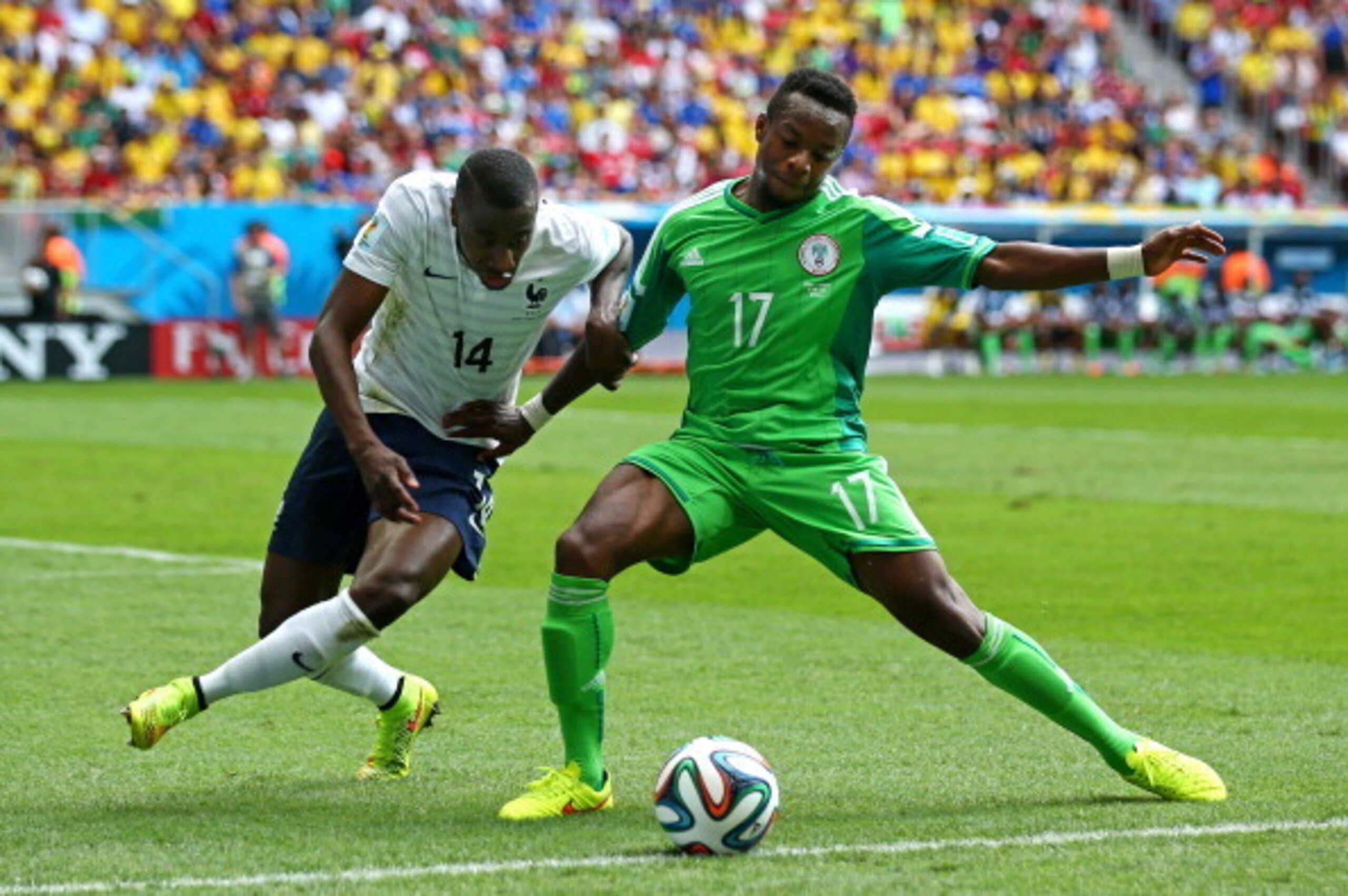
Despite the ongoing questions about whether he is being used correctly within Nigeria’s midfield, Ogenyi Onazi delivered a collection of performances that revealed (if anyone is still in doubt) that he is the real deal.
His showings in Brazil were even more impressive considering that, for large portions of the tournament, he was forced to carry the off-colour John Obi Mikel, who was widely criticised for his lethargy and clumsiness.
Onazi brings energy, endeavour, excellent marking ability and real drive to the heart of the Super Eagles midfield.
It was his injury (and the non-red card to Blaise Matuidi) that changed the course of Nigeria's World Cup second-round match against France away from Stephen Keshi’s side and into the hands of the French.
Yacine Brahimi
8 of 11
Importantly, Yacine Brahimi was a delight to watch this summer, which undoubtedly influences my decision to include him in the African team of the tournament.
The playmaker hasn’t always been an influential figure for Algeria; he started only two of the north Africans’ last seven pre-tournament games, but he came into his own on the fields of Brazil.
Having missed out against Belgium, a match that Halilhodzic judged wouldn’t play to his strengths, Brahimi made the starting line-up for the match against South Korea as the Fennecs sought to claim the initiative.
He didn’t disappoint, repaying the manager’s faith with arguably one of the most memorable performances by an African player at the world stage.
His goal, following a delicious exchange with Sofiane Feghouli, is unlikely to be forgotten anytime soon.
Islam Slimani
9 of 11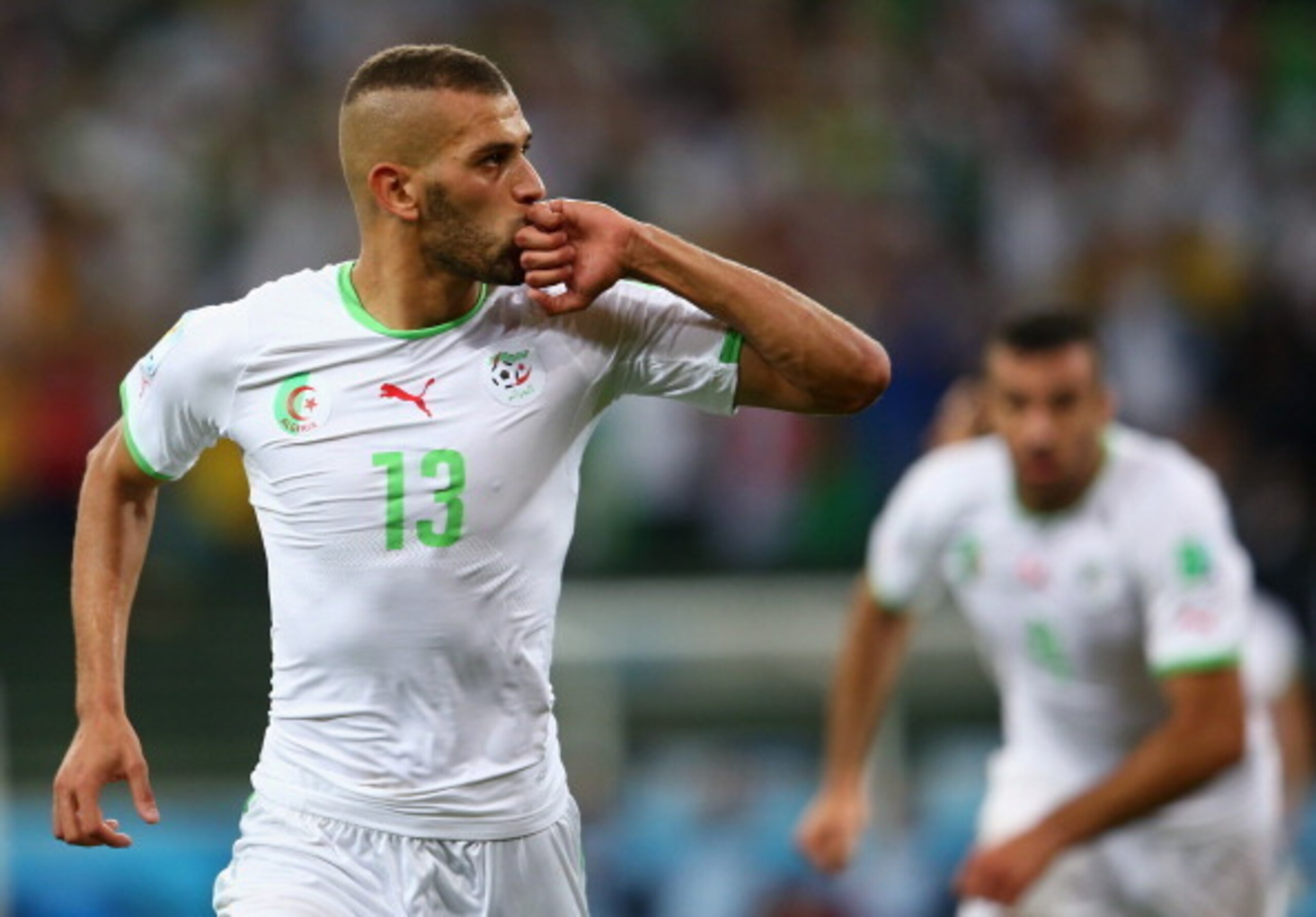
As he proved this summer, Islam Slimani has the lot. The centre-forward led the line for Algeria, and he thrived ahead of the creative triumvirate behind him.
Slimani boasts the speed to be able to meet balls behind the opposition defence, a tactic which the Fennecs used to great effect against the Koreans.
Facing a striker who can do this effectively means that defences are immediately compromised, as they need to drop a little deeper to prevent the balls in behind. This plays into the hands of Algeria’s playmakers, but it is also helps Slimani, who can use his aerial prowess closer to the goal.
His finishing does need to improve slightly—Algeria could still be alive in the competition had Slimani taken his chances against Germany—but Slimani has taken the opportunity to become a forerunner in the post-Eto’o and Drogba generation of African strikers.
Asamoah Gyan
10 of 11
Ghana’s summer may have made all of the wrong headlines, but Asamoah Gyan once again rose to the occasion at the World Cup.
Following his superb match-winning performances in 2006 and 2010, Gyan has made a reputation as a player who rises to the big occasion and particularly enjoys the chance to shine at the World Cup.
"Baby Jet" wasn’t able to push Ghana into the knockout stages for what would have been their third-consecutive campaign, but he was able to both equal and then surpass Roger Milla’s longstanding record for number of goals scored by an African in World Cup finals.
Gyan’s goals, against Germany and Portugal, were unable to prevent the Black Stars’ elimination, but they do push the superstar striker into uncharted territory for the continent’s forwards. He represents the World Cup gold standard.
Ahmed Musa
11 of 11
There were various contenders for this final spot, but overlooking the claims of Emmanuel Emenike, Andre Ayew and Abdelmoumene Djabou (sorry), I’ve plumped for Ahmed Musa.
The main influence here, evidently, is his supreme offensive display against Argentina.
Musa has been a frustrating talent for Super Eagles fans over the last 18 months. He was champing at the bit to involve himself in the 2013 Cup of Nations but was demoted to a substitutes’ role as the tournament wore on.
He played the full 90 minutes in each of Nigeria’s three games at the Confederations Cup but frustrated with wayward finishing and poor decision-making.
The Super Eagles’ 3-2 defeat at the hands of Argentina was the final, perfect crystallisation of Musa’s talents. Up against one of the world’s finest right-backs, Musa had a barnstorming outing, allying his explosive electric pace with delightful finishing and dribbling.
If Musa can continue in that vein, he will be Africa’s best player in a few years. Anything Messi can do, Musa can do better—it was true on the day, will it be true in the future?
All Stats thanks to WhoScored.com

.jpg?w=2560 "Commanders OL HEATED After Tie ▶️")
.jpg?w=2560 "49ers LB Suspended for Headbutt")
.jpg?w=2560 "Harbaugh's Jameis Comps 🤨")
.jpg?w=2560 "WWE Raw Live Grades 🔠")