

What Brad Stevens and Boston Celtics Can Learn from 2014 NBA Finals
Every NBA head coach who wasn’t working the NBA Finals had one eye on the strategic developments that unfolded during the San Antonio Spurs' five-game thrashing of the Miami Heat, Brad Stevens included.
Boston has much to improve upon next year, and a majority of it is less about game planning and more about personnel and continuity. None of these points should be universally applied, and all need context. But when the league’s two best teams square off on the game’s highest stage, crumbs of information can still be picked up, especially by a keen-eyed observer like Stevens.
TOP NEWS
Broadcaster sorry for false LeBron rumor
76ers HC Addresses Bron-Embiid Rumors

Moves That Could Backfire 😨
Here are a few examples Boston should at least try to implement this summer and in the years ahead, though it needs to be understood that so much of this is easier said than done. Some of these are simple game-to-game adjustments while others are evolutionary by nature. But the Celtics have to start somewhere.
Switching Pick-and-Rolls
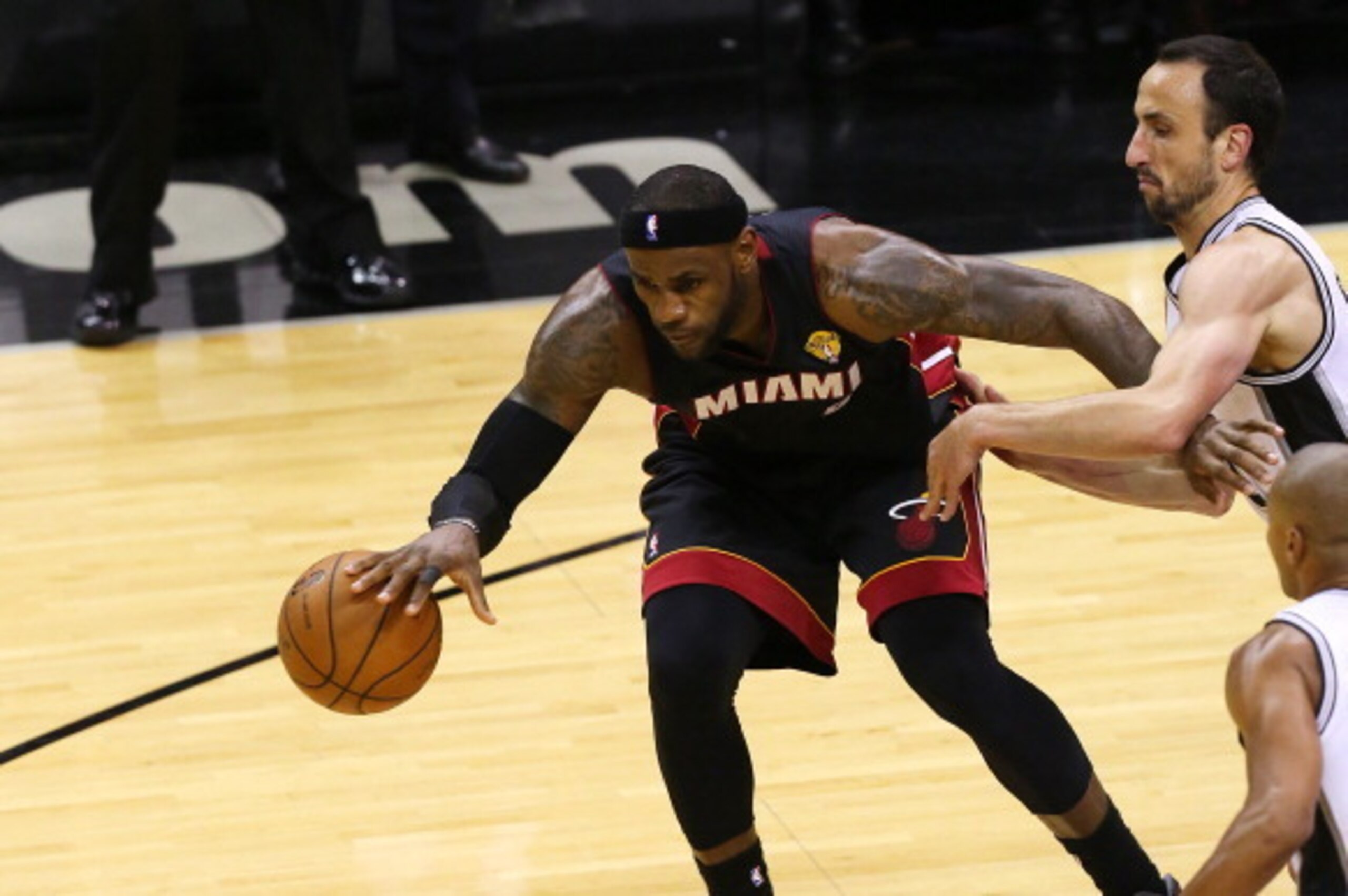
During the Finals, both defenses constantly switched on pick-and-rolls to try and slow down the opposition's pick-and-roll attack. The strategy worked extremely well for San Antonio (except in the rare occasions when they miscommunicated), and Miami ended up getting bludgeoned with it.
Tony Parker jumped out to LeBron James, Boris Diaw and Tiago Splitter guarded Dwyane Wade and vice versa on both accounts.
The Celtics are actually ahead of the game here. They switched pick-and-rolls quite a bit during the regular season, specifically those involving a wing and a big (usually with Jeff Green, Gerald Wallace and Brandon Bass).
Switching can be smart, but it can also burn (just ask the New York Knicks), creating unwanted mismatches that the offense is able to easily exploit. Why do teams bother? It simplifies help rotations, temporarily shores up the perimeter and, if done sparingly, can confuse the ball-handler long enough to force a poor shot.
Doing it all the time isn't a good idea though, just like blitzing or hedging or sagging back to the free-throw line on every play isn't the greatest route against every single pick-and-roll. The best defenses are able to adapt and execute different tactics to throw the offense off balance.
Boston could stand to do this even more next year than they did in Stevens' first season, specifically in the middle of the court with their guards.
Establishing Selfless Offense
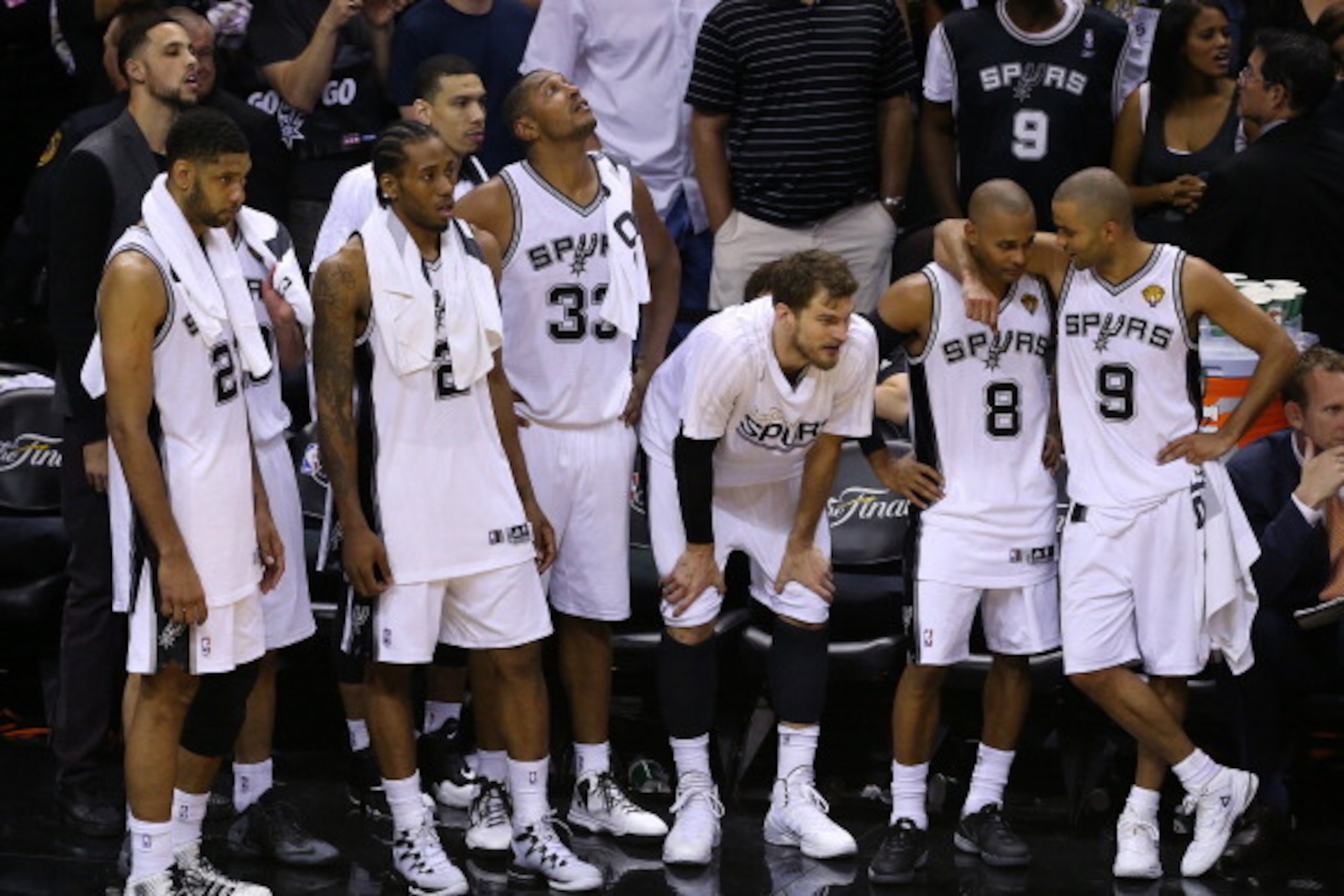
The Spurs averaged 316.3 passes per game in the playoffs and 330.4 during the regular season. Both figures led all teams. The Celtics finished 2013-14 averaging 300.7 passes per game, 10th-fewest in the league, per SportVU. These numbers are not adjusted for pace, but both teams played at a comparable speed this year, with the Spurs averaging 97.07 possessions per 48 minutes and the Celtics averaging 95.88.
Simply put: Passing and movement lead to good things. Boston’s offense is putrid, and heading into the season there wasn’t any reason to expect it’d be any better. But in his second year as head coach, Stevens would be wise to cut back on isolation-heavy action, post-ups that go nowhere and pick-and-rolls that play directly into the defense’s hand.
San Antonio’s brilliant offense wasn’t built overnight, and expecting the Celtics to look like that next year would be silly. There are tweaks to be made, though. Rajon Rondo is a tremendous pass-first point guard who regularly puts teammates in advantageous situations, but he’s also prone to overdribbling, trying to penetrate his way out of trouble, which makes the defense’s rotations easier on the weak side.
He passes it a ton, but not all passes are equal, and sometimes it's beneficial to the team for him to simply swing it across the court and bat for a single instead of knifing through the entire defense in search of a home run.
Creating a Productive Culture

Perhaps the most unattainable and indescribable thing every team in the league wants is “positive culture.” It’s an elusive idea, but is so important to sustained winning, and both the Spurs and Heat have had it for years.
Here’s NESN.com’s Ben Watanabe with words from Stevens on San Antonio’s successful culture, Kawhi Leonard and what can be learned from their fifth title:
"Well, first of all, I think he’s a very worthy MVP candidate and an outstanding player, and I think that’s enhanced by the people he’s around. It’s the system, it’s the culture, it’s the players in there. It’s the fact that when he wins the MVP, the whole team goes nuts on him. Those are established guys who, if they have egos, you can’t see them. That is a big, big part of it.
"
And Austin Ainge, the team's director of player personnel said:
"I think San Antonio was a very good model this year. They had two or three deep at every position, and that’s obviously the goal. Easier said than done, but we will not be avoiding positions this year. We could use help at every position. Until we’re winning 65 games and have veterans at every spot, we’ll continue to add.
"
Culture and chemistry are both great things to have, and it's clear Boston wants to establish them. These are obvious points that are very different from the above two, which deal with tangible on-court action Stevens is able to absorb and implement.
Having really talented, rock-solid players, like Tim Duncan, Parker and LeBron, is crucial no matter what system is in place, but as has been said before, much can be learned from what both teams did in these Finals. Hopefully Stevens was paying close attention.
All statistics in this article are from Basketball-Reference.com or NBA.com/Stats, unless otherwise noted.
Michael Pina covers the NBA for Bleacher Report, Sports on Earth, FOX Sports, ESPN’s TrueHoop Network, Grantland and elsewhere. His writing can be found here. Follow him @MichaelVPina.


.jpg?w=2560 "Dak to Stroud: Get Some Wins 💯")
.jpg?w=2560 "5 NFL Players Getting Trade Buzz")
.jpg?w=2560 "NFL Won't Fine 'Beverage' Celebrations 🍻")