Manchester City vs. Manchester United: 6 Things We Learned
Manuel Pellegrini and David Moyes' first Manchester derby ended with a landmark 4-1 victory to the Chilean newcomer, earning the blue half of the city some early-season bragging rights.
Here are six things we learned from City's victory.
1. High scores amongst the top four have not been banished for good
TOP NEWS

Messi Picks Next Gen Talent 💫
Carrick Replacement Candidates 👀
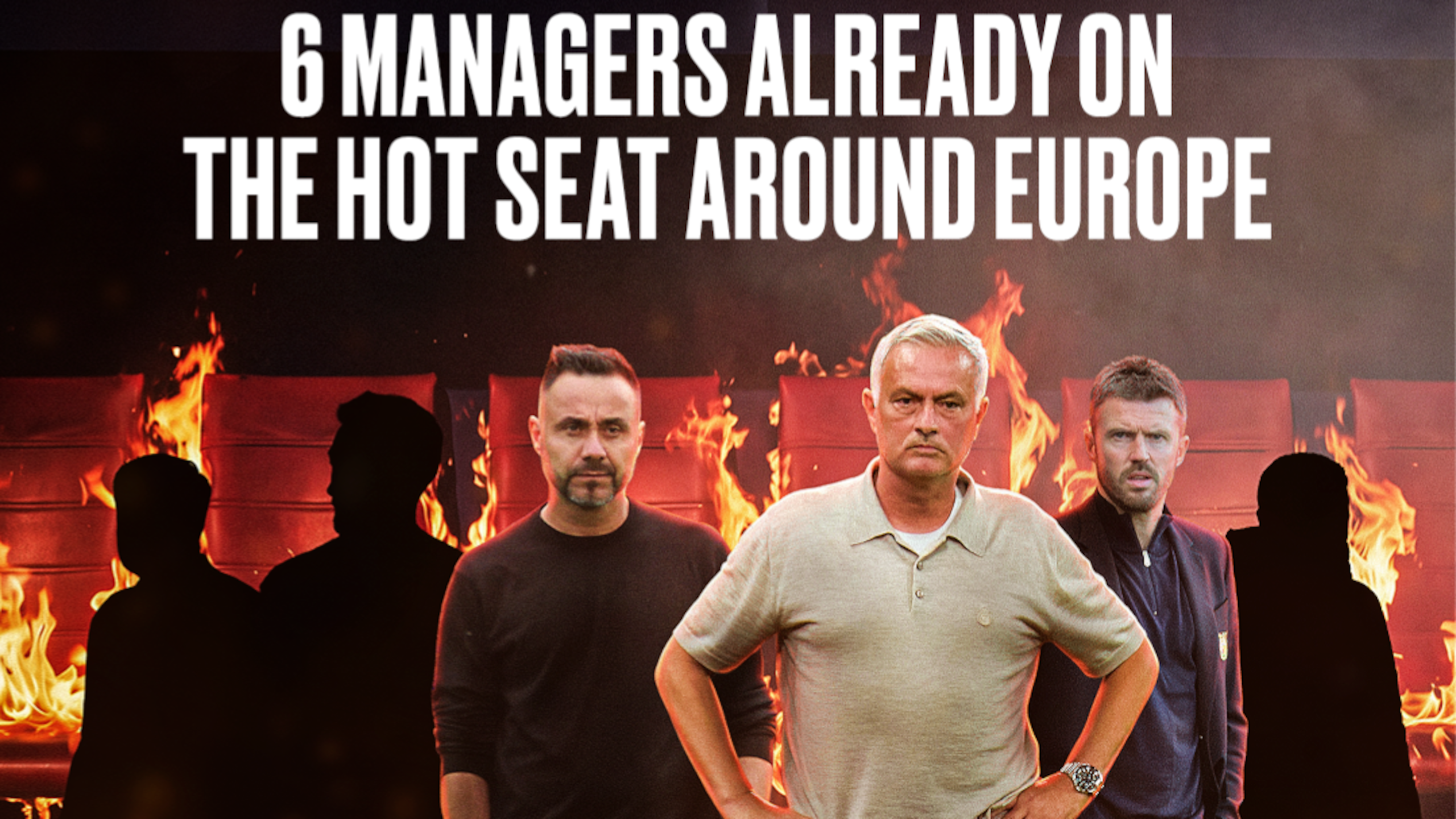
Managers on Hot Seat Already ♨️
The return of the archcynic Jose Mourinho, along with a number of lukewarm contests in the opening weeks of season, led many commentators to declare that the goal feasts that had become such a feature of the Premier League in recent seasons were now obsolete.
Solid defending would once again be in vogue in the English top flight rather than the recent reckless pursuits of glory during contests between the league's top teams.
City certainly weren't reckless in their dissection of a very mediocre United side, but their cool-headed examination of the ragged reigning champions does suggest that the early shyness in front of goal this season may have been a red herring. With teams now coming into form and full fitness, we may yet see more games along similar lines.
2. Moyes has fallen into the trap of thinking big games are all about hard-working players
Following his side's 1-0 loss to City in the run into the 2011/12 season, Sir Alex Ferguson spoke of how he had approached the title-decider far too conservatively, with a team geared to grinding out a result rather than going for the win.
Ferguson's tactics ultimately handed the initiative to a bold City side two seasons ago, and Moyes made a similar error in how he approached Pellegrini's team in the managers' first Premier League showdown.
Out wide, Ashley Young and Antonio Valencia looked too preoccupied with their opposite numbers to worry about stamping their own influence onto the game. With Young instructed to cover Evra down the left and deal with Jesus Navas while Valencia drifted inside in an attempt to support the midfield, United toiled without ever gaining any real purchase on the job at hand.
An early 10 minutes of hard pressing and pressure gave way to 80 of lacklustre movement, poor ball retention and zero creativity. United's players looked rushed and short of ideas with Wayne Rooney and Danny Welbeck isolated and overrun by City's defenders. Robin van Persie missed the match with a groin injury.
There is definitely a need for a strong work ethic in such important games, but if a team can't pose threats of their own, then its sweat and blood will always been wasteful building to yet more hard work rather than a spark of ingenuity or skill.
Nani or Kagawa may have been able to offer that edge or Hernandez with Welbeck able to link the midfield play from the left, but Moyes' reluctance to swap out his blowhards saw them remain on the bench.
3. Rio Ferdinand and Nemanja Vidic make United sit too deep against teams able to take control
So far, Moyes has stuck with United's veteran, Champions League-winning defensive partnership, deciding not to rotate either Ferdinand or Vidic regardless of their age and fitness issues over the past couple of seasons.
Yet the centre-back duo's problems against City didn't come from exhaustion or overplaying. Due to their lack of pace, United's defensive line has to drop deeper to accommodate both players. This invited pressure upon David de Gea's box, with every mistake made by a United player upfield punished by City's ability to quickly close in and camp outside their opposition's area.
With Vidic and Ferdinand pushed back into their own six-yard box, City's excellent technical players were able to find holes and opportunities within and behind United's lines.
This was also partly the cause of Valencia's roaming inside in order to reconnect the defence with the midfield, as the team were stretched into two parts: an undersiege defence and an unsupported attack.
Had Moyes played the fit-again Jonny Evans in place of one of his trusted centre-backs, United may have been more nimble on their feet and able to force the game away from their box by taking control of the territory closer to the halfway line.
Rafael's absence was also acutely felt, and the Brazilian's energy and ability to underlap into midfield would have been extremely useful in pushing back City's attackers. Instead, the more limited Chris Smalling struggled to offer an outlet from defence to link up with the rest of the team.
Ultimately, pinned back to their own box, United were sitting ducks with City able to pick through their static defence. A higher defensive line with more pace would have helped to force Pellegrini's strikers and midfielders away from the danger areas where they were regularly able to take shots on goal or look for the through ball.
4. United's midfield mix still needs more thought
After being undervalued for so long, Michael Carrick seems to have now entered a state whereby United's main midfielder is placed above criticism. Unfortunately for United, he does sometimes fail to turn up in games, however, and against City he struggled to impose himself on the midfield contest.
This was partly down to Moyes' team selection and deep defensive line that sucked both him and Marouane Fellaini far deeper than the team needed them to be, but the Englishman appeared unable or unprepared to come up with a valid solution to the dilemmas United faced.
Had he taken more responsibility for recalibrating the tempo of the game to regain control of the first ball, then the team's confidence and then the momentum of the match, United's overly hurried attempts to reassert themselves may have been more effective.
If only United could have brought Rooney into play more, their game plan to counter through the middle may have worked, but it looked to be a very one-dimensional proposition against such a strong and well-organised team.
Perhaps Moyes had overestimated the capacities of Fellaini and Carrick to run a two-man midfield against Fernandinho and Yaya Toure, who enjoyed the support of Sergio Aguero, Samir Nasri and Navas throughout the game.
Tom Cleverley's substitution proved to be a useful addition to shore up the centre of the park, but it came too late to salvage anything for United. Having wanted to bring in two new midfielders in the summer but only succeeded in signing one (Fellaini), Moyes may have been more prepared to start with three in the middle had he had another player he felt he could trust with the occasion.
Hopefully the manager won't need to wait until January to sort out the midfield balance and stop taking the abilities of his two first-choice starters for granted in future contests.
5. Pellegrini is a pragmatist with a plan, while Moyes looked out of ideas
Roberto Mancini was a manager of absolutes during his time at City. He appeared overly idealistic when in search of suitable transfer targets and his team flip-flopped between looking irresistibly fluid in their preferred formation to strangers in the unwieldy three-at-the-back alternative the Italian tried to impose upon them.
By contrast, Pellegrini looks to be a manager prepared to seek compromises in order to tweak his plans into their most effective form.
This was apparent in his transfer dealings as the club moved decisively to sign Fernandinho and Navas, a deep-lying midfielder and winger, to fix the obvious problems with the team that Mancini had struggled to identify or solve with any objectivity.
Against United, his team took full advantage of Moyes' functional approach by forcing his reactive tactics into a cul-de-sac. He set City up to mark their opposite numbers tightly while constantly looking to attack down the flanks, wrong-footing his opponents who had been deployed to respond rather than assert their own ideas on the fixture.
6. City aren't title favourites just yet
While City's 4-1 victory over United may look impressive as an individual result, it may not be the step forward in the title race some will judge it to be. With no clear frontrunners yet this season, it's still unclear who will be the contenders to measure any potential winners against.
So far, Mourinho's Chelsea have been drab but could still turn out to be the major threat this year, while Arsenal and Tottenham Hotspur look very positive but so far untested against strong opposition.
With question marks over Kagawa, it's still unclear what Moyes considers to be his strongest lineup. After scraping through United's unforgiving opening run of fixtures, he will have plenty of opportunities to find some rhythm and consistency in his first team against less vaunted sides in the coming weeks.
An early win against the current United setup may not be indicative of anything other than the work the Scot still has to do in building his own era at Old Trafford. Indeed, the magnitude of their defeat to City had more to do with a poor away performance being professionally punished rather than proof of real quality for the victors.
.jpg?w=2560 "Cam Ward Says He's Not A Loser")
.jpg?w=2560 "Chargers Fall to 0-5 🤢")
.jpg?w=2560 "Viral Dan Campbell Presser 💙")