
Josh Hamilton's Comments Reveal a Dark Side
How often have we heard athletes who have been caught using performance-enhancing drugs, arrested for any number of reasons or spoken out of turn apologize for their actions?
But are those apologies sincere?
And what are they thinking that is not being said?


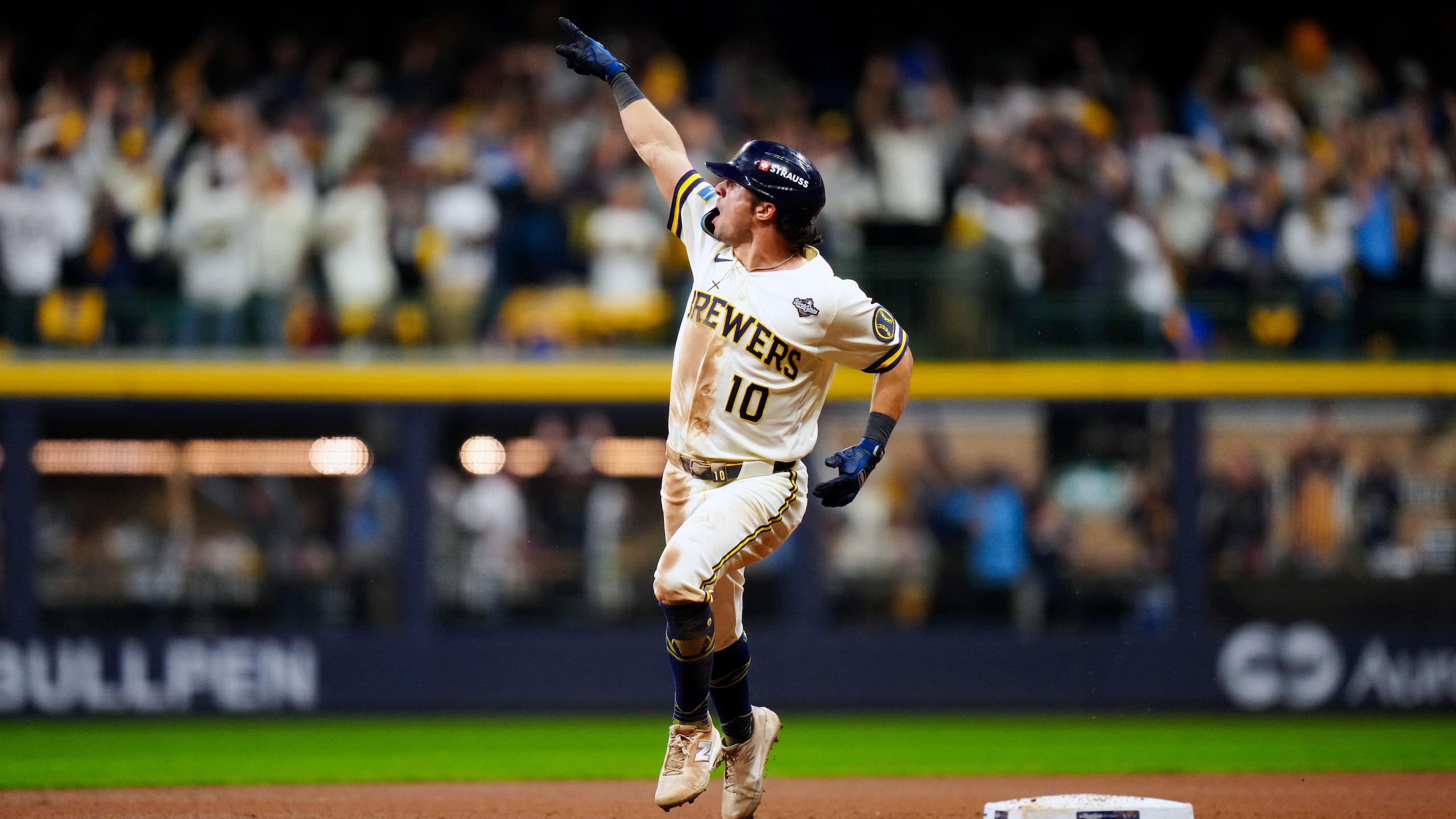
Josh Hamilton, who resurrected his career, first with the Reds and now the Texas Rangers, after falling off the baseball landscape because of drug and alcohol abuse, might have given us a more honest look into the mindset of today's professional athlete. He said this week that he didn't think he "owed" the Rangers anything even though the team has supported him through two episodes in which he relapsed.
The most recent was at the end of January when Hamilton had drinks at a bar/restaurant and kept it from teammate Ian Kinsler who later joined him. He acknowledges that a recovering addict is never cured and that he will always battle his demons on a daily basis. Hamilton has looked for inner strength in his Christian faith and now is receiving counseling for his most recent bout with the bottle.
He usually says all the right things and appears to be trying to avoid the temptations that are always there. But Hamilton stepped out of character when he also said in a spring training news conference in the aptly named Surprise, Arizona, that while the Rangers have done a lot for him, he has done a lot for them as well.
"I think I've given them everything I've had," Hamilton said. "I don't think anybody can say I haven't. I love Texas. I love my fans. I love the organization. I love my teammates. But I'm not going to sit here and say that I owe the Rangers. I don't feel like I owe the Rangers."
Hamilton's relapse probably cost him a chance to sign a new contract with the Rangers before he becomes a free agent after this season. Those drinks he had cost much more than the bar tab shows; Hamilton may have lost millions even from other teams interested in signing him.
That is what makes his comments so out of character. Is Hamilton just angry with himself for falling off the wagon with his last big payday hanging in the balance?
Is he miffed that Rangers management now has leverage in contract negotiations if and when general manager Jon Daniels even opens discussions?
Here in North Texas, fans remain surprisingly loyal to Hamilton. They express support uncommon for most athletes who have repeated drug and/or alcohol problems. Maybe it is because Hamilton is talking openly about seeking help in his religion. Maybe it is because of the numbers he puts up every year despite being prone to injuries.
He also comes across as modest and accessible.
Hamilton was the American League MVP in 2010 and the Rangers have won their only two AL pennants with him in the lineup. They have celebrated their division and ALCS victories with ginger ale instead of champagne in deference to Hamilton. His home run in the 10th inning of the sixth game of last season's World Series should have made him the most famous Ranger of all time.
So why did he seemingly depart from the script at the news conference and sound almost defiant?
Addiction is a powerful force. If you doubt that, consider what a few drinks may have cost Hamilton financially.
But if he gives in to his dark side again, either in words or actions, it might cost him the love and admiration of fans who have been so forgiving.

.jpg?w=2560 "Mahomes Told Teammate to Leave Meeting")
.jpg?w=2560 "5 Teams Eyeing Jonathan Taylor")
.jpg?w=2560 "Jonathan Taylor Landing Spots 📍")
.jpg?w=2560 "Baker Gets Glove From Rays 🧤")

.jpg?w=2560 "NFL investigating Eagles")

