Miami Marlins Management: Why They're the Smartest in Baseball the Last 15 Years
The new look Miami Marlins have made several splashes this offseason. After signing Heath Bell, Mark Buehrle and Jose Reyes, the future again looks bright in South Beach. That would be a far cry from the last-place team that only won 72 games. With a new look, a new stadium and a new name, the Marlins are trying to get back to prominence.
This is a young team, in terms of years the franchise has been in existence. But since their inception in 1993, the Marlins have won two World Series titles. One in 1997 and the other in 2003, both times entering the playoffs as a wild-card team.
TOP NEWS
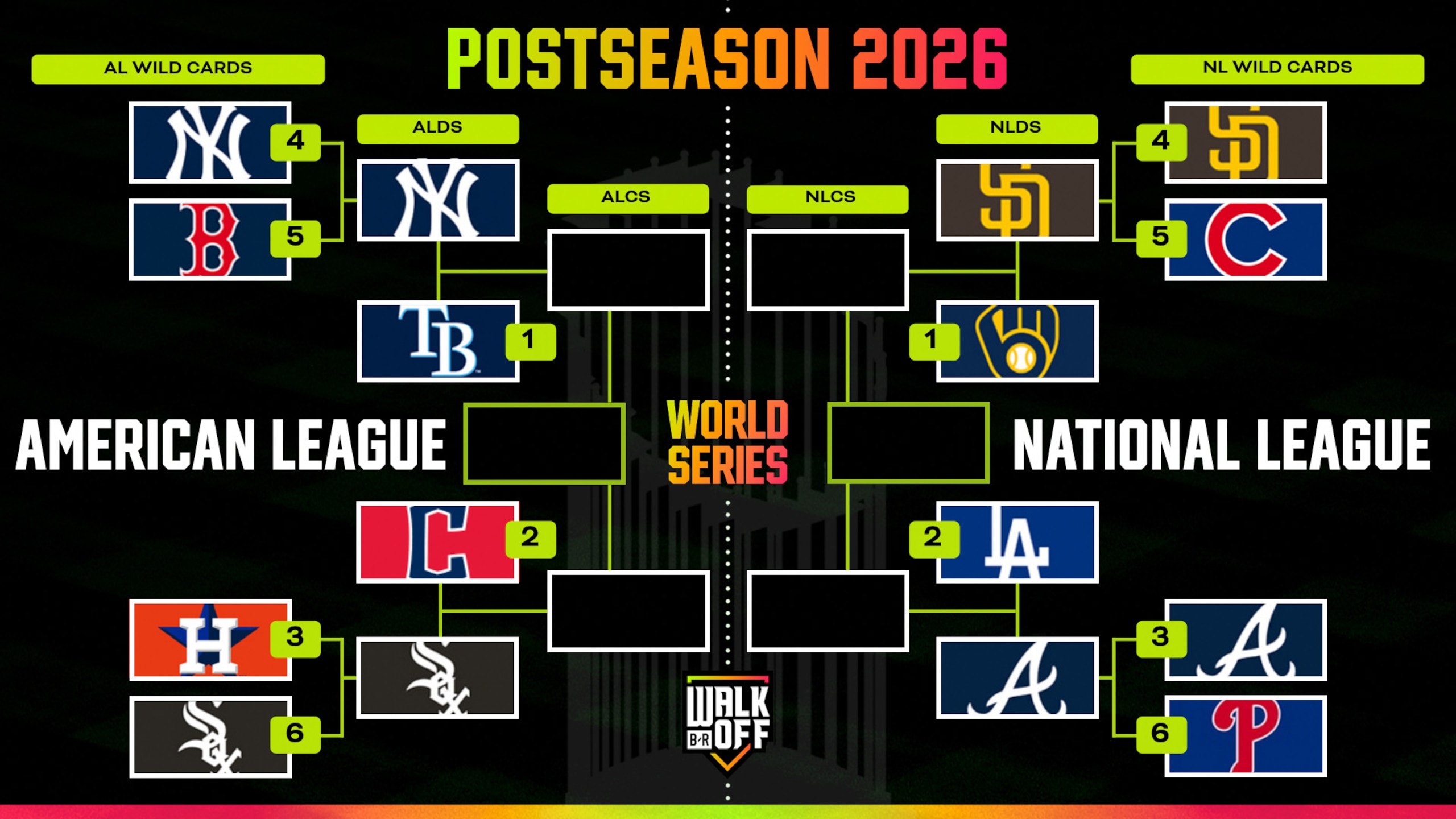
Brewers Stun Padres in Game 2 😧
Padres Lose In Controversial Fashion
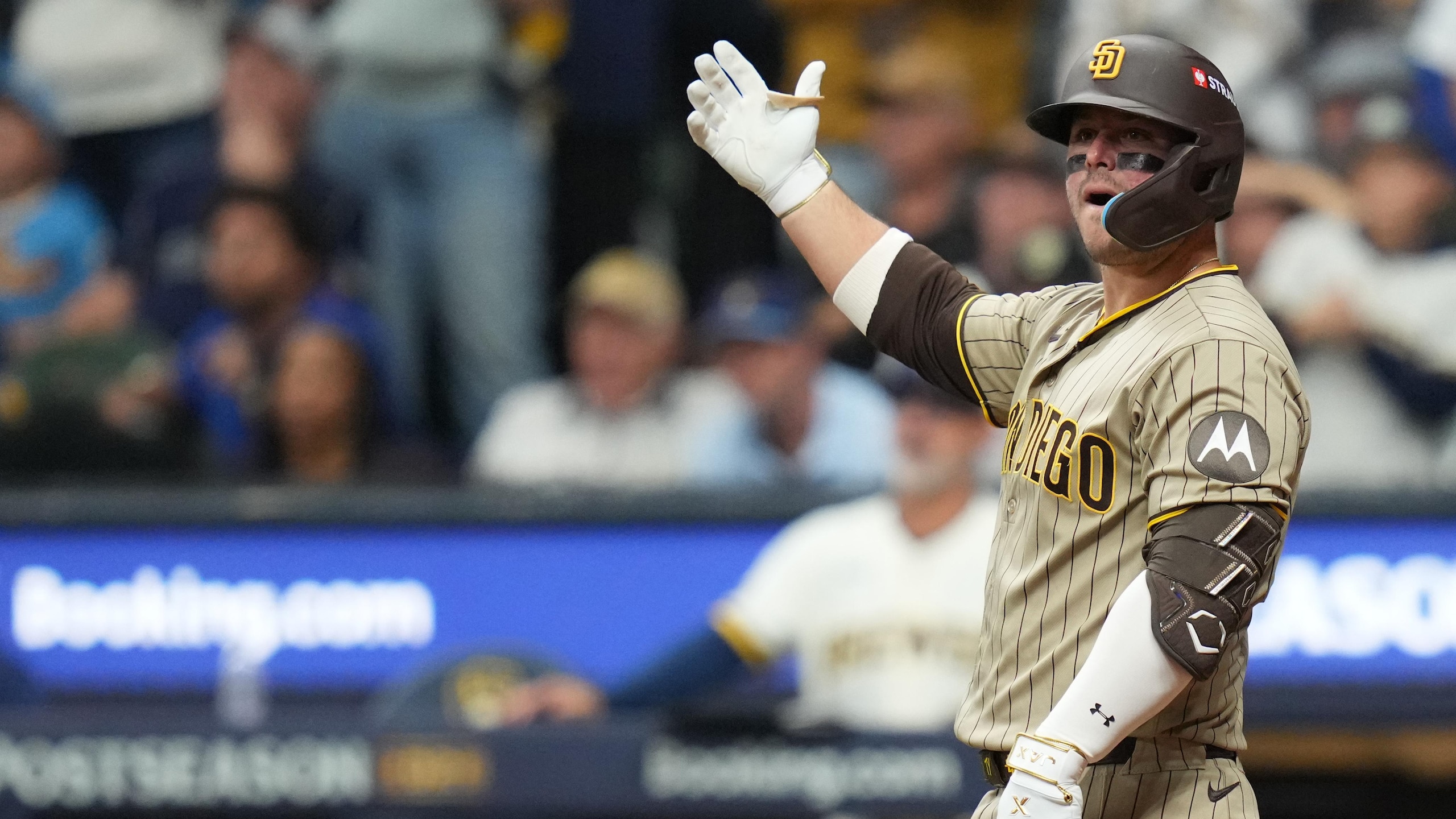
Brewers Admin Trolls Padres 🤭
To give fans a better understanding of how extremely difficult that is, the Philadelphia Phillies, by comparison, have been in existence since 1883 (nearly 130 years) and have won two as well. The New York Mets will be celebrating their 50th anniversary this coming season (founded in 1962) and have only won two.
The Washington Nationals have been around since 1969 in a few forms (Montreal Expos franchise as well) and have never won one. The Atlanta Braves, the oldest team in the N.L. East, have existed since 1871 and have only won three. It is a remarkable accomplishment that the Marlins have won multiple titles so quickly.
They have used and perfected a winning formula over their past 15 seasons to build their franchises into contenders. Then rebuild them again after breaking up the championship cores on repeated occasions. All of this with a team payroll of less than $48 million for either of their championship seasons.
This is a concept many teams have tried to mimic. The secret is not as simple as it seems. While some may say it's all in the scouting, the truth is that there have been four factors as to why they have been so successful: building with drafts and trades, supporting the young talent with veteran leadership, not weighing their organization down with over-loaded and over-expensive contracts and transcending cultural boundaries with their roster.
First, the Marlins have been nearly masters of finding young players that are or will be exceptional. Whether these players are available when they are picking in the draft or if they are in another team's farm system, the Marlins have been excellent judges of major league caliber talent. For example, they drafted or groomed unsigned free agents such as Josh Beckett, Livan Hernandez and Luis Castillo.
Each of these players represent a much larger base of homegrown and groomed players that the Marlins organization have sought out and hand selected for their future plans. Each one also represents a group of homegrown players that the franchise groomed into a winning combination on the field. But they can't do it alone. Which brings us to the next factor.
Secondly, the Marlins have surrounded their young players with veterans to offer support and leadership. That takes the pressure off of the younger guys and helps teach them how to be leaders later in their careers. They can learn by the example of players that they want to be like.
Players like Darren Daulton, Ivan Rodriguez, Moises Alou, Jeff Conine, Mike Lowell and Gary Sheffield have all won championships with the Marlins with younger players around them as a supporting cast. These younger players learn how to mature properly as MLB stars and then become exceptional talents with a chance to cash in on their abilities. This brings us to the next point.
The Marlins have had the foresight to not tie themselves down with enormous contracts on the many young players they have brought up. Players like Miguel Cabrera, Derrek Lee, Josh Beckett and A,J, Burnett have all cashed in elsewhere, but instead of averaging a team payroll in the $150-plus range for all the players they would loved to have kept, they were able to pass on some and trade off others for younger and cheaper talent in order to keep their payroll down.
For example, before Josh Beckett was going to hit free agency and be rewarded for his 2003 World Series heroics, they traded him to the Boston Red Sox along with Mike Lowell and Guillermo Mota for four players including Hanley Ramirez and Anibal Sanchez. This is not the only example of this, but it is one of the best.
They have consistently retooled their roster two different times (in the 1997 offseason and the 2004 offseason). These "fire sales" have led to some bad stretches for winning percentages, but also have come off of the back of championships.
Finally, they have embraced the cultural diversities of the area in which they play and have used that to their advantage. They have done this by drawing from a player pool their fans could relate to. Miami is primarily a heavy Latino community. They have acquired many a Latino player that their fans could find a common ground in cheering for.
Players like Luis Castillo, Miguel Cabrera, Hanley Ramirez and now Jose Reyes have been the type of players that fit in well with the community and the people in Miami. They share many of the same values, work ethic and backgrounds as the average fan that cheers for them. A fan that relates to a player is a fan that is one that holds an active interest in the team the said player performs for.
Fans who hold an active interest help to fill the stands and keep the franchise financially afloat. All of these factors combine for a successful organization. While the franchise has had multiple owners in the past 15 years, they have developed a winning formula to build and sustain success. This blueprint is one that needs to be followed a little more closely by other MLB franchises.
It has been often imitated but has yet to be duplicated. The team that does, however, come close to mastering this plan would be certain to only be following in the footsteps of the Miami Marlins.
.jpg?w=2560 "NFL investigating 2 referees for separate viral exchanges")
.jpg?w=2560 "OBJ Calls Out Giants After Release")
.jpg?w=2560 "Report: Chiefs Contact Hill's Agent")
.jpg?w=2560 "Tyreek makes another cryptic post amid Chiefs rumors")