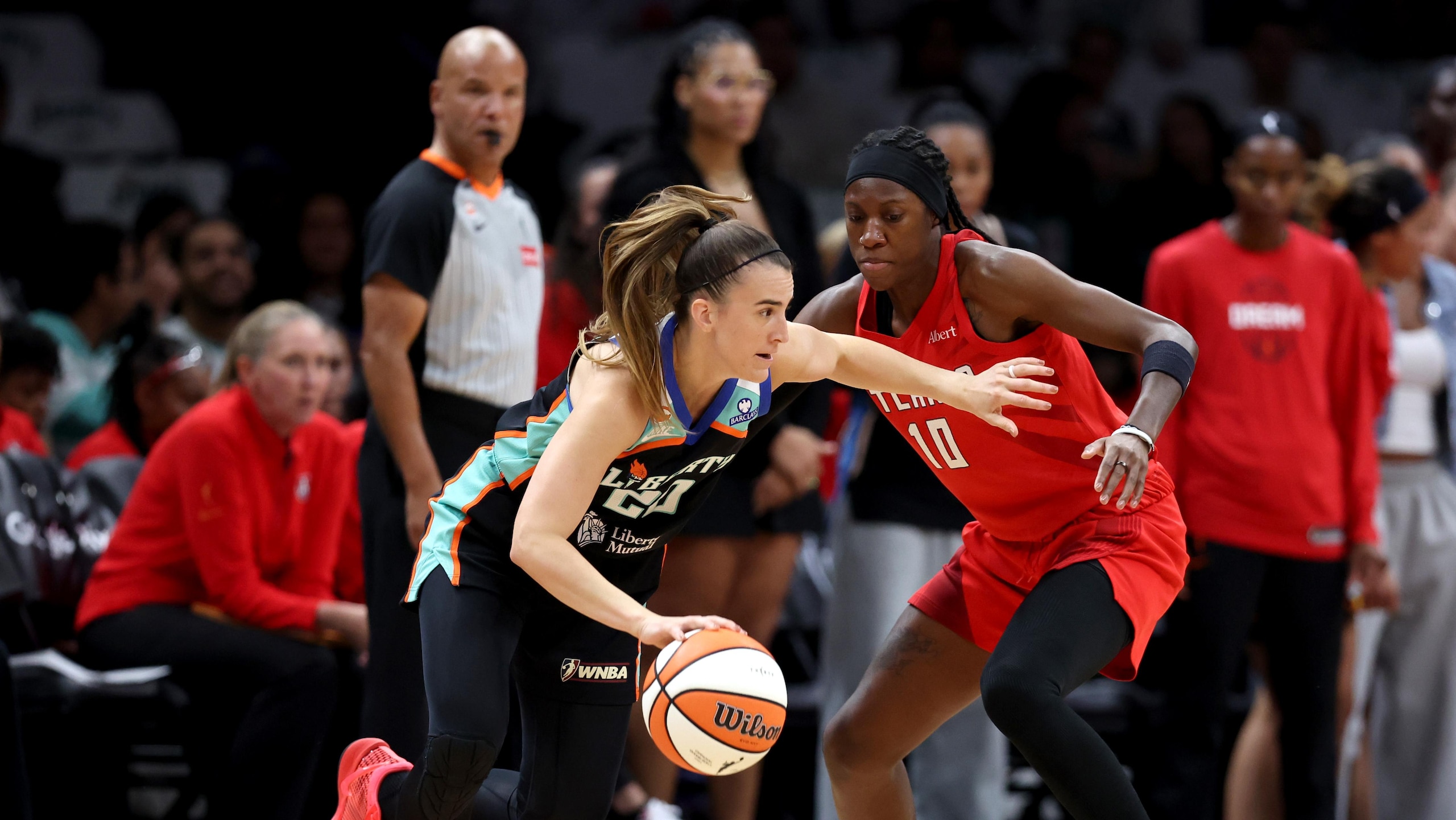
2010 FIFA World Cup: Illegal Argentina Goal Sinks Mexico
Everybody loves Brazil.
Everyone adores Argentinean stars: Maradona, Kempes, Roa, Caniggia, Crespo, Batitusta, and now Messi.
We are delighted to watch these teams and players.

But we must abhor decisions that gift them undue advantage, especially in games like the World Cup, where the stakes are so high.
One must decry the bad officiating which has blighted this World Cup.
The Coulibaly fiasco, some questionable red cards, like the one against Switzerland's Valon Behrami, Fabiano's goal from two hand balls, England's disallowed goal against Germany, and Argentina's illegal goal this evening against Mexico especially stand out.
It borders on backwardness for FIFA to insist on disallowing video replays in soccer matches. In a situation where the complexion of a game can be affected by a missed or bad call, it is hardly a high price to pay to take a little more time to decide the legality, or lack thereof, of such a call.
The time Mexico spent protesting Argentina's offside goal, or for the referee to consult his assistant, was surely enough time to settle the issue of the goal via a video replay.
And what about England's disallowed goal against Germany earlier in the day? How much time would it have taken to see a video replay of the goal?
Not longer than it takes television broadcasters to beam replays, surely. Those hardly take more than half-a-minute.
If FIFA is concerned about the "dead time" that might result from video replays, how about resuming the game while the particular contentious call is reviewed?
The giant scoreboards in stadiums would either confirm the contended goal or, if reviewed as illegal, would delete such a goal in full view of the crowd and both teams' officials.
Before such confirmation or deletion, replays on the giant screen in the stadiums would clearly confirm the legality or lack thereof of these calls to the crowd.
As for penalties, these calls are seldom without protest from the penalized side, with two or three minutes consumed by this protest despite the fact that these calls are never rescinded.
An additional two minutes or three are usually used up to get both sides settled for the penalty kick. There's surely enough time to review the penalty.
Ingenious ways can be found to incorporate video technology into soccer matches to consolidate the effort of human officials.
To argue that Argentina or Germany would have won their respective matches anyways is to pull a red herring.
We all know (if we are fair enough to admit) that a goal can change the complexion of a match.
Take England's situation as an example.
Had their disallowed goal stood, Germany would likely have been cautious in their approach to the game thereafter, and the momentum would have switched in favor of England.
Indeed, Germany could have won the match, but probably not in the manner or by the margin they did.
What about Mexico?
Tevez's illegal goal clearly unsettled the Mexicans.
They were hardly themselves thereafter. Consider also that when Mexico scored their goal, it would have been 2-1 at that moment, which certainly would have affected the rest of the match.
Argentina would have been nervous defensively, fearing an equalizer, and would have been cautious while going forward, fearing counter attacks.
Mexico, on the other hand, would have been buoyed by the hope of an equalizer, needing just one goal. They would have deemed an equalizer to be a hair's breadth away.
I am not anti-Argentina or Germany, quite the contrary. I only deplore illegal calls which have much power to affect the course of a match. This is clearly injustice, pure and simple.
FIFA must do something about this. At the very least, they should try the technology which is clearly needed. They would be vindicated if it fails to work.
As things stand, many teams are being done a great injustice and surely this is a disservice to the game.
Let us vote on the side of justice. It is time for the help of video technology in soccer officiating. This is the 21st century, not the dark ages.
.jpg?w=2560 "SmackDown Before MITB Recap 📝")