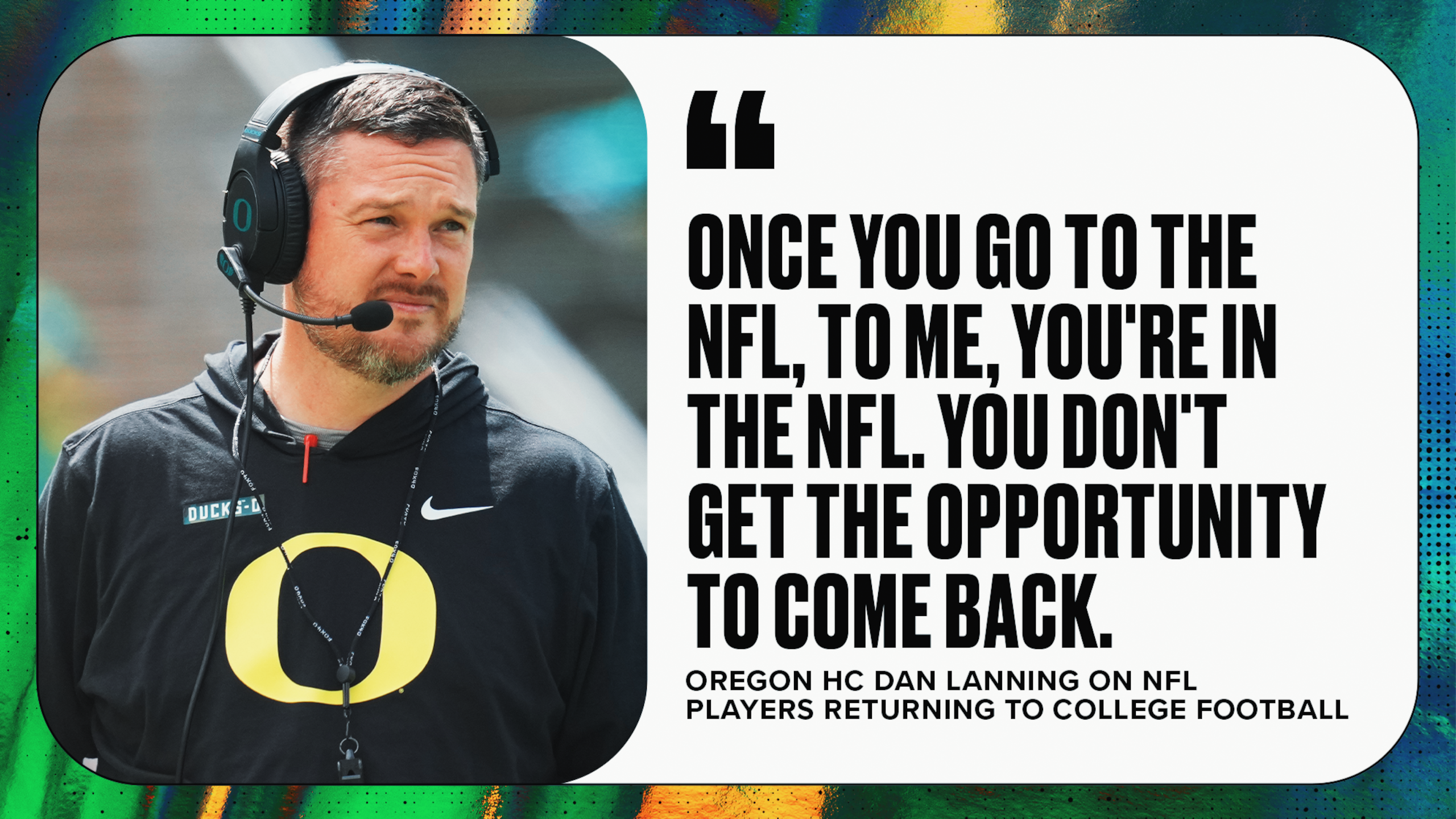
Cycle of Blame Begins As Nigeria's Eagles Disappoint
As much as Nigerian fans would like to scapegoat midfielder Sani Kaita (shown kneeling here in the picture) for his hotheaded but daft kick out at Greece's Vassilis Torosidis in their Group B match at Bloemfontein, which resulted in a sent off and ultimately to the shifting of momentum in favor of the Greek, the disappointing run of Nigeria's Super Eagles at the ongoing World Cup is not ultimately the fault of the hapless player.
One can cite many examples in which a team, reduced to ten men, reorganizes and weathers the setback. There are times, in fact, when the team at disadvantage goes on to win a match. Inter Milan against Chelsea in their Champions League match is a recent example.
TOP NEWS

Haaland Buzzes Head 💇♂️
Live Latest World Football Highlights ⚽

Maradona Ball Sells for $3.4M 🤑
Another example from the ongoing World Cup is the ten-man Australia that matched Ghana strength for strength, even dominating the game. And except for a momentary lapse in concentration which allowed a goal, ten-man Germany could have won or drawn their match against Serbia. They were certainly the most enterprising side even with ten men.
The Nigerians on the other hand completely fell apart after Kaita was sent off. Pressure on the ball when Greece had it was none existent. They played a peculiar marking style in which their middle four would retreat to the final third of their halve, allowing Greece all the time to think on the ball and execute their passes and shots. Inevitably, some of those shots were bound to register, and they did.
This lack of pressure on their opponent was present in their first match against Argentina. Christian Chukwu a former coach of the team has noted this as reported in Kick Off magazine on-line.
In his words: “That is the major fault we have. We give a lot of space to our opponents to operate; we don't press them. We must press. And when we have the ball, we are not mobile. We don’t move into space to receive balls. So if they come out to play, they have to be mobile. They must all press at the same time to get the ball and go on the counter-attack.”
Diego Maradona, the coach of Argentina, had noted this, after their match with Nigeria, saying that Nigeria "on this occasion... let us off the hook." What is obvious is that the Nigerian Eagles are not playing well, and the cycle of blame has begun.
"Everybody thinks we have good players in Europe, and don't need to prepare," says Amos Adamu to the BBC's African sport programme "Fast Track".
He continues: "Even if you give us 10 years to prepare, it will be the same because up till now many of these countries don't recognise professionalism in their preparations; one of the problems we must get right here in Africa is that we need to plan ahead. Because if you don't plan ahead, you're planning to fail."
This is all well and good and addresses the main problem of African football, but what readers may not know is that Adamu himself is part of the elites of African sport administration. He has been involved in Nigeria's sport administration for about a decade or more. One wonders then at whom this finger of blame points.
Some, like Martin Osaile, another Nigerian sport administrator, think the Eagles' bad spell is karma catching up for the sack of coach Shuaibu Amodu, just five months to the World Cup, after he had successfully qualified Nigeria for the tournament. He feels the Nigerian Football Federation should apologize to the coach to ensure a return of good fortune.
Former Nigerian football star, Austin "Jay-Jay" Okocha echoes the sentiments of Amos Adamu, blaming Nigeria's shoddy preparation for the finals and the ill-timed appointment of Swedish coach, Lars Lagerback, for the Eagles' unimpressive showing.
“All of us back home in Nigeria knew that this group of players would not get anywhere from the start," he is quoted as saying in PM News. "Their preparations were nothing to write home about while the Swede manager was brought into the fold too late," he continues. "The performance of the Eagles in South Africa is disgraceful and not acceptable. I feel very sad that the majority of Nigerians are here watching the Eagles in this terrible condition.”
Nigeria Internet sites such as Nairaland and the Nigerian Village Square have become riveted with calls for the sack of Lagerback since Nigeria's loss to Greece. This is not surprising but typical of Nigeria's reactionary custom. A similar clamor for the sack of coach Amodu followed the Eagles disappointing run at the Africa Cup of Nation, which eventually prevailed.
If anything, this shows how short the attention span of Nigerian fans and administrators is. In 2002, the same Amodu in question was sacked from the Eagles' job at the eve of the Korea-Japan World Cup. Worse, the then Eagles were disbanded. Nigeria's run at that tournament was disappointing as well. It is therefore déjà-vu all over again.
With the cycle of blame and reaction beginning all over again, it is obvious that Africa is a long way off from solving her administrative problems. One would think that the apparent thing to do is to mandate coach Lars Lagerback to build a new team for Nigeria. But no: Nigerians know nothing beside shouting for the sack of coaches even when a particular problem is not a coaching problem.
This is not surprising.
When one lacks innovative ideas what options has he or she but a knee-jerk reaction?
At the risk of sounding tedious, let me, again, state the obvious. The way to go now for Nigeria is to mandate coach Lars Lagerback to build a new team rather than sacking him and beginning the cycle of interviews and appointment again, wasting valuable time that an on-ground coach could use to scout for new players.
Very soon qualifying matches will begin for the next Africa Cup of Nation, which will take place two years from now. The sooner Nigeria begins building a new team, the better. Winning a the next AFCON is a good goal to set right away.
A word to Nigerian fans: stop this senseless clamor for the sack of Lagerback and use your heads for once. A word to the wise, they say, is enough.


.jpg?w=2560 "Jeanty Avoids Major Injury")
.jpg?w=2560 "Report: Saints Trade For 49ers RB")
.png?w=2560 "MLB Playoff Picture Shaping Up")
.jpg?w=2560 "Bucs Rookie's 'Bane' Face Mask 😈")