

Weekly Why: Premier League, Ticket Prices and the Short-Sightedness of Greed
Welcome to Bleacher Report's Weekly Why, a place where we discuss world football's biggest questions that may go neglected and/or avoided. Ranging from the jovial to the melancholic, no subject matter is deemed off-limits.
Why Should Tickets Cost So Much?
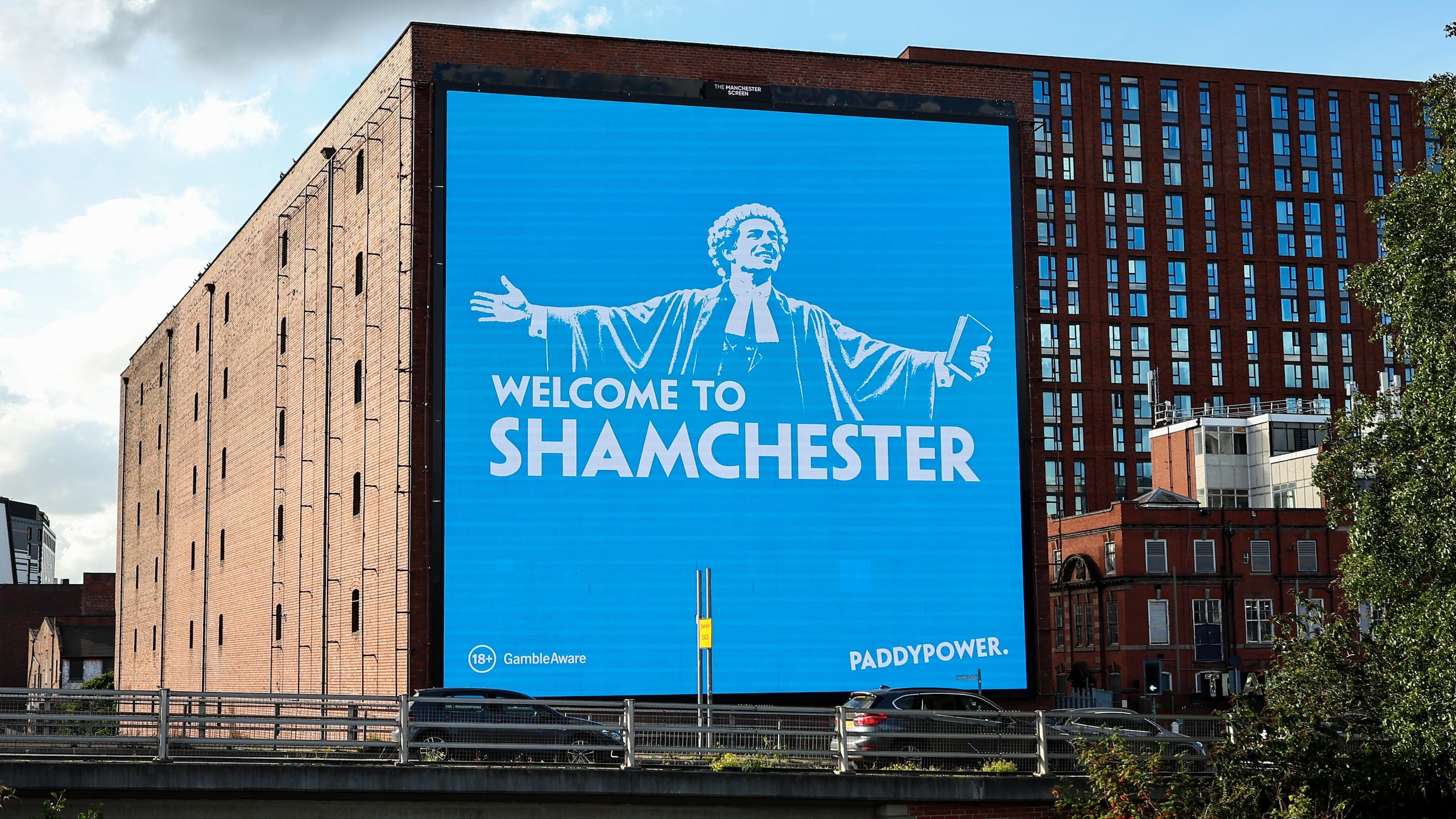
In the 77th minute of Liverpool's home match with Sunderland, the bodies of Reds supporters streamed out of Anfield like a running faucet.

.jpg?w=2560)
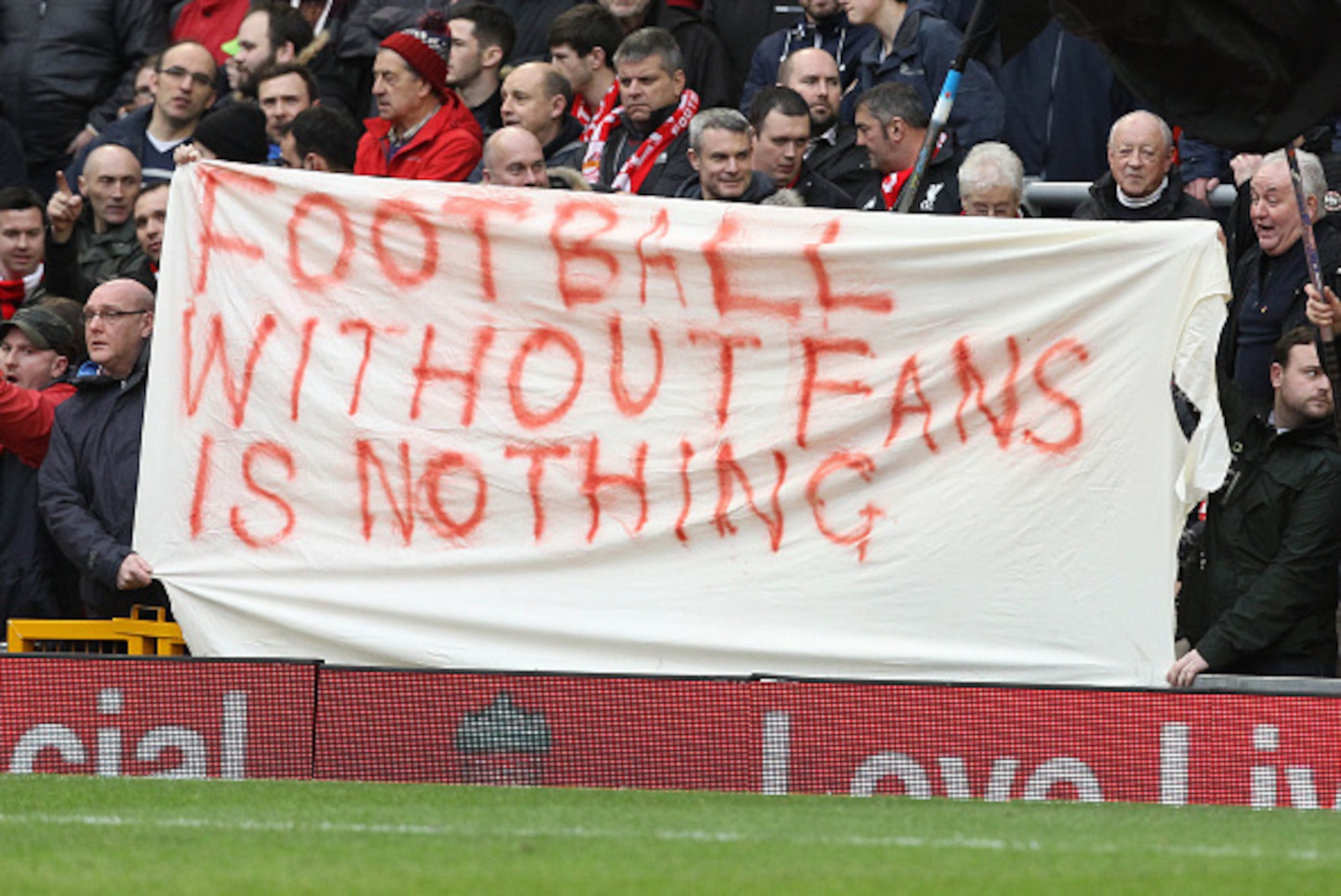
There wasn't a fire drill, as the frequently used chant suggests, Liverpool were winning 2-0—thanks to goals from Roberto Firmino and Adam Lallana—but their fans, despite this, left the stadium protesting the club's £77 top-priced ticket in next season's new Main Stand.
Coincidentally, or maybe not, five minutes after the protest started, the Black Cats scored. Seven minutes later, Sam Allardyce's men equalised. The match ended 2-2.
Players and managers would tell you whatever happens on the pitch is their responsibility, that no form of protest (organised or unorganised) in the stands would overtly influence results. I'm not too convinced. Supporters—by their presence, mood and projection—have the ability to make situations welcoming or untenable, hence, palpable discord between fans and club has no choice but to be felt by players.
Whether the exact science between Liverpool's ticket protest and their subsequent collapse could ever be proved, what can be parsed is the reasoning behind the supporters' visible frustration with their club, not just in Liverpool, but around the Premier League.
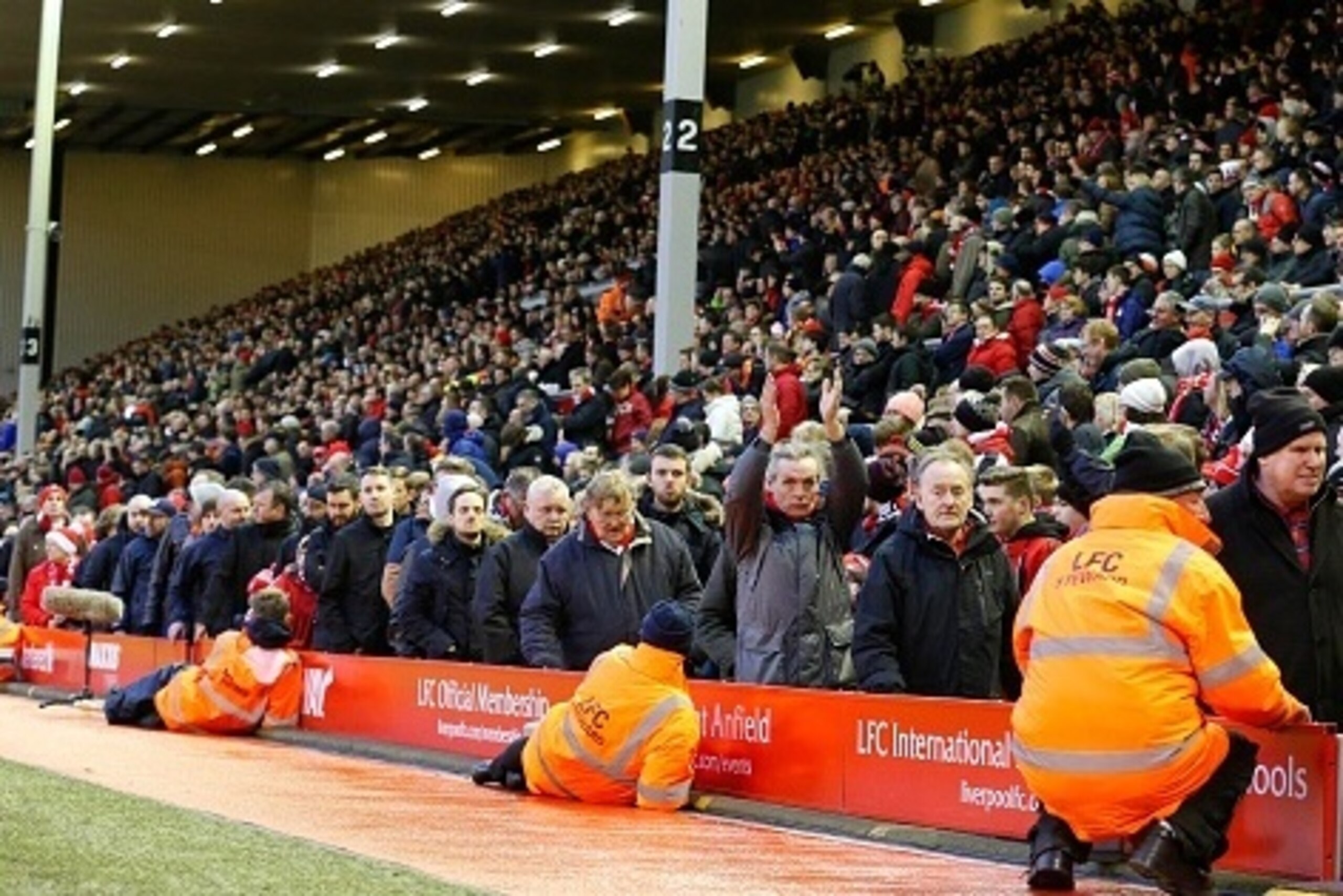
If we accept that football is a business, my first port of call is establishing the stupidity of "walkouts" as a protesting strategy. However impressive, poignant or sympathetic: Once a club has your money, I'm not sure what you do afterwards will affect their thinking. If you pay £20 for a meal in a restaurant, then leave to protest the price of the meal (not the quality of the food), does the restaurant care you left or are they happy you paid their price?
Furthermore, as reverent football supporters, there is every chance those who protested will fill the same seats in the coming weeks, making walkouts seem rather frivolous to people whose only concern is their bottom line.
If you want free advice: Stop buying tickets altogether.
Don't give an entity you feel is price gouging any of your money. It's the most effective solution. One must coordinate thousands of supporters and be willing to forgo watching their club for the better part of a season to complete the mission, but only clear messages (namely with money) are understood by those in positions of power.
The issue with boycotting en masse is the Premier League's popularity. The rarity of seats (relative to a club's fan base) means if 15,000 supporters decided they had enough of Manchester United, Manchester City, Chelsea, Arsenal, Tottenham Hotspur or Liverpool's "outrageous" ticket prices, 15,000 others—who currently don't have access—would pay whatever to enjoy a match experience.
Effecting lasting change means starting with one's fan base. If you don't have an overwhelming majority of supporters, irrespective of their geographical location, willing to abandon matches, ticket prices (on average) will never decrease.
"£8billion from tv rights for P Lge clubs. No wonder L'pool fans are angry about next season's ticket prices. They won't be alone.
— Richard Keys (@richardajkeys) February 5, 2016"
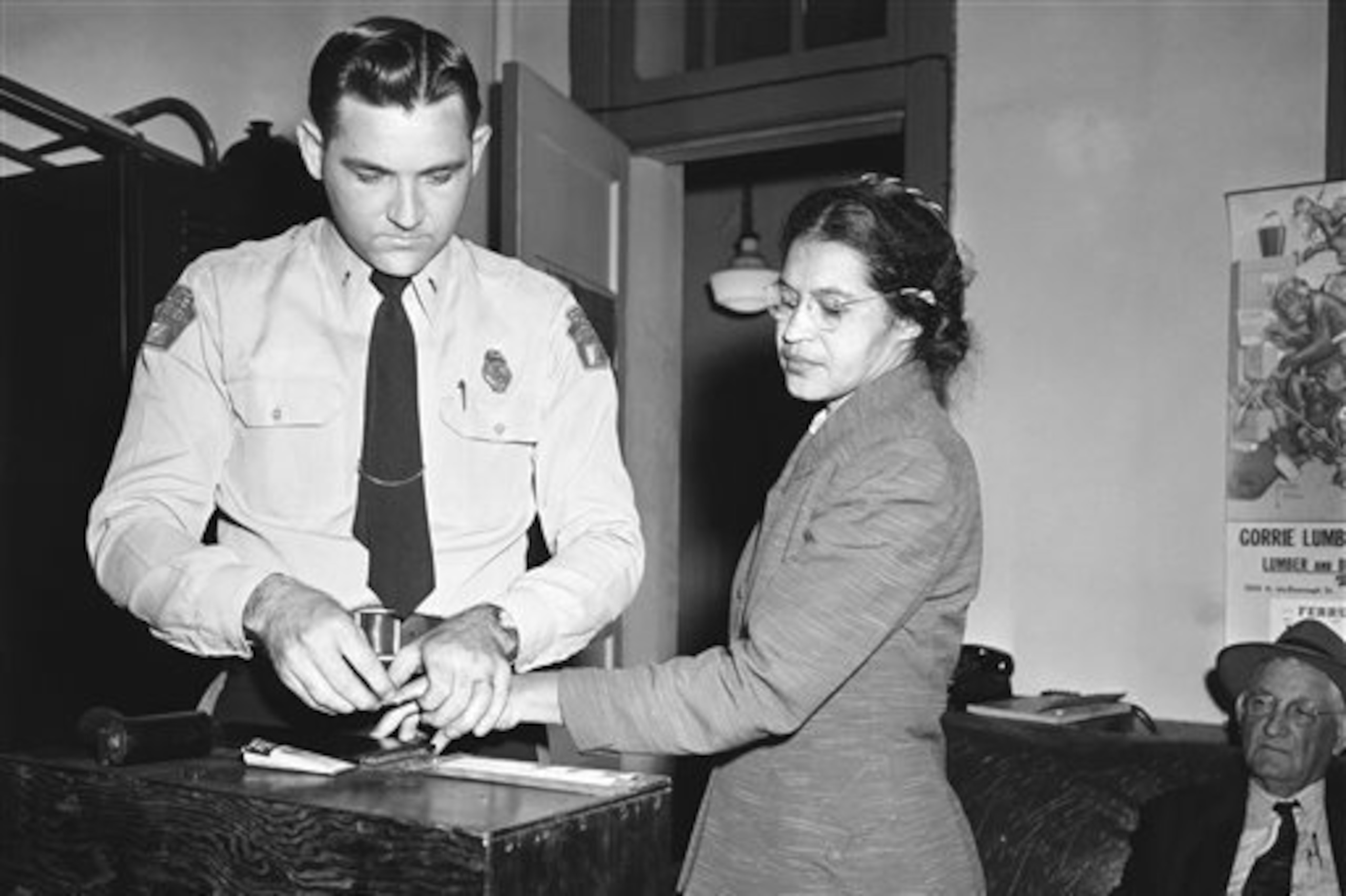
This reality, though, should not place the burden of lowering prices on the willingness of supporters to boycott their own club. If the best strategy to obtaining "reasonable" prices requires strategy from the Montgomery bus boycott in 1955/56 Jim Crow Alabama, something is terribly wrong with the system.
Premier League clubs make too much money to have ticket pricing be an issue. From the 20th club upwards, television revenue from the United Kingdom and beyond is thought to be £8.3 billion per season, as reported by the Telegraph's Ben Rumsby.
The appetite for English football is insatiable, and those in charge realise this fact. What happens is demand and scarcity are inflicted on the match-going fan. For example, football supporters in America help drive the market by which the Premier League can demand more television money. Individually, the craving for EPL football could be congruous with an American and Englishman, but the difference is what clubs do with the information.
Once millions started watching games on a weekly basis, it made Premier League matches an event. The American viewer pays an amount to their service provider and receives the match—no harm, no foul. Conversely, the match-going fan (burdened by the global spectacle) can get priced out because of what others are willing to pay—not necessarily what the game is actually worth.
In a crude sense: Everything works that way. Items aren't priced at what they're worth, but what you're willing to pay for them.
Something overlooked, however, (unlike a mobile phone, for instance) is that football cannot survive without match-going fans (you could survive without a cell phone). When people around the world watch games, seeing bodies in the crowd is a must. It creates excitement and enhances the atmosphere broadcasters attempt to establish. If that sense of community is forgotten, football loses its staying power.
What I'm having a difficult time understanding is, if Premier League clubs make most of their money from television deals, and match-going fans are vital to keeping television audiences captive, why not take a few-million hit every season and slash ticket prices?
Free-spending clubs, who take no issue spending millions on transfer fees and/or exorbitant wages, then suddenly become stingy with their local supporters.
It seems terribly backwards.
As witnessed in Germany, supporters and clubs can come to stasis on ticket prices. That relationship depends on clubs understanding fans are more than customers, but the lifeblood of their entity.
If the Premier League continues viewing people who buy match tickets—especially the overwhelming majority of local supporters—as merely patrons, rather than contributors to their existence, there's only so long before greed turns into revolt.
*Stats via WhoScored.com; transfer fees via Soccerbase where not noted.


.jpg?w=2560 "2 NFL Officials Suspended")


.jpg?w=2560 "Viral Rams Coach Vid 🖕")