
NHL 500: Ranking the Top 90 Left Wings
We recently introduced a new project: the NHL 500. So far, we have considered the league’s 50 best goalies and 150 best defencemen, and now it’s time to turn our attention to the forwards, starting at left wing.
What are we looking for here? We can explain it in one question: Taking into account the available evidence, what would a reasonable person expect from every player in the league in this coming year?
Our analysis is primarily rooted in major league work, which means we’re omitting new rookies. We don’t care about contracts or long-term trade value. We don’t care about what happened last year, except insofar as it predicts what will happen in the coming year.
Our process leans heavily on analytics, and involves creating a 100-point scale for every position. A grade of 50 indicates an average player at his position, with a higher total obviously being better. For the most part, talent tends to cluster around the average, with elite players being relatively rare.
For forwards specifically, we’ve divided our analysis into three parts.
Offensive play (50 points) is exactly what it sounds like and is based primarily on point-scoring rates at even strength and on the power play. Defensive play (30 points) is graded based on effectiveness in the defensive zone and on the penalty kill.
Transitional play (20 points) is a category which traditionally has been undervalued but has taken on increasing relevance in modern analytic thought. For forwards, the majority of the score comes from how effective players are at carrying the puck over the offensive blue line. We also consider the work of these players on the backcheck.
We hope you continue to enjoy our comprehensive assessment of the NHL’s players.
Other NHL 500 installments:
A Note on Sources and Methodology
1 of 51
There are just a couple of points that should be made about the process here. If you’d like to get to the list, feel free to skip this page. It explains how we’ve done what we’ve done and isn’t properly part of the list that follows.
With that said, if you’re planning an angry comment, reading this first may help.
First, the list which follows is heavily based on analytics. We use quality-of-competition metrics to get a feel for the kind of opposition each player faces, and we’ve taken into account items like starting a lot of shifts in the defensive zone. On-ice metrics like scoring chances and Corsi were consulted.
We’ve also made use of manual tracking, particularly in the transitional play category.
Statistics which follow come from several sources. War-on-ice.com and Stats.HockeyAnalysis.com were our primary tools, providing numbers for every area of the game. The with/without you function on Puckalytics was extremely useful for identifying linemate effects, while Hockey-Reference.com was our go-to source for biographical information.
Corey Sznajder’s incredible work manually tracking zone entries and zone entry defence was the primary source for information in that area.
Finally, while the list which follows is primarily built on analytics data, it is a subjective list. There is no consensus on exactly how various parts of the game should be weighed, or how much linemate, competition and team effects influence a player’s results.
We’ve done our best to consider as many factors as possible and balance them correctly, but at the end of the day, this is one interpretation and should not be mistaken for the consensus view of the hockey analytics community.
In other words, the list which follows is our own, as are any mistakes therein. We’ve also opted for a cautious approach. We’re trying to responsibly forecast the likeliest outcomes, and so a breakout candidate who succeeds will be underrated on this list, as will any goalie who collapses entirely.
There’s lots of room for reasonable people to disagree with these projections.
Nos. 90-86
2 of 51
90. Drew Miller, Detroit Red Wings
Offensive Play: 14/50; Defensive Play: 20/30; Transition Play: 8/20
There aren’t many players who can squeeze a 500-game career out of the offensive skill set that Miller has, so power to him. Miller’s best season in the last three saw him hit just 1.0 points/hour at even strength and yet not only is he still in the league, but he’s actually making significantly more than the minimum. Much of the credit must go to his excellent defensive game, but even so, he’s a limited player.
89. Lance Bouma, Calgary Flames
Offensive Play: 16/50; Defensive Play: 19/30; Transition Play: 9/20
Bouma is coming off an improbably good season, and it’s important not to read too much into it for one reason: His personal shooting percentage tripled from its previously established level. The good news for Bouma is that he has significant value on the defensive side of the puck, so if that scoring dries up, there’s something to fall back on.
88. Nathan Gerbe, Carolina Hurricanes
Offensive Play: 19/50; Defensive Play: 16/30; Transition Play: 10/20
The last time that Gerbe scored at anything resembling an NHL-average rate at even strength was 2011-12. So how does a 5’5” forward stay in the league when he’s not a terribly effective scorer? In Gerbe’s case, it’s by chipping in on both special teams and playing a speedy, energetic and defensively competent game. He has a lot of points in his favour. Otherwise, he would never have made the NHL in the first place. With that said, he’s living on borrowed time.
87. Paul Byron, Calgary Flames
Offensive Play: 20/50; Defensive Play: 16/30; Transition Play: 9/20
Byron is a unique player, even if we are saying that just one ranking after Nathan Gerbe. A 5’7” forward who doesn’t score much at even strength—but can contribute on the power play—he’s found his way into the game mostly as an energy player and defensive specialist. He has very good speed and can find a way to make himself useful to any forward line.
86. Gabriel Bourque, Nashville Predators
Offensive Play: 20/50; Defensive Play: 17/30; Transition Play: 8/20
When Bourque broke into the league in 2011-12, the undersized forward looked like a potential offensive weapon on a team that has always lacked them. Instead, his even-strength production has dropped steadily, and he’s compensated by doing things like killing penalties—and doing it well.
Nos. 85-81
3 of 51
85. Scottie Upshall, St. Louis Blues
Offensive Play: 19/50; Defensive Play: 18/30; Transition Play: 8/20
The 31-year-old Upshall brings a lot of qualities that teams like to the rink every night. He’s a diligent worker, physical and defensively responsible. Increasingly, what he isn’t is a scorer. After a really good year in 2013-14 that was reminiscent of his prime, he fell off last season, meaning that he’s been poor offensively in three of his last four campaigns. On Monday, the Blues announced that they signed him to a one-year deal.
84. Jason Chimera, Washington Capitals
Offensive Play: 20/50; Defensive Play: 16/30; Transition Play: 9/20
It’s possible we’re reading too much into Chimera’s offensive collapse last season. He’s had bad years before, after all, and he went on to score really well in the postseason. It’s just that he turned 36 in May, and it feels like the bad years are growing increasingly common. Not a lot of players can hold off Father Time for much longer at that age, and while Chimera has parleyed his size (6'3", 216 lbs) and speed into a lengthy NHL career, even at his peak he was only a middle-six player. He’s a long way from his peak now.
83. Sven Baertschi, Vancouver Canucks
Offensive Play: 23/50; Defensive Play: 13/30; Transition Play: 10/20
The hockey world has been waiting for Baertschi for a while now. The Calgary Flames grew tired of waiting and shipped him off to Vancouver. Yet as much as he’s gone from prospect to suspect to some degree, he’s always scored well—within the context of his ice time—during his major league cameos. His defensive game is imperfect and his AHL numbers aren’t brilliant, but there’s at least some evidence here that he’s ready for an expanded role.
82. R.J. Umberger, Philadelphia Flyers
Offensive Play: 20/50; Defensive Play: 17/30; Transition Play: 9/20
R.J. Umberger’s career as a scorer at the NHL level has been over for pretty much five years now. At even strength, he fell to just average production in 2011-12, and the last three seasons have seen him aspire to average. Fortunately for Umberger, he’s big (6'2", 214 lbs) and capable defensively. Even more fortunately, he’s still under a contract that pays him for what he used to do.
81. Alex Chiasson, Ottawa Senators
Offensive Play: 23/50; Defensive Play: 13/30; Transition Play: 10/20
Chiasson turned 25 in October, which means it’s time to start scoring or risk being relegated to a secondary role. So far, he hasn’t done much to prove that he can be a top-six forward. His even-strength numbers are blah and his power-play numbers are a little worse than that.
.jpg?w=2560)

.jpg?w=2560 "Chiefs Buccaneers Football")
Nos. 80-76
4 of 51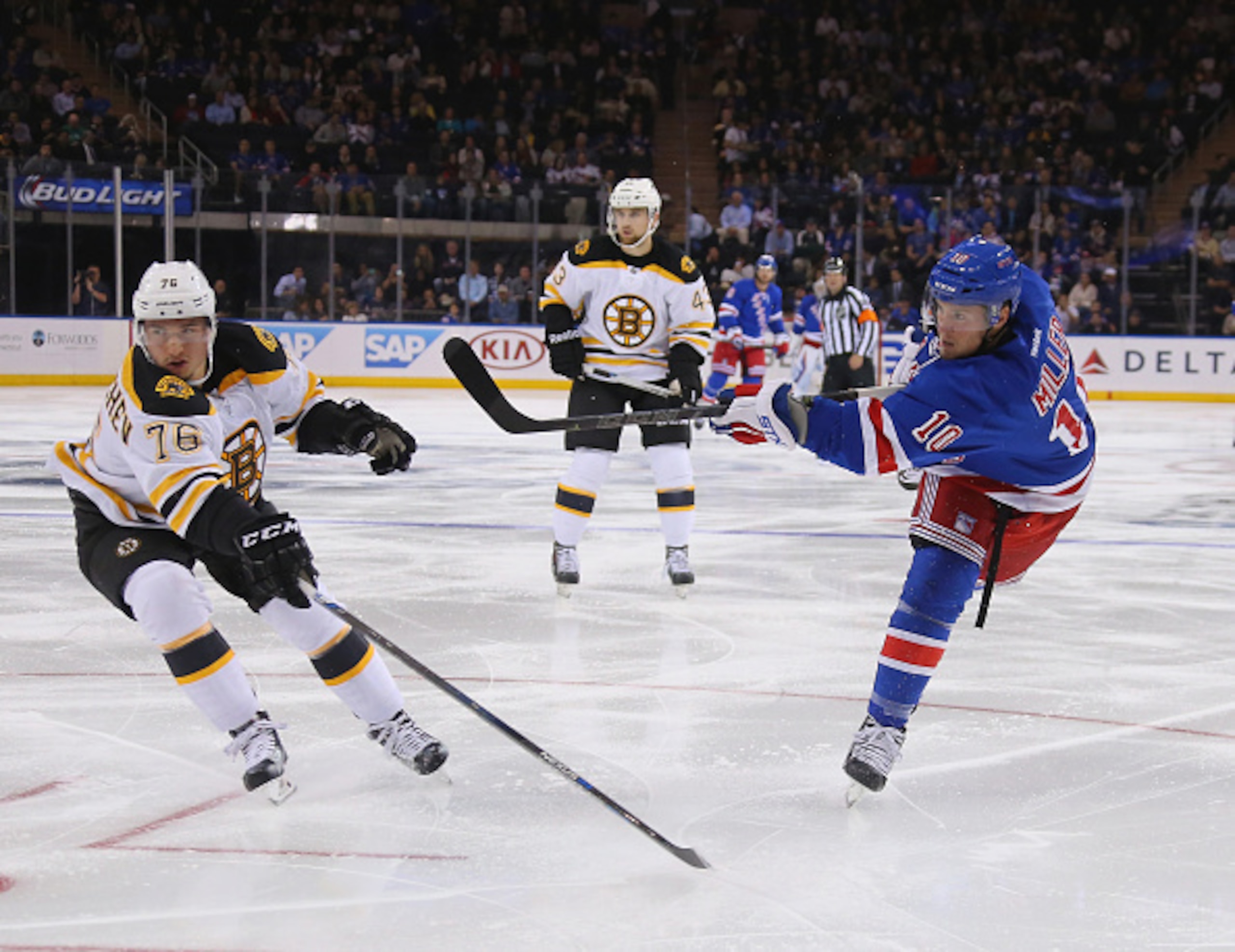
80. Dmitrij Jaskin, St. Louis Blues
Offensive Play: 23/50; Defensive Play: 15/30; Transition Play: 8/20
Jaskin graduated to the NHL last season after posting 15 points in 18 games in the minors. A second-round pick of the Blues in 2011, he's appealing because he’s more than just a potential scorer. He’s big (6'2", 196 lbs), fast, doesn’t shy away from contact and competes at both ends of the rink. So far, we’re projecting baby steps for him, but he may surprise with a breakthrough second campaign in the majors.
79. Dwight King, Los Angeles Kings
Offensive Play: 20/50; Defensive Play: 18/30; Transition Play: 8/20
King’s the epitome of what Los Angeles seems to look for in its depth players. He’s big (6'4", 230 lbs), plays physical hockey and is defensively reliable. Offence is very much a secondary consideration. King’s the kind of guy who can chip in occasionally, and as long as he brings those other qualities, his team will have a place for him.
78. Jamie McGinn, Buffalo Sabres
Offensive Play: 22/50; Defensive Play: 16/30; Transition Play: 8/20
This ranking is intentionally a bit lower than McGinn’s established level of ability. As Nick Groke of the Denver Post reported at the time, McGinn suffered a back injury last year that required surgery and limited him to just 19 contests. If he comes all the way back, he’ll be an effective two-way forward who can chip in offensively, but back injuries can be career-killers, so we’re being cautious here.
77. Bryan Bickell, Chicago Blackhawks
Offensive Play: 24/50; Defensive Play: 13/30; Transition Play: 9/20
Bickell is a really good example of the sort of trap that every teams falls into eventually: paying support players like they’re members of the core. Outside of his contract year with the Blackhawks, the last four seasons have all seen Bickell score at league-average-or-lower rates at even strength. He's also struggled to produce on the power play. He caught fire, the Blackhawks got fooled and now they’re paying a very average player a whole lot of money. Bickell cleared waivers on Saturday.
76. J.T. Miller, New York Rangers
Offensive Play: 22/50; Defensive Play: 14/30; Transition Play: 10/20
Obviously, Miller’s a big piece of the Rangers’ future. The question is how big a piece he is in the present. The 2011 first-round pick had a decent first full campaign after getting cameos in two previous seasons, but he was still average or below-average in most offensive and defensive categories. We’re projecting a step forward, but as these rankings are meant to be cautious in nature, not a very big one.
Nos. 75-71
5 of 51
75. Brandon Prust, Vancouver Canucks
Offensive Play: 16/50; Defensive Play: 21/30; Transition Play: 9/20
On offence alone, Prust is not a full-time NHL player. In three of the last four years, he has fallen not just below the NHL average in terms of even-strength points/hour but well below it. His weaknesses with the puck extend to his transition game, which is unimaginative at best. Where he shines is on the defensive side of the puck. He has a deserved reputation as a first-rate penalty-killer.
74. Vladislav Namestnikov, Tampa Bay Lightning
Offensive Play: 24/50; Defensive Play: 14/30; Transition Play: 9/20
Namestnikov took his first steps toward establishing himself as an NHLer last season, spending half the year with Tampa Bay and the other half with the club’s minor league affiliate. He scored reasonably well at both levels and should make the jump to full-time employment this season. We expect some bumps along the way, but the 22-year-old is talented enough to help.
73. Kris Versteeg, Carolina Hurricanes
Offensive Play: 22/50; Defensive Play: 14/30; Transition Play: 11/20
Versteeg isn’t big (5'11", 176 lbs) or physical. Most would also recognize that he’s not particularly adept at a shutdown role. What many may not realize, though, is that his scoring numbers really haven’t been all that great for a long time now. At even strength, he’s been close to the league average for pretty much his entire career. He used to compensate for that on the power play, but it’s been three years now since he's made a positive impact on the man advantage. He’s very much a poor man’s second-line winger these days, and moving out of his prime to boot.
72. Sean Bergenheim, UFA
Offensive Play: 22/50; Defensive Play: 15/30; Transition Play: 10/20
One of the victims of this summer’s salary-cap crunch appears to be Bergenheim, who is without a contract and may even end up overseas. It’s a shame because he’s still a useful NHL player. He’s never been a big scorer, but his puck-possession numbers have been quality all down the line and he can play a bottom-six role.
71. Matt Calvert, Columbus Blue Jackets
Offensive Play: 20/50; Defensive Play: 19/30; Transition Play: 8/20
Calvert’s a fun player to watch, and an admirable one in many ways. Undersized (5'11", 187 lbs) and often injured, he still plays an energetic game. He can chip in offensively, though his numbers have never been great, and he’s a regular presence on the penalty kill. He’ll turn 26 in December and seems to have plateaued as a bottom-six forward who contributes at both ends.
Nos. 70-66
6 of 51
70. Marko Dano, Chicago Blackhawks
Offensive Play: 25/50; Defensive Play: 12/30; Transition Play: 10/20
Dano had a lovely half-season in the NHL last year, playing a fiery, physical game despite his modest frame (5'11", 183 lbs) and ripping it up offensively despite a lack of power-play time. The caution here is that he only managed 19 points in 39 AHL games before being recalled. He’s a very good prospect, but we may have to wait a while before he can sustainably play at the level he found for 35 games last year. He was assigned to Rockford on Oct. 2.
69. Brandon Pirri, Florida Panthers
Offensive Play: 23/50; Defensive Play: 13/30; Transition Play: 11/20
Pirri had one of the oddest stat lines you’ll ever see last season: He scored 22 goals and had just two assists, a ridiculous 11-1 ratio which was the product of many different factors. The 24-year-old is actually a fairly balanced offensive player. He’s a good passer and also has a strong shot. His NHL track record isn’t long, but he’s scored very well in limited power-play duty and his even-strength numbers suggest he’s above-average there, too. This isn’t a surprise. He’s had a good offensive reputation all down the line.
68. Patrick Maroon, Anaheim Ducks
Offensive Play: 27/50; Defensive Play: 14/30; Transition Play: 6/20
Nothing against Maroon, but he’s had one of the sweetest gigs in hockey over the last few years, which has inflated his numbers. Over the last two seasons, he’s averaged 2.4 points/hour when playing on a line with Corey Perry compared to 1.9 points/hour when not on that line. He does have offensive skill, but he’s not quick or especially good defensively.
67. Tanner Pearson, Los Angeles Kings
Offensive Play: 22/50; Defensive Play: 15/30; Transition Play: 10/20
More was expected of Pearson than he was able to deliver in his abbreviated sophomore campaign. Expectations were sky-high after he played an important role in L.A.’s 2014 Stanley Cup win, but ultimately he wasn’t really able to meet them. The 23-year-old still has a lot going for him, though. His even-strength scoring rates are solid and most of the shot metrics like him.
66. Tomas Fleischmann, Montreal Canadiens
Offensive Play: 23/50; Defensive Play: 14/30; Transition Play: 11/20
The risk with Fleischmann is that if he isn’t scoring, he’s probably not helping out enough in other areas to really be worth carrying. The upside is that he’s a shockingly good scorer when everything goes right. Last season, he managed to hit 2.0 points/hour at even strength in a year split between two teams, one of which was the Florida Panthers—also known as the place where offence goes to die. He’s also been a high-end power-play scorer in years past. The Habs inked him to a one-year deal on Sunday.
Nos. 65-61
7 of 51
65. Ryan Garbutt, Chicago Blackhawks
Offensive Play: 22/50; Defensive Play: 16/30; Transition Play: 10/20
Garbutt took a circuitous route to the NHL. His pro career started in the Central League, advanced to the ECHL, then to the AHL and finally to the NHL in a span of just two years. He kept doing things that got noticed. He’s a physical, two-way player and also a pretty capable five-on-five scorer.
64. Matt Nieto, San Jose Sharks
Offensive Play: 21/50; Defensive Play: 15/30; Transition Play: 12/20
Nieto’s just a third-line forward, but he made the NHL at a young enough age—and has enough of a history of scoring at other levels—that he could well evolve into more than that yet. Like a lot of college players, his two-way game is relatively polished and his zone-entry numbers are really good for a depth guy. What’s holding him back for the moment is decidedly underwhelming offensive production at even strength.
63. Leo Komarov, Toronto Maple Leafs
Offensive Play: 20/50; Defensive Play: 19/30; Transition Play: 9/20
Komarov returned to Toronto last season after spending a year in Russia and enjoyed a little more offensive success than he did the first time around, though he’s still very much an average to below-average player in that regard. Where he shines is in other areas. Once again, he was leaned on heavily in defensive situations—including on the penalty kill—and delivered reasonable results.
62. Antoine Roussel, Dallas Stars
Offensive Play: 21/50; Defensive Play: 17/30; Transition Play: 11/20
Perhaps the game’s most disrespected agitator, Roussel is far more than just an energetic presence on the ice. To begin with, he’s also a pretty good defensive player, one who stepped into a penalty-killing/tough-zone-starts role pretty much right out of the box. He can also chip in offensively. Over three seasons in the league, his production has actually been slightly better than average at even strength.
61. Jason Zucker, Minnesota Wild
Offensive Play: 22/50; Defensive Play: 16/30; Transition Play: 11/20
Zucker exploded for 21 goals last year in his first full season in the league, and while he did it on the back of a probably unsustainable 16.9 shooting percentage, the Wild certainly didn’t mind seeing it from a player who has struggled to lock down a major league job. His real value, though, may end up being as a defensive forward. He’s always had good instincts on that side of the puck.
Nos. 60-56
8 of 51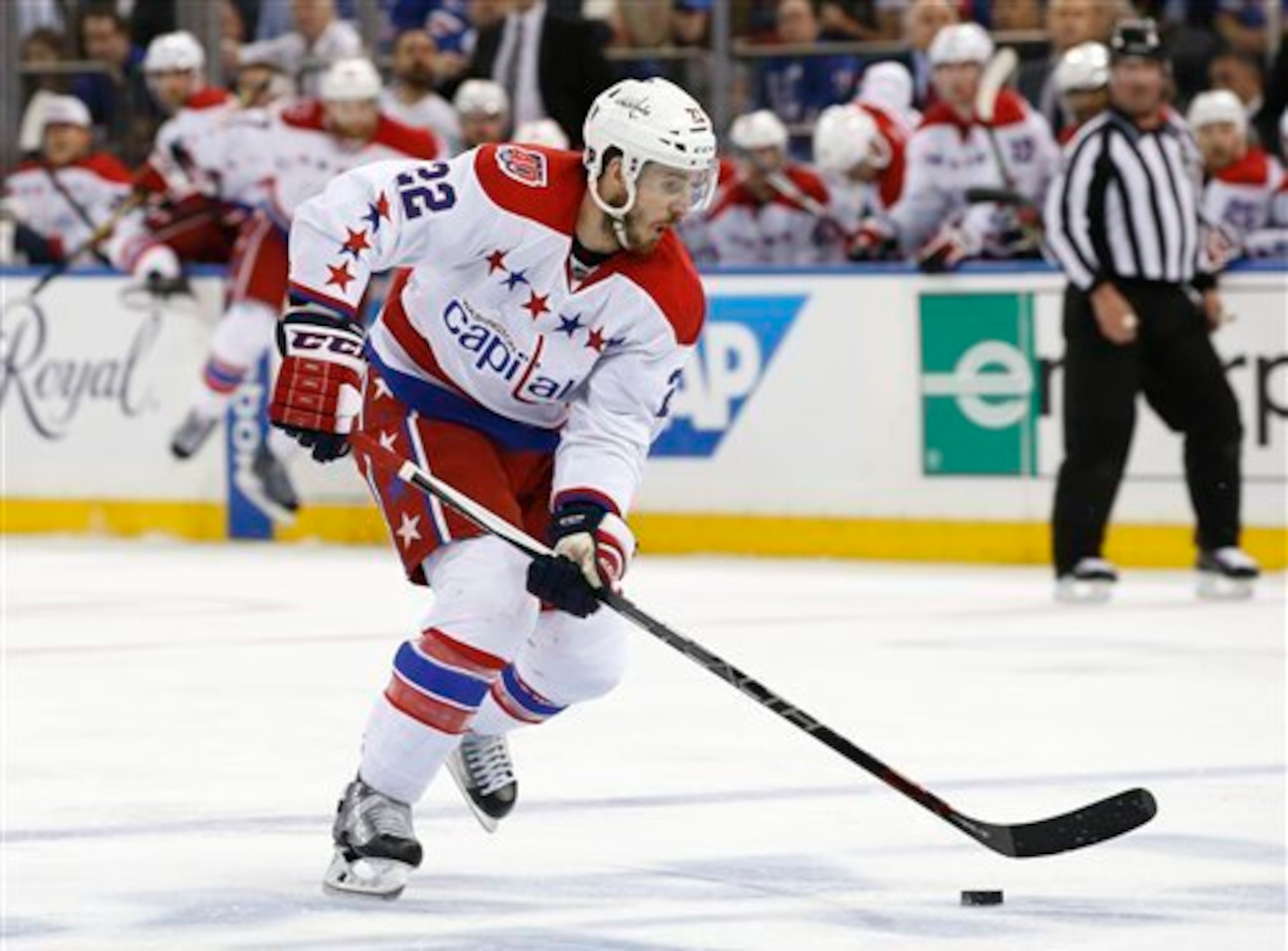
60. Viktor Stalberg, New York Rangers
Offensive Play: 23/50; Defensive Play: 14/30; Transition Play: 12/20
The key number for Stalberg is even-strength scoring. He fell out of favour early in Nashville—and not without cause—but was never really given the opportunity to play himself back into a serious role. Because of his low minutes, not many people noticed that he scored 2.1 points/hour at even strength last season. This was a nice low-risk bet by New York.
59. Curtis Glencross, UFA
Offensive Play: 25/50; Defensive Play: 15/30; Transition Play: 10/20
The shine really seems to have come off Glencross, who was in high demand as recently as last year’s trade deadline. He bounced around over the summer and ended up accepting not one but two professional tryout offers. The Avalanche released him on Monday. To some degree, that’s to be expected. He’ll turn 33 early in 2015-16, and his even-strength scoring has been cooling for a couple of seasons now. However, he’s still a physical two-way winger who can help at either end of the rink, and our best guess is that his scoring won’t completely evaporate in the coming year.
58. Michael Raffl, Philadelphia Flyers
Offensive Play: 22/50; Defensive Play: 19/30; Transition Play: 9/20
Some nights, Raffl must just look across at his linemates getting set for a faceoff and feel the need to pinch himself just to make sure he isn’t dreaming. It’s not that he’s a bad player by any stretch—he is, after all, a competent two-way player with a modicum of offensive talent—but he’s pretty average, and as a rule, average players don’t get prolonged experience playing next to Claude Giroux.
57. Alex Burrows, Vancouver Canucks
Offensive Play: 21/50; Defensive Play: 21/30; Transition Play: 8/20
The last few seasons have seen bad things happen to Burrows’ offensive game. It imploded under John Tortorella and only rebounded to the average range last season. At the age of 34, this likely represents the new normal for Burrows. Fortunately for the winger, he does bring positives in other areas of the game—notably on the defensive side of the puck.
56. Daniel Winnik, Toronto Maple Leafs
Offensive Play: 22/50; Defensive Play: 18/30; Transition Play: 10/20
Winnik is the kind of middle-tier veteran the Leafs have had some success with in recent years. He’s almost the definition of average, playing well on one special team (the penalty kill) and not at all on the other. At even strength, he scores enough to be a good third-liner or poor second-liner, and he checks well enough to earn the same distinction.
Nos. 55-51
9 of 51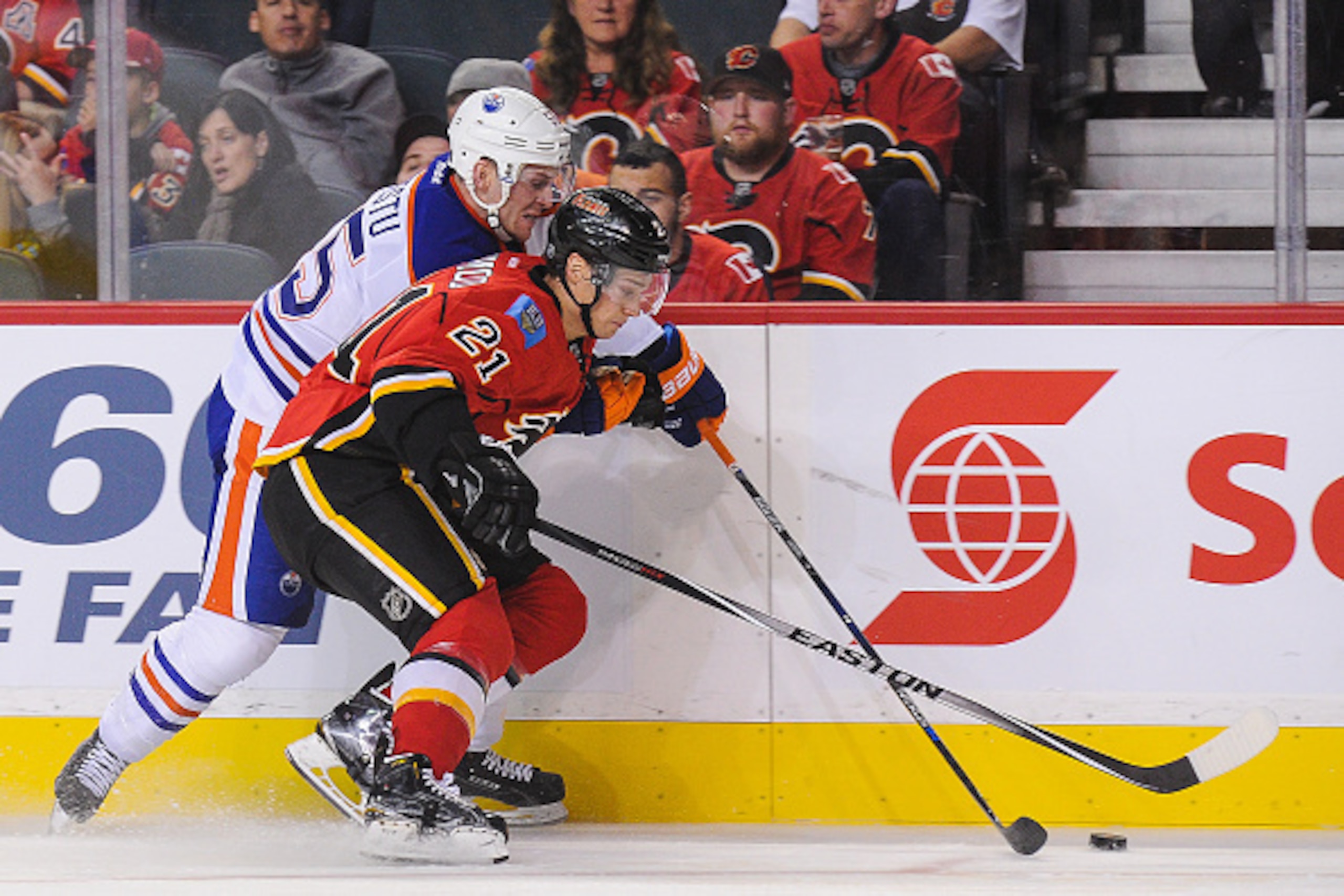
55. Tomas Hertl, San Jose Sharks
Offensive Play: 25/50; Defensive Play: 15/30; Transition Play: 10/20
As often happens in the NHL, Hertl struggled to duplicate his brilliance as a rookie in his sophomore season. His even-strength scoring rate fell by more than 50 percent, down to below the average for forwards. He might have been saved with some improvement on the power play, but he struggled in that area. The 21-year-old former first-round pick has plenty of time to rebound, though, and we’re betting that he can make at least a modest recovery.
54. Shawn Matthias, Toronto Maple Leafs
Offensive Play: 20/50; Defensive Play: 19/30; Transition Play: 11/20
Matthias is a jack-of-all-trades player who can fill any slot in the lineup. His scoring has always been just a touch shy of average, but he has at times provided a net-front presence on the power play or had a cameo in a top-six role. He’s more at home as a penalty-killer and is a responsible enough player to take shifts at centre when that’s needed. At 6’4”, 223 pounds, he’s also more than capable if things get a little rougher.
53. Mason Raymond, Calgary Flames
Offensive Play: 24/50; Defensive Play: 16/30; Transition Play: 11/20
Perception can be a funny thing. Raymond went from 45 points in Toronto in 2013-14 to just 23 points in Calgary last year—we should acknowledge that games played was part of it. At even strength, though, his numbers actually went up year over year, and the only reason for the drop-off was because he ended up being a terrible fit on Calgary’s power play. If that corrects itself, the Flames should be much happier with this player, who can do a little bit of everything.
52. Andrew Cogliano, Anaheim Ducks
Offensive Play: 22/50; Defensive Play: 17/30; Transition Play: 12/20
The days of Cogliano being an offence-minded centre are in the past, and he’s well into his second life as a two-way winger. He’s been good in that role for the Ducks. He isn’t the scorer he was once projected as. He has no power-play role whatsoever and he’s just middle of the road at even strength, but he’s still capable of chipping in and filling the odd shift in the top six. His speed is a real attribute both in transition and on the penalty kill.
51. Andre Burakovsky, Washington Capitals
Offensive Play: 26/50; Defensive Play: 12/30; Transition Play: 13/20
For the most part, Burakovsky’s rookie year was a success, and he’s certainly ahead of where we would have expected him to be given his age and draft pedigree. He’s especially good in transition, and his raw offensive potential is exceptional—if not yet fully realized. His defensive game is very much a work in progress.
Nos. 50-46
10 of 51
50. Chris Kunitz, Pittsburgh Penguins
Offensive Play: 23/50; Defensive Play: 17/30; Transition Play: 11/20
In the lockout-shortened 2013 season, Kunitz scored 3.3 points/hour at even strength. In 2013-14, that number was 2.2. Last season, it was 1.3. It was roughly 1.1 away from Sidney Crosby. At least he’s still scoring on the power play, though his production there has fallen, too. He doesn’t kill penalties, but his chances against/hour numbers at even strength remain nice and low seemingly regardless of situation. The most critical number for Kunitz is 36—that’s how old he turned in September, and it’s going to be very tough for him to find a second wind at that age.
49. Brayden Schenn, Philadelphia Flyers
Offensive Play: 26/50; Defensive Play: 15/30; Transition Play: 10/20
Great things were expected of Brayden Schenn, and as he enters his mid-20s, there’s no sign of great things happening. Yes, he’s carved out a steady role on the Flyers’ ridiculously good power play and contributes in that area, but at even strength, he’s simply never become any kind of difference-maker. Last season, he scored a decidedly modest 1.4 points/hour, which is pretty much the same thing he’s done for four seasons since arriving in Philadelphia.
48. Josh Bailey, New York Islanders
Offensive Play: 25/50; Defensive Play: 16/30; Transition Play: 10/20
Bailey is coming off a very good season at even strength—the best of his career, in fact. He would certainly have shattered his previous overall totals if he’d managed to maintain his performance on the power play, but ironically his production there collapsed just as it improved at five-on-five.
47. Leon Draisaitl, Edmonton Oilers
Offensive Play: 25/50; Defensive Play: 15/30; Transition Play: 11/20
After a disappointing NHL debut, Draisaitl returned to junior and found his offensive confidence. The third overall pick in the 2014 draft plays a mature, cerebral game for his age and has extremely strong defensive instincts. We’re betting that the scoring shows up this year, though we’re not 100 percent sure what position he’ll be playing when it does. NHL.com reported on Monday that he will start the year in the AHL.
46. Anders Lee, New York Islanders
Offensive Play: 27/50; Defensive Play: 14/30; Transition Play: 10/20
The key item torpedoing Lee’s ranking on this list is special teams play. Sure, he doesn’t appear on the penalty kill and that’s not great, but it’s also a long way from fatal—particularly for a young scorer. The problem is the power play. Lee takes regular shifts there and delivers almost nothing in the assignment. Playing two PP minutes per game all season in 2014-15, he managed all of six points. That’s just not good enough, and it’s the same pattern he established during his 22-game cameo in 2013-14.
Nos. 45-41
11 of 51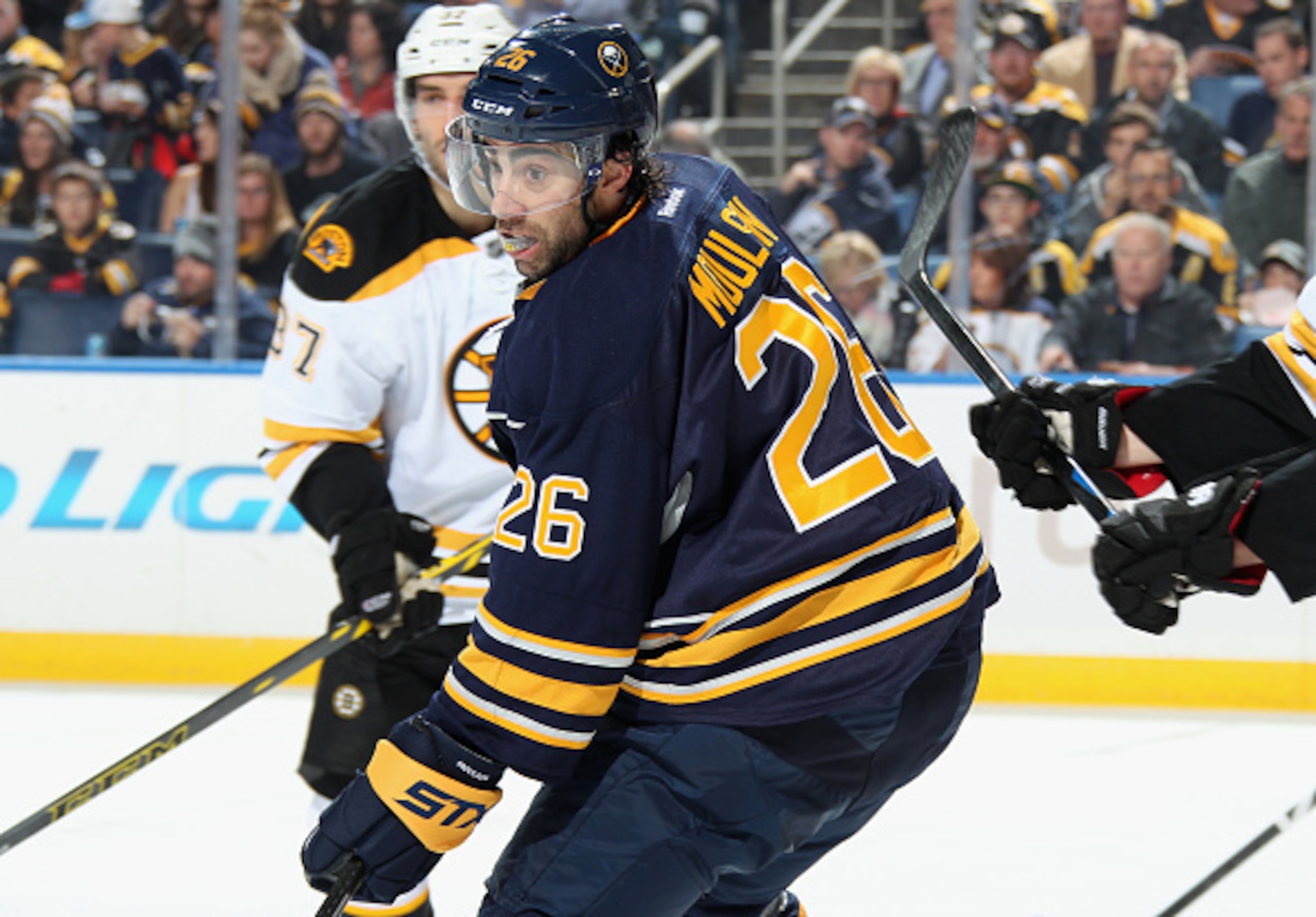
45. Matt Moulson, Buffalo Sabres
Offensive Play: 26/50; Defensive Play: 16/30; Transition Play: 9/20
Moulson has tallied 1.6 points/hour in consecutive seasons now at even strength, a massive reduction from the days when he used to top 2.0 with ease next to John Tavares. His power-play scoring has dropped off considerably, too. He is an extremely disciplined player and even earned some Lady Byng Trophy votes last season, the fourth time in his career that has happened.
44. Alex Killorn, Tampa Bay Lightning
Offensive Play: 25/50; Defensive Play: 16/30; Transition Play: 11/20
A splendid playoff run will likely have a few people surprised at this rating. Killorn did after all manage 18 points in 26 games as Tampa Bay went to the Stanley Cup Final. However, the difficulty is that he has yet to post those kinds of results in the regular season. What we’ve seen from him there has instead been strong work at even strength and consistently weak work on the power play.
43. Patrik Elias, New Jersey Devils
Offensive Play: 22/50; Defensive Play: 21/30; Transition Play: 10/20
Elias’ even-strength scoring rates have been in intermittent decline for most of the last decade, dropping and rebounding but always inexorably moving lower. Last year, he hit his lowest point yet, coming in at just 1.5 points/hour, and we’re guessing he’ll fall a bit this year once again. But even as his feet slow down, his brain still processes the game as well as it ever did, which is probably why he remains capable on both special teams.
42. Boone Jenner, Columbus Blue Jackets
Offensive Play: 29/50; Defensive Play: 14/30; Transition Play: 10/20
An up-and-coming power forward, Jenner can play either centre or wing and is just starting to scratch the surface of his potential, having turned 22 in the offseason. He’s already exceptional in some areas, like the power play, but he has plenty of room to grow at even strength. At some point, the Blue Jackets envision him as a complete player who can score, hit and defend.
41. Jiri Tlusty, New Jersey Devils
Offensive Play: 27/50; Defensive Play: 16/30; Transition Play: 10/20
Frankly, it’s baffling that Tlusty had to wait as long as he did to find an NHL home this summer. He’s a capable offensive player, one who averaged 1.7 points/hour at even strength on a lousy Carolina team over the last three seasons. He's also capable of contributing on the power play. Speaking of special teams, he’s also carved out a penalty-killing role for himself in recent years. He’s big (6'0", 205 lbs), young, fast and can do a bit of everything.
40. Colin Wilson, Nashville Predators
12 of 51
Offensive Play
Wilson’s even-strength offence has bounced around a bit over the years, ranging from just below average to quite a bit better than. The one relative constant has been mediocre work on the power play. Now 25 years old, it seems unlikely that he'll evolve beyond his current level.
Defensive Play
Wilson gets middling marks defensively. He’s never been used on the penalty kill and has rarely been used in a tough-minutes role, but his play has evolved with time and will likely continue to do so this year.
Transition Play
Overall, Wilson’s zone-entry numbers aren’t terribly impressive, but that’s before taking into account team effects. Nashville doesn’t take any chances in the neutral zone, and carrying the puck hasn’t been a regular part of the team’s repertoire, so in that context Wilson actually fares quite well here.
Overall
The seventh overall pick in the 2008 draft, Wilson has shown flashes of realizing his immense potential, but it seems the Predators will have to be satisfied with getting a good player rather than a great one.
39. Chris Higgins, Vancouver Canucks
13 of 51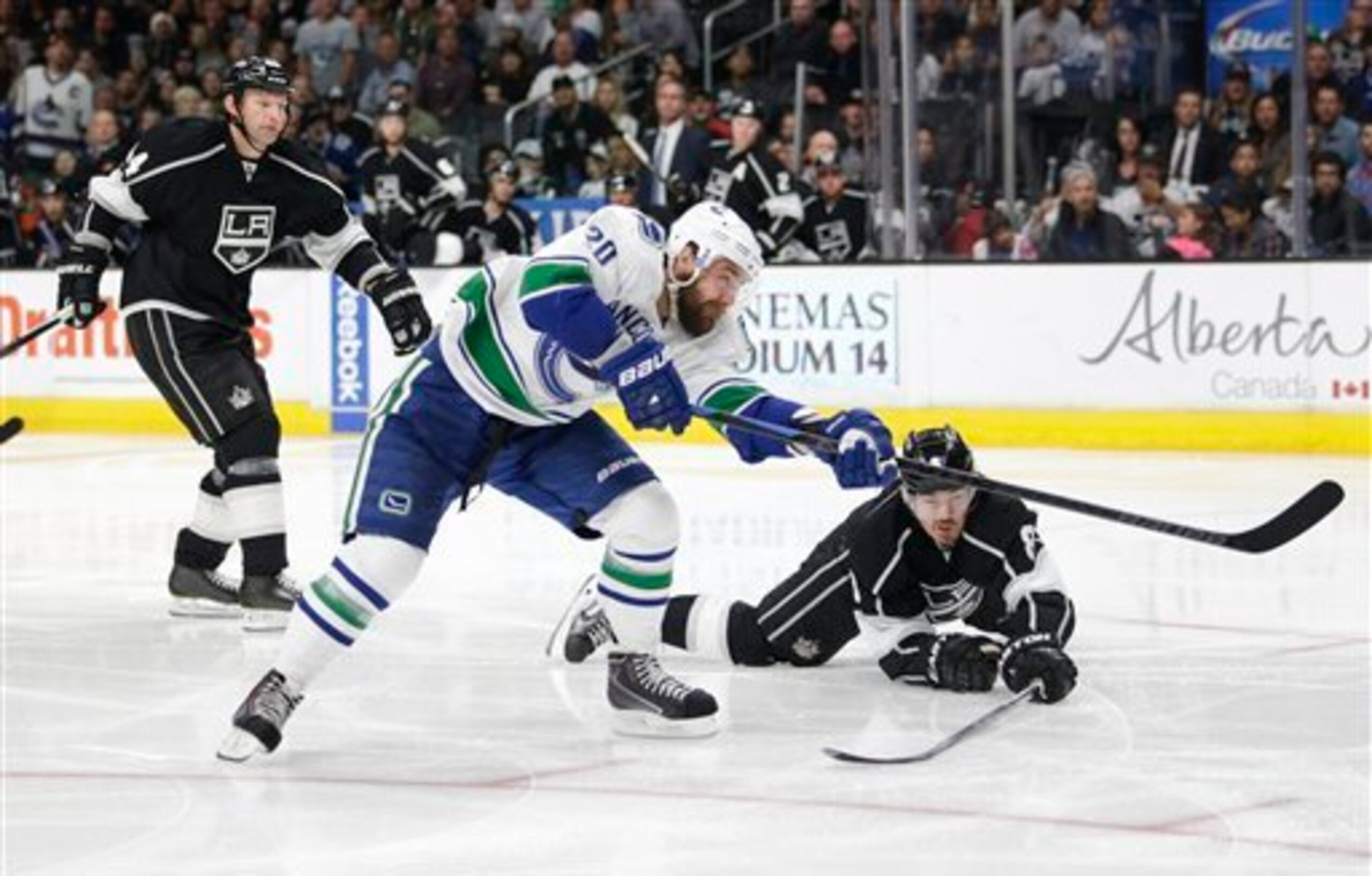
Offensive Play
The biggest problem with Higgins’ offensive game is on the power play. Early in his career, he was a serious threat. Lately he’s been either ineffective or unused. His even-strength scoring totals typically come in a shade above the league average.
Defensive Play
Fortunately for Higgins, he’s not relying solely on his offensive performance to convince NHL clubs of his value. He was a strong two-way player out of the box, killing penalties very early on, and he’s become more polished with time.
Transition Play
Higgins is an indifferent neutral-zone talent, primarily because he lacks creativity at the offensive blue line or the blazing speed to make him truly effective on the backcheck.
Overall
Early in Higgins' career, there was reason to hope that he was going to emerge as a standout offensive threat, but that never happened. A 52-point campaign in 2007-08 is the best of his career to date and likely to represent a permanent high-water mark for the winger. What he’s become instead is a highly reliable two-way winger who scores a respectable amount at even strength, takes on tough minutes and kills penalties.
38. Milan Michalek, Ottawa Senators
14 of 51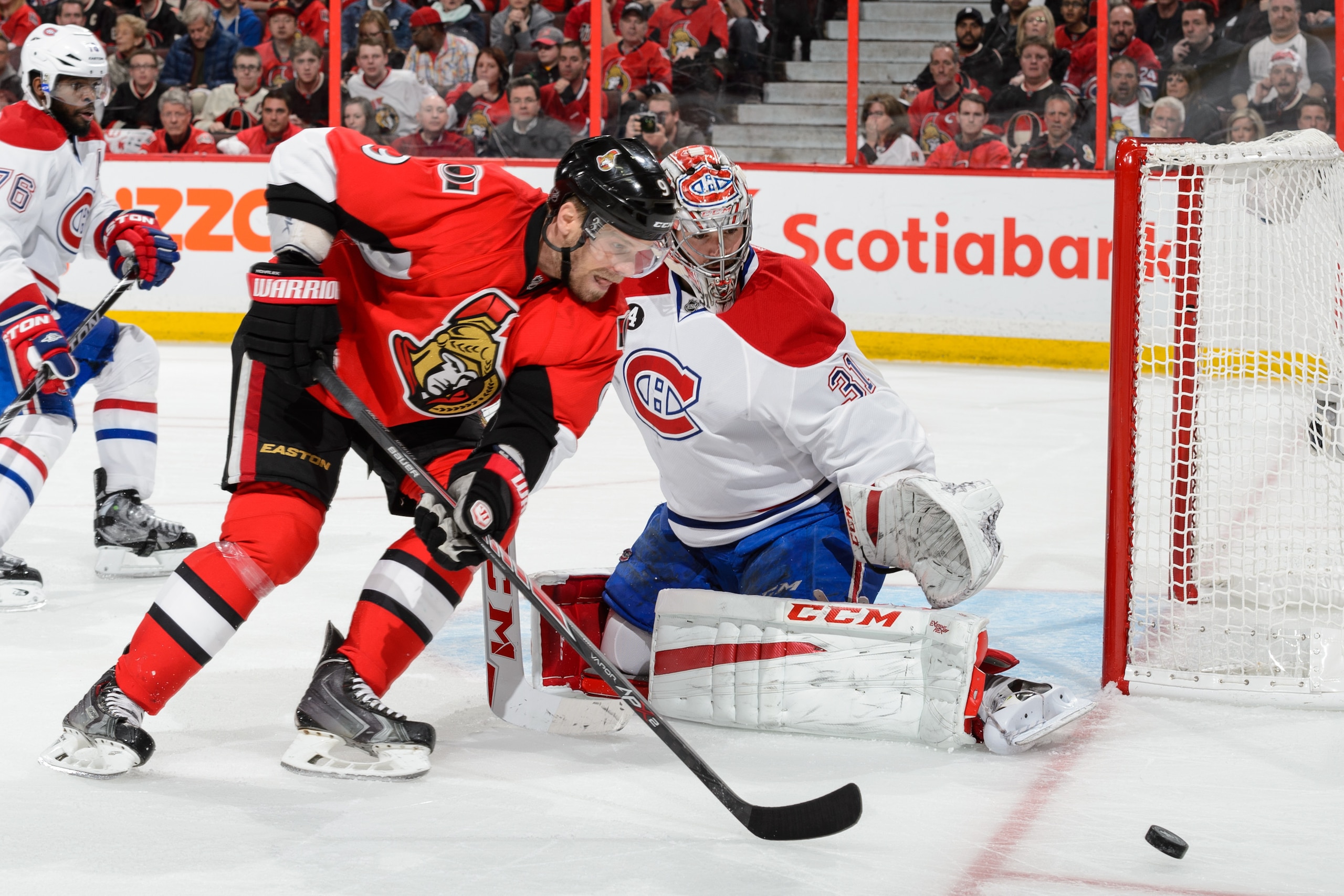
Offensive Play
Michalek is a decidedly average offensive talent. At even strength, he’s provided almost exactly what one would expect from the average league forward in five of the last six seasons. On the power play, his scoring rates are vanilla—good but forgettable.
Defensive Play
A big (6'2", 220 lbs) winger who can skate, Michalek has the physical tools to excel defensively, and for the most part, he does. He’s been a regular penalty-killer for seven seasons now, predating his arrival in Ottawa.
Transition Play
Michalek’s primary value actually comes at the defensive blue line. He’s an ardent backchecker with a knack for breaking up plays. He’s actually a touch below average at carrying the puck into the opposition end himself.
Overall
There’s no secret as to what Michalek is at this point. He’ll have the odd year where everything goes right and he scores 35 goals (see: 2011-12) or he gets really hurt and misses a lot of time (see: 2013), but outside of those extremes, the pattern is established. Michalek gets banged up playing NHL hockey and misses 15 games or so per season. In the other 65-odd games, he scores 30-something points and provides his team with responsible two-way hockey. He’s 30 now, so the only change to the pattern is likely to be a slow and subtle reduction in his effectiveness.
37. Matt Beleskey, Boston Bruins
15 of 51
Offensive Play
Yes, Beleksey’s shooting percentage was through the roof last season, but he actually has a pretty strong even-strength record going back two seasons now. Even before that, he was scoring at an average rate in depth minutes, which isn’t bad production considering the circumstances. His power-play production hasn’t been particularly good at any point of his career.
Defensive Play
Defensive-zone coverage has been an issue all down the line, and while Beleskey provides an honest effort and has the strength to win battles, his positioning could still be improved upon.
Transition Play
It can be hard to judge wingers like Beleskey, who have spent most of their careers in depth assignments, because coaches tend to prefer dump-and-chase for their depth lines. His numbers haven’t been particularly good by overall NHL standards, but they haven’t been bad by bottom-six criteria.
Overall
Billed implicitly—though generally not explicitly—as Milan Lucic’s replacement in Boston, Beleskey is going to have trouble matching his predecessor with the Bruins. That’s not to say he isn’t without his strong points. He’s a physical winger who shoots the puck a lot and has also shown himself capable of significant even-strength offensive production in the past two seasons. Unfortunately, he’s not a good power-play scorer historically and has never spent much time on the penalty kill, so outside of even strength, he generally doesn’t deliver much.
36. Marcus Johansson, Washington Capitals
16 of 51
Offensive Play
The lack of offensive development out of Johansson is starting to get frustrating. Check that: His offensive regression is already worrying. A player who topped 2.0 points/hour at even strength in consecutive years in his early 20s has now had back-to-back campaigns at or below the league average scoring rate in those situations.
Defensive Play
Although his defensive play has improved with time, it’s still not a standout quality. Johansson played a role on the penalty kill early in his career, a role which has since disappeared.
Transition Play
For a player with his offensive reputation, Johansson plays a surprisingly cautious game at the blue line. He needs to get better in this category if he wants to be more than just a member of the supporting cast.
Overall
Johansson is still young enough to break out of this rut and establish himself as a high-end offensive talent, but he probably shouldn’t take too long. He’s now 25 years old, and at that age, people in management stop looking for breakthrough seasons and thus stop providing opportunities for them to occur.
35. Carl Hagelin, Anaheim Ducks
17 of 51
Offensive Play
Hagelin is a competent even-strength scorer. Over his four-season NHL career, he has tallied between 1.6 and 2.2 points/hour at five-on-five, which is a good-to-very-good figure. The only downside is that his numbers are trending in the wrong direction. He has not really been used on the power play.
Defensive Play
Since he entered the NHL, coaches have been making use of Hagelin’s speed on the penalty kill, and his role in that department has expanded with time. He’s a responsible player at even strength.
Transition Play
No Rangers forward carried the puck into the opposition zone at a higher rate in 2013-14 than Hagelin did, and though his overall number could have been more impressive, it’s hard to fault him too much for playing on a conservative team.
Overall
He isn’t big (5'11", 186 lbs) and isn’t a big-time scorer, but other than that, Hagelin is most things you’d want in a hockey player. His speed is his primary selling feature—it’s what makes him so good in transition and so useful on the penalty kill. He’s probably a little underrated as a scorer. He hasn’t done much with power-play time in the past, but he’s a solid citizen at even strength.
34. Mikkel Boedker, Arizona Coyotes
18 of 51
Offensive Play
Boedker isn’t really a scorer. He’s more of a power-play specialist. That may seem an odd distinction to make, but it basically comes down to the fact that he puts up brilliant numbers on the power play pretty much every year while simultaneously being virtually the definition of average at even strength.
Defensive Play
At times in his NHL career, Boedker has played a role on the penalty kill, but he didn’t stick in that assignment. His speed and strength are obviously valuable in the defensive zone, but his technique could be refined.
Transition Play
Boedker’s possession numbers are mediocre, and part of the reason is that he doesn’t excel at gaining the opposition zone with possession. He’s almost 50-50 in terms of his tendency to carry the puck in, and that’s not good enough for an NHL forward in an offensive role.
Overall
Is he really a foundation piece or simply a talented member of the supporting cast? Our answer is that he’s a little bit of both.
33. Jonathan Drouin, Tampa Bay Lightning
19 of 51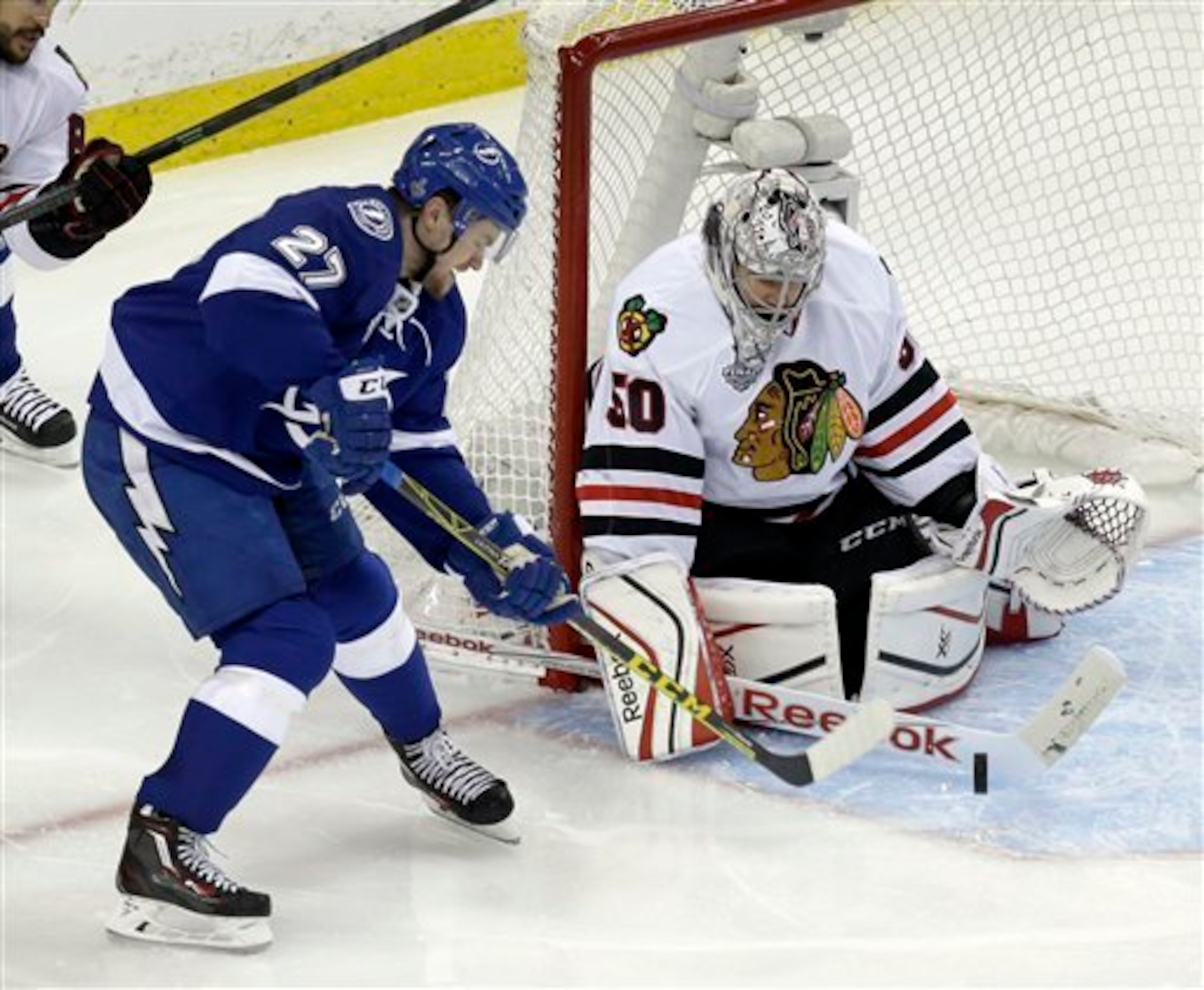
Offensive Play
Drouin’s biggest problem last year was that he didn’t score. His production at even strength was actually pretty good save for the goals department, his production on the power play was close to nonexistent and the Lightning had so much depth that head coach Jon Cooper could leave him off his top lines. Everything about Drouin prior to last year suggests he’s going to be a big-time offensive player, though, and it could happen as soon as this season.
Defensive Play
It’s probably true that Drouin’s defensive shortcomings last season were overstated at times. Nevertheless, like virtually every player in the game with his combination of age/experience, he does need to grow here.
Transition Play
Drouin plays a possession game, meaning that he doesn’t relinquish the puck if he doesn’t have to, and with his skills he doesn’t have to very often. That applies at the offensive blue line as much as anywhere else.
Overall
Last year was a development year in a lot of ways, as Drouin found his legs at hockey’s highest level. The trouble was that the Bolts were legitimate contenders, and at times development needs were shunted aside in favour of winning hockey games. This year, Drouin should be more useful in that regard and consequently he’ll be given more opportunities to show what he can do.
32. Mike Hoffman, Ottawa Senators
20 of 51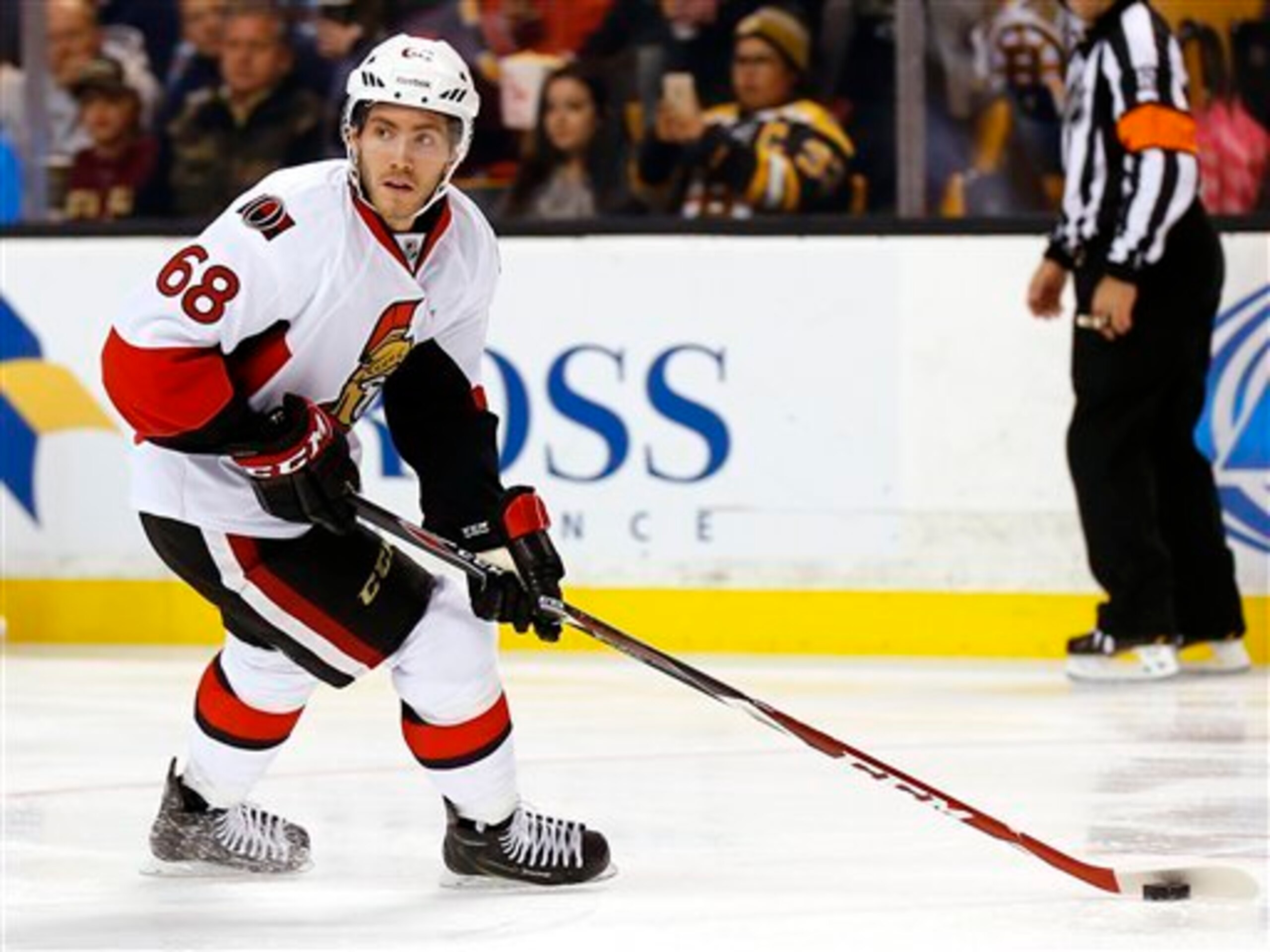
Offensive Play
Hoffman’s weird career trajectory makes it hard to know exactly how to take his—objectively brilliant—2014-15 campaign. In 2013-14, he scored in the AHL but couldn’t get much done in the majors and even cleared waivers. Prior to that, he wasn’t even particularly brilliant by minor league standards. This offensive outburst is coming relatively late in the process, too. Hoffman turns 26 early this season. We’re treading cautiously for now.
Defensive Play
Defensive play was a point of complaint at times last year and supposedly part of the reason that Hoffman was bumped down the depth chart late in the season. His shot-suppression numbers aren’t bad, though.
Transition Play
Speed has always been a prime calling card for Hoffman, so it’s not a surprise that he performs well in the neutral zone.
Overall
This was one of the tougher players at this position to rate. On the one hand, Hoffman’s offensive numbers at even strength last year were glorious, and his AHL work in 2013-14 supports the notion that this is a legitimate turning of the page for him. On the other hand, he’s never been a prospect of particular note and might be a flash in the pan. We’ve tried to saw off the difference here.
31. Benoit Pouliot, Edmonton Oilers
21 of 51
Offensive Play
Pouliot’s been a brilliant—if criminally under-appreciated—even-strength scorer for years now. Over the last three seasons, his 2.0 points per hour lies in the same range as the totals put up by Brandon Saad and Filip Forsberg. He’s been mediocre or worse on the power play, which is why his overall point totals are blah, but his track record at five-on-five is unimpeachable.
Defensive Play
One of the knocks on Pouliot has been his penchant to take ill-timed penalties, mostly in the offensive zone, which end up putting his team in a hole defensively. That’s probably always going to be part of his game, but he is maturing and stepped into a role on the penalty kill last year.
Transition Play
Pouliot’s size (6'3", 193 lbs) and speed make him effective on the backcheck. Offensively, he’s not an overly creative player, and his zone entries suffer from that quality in the same way that his power-play totals do.
Overall
A weirdly underrated player who combines size, speed and even-strength scoring, Pouliot finally seems to have found a home in Edmonton after bouncing around the league for several years.
30. Clarke MacArthur, Ottawa Senators
22 of 51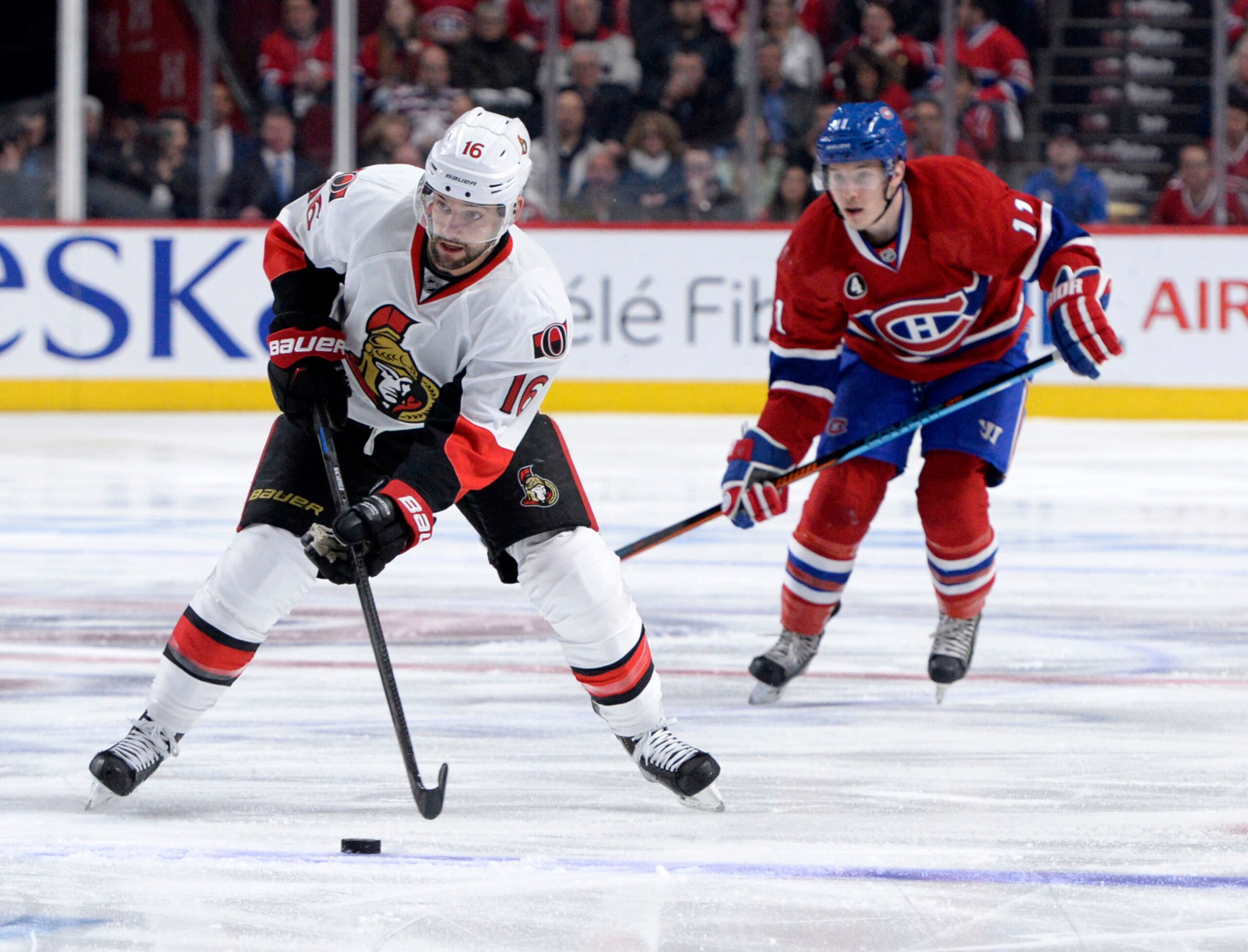
Offensive Play
At even strength, MacArthur faded a bit from the high he hit in his first season with the Senators, falling from 2.2 points/hour down to 1.8, with those two figures representing the edges of his established range of performance. He also fell off a little bit on the power play, where he’s been a reasonable but not exemplary scorer over his career.
Defensive Play
MacArthur was given heavy penalty-kill assignments for the first time in his career in 2013-14, but last season saw those minutes curtailed in favour of other options. He plays reasonably difficult minutes at even strength, but his Corsi and chance-against numbers aren’t particularly great.
Transition Play
Compared to the rest of the Sens wingers in 2013-14, MacArthur looks pretty good at gaining the zone. He’s in roughly the same range as Bobby Ryan, and that’s not a bad place to be.
Overall
Eventually, we’ll see MacArthur start to slide as he enters the back nine of his career. He turned 30 in April, and it’s possible that the first signs came last year. Both the Senators and the player will hope that isn’t the case. For now, we’re guessing it isn’t.
29. Jeff Skinner, Carolina Hurricanes
23 of 51
Offensive Play
Some disturbing trends have surfaced in Skinner’s game in the last few seasons. After hitting 2.0 points/hour twice as a teenager, he has scored fewer than 1.5 points/hour twice in three seasons at even strength. His work on the power play hit a low last season, posting exactly half of his 2013-14 scoring rate.
Defensive Play
Skinner’s shot-suppression numbers are firmly middle of the pack in Carolina, and that’s simply not good enough. He plays with top talent and has a coach who deploys him in offensive situations. There’s no reason for the team to be surrendering as many attempts as it does when he’s on the ice.
Transition Play
He’s always been a good transitional player, combining straight-line speed, rapid acceleration and trickery with the puck into a single package. He’s a tough player to defend against one-on-one, and it shows in his zone-entry numbers.
Overall
We firmly expect Skinner to rebound from a wretched 31-point season. He had that many goals in his rookie season. He’s clearly capable of more, and at the age of 23, there’d be simply no excuse if he can’t get his game back to where it once was.
28. Alex Tanguay, Colorado Avalanche
24 of 51
Offensive Play
Tanguay just keeps on scoring. He had a little dip in the 2013 lockout year, but that’s the only time in the last five seasons that his points/hour fell below 2.0. He’s also scored 4.0 points/hour or more on the power play in four of the last five seasons. The only real complaint about his game is the same complaint that has been applicable since his rookie season: He is the fussiest shooter in the NHL.
Defensive Play
Of all the Colorado regulars to take on a regular shift on the penalty kill last season, none had a lower chances against/hour number than Tanguay. He’s been taking on more defensive assignments since he crossed over to the wrong side of 30, spending more than a minute per game killing penalties in four of the last five seasons.
Transition Play
There’s a calculated quality to Tanguay’s game, and that comes across when he’s entering the offensive zone. He generally finds a way to ensure that his team retains possession when it crosses the blue line.
Overall
It seems like the 35-year-old has been around forever sometimes. More than 1,000 games (and more than 800 points) into his NHL career, Tanguay continues to be overlooked by almost everyone—including awards voters—but he continues to get the job done.
27. Mike Cammalleri, New Jersey Devils
25 of 51
Offensive Play
Cammalleri keeps scoring goals, even when the team around him struggles to do so. He lit the lamp 27 times in just 68 games in 2014-15. It was his best performance in that category since 2008-09. Much of that production came on the power play, where he’s still very effective. His even-strength numbers have tailed off over the years.
Defensive Play
Stalwart defensive play isn’t Cammalleri’s primary calling card, but he probably deserves a better reputation than he has. Not only does he kill penalties, but he’s spent significant time at centre over the years and lived up to the responsibilities that entails.
Transition Play
A clever playmaker and at this point a very experienced NHL player, Cammalleri does a good job of gaining the offensive blue line. His lack of speed hurts him a bit in this category, though.
Overall
Ideally, Cammalleri would be in a secondary scoring role at this point in his career, but New Jersey lacks other options. He just turned 33 in the summer, so he should be capable of providing the team with some punch for at least a few more years.
26. Johnny Gaudreau, Calgary Flames
26 of 51
Offensive Play
Gaudreau stepped into the NHL and contributed right away, both at even strength and on special teams. His five-on-five totals weren’t great, but at 1.7 points/hour, they did exceed the NHL average by a significant margin. He was much better on the power play, where he led the Flames by a mile in terms of scoring rates.
Defensive Play
If there is a valid criticism of Calgary’s top line last season, it was its tendency to allow the opposition as many (or more) chances the other way. By pretty much any even-strength metric, Gaudreau ranked near the bottom in terms of on-ice offensive opportunities against.
Transition Play
Gaudreau’s ability to get his team into the offensive zone isn’t in question. According to tracking done by FlamesNation.ca, no Calgary forward made more entries into the offensive zone, no Calgary forward had more carry-ins and no Calgary forward had a higher percentage of his entries come with possession in 2014-15. That’s quite an accomplishment for any player, but especially for a rookie.
Overall
A splendid rookie season from Gaudreau emphatically answered the question of whether he was really equal to the hype surrounding him. He’s not a complete player at this stage of his career, but he’s an offensive dynamo already and is only going to get better.
25. Tomas Tatar, Detroit Red Wings
27 of 51
Offensive Play
No team in the NHL has been better than Detroit at finding crafty, undersized forwards capable of embarrassing the rest of the league. Tatar fits that mold nicely. The 24-year-old has been productive at both even strength and on the power play. He’s also surprisingly effective in traffic for a player listed at just 5’10” and 185 pounds.
Defensive Play
The weakest area in Tatar’s game to this point has been on the defensive end of things. Like most young players of any stripe, and particularly offensive ones, he’s prone to the occasional turnover coming up the ice. This shouldn’t be taken to mean more than it does. These struggles tend to be part of adapting to the NHL and should fade with time.
Transition Play
A lack of high-end speed hurts Tatar a little bit in transition, but on the offensive side of things, he manages to cope OK. He has the rare ability to find just enough space at the blue line to gain the zone and, from there, to set up the Red Wings’ attack.
Overall
Tatar led Detroit in goals with 29 last season, then scored three more times in that team’s first-round matchup against Tampa Bay. He’s likely to be a fixture with the team for the next decade.
24. Patrick Sharp, Dallas Stars
28 of 51
Offensive Play
The question with Sharp is to what degree his difficulty in converting shots is a function of random shooting percentage fluctuation and to what degree it’s a product of eroding skills. Taken in isolation, last season’s 4.3 even-strength personal shooting percentage would seem correctable. However, he's fired at a sub-10 percent clip in the last three seasons. Even if it is decline, he’s still a good offensive player and has the potential to be better than good if he sticks on a line with Tyler Seguin and Jamie Benn—which would likely mean spending the year at right wing, a position he can also play.
Defensive Play
Sharp fell off the penalty kill in 2013, and even with his time on ice declining in other areas, Chicago coach Joel Quenneville didn’t see fit to use him there. With Sharp on the ice in 2014-15, the ‘Hawks surrendered 27.1 chances/hour. That’s the worst number of his career.
Transition Play
The general drop-off we’ve seen in all areas of Sharp’s game may also apply to the neutral zone. Sharp’s performance against Nashville in the postseason (as recorded by analytics writer Jennifer Lute Costello) was significantly worse than his established level of ability.
Overall
The Stars are betting that the Sharp, who turns 34 in December, can provide more for them than he did for the Blackhawks last year. That’s certainly plausible, particularly if he ends up playing on that team’s potent first line. We just can’t shake the feeling that he’s at that age where players tend to fall off the cliff. We haven’t projected that here, but we’re keeping our expectations to a minimum.
23. Patrick Marleau, San Jose Sharks
29 of 51
Offensive Play
In three of the last four seasons, Marleau has scored underwhelmingly at even strength, hovering around 1.5 points/hour, which is pretty average for an NHL forward. The exception was 2013-14, when a 2.0 points/hour season helped him earn a spot on to the Canadian Olympic team. He remains lethal on the man advantage.
Defensive Play
Marleau’s size (6'2", 220 lbs) and speed make him ideally suited to short-handed work, and for years he’s been a highly valued member of the Sharks’ penalty kill. Unfortunately, his game has been slipping both there and at five-on-five in recent years. His chances-against rate spiked last season in both categories, and by eye, he was less effective as well.
Transition Play
He can still get the job done in the neutral zone, but Marleau is no longer the force of nature he once was in these situations. Age is starting to chip away at his numbers.
Overall
Some of Marleau’s problems last season were caused by a career-low 8.2 shooting percentage, but even so, we’re now well into the downhill portion of his NHL career. In his prime, he was one of the game’s best forwards, but even now, he’s capable of helping out in a support role.
22. Thomas Vanek, Minnesota Wild
30 of 51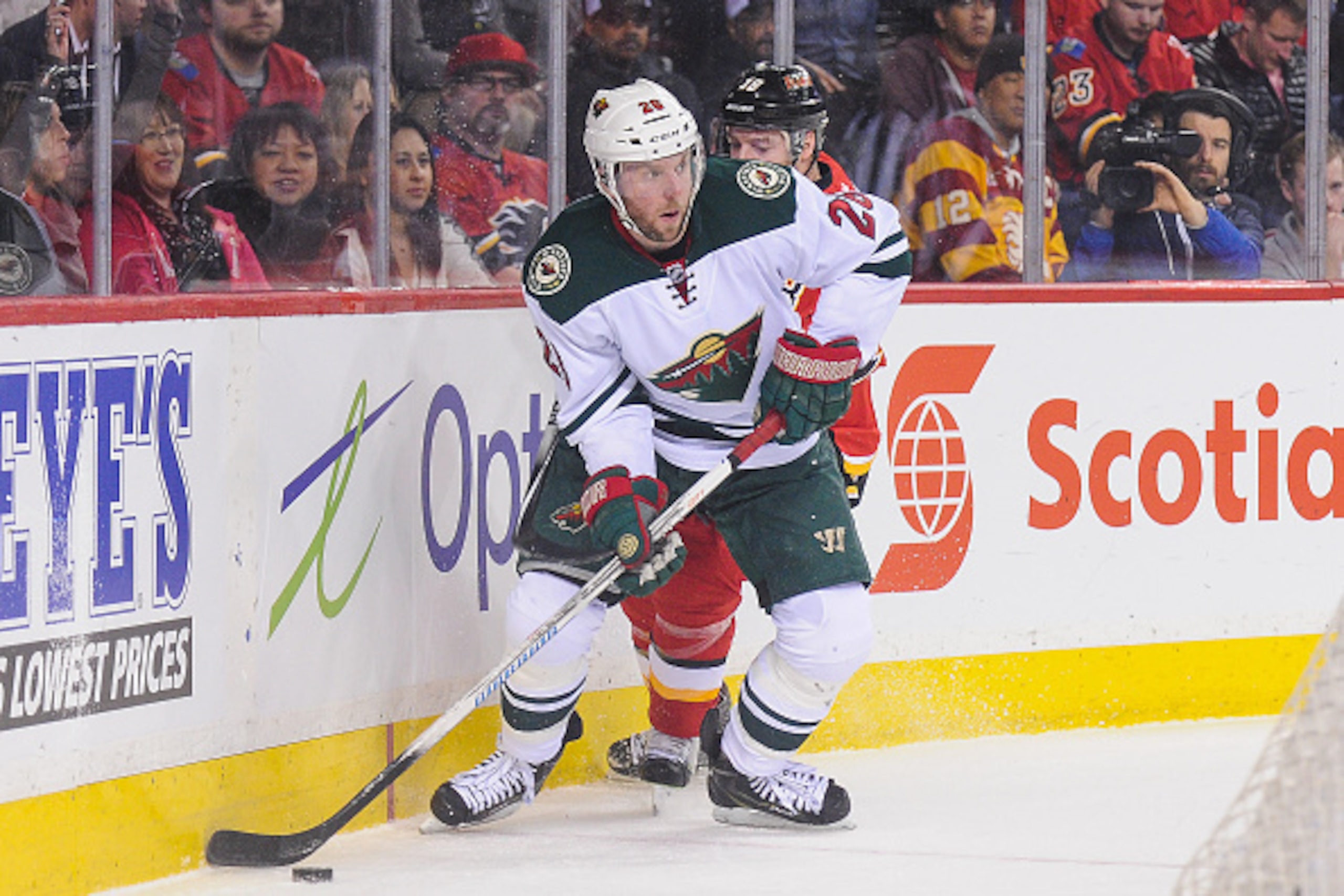
Offensive Play
Just two seasons ago, Vanek scored better than a goal every other game. It’s easy to forget that, but he remains a potent offensive weapon. He managed an exceptional 2.6 points/hour as he shuffled between three teams in 2013-14. He managed 1.9 points/hour in an off year last season. The critical thing is finding a role on the power play. He was phenomenal on the man advantage in Buffalo but lost his way in the last two years, first bouncing from team to team and then landing on an impotent Wild unit last year. If he can find the range there, 70 points is possible.
Defensive Play
The trouble with Vanek is that if he is not scoring, he is not helping. He’s always been a player whose defensive shortcomings have been overlooked because he scores goals by the truckload. If that offence dries up, he won’t have an NHL career.
Transition Play
Vanek is reasonably effective when it comes to skating the puck into the offensive zone. He’s less competent on the backcheck.
Overall
A one-dimensional player, Vanek is fortunate that the dimension he mastered early in his career was goal-scoring. That offence slipped badly last year, which might be the result of playing for a poor Minnesota power play, moving to a tough Western Conference or even just age (he turns 32 in January). He stands a reasonable chance of righting the ship next season.
21. Gustav Nyquist, Detroit Red Wings
31 of 51
Offensive Play
Predictably, Nyquist’s shooting percentage came tumbling down from the ludicrous heights it reached in 2013-14, but some dramatically improved work on the power play saved his season offensively. Two seasons into his NHL career, we’re still not entirely sure what he is offensively, save that he seems to be better than average.
Defensive Play
There’s nothing particularly remarkable about Nyquist as a defensive player. His best attribute is just that the puck spends lots of time in the right end of the rink when he’s on the ice. With that said, he is a Detroit-trained prospect, so it’s not like he’s entirely one-dimensional.
Transition Play
The Detroit school places a lot of emphasis on retaining puck possession, so it’s not a surprise to see Nyquist do well here. He holds on to the puck and pushes defenders back rather than simply opting for dump-and-chase hockey every time.
Overall
If there’s a reason for concern with regard to Nyquist, it should be his age. He turned 26 at the start of September, so he has less room to grow than we normally expect from a prospect with his level of NHL experience.
20. James van Riemsdyk, Toronto Maple Leafs
32 of 51
Offensive Play
The 2014-15 season was unkind to Van Riemsdyk in many ways, and his even-strength points/hour rate fell to just 1.5 after four consecutive seasons at 2.0 or better. We’re going with those four seasons as a more accurate representation of his true talent.
Defensive Play
Toronto’s first line was pilloried last year for its incompetence in the defensive zone, and Van Riemsdyk was a part of the problem. It’s really not as simple as looking at his grotesque plus/minus rating, but he’s a guy who is at his best when the puck is at the other end of the ice.
Transition Play
Although he’s more than competent when it comes to getting the puck inside the offensive zone, Van Riemsdyk loses a bunch of points here because he’s not particularly diligent on the backcheck.
Overall
Among Mike Babcock’s jobs as the new coach in Toronto will be getting as much as possible out of as many returning players as he can, and JVR seems like someone who could be a critical piece if he plays to his potential. He’s a 6’3” power forward more than capable of scoring 25-plus goals every year.
19. Scott Hartnell, Columbus Blue Jackets
33 of 51
Offensive Play
Rugged wingers don’t always age particularly well. Their style of play tends to take a toll on their bodies. So far, though, Hartnell has managed to avoid that particular problem. His even-strength production in 2014-15 was his best in three seasons and exceptional by any assessment. He continued to contribute on the power play as well. At age 33, things still look like business as usual, and business as usual is pretty good.
Defensive Play
Hartnell’s a veteran player, but he’s not especially good in the defensive zone. Case in point: He ranks in the middle of the Jackets’ pack in terms of on-ice shot attempts and high-danger chances against. Discipline is at times an issue.
Transition Play
Hartnell’s a meat-and-potatoes player, and his game through the neutral zone has the virtue of simplicity. He dumps and then chases. He is reasonably effective at the defensive blue line, however.
Overall
Great big (6'2", 210 lbs), physical wingers who can reliably score 20-plus goals don’t exactly grow on trees. Columbus took on some risk when it accepted Hartnell’s contract from Philadelphia, but so far, it’s paid off for the team.
18. Chris Kreider, New York Rangers
34 of 51
Offensive Play
It’s notable that Kreider improved his overall numbers year over year because his power-play production collapsed in 2014-15, but the combination of improvement at even strength and increases in ice time masked that fall. The fall itself looks fairly fluky. Kreider scored more goals on the man advantage but managed just a single assist. Our guess is that rights itself next year.
Defensive Play
As with most players at this experience level, Kreider is a work in progress in the defensive zone. Additionally, discipline is an issue at times. His penalty differential is not particularly good, which puts his team in a hole. Ideally, at some point in his career, he’ll be regarded well enough to kill penalties because his speed would be a real asset there.
Transition Play
As it turns out, Kreider is good at this. It’s not a surprise. He’s really fast, he’s listed at 6’3” and 226 pounds, and he has some moves with the puck. These are the kinds of qualities that NHL teams look for from their players in all three zones, but reach, speed and cleverness are particularly helpful in transition.
Overall
Fast, physical and talented, Kreider is one of the up-and-coming power forwards in the game of hockey. One thing to keep in mind is that he’s relatively old for his experience level—he was a 2009 draft pick—and so may not have quite as much room for growth as the typical player entering his third full season.
17. Jonathan Huberdeau, Florida Panthers
35 of 51
Offensive Play
A breakout season for Huberdeau could not have come at a better time for the offence-starved Panthers. After a lousy sophomore campaign, the young winger rediscovered his touch on the power play. Even better, he blew the doors off previous efforts at even strength, hitting 2.3 points/hour after two seasons of average scoring.
Defensive Play
Like a lot of young players, Huberdeau is still flawed in his own end of the ice. In particular, eliminating defensive-zone turnovers would help his team significantly.
Transition Play
Huberdeau is a bit of an oddity in that he’s a good transition player despite only middling speed. He’s hard on the puck—a quality which will eventually serve him well in all three zones—but more importantly, he thinks the game well and distributes the puck effectively. At either blue line, he’s valuable.
Overall
Our only real reservations regarding Huberdeau’s offensive game relate to his team. Florida has struggled for years offensively, and for Huberdeau to really take off, he’ll need support from a competent power play and aggressive linemates. Another step forward is a strong possibility.
16. Brad Marchand, Boston Bruins
36 of 51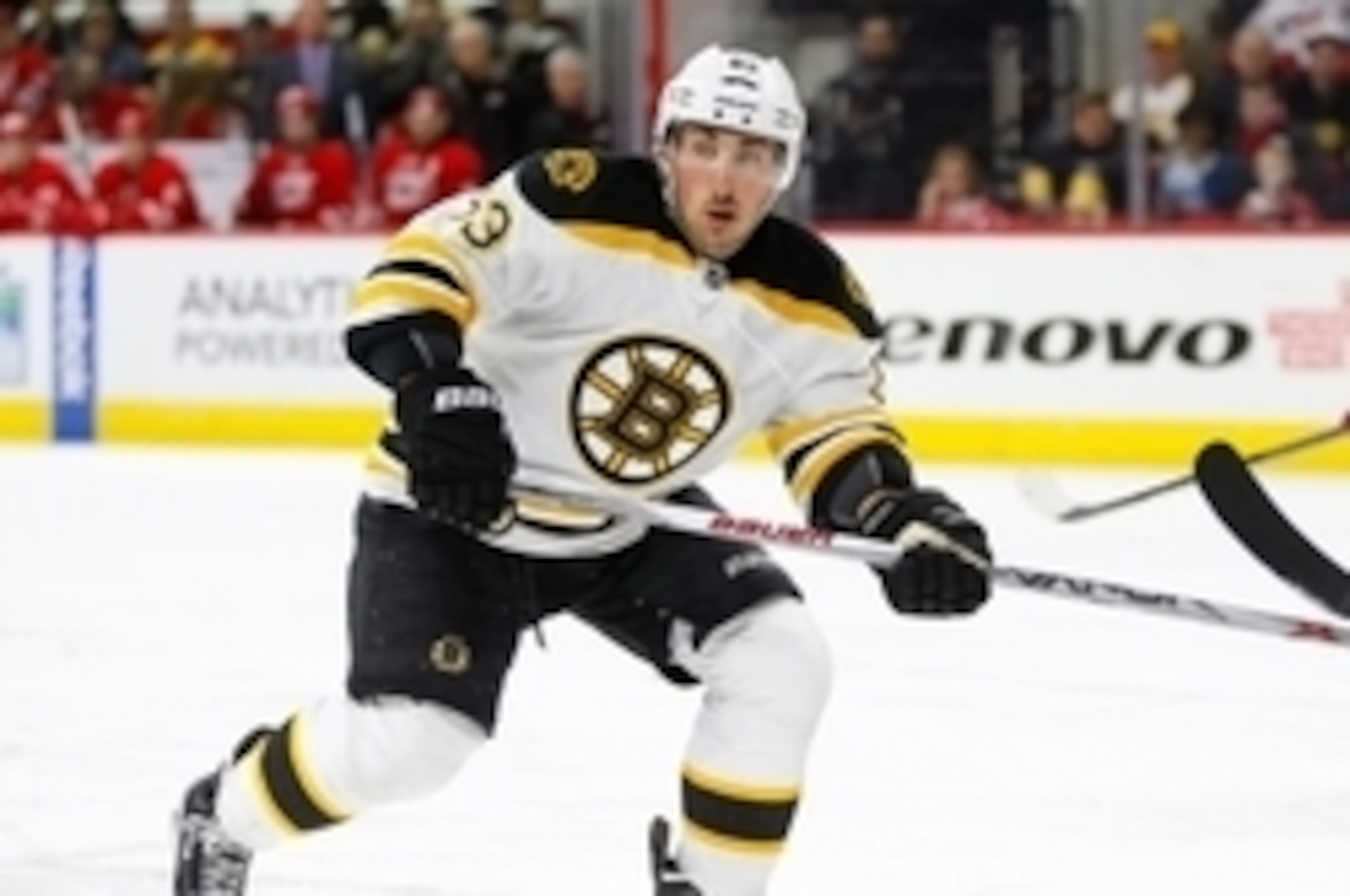
Offensive Play
It’s a shame that Marchand is so close to useless on the power play because his even-strength work is generally quite good. He managed just two points last season with the man advantage, but he scored 20 goals at even strength, the same amount as Jonathan Toews and one more than Evgeni Malkin managed. His rate statistics did soften last season, though. As much as his goal-scoring impressed, his 1.7 points/hour at five-on-five was only a touch better than the league average.
Defensive Play
Where Marchand really shines is on defence, though it’s worth remembering that he has the benefit of regularly playing with Patrice Bergeron. He’s a solid penalty-killer and regularly holds top opponents in check.
Transition Play
Much of Marchand’s strong two-way play stems from his work in the neutral zone. He and Bergeron both excel at gaining the opposition blue line while hanging on to the puck. That tendency always leads to better outcomes.
Overall
Although he’s best known as an agitator, Marchand is far more than that. He’s been the Robin to Bergeron’s Batman for years now and hasn’t just been riding his centre’s coattails. On merit, he’s one of the better two-way forwards in the NHL—at least at even strength.
15. Filip Forsberg, Nashville Predators
37 of 51
Offensive Play
There’s no question that Forsberg’s rookie numbers were brilliant. Now the challenge is to repeat them. After falling well below the point-per-game mark in the AHL in 2013-14, Forsberg shocked the hockey world with a 63-point rookie campaign last season—though that shock wasn’t enough to make him a Calder Trophy finalist. He scored well in Sweden, so his initial struggles in the American League were perhaps just a matter of getting adjusted to North America on and off the ice.
Defensive Play
Forsberg was a rookie winger playing on his off side for most of last season, so it’s not a surprise that at times his linemates had to do the heavy lifting defensively. He’s highly competitive and made strides in this area as the year went on.
Transition Play
The knock on Forsberg going back to before his draft year was skating, and while that part of his game has improved, it’s still not a particular strength when compared to that of other top-end wingers.
Overall
It remains stunning that Nashville was able to convince the Capitals to part with Forsberg in exchange for the services of Martin Erat. For Washington, it meant squandering the good fortune that had caused Forsberg to fall to them at No. 11 overall in the 2012 draft. For the Predators, it meant the arrival of a legitimately brilliant offensive talent on a team which has rarely had one over the years. His potential is simply incredible.
14. Evander Kane, Buffalo Sabres
38 of 51
Offensive Play
Six seasons into his NHL career, we’re still waiting for Kane’s breakout campaign. At the age of 20, he hit career highs in goals (30) and assists (27) thanks to some elite-level work at even strength, but in the three seasons since, he’s failed to equal that production. A fresh start should help.
Defensive Play
People outside Winnipeg might be surprised to learn that Kane has been a regular penalty-killer for years. Not only that, but his on-ice results are quite strong. His speed and size (6'2", 204 lbs) make him a logical choice for defensive-zone work.
Transition Play
The size and speed that make Kane formidable at either end of the rink also make him a natural in transition. He’s quick enough to outrace opposition defenders or get back if the puck starts heading in the wrong direction, and his reach is an asset when in defensive postures in the neutral zone.
Overall
Health has been a major problem throughout Kane’s career. He’s missed 10 percent or more of the schedule in every season except for the lockout-shortened 2013 campaign. That’s one of the reasons why his formidable potential has yet to be fully realized.
13. Daniel Sedin, Vancouver Canucks
39 of 51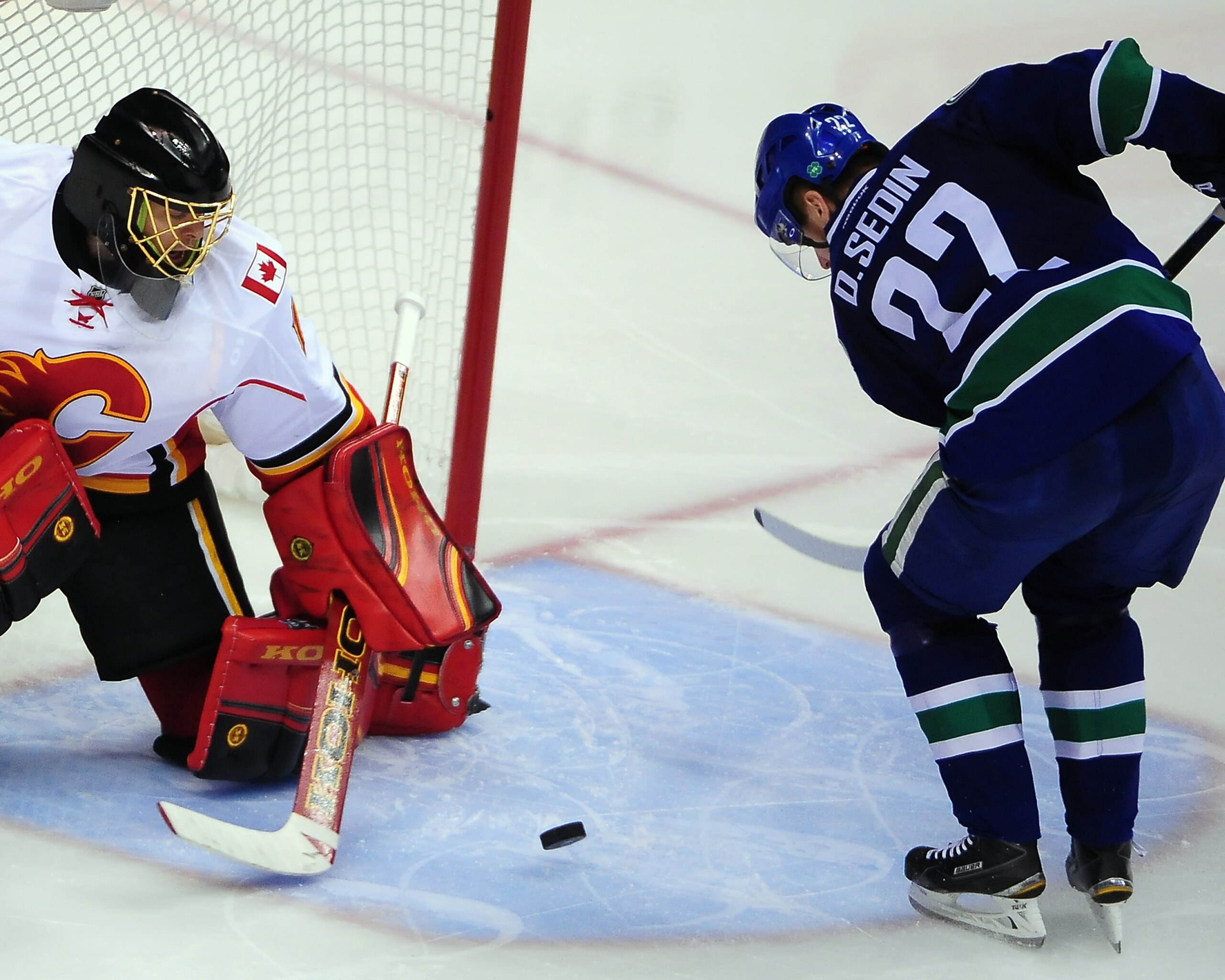
Offensive Play
Sedin enjoyed a bounce-back campaign after a disastrous 2013-14 season, and that is undeniably good news for Canucks fans. However, situationally the majority of the bump came on the power play, and at this point, the long-term trend at even strength is clearly deterioration. An additional concern is shooting percentage, as 2014-15 was the fourth consecutive year of decline at both even strength and on the man advantage. Snipers tend not to age well, and Sedin seems to be no exception.
Defensive Play
We’ve spent a bit of time on trends, but one reversed itself in 2014-15—and not in a good way. Since 2009-10, there has been a steady increase in the number of chances against/hour recorded with Sedin on the ice, a slide which continued even during the brief and tumultuous John Tortorella era. Last season saw chances against spike when Sedin was on the ice, and there was no corresponding increase in on-ice chances at the positive end of the ice. Some of that, it should be noted, was likely related to usage.
Transition Play
Although we don’t have years of data with regard to zone entries, it’s suggestive that Sedin’s Corsi numbers have eroded with time. His 2013-14 zone entry numbers were above average but not much better than that, and it’s hard to imagine they improved last year.
Overall
The twins turned 35 in September, and the gradual fade that every NHL player eventually goes through is impossible to miss. The end, however, is not yet; 76 points last season should make that abundantly clear. We’re projecting another step back as Sedin enters his 15th season but he’s still going to be an important player for Vancouver.
12. Milan Lucic, Los Angeles Kings
40 of 51
Offensive Play
At even strength, 2014-15 marked Lucic’s worst performance since his disappointing 2009-10 campaign—in which he scored just 20 points—a drop-off that likely had a lot to do with a long-term injury to regular centre David Krejci. Still, in four of the last five seasons, Lucic has scored 2.0 points/hour or better at even strength, and that’s easily first-line production. He’s never been a big power-play scorer, but he’s competent in that area.
Defensive Play
Discipline has always been an issue for Lucic. At his best, he’s physically dominant, but at his worst, he just takes too many penalties. Turnovers are an issue at times.
Transition Play
Despite a reputation as a lumbering skater, Lucic is really quite competent through the neutral zone. His size (6'3", 235 lbs) and strength allow him to bull through opponents, which is presumably why he’s comfortable carrying the puck rather than settling for dump-ins. He’s also combative at the defensive blue line.
Overall
On one level, it’s weird seeing Lucic skating for the Kings. On another level, though, it makes perfect sense. He’s a Western Conference-style player, and of the teams out West, few are more committed to the kind of rough-and-tumble, hard-on-the-puck game that Lucic plays than Los Angeles is.
11. Andrew Ladd, Winnipeg Jets
41 of 51
Offensive Play
There are only five players at this position who have played in at least 100 games and scored more points/hour at even strength than Ladd has over the past three seasons. He’s unfortunately not as effective on the power play. In the three years prior to 2014-15, he’s been a fringe first-unit player, and despite decent scoring numbers last season, it remains the weakest part of his game.
Defensive Play
Ladd’s reliable at both even strength and on the penalty kill. He’s the kind of winger any team wants in a power-vs.-power role. As with ex-teammate Evander Kane, his combination of size (6'3", 200 lbs) and speed makes him formidable in the defensive zone, and he brings a little more polish positionally.
Transition Play
There are two parts to Ladd’s neutral-zone game, one good and the other not as impressive. Offensively, he suffers from a lack of imagination. He plays a simple north/south game, and his team would probably be a little better off if he held on to the puck more often when crossing the blue line. With that said, his defensive work is excellent when the play starts going in the wrong direction. He gets back in a hurry and challenges on the backcheck.
Overall
Ladd turns 30 in December, so the odds are that we’ve seen his peak performance and the next few years will be characterized by a slow decline in his overall skills. We don’t expect a big drop this coming season, though. He’ll still be one of the NHL’s finest two-way left wings.
10. Jaden Schwartz, St. Louis Blues
42 of 51
Offensive Play
Not that there was much doubt, but Schwartz confirmed that his breakthrough 2013-14 performance was for real with a strong second effort in 2014-15. Once again, he topped 2.0 points/hour at even strength and his per-hour power-play totals also improved.
Defensive Play
Schwartz just completed his second season taking a regular shift on the St. Louis penalty kill. At even strength, his chance-against numbers deteriorated slightly and we have yet to see him put in a situation where he has to play top opponents every night. Still, we’re quibbling. He’s already quite good in this category and will certainly get better as he adds experience.
Transition Play
For an NHL player, Schwartz’s transition game is good. For an elite-level winger, it needs a little bit of work. He pays attention to detail on the defensive blue line but could be more devoted to retaining possession when entering the offensive zone.
Overall
Schwartz turned 23 in the offseason, and the year ahead should bring further development in his game. A breakout campaign is easily within the realm of possibility, which is both good news and bad news for the Blues. Obviously it’s good news on the ice, but off the ice, there’s just one season left on Schwartz’s two-year bridge contract and he’s likely to be much pricier this time around.
9. Zach Parise, Minnesota Wild
43 of 51
Offensive Play
The best even-strength shooting percentage year that Parise has had since joining Minnesota was enough to get him above 2.0 points/hour at even strength. That’s the first time that has happened with the Wild. However, like the rest of the team’s offensive stars, he was hurt by a misfiring power play and thus didn’t significantly improve upon his overall scoring totals.
Defensive Play
It was kind of a weird year for Parise, who has carved out a formidable reputation as a two-way player. Ever since his arrival in Minnesota, he’s been getting a lot of shifts starting in the offensive zone and that continued, but 2014-15 saw an uncharacteristic spike in terms of on-ice chances against. It also coincided with him getting bumped off the penalty kill. He’s still a plus player in this category, but perhaps not to the degree he once was, despite what his plus/minus might claim.
Transition Play
Parise is well above average in the neutral zone. He’s good at carrying the puck in offensively and good at supporting his defence so that the opposition can’t manage the same trick.
Overall
We expect a modest drop-off in performance from Parise this season. He turned 31 in July, and the next three or four seasons should see his offensive game erode slowly. He’s still a good scorer and solid two-way citizen, and we don’t expect that to change for some while yet.
8. Ondrej Palat, Tampa Bay Lightning
44 of 51
Offensive Play
The only thing holding Palat back from being a top-level offensive forward is power-play points. He has put up 30 goals and 64 assists at even strength over the last two seasons but just six goals and 16 assists on the power play. Some of that has to do with opportunity, but given that Palat’s offence regressed last season on the man advantage, that’s not the whole picture. Still, even if the numbers never come at five-on-four, he’s a formidable presence.
Defensive Play
There aren’t a lot of rookie forwards who draw Selke Trophy consideration, but Palat managed it in 2013-14. He’s been part of the Lightning penalty kill since he stepped into the NHL, and while he’s not yet at the level of a Ryan Callahan in terms of effectiveness in that department, he’s also just 24 years old. He could emerge as the NHL’s best defensive winger over the next few years.
Transition Play
As one would expect from a winger with Palat’s defensive reputation, he does a very strong job of breaking plays up at the defensive blue line. Compared to the average NHL forward, he’s also very good at carrying the puck into the offensive zone, but he has a ways to go before he compares with the league’s elite offensive talents in this regard.
Overall
A true two-way threat, it’s hard to believe that just five years ago Palat was being passed over for the second time at the NHL draft. The Lightning eventually claimed him in the seventh round of 2011, and just four years later, he’s firmly established as one of the top left wings in hockey.
7. Brandon Saad, Columbus Blue Jackets
45 of 51
Offensive Play
Anytime a player succeeds in Chicago, there always seems to be a question of how much of that success comes from the individual’s personal talent and how much comes from playing with some of the best teammates in hockey. So even though Saad has managed 2.0 points/hour over the last two seasons at even strength, there may be a fear that some of that owes to the long shadows of Toews and Patrick Kane. When we look at Saad’s numbers away from Kane and Toews, we see that fear is groundless. His scoring away from those two players stayed steady at around 2.0 points/hour—it was slightly higher with Kane, slightly lower with Toews in generally tough assignments. He very much stands on his own two feet offensively.
Defensive Play
Saad has been an integral part of Chicago’s penalty kill for the last couple of seasons, and he’s acquitted himself well. Additionally, while for the most part the advantages of skating with a player like Toews decidedly outweigh the negatives, it has meant that Saad has seen a lot more top-end opponents than players of his age and experience typically do.
Transition Play
Saad is very good—not far south of elite-level, actually—at both blue lines. He carries the puck into the offensive zone far more frequently than most NHL wingers manage, and he’s also good at getting back and breaking plays up before they reach Chicago’s end of the rink.
Overall
There’s a reason why Chicago’s decision to send Saad to Columbus was so shocking. This isn’t a complementary talent like a Viktor Stalberg, Bryan Bickell or any of the other forwards who have experienced temporary success with the Blackhawks. He’s a very good individual talent who can contribute in every area of the game, and he’s only 22 years old.
6. Alex Steen, St. Louis Blues
46 of 51
Offensive Play
Steen is a reliable contributor on both the power play and at even strength offensively. He’s topped 2.0 points/hour at even strength in consecutive seasons and in five of six campaigns overall since arriving in St. Louis. He also hit career highs in points/hour on the power play last year at the age of 30.
Defensive Play
In five of the last six seasons, Steen has received votes for the Selke Trophy, given annually to the NHL’s best defensive forward. If anything, the token smattering of votes he garnered understate the matter. Steen kills penalties, regularly outperforms tough competition and does so while starting more than his share of shifts in the defensive zone. He’s probably the best defensive player at his position in the entire league.
Transition Play
If there is a weakness to Steen’s game, it’s through the neutral zone, though some of that may be related to playing for a conservative Blues team. He’s good but not great at carrying the puck into the attacking end of the rink.
Overall
This is a wonderful hockey player, a superb two-way talent who rarely gets the recognition he deserves as one of the NHL’s best left wings. Now that he’s in his 30s, we can expect a gradual decline in performance, but the real shame is that he was so overlooked while in his prime.
5. Gabriel Landeskog, Colorado Avalanche
47 of 51
Offensive Play
We saw signs of real power-play life from Landeskog for the first time in his career last season. Unfortunately, those signs coincided with a 25 percent downturn in his point production rate at even strength. The knock on Landeskog has always been that he may not score quite as much as other players with similar draft pedigree, and in four seasons at the major league level, he’s had only one really high-end even-strength campaign and one high-end power-play season. If he manages to do both at the same time, he’s going to open a lot of eyes.
Defensive Play
A well-regarded two-way player from the moment he stepped into the NHL, Landeskog has continually shown the kind of attention to defensive detail that should make him a perennial Selke candidate in his prime years. He’s good at both even strength and on the penalty kill, though head coach Patrick Roy has oddly seen it fit to curtail his duties in the latter role significantly since he stepped behind the bench.
Transition Play
As one would expect, Landeskog’s two-way reputation applies in transition, too. He plays a strong possession game on the attack, and on defence he’s good at intercepting plays at his own blue line.
Overall
Landeskog is almost without peer in terms of how rounded his game is at the tender age of 22. He’s a big (6'1", 210 lbs) winger who thrives in traffic, can contribute on the attack and frustrates opponents to no end in the defensive zone. There are no significant holes in his game, and the only thing separating him from elite status is just that little extra bit of scoring. He still has time to find it.
4. Max Pacioretty, Montreal Canadiens
48 of 51
Offensive Play
Let’s leave the rate statistics alone for a moment and just look at goals. Over the last four seasons, Pacioretty has scored 124 times. That’s the fifth-best number in all of hockey. Among left wings, only Alex Ovechkin has tallied more. Among all NHL forwards, only Ovechkin and Steven Stamkos are more than a single goal per season better than Pacioretty. His playmaking game isn’t as incredible, but the man clearly knows how to score goals.
Defensive Play
For the first time in his career, Pacioretty drew some Selke Trophy love, which is probably as much a factor of his league-leading plus-38 rating as it is of more substantive factors—plus/minus, as always, being a largely garbage statistic. Of far more interest to us is his emergence as a regular penalty-killer. He scored three short-handed goals last season.
Transition Play
“Patches” really isn’t bad at gaining the offensive zone, though he’s nothing to write home about, either. In keeping with his work inside the defensive zone, he is good at breaking plays up near his own blue line.
Overall
Habs fans know what they have in Pacioretty, but the rest of the league has been slow to give the 6’2”, 213-pound winger the attention that he deserves. That seems to be changing, and at the age of 26, he has plenty of years of strong production in front of him.
3. Taylor Hall, Edmonton Oilers
49 of 51
Offensive Play
Exactly one left wing in the entire NHL has been a better five-on-five scorer than Hall over the last three seasons, despite a difficult 2014-15 campaign. Where he has at times had struggles is on the power play. He still scores at a first-line rate but hasn’t posted the elite numbers he has managed at even strength.
Defensive Play
Like a lot of wingers with a one-way reputation, Hall’s contributions on the defensive side of the puck have less to do with being perfect in the defensive zone and more to do with matching up against top opposition and out-chancing it.
Transition Play
Hall’s blazing speed gives him an advantage on most players in the neutral zone. His ability to make plays at speed makes him one of the better wingers in hockey at gaining the offensive zone while retaining possession of the puck, and though not particularly known as a backchecking forward, he breaks up his share of opponents' entry attempts.
Overall
There is a tendency in hockey to judge the individual by the performance of the team, and that penchant has led many to underrate Hall over the years. If the Oilers’ seemingly endless rebuild gets on track, don’t be surprised to see Hall’s reputation improve markedly. As it stands, few wingers in the game can match his dynamism.
2. Jamie Benn, Dallas Stars
50 of 51
Offensive Play
Along with Tyler Seguin, Benn is at the heart of one of the NHL’s most effective five-on-five scoring lines. Last year, his performance reached a new level. Benn’s 87 points were enough to lead the league offensively, and he captured his first Art Ross Trophy as a result.
Defensive Play
For all the attention that Benn’s offensive game (rightly) attracts, he’s a long way from being a one-dimensional talent. He averaged 1.5 minutes per game on the penalty kill last season, and Stars head coach Lindy Ruff clearly trusts him to get the job done at that end of the ice as well. He even received some Selke votes in 2014-15.
Transition Play
Benn is excellent in the neutral zone, but his performance sits just a touch back of some of the game’s other elite forwards. Relative to the average NHLer, he’s excellent at gaining the offensive zone while retaining possession, and he’s competent at getting back to break up plays at the defensive blue line.
Overall
There aren’t many players in the league who can score as well as Benn does. Add to that his defensive acumen, his 6’2”, 210-pound frame and his willingness to engage physically, and he’s a truly unique talent. He just turned 26 in the offseason, so he should be a dominant player for years to come.
1. Alex Ovechkin, Washington Capitals
51 of 51
Offensive Play
It is virtually undisputed that Ovechkin is the NHL’s most lethal power-play weapon. He has led the NHL in power-play goals scored for three years running and consequently also led the game in total goals scored in each of those seasons. If there is a criticism here, it’s only that Ovechkin has been diminished as an even-strength scorer over the last few years, scoring between 1.6 and 1.8 points/hour at five-on-five in three of the last four seasons.
Defensive Play
Ovechkin’s lack of defensive commitment is legendary, and while the criticism tends to be overplayed, it certainly has a basis in reality. Our metrics consider things like quality of competition and scoring-chance ratios, and by those metrics Ovechkin fares pretty well. As a rule, Washington outplays some really good opponents when he’s on the ice. For the most part, the old line about a good offence being the best defence applies here, even if he did make strides last year under new coach Barry Trotz.
Transition Play
There isn’t another left wing in the league who carries the puck into the offensive zone as frequently as Ovechkin does. A lot of his value comes as one of the game’s most capable players carrying the puck up ice. While not known as a backchecker, Ovechkin is also surprisingly involved in breaking up plays at the defensive blue line.
Overall
Some will frown at our designation of Ovechkin as a left wing, as he has famously spent time on both sides, but he is indeed back at the position he entered the NHL in. He is not by any measure a complete player, but his robust game and unparalleled goal-scoring ability make him impossible to ignore. The hardest thing to do in hockey is score goals, and nobody is better at it than Washington’s captain.
.jpg?w=2560 "Giants Jets Football")

.jpg?w=2560 "Projecting NFL Win Totals 🔮")
