5 Tactical Features of the Premier League Season so Far
The international weekend gives everyone a chance to look back and take stock of the Premier League season so far.
Tactics writers are no different, and there have been a number of notable features since the middle of August to consider.
Manchester City, Arsenal and Chelsea have all provided us with something to consider since the English domestic campaign began.
Let's take a look at five tactical features that have caught the eye in the 2014-15 season.
The Rise and Fall of the Back 3
1 of 5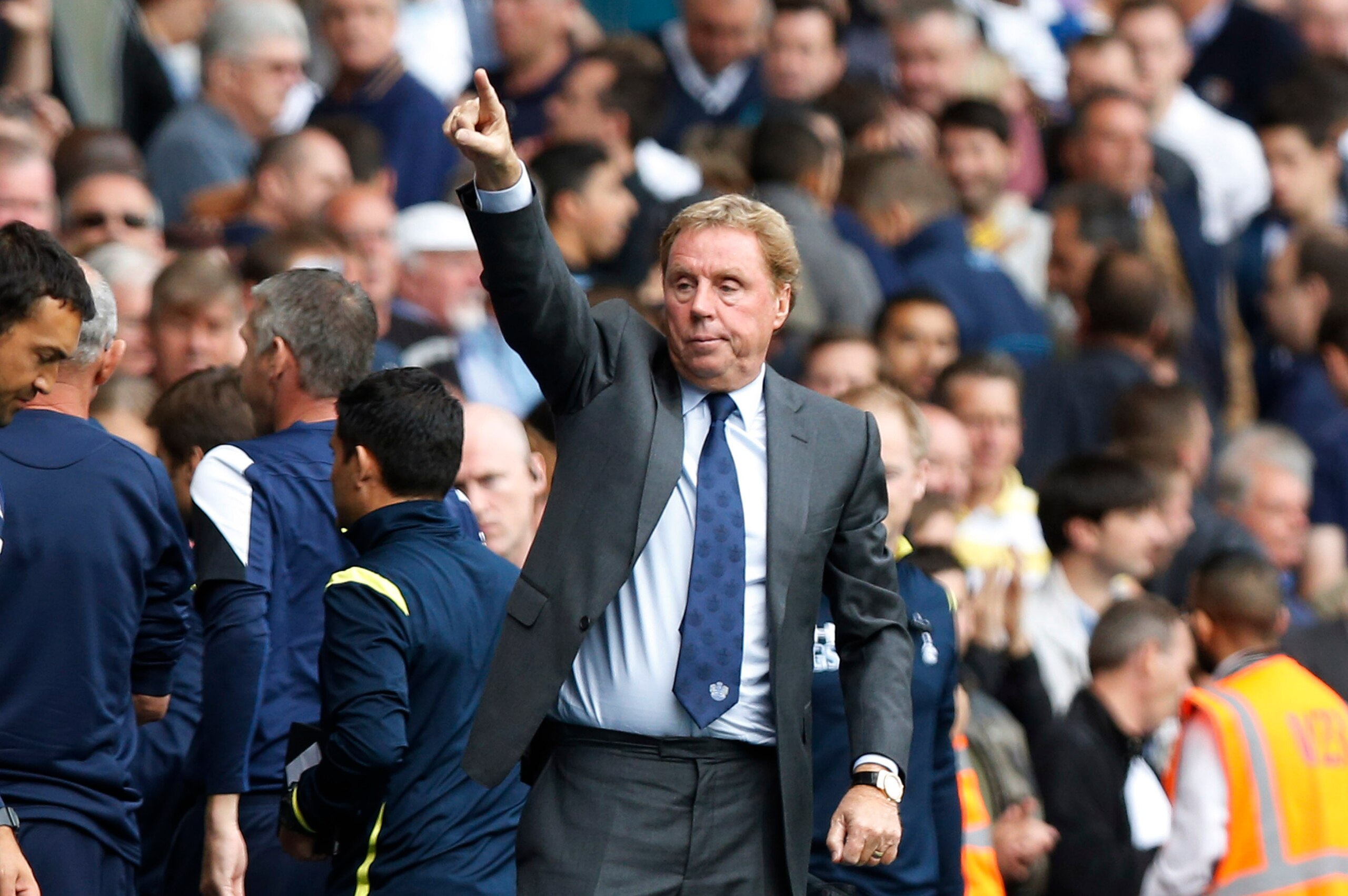
One minute everybody was doing it, then within a couple of weeks the back three was written off as some sort of fashionable nonsense and broadly rejected.
Perhaps the main reason for the reintroduction of the back three was offered by Harry Redknapp—not often noted as a great tactical sage.
The QPR manager wanted to play two forwards, but to do that meant he had to sacrifice a man in central midfield, which could lead to him being outnumbered there.
The back three, though—by amalgamating the roles of full-back and wide midfielder—allows a side to play a front pair and at the same time use three in the middle of midfield.
At Manchester United, Louis van Gaal turned away from the shape as soon as he had signed Daley Blind, allowing him to play a diamond—which is like a 3-5-2 with one centre-back pushed up and the two wing-backs dropped deep—but may revert to it when defenders return to fitness.
At QPR, Redknapp rejected the system because it turned out his centre-backs were too slow to play it.
Hull City, meanwhile, go on, flipping between a three and a four as required.
Manchester City’s Midfield
2 of 5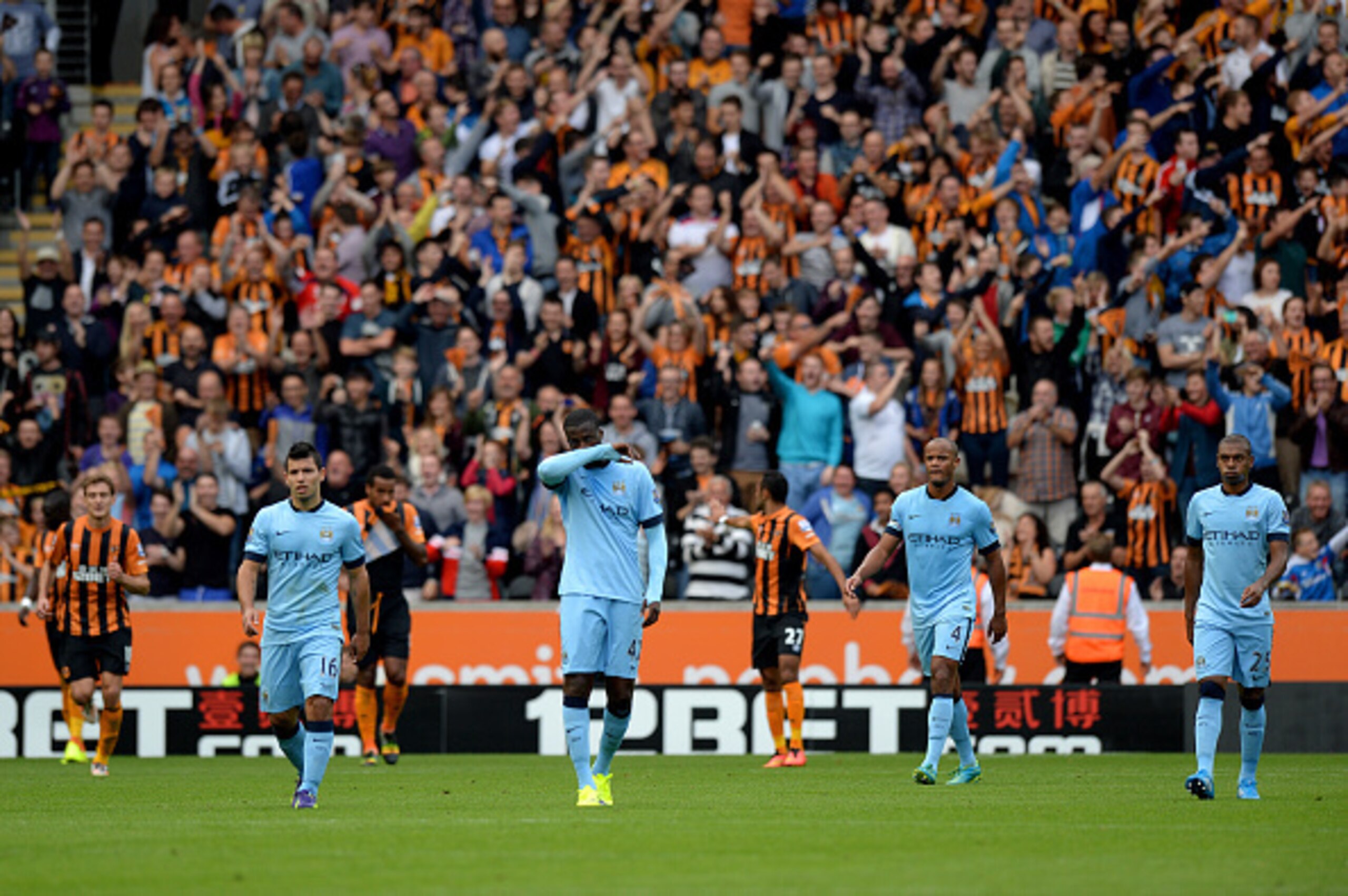
The problems with playing only two men in the middle of midfield have been exemplified by Manchester City, whose lack of midfield cover has made them look extremely susceptible on the break—something perhaps best seen in the goals conceded against Stoke City and Roma.
Their issue is at the back of midfield: Yaya Toure has looked lethargic, while Fernando and Fernandinho have both had injury issues.
Too often the piston system, whereby one of the central midfielders pushes forward and the other drops back, hasn’t worked, while Manuel Pellegrini has only rarely had all three available to field them together, as you suspect he’d like to do against higher-class opposition.
The Central Winger
3 of 5
The return of the diamond has been a notable feature of the start of the season.
For Manchester United, it is effectively an alternative to a back three, but West Ham and Liverpool both play it slightly differently.
Both teams have taken a player either known as a winger or whose attributes would more usually make him a winger—Stewart Downing for West Ham and Raheem Sterling for Liverpool—and deployed him centrally, attacking the space between two forwards drifting wide to create space.
It’s been effective, it seems, largely because it represents an injection of pace into an area where many teams are sluggish: most centre-backs struggle when somebody is running at them at pace.
The Back of Arsenal’s Midfield
4 of 5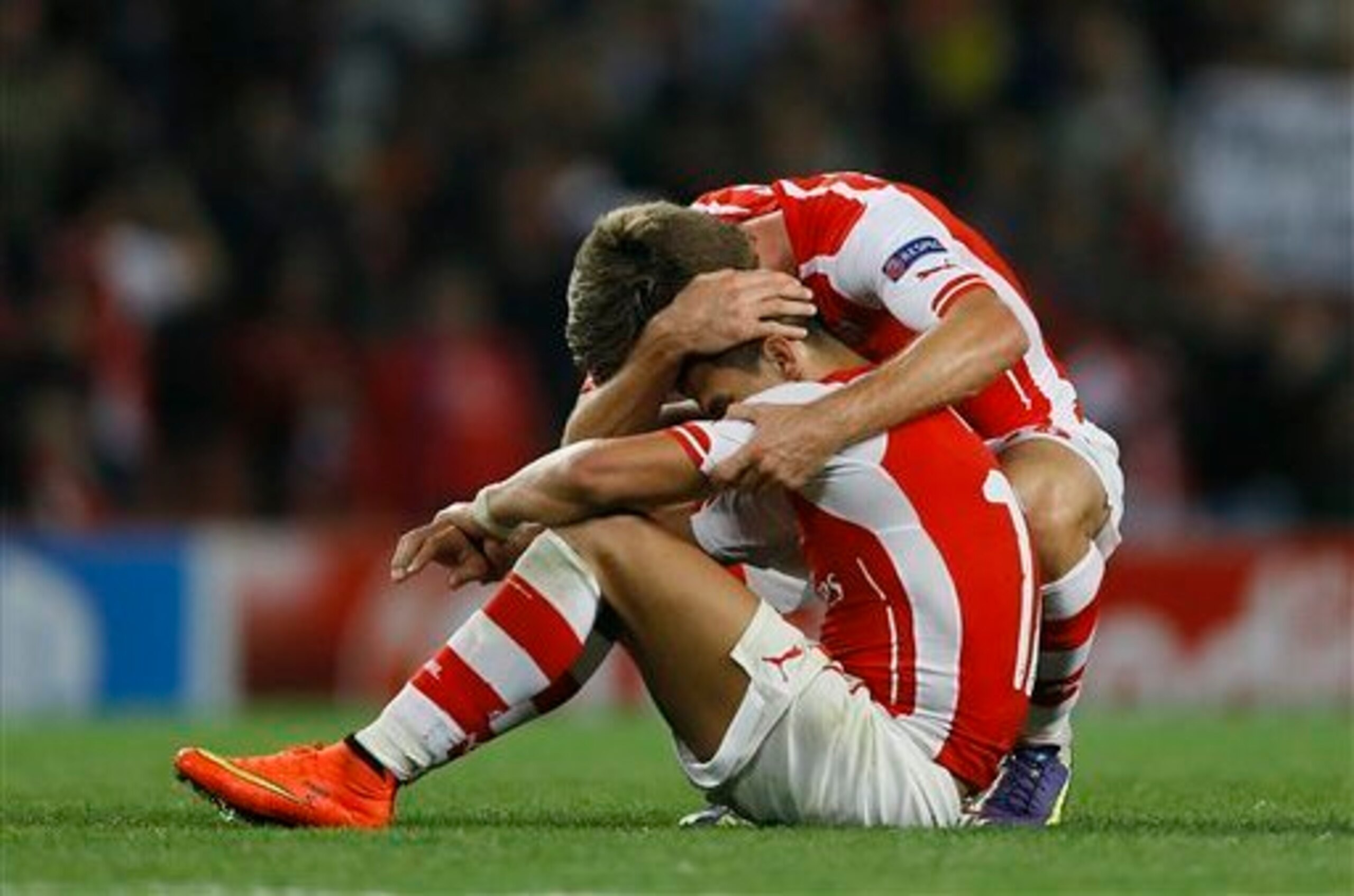
It feels almost banal to say it, so long has it been an issue, but Arsenal remain desperately short of dynamism at the back of midfield, an issue that, yet again, has been exacerbated by persistent injuries to key personnel.
And so the pattern endlessly repeats: promising results against lower and mid-table sides when they can impose their passing game but an inability to compete against better teams.
They’ll beat Crystal Palace and Aston Villa but will struggle against Borussia Dortmund and Chelsea.
Closing Down Fabregas
5 of 5
Cesc Fabregas has already registered seven assists this season, his range of passing exceptional and his understanding with Diego Costa remarkable given how little time they’ve spent playing together (even taking into account the fact they play together at national level).
Nobody yet has quite worked out how to close Fabregas down, perhaps in part because they’re trying to work out how to stop Diego Costa.
Part of the problem is that he doesn’t play in a traditional creator’s role, neither as a No. 10 nor as a regista in front of the back four but to the left of a midfield.
If a side devotes too much energy to stopping him, the risk is that Oscar is left free on the other side of midfield.