WWE: Why Chris Jericho's Imminent Return Is Bad for the Company
On January 2, 2012, Chris Jericho will likely be introduced to the WWE audience for a third and perhaps final time.
Since September 27, 2010—after being punted in the skull by Randy Orton—Y2J has been absent from WWE storylines.
In the intervening period, fellow WWE superstars have pilfered Jericho's moves and catchphrases. Not so coincidentally, the series of videos hyping his return have metaphorically alluded to the theft of his (school) work.
.jpg?w=2560)
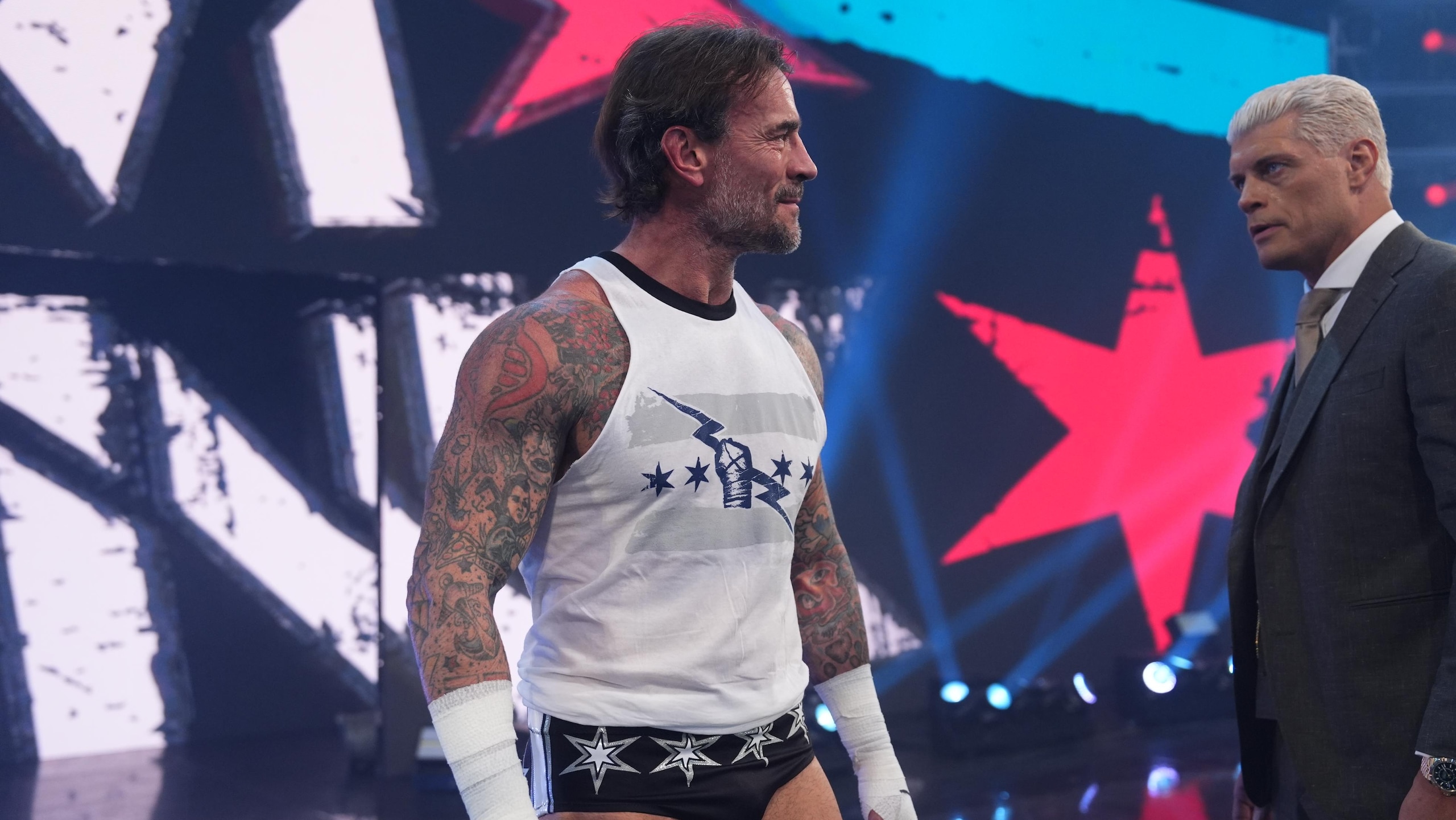
The most egregious of all has been CM Punk, who unceremoniously lifted the "Best in the World" moniker. Again, far from a coincidence, the last vignette before the unveiling happened to interrupt Punk's appearance in the ring.
Whether or not there is any plagiarism of one man's "original" content is not the issue. The heart of the matter, though, is that Jericho has been inveighing against such unconscionable "sins" on Twitter, drawing attention to them.
It has been enough to make the casual fan notice that something must be in the works, notwithstanding a sudden (but unlikely) case of delusion.
Yet, when Jericho does have his homecoming on the January 2 edition of Raw, his return—except for a temporary spike of interest—will do more bad than good for the WWE.
Five reasons stand out more than any other:
1) Once the honeymoon is over, it will become clear that Jericho's inclusion at the top of the card will hold back other wrestlers from breaking through.
After all, there are only a select few that occupy the main event scene—John Cena and Randy Orton being the foremost examples.
Jericho's reemergence into the WWE as a headliner will mean one less spot for a young and hungry WWE performer to fill.
2) Moreover, Y2J is no longer a spring chicken. He is a 41-year-old whose best days as an in-ring athlete are behind him.
Granted, his microphone skills might be more polished, but it will be a tall order to top his last stint in the company when he churned out the best promos of his career.
As a company, why would you shine the spotlight on someone who has maxed out his potential and has nowhere to go but down?
3) A more pressing dilemma for the WWE is that Y2J doesn't necessarily have the passion for wrestling he once did.
Why would it invest time, resources and money into a man who may once again leave on account of being burned out?
Not to mention, the "Ayatollah of Rock 'n' Rolla's" main avenue of interest is now his band Fozzy. It's no secret that his recent book Undisputed was more about his rock musings, tour locations and performances than the WWE.
What's the point of Y2J coming back if he's only going to leave, again?
It's impossible to have your investment pay dividends if it suddenly ceases to exist.
4) In addition, would Jericho really impact the company from a business standpoint? If The Rock could not substantially affect the bottom line, Jericho won't be able to do much better.
In fact, agreeing to pay Y2J the large sum of money he is certain to command is cash that could be better spent on a bevy of talent—from the international and independent scene—with upside.
The days of relying on superstars, their past accomplishments and overall name value are over.
5) Lastly, Jericho's return to the company communicates one very potent and dispiriting statement to the rest of the talent: "You're not good enough."
What does that mean?
For starters, the talent will feel betrayed.
Not only is it unfair to have someone pop back in at their leisure and be catapulted to the WWE's summit, but it imparts the notion that the company doesn't acknowledge or care about those who have been working their way up the proverbial ladder.
And to make matters worse, those who have worked tirelessly at their craft to finally get acknowledged—like Daniel Bryan or Mark Henry—will see the writing on the wall.
Jericho's imminent return conveys to them that the company lacks faith in their abilities to act as flag-bearers.
A company rises and falls to the degree by which the employees "buy" into the company's ethos. If morale plummets, the organization is not too far behind.


.jpg?w=2560 "Malik Beasley Negotiating Plea Deal (AP)")

.png?w=2560 "Week 8 Winners & Losers 📊")

.jpg?w=2560 "Aikman Blasts Cowboys WR 🫣")
.jpg?w=2560 "Jonathan Taylor Landing Spots")