
Baseball Pastoral: Best Ever To Play the Game
"You can't sit on a lead and run a few plays into the line and just kill the clock. You've got to throw the ball over the goddamn plate and give the other man his chance. That's why baseball is the greatest game of them all."
—Earl Weaver
Baseball is America—it is our game. Growing up, we all played it—some dreamed of playing it forever. Going to the ballpark is a tradition, a rite of passage, and a tribute to our great love of sports in this country.
TOP NEWS
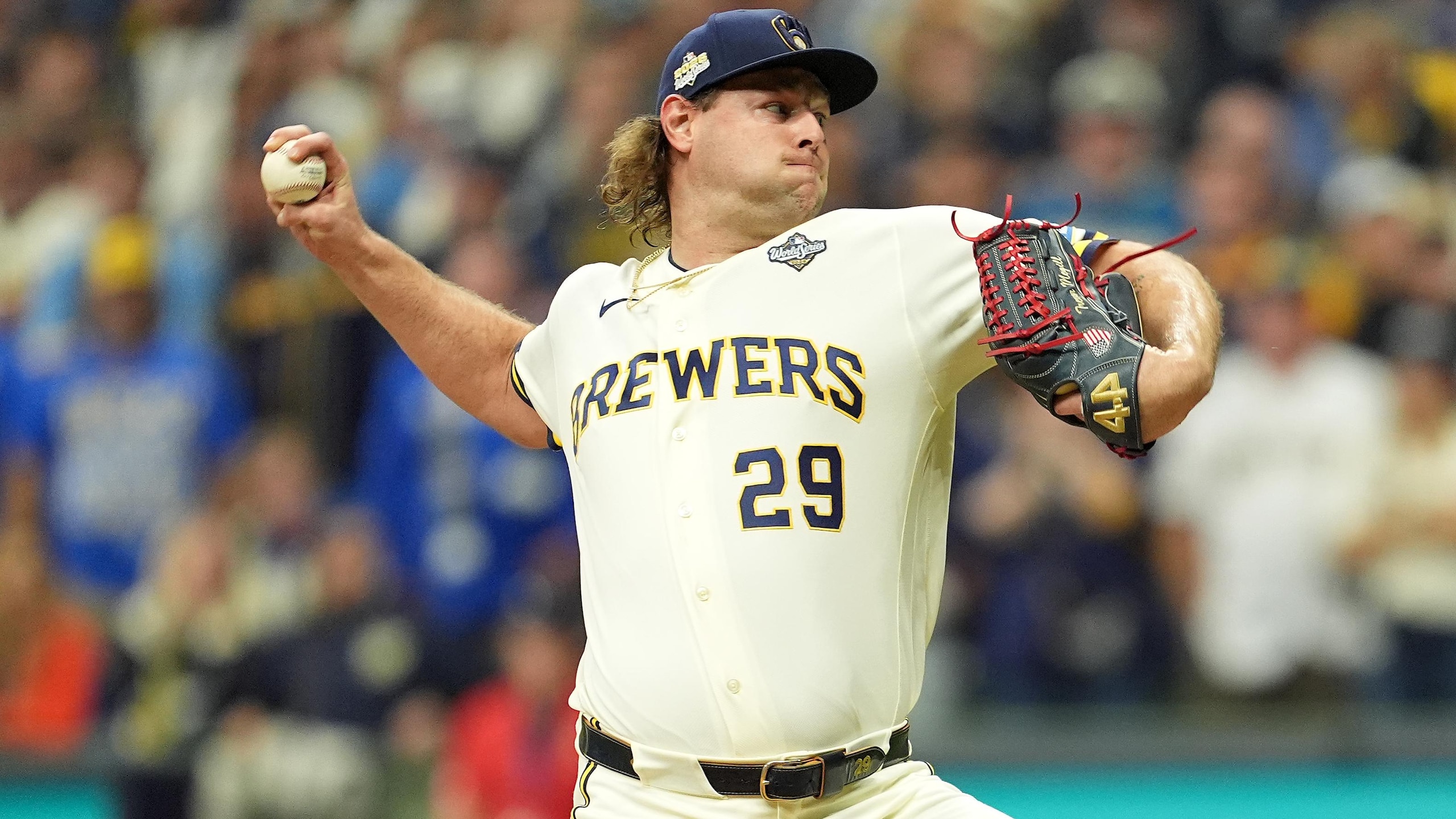
Megill Blasts Tropicana Field Roof

Latest MLB Trade Rumors 👂

Next MLB Players to Sign $200M Contracts 💰
As homage to the spirit and the humanity of baseball, Hollywood has created some first-rate films about it. You may count some of them among your favorites, like Bang the Drum Slowly, A League of Their Own, Pride of the Yankees, Bull Durham, Bad News Bears, or Field of Dreams.
But to me, the greatest work of art ever set in baseball’s kingdom is The Natural, by Bernard Malamud. I speak of the book and not the highly successful movie starring the ever-consummate Robert Redford.
(Editor's note: Beware—spoilers lie ahead...)
The book and the movie are allegories—fables, tales larger than life representing fundamental ideals centered on talent, potential, success, and failure. Where the novel and the motion picture depart is the difference between hard-hitting analysis and Disney.
Roy Hobbs is a natural—he has talent to burn. At age 19 on his way to a Major League tryout, Hobbs, on a bet, strikes out the story's Babe Ruth figure, Whammer Wambold, in three pitches. Where upon a strange woman who when hearing him declare that he is “going to be the best that there ever was in the game,” entices him to her hotel room where she shoots him.
Fifteen years later Hobbs emerges as the “old” new outfielder for the Knights, a fictional major league team located in New York. The team’s manager Pop Fisher is skeptical of Hobbs’ talent and at first he refuses to use him.
Pop Fisher’s partner is a crook named Judge Goodwill Banner who is trying to drive Pop out of the Knight’s dugout and out of the game for good. Hobbs, however, using the power of his homemade bat, Wonderboy, leads the Knights out of the cellar and into fame, as they steal the division lead.
Soon, however, Hobbs becomes smitten by Pop's lovely niece, Memo, spending considerable time with her and her friend, the gambler Gus Sands over the course of the season. Eventually his obsession for Memo, and his need for adequate cash to keep her in the style she desires, once again leads him astray from his quest.
His quest, according to Malamud, is to fulfill his promise and live up to his god-given talent.
In the end Hobbs finally strives to redeem himself, and Pop. It is too late; the gods reveal that he has lost their favor when his hand-hewn bat, Wonderboy, shatters in the final game of the season.
The natural gifts desert him in his moment of trial. Hobbs disdained the favors of the gods he and pays a terrible price.
Malamud rebukes his main character for the waste of his gifts. Those who are blessed with enough speed, power, agility and intelligence to excel at baseball and who are treated and respected as gods—owe it to society to live up to the promise of their talent. Hobbs failed.
We see such failure in professional sports all the time—those with enormous talents throwing them away for selfish preoccupations with drugs, fame or money. Darryl Strawberry, famed slugger with the New York Yankees threw away a life-time of achievement and fame hooked on cocaine and its diabolical threads.
Then you have Doc Gooden whose pitching arm was the stuff of legend until injury and cocaine came calling. Pete Rose lost his legendary status when convicted of betting on baseball...a league equivalency of heresy and treason.
In football the most egregious is Michael Vick, quarterback for the Atlanta Falcons, currently serving time for operating a dog-fighting ring. In NASCAR you have Shane Hmiel who was banned for life from the sport after failing his third drug test.
Malamud pierces our stereotypical view of baseball by detailing owners such as Judge Goodwill Banner who is only interested in profit, unlike the Manager Pop Fisher. Baseball owners today are rightfully concerned with the bottom line—some to the detriment of the team and its fans—some to baseball itself.
The media did not escape Malamud’s scrutiny and scathing assessment. Ultimately, sports writer Max Mercy who initially met Hobbs on that fateful train to Chicago and who witnessed Hobbs striking out the Whammer—pursues Hobbs upon his return to baseball in an effort to uncover his identity—because Mercy does not remember him from that event over 15 years ago.
In the end, Mercy is the one who destroys Hobbs. He is the press, the media of today with a manic need to create heroes on the one hand in order to watch them fall.
Malamud published The Natural in 1952. It was an immediate literary success.
The contrast between the film and the severe indictment by Malamud on the written page are striking. This is, perhaps, the difference between the real world of baseball and our perceptions of it.
Perhaps, we choose to see it through rose-colored glasses because it represents our memories of finer days and more luxuriant pastimes. As George Carlin points out—baseball is pastoral—it is quaint...played in a park on a grass field.
Most people today are aware only of the film. At the end of the book, Hobbs strikes out when a “naturally” talented pitcher throws the ball past him.
In the movie, Robert Redford hits a home run and saves himself, his family and the team. God Bless America…Hollywood goes for the happy ending and perhaps baseball does too. It is what the public demands. Heroes aren’t supposed to fail...not in America...and especially not in baseball...


.jpg?w=2560 "Raiders Could Start Mendoza")
.jpg?w=2560 "Rodgers Iced Out on Plane 💎")

.jpg?w=2560 "🚨 Week 8 AP Top 25 Poll")

