
Nationals Dodge A Bullet
Stan Kasten was ready to break the bank. Having just recently taken over the club, he saw enough young players blossoming within the farm system that a young slugger might —just might—take the team to the promised land.
The young man had just completed a stellar season, hitting more than 30 home runs and driving in more than 100 runs while playing a flawless first base. He was without a doubt the most prized free agent in his class. The offer made by Kasten and his general manager almost quadrupled his salary.
The rest, of course, is history.
TOP NEWS
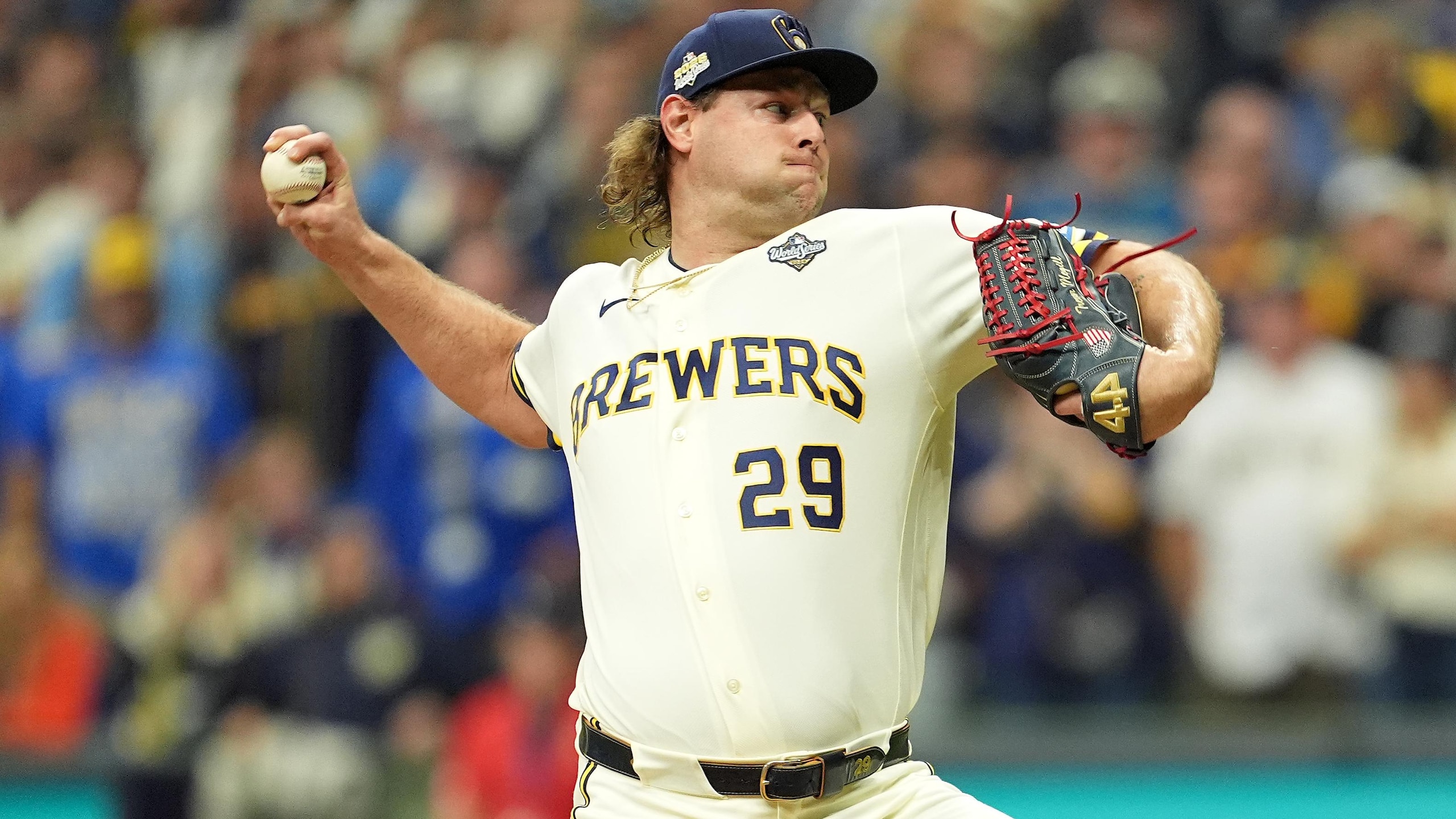
Megill Blasts Tropicana Field Roof

Latest MLB Trade Rumors 👂

Next MLB Players to Sign $200M Contracts 💰
Nick Esasky became a Brave.
In his previous eight seasons with the Reds, Esasky hit 122 homers in 2,703 at-bats. The rest of his career consisted of six singles in 35 at-bats in 1990.
Nick Esasky was diagnosed with vertigo and his major league career was over.
And that was that.
Of course, he kept on cashing those $2 million dollar paychecks through the 1993 season while the Braves had no one to play first base. They ultimately called up outfielder David Justice from the minors and handed him a first baseman's glove. He averaged an error every seven games and ended the season with a fielding percentage eleven points below the National League average.
The Braves moved Justice to his natural outfield position in 1991, but had no one in the farm system to take his place at first. With no other options, they signed another free agent first baseman, Sid Bream. Bream, however, was no Nick Esasky, having hit just 15 homer runs for the Pirates the year before.
Bream was a below-average hitting major league first baseman, yet his contract ended up costing the Braves more than slugger Nick Esasky's.
The Braves overpaid because they had no other options. That the Braves went from worst to first in 1991 and played in the World Series was with no thanks to Sid Bream. He ended up platooning with Brian Hunter for most of the year, batting .270-15-70 with a .736 OPS.
If Mark Teixeira becomes a non-factor for the Yankees over the next eight years, the team would simply sign another stud first baseman. The $184 million he'll get paid is little more than a number on a ledger sheet to the Yankees. They'd bemoan the loss of production at the plate and not give the money a second thought.
But the Nationals would be a different story. Texeira's salary would have been roughly a third of the team's payroll next year. To the Nationals, he would be irreplaceable. The Nationals wouldn't even be able to afford this generation's Sid Bream.
"Batting fourth for the Nationals and playing first base, the lucky fan with ticket number ....."
The Lerner's now have the opportunity to regroup and reassess. By losing, they have won.
A word of warning to the Nationals' front office, however. Jim Bowden has publicly said that Nats' fans should not assume that the team will now spend the money saved by not signing Teixeira on other players.
Jim, that's the worst possible decision. After dangling Mark Teixeira in front of our noses all winter, and then not signing someone else will be a disaster. It would be like trying to buy your 8-year old this wonderful gift he wants, but because it was sold out at the stores, you decide to buy him nothing at all.
It wouldn't go over well, either under the Christmas tree or at first base.
Trust me.
NATS NOTES: The Nationals signed a bunch of guys named Joe shortly after losing out on Mark Teixeira. The player that jumped out at me was Jorge Sosa who pitched the last two seasons for the Mets.
Sosa's big year was in 2005 when he went 13-3, 2.55 for the Atlanta Braves. Since then, however, he's returned to the garbage bin of organized baseball from whence he came. He went 4-1 last year but had a 7.06 ERA in 21 innings.
Not good.
So why even mention him?
Sosa is poison to right-handed hitters, using his 96-97 mph fastball and good control to keep them off balance. Lefties, however, chase him to the showers every time.
Look at his career splits:
Vs. Righties: .232 batting average against, .298 OBP, .674 OPS
Vs. Lefties: .300 batting average against, .357 OBP, .896 OPS
This is just a guess, mind you, but I have a feeling that Sosa is going to be a middle reliever for the Nationals and a right-handed specialist.




.jpg?w=2560 "Raiders Could Start Mendoza")
.jpg?w=2560 "Rodgers Iced Out on Plane 💎")

.jpg?w=2560 "🚨 Week 8 AP Top 25 Poll")

