
Conference Realignment: The 6 Likeliest Targets for Big Ten Expansion
College football fans waking up Saturday morning sipped their coffee and saw that Texas A&M and possibly three other teams were leaving for the SEC, and that a plus-one BCS bowl, the first step to a playoff, was more likely to happen.
Just another sleepy, August Saturday morning, right?
Sources at the school have confirmed the Aggies will be leaving the Big 12, guaranteeing the SEC will have at least 13 teams. It’s almost a given that the SEC will balloon to 14 or 16 teams within a year or so.
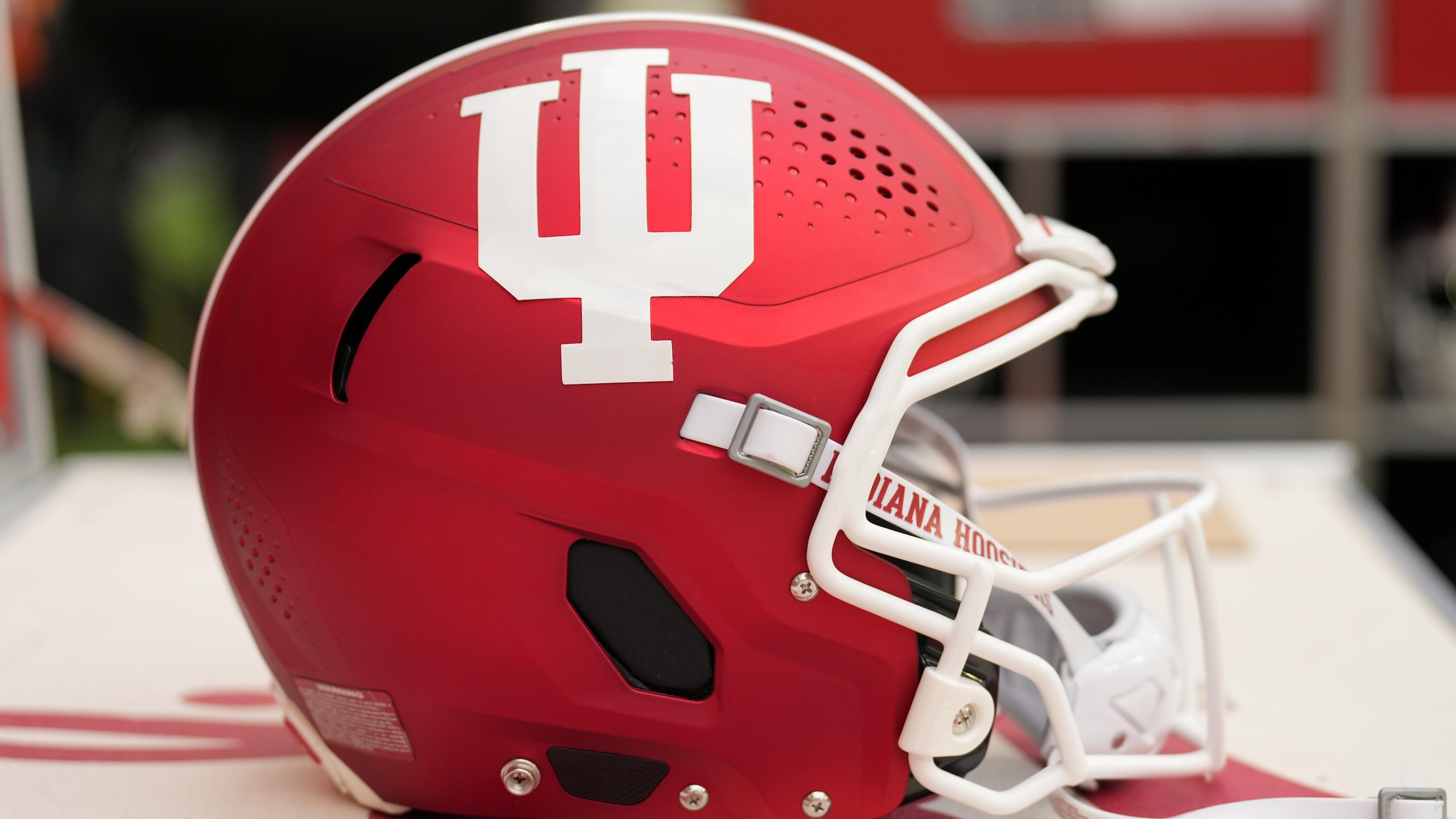
Jim Delaney told the Chicago Tribune that “we’re about as comfortable as we can be with where we are” regarding the makeup of the B1G Conference. But Delaney’s a cagey guy, and if a 16-team SEC makes them even more dominant in college football, he’ll be on the hunt to keep the B1G competitive.
So, if the B1G were to expand again, let’s take a look at which schools would be Delaney’s targets.
Notre Dame
1 of 6The Fighting Irish are the B1G Conference’s white whale, the school that the B1G will continuously pursue.
Geographically and culturally, Notre Dame would be a perfect fit in the conference. But the Irish cherish their independence, and it’s difficult to see how surrendering that independence to join a conference would make financial sense for Notre Dame.
So if the B1G expands again, Notre Dame will get the first phone call, but will be unlikely to say yes.
Missouri
2 of 6When looking at conference expansion, the primary criteria is whether the school can expand the television markets that the conference (and the Big Ten Network) can be seen in.
Adding Missouri would bring the BTN into the Kansas City and St. Louis markets, which would not be insignificant additions. Missouri is also a fertile recruiting area and makes geographic sense for the other conference members.
Rutgers
3 of 6Yes, the Scarlet Knights have a great history in college football. And yes, under Greg Schiano Rutgers has enjoyed more success than they have in recent years.
But Rutgers would be an attractive target for the B1G, primarily as a means to get the Big Ten Network into the New York marketplace. Geographically and athletically, Rutgers isn’t as good a match as other schools, but the allure of the Big Apple might be enough to make the B1G interested.



Virginia Tech
4 of 6The Hokies have a number of qualities that would be attractive to the B1G Conference.
The Virginia-Maryland area has a large enough population to make expansion into the market an attractive proposition. The area is also a fertile recruiting ground, which would be advantageous for B1G schools. Under Frank Beemer, the Hokies have grown into a nationally-respected and competitive program.
Virginia
5 of 6The Cavaliers bring many of the same advantages to the B1G that Virginia Tech does, specifically a large population base and a fertile recruiting area. Virginia doesn’t bring the same prestige as Virginia Tech does in football, but the Cavaliers have enough of what’s important to warrant a look from the B1G.
Maryland
6 of 6The Terrapins are nestled in the same general area as Virginia and Virginia Tech, so the advantages that the other two schools would bring to the B1G are shared by Maryland—large population base and fertile recruiting area.
Maryland, like Virginia and Virginia Tech, isn’t as close a match from a geographic and philosophical standpoint to the B1G Conference, but if expansion becomes important, the advantages of these schools could outweigh the other concerns.
Like what you read? Follow me on Twitter @patrickrunge (note the new Twitter handle) to track my thoughts and observations about college football—and one or two other topics —throughout the year!
And if you would like to contact me directly to schedule an interview, ask a question or to get my recipe for a killer peach cobbler, you can send an e-mail to patrickrunge@gmail.com. (DISCLAIMER: Peach cobbler recipe might not be all that killer.)




.jpg?w=2560 "Terrell Owens Being Sued for Defamation")

.jpg?w=2560 "CJGJ Shares Cryptic Post 🤔")