
NBA Lockout: 10 Ideas To Bridge Labor Dispute Gap, Save Season
The one thing players and owners can agree on in the NBA’s 39-day-old work stoppage is that they disagree on everything. That includes—much to the chagrin of the sport’s supporters—whether the two sides should even push to salvage the season.
The hard-line bosses want the league’s new collective bargaining agreement to resemble the NHL’s restrictive document. That requires a hard cap and crippling salary givebacks middle-class players cannot stomach. The small-market bulldogs would rather save jet fuel and operating expenses than host any games under current rules. They contend they can pocket more cash by slashing the upcoming campaign.
This dogmatic, ruthless approach at the bargaining table portends fragmentation amongst the owners, if there isn’t any already. Micky Arison, Jerry Buss and Mark Cuban all raked in significant profits, and two of those tycoons’ franchises squared off in the NBA Finals. As the dreaded termination dates draw closer, will they remain dedicated to a plan that, if executed, would destroy several of their competitive advantages?
How much does Cuban want to help, say, Glen Taylor in Minnesota reach the same rung as his Mavericks? More revenue sharing—a must for buyer equity—and a hard cap would decrease payrolls and increase parity. Whether the NBA can and should traverse the NFL’s route is a question fit for another column.
Agents continue to lobby Union Chief Billy Hunter to decertify. Pressing that nuclear button might blow the last vestiges of hope for a season to bits. A union considers decertification when it wants to invoke anti-trust laws against its boss. In this case, the players would seek to lift the lockout via a court ruling. The agents want the work stoppage declared illegal. Hunter, thus far, has invited them to stick that idea where the sun doesn’t shine.
As fans and pundits witnessed with the NFL’s labor situation, the loser in a judge’s decision can appeal and trample the other side’s euphoria in a matter of weeks, if not days. Given the much more contentious nature of the NBA’s tiff, further court dueling and jockeying will not yield a speedy resolution. It would throw the endangered campaign into a pit of quicksand and threaten all roads to progress with nails and molasses.
Enter this column—the umpteenth attempt by a hoops scribe to manage some good-faith negotiating on behalf of the distressed, miles apart sides who should be sacrificing instead of balking. This is not a mock CBA. Writing one would require years of law school and a legal vocabulary loaded with jargon few on any online sports hub would want to read. Instead, this column presents ideas and suggestions.
One popular inclusion requires a trip down kindergarten memory lane. Several are renegade enough to prompt debate. A few of these might not make sense in a governing document. If nothing else, thinking up solutions to this headache-inducing clash of ideals was worth a shot.
One word defines my proposals: sacrifice. Both sides must make concessions to get a deal done. No one walks away from this unscathed or undefeated. An all-too-public business negotiation after a double-dip recession will hurt by default. Pain is both necessary and productive.
My advice to the players expecting mere alterations to the cap: find another line of work and a cure for that naiveté. My advice to the owners moaning about problems they helped create: go cry alone in that house you bought in the Hamptons.
I devised the fairest pitch possible. Beneath the description of each recommendation, I noted that bullet point’s probable beneficiary.
Split 'BRI' 50-50
1 of 11The league apportions 57 percent of its basketball-related income to players, and the owners gobble up the remaining 43 percent. Some bosses want to flip that figure. Instead of pushing an outrageous 61-39 reverse division, why can’t the two parties embrace the kindergarten concept of sharing?
The provision should allow the rate to change back in the players’ favor if the teams’ profit margins also increase. Grow up, Robert Sarver and co. Fans pay to watch Steve Nash dazzle with dizzying dimes. No one forks up a few grand to see you scowl from a courtside seat. A 50-50 split acknowledges the risks both sides take as NBA investors and trumpets their vital yet differing functions in keeping the sport afloat.
Who Wins? Both.
A Harder Cap with One Exception
2 of 11Players loathe the prospect of a firm salary ceiling. It scares the supporting cast members making the average $5 million per year more than The Exorcist. Union President Derek Fisher knows his middle-class peers will absorb the brunt of the cuts. The board’s altered composition, therefore, has changed this fight’s complexion. The players’ newfound preparedness and certitude will test the owners’ resolve and endurance.
This proposition remains the epicenter of dissent. Owners demand it as a means of protection from themselves. Players have politely suggested their chieftains grow a brain when authorizing personnel decisions. Profitability is not as simple, though, as not handing Rashard Lewis an obscene $100 million deal.
Restraint is impossible in many cases because talent evaluators lack a scientific means to determine if a draft pick or trade or free agent acquisition will deliver on his promise. All a GM can do is examine the evidence and make an educated projection. How was Spurs exec R.C. Buford supposed to know Richard Jefferson would prove such a poor fit? The transaction, at the time, seemed like a brilliant way to resuscitate a stumbling San Antonio offense and a weakened defense.
A hard cap does not equate to the bogeyman in this instance. Here’s my thought: set the cap at $70 million. The owner who floated $46 million as a possible number let some important medication relapse. Please kick that drug habit, sir.
A $70 million cap would force Jerry Buss to spend closer to what the embattled Maloof Brothers do in Sacramento without penalizing the athletes who earn what they make. The figure would also ensure the short-term viability of Miami’s Three Me-Egos. A lower cap might jeopardize the existence of that paralyzing, moneymaking, All-Star congregation.
I say lacerate most of the exceptions that have caused payrolls to balloon in Dallas and L.A., but keep one. I’ll explain why below. Does anyone really understand how a trade exception works? Even CBA guru Larry Coon admits the document does not specify enough why they exist or how they work. The roster improvement tool works like spending cash, but how often have GMs used it to acquire a game changer?
The league should also ditch the following: the mid-level, veterans, hardship and injury exceptions. Front offices have invoked the mid-level to fetch such valuable contributors as Antonio McDyess and Ron Artest. They have also abused it by grossly overpaying 11th and 12th men who cannot live up to the burden of that contract status.
Who Wins? Owners
Use "Bird Rights" as a Makeshift "Franchise Tag"
3 of 11Why, then, should the NBA keep the Larry Bird exception that allows teams to exceed the cap to sign their own free agents? Simple. The splendid idea’s continuance will help small-market chiefs hang on to their franchise stars.
It would shock me if Rich DeVos has not piped up at meetings to voice his concerns about losing Dwight Howard via the 2012 open market. Judicious use of this mechanism can assist lower revenue outfits in staying competitive with the other big boys.
The Spurs may regret doling out nearly $39 million to re-sign Jefferson last year, but does anyone think DeVos would mind shelling out the maximum money allowed to retain his roster’s anchor and financial linchpin?
Bird rights should supplant a franchise tag. Though each device works in a different way, they strive to accomplish the same goal.
Owners deserve the right of first refusal. Players deserve the right to take less money if a better situation presents itself.
The NBA would need to impose limits on how many times a GM could invoke the surviving exception per offseason. How about once?
Who Wins? Owners, even if some do not see it that way

Introduce a Lottery Penalty
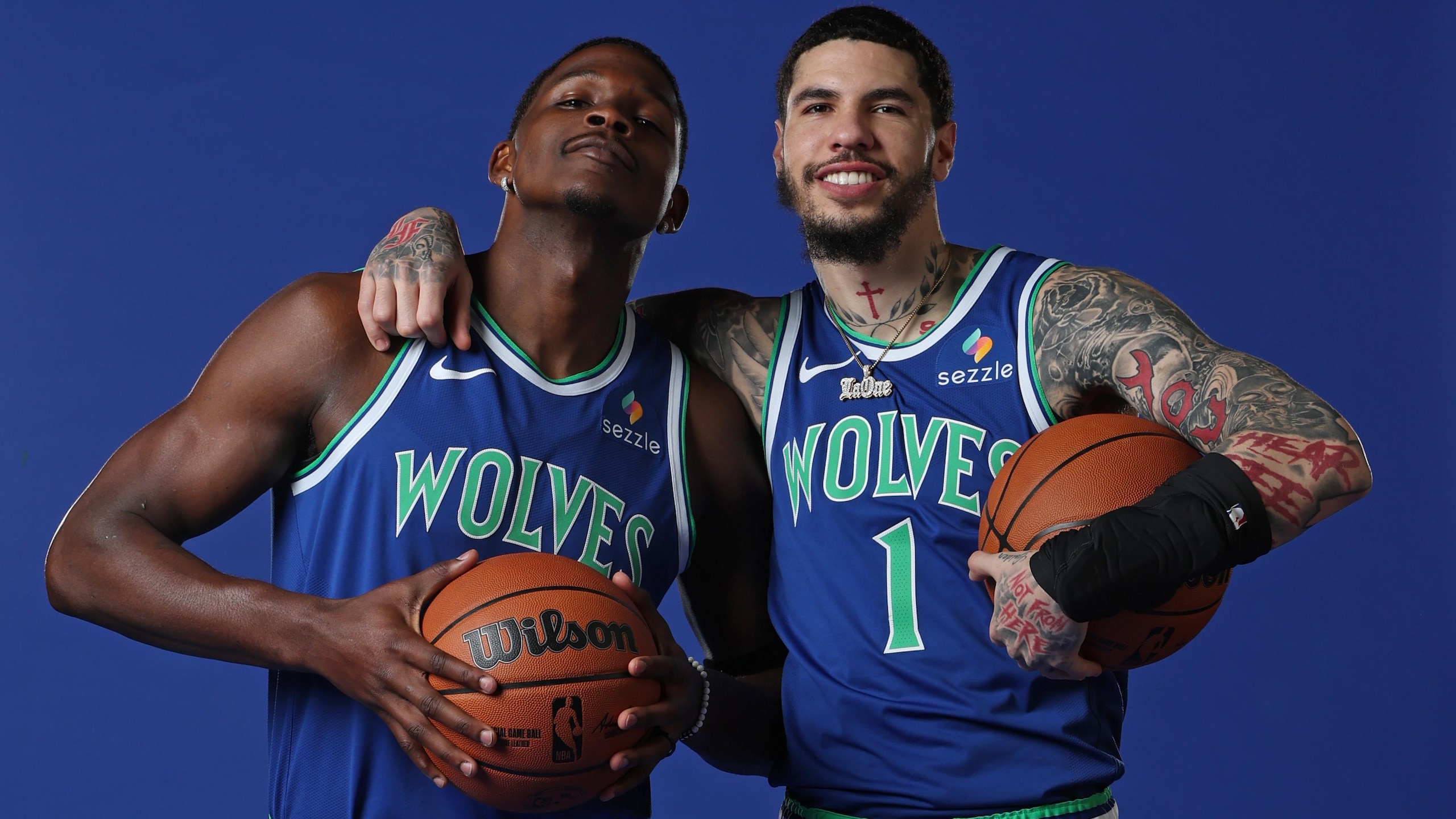
4 of 11The league’s competitive landscape features a quartet of categories: the title contenders, playoff entrants, mediocre-by-misfortune and the lottery deadbeats. It’s time to tell the Golden States and Minnesotas crowding the last category to move along.
The players might surrender a lot in this plan, but they win big here. The Houston Rockets missed the postseason two consecutive years, but no one can punish GM Daryl Morey for centerpiece Yao Ming’s unreliable feet or the undersized effect of the former All-Star’s absence. Leslie Alexander, for his part, has spent whatever necessary to put an ambitious product on the floor.
The Rockets merit inclusion on the misfortune list. With some luck, they will recover and host playoff games again soon.
The targets of this kicker have demonstrated that winning does not top their to-do list. Donald Sterling and Glen Taylor’s ruthlessness and cutthroat decision-making merit more than a tsk-tsk. Pundits often justified Kevin Love’s All-Star selection by suggesting the Timberwolves would win more with a better supporting cast. Go look up how many times Minnesota has picked in the lottery since the franchise’s inception. How many employees on the current roll call were selected in the top 10? It’s disgraceful.
Start fining owners who steer their operations toward the lottery each season with bogus judgments and hiring practices. The penalty should sting, too. How about $10 million for every infraction? Let’s see, Deputy Commissioner Adam Silver, if you’re serious about all 30 teams competing for a championship.
Who Wins? Players
Amnesty Returns
5 of 11The Magic would love to unload Gilbert Arenas’ albatross contract. The Spurs are dying to dump Jefferson’s deal in a landfill somewhere. Since it would take a lobotomy to convince executives to give up anything of value to get Arenas or Jefferson at their current rates, I propose the revival and expansion of the amnesty clause.
Allow owners to use it once in two seasons to remove up to two players from the toll list. The Magic and Spurs would still owe Arenas and Jefferson every penny of their agreements, but their mammoth salaries would no longer count against the cap.
This would help the Buss trim the Lakers' astonishing, infuriating $112 million payroll over a several-year period. Some small-market bosses hate that he embarrasses them by spending that much, when they’d prefer to spend half as much, if that.
Orlando and San Antonio could pursue more suitable options, and Arenas and Jefferson could do the same.
Who Wins? Owners
Keep Guaranteed Contracts but Increase Incentives
6 of 11An almost hard cap will limit the number of elephantine, undeserved contracts. Incentives will take care of the rest. Owners often open their basketball wallets to compensate ballers sitting on the sidelines with no acceptable excuse for their lethargy. Eddy Curry anyone?
This does not scourge injured players. It motivates guys in the Erick Dampier mold to give maximum effort all the time. This stipulation would require owners to pay a substantial portion of an agreed contract in its final years. Players would have to earn the rest by meeting realistic benchmarks. Adonal Foyle was never going to win Finals MVP, nor was Luke Ridnour ever a serious candidate for Defensive Player of the Year.
Who Wins? Owners
Don't Talk About Revenue Sharing. Do It
7 of 11The owners anxious to do a deal can entice the players back to the table by discussing this crucial matter and pledging to include it in primary discussions. Nothing can happen until the bosses decide how to divvy up local TV money. The Lakers will find it easier to reign supreme as long as they collect every dime of their $3-5 billion contract with Time Warner Cable and the Kings still get a lowly $11 million from theirs.
The obliteration of this schism caused the NFL’s parity. Stern and Silver’s contention that revenue sharing without a hard cap would just distribute more losses seems laughable. The Lakers are as much in the black as an NBA organization can be. Giving portions of their massive pot to other less sexy teams with less lucrative TV agreements would distribute gains.
Who Wins? Both
Keep Roster Minimum at 13
8 of 11Coaches need at least 15 players in a training camp for walkthroughs, scrimmages and contact drills. The extra bodies alleviate undue stress on the big-minutes cogs. These fringe rotation pieces can also serve as stand-ins for the opposing stars in a pre-game practice. Spurs coach Gregg Popovich often asked D-League call up James White to mimic Carmelo Anthony or whichever All-Star was on the docket that night in San Antonio’s 2007 title-winning season.
These extra guys often get minutes when an unfortunate injury alters the rotation. It makes sense, then, not to mess with the roster minimum and maximum figures. A $70 million payroll would achieve the salary reduction the owners want without eliminating an alarming number of jobs.
Who Wins? Players
Phase in the New Cap
9 of 11A $70 million ceiling would necessitate a grace period to allow the Lakers and Mavericks to cut costs without slashing talent like the villain in the Scream movies. Most players would detest a sudden drop in league-wide payrolls. Enforce the new rules on new transactions from the get-go, but allow L.A. GM Mitch Kupchak a few seasons to adjust. Ditto for Dallas GM Donnie Nelson and all the other applicable execs.
Who Wins? Both
Force Hornets to Meet Another Deadline
10 of 11Why include anything about the Big Easy’s flailing squad in CBA talks? Why not?
Even if this doesn’t end up in the document, it should serve as a prime discussion point. New Orleans GM Dell Demps cannot trade for or sign significant talent to appease Chris Paul as long as the NBA owns the team. Paul cannot expect to win anything of consequence as long as the NBA owns the team. What reason does he have to stay beyond this year? The owners will frown with watchful eyes as long as they have to pay for the team.
So…Find a buyer pronto or disband the franchise.
Who Wins? Both
Better Ideas?
11 of 11By my count, both sides win four of the proposals. The owners triumph in four scenarios. The players get two decisive victories. If you have better ideas, I’d love to hear them.


.jpg?w=2560 "Terrell Owens Being Sued for Defamation")
.jpg?w=2560 "CJGJ Shares Cryptic Post 🤔")