
College Football Rankings: Top 50 Teams Heading into 2011
The current college football headlines have more to do with scandal, resignation, police action and NCAA investigation than what will actually happen on the field of play in 2011.
Regardless of the provocative storylines of late spring and early summer, we know that the long, hot days will soon begin to dwindle and despite all the drama, college football will go live again in a mere 91 days.
Then and only then can the focus be properly redirected to where it belongs: the actual playing of games, team and individual matchups, and on-field performance.
The following slideshow takes a stab at ranking the Top 50 teams going into 2011, a precarious task at best but one that is worth tackling and one that can only be proven or disproven with the game action we crave like the want of a frothy, frosty cold lager while on a diet.
Indeed, No. 1, No. 10 and even No. 98 can't be declared or properly predicted until we have the hindsight that only the transition from fall to winter can bring; but that doesn't mean we won't attempt such foolishness, and then heatedly argue it with those who deliciously love a game called college football.
50. SMU
1 of 50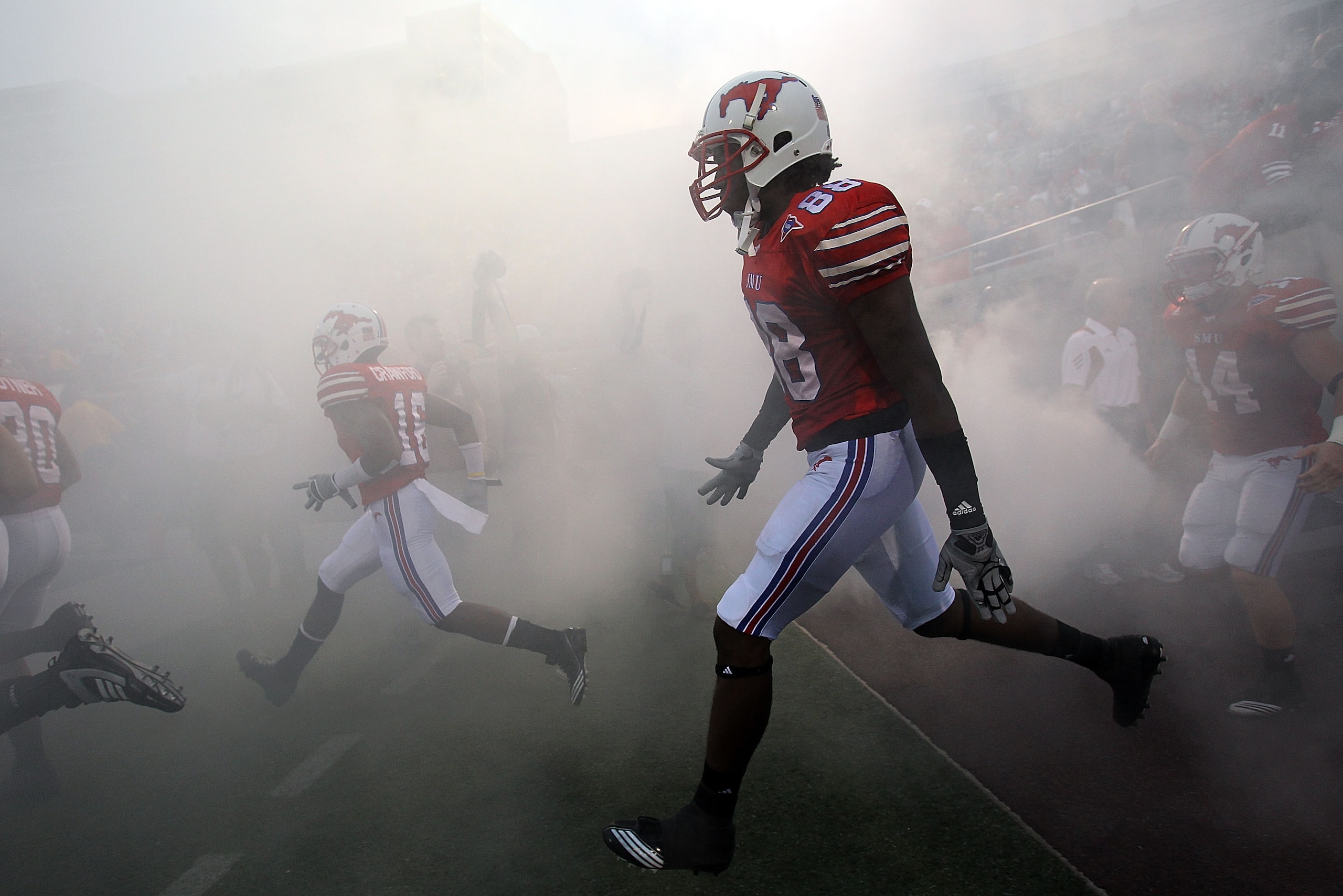
The Mustangs return a full 18 starters from last season's 10-3 team that ranked No. 33 in total offense and No. 40 in total defense.
SMU has the all the pieces in place to capture its first conference title since 1984 but they will need to improve on turnover margin next season (they ranked No. 111 nationally), and will have to find the end zone with more frequency than they did in 2010.
Though the Mustangs ranked No. 33 in offensive yardage, they were only No. 74 in scoring; turning yards into touchdowns is imperative to SMU making a return to glory.
49. Miami (OH)
2 of 50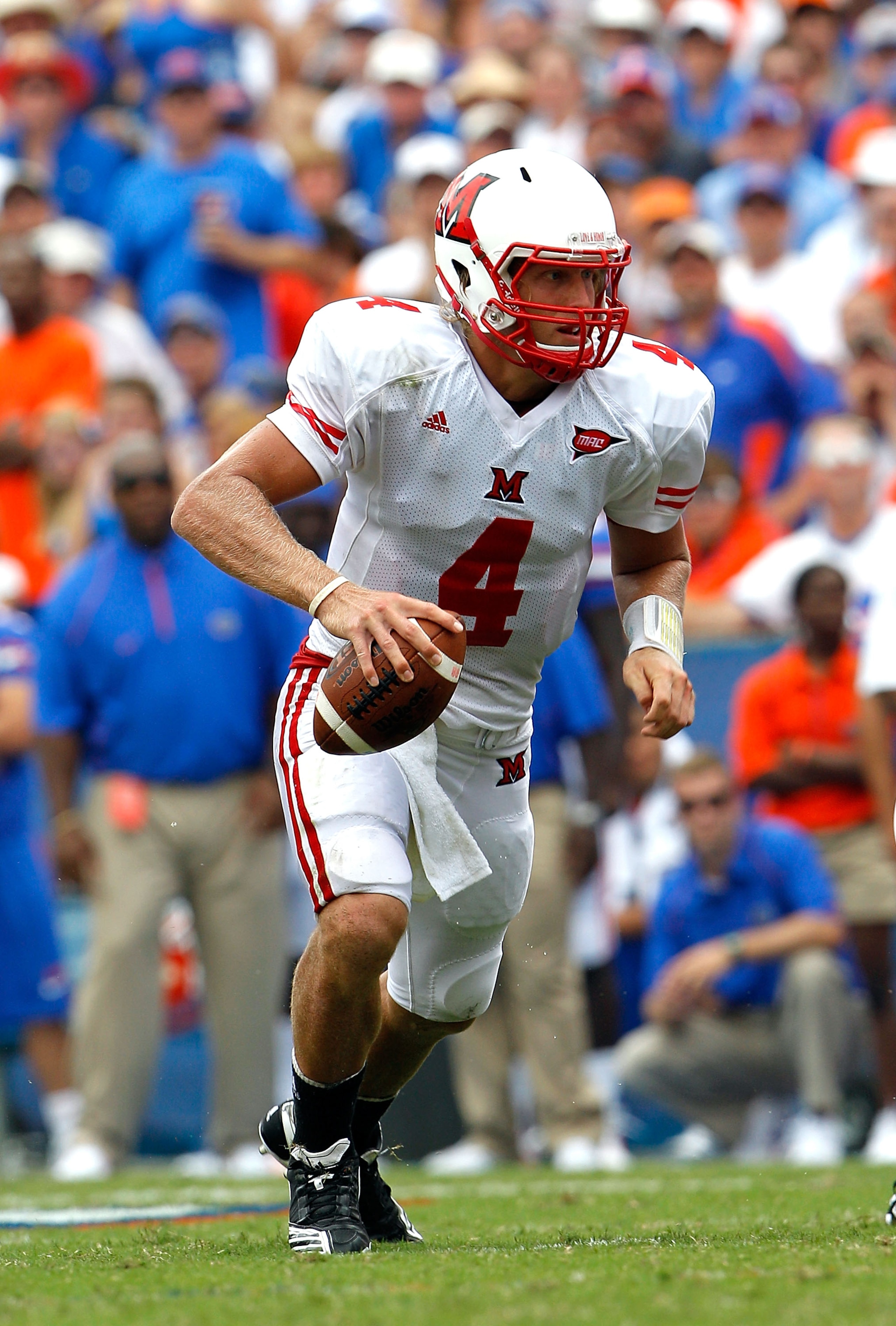
This is a team that you aren't likely to find in many top 50 rankings; that may be an oversight and could be attributed to their MAC affiliation.
Yes, Mike Haywood (who engineered a masterful and historic turnaround last season at Miami) has left Oxford, Ohio, but taking his place is Don Treadwell, who most recently served as Michigan State's offensive coordinator (he also filled in as the head man in East Lansing after Mark Dantonio was out after a heart attack).
Along with Treadwell, the Redhawks return 18 starters including QB Zac Dysert, who led Miami to a No. 32 ranking in passing yards.
Not unlike SMU, the Redhawks will need to find the end zone with more frequency to build on last season's 10-win success; they ranked No. 32 in passing yards and a dismal No. 98 in scoring offense.
The Redhawks were a good team in 2010 and return almost everybody; if they can survive the leadership change they are primed to repeat and perhaps build on their achievements in 2011.
48. Washington
3 of 50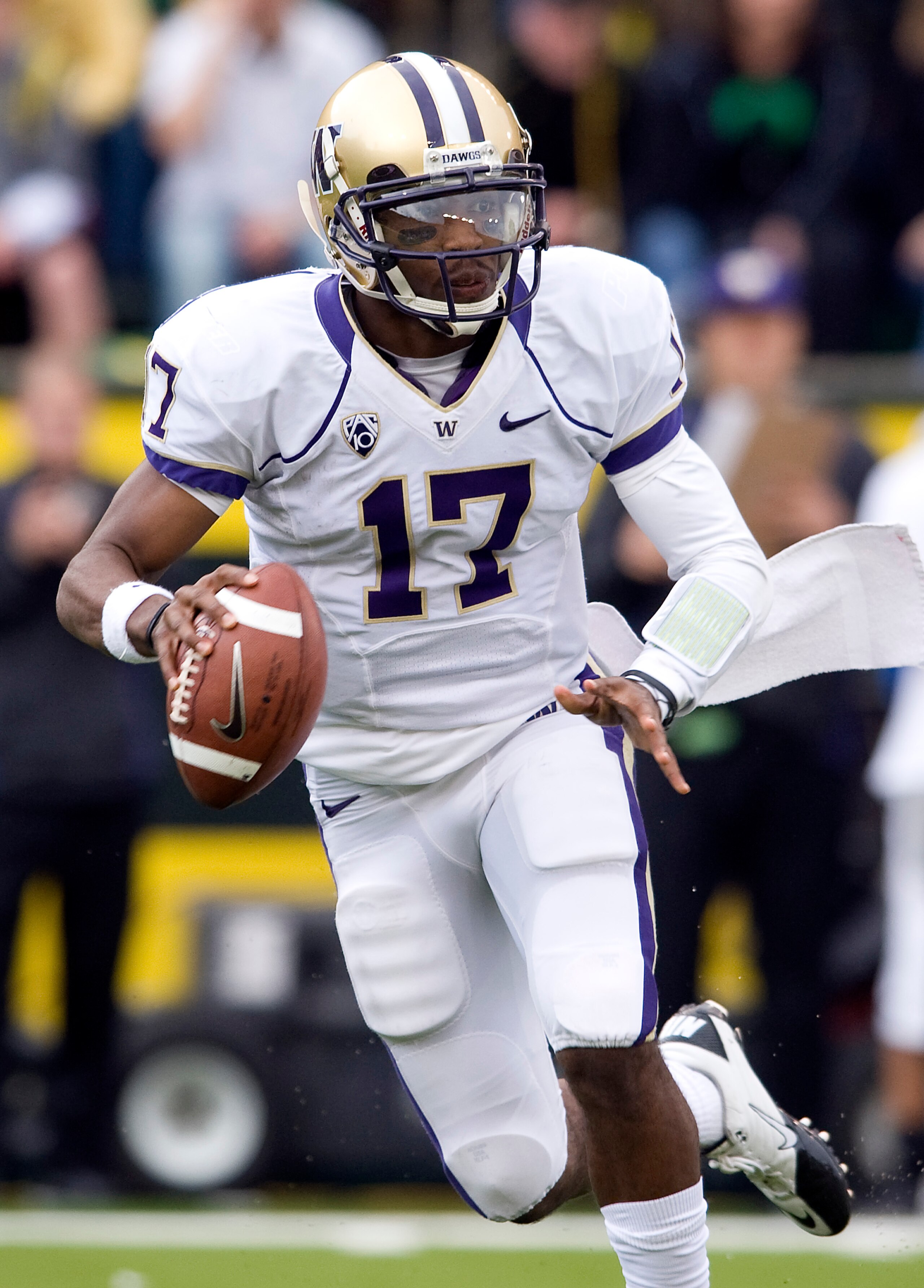
Yes, QB Jake Locker is gone from Seattle, but would you be surprised if I told you that the 2010 Husky team was ranked No. 38 in rushing and only No. 84 in passing?
And did you know that Washington's top rusher, Chris Polk (1,415 yards on 260 carries), is back in 2011?
Yes, there is the normal attrition, but Washington returns 15 starters next season from a team that finished 2010 with a record of 7-5, which included a shocking 19-7 victory over Nebraska in the Holiday Bowl. But dont' forget that the 2011 Husky recruiting class ranked No. 23 nationally.
The Huskies' 2011 slate isn't easy, especially when you throw their placement into the new Pac-12 North Division into the equation, but this is not simply a team that will be missing Jake Locker (regardless of who wins the replacement role).
This will be a well coached team that will win some ball games.


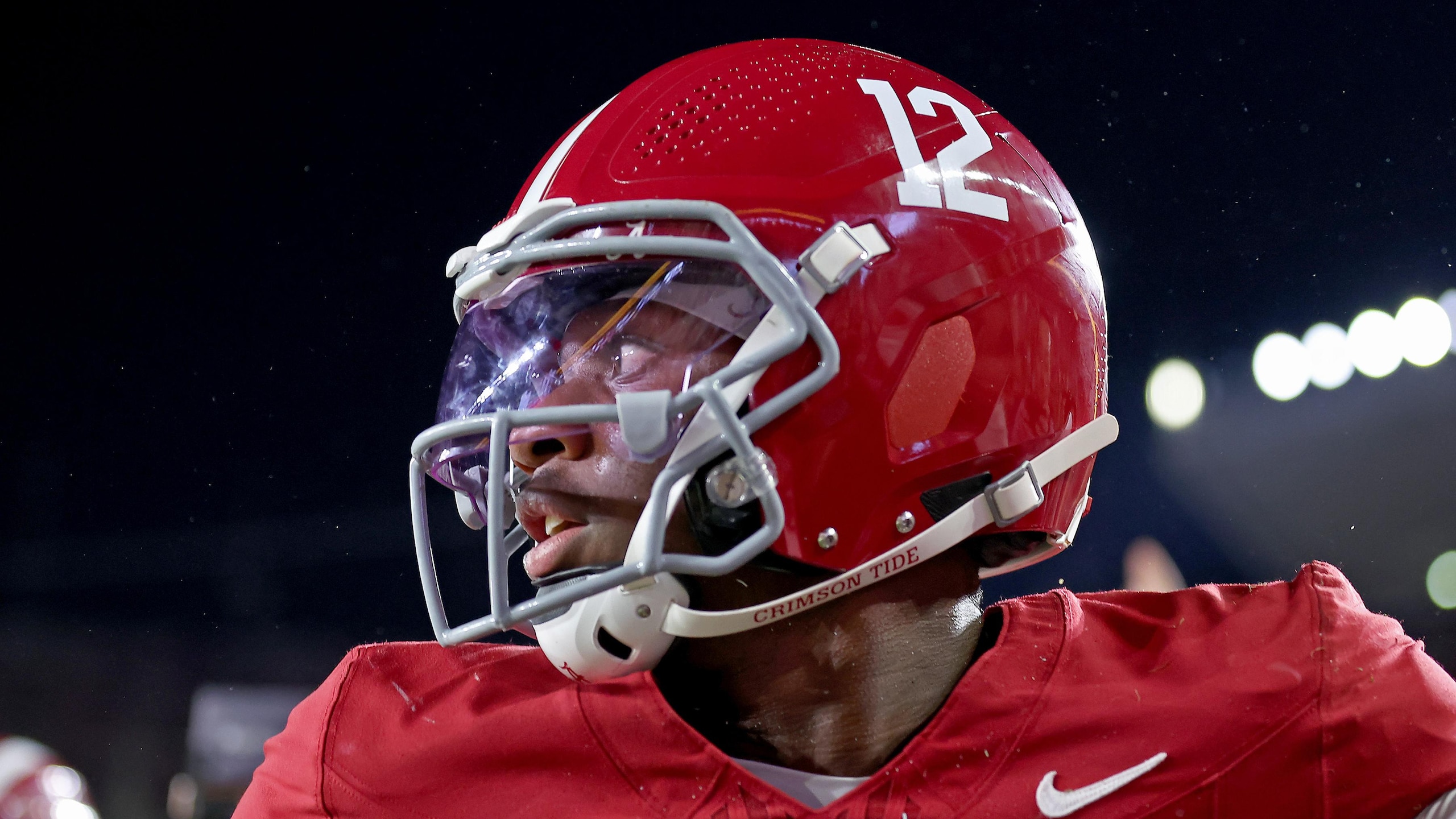
47. Syracuse
4 of 50
Despite finishing 2010 at 8-5 (their best mark since going 10-3 in 2001), nobody is talking seriously about Syracuse (again).
The biggest questions for the Orange coming into 2011 are on the defensive side of the ball.
Last season's Syracuse team was imbalanced and absolutely defensively dominant; they ranked No. 93 in scoring offense and No. 17 in scoring defense.
This difference is even more worrisome coming into next season, when the Orange return seven offensive and only five defensive starters.
Regardless, building on success is often easier than starting it, and if Syracuse's offense can buy the defense some time to regroup the Orange might earn their first back-to-back bowl bids since 1999.
46. Arizona
5 of 50
Few teams finished last season with a more resounding thud than did Arizona, which took what was a 7-1 season through the month of October to an ugly 7-6 finish that included five consecutive season-ending losses.
The Wildcats return 13 total starters in 2011. The good news is that QB Nick Foles is back under center to lead the offense that ranked No. 9 nationally in passing; the bad news is that most of the offensive line has left the building.
The defense will have to stay healthy to stay in the top 40 teams nationally, and these younger Wildcats can't afford to be ranked No. 75 again in turnover ratio if they expect to improve in 2011.
Arizona's placement in the new Pac-12 South actually creates an opportunity for any number of teams to be a surprise threat to "front-runner" Arizona State; USC is bowl ineligible for another year, Utah and Colorado are the new kids on the block and UCLA is a big unknown.
45. Navy
6 of 50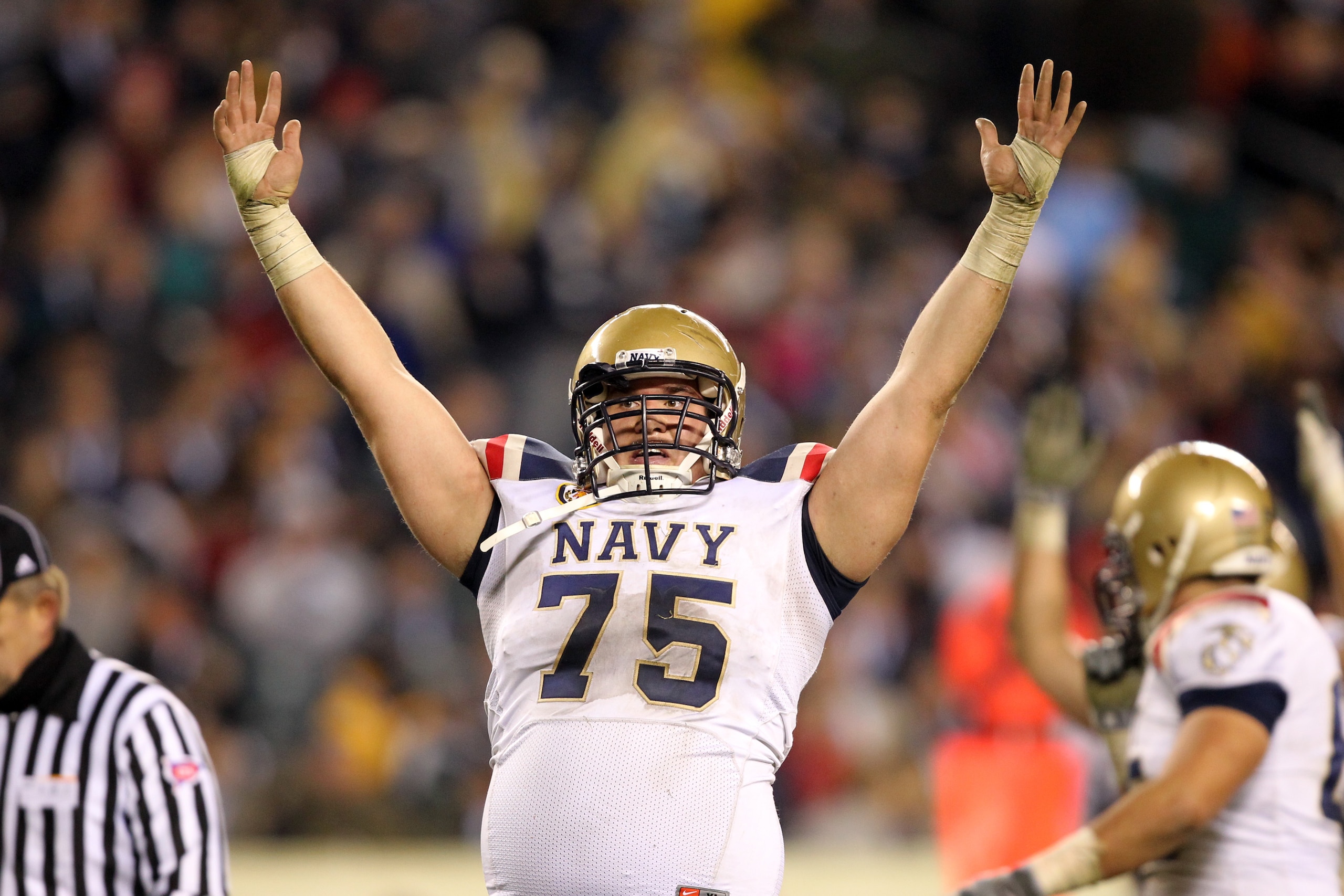
Navy finished 2010 at 9-4, and 2011 will be all about how quickly they can reload after losing QB Ricky Dobbs, who was also the team's leading rusher.
The loss is significant for a team that ranked No. 6 in rushing and No. 117 in passing, but the good news is that the No. 2 and No. 3 rushers are back in Alexander Teich and Gee Gee Greene.
Defensively the Midshipmen return only five starters to a unit that ranked No. 46 is scoring.
The bottom line for Navy to reach nine wins again is for Ken Niumatalolo to be able to rework his defense and continue his success offensively with a new leader (senior QB Kriss Proctor).
Regardless of how the numbers stack up, there is one thing we can count on at Navy: They will play hard and be prepared, which equals wins.
44. Baylor
7 of 50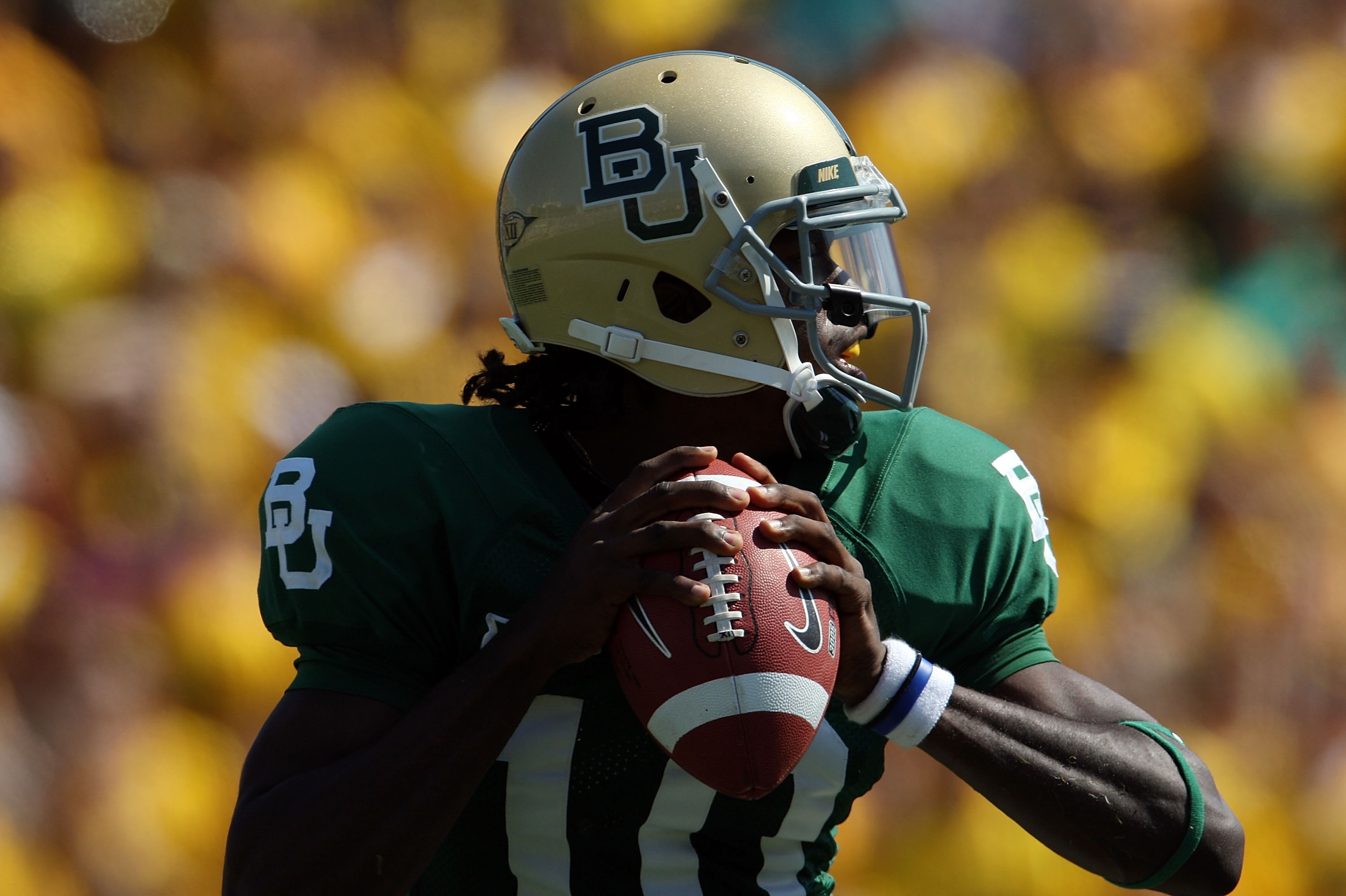
So what does Baylor do after posting its best record since 1995 and playing in a bowl game for the first time since 1994?
Will they continue to succeed and post eight wins for the first time since 1991 and win their first bowl game since beating Arizona in the 1992 Sun Bowl?
Well, on the plus side we have eight offensive returners (which includes most of the skill positions) from an "O" that ranked No. 36 in scoring, and a new defensive coordinator in Phil Bennett.
On the minus side the Bears have TCU, Texas A&M, Oklahoma State, Missouri, Oklahoma, Texas Tech and Texas on their schedule in 2011, and despite the leadership change this is still the defense that ranked No. 89 in scoring last season.
An offensive repeat and a defensive revival amidst a tough schedule is what it will take to continue to make Waco, Texas a more vibrant part of the college football map.
Throw a little momentum into the equation and anything could happen.
43. Texas Tech
8 of 50
The Red Raiders' 2010 record of 8-5 must be seen as a bit of a triumph when you consider the fact that they ranked No. 93 in scoring defense and survived one of the most controversial leadership changes in school history.
In 2011, Texas Tech returns just 13 total starters with the biggest hits coming to an offense that ranked No. 23 in scoring despite the loss of Mike Leach.
The keys to the Red Raiders becoming bowl eligible for the 19th consecutive season are successfully retooling the offense with all new faces (and not taking a step back), and the defense showing real improvement under new DC Chad Glasgow (who most recently coached the defensive backfield at TCU).
Tech will have to achieve these goals while playing in a Big 12 that has five preseason Top 25 teams and is filled out with teams like Baylor, Kansas State and Iowa State that are experiencing upward trends with capable coaches.
Of note, the Red Raiders will have the benefit of the No. 20 ranked recruiting class in 2011, which is a high-water mark for the program.
42. Iowa
9 of 50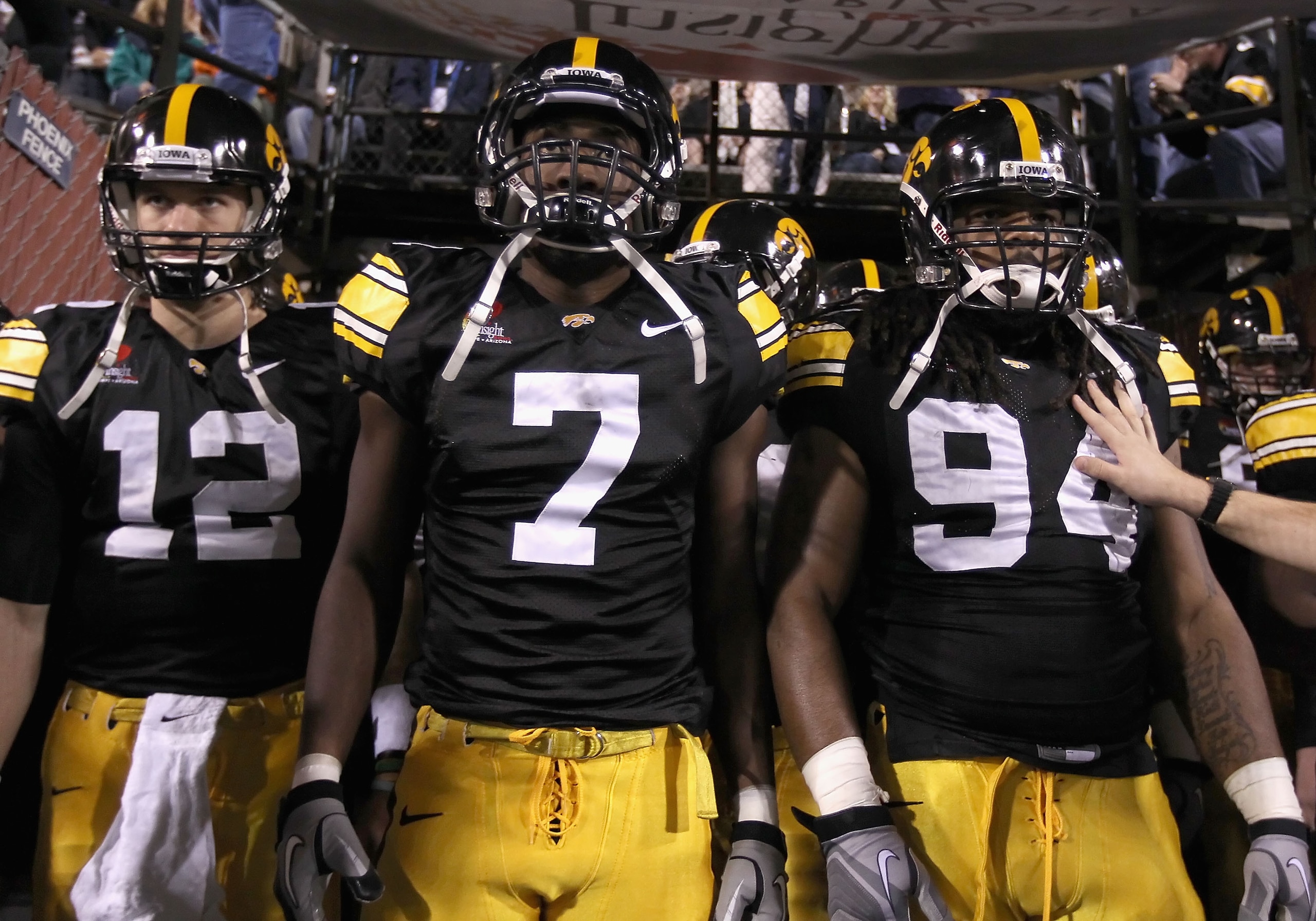
The 2010 Hawkeyes were expected to be a BCS contender but instead dropped three consecutive games in November (by a total margin of 10 points) to finish 8-5.
Gone in 2011 are all but 10 starters (which is among the lowest returning number nationally), which is especially painful for a defensive unit that ranked a lofty No. 7 last season in scoring.
Iowa's plight next season is similar to teams like Pittsburgh (which actually returns quite a few more starters than do the Hawkeyes), which will have the benefit of "flying under the radar" in 2011 and won't be playing under the hot lights of media hype and high expectations.
The new Legends Division placement will add to the intrigue of Iowa's 2011 campaign; Ohio State and Wisconsin are gone from the schedule but the season finale at division foe Nebraska is downright titillating.
41. Tennessee
10 of 50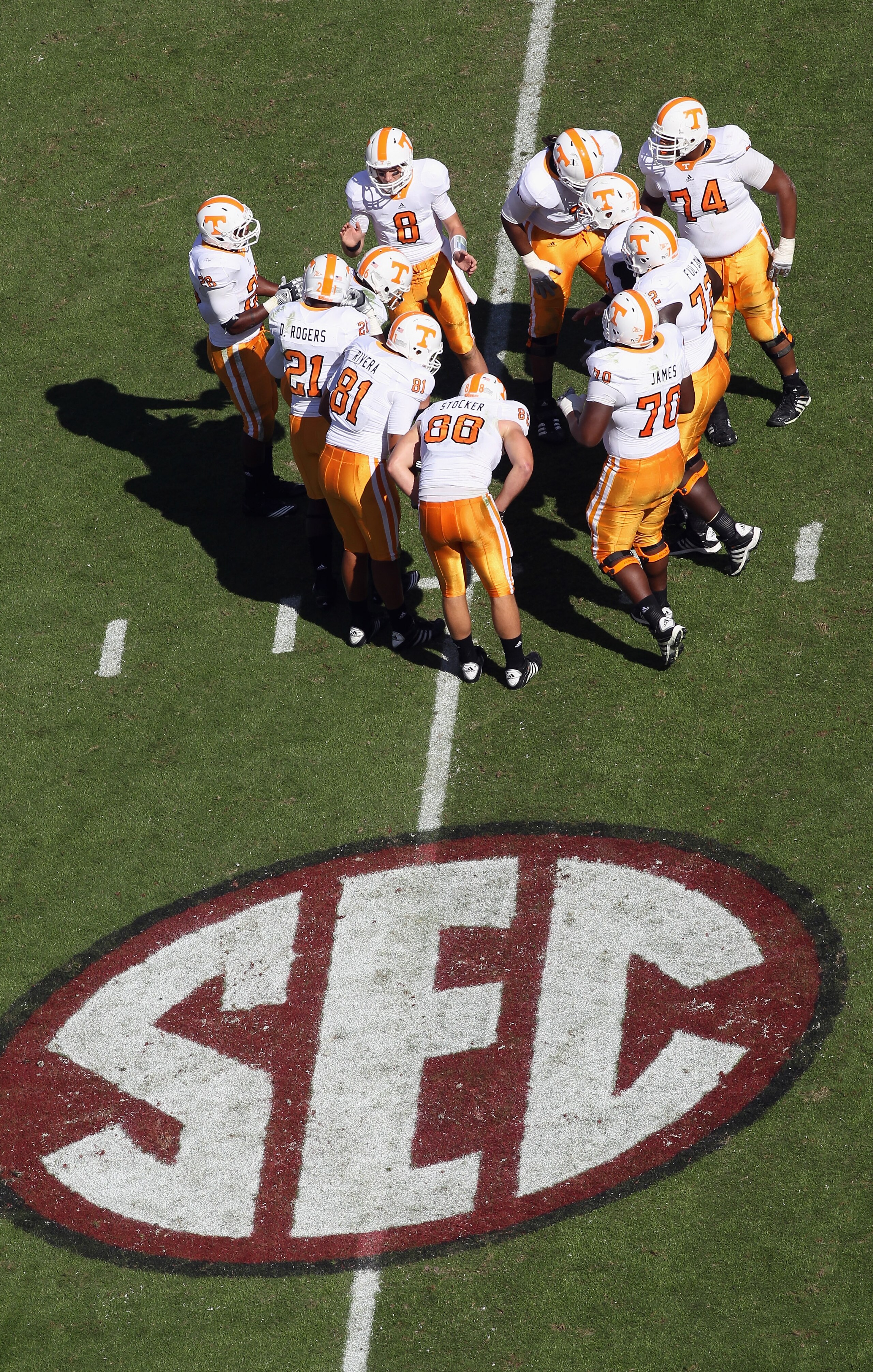
The Vols return seven offensive and six defensive starters from the 2010 squad that finished 6-6 under new head coach Derek Dooley.
Key returners include QB Tyler Bray (and senior QB Matt Simms), who led Tennessee to an unbalanced No. 30 ranking in passing yards versus a No. 105 mark in rushing yards.
The biggest concerns will be defensively, where the Vols will have to find a way to shore up a unit that allowed an average of 382.2 yards per game last season.
Overall what works against Tennessee's plans for progress the most is that they play in a division with teams like Georgia, Florida and South Carolina, which will all be strong in 2011 and make huge strides very difficult for the Volunteers.
What works for Tennessee is an incoming recruiting class that ranked No. 13 nationally; they'll be lacing up this fall and will surely bolster the Vols' chances of success.
40. Utah
11 of 50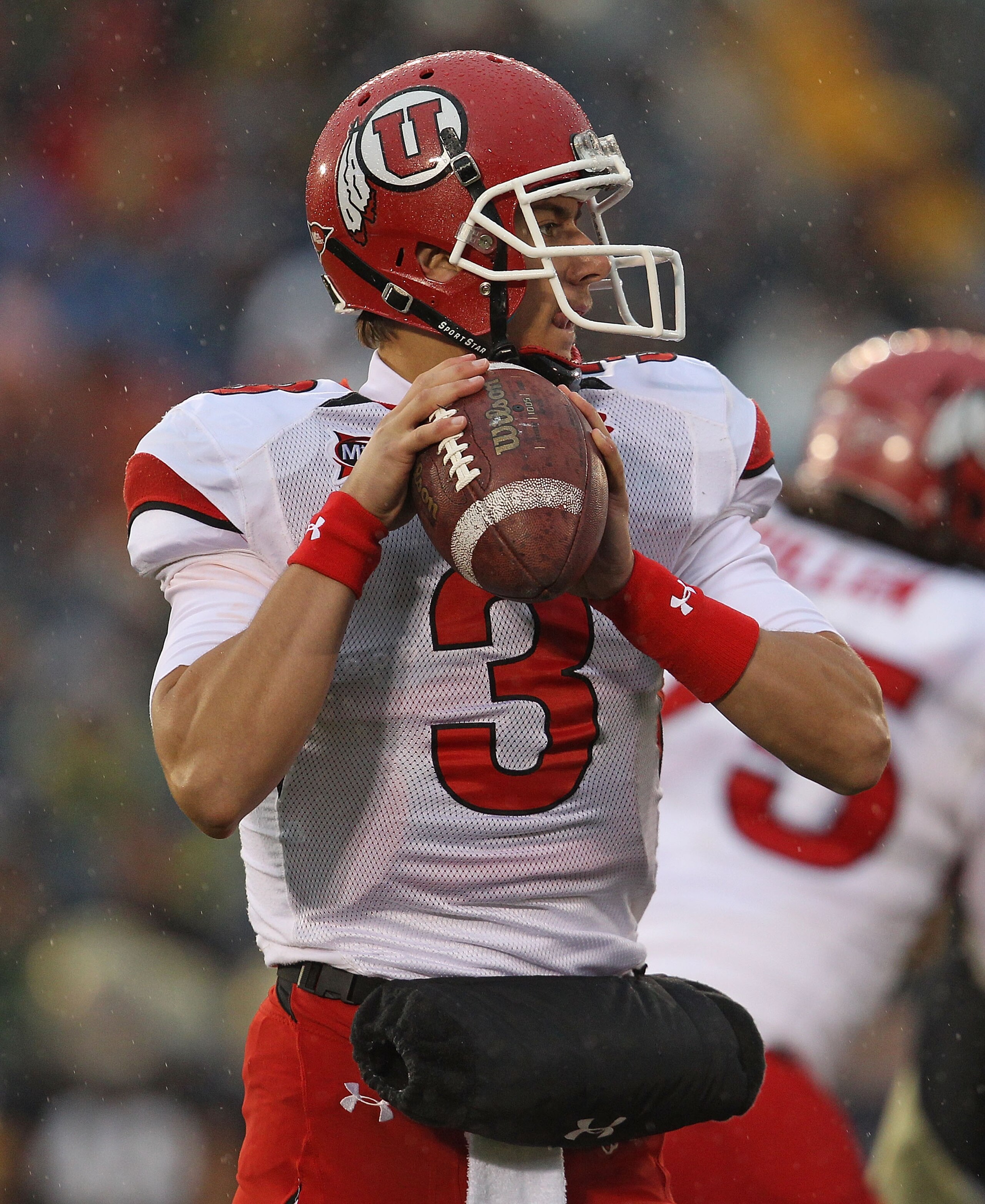
One of the more intriguing storylines coming into 2011 (in terms of the historic conference reshuffle) is how long it will take Utah to repeat its Mountain West successes in its new home, the Pac-12.
The Utes return 13 starters from their 2010 offering that went 10-3, and key among returners are QB Jordan Wynn and top receiver DeVonte Christopher; key concerns are in the defensive secondary and at running back.
Utah's placement in the new Pac-12 South Division, which does not include Oregon and Stanford, means that the Utes are a reasonable option to topple Arizona State, Arizona, Colorado, UCLA and USC (not postseason eligible) for a division crown and a place in the first ever Pac-12 championship game.
39. Illinois
12 of 50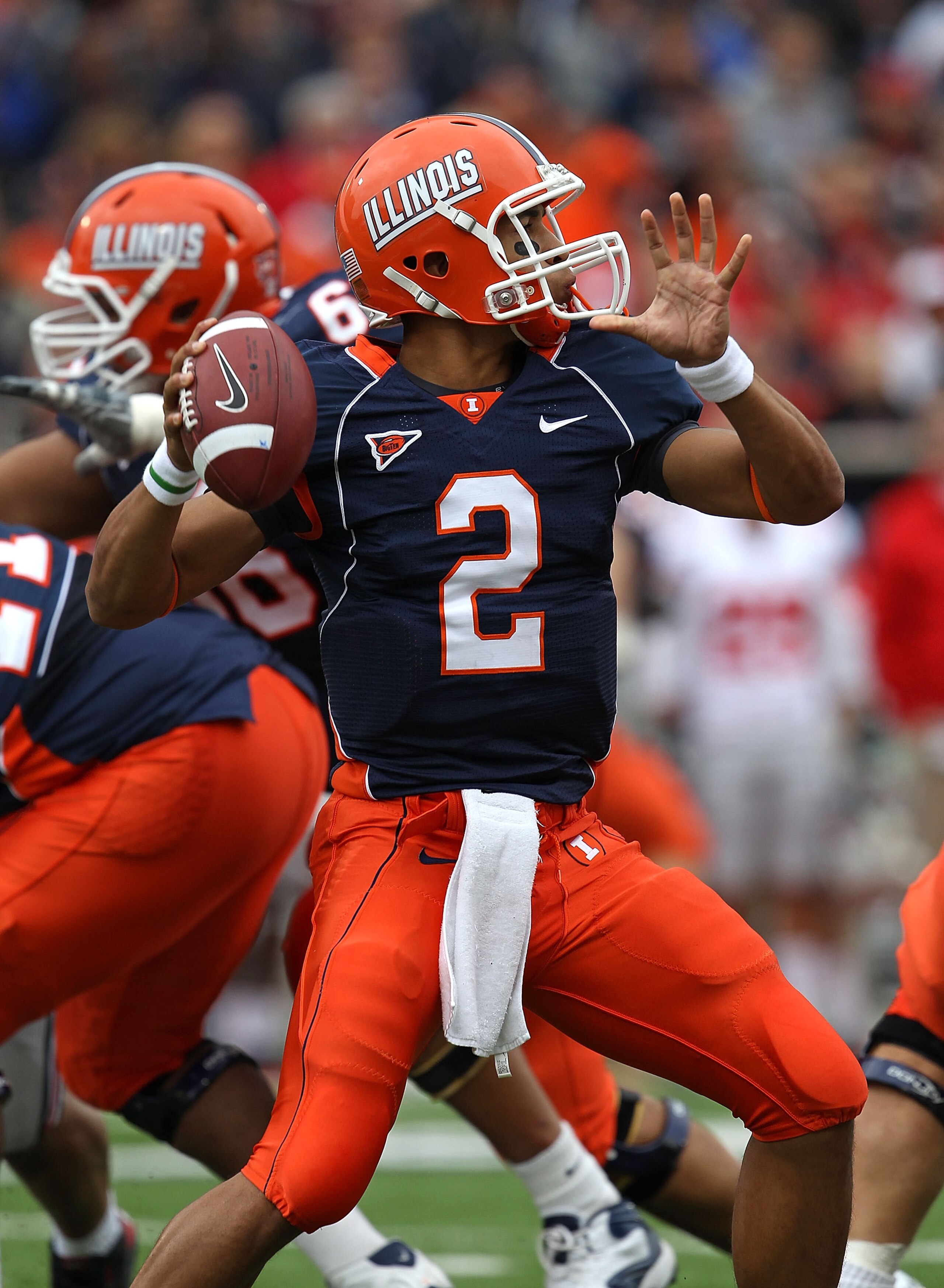
The Illini's 38-14 win over Baylor in the 2010 Texas Bowl (which capped off a 7-6 season) marked the first Illinois bowl victory since their 63-21 beat-down of Virginia in the 1999 Micron PC Bowl.
Coming into 2011 the Illini return 13 total starters which include QB Nathan Scheelhaase, who threw for 1,825 yards and 17 TDs and was team's No. 2 rusher in his freshman season.
Notably, gone is RB Mikel Leshoure who led Illinois to a No. 11 ranking in rushing yards (No. 1 in the Big Ten). The Illini ranked only No. 111 in passing yards.
Defensively Illinois ranked No. 48 in scoring in 2010 (which includes allowing Michigan 67 points in the memorable triple overtime loss) and returns much of its talent.
The Illini will have to improve their passing game (which should progress in Scheelhaase's second season) but the big question is if Jason Ford can pick up where Leshoure left off.
Illinois will have to do all this amid the new backdrop of new Big Ten Leaders Division and a schedule that features a generous eight home games.
38. Miami (FL)
13 of 50
Miami (FL) is a team that you could easily make an argument for being ranked higher in this top 50 but what happened in 2010 makes a body wonder what happens next for the Hurricanes.
Miami ranked an ugly No. 104 nationally in turnover ratio in 2010 and despite having enough talent to contend for the ACC Coastal Division, the Hurricanes dropped a game to a struggling Virginia team and lost the last three games of the year.
Though Miami has contracted the services of Al Golden, how quickly can he be expected to return the swagger and precise play of previous Hurricane teams?
Miami returns only 13 starters in 2011 and it biggest concerns are at quarterback and on defense.
Momentum might be the most key element that the Hurricanes need to recapture.
37. North Carolina
14 of 50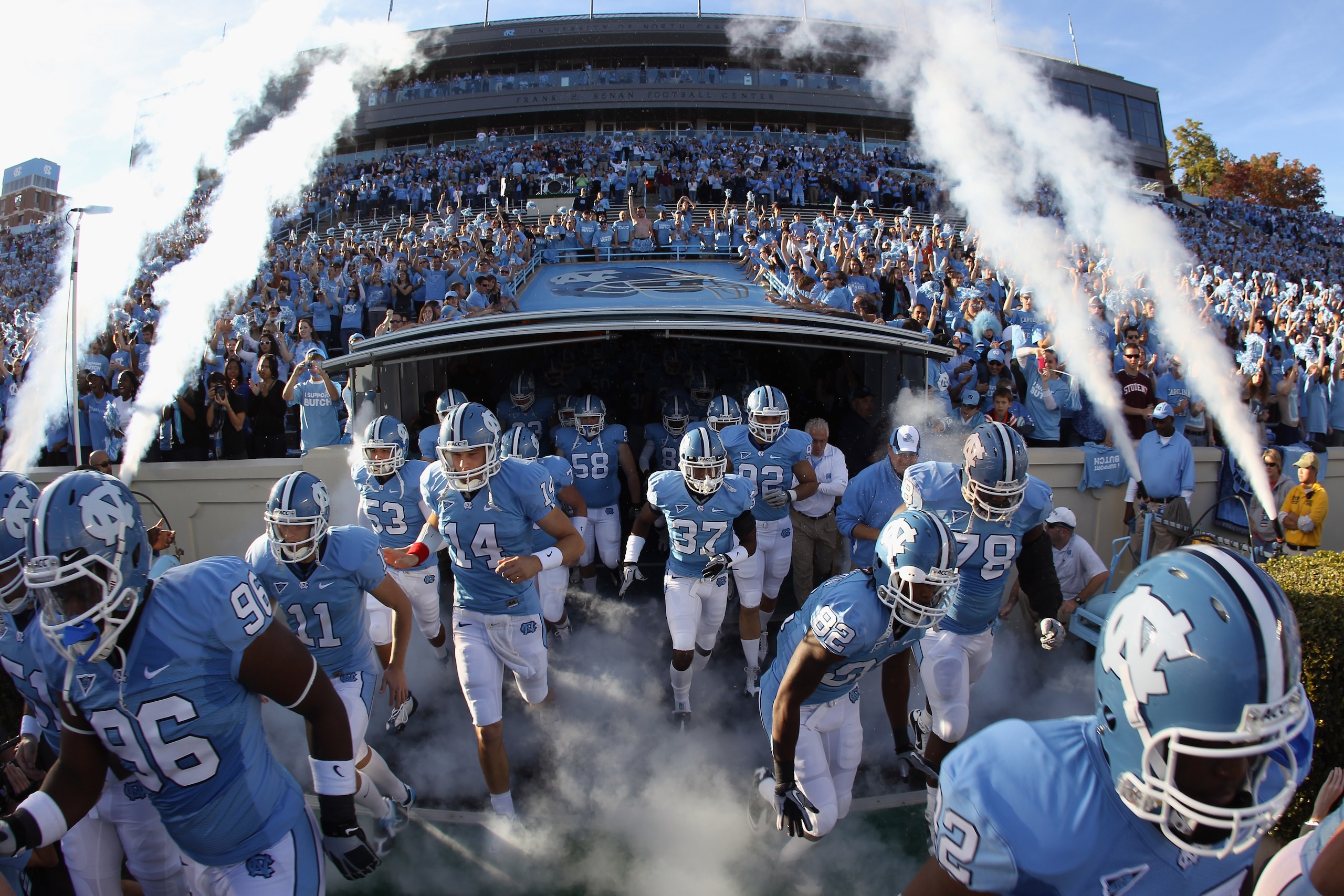
After surviving last season's off-field drama, what can North Carolina expect in 2011?
Though they may not be a BCS buster next season, the Tar Heels could compete for a ACC Coastal title and possibly more.
Much depends on new starting QB Bryn Renner, who will have lots of help at receiver but won't have the benefit of an established running game (UNC ranked No. 94 last season in rushing yards) and has newcomers on the right side of the offensive line.
The biggest questions defensively are in the secondary, which will be very young (at least from an experience standpoint).
The schedule will be somewhat helpful with only five road games and Florida State off the slate completely.
36. Maryland
15 of 50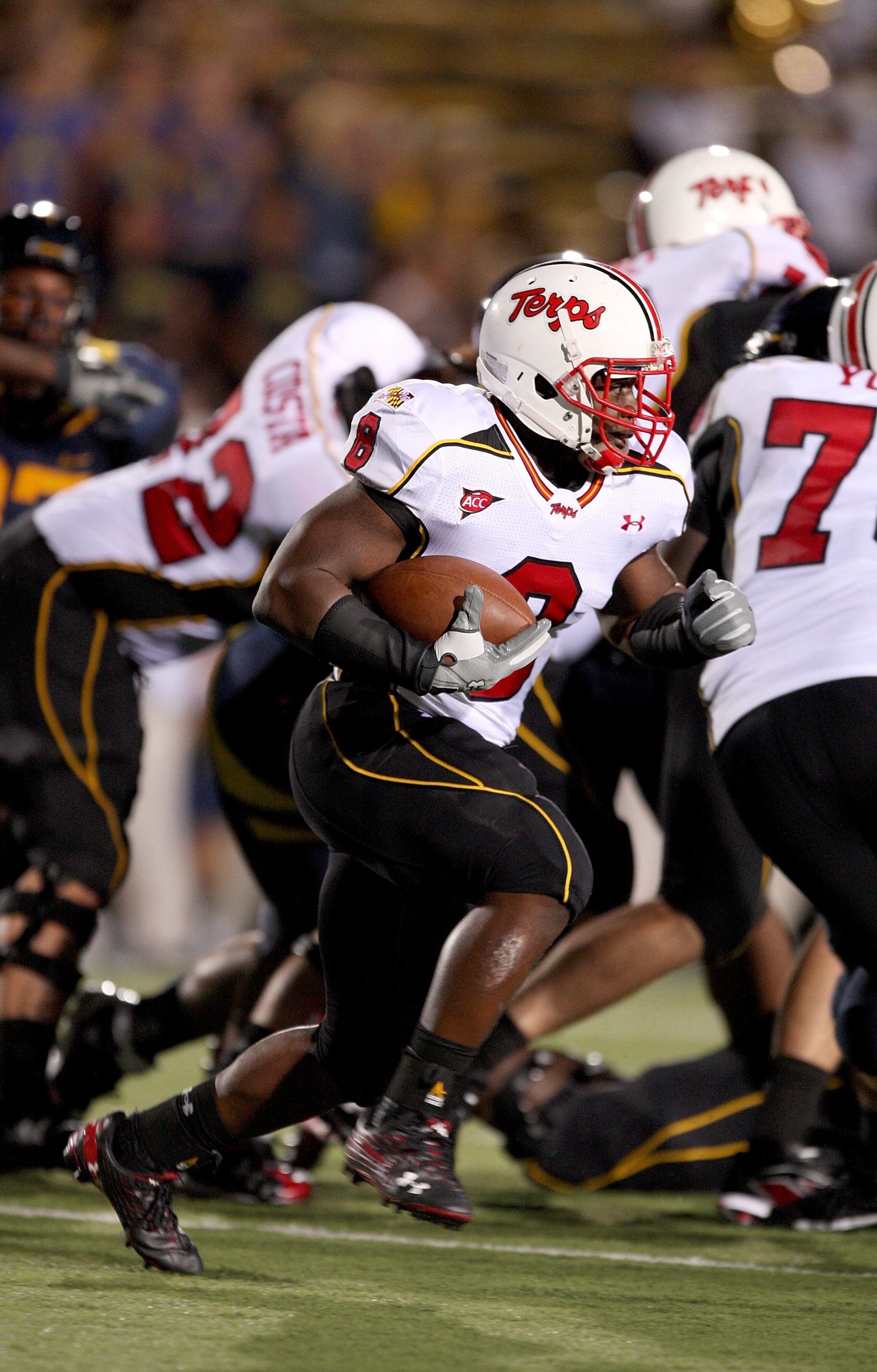
Maryland's 9-4 finish last season was the Terrapins' best showing since they went 10-3 in 2003, and despite the changing of the coaching guard in 2011, Maryland is primed to do even more.
After 10 seasons in College Park, Ralph Friedgen is out and former UConn coach Randy Edsall is in, and he has enough talent coming back from last season to make his first campaign look tasty.
Returning QB Danny O'Brien has showed promise and if he improves along with a solid defense, Maryland could challenge in the ACC Atlantic Division.
Of note, the Terrapins ranked a lofty No. 4 last season in turnover margin but you have to wonder how the leadership change will effect this sure sign of excellence.
35. Air Force
16 of 50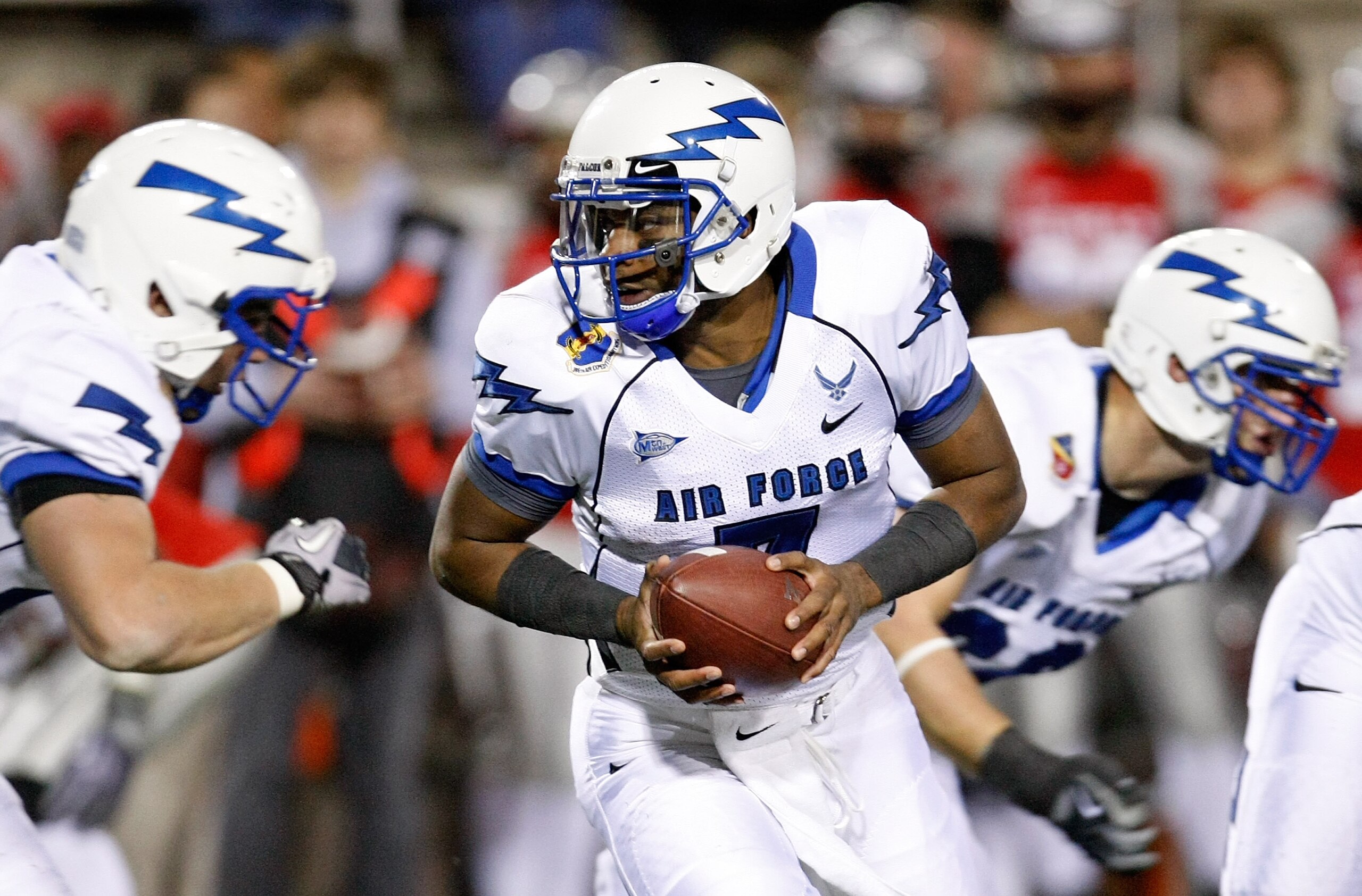
Air Force could easily be ranked higher than No. 35 by the time the 2011 season is over and it wouldn't at all be a stretch to say that they have the firepower to give TCU and Boise State a run for their money in the Mountain West title hunt.
Back on campus are the duo of QB Tim Jefferson and HB Asher Clark, who combined to lead the Falcons to a No. 2 ranking in rushing yards.
Also returning next fall are seven defensive starters to a unit that managed a No. 28 ranking in scoring last season.
As far as the schedule is concerned, Air Force has TCU early (Week 2) and the game is at home in Colorado Springs, Boise State is on the blue turf, and additional road trips of note are to Navy and Notre Dame early in the season.
Head coach Troy Calhoun is an Air Force graduate and is serious about taking this team to the next level; 2011 is the year for those lofty goals to be met.
34. Pittsburgh
17 of 50
Pittsburgh and Iowa have one big thing in common in 2011; they both won't have near the media hype and huge expectations they did going into 2010.
Though this advantage is shared, the big difference between the two is that Pitt returns 16 starters from last season while the Hawkeyes bring back only 10.
And this is why Pitt comes in at No. 34 and realistically has an opportunity to finish among the top two teams in the Big East.
The Panthers return eight starters to each side of the ball and the real caveat at Pitt is how the program deals with new leader Todd Graham, who comes off a highly successful stop at Tulsa.
Graham is an offensive-minded guy, which is exactly what the Panthers need; they ranked No. 8 in total defense and No. 72 in total offense in 2010.
Though the schedule presents the normal twists and turns, Pitt has a heaping helping of eight road games which can't help but pave the way.
As always, somebody has got to win the Big East and that somebody earns a BCS bid.
33. NC State
18 of 50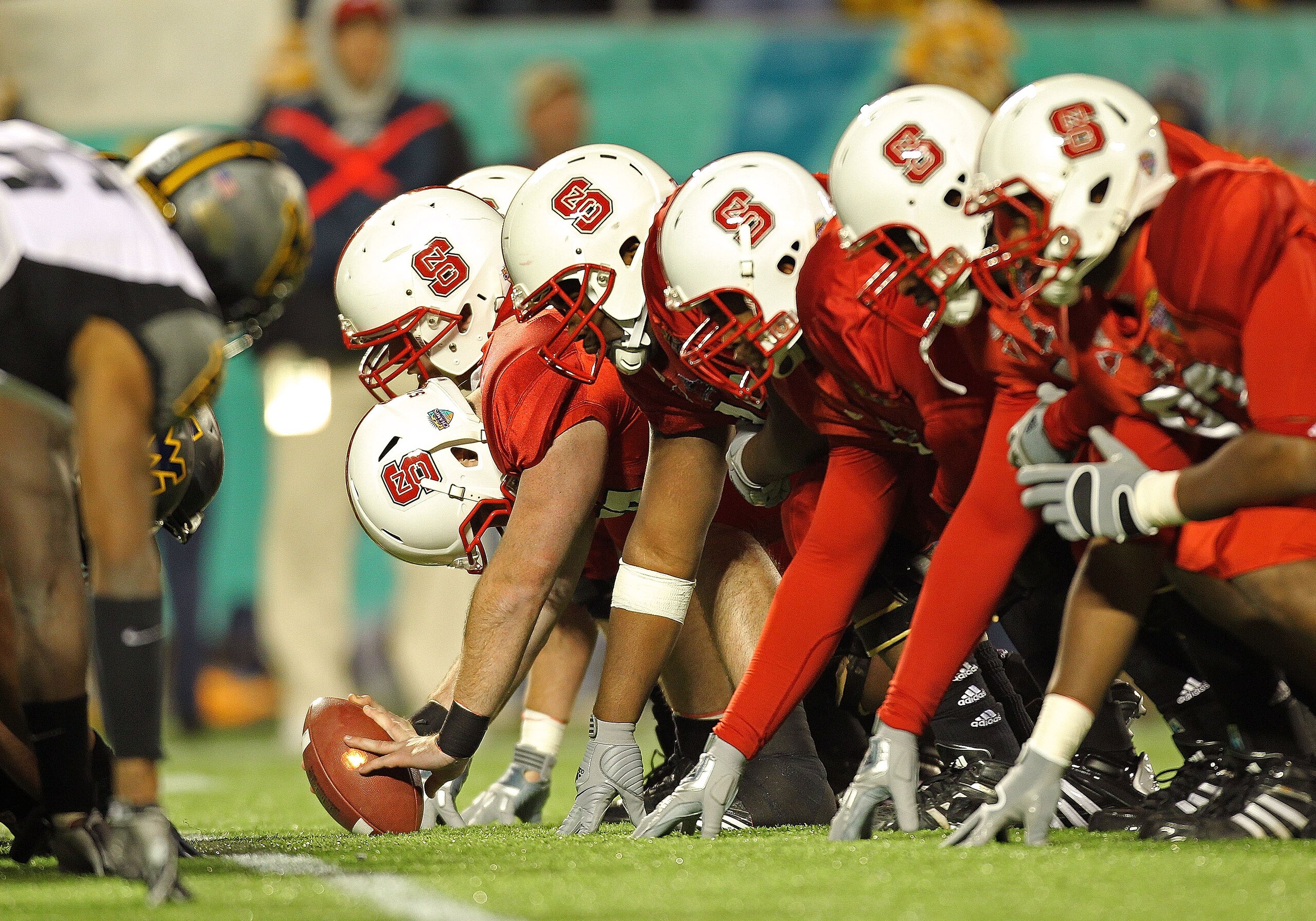
With all the hoopla over Florida State in the ACC Atlantic it is easy to forget about up-and-coming NC State, which is in perfect position to improve even further in Tom O'Brien's fifth season as the head coach in Raleigh.
Eight starters return to each side of the ball in 2011 and the biggest loss is QB Russell Wilson and three starting wide receivers. O'Brien has been positive about QB Mike Glennon but you have to wonder how the No. 18 ranked passing offense will deal with the serious losses at the skill positions.
Defensively the Wolfpack look solid and the offense will need them to perform well, especially early, to allow time to regroup.
If you watched NC State play last season you had to see the hunger and talent necessary to make the next step.
32. Clemson
19 of 50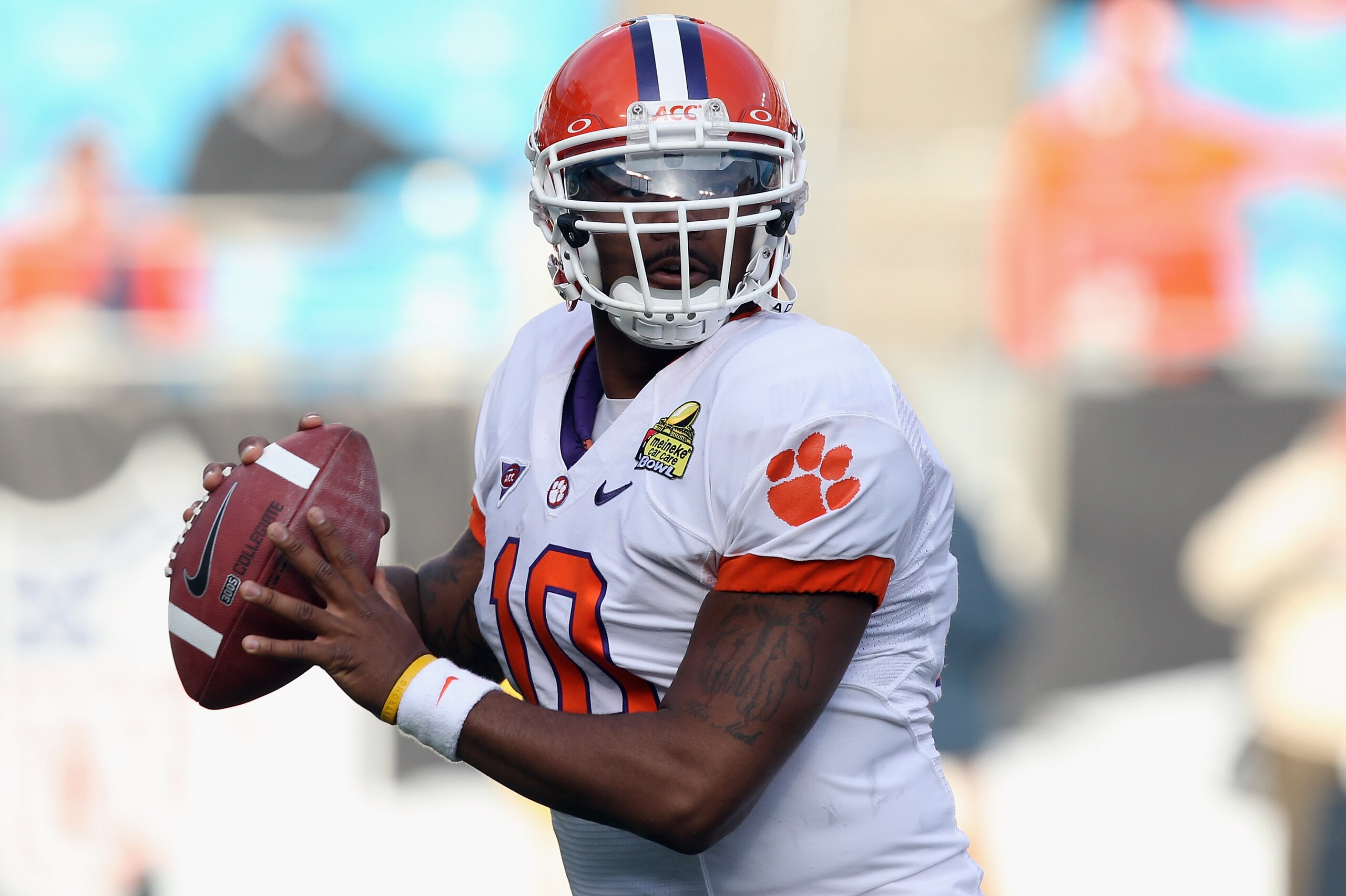
After a disappointing 6-6 finish in 2010, Clemson fans are hungry for third-year head coach Dabo Swinney to bring them something more than bowl eligibility.
QB Kyle Parker is done after struggling with Chad Morris' new offense in 2010 and in his place is Tajh Boyd, who may be the hinge on which Clemson's season hangs.
The Tigers return a whopping 17 starters in 2011 and if they can fill some huge holes defensively (and this was a good unit last season, they ranked No. 13 in scoring) they might be the big surprise in the ACC Atlantic in 2011.
And if this still sounds like a bunch of hogwash don't forget that Clemson's incoming recruiting class (the one hitting campus later this summer) is ranked No. 8 nationally.
31. Northwestern
20 of 50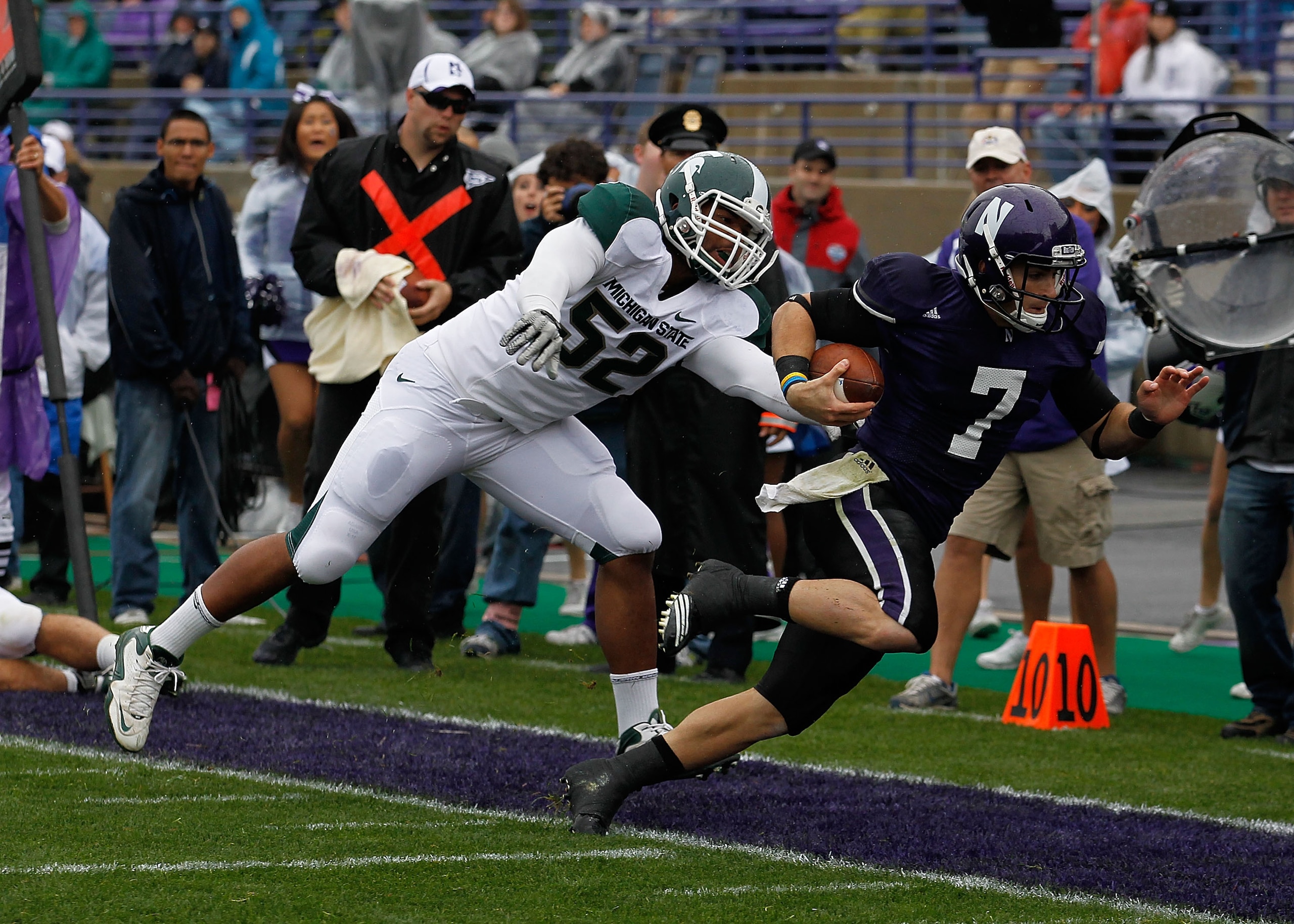
When you're busy trying to sort out the Big Ten Legends Division and getting all frothy around the mouth about Nebraska's place among Michigan, Michigan State and Iowa, don't forget about little Northwestern and big Dan Persa.
QB Persa will be back under center this season after a injury last November that ultimately cost the Wildcats a chance at winning their last three games.
Before Persa went down, Northwestern went 7-3—afterwards they were 0-3. Persa was so stunning that the Big Ten coaches named him to the all-conference first team (even after missing the last three contests).
Coming back with Persa are 16 other starters including eight offensive and seven on defense.
What this all means for Northwestern is unknown, but having Wisconsin and Ohio State totally off the schedule certainly can't hurt.
30. USC
21 of 50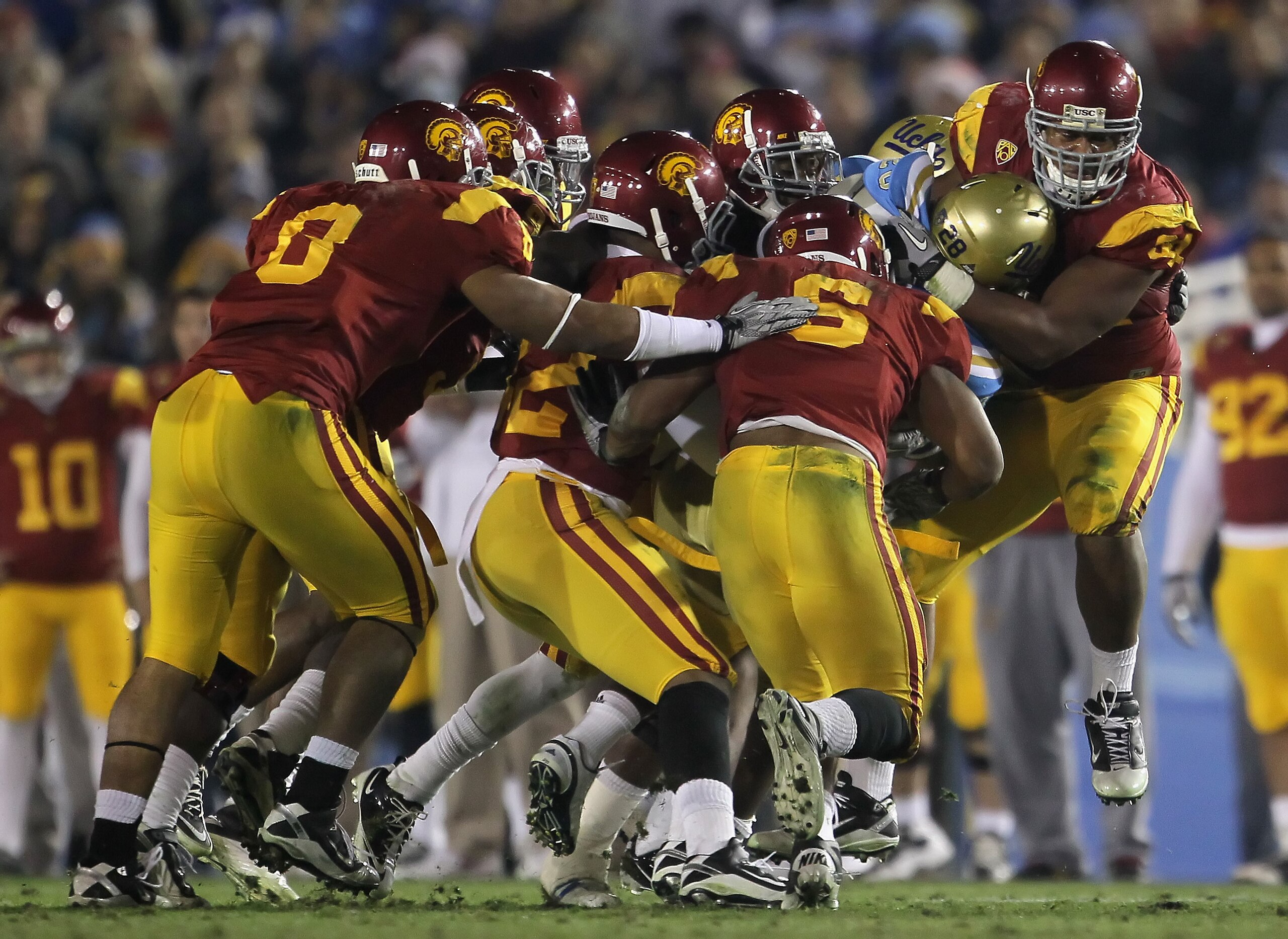
The Trojans may be playing under the cloud of one more year of a postseason ban, but they'll still be playing.
The 2011 USC squad returns 13 total starters headlined by QB Matt Barkley; the major concerns are at offensive line and defensively.
If Lane Kiffin can address these issues USC has seven home games on the schedule and has every opportunity to begin to rack up wins in true Trojan form.
If Southern Cal can throw a solid foundation under a heap of talented skill positions, don't be surprised if USC is ranked by the end of the season, which is completely possible even with the lingering sanctions.
29. Auburn
22 of 50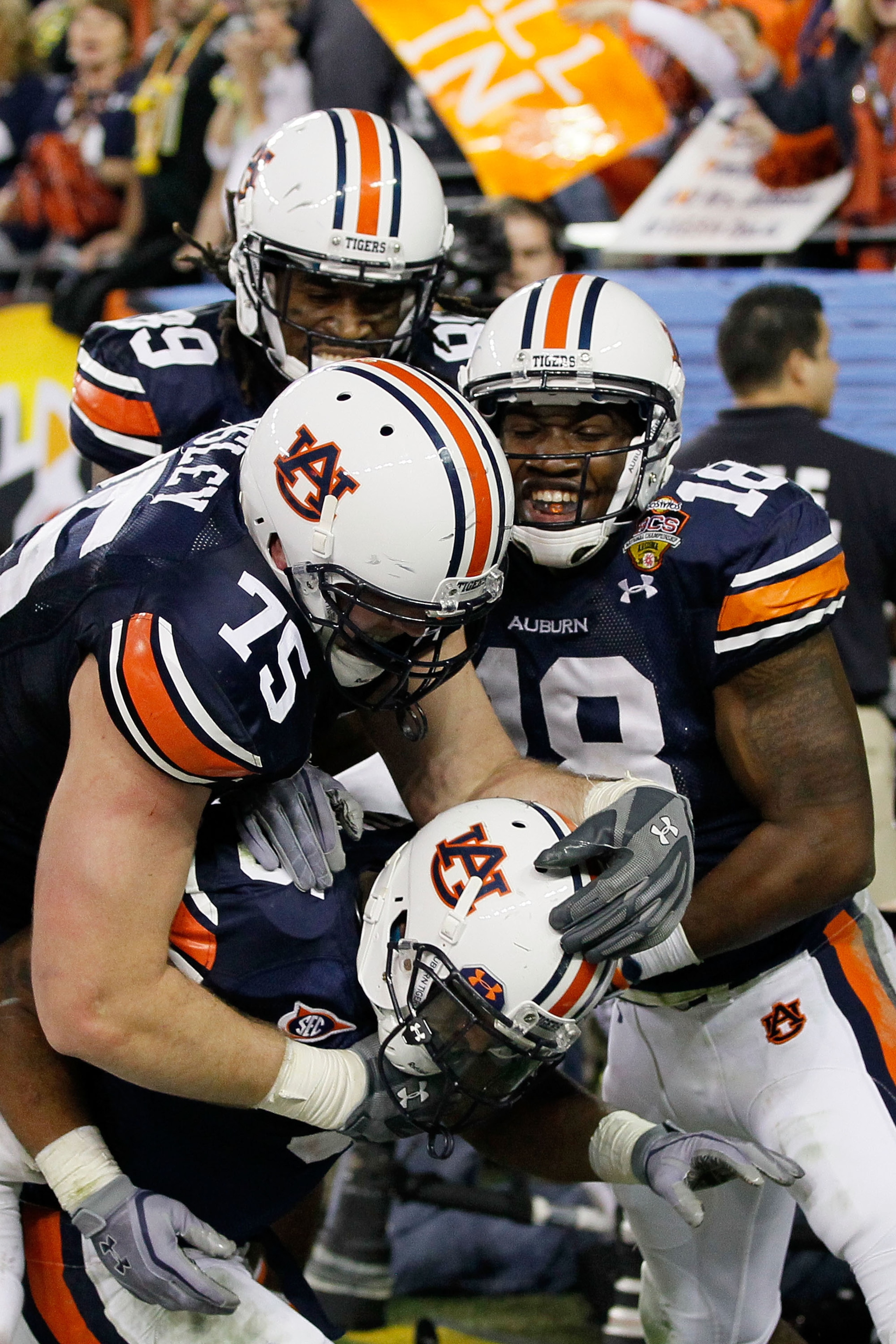
Despite the No. 7 ranked recruiting class and regardless of the fact that Auburn was nothing short of breathtaking in 2010, the Tigers aren't likely to finish in the Top 25 next season.
They return only seven starters (yes, Cam Newton isn't the only guy who has left the building) and their schedule reads like a Stephen King novel.
Sure, the guys moving up the roster are talented but you have got to figure it will take Auburn at least one season to regroup effectively enough to again vie for a SEC West crown, a conference title and another BCS run.
28. Penn State
23 of 50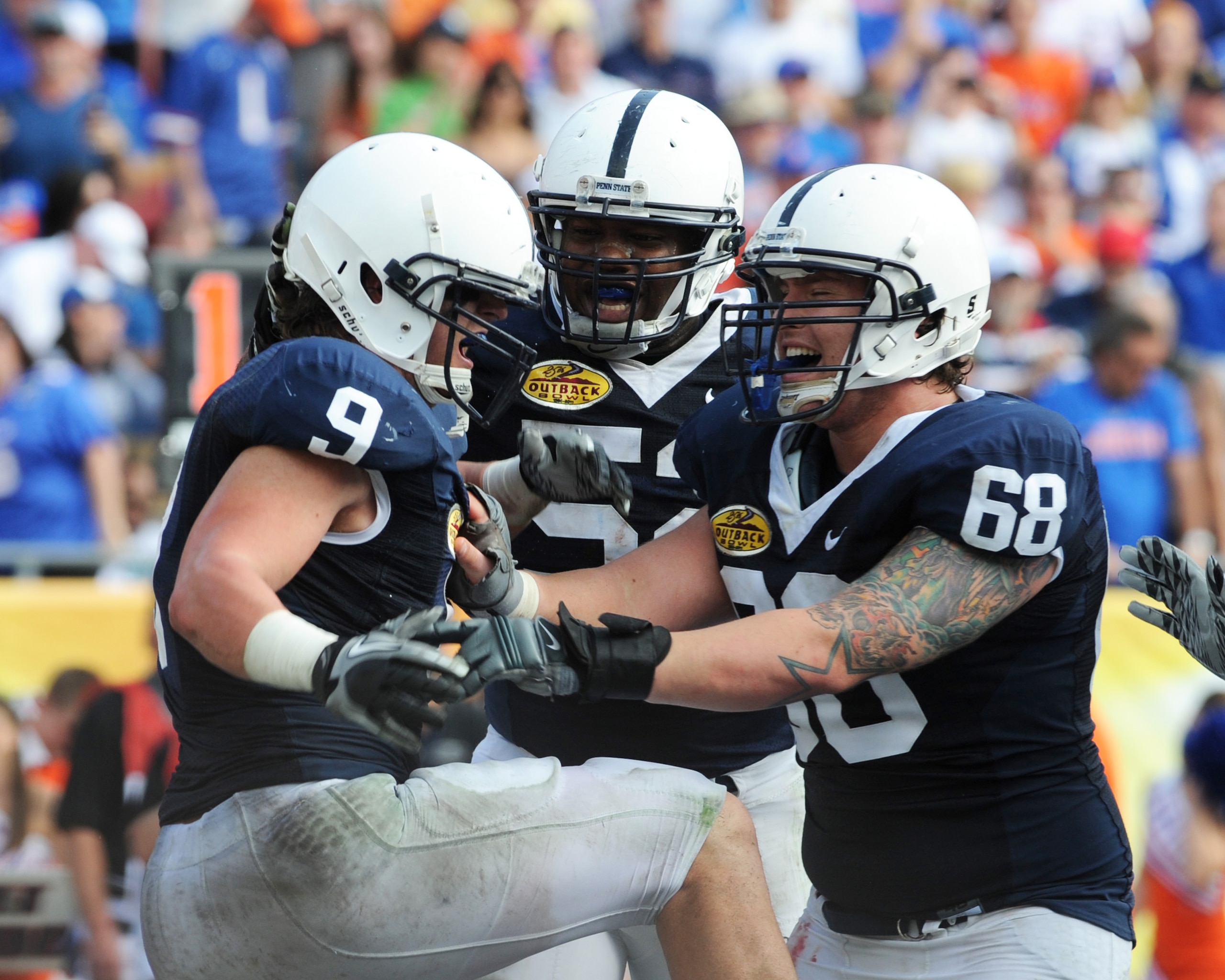
The Nittany Lions return 16 starters from the 2010 team that went 7-6 and lost to Florida in the Outback Bowl.
Will 2011 mark the end of the rebuilding phase in Happy Valley? Well, the answer to this question will have a lot to do with what happens at quarterback and continued questions on both the offensive and defensive lines.
What won't help is a schedule that starts somewhat innocently (despite a September 10 visit by Alabama) but ends with a flourish: at Northwestern, Illinois, Nebraska, at Ohio State and at Wisconsin.
What will help are the uncertainties at fellow Leaders teams (and front-runners) Ohio State and to a lesser degree Wisconsin.
Penn State showed moments of real brilliance last season and if history is any indicator it won't be very long until the Nittany Lions post nine or 10 wins again.
27. Georgia
24 of 50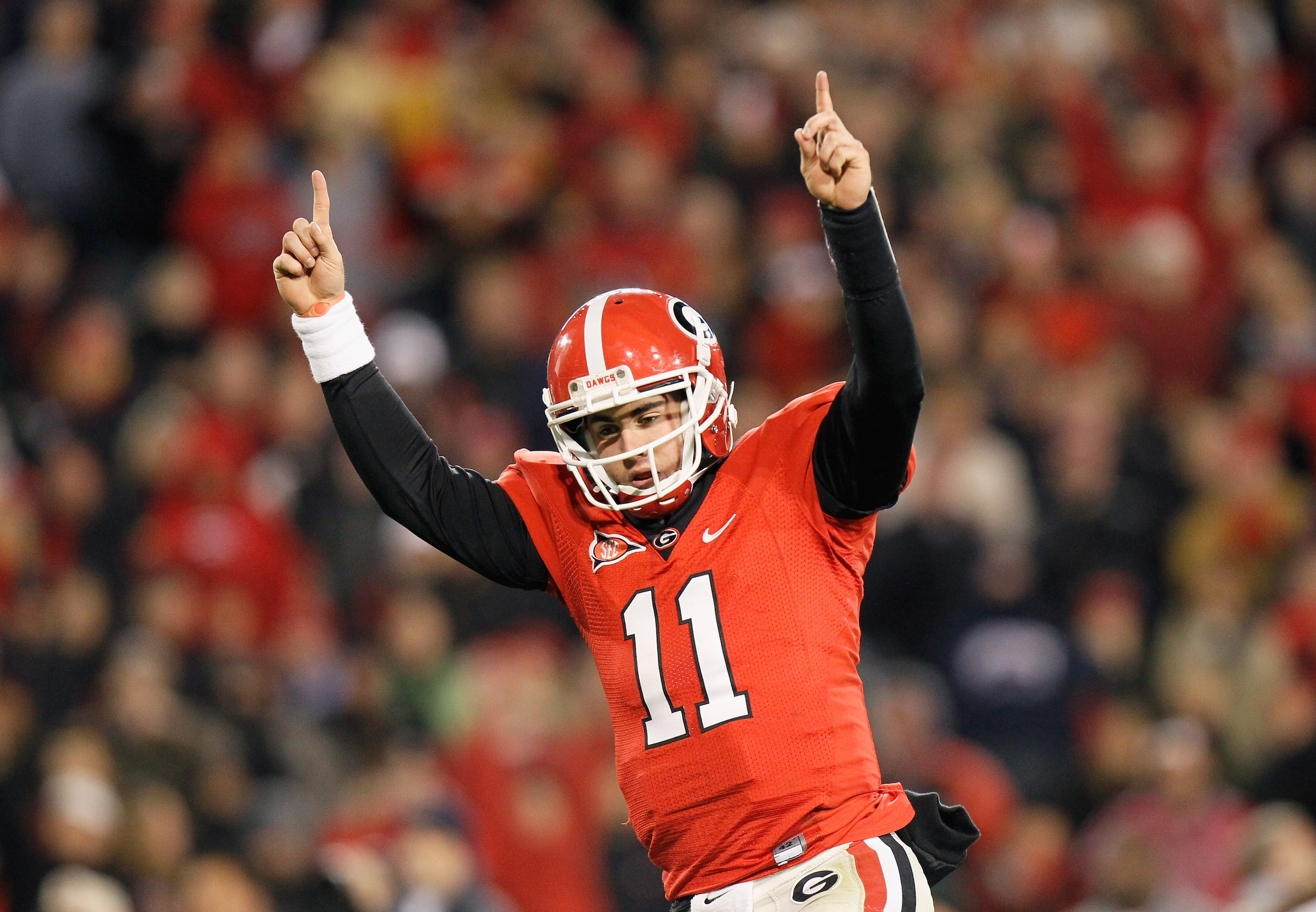
Georgia's 8-5 finish in 2009 was disappointing but their 2010 6-7 finish was nothing short of shocking.
With 17 starters due back in 2011 including QB Aaron Murray and a schedule that is somewhat favorable (LSU and Alabama aren't on the slate at all), next season presents the opportunity for plenty of improvement.
What also is helpful is the fact that the SEC East is in reality up in the air and anyone's title to grab.
What Georgia can't afford is another poor start, which is exactly what blew the wind out of their sails last season; Boise State in Atlanta, South Carolina in Athens, Coastal Carolina, at Ole Miss and Mississippi State will set the tone for the 2011 season.
26. BYU
25 of 50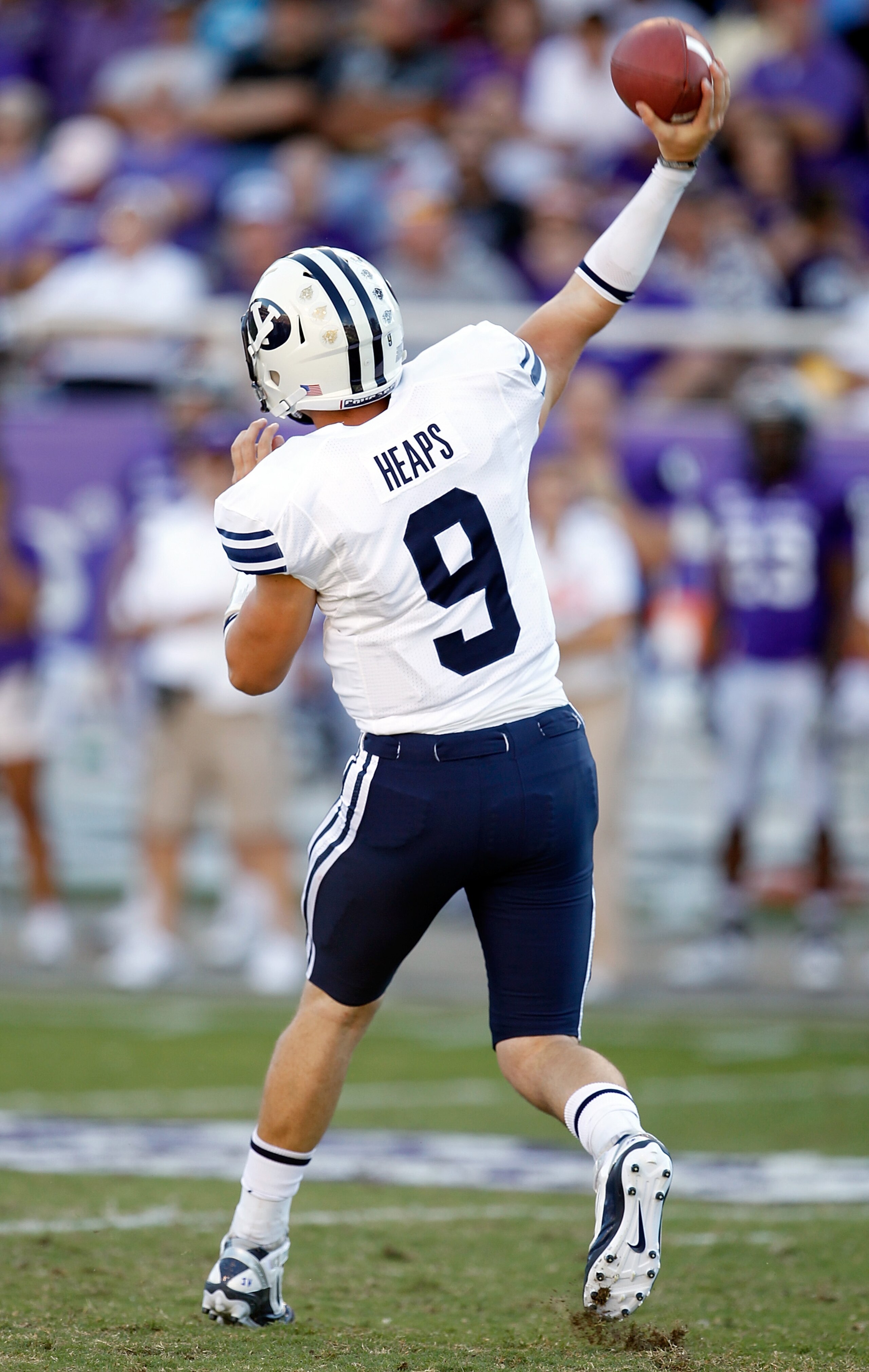
BYU returns a whopping 17 starters from its 2010 product that went 7-6 in what was billed as a rebuilding year.
After starting the season 2-5 the Cougars finished the season 5-1 including a 52-24 thumping of UTEP in the New Mexico Bowl.
What is intriguing about BYU's 2011 season is the schedule that reflects the true cost of independence; highlights include the two opening games on the road at Ole Miss and at Texas followed by a home stand with Utah and UCF. The pot is sweetened by an October 15 visit to Oregon State and an October 28 game versus TCU in Arlington, Texas.
BYU should be even better next season but these five games will more than likely tell us most of what we need to know about the now conference-less Cougars.
25. Michigan
26 of 50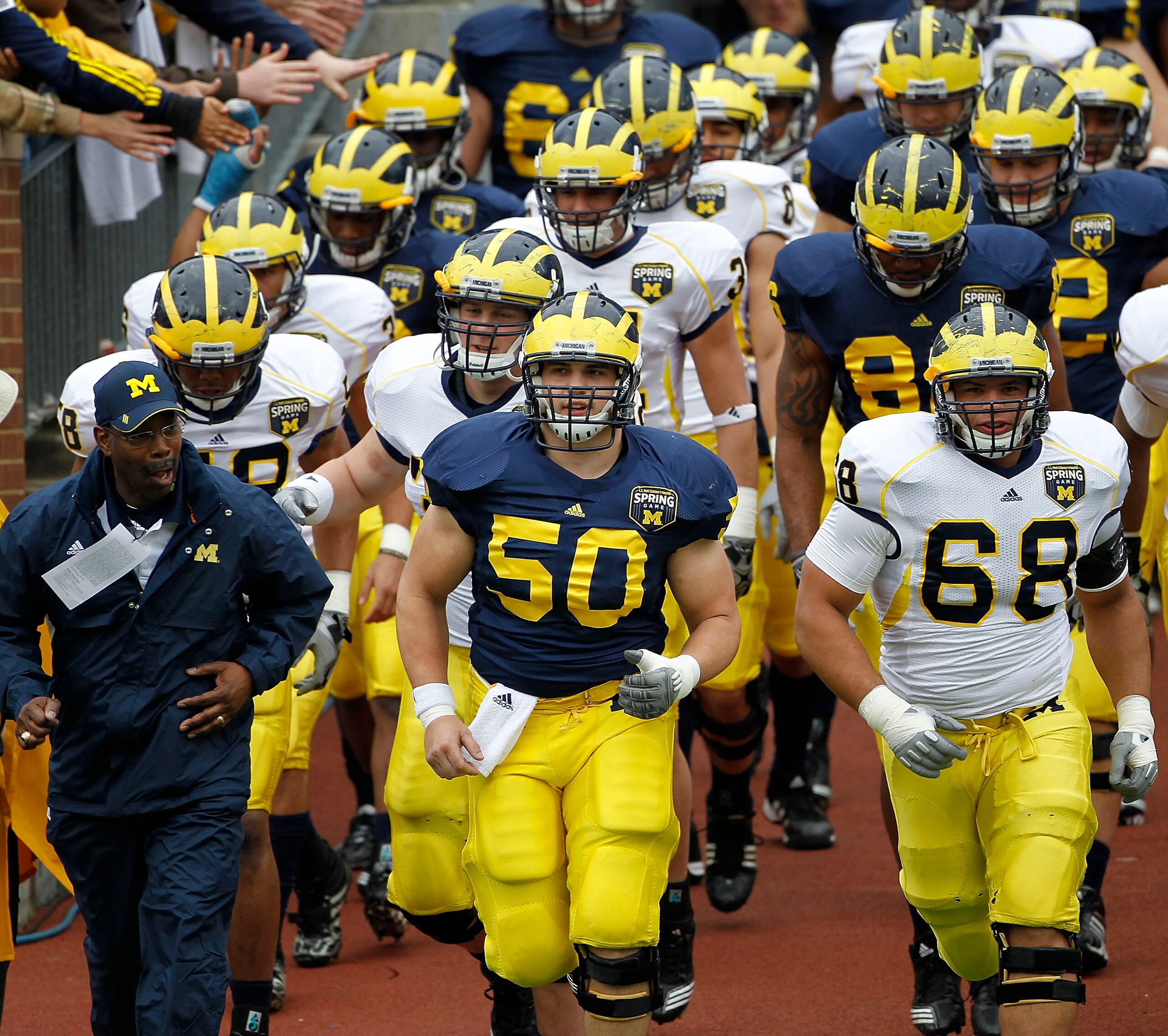
The Wolverines sneaking into the Top 25 isn't by mistake—Michigan returns 20 starters in 2011 and is one small defensive step away from winning eight or more games.
Is incoming DC Greg Mattison truly the answer or will it be Brady Hoke's unbridled enthusiasm that tips the scales in 2011?
Regardless, the Wolverines kick off the season with five straight home games and play a generous eight contests in Ann Arbor in 2011.
Add their affiliation with the new Legends Division and an offense that should be productive regardless of the scheme, and Michigan could surprise everyone (even the Vest-less Buckeyes) next season.
24. Arizona State
27 of 50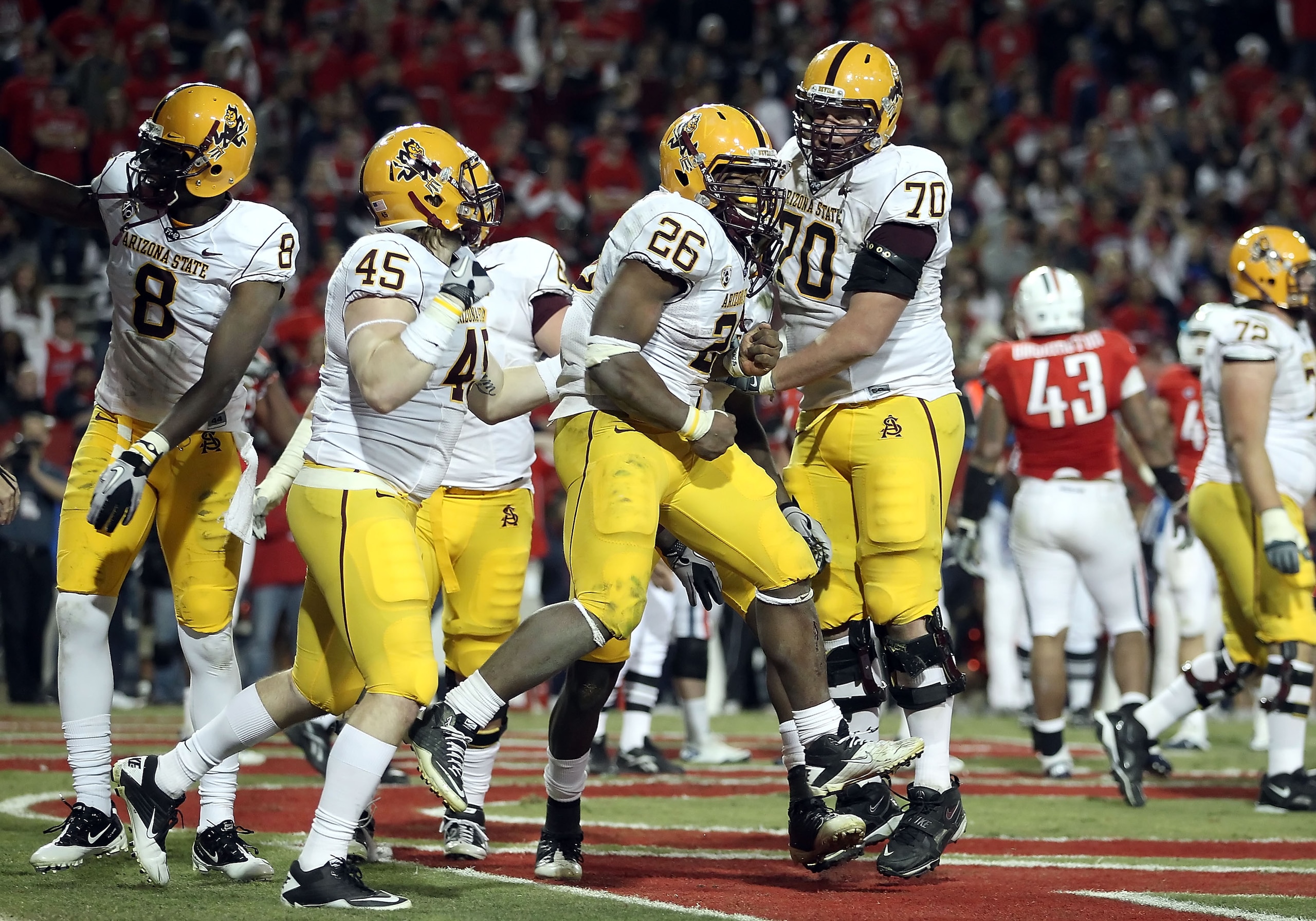
Arizona State, at least on paper, is the Pac-12 South Division team to beat.
The Sun Devils return 19 starters from a team that went only 6-6 in 2010 but lost five of those games by a total margin of only 20 points (which leaves out the 50-17 beat-down at Cal).
But does all this really equal a divisional title that results in a conference championship appearance and a legitimate shot at the BCS?
It seems hard to believe especially given the divisional rivals are USC (postseason bowl ineligible but still apparently moving forward with the season), Utah (a very good team), Arizona, UCLA and Colorado.
But, stranger things have happened and ASU has all the pieces in place to make the new Pac-12 and perhaps the nation "fear the fork."
23. Texas
28 of 50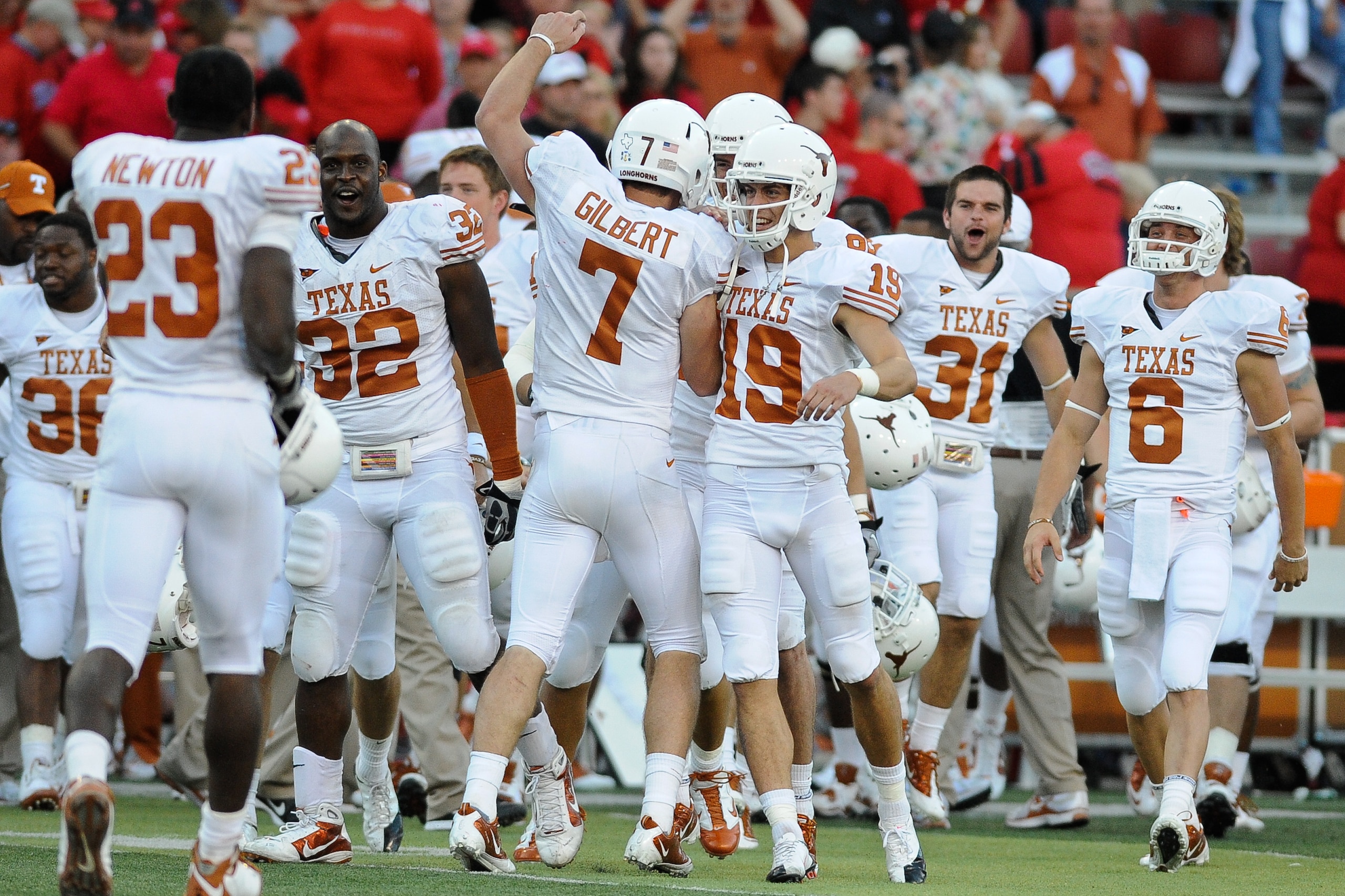
The Longhorns' fall from the BCS national championship in 2009 to a 5-7 team in 2010 makes 2011 more than a hard call.
Texas returns 15 starters in 2011 and has questions at quarterback and offensive line, but should be more settled on the defensive side of the ball.
Despite any analysis we can be confident in assuming that the Longhorns are stacked with top-caliber speedy personnel and have the No. 3 incoming recruiting class coming to Austin later this summer.
Mack Brown threw many of his assistants under the bus during last season's debacle, and if the new staff fails at motivating the talented Texas athletes it will be interesting to see who Brown blames then.
Regardless, it is absolutely difficult to imagine that Texas will finish with less than seven wins in 2011; there is just too much talent and history to predict less.
22. West Virginia
29 of 50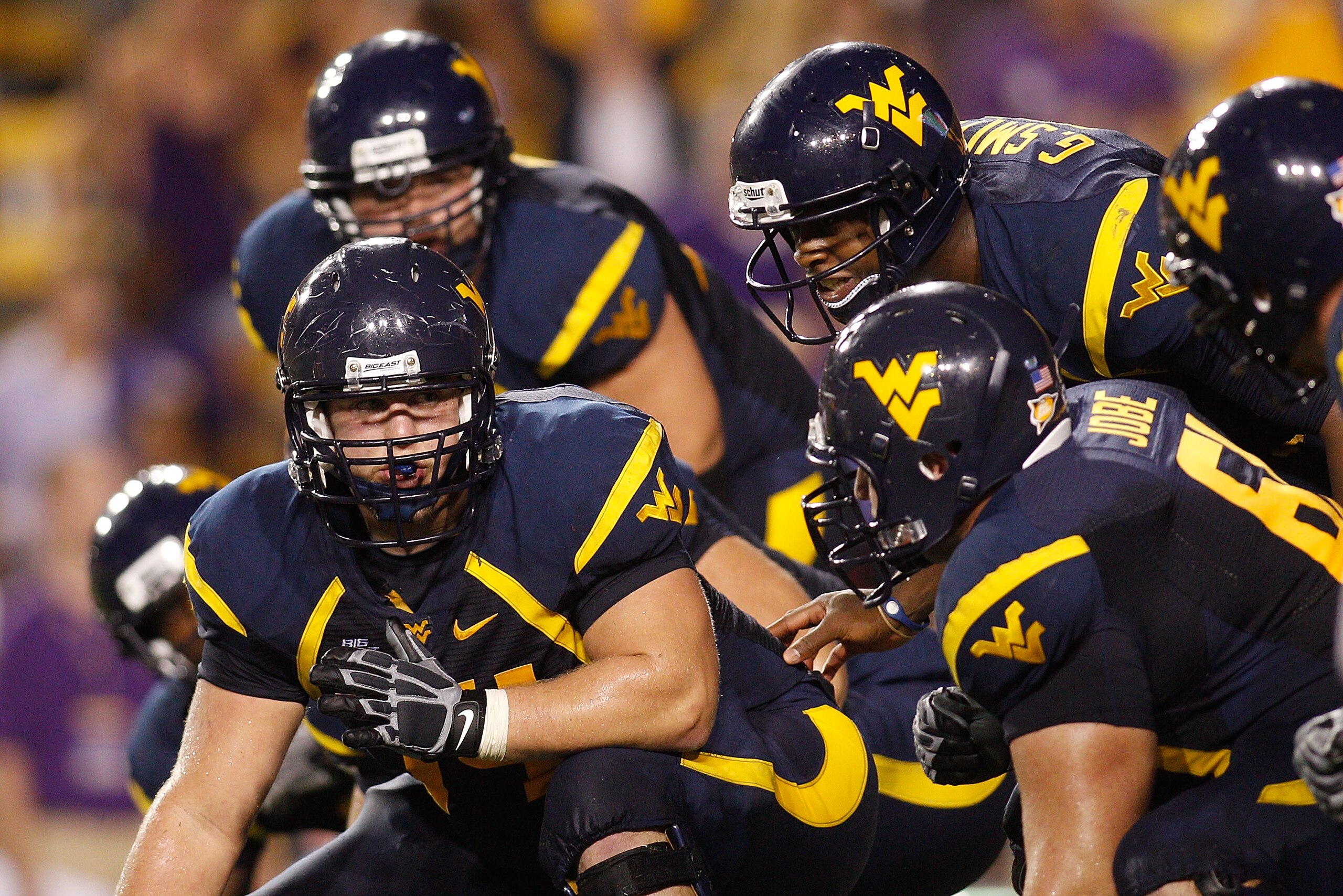
Though everyone is talking about incoming OC Dana Holgorsen (who is also the coach in waiting at West Virginia) transforming the Mountaineer offense, it would be remiss not to mention the fact that WVU will have to deal with some serious retooling defensively in 2011.
The defense returns just four starters to a unit that was the reason the Mountaineers won nine games in 2010 (they ranked No. 3 in defensive scoring) and will need to be able to quickly retool to allow Holgorsen's offense time to jel.
Offensively, West Virginia returns eight starters to a squad that ranked No. 78 in scoring; their success as a unit will all come down to how quickly they assimilate to the new high-powered offensive scheme.
Overall, West Virginia is the favorite to win the Big East, which means a BCS berth is a definite possibility.
21. Mississippi State
30 of 50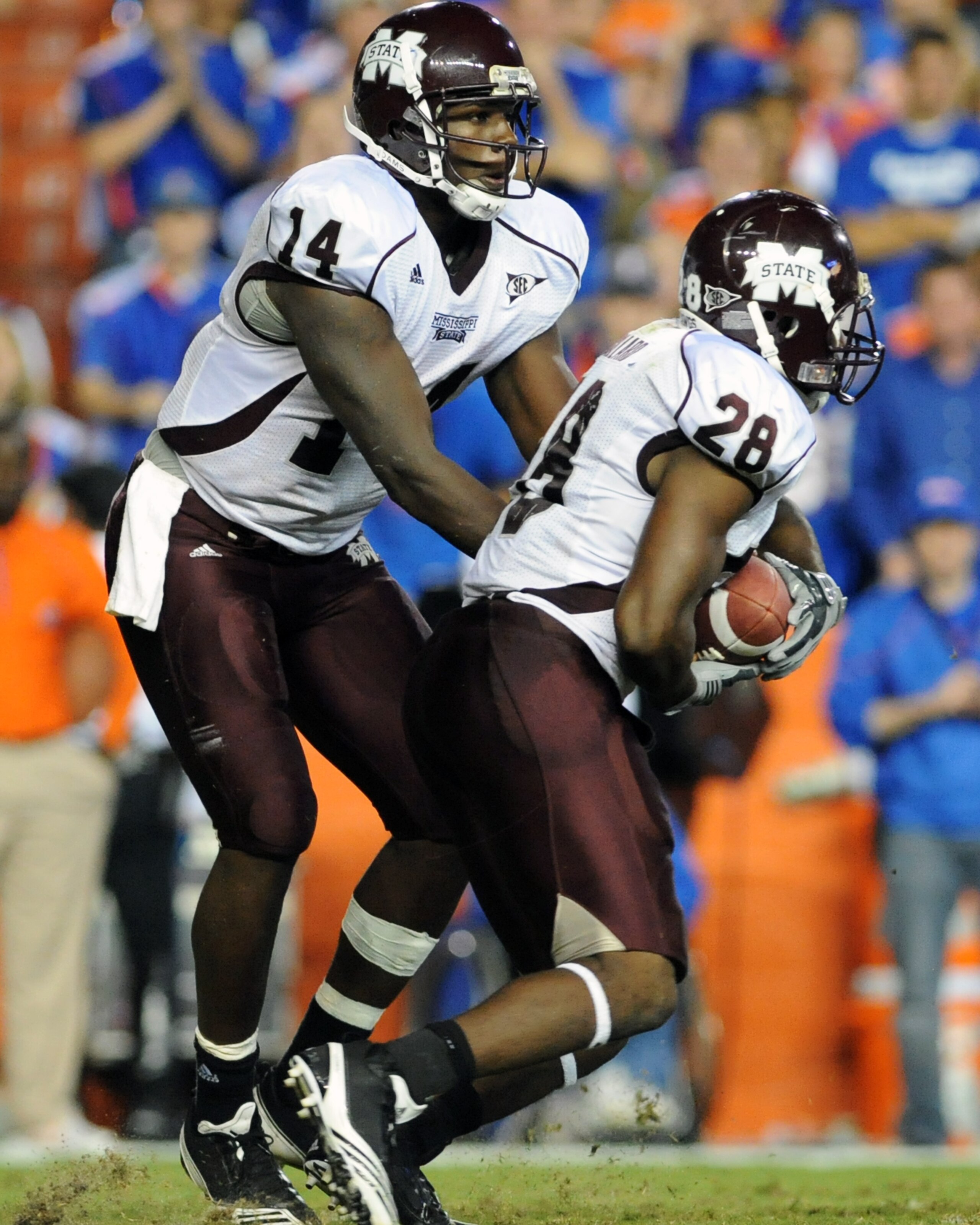
The Bulldogs return 15 total starters from their 2010 team that finished with an impressive 9-4 record, which was capped off with a 52-14 demolishing of Michigan in the Gator Bowl.
Key returners include leading rusher Vick Ballard and QB Chris Relf, who combined to lead the Bulldogs to a No. 16 ranking in rushing.
Seven members of the defense are back in a unit that managed a No. 21 ranking in scoring; the biggest concerns are at linebacker.
The biggest hurdle for the Bulldogs is, once again, its affiliation with the treacherous SEC West, where front-runners LSU and Alabama will be legitimate contenders for a BCS bid and more.
Earning their first 10-win season since 1999 seems like nothing less than a Herculean task, especially given a schedule that features road trips to Auburn, Georgia and Arkansas (with home stands against South Carolina, LSU and Alabama).
20. TCU
31 of 50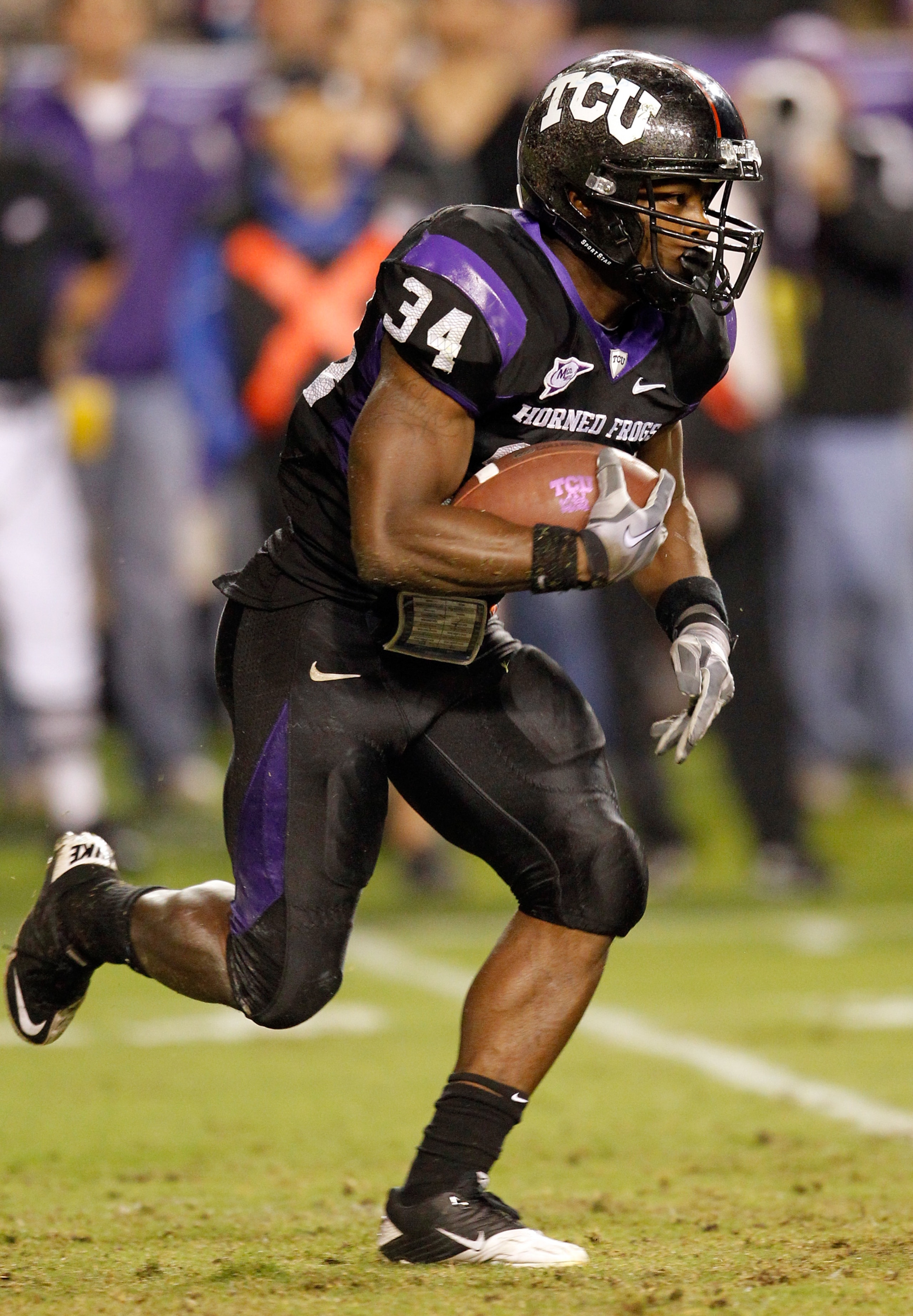
Regardless of who's coming back and and the strength of the recruiting class, TCU's magical 2010 season will be, at the very least, difficult to repeat in 2011.
The Rose Bowl champions return only 10 starters in 2010, and though they will refill the holes with talented players, how long it will take new on-field leaders to emerge is impossible to predict.
In the Horned Frogs' favor is their final Mountain West Conference schedule, which is doable regardless of road trips to Air Force, Baylor and Boise State.
At the end of the day Gary Patterson will have his team ready to play in 2011 but it's realistic to expect a drop of some sort from last season's perfection and glory.
19. Virginia Tech
32 of 50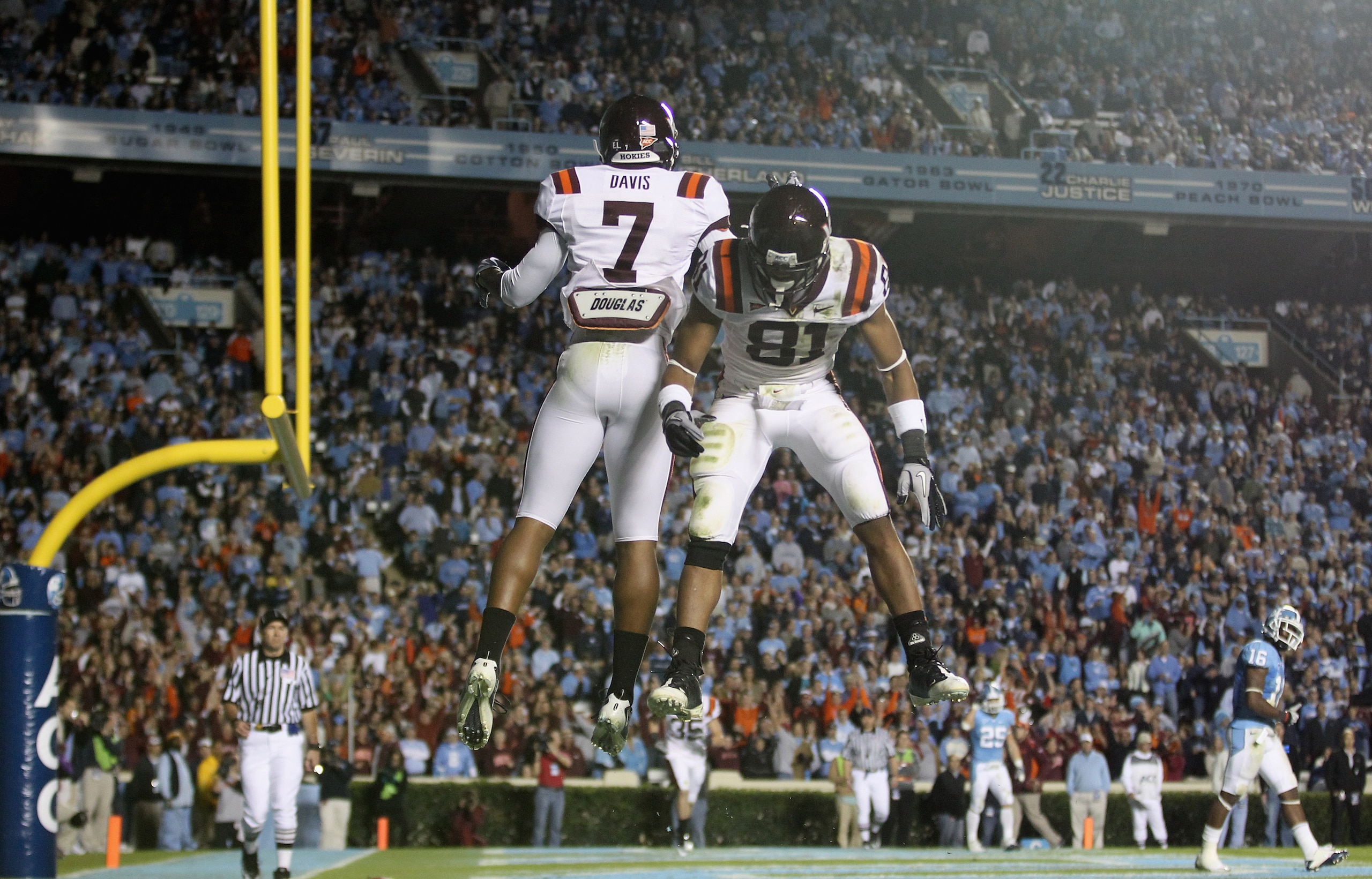
With QB Tyrod Taylor out of the picture and only 13 starters coming back, Virginia Tech is easy to count out of the BCS equation for 2011.
But this is a team that was balanced in 2010, ranking No. 21 in offensive scoring and No. 26 in defensive scoring; these are the kind of stats that more than one guy has to be responsible for.
The Hokies have a schedule that hopefully won't allow the unfortunate start that happened last season: FCS Appalachian State at home (don't expect a repeat of James Madison shocker), at East Carolina, Arkansas State and at Marshall.
Florida State, NC State and Maryland are all off the schedule; the Miami game is at home as is North Carolina.
Virginia Tech has a realistic shot at another ACC crown and a run at the BCS; this is just the type of "perfect storm" that makes a No. 19 preseason ranking look ridiculous, but first you have to convince me that QB Taylor is really that easy to replace.
18. Missouri
33 of 50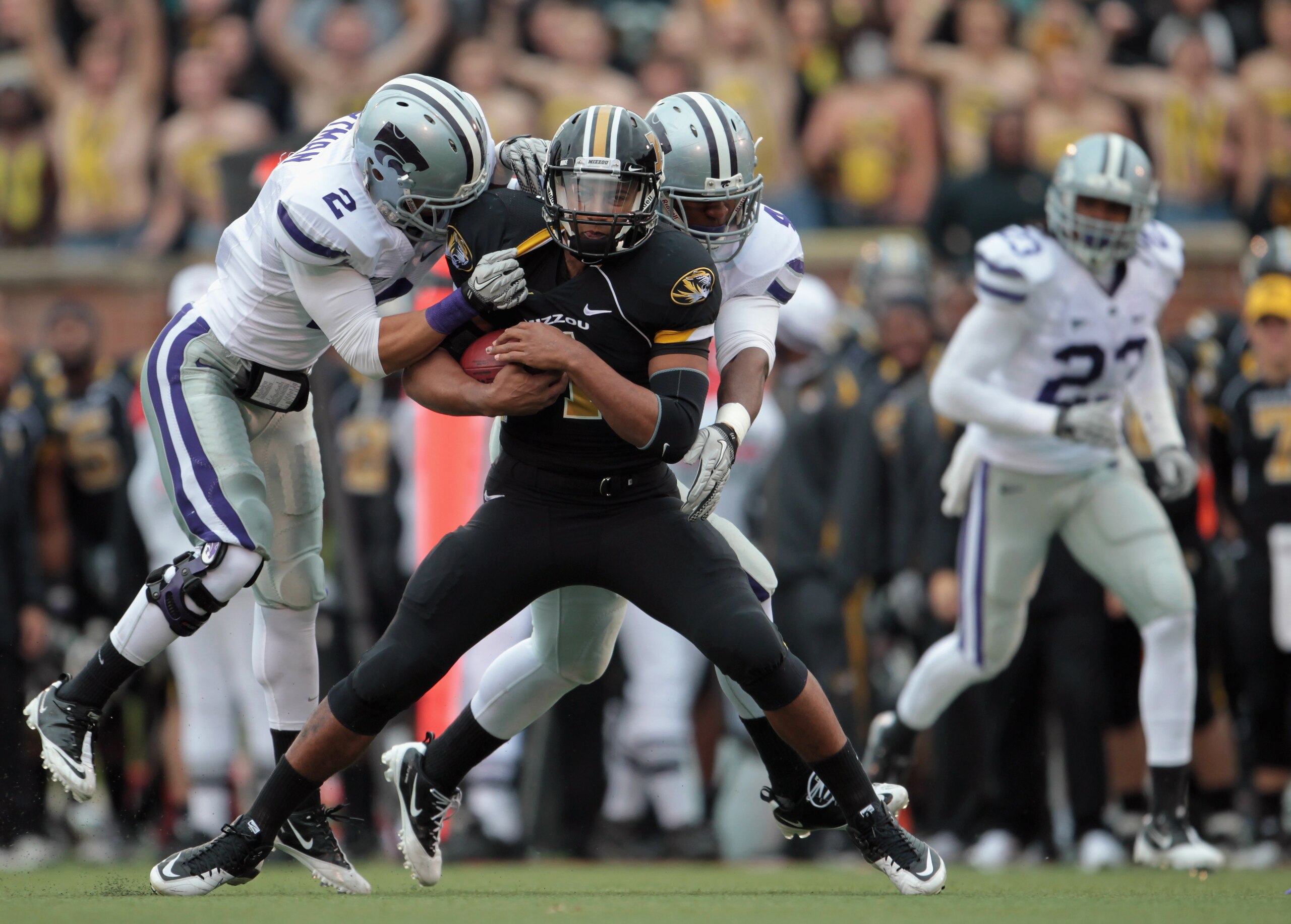
And here is the team that I think is the most interesting twist in the 2011 Big 12 Conference: the Missouri Tigers.
Though Mizzou obviously lost QB Blaine Gabbert to the NFL draft, returning to Columbia are 17 starters to a team that went 10-3 in 2010 and looked solid as a rock with only a few exceptions.
But with all the talk about Oklahoma's title run, Oklahoma State's high-flying offense, the Aggies' return to national prominence and Texas, oh Texas . . . what about Missouri?
We'll know a lot more about QB James Franklin and crew on September 24 when the Tigers call on the Sooners in Norman, but before that happens Missouri will face Miami (OH) at home in the opener (the Miami who went 10-4 last season) and Arizona State on the road in Week 2.
17. Florida
34 of 50
When you think of the Gators next season, it's pretty easy to get caught up in the coaching changes, which are definitely worth dissection.
But beyond leadership and sideline stalkers Florida is a team that returns 13 starters in 2011 and is very young and largely inexperienced (but scarily talented).
Add in a schedule with a four-game run that includes a visit from Alabama, a road trip to LSU, a visit to Auburn and the annual meeting with Georgia and Jacksonville, and you have a huge question mark going into 2011.
It may take Muschamp and company more than a year to get it all sorted out in Gainesville, but watch out for this group in 2012.
16. Ohio State
35 of 50
Well, at least we know now that Coach Tressel's successful (and now scandalous) 10-year tenure at Ohio State is finished; what we don't know is how many asterisks will be added to the record book due to failed compliance.
We also know that the "Tat Five" will miss the first five games of 2011; beyond that we are pretty sure that the Buckeyes return 13 starters from the 2010 team that went 12-1.
Regardless of what happens next and who is the new coach in Columbus, you have to figure Ohio State can manage at least eight wins, which keeps them in the Top 25, but a seventh consecutive BCS bid may be out of the question.
Ohio State is just too deep and talented to expect a free-fall to complete and utter mediocrity, under any circumstances.
15. Notre Dame
36 of 50
All the pieces are in place: 18 returning starters who look to improve all over the field and a second-year coach who is a proven commodity, but does this really all equal more than eight wins in South Bend next season?
Has the "era of good feelings" actually arrived again at Notre Dame; is it time to dust the big layer of dust off the trophy case shelf?
Though it all sounds good and Irish fans want to believe it as much as Irish haters want to refute it, the proof is in the pudding and the first four games of the season will give us insight: South Florida, at Michigan, Michigan State and Pitt.
14. Wisconsin
37 of 50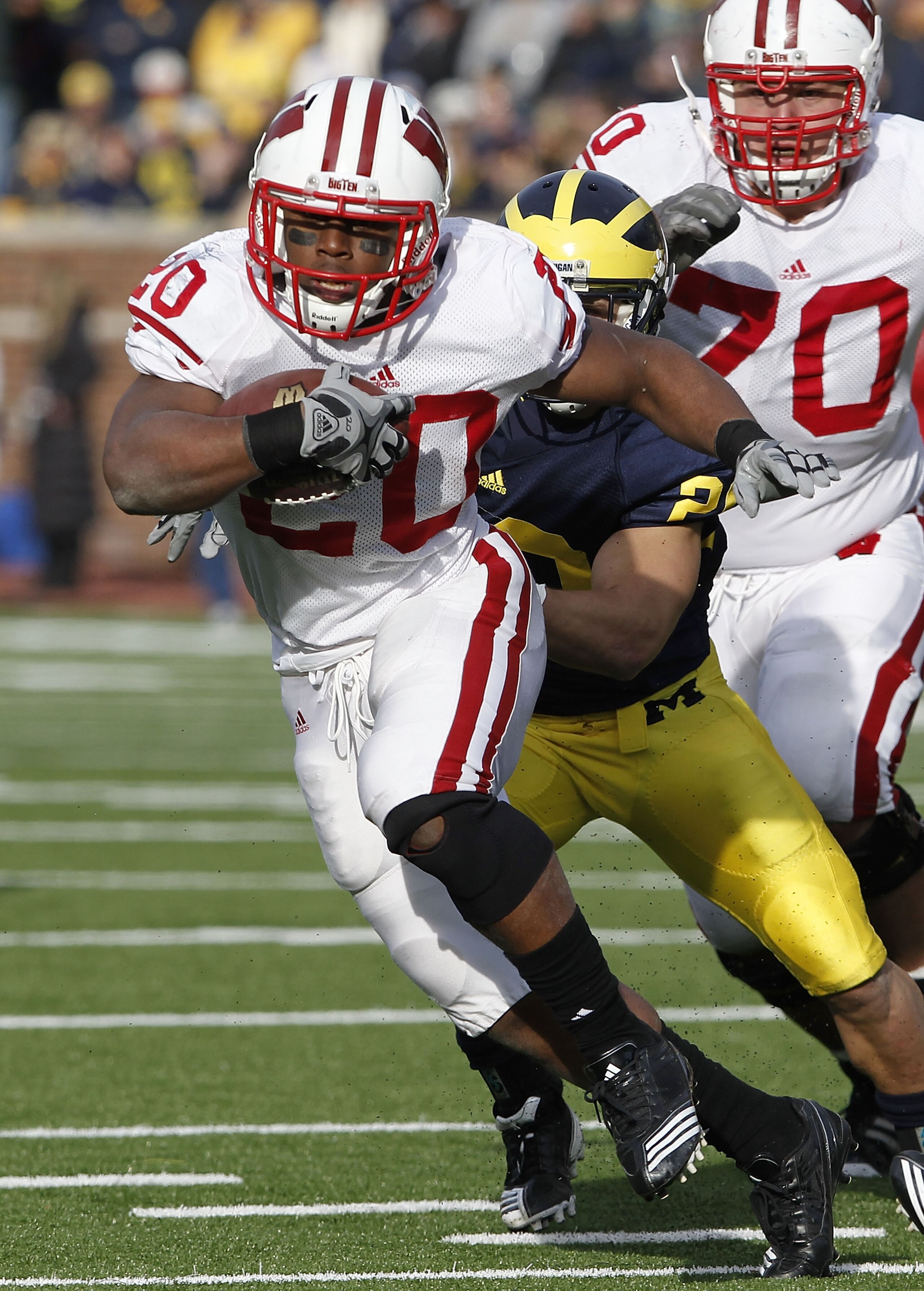
All the drama at Ohio State makes the entire Big Ten picture fuzzier and less apt to be discussed, but regardless of what's going on in Columbus, Wisconsin will have a good football team in 2011.
Returning to Madison in 2011 are the dynamic rushing duo of Montee Ball and James White, which should take some of the pressure off of new QB Jon Budmayr.
All in all, the Badgers return enough depth next season to work towards achieving the high statistical bars set by the 2010 squad, which included a No. 5 ranking in offensive scoring and a No. 25 ranking in defensive scoring.
Especially now that the Buckeyes are in totally flux, Wisconsin is the clear front-runner to win the first ever Leaders Division title and participate in the first ever Big Ten Championship Game.
13. Arkansas
38 of 50
Another team overlooked for strong divisional foes, the loss of QB Ryan Mallett combined with the rising fortunes of LSU and Alabama combine to have few people talking about Arkansas in terms of anything more than being a third-place finisher in the SEC West.
But 15 starters are back for the Hogs in 2011 and if the defense and Knile Davis and the running game can buy new starting QB David Wilson some time, don't be surprised if Arkansas is more than an afterthought.
With LSU and Alabama both on the road, Arkansas will have to fight for everything it achieves.
12. Nebraska
39 of 50
No matter how you feel about Nebraska football or the Big Ten Conference, the marriage between the two is among the most exciting storylines in the recent history of college football.
What were regular trips to Kansas, Kansas State, Colorado, Iowa State and Missouri are now annual visits to exotic places like East Lansing, Ann Arbor, Evanston, Minneapolis and Iowa City.
Boarding the bus are 12 starters from the last Big 12 offering which (at least offensively) has been retooled to atone for last season's poor finish.
What is interesting is the fact that Nebraska comes into the Big Ten ranked No. 63 in rushing defense (but No. 5 in passing defense), which works well for a Big 12 schedule but could prove disastrous for its new conference home.
Despite all of this, the Cornhuskers should field a formidable squad next season and a Top 15 ranking is not at all a stretch.
11. Michigan State
40 of 50
It doesn't seem likely that folks will be overlooking the Spartans in 2011, but the big difference between the upcoming season and the one just past is the schedule.
Both units, especially the offensive skill positions, return fairly intact but the 2011 slate of games is nowhere near as welcoming as that in 2010, which didn't have the Spartans play out of Michigan until an October 23 road trip to Northwestern.
This year Ohio State is back on the schedule (in Columbus), Notre Dame is a road game, and Sparty will have to pack his toga for a historic trip to Lincoln, Nebraska on October 29 to face the children of the corn.
This makes the magical finishes to many of last season's games seem less likely; but don't completely count out Mark Dantonio's team which, at least on paper, should be one of the strongest teams in the Big Ten.
10. Stanford
41 of 50
The big question at Stanford coming into next season is can Andrew Luck really provide the leadership and skill necessary to lead the Cardinal back to the promised land?
What some assume is mere fact (Stanford making another Top 10 finish), others prudently are beginning to question.
First, there is the loss of Jim Harbaugh on the sidelines—he seemed to be the source of the Cardinal swagger and invincible attitude. How much will his leadership be missed and how much of the team's winning identity was a reflection of his personality?
Second, this is a team that returns only 13 total starters, and though Luck is back, gone are the primary receivers, three offensive linemen, a couple of defensive linemen, two linebackers, the defensive coordinator and a stellar kicker.
Sure, every college football team suffers losses, but can Stanford really just snap their fingers and overcome all these personnel hits along with the very critical loss of Harbaugh?
They'll still be good, but will they be that good?
9. Oklahoma State
42 of 50
The fate of the Cowboys in 2011 all comes down to two critical questions.
First, can they be as offensively dominant minus offensive coordinator and mastermind Dana Holgorsen and leading rusher Kendall Hunter?
Second, can the Cowboys make any improvement, even small steps, to a defense that ranked No. 61 in scoring and No. 88 in yardage allowed in 2010?
If the answer to both of these is "yes," Oklahoma State will be flat-out unstoppable; anything less could spell trouble, especially in a conference where three teams are ranked in the preseason Top 10.
In this scenario, somebody will have to beat somebody, which means somebody will have to lose.
8. Texas A&M
43 of 50
Aggie fans have waited for a long time for something really good to happen to their football program.
They have survived the latter part of the RC Slocum reign, gnashed their teeth through the Coach Fran debacle and lasted through the first two seasons of the Mike Sherman era.
And then 2010 happened, a season that looked almost lost by the time the Ags dropped their third straight loss to Missouri on October 16 but in reality signaled the beginning of a glorious six-game winning spree that netted Texas A&M their best finish since 2007 and their first Cotton Bowl appearance since 2005.
Ultimately the six wins were tamed by a 41-24 beat-down at the hands of LSU in the Cotton Bowl, but regardless, good vibrations are oozing out of College Station, Texas as fall approaches.
All the pieces are in place and despite a difficult schedule the Aggies return 19 starters and only are a couple of stellar linebackers away from a dream team.
But as we all know execution and prediction are not always neighbors especially in the world of college football.
Overall, A&M is a more balanced team than Oklahoma State but lacks the dominance and swagger of Oklahoma, but if they are ever going to break through now is the time to do it.
7. South Carolina
44 of 50
With QB Stephen Garcia out of the dog house (at least for now) the Gamecocks look primed to improve on their 9-5 finish in 2010.
The schedule is somewhat easier (LSU and Alabama aren't there), 14 starters return and the No. 1 recruit in the land will be wearing Gamecock red come game days in Columbia.
This team could truly be special and with the help of a relatively weakened SEC Eastern division, consistent play could equal the next step in the long road to a first ever SEC title and possibly more.
6. Boise State
45 of 50
Though it would be irresponsible to declare Boise State as non-contenders for the BCS in 2011, it is important to make a couple of points against such another busting.
First, gone is offensive coordinator Bryan Harsin (now at Texas) along with the two top wide receivers and three starting members of the secondary.
This hardly means that the Broncos' dominance will come to an ugly halt next season; but none of these losses are worthy of whisking away as "nothing."
At the end of the day Boise State is again primed to be a part of the national championship equation (a well earned honor) but the fact remains that since they play in a non-BCS-AQ conference all bets are off if they lose even one game.
Yes, the opener in Atlanta against Georgia is huge but so is every single contest on the slate, and each is a real step to the national title (refer to the Nevada game in 2010 as very real proof).
I personally can't help but thinking that maybe 2010 was destined to be Boise State's "year," but then again what they really need is a season when only one other team goes undefeated.
5. Florida State
46 of 50
Whether Florida State is really ready to rejoin the elite group of teams at the top of college football may come down to how well QB EJ Manuel can manage to match up to the high expectations everybody has for him.
Overall, the Seminoles return 18 starters in 2011, which includes a big chunk of a defense that should do nothing but improve under second-year DC Mark Stoops.
All the pieces are in place and the schedule is dreamy by BCS standards, but a national title run will all come down to a critical two-game stretch: September 17 at home against Oklahoma (winner takes all) followed by a road trip to Clemson the following Saturday.
Clemson may not seem like a big deal until you consider the emotional hangover that could come after a win or loss against the Sooners and the fact that the Seminoles haven't won at Clemson since 2001, when they walloped the Tigers 41-27.
4. LSU
47 of 50
For a team that played like a contender all the way until the season-ending 41-24 thumping of Texas A&M in the Cotton Bowl, LSU has a bunch of question marks coming into 2011.
First, can QB Jordan Jefferson improve the Tigers' No. 107 passing ranking, and, if not, can Zach Mettenberger provide any relief?
Then you've go to replace Stevan Ridley at running back (this was a running dominant running team in 2010), MLB Kelvin Sheppard, Patrick Peterson (as a cornerback and return specialist), the kicker and the punter.
Why do we still want to be confident about the Tigers regardless of all the facts?
Because these guys flat found a way to win in 2010, which makes you believe that 15 returning starters and the No. 6 ranked recruiting class may equal more than 11 wins in 2011.
3. Oregon
48 of 50
Last year's bridesmaid to Auburn's bridal party will be back after the coveted flowery BCS bouquet in 2011 with a vengeance.
Returning are many of the skill positions that led the Ducks to a No. 1 ranking in offensive scoring, but gone are three starters on both the offensive and defensive lines as well as two starting linebackers.
And Oregon won't have much time to revamp the trench warriors because the 2011 season kicks off with LSU in Arlington, Texas on September 3.
Despite the attrition, Oregon will be one of the top teams in the country until somebody knocks them out.
The good news is whoever losses the opener (the Ducks or Tigers) will have suffered an "acceptable" loss that could be forgotten by the time the season is over.
2. Alabama
49 of 50
The Crimson Tide will enter 2011 without QB Greg McElroy, WR Julio Jones and RB Mark Ingram but still look stacked enough to make a title run.
Besides the obvious skill position losses the biggest lingering concerns are at defensive line and the unknown quantity of leadership (which becomes even scarier when you consider what happened at Texas last season).
All in all, Alabama returns 17 starters and has a somewhat favorable schedule (remembering that all things are relative to SEC West membership) with Georgia and South Carolina off the slate and Arkansas and LSU both at home.
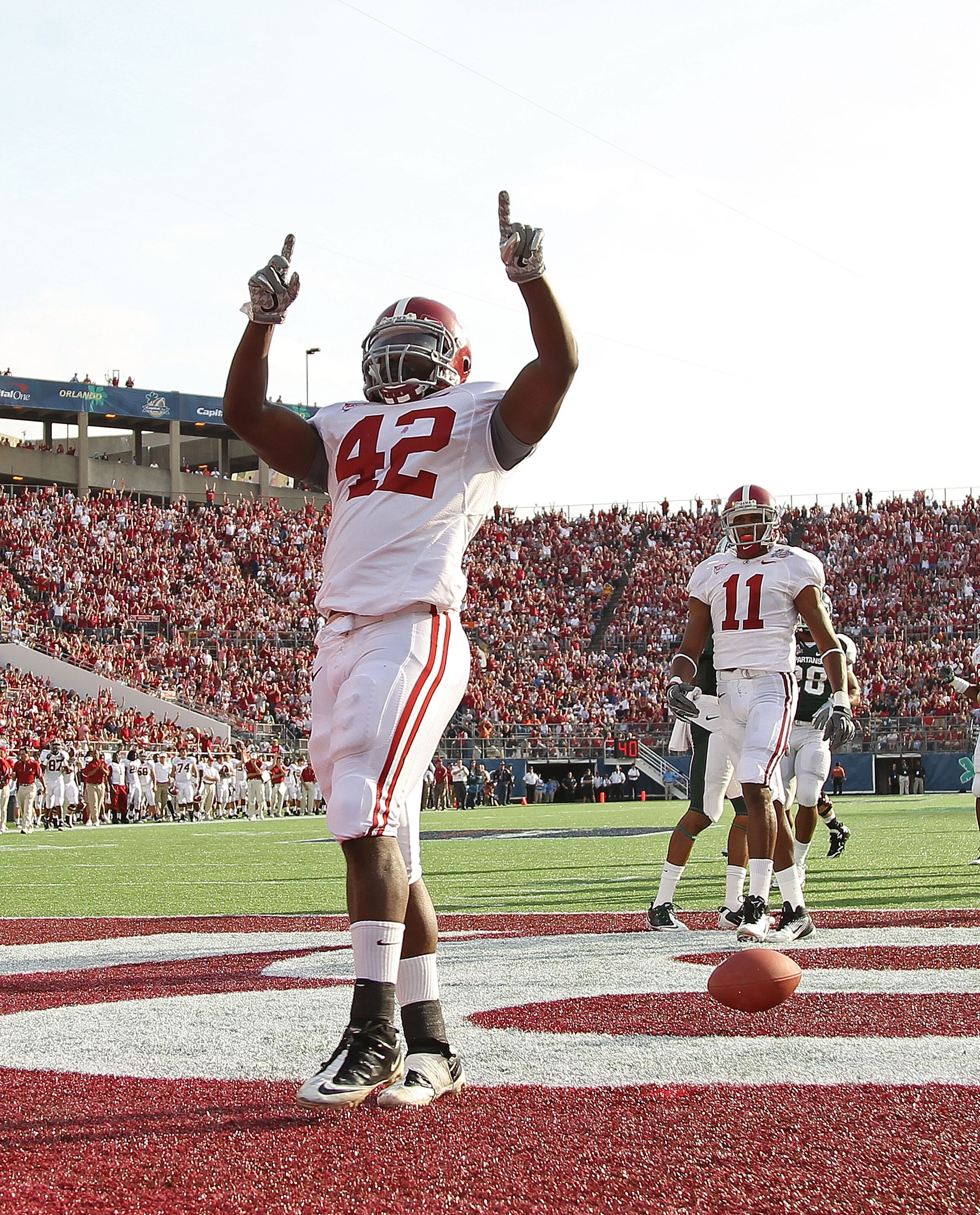
If you watched Alabama play last season you saw impressive hunger, and by the time they whipped Michigan State in the Capital One Bowl you witnessed ugly dominance; if these commodities can be carried over into 2011 (despite the personnel losses) the sky is the limit for the Crimson Tide.
1. Oklahoma
50 of 50
Oklahoma, at least on paper, has the best shot of winning the national title in 2011.
QB Landry Jones, WR Ryan Broyles and 15 other starters are back from a team that finished 2011 at 12-2 and ranked No. 14 in offensive scoring and No. 33 in defensive scoring.
RB DeMarco Murray has gone to the NFL but this is a team that ranked only No. 83 in rushing yards versus No. 3 in passing yards, which makes the loss seem less devastating.
There is no longer a championship game to deal with and key games to winning it all include the September 17 road trip to Florida State, the meeting with downtrodden (but not out-trodden) Texas on October 8, a home game versus Texas A&M on November 5, and then a visit to Oklahoma State in Stillwater in the closer on December 3.
Though the Sooners haven't won the whole enchilada since 2000, this is a team that has won seven Big 12 titles and has been to eight BCS game since dawning of the new millennium.
Oklahoma is no "new kid on the block" that won't know how to act when they get there (and games get close), and they also will more than likely understand that the opportunity that 2011 presents doesn't come around every season.
_0.png?w=2560)


.jpg?w=2560 "Grading WWE Raw 🔠")
.jpg?w=2560 "Viral Rams Coach Vid 🖕")
.jpg?w=2560 "Bijan's INSANE 1st Half 🤩")
.jpg?w=2560 "Injury-stricken Seahawks signing veteran RB")

.jpg?w=2560 "2 NFL Officials Suspended")

