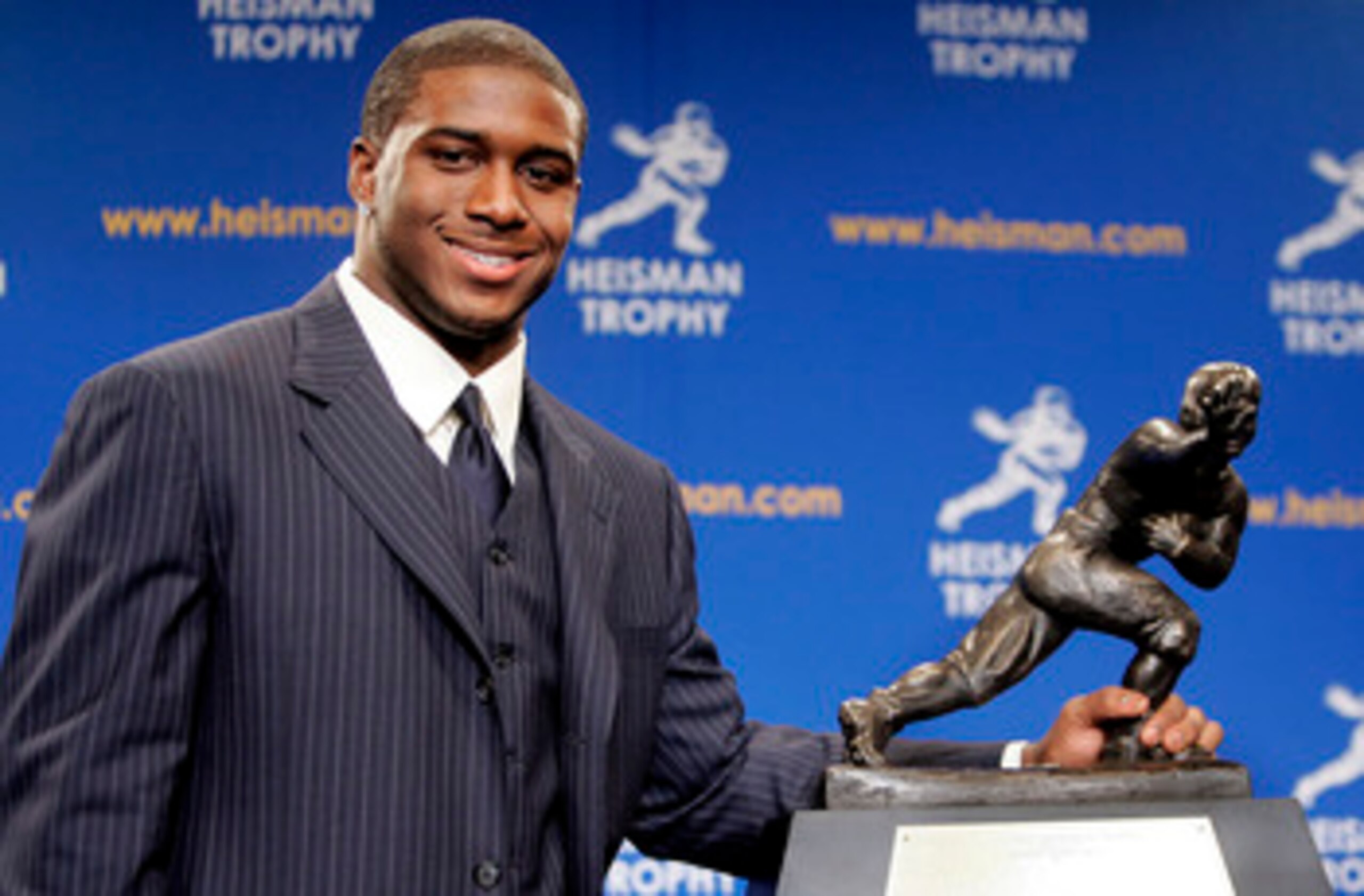

USC Football: 5 Possible Outcomes of NCAA Sanctions
Now that USC's appeal has been officially denied, the question becomes: Where does USC go from here?
Unfortunately for the Trojans, there doesn't seem to be any light at the end of the tunnel.
The Trojans will have to deal with both the remaining one-year bowl ban, and will now begin recruiting with 10 less scholarships per year to offer (beginning with the 2012 class) for each of the next three years.
These sanctions, which are some of the harshest that have been placed on any school in a quarter century, will undoubtedly affect USC, but the degree to which they will, or how they will, is somewhat up in the air.
Here are five possible outcomes of the NCAA sanctions for the USC Trojans.
USC Brings Lawsuit Against the NCAA
1 of 5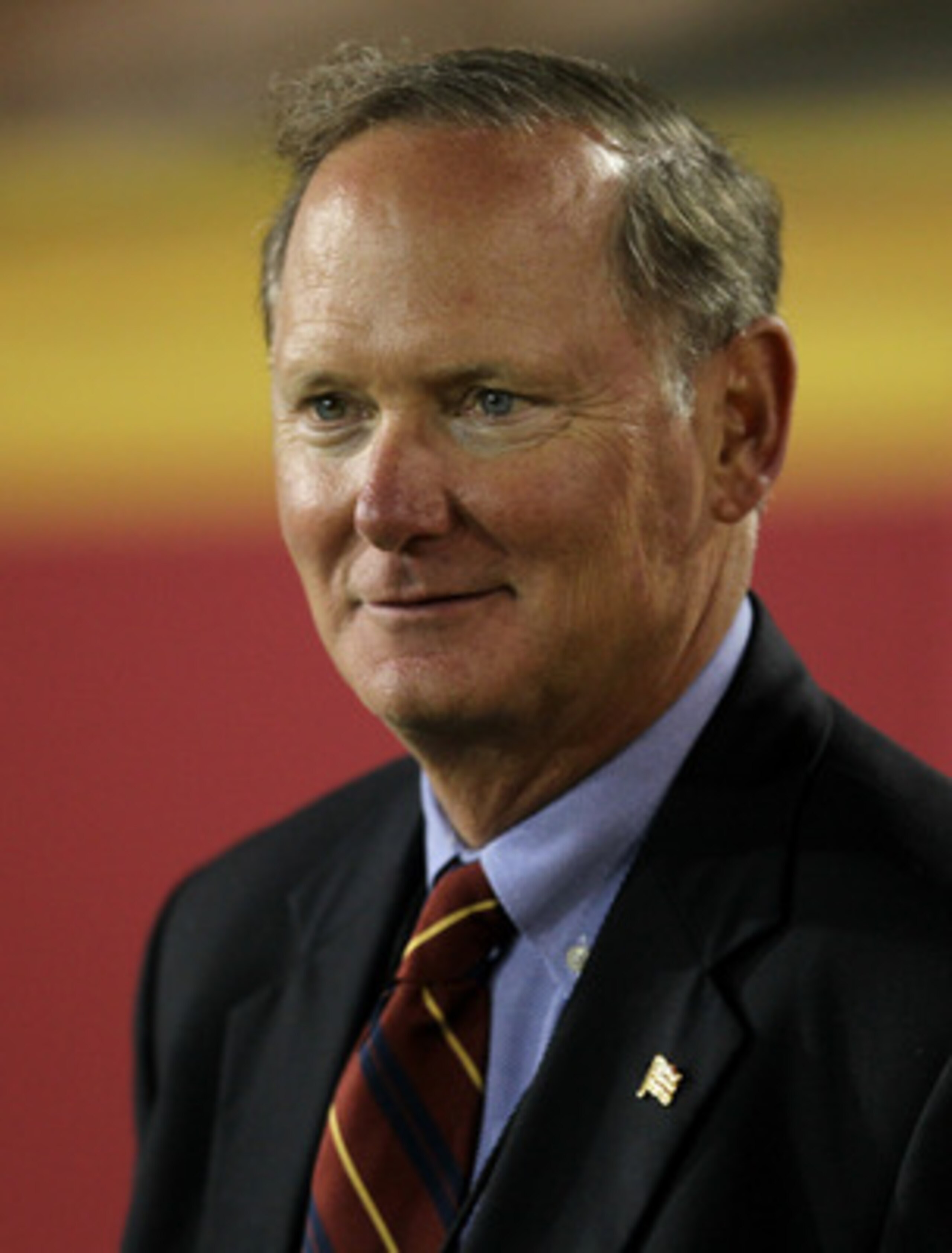
Pat Haden has made it clear that he does not want to sue the NCAA despite the fact that he is "gravely disappointed" with the NCAA's ruling.
However, USC has a very powerful base of alumni that aren't content with sitting back and taking the injustice they feel the University has been dealt.
As a result, many of these alumni are putting pressure on Pat Haden and the rest of USC to sue the NCAA for what they feel were unfair and excessive penalties placed on the Trojans football team.
If filed, the lawsuit would probably not be resolved before the sanctions are lifted, meaning that the main motivation for fighting the NCAA in court would not be to remove the penalties already in place, but rather to prevent the NCAA from doing something like this to USC or another university in the future.
USC Becomes the New Standard for NCAA Crackdowns
2 of 5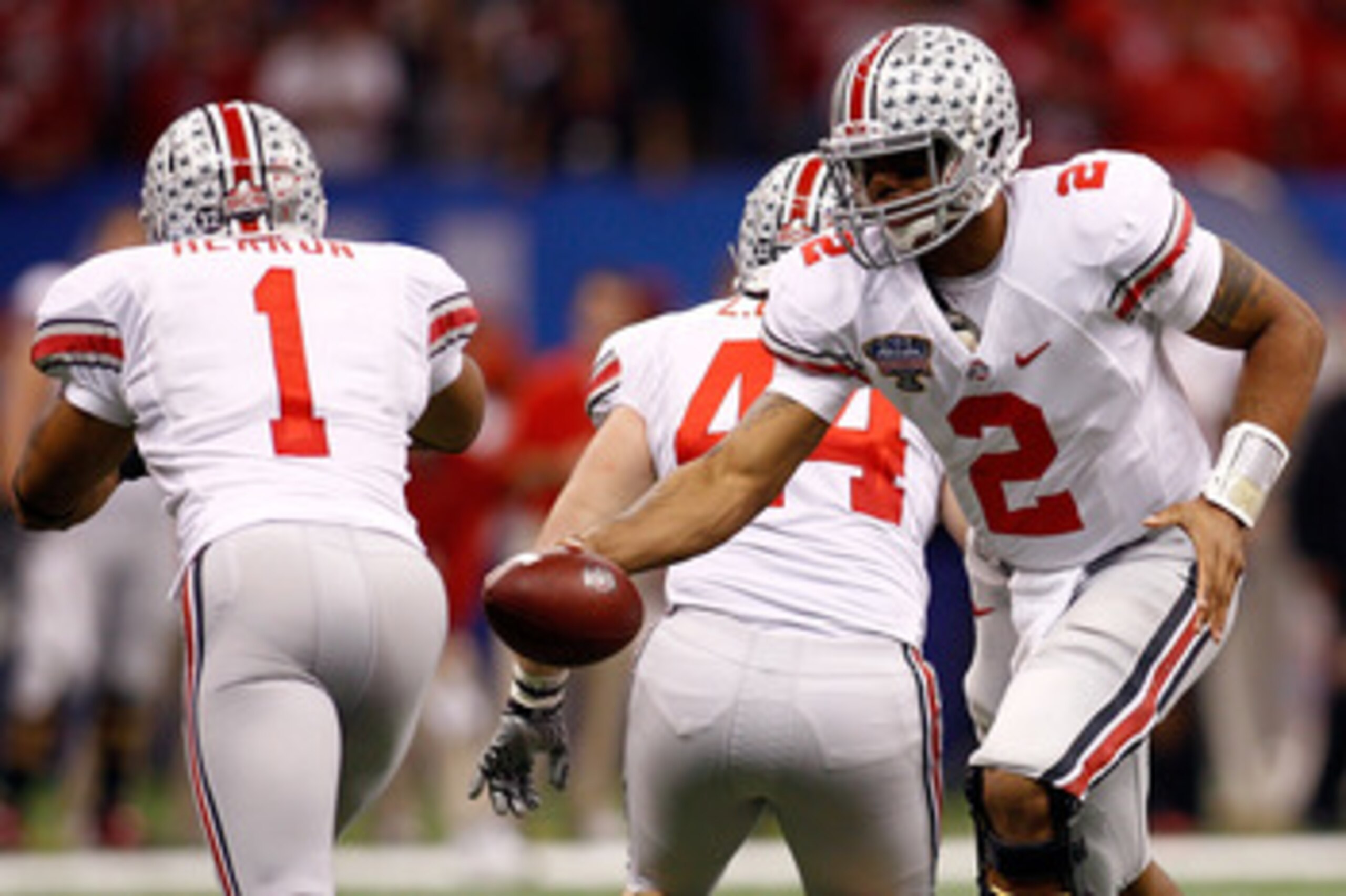
Although the NCAA Committee of Infractions doesn't appear to have any concept of consistency, USC could become the new standard for violation crackdowns.
The mere idea of this happening should strike fear into every major college football program in America.
The culprit likely next in line would be Ohio State. Even though the Buckeyes seemed to have "gotten away" with playing potentially ineligible players, Terrelle Pryor, Dan Herron, DeVier Posey, Mike Adams and Solomon Thomas, the NCAA investigation is anything but over.
The likelihood of Ohio State seeing as severe of a punishment seems low, but the unpredictability of the NCAA is at an all-time high and it shouldn't surprise anyone to see similar punishments handed down. Then again, it shouldn't surprise anyone to see little-to-no punishment handed down either.
USC Is Forced to Focus on Balancing the Roster with Fewer Recruits
3 of 5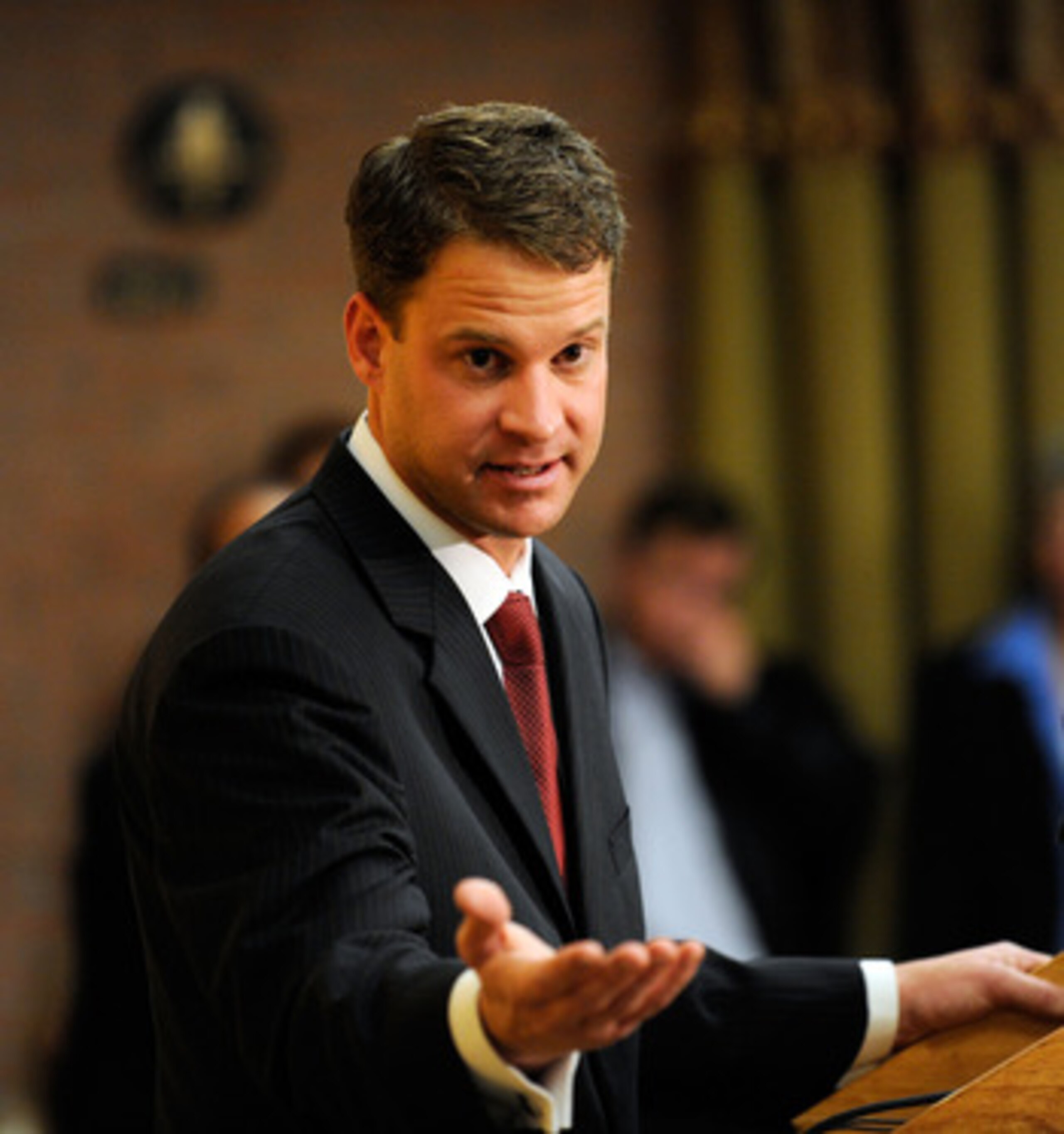
The most devastating sanction imposed by the NCAA on USC was not the two-year bowl ban, but the loss of 30 scholarships over the next three recruiting years.
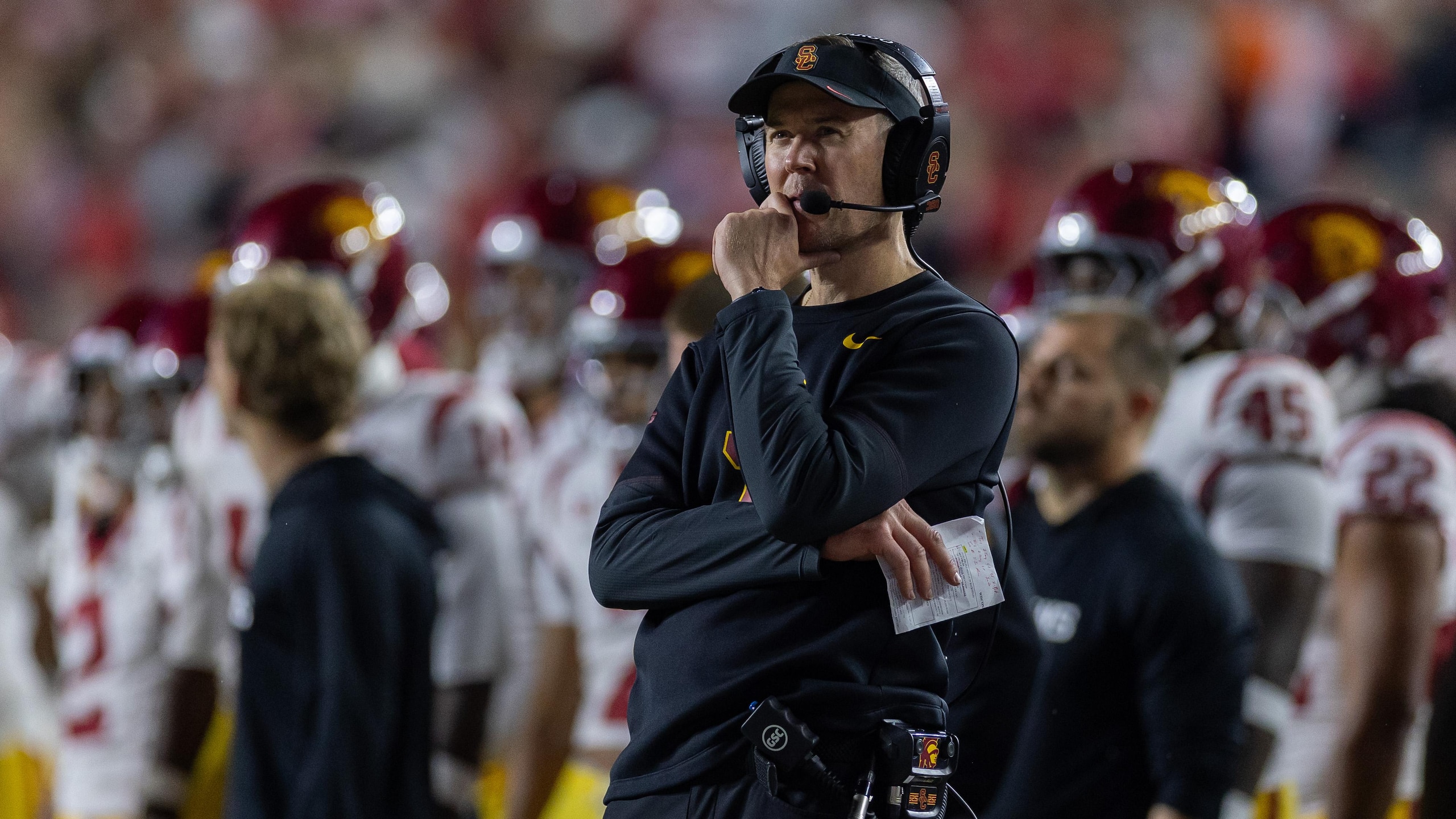
Kiffin will now have to recruit with restrictions that prevent him from offering more than 15 players in each recruiting class, but more importantly restrictions that only allow the Trojans a total of 75 scholarship players.
USC chose to push back the scholarship penalty until the 2012 recruiting class, hoping that the appeal would go through, which would have minimized the scholarship penalty by half. However, now that the appeal has been denied, the Trojans will have to be very strategic in their recruiting.
Part of that strategy includes the need to "free up room" for incoming freshmen. This could mean deciding not to renew scholarship offers to sophomores, juniors or seniors who are not contributing to the team. It could even mean encouraging transfers or tolerating early exits to the NFL.
As of now, USC has 82 scholarship players, 13 of which are seniors and will most likely be graduating. That leaves 69 scholarship players left without any transfers or junior exits to the NFL. Should there be no transfers or early exits, that would leave only six scholarships available to offer the class of 2012.
USC cannot afford to have a recruiting class below 15, so Kiffin and the USC coaching staff may have to make some tough decisions in the offseason in order to comply with the scholarship restrictions.
.png?w=2560)
USC Goes Back to Its Roots and Focuses on Capturing All the Best Local Talent
4 of 5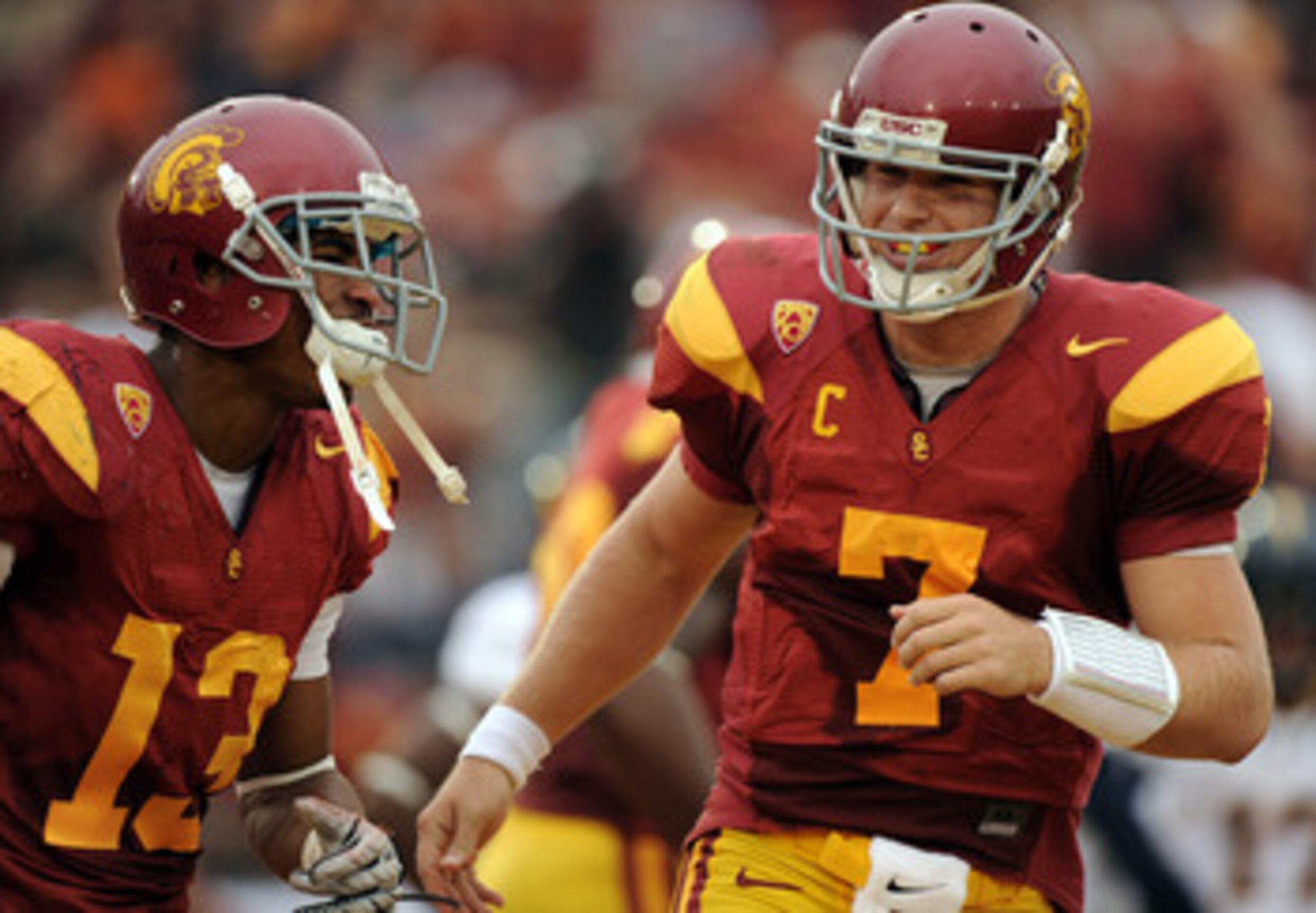
USC might not be able to attract the top national recruits it once was able to because of the sanctions.
Finding and convincing a top-ranked recruit to come and play a long way from home is never easy, but with sanctions it is near impossible.
Athletes who have their "pick of the litter" when it comes to colleges are most likely not going to pick a school that is riddled with penalties from the NCAA over another top contender with rich tradition that isn't dealing with the same type of problems.
For USC to continue to go after these high-profile out-of-state players would be somewhat of a waste of time. Instead the Trojans will need to go back to their roots and begin picking players out of the southern California talent pool.
Not only are there plenty of great high school athletes in this area, but also the likelihood of finding a player who would remain loyal to USC through these sanctions is much higher.
With the limited scholarships USC will be able to offer, the Trojans would be much better off offering a slightly less-touted local player who loves the program over a 5-star wild card.
USC Refocuses on Its Academic Reputation and De-Emphasizes Sports
5 of 5
Another option, and perhaps the least attractive, would be for USC to take all this in stride and begin focusing more on its academic reputation.
USC is a good school, ranked in the top 25 on many college ranking lists. In recent years, administrators like Steve Sample and now C. L. Max Nikias have done a great job improving USC's academic reputation.
Maybe these sanctions and the subsequent uphill battle USC would be fighting in order to remain a football powerhouse can be seen as an opportunity to take much of the emphasis off athletics and put more effort into academia.
USC has traditionally been known as a school that has both, but with the reality of the sanctions, this balancing act will become more and more difficult.
.jpg?w=2560 "Florida Shooting")
.png?w=2560)


.jpg?w=2560 "Latest Peyton-Colts Rumors")


.jpg?w=2560 "Landing Spots for Trade Candidates 📍")
.jpg?w=2560 "Ugly Jets Scoring Stat 😳")