
MLB Draft 2011: 15 Prospects Who'll Be Stars but NOT First Round Picks
Clearly, you don't have to be a first-round pick in baseball to have a successful career.
Just look to 13th-round pick Albert Pujols for proof.
There's a large number of reasons that some players like Pujols slide down the boards on draft day, ranging from injury concerns to doubts about signability. Any of these can cause a slide like the one that happened to LSU right-hander Anthony Ranaudo last year.
Ranaudo came into the season as a projected top-five pick, but suffered some arm trouble that led to some very bad outings. His performance scared some teams off of him in the first-round, and those that weren't scared off by that were turned away by reports of a $4-5 million signing bonus demand.
As a result, Ranaudo fell to the Red Sox with the 39th overall pick in the supplemental first-round. The team shelled out $2.55 million to sign him after watching him carve up the Cape Cod League, proving his health and his talent. He now ranks as one of the top pitching prospects in baseball, with a bright future ahead of him.
Due to all of the reasons that plagued Ranaudo, there are likely to be several stars who come from rounds other than the first in this year's event, starting with...
Christian Lopes, SS, Edison HS (CA)
1 of 15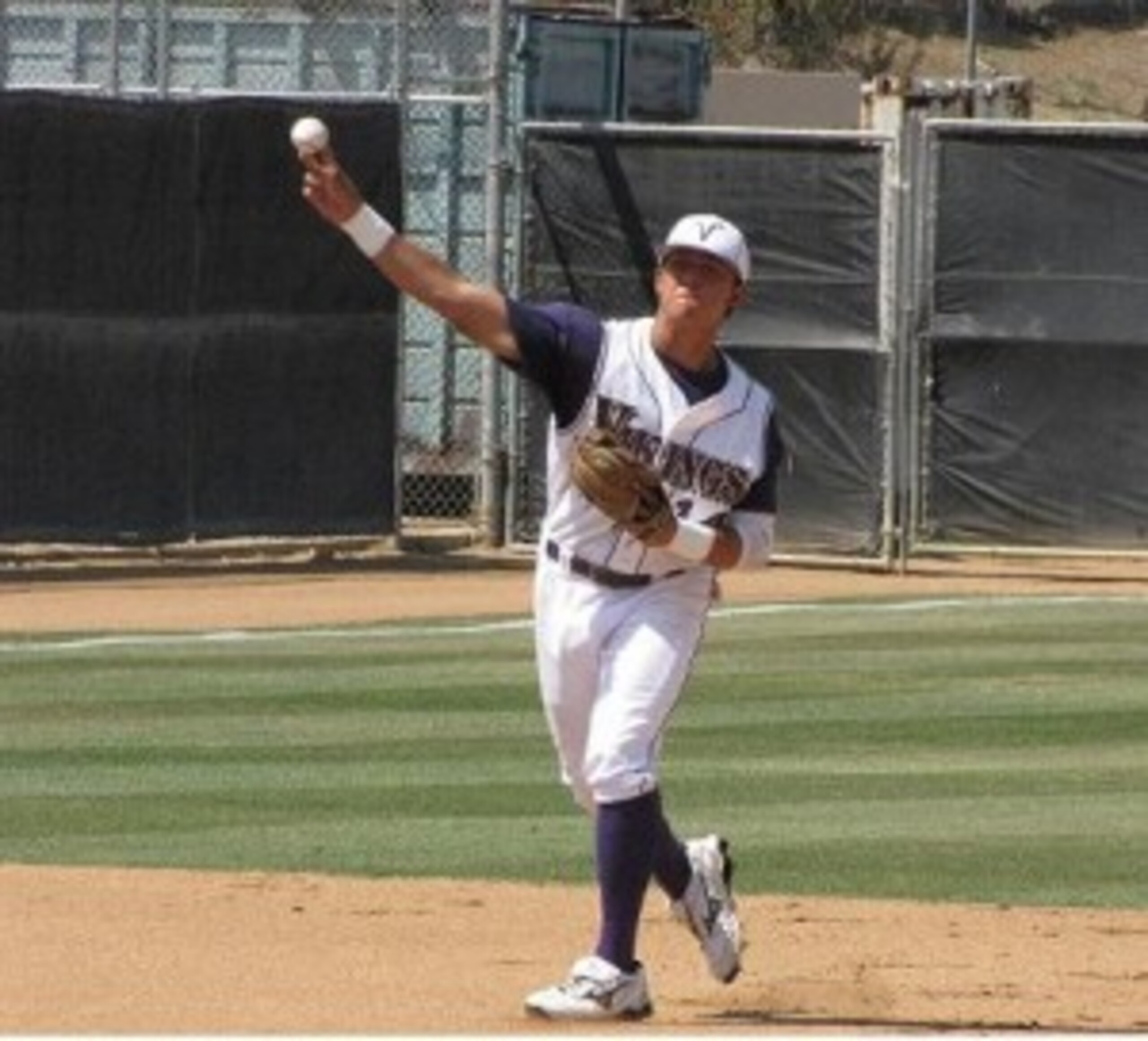
Once upon a time a sure-fire first-round pick, Lopes has slid down draft boards and is now looking at a potential fifth or sixth round selection, according to Baseball America.
While there are some doubts about Lopes, I find that projection to be a bit alarming considering his talent.
As the team's starting shortstop, Lopes has been the table-setter at the top of Edison's lineup and has helped anchor the infield of one of the top high-school teams in the nation.
Lopes ran into some tough luck during the one of the team's early season games, suffering what was diagnosed as a concussion during an ugly collision in the sixth inning. The injury kept him sidelined for a few games while they determined how serious the injury was.
Once he returned, he was as good as ever. He had one game in early April in which he slugged two home runs and drove in eight runs.
Lopes has all the skills to be a first-round pick. He has sure-hands at shortstop and is a very polished hitter. While he doesn't have the flash in the field of Francisco Lindor or the raw power of Tyler Greene, Lopes could be the best all-around package SS available from the high-school crop..
Scouts have been on Lopes for a long time and compare him favorably to last year's No. 5 overall pick Christian Colon, but say that Lopes' ceiling is much higher. He also has a greater chance to stick at shortstop than Colon, who is slowly working his way over to second base with the Royals.
With a commitment to USC, Lopes should be kind of a tough sign, but if he gets an offer of anything over $1 million, my guess is that he takes it.
Joe Panik, SS, St. John's
2 of 15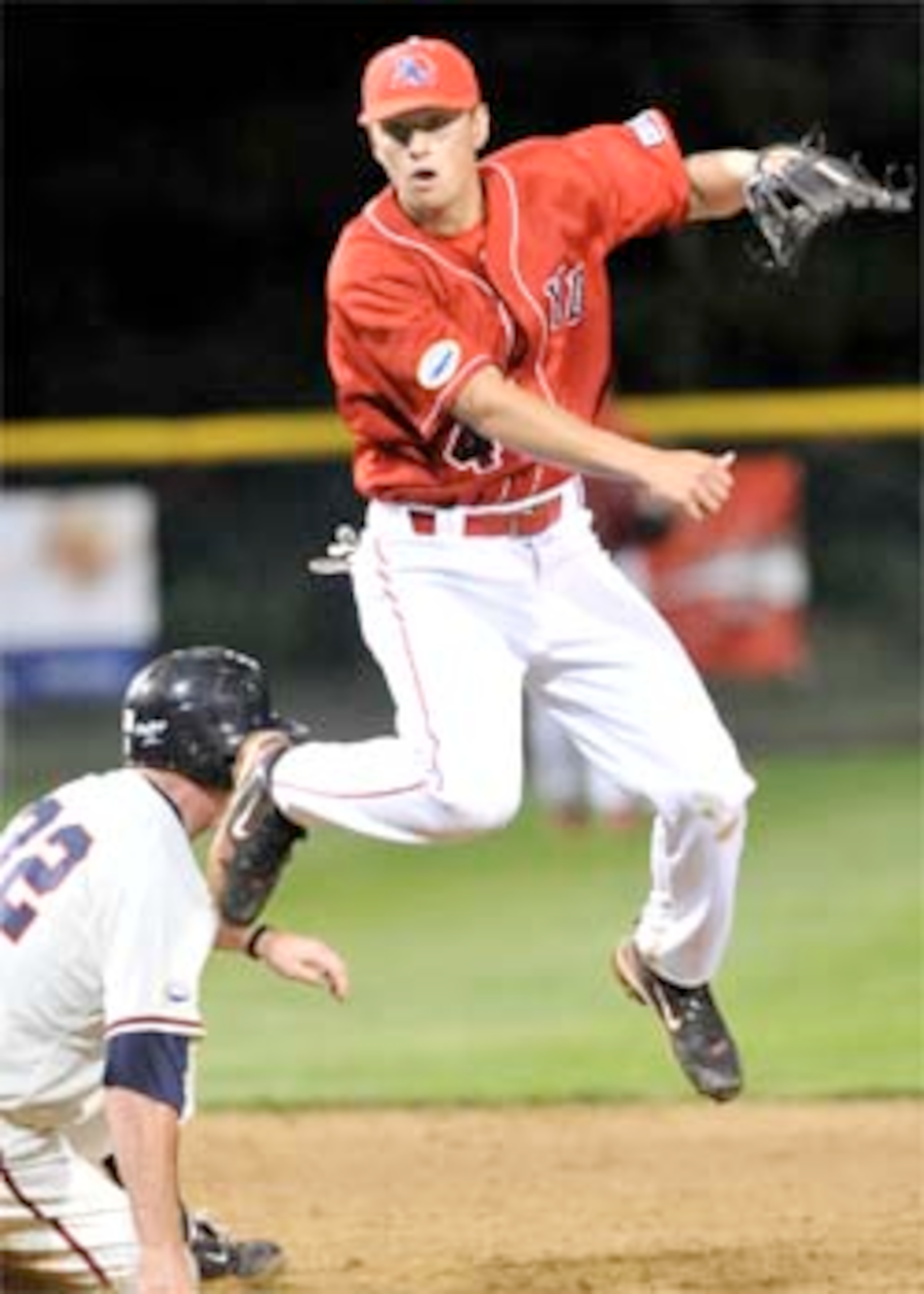
Panik has many things going for him.
For starters, he's one of the top defensive shortstops in the college crop. He has good size (6'2" and 195 pounds) and has excellent athleticism for the position. He has a great arm and can make all the throws.
Defensively, Panik is a stud, but at the plate, his potential has him pegged for a third- or fourth-round selection.
He doesn't offer great power, but he has made the transition to the new bats this year better than most.
After homering three times in his past six games, he now has nine homers and has proven to be a capable run-producer for St. John's. His biggest strength at the plate is his ability to make consistent contact.
He has only 19 strikeouts this season in 50 games to go along with his .396 average, which is one of the best in the country.
He has some decent speed, which should be a nice addition for whichever team picks him. He has 17 steals this season in 21 attempts and has three triples.
As a pro, Panik profiles as a Reid Brignac-type of player, although hopefully not the type of Brignac that has made an appearance this year.
Shawon Dunston Jr., Valley Christian HS (CA)
3 of 15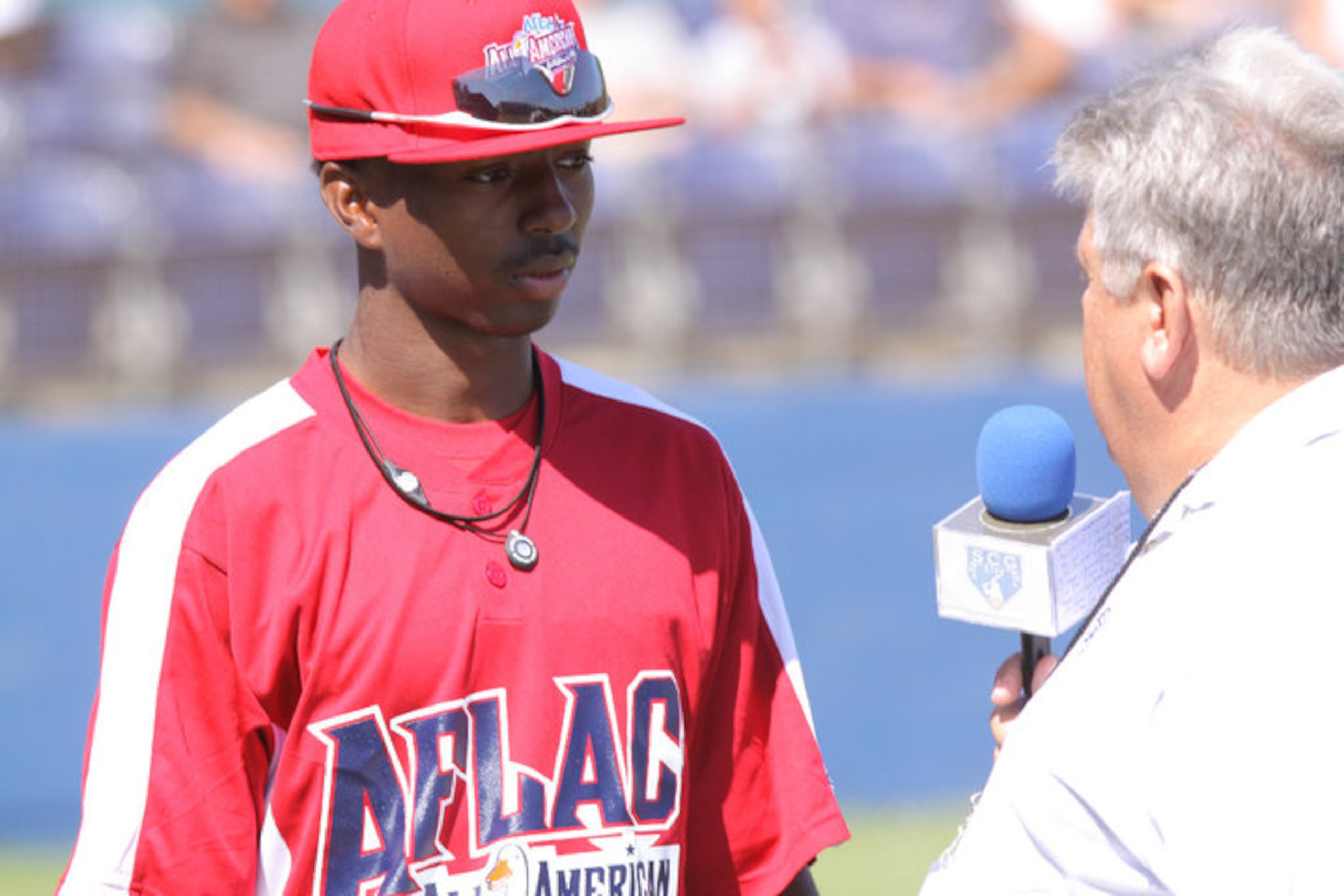
If Dunston was a college football player eligible for the NFL draft, even if he had the weakest arm or the worst hands and he put up 40 times like he's capable of, he'd end up as a top-five pick. Of the Raiders. of course, but you get the point.
Dunston also figures to be a day-one pick, but could fall into the rounds 2-to-4 conversation due to the incredible depth this year has to offer. And if you couldn't tell, he is a son of a productive former big-leaguer.
Dunston has arguably the best speed in the 2011 class, and once he gets to the minors, he'll likely steal bases by the bunches, but only after he learns how to get on base effectively. That has been a challenge for some of the fastest players drafted in the past few years.
It's hard to wreak havoc with your speed if you can't get on base.
Still, out of all the speedsters in this class, and there are many, Dunston Jr. is the best bet to develop into an uber-productive base-stealing threat.
Dunston is a very similar player to last year's top-10 pick Delino DeShields Jr, who is one of the best athletes in the minor leagues right now.


Tony Zych, RHP, Louisville
4 of 15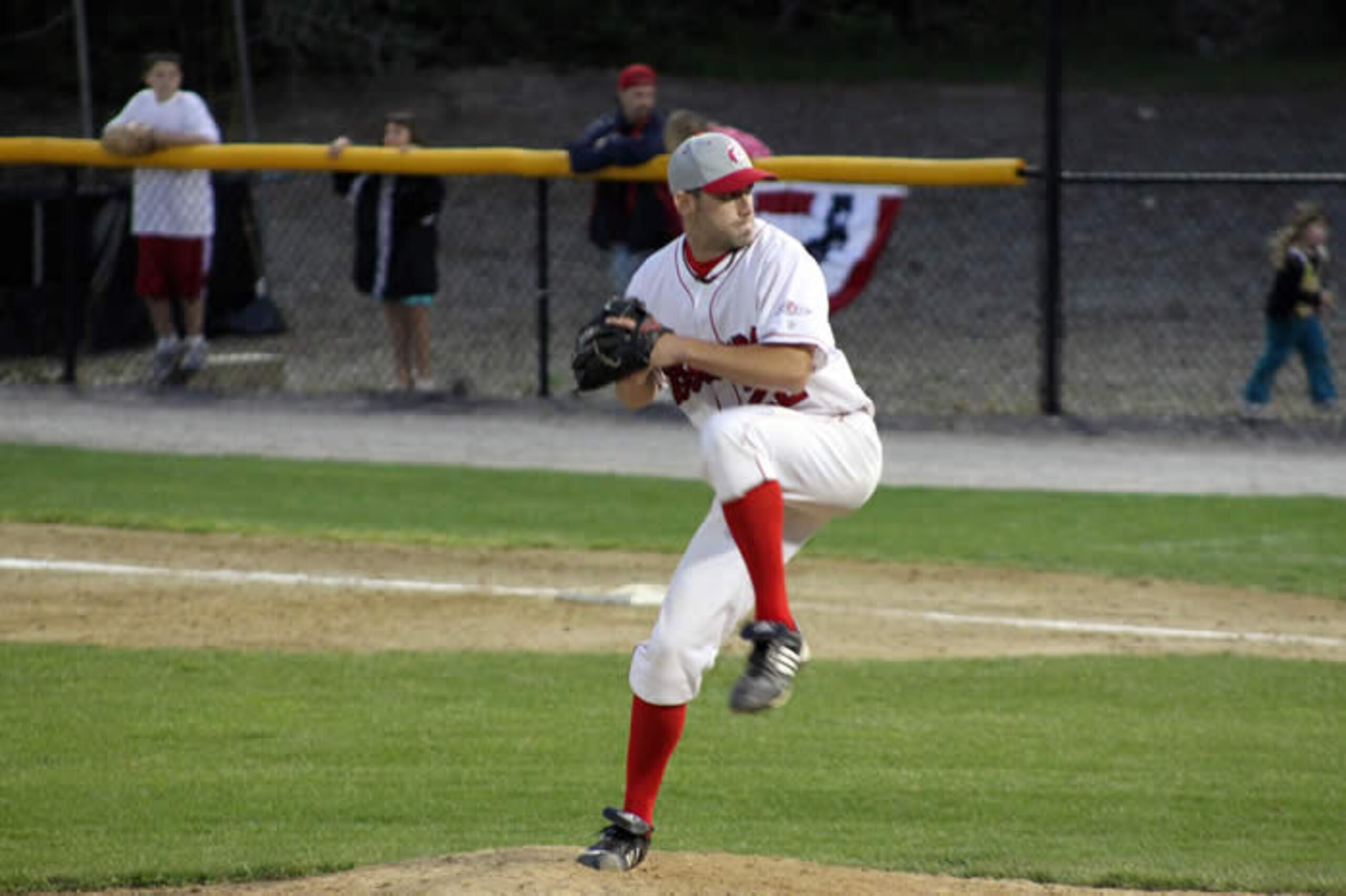
Zych has come a long way since his high school days.
Back then, he was a two-way star, throwing low 90s bullets on the mound and utilizing an attacking swing at the plate.
Since deciding to focus on pitching full-time, Zych has really blossomed.
Last season, Zych fluctuated between the bullpen and the rotation, and it had an impact on his game. He still posted a winning record (5-2), but his ERA ballooned to 5.13. He did, however, have 50 strikeouts in 59.2 innings.
And Zych iced his cake last summer in the Cape Cod League, where he collected a league-leading 12 saves while notching a 0.89 ERA with 29 strikeouts in 20.1 innings. For his efforts, he was named the league's relief pitcher of the year and the top pro prospect of the year, both amazing honors.
This year, Zych has emerged as one of the top closers in college ball, saving 12 games for UL's .500 squad. He hasn't been as dominant, getting only 27 strikeouts in 25.1 innings, but his ERA of 2.84 looks very nice compared to last year's.
Clearly, Zych's future is on the mound and most likely coming out of the bullpen. He can crank his fastball into the mid-90s now and compliments it with an above-average slider.
Zych could be one of the first college relievers off the board and should be one of the first players from this draft to reach the big-leagues.
Travis Harrison, 3B/OF, Tustin HS (CA)
5 of 15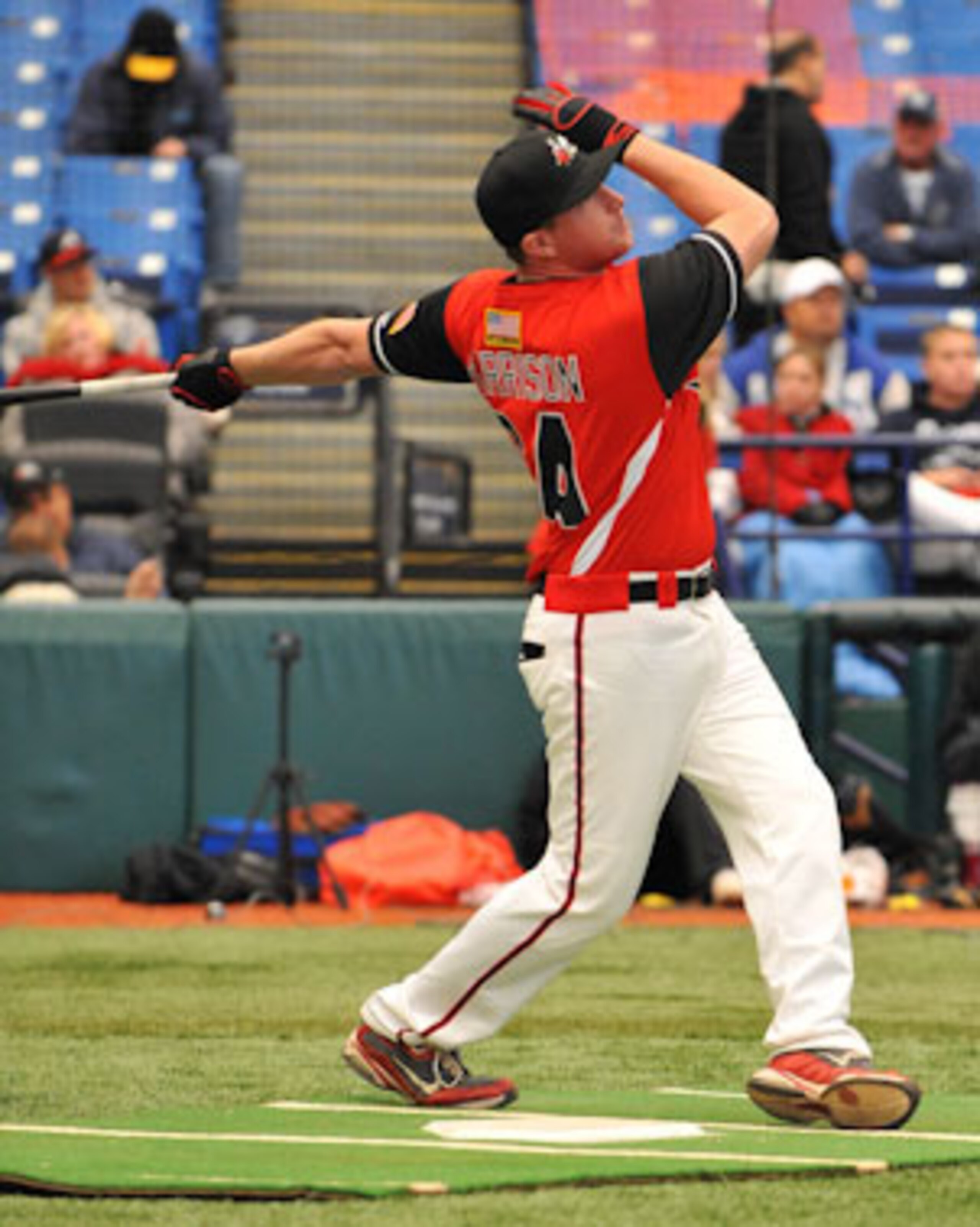
Harrison has arguably the best power of any prep hitter in the 2011 draft class.
A Southern California commit, Harrison bashed nine homers in his first 22 games for Tustin HS and drove in 26 runs. He's also rapped 11 doubles, and for the season, has put together one of the best campaigns of any hitter in his district.
While some scouts (many actually) have expressed some concern over the stiffness in Harrison's swing, it hasn't affected his ability to crush high-school pitching.
He might actually benefit from heading to college at a prestigious program like USC, but some teams will inevitably take a chance, maybe in the supplemental first or second round on him due to his incredible raw power.
He's also showed some pretty sneaky speed so far this season, swiping eight bags in 11 attempts. That shouldn't be a big part of his game as a pro, especially as he fills out and adds some more weight, but it could entice some teams that think they could keep him slim and hang on to some of that speed.
Another question mark for Harrison is his long-term position. He doesn't have great footwork at third, so he'll likely end up in the outfield.
Due to concerns about his swing and uncertainty surrounding what position he will end up at, Harrison could slide into the third or fourth round.
Brad Miller, SS, Clemson
6 of 15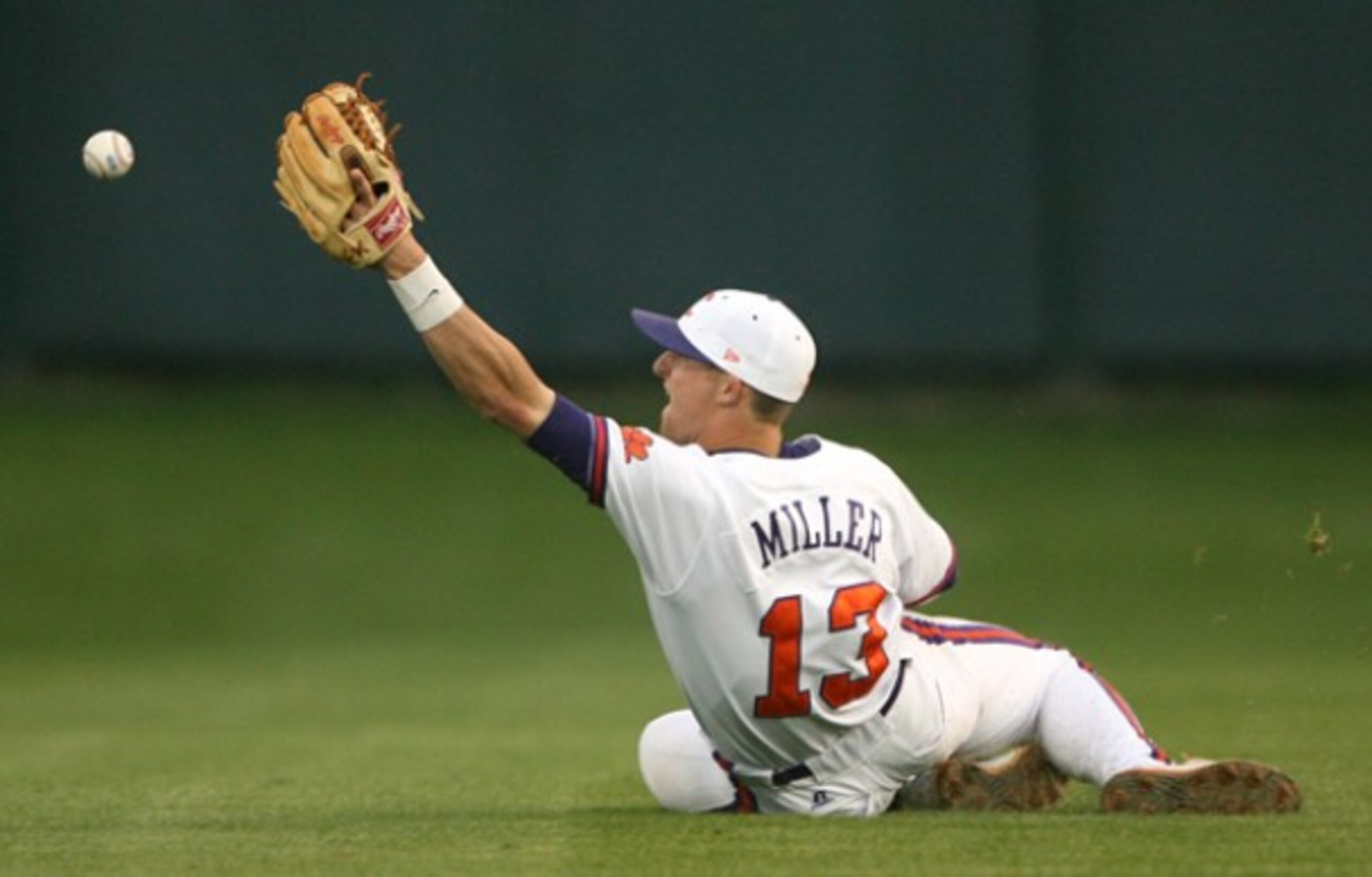
It's hard to believe that Brad Miller hasn't gotten more attention for his sterling play this season.
He got some well-deserved kudos this past week by being named the ACC Player of the Year and looks like a strong candidate for Player of the Year honors nationally.
He's hitting .421 on the season, which ranks in the top-five in the country. He leads the Tigers in base hits, despite missing about two weeks with a broken finger, and ranks second with 44 RBI. He also has rapped 11 doubles and three triples. He's swiped 21 bases in 25 tries, also good for tops on the squad.
Miller was a 39th-round pick coming out of high-school in part due to his commitment to Clemson, and while he has done nothing but rake at the college level, he still profiles as a mid-round pick on the basis of his defensive liabilities (31 errors last season) and his somewhat funky stance.
Make no mistake, though; Miller can hit and has hit, despite all the concerns about his stance and swing, and a strong showing for Clemson this year has improved his stock to the point where he could go as early as the second round.
It's already clear that he's not going to have the range to stick at short as a pro, so a slide over to second base will be in the works, but with his bat, he'll still be an offensive-minded player.
Dillon Maples, RHP, Pinecrest HS (NC)
7 of 15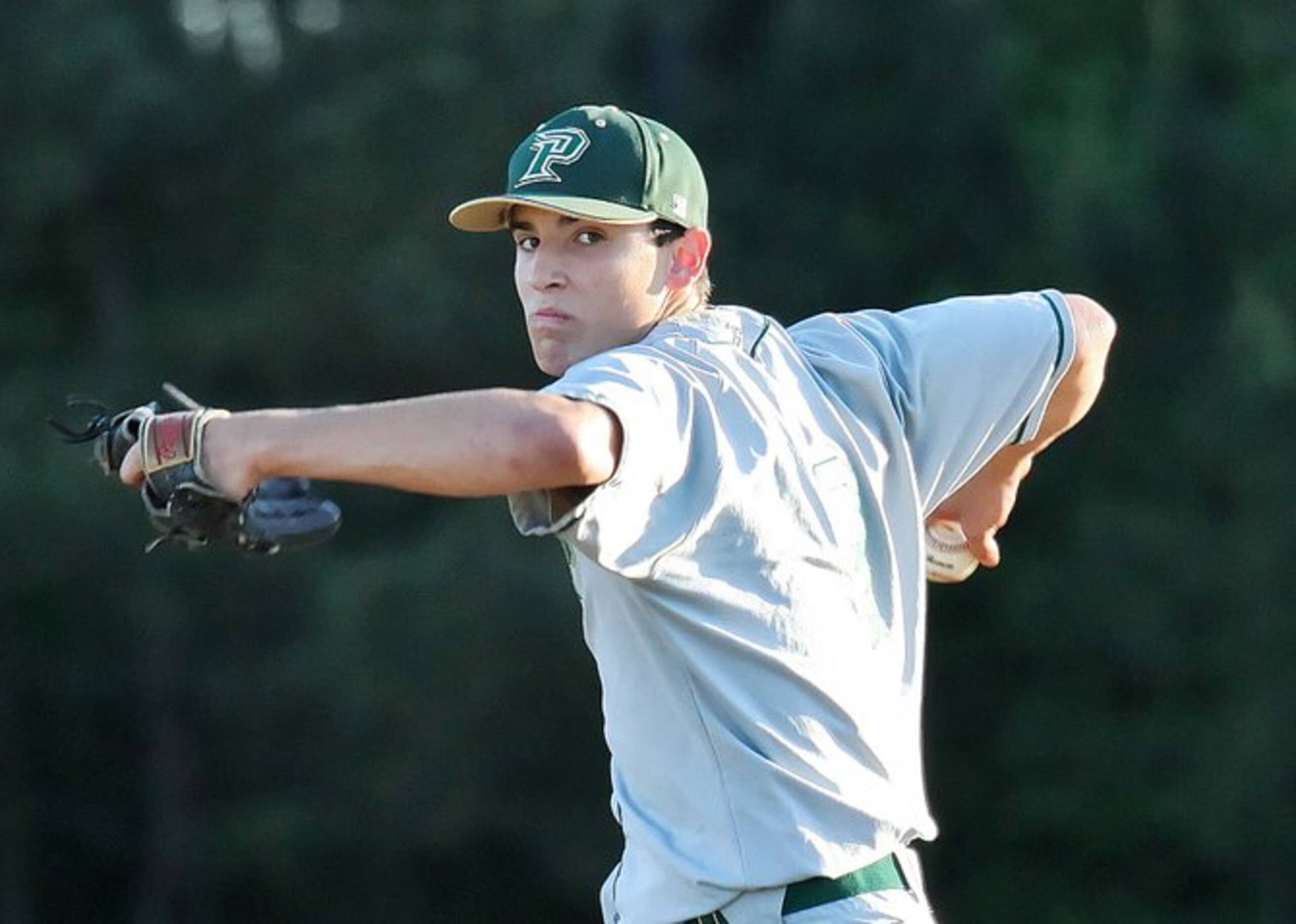
Not many eight year olds can stake their claim on a high-school rotation slot, but then again, most eight year olds aren't weren't as talented as Dillon Maples, whose father was drafted back in 1979 out of the same Pinecrest High School that Dillon now attends.
He too burst onto the 2011 draft scene with a very impressive 2010 season, in which he hit 94 mph on the radar gun and posted a 0.95 ERA, racking up 117 strikeouts in just 52.2 innings.
The next logical step was his invitation to all of the major summer showcases, where he more than held his own and established himself as one of the top right-handers from the 2011 high-school class.
Maples was profiled early this season by Baseball America, who posted a glowing subscriber-only review of his performance in his season debut. Maples displayed the same low-to-mid 90s heat that put him on the draft map last year and complimented his fastball with a above-average curveball and an improving changeup.
In an early season start, Maples tied his own school-record with 18 strikeouts in 6.1 innings. He had a no-hitter broken up with one out in the seventh and was removed from the game after throwing 110 pitches.
Maples has top-15 potential, but due to the outstanding depth in this year's class, he could wind up looking at a late-first-round selection or even a slide into the second or third-round.
Teams looking at him will also have to gauge his willingness to sign with a scholarship offer from UNC on the table.
B.A. Vollmuth, SS/3B, Southern Mississippi
8 of 15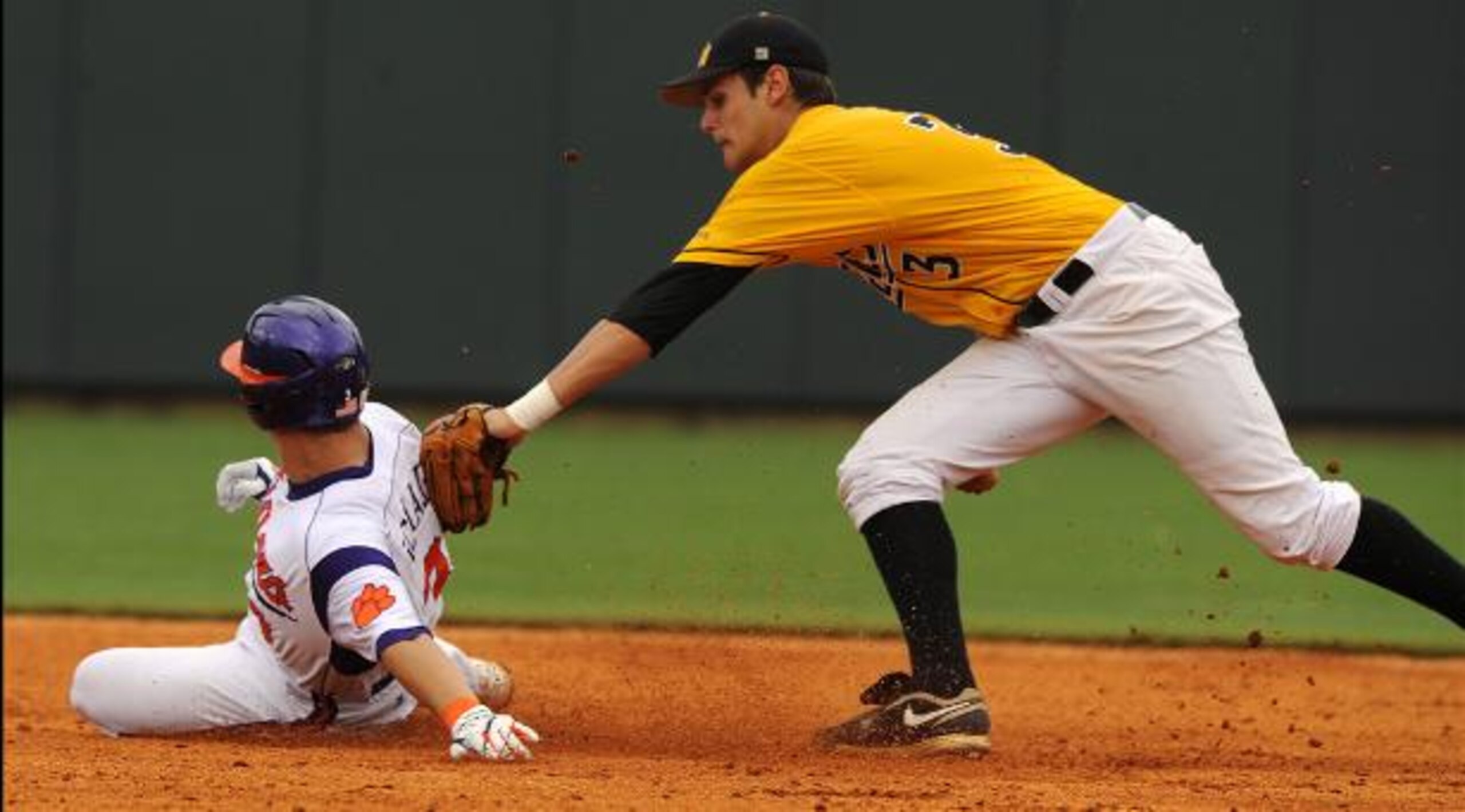
Vollmuth is one of the most talented college shortstops available in 2011, primarily because of his bat.
In fact, his fielding has been so horrible (24 errors last season) that a switch to third-base for the 6'4" Golden Eagle is almost inevitable.
At the plate, Vollmuth might not have a rival in this class at short. After struggling at the start as a freshman, Vollmuth put things together late, earning MVP honors in the Atlanta regional and earning a nod on the Cape Cod League All-Star team after the college season ended.
This past season, there was little that Vollmuth did wrong. He hit .386 with 20 homers and 76 RBI. He posted a good walk-to-strikeout ratio and showed excellent hitting ability at the plate.
This year, his average has dipped to .317, but he's performed very well with the new bats, swatting 12 home runs and pacing the Golden Eagles with 48 RBI.
Given that he's 6'4", he should have no problem hitting for at least average power, with most scouts predicting an above-average tool in that department.
Vollmuth would definitely have more helium as a shortstop, but as a third baseman, he still profiles as a top three rounds talent.
His bat is that good.
Tyler Beede, RHP, Lawrence Academy (MA)
9 of 15
Beede was too good for the first high-school he attended, posting a 7-1 record, an 0.88 ERA and racking up 114 strikeouts in just 56.1 innings. He led his school, Auburn HS, to a state championship...as a sophomore.
In order to challenge himself and prepare for college ball, while also keeping open the possibility of signing out of the draft, he transferred to a private school in Massachusetts. And while the step up in play has been more of a challenge, he's still thrived.
The 6'4", 200 pound right-hander went 6-1 with 87 strikeouts in 45.1 innings, posting a 1.08 ERA.
This season has featured more of the same from Beede, who, in just 23 innings, has struck out a ridiculous 44 batters, issuing only three walks and allowing only two hits and one earned run as of April 22, according to ESPN Boston.
Beede features four pitches, each of which has at least average potential. His fastball sits in the low 90s, but he can dial it up to 94-96 mph. He also throws a circle-changeup which looks like it's going to be his best secondary pitch. He also throws a curveball, which, with a little tightening, could be a pretty decent pitch as well.
Beede has greatly benefited from the advice of his father, who pitched in the minor leagues after being drafted by the Cubs back in 1981.
He also has a scholarship to Vandy, which means he could be one of the toughest signs of the draft and a more likely pick for the Yankees, Red Sox or Royals, teams more than willing to go over-slot to sign what they perceive to be first-round talent.
His signability concerns should drop him into the second to fourth round zone.
Zach Cone, Of, Georgia
10 of 15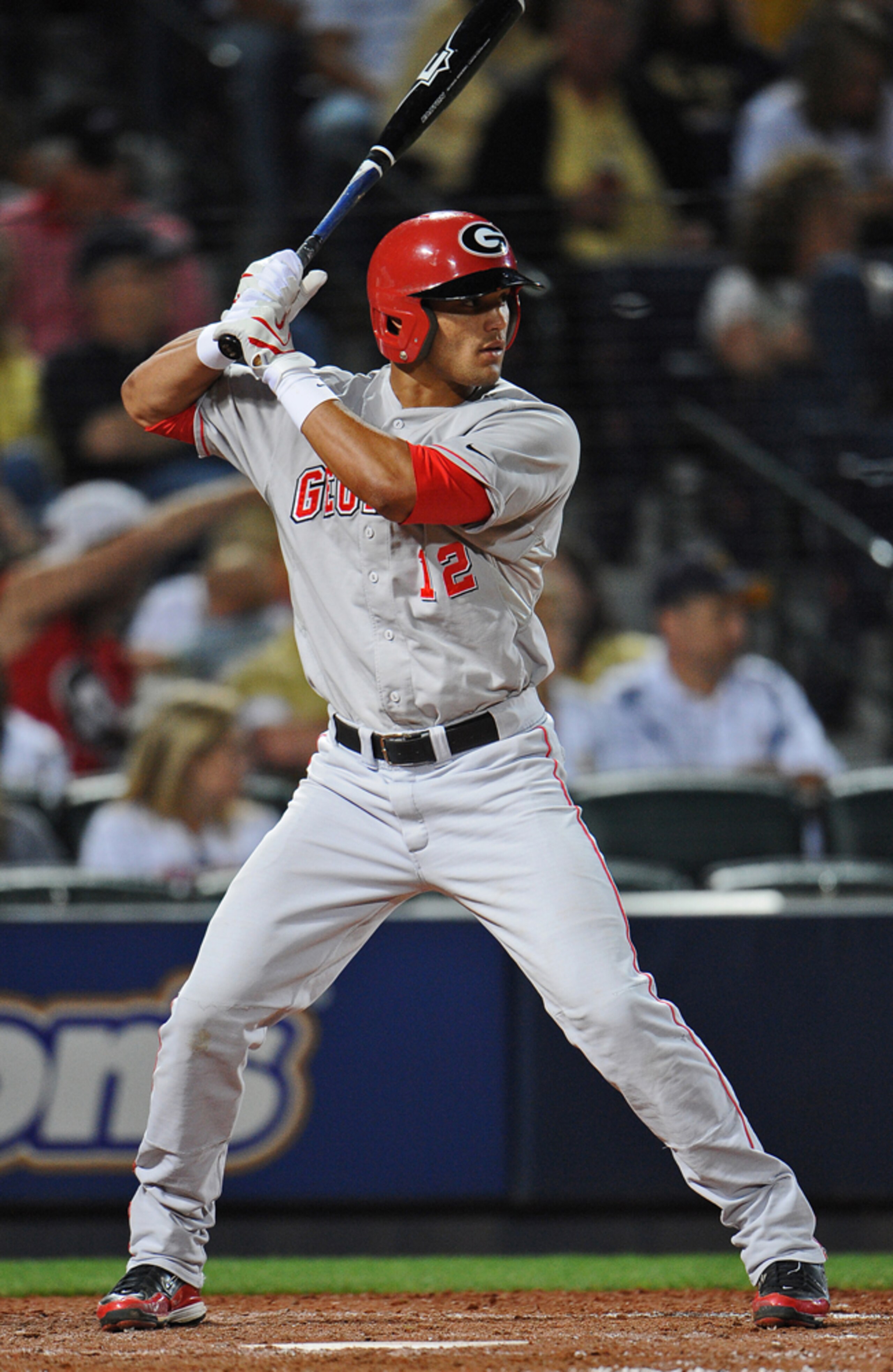
Cone has had a terrible year, and the fact that he was a part of a scary collision on March 6 that paralyzed teammate Jonathan Taylor hasn't helped him.
Cone hit only .279 during the regular season with three home runs and 28 RBI despite having a very impressive set of skills that should make him a pretty high draft pick in few weeks. And while he could have catapulted himself into first-round consideration with a strong year, he's going to be a steal-in-waiting for whichever team snatches him up.
Cone jumped onto the 2011 draft scene last year, when he had a breakout season for one of the worst teams in the SEC, hitting .363 with 10 homers, 53 RBI, 13 steals and a conference-best seven outfield assists.
This year, the Bulldogs are much better, having stolen victories from some of the top teams in the country (LSU, South Carolina, UCLA and FSU). Their record (28-29) doesn't look too much better than their 2010 mark, but everyone on the team knows this is a more talented squad.
Unfortunately, the most glaring stat for Cone is his 15:43 BB:K ratio, which can be partly explained by him pressing to do too much dealing with the absence of some of the Bulldogs better hitters who have missed time with injuries.
Even with his strikeout concerns, Cone should go pretty high on draft day. He's an immensely talented athlete with great power and above-average speed. He is a very good fielder, and despite his offseason, he was named to the SEC All-Defensive team.
If he can put it all together as a pro, he could be a great find in the middle rounds.
Dante Bichette Jr., Orangewood Christian HS (FL)
11 of 15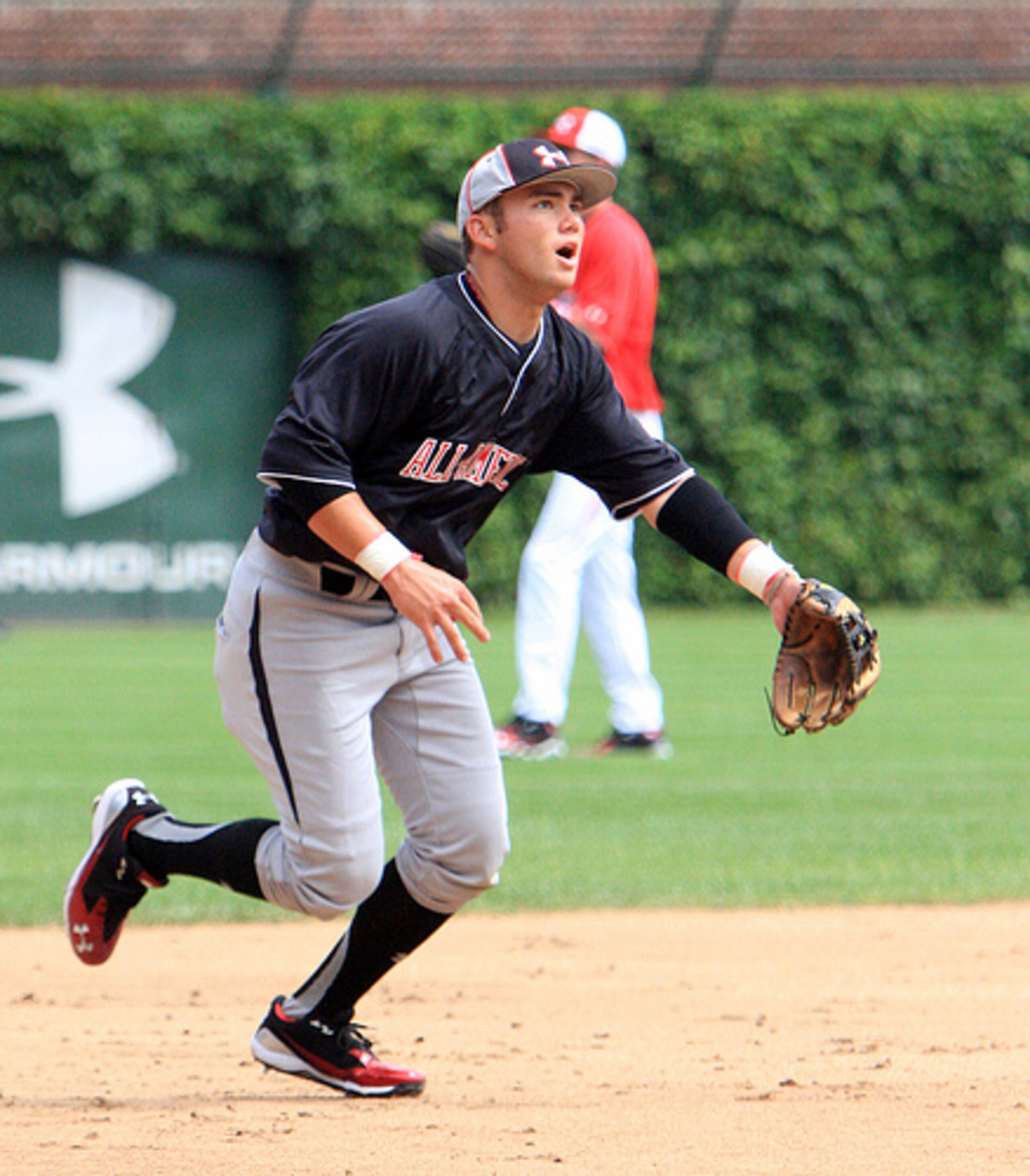
Another high-schooler who had some first-round helium earlier this spring, Bichette has settled into the second-to-sixth round consideration, despite an impressive season.
Like his father, who hit 274 big-league homers over a 14-year career with the Angels, Rockies, Brewers, Reds and Red Sox, "Junior" looks to be a top-notch power hitter, one with a more refined approach thanks to having the extra attention allotted the spawn of a former big-leaguer.
Having all that extra attention in Little League hasn't hurt his cause, either.
That's right. Bichette Jr. got his first taste of the limelight in the 2005 Little League World Series, bashing home runs at an ungodly rate and establishing himself as a 12-year old cult hero.
Bichette is 18 years old now, but he's still just as good at cranking balls out of any park. He's a regular among the showcase home-run derbys.
I mentioned that Bichette has benefited from being the son of a former big-leaguer, and here's how. His father built him a training and hitting facility, known as "the warehouse." The site is flush with exercise and training equipment, as well as batting cages, complete with pitching machines that simulate breaking pitches.
While he won't be a base-stealer as a pro, his athleticism is encouraging, especially for those who are already locking him into a corner outfield spot. He's also played a little bit of third base like his father did, and he could probably handle that position as well.
Bichette is a Georgia commit and will likely command an over-slot bonus to sign, causing him to slide even further on draft day.
Kyle Gaedele, Of, Valparaiso
12 of 15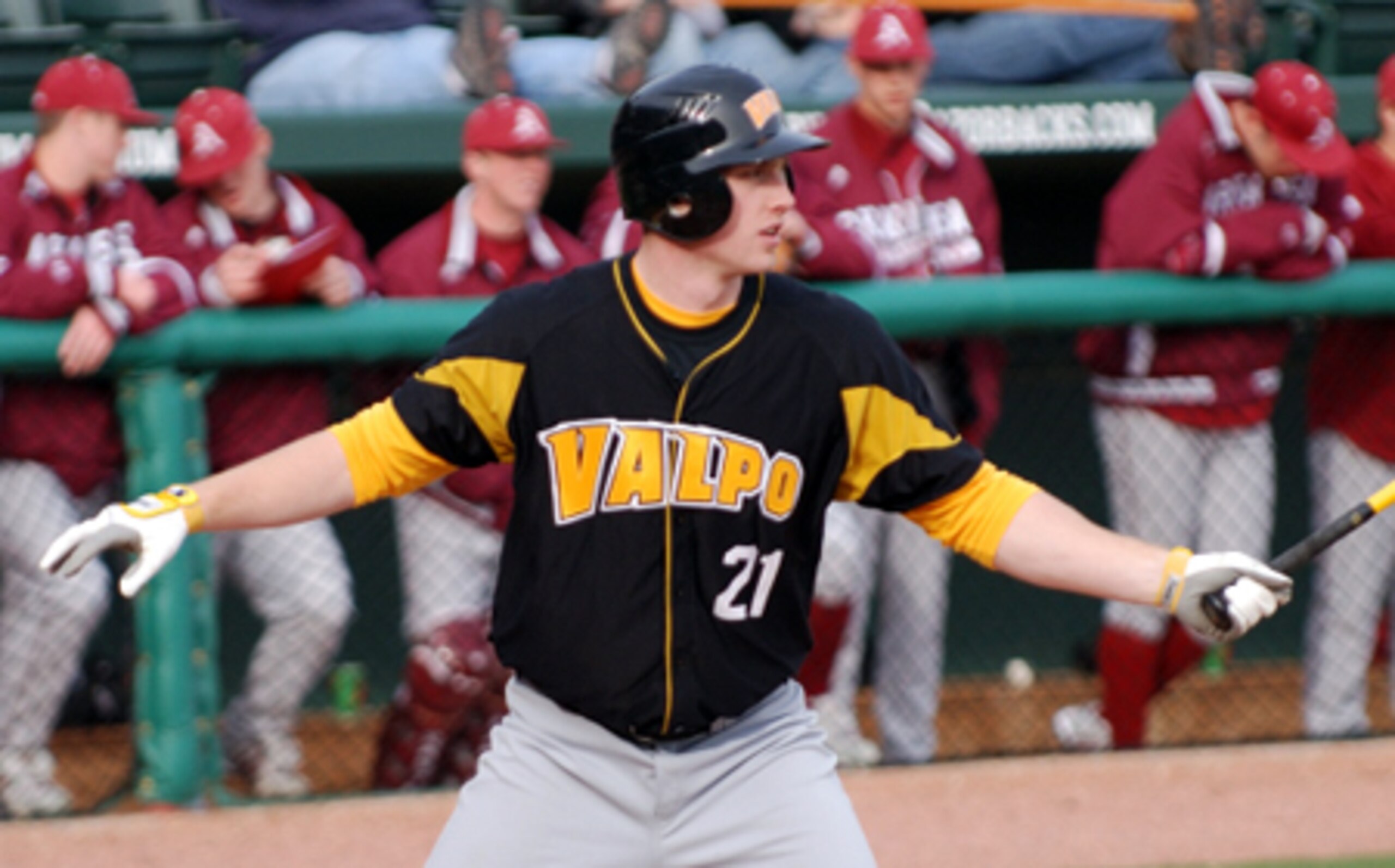
If you recognize his last name, there's a good reason for it.
The Valpo outfielder is the great-nephew of former big-league publicity stuntman Eddie Gaedel, who, at 3'7" became the smallest Major Leaguer in history.
Fortunately for Kyle, size doesn't run in the family. He stands at a robust 6'4" and 220 pounds and has legitimate raw power that could manifest in 25-30 home runs as a pro if he develops correctly.
His bat speed is so-so, but Gaedele will end up as a mid-round pick due to his power stroke and his great speed that aids him not only on the base-paths, but also in the outfield, where he has played center for most of his time at Valpo.
For the season, Gaedele paces Valpo in most offensive categories, including batting average (.317), doubles (14), home runs (seven), runs (50), walks (35) and steals (22).
He also has seven outfield assists despite having fringe average arm strength.
Gaedele is a gamer who is going to surprise some people no matter where he ends up getting drafted.
Phil Pfeifer, LHP, Farragut HS (TN)
13 of 15
Farragut High School in Tennessee has one of the nation's best teams, thanks to their very talented battery that features left-hander Phil Pfeifer and catcher Nicky Delmonico. Together, the two have teamed up to take Farragut as high as number eight in the nation this year.
It's going to be a challenge, however, for both players to win their fourth consecutive state title with Pfeifer on the shelf with elbow tendinitis that looks likely to keep him from taking the mound until at least the playoffs, and maybe not even then.
Before he went down with the injury, Pfeifer was well on his way to another banner season. He was 3-1 with a 0.60 ERA. His last victory broke the state record for wins by a pitcher, and as of right now, he has a career mark of 43-4.
In 2010, Pfeifer was arguably the best pitcher in the country. He went 16-0 and posted a 1.23 ERA. He struck out an insane 165 batters in just 96.1 innings and walked only 26. In the state championship game, which coincidentally was won by Delmonico's walk-off three-run homer, the lefty was masterful, striking out 14 batters while allowing only one hit.
Pfeifer has a scholarship offer to Vanderbilt, an offer he accepted in hopes of joining a rotation that will experience the loss of Sonny Gray, Jack Armstrong Jr. and Grayson Garvin and be looking for some young arms to fill that void.
Pfeifer, admittedly, doesn't have top-notch velocity, but he's shown an incredible ability to work deep into games and has some solid secondary stuff, leading many to think he'll likely forgo college for what could be close to a $1 million signing bonus.
Thanks to his injury and his signability concerns, Pfeifer could slip past the 10th round.
Ricky Oropesa, 1B/3B, USC
14 of 15
Oropesa was rated as the 108th best prospect in the 2008 draft, and when he didn't sign with the Red Sox, as their 24th round pick, you instantly knew he would be one of the best power hitting prospects in the 2011 draft.
Oropesa put that power on display in 2009 for the Trojans, hitting 13 home runs while keeping up a decent batting average (.314). He earned Pac-10 Freshman honors and even garnered attention from Baseball America as their freshman honorable-mention.
Last year, Oropesa continued to rake for a less than impressive USC squad. His .353 batting average led the team, as did his 20 home runs (no one else cracked double digits), 67 RBI (more than double the next closest Trojan), 22 doubles and 33 walks.
The 6'3", 220 pounder even led the squad in stolen bases with seven, and while speed won't necessarily find it's way into his pro game, it just goes to show you that Oropesa is the kind of player who does whatever it takes to will his team to W's.
This season, Oropesa hit .327 with six home runs and 41 RBI and was yet another casualty of the new BBCOR bats.
Oropesa projects to hit 20-25 home runs per year in the pros and will probably hit enough to keep his average in the .275-.280 range.
His defense will be the one thing holding him back and could be the defining factor in his sliding out of the first three rounds.
Dan Vogelbach, Bishop Verot HS (FL)
15 of 15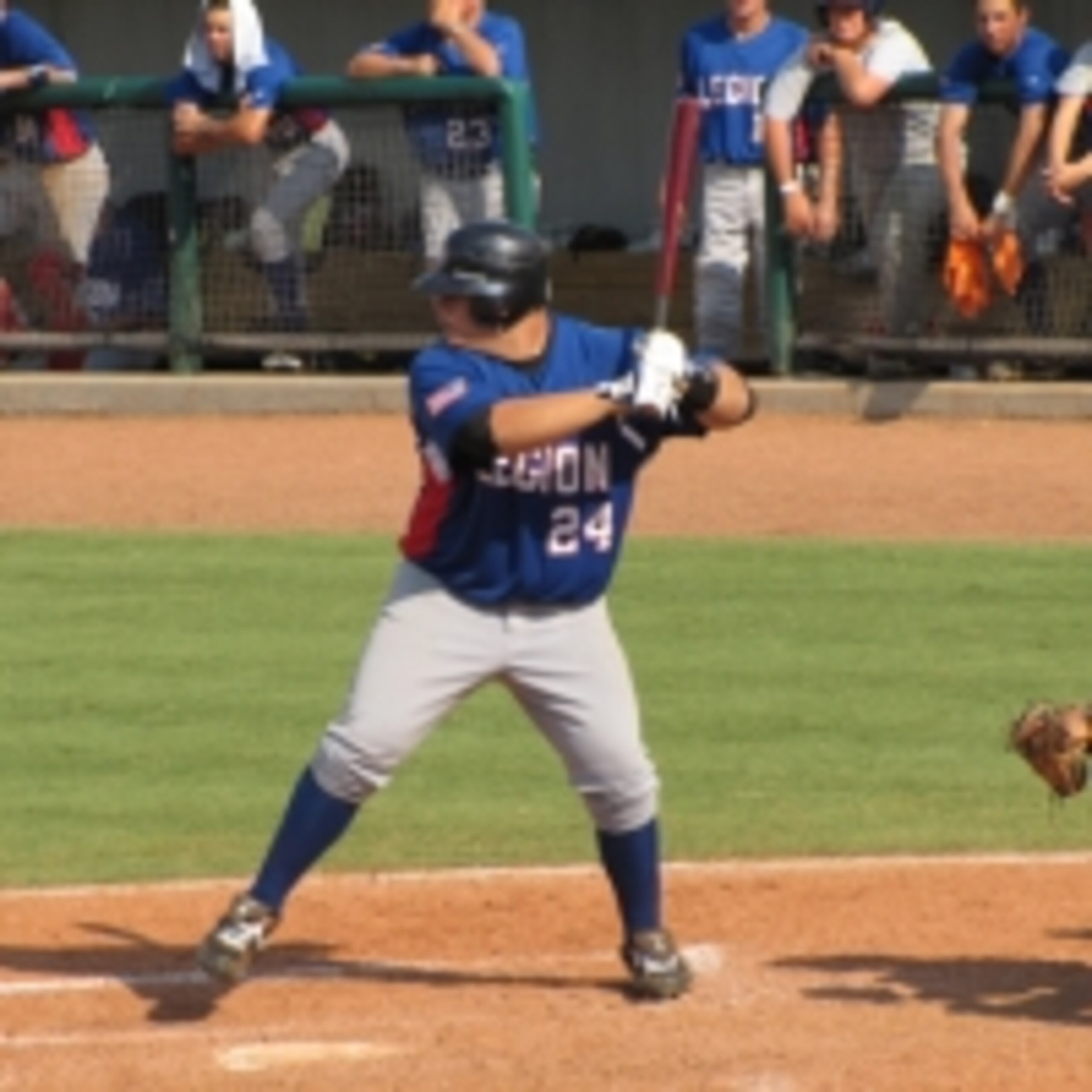
All you have to do is take a look at Vogelbach to realize what his game is all about.
It ain't speed.
At 5'11" and a whopping 280 pounds, Vogelbach is all about the long-ball, and he has as much raw power as anyone in this draft class. Kind of hard not to when you have the frame that he does.
Vogelbach was named the NewsPress.com Player of the Year in 2010, after a season in which he hit .551 with nine home runs and 39 RBI.
For such a big guy, Vogelbach has outstanding bat speed and is surprisingly quick on his feet. He legged out three triples last year.
This year, he shattered his own personal best, slugging 17 home runs, but it was his infield single against Pensacola Catholic that paved the way for him to score the game-winning run that clinched the state championship game for Bishop Verot.
Vogelbach has a strong commitment to Florida, and it remains to be seen whether a mid-round selection will sway his decision, although it might be hard to turn down a few million.




.jpg?w=2560 "Latest Peyton-Colts Rumors")


.jpg?w=2560 "Landing Spots for Trade Candidates 📍")
.jpg?w=2560 "Ugly Jets Scoring Stat 😳")