
NBA Playoffs 2011: Dallas Mavericks/OKC Thunder Position-by-Position Breakdown
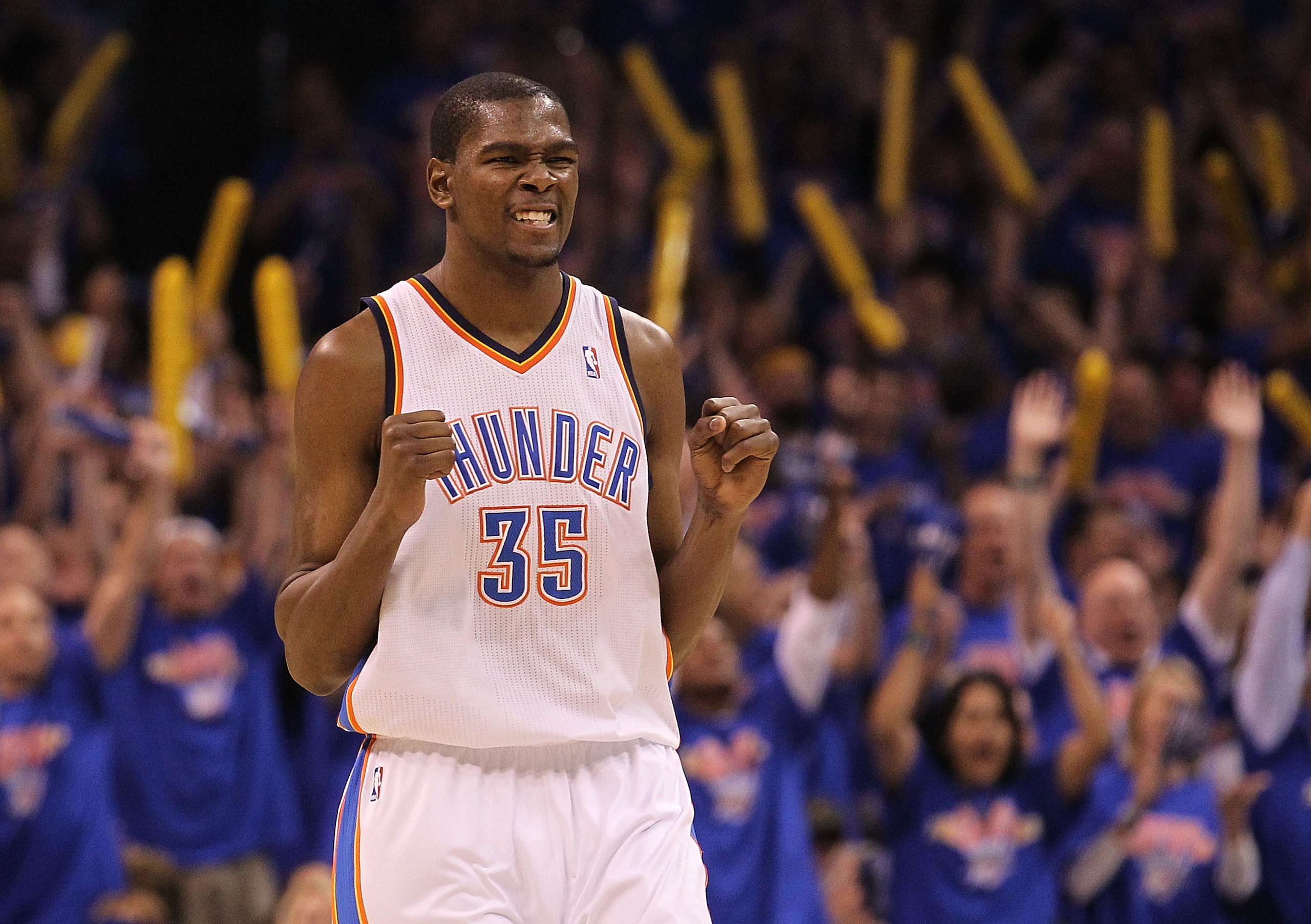
For the Oklahoma City Thunder, regardless of where they end up at the end of this series, one thing is definite: they made history.
Last season was their first in the playoffs, but they were quickly taken out by the Los Angeles Lakers in the first round. For the Thunder, the Western Conference finals is a first, but as an inexperienced team, do they have what it takes to defeat the Dallas Mavericks?
Granted the Thunder are averaging more points per game in the postseason (102.8 PPG to the Mavericks' 96.9), but a position-by-position breakdown of the starters shows they have their work cut out for them against Dallas.
Center
1 of 6
Many people consider the center position to be the most important player on the court, especially since the center is the tallest guy and is responsible for offense and defense.
Offensively, they have to get the rebounds and shots in the paint. On defense, they must prevent the offense from scoring by blocking shots and controlling the boards.
Dallas Mavericks
Tyson Chandler (No. 6): 7’1”, 235 lbs.
Formerly of the New Orleans Hornets, Chandler is finally reaping the praise he deserves for his court magic. He finished third in the polls for Defensive Player of the Year, and he is averaging 6.9 points and 8.7 rebounds per game during this postseason.
Oklahoma City Thunder
Kendrick Perkins (No. 5): 6’10”, 280 lbs.
Perkins was a midseason trade with the Boston Celtics—his experience in the postseason is not as limited as the remaining Thunder roster. For the Thunder, Perkins has averaged 6.8 rebounds and 4.7 points per game so far in the postseason.
ADVANTAGE: Tie
Small Forward
2 of 6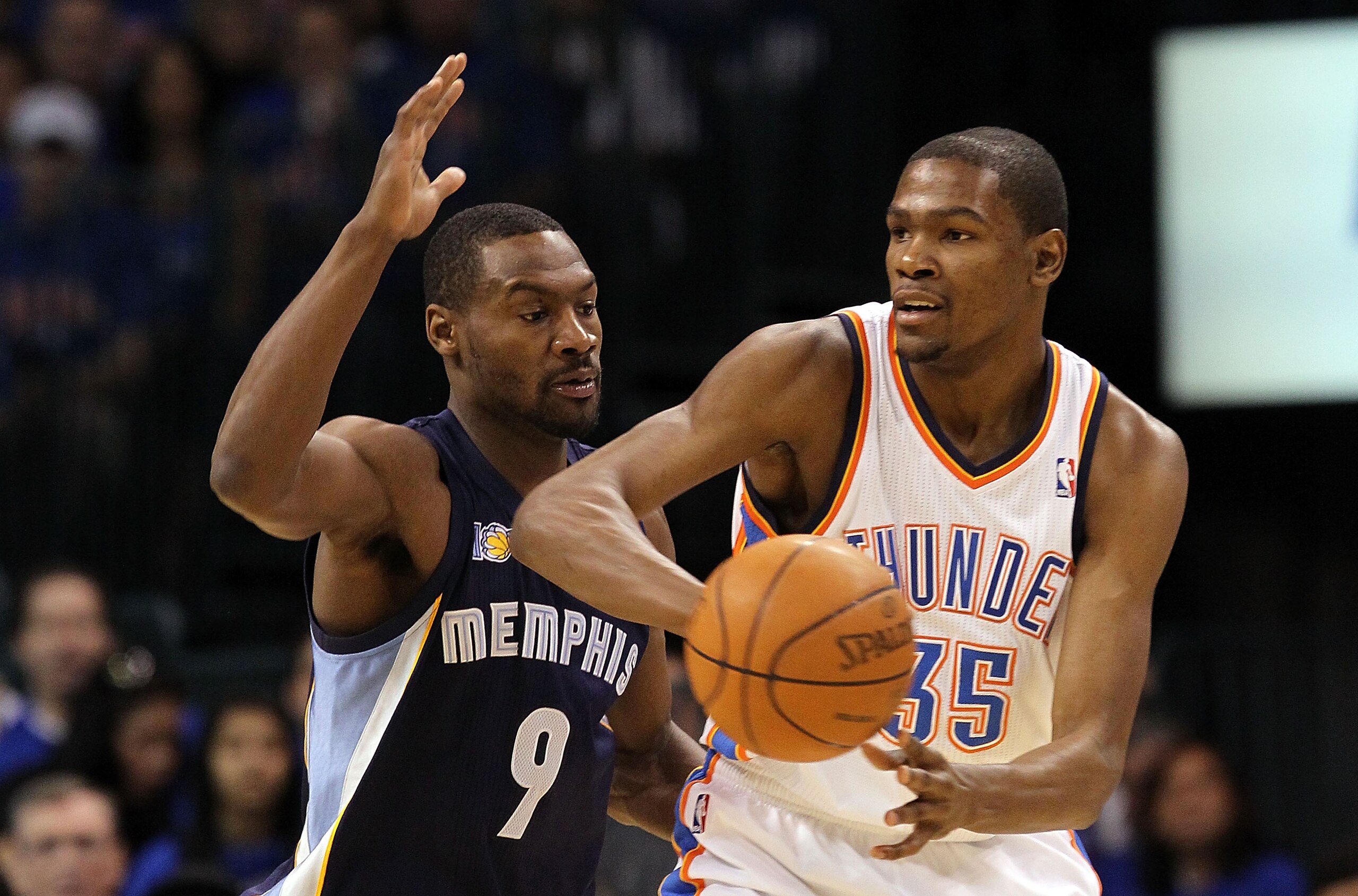
Small forwards are known for their scoring and ball-handling abilities; this position is usually handled by the most talented player on the court.
Dallas Mavericks
Shawn Marion (No. 0): 6’7”, 228 lbs.
He’s a veteran who's made it to the NBA Finals and helped Dallas finish strong against the Portland Blazers in the first round. Marion is averaging 9.7 points, 6.4 rebounds and 2.3 assists per game in the playoffs.
Oklahoma City Thunder
Kevin Durant (No. 35): 6’9”, 230 lbs.
This is the furthest superstar Durant, 2008 Rookie of the Year, has made it in the playoffs. He is averaging 28 points, 7.5 rebounds and 2.4 assists per game in the postseason, and is the team leader in points and rebounds.
ADVANTAGE: Oklahoma City
Power Forward
3 of 6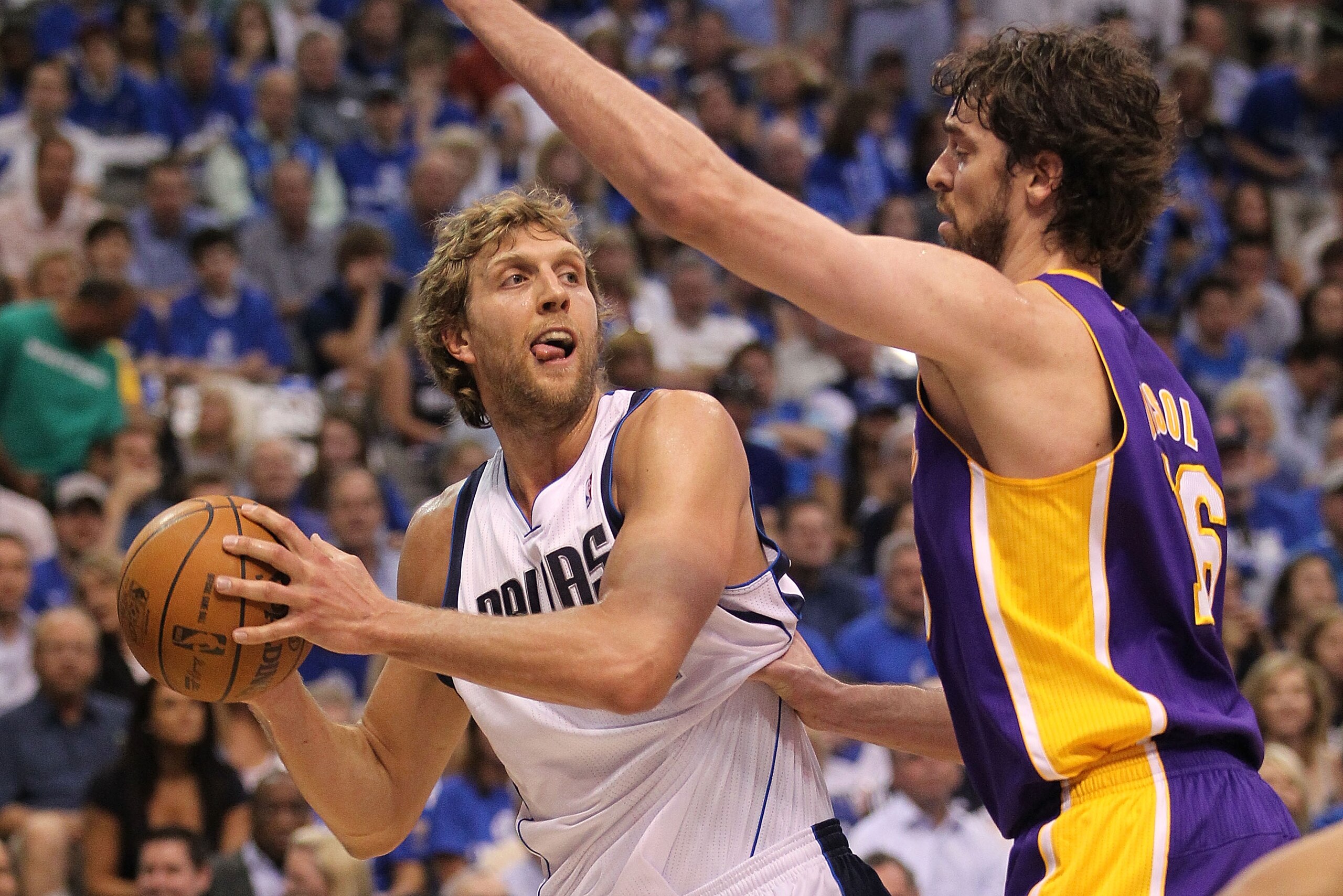
These forwards are usually a bit bigger and stronger than other players, and are known for their size, defense and rebounding. Sometimes power forwards (see: Karl Malone) are also known for scoring a lot.
Dallas Mavericks
Dirk Nowitzki (No. 41): 7’0”, 245 lbs.
Dirk is averaging 26.5 points, 8.4 rebounds and 2.8 assists per game in the postseason. Some will go so far as to claim him a Top 10 player in NBA history—that’s a big stretch. Against the ill-minded Lakers, Dirk seemed unstoppable, but OKC might be more apt than the Lakers in keeping Dirk away from scoring.
Oklahoma City
Serge Ibaka (No. 9): 6’10”, 235 lbs.
Ibaka is the team leader in blocks per game with 3.6. He’ll start off blocking Dirk, but between him and Nick Collison, there could be some major damage done while blocking the seven-footer.
ADVANTAGE: Dallas

Shooting Guard
4 of 6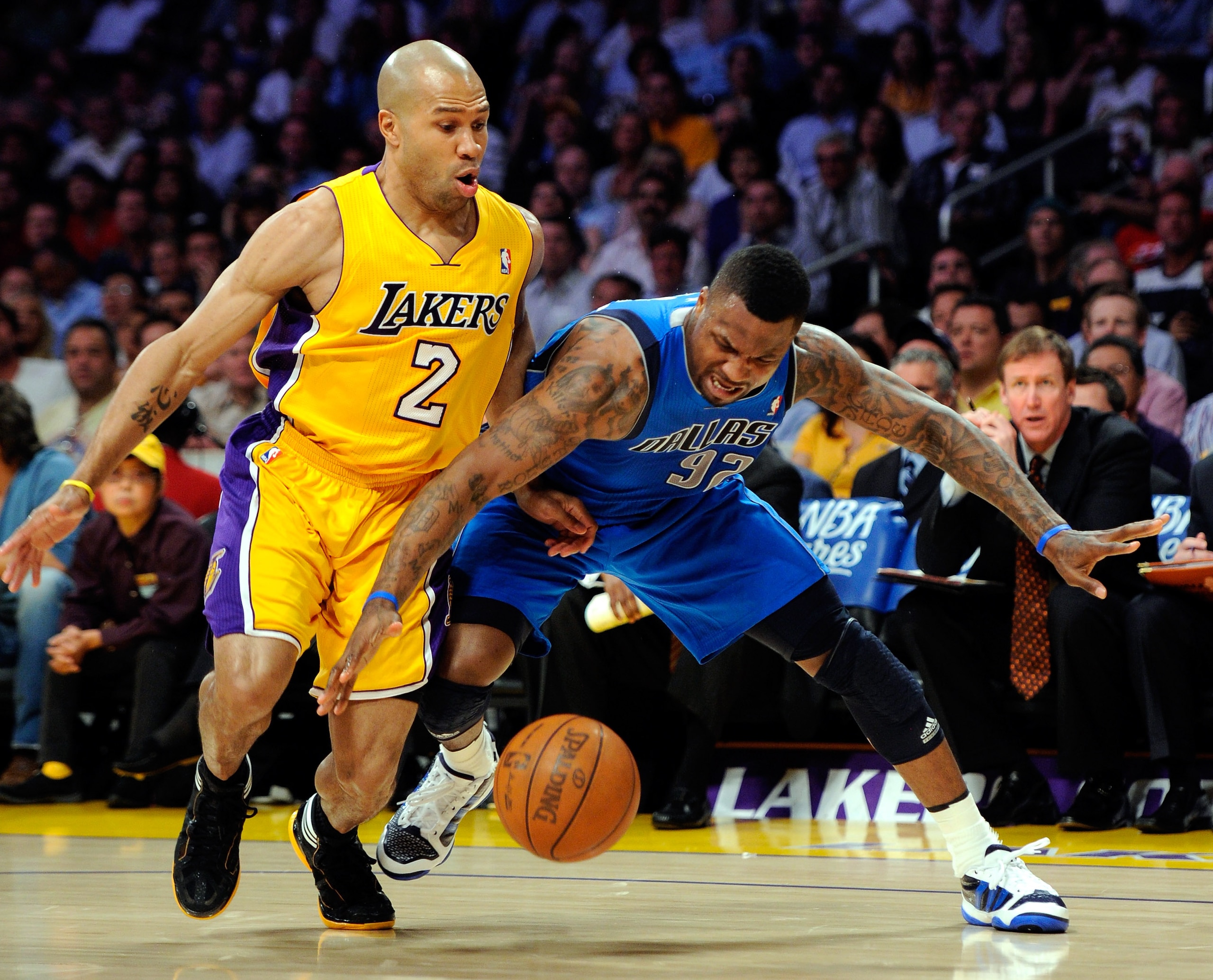
This guard has similar duties to the point guard, but usually doesn't bring the ball up the court. The big difference between the point guard and shooting guard is that the shooting guard is usually one of the team's best scorers; they're counted on to hit from the outside.
Dallas Mavericks
DeShawn Stevenson (No. 92): 6’5”, 218 lbs.
This guy might be the best person to block Kevin Durant. He may start, but he’s only averaging 13 minutes per game—the least amount of court time by any starter.
Oklahoma City Thunder
Thabo Sefolosha (No. 2): 6’7”, 215 lbs.
Sefolosha is averaging 4.4 points and 3.1 rebounds in the playoffs. He’ll be seen tag-teaming against Dirk and hopefully shaking the point forward a little—a task some have failed to do prior to this round.
ADVANTAGE: Dallas
Point Guard
5 of 6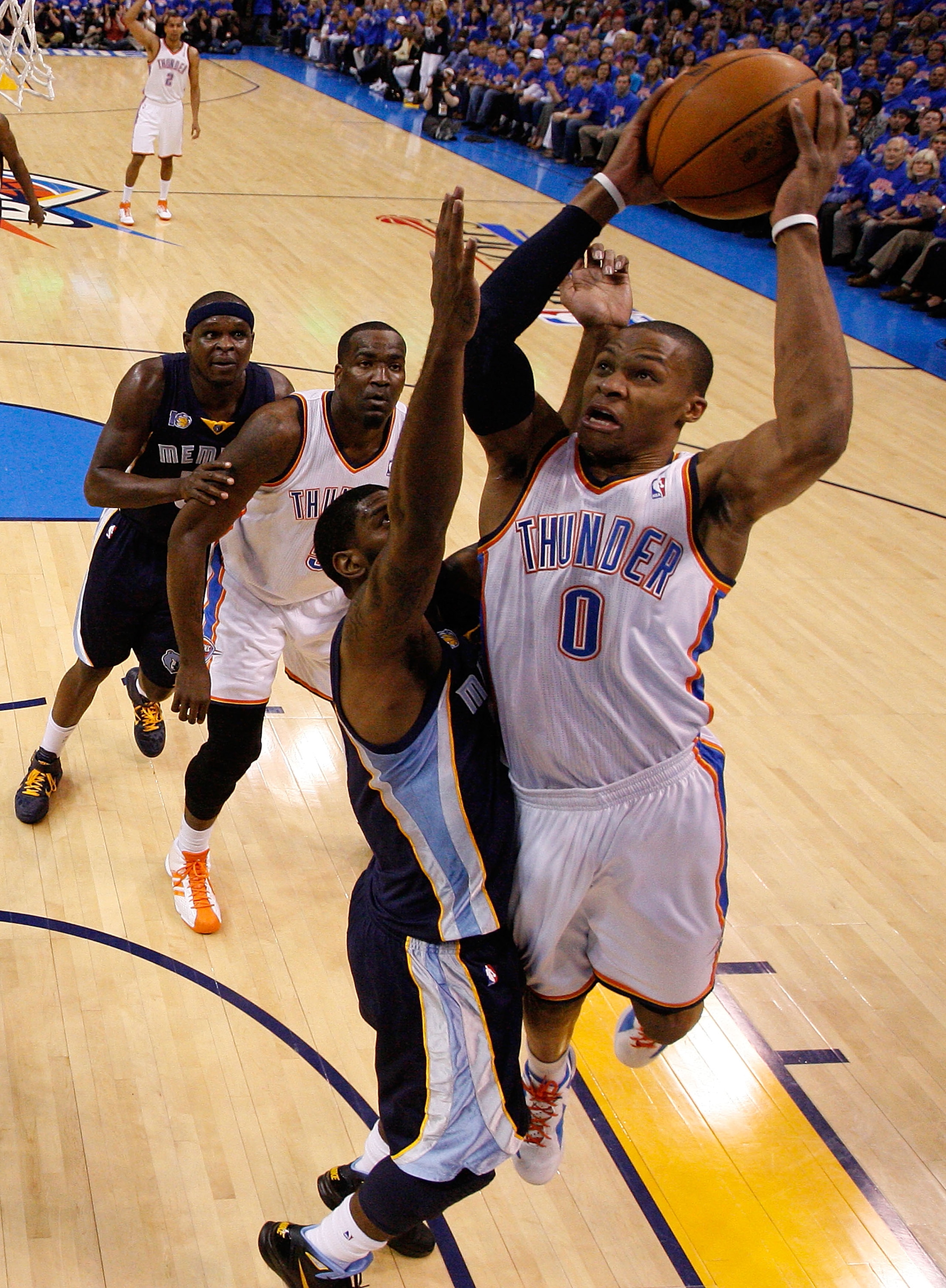
It’s the point guard's job to bring the ball up the court and set up the plays. Therefore, this player is usually a team's best dribbler and passer.
Dallas Mavericks
Jason Kidd (No. 2): 6’4”, 210 lbs.
Kidd is averaging 10.1 points, 4.2 rebounds and 7.2 assists in the postseason so far. Yes, he’s old, but he still plays the game as well as anyone—as well as we’ve seen in the first two rounds anyway.
Oklahoma City Thunder
Russell Westbrook (No. 0): 6’3”, 187 lbs.
Westbrook is averaging 23.9 points, 5.6 rebounds and 7.0 assists in the postseason, and he is the team leader in assists and steals, averaging 1.3 per game. He’s quick, and once he’s in the paint, there isn’t any stopping him, especially since he’s coming off his first triple-double in Game 7 against Memphis. In 12 playoff games, he's scored 27 or more points five times and gotten at least six assists eight times.
ADVANTAGE: Oklahoma City
And the Winner Is...
6 of 6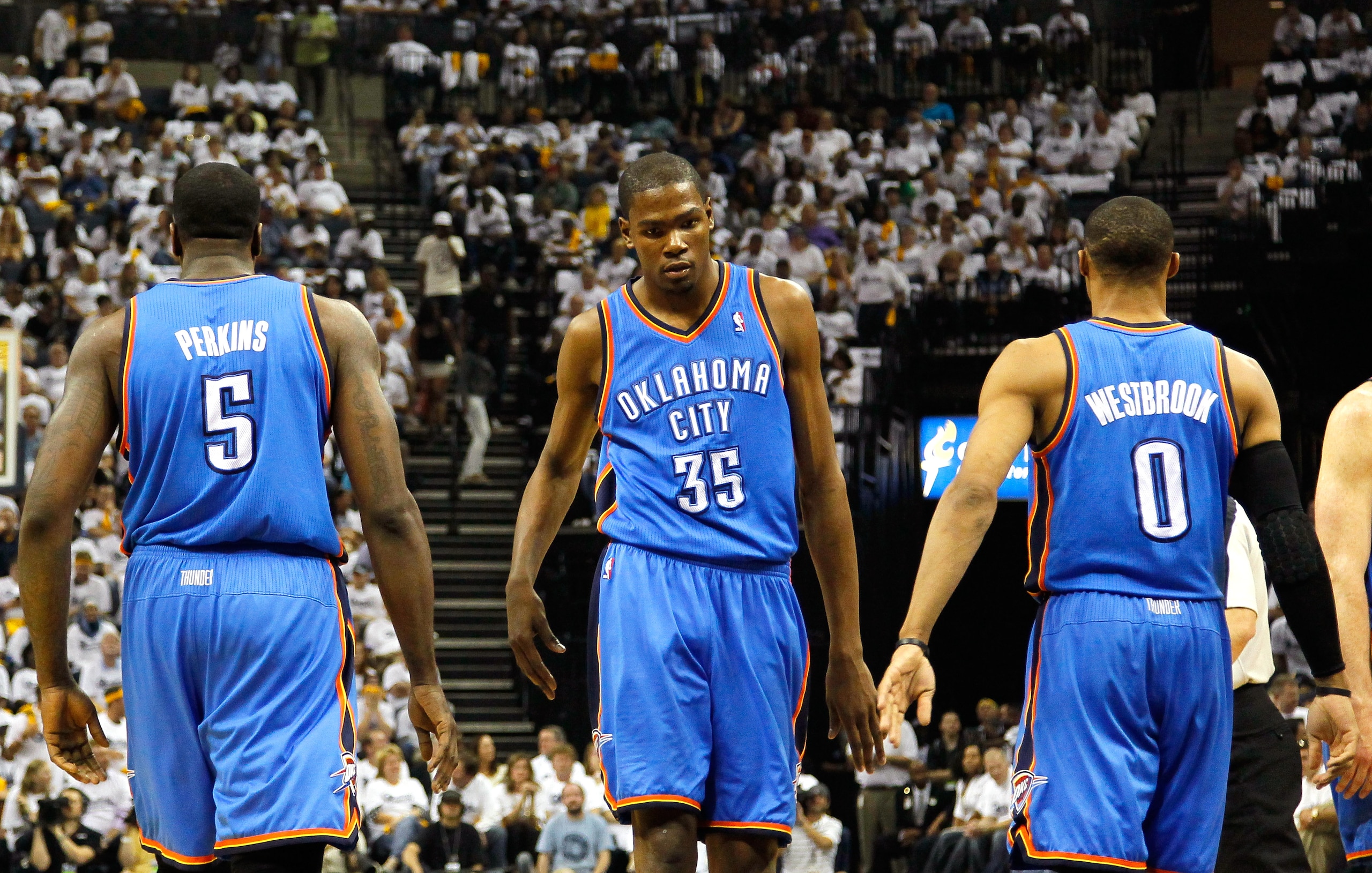
The NBA Stats Cube did a lot of player vs. player comparisons, but those stats are career-based and not from a player's current team situation, which makes a huge difference, chemistry-wise.
I'm going to say OKC for the win.
Oklahoma City’s average points per game in the postseason are higher than Dallas’, but the Mavs are 2-1 against OKC in the regular season, and they carry the experience as a team in competing in finals. Oklahoma City’s bench looks better in the playoffs this year though, and they are definitely going to have to play well as a team to knock Dallas off the horse they rode in on.
Who do you think is the better player for each position?






.jpg?w=2560 "Latest Peyton-Colts Rumors")