

With all of the worry from the small market teams and fans, wary of the next superstar to jump ship to a bigger market, the NBA draft remains the one sure-fire way to make average teams into contenders.
Sure, there will be LeBrons and Carmelos who force their way out of town at times (here's looking at you Dwight Howard), but a quick look around the NBA playoffs emphasize just how important the draft remains.
A large percentage of the elite players left in the postseason are homegrown.
The Miami Heat changed the NBA landscape by signing James and Chris Bosh last summer, but never would have had a chance at acquiring those players without drafting Dwyane Wade first. The acquisitions of Zach Randolph and Marc Gasol have propelled the Memphis Grizzlies surprise run, but without the team drafting Mike Conley and Rudy Gay, they would have never made the playoffs in the first place.
Perennial All-Stars Derrick Rose, Tim Duncan, Paul Pierce, Manu Ginobili, Kevin Durant, the aforementioned Howard, all of these players changed the fortunes of their respective franchises were their names were called on draft night.
This draft class was said to be one of the weakest ever prior to a surprising number of the class' elite players (Jared Sullinger, Harrison Barnes, John Henson, Perry Jones, etc.) announcing they would remain in school.
Still, there are always impact players in every draft. They might be a club's third or fourth option, a sixth man, or even an energy player off the bench, but some of these players may be enough to take their new teams from pretender to contender.
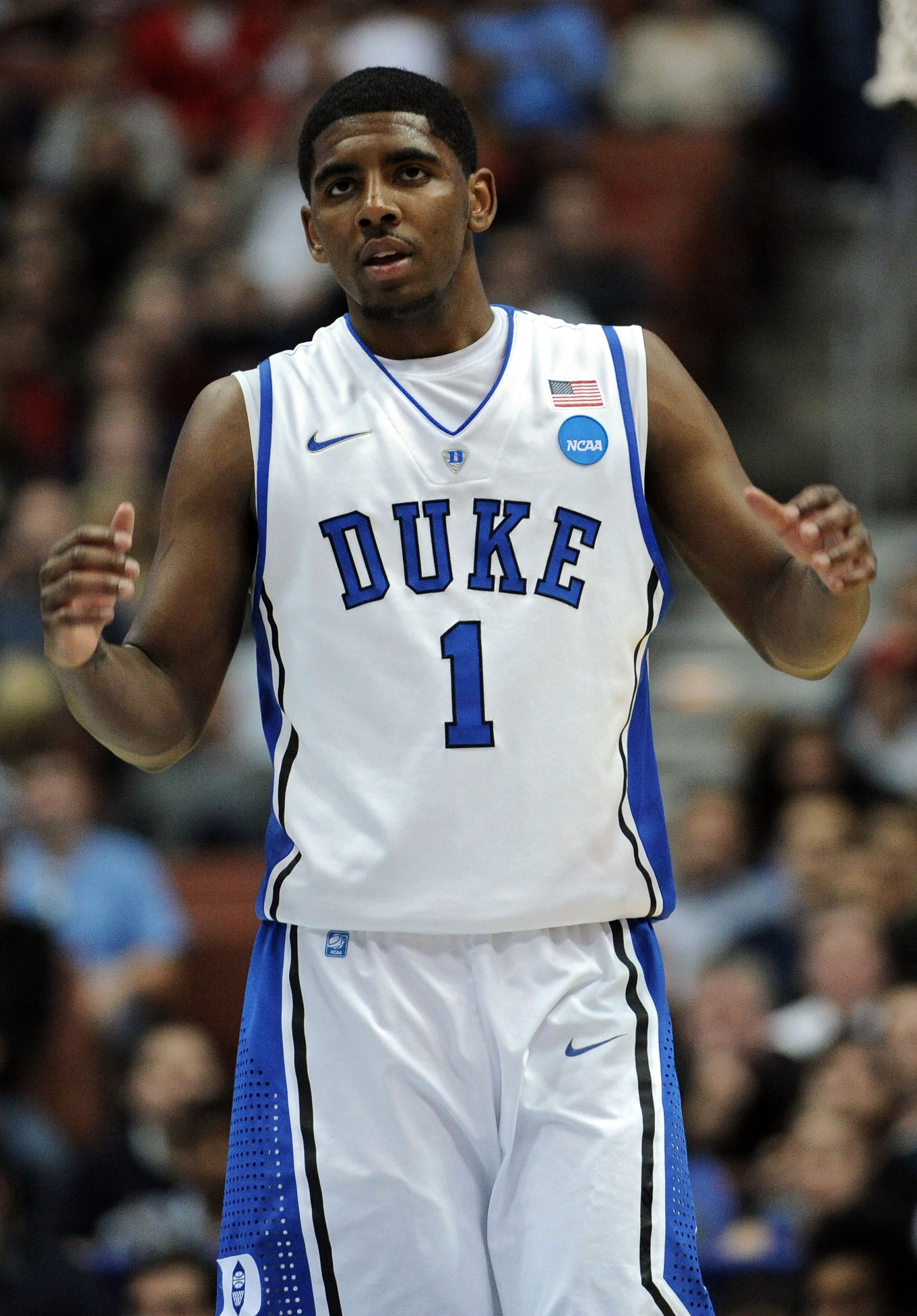
1. Minnesota Timberwolves: Kyrie Irving (Duke)
1 of 30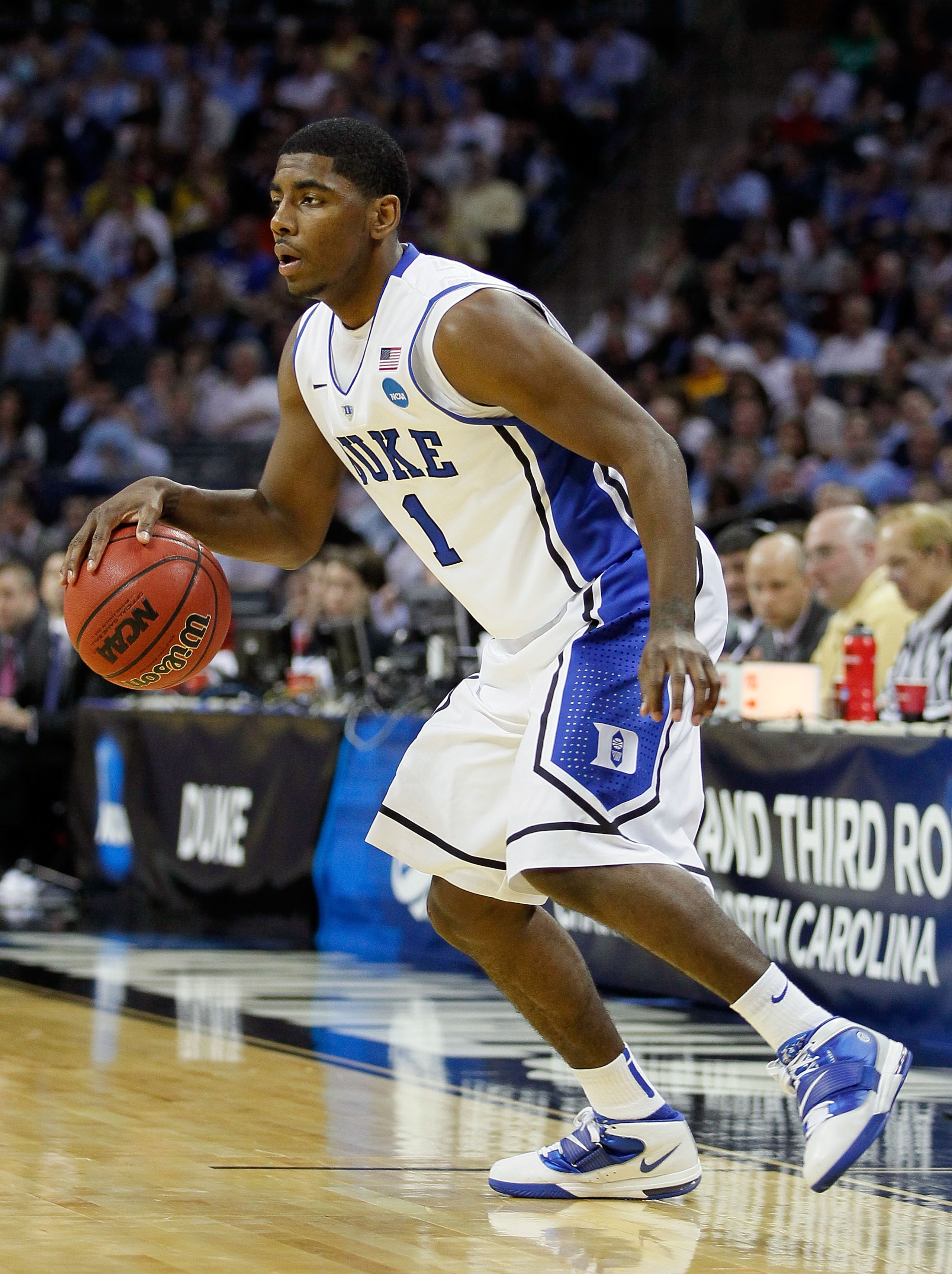
The Derrick Williams-Kyrie Irving will draw plenty of support on either side, but the Timberwolves can’t pass on the best true point guard prospect since Chris Paul. With Ricky Rubio’s future still uncertain and Jonny Flynn yet to show the dynamic ability he displayed at Syracuse, David Kahn nets yet another promising point guard.
2. Cleveland Cavaliers: Derrick Williams (Arizona)
2 of 30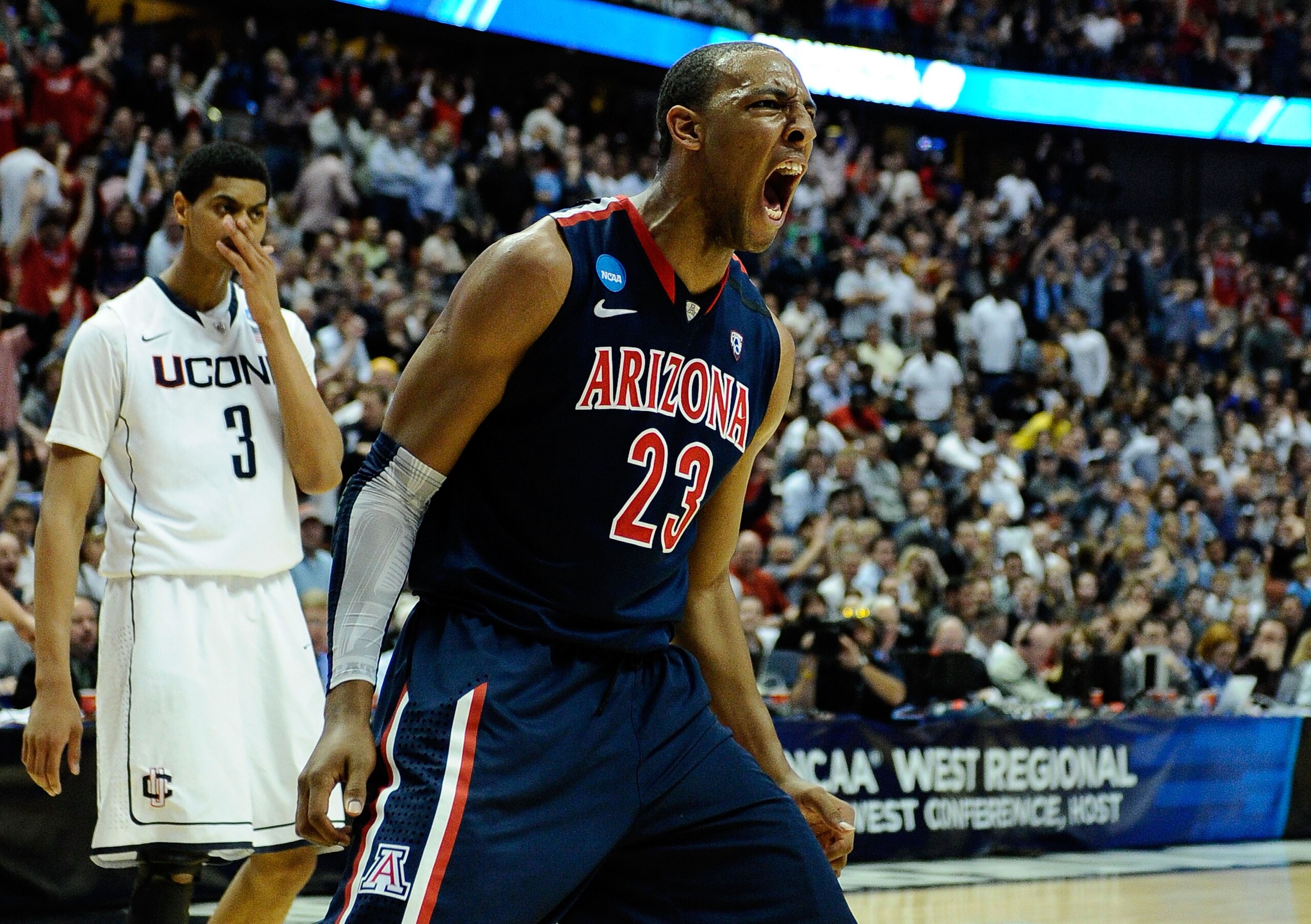
Cleveland’s pick will be obvious depending on which route the Timberwolves take. If Williams does indeed fall in their lap, his size and athleticism will give Byron Scott the lineup versatility that coaches dream for. He can slide to the three and give them a menacing lineup with JJ Hickson and Anderson Varejao, or slide to the four to play the up-tempo game that Baron Davis has thrived in.
3. Toronto Raptors: Enes Kanter (Kentucky)
3 of 30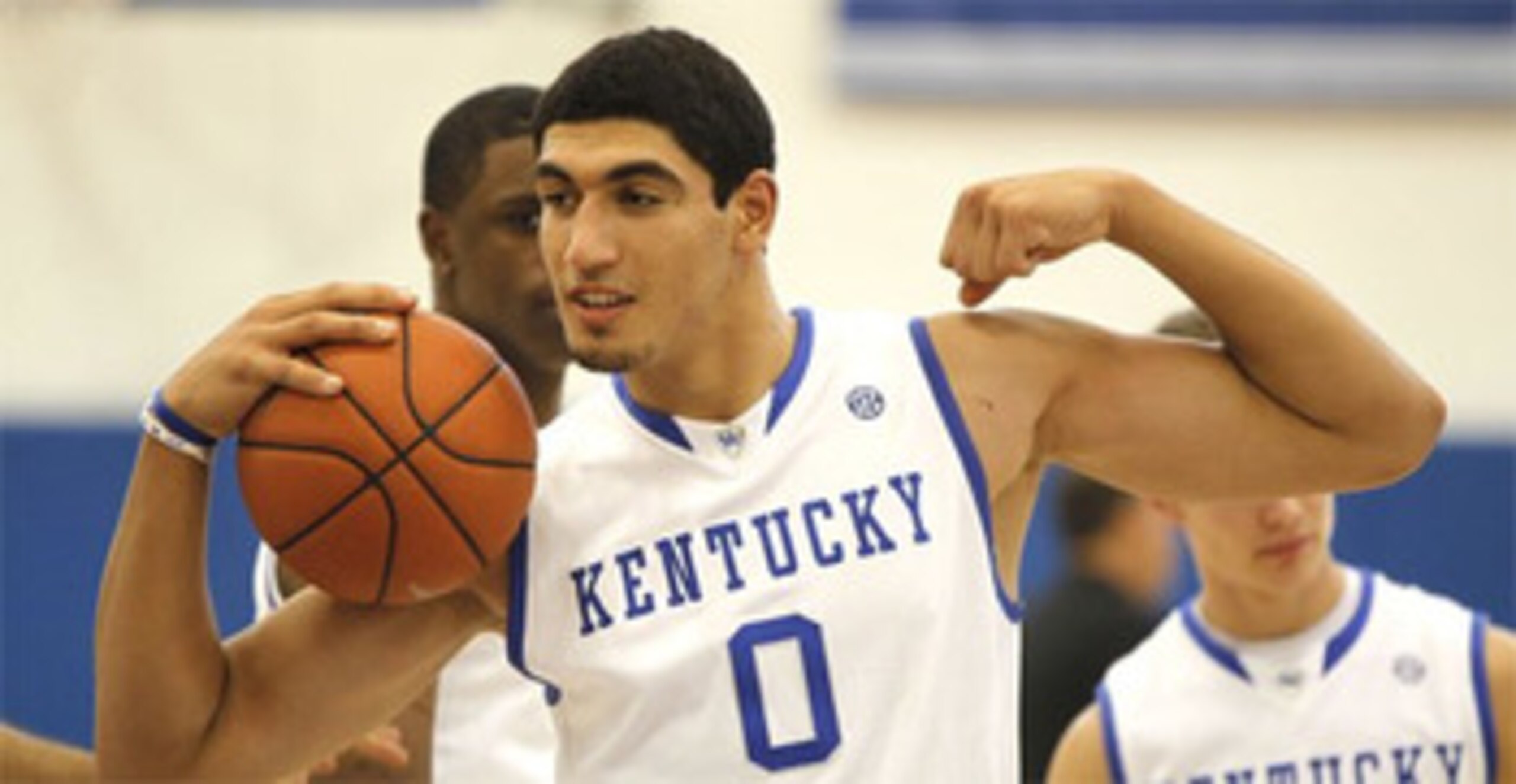
Like the previous pick, this should be a no-brainer. Kanter’s everyone’s third player in a three-man draft, but he’s one heck of a consolation prize. Assuming the Raptors get this pick, he could provide Toronto with everything that Andrea Bargnani cannot: an inside presence on both ends of the floor who plays the game with a high motor.


4. Washington Wizards: Donatas Motiejunas (Lithuania)
4 of 30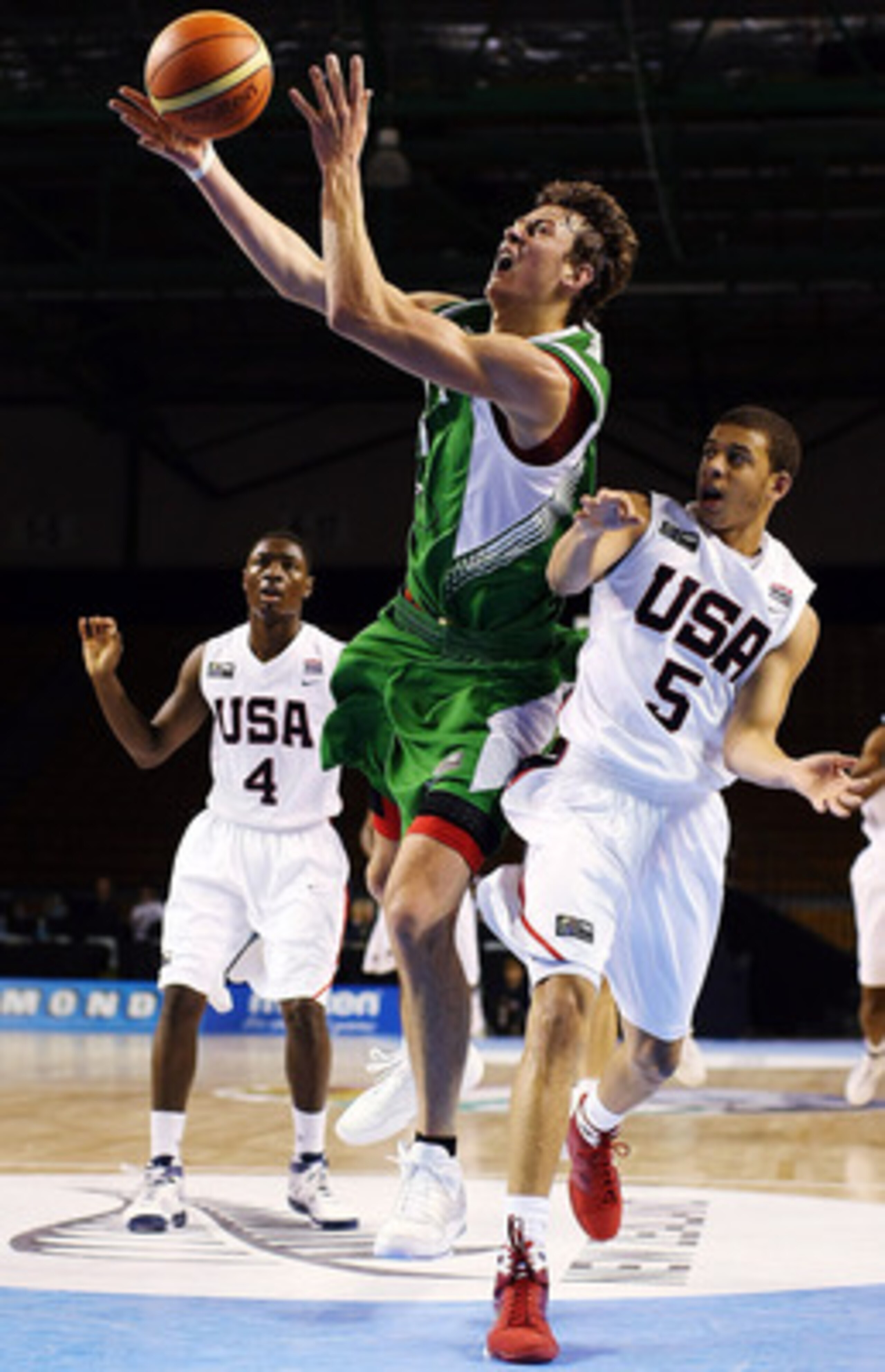
Motiejunas possesses the always-coveted in today’s game inside-outside threat. At 7’0”, 225 lbs he has the size and the moves to handle his own around the paint. His range extends to the three-point line and could create ideal spacing for John Wall and Jordan Crawford to attack the paint or Andray Blatche and JaVale McGee to do work on the block.
5. Sacramento Kings: Jan Vesely (Czech Repulic)
5 of 30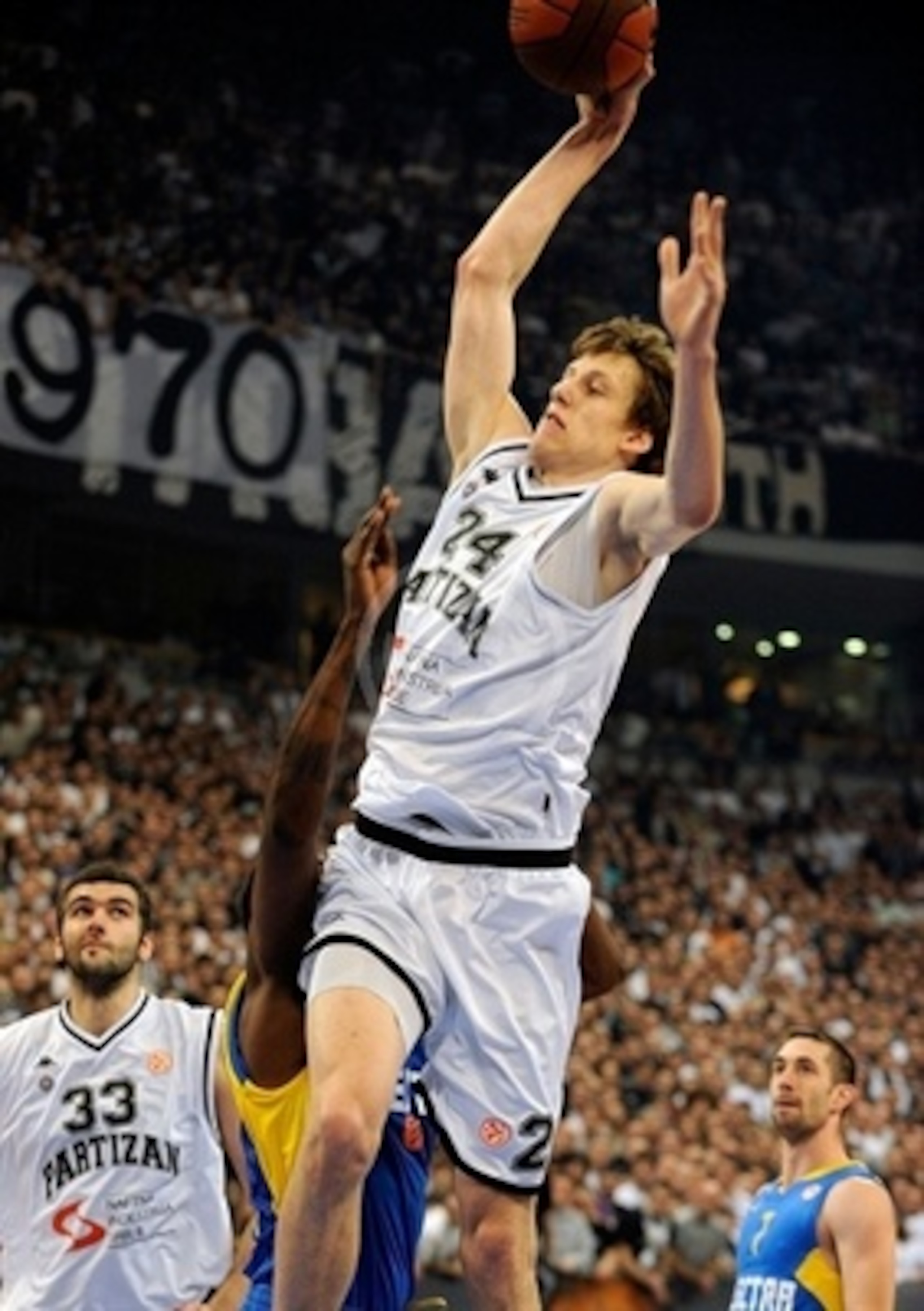
Vesely might not be the most talented player left on the board, but if he proves to have the quickness needed to play small forward he could have the Kings front court scary length next to DeMarcus Cousins and Jason Thompson. The Kings could also look point guard but the next on my board (Brandon Knight) is too similar to Tyreke Evans for both to thrive in the same backcourt.
6. Utah Jazz: Brandon Knight (Kentucky)
6 of 30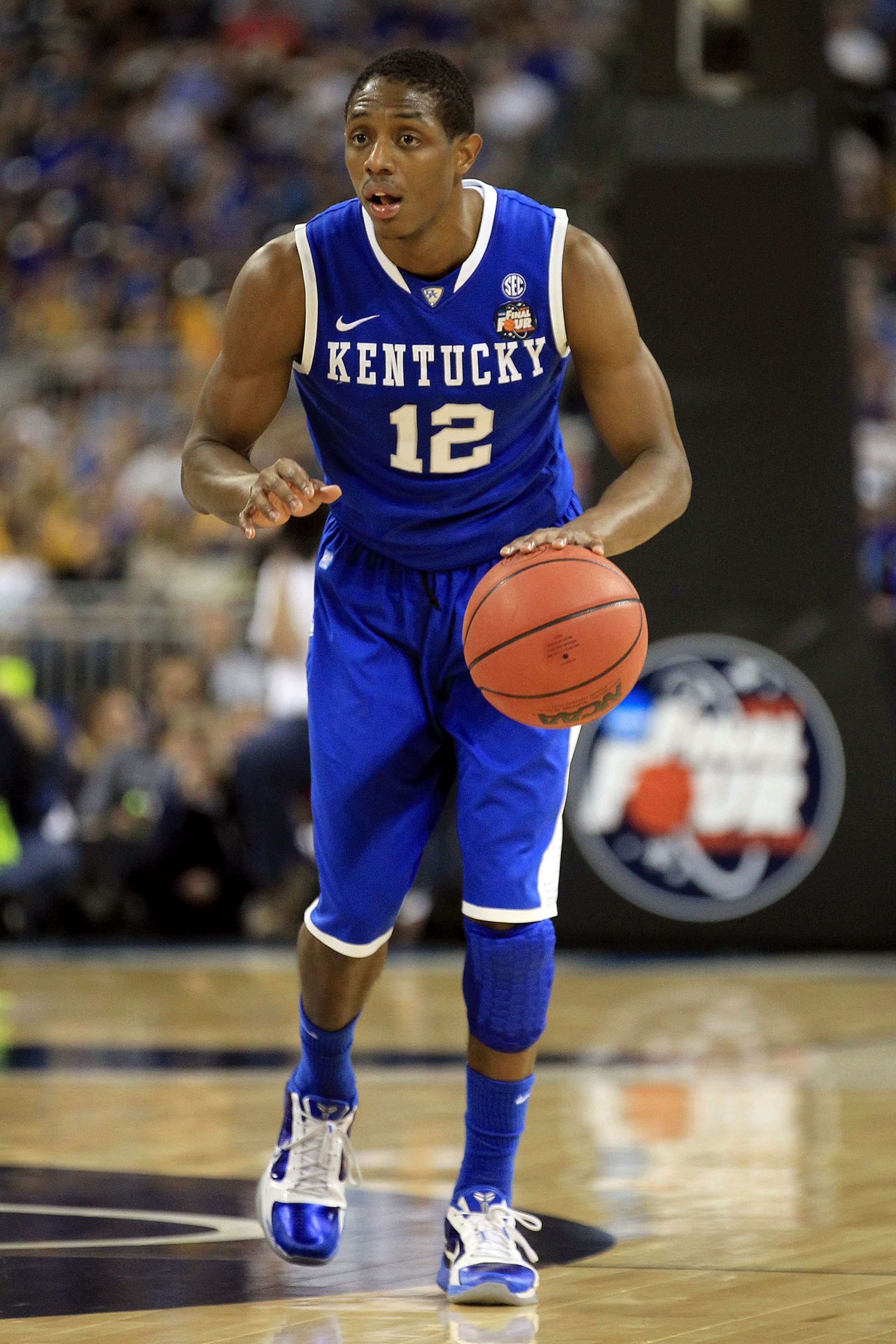
Utah would love Knight to fall to them at this spot since he would be their long-term replacement for Deron Williams but could ease into the role with Devin Harris showing him the ropes. Knight’s streakiness and tendency to force the issue would be the only reason that this top-five talent would still be available.
7. Detroit Pistons: Alec Burks (Colorado)
7 of 30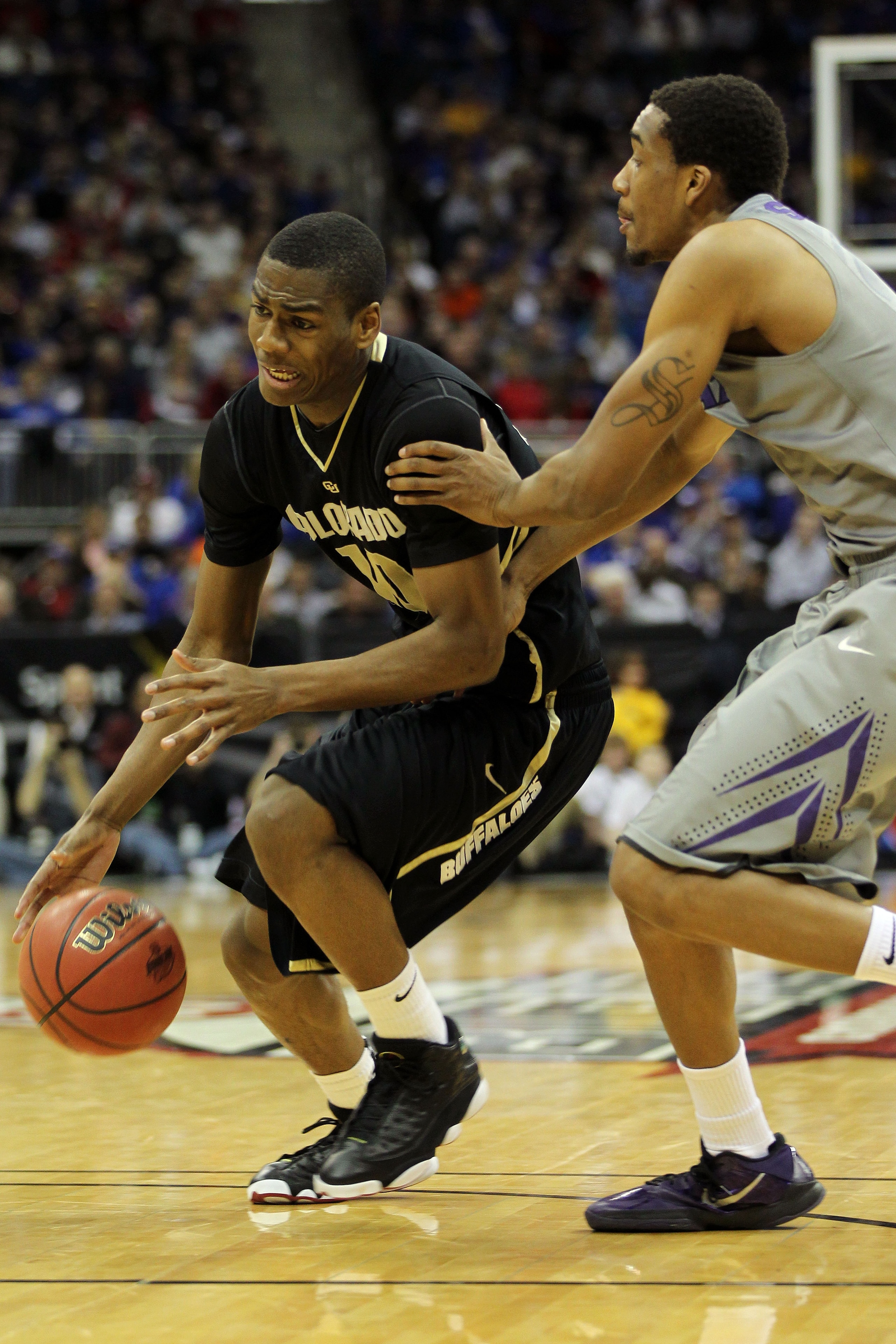
The Pistons need a lot of help to start their rebuilding process. They hit a home run with Greg Monroe last season and Burks could inject some life into this ancient backcourt. Burks struggles to find his place without dominating the ball, so a season or two chasing Richard Hamilton around screens in practice could help Burks reach his full potential.
8. Cleveland Cavaliers: Kemba Walker (Connecticut)
8 of 30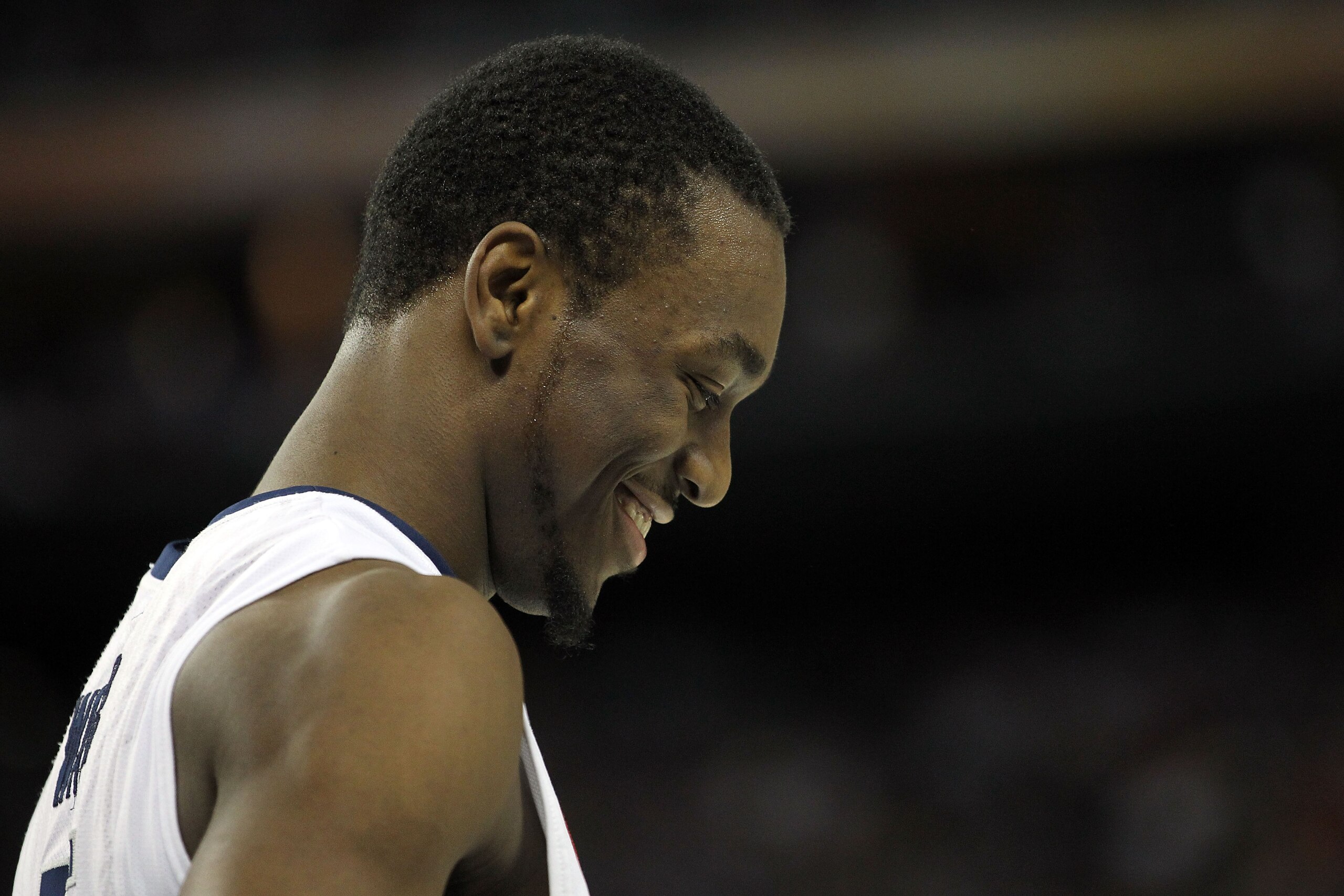
One of the hardest working and best character prospects in the draft, Walker could mean a lot to Cleveland. Grabbing two of the three most exciting prospects in the draft would start this summer on a much different tone than last year. With two years left on Baron Davis’ contract, Walker could ease into his role and learn how to become a floor general and not just a dynamic scorer.
9. Charlotte Bobcats: Kawhi Leonard (San Diego State)
9 of 30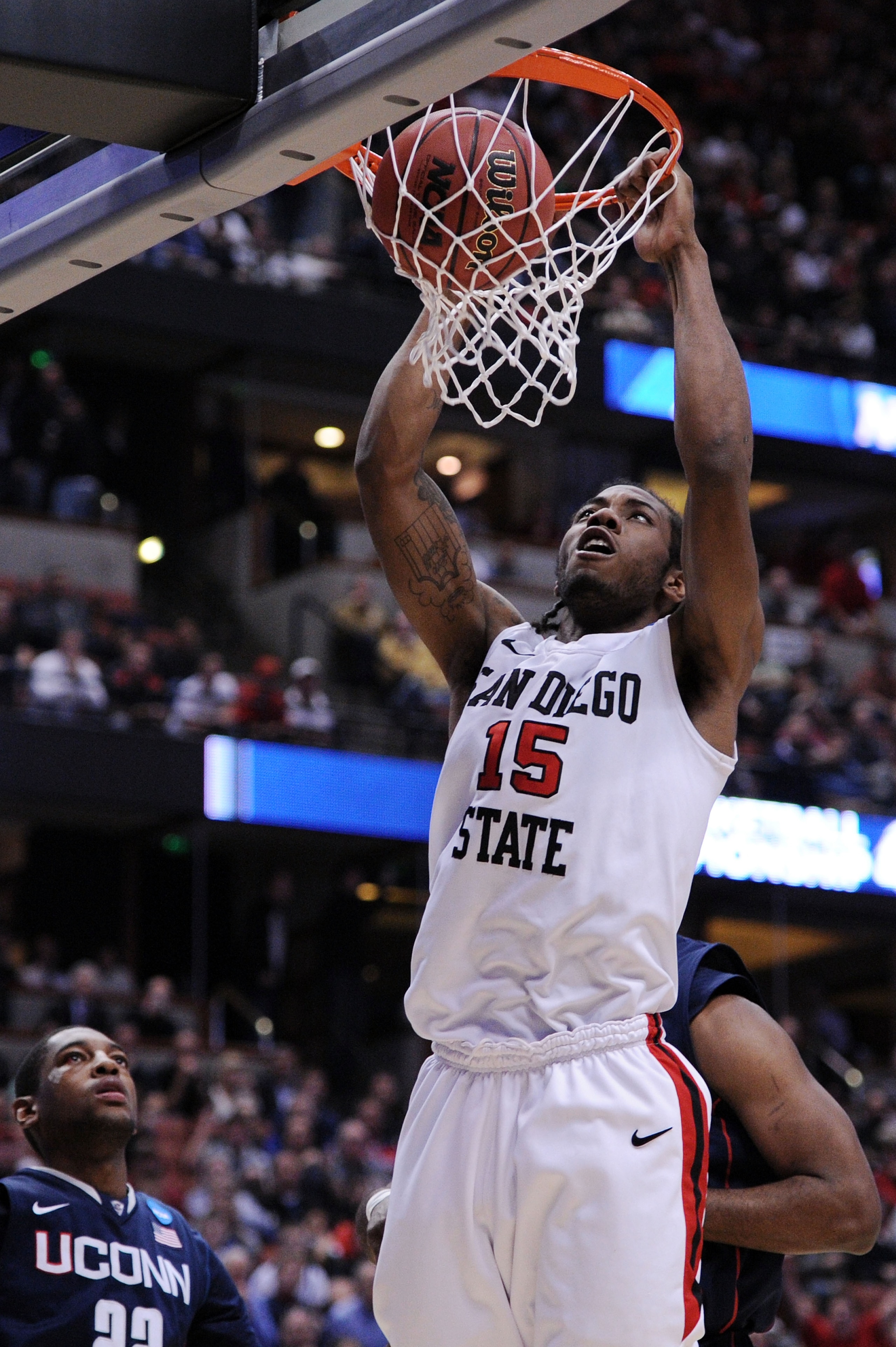
The Bobcats could gamble on an offensive talent here (Jimmer Fredette perhaps) but could grab a do-everything, defensive-first player that would better fit their current roster. Leonard appears to be a poor man’s (for now, at least) version of former Charlotte mainstay Gerald Wallace and has the makings of a tenacious rebounder and defender.
10. Milwaukee Bucks: Jordan Hamilton (Texas)
10 of 30
John Salmons is 31 years old and with Michael Redd’s contract situation likely up in the air until a new collective bargaining agreement is reached, Hamilton could provide more of the offensive punch from the second unit that the Bucks hoped they were getting with Chris Douglas-Roberts. Hamilton has ideal size for an NBA shooting guard but must show scouts he’s quick enough to defend the position.
11. Golden State Warriors: Markieff Morris (Kansas)
11 of 30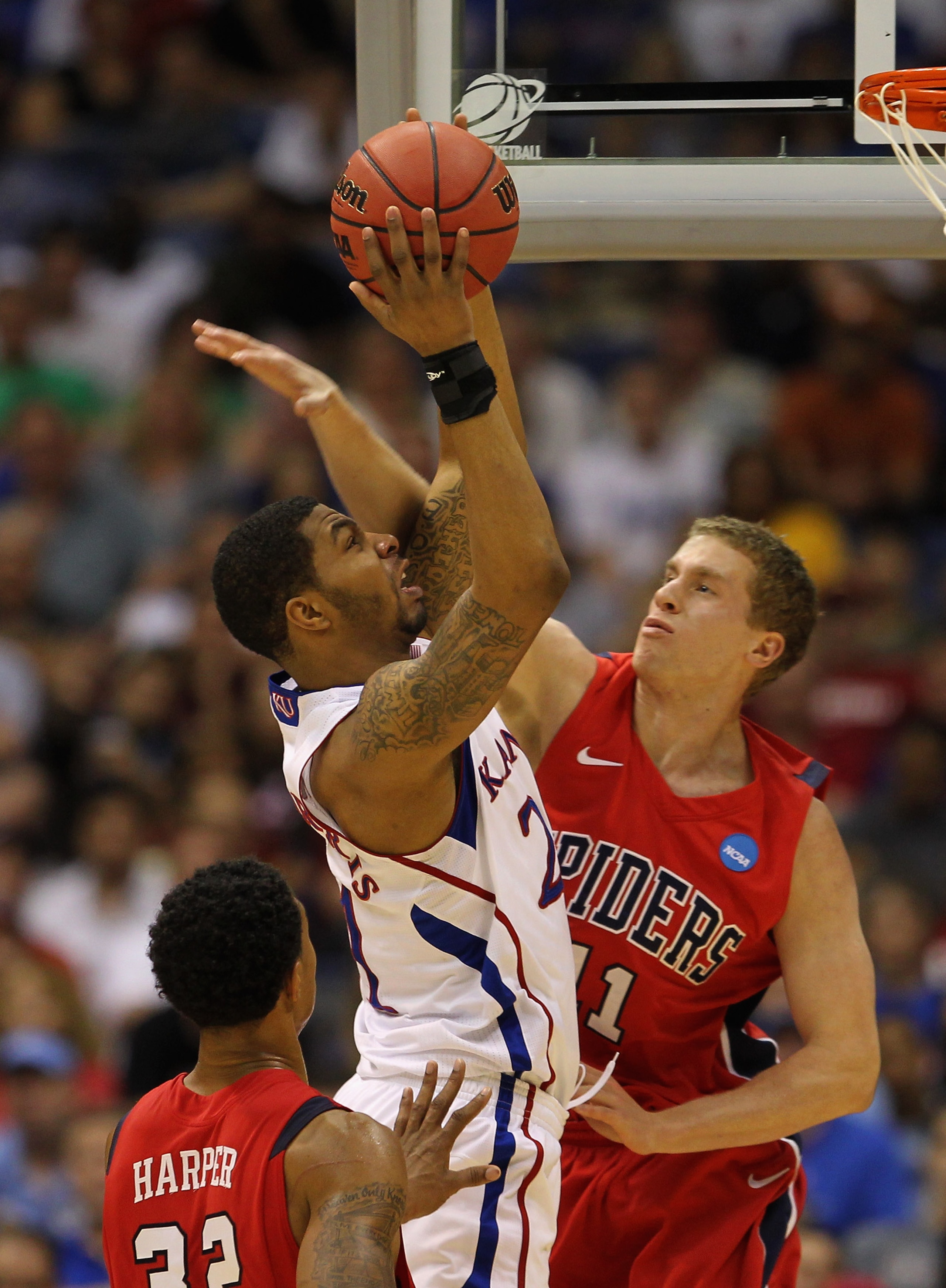
This won’t be a popular pick among the Warriors faithful (especially with his more talented twin, Marcus, still on the board), but Markieff has the skill set to fill a need for the Warriors and is ready to play immediately. His offense is limited, but he has shown the ability to score with his back to the basket. He also plays with a high motor when challenging shots or cleaning the glass.
12. Utah Jazz: Tristan Thompson (Texas)
12 of 30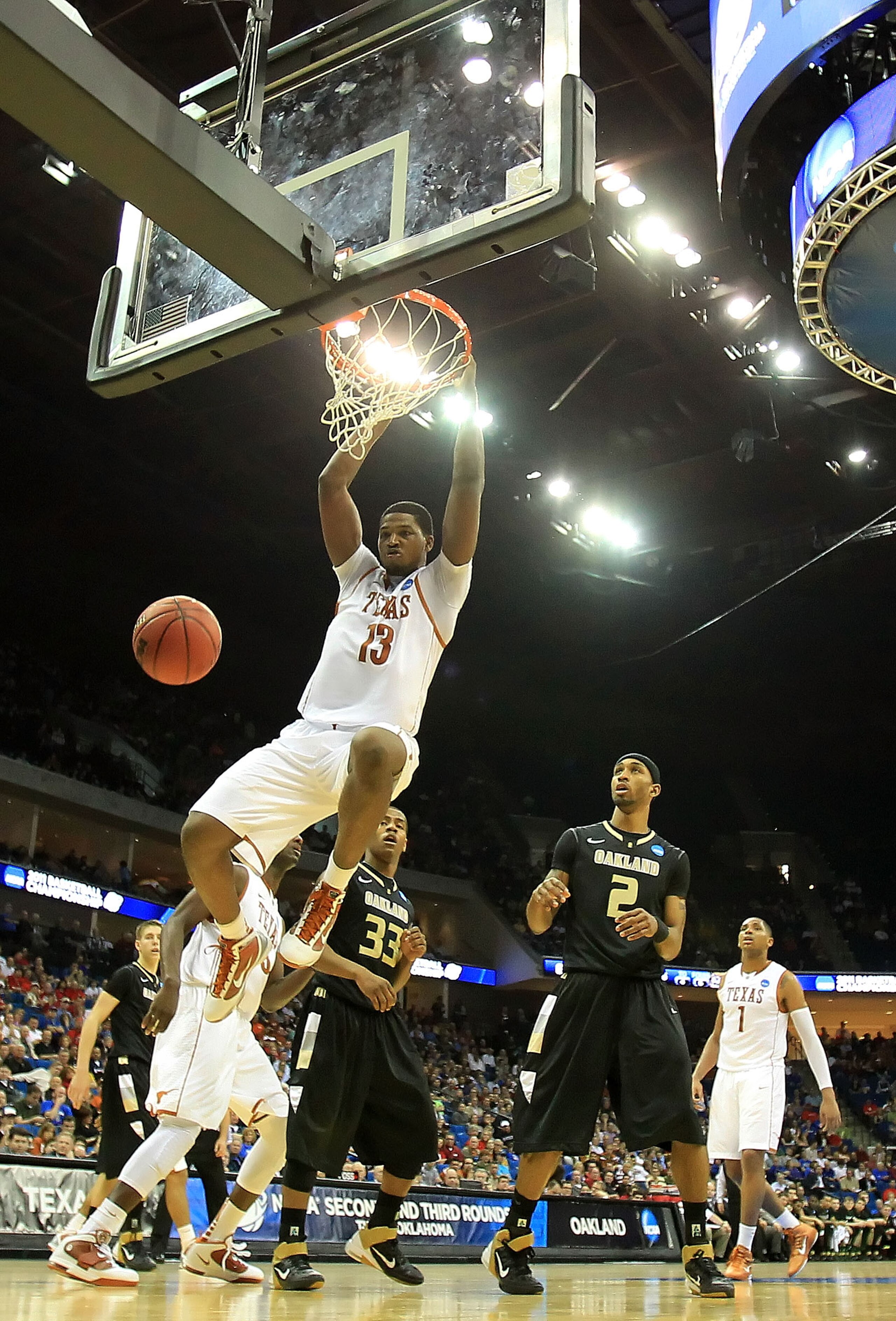
Thompson joins Utah's already potent frontcourt to bring more defensive tenacity to the group. Guarding the likes of Paul Millsap and Al Jefferson each day in practice will only enhance Thompson's defensive ability. If Thompson can learn how to score outside of the paint and Derrick Favors continues to develop, the Jazz could potentially move Millsap or Jefferson down the line for some perimeter scoring.
13. Phoenix Suns: Kenneth Faried (Morehead State)
13 of 30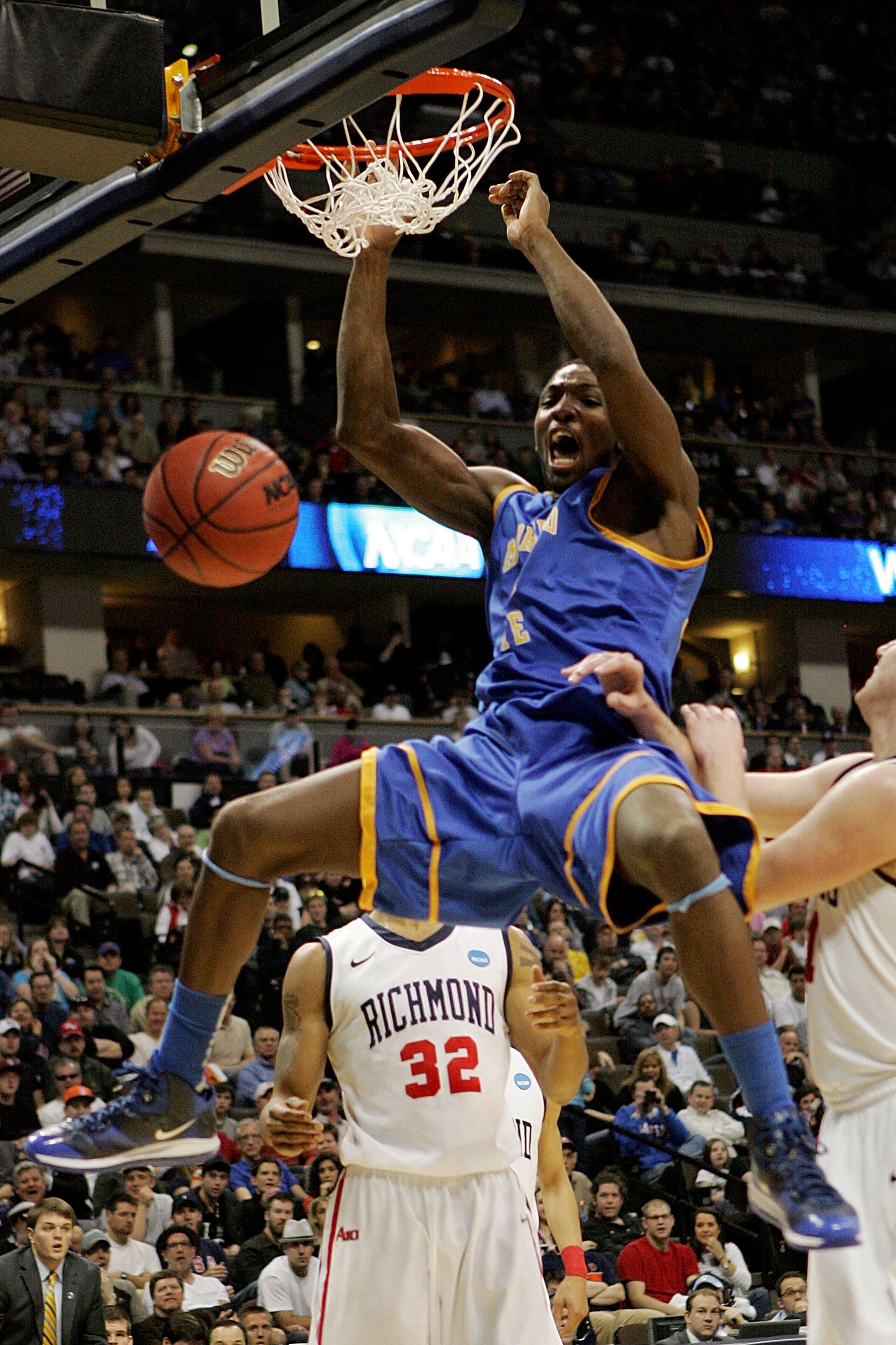
Suns bring in Faried to recapture the hustle and energy level that Lou Amundson used to provide the team with. Faried was a ferocious rebounder in college and has even drawn comparisons to Dennis Rodman. His college competition was not on the same level as most of his draft day counterparts so his transition is far from sure thing, but the potential for the next great energy man is there.
14. Houston Rockets: Marcus Morris (Kansas)
14 of 30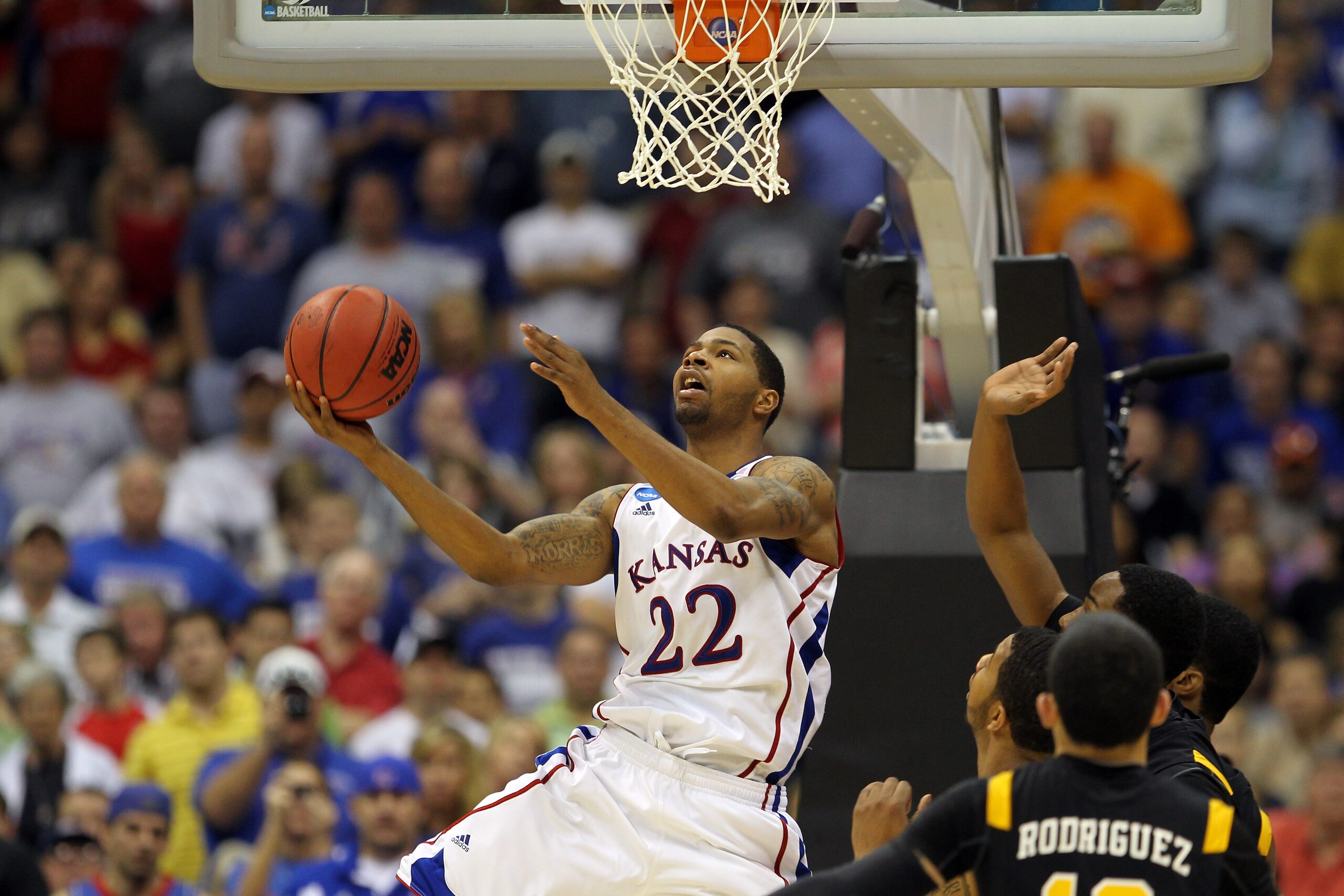
Morris brings a high-energy game and an inside-outside attack to bolster the offensive potency of the Rockets’ second unit. While scouts worry about his size and athleticism, his offense is NBA-ready. With a plethora of defensive bigs on the Rockets bench, Morris would find his niche quickly.
15. Indiana Pacers: Trey Thompkins (Georgia)
15 of 30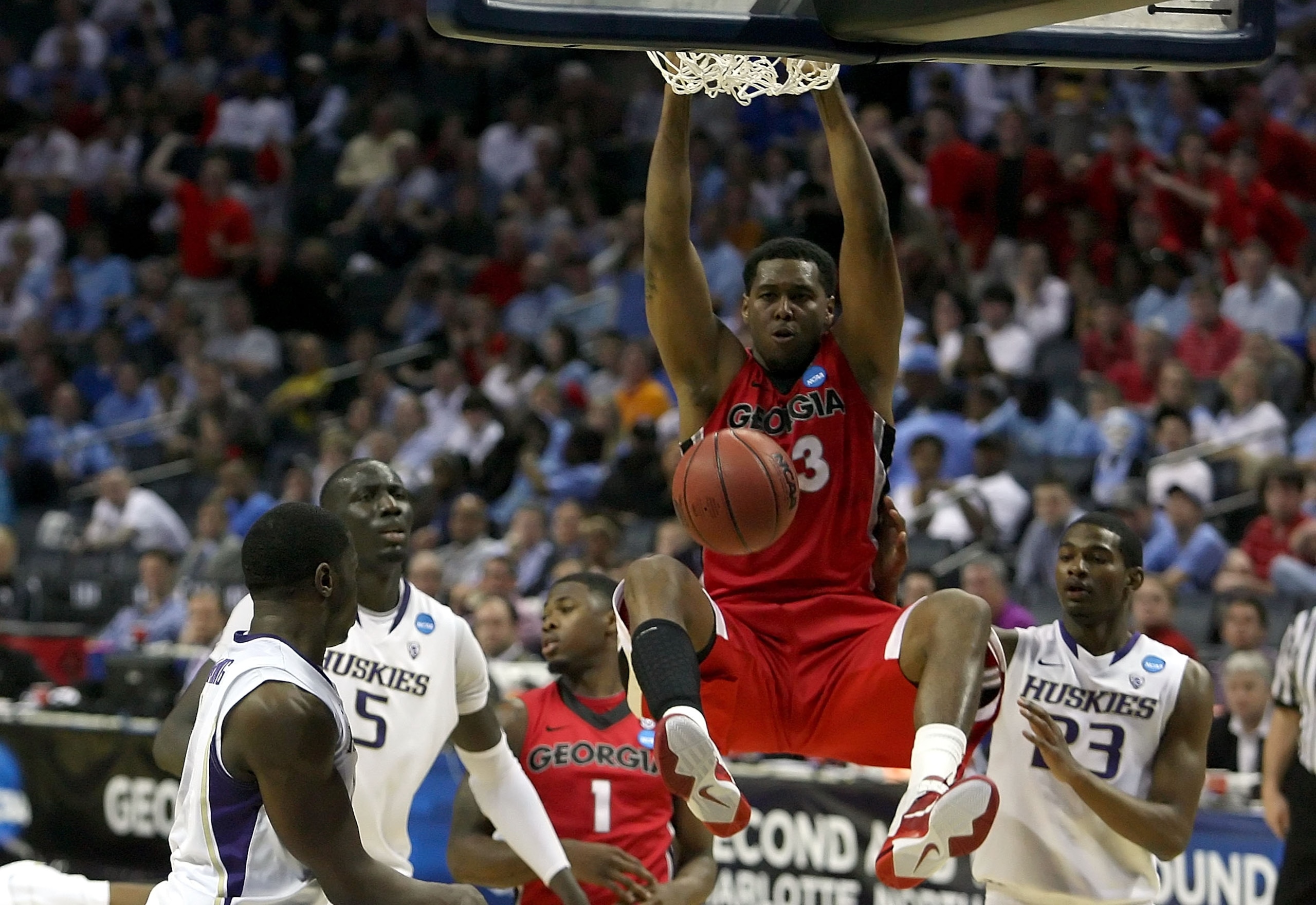
The Pacers starting power forward for the majority of the 2010-11 season was Josh McRoberts. If that position does not scream "need upgrade" then nothing will. Tyler Hansborough came alive down the stretch, but McRoberts is a free agent and Thompkins' ceiling far exceeds McRoberts'. Thompkins is not a defensive presence, but his shooting will give Roy Hibbert room to operate in the post and would give Danny Granger another option when defenses key on him.
16. Philadelphia 76ers: Klay Thompson (Washington State)
16 of 30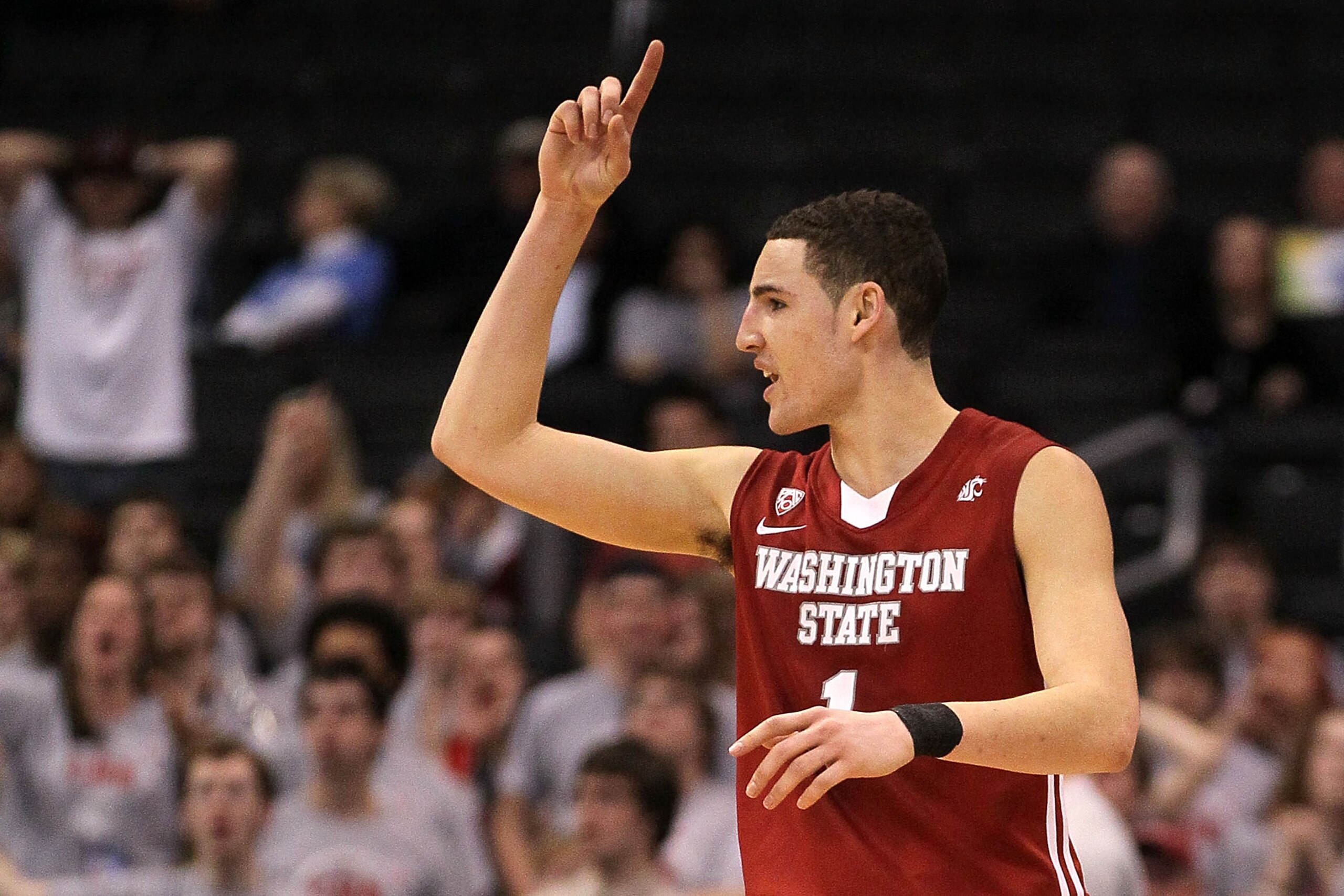
Thompson is a shooter and not much else, but that’s the 76ers biggest need. Jodie Meeks is the team’s only reliable three-point threat and is only under contract one more season. His ability to create offense with his dribble and to find his spots off the ball could push Thompson ahead of Meeks.
17. New York Knicks: Jimmer Fredette (BYU)
17 of 30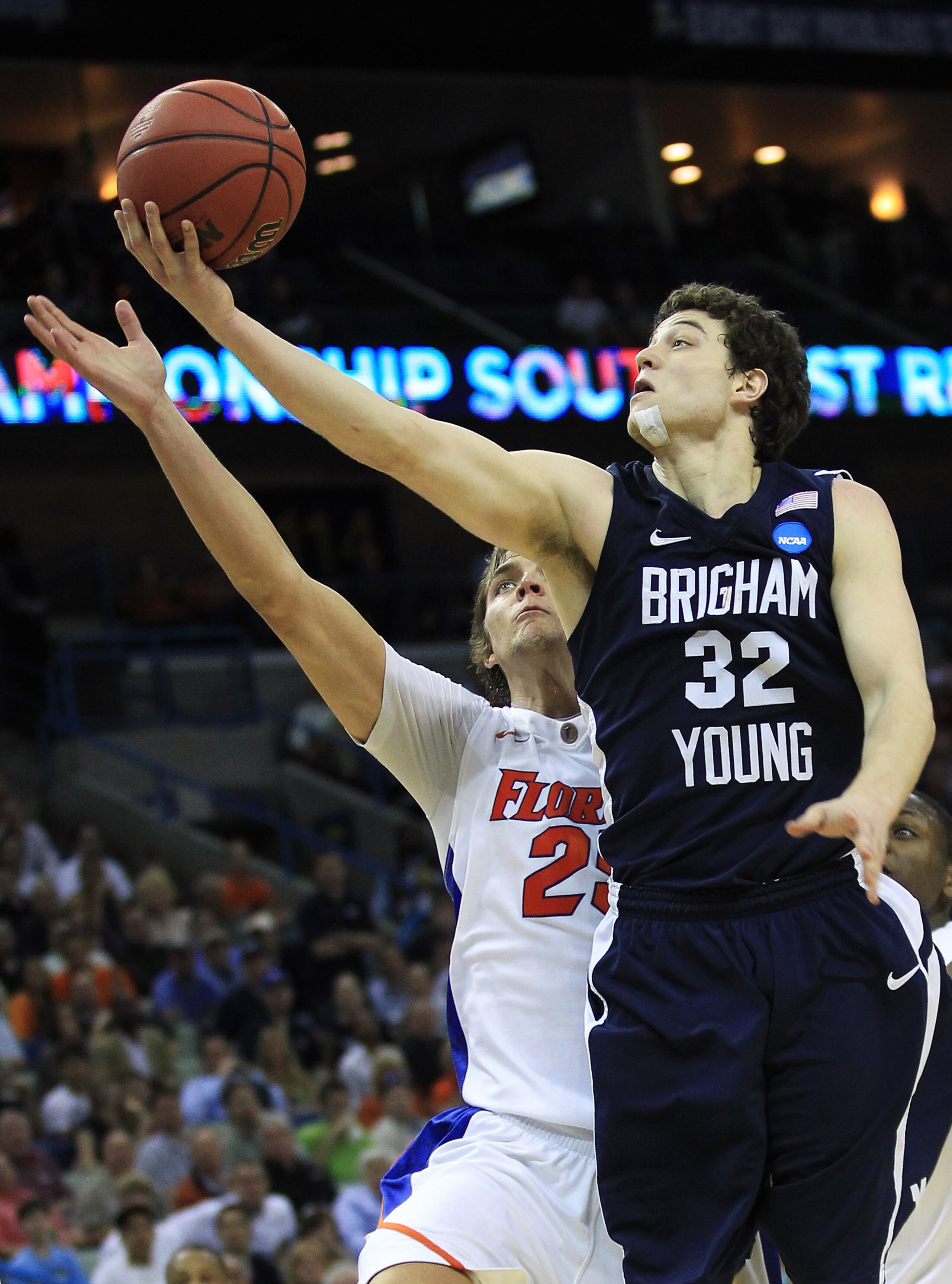
The Knicks finally land their Stephen Curry (not my opinion, but that’s the most common comparison) and Fredette moves from Salt Lake to the Big Apple. Having a teacher like Chauncey Billups could help foster his subpar point guard skills and the Knicks bench could certainly use his scoring.
18. Washington Wizards: Chris Singleton (Florida State)
18 of 30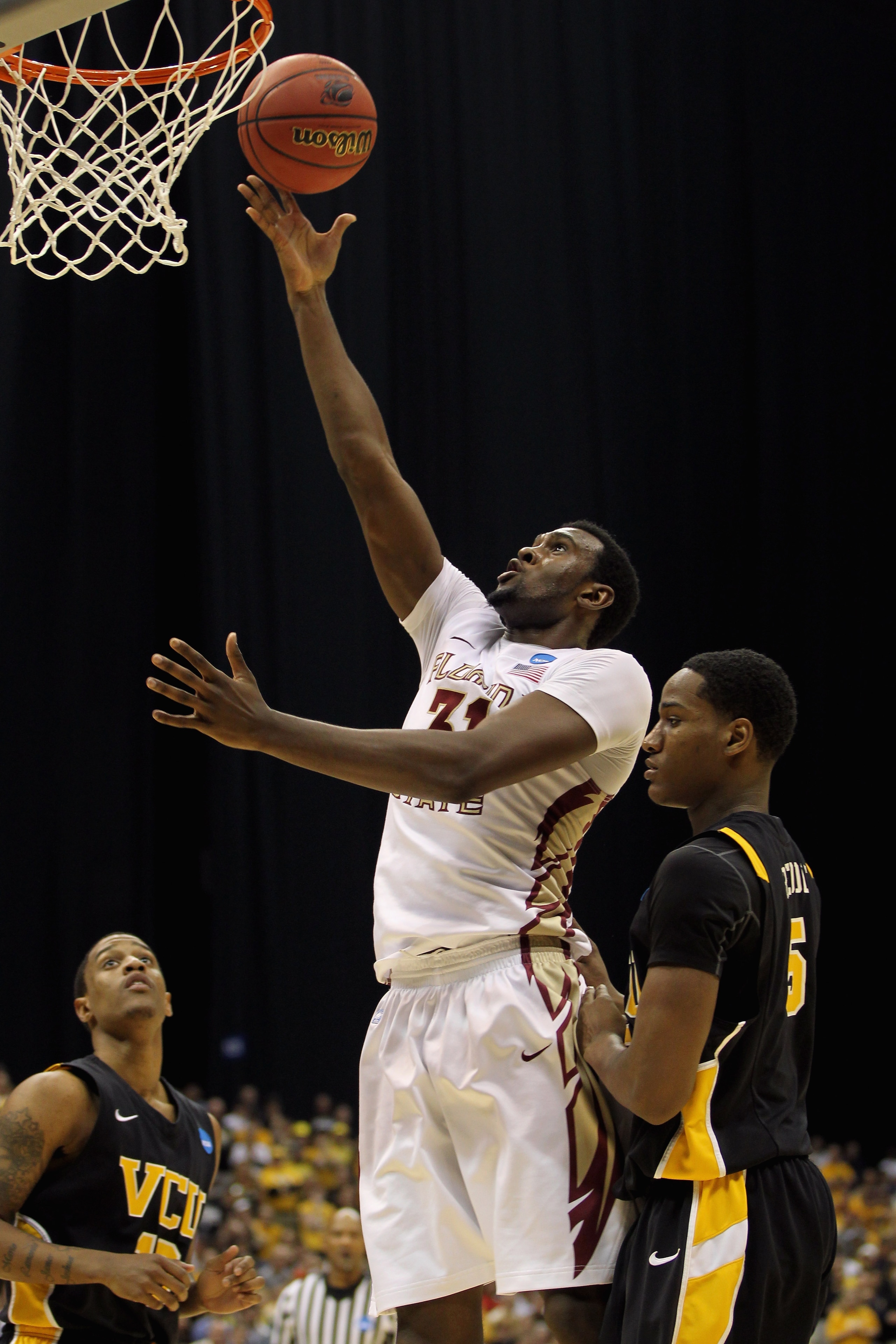
Following the acquisition of Jordan Crawford at the trade deadline, the Wizards continue to build one of the most exciting young cores in the NBA. But what they boast in playmakers, they lack in defensive players. Singleton might be the best on-ball defender in this class and has enough offense to play significant minutes without sacrificing on either end.
19. Charlotte Bobcats: Nolan Smith (Duke)
19 of 30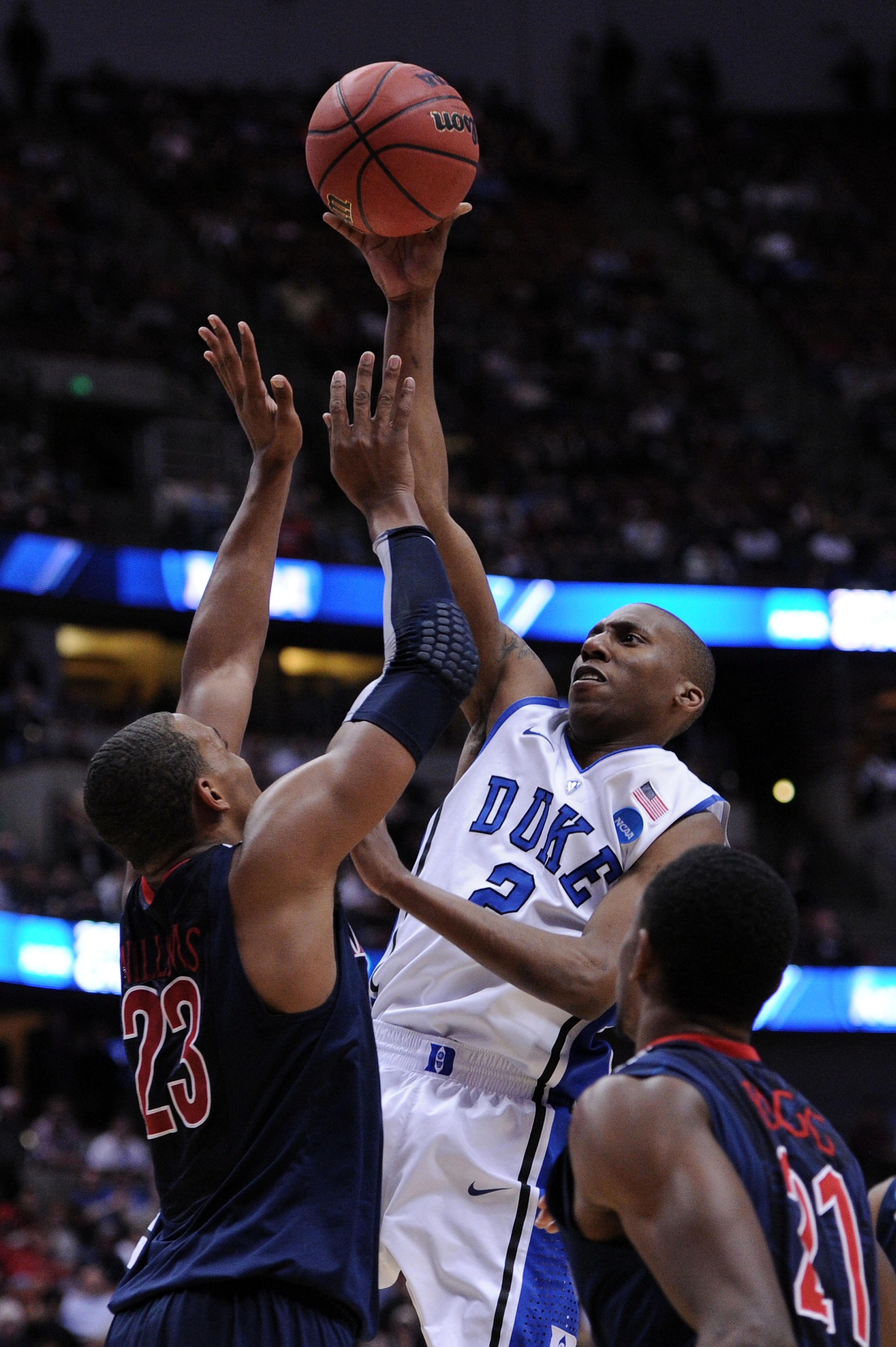
The Shaun Livingston experiment worked fairly well for Charlotte, but it’s hard to trust his long-term health. Smith has a nasty side to his defense which would fit well with the Bobcats’ chemistry. He also picked up the scoring slack when the Blue Devils lost Irving and has the experience to contribute as a rookie.
20. Minnesota Timberwolves: Tyler Honeycutt (UCLA)
20 of 30
Between Michael Beasley, Kevin Love, Wesley Johnson and Irving, the Timberwolves will have a nice young core to build with. Honeycutt has the potential to be included in that group. An underrated playmaker, Honeycutt has offensive abilities but it’s his defense that could win him significant minutes in his rookie year.
21. Portland Trailblazers: Norris Cole (Cleveland State)
21 of 30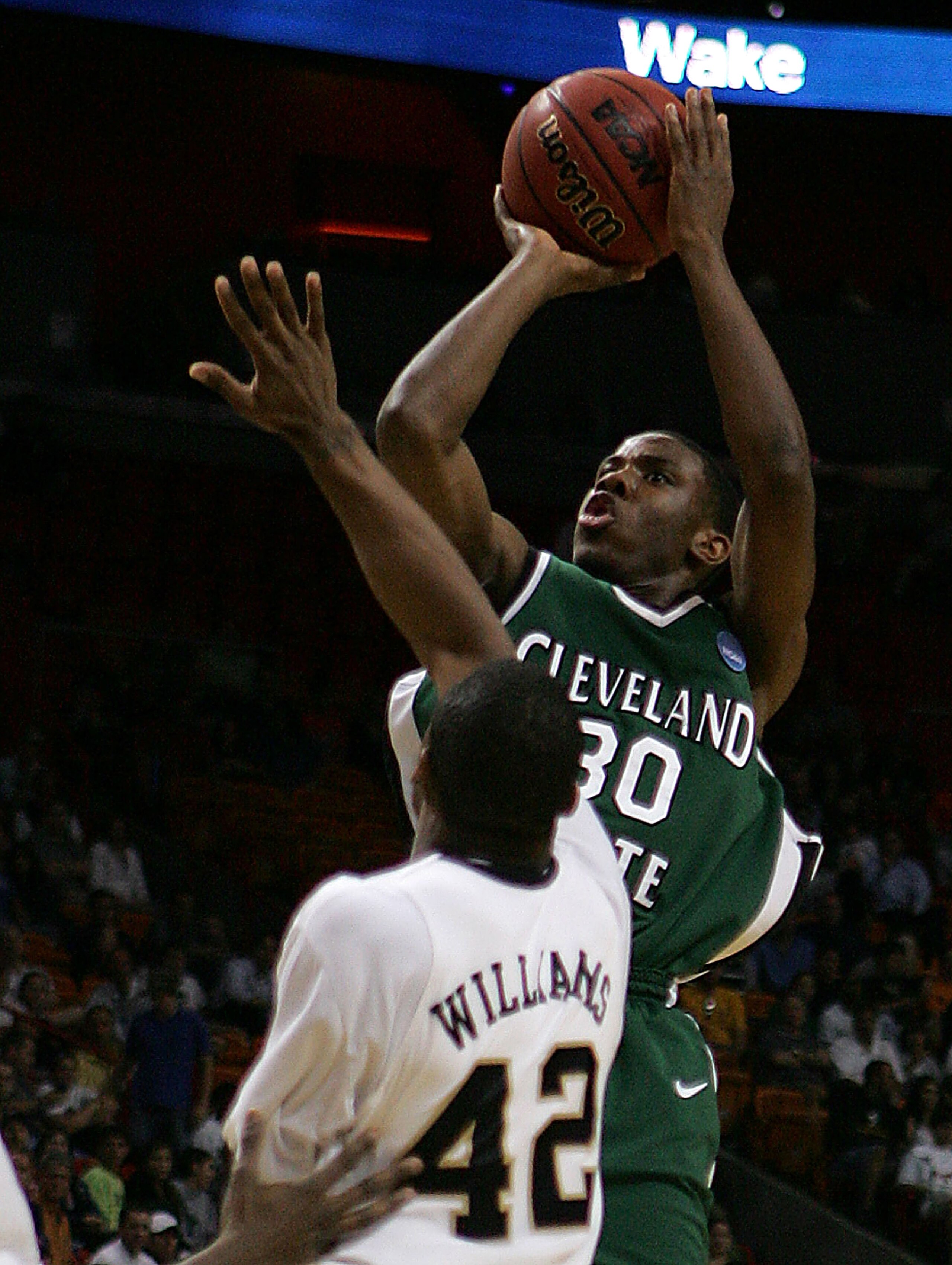
Andre Miller had another impressive season, but this up-and-coming squad cannot feel great about the insurance behind the 35-year-old. While Cole is not a sexy name, he could be the best point guard in this class not named Irving or Knight. He has tremendous handles and has range beyond the three-point line.
22. Denver Nuggets: JaJuan Johnson (Purdue)
22 of 30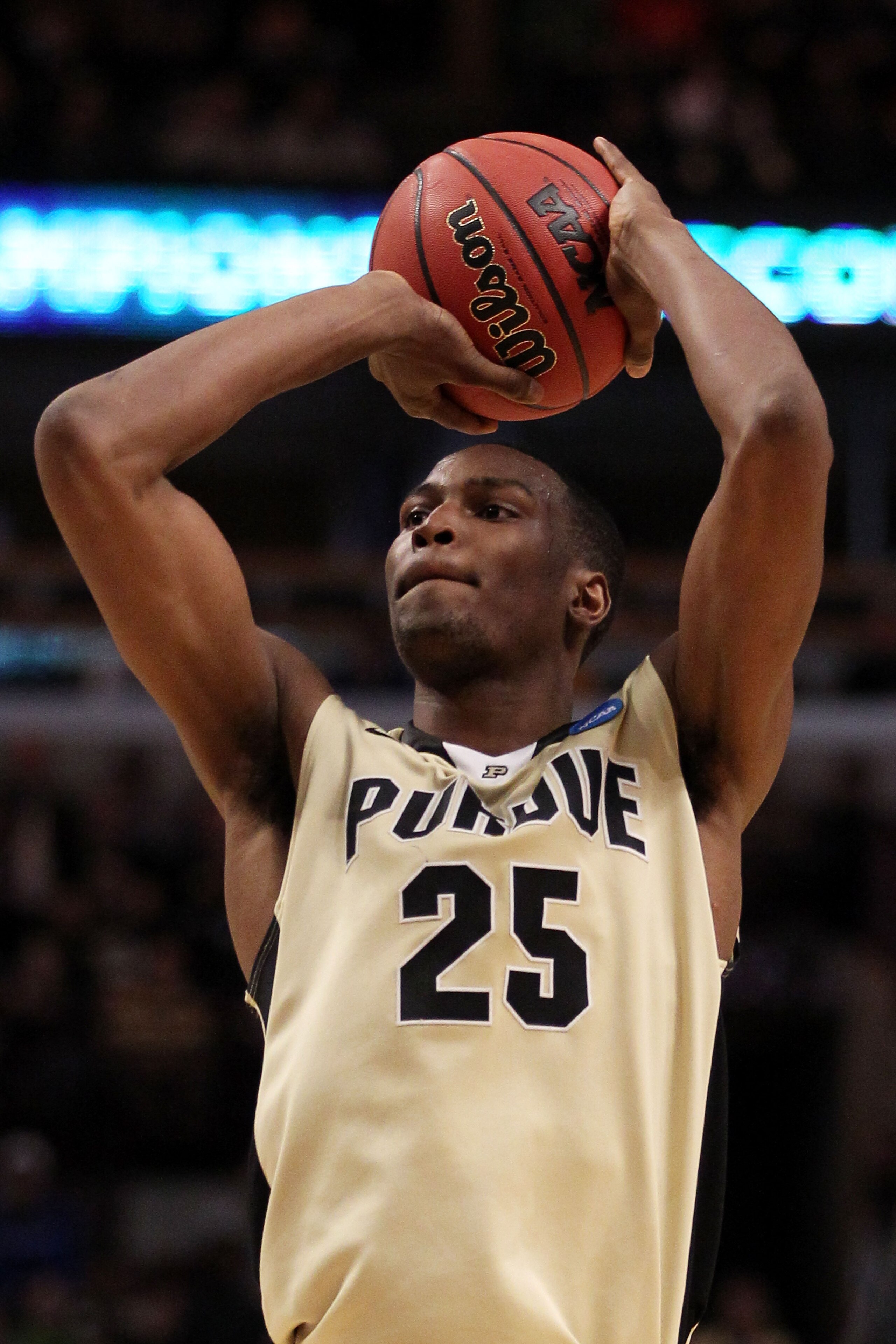
The Nuggets have many pressing questions heading into this offseason and will face stiff competition for the right to retain Nene's services. Assuming they're able to keep him, Johnson could step in and provide the Nuggets with another offensively potent option in their front court. If Nene leaves, Johnson's reliable midrange jumper and hook shot could lessen the impact of his departure.
23. Houston Rockets: Bismack Biyombo (Congo)
23 of 30
Perhaps the most intriguing prospect outside of the top 10, Biyombo could really go anywhere from the middle of the lottery to the early second round. NBA teams need to get a better look at the internet sensation against top-flight competition and any concerns with his age need to be solved. One thing is sure, though: Biyombo is an outstanding athlete and a better shot-blocker.
24. Oklahoma City Thunder: Jordan Williams (Maryland)
24 of 30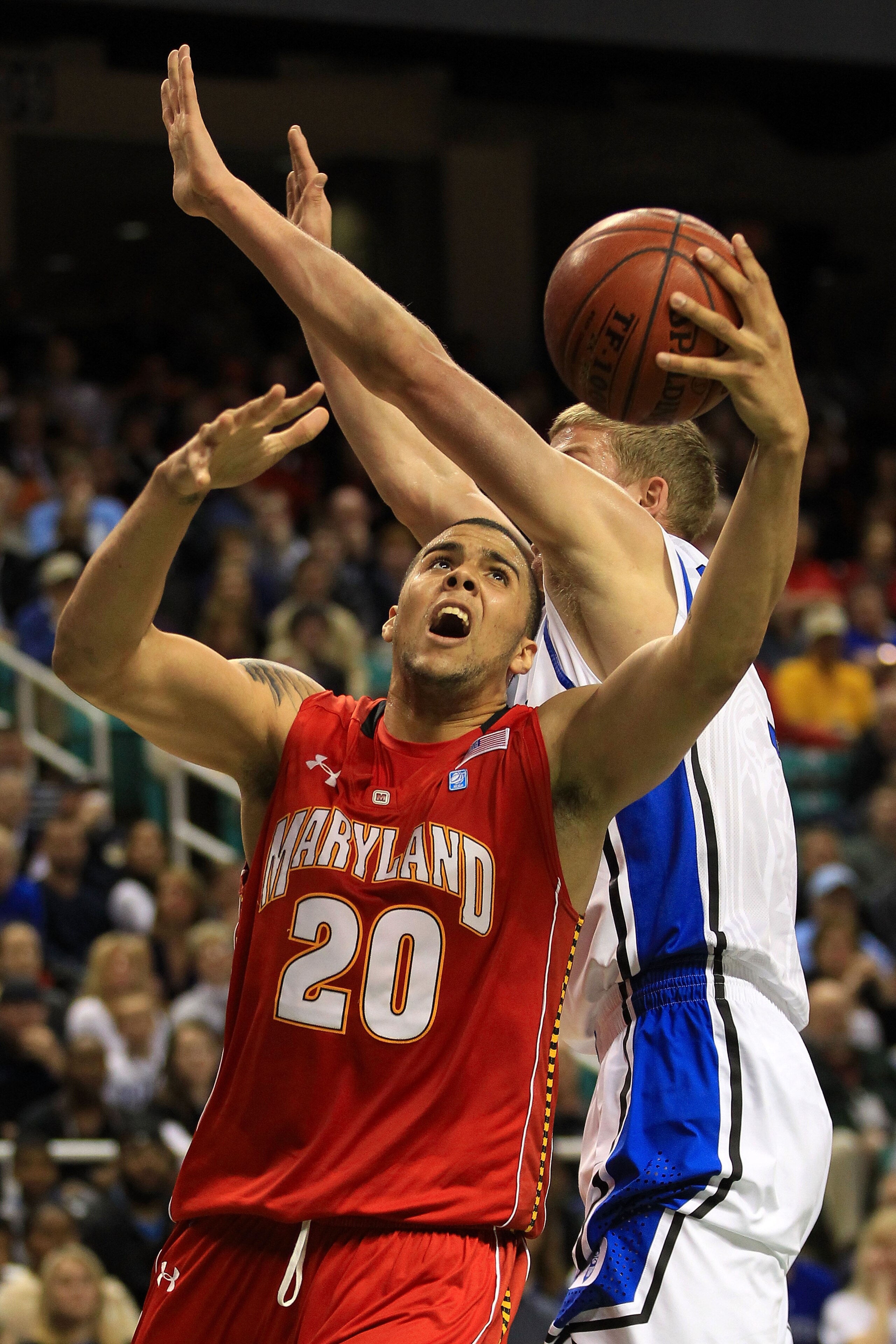
When James Harden is hitting his shots and Serge Ibaka is active on the glass, it's hard to find any holes on this Thunder team. But their one glaring weakness is the lack of a back-to-the-basket scorer. With so many of their points coming from the perimeter, the Thunder could use Williams' 6'10", 260-lb. frame and footwork to get easy buckets when their perimeter players are not connecting.
25. Boston Celtics: Jeremy Tyler (USA)
25 of 30
Prior to forgoing his senior year of high school to play internationally, Tyler was the top player in his class (the same class as Irving and Knight). His production overseas was limited, but his size and skill set will still tantalize scouts. His workouts could push him into the lottery, but if not, the Celtics will be happy to add youth to their aging frontcourt.
26. Dallas Mavericks: Tobias Harris (Tennessee)
26 of 30
Harris has good size and a versatile game, but is still raw. His lack of a true position and so-so collegiate production (15 points, seven rebounds) leave his draft stock lower than his talent level. But he plays with a high basketball IQ and could thrive under guidance from a veteran-heavy team like Dallas.
27. New Jersey: Darius Morris (Michigan)
27 of 30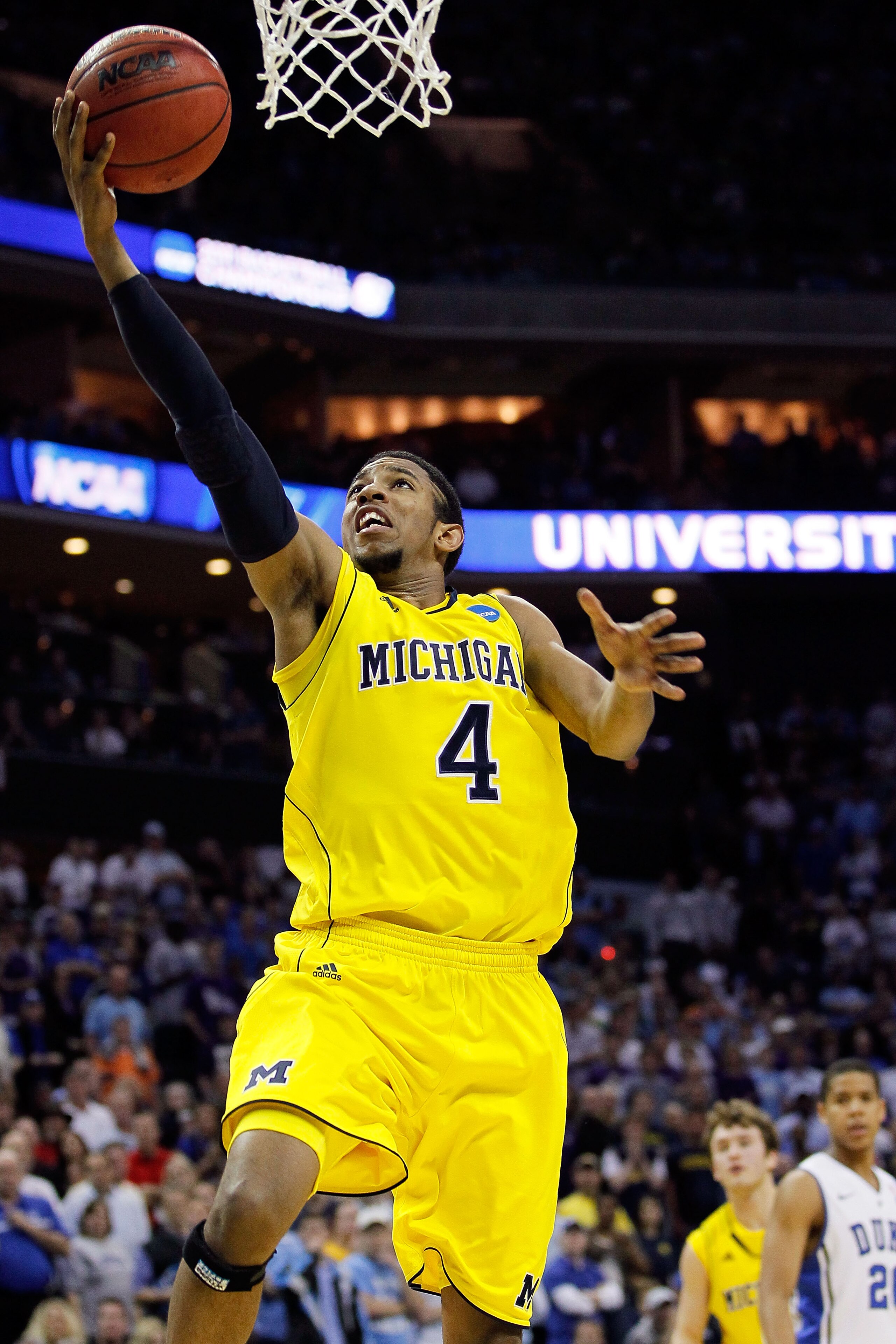
Morris went from off-the-radar as a freshman (4.4 points, 2.6 assists) to possible late first round selection as a sophomore (15.0 points, 6.7 assists). He’s not a gifted shooter, but he knows how to score and get his teammates involved. If the Nets are not sold on Jordan Farmar’s long-term potential, Morris’ growth last season could be too hard to overlook.
28. Chicago Bulls: Marshon Brooks (Providence)
28 of 30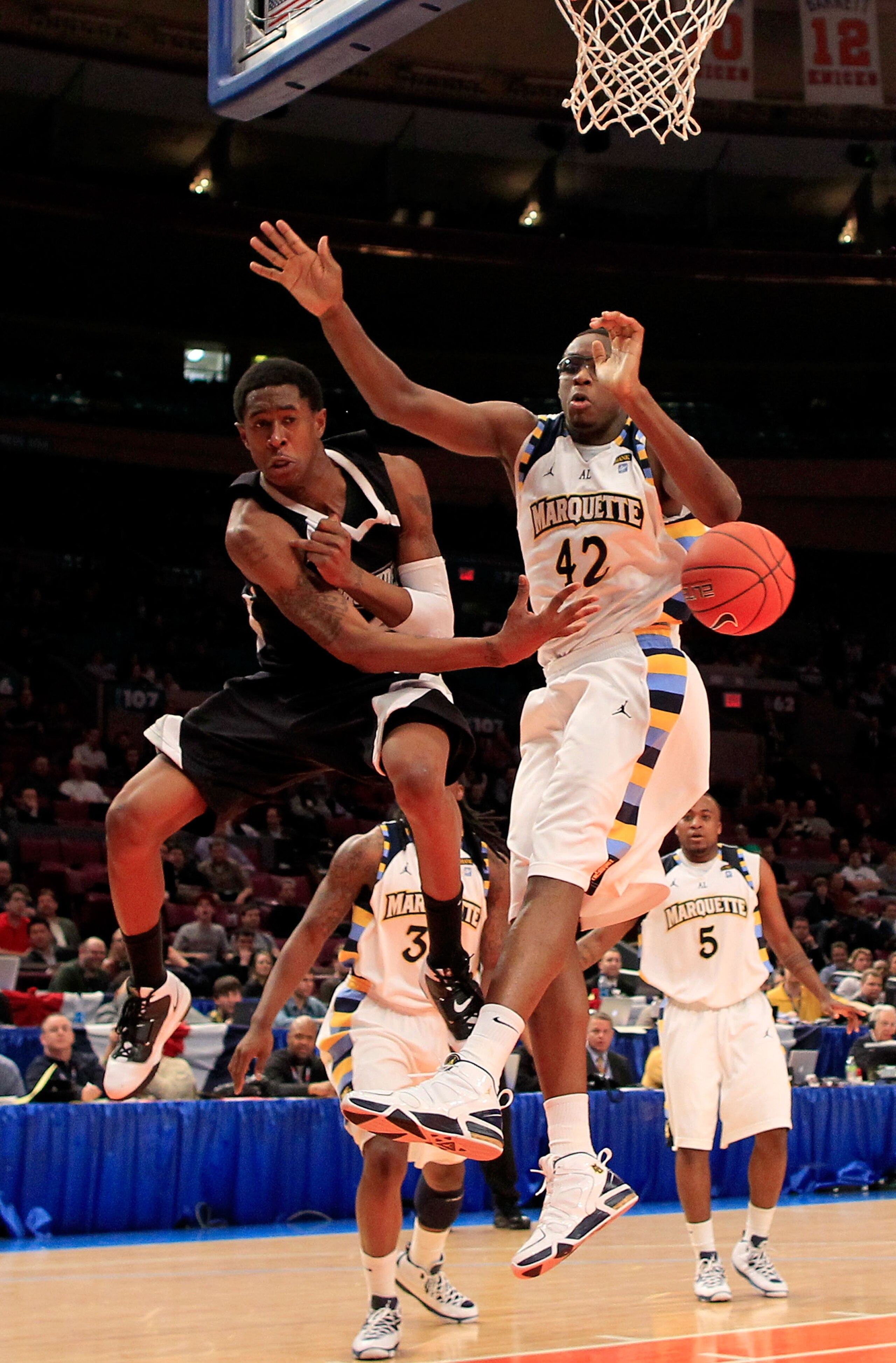
The Bulls desperately need some scoring to take the pressure off Derrick Rose and that’s what Brooks does best (24.6 points per game last season). He also shows the effort on defense and rebounding that a) other scorers do not and b) Tom Thibodeau requires.
29. San Antonio Spurs: Kyle Singler (Duke)
29 of 30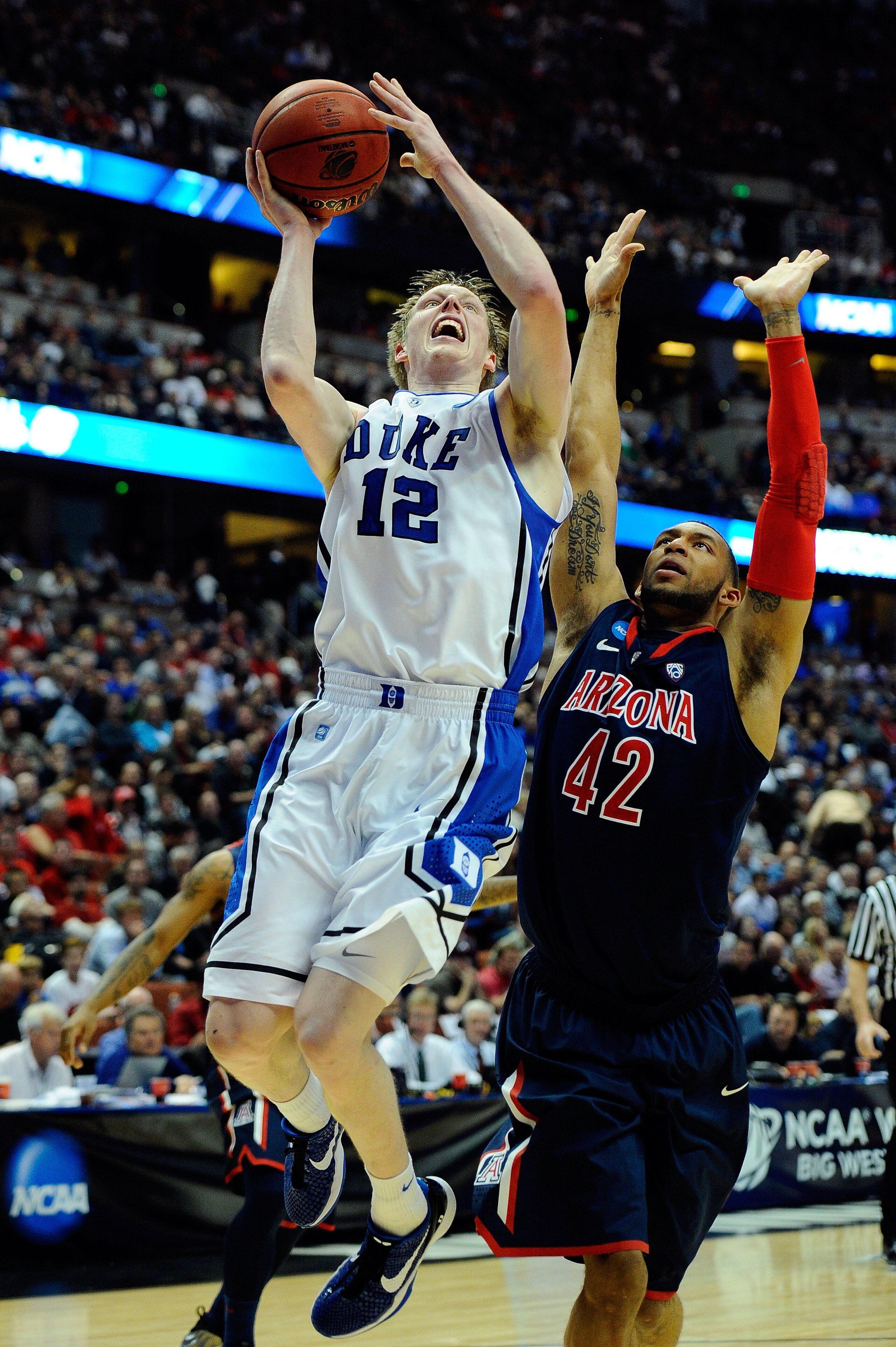
Singler’s experience and years of tutelage under Mike Krzyzewski would appear to make him a natural fit for Gregg Popovich. Add those elements to the fact that he’s a dangerous outside shooter and the Spurs would figure out a way to work with his athletic and defensive struggles.
30. Chicago Bulls: Nikola Mirotic (Montenegro)
30 of 30
Mirotic will have to improve defensively enough that Thibodeau would let him see the floor, but if he does, he could provide a further punch to aid the offensively-challenged Bulls. He might be the best shooter in this draft not named Jimmer and has surprising skill with the ball in his hands considering his size.



.jpg?w=2560 "Latest Peyton-Colts Rumors")