College Football: Should Schools Pay for Play?
 With all that has happened in college football over the last year, the NCAA and the rules they have handed down to the programs under their umbrella have come under scrutiny. From controversy over Cam Newton and his father's attempt at a pay-for-play scheme, to problems with student-athletes partying with agents to Ohio State and "Tattoo Gate," it has been a crazy and difficult year.
During all of this, an issue cropped up once again. Should players be paid for playing the game? After all, this is college, not the pros. There is supposed to be an adherence to the ideal of amateurism and a celebration of unadulterated competition.


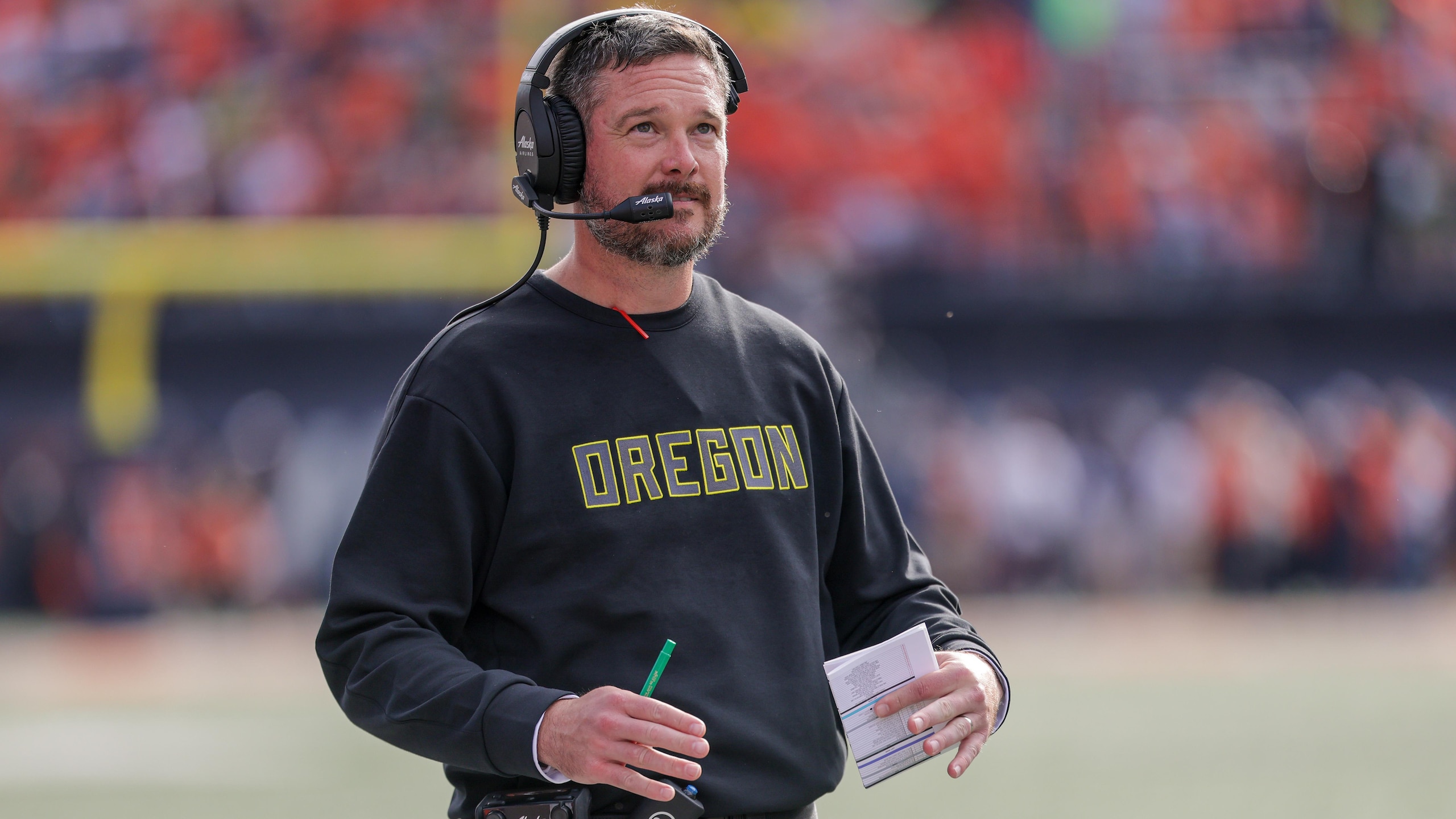
There's no doubt that college football is a breeding ground for future All-Pro players. In fact, there are precious few other ways to get onto an NFL team than to prove oneself at the college level. Still, it is its own entity with its own fan base and marketing.
There's also no doubt that college football is a major business, but I'll get into that in just a moment.
For right now, I want to look at the business of college football, how the NCAA handles it, whether pay-for-play is called for and how recent troubles fit into the whole argument.
The Business of College Football
Let's not even pretend that Div I-A (BCS) college football isn't a business. It's not even an argument.
According to the U.S. Department of Education, college football generates over $2.2 billion dollars (as of 2009). Read that again, if you need to. That's billion dollars. What's more, I don't think their information even takes into account every avenue of potential revenue for an institution that participates in football (but don't quote me on that).
There is no other sport in NCAA athletics that even comes close to matching the kind of revenue college football brings in (see link above).
On top of that, imagine how much money flows to television networks, magazines and websites as a direct result of college football. Advertisers pay big money to get their product in front of the millions of fans that tune in, purchase and/or peruse.
Still yet, on top of all of that, the bowl's that host postseason games rake in huge amounts of money. The communities that host the incoming tourists make untold amounts on top of all of that.
There seems to be plenty of money to go around, as long as that money isn't going to the athletes themselves.
What About the Players?
All of that practically begs the question: how can so many people make so much money, while the very people who put their bodies on the line to create that spectacle aren't allowed to make a dime?
It really doesn't seem fair. Some stodgy, greedy, cigar-smoking, old tycoon can lobby in favor of players who broke the rules, as the Sugar Bowl did this past year, in an effort to safeguard their income potential. He doesn't even have to break a sweat picking up the phone to make some calls.
Yet the guys who have poured their blood, sweat and tears into reaching that pinnacle of success on the field can't (legally) afford to buy a pair of sneakers with what they make on the deal. They don't make anything (or aren't supposed to). Zip. Zilch. Zero. Nada.
That's all true, except for one thing: they do get legally paid. It's just not in bills that they can take down to the local Wal-Mart and exchange for the flat-screen they'd love to have in their dorm or apartment.
The average cost for a public four-year institution is roughly $7605 for in-state students and $11,990 for out-of-state students. That's the rough compensation for every student-athlete that's on scholarship at your favorite college. Private institutions (like Notre Dame or Northwestern) are nearly twice that much.
These players are "earning" between $7-12 billion per year just to keep up with their studies, act like civilized human beings and play football.
"That's not much," you say. By comparison to what virtually everyone else involved with college football is making, no it's not. You're absolutely right.
However, seeing as so many like to point out when arguing the pay-for-play debate that some of these guys come from families that can barely afford to live in a run-down apartment on the South side of the wrong city, I'd like for you to tell me something.
Tell me how much that scholarship means to the parents of that student athlete who see a real opportunity for their child that they could never afford to give them? Tell me what it means to them that their child has the opportunity to get a real education at a top-notch institution while so many of their neighbors are stuck working the same dead-end jobs they've had to work just to keep food on the table.
Look me in the eye and tell me how many of these players could have afforded to go to that institution without the scholarship and how many of them would have ended up behind a fast food counter, on a production line or maybe even on the wrong side of the law.
What's more, ask any four-year grad what the real benefit of that scholarship, and subsequent diploma is. Better yet, ask someone who didn't get a diploma what it means.
If you've tested the job market lately, it doesn't take a web link to tell you that there are exponentially more (and better paying) opportunities for persons with a four-year degree than there are for those without.
Those scholarships aren't just money in the pocket. Those scholarships are open doors to much better future earnings than their non-diploma-earning peers will likely ever see. Those scholarships are a key to the future and (in my opinion) you can't put a price on that.
Sure, a good number of athletes will choose to waste their degree on something asinine like "sports studies" (which I think I actually saw one time). Those who understand what opportunity is sitting in front of them though, will use that opportunity to get a degree that can be parlayed into a solid and sustainable future even if they don't eventually turn pro.
Before we jump full-fledged into the pay-for-play debate, look at the NCAA and ultimately discuss how recent events play into it all, we need to acknowledge the fact that these guys aren't doing it all for free.
The players are paid. Their paid in real money, in the form of a scholarship. Their paid much more in the form of opportunity, whether they take it or not. But make no mistake about it, they are paid.
Next time, I'll break down where some of that money made on football goes, do a little math and set the stage for whether or not the rules need to be changed.
.jpg?w=2560 "Malik Beasley Negotiating Plea Deal (AP)")

.jpg?w=2560 "Aikman Blasts Cowboys WR 🫣")

.jpg?w=2560 "Jonathan Taylor Landing Spots")