College Football 2011: The Biggest One-Year Turnarounds in CFB History
College football fans have a long history of rooting for the underdog.
In most seasons it can be expected that the top tier of FBS schools have a much better shot at championships and glory than those on the lower rung. However, every so often, an underdog leaps from the pack and accomplishes a major turn around from one season to the next.
Turning around a program that is stuck in a rut is really not all that difficult. All it takes is a top notch coaching staff, a roster stacked with talented players willing to sacrifice and maybe some luck.
All right, maybe it isn't quite as easy as I said but it can and has been done numerous times over the years.
Since 1937, 27 teams have improved by at least 6.5 wins from the previous year.
Take a look at some of the top turnaround coaches, programs and significant seasons that have been accomplished over the years' in college football.
This list was compiled with research done at fs.ncaa.org and wikipedia.
Coaches Who Can Turn a Program
1 of 11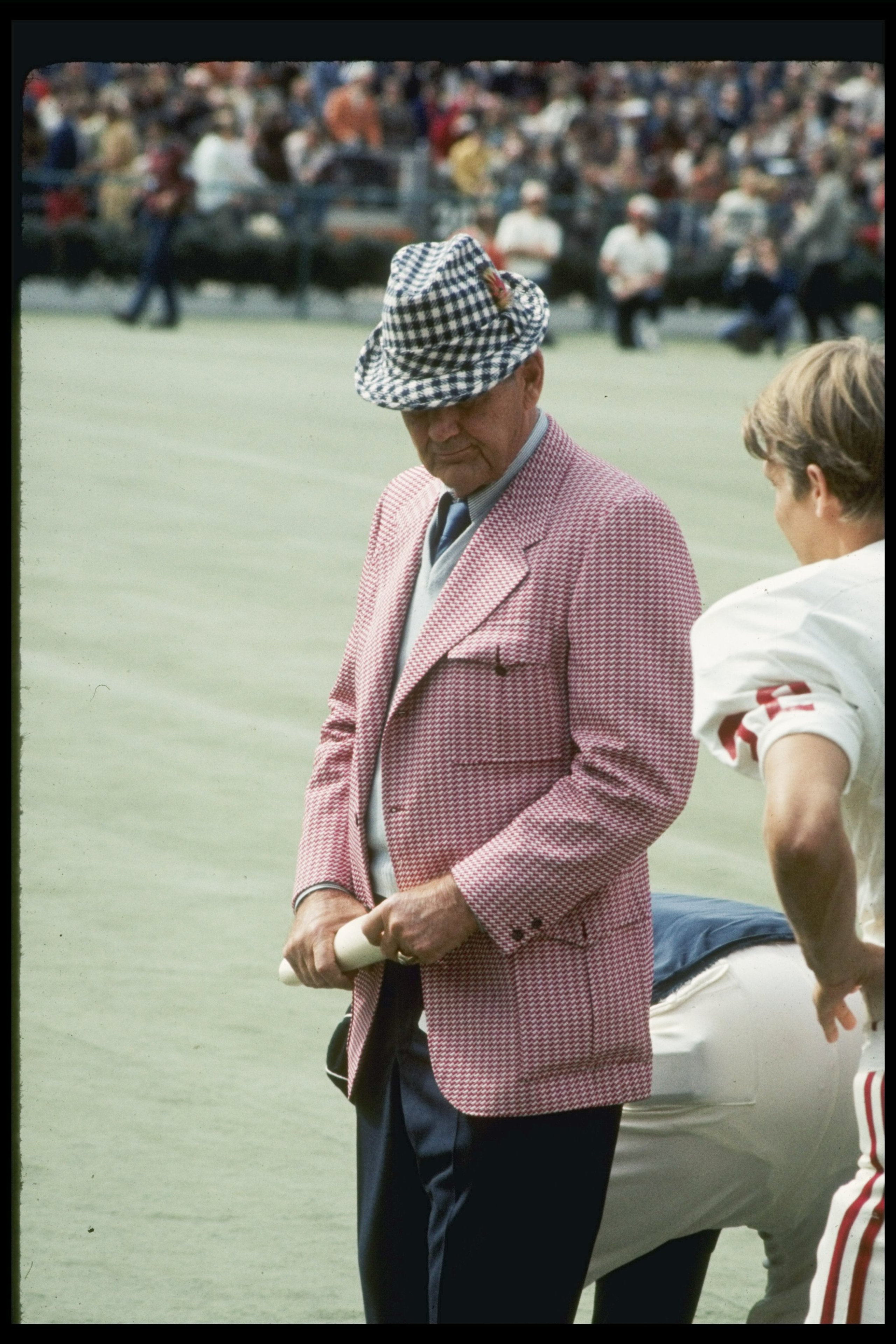
Take heart all you fans of a losing college football program. All it takes is the right coach at the right time to turn your program around.
A number of coaches have made a career out of taking over a struggling program and putting it back on its feet.
June Jones has led both Hawaii (twice) and SMU to quick turnarounds on the gridiron that ranked as the best improvements for a season.
The most notable of these quick-turn artists has to be the legendary Paul "Bear" Bryant. Bryant is most famous for his 25-year tenure at Alabama but you may not know of his accomplishments before he went to Tuscaloosa and led the Crimson Tide to numerous championships.
"Bear" turned Kentucky (1946) and Texas A&M (1955) from their losing ways and led both programs to some of the best seasons in either schools history.
Programs Who Can Do the Spin
2 of 11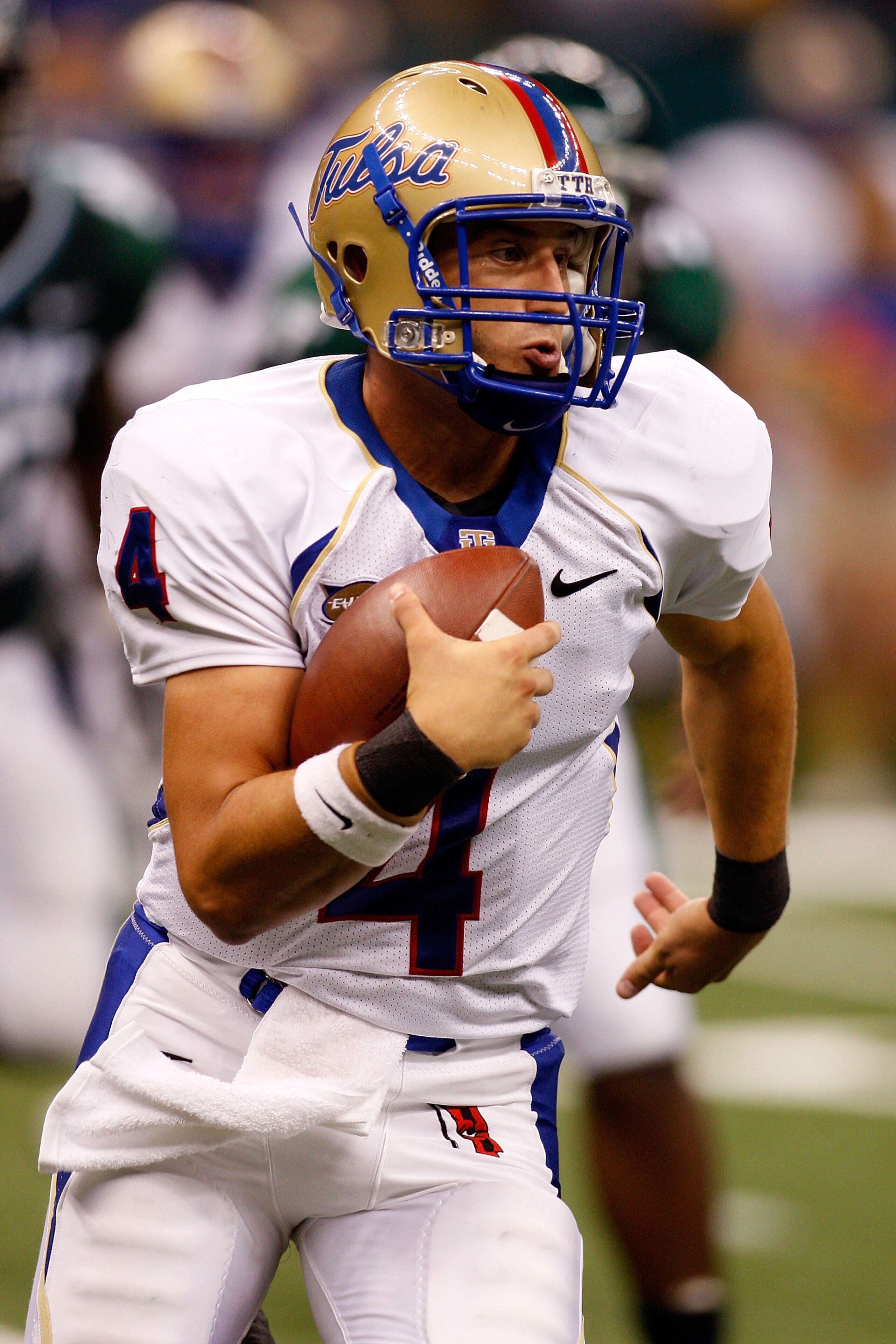
Since 1937 a number of schools have accomplished the one-year turnaround twice. These schools include the likes of Notre Dame, USC and Ohio State.
A few other schools have lead the country in the most improved category more than twice. Both Hawaii (1992, 1999, 2001) and Illinois (1946, 1963, 2007) have steamrolled unsuspecting opponents that used to laugh at them in previous years.
However, Tulsa is the undisputed master of the Cinderella spin. On five separate occasions the Golden Hurricane's have mastered this maneuver and posted the largest season-to-season win differential.
Tulsa went from punching bag to contender in 1949, 1970, 1978, 1991 and 2003, improving over the previous year by at least five wins in each season.
2000 South Carolina Gamecocks
3 of 11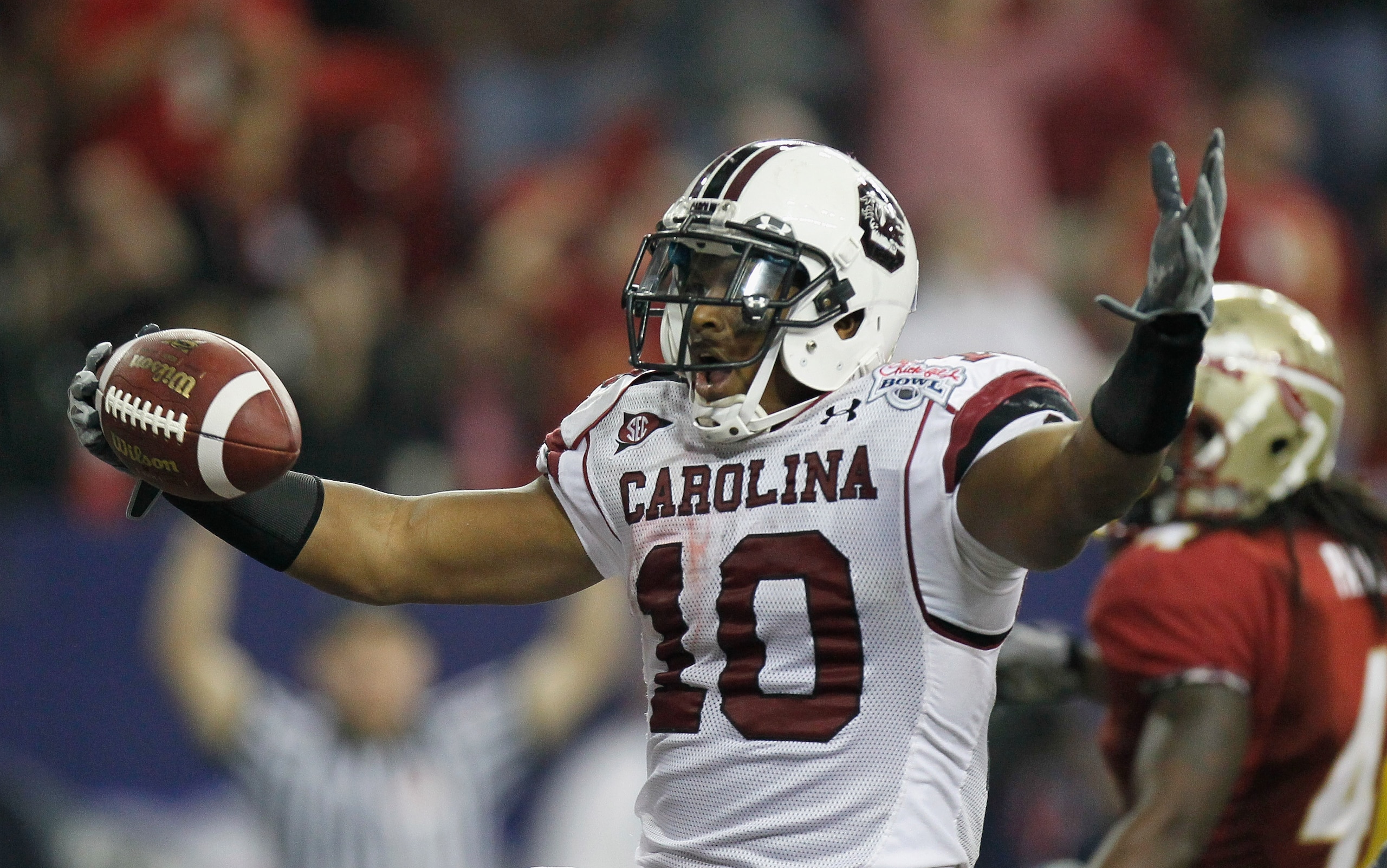
1999 is the year most South Carolina fans will remember as the year the Gamecocks became relevant again in college football.
Head coach Lou Holtz's squad did not win a game in his first season, going 0-11.
However, in his second year, the Gamecocks showed vast improvement by finishing an 8-4 season with a victory over THE Ohio State University in the Outback Bowl.
The eight win improvement is tied with Purdue's 1943 team as the second best mark in college football history and paved the way for further successful seasons to come, culminating with an SEC championship game appearance in 2010.

_0.png?w=2560)
1999 Hawaii Rainbow Warriors
4 of 11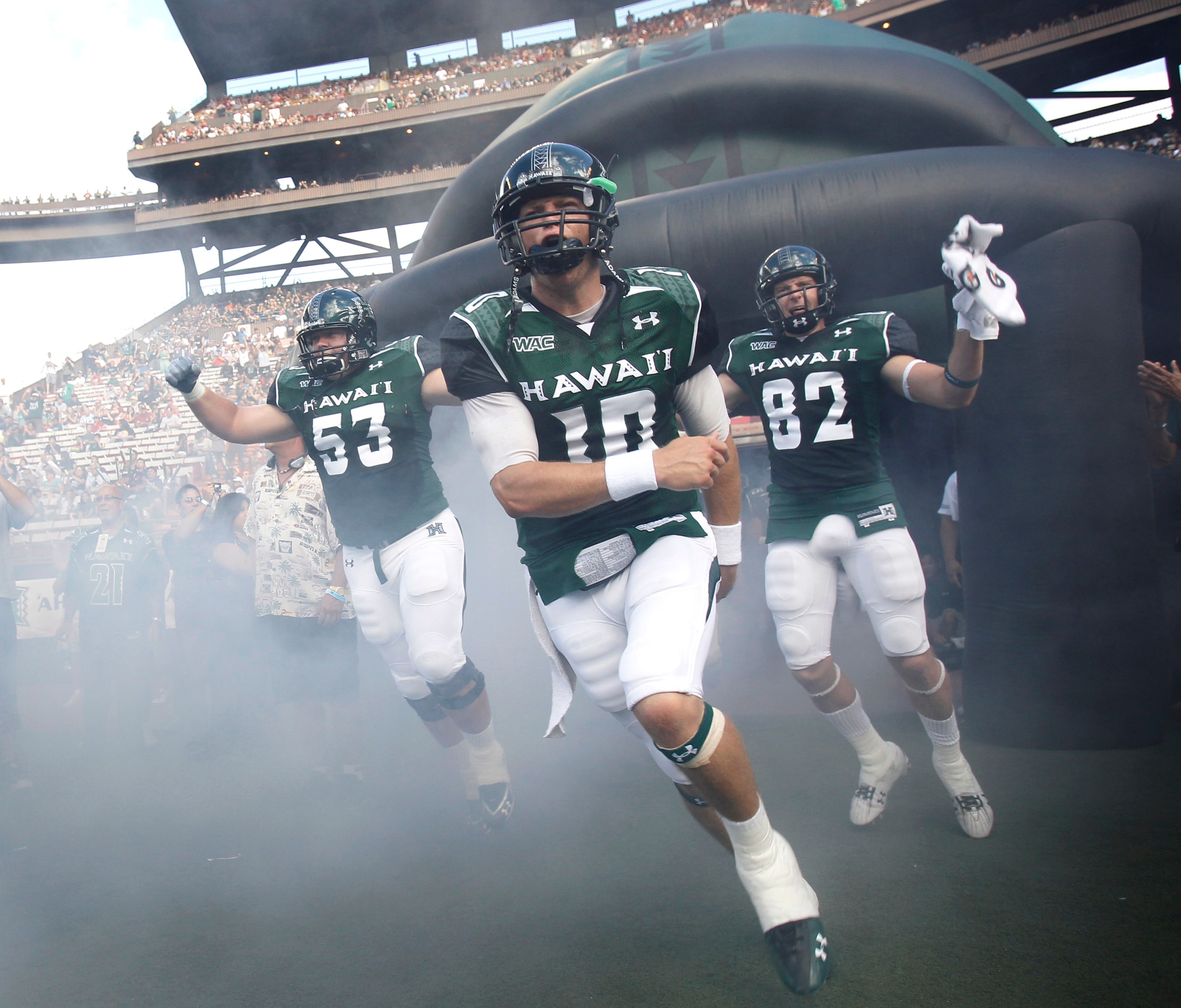
In 1999, Hawaii was still known as the Rainbow Warriors and they definitely played football more like a pretty-colored watery prism than a ferocious island warrior.
After finishing a winless 0-12 campaign in 1998, June Jones became the coach in 1999 and the team from paradise's fortunes changed dramatically.
Hawaii played itself into a co-championship in the WAC and defeated the Oregon State Beavers in the Jeep O'ahu Bowl. Jones led Hawaii to a respectable 9-4 record his first season and history was made.
This remarkable 8.5 game improvement over the previous season gave the 1999 Hawaii team sole possession of the all-time record for largest season-to-season improvement in the FBS division of college football.
That is, until our next team came along....
2010 Miami Redhawks
5 of 11
The Miami Redhawks football program fell from the sky and crashed to a 1-11 season in 2009.
The next year, Head Coach Michael Haywood led the Hawks to a victory over Northern Illinois in the MAC Championship Game and interim coach Lance Guidry guided them to a Go.daddy.com Bowl win over Middle Tennessee as Miami finished the 2010 season at 10-4.
This major improvement ties the 1999 Hawaii team for the record with an 8.5 game swing.
Miami is the only team to ever finish with double digit victories a year after recording double digit defeats and that my friends is a mark that may never be broken again.
2000 Oklahoma Sooners
6 of 11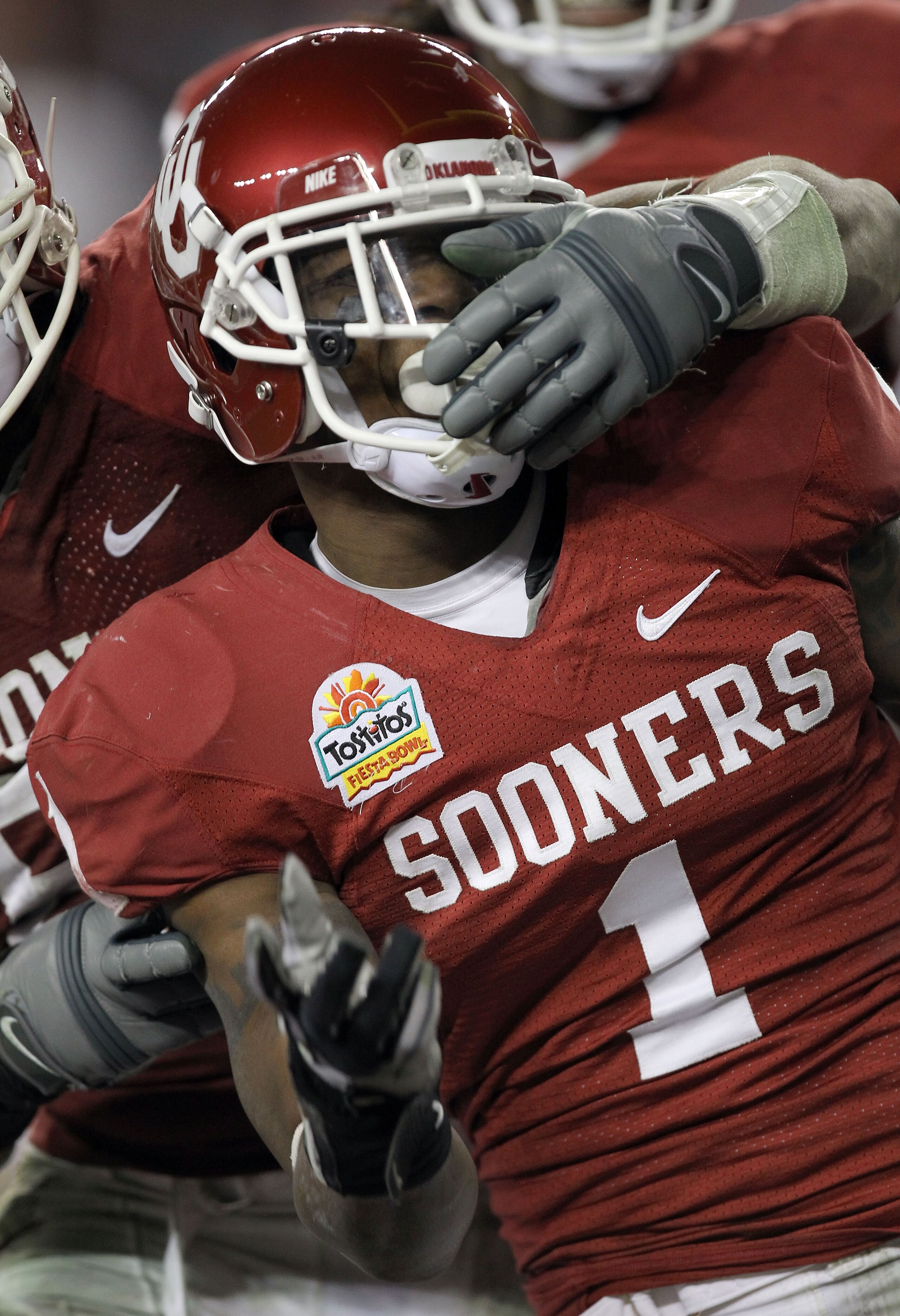
In the 2000 season, Oklahoma did not lead the country in the biggest win differential margin but the Sooners were the most improved team under head coach Bob Stoops.
Starting out ranked No. 18 in the country after finishing at 7-5 and losing their bowl game in 1999, the Sooners magical march to an undefeated 13-0 record and the national title altered the course of college football.
OU's seventh title came after a dismal decade in the 1990's and proved that a rapid rebuilding was possible even in a power conference while playing against the best competition.
By defeating highly ranked teams in Nebraska, Texas, Texas A&M, Kansas State (twice) and defending national champion Florida State, the second year head coach upped the ante in college football.
Previous to the Sooners' championship run, conventional wisdom held that it took a coach at least four seasons to turn around a struggling power program. But thanks to Stoops Troops, no longer were athletic directors and big money boosters going to be as patient with coaches as they had been previously.
Since that time second year head coaches such as Jim Tressel, Pete Carrol, Urban Meyer and Gene Chizek have also accomplished this feat and tightened the noose around many coaches necks.
1948 Clemson Tigers
7 of 11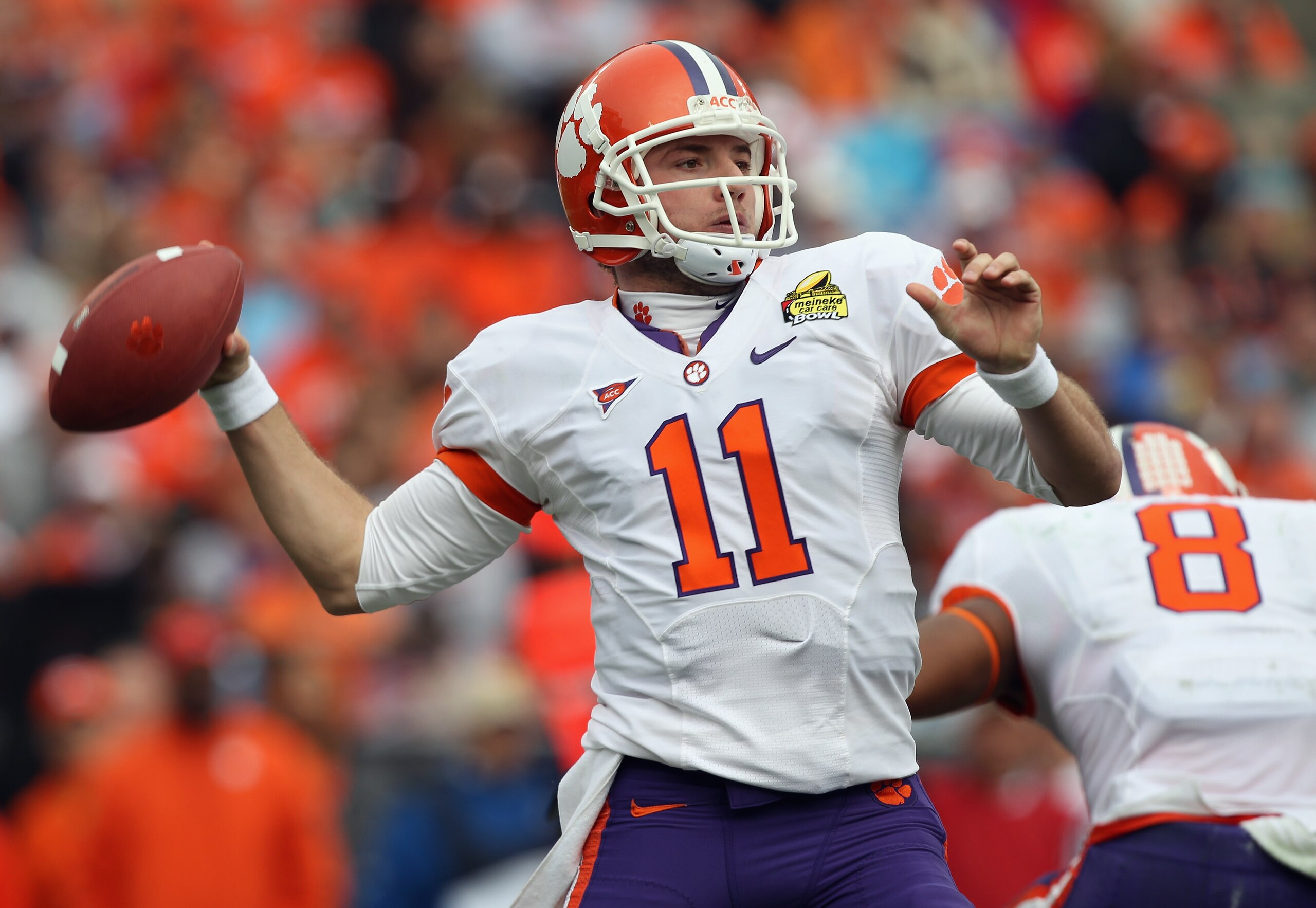
In 1947, Clemson won their final three games of the season to finish with an unremarkable record of 4-5.
In 1948, head coach Frank Howard's Tigers team capped a very remarkable turnaround by finishing the season at 11-0 and defeating another Tiger, this one from Missouri, in the Gator Bowl.
Clemson dominated on defense, surrendering less than seven points a game for the season and ran a precision based single wing offense all the way to a Southern Conference championship.
Though they had the most wins in the country, the Tigers only finished ranked at No. 11 in the polls.
1943 Purdue Boilermakers
8 of 11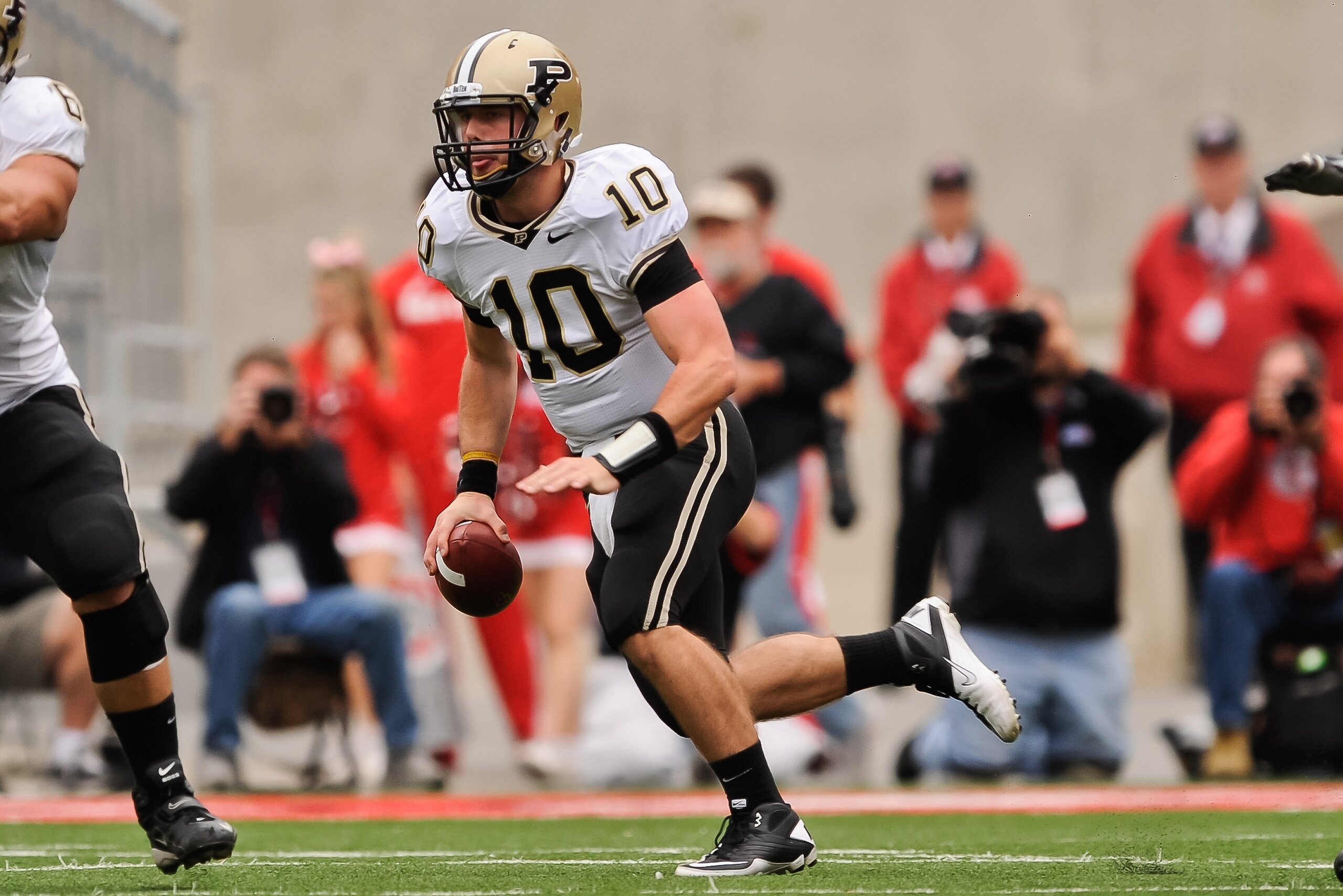
Head coach Elmer Burnham took a Purdue team that had finished with a record of 1-8 in 1942 and guided the Boilermakers to a perfect 9-0 record in 1943.
Though Purdue finished undefeated and were recognized as co-champion of the Big Ten, they did not play in a bowl game that year and Notre Dame was named national champion.
Even worse for the Boilermakers was the fact that Burnham left after the season and Purdue had a losing overall record until coach Keeneth "Jack" Mollenkipf arrived in 1956.
1951 Georgia Tech Yellow Jackets
9 of 11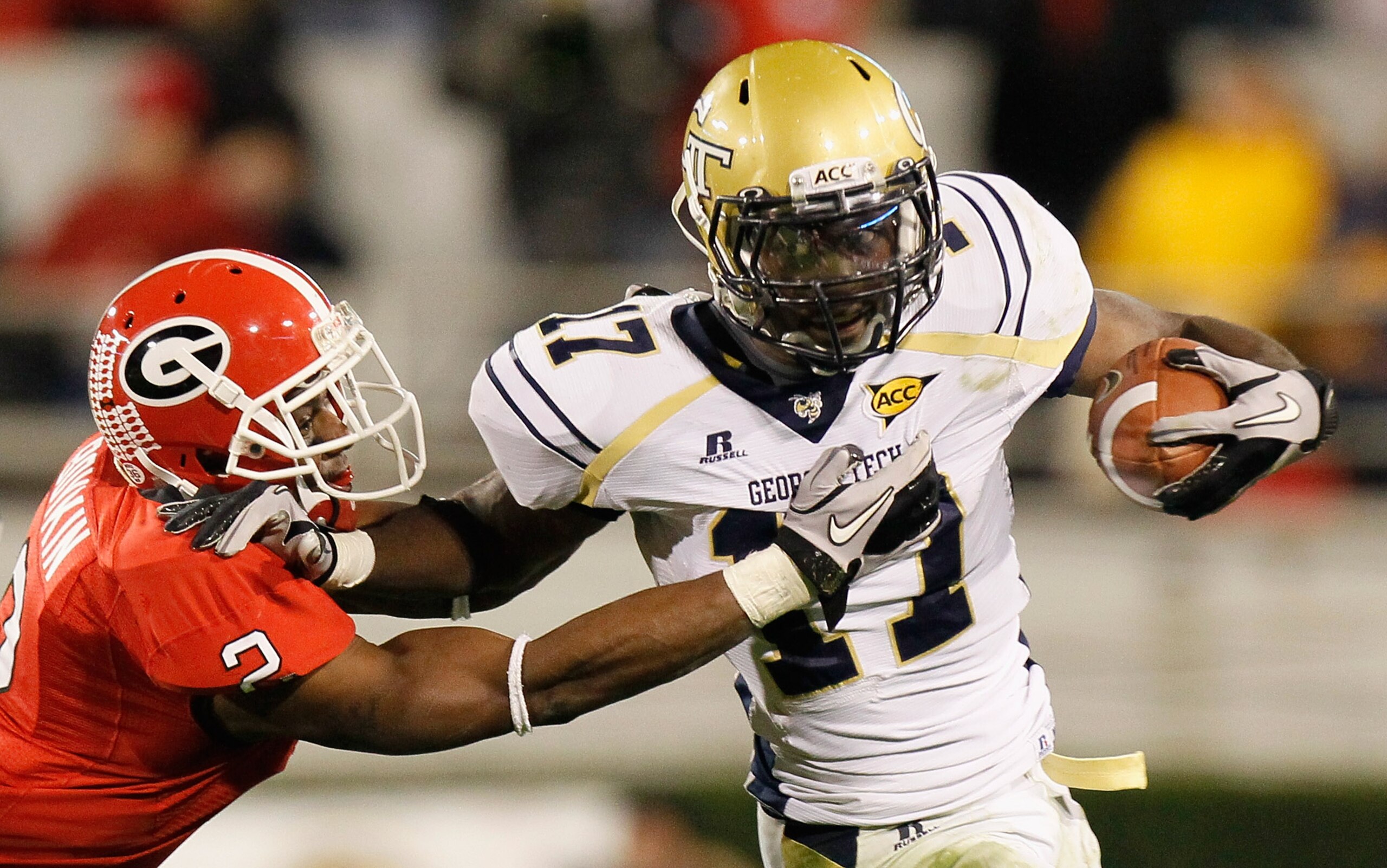
Head Coach Bobby Dodd of Georgia Tech led the Yellow jackets to a record of 11-0-1 in 1951 only one season removed from finishing below .500, at 5-6.
From 1951-1953, the Ramblin' Wreck put together an impressive 31-game win streak, two SEC championships and rode on the back of the 1951 season to the 1952 national championship.
Dodd's legacy also includes an 8-game winning streak against rival Georgia and with 165 victories, he holds the GT record.
1962 USC Trojans
10 of 11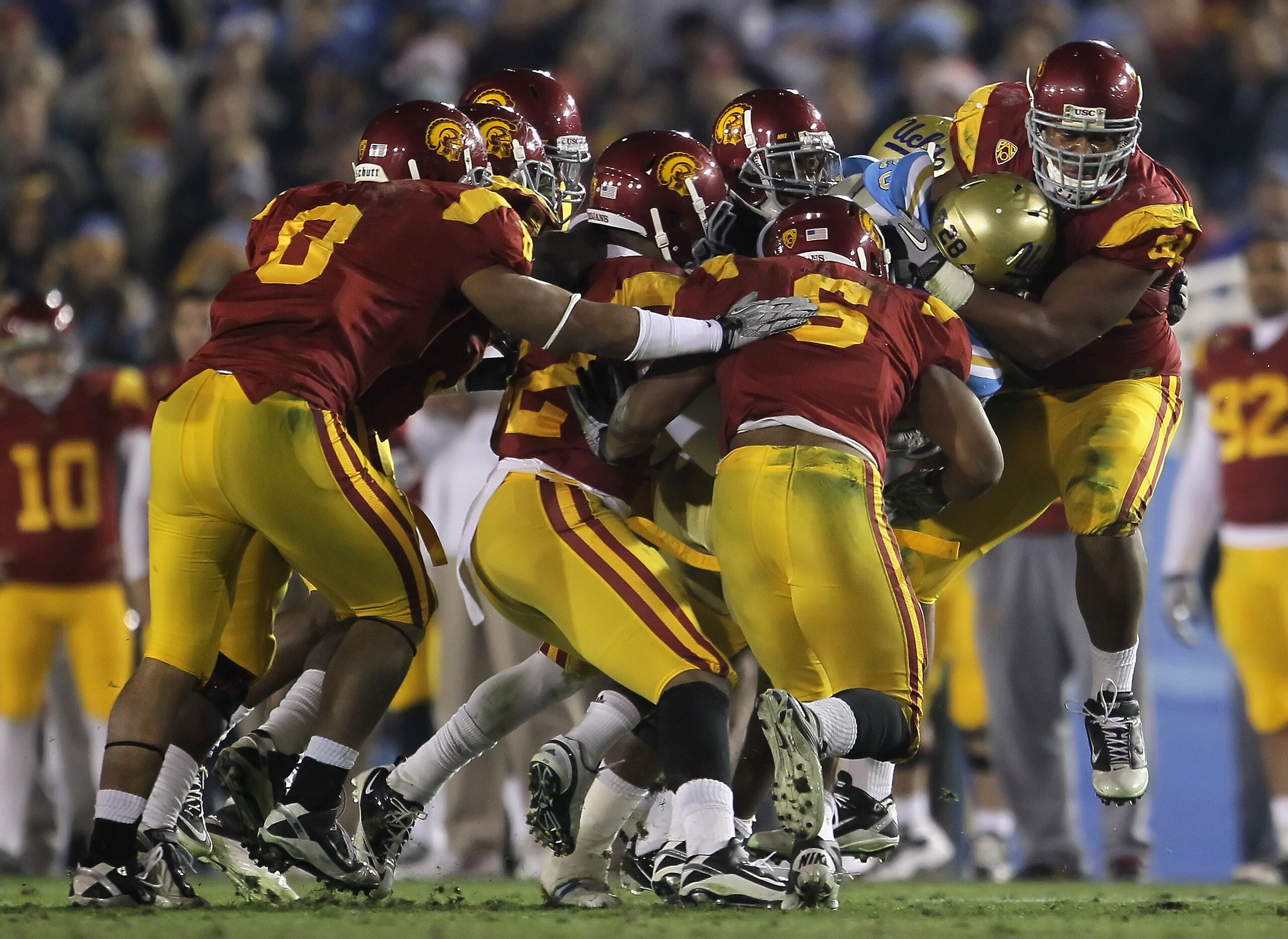
In 1960 John McKay took over a Southern California football program that had fallen on tough times since their heyday in the 1930's.
In 1961, the Trojans had managed only a 4-5-1 record under the second year head coach but the Men of Troy triumphed in 1962 as they finished a perfect 11-0 on the year and brought home the schools first legitimate national championship since 1932.
McKay had further success with the USC program as his teams won three more titles before he left Los Angeles in 1975.
1940 Stanford Indians
11 of 11
The 1940 Stanford football team takes the top spot on the list for their eight game turnaround in 1940, when first year skipper Clark Shaughnessy took over a program that had gone 1-7-1 in 1939
The Indians (they did not adopt the name Cardinal until 1972) brought the T-formation back to football nearly 50 years after the scheme had been scrapped as obsolete and the deceptive "Wow Boys" used quickness and man-in-motion trickery to finish the regular season at 9-0.
Stanford defeated Nebraska 21-13 in the Rose Bowl on the strength of a 40-yard punt return for a touchdown in the third quarter to cap a perfect season and firmly place the 1940 Indians at the top of the list.
Quarterback Frank Albert was named a consensus All-American and three separate NCAA recognized selectors name Stanford the 1940 national champions.
.jpg?w=2560 "NFL investigating 2 referees for separate viral exchanges")
.jpg?w=2560 "OBJ Calls Out Giants After Release")


.jpg?w=2560 "Tyreek makes another cryptic post amid Chiefs rumors")