
College Football 2011: The Top 10 New Rivalries in College Football
The landscape of college football will be significantly altered over the next two seasons.
Unprecedented shifts in conference alignment will quite literally change the face of the game we know and love so well.
The reduction of the Big 12 by two and the subsequent additions to the Pac-12 and Big Ten are complemented by Boise State joining the Mountain West and TCU heading for the Big East (in 2012).
In some instances, divisions and championship games are gone while in other cases both have been added.
How these significant changes will affect college football long-term and their sure “knock-on effects” at this early juncture are somewhat unknown.
What we do know for sure is that these shifts will alter traditional rivalries across conferences.
Gone are yearly in-conference clashes such as Nebraska and Oklahoma, but here to stay are a new set of rivalries.
Though it will take some time for hate to properly fester across the newly drawn lines, the following slideshow identifies the potential top 10 new rivalries in our latest edition of college football.
Utah and USC
1 of 10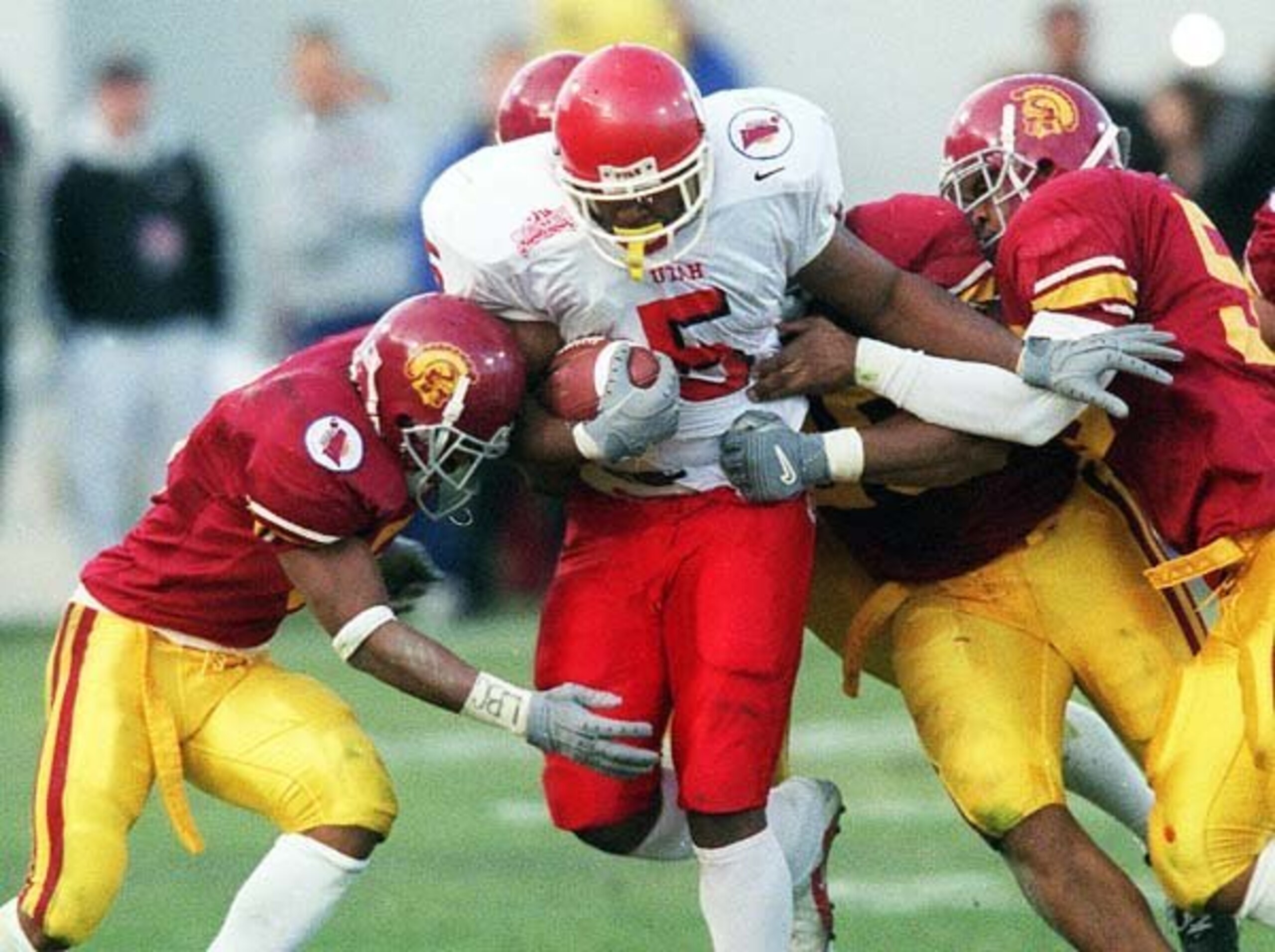
Utah spent 36 years as members of the WAC before moving to the Mountain West when it was formed in 1999.
2011 heralds in a new era for the Utes as they become members of the beefed up Pac-12 conference, providing them the opportunity for higher levels of competition and the benefit of being becoming a BCS-AQ school, which carries certain benefits that have eluded programs like Utah.
In the new Pac-12 divisional format, the Utes have been placed in the South Division along with Arizona State, Arizona, USC, UCLA and fellow newcomer Colorado.
Though a strong geographic argument could be made for Arizona and Utah becoming faster enemies, it seems that based on history and performance, at some point, USC and Utah will be the top two teams in the South that will vie for the lion’s share of divisional crowns.
Case in point, since 2000, Utah and USC have combined for 10 conference titles, three undefeated seasons and a 73 percent winning percentage while Arizona State, Arizona, UCLA and Colorado combined for two conference titles, zero undefeated seasons and a 47 percent winning mark.
Of course the big “IF” is: Will Utah play up to the standards of Pac-12 play?
It would be logical to think it will take time for Utah to transition, but recruiting should improve with the move, and over time, they should be able to compete at a high level.
Utah and USC could well duke it out for numerous Pac-12 South divisional crowns and an opportunity to move on to the Pac-12 title game. This breeds just the type of hate and passion necessary for a good rivalry.
The Trojans have a 6-3 advantage all-time against the Utes. The most recent meetings between the two have been in bowl games (2001 Las Vegas and 1993 Freedom), and they haven’t met in the regular season since 1948.
The first ever intra-divisional clash between Utah and USC will be in Los Angeles on September 10 when the Trojans host the Utes in the first game of the new Pac-12.
Nebraska and Michigan
2 of 10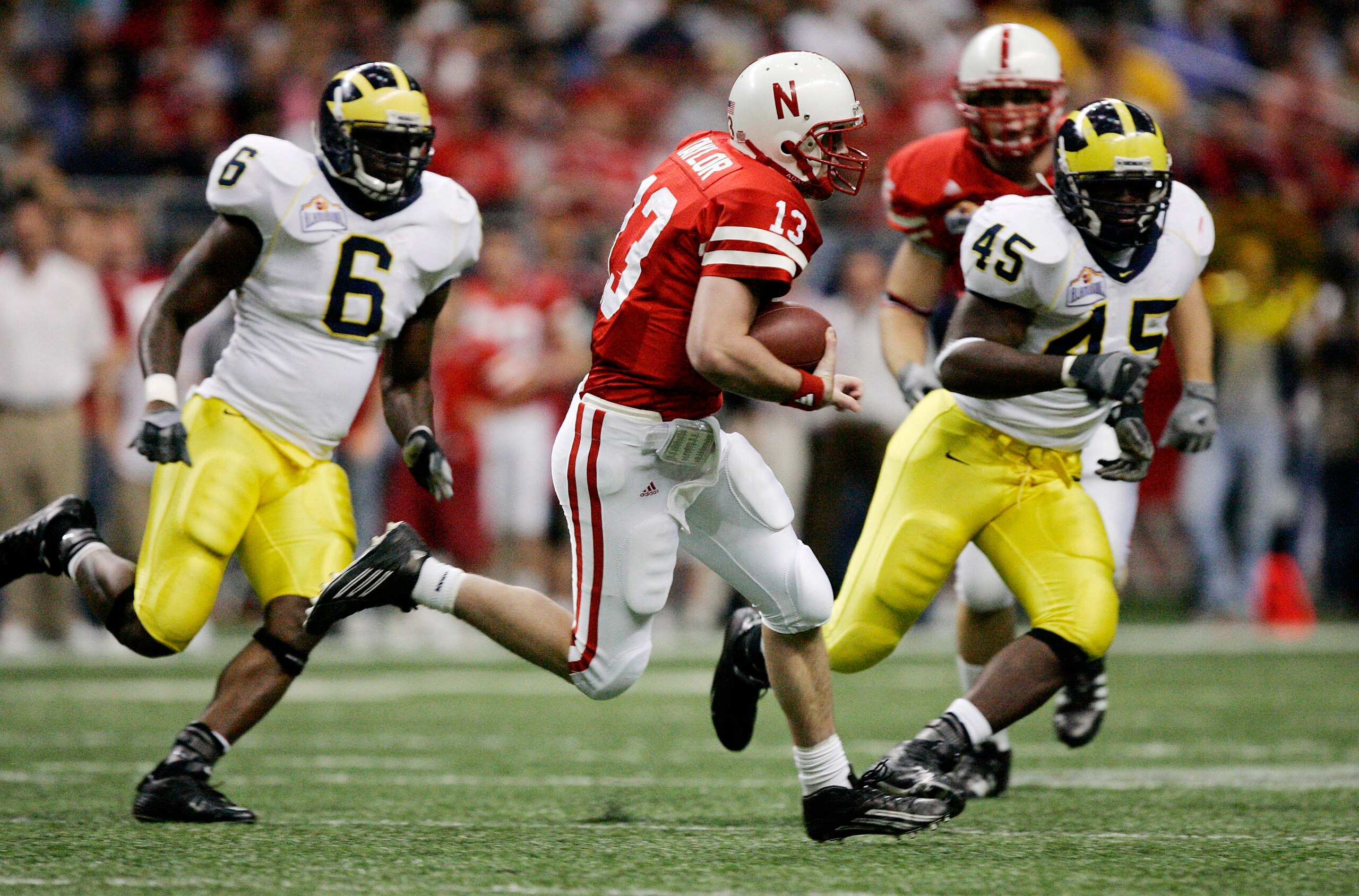
The Nebraska Cornhuskers have been an integral part of the Big Eight and its successor the Big 12 since 1928; that represents an 82-year membership.
The shift of Nebraska from the Big 12 to the Big Ten in 2011 is probably the most significant move in recent college football history.
The Cornhuskers will play within the confines of the Big Ten’s new “Legends” division along with longtime conference members Michigan, Michigan State, Iowa, Northwestern and Minnesota.
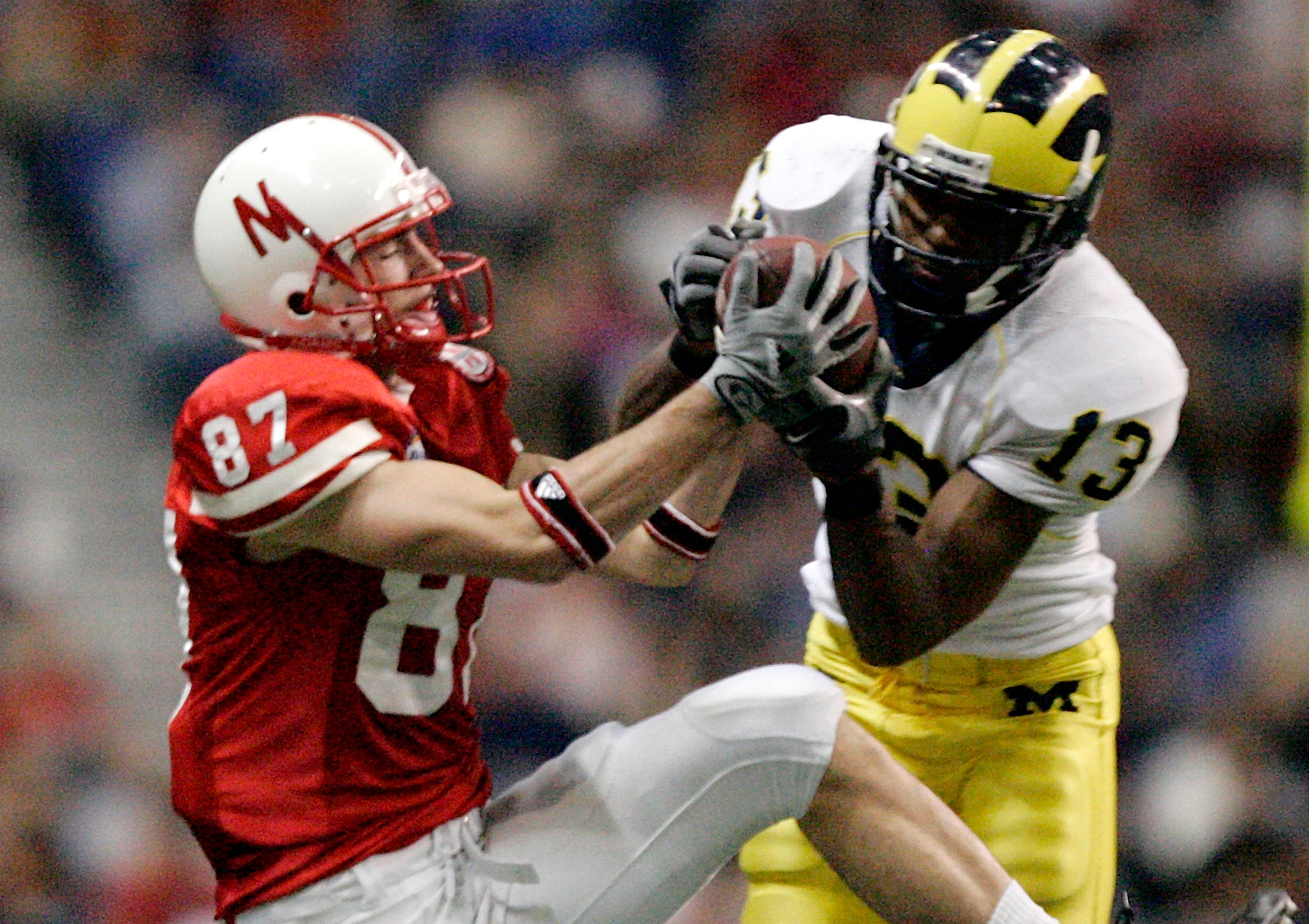
Though there is much anticipation in each of these matchups, from a purely historical standpoint, Michigan versus Nebraska is downright delicious.
The Wolverines and Cornhuskers have been playing football for a combined 252 years and have between them 88 conference titles and a whopping 16 national championships.
The thought of these two meeting yearly and the added bonus of them needing a win over the other to secure a Legends division title and a shot at the Big Ten crown is tantalizing (even if you hate either or both of them with every ounce of your being).
Nebraska versus Michigan will matter. It won’t be a good bowl game or a BCS game “showcasing” the best of college football; it will be a regular season gut check at one of two tremendous venues with tons of implications.
Michigan is 3-2-1 all-time versus Nebraska. The last two meetings were in bowl games (2005 Alamo and 1986 Fiesta), and the Wolverines and Cornhuskers haven’t met in the regular season since 1962.
The historic first meeting between the two as conference rivals will be on Saturday, November 11 in the Big House when the Cornhuskers pay a visit to the Wolverines for what could mean a trip to the first ever Big Ten title game in early December.
Missouri and Texas
3 of 10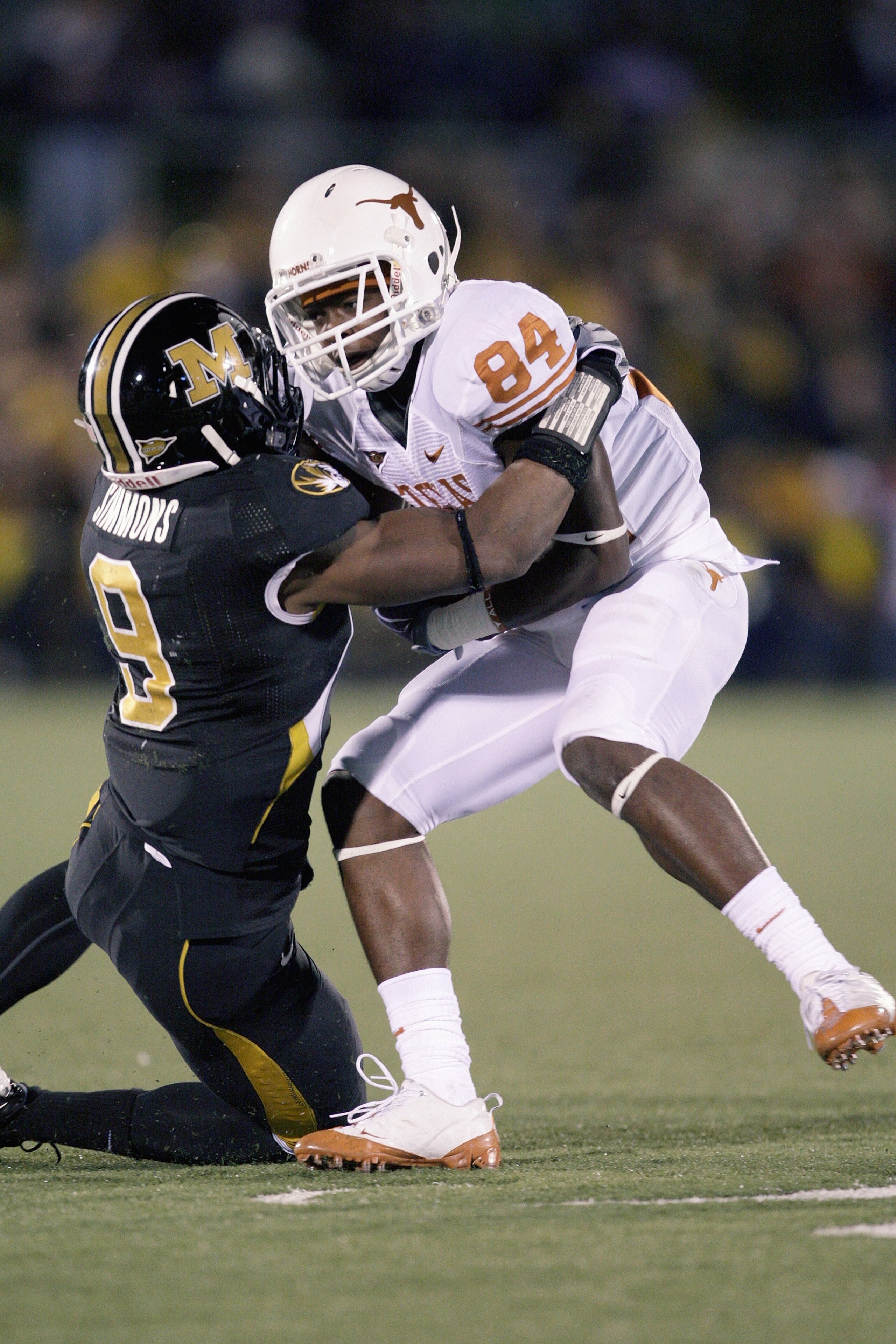
The Big 12 will be transformed in 2011 not by incoming teams but also by those that have fled to the arms of another.
With Nebraska off to the Big Ten and Colorado gone to the Pac-12, suddenly what was the delicately fused Southwest Conference and Big Eight is down to just 10 teams.
The divisional format has been scrapped, a union has been formed and the Big 12 championship has been declared defunct.
Really, most affected by this shrinkage and realignment are the teams remaining from the Big 12 North division. The North has been, since the conference was formed in 1996, dominated by the South.
In fact, out of the 15 Big 12 championships since 1996, 11 have been won by teams from the South, including the last seven consecutive, which have all been captured by either Oklahoma or Texas.
Notably, of the four times the North has managed to come out on top, three of these were won by Nebraska and Colorado, which have left the conference. The only remaining team from the North Division to ever win the Big 12 conference is Kansas State, which won in 2003.
In the new format, every team that remains in the conference will have to play each other yearly, unlike the previous arrangement, where each team played divisional foes once a year and met teams from the other division on a rotating basis.
This means the old North teams will have to face Oklahoma, Texas, Texas A&M, Oklahoma State and Baylor on a yearly basis, therefore not having the benefit of years where one or two of these are completely void from the schedule.
This obviously sets the stage for teams to meet regularly, and those meetings will mean more.
Though you could argue for any combination of the remaining teams (from the North and South) to be amped-up rivalries, really, Texas and Missouri makes the most sense.
Texas and Missouri are both THE schools from their respective states (yes, the state of Texas has an abundance of schools, including A&M and Tech, but they don’t garner the attention and frankly haven’t been as successful), and they are the two that have played the best in recent years.
The Longhorns are 17-5 against Missouri and the Tigers haven’t beat Texas since 1997. The two will meet again in Columbia on November 12 in a game that could have lots of implications.


TCU and West Virginia
4 of 10
Mentioning TCU’s move to the Big East may seem a little premature, but if we are going to discuss new rivalries, you have to consider the Horned Frogs and their imminent move out of the Mountain West.
TCU has slept in a lot of beds since the Southwest Conference disbanded after the 1995 season; they were WAC members from 1996-2000 then moved to Conference USA from 2001-04 before finally submitting to the overtures of the Mountain West in 2005.
Even though the move to the Big East is finally a home that has “BCS AQ” over the front doorway, you have to wonder if the wandering Toads will move again before it all shakes out.
Regardless, if TCU keeps playing at the same level (which they should if Gary Patterson sticks around and keeps recruiting), you have to assume the Big East is in for a big reshuffling when the Horned Frogs show up in 2012.
Primary among the list of who will fight TCU for a Big East title (and BCS bid) is West Virginia, which has won six Big East titles since joining up in 1991.
TCU versus West Virginia will likely have conference title implications every year.
The Mountaineers and Horned Frogs have only met once in football: the 1984 Bluebonnet Bowl, which West Virginia won 31-14.
They will meet for the first time in the regular season, and as conference rivals, in the fall of 2012.
Colorado and Arizona
5 of 10
Colorado made the Big Eight its home conference in 1948 and then became Big 12 members when the league merged with the Southwest Conference in 1995.
The Buffaloes' move to the Pac-12 in 2011 is somewhat curious because, despite serious success in the early and mid '90s (including a national title in 1990), Colorado hasn’t posted a winning record since 2005, when they went 7-6.
Regardless, the Buffaloes are now aligned in the new South Division of the Pac-12, which includes Arizona State, Arizona, USC, UCLA and fellow newcomer Utah.
Besides being rivals in the new division, ultimately vying for a shot to go to the title game, Colorado and Arizona are big state schools that are geographically close (located caddy-corner to each other in the Southwest).
Really, this geographic connection (other than Utah) makes more sense than does any of the California, Oregon or Washington teams.
Colorado and Arizona are solid football programs that both look to be on the verge of ramping things up to the next level; this rivalry could come to fruition ahead of some of the others.
Somewhat surprisingly, the Buffaloes hold a dominant 12-1 all-time advantage against the Wildcats. The two haven’t met since 1986, which is also the only time Arizona has ever beaten Colorado.
The series renews, this time as an intra-conference game, on Saturday, November 11 in Boulder.
Boise State and Air Force
6 of 10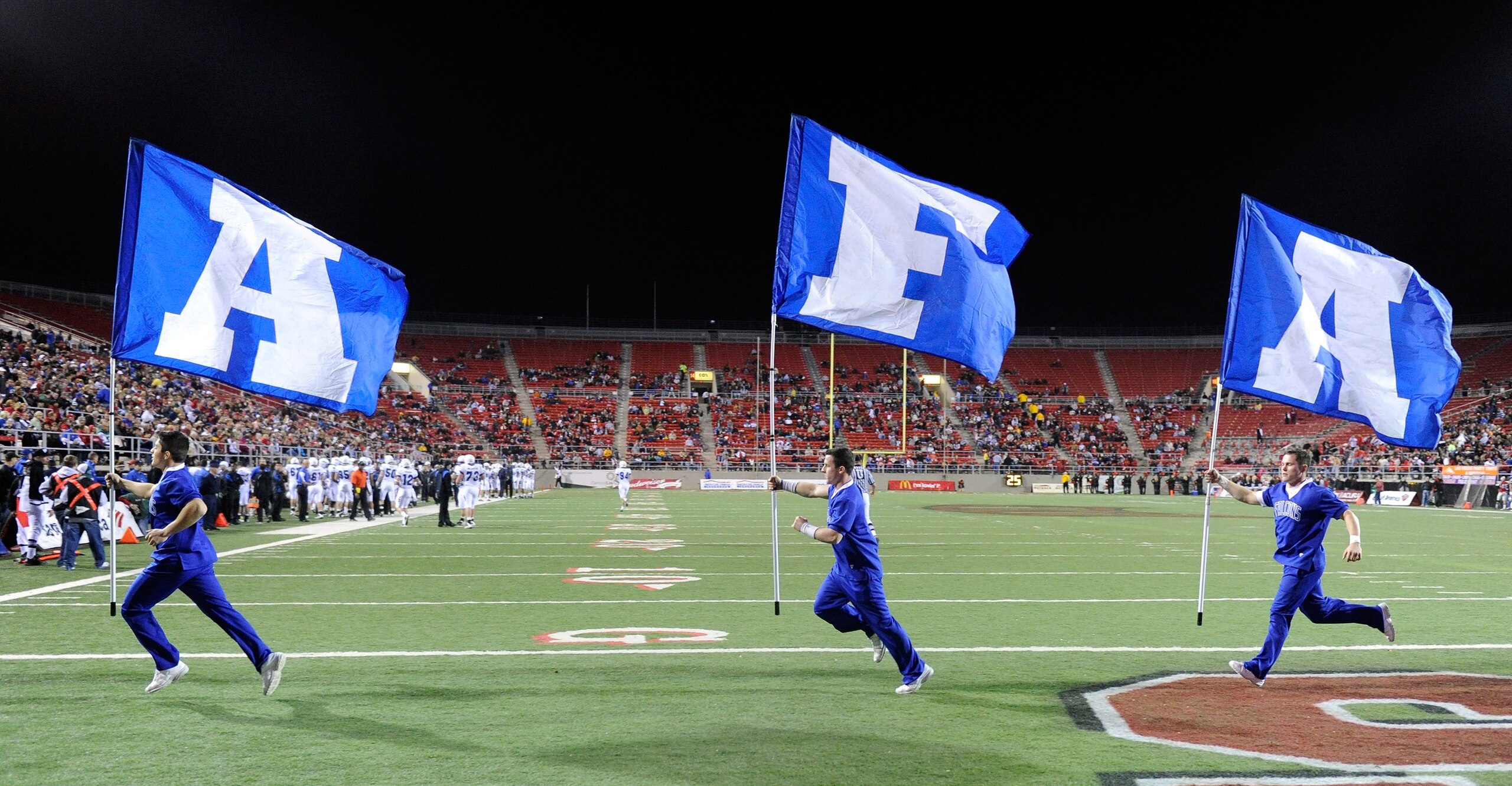
Boise State’s move from the WAC to the Mountain West conference for the 2011 season seems somewhat less attractive with BYU declaring its independence, Utah going to the Pac-12 and TCU fleeing for the Big East in 2012.
What would have been an alluring rivalry betwixt the Broncos and Horned Frogs, both convicted BCS Busters, is now downgraded to a one-time-only intra-conference affair.
So that leaves us wondering who will battle Boise State for the top spot in the MWC after TCU goes east; indeed, who will be listed on their dance card under the heading “Rival”?
Really, Air Force is the most striking candidate until the Mountain West looks to expand or Boise State moves on yet again in its quest for BCS-AQ status.
The Falcons have posted winning seasons every year of coach Troy Calhoun’s four year tenure (including four consecutive bowl bids), which eclipses the recent performances of the remaining five MWC members.
Yes, if the Broncos stick around, it will be the Falcons and Broncos who decide who is in line to be a BCS buster.
Now, wouldn’t it be absolutely thrilling to have a service academy earn their spot in the BCS?
Air Force and Boise State have never met in football (on any color field) but will clash for the first time in history on October 11, 2011 on the blue turf in Boise. Let’s just hope both teams don’t wear their “all blues.”
Wisconsin and Ohio State
7 of 10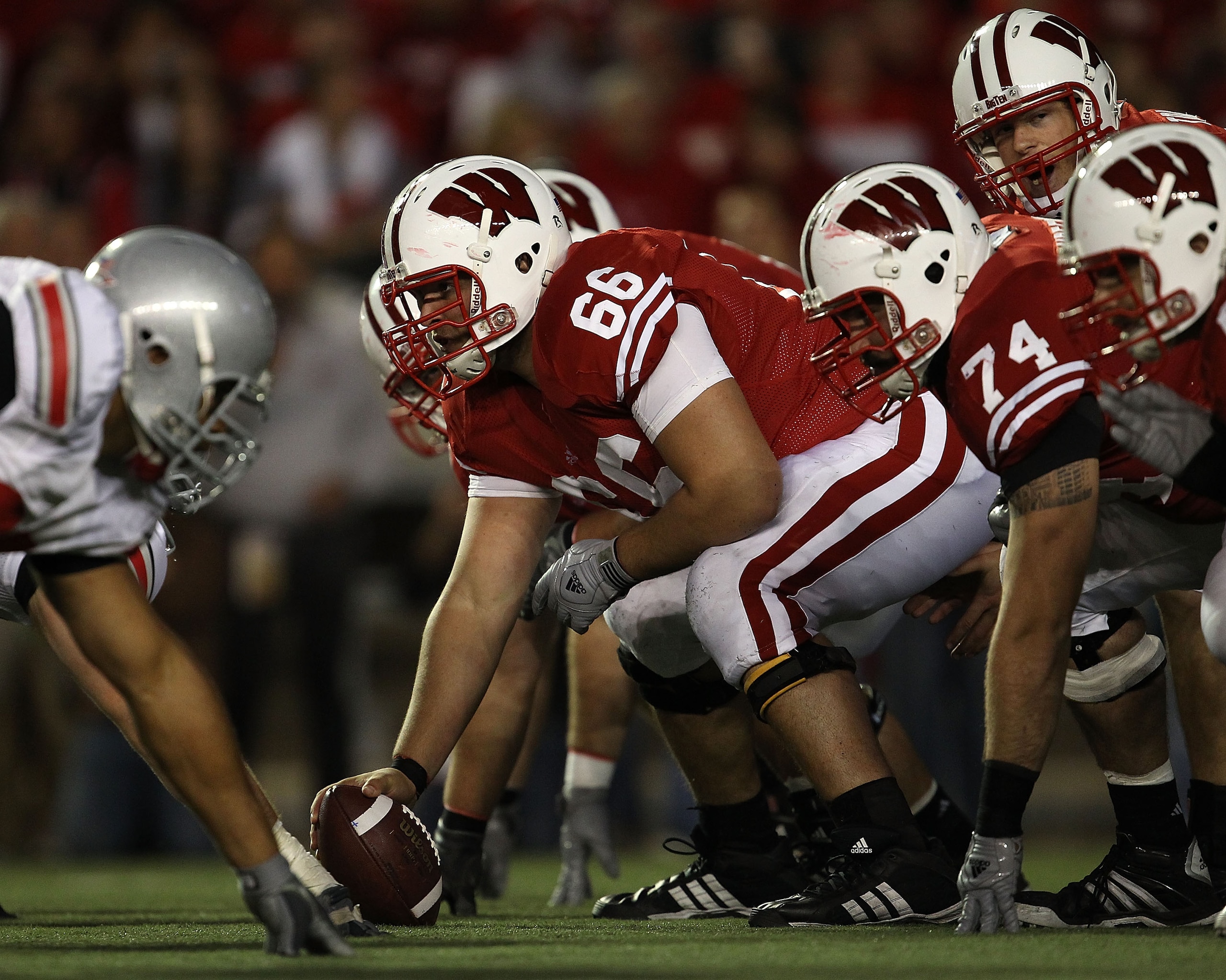
You are no doubt immediately thinking to yourself, “Wisconsin and Ohio State?!? They have always been rivals!”
But, before you scurry down to the “comments” section of the page and read me the riot act, let me explain myself.
Yes, Wisconsin and Ohio State are longtime rivals; in fact, they have played each other 76 times over the past 100 years.
But that said, the new format of the Big Ten tweaks this longtime rivalry and amps up what was already a heated situation.
Both the Badgers and Buckeyes are prominent members of the new “Leaders” division, which also includes Penn State, Illinois, Purdue and Indiana.
This means that the road for these two perennial powerhouses to reach the new Big Ten title game goes directly through either Columbus or Madison.
Yes, the games between the two always mattered before, but now they will have drastically increased implications.
The two will now play each other every year and my bet is it will be one of the biggest games in the division year in and year out.
How big? It’s Alabama versus LSU, and it means everything.
Ohio State has dominated Wisconsin and holds a 53-18-5 advantage overall, but the two have split their last 10 meetings.
The Badgers and Buckeyes will meet for the first time as divisional foes on Saturday, October 29 at the Horseshoe in Columbus.
USF and TCU
8 of 10
It could be successfully argued that secondary to the potential of the West Virginia and TCU rivalry is the possibility of Pitt versus TCU, but overlooking USF may be a mistake.
Yes, Pitt has won two shared conference titles since the Big East was formed in 1991 (and nine national titles since 1910), while USF has never won a championship in any conference.
And yes, Pittsburgh has played well over the past three seasons (27-12), which is narrowly better than South Florida’s 24-15 mark over the same period.
But, USF is a team on the rise; the Bulls only started playing football in 1997 and already maintain a winning record in a BCS conference. They have an up-and-coming coach in Skip Holtz, who absolutely will have USF in championship form before he’s finished, and most importantly, the program sits squarely in one of the biggest recruiting hot beds in the country, the Tampa, Florida area.
USF doesn’t have to compete for local recruits with the rest of the Big East (and neither will TCU), and this fact will continue with the addition of the Horned Frogs (and Temple if they are welcomed into the tribe).
Watch out for USF versus TCU to be the “dark horse” rivalry in the new Big East. And remember, these teams will be playing for a fully authorized, bonafide, cash-rich BCS bid.
The Bulls and Horned Frogs have met only twice previously and the series is split evenly; the two will first meet as Big East foes in 2012.
Nebraska and Iowa
9 of 10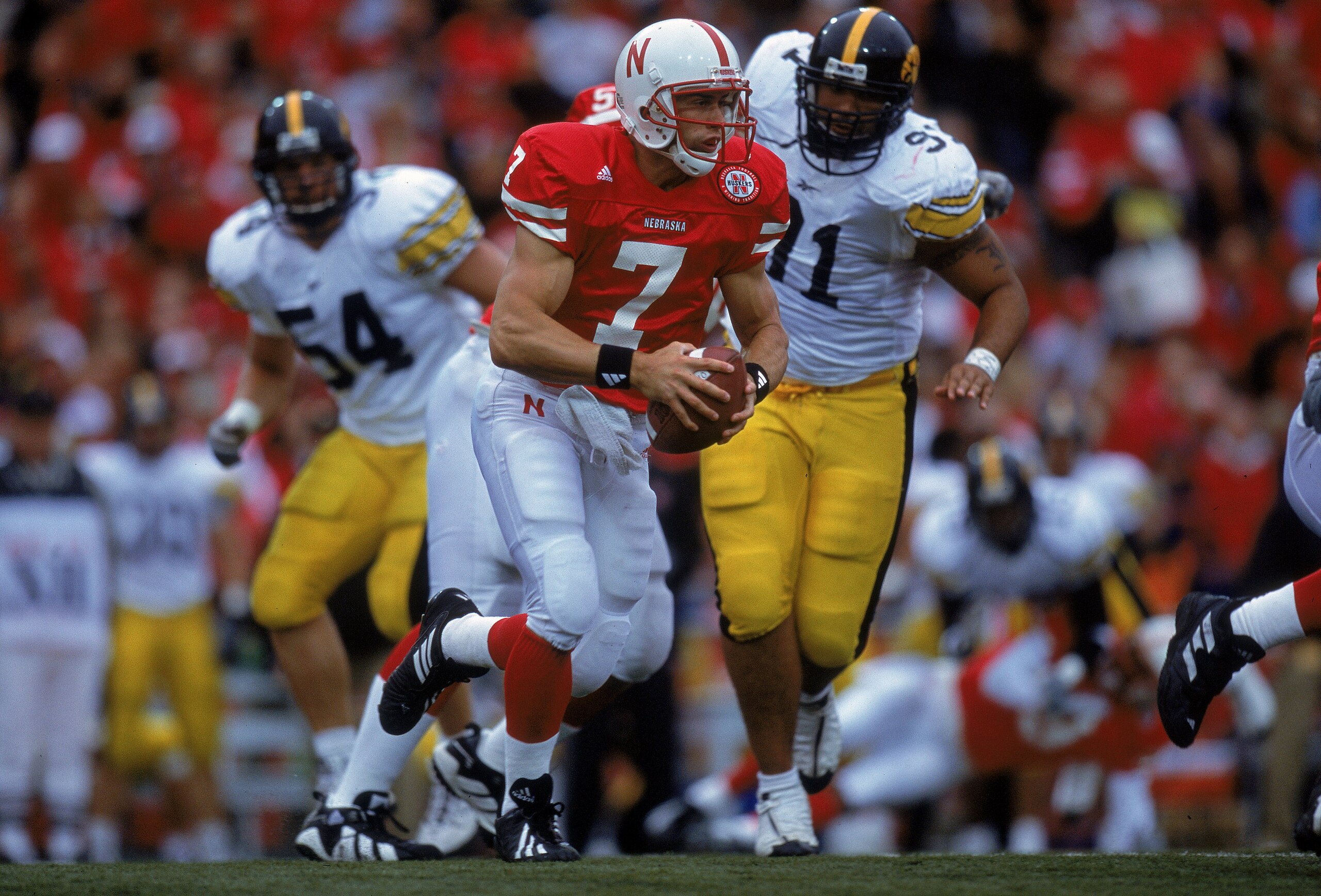
Though you could make a dizzying list of potential rivals for the Cornhuskers in the Big Ten, Iowa makes the most sense (other than the Michigan argument listed above) for several reasons.
First, like Michigan and Nebraska, the Hawkeyes and Cornhuskers have also landed together in the new “Legends” division, which means they will have to beat each other to move on to the Big Ten title game against the new “Leaders” division.
As a side note; seriously, how confusing are these division names going to be?
This game, like the others listed here, will matter, every single time.
Secondly, this is a great matchup geographically speaking; it’s the Midwest, it's neighbor versus neighbor. Two big state schools (states who don’t have the distraction of an NFL team) going at it with an actual prize in sight (the Big Ten title).
The importance of football in these states is clearly represented in their state nicknames, the Hawkeye State and the Cornhusker State.
Third, and not unlike the potential Michigan rivalry, both these teams are historically successful programs. The pairing just looks attractive on paper.
Nebraska holds a commanding lead in the all-time series with a 26-12-2 advantage over Iowa. The series began in 1891 and the two last met in 2000.
The two great football states will meet as conference foes for the first time ever on Friday, November 25 in Lincoln for what is the season finale for both teams. This game could well decide the first ever champion of the Legends division (even if it’s not one of these two teams, this game may help decide who moves on).
Utah and Colorado
10 of 10
It’s curious that the Pac-10 opted to place both of its newest members in the same division. Though it may make sense geographically (Utah and Colorado are directly adjoining), it may have been more interesting to mix it up a bit and split the two up.
Regardless, and to stop sounding like I’m questioning which first grade class my kid got placed in, Utah and Colorado are both members of the Pac-12’s shining South Division, which is also home to Arizona State, Arizona, USC and UCLA.
The format does lead to a natural rivalry between the two schools, as first, they are the newcomers, second, they are geographically close, and third, they will have to battle one another to move on to a potential conference title.
You’ve got to figure that a program with the historic success of Colorado will begin to rise again from some pretty dismal ashes, while Utah will want to continue its success into a new conference home that provides a real shot at a national title.
This, not unlike USF and TCU, might be a real “dark horse” contender in becoming a future blockbuster rivalry.
The Buffaloes are 30-24-3 all-time against the Utes; the series began in 1903, and the two have not met since 1962.
Colorado and Utah will consummate their new relationship on Saturday, November 26 in Salt Lake City for a season finale that could have plenty of championship implications.
.png?w=2560)

.jpg?w=2560 "Malik Beasley Negotiating Plea Deal (AP)")

.jpg?w=2560 "Jonathan Taylor Landing Spots")
.jpg?w=2560 "Aikman Blasts Cowboys WR 🫣")