
2011 NBA Playoffs: 5 Reasons Kobe and Lakers Fared Better in Game 2
The NBA Playoffs finally got on track for the Los Angeles Lakers on Wednesday night with a series-tying 87-78 Game 2 victory over the New Orleans Hornets. The happenings of the game and the final score carried a contrasting tune to the series' opening stanza on Sunday.
The cast of important characters changed from the initial rendering in Game 1, and the Lakers' adjustments, though not yielding a very pristine performance, were enough to alter the course of the series before it took a sharp turn toward the Hornets.
Why did Kobe Bryant and the Lakers fare better against the Hornets on Wednesday night? The answers were indicators of success in Game 2 and might be the blueprint for success throughout this postseason.
Bench Impact
1 of 6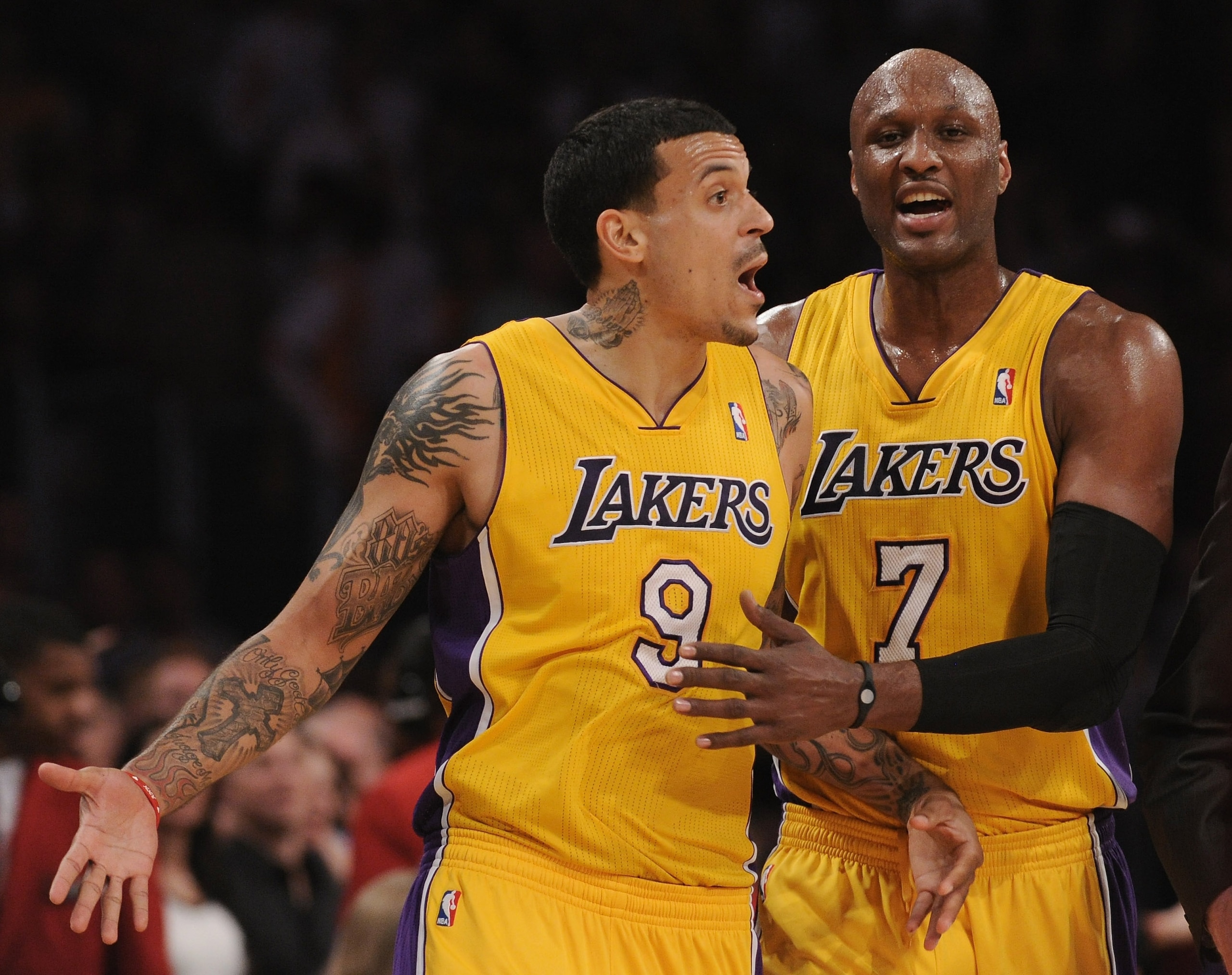
Game 1 bench stats: 21 points, 8-13 shooting, six rebounds, three assists, three turnovers
Game 2 bench stats: 27 points, 13-22 shooting, 16 rebounds, 10 assists, three steals, six turnovers
Overall, the bench was more involved for the Lakers in Game 2. Lamar Odom, the newly-minted Sixth Man of the Year, was the only one with a meaningful contribution off the bench in Game 1.
On Wednesday night, the Lakers got great minutes out of Odom, Matt Barnes and Steve Blake. Those three, plus Shannon Brown, combined for a +42 on the game, compared to the bench's -32 in the earlier loss. The 14-2 run at the start of the second quarter sparked a comeback that gave the Lakers a lead they would not relinquish.
The Hornets' bench, incorporating Green and Jack, were silenced in Game 2, scoring just 13 points as a unit. In Game 1, the subs erupted for 39 points, led by Jack's 15 and Aaron Gray's 12. This is what allowed the Hornets to pull away and steal Game 1 with superior bench play.
If the Laker bench outperforms its opponent's bench, they will be awfully tough to beat because the starting five usually outplays the opponent's. Game 1 and Game 2 were stark contrasts that illuminate that point.
The Lakers cannot win playoff series without this type of contribution from the bench. They've gotten healthy at the right time with Barnes and Blake returning recently, and that depth everyone cooed over early in the season should finally start to prove its worth.
Clamping Down on Defense
2 of 6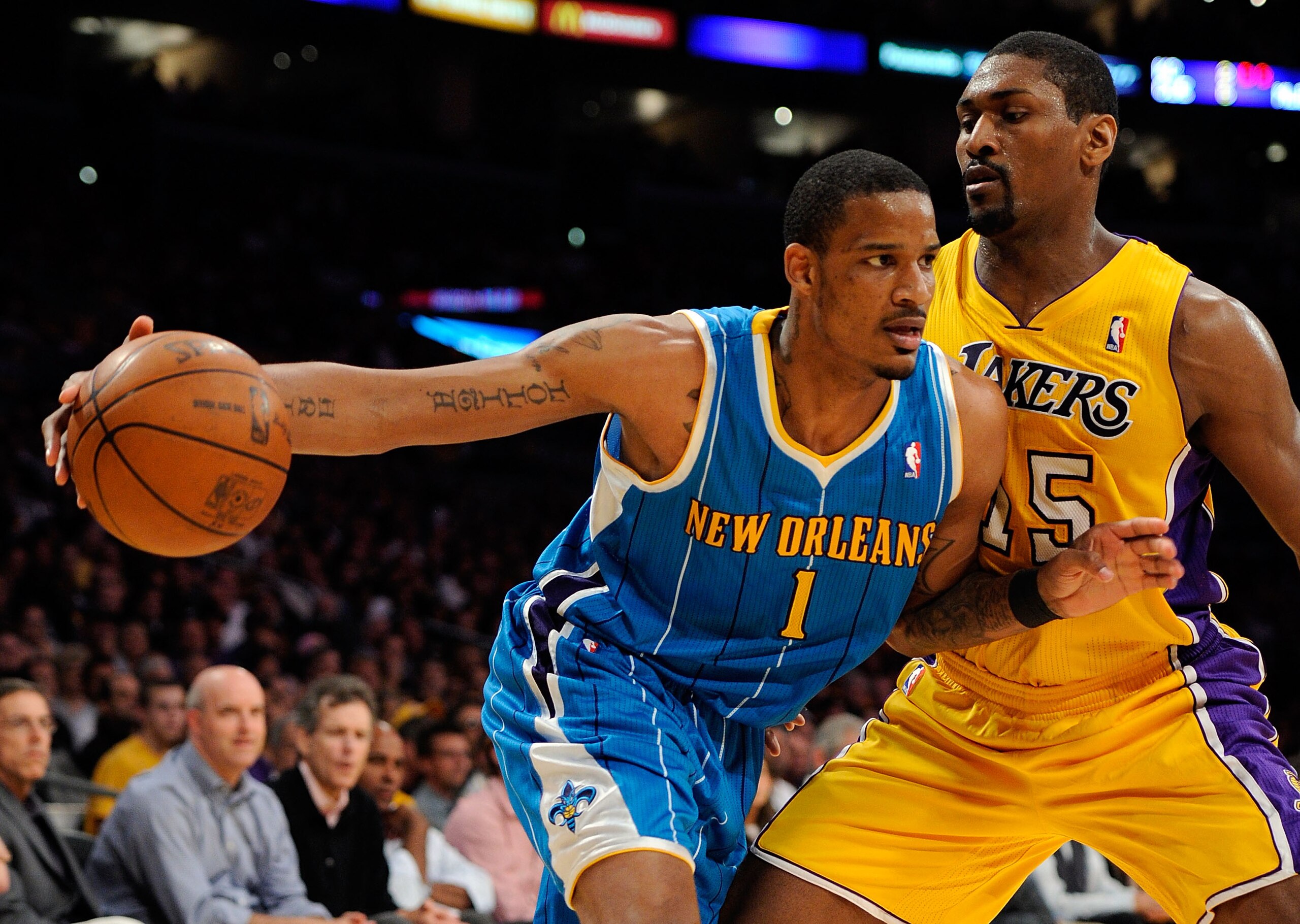
The Hornets shot what appeared to be 75 percent on Sunday. In reality, it was 52 percent. On Wednesday, they were afforded 10 less attempts and shot just 39 percent.
The Lakers bothered New Orleans' looks all night long with hands in their faces, hands in passing lanes and physicality. The Hornet centers, Emeka Okafor, Aaron Gray and Jason Smith, attempted just 10 shots in 55 minutes.
Why? Because Willie Green was busy taking six, Trevor Ariza 15 and Jarrett Jack six. That's almost 40 percent of their total shots for the game. The Hornets were getting nothing past Andrew Bynum and Pau Gasol early, so they kind of gave up trying.
If the Lakers contain Chris Paul, even to the 20 points and nine assist groove he carved on Wednesday, this forces secondary players to take the buck to lead the scoring. Trevor Ariza's 15 shots and team-leading 22 points is exactly what the Lakers want. If Ariza is shooting 22-foot jumpshots, that means Paul isn't doing that or darting to the rim for a layup.
The Lakers were just all-around more active on defense, which is one of the reasons they accomplished a 78-point defensive game. Eight steals, compared to one in Game 1, speak volumes to that point. Nobody had more than two steals, which means there was a concerted team effort for more aggressiveness and activity on defense, something that clearly lacked on Sunday as Chris Paul got whatever he wanted.
This is the primary Laker strategy: don't let Chris Paul kill you. On Wednesday he had a good game, but he didn't kill them.
Less Is More for Kobe Bryant
3 of 6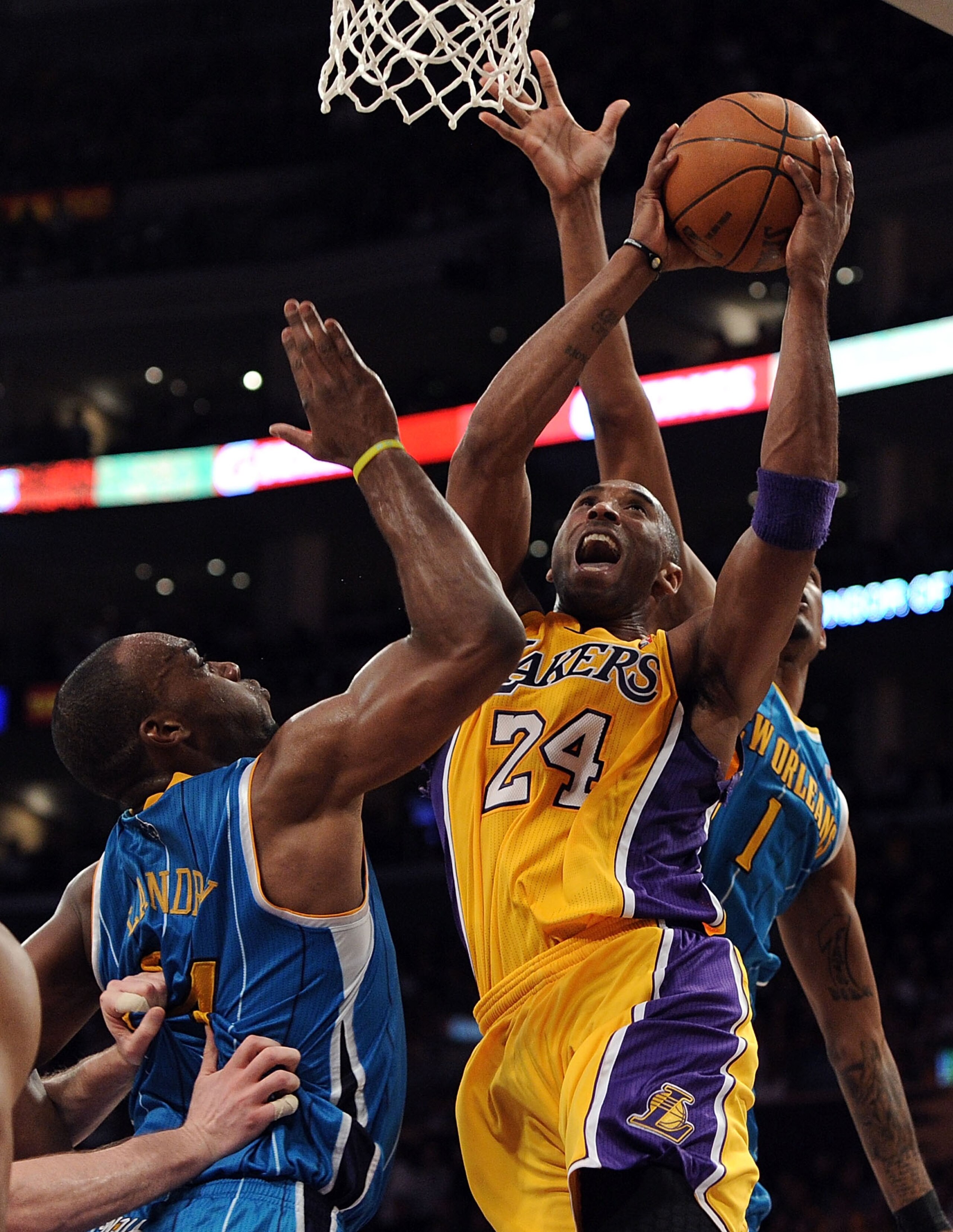
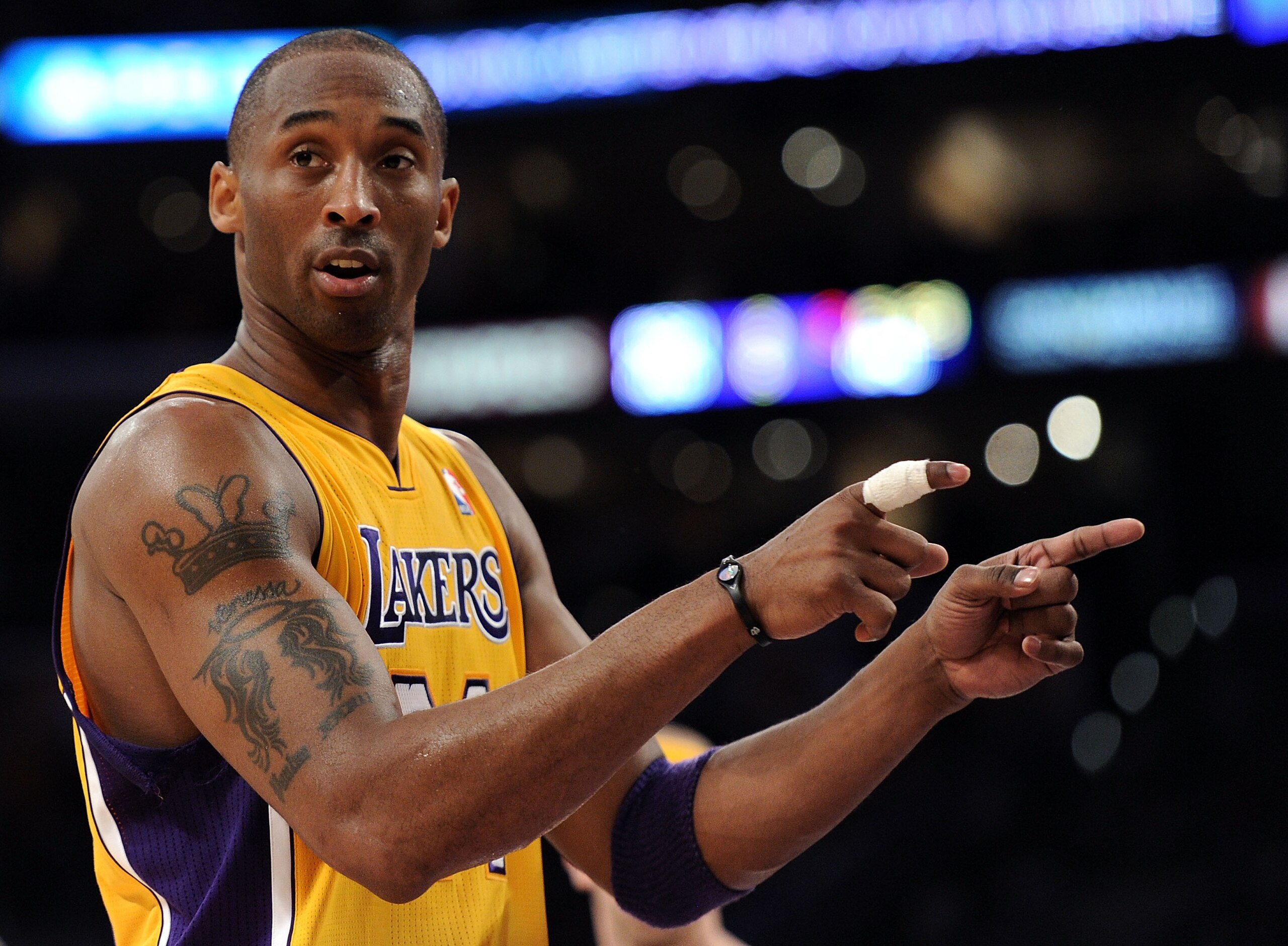
Game 1 was the Kobe Bryant Show with 34 points on an inefficient 26 shots. Though he shot 50 percent and nearly doubled his next closest teammate's scoring output, the common refrain that Bryant tries to win games on his own surfaced again.
Kobe's great game comes at great expense: the flow and comfort of his teammates. In the Game 1 that saw Kobe flowing, his 26 shots paralyzed his team, with no one else taking 10 shots. This is very disruptive to individual players who need consistent touches that lead to enough shots to establish a rhythm. Basketball is a rhythm game, and when only one player on a team is able to find rhythm, it drags on everyone else.
In Game 2, the shots were much better spread out. Ron Artest took a team-high 14, Lamar Odom took 12, Andrew Bynum had 11, and Kobe and Pau Gasol tied with 10. That's five players in double-figure attempts, none with more than 14.
If you're Phil Jackson, Kobe's 3-10 line for 11 points in a Playoff game is very unnerving. However, if the game's outcome is any indication, the less is more approach to shooting for Kobe might be of most benefit to the team as a whole.



Owning the Paint
4 of 6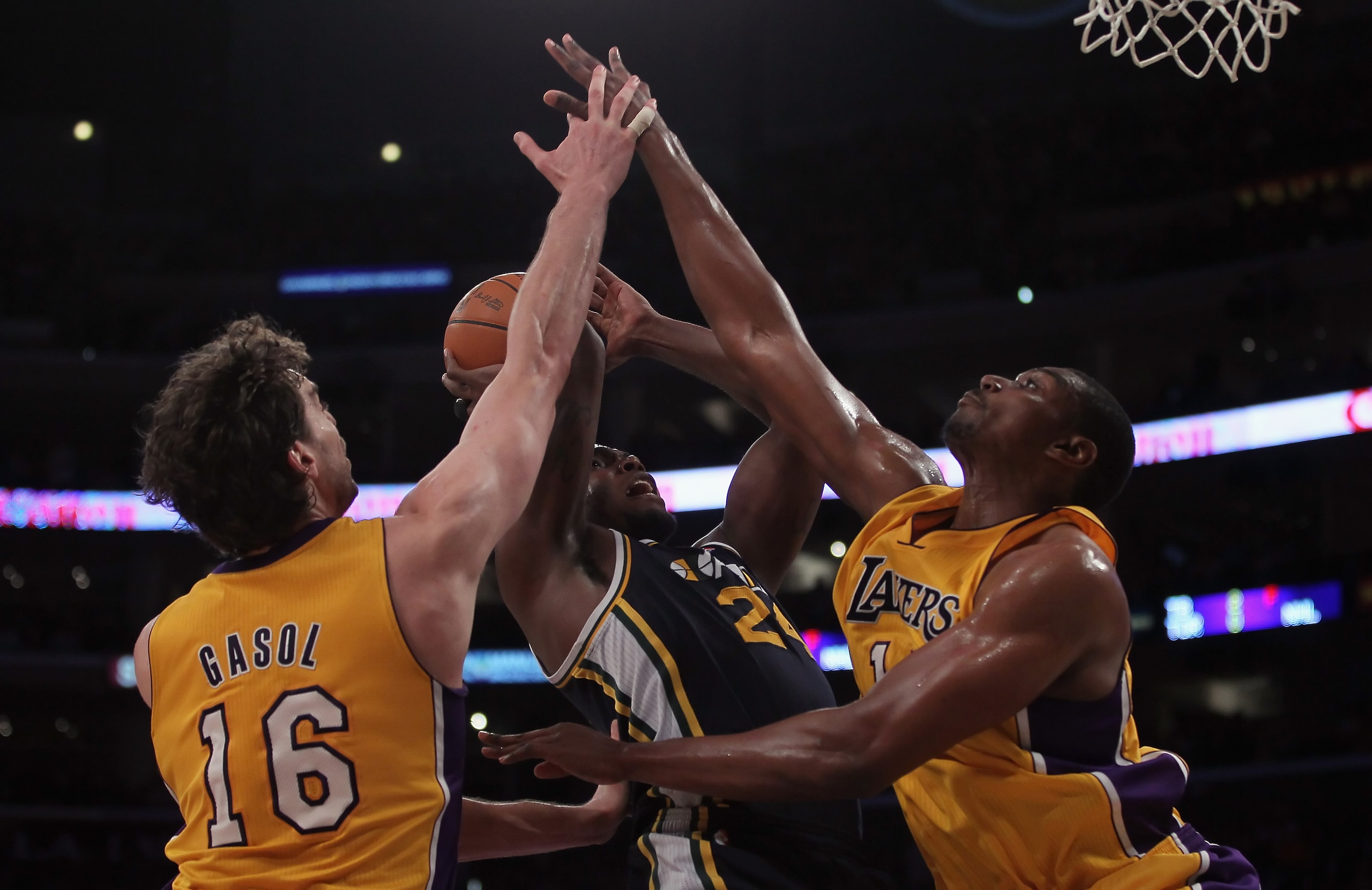
Wednesday night represented a drastic change in front court performance for both teams.
The Lakers outscored New Orleans 50-32 in the paint an outrebounded them by eight. Game 1 saw a 52-34 Hornet advantage in paint scoring and a slightly slimmer rebound advantage for LA.
The Hornet bigs, notably Carl Landry and Aaron Gray, weren't nearly as comfortable in the paint as they were when they got everything they wanted in Game 1. Landry had to work harder and take more shots to get his 12 points, while Gray was almost a non-factor with more turnovers (3) than points (2).
The Laker block party had something to do with that. The increased intensity down low was seen mostly in Andrew Bynum, who blocked two shots to go along with 11 rebounds. Even when he's not blocking shots, Bynum is changing them with his incredible length and physicality.
Pau Gasol struggled mightily on offense, but did an admirable job on defense, blocking three shots and generally bothering Carl Landry with tough shots and foul trouble.
The Hornets never got into a rhythm in the painted area like they did in Game 1, and the slow start that dictated meant that they only finished with 78 points, their third-lowest total of the season.
Making Less Mistakes Than Opponents
5 of 6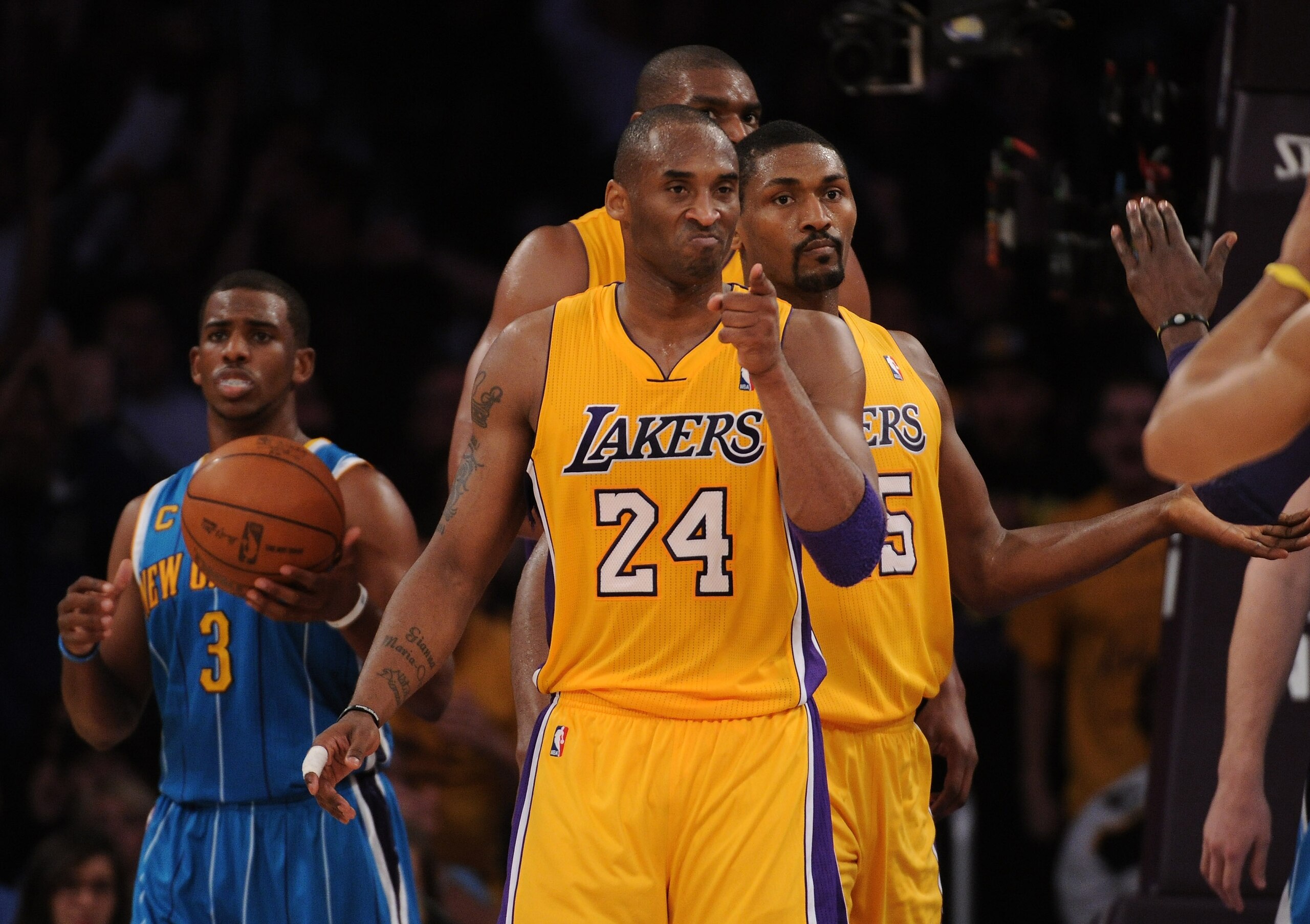
Opponents are usually so overmatched by the Lakers in talent and depth that they have little margin for mistakes. Teams must win the turnover battles and hustle plays, and even get some luck, to beat the Lakers.
The Hornets played arguably their best game of the season in Sunday's Game 1, shooting 52 percent, assisting on 24 of 41 baskets and committing only three turnovers. Chris Paul played nearly perfect basketball in dismantling the Lakers, and his team followed him.
Wednesday night told a different story. The Hornets floated back to their 13.0 season turnover average with 16 on the night. The shooting percentage plummeted to 39. Paul only got loose for nine assists and the team totaled just 14.
All the Lakers had to do was maintain their levels from Game 1, 13 turnovers and roughly 45 percent from the field, and they fared much better.
When the Lakers make the other team commit more errors than they do, odds are that they will come out on top.
Still Room to Improve
6 of 6
All this is not to say that the Lakers are invincible or playing at their best. In fact, there are several areas of improvement that they must address as the Playoffs drone on.
Free throw shooting: just 68 percent in the Game 2 win.
Assists: 20 or below in both playoff games so far, which is two below the season average.
Point guard play: with Derek Fisher turning to stone and Steve Blake still trying to take his blindfold off, the Lakers have a gaping hole at one position on the floor at all times. If it doesn't spell doom against Chris Paul, it will against Tony Parker, Russell Westbrook or the Felton/Lawson combo.
Gasol's struggles: Pau is a combined 4-19 from the field in the first two playoff games with only 11 rebounds and +2 rating.
.jpg?w=2560 "NBA Gambling Charges")


.png?w=2560 "Week 8 Winners & Losers 📊")

.jpg?w=2560 "Jonathan Taylor Landing Spots")