
College Football: 10 Programs That Need a New Stadium
At some point in a fan's life, when does your favorite college football program's home sweet home for decades lose that sweetness, and the cries for a new home go from being a wish to a necessity?
While the college game adores the tradition of aging stadiums on campuses across the country, the business practices of the pro game have made their way into the amateur level as programs race to build bigger and more elaborate stadiums with every amenity under the sun included for fans on Saturday afternoons.
With the top-tier programs adding more and more seats to the football cathedrals, the following 10 programs will need to take a look around at their own stadium and look to break ground on a new home to keep up with the Joneses of the ever-popular stadium race in college football.
Georgia Tech
1 of 10
Opened: 1913
Capacity: 55,000
While being the second-oldest college football stadium trailing Kyle Field by nine years, Georgia Tech should make a move to build a new stadium around the downtown Atlanta campus, as the current stadium resembles nothing of what the original looked like after so many expansions to the facility for the Ramblin' Wreck.
Connecticut
2 of 10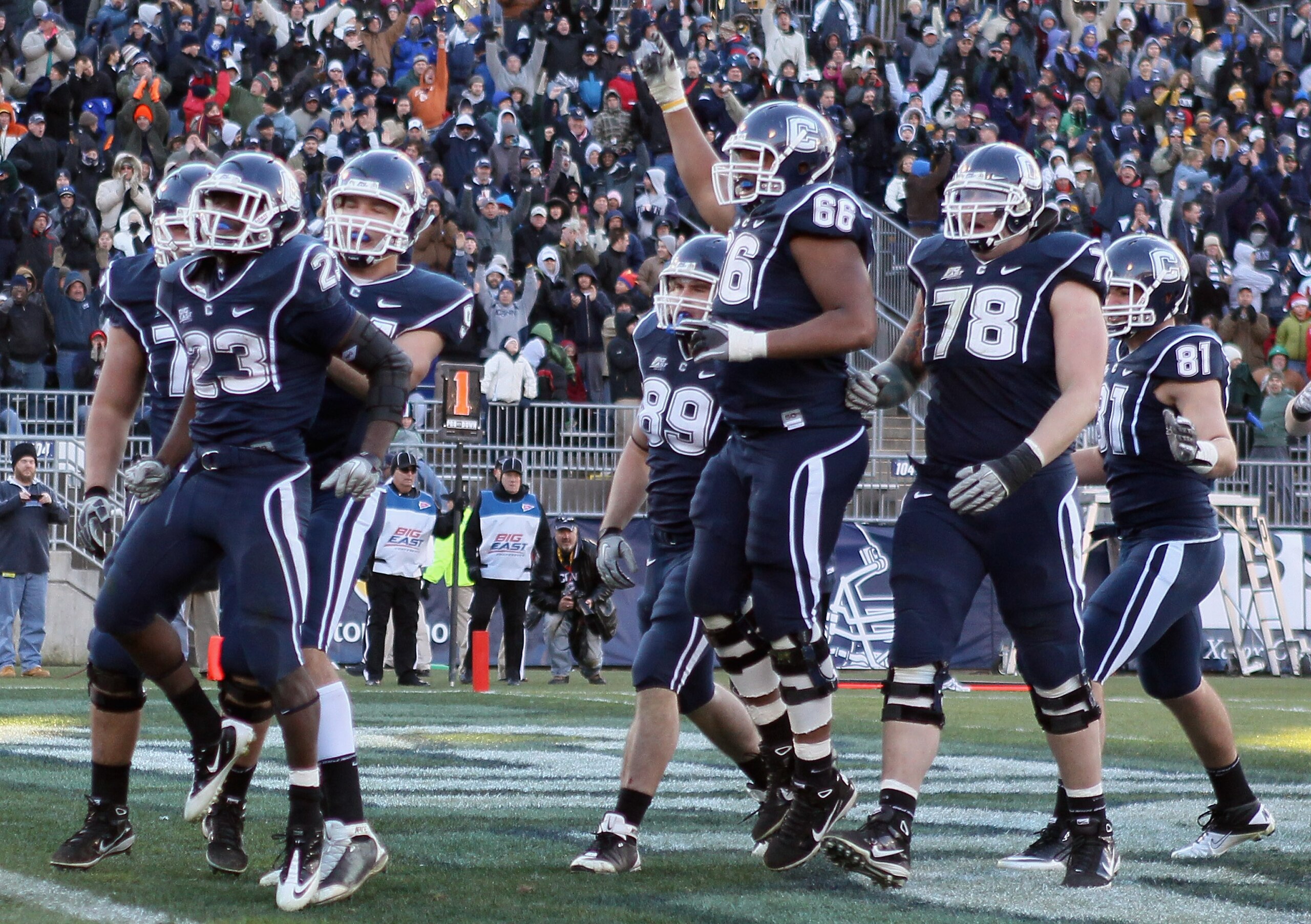
Opened: 2003
Capacity: 40,000
For the defending Big East champions, Connecticut doesn't need a new stadium per se, but the university should invest more into the expansion of the stadium as the program has made great strides in its time at the top level of college football, which includes a trip to the Fiesta Bowl last season against Oklahoma from the Big 12 conference.
Duke
3 of 10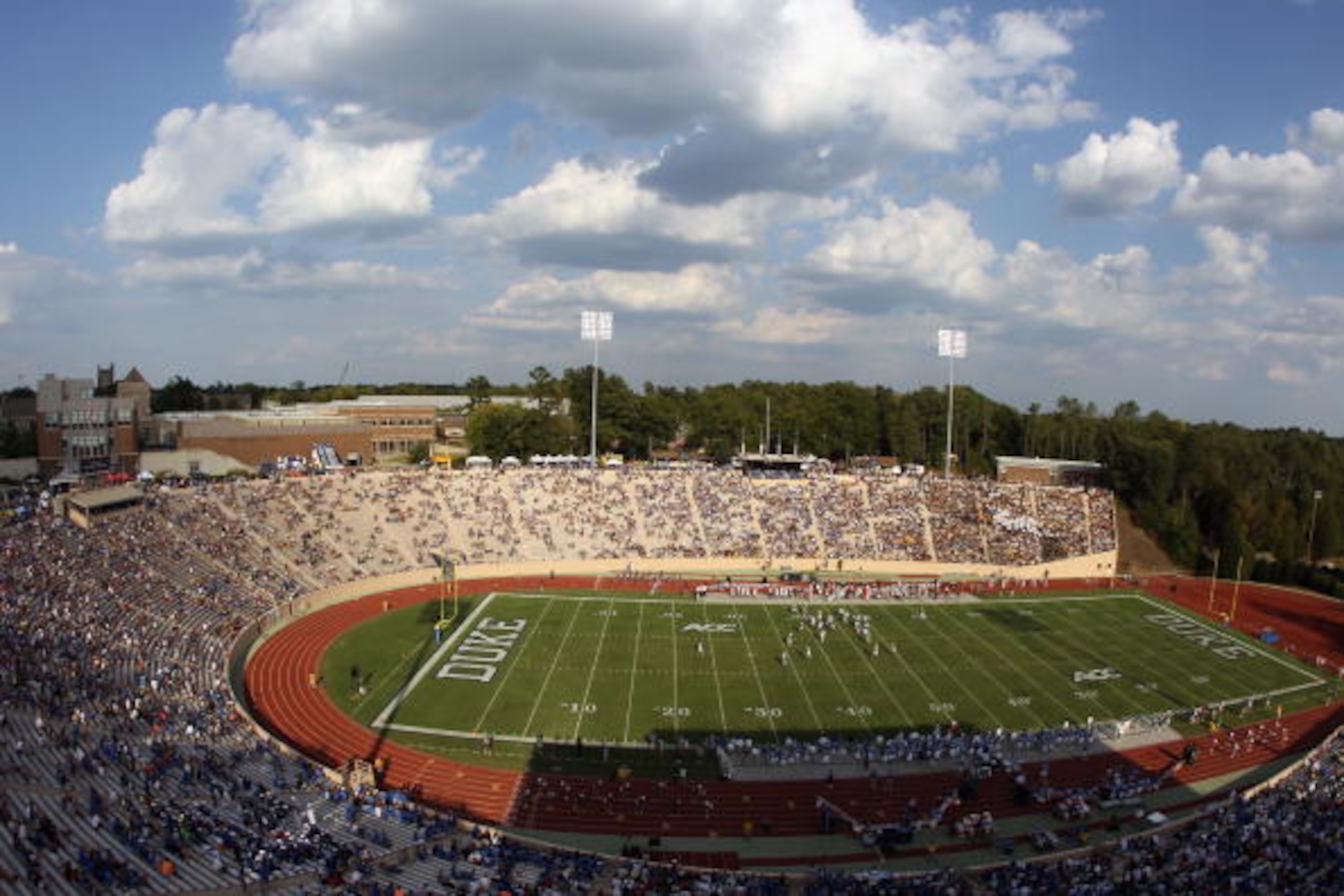
Opened: 1929
Capacity: 34,000
As the Duke football team hasn't been able to compare to the success of the basketball program, the Blue Devils have slowly been making improvements to the football side of the athletic department as head coach David Cutcliffe has made Duke a stronger football team than the doormat of the ACC as it has been in the years before Cutcliffe's arrival in Durham.

_0.png?w=2560)
Baylor
4 of 10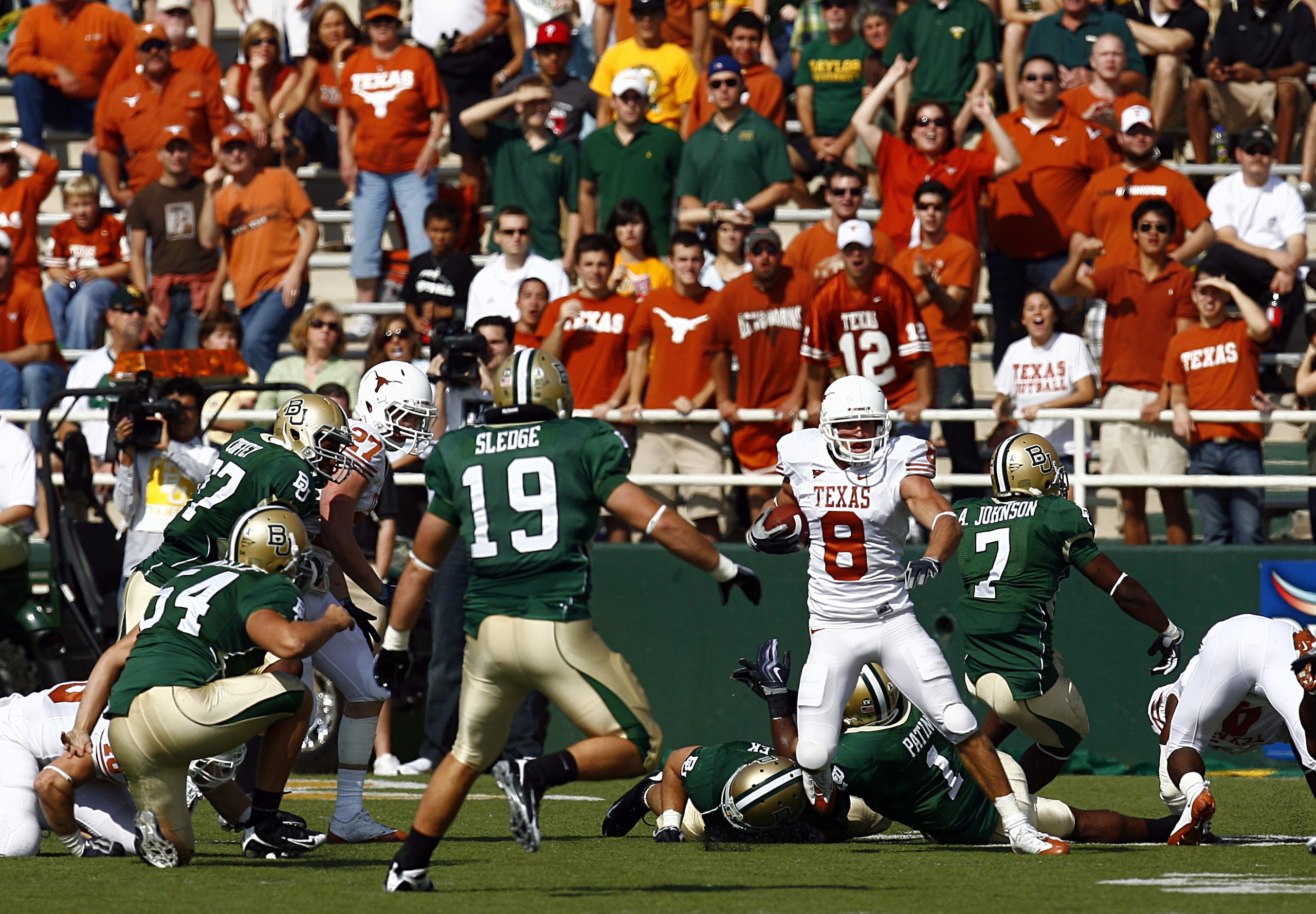
Opened: 1950
Capacity: 50,000
With Baylor being the program that gets overshadowed by the giants of the Longhorn State in Texas and Texas A&M, the Bears can start reeling in some of the excellent talent in the state of Texas if the program could replace the aging Floyd Casey Stadium and at the same time help close the gap between Baylor and the other high-profile Texas schools.
Oregon State
5 of 10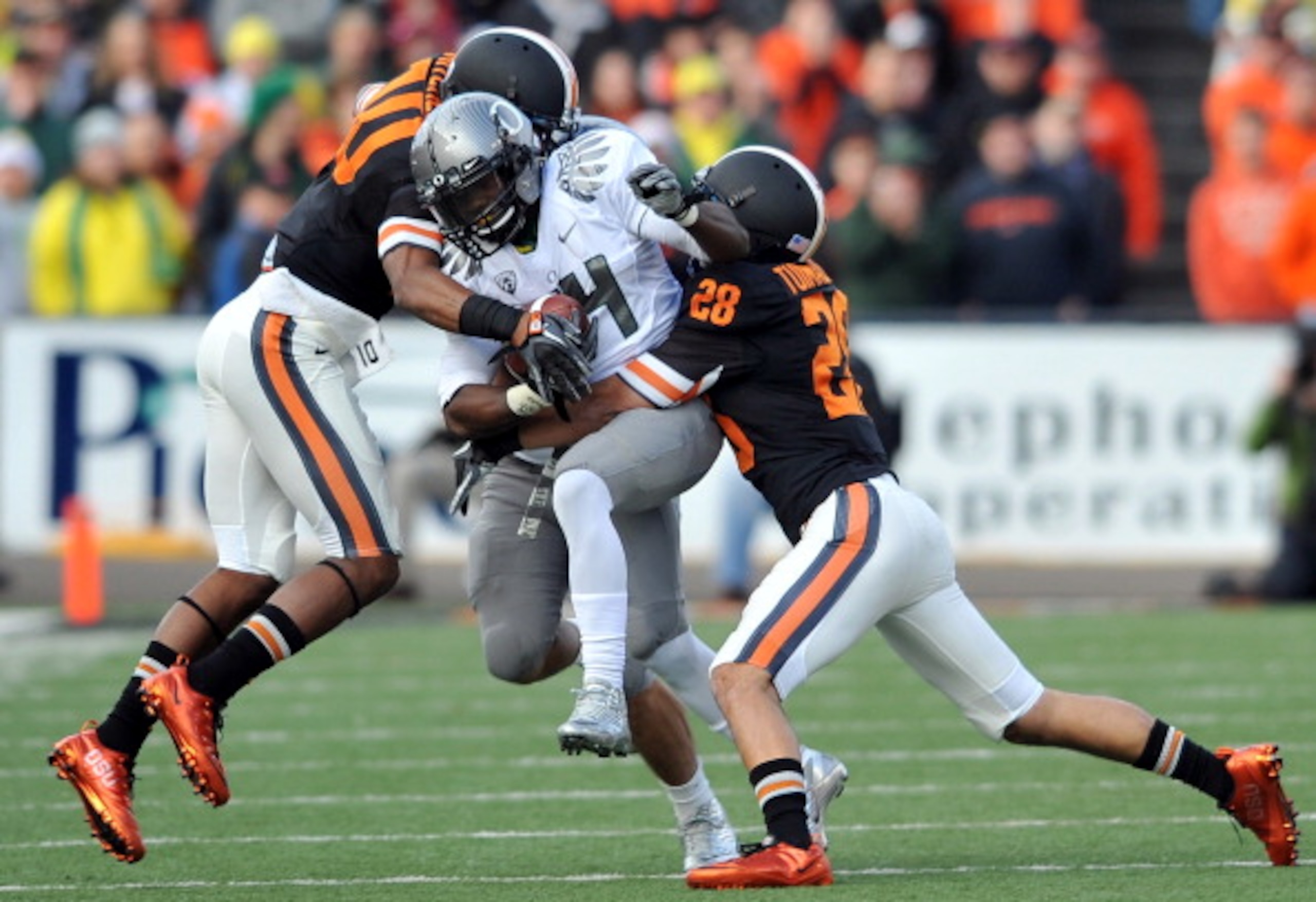
Opened: 1953
Capacity: 46,000
When you look at the stadiums of the now Pac-12, Oregon State is far from being the most intimidating venue in the conference as the facility looks incomplete with large holes that separate the seating bowl on the press box side of the stadium.
So for the Beavers, a complete start-over is not needed in Corvallis, but a project to complete the lower portion of the stadium to help hold the noise so OSU can make their home-field advantage a force to deal with in the Pac-12 for years to come.
Boston College
6 of 10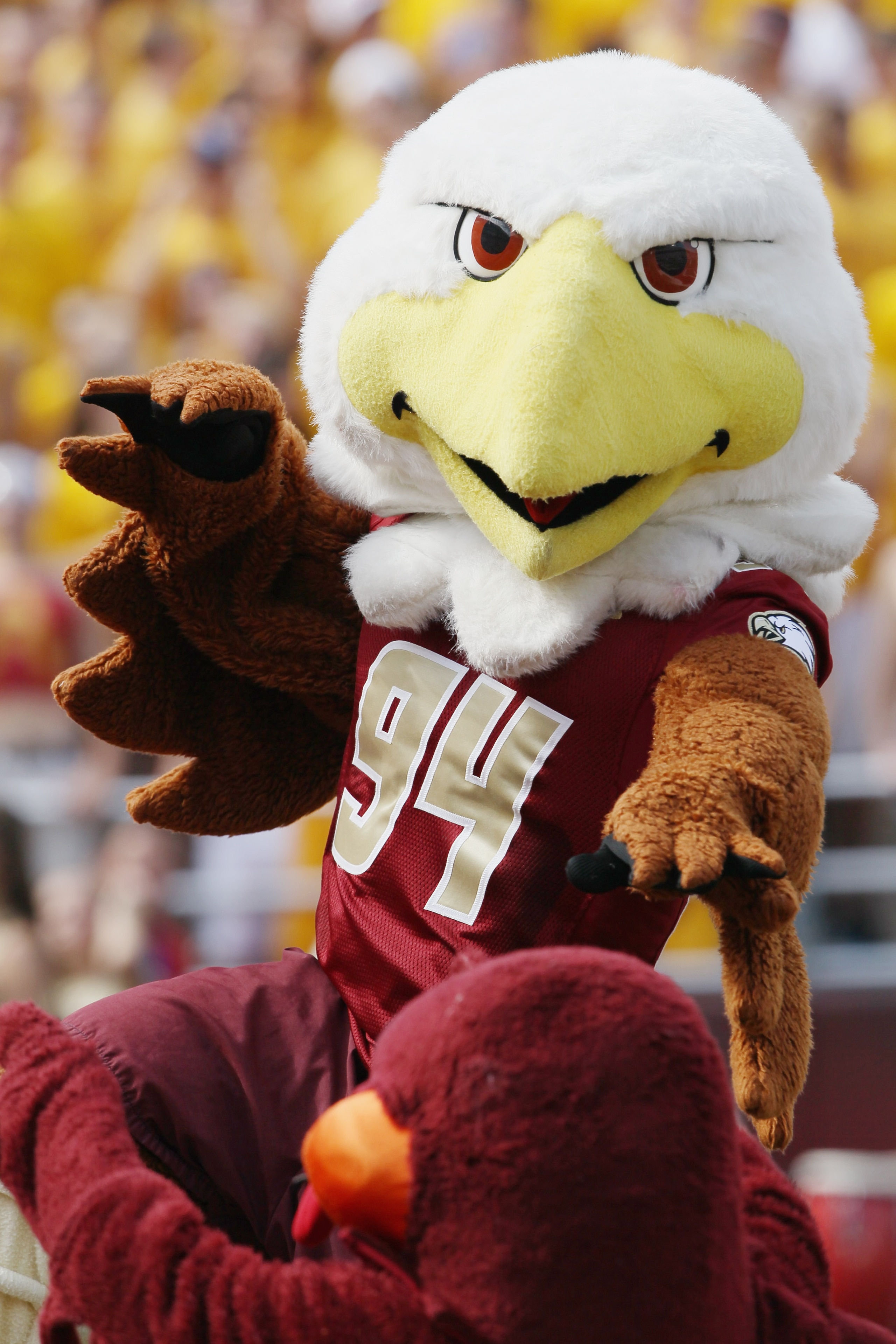
Opened: 1957
Capacity: 44,500
With the rabid fanbases of the New England/Boston sports scene growing to the point of nearly being infamous, Boston College should move to replace the aging Alumni Stadium that hasn't seen major renovations since the initial building in 1957, which could lead to the Eagles corning the market on some of the growing football talent in the Northeast.
NC State
7 of 10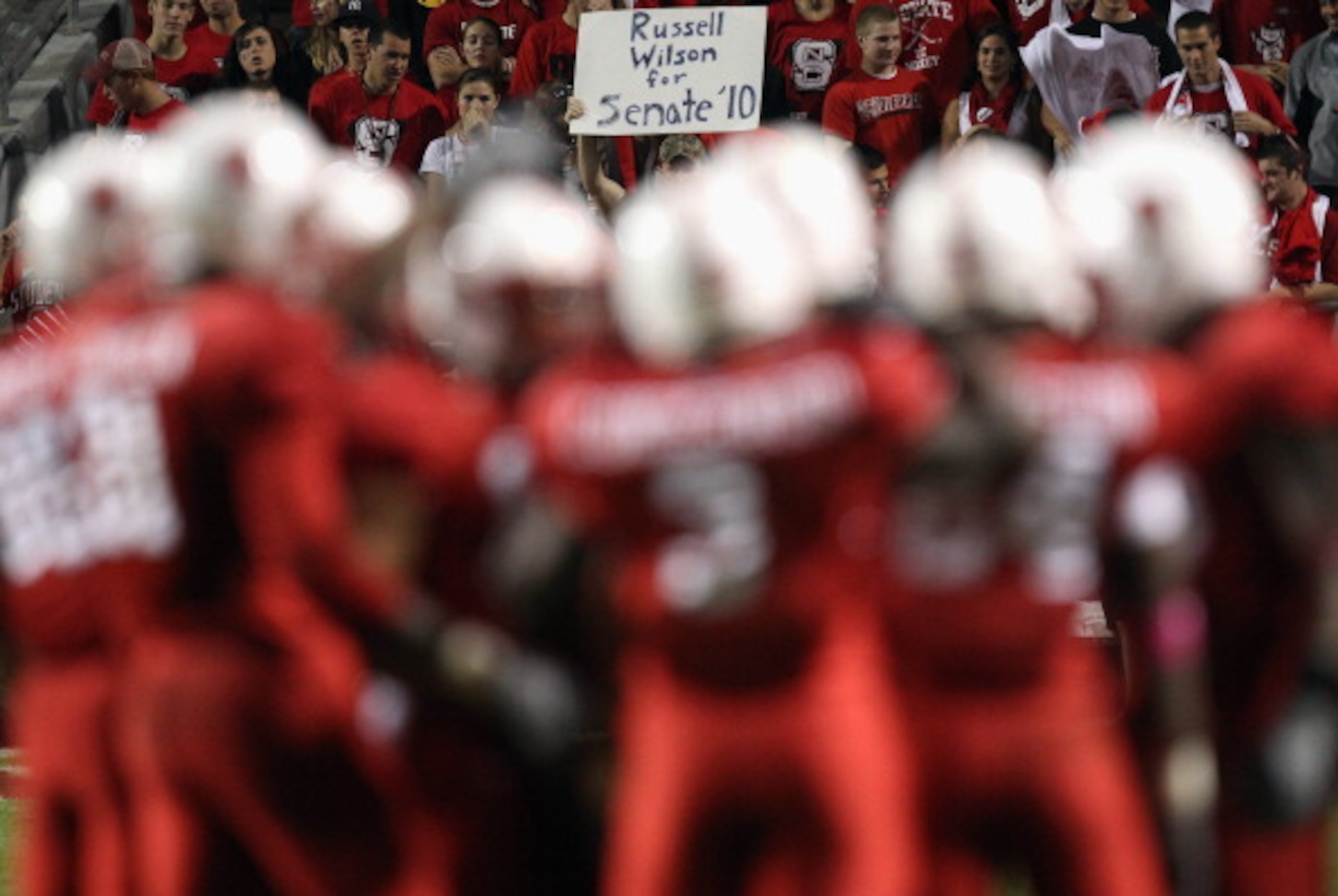
Opened: 1966
Capacity: 58,000
With UNC in the second phase of the progam's massive overhaul of Kenan Stadium in nearby Chapel Hill, North Carolina State has to take a hard look at Carter Finley Stadium, the Wolfpack's home since 1966, and what could be done to the facility to help keep up with the Tar Heels as NC State has started to turn it around under coach Tom O'Brien in Raleigh.
UTEP
8 of 10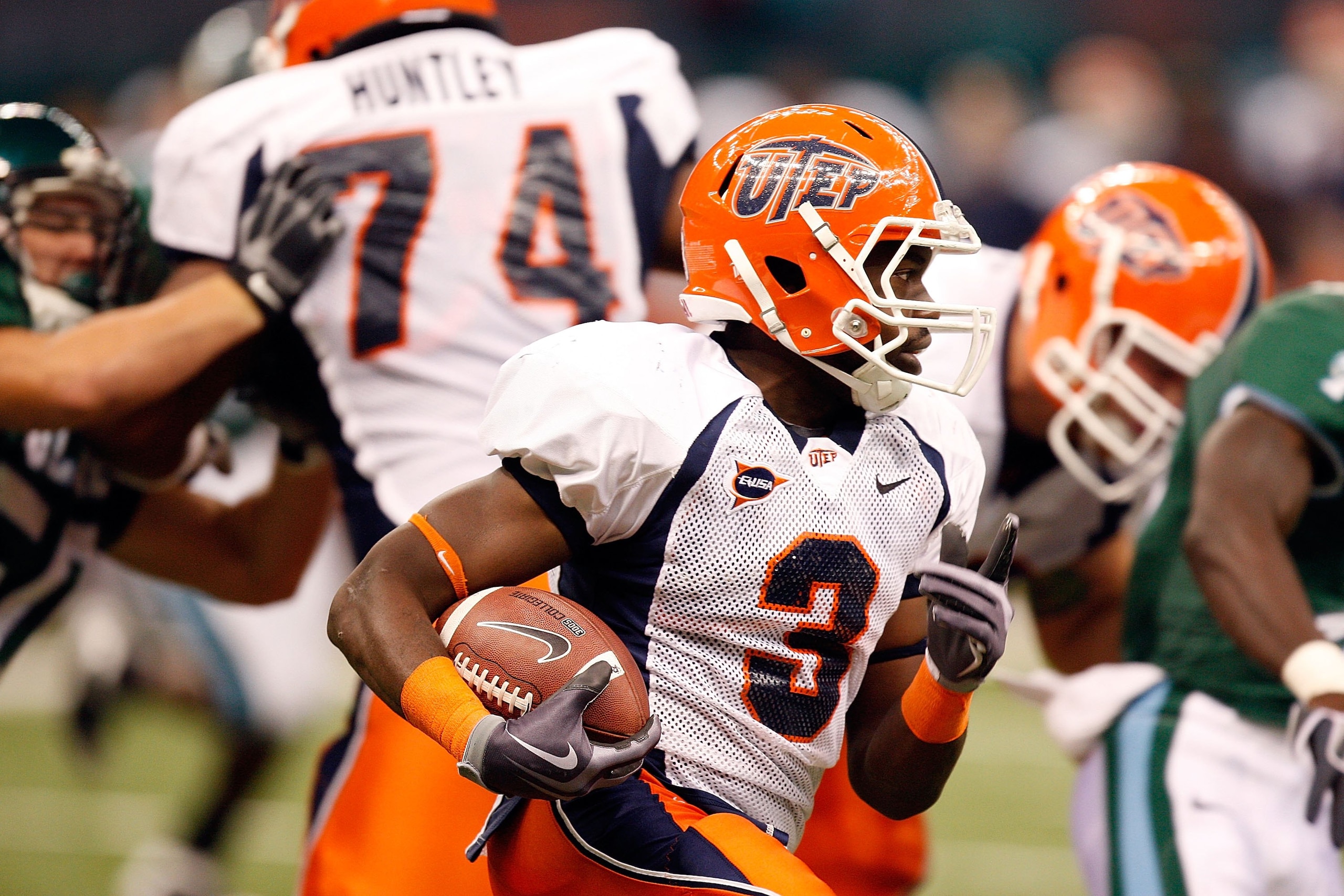
Opened: 1963
Capacity: 51,500
Like other stadiums included in this article, the Sun Bowl lacks the modern amenities that many other college football stadiums enjoy, as UTEP's facility has remained practically the same since the last renovation in the early '80s as the program has made leaps and bounds in recent years under head coach Mike Price in El Paso.
Memphis
9 of 10
Opened: 1965
Capacity: 62,000
As the Liberty Bowl holds dual roles of the football home of Memphis and the postseason bowl game, the stadium is quite outdated by today's standards of football stadiums, so a push for a new stadium for the Tigers would be a great revenue stream for the Memphis program with the addition of luxury boxes and more comfortable seating for fans.
San Diego State
10 of 10
Opened: 1967
Capacity: 72,000
As the Aztecs have shared Qualcomm Stadium with the San Diego Chargers since the late '60s, San Diego State needs to make the move to have their own stadium to grow their program away from Qualcomm, which is much too large at this moment and needs a facility that seats around 30,000 to 40,000 for the growing program.
.jpg?w=2560 "NFL investigating 2 referees for separate viral exchanges")
.jpg?w=2560 "Report: Chiefs Contact Hill's Agent")

.jpg?w=2560 "OBJ Calls Out Giants After Release")
.jpg?w=2560 "Tyreek makes another cryptic post amid Chiefs rumors")