Featured Video
Who's Winning World Series MVP? 👑

NLCS Phlashback: Part II
Kevin McGuire
This is part two in a four-part series chronicling the history of the Philadelphia Phillies and their National League Championship Series appearances, leading up to the start of the 2008 NLCS matchup with the Los Angeles Dodgers. Today, we review the 1978 NLCS between the same two clubs.
The 1978 National League Championship Series



TOP NEWS

Brewers Complete Comeback In Game 2
World Series Game 2 Takeaways 🍿

Next MLB Players to Sign $200M Contracts 💰
Game One
 For the Phillies, the hope was that the third time would be the charm. Three seasons in a row the Phillies found themselves playing in the National League Championship Series, a best-of-five series then, for the right to represent the league in the World Series.
Roughed up in their previous two trips by the Big Red Machine of the Cincinnati Reds, and the previous year by the Los Angeles Dodgers, the Phillies dropped off a bit in regular season success.
Previously, the Phillies had back-to-back 100-win seasons. 1978 was a little different, with the team winning 90 games and only winning the division by 1.5 games over the Pittsburgh Pirates.
This was still a team on a mission. Painful playoff exits were still fresh in the memories of the Phillies and their fans, so once again getting off on the right foot was going to be key for the Phillies in 1978.
Opening with two home games at Veterans Stadium against the N.L. West champion Dodgers would hopefully do just that for the Phillies. Larry Christenson started for the Phillies in the series opener, because Steve Carlton had started a few days before in the division-clinching game. Christenson was no Carlton to say the least.
With an early 1-0 lead, Christenson ran into trouble in the third inning. Steve Garvey had the key hit with a three-run home run. The Dodgers went on to a 4-1 lead. Just like that, the Dodgers had the momentum.
Davey Lopes, now the Phillies' first-base coach, connected for a two-run home run in the fourth inning making it 6-1 game.
Opening with two home games at Veterans Stadium against the N.L. West champion Dodgers would hopefully do just that for the Phillies. Larry Christenson started for the Phillies in the series opener, because Steve Carlton had started a few days before in the division-clinching game. Christenson was no Carlton to say the least.
With an early 1-0 lead, Christenson ran into trouble in the third inning. Steve Garvey had the key hit with a three-run home run. The Dodgers went on to a 4-1 lead. Just like that, the Dodgers had the momentum.
Davey Lopes, now the Phillies' first-base coach, connected for a two-run home run in the fourth inning making it 6-1 game.
Dodger pitcher Bob Welch, a rookie, did his job. With a five-run lead, Welch had plenty of room for error and would go on to get the win for the Dodgers.
Garvey wasn't finished yet. In the fifth inning, he reached third base with a triple and scored. Then in the ninth he hit a solo home run. Dodgers catcher Steve Yeager got in on the home run action with his own blast, giving the team a 7-1 lead.
Pressure was put on by the Phillies in the fifth inning, scoring three runs. The short-term rally cut the score to 7-4.
Garvey wasn't finished yet. In the fifth inning, he reached third base with a triple and scored. Then in the ninth he hit a solo home run. Dodgers catcher Steve Yeager got in on the home run action with his own blast, giving the team a 7-1 lead.
Pressure was put on by the Phillies in the fifth inning, scoring three runs. The short-term rally cut the score to 7-4.
Proving they were resilient though, the Dodgers scored a run in the top of the sixth to extend their lead to 8-4 and cruised their way to a 9-5 game one victory.
Game Two
Dodgers lead 1-0
Dodgers lead 1-0
Evening up the series, as in any five-game series especially, in Game Two was critical. After losing both home games to the Dodgers in Veterans Stadium the previous year, the Phillies knew it would be difficult. With the NLCS ready to shift to the West Coast to Dodger Stadium the Phillies seemed to be in trouble.
Dick Ruthven got the start for the Phillies in the must-win game, and Tommy John opposed him for the Dodgers. John was the dominant pitcher of the game, pitching a complete four-hit shutout for the Dodgers.
While the Phillies offense remained futile against the Dodgers, coming up short in the clutch yet again, it was Lopes who got the job done for the Dodgers and their offense.
Of the four runs the Dodgers scored in the 4-0 victory, Lopes was responsible for driving in three. Lopes was a double shy of hitting for the cycle. He was officially a Phillies killer.
How is it that this guy can be welcomed in as the Phillies first-base coach today?
The NLCS was now ready to shift to Los Angeles for Game Three. Philadelphia needed a win at all costs to stay alive.
The NLCS was now ready to shift to Los Angeles for Game Three. Philadelphia needed a win at all costs to stay alive.
Game Three
Dodgers lead 2-0
Dodgers lead 2-0
 Steve Carlton finally made his first playoff start of the series, and the Phillies desperately needed it. Even if the series were to go five games, only having Carlton pitch once would likely be the downfall for the Phillies.
Carlton did more than provide the Phillies with the starting pitching they desperately needed, but also provided the offensive spark the lineup had been missing.
Carlton hit a three-run home run in the second inning off of Dodger starter Don Sutton. The second inning would see the Phillies leading the Dodgers 4-1. Los Angeles cut the score to 4-3 in the third inning.
In the sixth inning Carlton helped out once again at the plate with a single that drove in a run. He would later score on a double by Jerry Martin. The Phillies finished off the game by pounding the Dodgers for a hard fought 9-4 victory. Holding off on elimination the Phillies were now down 2-1 in the series.
Carlton hit a three-run home run in the second inning off of Dodger starter Don Sutton. The second inning would see the Phillies leading the Dodgers 4-1. Los Angeles cut the score to 4-3 in the third inning.
In the sixth inning Carlton helped out once again at the plate with a single that drove in a run. He would later score on a double by Jerry Martin. The Phillies finished off the game by pounding the Dodgers for a hard fought 9-4 victory. Holding off on elimination the Phillies were now down 2-1 in the series.
Game Four
Dodgers lead 2-1
Dodgers lead 2-1
Los Angeles struck first in the second inning of the critical Game Four. Dusty Baker notched the RBI double that brought home Ron Cey to give the Dodgers a 1-0 lead.
Philadelphia responded in the third inning, taking the lead on a Greg Luzinski two-run home run.
Cey would tie the game with a home run of his own in the fourth inning.
Cey would tie the game with a home run of his own in the fourth inning.
The tension mounted until the sixth inning, when Garvey hit a solo home run, giving the Dodgers a 3-2 lead. That shot was Garvey's fourth home run of the NLCS.
Another home run in the seventh, this time by the Phillies' Bake McBride, tied the game at 3-3.
Home runs were the theme of this NLCS, momentum going from one side to the other with one swing of the bat.
Home runs were the theme of this NLCS, momentum going from one side to the other with one swing of the bat.
In the end though, it would be more heartbreak for the Phillies. As the game went into extra innings, the Phillies failed to score in their half of the 10th.
Tug McGraw entered to pitch for the Phillies, in hopes that the offense could put together a run in the 11th.
McGraw retired the first two batters he faced. Cey then forced a walk, giving the Dodgers a potential series-clinching run at first base.
McGraw retired the first two batters he faced. Cey then forced a walk, giving the Dodgers a potential series-clinching run at first base.
Thoughts of bullpen failure were sure to be flowing through the minds of the Phillies and their fans. It was as if they had seen this all before.
Baker hit a flyball to Gary Maddox in center field, who lost the ball in the Los Angeles sun. After misplaying the ball and not being able to correct himself in time, the ball glanced off of his glove. The misfortunes of Maddox's glove were not through.
With two men on base, the only one that mattered was Cey at second. The fate of the series rested on his feet. A base hit would get him home.
Bill Russell stepped in to face McGraw. Russell lined a hit to center field. Maddox charged hard and could have thrown Cey out at home if not just holding him to stay at third base. But the ball had other ideas.
The ball skipped right by the charging Maddox, and Cey came home to score the series clincher.
With two men on base, the only one that mattered was Cey at second. The fate of the series rested on his feet. A base hit would get him home.
Bill Russell stepped in to face McGraw. Russell lined a hit to center field. Maddox charged hard and could have thrown Cey out at home if not just holding him to stay at third base. But the ball had other ideas.
The ball skipped right by the charging Maddox, and Cey came home to score the series clincher.
Dodgers win 4-3 in the 10th.
Epilogue
For the second-straight year the World Series featured the Dodgers and the defending champion New York Yankees. The Dodgers took the first two games of the World Series, but the Yankees blasted their way back to win the series in six games.
 As for the Phillies, the Pittsburgh Pirates were making strides towards capturing the N.L. East crown. The gap between the two teams had gotten smaller in 1978 compared to 1977.
 As for the Phillies, the Pittsburgh Pirates were making strides towards capturing the N.L. East crown. The gap between the two teams had gotten smaller in 1978 compared to 1977.
 The following year the Pirates took the N.L. East by two games in a year when the Phillies continued to decline.
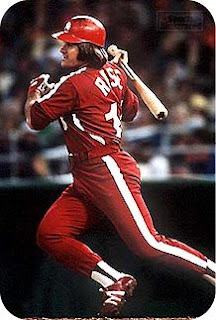
It was a time to change things up for the Phillies. To help the team over the hump of the NLCS the Phillies signed Pete Rose, making him the highest paid athlete in sports.
The addition of Rose though did little to help in 1979. The Phillies dropped all the way to fourth in the division, finishing 12 games behind Pittsburgh.
While 1979 was not a fond year for the Phillies, the team was developing for a championship push that would come a year later in 1980.
While 1979 was not a fond year for the Phillies, the team was developing for a championship push that would come a year later in 1980.




.jpg?w=2560 "Jonathan Taylor Landing Spots 📍")




