
Auburn Football Dream Matchup: Who Would Win 2010 Versus 2004 Tigers?
The one thing that separates college football from all other sports is the way the champion is determined. In the BCS, two teams are chosen from a combination of polls and computer rankings to determine who is the best. In all other sports, you have to win it on the field, in some type of playoff.
That is also one thing that makes college football so popular. Fans can debate and argue about who is the best and who belongs in the BCS title game. It puts importance on each and every regular season game, as in most cases, one loss and you are out of it.
In 2010, unless you wear purple and cheer for TCU, the Auburn Tigers and Oregon Ducks were clearly the best two teams in the land.
Many Auburn fans still feel slighted about 2004 as they saw their Tigers go undefeated in the SEC and not get a shot at the BCS title as USC and Oklahoma started out the season ranked first and second and ran the table. Many Tiger fans feel the 2004 Tigers were the team of the decade and the many players from that team now playing in the NFL prove it.
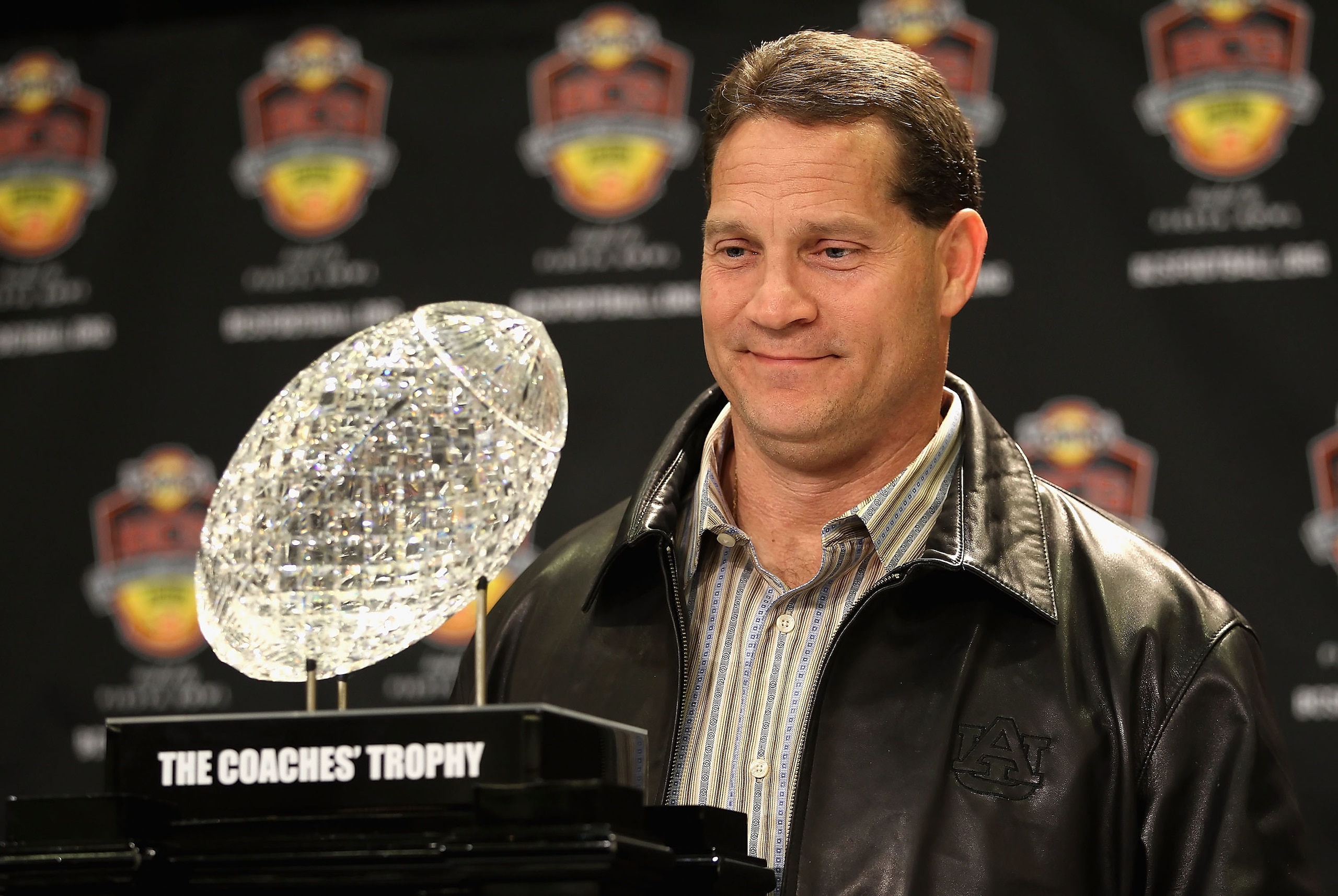
But who was the better team, the 2004 Auburn Tigers led by Jason Campbell, Cadillac Williams, Ronnie Brown and Carlos Rogers or the 2010 Auburn Tigers led by Cam Newton, Nick Fairley, Darvin Adams and Michael Dyer? Gene Chizik the defensive coordinator versus Gene Chizik the head coach.
Let's take a look a mythical matchup and see who would have the edge.
Quarterback: Edge to the 2010 Tigers
1 of 10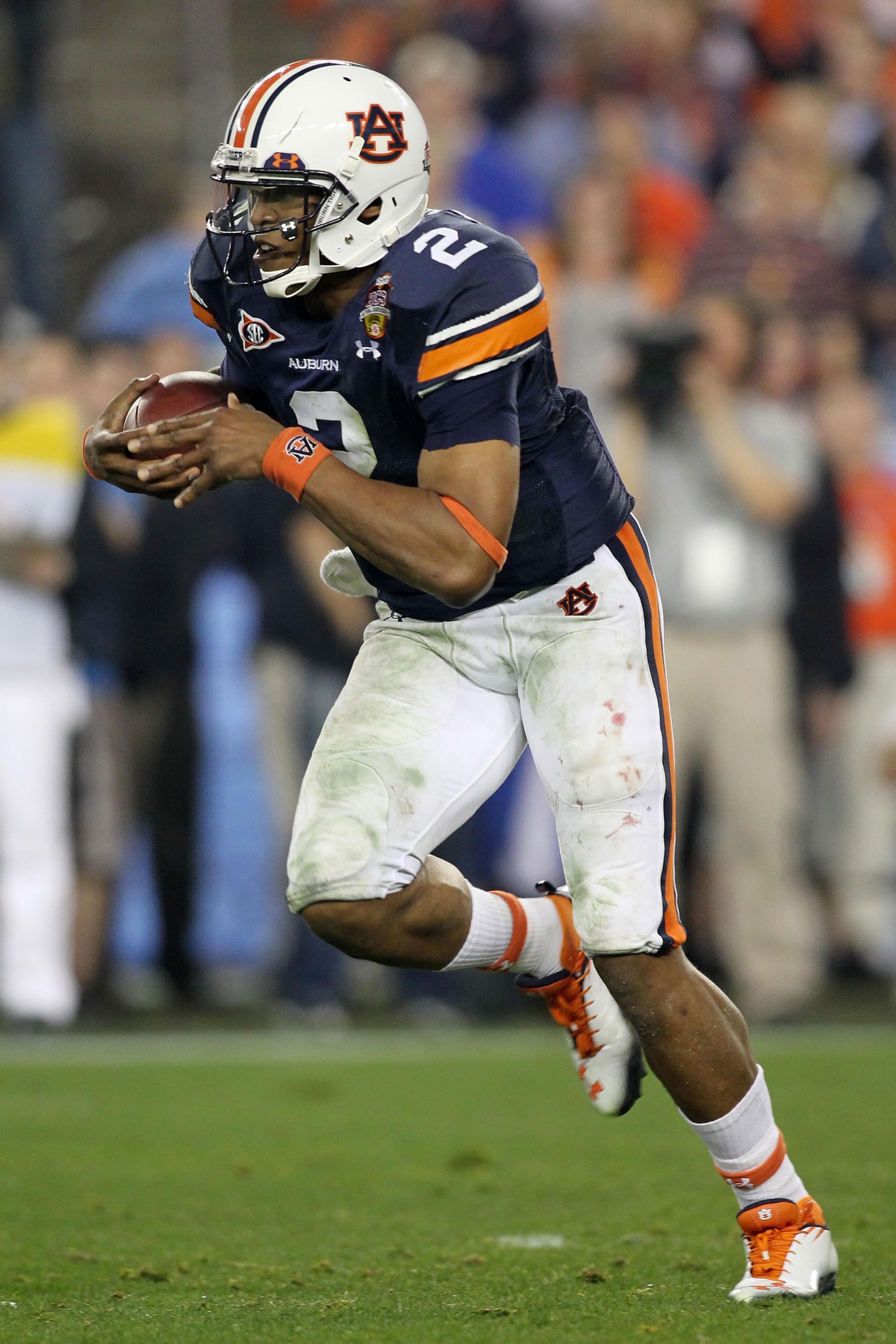
In 2010, Cam Newton may have had the best year ever in college football. He rushed for 1473 yards, scored 20 touchdowns on the ground, averaged 108 yards per game, 5.6 yards per carry, passed for 2854 yards and 30 touchdowns and a passing efficiency of 182.
Oh yeah, he also caught two passes, including one remarkable catch for a touchdown versus Ole Miss.
Besides the statistics, Cam Newton led his team to victory by picking up key third downs on runs or passes. He made everyone around him better. It would be hard to take anyone over Cam Newton. Barrett Trotter played very little as a backup.
In 2004, Jason Campbell was SEC Player of the Year. Campbell threw for 2700 yards and 20 touchdowns while only throwing seven interceptions. He rushed for 30 yards and had no receptions.
But, with Cadillac Williams and Ronnie Brown in the backfield, Jason was not asked to run the ball, but rather to efficiently run Al Borges West Coast Offense which he did superbly.
While many remember the touchdown throw Campbell made to a wide open Courtney Taylor in the end zone to defeat Nick Saban and defending national champion LSU, the fourth down pass Campbell completed to Taylor in the teeth of a fierce pass rush was the pass that kept the drive alive and preserved the Tigers undefeated season. Brandon Cox played a limited role as a backup.
Edge to Cam Newton and the 2010 Auburn Tigers.
Running Back: Edge to the 2004 Tigers
2 of 10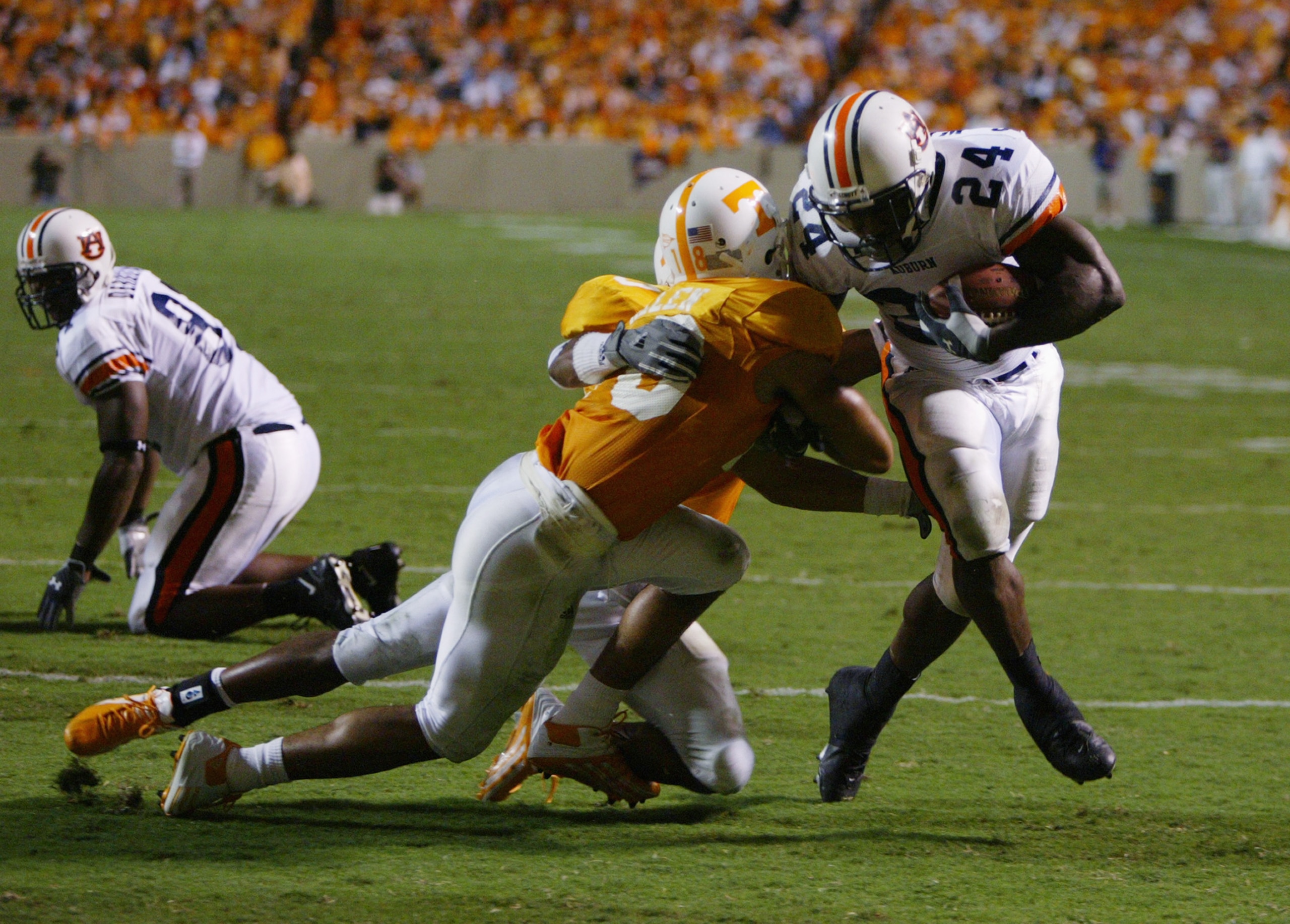
In 2004, Al Borges figured out a way to get Cadillac Williams and Ronnie Brown enough touches and even to get them on the field at the same time; it paid off tremendously.
Williams rushed for 1,165 yards, 12 touchdowns, 89.6 yards per game and 4.9 yards per carry. Ronnie Brown chipped in 913 yards, eight touchdowns, 76 yards per game and 6.0 yard per carry. They also combined for 55 receptions for 465 yards and two touchdowns through the air.
Jake Slaughter had only one carry that year but was a bruising blocker at the fullback position. Carl Stewart added depth and rushed for 184 yards and added 99 yards receiving through the air.
In 2010, Gus Malzahn figured out the Cam Newton was not only the starting quarterback but also the wildcat quarterback and built the offense around him. However, Michael Dyer surpassed Bo Jackson in rushing yards for a freshman by rushing for 1,093 yards, 5 touchdowns, and averaged six yards per carry.
Onterrio McCalebb added another 810 yards, 9 touchdowns and an amazing 8.5 yards per carry. Senior Mario Fannin added another 395 yards rushing and 173 receiving yards and 7 total touchdowns. Eric Smith was a bruising blocker out of the H-back position.
While the 2010 Tigers may have been the best rushing team in Auburn history, you have to give the edge to the 2004 two headed monster of Cadillac Williams and Ronnie Brown.
Edge: 2004 Tigers
Offensive Line: Edge to the 2010 Tigers
3 of 10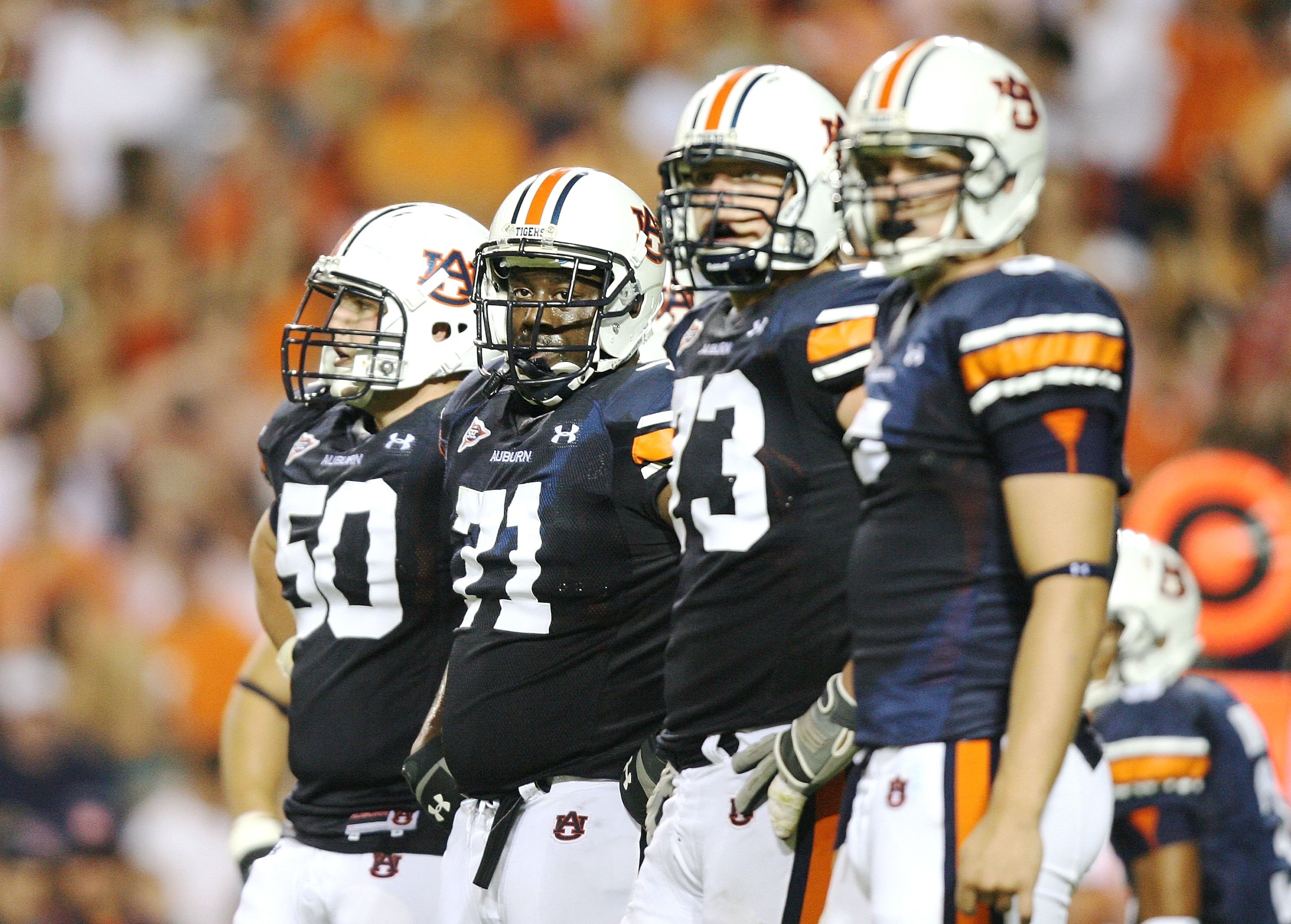
The 2010 Tigers were led by four seniors—Lee Ziemba, Ryan Pugh, Byron Isom and Mike Berry. A.J. Greene initially won the right tackle starting job but was injured. Brandon Moseley stepped in and did not miss a beat. Ziemba started every game he was at Auburn and set a school record with 52 consecutive starts. Ryan Pugh broke into the starting lineup at tackle as a freshman and then moved to his natural position of center and started for almost every game while he was at Auburn.
This line may go down as the best in Auburn history. The 2010 team averaged 284 rushing yards per game including an amazing 440 yards rushing against LSU. John Sullen and Bart Eddins provided valuable back up time.
The 2004 Tigers had future NFL first round draft picks Marcus McNeill and Ben Grubbs along with Jeremy Ingle, Danny Lindsey and Troy Reddick. The 2004 version of the Auburn Tigers rushed for 188 yards per game and only gave up 18 sacks. Jonathan Palmer proved to be a valuable back-up both at tackle and at center when Ingle went down with an injury. McNeill went on to star in the NFL with the San Diego Chargers and Ben Grubbs with the Baltimore Ravens.
Although both offensive lines were stellar, the edge goes to the 2010 Tigers.
Edge: 2010 Tigers

Wide Receivers: Slight Edge to the 2010 Tigers
4 of 10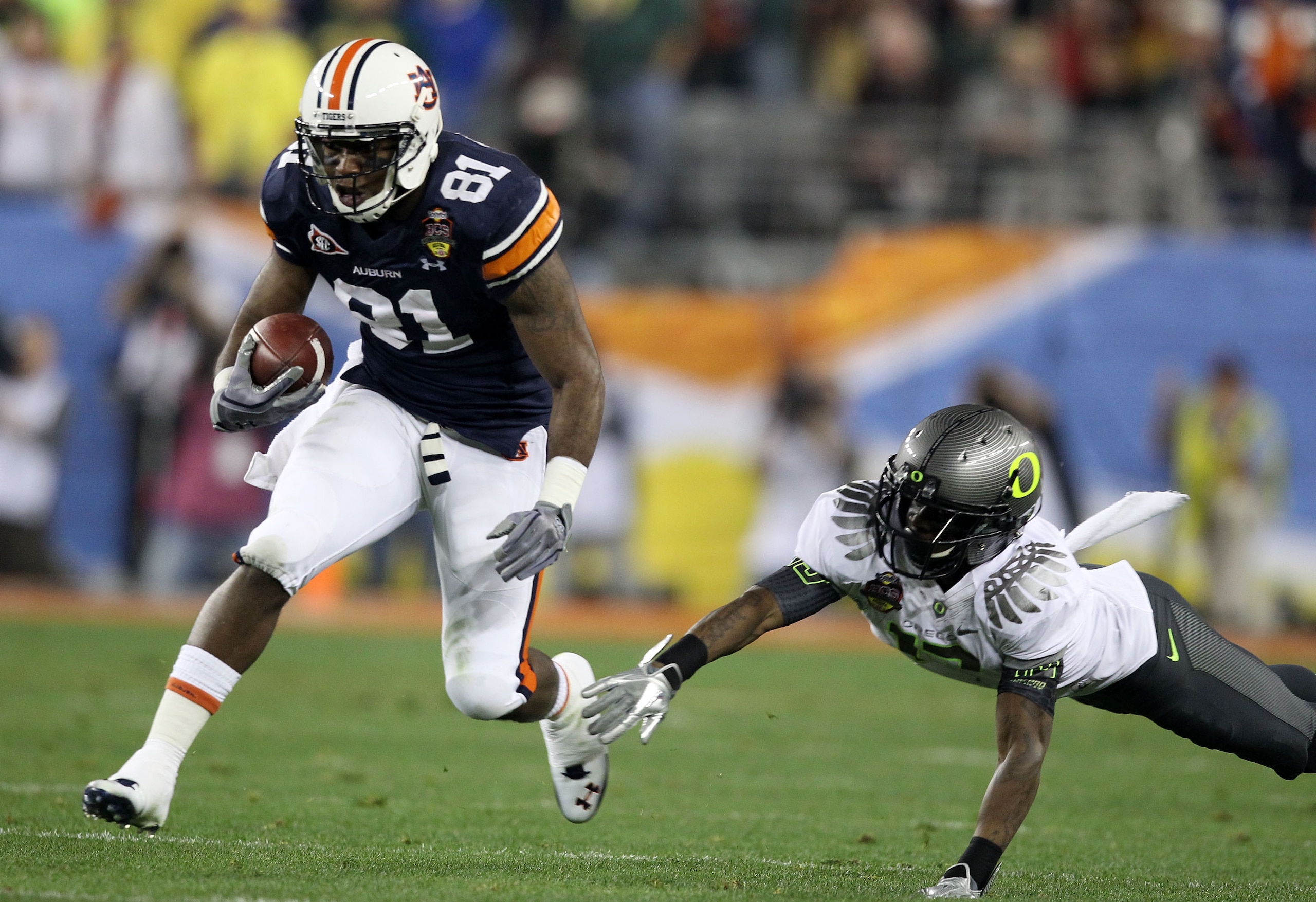
The 2004 Tigers featured Ben Obomanu, Devin Aromashadu, Courtney Taylor, Anthony Mix and Cooper Wallace. Courtney Taylor led the team 43 catches for 737 yards and six touchdowns. Obomanu added 25 catches for 359 yards and seven touchdowns. Aromashadu was right behind at 24 catches for 513 yards and four touchdowns. Mix added 19 catches for 294 yards and three scores.
As mentioned earlier, Ronnie Brown was a receiver out of the backfield and actually ended up second on the team with 34 catches. This group made big plays such as Courtney Taylor's game winning catch against LSU and were tremendous blockers downfield. Obomanu and Aromashadu have had success in the NFL.
The 2010 Tigers were led by Darvin Adams who had 52 catches for 963 yards and seven touchdowns. Terrell Zachery had 43 grabs for 605 yards and four scores. Emory Blake had a breakout season with 33 receptions for 554 yards and eight scores. Philip Lutzenkirchen had only 15 catches but five of those were for touchdowns as he was a valuable red zone receiver.
Kodi Burns had several key receptions including the first touchdown in the BCS title game versus Oregon. But despite these impressive receiving totals, this group may best be remembered for their tenacious downfield blocking that paved the way for several big gainers on the ground.
While a strong argument could be made for either group, a slight edge goes to the 2010 Tigers.
Slight Edge: 2010 Tigers
Defensive Line: Slight Edge to the 2010 Tigers
5 of 10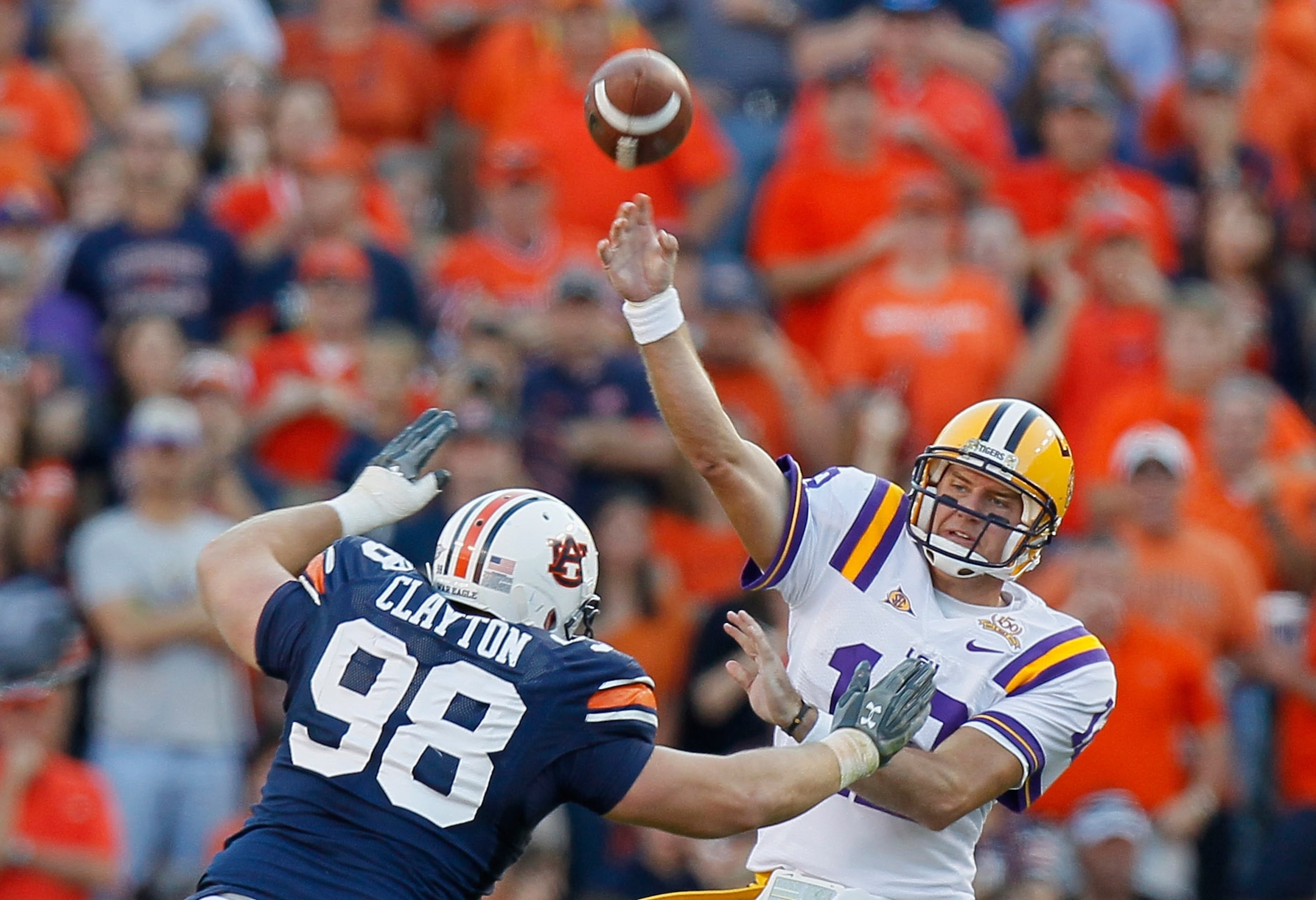
Going into the 2010 season, there were huge question marks about the Auburn defensive line. Nick Fairley turned out to be the best defensive lineman in college football. Zach Clayton had a steady injury-free senior season. Mike Blanc and Jeffery Whitaker added depth in the middle. Antoine Carter made the hustle play of the season against Alabama to save a touchdown and turn the tide. Nosa Eguae beat out Michael Goggans for the other defensive end spot and had a very underrated freshman season. Dee Ford and Craig Sanders added pass rushing ability.
The 2010 Tigers limited opponents to 109 yards per game on the ground and had 23 sacks.
The 2004 Tigers had Brett Eddins, Jay Ratliff, Tommy Jackson and Doug Langenfeld across the front line. Jay Ratliff has turned into an NFL star with the Dallas Cowboys. Tommy Jackson, Stanley McClover, and Marquies Gunn added depth. The 2004 team gave up 104 rush yards per game rushing and registered 18 sacks.
This is a toss up but you have to give a slight edge to the 2010 version of the Tigers because of the big play capability of Nick Fairley.
Slight Edge to the 2010 Tigers.
Linebacker: Edge to the 2004 Tigers
6 of 10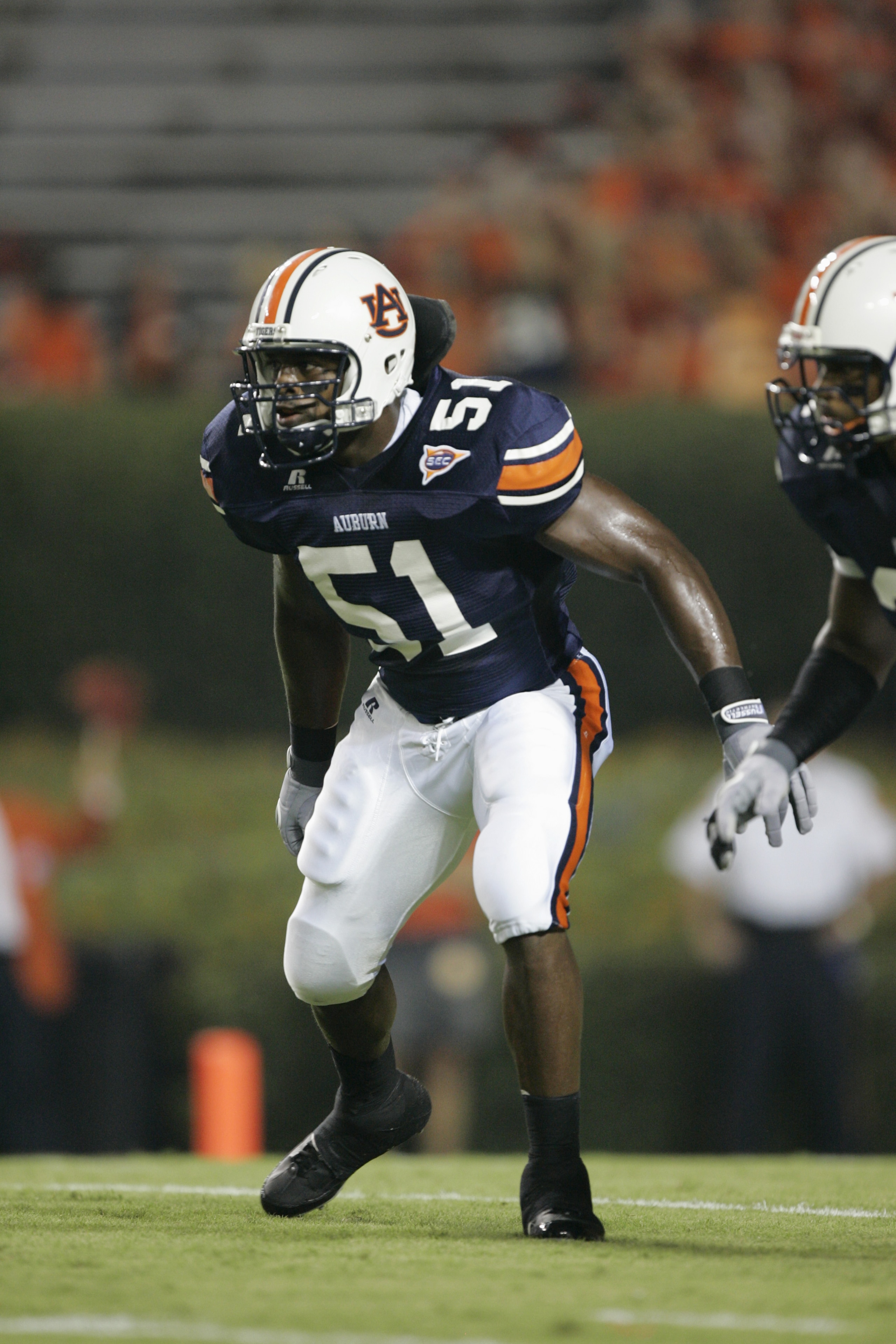
Travis Williams was the heart and soul of the 2004 Tigers at middle linebacker. Flanked by Antarrious Williams and Kevin Sears, the stingy Tiger defense yielded 11.3 points per game and allowed opponents to convert only 28 percent of third down conversions.
Karibi Dede and Derrick Graves added depth and filled in admirably when there were injuries. This unit seemed to act in unison whether it was a run or pass in this Gene Chizik coached defense.
Ironmen Josh Bynes and Craig Stevens led the 2010 Auburn linebacking corps. Daren Bates moved to linebacker from safety and struggled at times throughout the year and was injured. Eltoro Freeman improved and Jake Holland, Jonathan Evans and Jessel Curry also contributed.
The 2010 Tigers struggled in pass coverage and yielded 24.1 points per game and allowed opponents to convert 37 percent of third down conversions. Josh Bynes did come up with game saving interceptions against Clemson to preserve the Tigers perfect season. Travis Williams also played a big factor in the 2010 Tigers as a graduate assistant and through his music.
This one is not even close.
Edge to the 2004 Tigers.
Secondary: Edge to the 2004 Tigers
7 of 10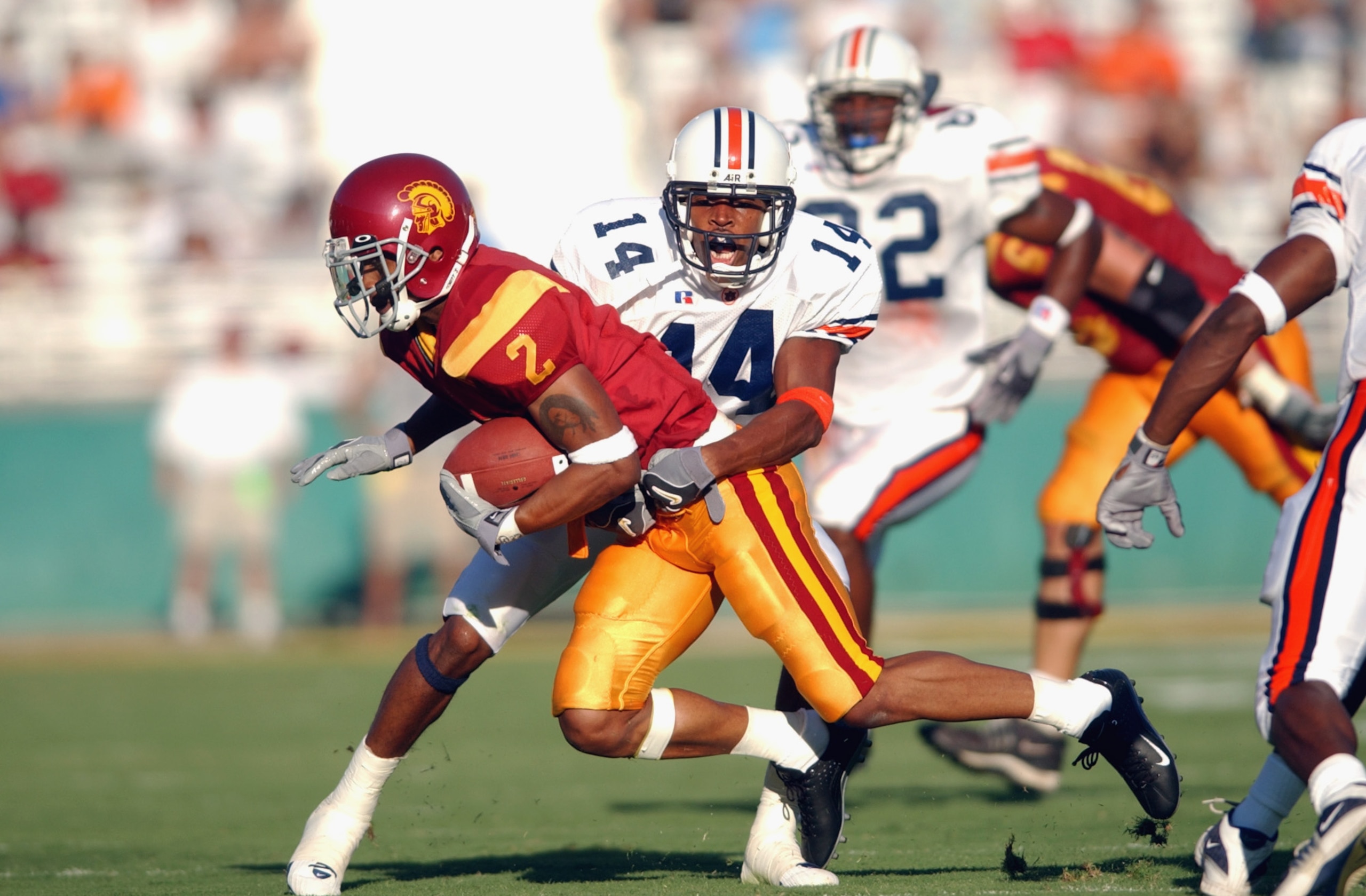
Thorpe Award winner Carlos Rogers was a lock down corner and leader of the 2004 Auburn secondary. Future NFL player Will Herring was at one safety and big hitter Junior Rosegreen was at the other safety.
Montavious Pitts played the other corner and Kevin Hobbs provided depth and played in the nickel defense. The 2004 Tigers gave up 173 yards per game through the air and 15 touchdowns. Rarely did the Tigers get burned for a deep ball that year.
Pass defense, particularly the play of the secondary, was the achilles heel of the 2010 Tiger defense. Auburn gave up 259 yards per game passing and 25 touchdowns through the air. Neiko Thorpe and Desmond Washington were at the corners. Zac Etheridge was at one safety and Mike McNeil took over for an injured Aaron Savage. T'Sharvan Bell and Chris Davis filled in at the corners.
The 2010 Tigers were plagued by big plays through the air and often got beat deep. Missed opportunities by Clemson to wide open receivers could have cost Auburn the national title.
This one is not even close as Thorpe Award winner Carlos Rogers and the talented 2004 secondary have the edge going away.
Edge to the 2004 Tigers.
Special Teams: Even
8 of 10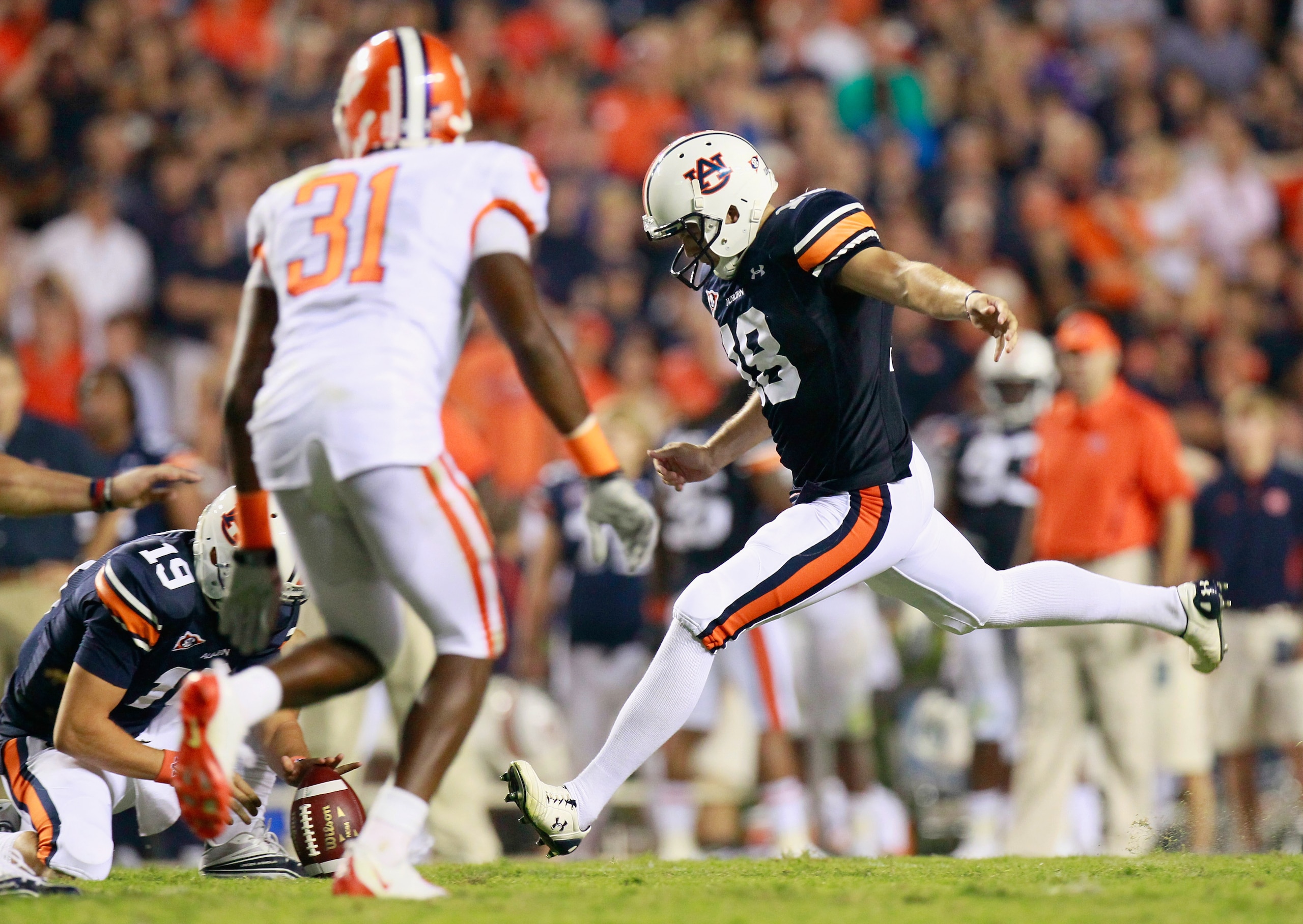
Wes Byrum provided the game winning kick to beat Oregon in the BCS National Title game and hit game winners against Kentucky and Clemson in the regular season.
He hit on 17-22 field goals and missed only one PAT. His kickoffs averaged an impressive 65 yards. Although they rarely punted, it was not pretty as Auburn averaged just under 38 yards per punt and blocked one punt and had none blocked.
Punt returns were not spectacular, averaging 6.5 yards per return but coverage was outstanding giving up only 4.5 yards per return. They averaged 23.5 yards per kickoff return while giving up only 19.7 yards per return. Desmond Washington took one kickoff to the house against Ole Miss and Onterrio McCalebb just missed taking one the distance versus LSU.
John Vaughn handled the kicking duties for the 2004 Tigers, hitting on 12-15 field goals and missing only one PAT. Philip Yost kicked off and averaged 62.5 yards per kick. Carnell Williams handled most of the kick returns as the Tigers averaged 22 yards per kickoff returns with no touchdowns and 12 yards per punt return with no touchdowns.
The kick coverage was stingy giving up 21 yards per kickoff return and six yards per punt return. Kody Bliss averaged 42.3 yards per punt and helped turn around field position. While not spectacular, special teams were solid that year for the undefeated Tigers.
While the 2010 Tigers had a few more big plays, the special teams of both years were solid in their coverage and the 2004 Tigers had much better punting.
Even.
Coaching: Slight Edge to the 2010 Tigers
9 of 10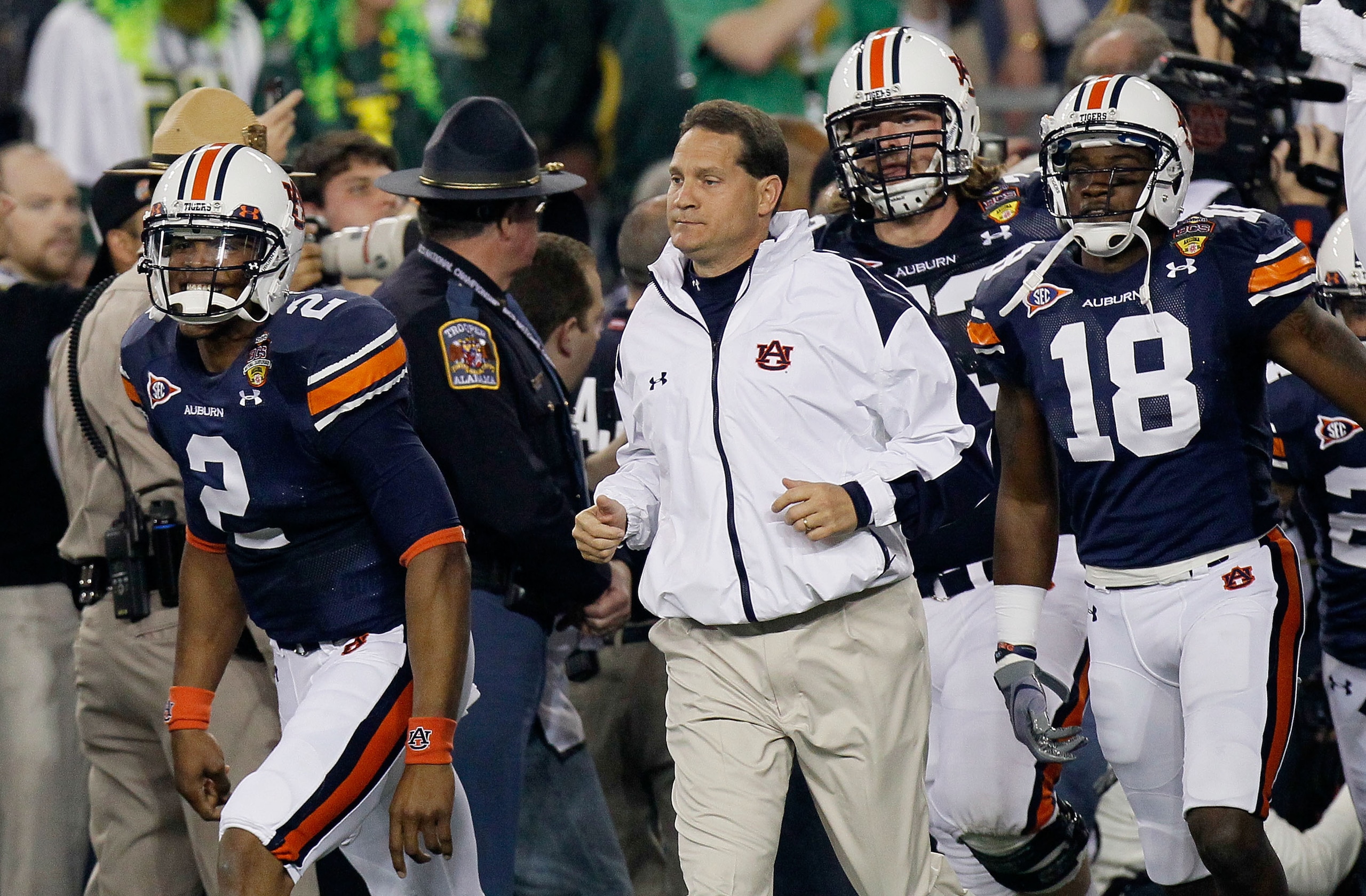
The 2010 Tigers had Gene Chizik as head coach. Teams tend to take on the personality of their coach and this team was resilient, remained calm and never panicked to pull out come from behind wins.
Gus Malzahn is the best offensive coordinator in college football and Ted Roof seemed to make good half time adjustments as the Tiger defense was very stingy in the second half. Trooper Taylor added enthusiasm and coached up the wide receivers on both catching and blocking. Tracy Rocker seemed to work miracles in his second year with the play of the defensive line. Curtis Luper coached the running backs and Jay Boulware worked with the tight ends and special teams.
This coaching staff seemed to be on the same page all year and held the team together when the Cam Newton allegations threatened to side track their perfect season.
The 2004 Tigers had Gene Chizik as defensive coordinator. Tommy Tuberville was the ultimate CEO as he let first year offensive coordinator Al Borges turn Jason Campbell into the SEC Player of the Year and run his West Coast offense. The assistants that surrounded Tuberville for years—Hugh Nall, Eddie Gran, Don Dunn and Greg Knox—were a tight knit bunch after withstanding Jetgate just 12 months earlier and did a remarkable job.
This one is tough to call but overall, a slight edge to the 2010 Tigers because of Gus Malzahn.
Edge to the 2010 Tigers.
Intangibles: Slight Edge to the 2010 Tigers
10 of 10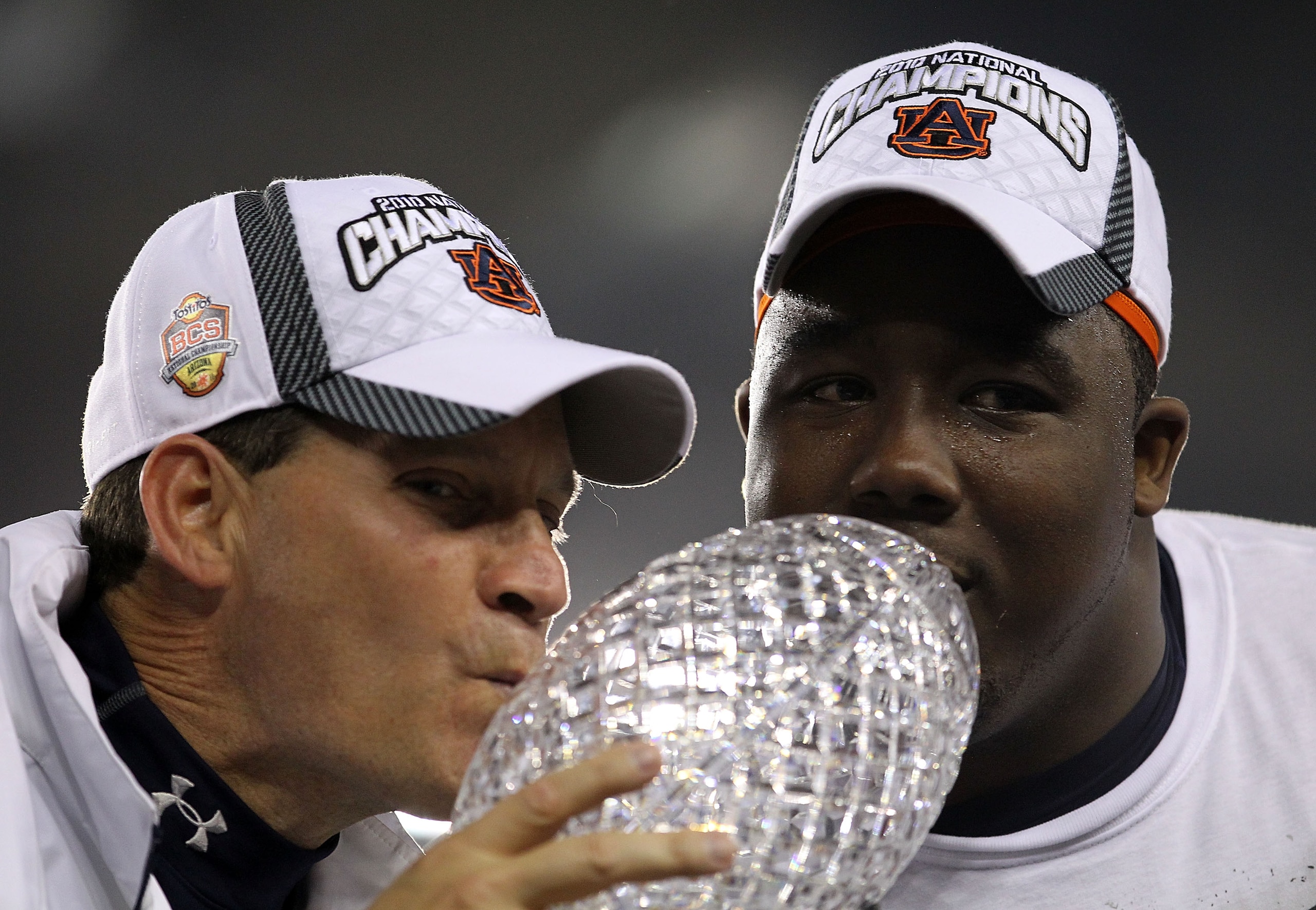
Both teams had story book seasons.
The 2010 Tigers were picked to finish fourth in the SEC West. After winning several close calls, the Cam Newton allegations seemed like they would end the dream season but seemed to bring the Tiger team and fans even closer together.
Wins over Clemson, Kentucky and South Carolina in the final seconds and close games against LSU, Arkansas, and Georgia kept fans on the edge of their seats throughout the year. After spotting their arch rival Alabama 24 points in their own stadium, this group of Tigers had no quit in them and came back to win 28-27. Not to change, Michael Dyer's run on the final drive of the BCS National Championship game against Oregon seemed only natural.
The 2004 Tigers were not picked in the pre-season top ten even though Cadillac Williams, Ronnie Brown and Carlos Rogers all announced they would be returning for their senior seasons.
After Tommy Tuberville was nearly fired and replaced by Bobby Petrino, it seemed to light a fire under him and his staff going into the 2004 season. The Tigers rallied around team chaplain Chette Williams and this band of hard fighting soldiers went on to an undefeated season but due to no fault of their own were denied a chance to play for the BCS title.
This is a close call, but if there was ever a team of destiny, it was the 2010 Auburn Tigers.
Slight Edge to the 2010 Tigers.


.jpg?w=2560 "Terrell Owens Being Sued for Defamation")
.jpg?w=2560 "Buyers or Sellers for NFL's Most Surprising Teams 🏈")
.jpg?w=2560 "CJGJ Shares Cryptic Post 🤔")